1/7
Best base for a gazebo – landscaping experts reveal their top tips for your garden structures
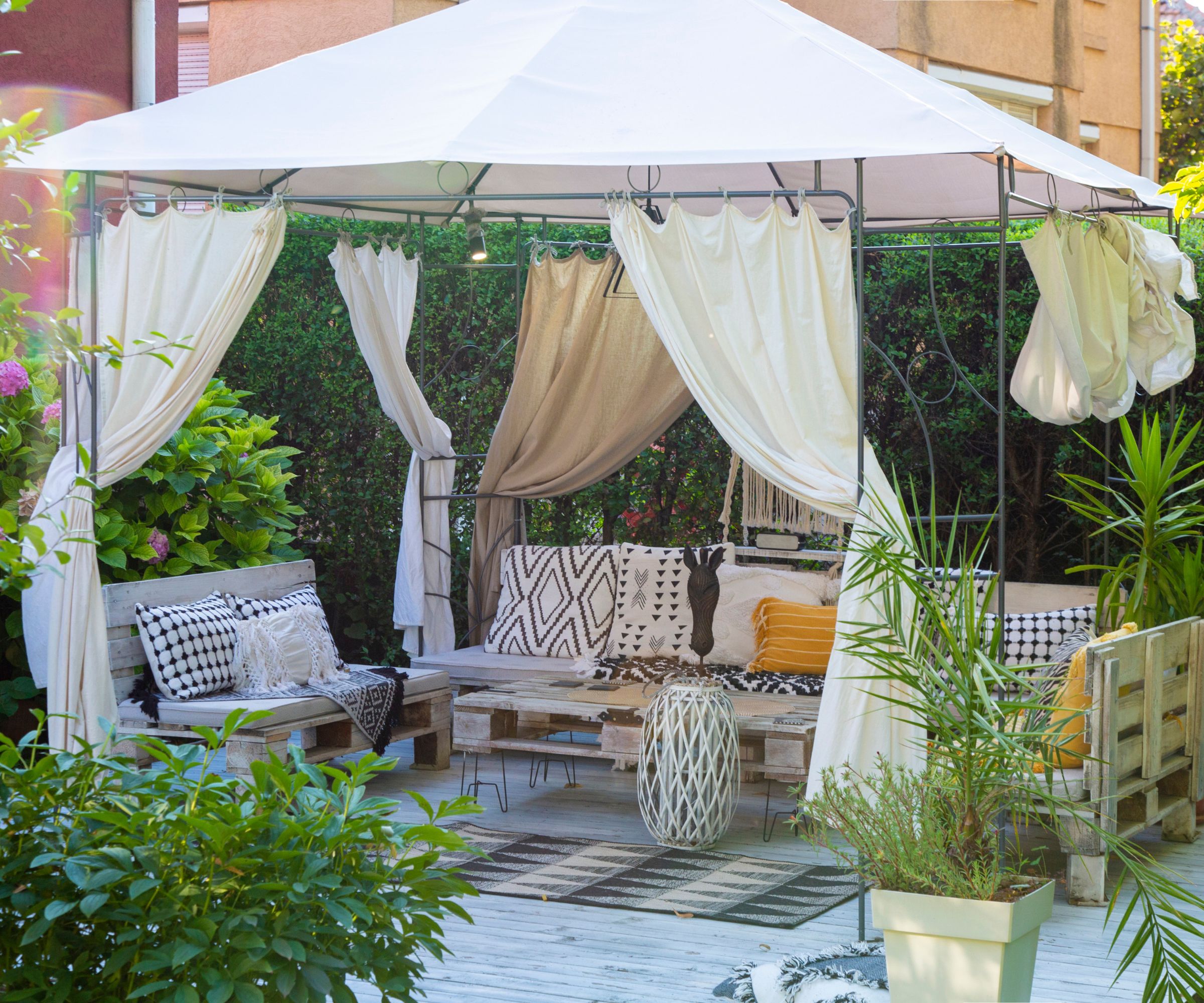
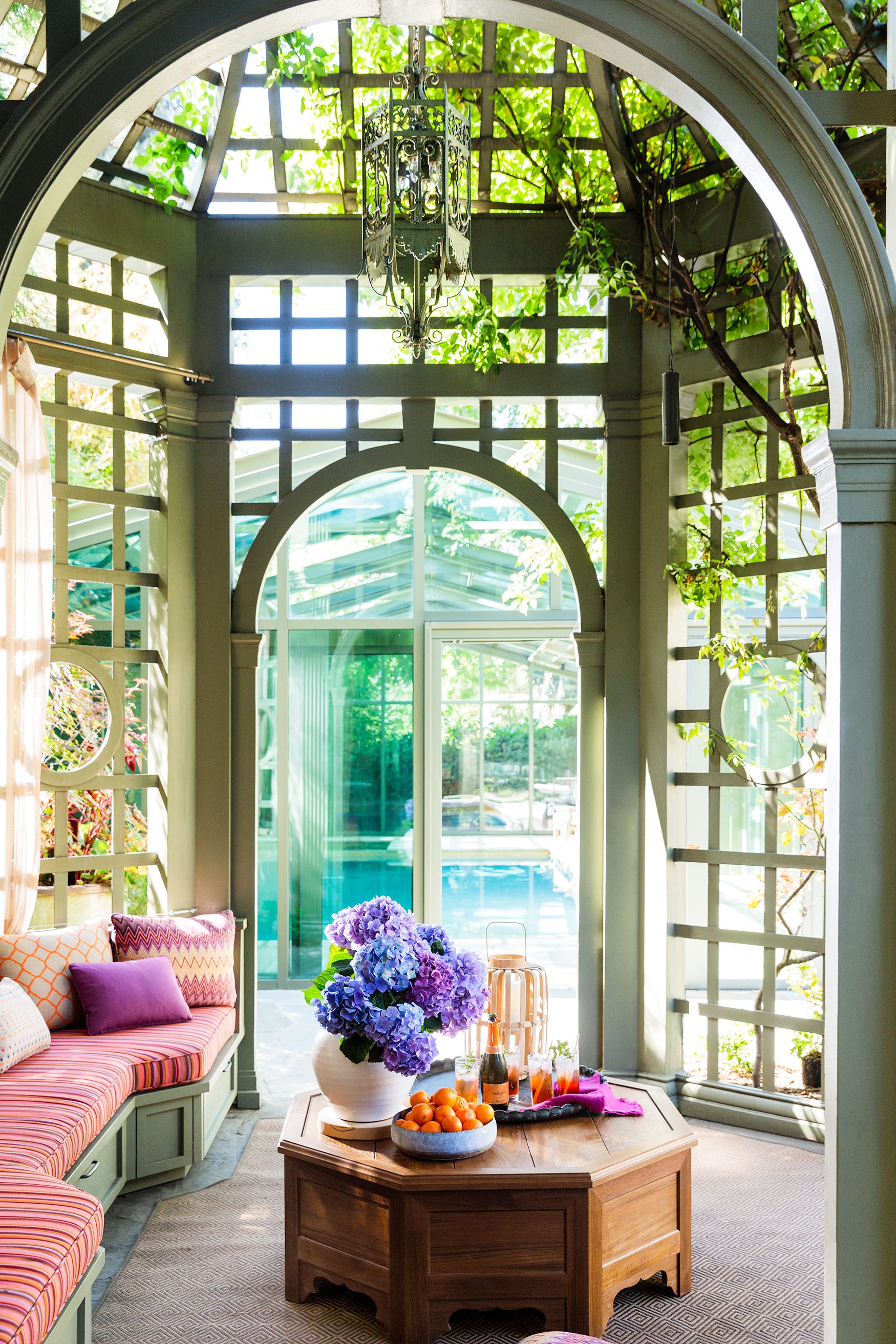
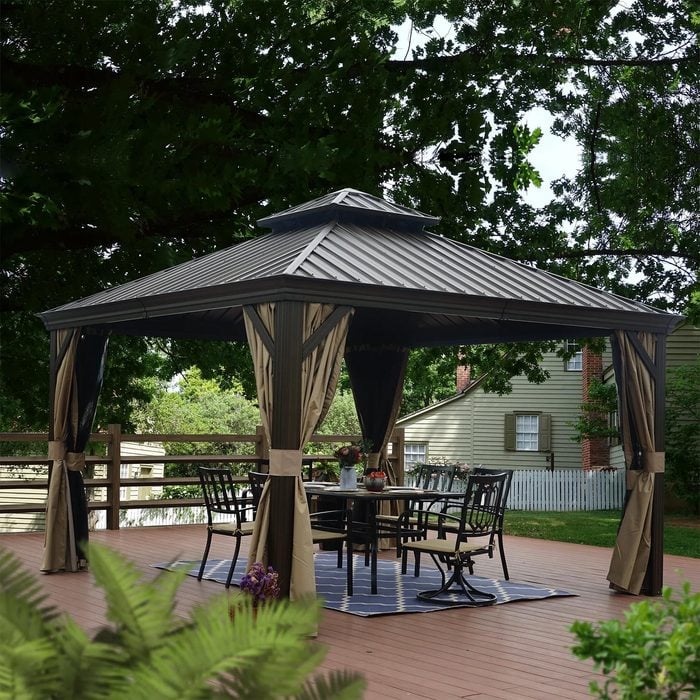
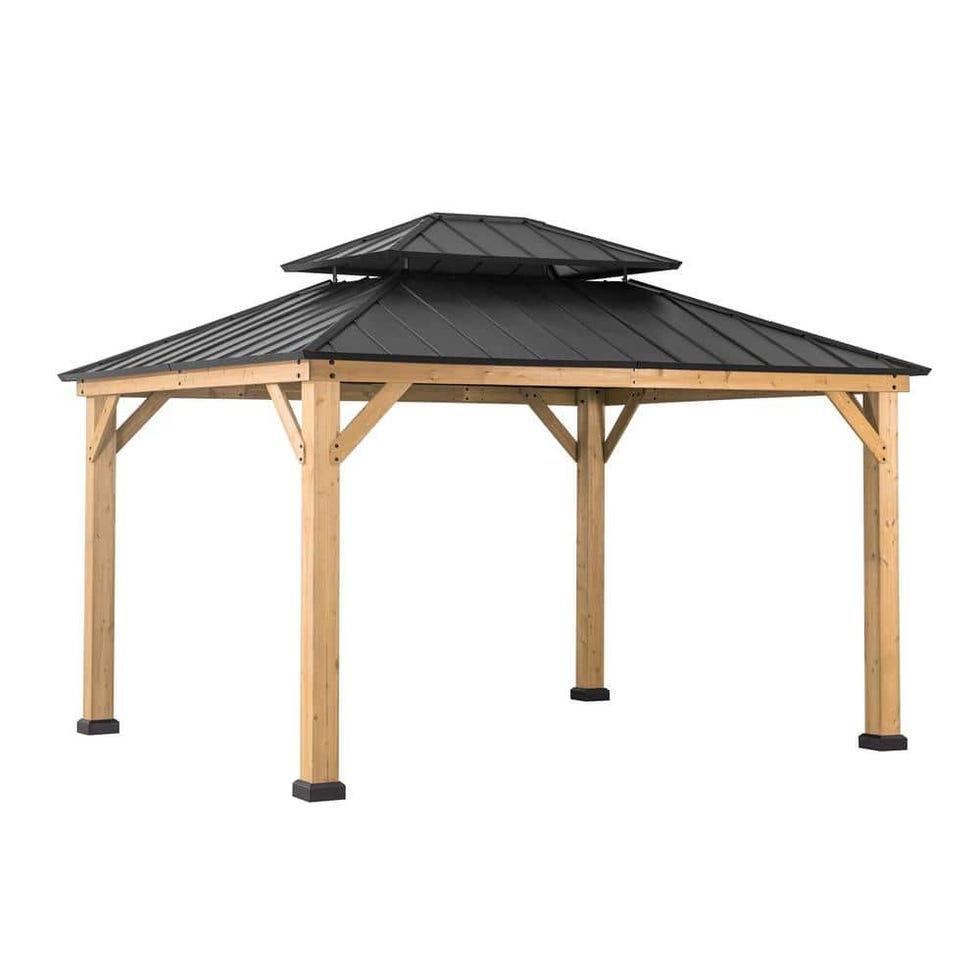
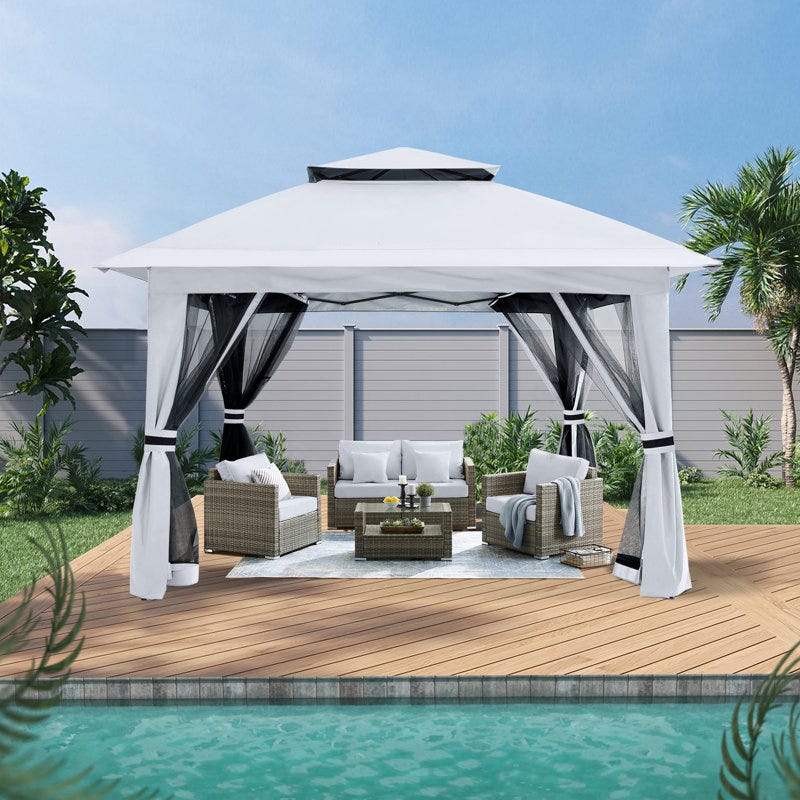
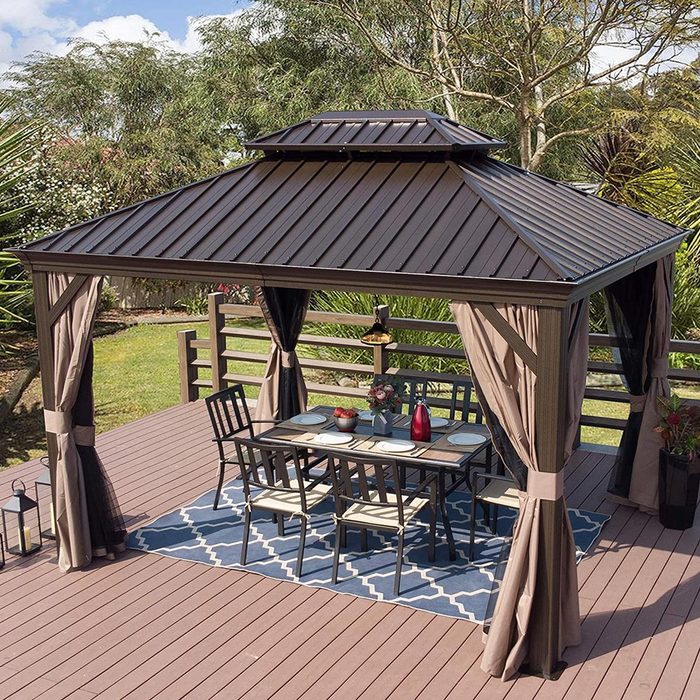
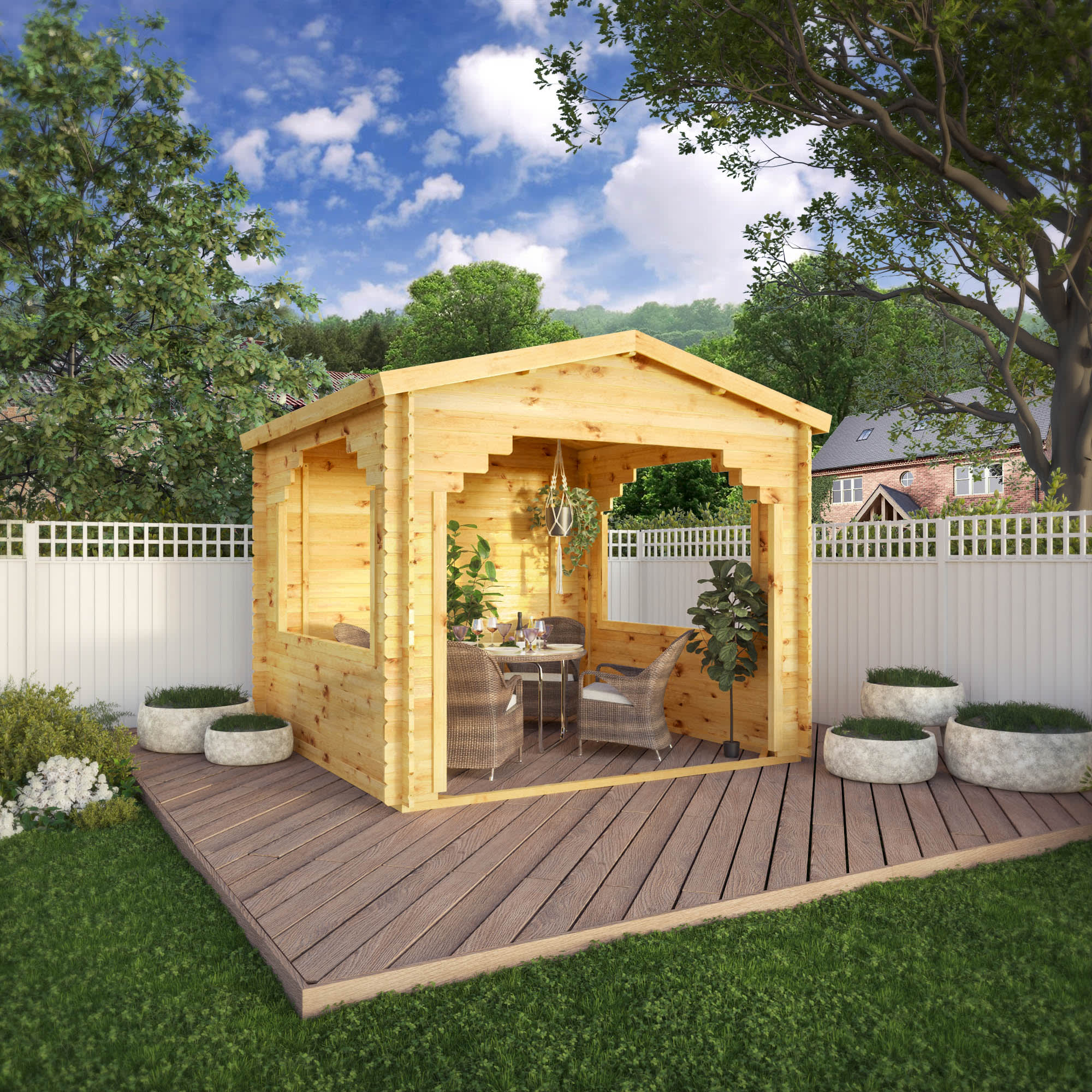
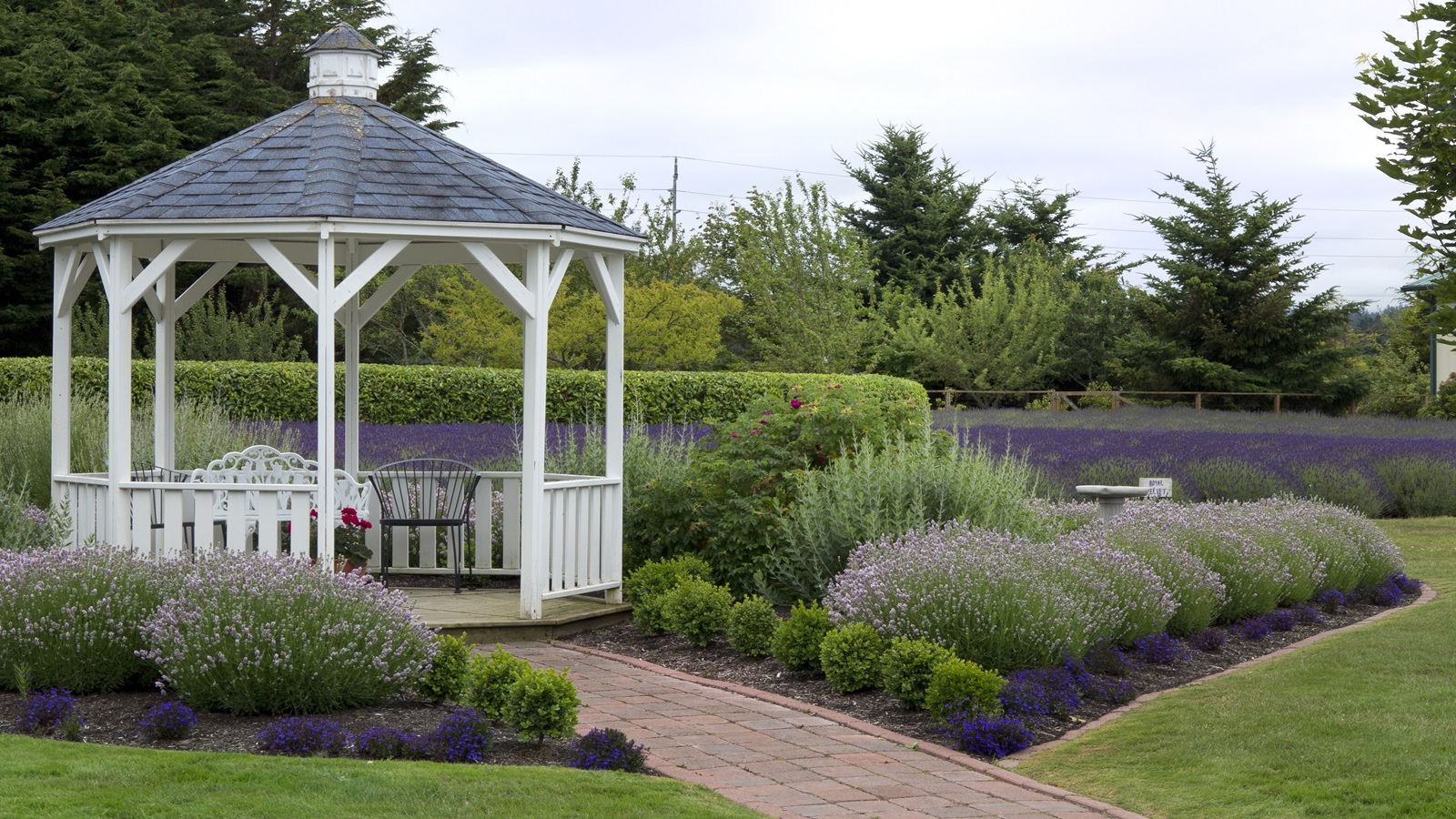
Gazebos offer an intimate spot for gatherings and privacy in a backyard, serving as either temporary shelters for special occasions or permanent landscape features. Regardless of their purpose, all gazebos require a firm, flat, and level base to ensure stability and longevity. The choice of base material not only influences the design and placement but also impacts the overall practicality and durability of the structure.
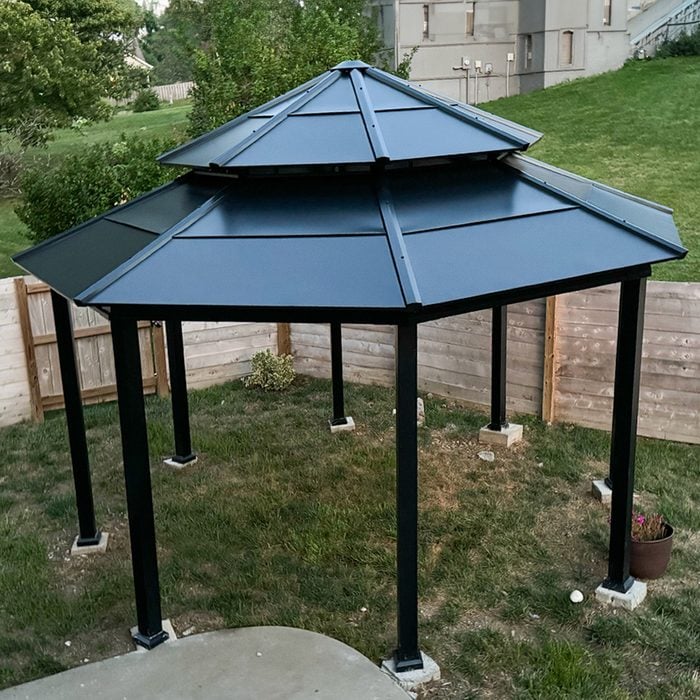
Building a gazebo directly on grass is generally not recommended for permanent structures, as it can lead to warping over time. Construction experts advise creating a sound base using materials like crushed stone, paving, or a timber deck. Proper leveling and compacting are crucial to prevent settling. For soft or waterlogged ground, additional measures such as installing a layer of crushed stone or a French drain system beneath the base material can improve drainage and stability.
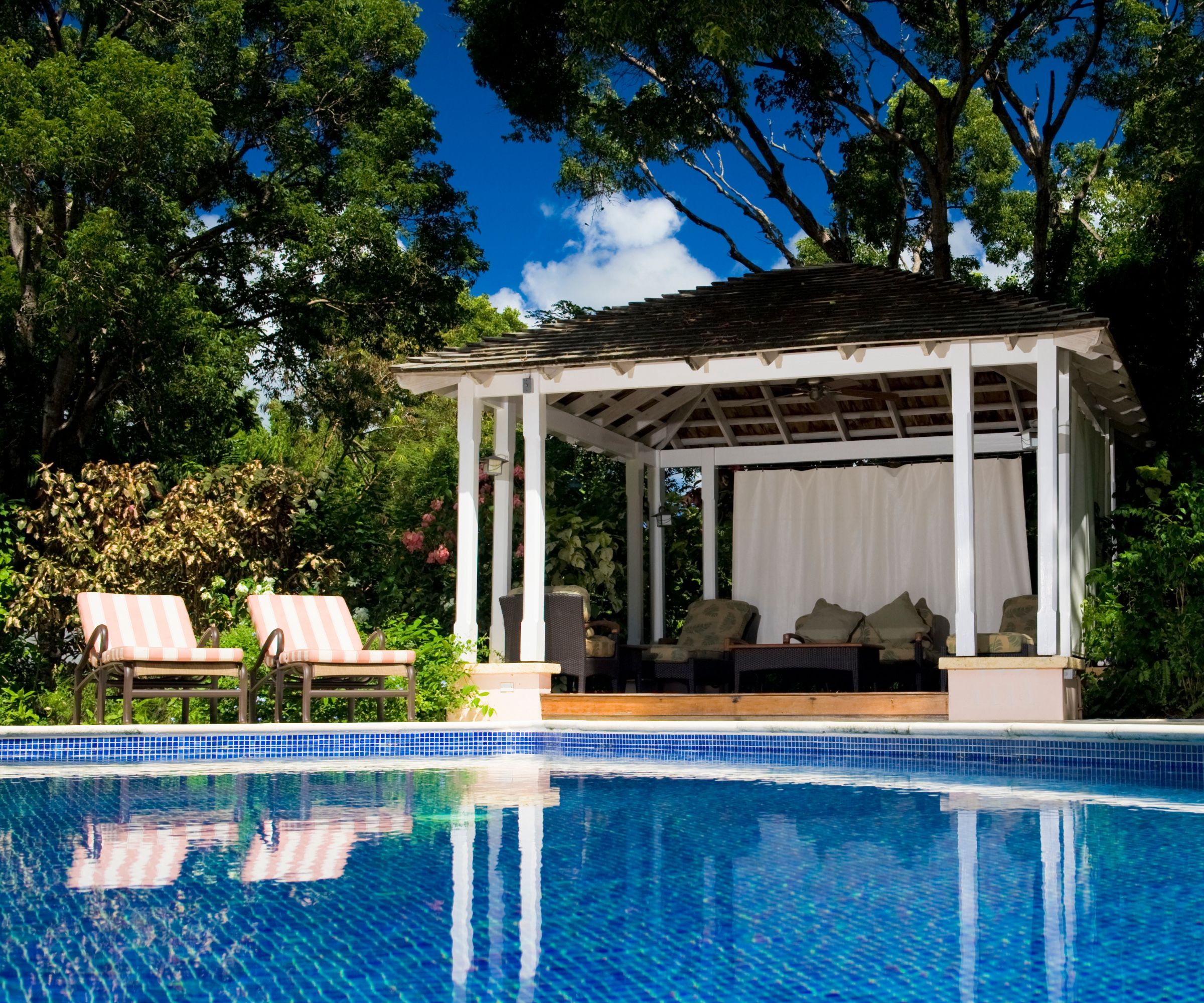
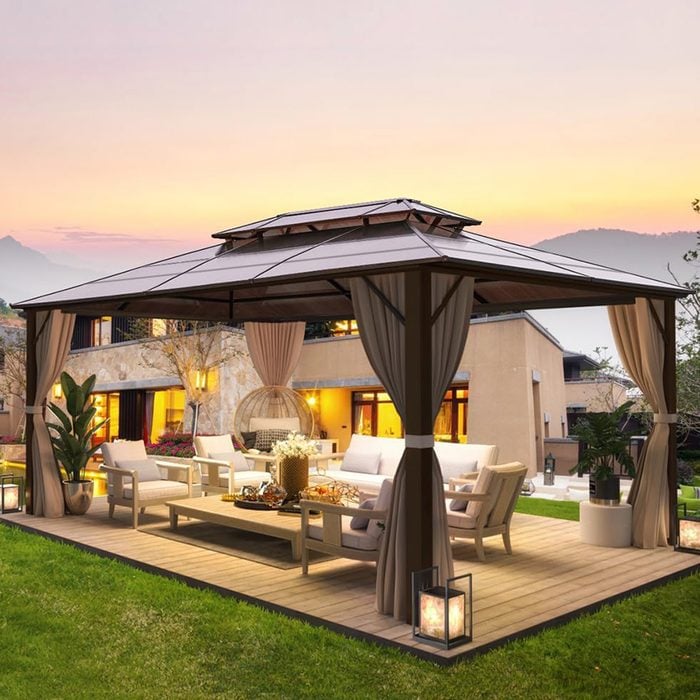
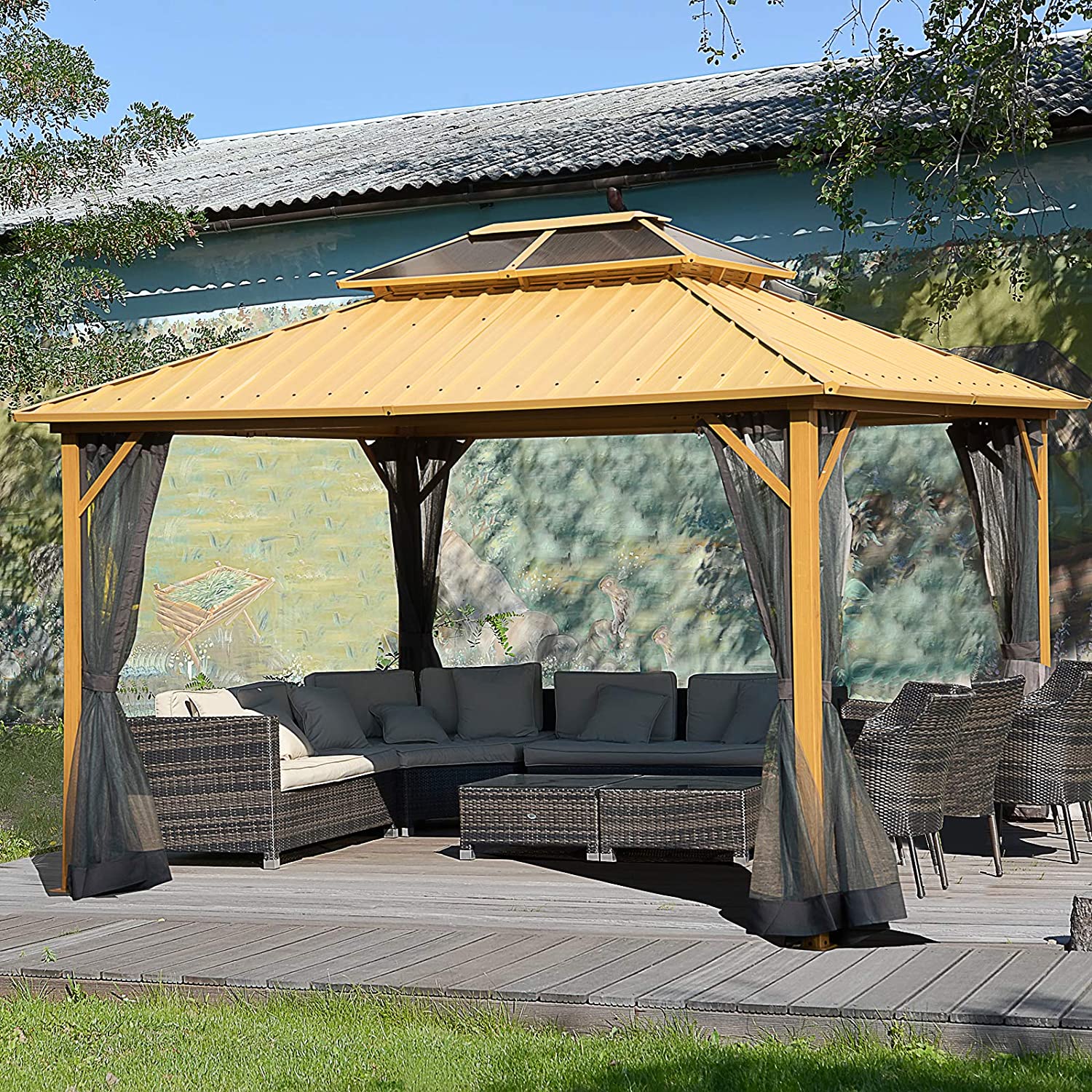
Timber or composite decks provide a stunning foundation for gazebos, especially near water features. While constructing a low-sitting wooden base is straightforward, placing a gazebo on a raised deck requires careful consideration of the supporting framework. Composite wood is often preferred for its longevity and low maintenance, as it resists weathering better than untreated natural wood. For complex or elevated deck installations, professional assistance is recommended to ensure the structural integrity can support the gazebo's weight.
Concrete slabs offer a durable, cost-effective, and low-maintenance base. The process involves excavating the area, laying a gravel base, forming the perimeter with timber, and pouring concrete. Ensuring a level surface is key, and proper curing of the concrete is essential to prevent cracks. Options for finishing include leaving the surface exposed, tiling, or painting the concrete to achieve a desired aesthetic.
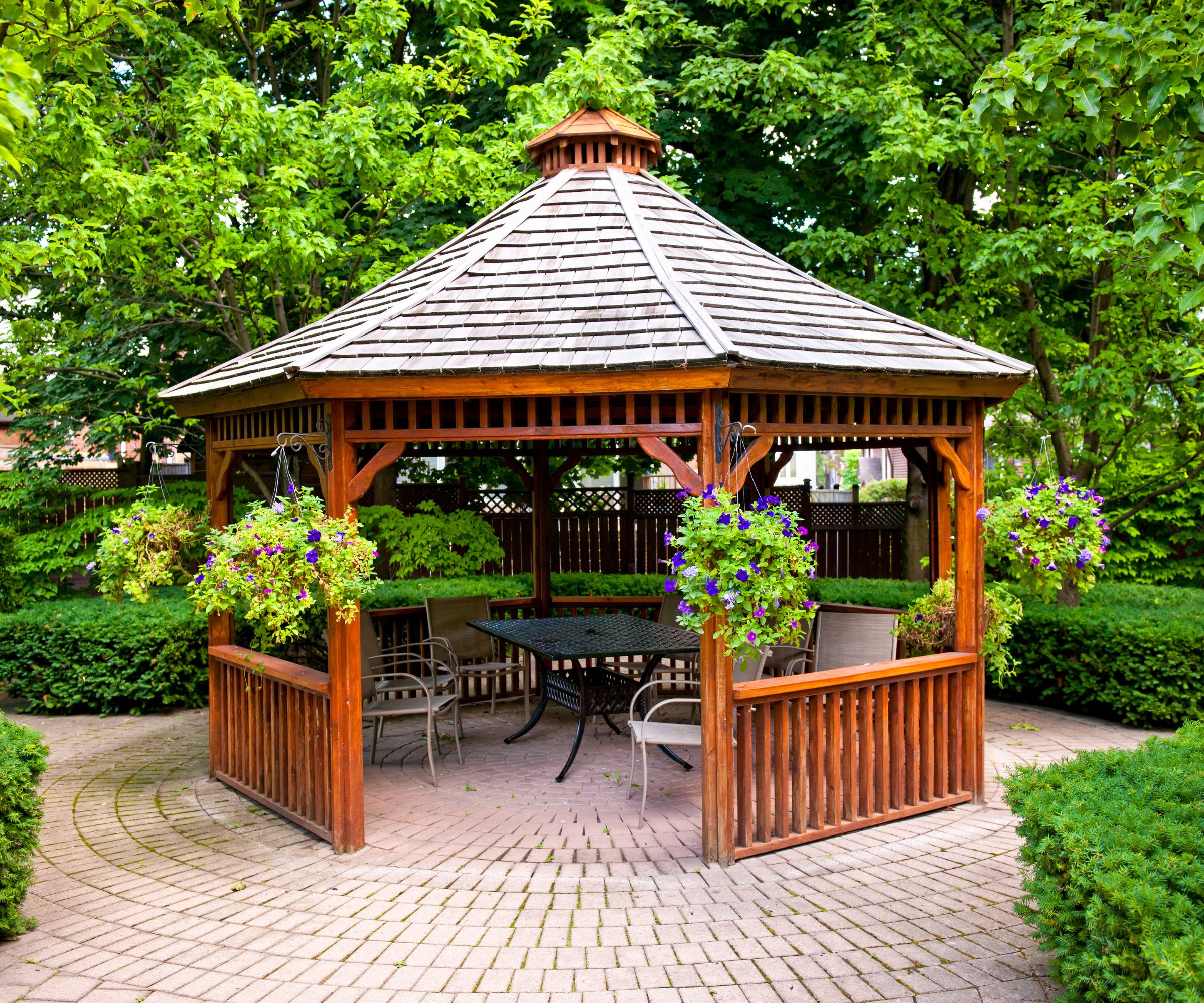
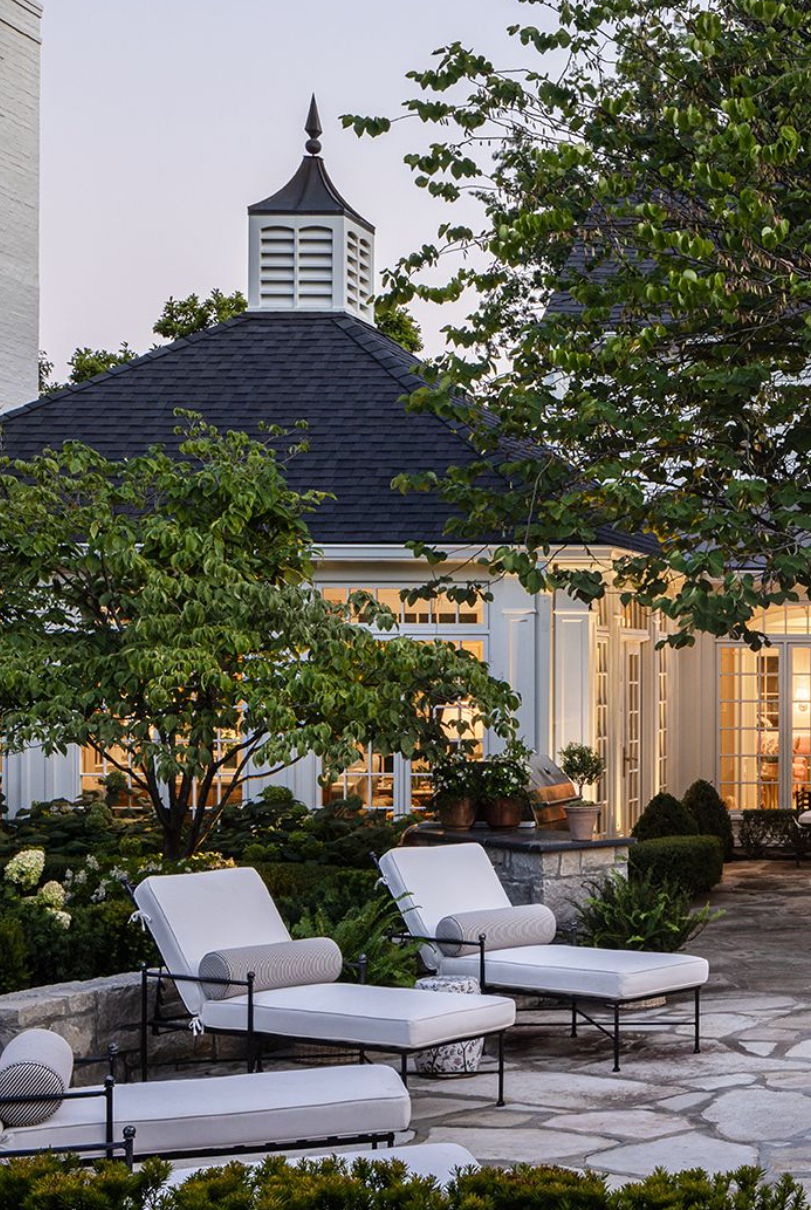
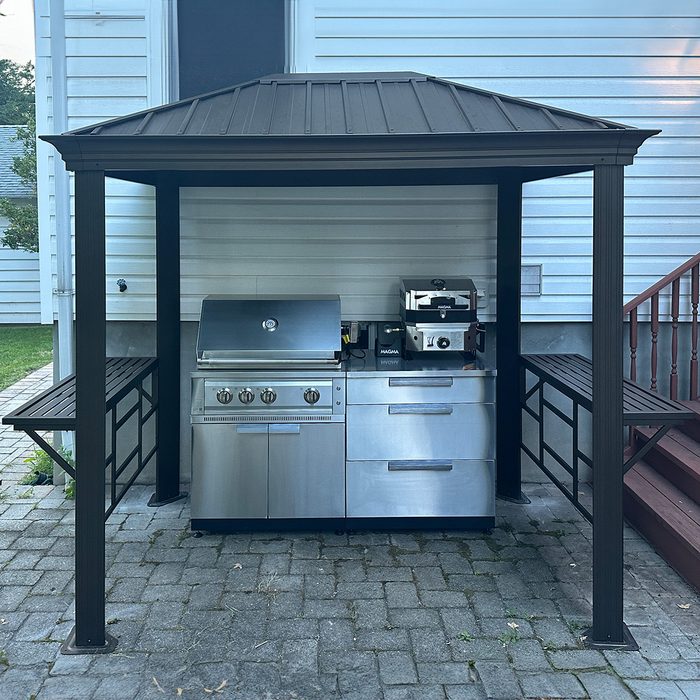
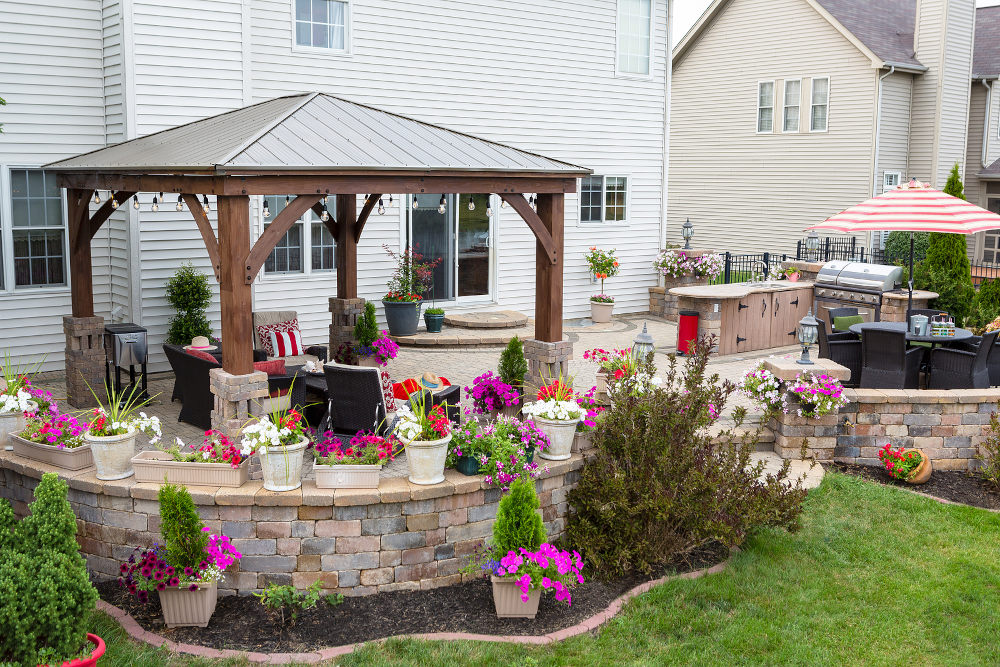
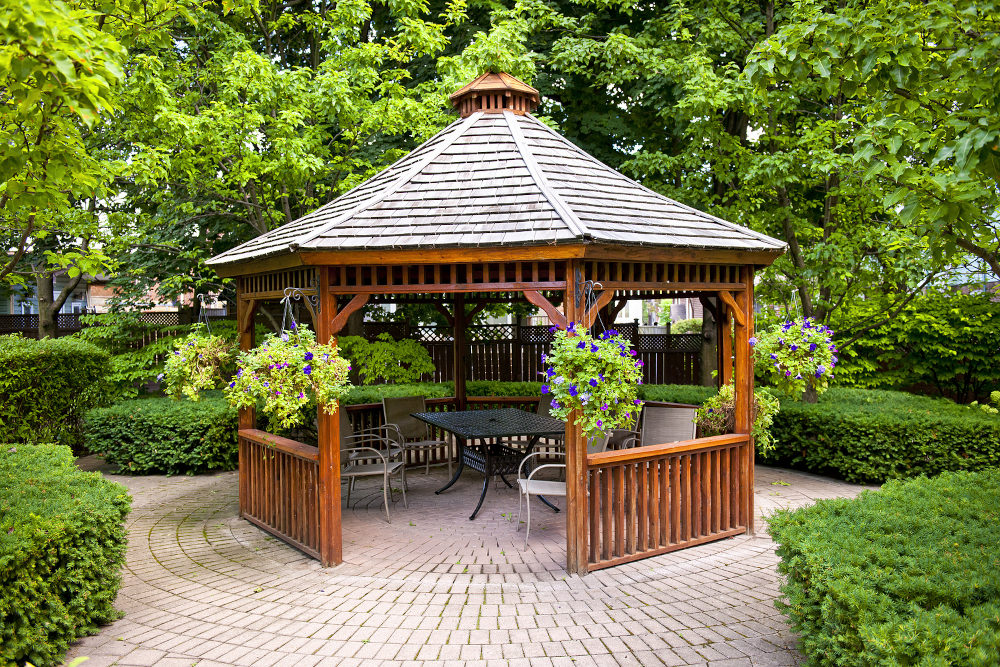
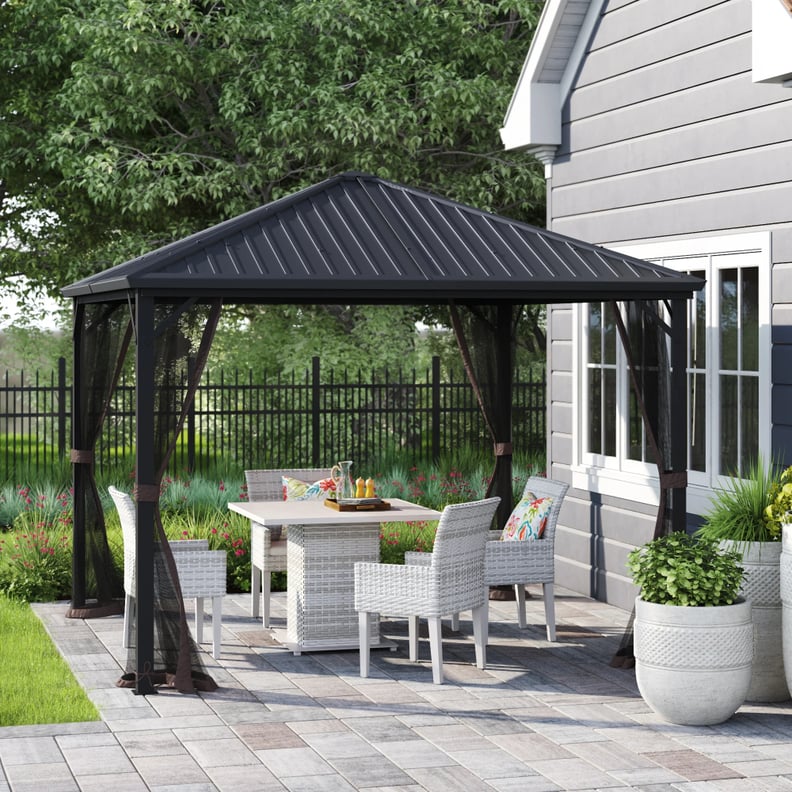
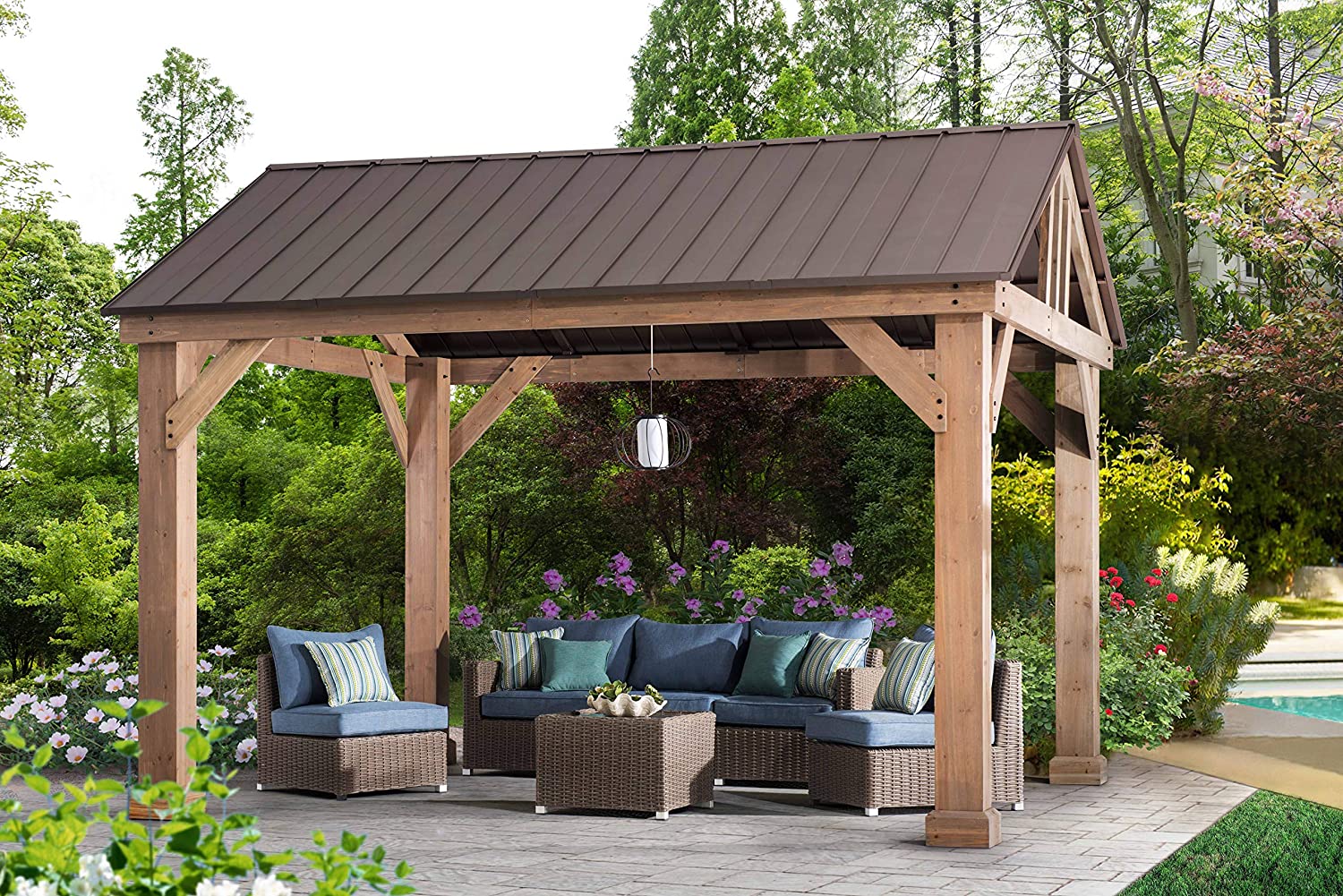
Paved areas provide a chic and decorative finish for gazebo bases, with a wide array of materials, formats, and finishes available to match any garden design. Traditional choices include clay pavers and stone slabs, while contemporary options can reduce maintenance. Paved bases also allow for additional design elements like coordinating steps, coping stones, or cladding the exposed sides with complementary tiles. The preparation for a paved base is similar to concrete, involving excavation, a compacted gravel base, and a layer of sand before laying the pavers.
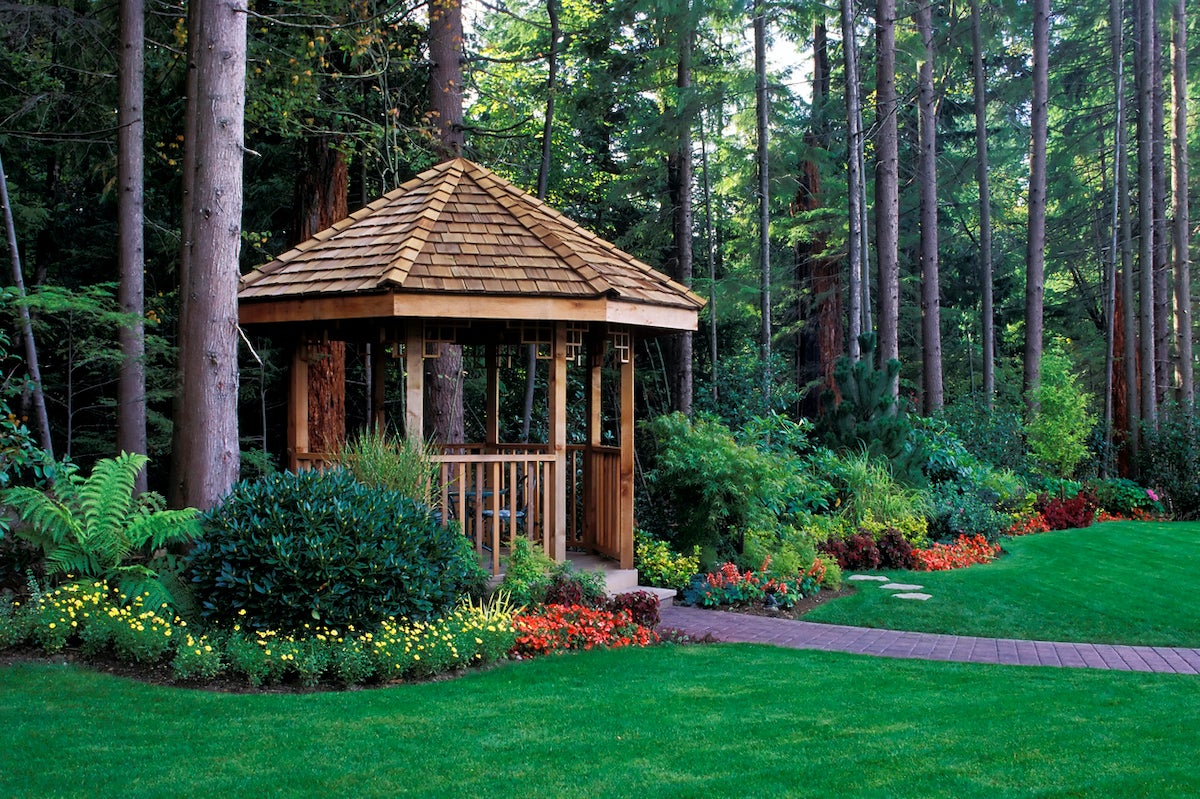
Gravel offers an easy, quick, and cost-effective option for a gazebo base, suitable for dry, sunny spots, rock gardens, or Japanese-inspired designs. The aesthetic can be customized by selecting different colors, grades, and types of aggregate. Minimal preparation is needed, mainly clearing and leveling the site, followed by laying landscape fabric to prevent weeds and then compacting the gravel. The base should be at least two feet wider than the gazebo dimensions to provide ample space for construction and ensure adequate support for the entire frame. Once the base is established, integrating lighting and fast-growing climbing plants can enhance the gazebo's functionality and aesthetic appeal.
#GazeboBase #GardenStructures #LandscapingTips #OutdoorLiving #DeckConstruction #ConcreteFoundation #PavedAreas #GravelBase #GazeboBase #GardenStructures #LandscapingTips #OutdoorLiving #DeckConstruction #ConcreteFoundation #PavedAreas #GravelBase
Há 0 comentários no total
 Ainda não há comentários
Você também pode gostar
20 Gazebo Ideas for the Prettiest Backyard of All Time

The 5 Best Outdoor Gazebos, Tested by Our Experts

Best Outdoor Gazebos for Your Deck & Patio for Non-Stop Entertainment
Spruce Up Your Backyard With a Gazebo, Pergola, or Canopy From Wayfair
Where to place a gazebo? Construction experts reveal the best spots
Garden gazebos: 13 structures to take shade and shelter under

21 Backyard Shade Ideas, From Pergolas to Decorative Foliage
10 Gazebo Kits You Can Buy and Build Yourself

Dreamy Gazebo Ideas To Transform Your Yard Into an Oasis

25 Show-Off Outdoor Gazebo Ideas That Will Have Your Neighbors Staring (and Seething)
Amazon Shoppers Are Obsessing Over This $200 Pop-Up Gazebo With Mosquito Netting

The 8 Best Grill Gazebos for Backyard Barbecues

8 Gazebo Plans for Building a Shaded Hangout in Your Yard
How gazebos can add a touch of luxury to your garden in 2025

Best Build Your Own Gazebo Kits For Achieving Outdoor Bliss
Sunjoy Gazebo Review: I Tried a 15-Foot Octagon Gazebo in My Backyard; Here’s How It Went
The 5 best outdoor gazebos
Amazon Shoppers Are Obsessing Over This $300 Pop-Up Gazebo With Mosquito Netting

Gazebos
Durable Hardtop Gazebo Review