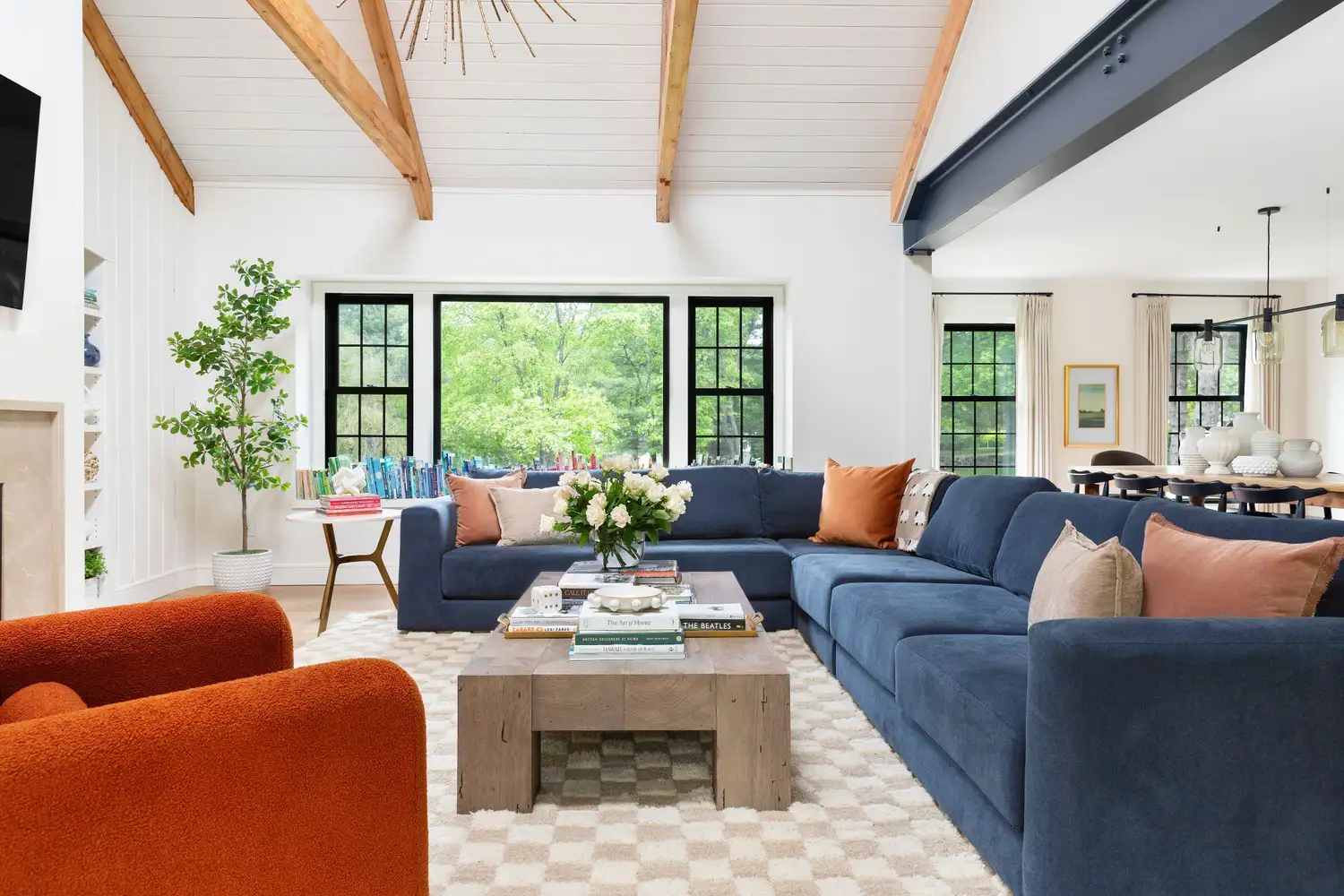
1/10
9 simple tricks to elevate your small living room according to an interior designer
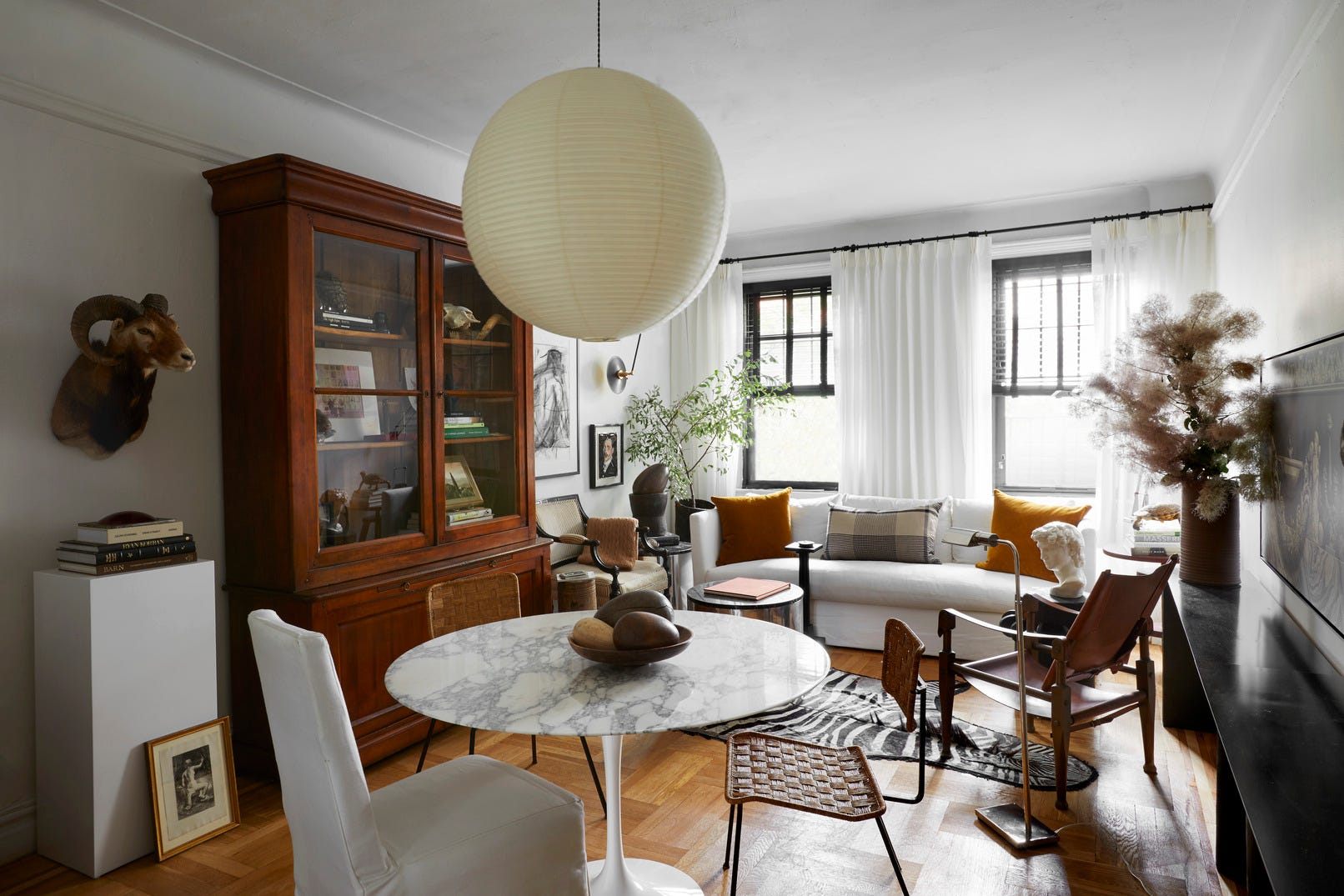
Interior designer Lucinda Sanford offers nine actionable tips to enhance small living rooms, focusing on creating a sense of spaciousness, character, and functionality. As hosting opportunities increase with warmer weather, many homeowners seek ways to improve their living spaces, even if they are compact. Sanford stresses that low lighting and an abundance of small decor items can lead to visual clutter. The primary goal is to achieve balance in proportion and ensure adequate light flow.
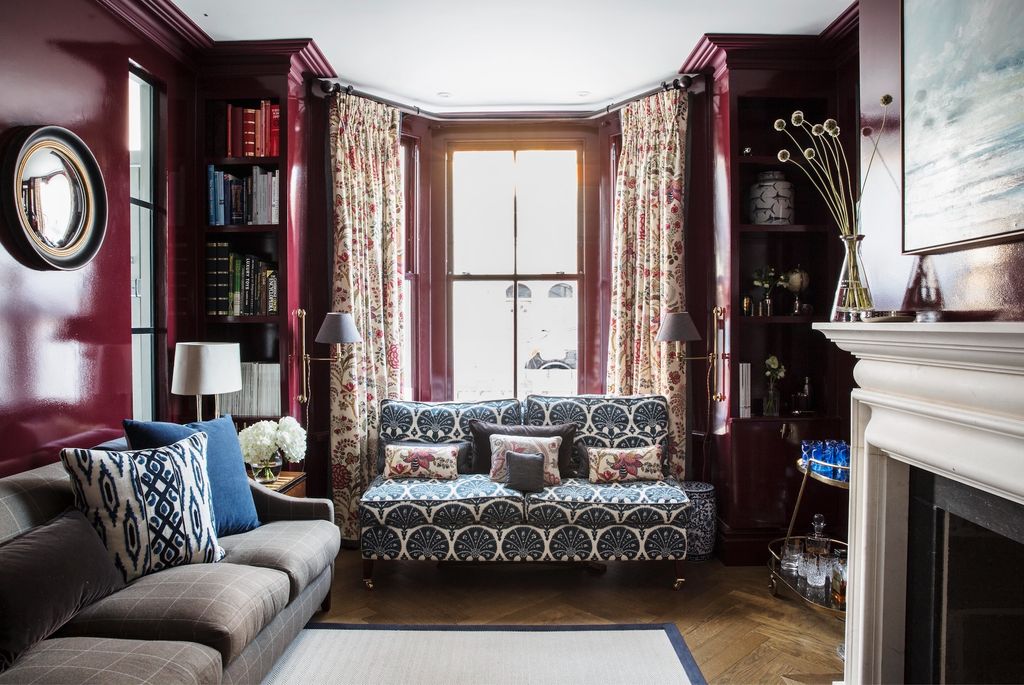
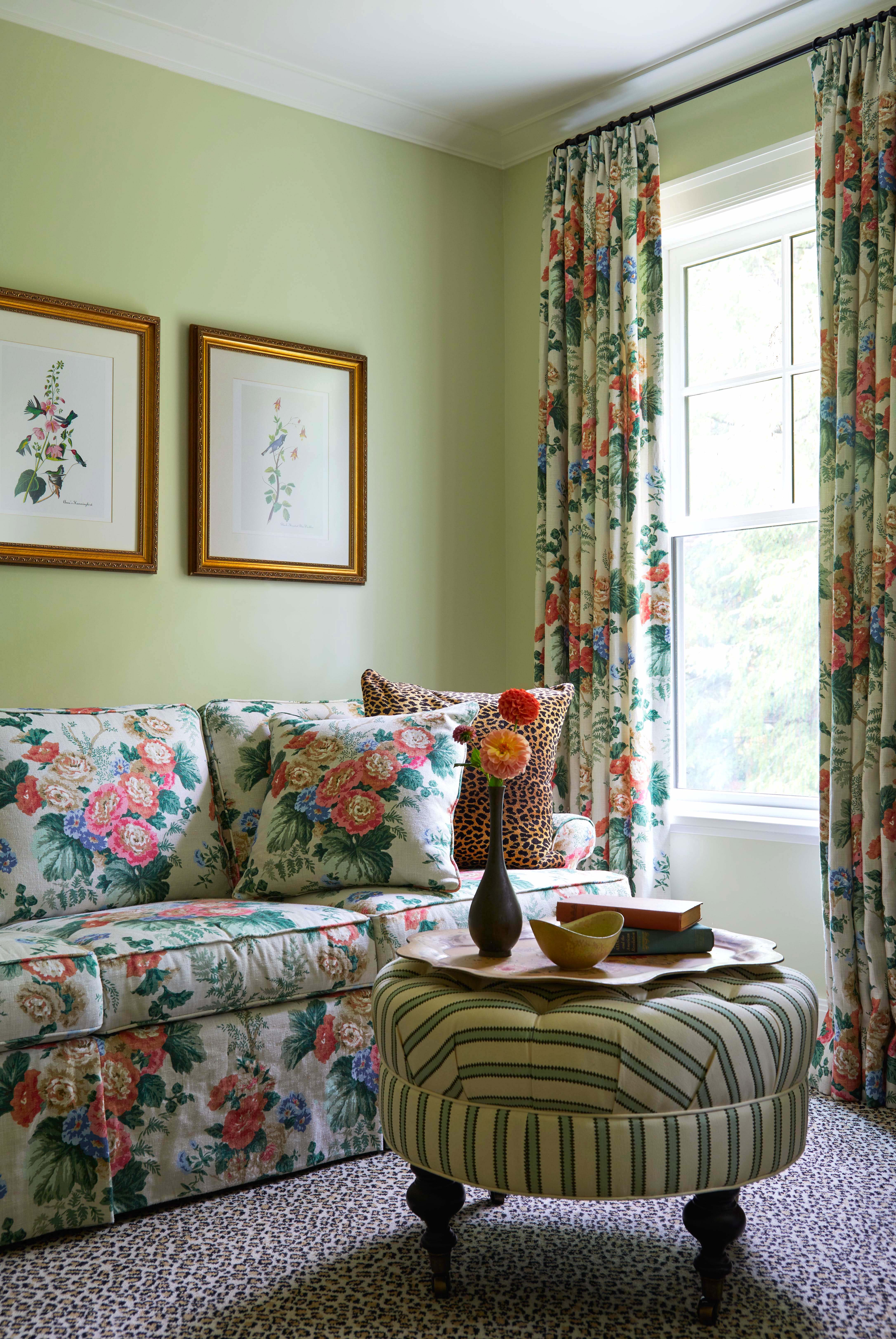
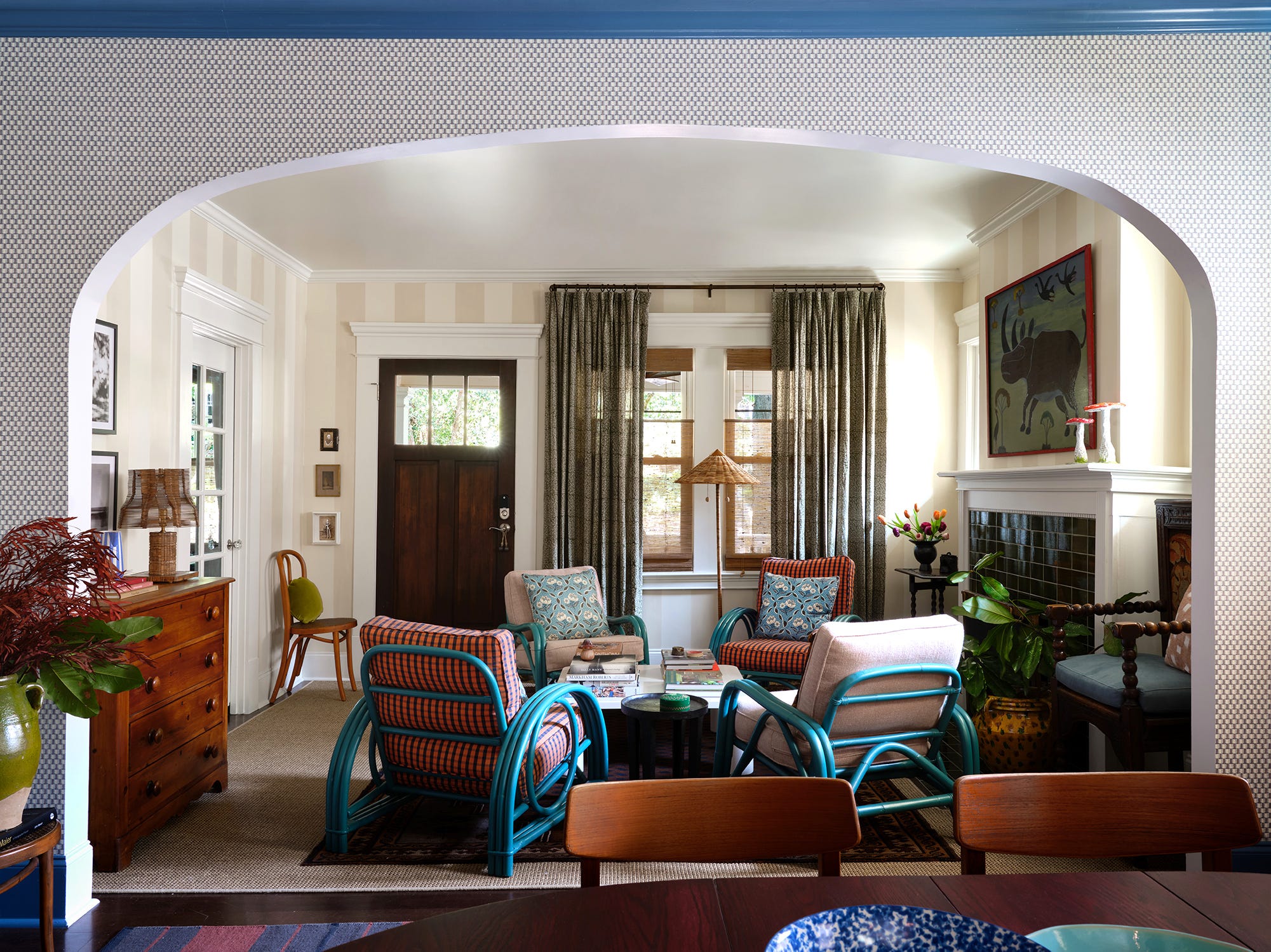
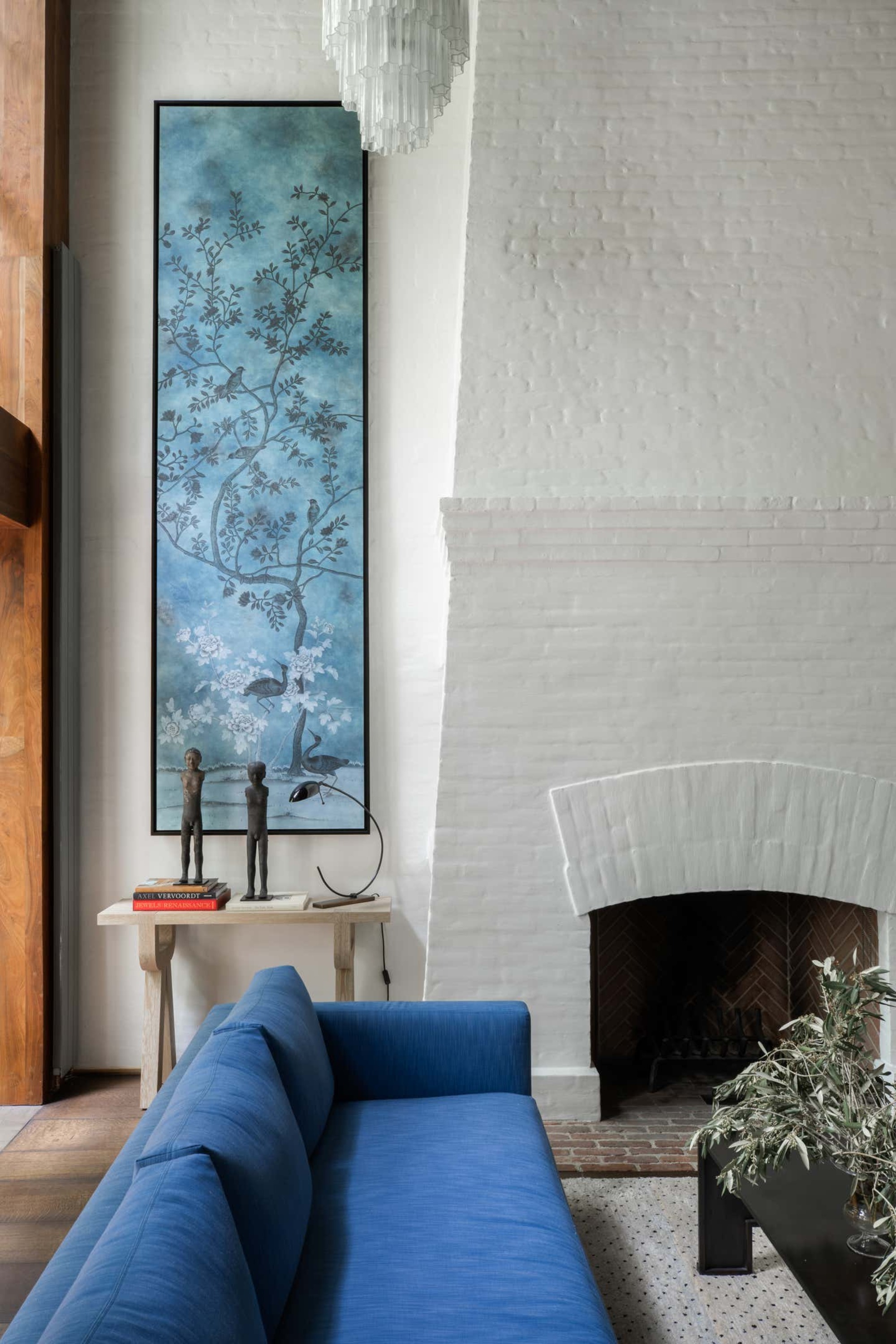
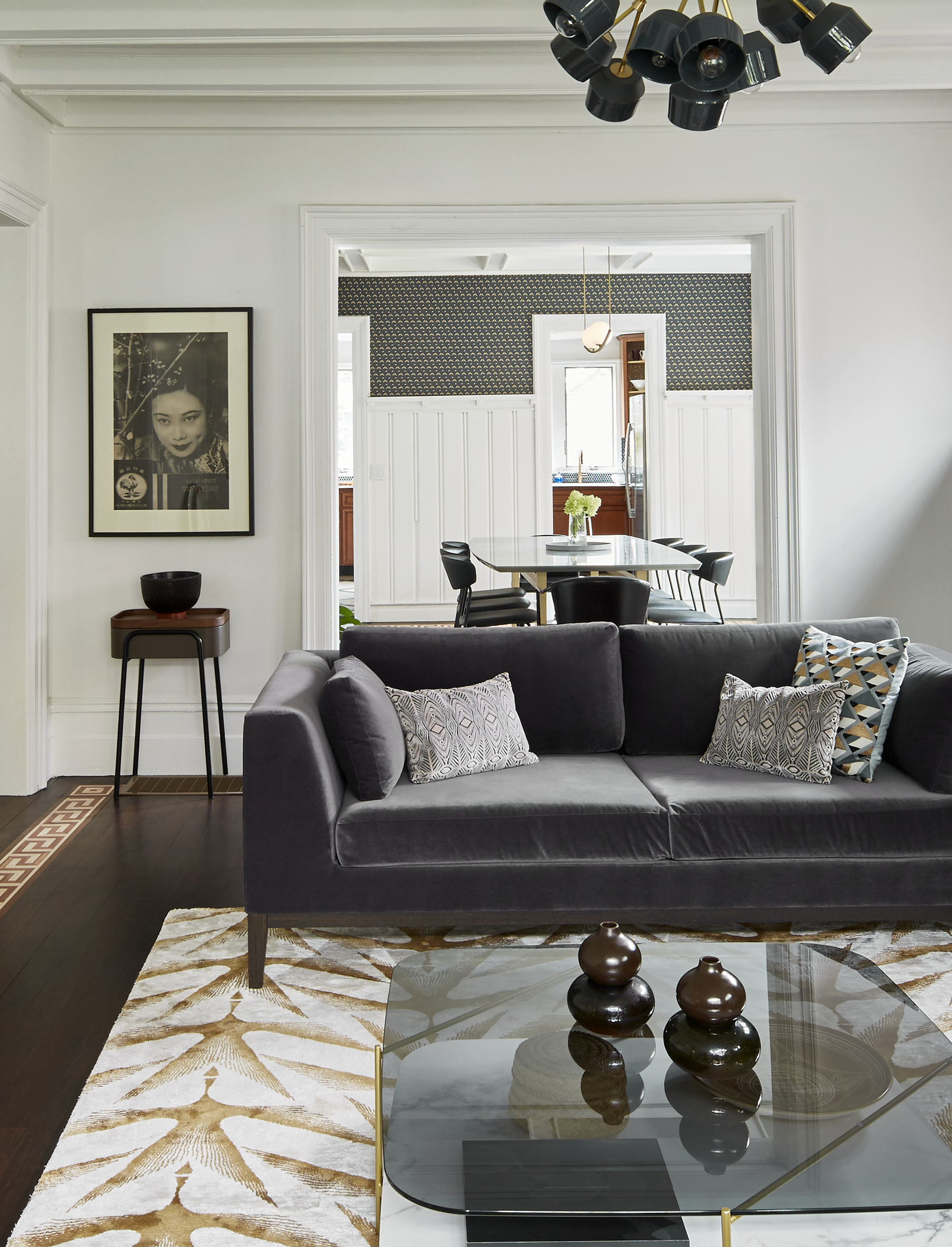
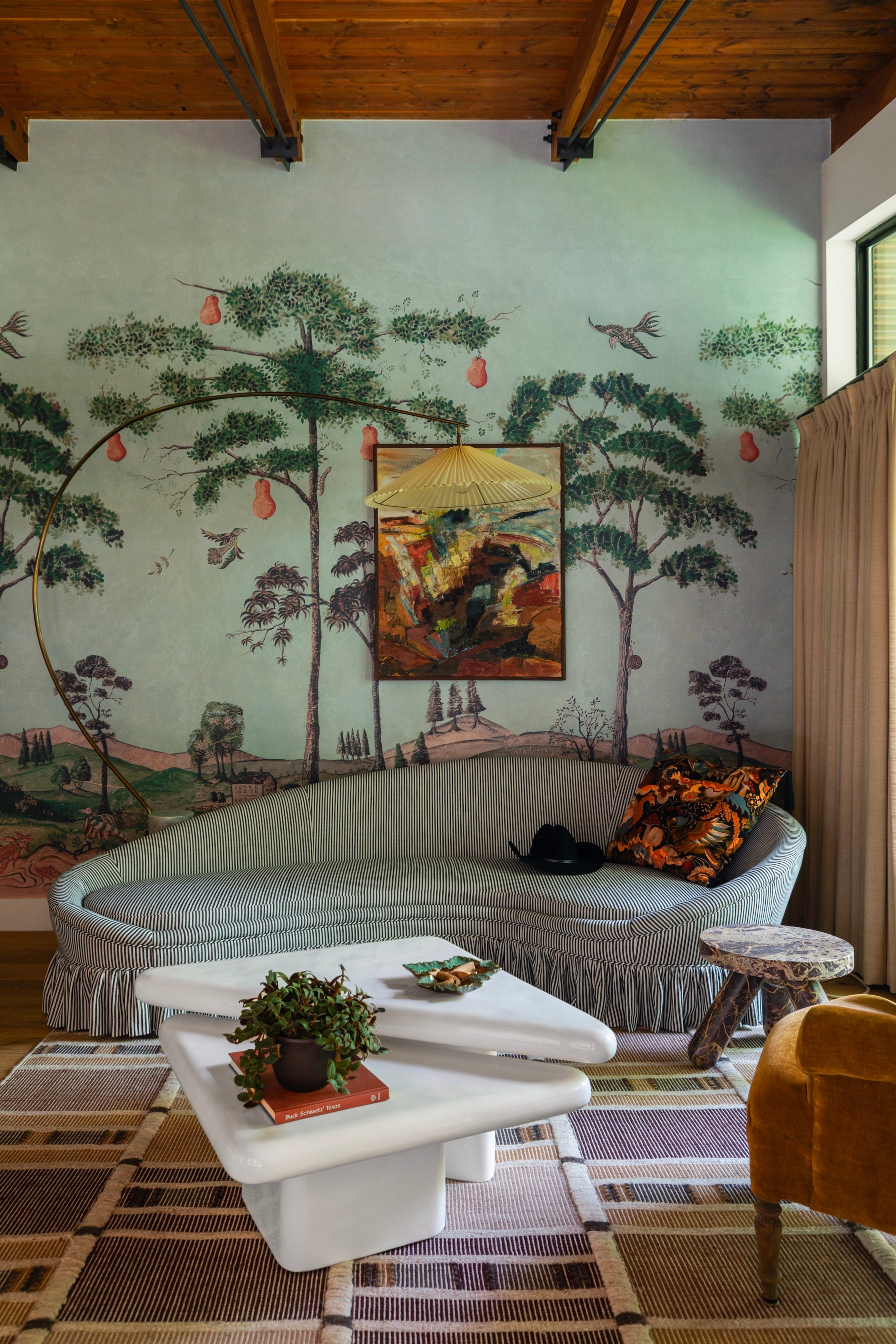
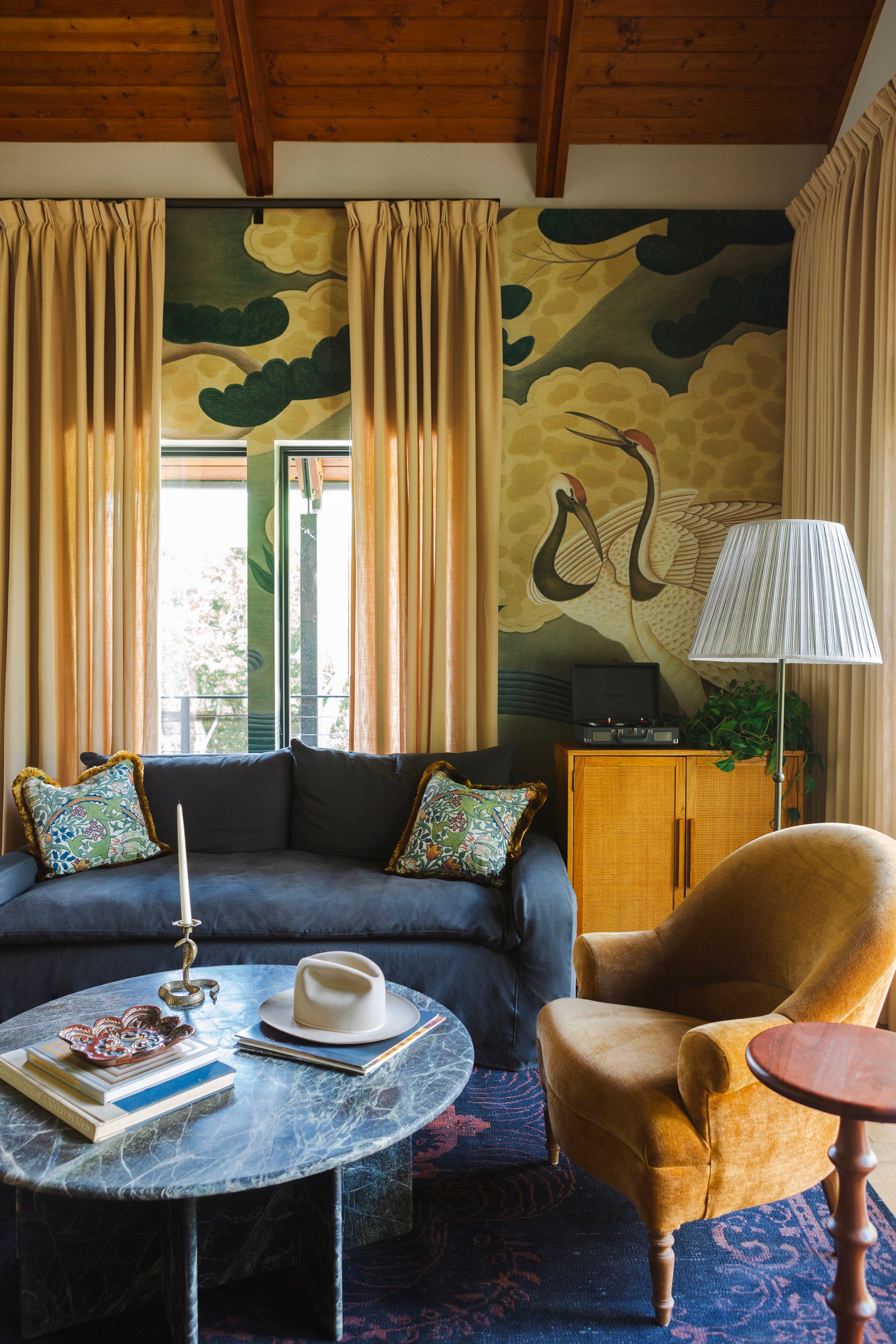
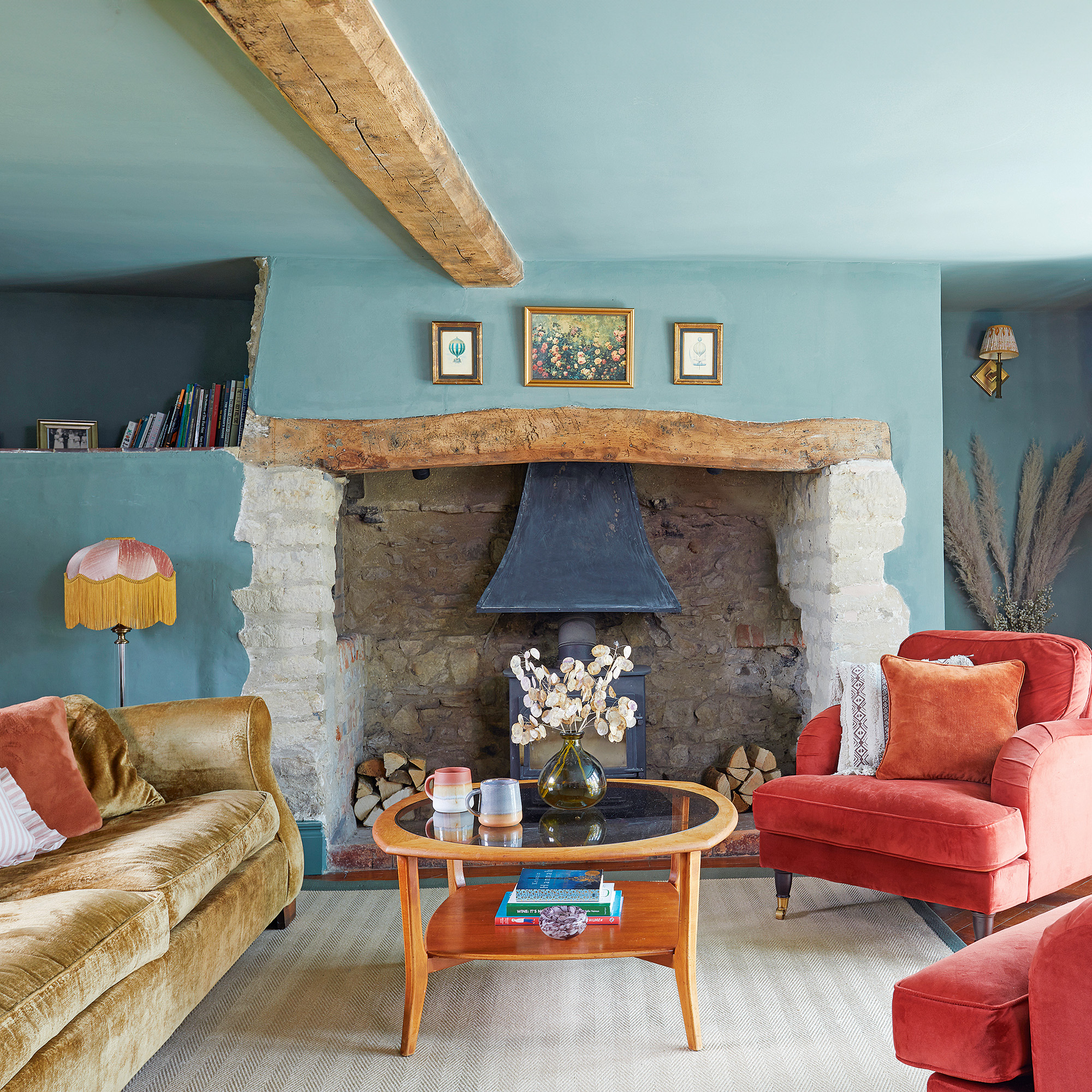
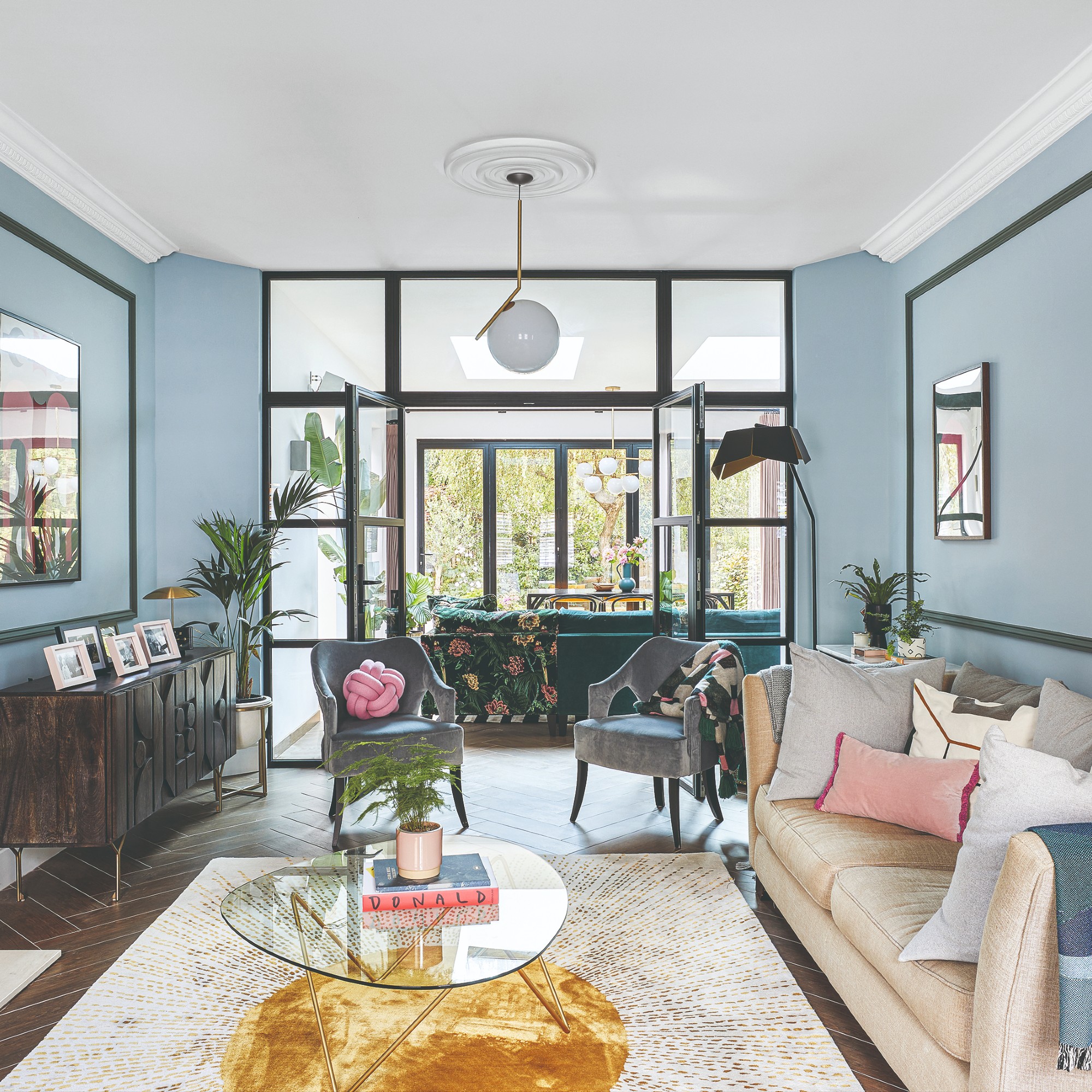
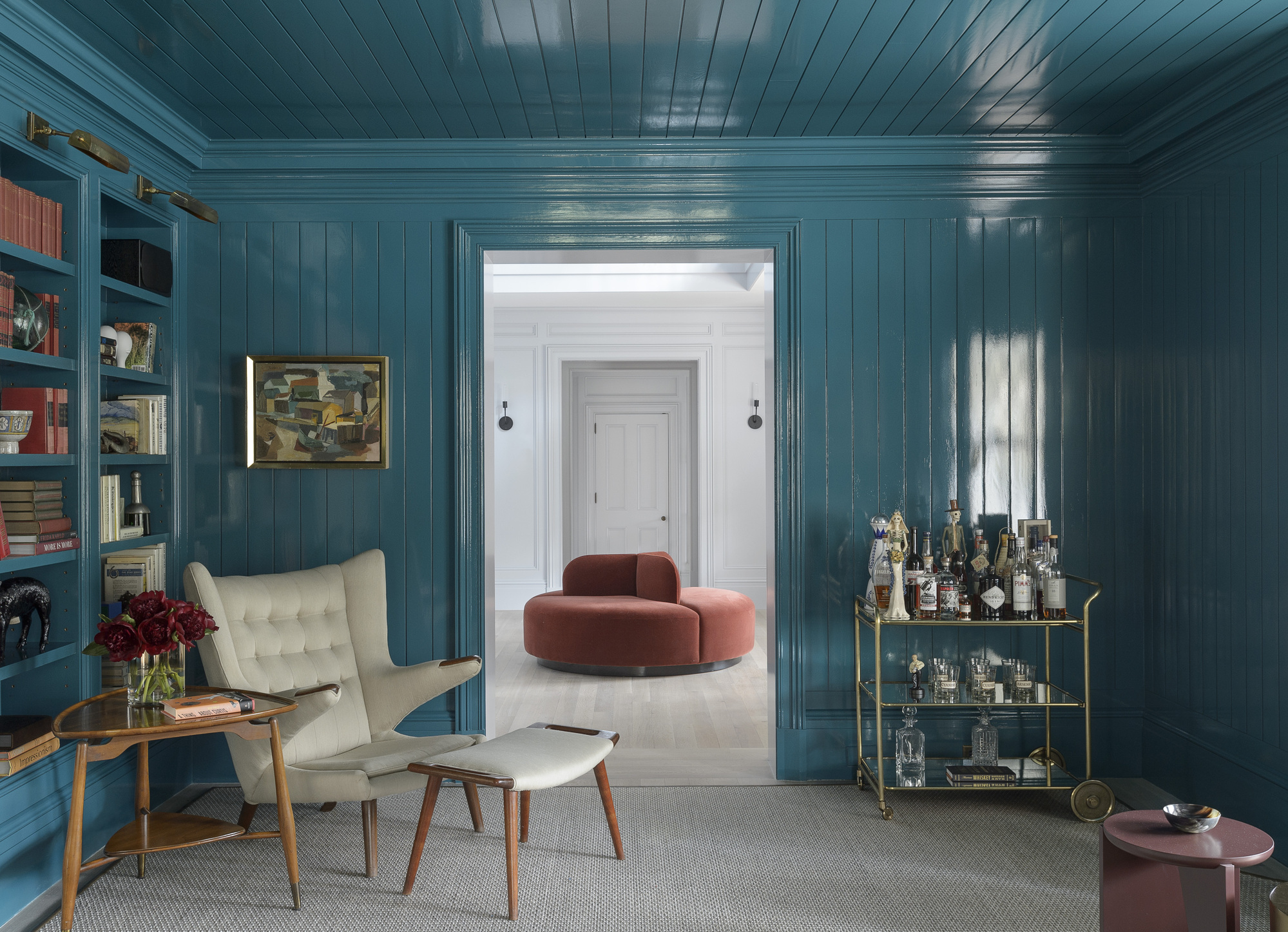
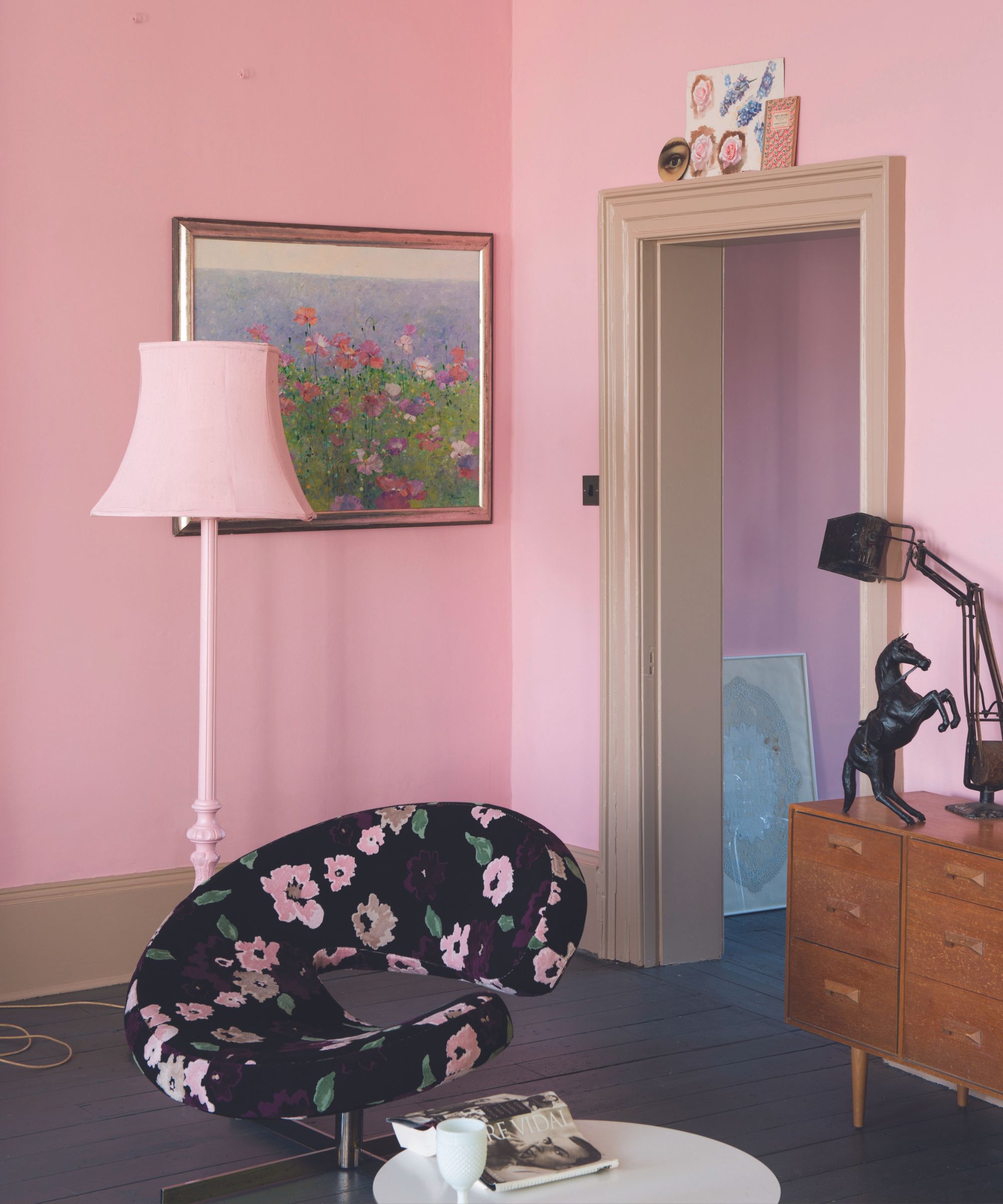
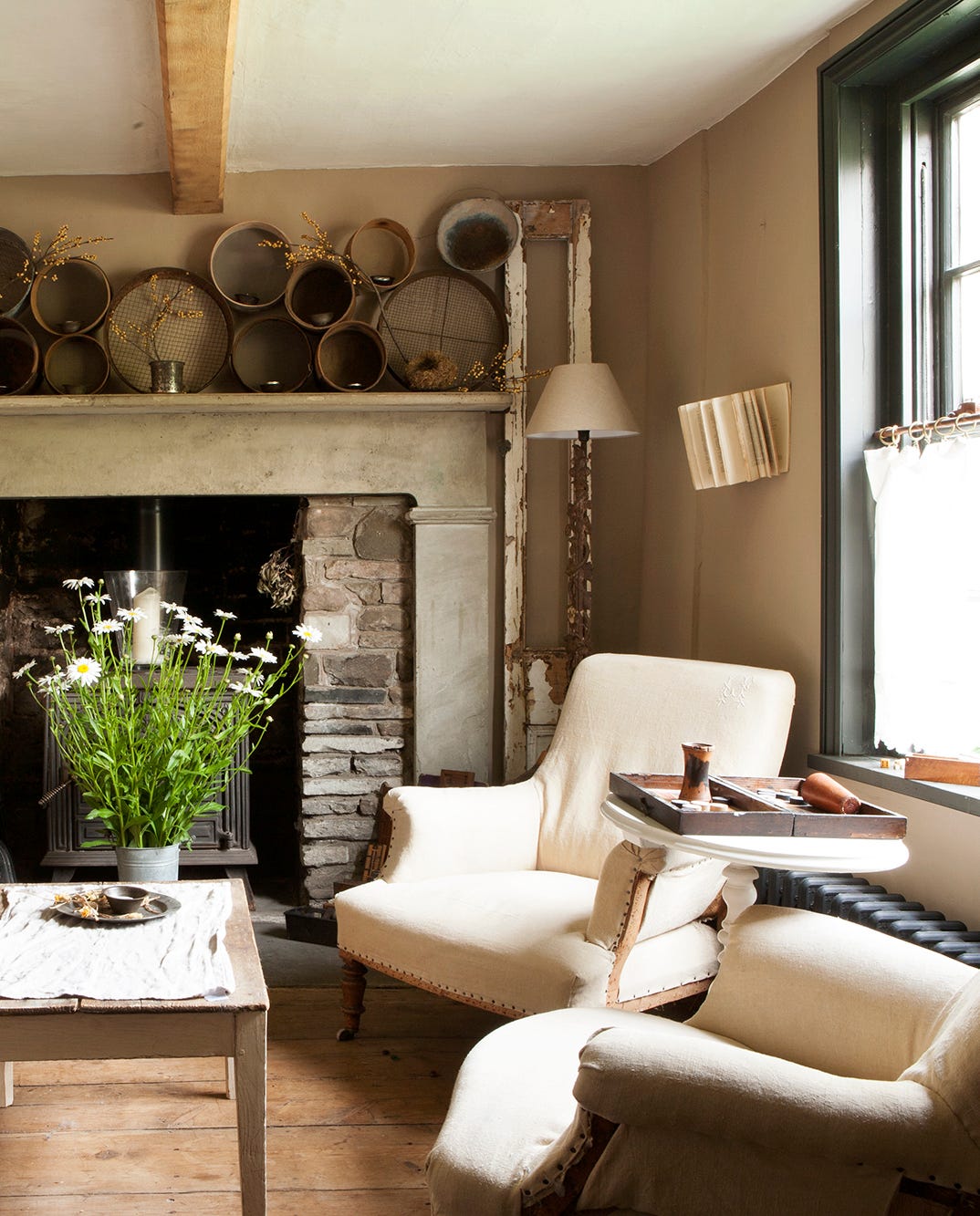
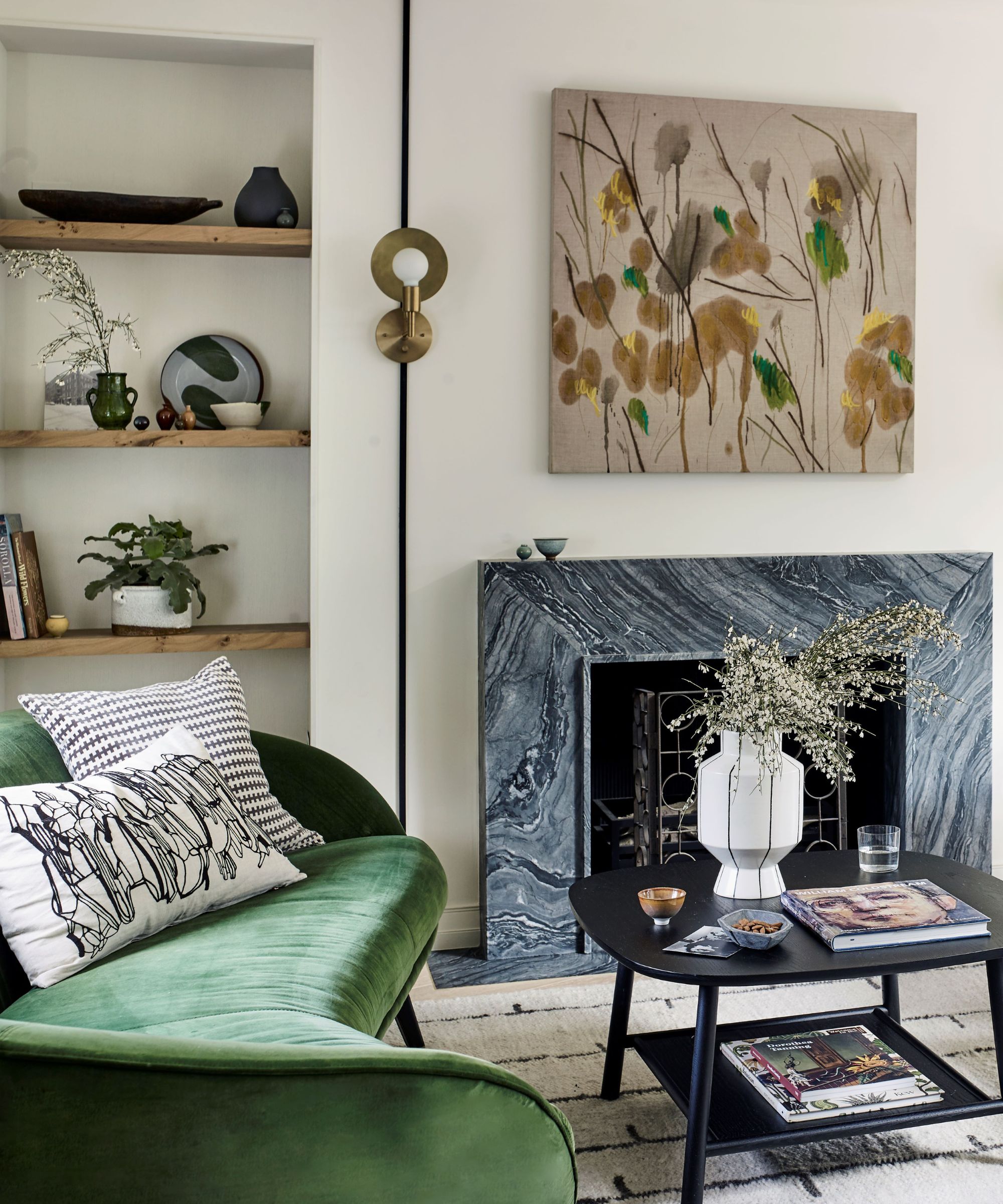
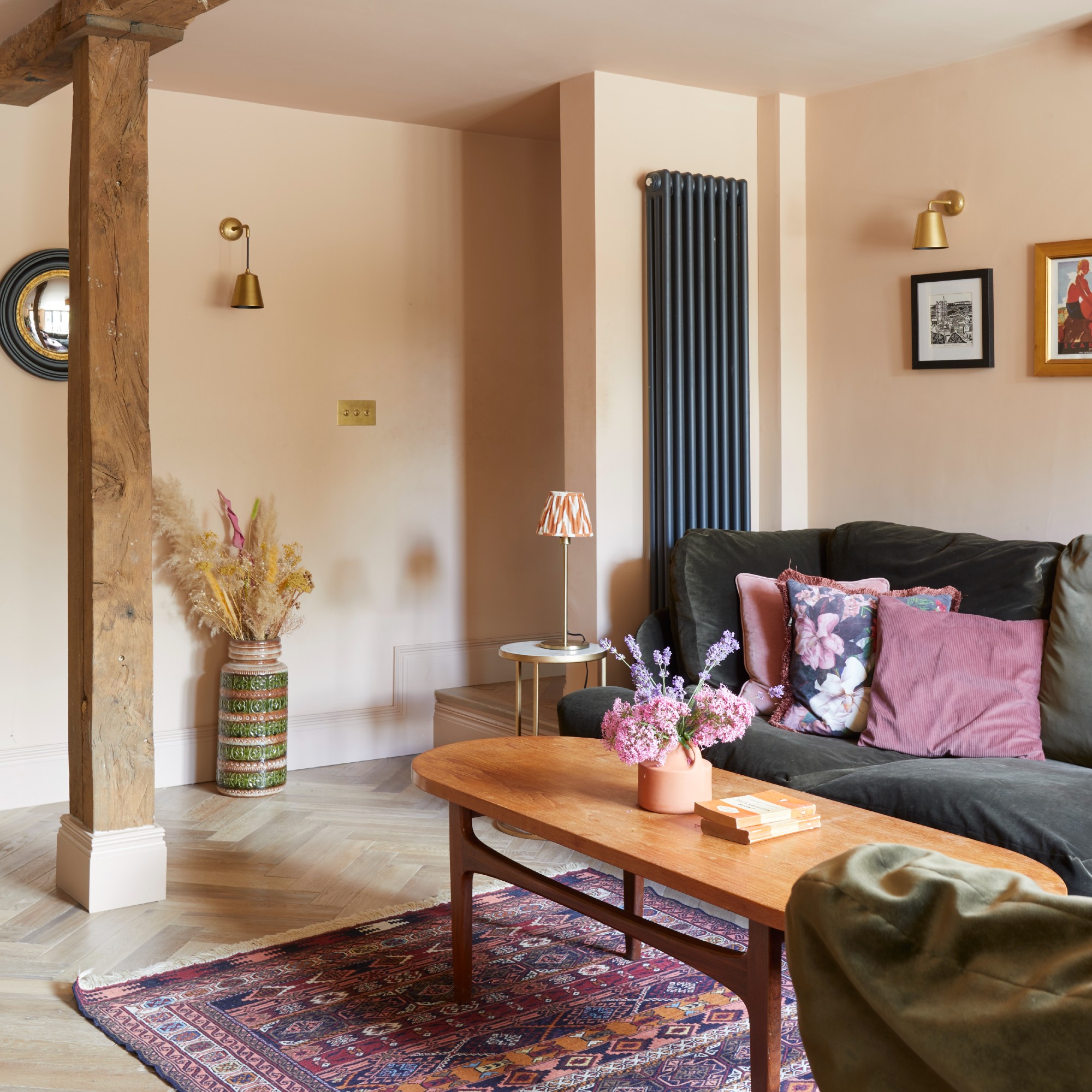
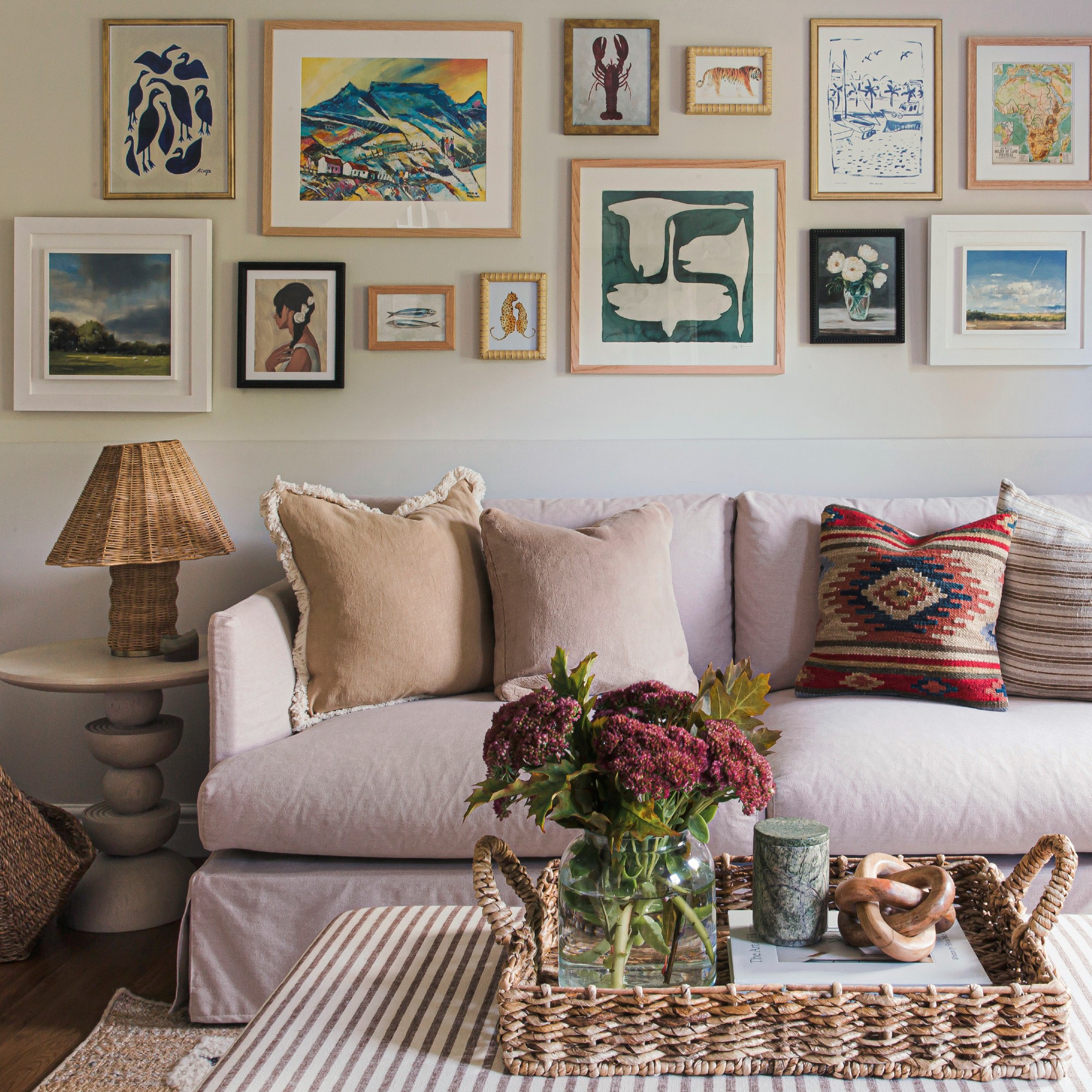
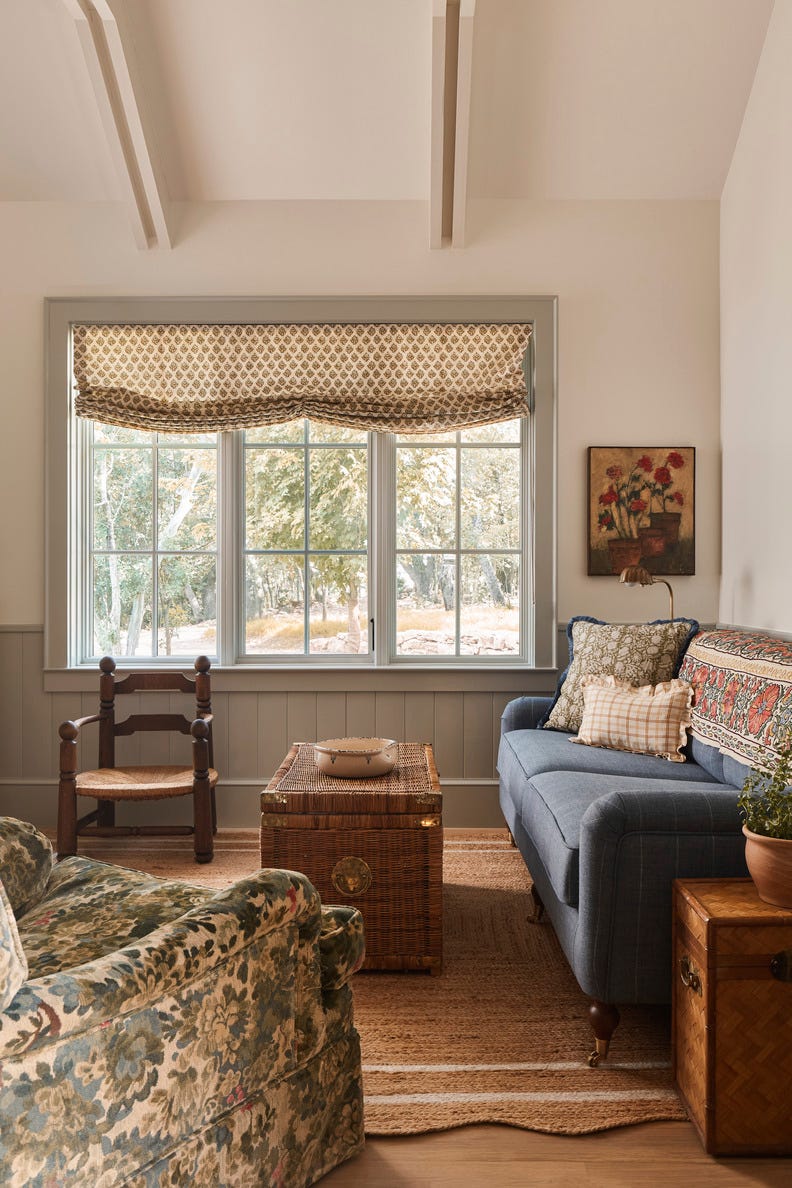
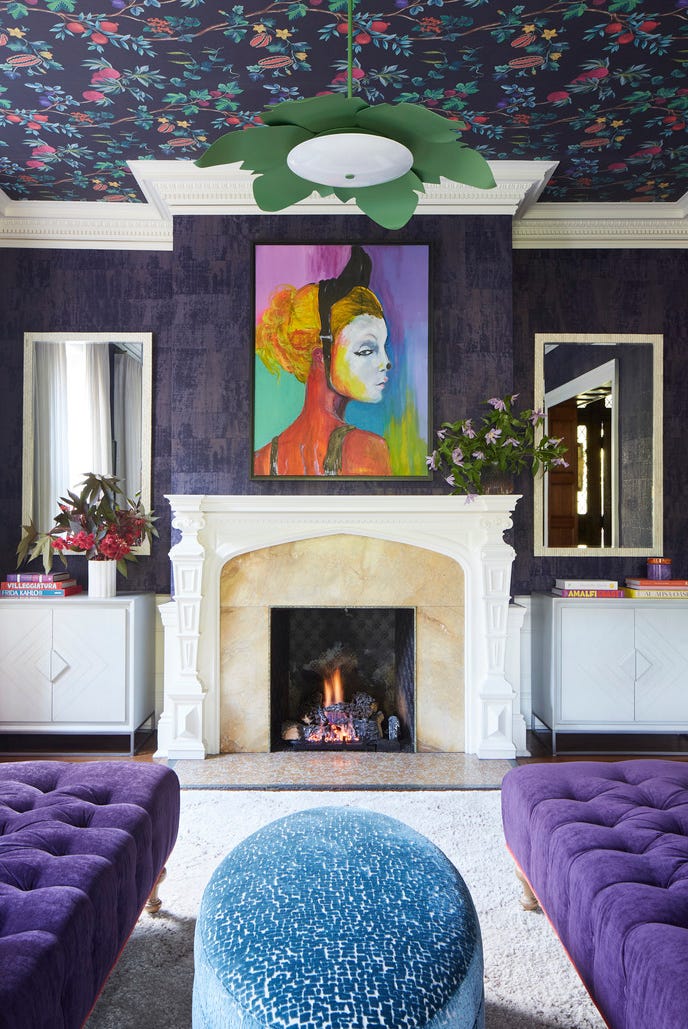
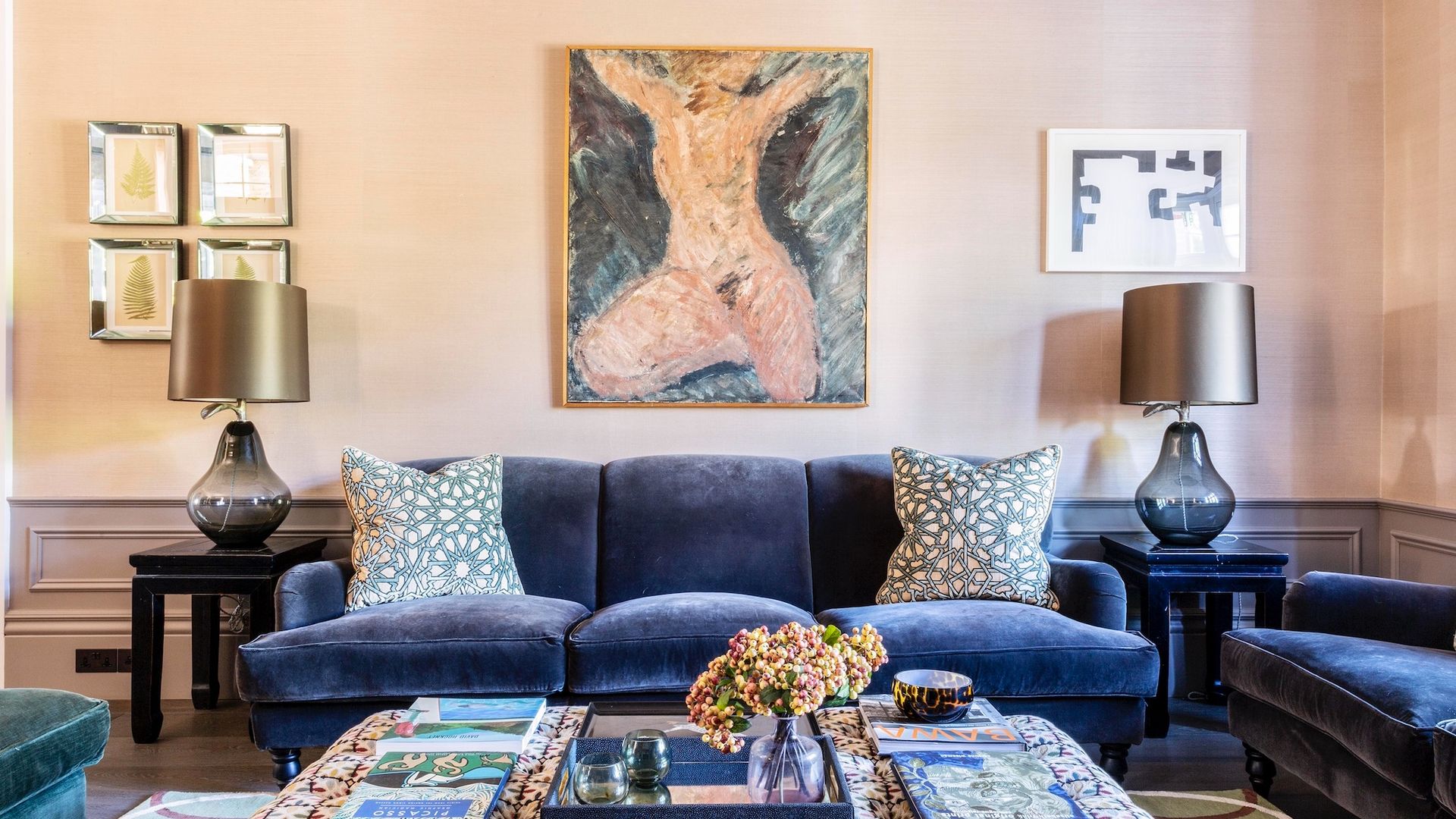
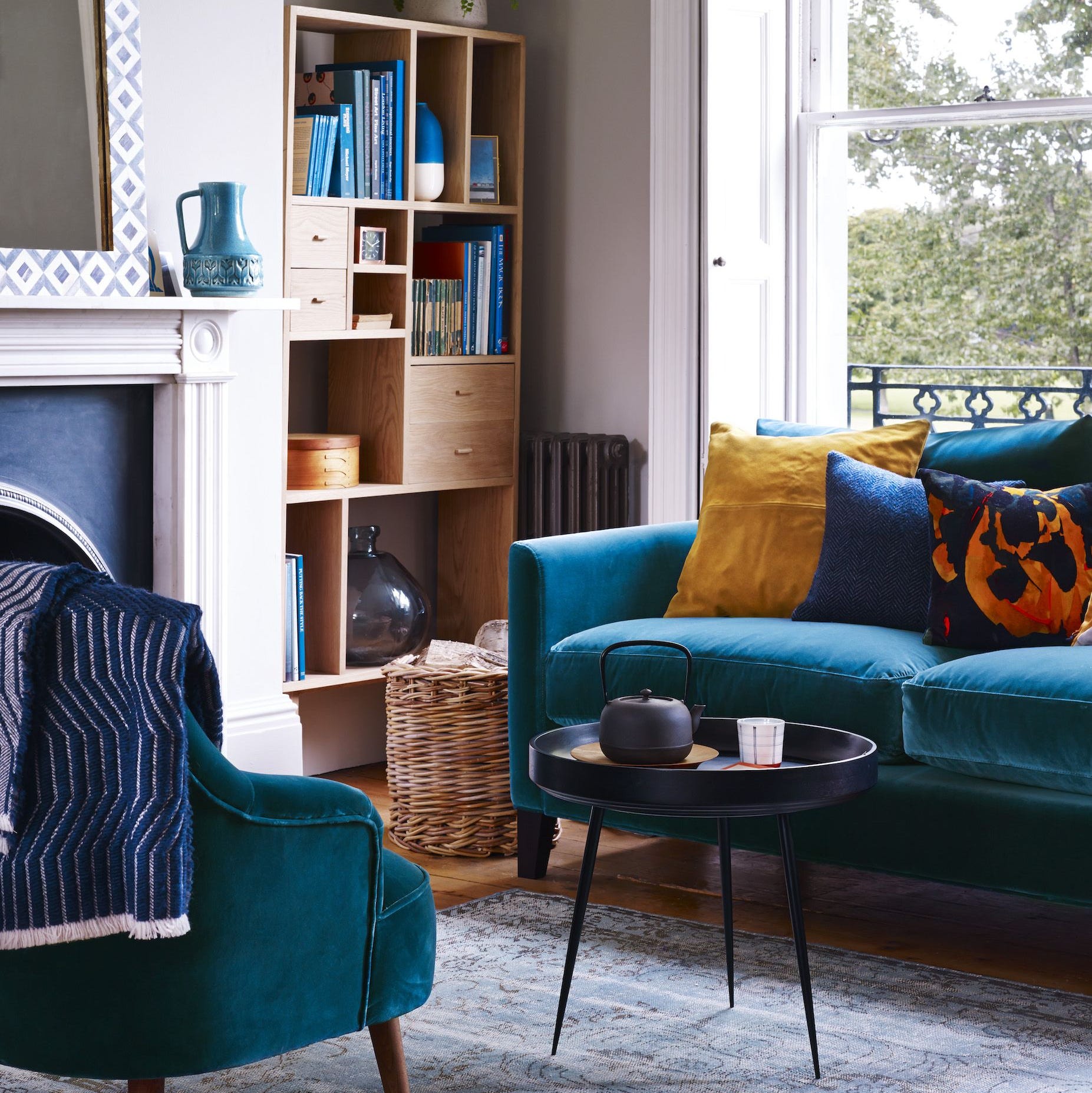
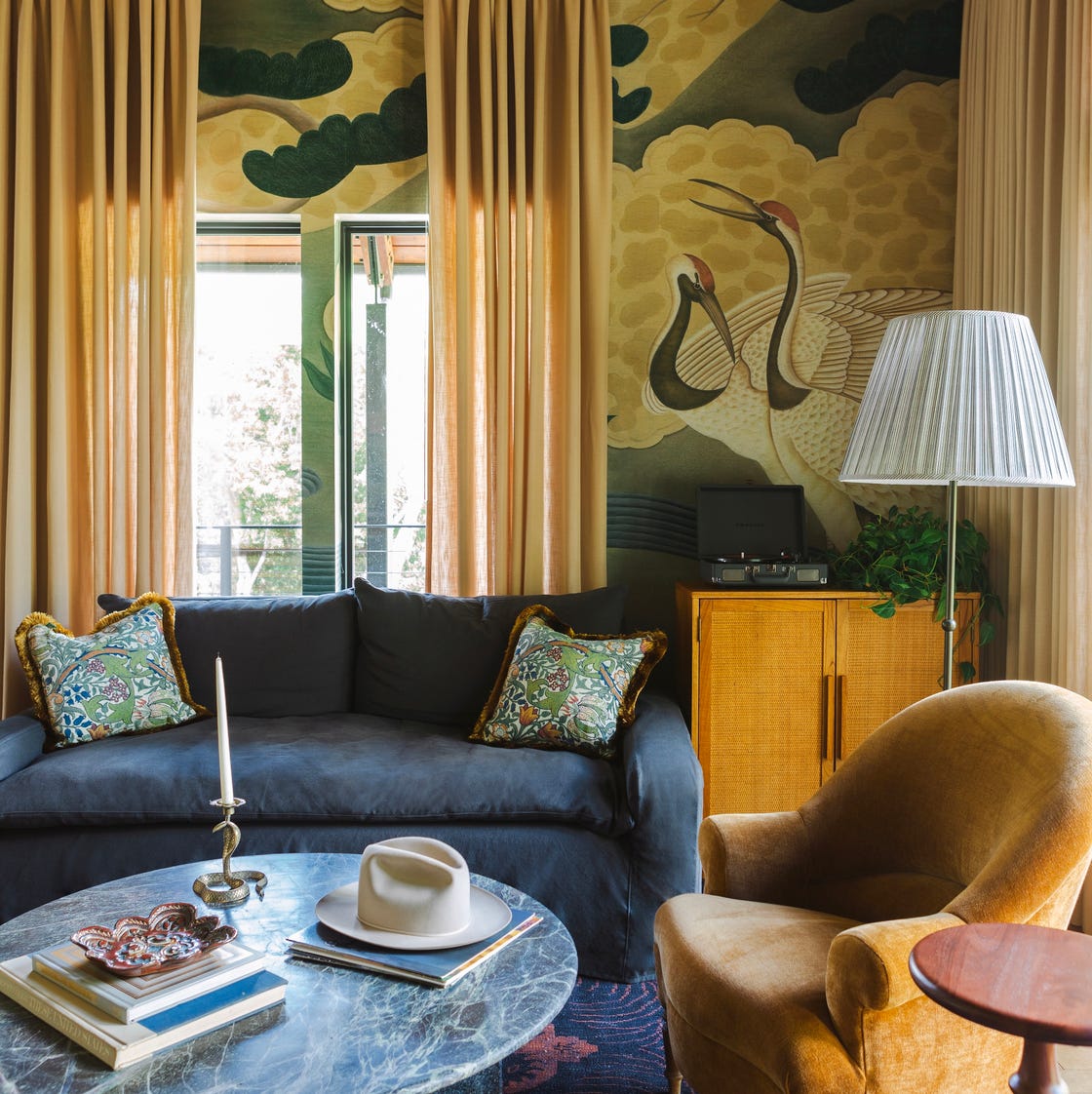
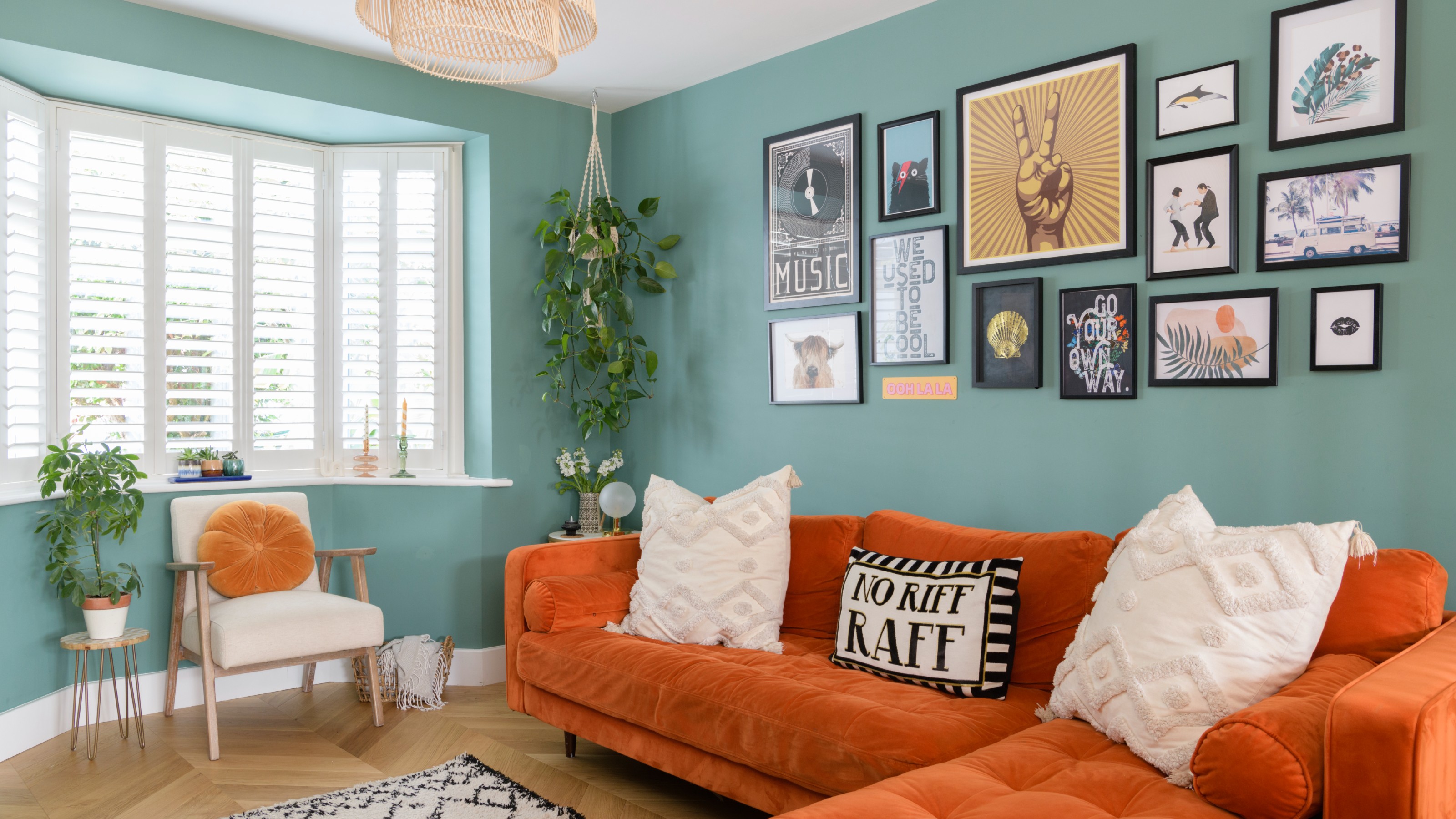
Sanford challenges the common misconception that small rooms should only feature light colors. Instead, she advocates for embracing bold, deep colors such as blues and greens, especially when combined with paneling. This approach can introduce depth and drama, expanding the perceived size of the room and imbuing it with character and intimacy, thus preventing it from feeling small in essence. Similarly, patterns are encouraged to add visual interest and dimension. Thoughtful use of patterned wallpaper, cushions, or upholstery can draw the eye around the room, breaking up the 'boxy' feel of plain walls and creating a layered, dynamic aesthetic.
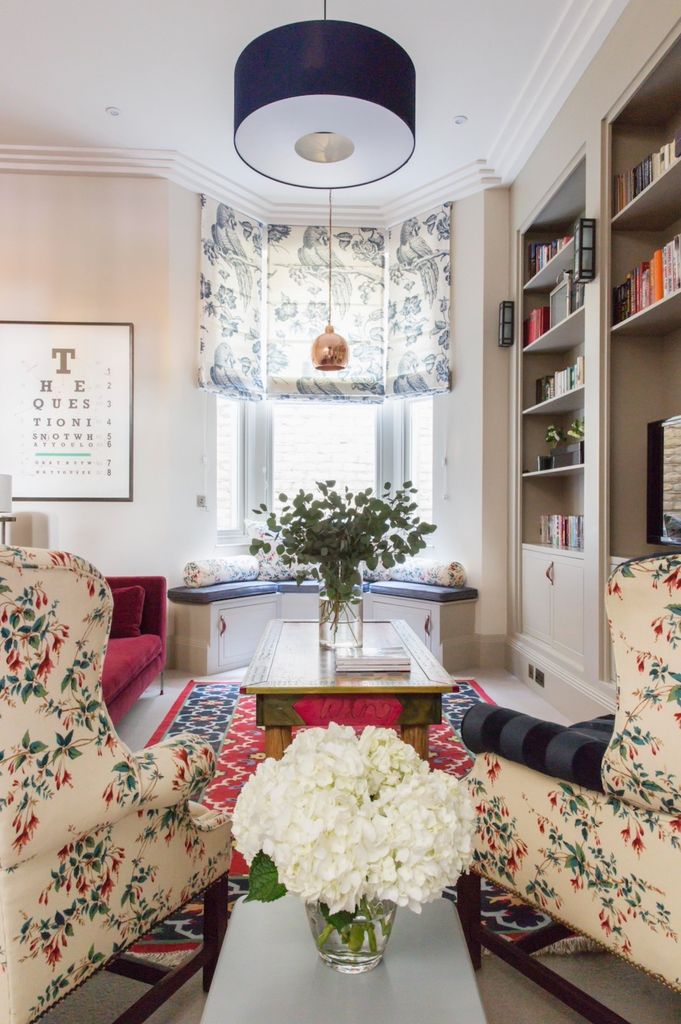
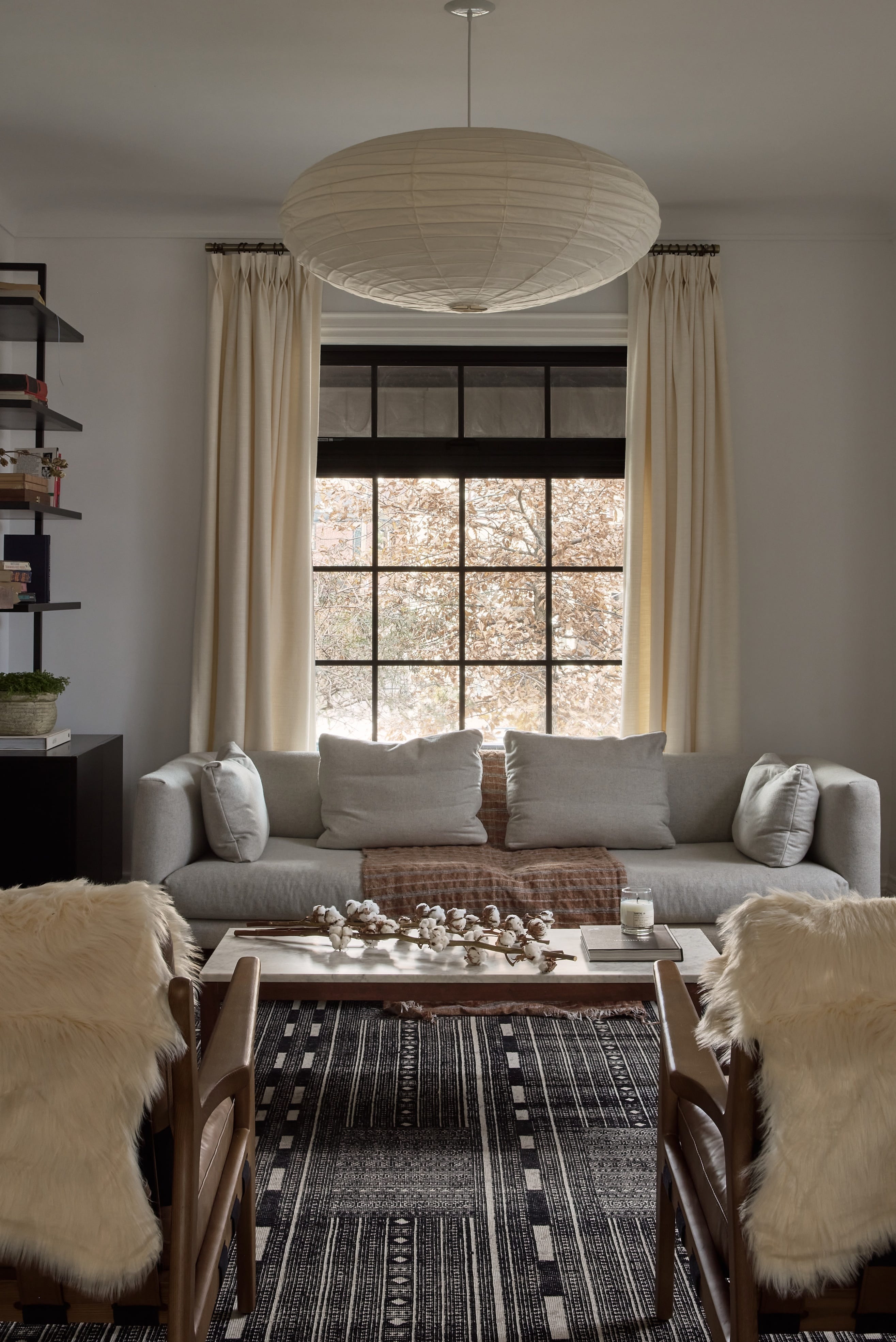
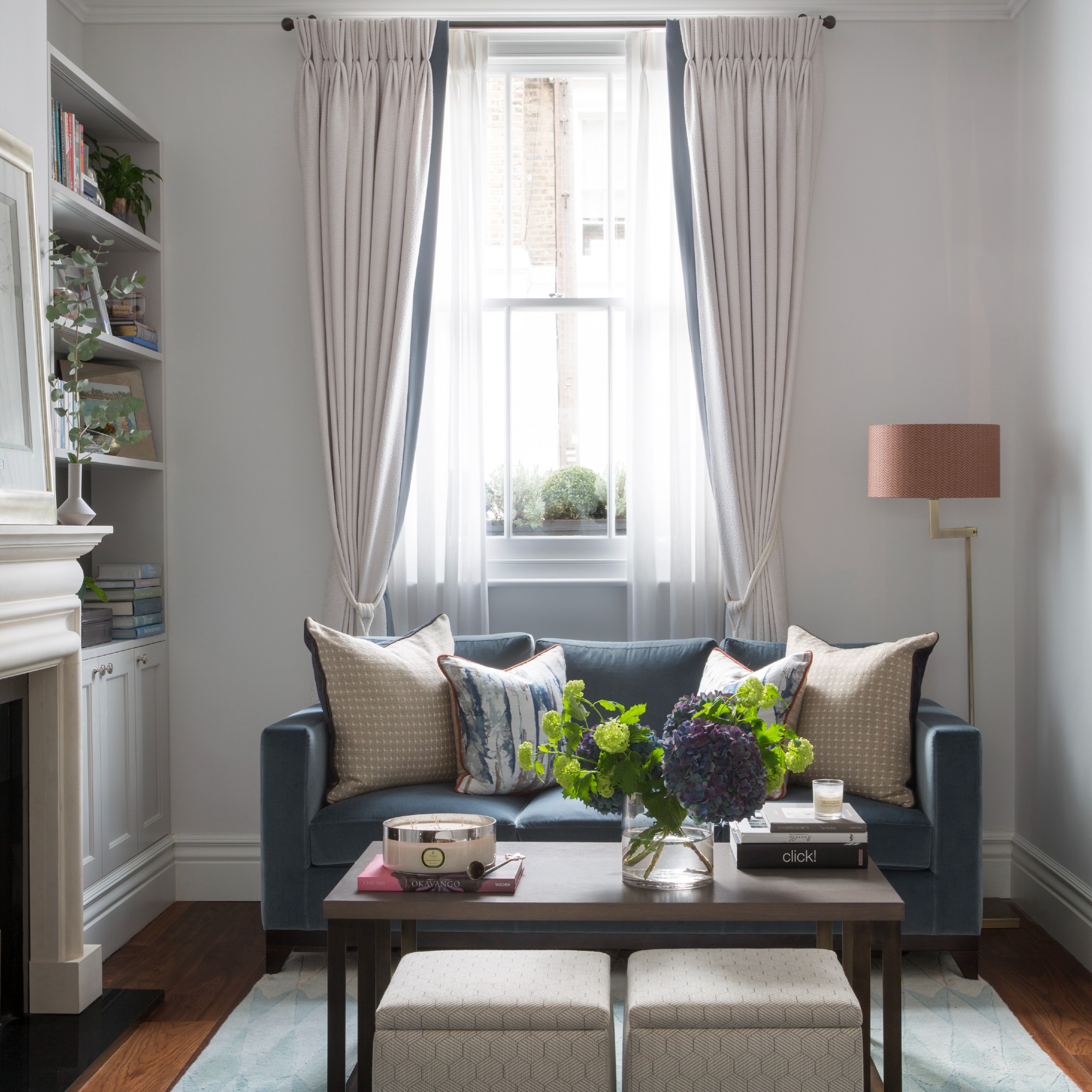
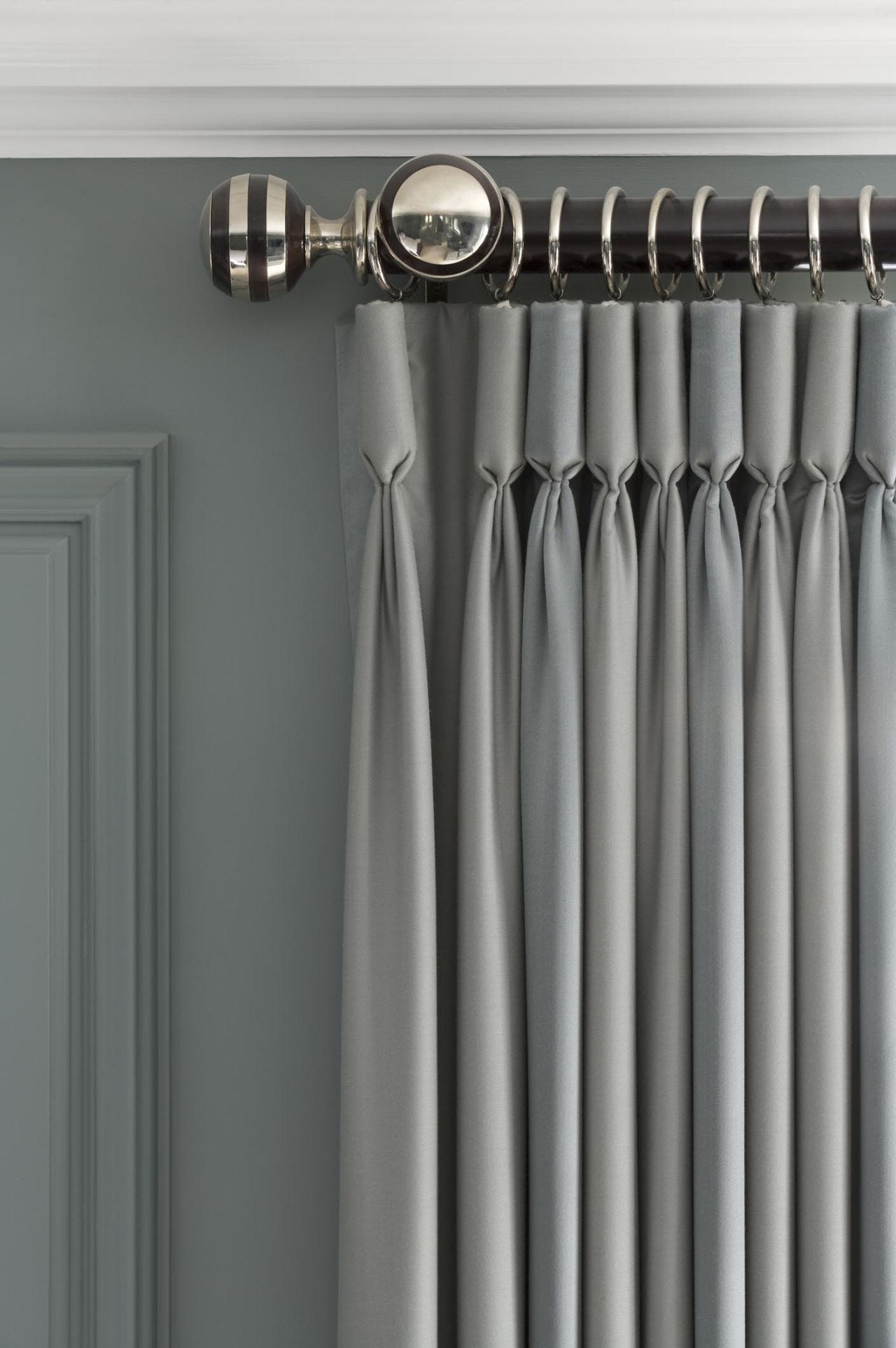
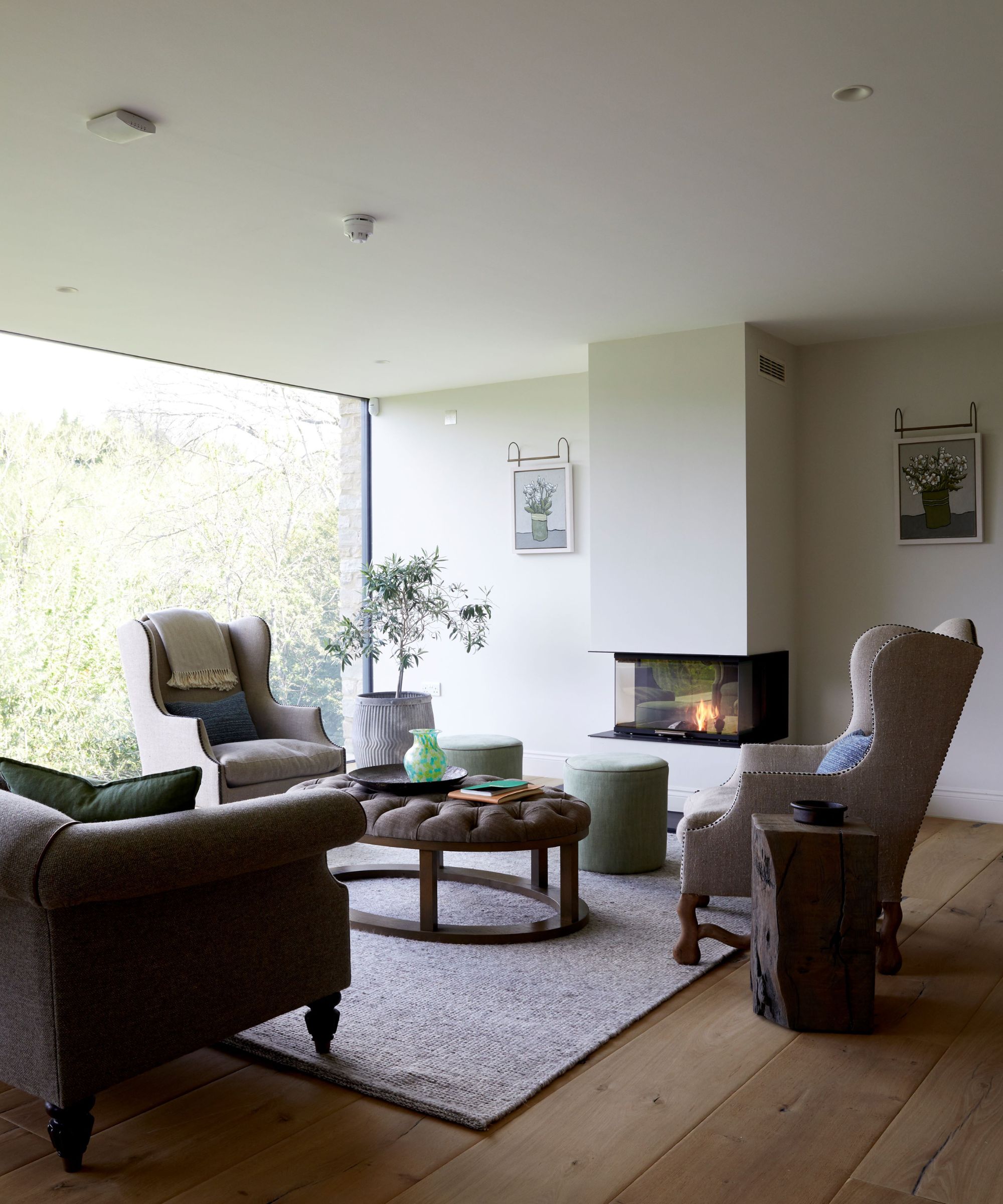
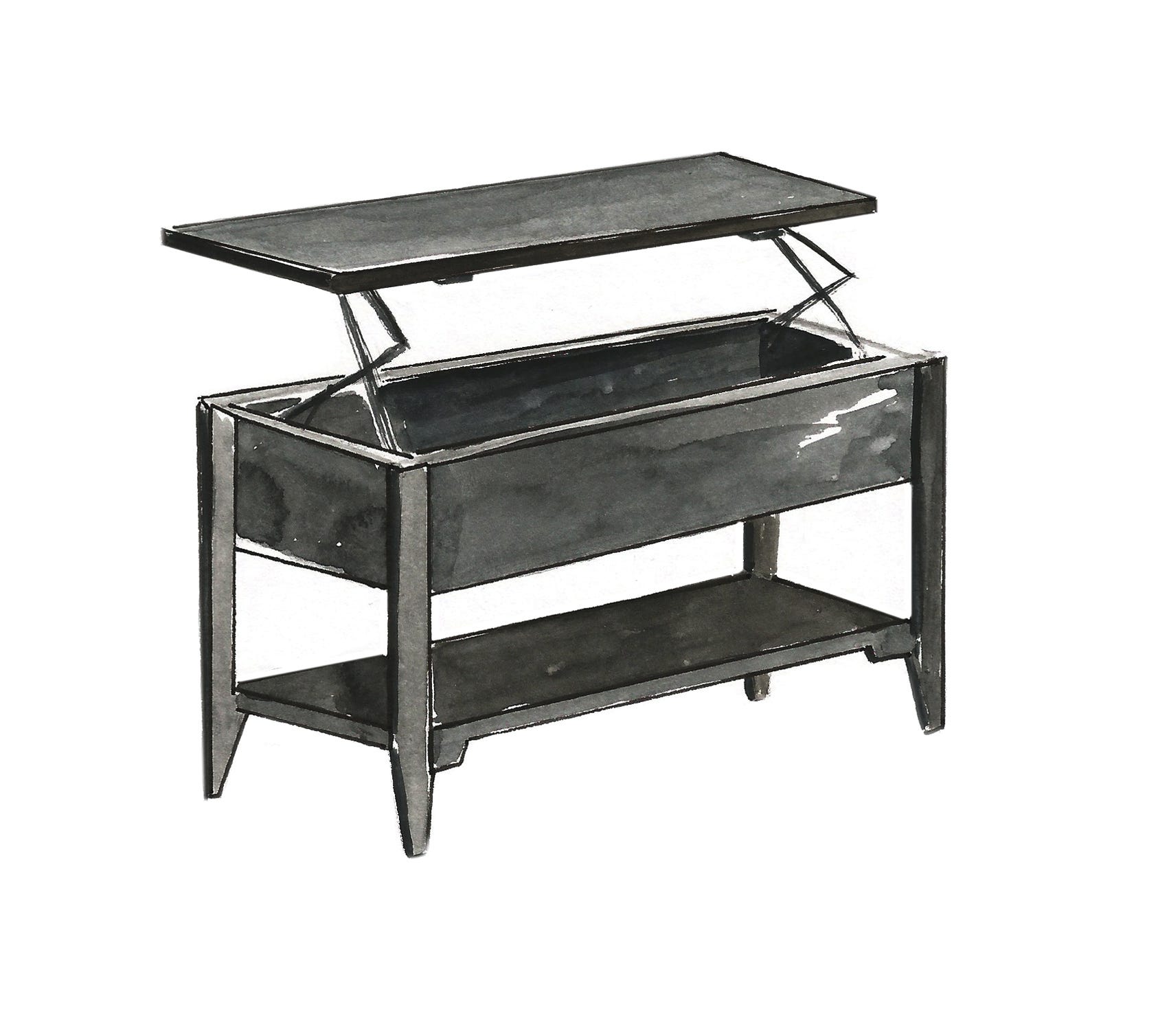
Maximizing natural light is crucial in smaller living rooms. Sanford recommends lighter Roman blinds, although she notes that colored ones can add a more playful touch, as they allow more daylight to penetrate the space, making it feel larger and brighter. Ottomans are highlighted as highly versatile and functional pieces, serving as tables, extra seating for guests, and often providing hidden storage, which helps maintain a clutter-free environment.
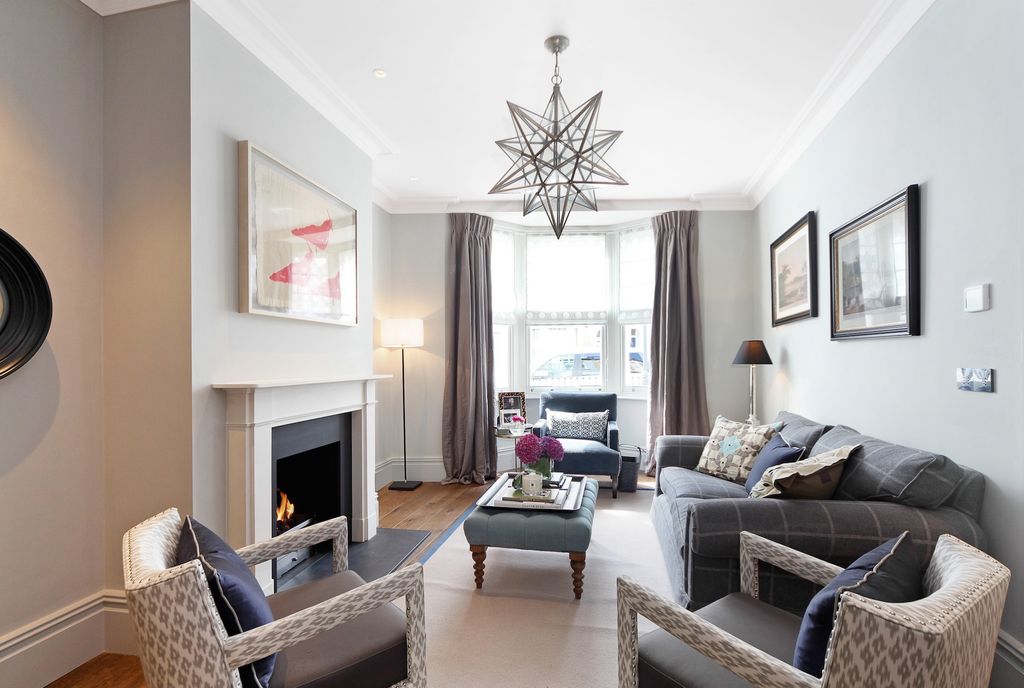
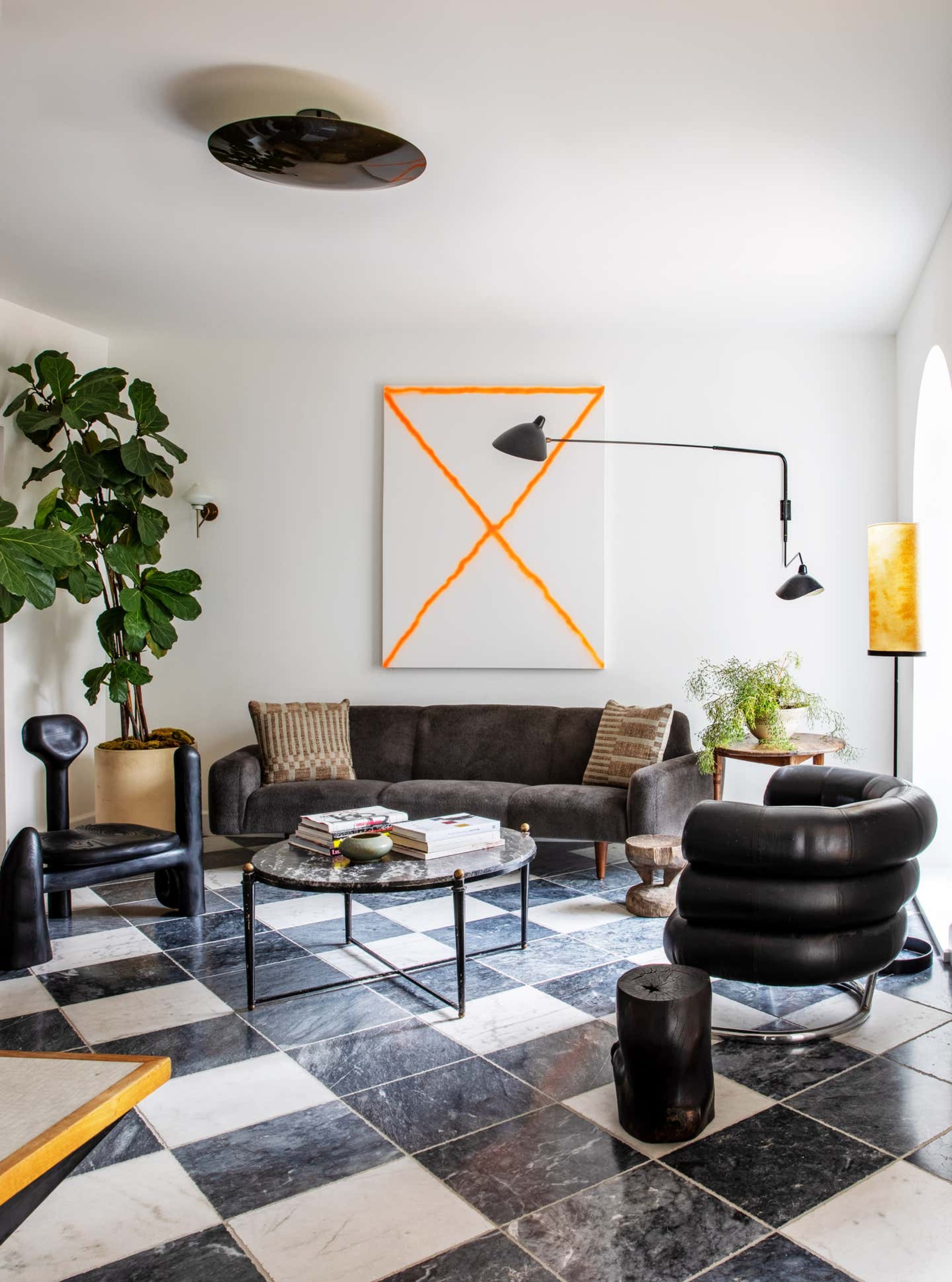
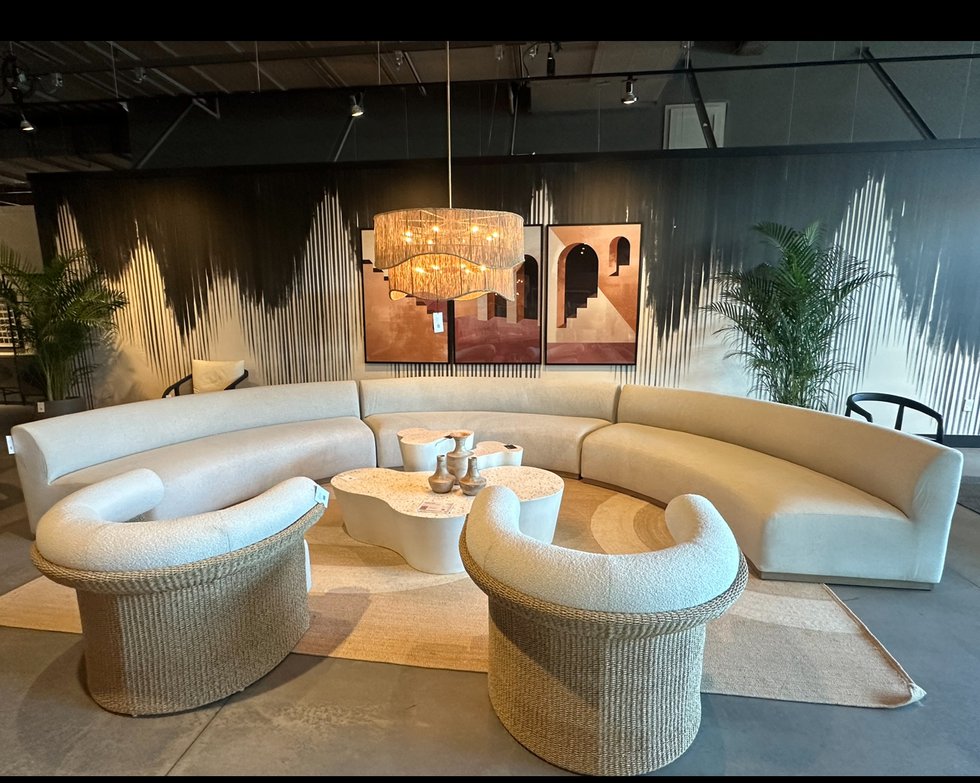
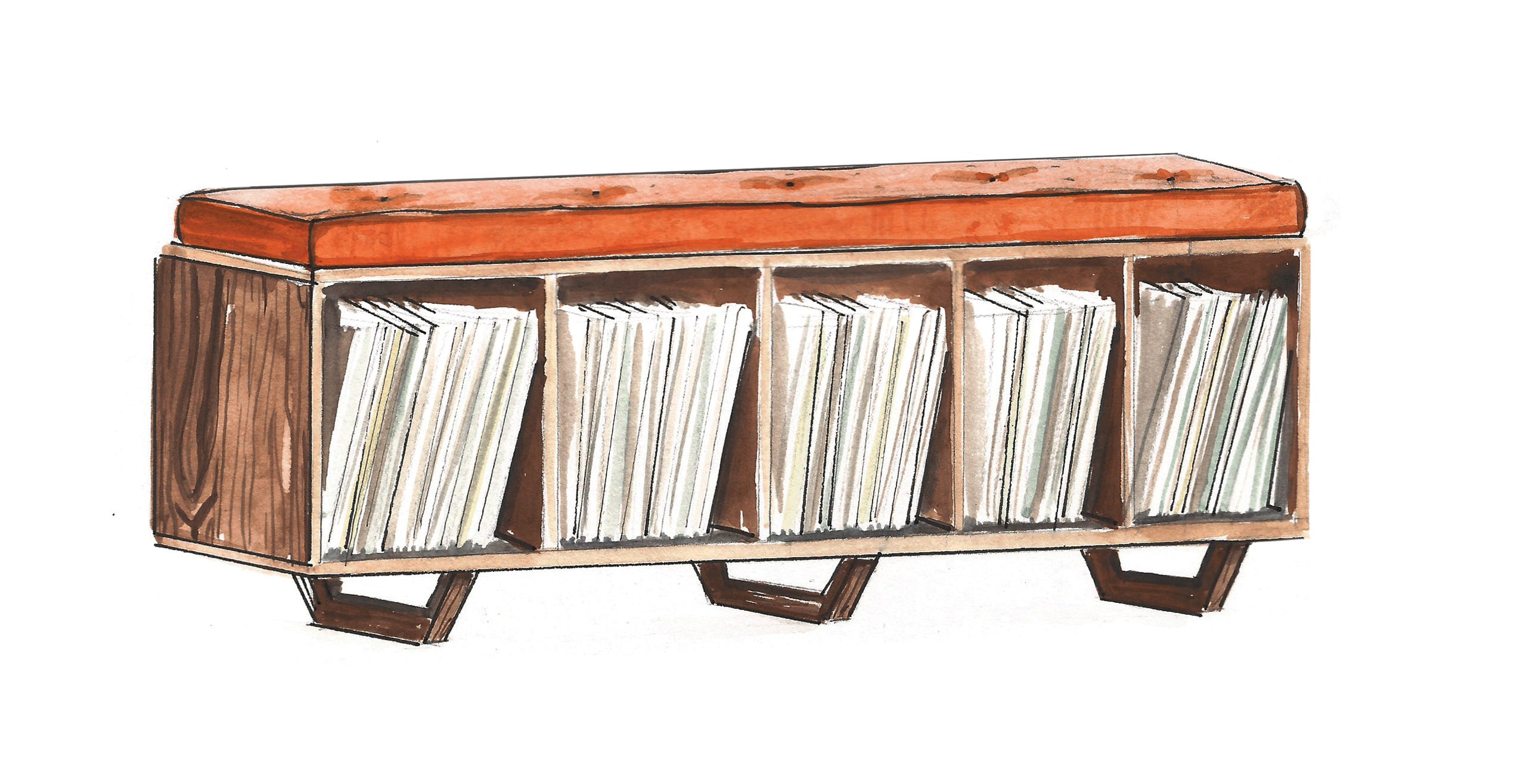
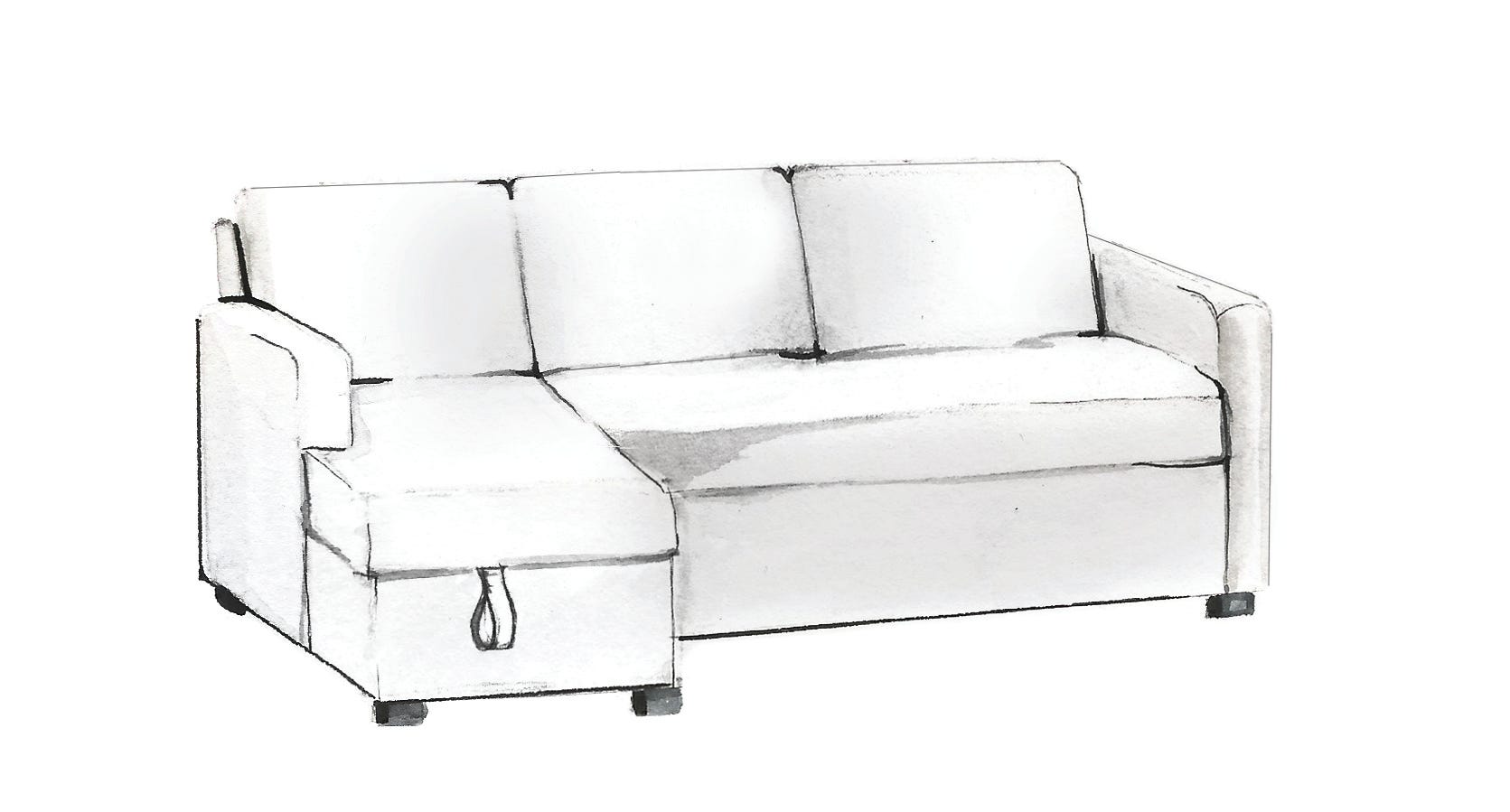
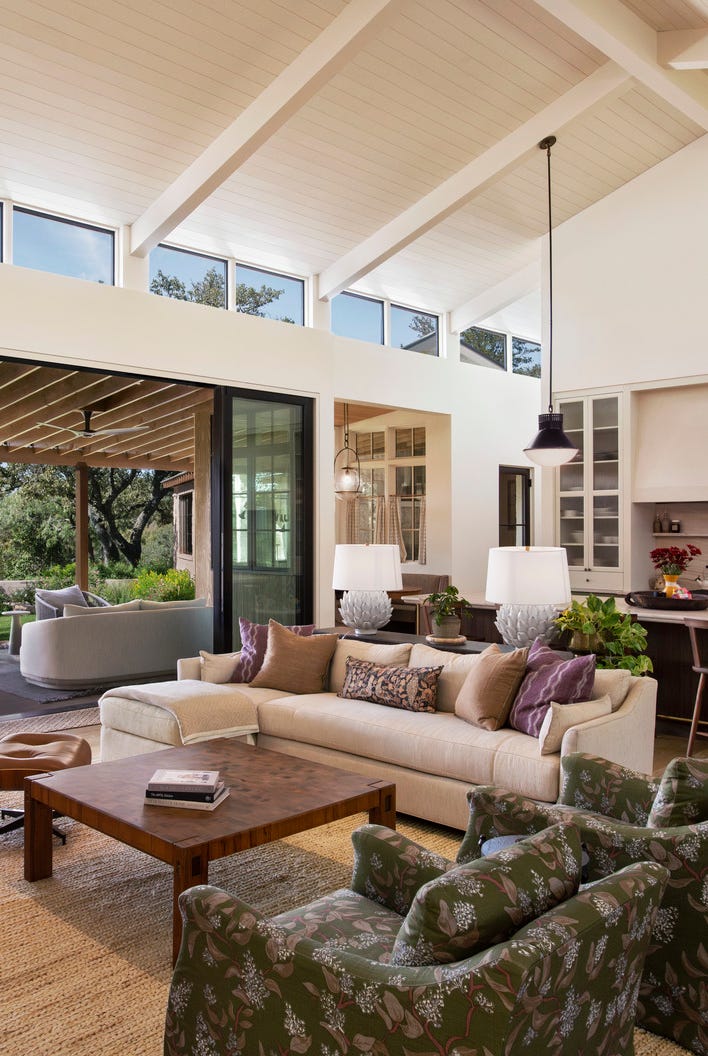
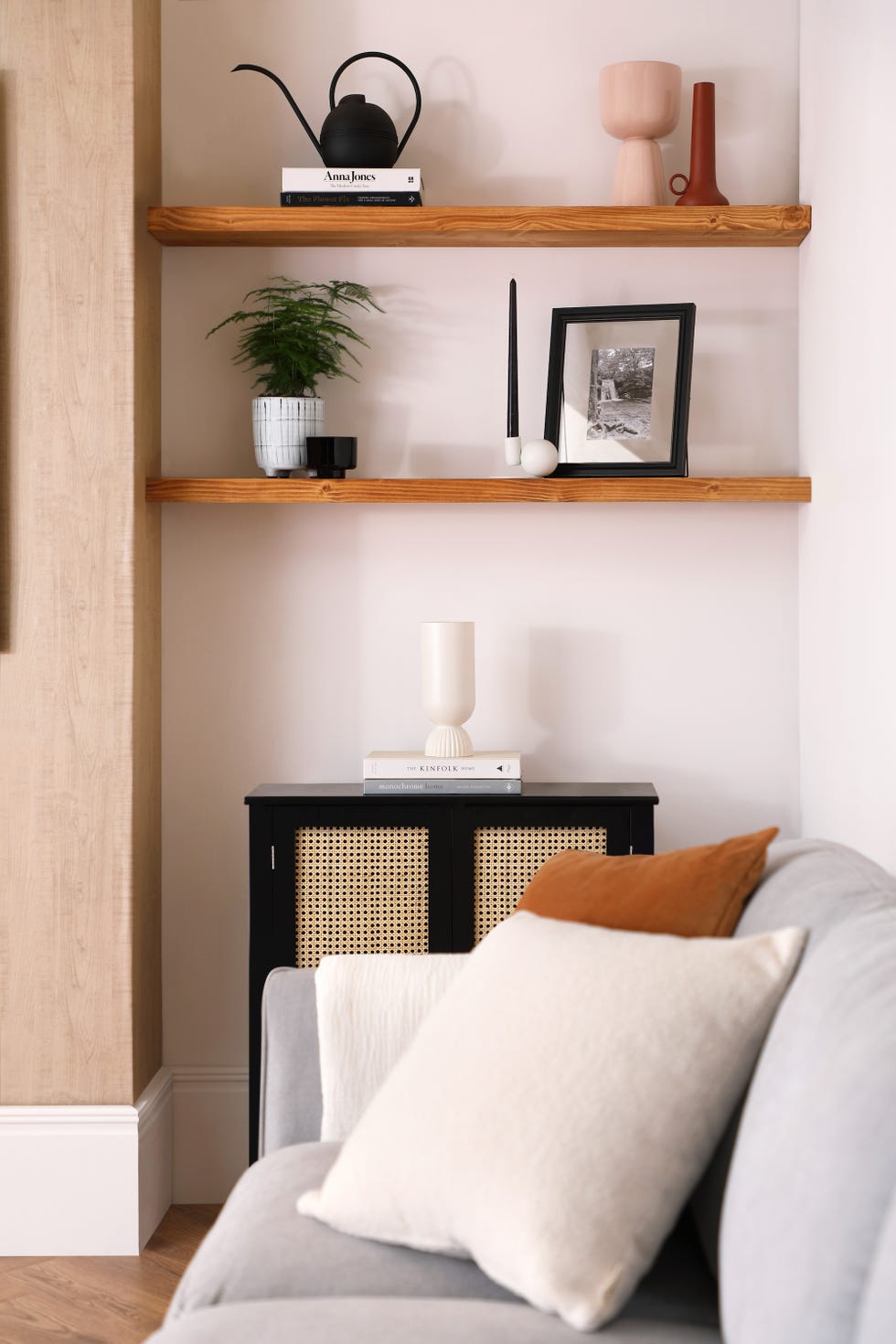
Efficient use of space is another key recommendation. Sanford advises transforming redundant areas into practical storage solutions. This often involves custom cabinetry designed to fit alcoves or awkward corners, along with closed units to conceal clutter, contributing to a calmer and more spacious feel. Counterintuitively, Sanford suggests opting for larger, well-proportioned furniture pieces rather than numerous small ones. Oversized armchairs, a generous coffee table, or a statement sofa can anchor the room, providing a sense of presence and preventing the space from appearing cluttered or disjointed, thereby adding personality and impact.
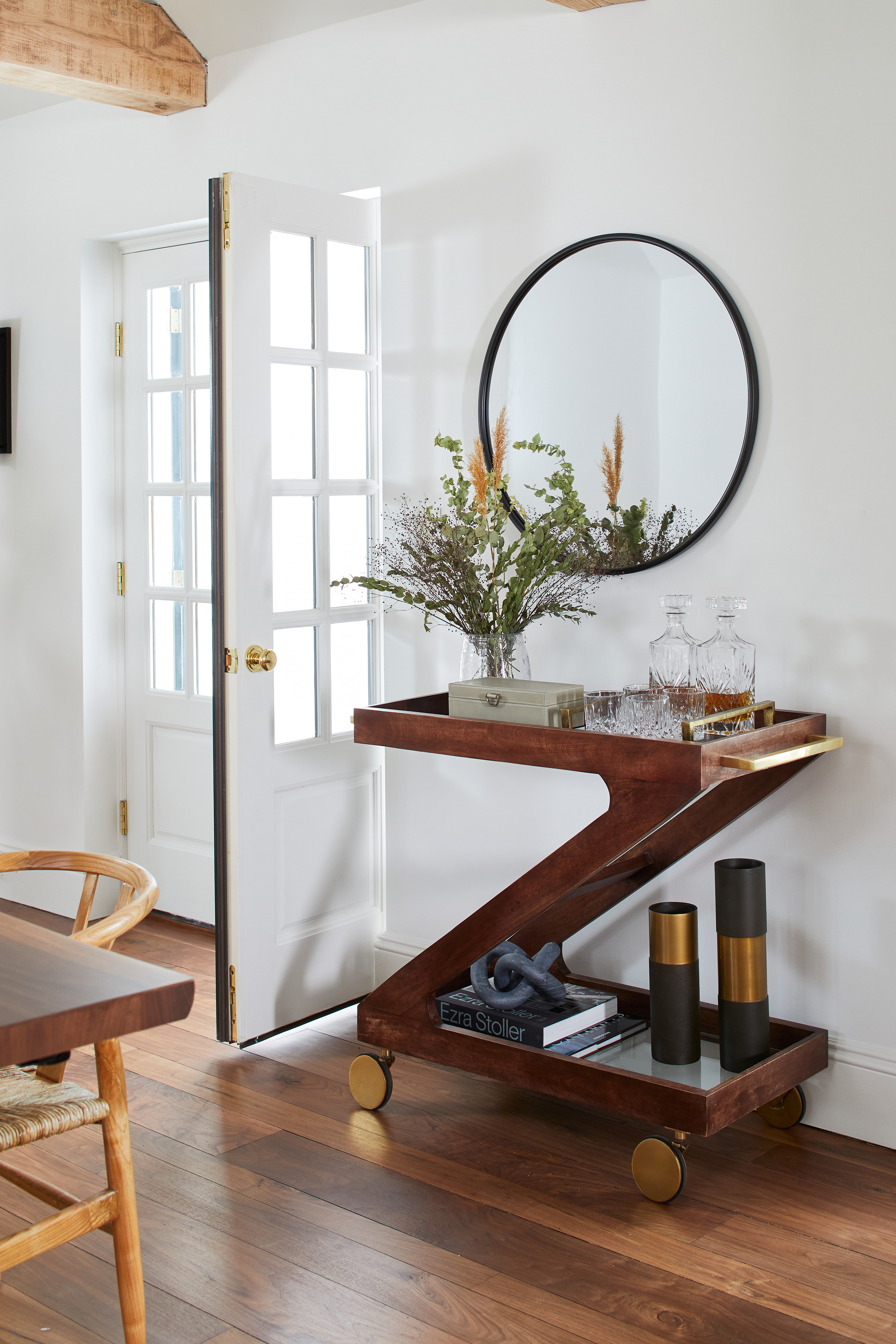
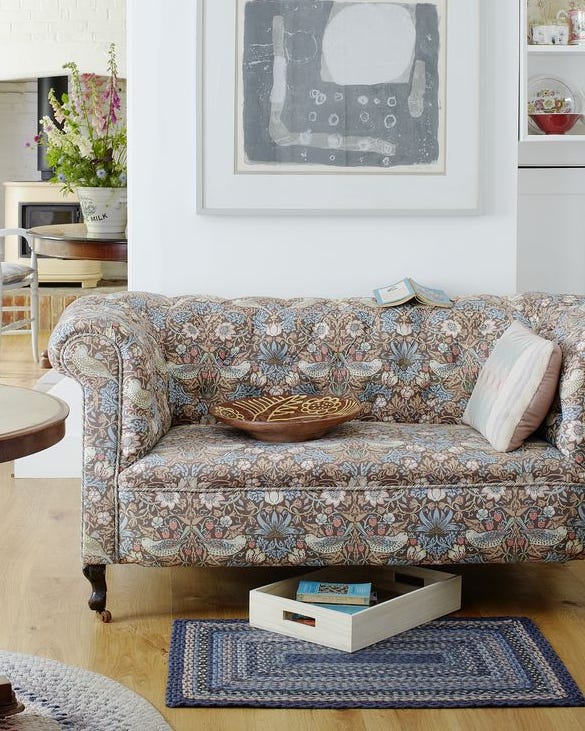
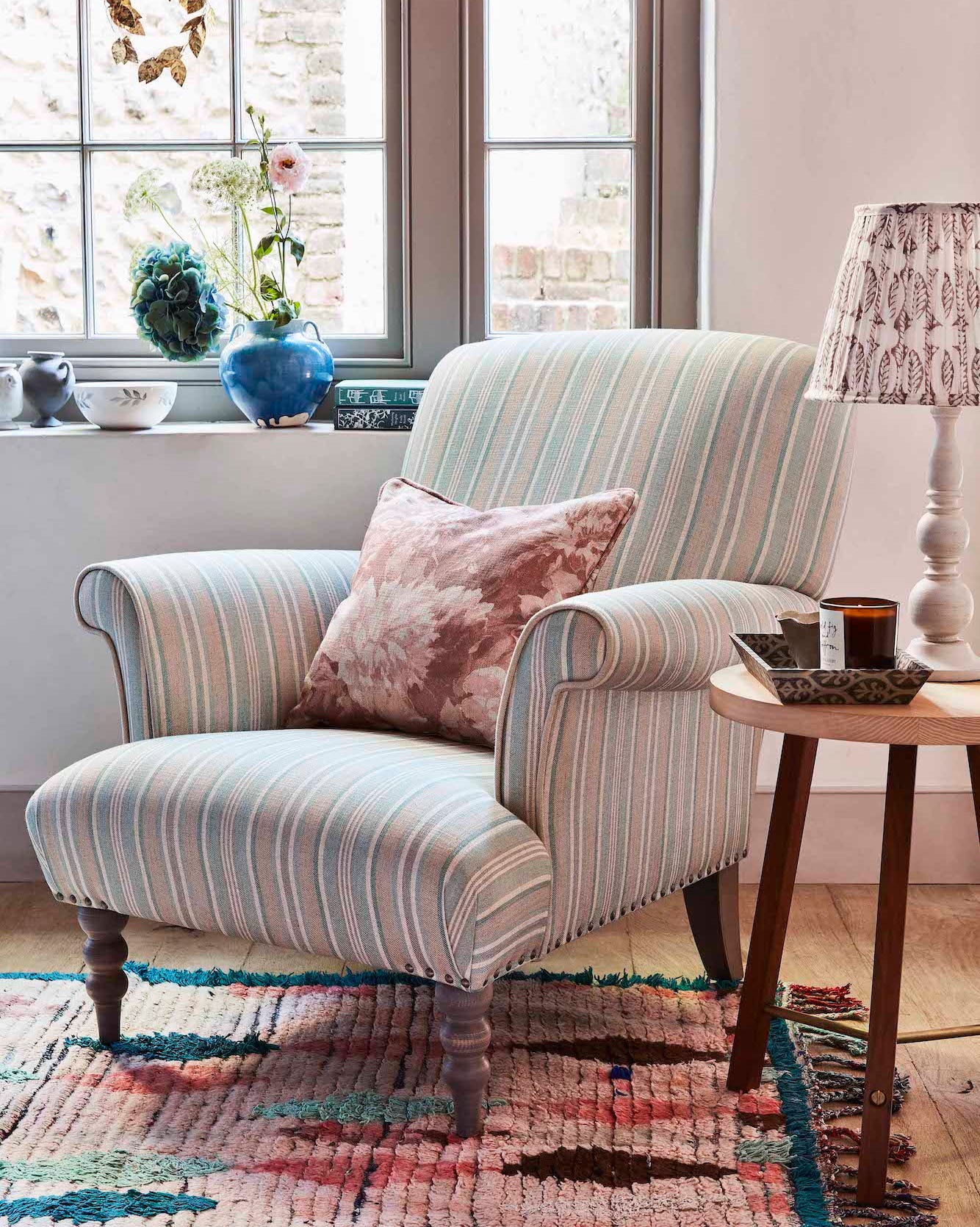
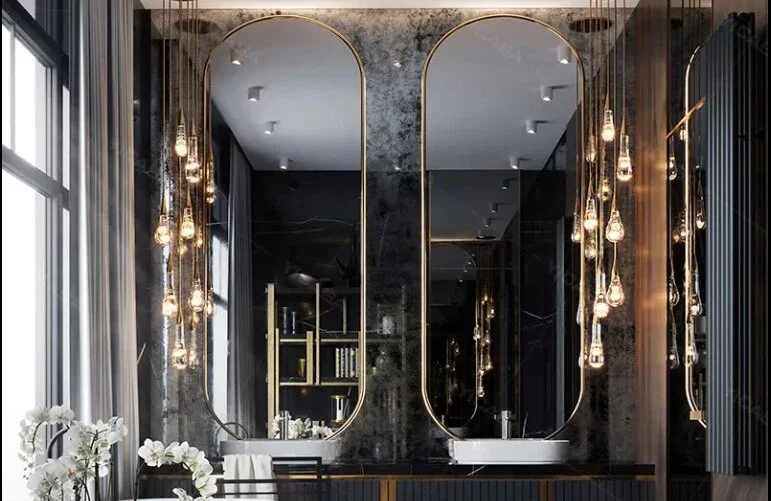
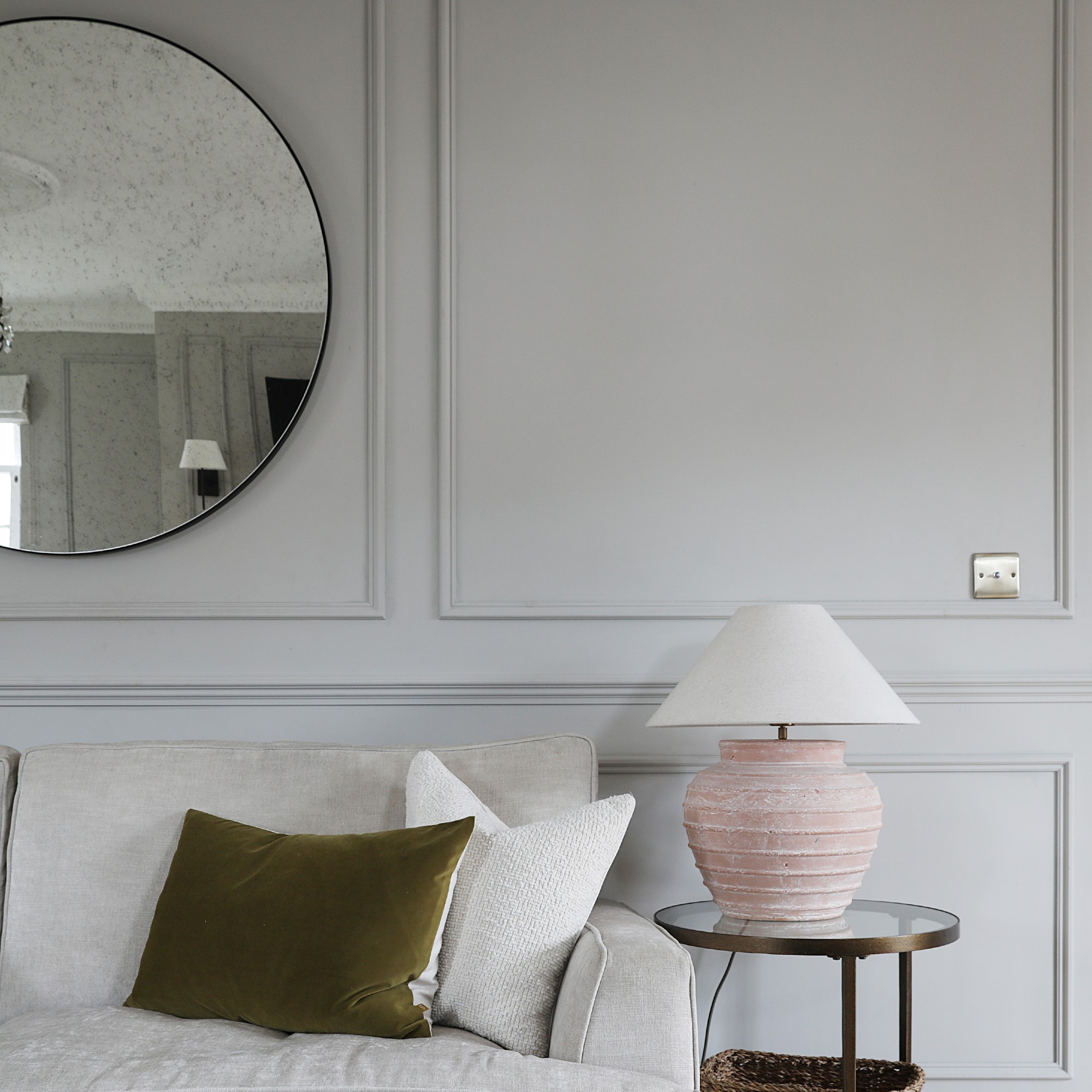
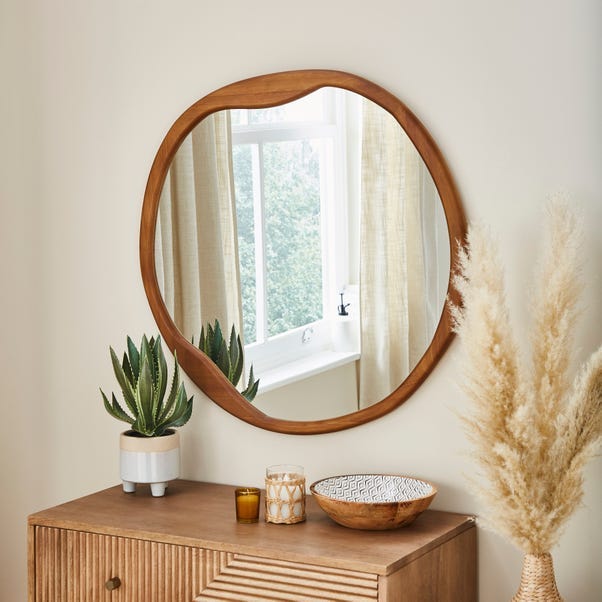
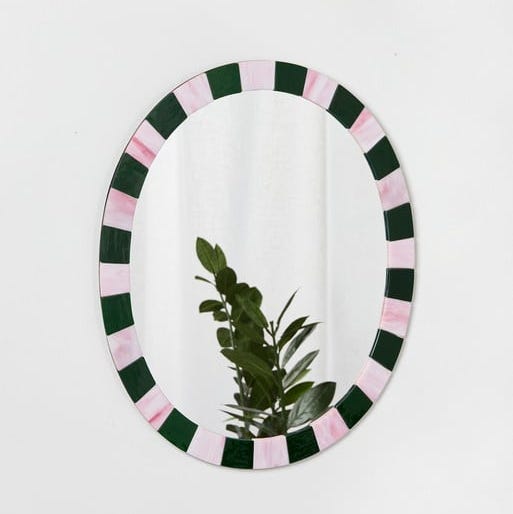
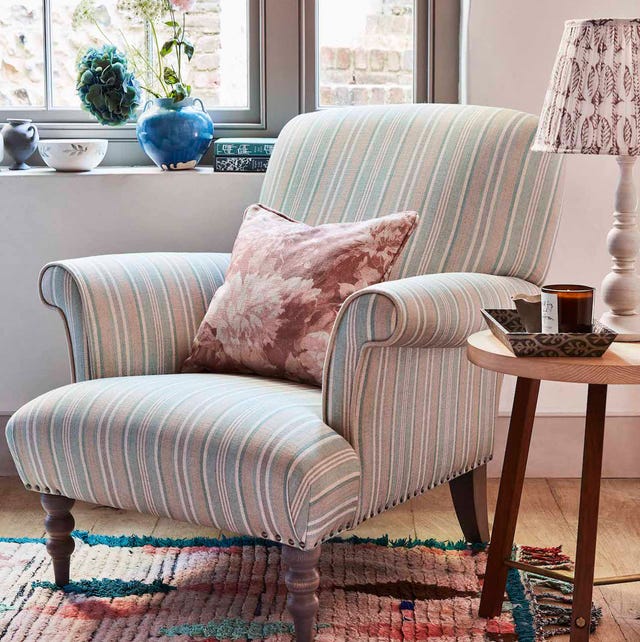
Mirrors are presented as an excellent tool for instantly opening up a small living room. They reflect natural light, making the room brighter and more expansive. Sanford advises strategically placing mirrors to reflect views and patterns, not just above fireplaces, to maximize their impact. A patterned armchair can also be a game-changer, adding visual interest and breaking up monochromatic or neutral schemes without overwhelming the room, especially when balanced with solid-colored walls or complementary soft furnishings.
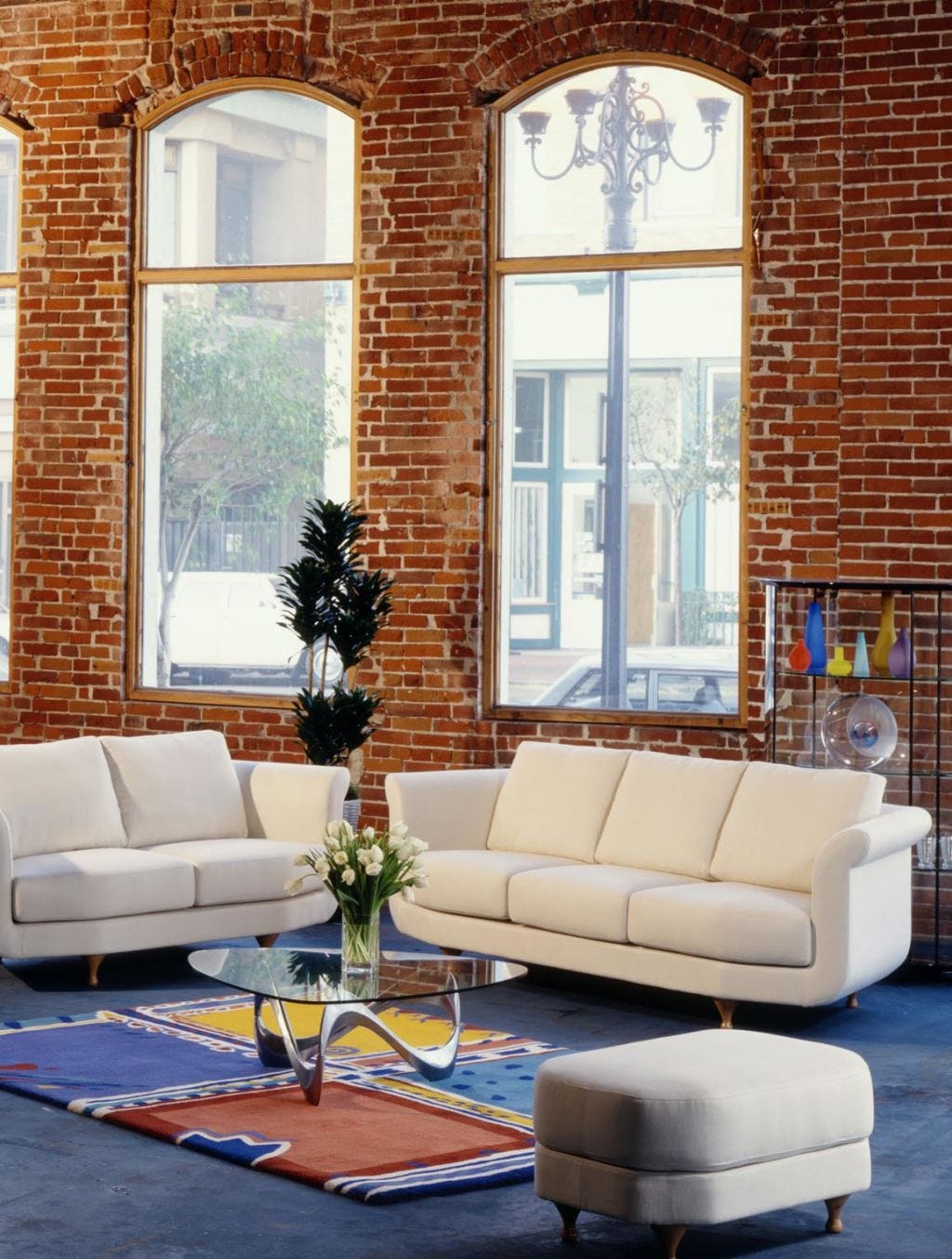
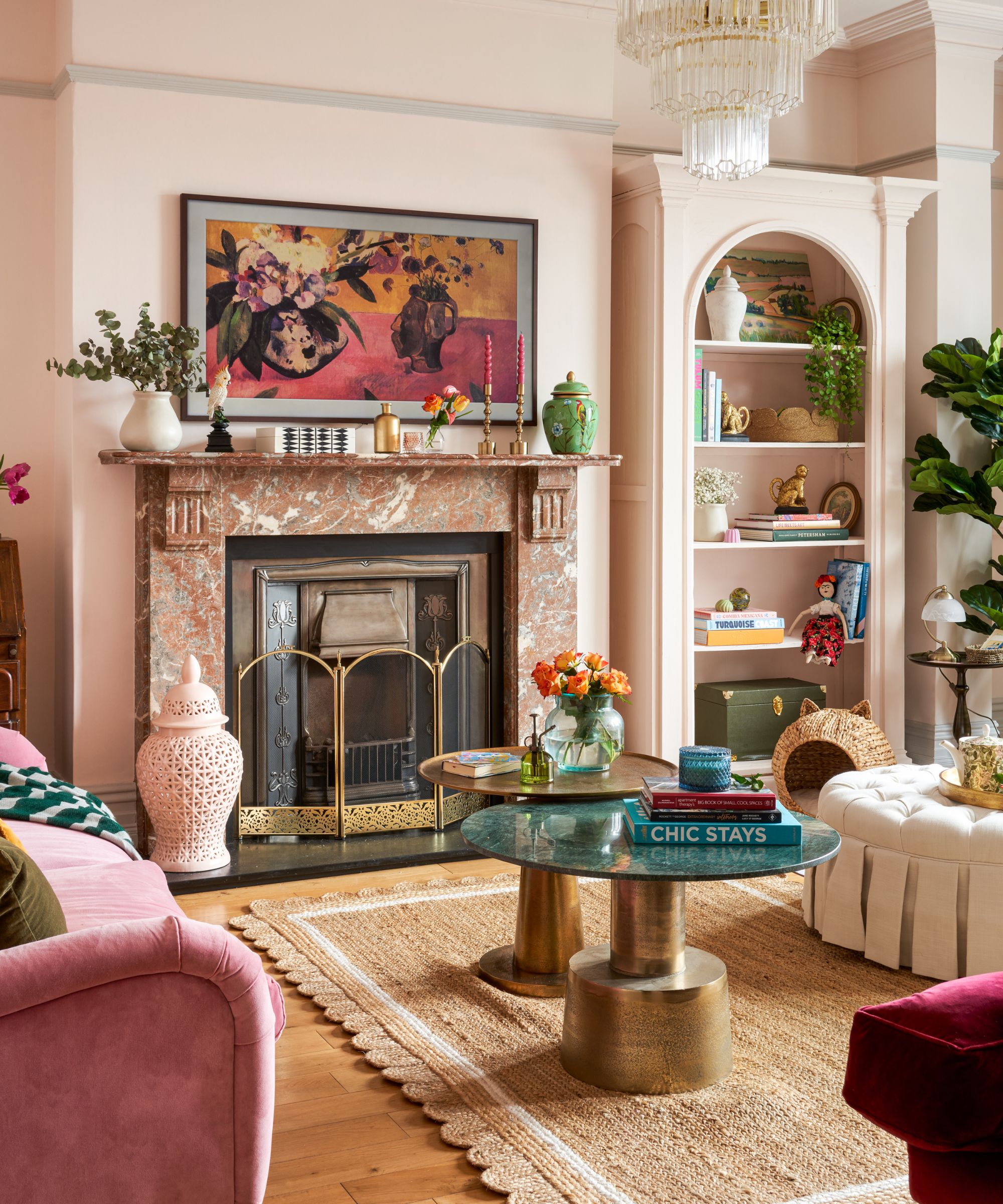
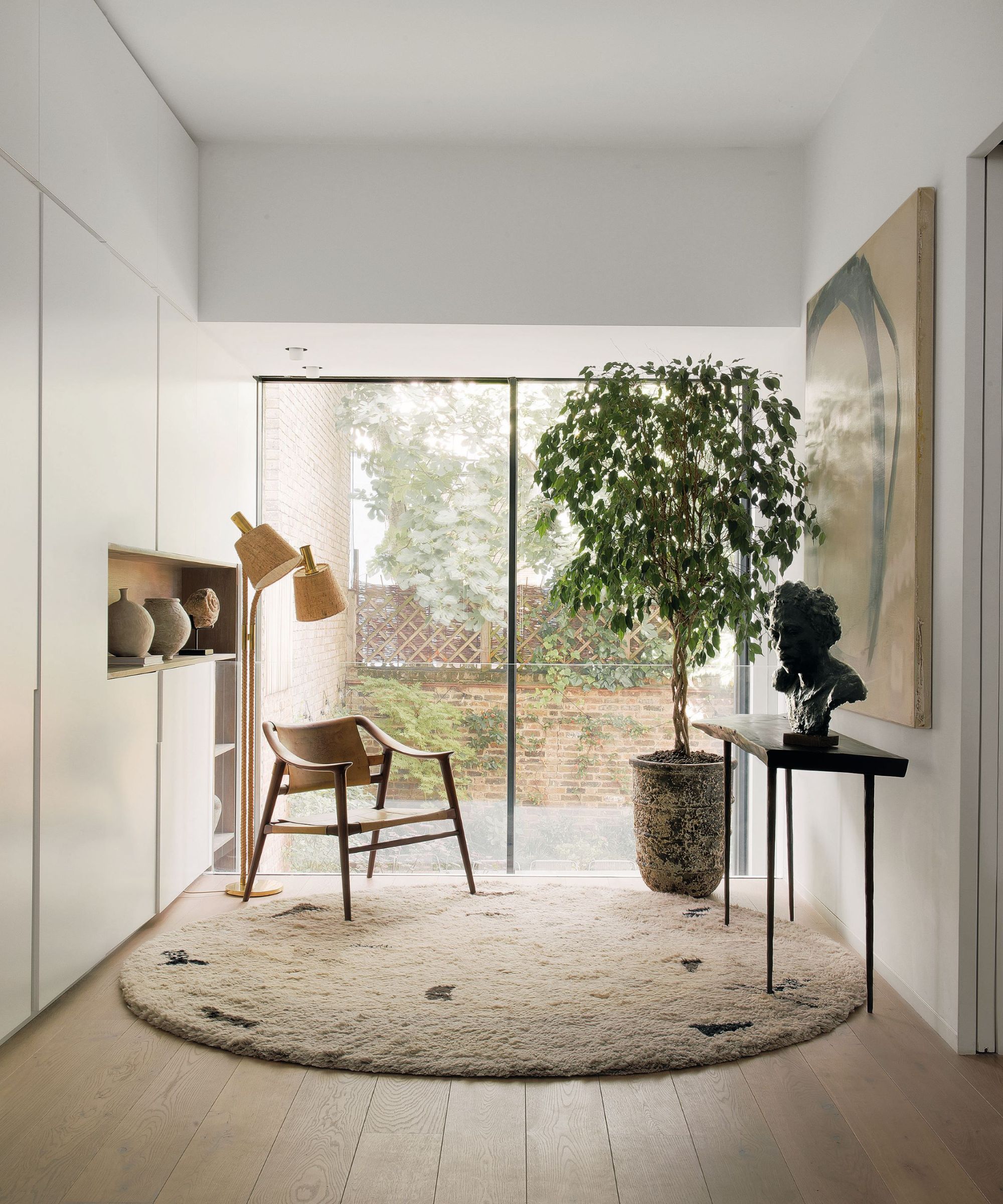
Rugs are identified as another effective element for defining areas and tying the room together. Lighter-colored rugs can contribute to an open and airy feel, while darker rugs can create a cozier atmosphere, though they might also add a sense of heaviness. Rugs with interesting textures or bold patterns can serve as statement pieces, further enhancing the room's character. Overall, Sanford's advice emphasizes strategic use of color, pattern, light, and furniture to make small living rooms feel more expansive, functional, and inviting.
#SmallLivingRoom #InteriorDesign #HomeDecor #SpaceSaving #DesignTips #LucindaSanford #HomeStyling #PatternUse #LightingTips #SmallLivingRoom #InteriorDesign #HomeDecor #SpaceSaving #DesignTips #LucindaSanford #HomeStyling #PatternUse #LightingTips
Há 0 comentários no total
 Ainda não há comentários
Você também pode gostar
9 simple tricks to elevate your small living room according to an interior designer

7 narrow living room ideas – how to turn an awkwardly shaped space into a dreamy lounge
Design tips and tricks for decorating a small living room
Does Your Room Feel Like It's Missing Something? Here Are 10 Designer-Approved Ways to Quickly Elevate the Space

32 Styling Tricks That Will Make Your Small Living Room Feel Bigger and Better

This mini-trend is the easiest way to elevate your living room - here are 8 ways to add a luxe feel, fast

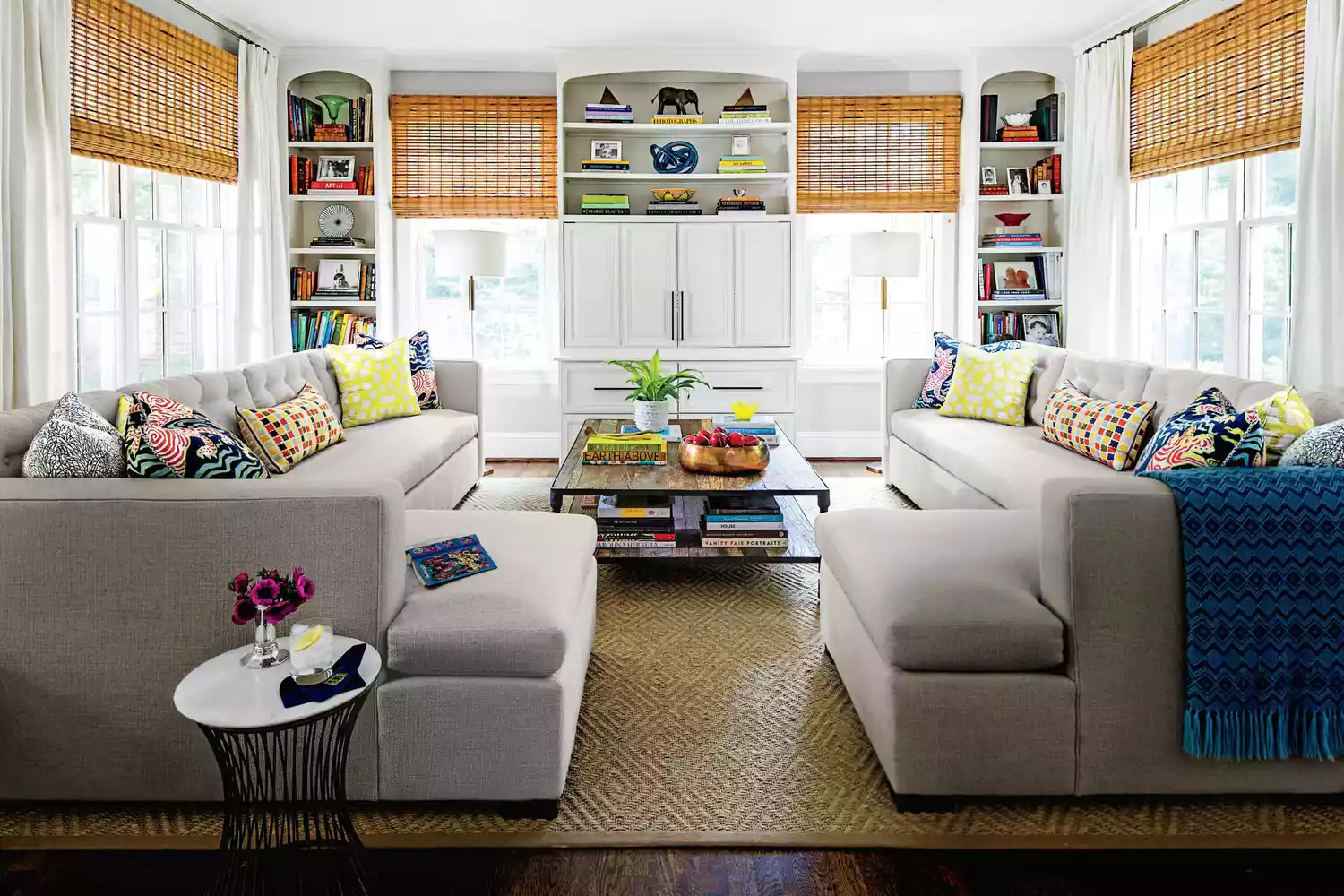
8 Ways To Make A Small Living Room Appear Larger
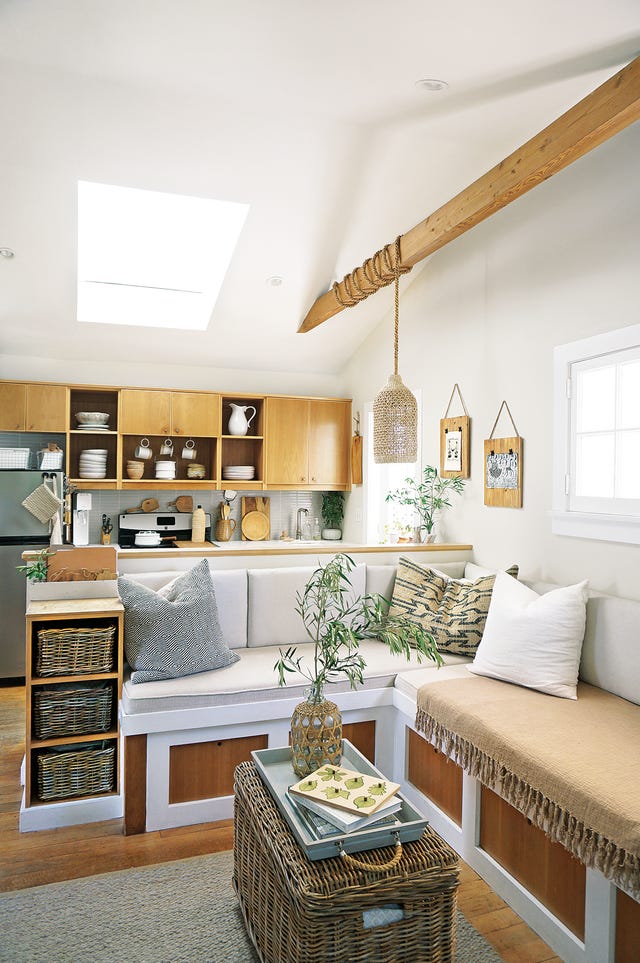
The Secrets to Maximizing a Small Living Room
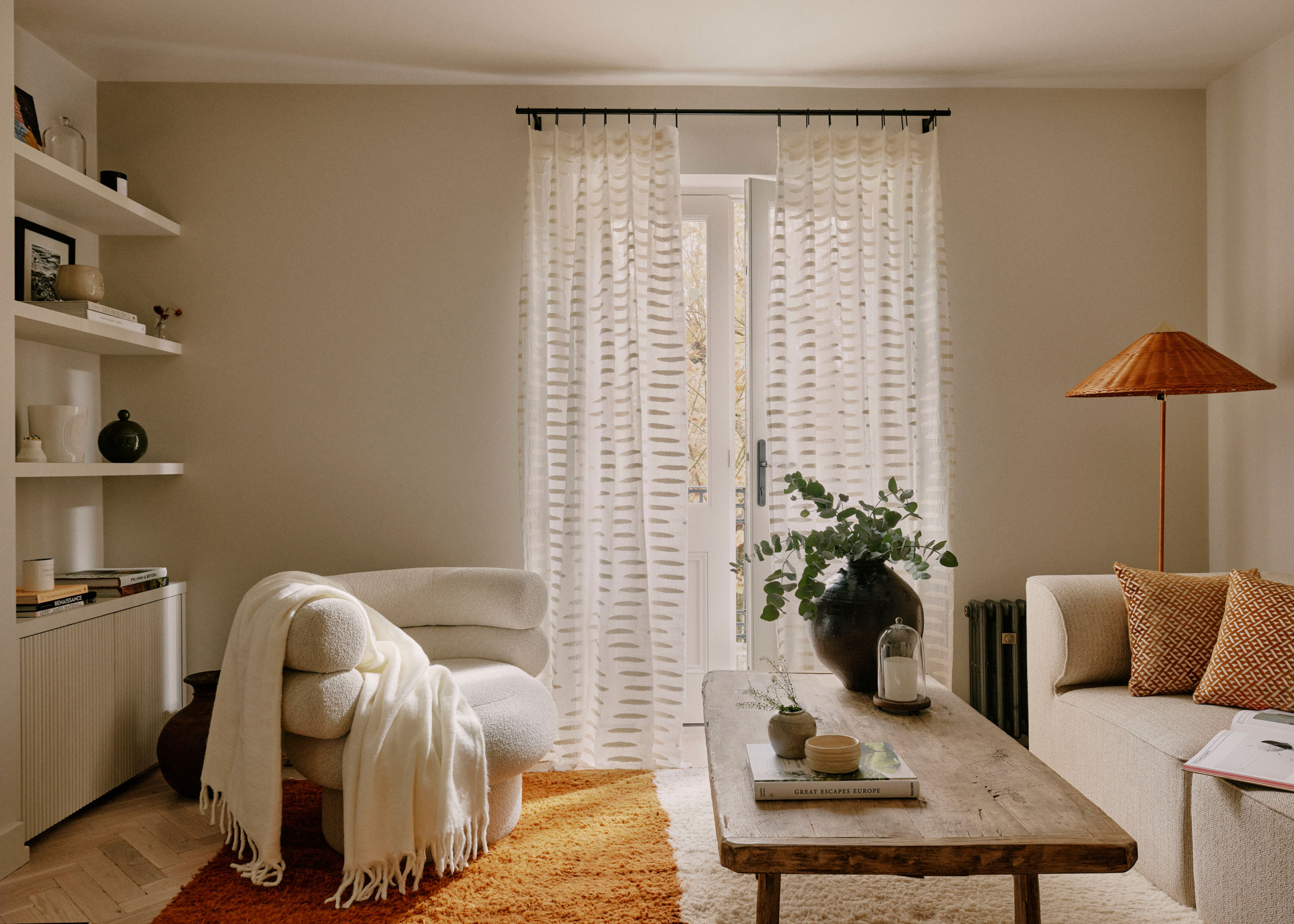
How to quickly elevate your living room in under $100 - easy pick-me-ups the designers swear by
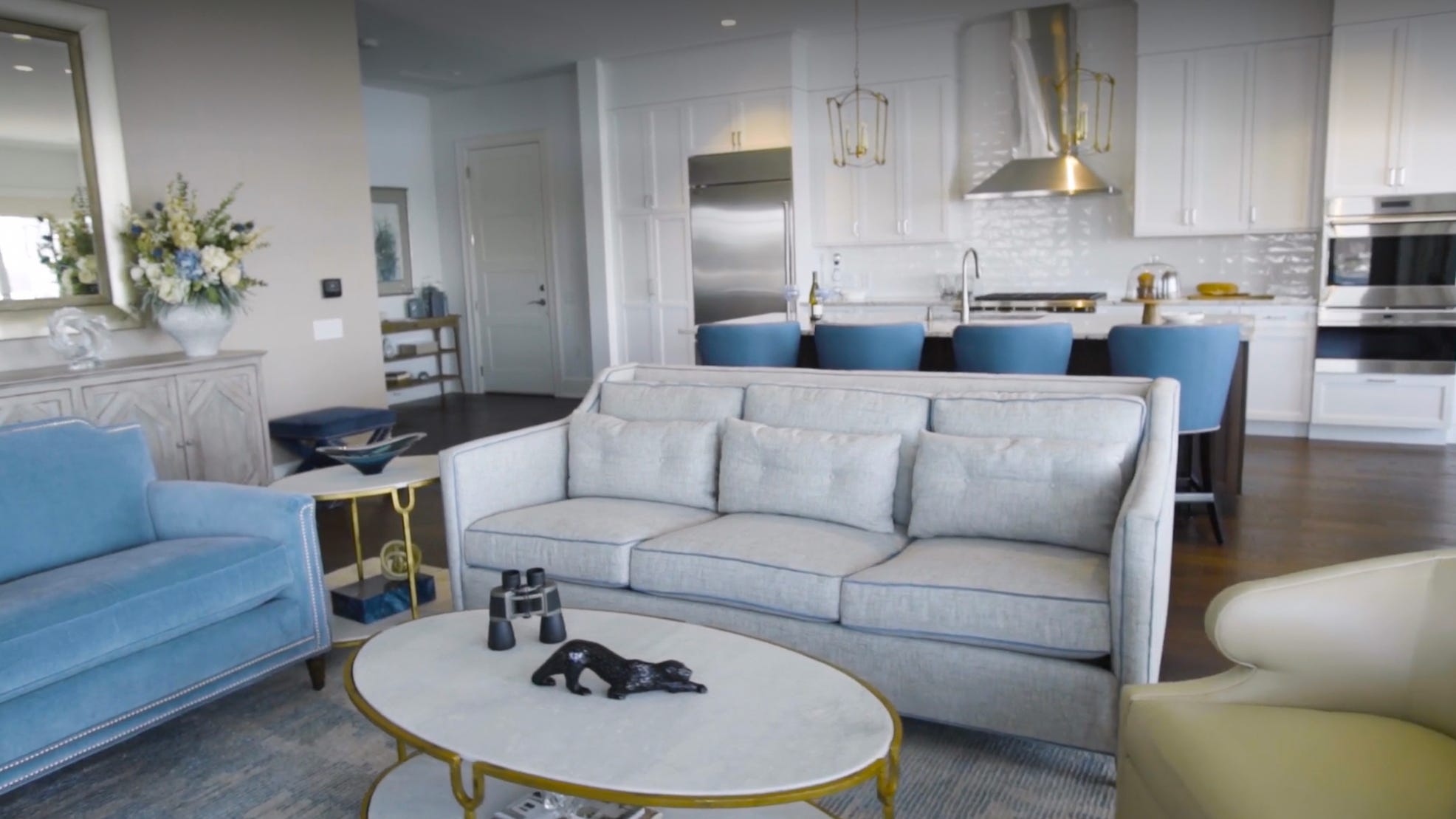
5 Ways to Elevate Your Living Room
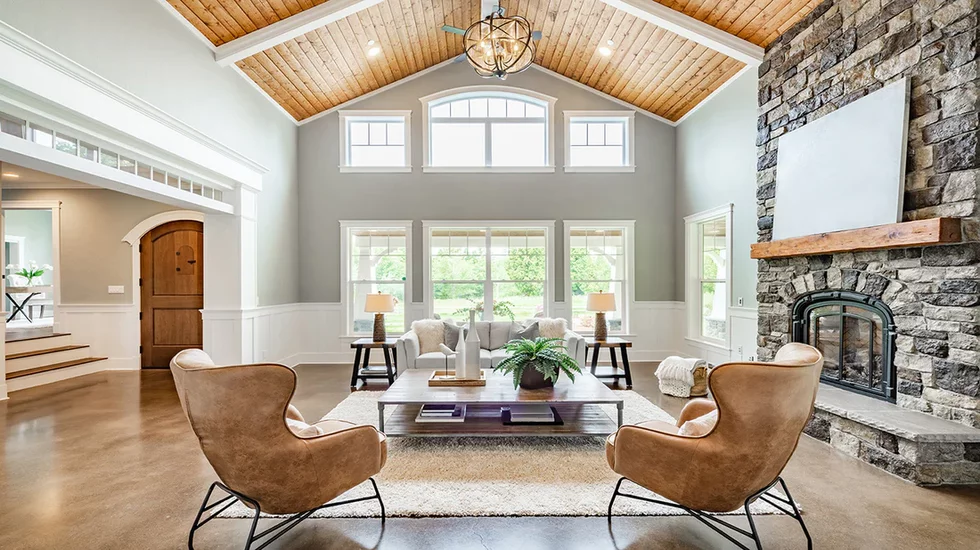
8 ways to elevate your living room, kitchen, bathroom, and bedroom

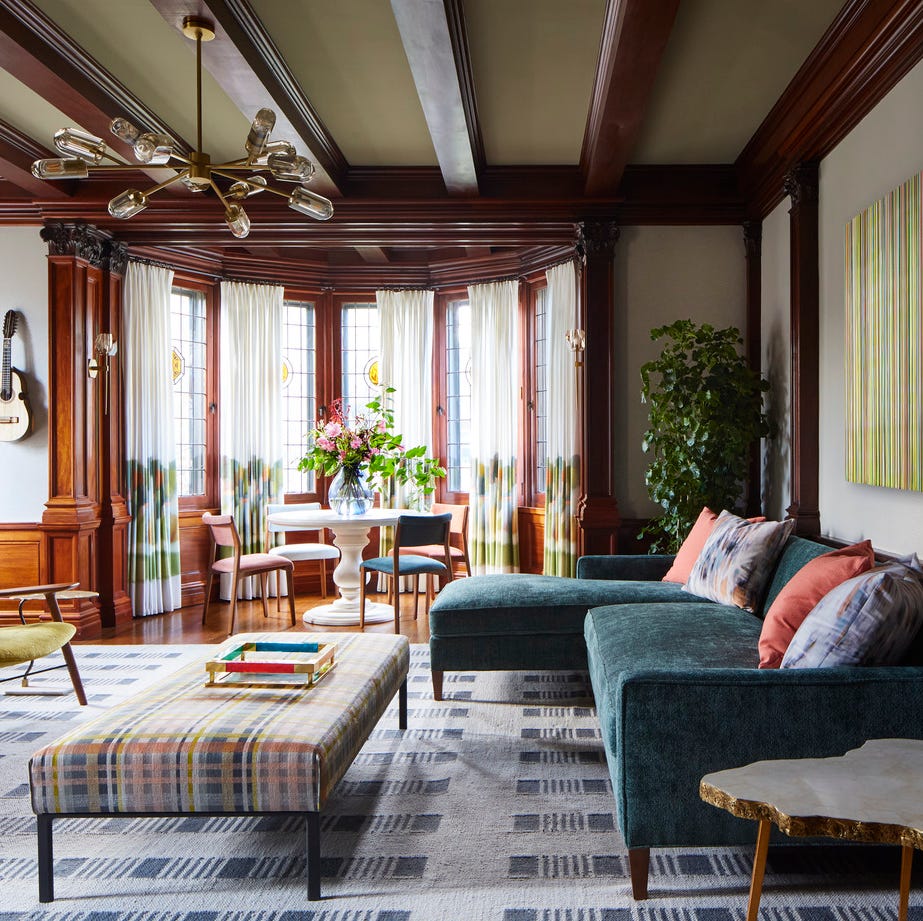
Easy Ways to Transform Your Living Room Into a Space You LOVE

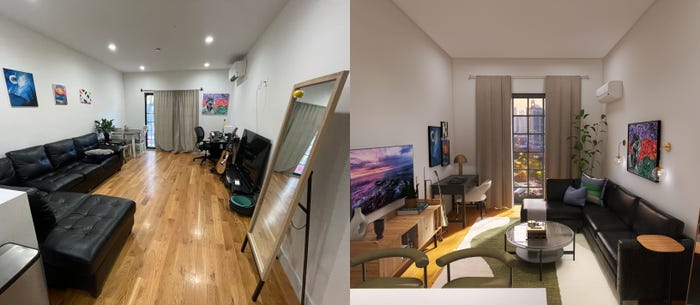
Tips for Upgrading a Small Living Room From an Interior Decorator
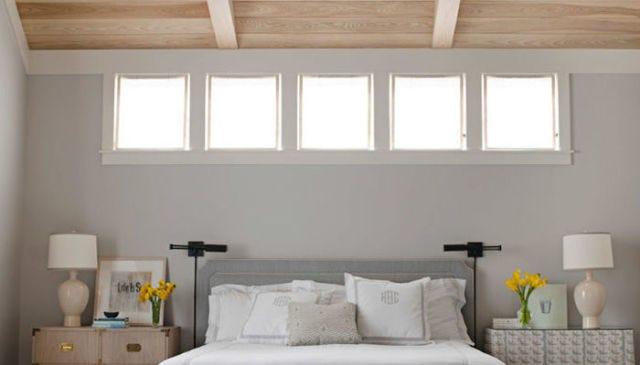
11 Pro Tricks to Make It Look Like You Have High Ceilings
Designers swear these 8 living room layout hacks will instantly elevate your space, no matter what the size

How to make your living room look bigger: 7 tips to fool the eye
Design Pros Reveal Their Secret Tricks for Maximizing Space in the Tiniest Living Rooms
How to refresh a small living room — 5 easy tips designers swear by

6 expert tricks for decorating small living room walls that will make your tiny lounge appear bigger
6 Easy Living Room Upgrades That Instantly Make Your Home Look Good, According to Designers