1/32
24 Ways to Hide Your TV in Plain Sight
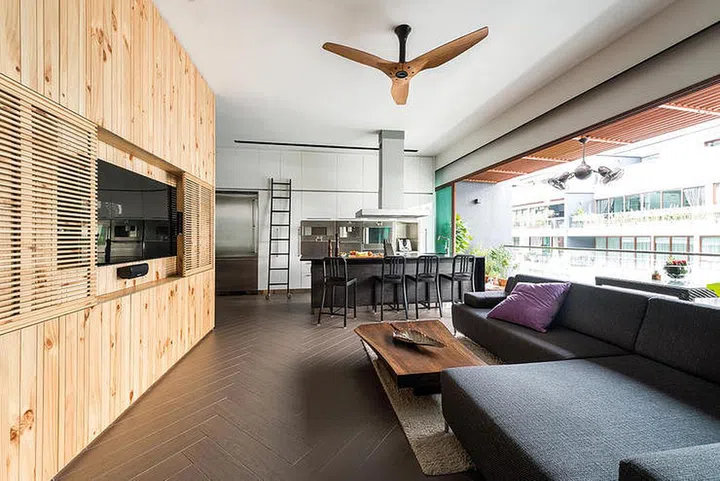
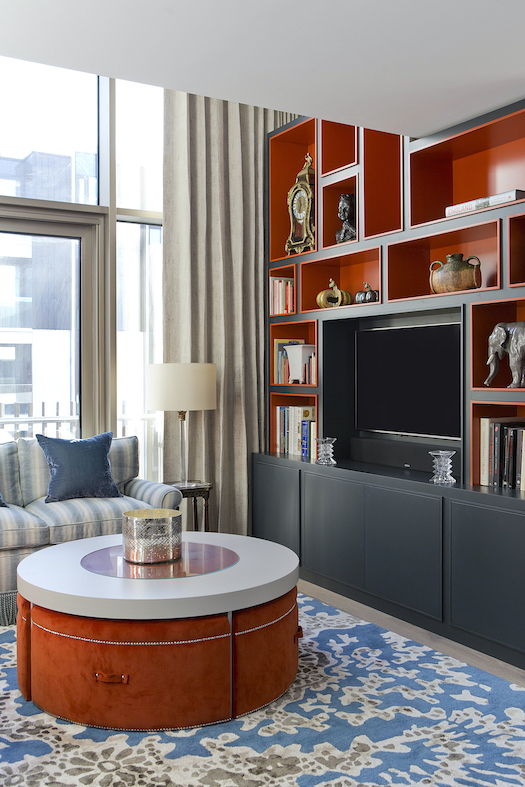
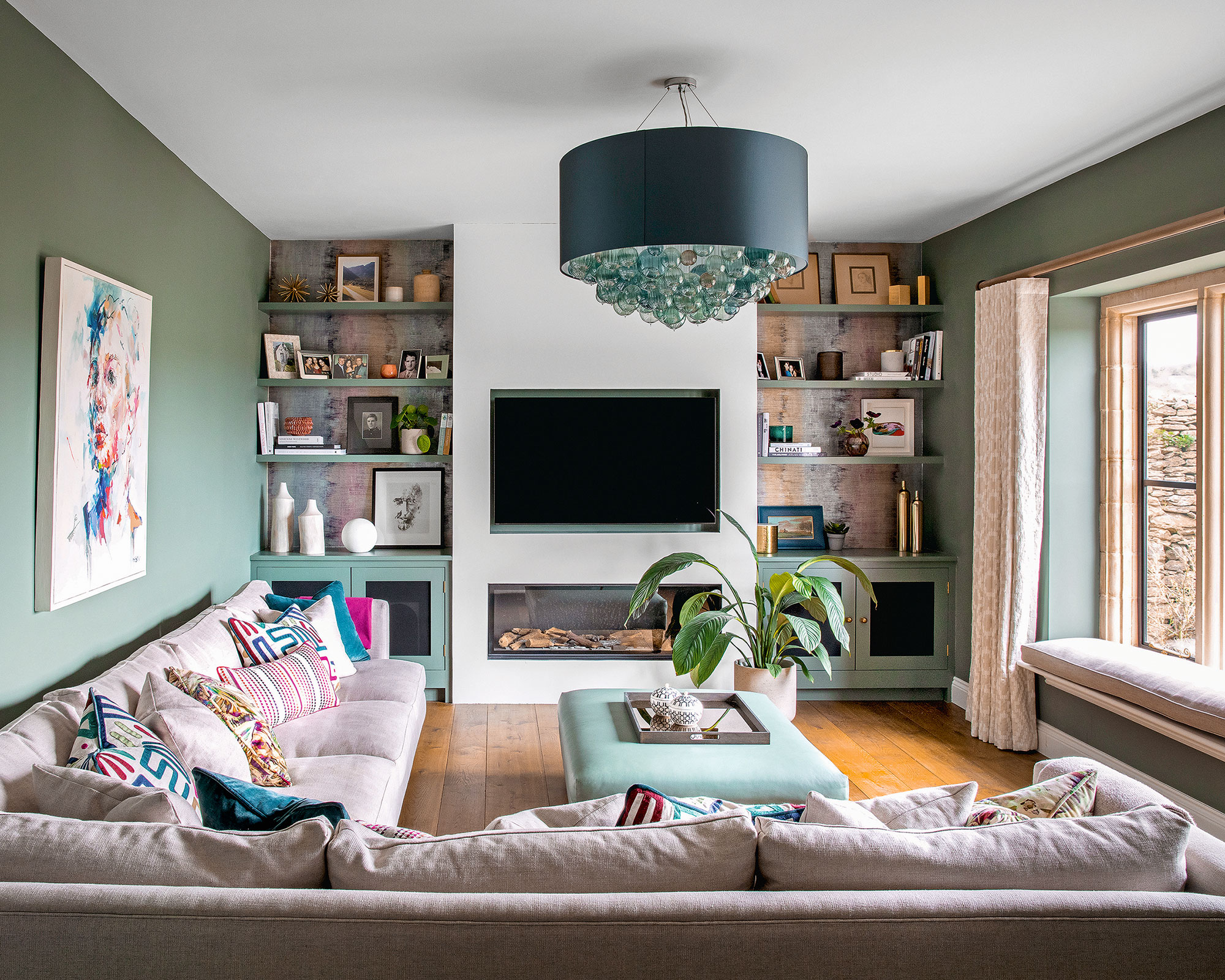
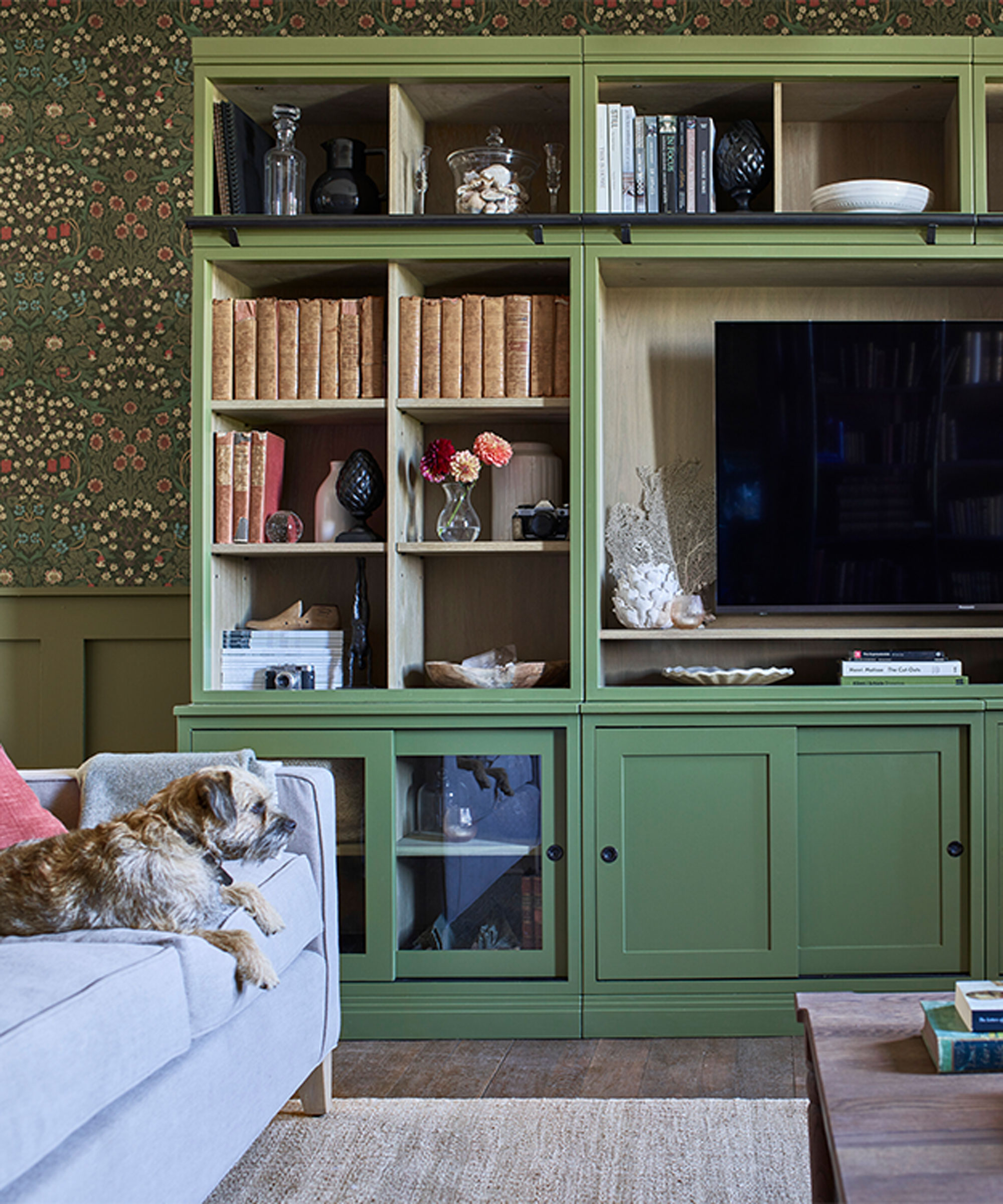
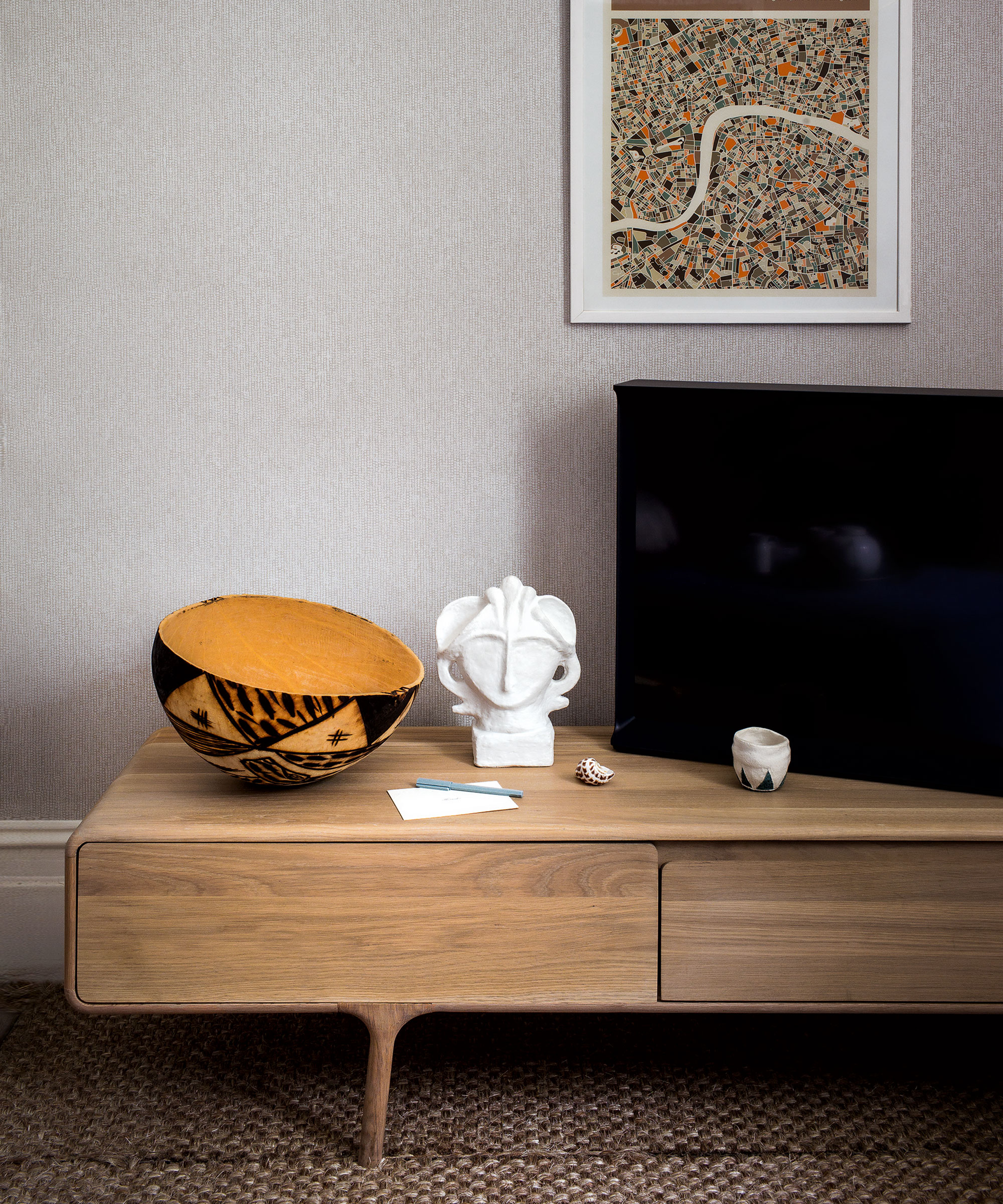
Televisions often present a design challenge in living spaces, with many clients desiring a TV while disliking the prominent "black box" effect when it's not in use. This common dilemma has spurred interior designers to devise creative solutions for discreetly concealing televisions. The article presents 24 different approaches to integrating a TV into a room's aesthetic seamlessly.
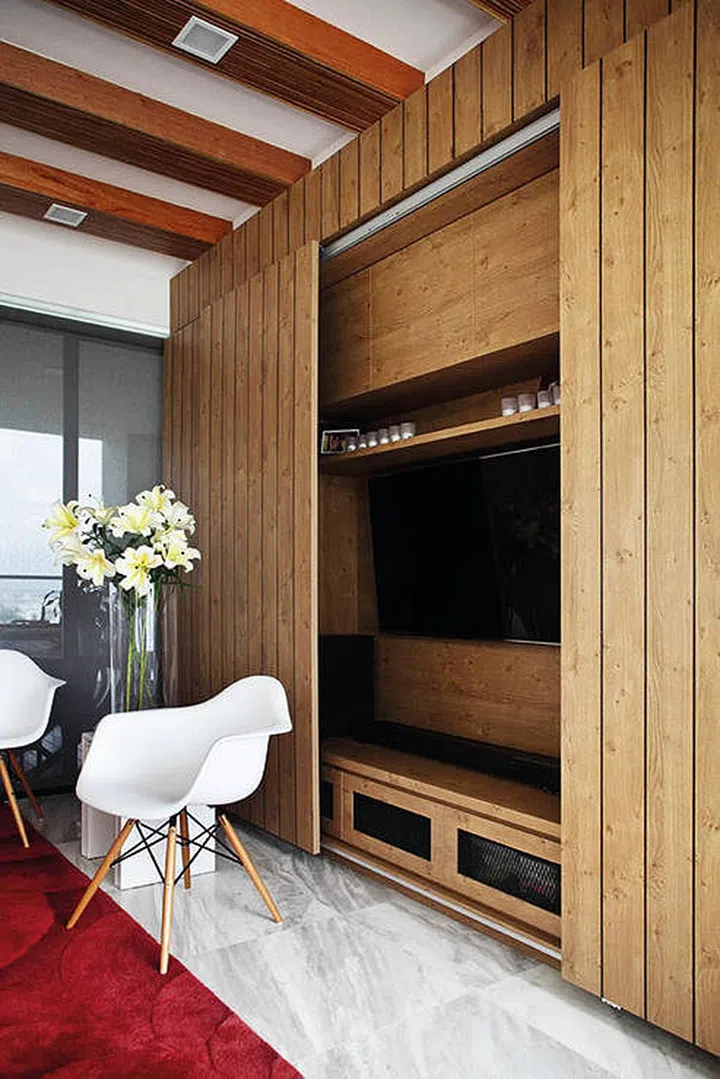
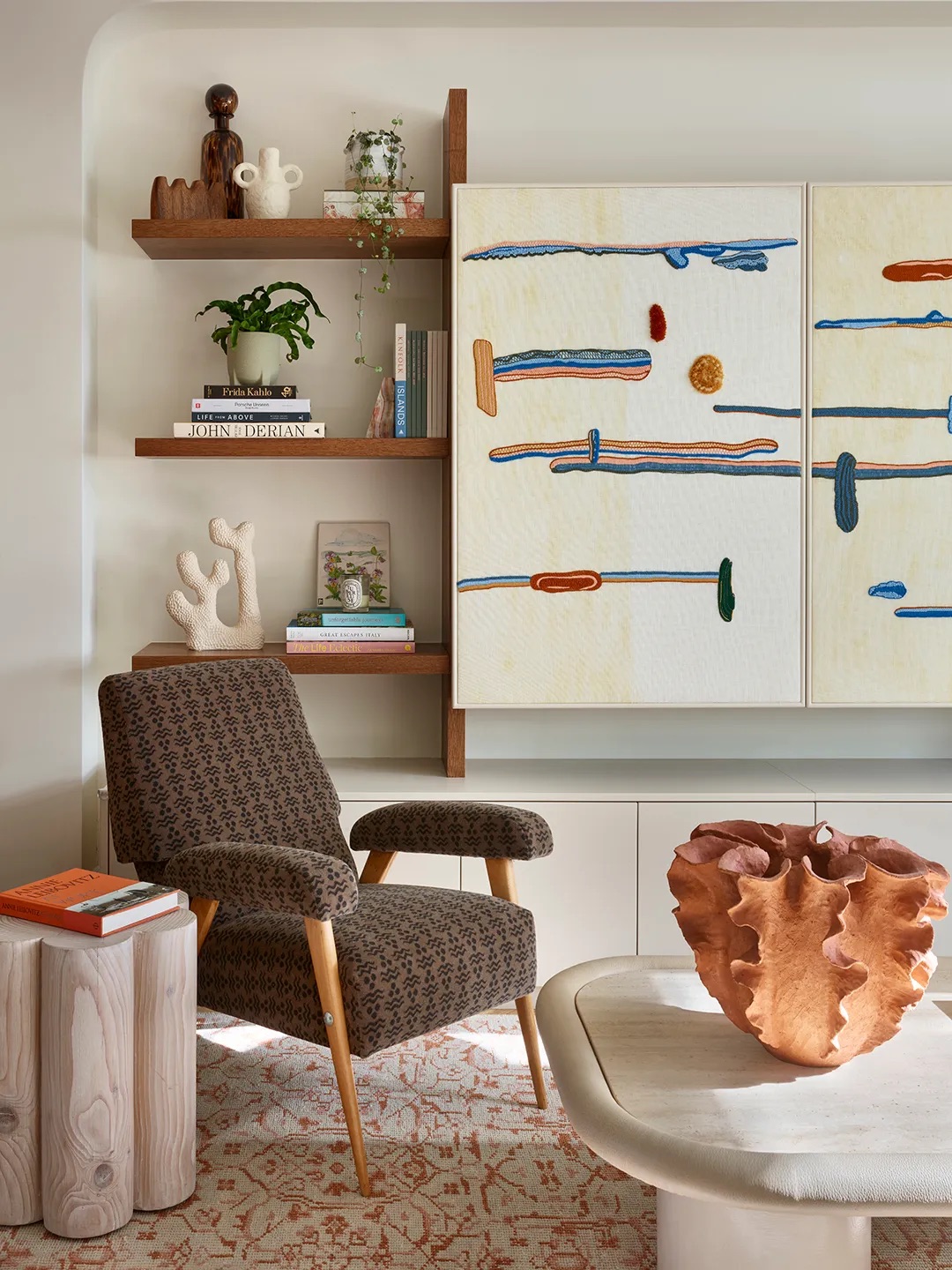
One method involves custom fiber art screens. Alícia Meireles, head of design at OWN London, commissioned a unique artwork with 17 types of stitching in colorful wool, designed to slide shut and appear as a unified piece when the TV is off, enhancing the room's atmosphere. Another option is to extend architectural elements, such as slatted wood accent walls, to cover the TV, as demonstrated by Yond Interiors and PKA Architecture for a Lake Minnetonka home, creating a minimal and integrated look.
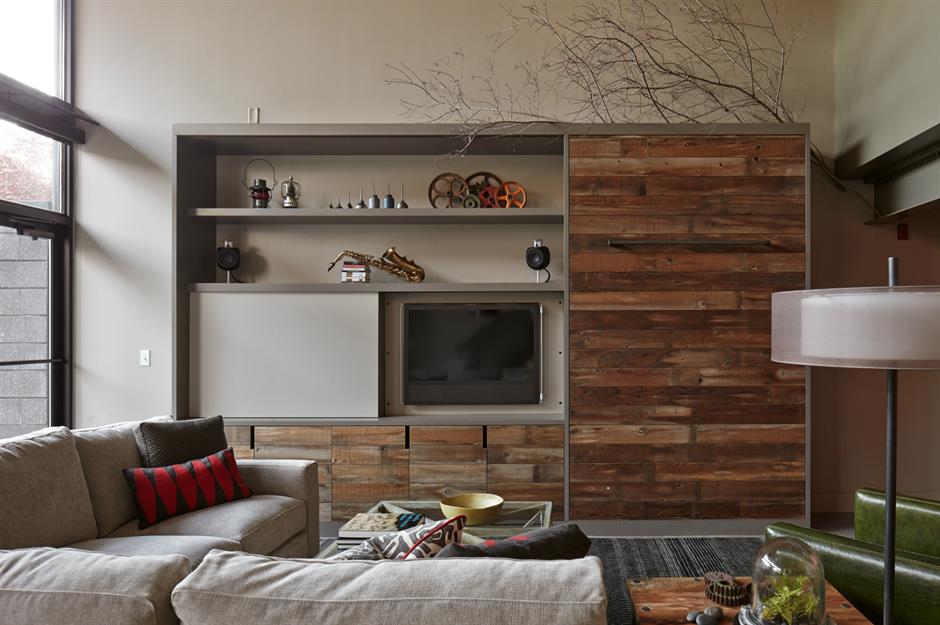
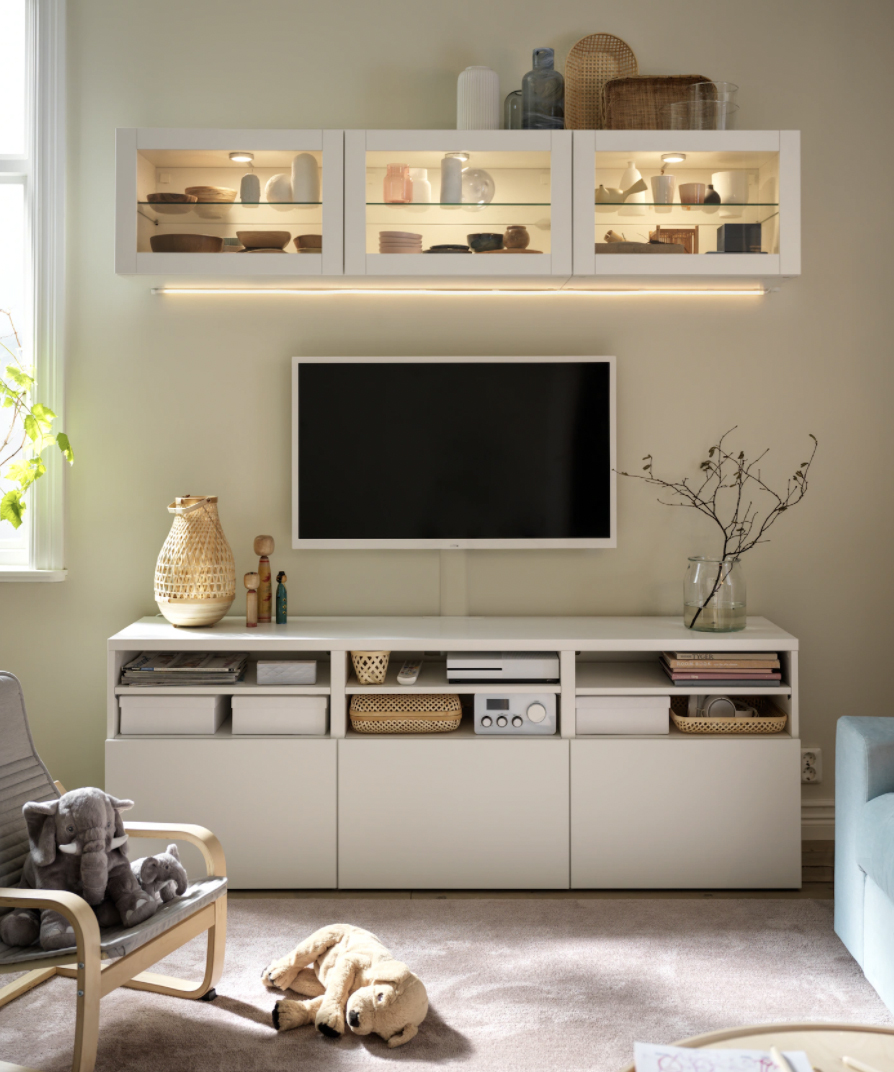
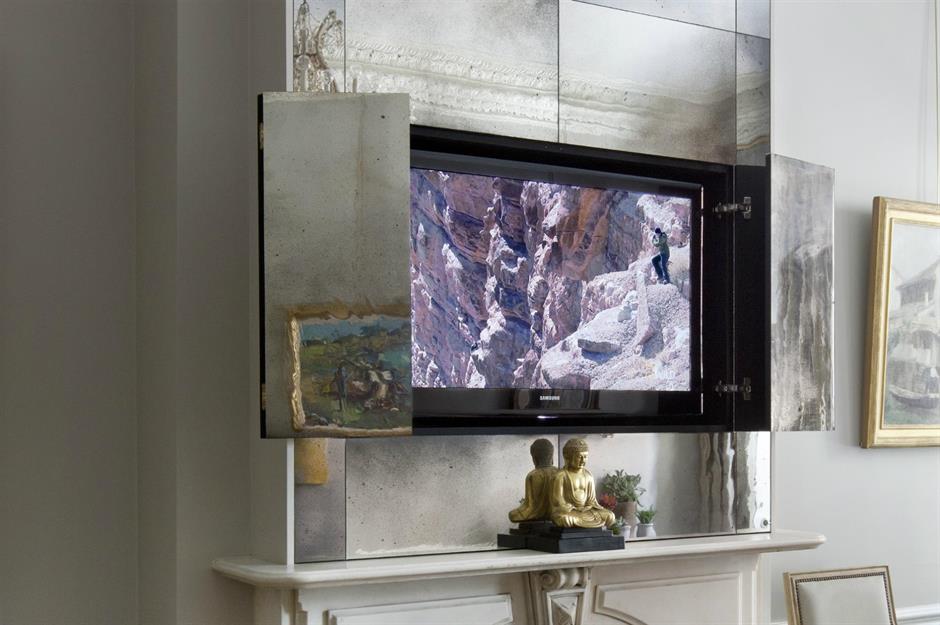
Reflective surfaces can also serve as camouflage. Studio Duggan's design in a green space uses a mirror from Overmantels that conceals a TV screen, offering a compromise for couples with differing views on a TV's necessity in formal settings. Custom cabinetry is another popular solution; Chiara de Rege designed a white oak unit with a wide, tight-woven cane sliding screen to hide a TV in an Austin home, alongside other storage.
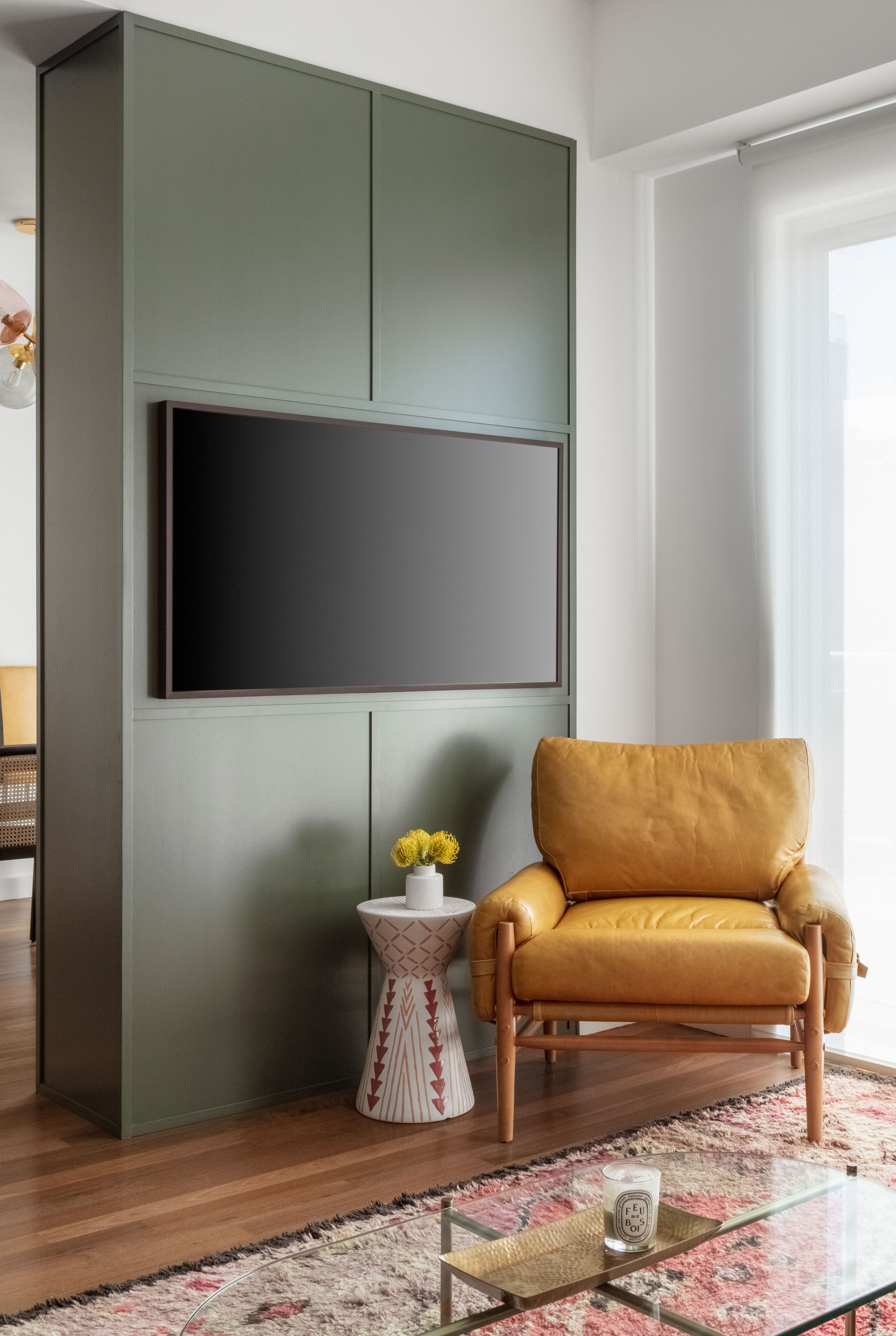
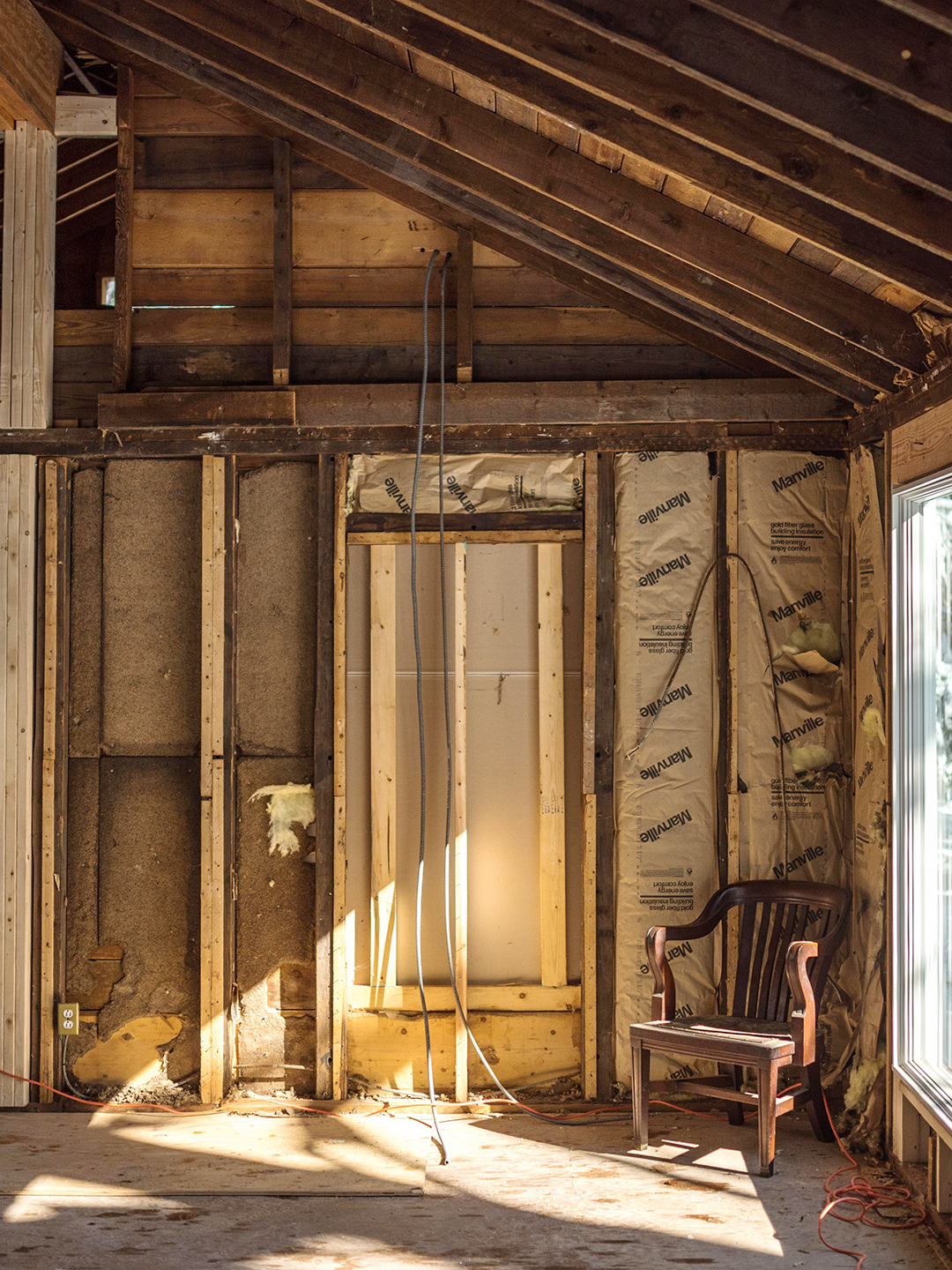
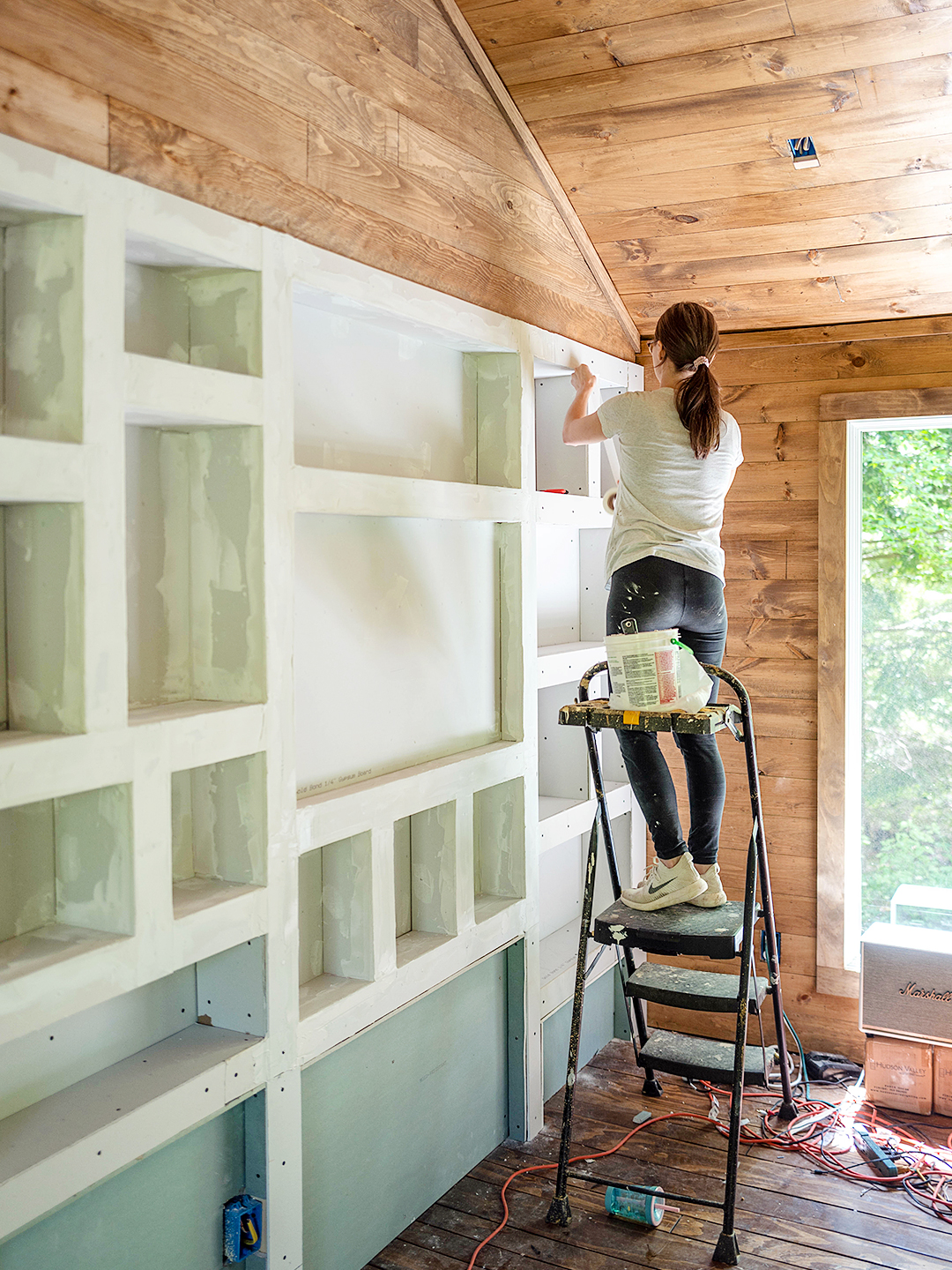
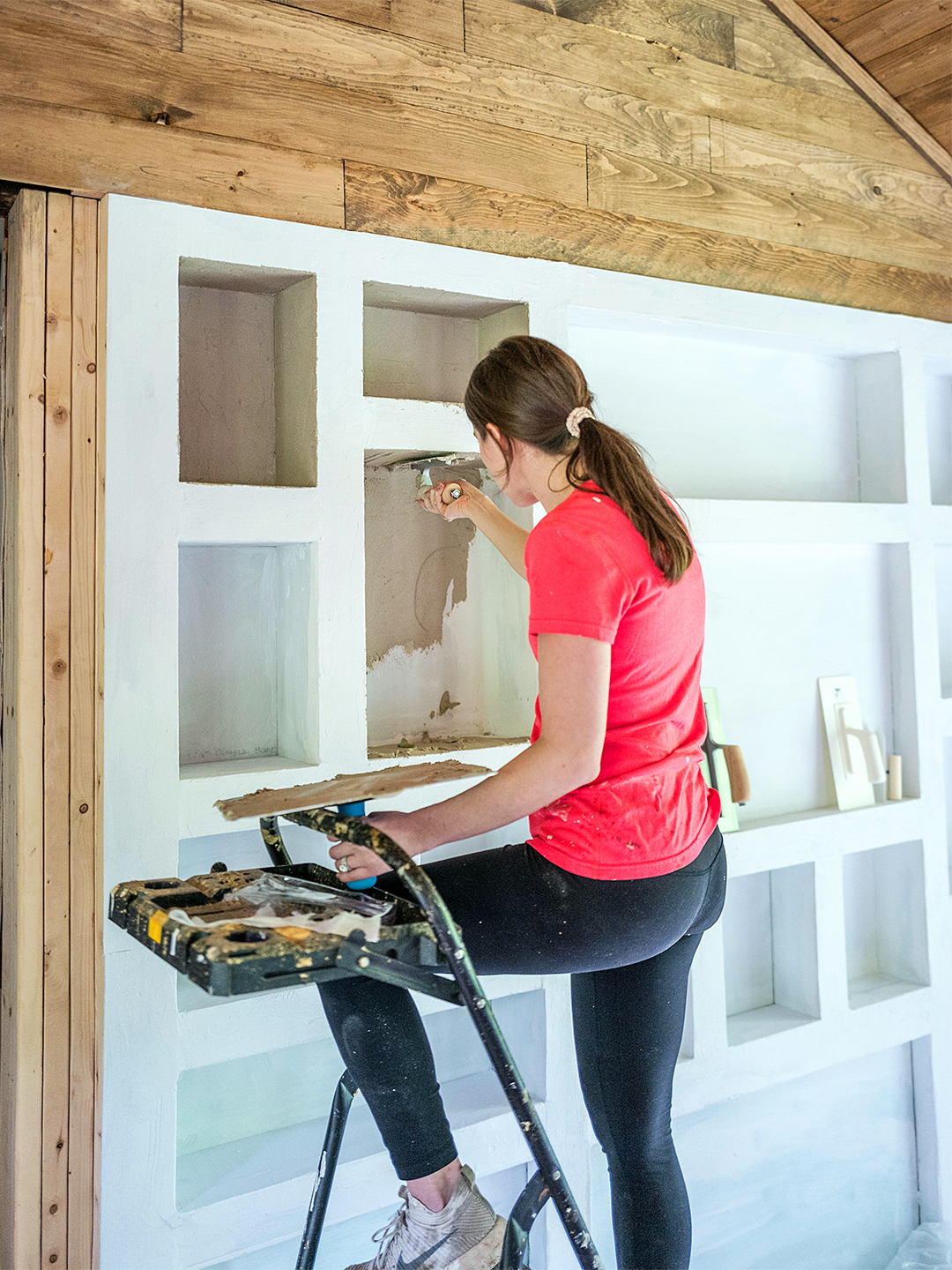
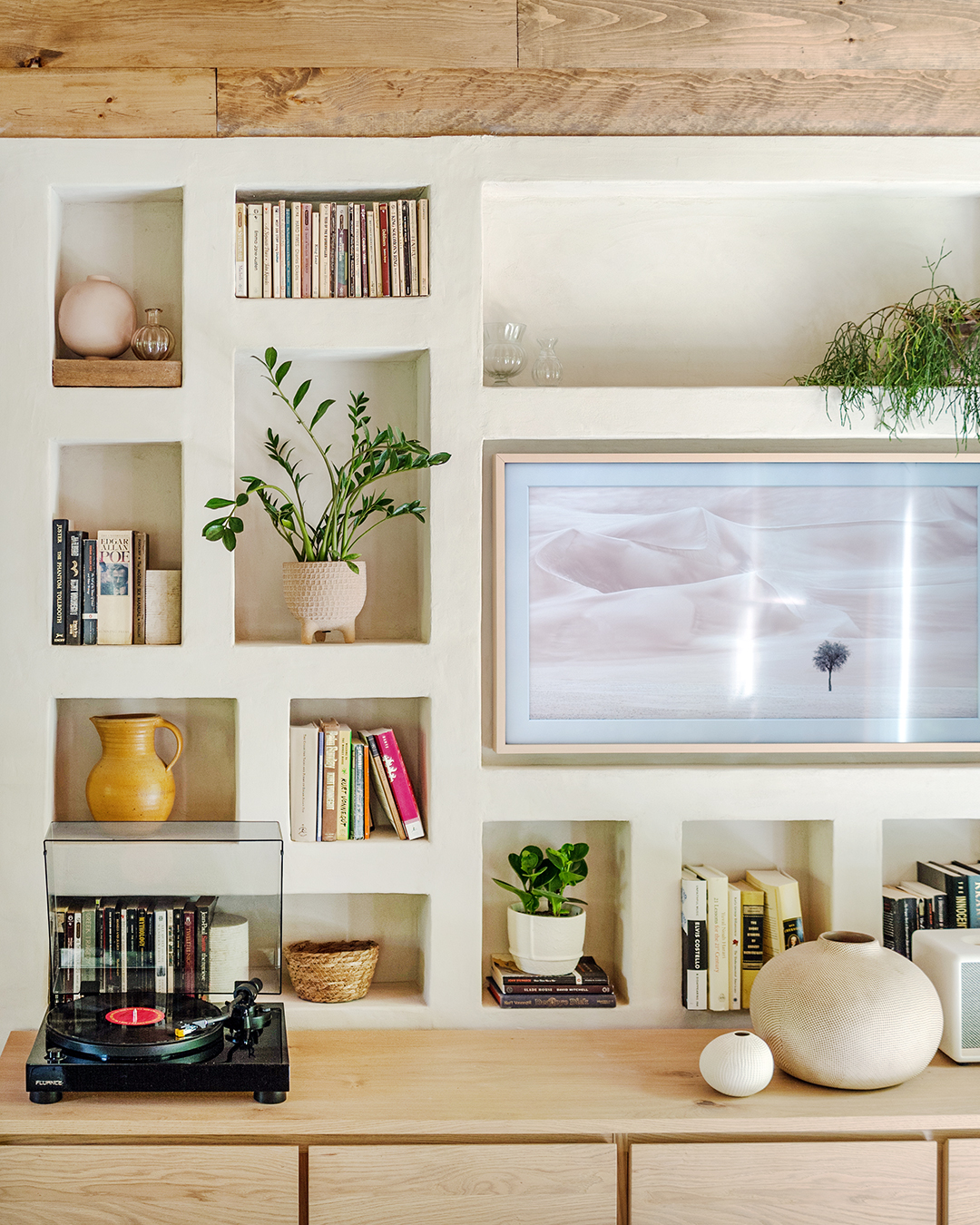
For a truly flush appearance, designers like Lauren Piscione integrate TV cabinets within walls, then apply textured finishes like limewash or plaster, blending the unit into the wall's surface. Projector screens can be hidden behind trim, especially in spaces with unique architectural features like angled attic ceilings, as shown by Chauncey Boothby, who used tent-inspired trim to conceal a drop-down screen.
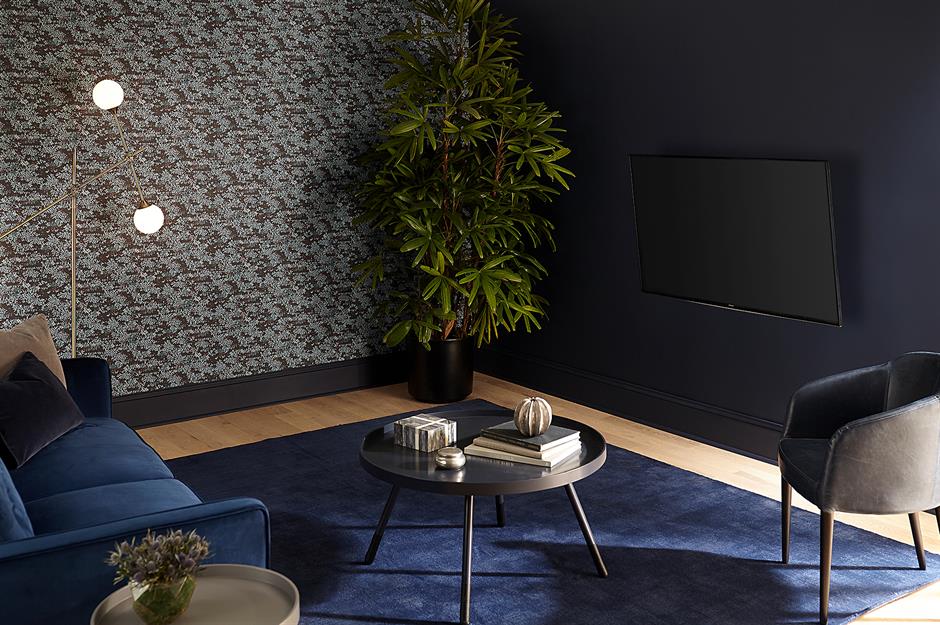
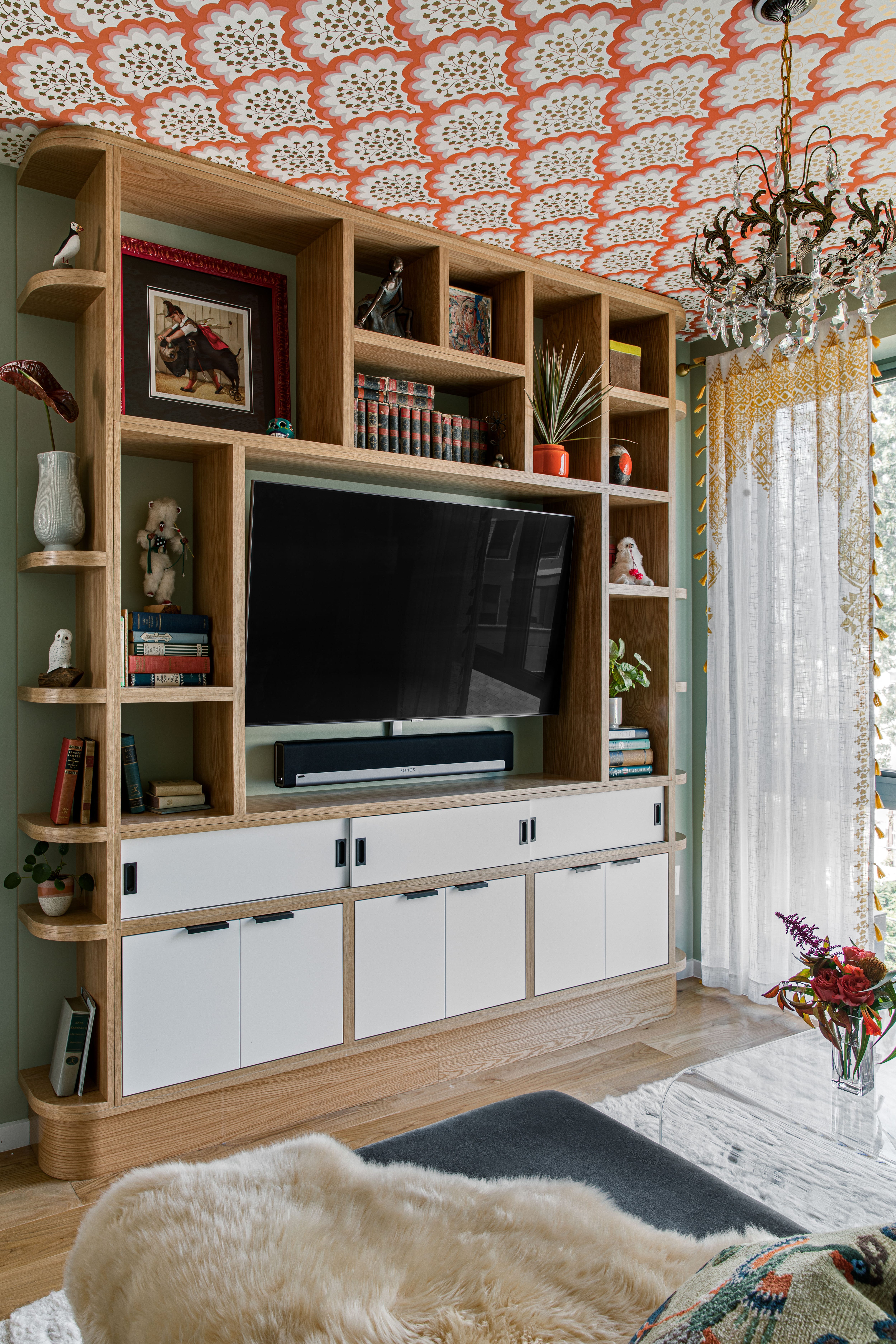
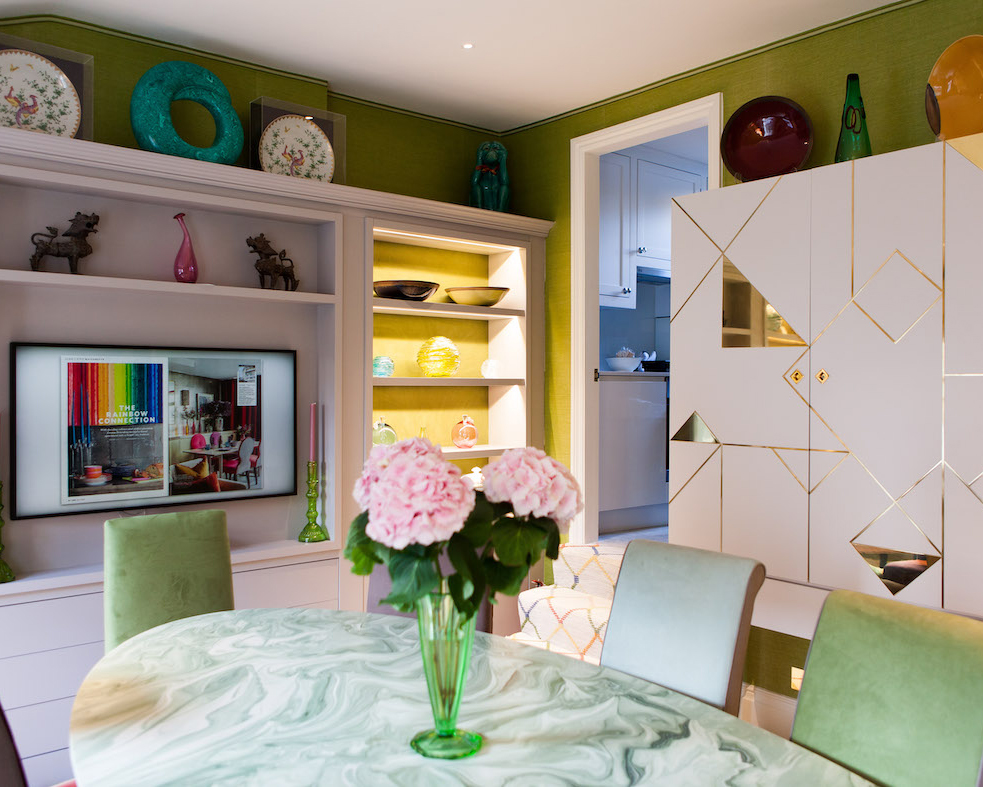
Artistic and structural solutions are also explored. Artist Hannah Polskin created a custom aluminum cabinet with a squiggly design to surround her living room TV, treating it as a sculptural element. Montana Labelle fashioned a drywall niche for her TV, using push-to-open MDF doors covered in Venetian plaster for a nearly invisible finish. Wallpaper can also be used for camouflage, as seen in a Medium Plenty-designed Oakland Hills home where a flush TV cabinet is covered in a fluid, botanical print wallpaper.
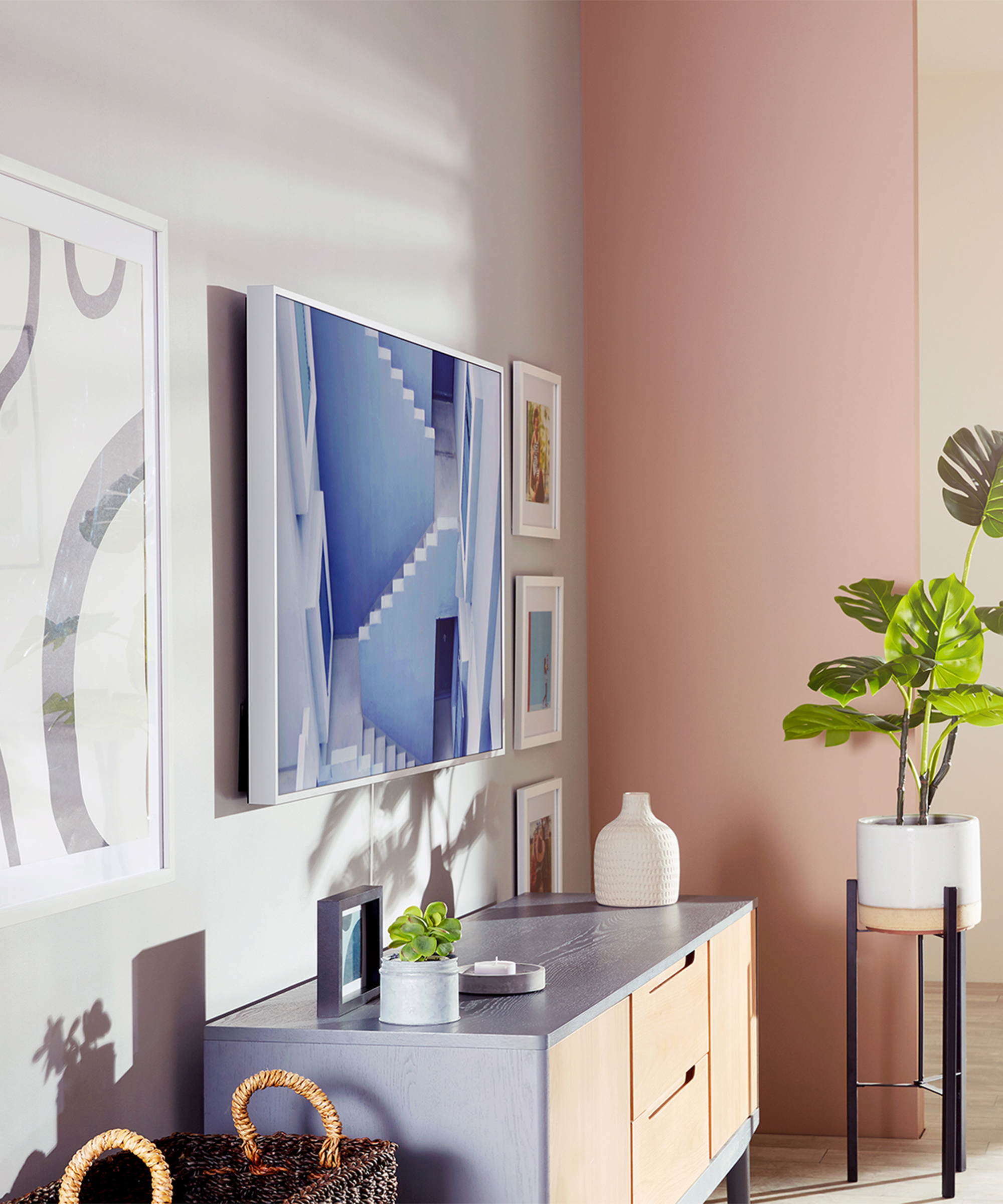
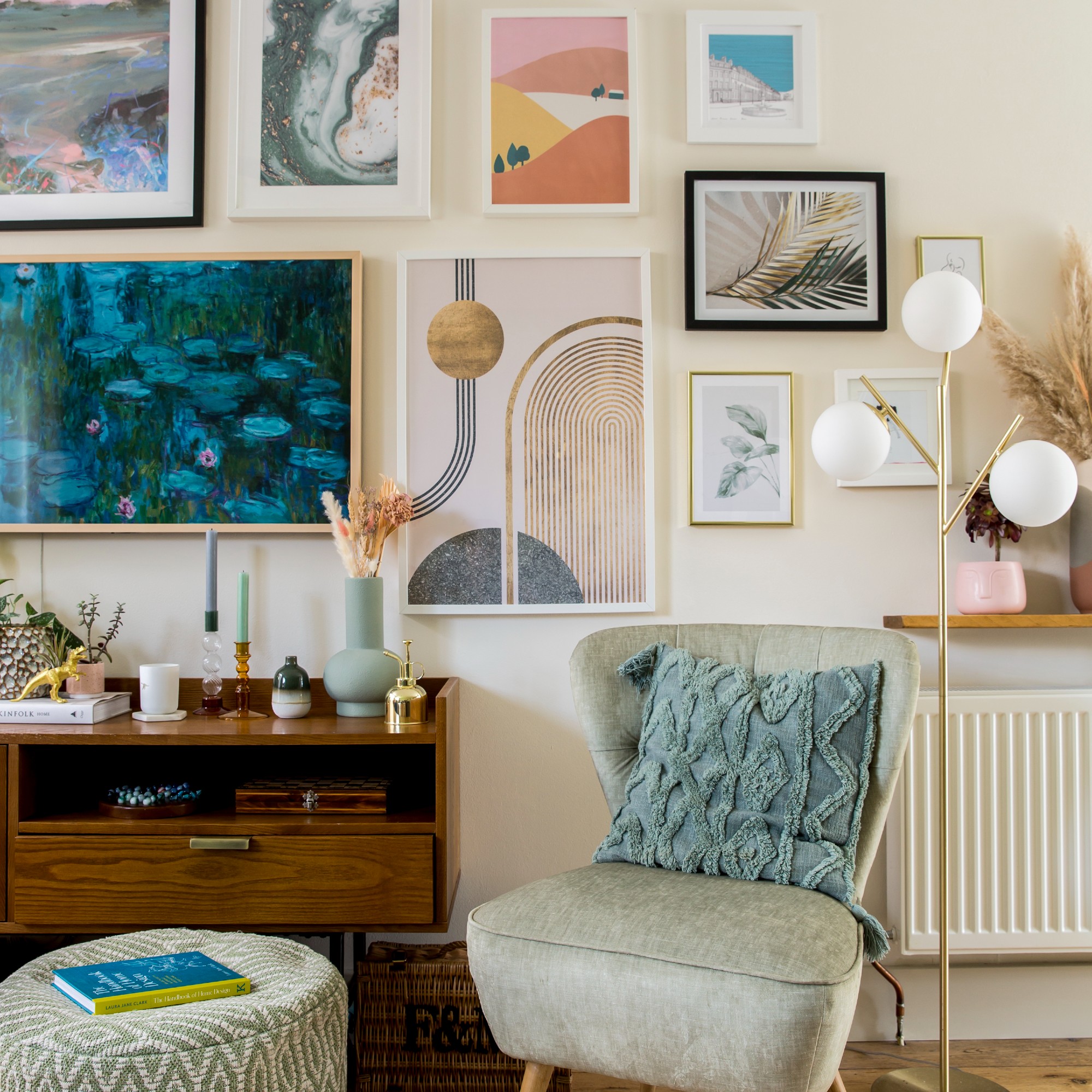
Further methods include surrounding TV cabinets with paneling to create visual distraction, as Hayley Cavagnolo and Alex Boudreau did with a board-and-batten system in a Dallas home. Samsung Frame TVs can be incorporated into gallery walls, with their screensavers displaying art, making them blend seamlessly with actual artworks, especially when framed with decorative borders. Drew Scott of Lone Fox Home repurposed a vintage hutch, connecting drawers to create a cubby for a roll-up screen.
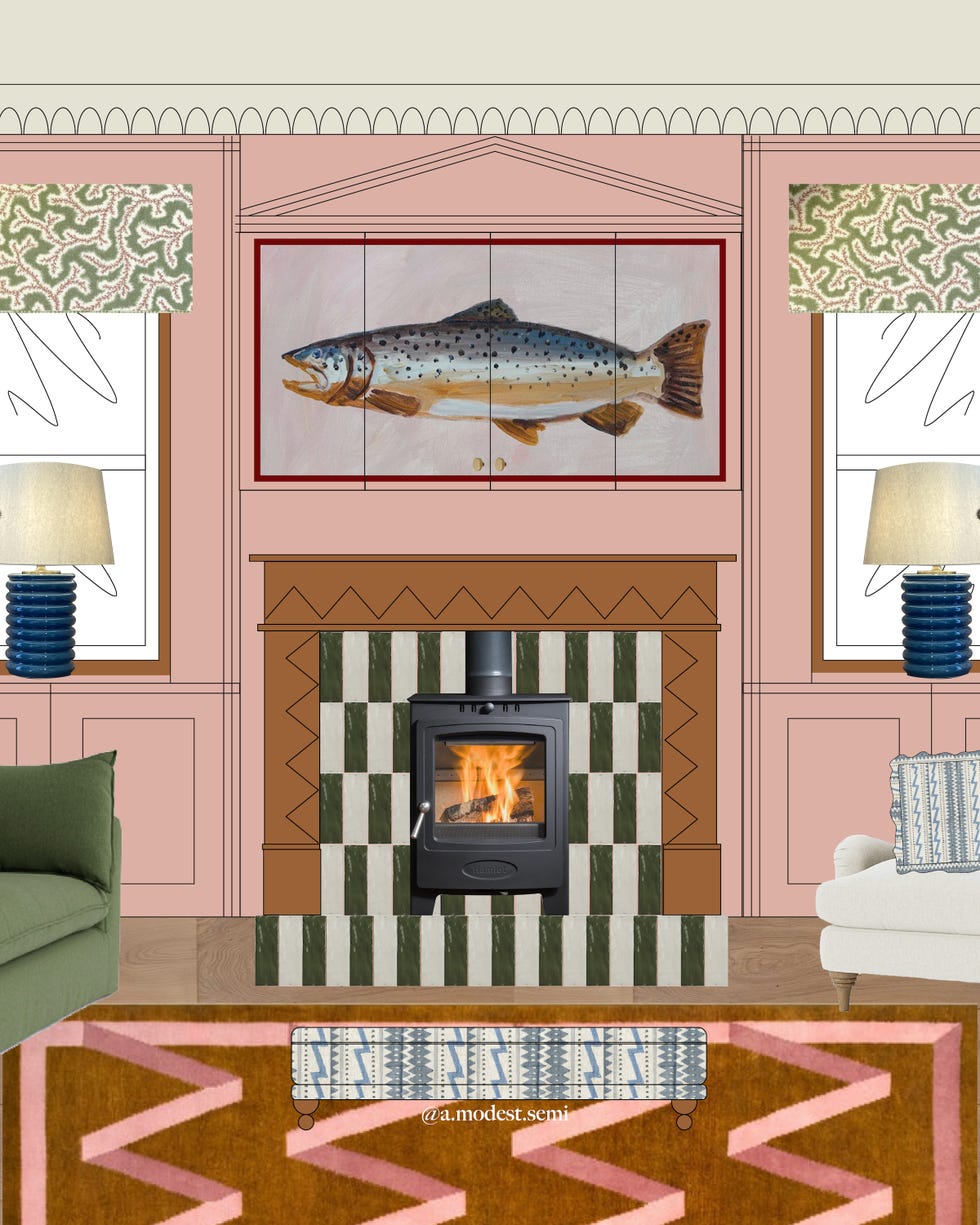
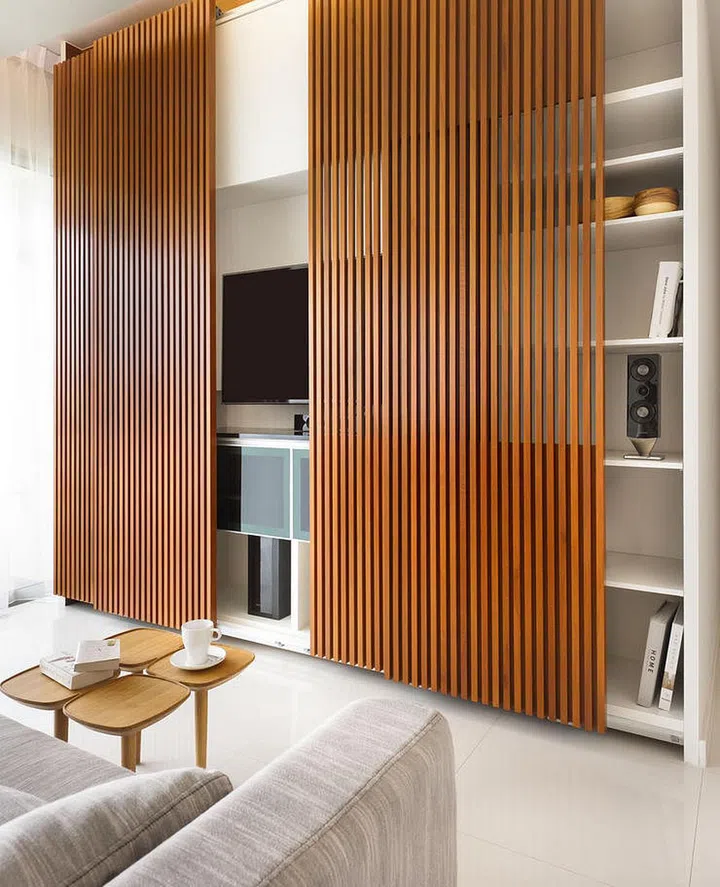
Slatted wood doors on custom cabinets, such as those by Hyphen and Co., offer a sophisticated way to hide TVs, allowing for a more elevated feel when the TV is not in use and fostering focus on other activities. Pulp Design Studios designed a hideaway with the screen set into the wall, covered by doors featuring six matching framed artworks. Christina Valencia and Kele Dobrinski painted an abstract landscape onto the facade of a TV cabinet in a parents' home.
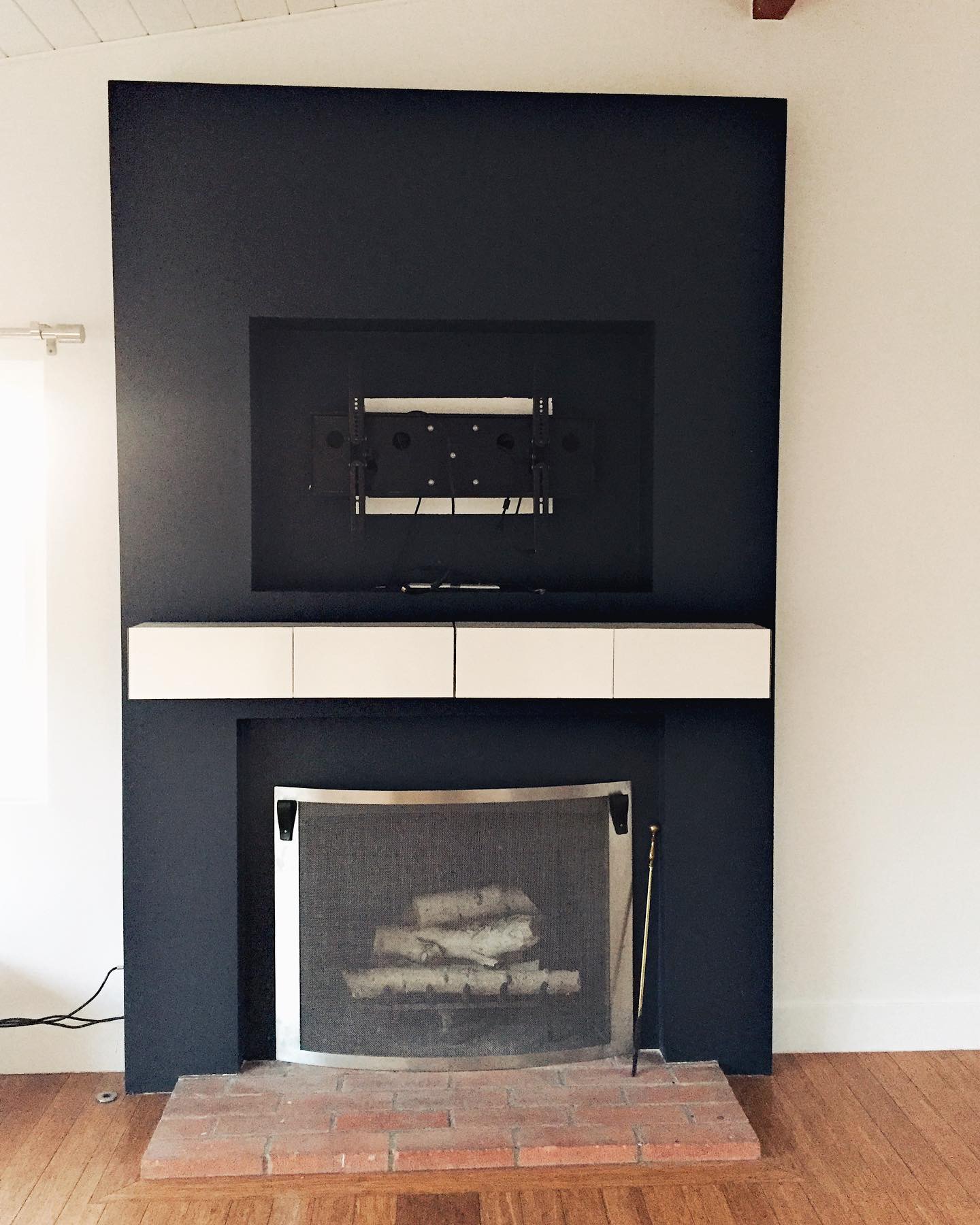
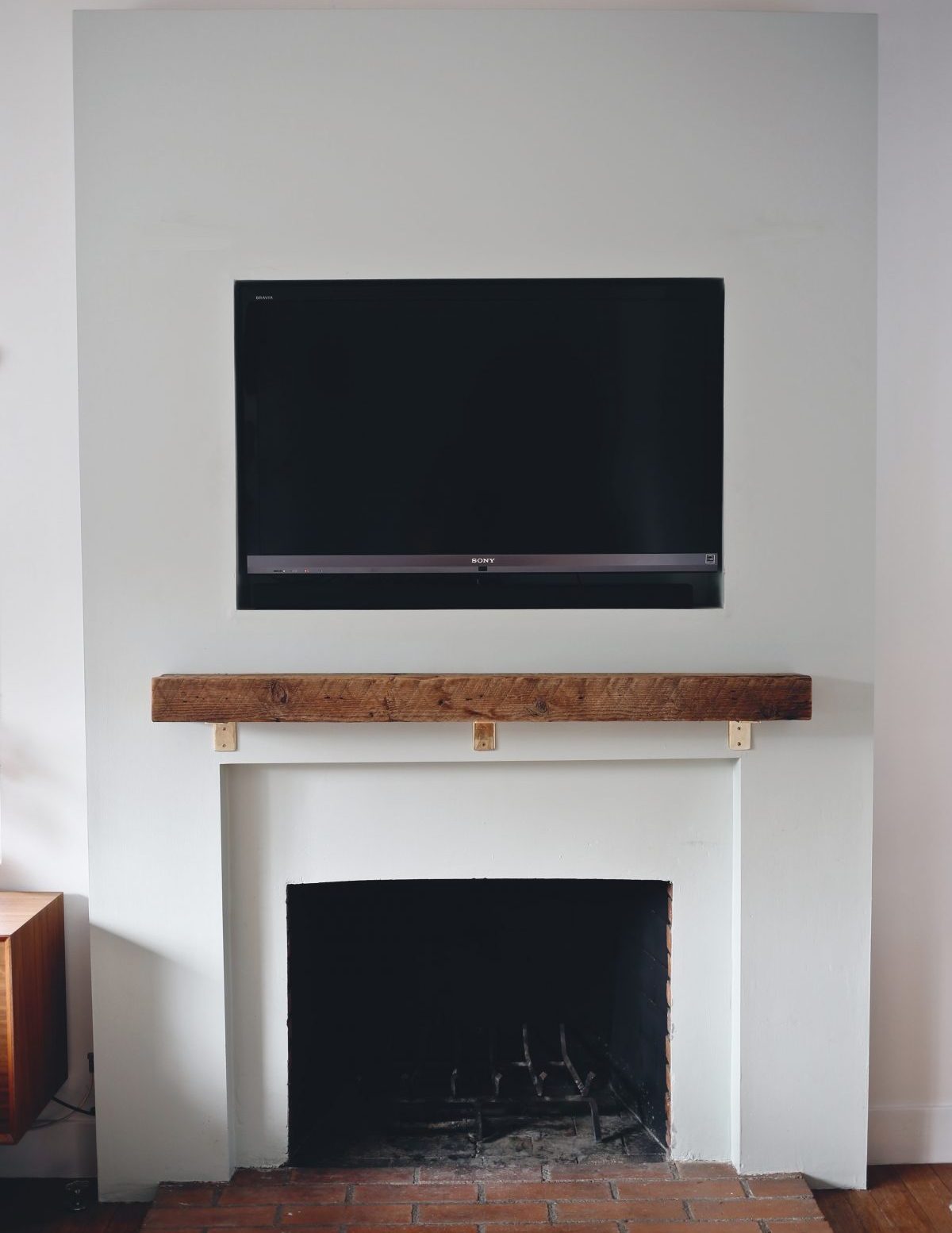
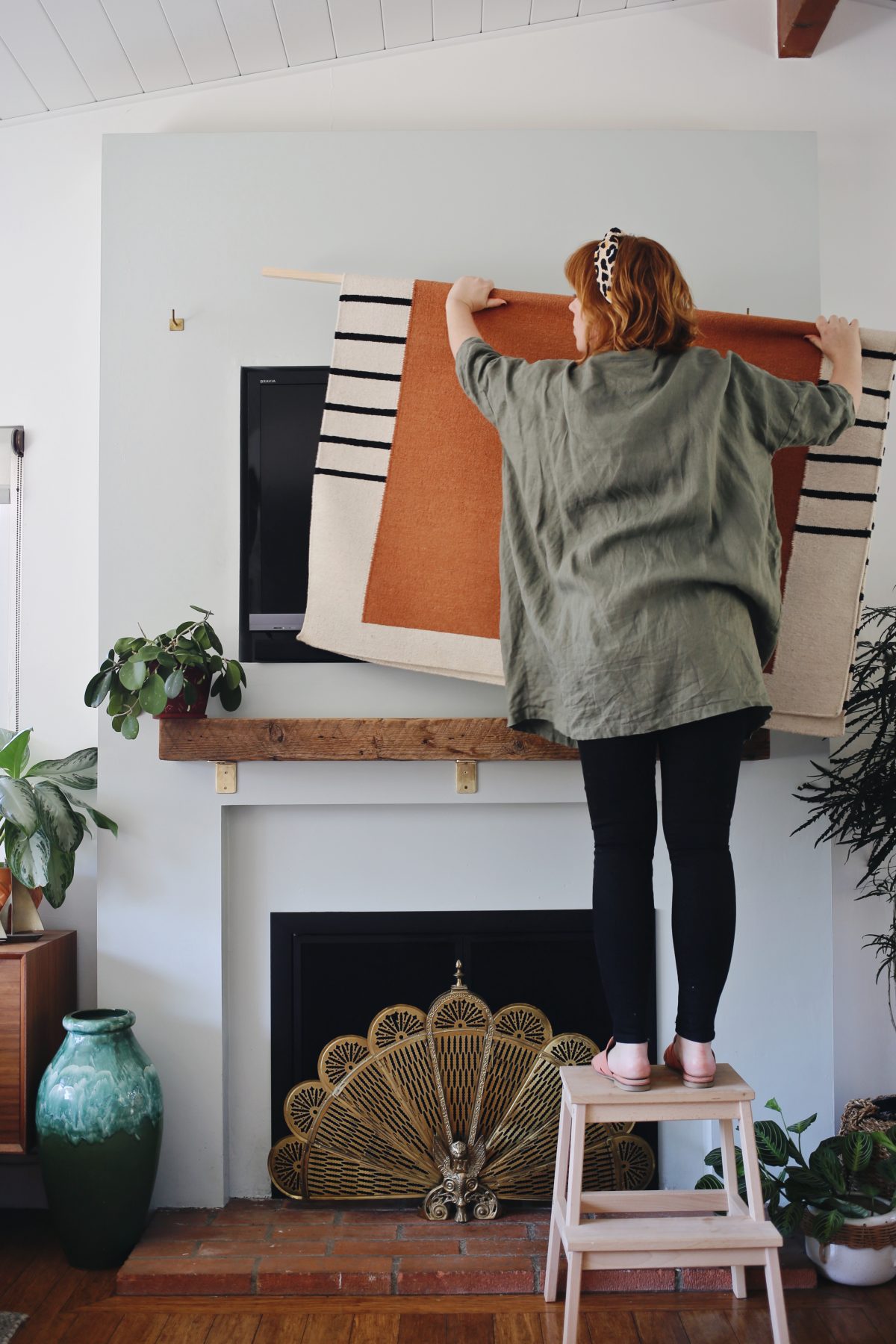
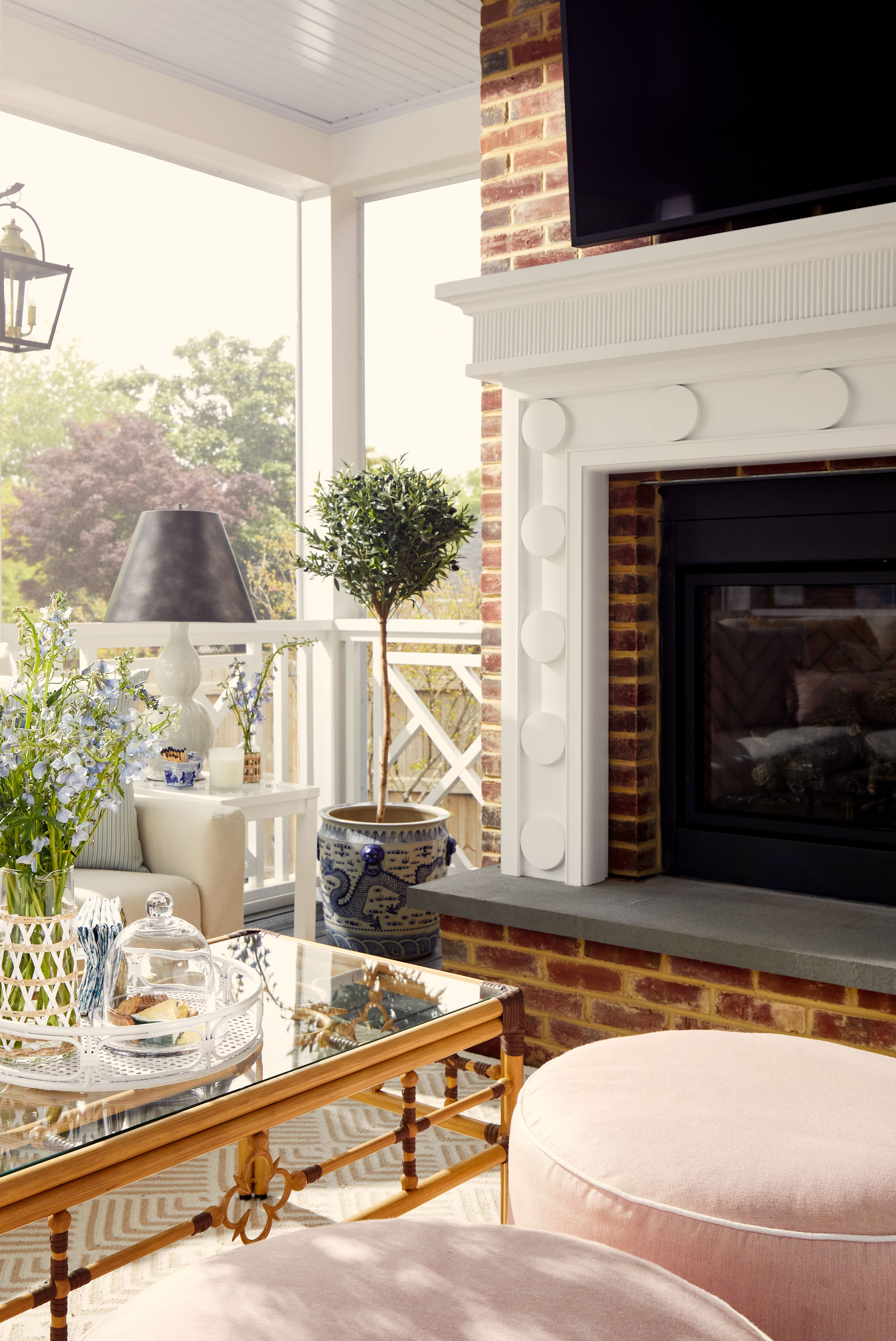
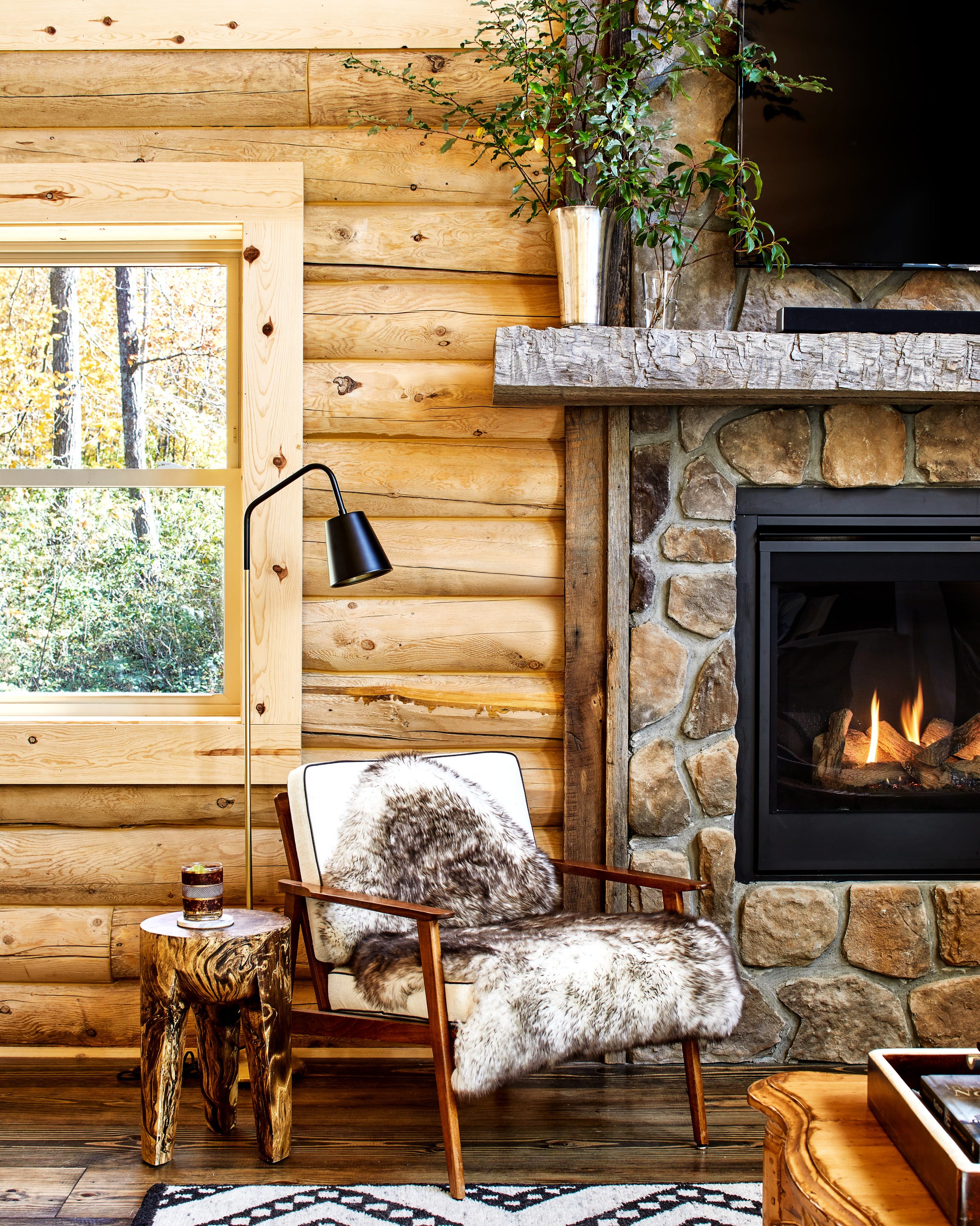
Simpler, DIY-friendly options include draping scrap textiles over wall-mounted TVs, as designer Alex Boudreau does with her fabric collection. Kristin Guy created a five-minute DIY solution using a flat-weave rug, a dowel, and hooks to mask a TV above a fireplace. An antique easel can transform a Frame TV into an art piece, as demonstrated by Crystal Sinclair in a Brooklyn loft. Emily Brownell painted abstract designs on a drop cloth to create a tapestry that can be lifted to reveal a TV, while Deb Foglia used a drop cloth on a curtain rod to hide both her TV and its cables.
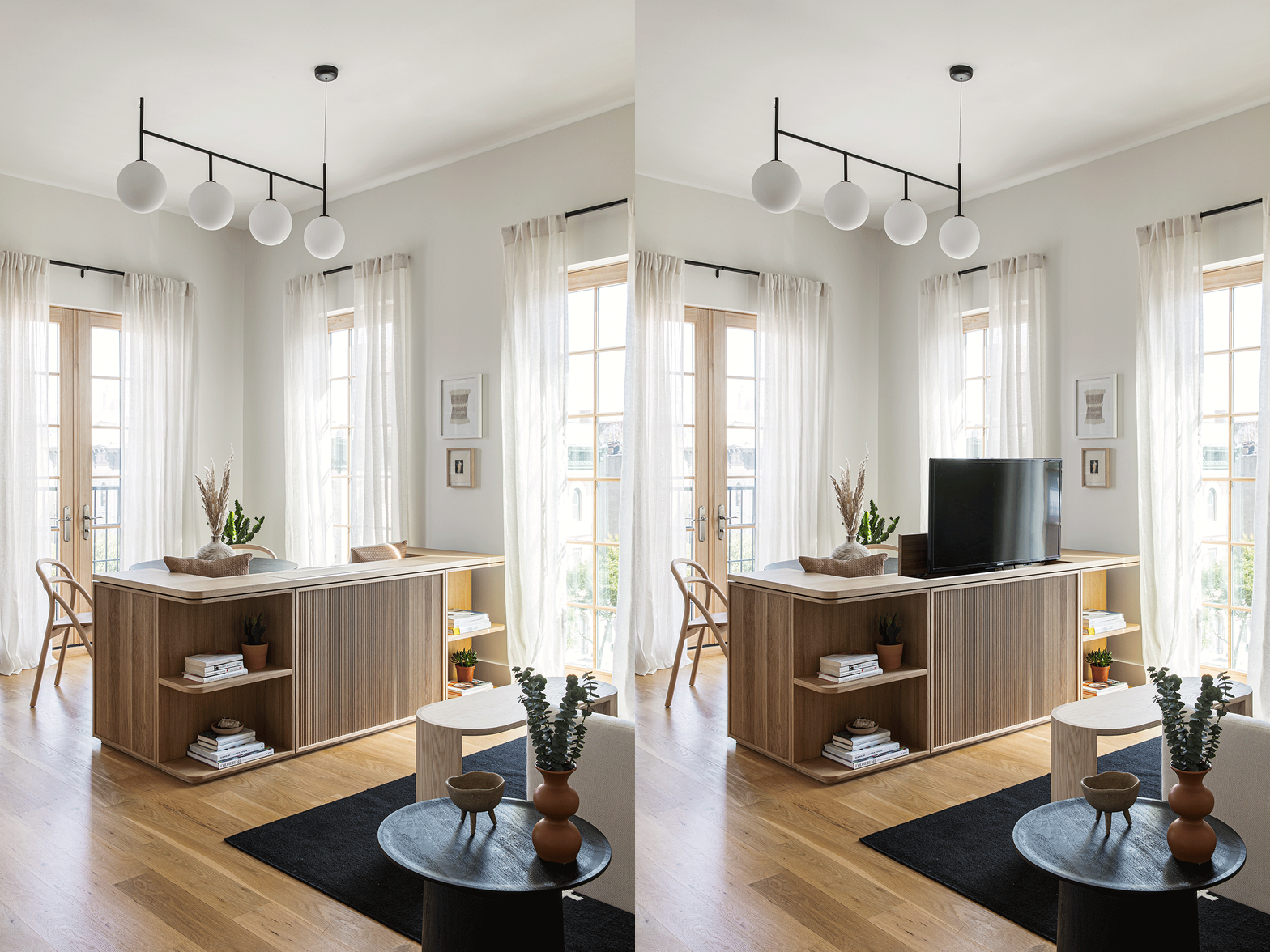
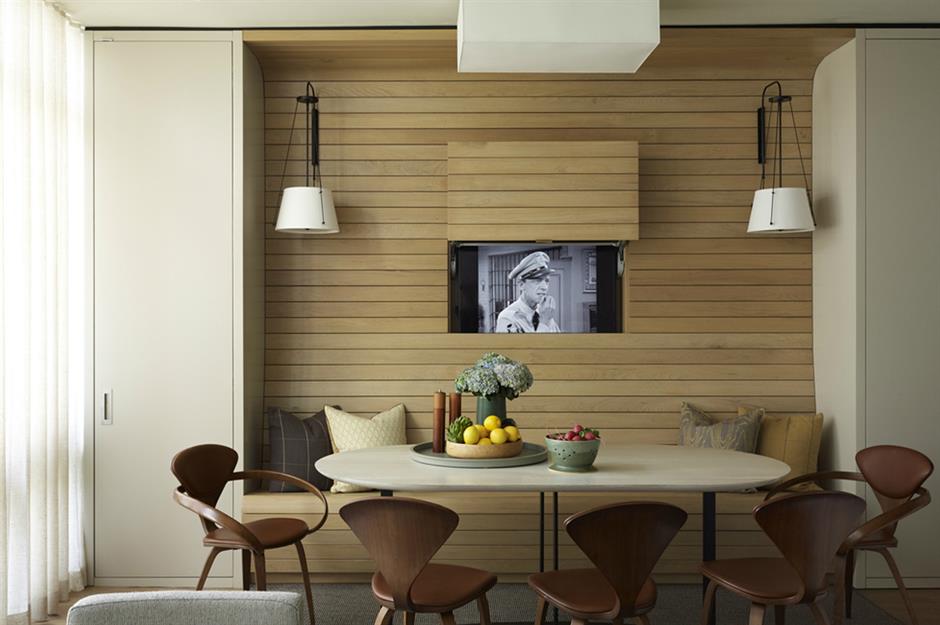
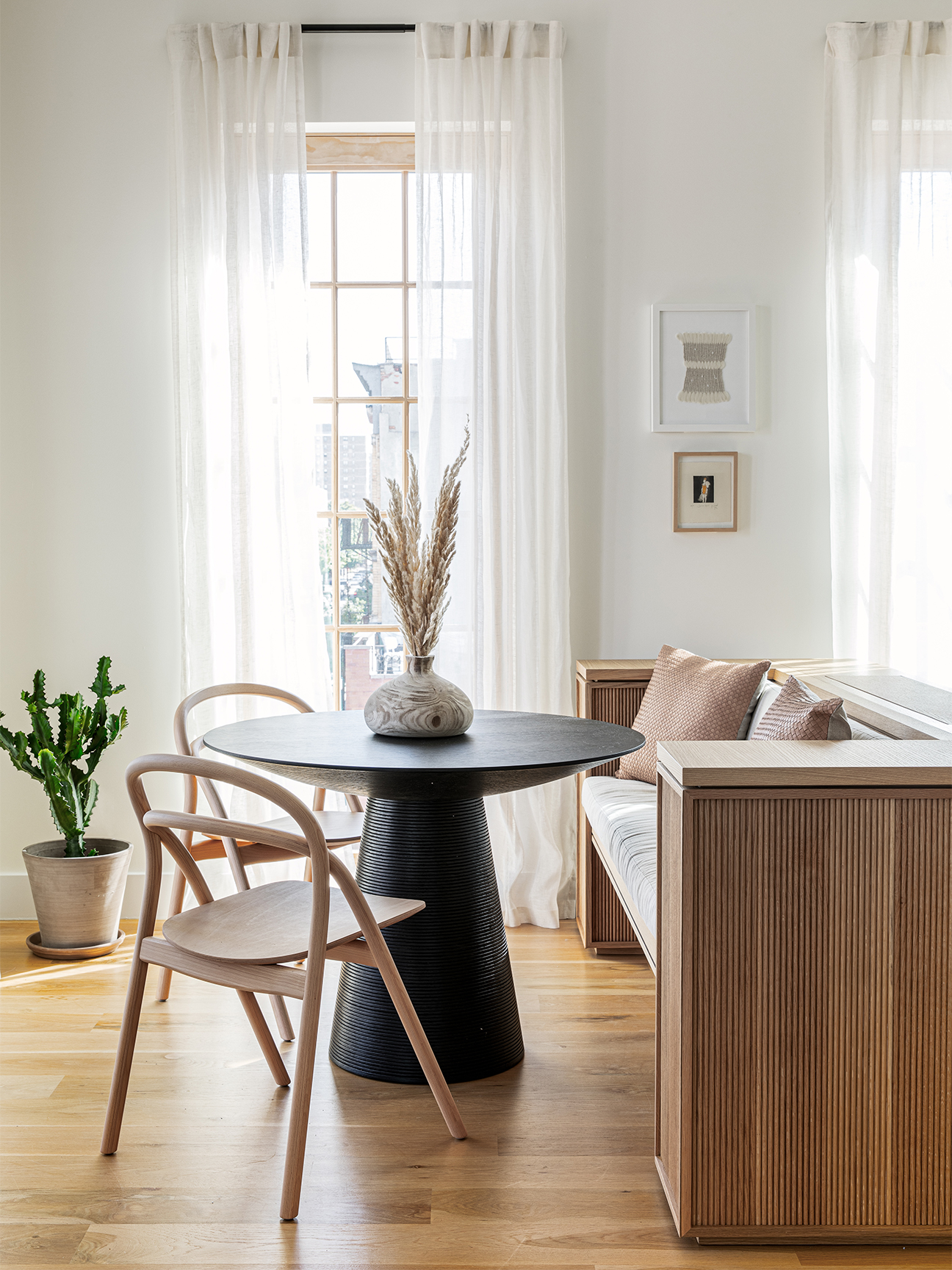
For more advanced concealment, Maggie Burns used a Reflectel, a custom framed TV that transforms into a mirrored glass panel when off, in a dining room. Emily Henderson installed a discreet home theater system with a ceiling-mounted projector and a pull-down screen hidden behind shades. Finally, for a touch of James Bond-esque flair, Studio Fauve designed a custom floating banquette and media console with a remote-controlled lift that reveals or conceals the TV at the touch of a button, making it a central yet hidden feature in a living space.
#TVHidingIdeas #HomeDecor #InteriorDesign #LivingRoomDesign #CustomCabinetry #DIYHomeDecor #SmartHome #AestheticSolutions #SpaceSaving #TVHidingIdeas #HomeDecor #InteriorDesign #LivingRoomDesign #CustomCabinetry #DIYHomeDecor #SmartHome #AestheticSolutions #SpaceSaving
Há 0 comentários no total
 Ainda não há comentários
Você também pode gostar
This Is the Ultimate Way to Hide Your TV

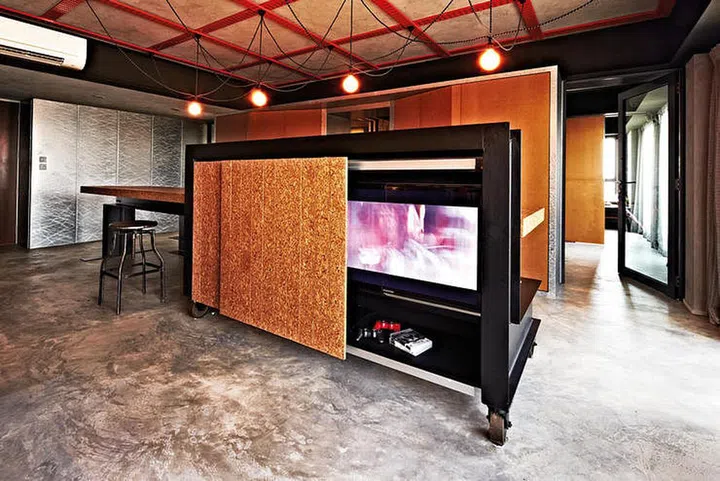
Living room design ideas: 6 ways to conceal your TV
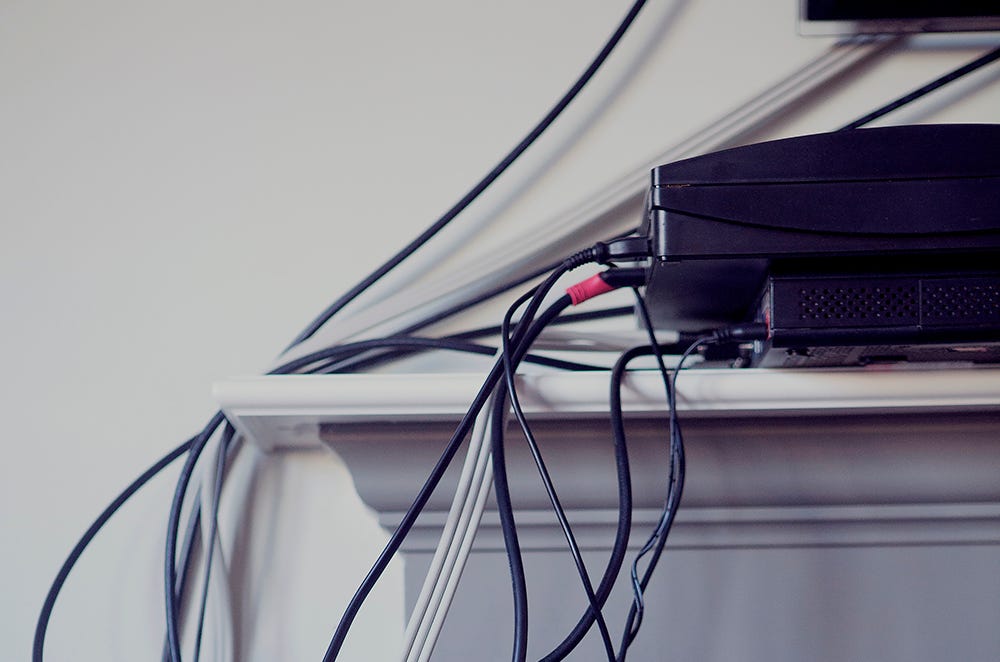
Here's How to Hide Your Ugly TV Cables and Wires

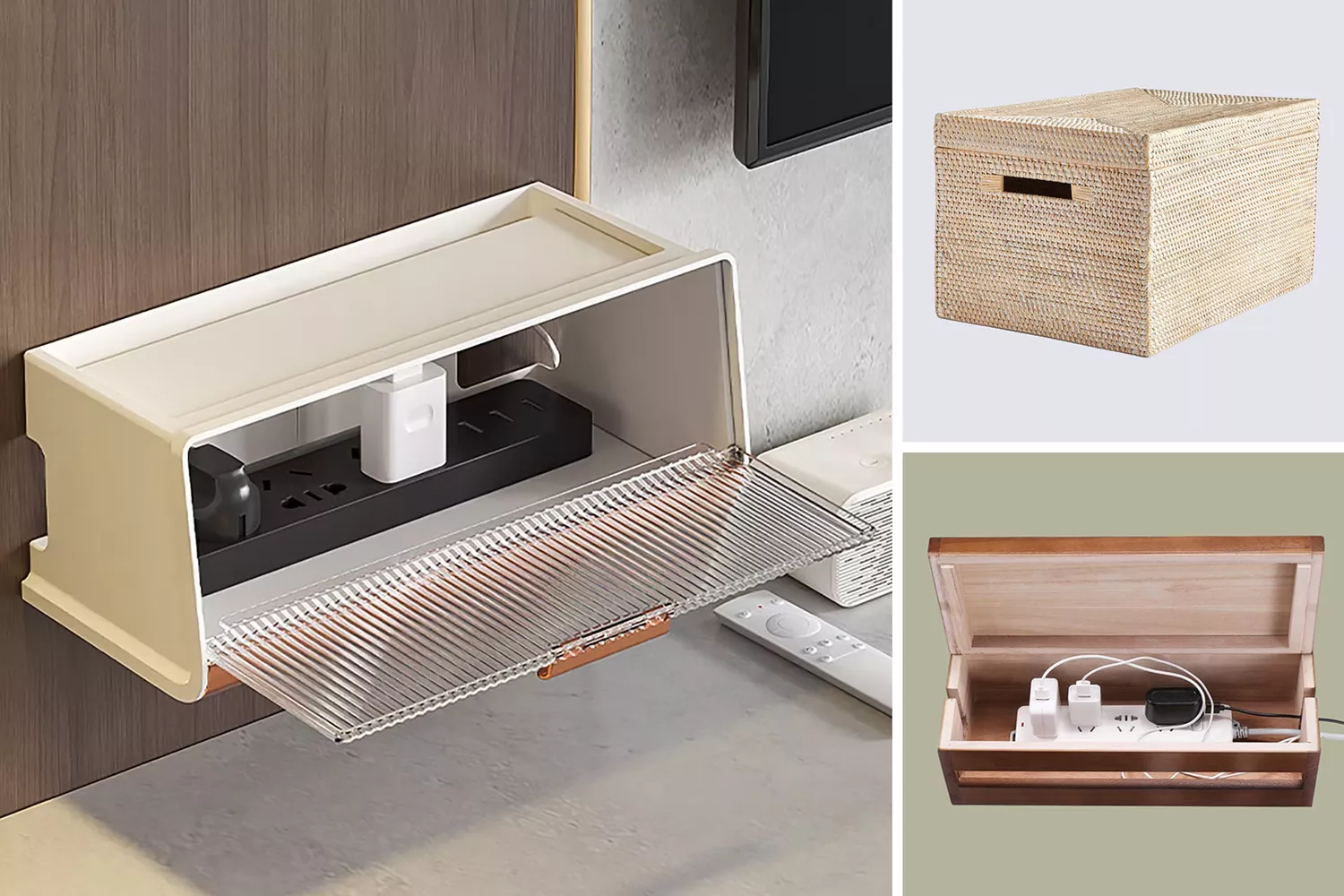
15 Solutions for Hiding Unsightly TV Cords, Wires, and Other Electronics
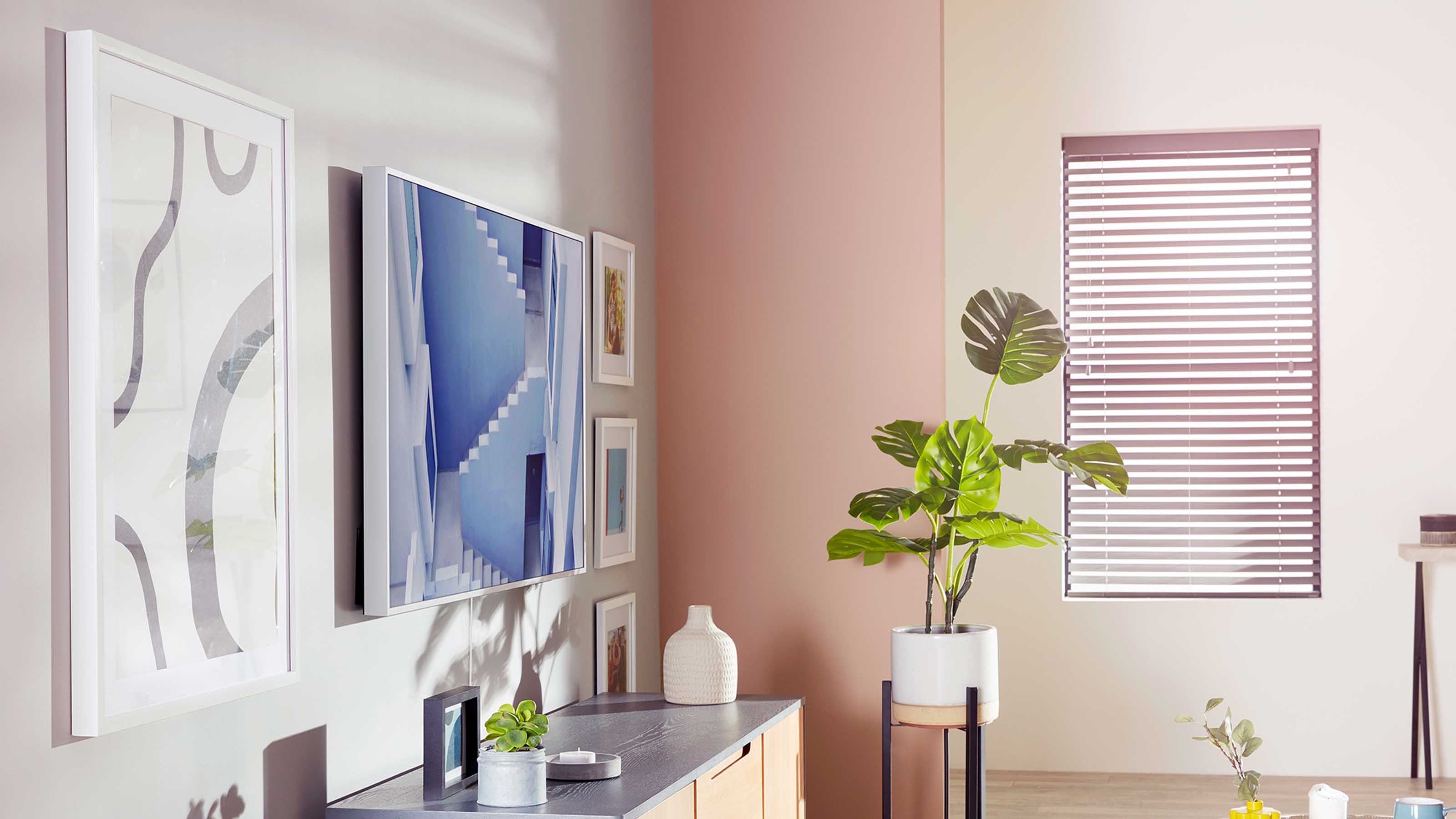
8 stylish ways to hide your TV around your home

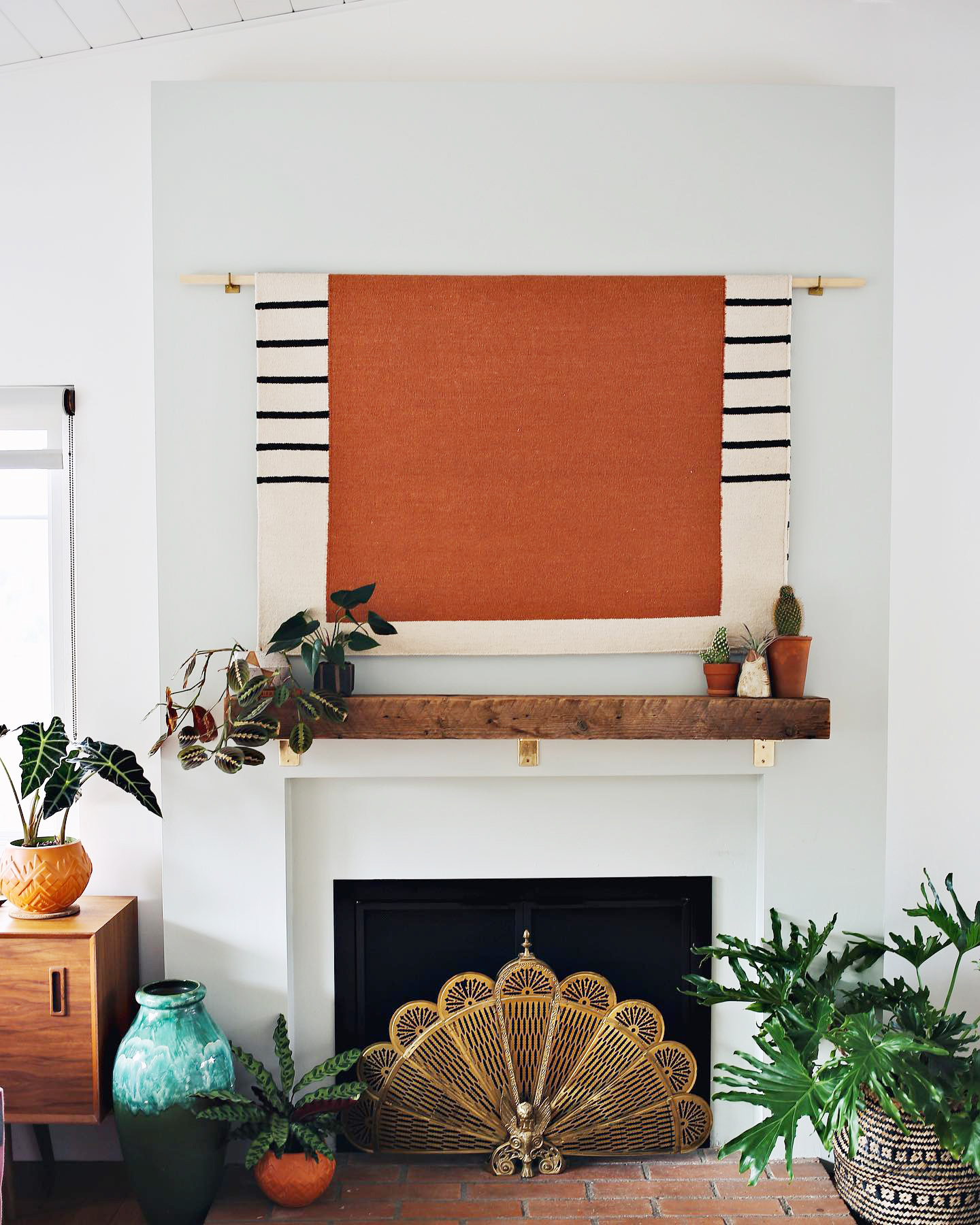
Try This 5-Minute Hack to Disguise Your TV
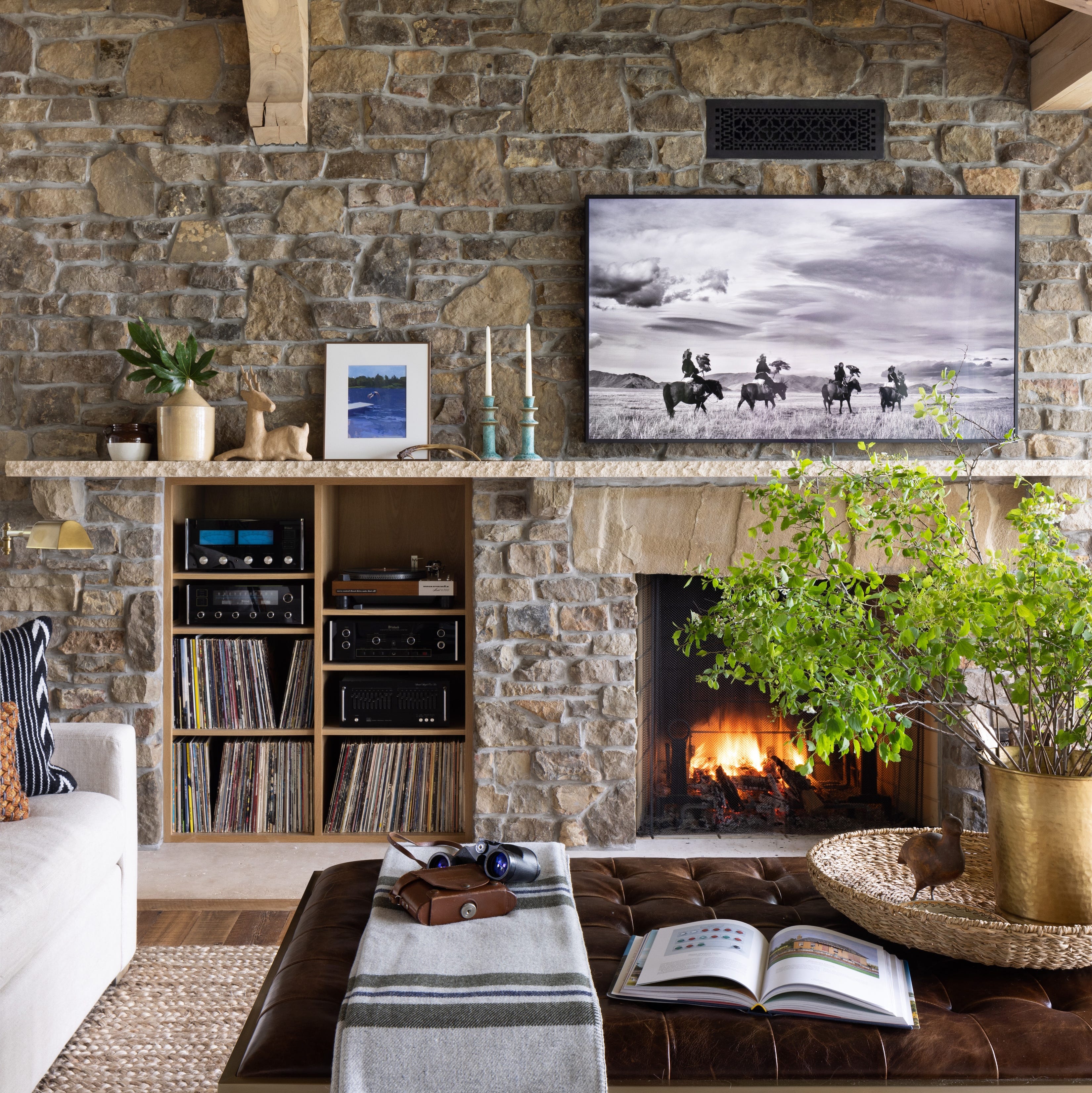
Should You Really Put Your Television Over Your Mantel?
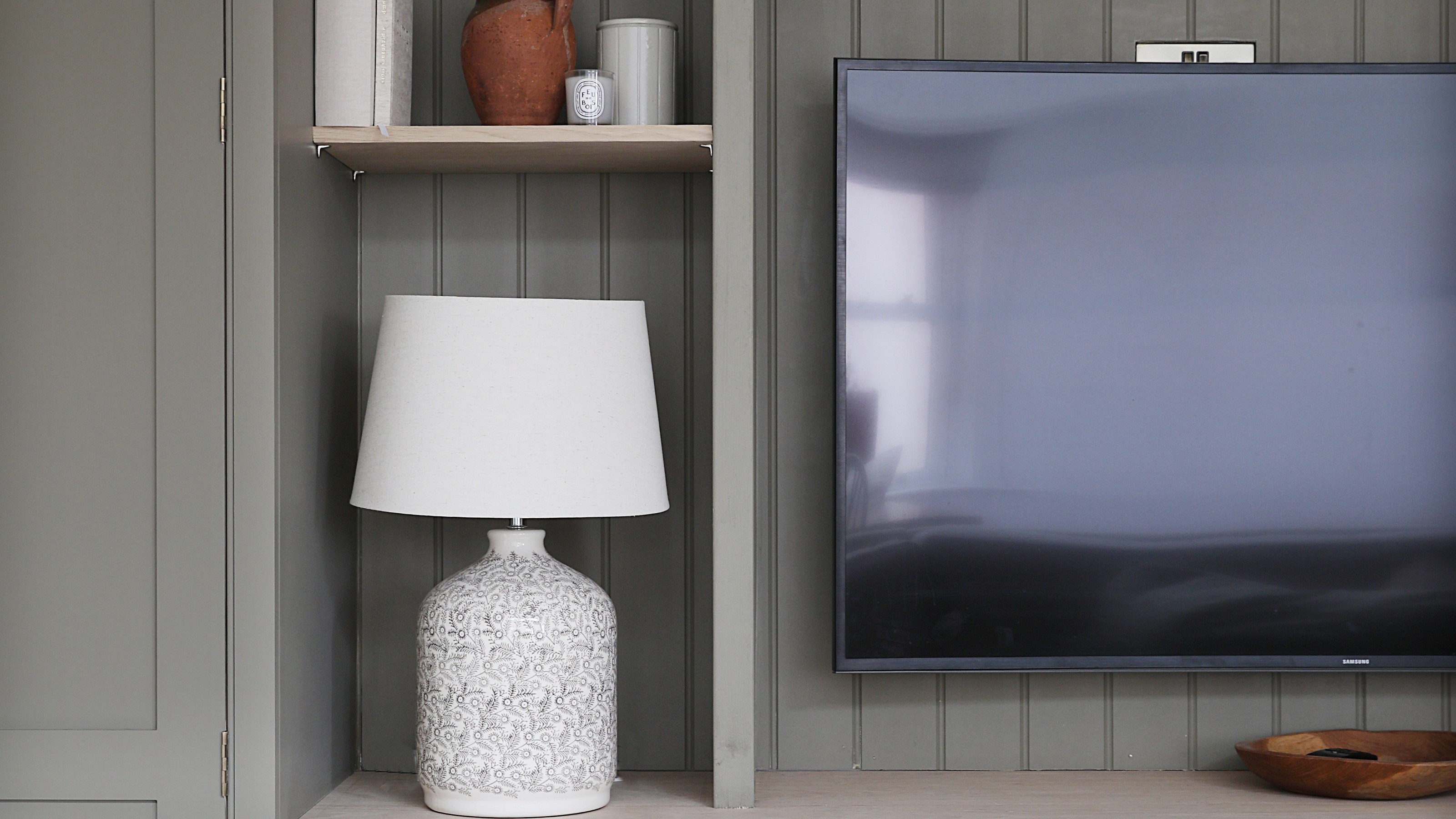
How to hide TV wires – 5 ways to eliminate messy cords from your living room for a clean and seamless look
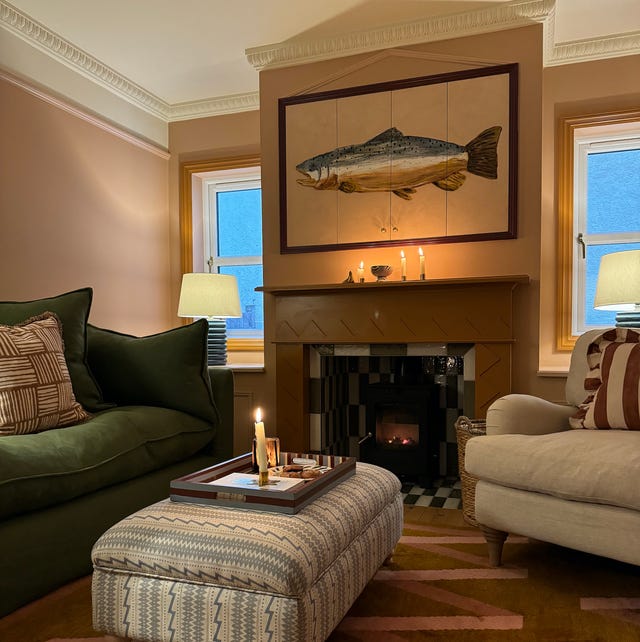
Step-by-step: The ultimate DIY guide for hiding your TV

7 Clever Ways to Hide TV Cords

Hide Your TV in Plain Sight With This DIY Plaster-Coated Bookcase | domino
TV wall ideas – 10 ways to incorporate this essential item into your design scheme

10 Clever Ways to Hide a TV in Plain Sight
Genius ways to integrate your TV into your living room | loveproperty.com

Where should your living room TV go? Designers weigh in on the best spots
How to organize cables behind the TV –clever ways to keep them neat and discreet
Bedroom TV ideas to hide or display your screen
The Internet May Be on Fire About This, But There Are Actually Cool Ways to Hide Your TV

Creative ways to hide TV cords on walls
4 Clever Ways Designers Keep Kitchen Appliances Out Of Sight