1/8
15 of New York City’s most spectacular theaters
This blog post highlights 15 of New York City's most stunning theaters, focusing on their architectural and interior design merits rather than just their performance offerings. It serves as a guide for those who appreciate historical and artistic building design, offering a curated list that spans various architectural styles and historical periods.
Beginning with the Paradise Theater in the Bronx, the article details its 1929 debut as one of the 'Loew’s Wonder Theatres.' Designed by John Eberson, it features a 16th-century Italian baroque garden inspiration and a ceiling designed to resemble a moonlit sky. Both the building and its interiors are city landmarks, currently used as a church.
The iconic Apollo Theater in Harlem, built in 1914 by George Keister, is presented next. Initially a whites-only burlesque theater, it transformed in 1934 to welcome Harlem's black community, becoming a crucial venue for numerous legendary performers. A 2001 renovation by Beyer Blinder Belle restored its interiors and added a new marquee.
On the Upper West Side, the Beacon Theatre, dating back to 1926, is noted for its 2,894-seat capacity and neo-Grecian design by Walter Ahlschlager. Its intricate details include gilded plaster moldings, marble floors, a large corridor mural, and bronze doors.
The Vivian Beaumont Theater, part of the Lincoln Center and designed by Eero Saarinen, is a more modern addition from 1965. It boasts an airy lobby with a travertine-covered roof, housing the NYPL’s performing arts library, and features a Henry Moore sculpture in its public plaza.
The New York City Center, formerly the 'Mecca Temple,' was designed by Harry P. Knowles in a neo-Moorish style. It showcases a terra cotta roof dome and mosaic-patterned walls and columns. A $75 million renovation in 2010 restored its original lobby and updated its seating.
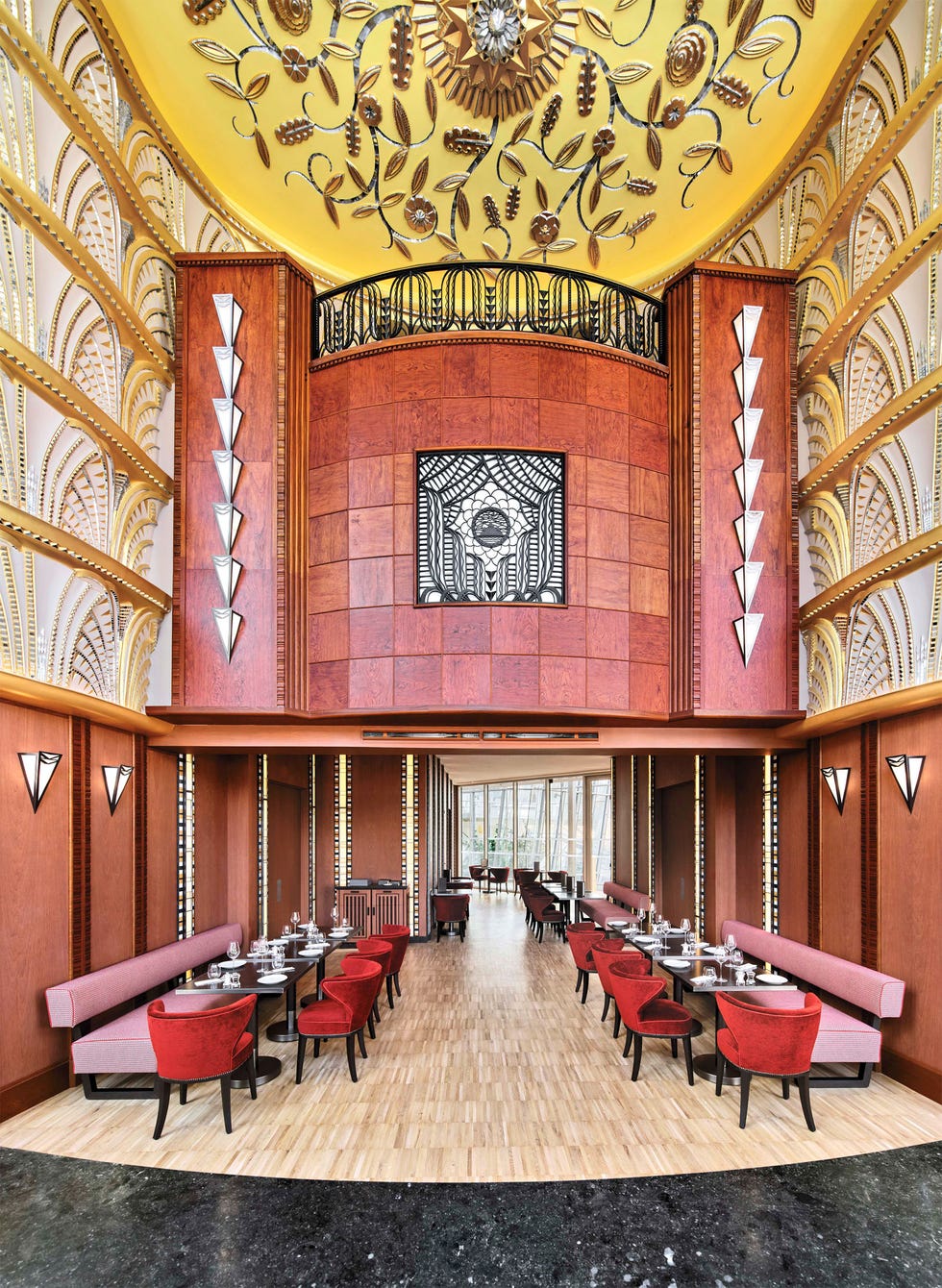
Radio City Music Hall, a 1930s Art Deco masterpiece, is described as a collaboration between Edward Durrell Stone and Donald Deskey. Its red and gold-themed main hall and elegant bathrooms are highlighted, noting Hugh Hardy's 1990s revamp.
The Richard Rodgers Theatre, a Broadway venue, is recognized for its unique 'democratic' seating plan designed by Herbert J. Krapp, allowing all patrons to enter through the same doors. Its interiors are described as embodying a 'Broadway Renaissance' style.
The Palace Theatre, once a premier vaudeville venue, has undergone a 2014 renovation, with another $2 billion plan approved in 2015 to expand its subterranean levels, lobby, and dressing rooms, despite its facade being obscured by billboards.
Herbert Krapp also designed the Majestic Theatre, which opened in 1927. It features a domed ceiling with elaborate detailing, ornate stage statues, and chandeliers. Both its interior and exterior were landmarked in 1987.
The Lyceum Theatre, Broadway’s oldest continuously operating stage, is praised for its 'magnificent' Beaux Arts facade, marble staircase, and intricate detailing. Its design remains largely intact due to its landmark status.
The Public Theater, a 1965 New York City landmark, is housed in a red brick building that was once John Jacob Astor's library. Joseph Papp converted it into a theater in 1967, and a recent renovation updated the space while preserving its historical character.
St. Ann's Warehouse in Dumbo is featured for its transformation of the 19th-century Tobacco Warehouse into a new performance space in 2015. This $31 million retrofit created a 10,000-square-foot open performance area and a 7,800-square-foot open-air garden designed by Michael Van Valkenburgh Associates.
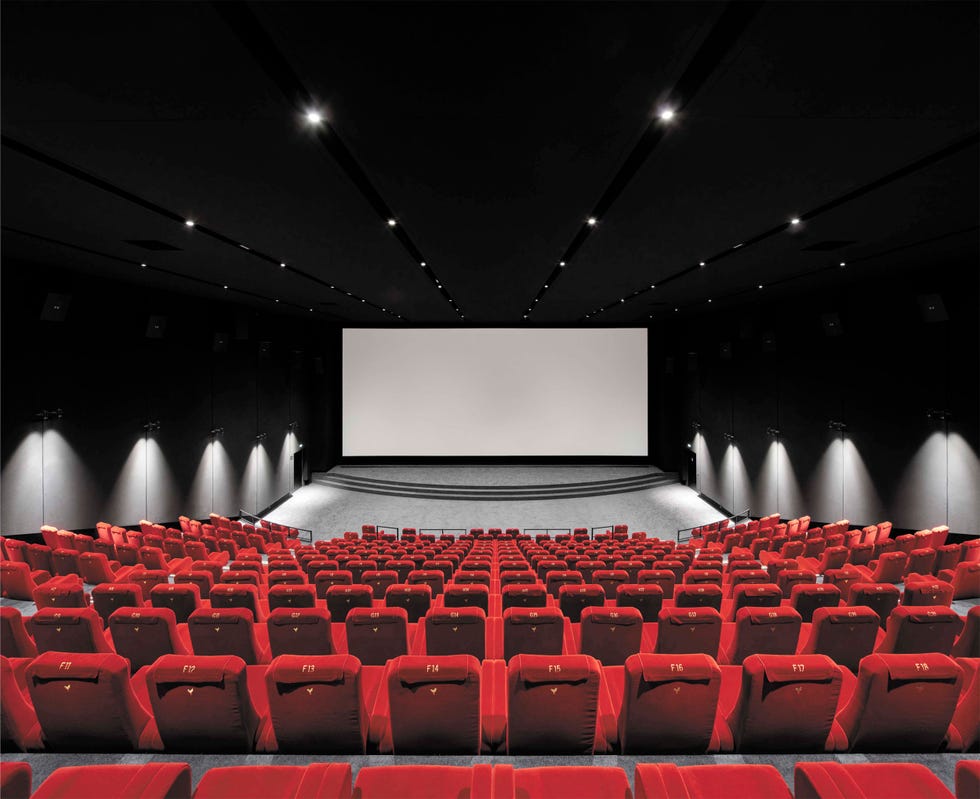
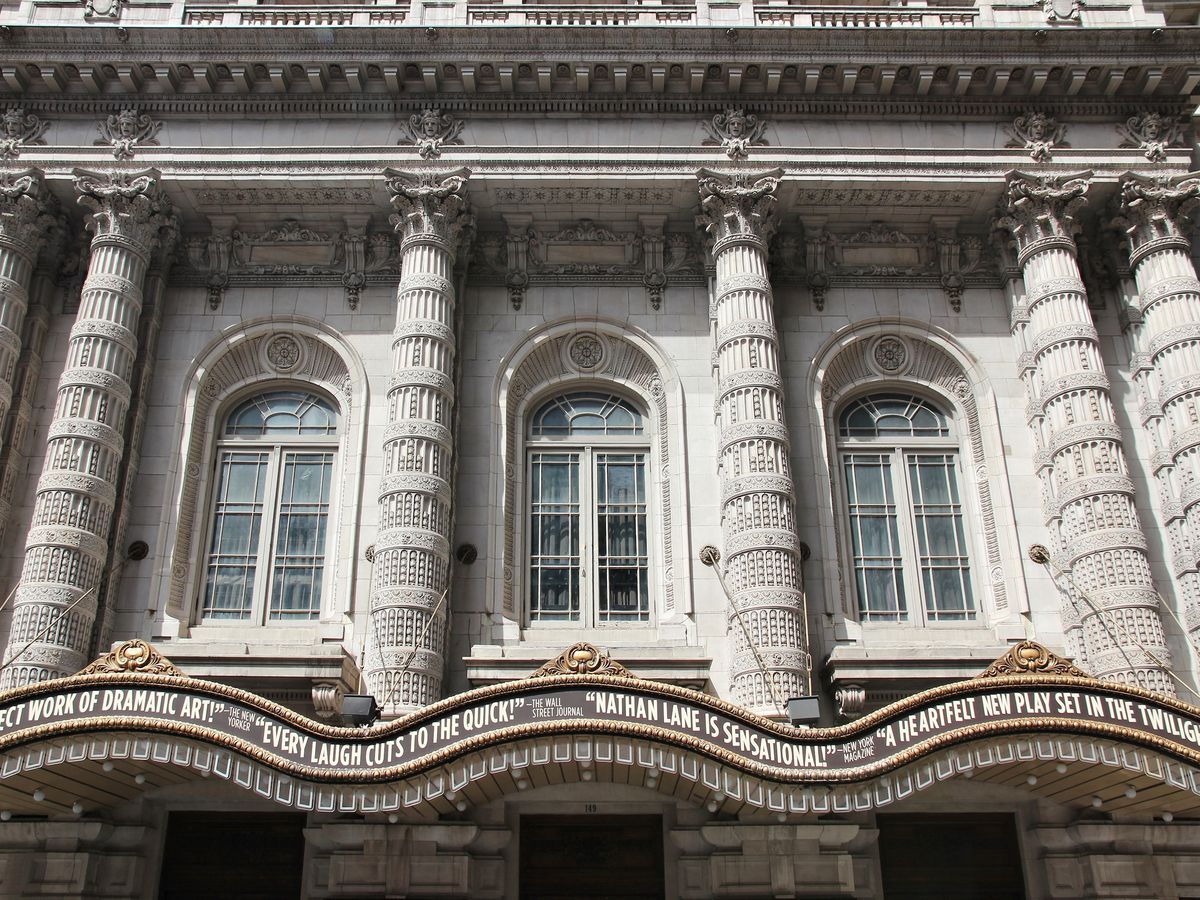
The BAM Peter Jay Sharp Building, designed by Herts & Tallant in 1908, is part of the Brooklyn Academy of Music. It houses the Howard Gilman Opera House and BAM Rose Cinemas, characterized by its granite and terra cotta construction, undulating canopy, arched windows, and dramatic interior ceilings and plasterwork.
Finally, the Kings Theatre in Brooklyn, abandoned for decades, underwent a $94 million restoration project starting in 2013 by architects Martinez+Johnson. This restored its French Renaissance decor, including its glazed terra cotta facade, ornate ceilings, and plaster walls. The St. George Theatre on Staten Island, designed by Eugene De Rosa and opened in 1929, was saved from demolition in 2004. It features Baroque interiors by Nestor Castro, with stained glass and gold plasterwork. Each entry provides a glimpse into the unique history and architectural significance of these New York City cultural institutions.
#NewYorkCity #TheaterArchitecture #HistoricBuildings #ArchitecturalDesign #InteriorDesign #PerformingArtsVenues #LandmarkBuildings #NYCtheaters #NewYorkCity #TheaterArchitecture #HistoricBuildings #ArchitecturalDesign #InteriorDesign #PerformingArtsVenues #LandmarkBuildings #NYCtheaters
Há 0 comentários no total
 Ainda não há comentários
Você também pode gostar

6 Remarkable Destinations For Tea In New York City

The 10 Best Home Theater Systems For Cinephiles


20 NYC subway stations with show-stopping tile art
NYC’s Best Sources for Architectural Salvage & Historic Reproductions

I’m Amazed by This NYC Loft’s 15-Foot Ceilings (It’s Like an Art Gallery!)


The Best Framers in New York

The Best Art Hangers in New York
Are Long-Forgotten Movie Palaces Entering a New Golden Age?

7 Next-Level Lofts in New York City