


Kids’ Room Decor That Grows With Them: Smart Tips for Nursery to Teen Years
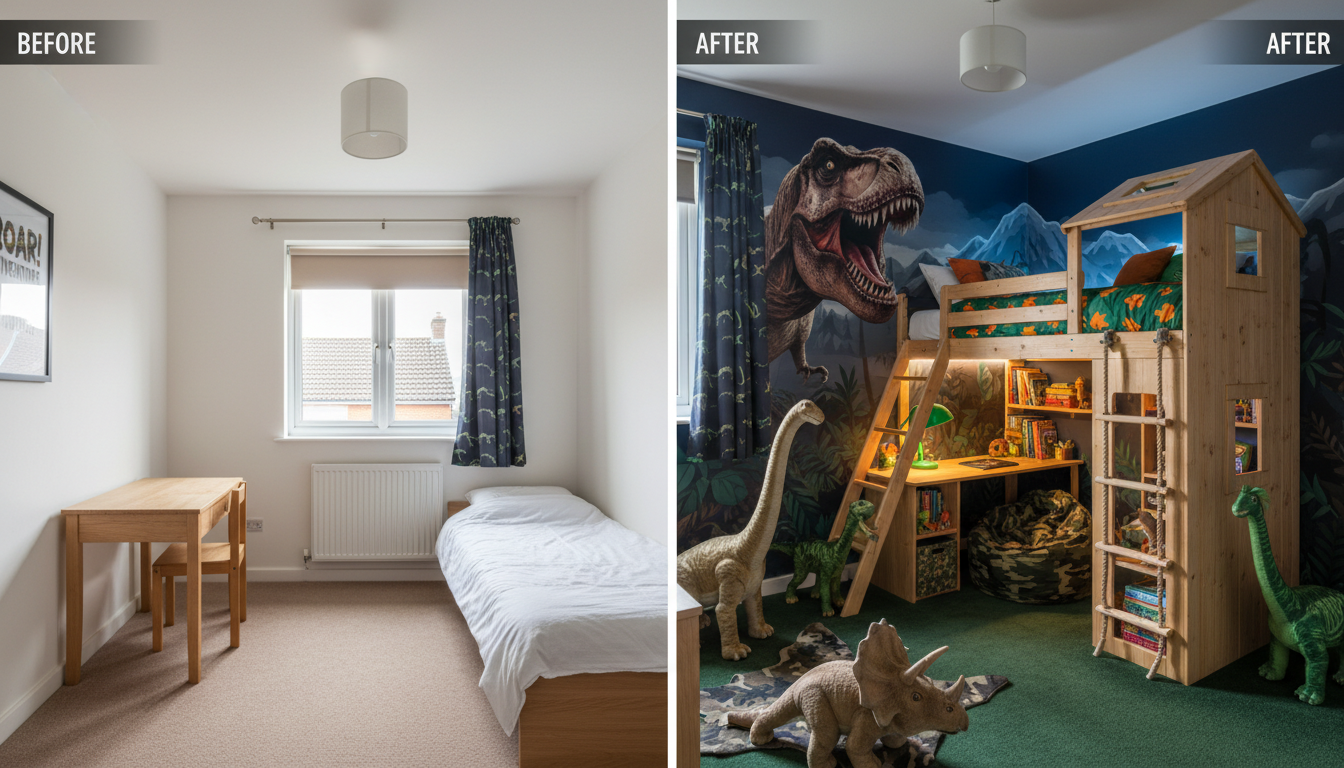
Decorating a child's room is a journey. One minute, they’re obsessed with Winnie the Pooh, and the next, it’s all about dinosaurs, rainbows, or superheroes. Keeping up with their ever-changing tastes can feel like a full-time job. But what if you could create a space that evolves with them, from their first nursery to their teenage retreat, without requiring a complete overhaul every year? The secret lies in building a flexible foundation and getting creative with decor that’s easy to change.
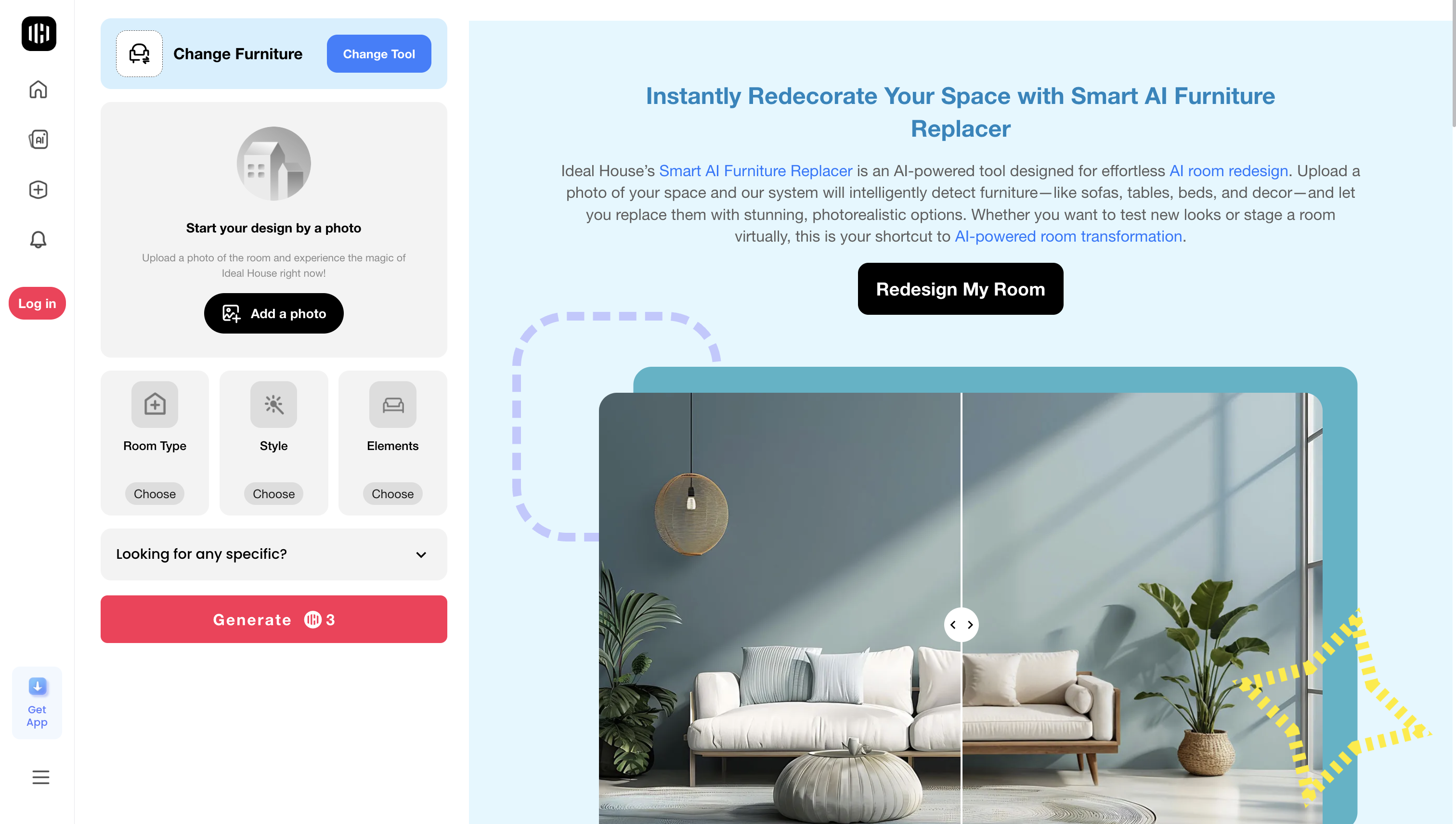
Before you commit to that full Looney Tunes wall mural or a racecar bed, imagine being able to test dozens of ideas without lifting a paintbrush. With AI-powered tools like Ideal House's Smart AI Furniture Replacer, you can do just that. Upload a photo of your child's room and instantly swap furniture, experiment with styles, and visualize new color schemes. It’s a parent's secret weapon for making smart design choices, involving your kids in the fun, and avoiding costly decor regrets.
The Foundation: A Room That Grows With Your Child
Creating a bedroom that adapts to your child’s growth is about smart, forward-thinking choices. With a little planning, you can design a room they’ll love for years, even as their favorite character of the week changes.
Sidestep the Theme Trap with a Neutral Base
While a room drenched in a single theme is cute, it has a short shelf life. Instead of painting the entire room Spiderman-blue, opt for neutral walls that act as a blank canvas. Calming colors like soft sage, warm gray, or off-white provide a timeless backdrop. You can bring their current obsession to life through accents that are easy and affordable to swap out, such as:
- Kids room bedding and custom pillows
- Removable wall decals and posters
- Themed rugs and throw blankets
- Playful lamps and nightlights
Invest in Timeless Furniture Pieces
Splurge on foundational pieces that are built to last. A classic, well-made dresser, bookcase, or chest of drawers can stay with your child from the toddler years well into their teens. Neutral colors like white, gray, or natural wood are your safest bet, as they adapt to any decor style. A vintage dresser can easily serve as a changing table for a nursery and later transition into clothing storage for a big kid.
Embrace Convertible and Multifunctional Furniture
In a kid's room, every square foot counts. Choose furniture that serves multiple purposes or can convert as your child grows.
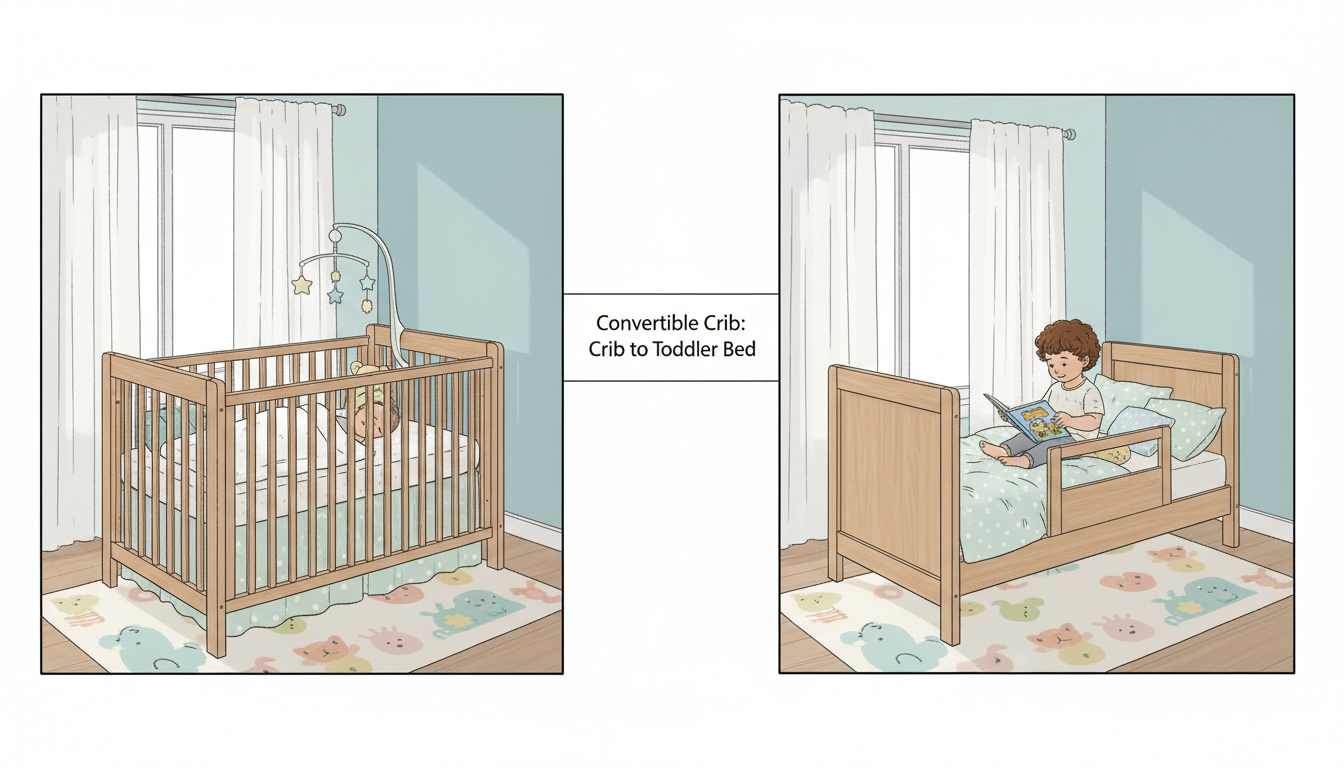
- Convertible Cribs: Many cribs transform into a toddler bed and sometimes even a full-size headboard, offering incredible long-term value.
- Loft and Bunk Beds: A loft bed with a desk underneath is a perfect space-saver for a grade-schooler’s homework station. For shared rooms, bunk beds are a classic solution.
- Storage Beds: A kids bed with storage drawers or an ottoman bed provides invaluable space to hide away toys, extra linens, or off-season clothing.
Let Them Help: Involving Your Child in Design Decisions
This is their space, so giving them a say in the design process makes them love it even more. While you might not let your four-year-old pick the wall paint, you can let them choose between a few pre-approved options for their bedding, wall art, or rug. This fosters a sense of ownership and pride in their room.
A Stage-by-Stage Look at Kids' Room Decor
A child's needs change dramatically with each developmental stage. Here’s a breakdown of what to focus on as they grow.
The Nursery (0-3 Years): Comfort and Safety First
This stage is all about creating a serene, safe nesting space.
- Sleep: Blackout curtains are a must for quality sleep. A crib that converts to a toddler bed is a wise investment. For safety, avoid hanging anything directly over the crib.
- Furniture: A comfortable glider or rocker will be your best friend for late-night feedings. Arrange changing supplies within easy reach of the changing table.
- Decor: Think soft blankets, a gentle mobile, and calming colors. A whimsical mural, like a blush and green nursery tree theme, adds a magical touch.
The Toddler & Preschool Years (3-6): Fostering Independence
As they become more mobile and curious, their room should support their burgeoning independence.
- Montessori Principles: Incorporate a Montessori bedroom philosophy with low, open shelves for toys, a child-sized wardrobe or low hooks for clothes, and a floor bed or a toddler bed low to the ground.
- Creative Space: Set up a kids art station with a small table and chairs. A roll of paper, crayons, and other safe art supplies encourage creativity. Display their masterpieces on a corkboard or with a wire-and-clip system.
- Toy Storage: Big bins make cleanup easy. Use picture labels on drawers and bins so pre-readers know where everything goes.
The Grade School Era (6-9): Social Spaces and Study Nooks
Your child is becoming more social, and their room may now host playdates. It's time to transition from "baby stuff" to "big kid" decor.
- Study Area: Create a dedicated kids study bedroom nook with a desk and good lighting for homework.
- Personalization: Let them help create their own accent pieces, like painting a canvas or decorating throw pillows. Wall hooks are a lifesaver for backpacks and jackets.
- Bedding: They'll likely want bedding that reflects their interests, whether it's Superman or Frozen. This is an easy and fun way to incorporate a theme.
The Pre-Teen and Teen Years (9+): Personality and Privacy
This is where you start to let go. Their room becomes their sanctuary, and they'll have strong opinions about its design.
- The Makeover: This is a great time for a room refresh you can tackle together. They might want a more "grown-up" color on the walls or new furniture.
- Organization: While their room might look like a disaster zone to you, provide tools for organization like storage cubes, a whiteboard for notes, and plenty of shelves for collections.
- Privacy: Respect their need for space, but establish rules about keeping screens out of the bedroom to promote healthy sleep.
Conquering Clutter: Smart Storage for Every Age
No matter the age, storage is the key to a functional and peaceful kid's room.
-
Go Vertical: Use wall space wisely with floating shelves, wall-mounted bookcases like the IKEA FLISAT, and peg rails.
-
Hidden Potential: Under-bed rolling bins and storage benches are perfect for stashing toys, LEGOs, and art supplies.
-
The Power of Bins and Baskets: Use clear bins with labels or color-coded baskets to categorize toys. This not only keeps the room tidy but also teaches kids how to organize. The IKEA TROFAST system is a popular choice for toy storage.
-
Toy Rotation: To reduce clutter and keep toys feeling fresh, store a portion of them away and rotate them every few months.
Unleashing Creativity: Fun Themes, Decor, and DIY Ideas
This is where you can have fun and let your child's personality shine.
Walls That Wow: Murals, Decals, and Paint
- Wall Murals: A forest kids room mural or a night sky ceiling can transport your child to another world. Companies like Rebel Walls offer countless kids wallpaper murals, from enchanted forests to outer space.
- Removable Decals: For a less permanent option, wall decals for a boy's room or girl's room are perfect. Think dinosaur decals, floral patterns, or superhero logos.
- Paint: A bold accent wall is a great compromise. Or get creative with paint by adding stripes, mountains, or other geometric patterns using painter's tape.
Let There Be Light: From Star Projectors to Neon Signs
Lighting sets the mood. Layer different types for a functional and magical space.
- Star Projectors: A galaxy projector can turn a ceiling into a breathtaking starry night, perfect for soothing kids to sleep.
- Fairy Lights & LED Strips: String fairy lights inside a canopy reading nook or run LED strips under a bed for a cool, modern glow.
- Neon Signs: A custom neon sign with your child's name or a fun shape like a rocket or cloud adds a playful, personalized touch.
Get Crafty: DIY Art Displays and Interactive Walls
- Display Their Art: Create a gallery wall to show off your child's creations. Use front-opening kids artwork frames, a simple wire with clips, or a large corkboard.
- Interactive Walls: A chalkboard wall or a LEGO wall provides an endless canvas for creativity right in their room.
Creating a Cozy Reading Nook
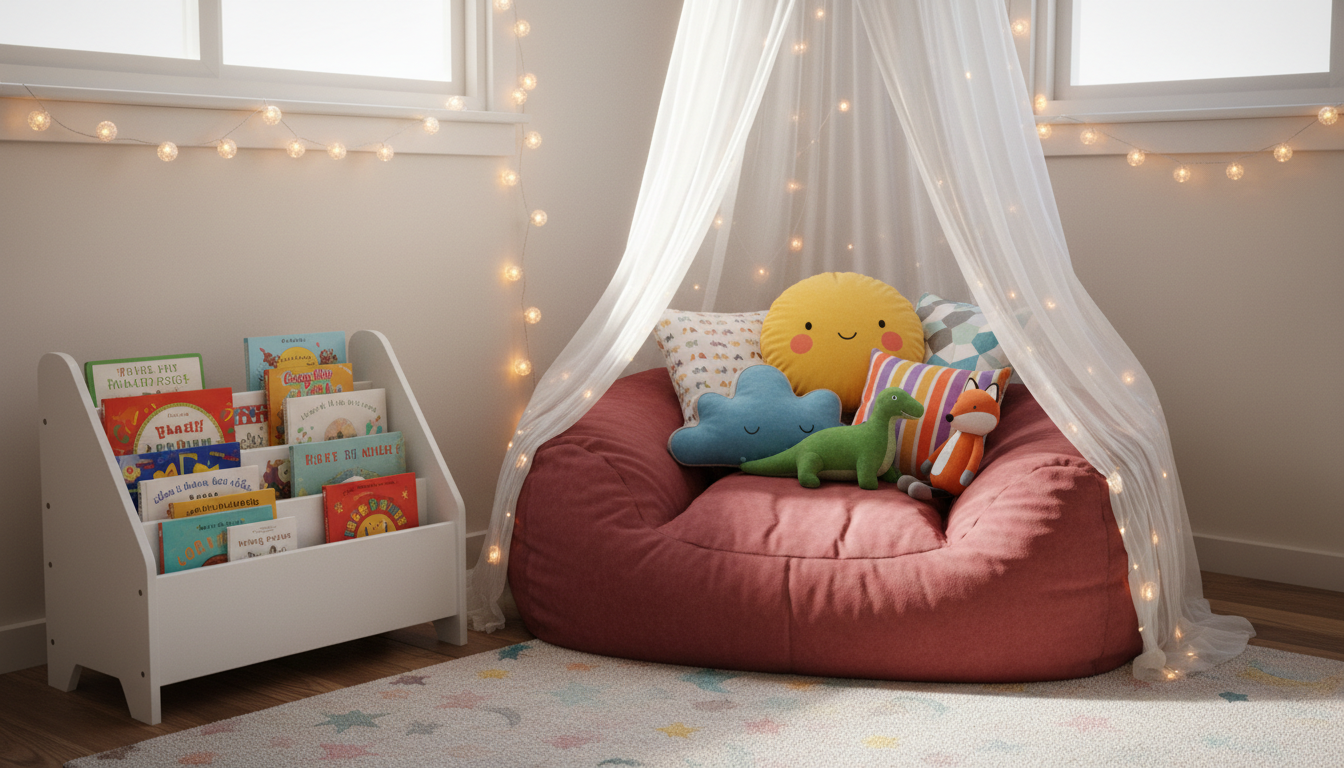
Encourage a love of reading by creating an irresistible spot to curl up with a book.
- The Canopy: A kids canopy reading corner is simple to create. Hang a canopy from the ceiling over a plush bean bag, a pile of soft pillows, or a fuzzy rug.
- Lighting: Add some twinkle with fairy lights for a magical ambiance.
- Book Access: Use low, front-facing bookshelves so your child can easily see and choose their next story.
Specialized Setups for Unique Needs and Spaces
The Shared Sibling Room: Harmony in a Small Space
Designing a shared kids room for a boy and girl or siblings with an age gap requires clever planning.
- Create Zones: Use a bookshelf as a room divider or arrange beds in an L-shape to give each child their own space. Canopies over each bed can also add a sense of privacy.
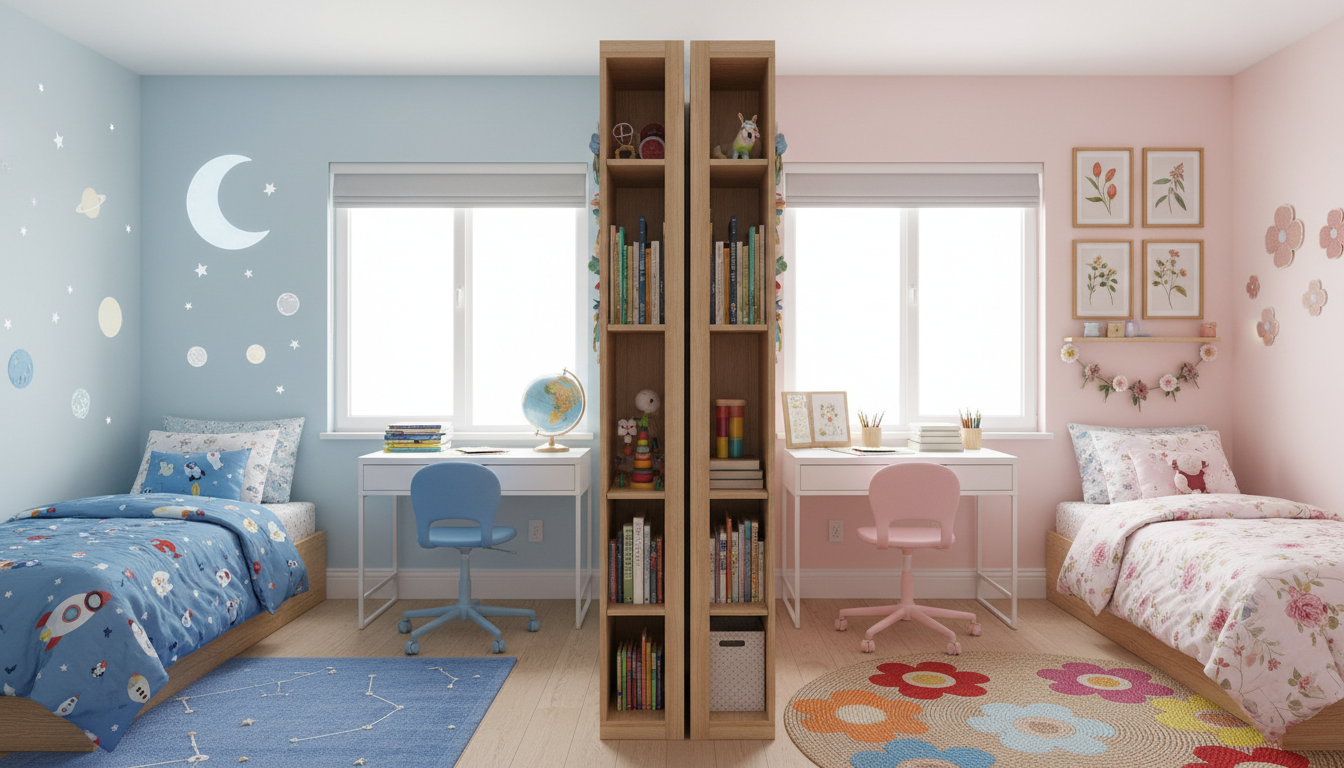
- Neutral Base, Personal Accents: Start with a neutral palette and let each child personalize their area with their own bedding, wall art, and accessories.
- Smart Furniture: Bunk beds with storage are a classic space-saver. For age gaps, a twin-over-full bunk bed can be a great option.
The Sensory-Friendly Sanctuary: Designing for Calm
For children with autism, ADHD, or sensory sensitivities, a bedroom should be a calming retreat.
- Calming Colors: Stick to muted blues, greens, and warm grays. Avoid loud patterns and visual clutter by using closed storage.
- Soft Textures: A weighted blanket provides deep pressure that can be very soothing. Use soft bedding like cotton jersey and provide a cozy corner with a bean bag or crash pad.
- Lighting and Sound: Use dimmable, warm-toned lighting. A white noise machine can mask jarring sounds. Consider a designated spot for noise-canceling headphones.
The Active Zone: Indoor Climbing and Play
For kids who need to move, bringing the playground indoors can be a game-changer.
- Climbing Walls: An indoor climbing wall with colorful holds is a fantastic way to build strength and burn energy.
- Monkey Bars & Swings: Wall-mounted Swedish ladders and indoor monkey bars offer endless opportunities for active play, taking up minimal floor space.