1/6
Why I'm finally leaving millennial grey behind, and what I've learnt about how to be bolder with colour
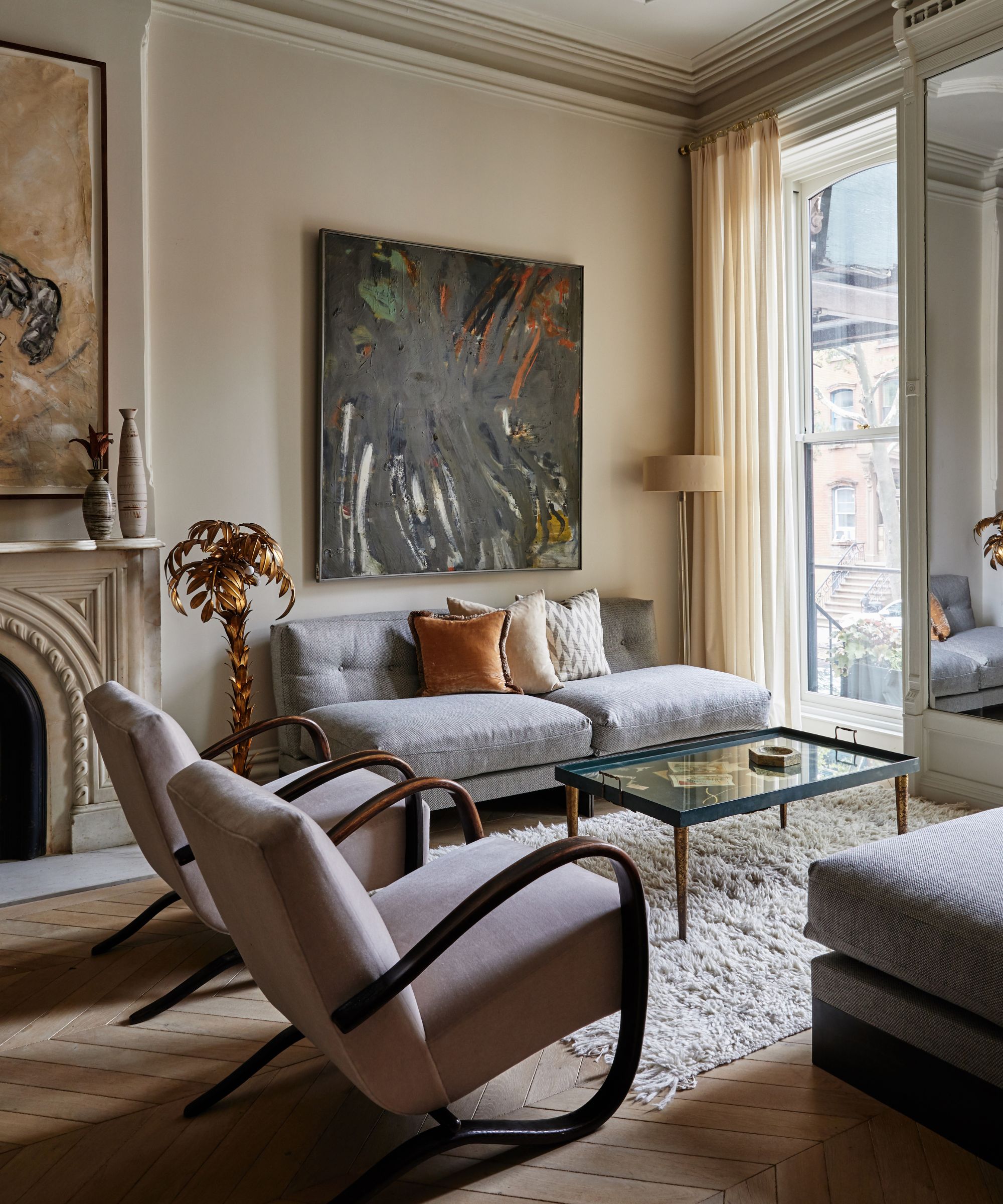
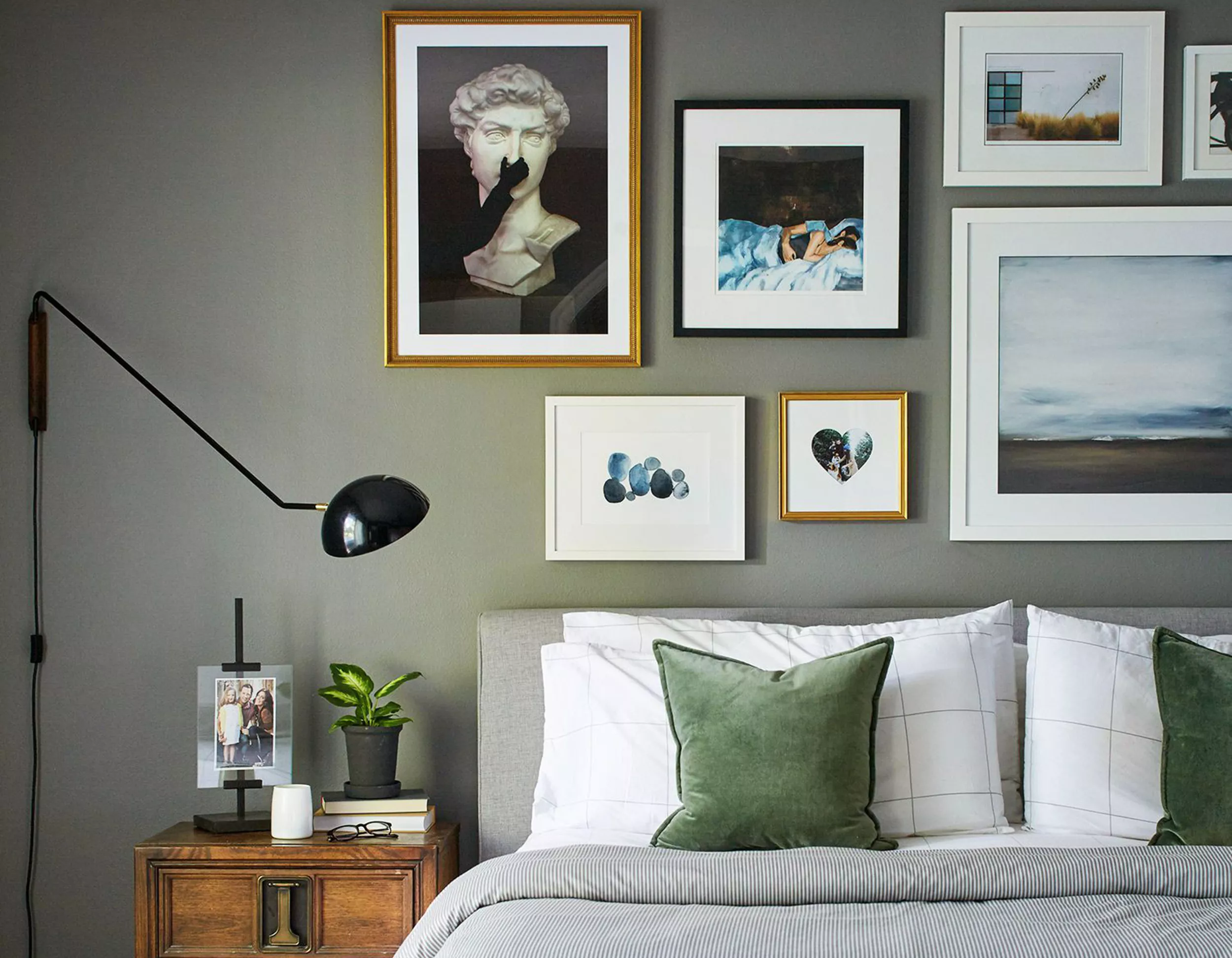
The author, interior designer Natalie Jahangiry, reflects on her past interior design choices, particularly her extensive use of millennial grey. She recounts how her first flat in Putney and later her first home with her husband in Wimbledon were almost entirely decorated in various shades of grey, often accented with copper and black and white photography. This monochromatic scheme even extended to her wedding decor, a decision she now views with a desire for more color.
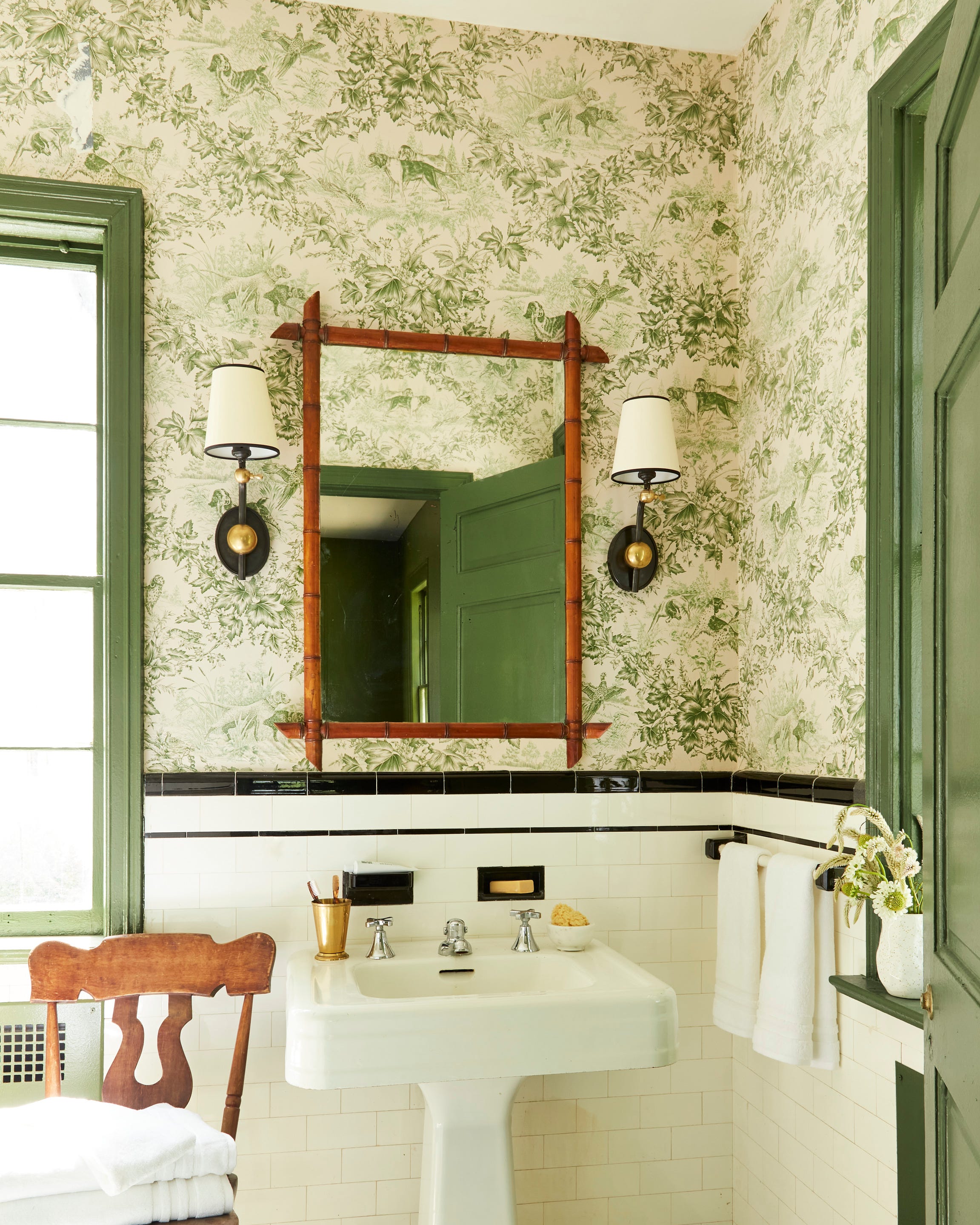
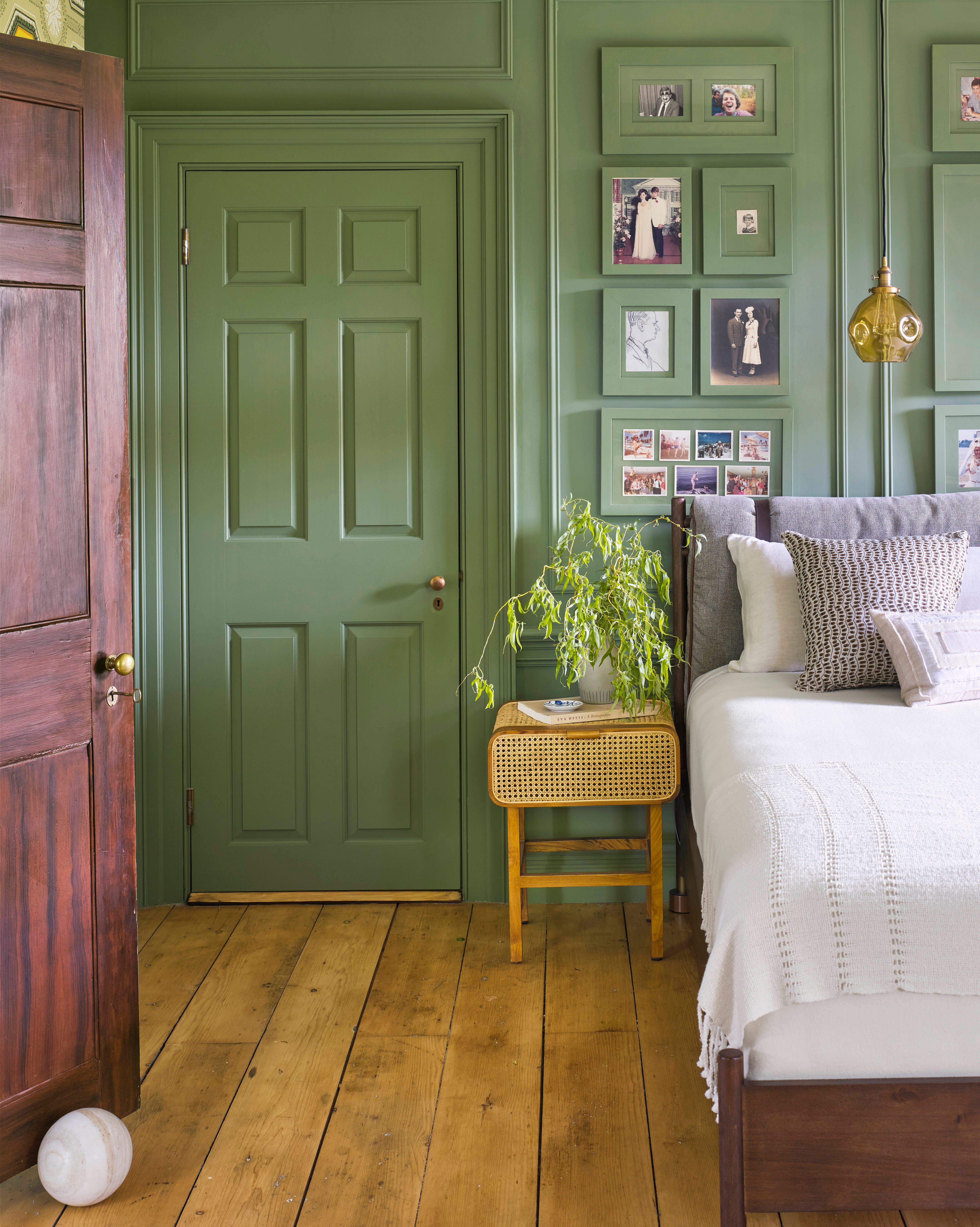
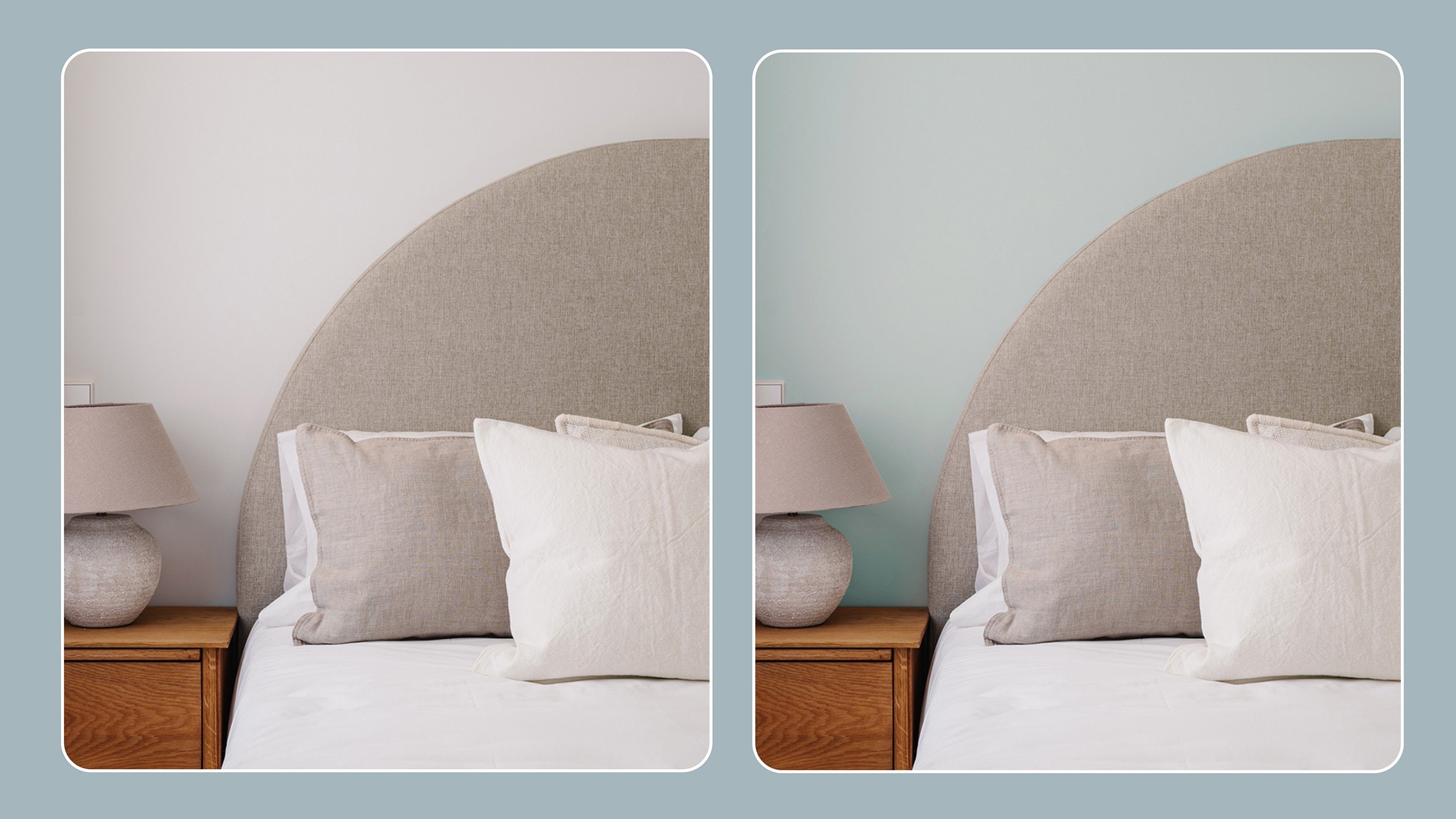
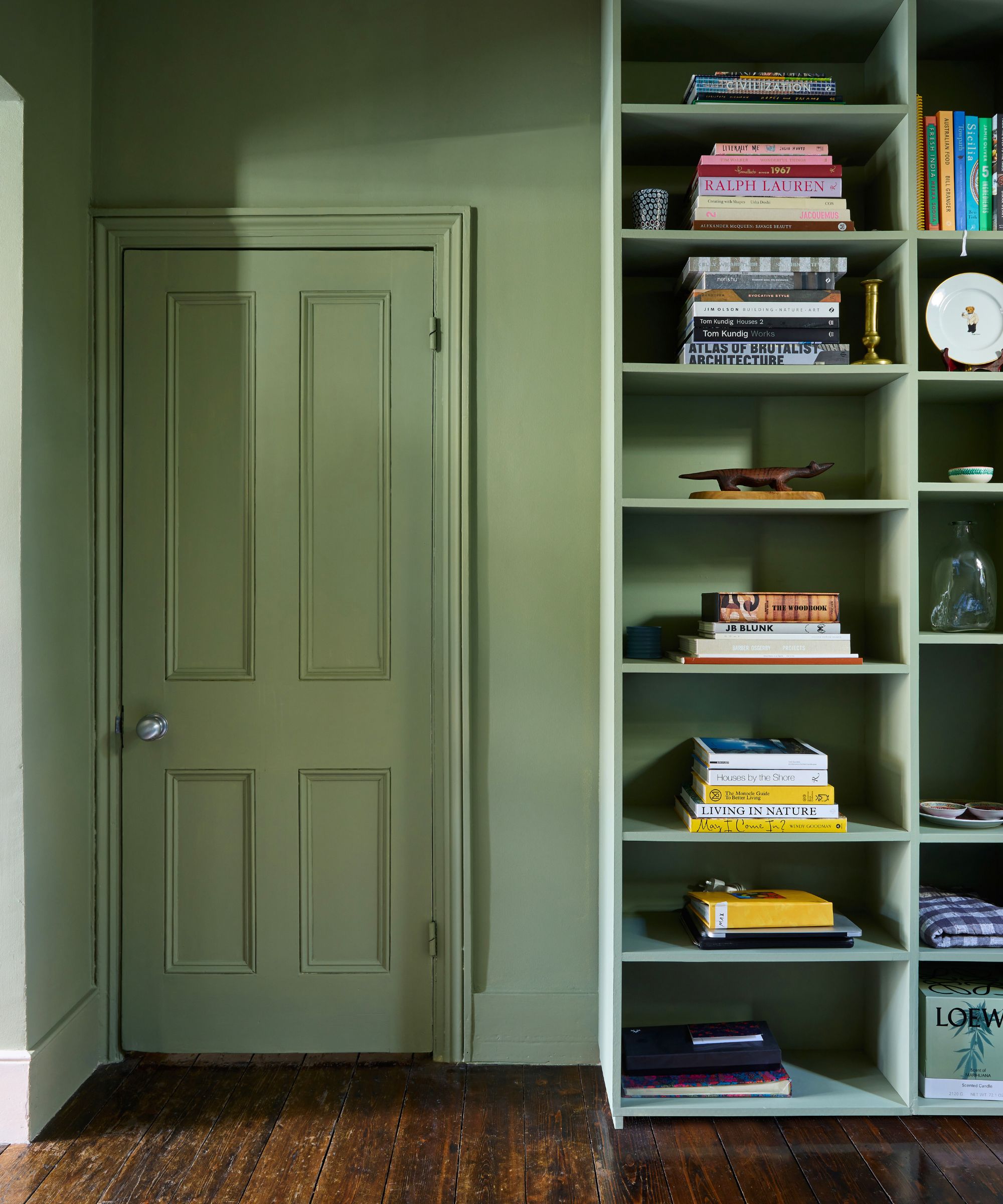
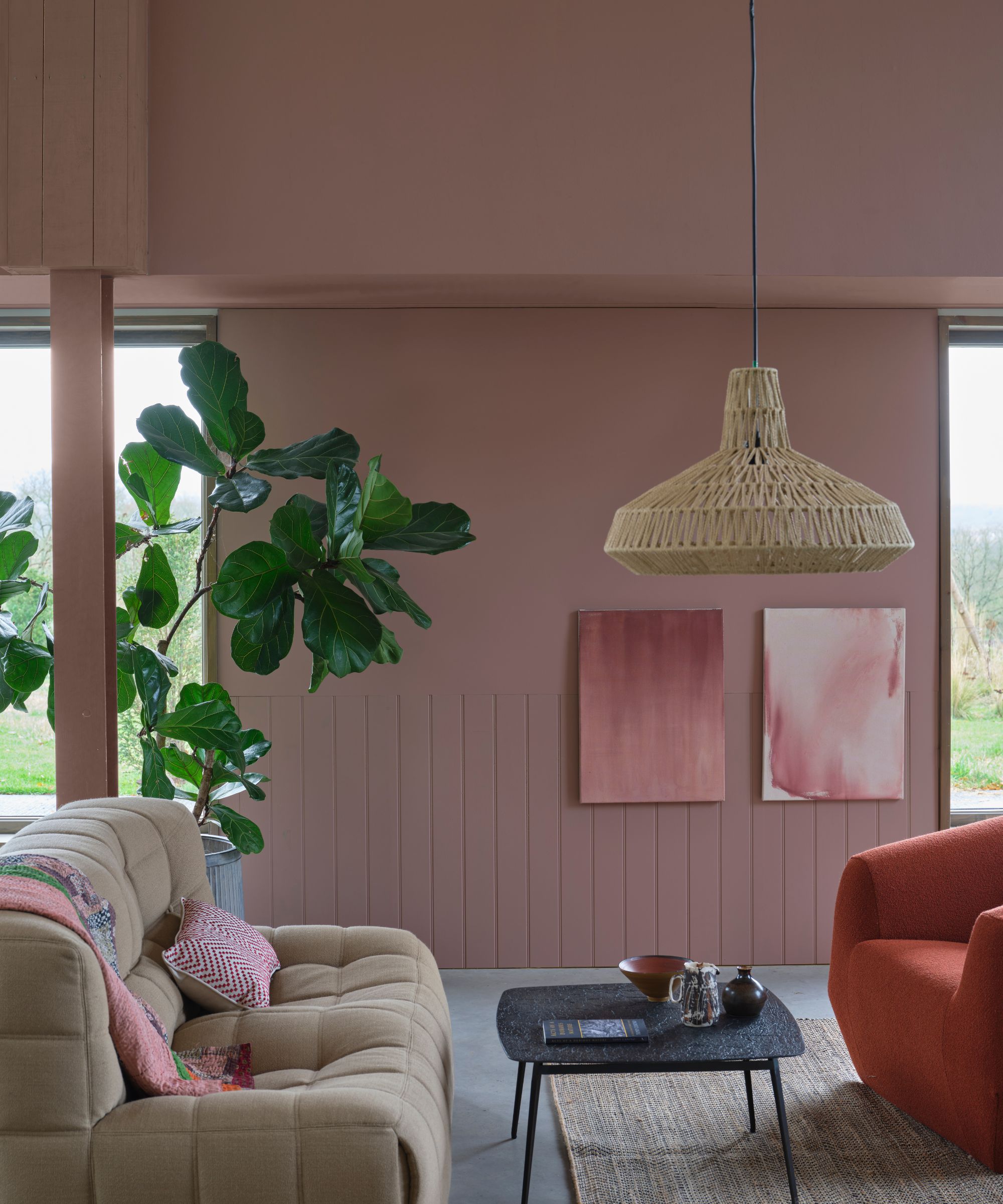
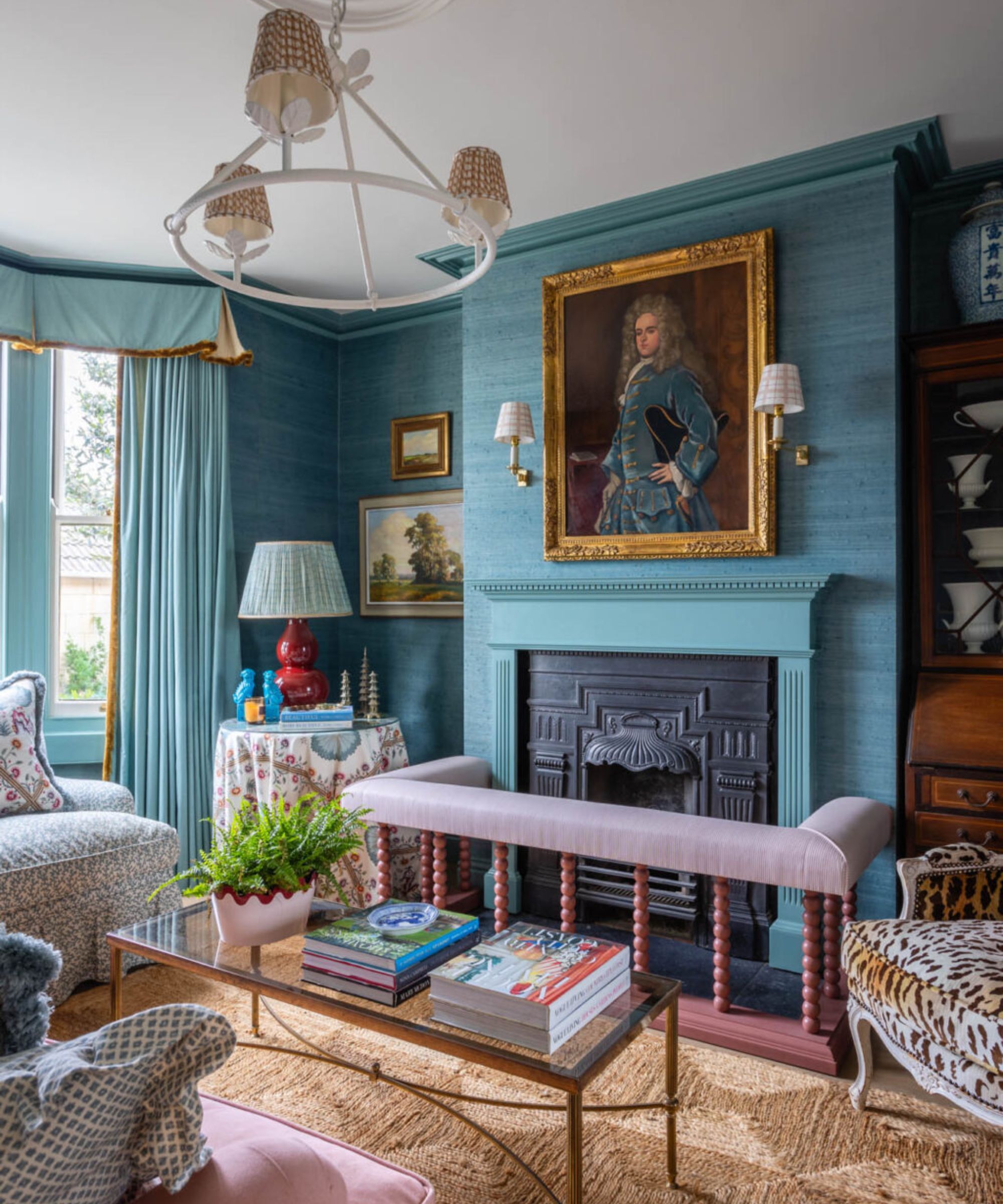
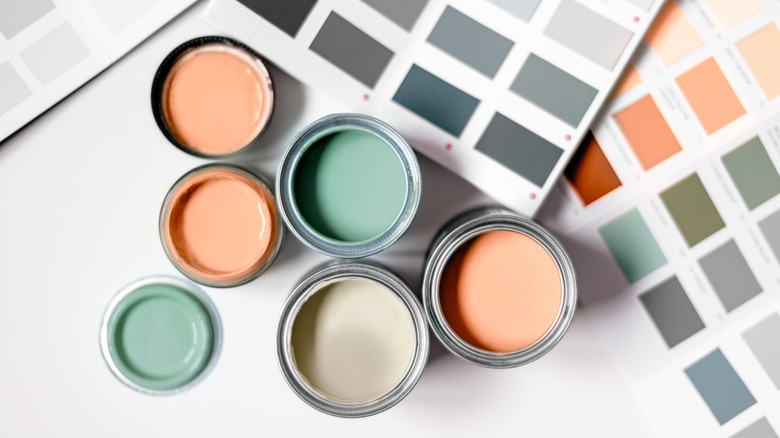
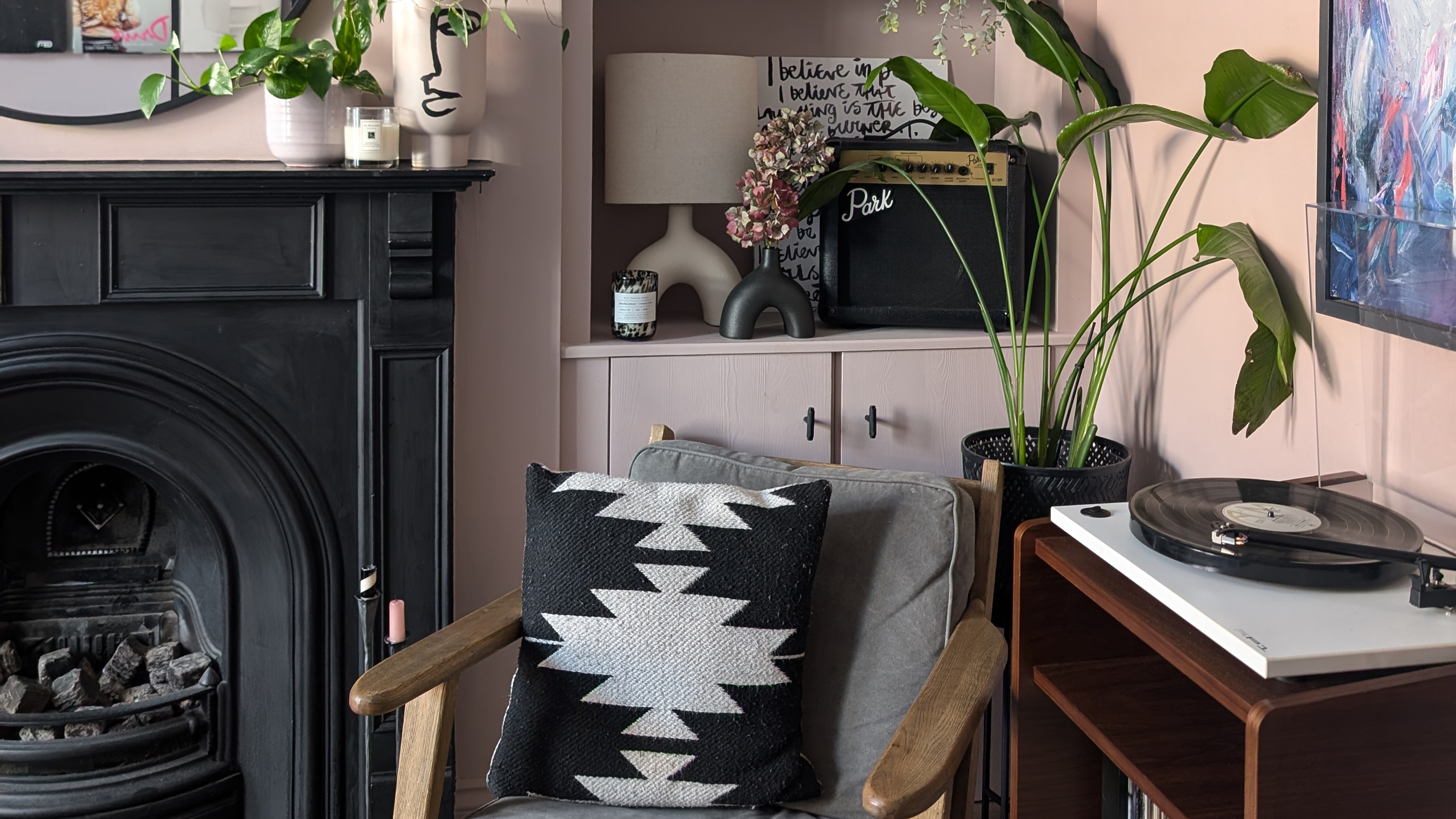
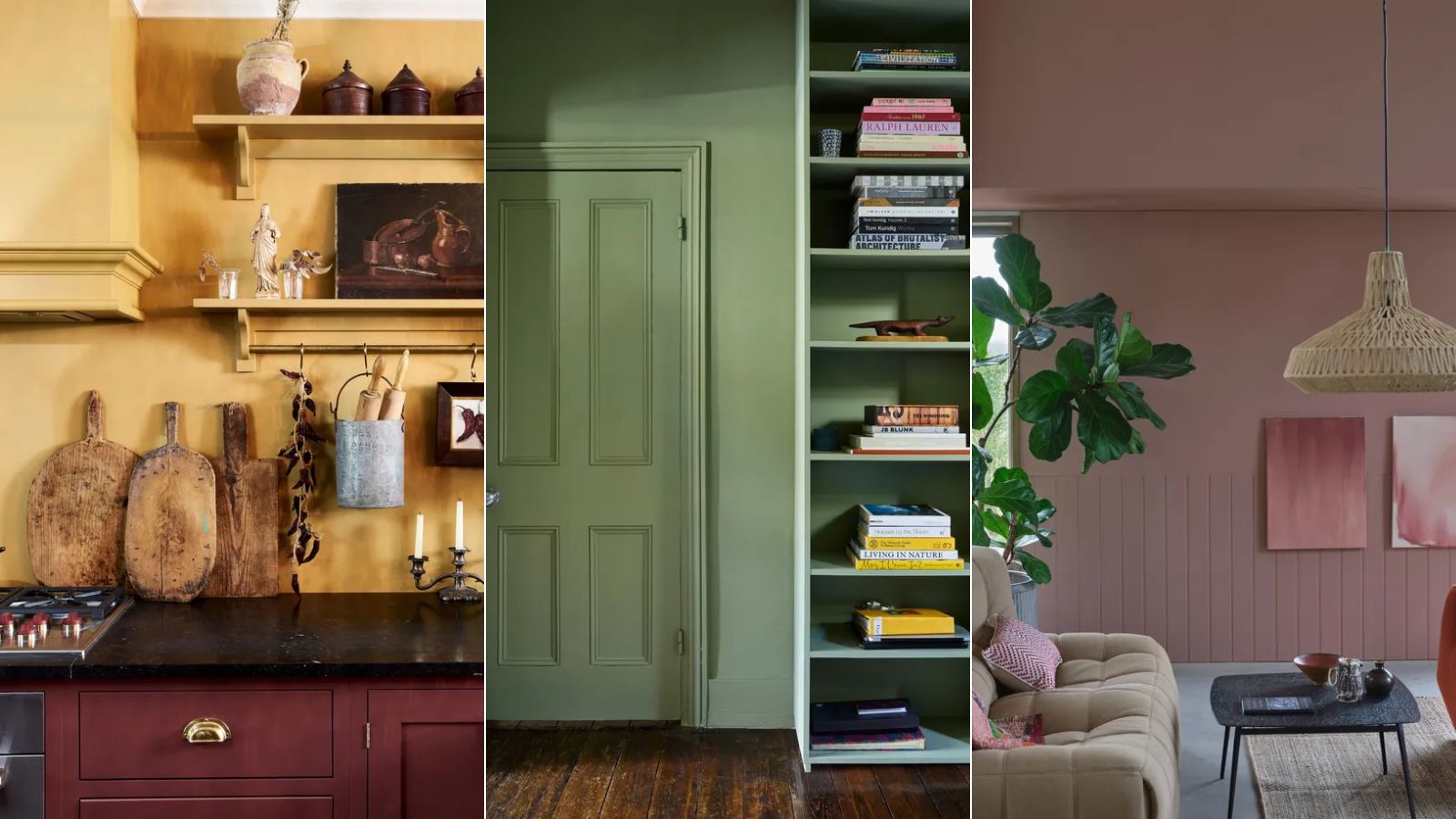
AThe turning point came when her husband expressed a desire for more color, prompting her to gradually introduce new hues into their Wimbledon home during an extension and her first pregnancy. She started with a dusky pink in the nursery, followed by duck egg blue for the kitchen island, a teal feature wall, and a bedroom featuring a dark green tongue-and-groove accent. This period marked a growing confidence in her use of color, texture, and interesting furnishings.
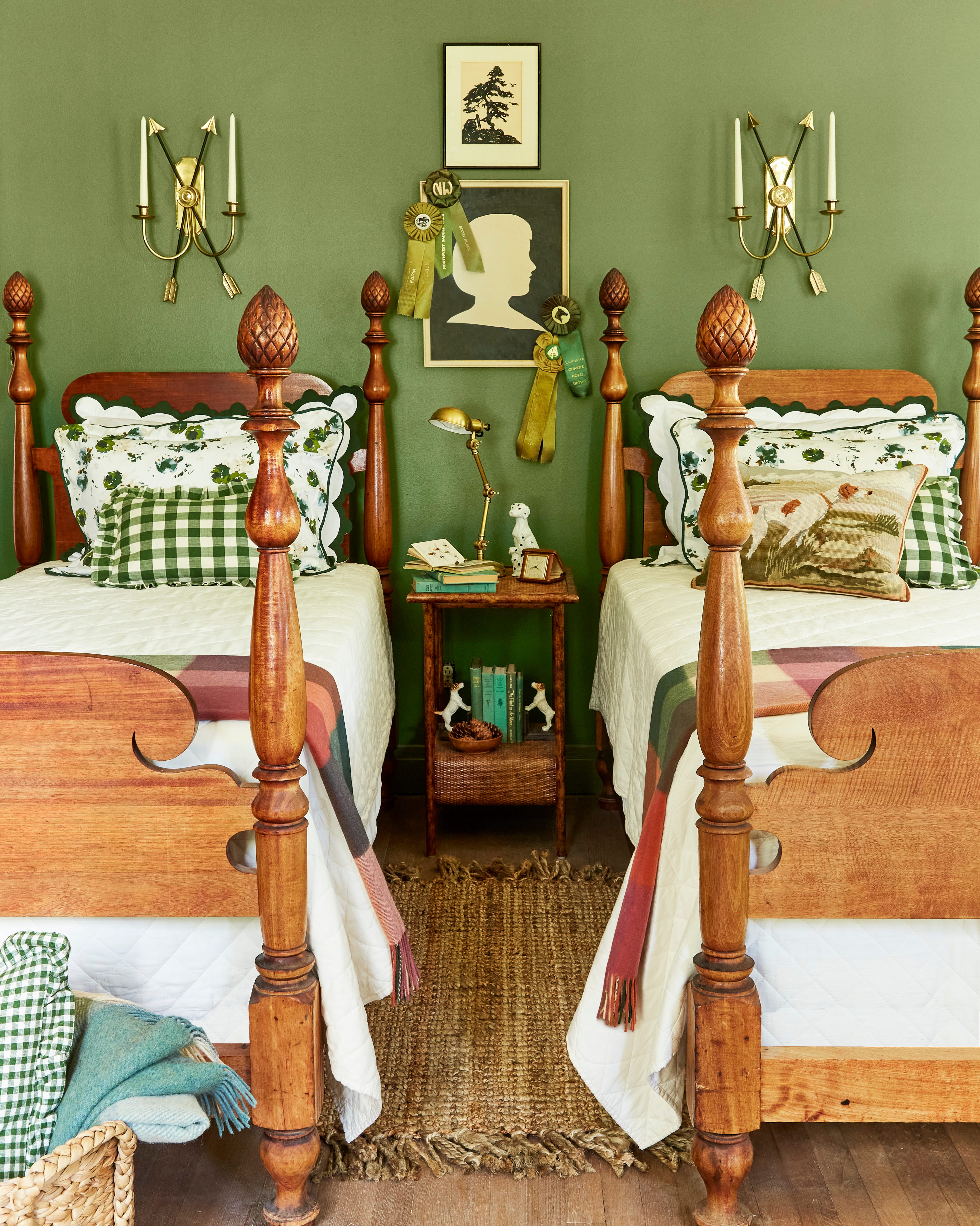
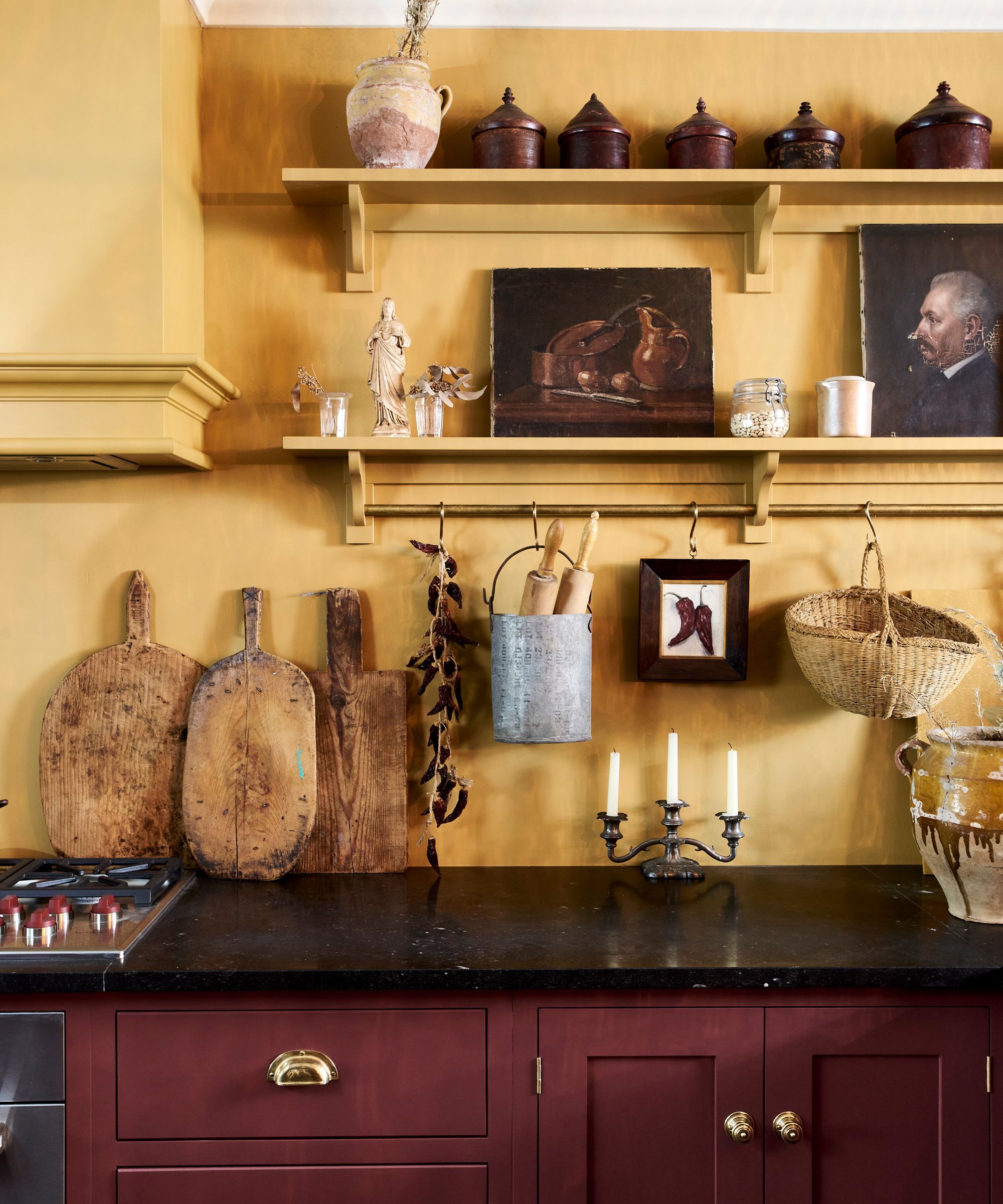
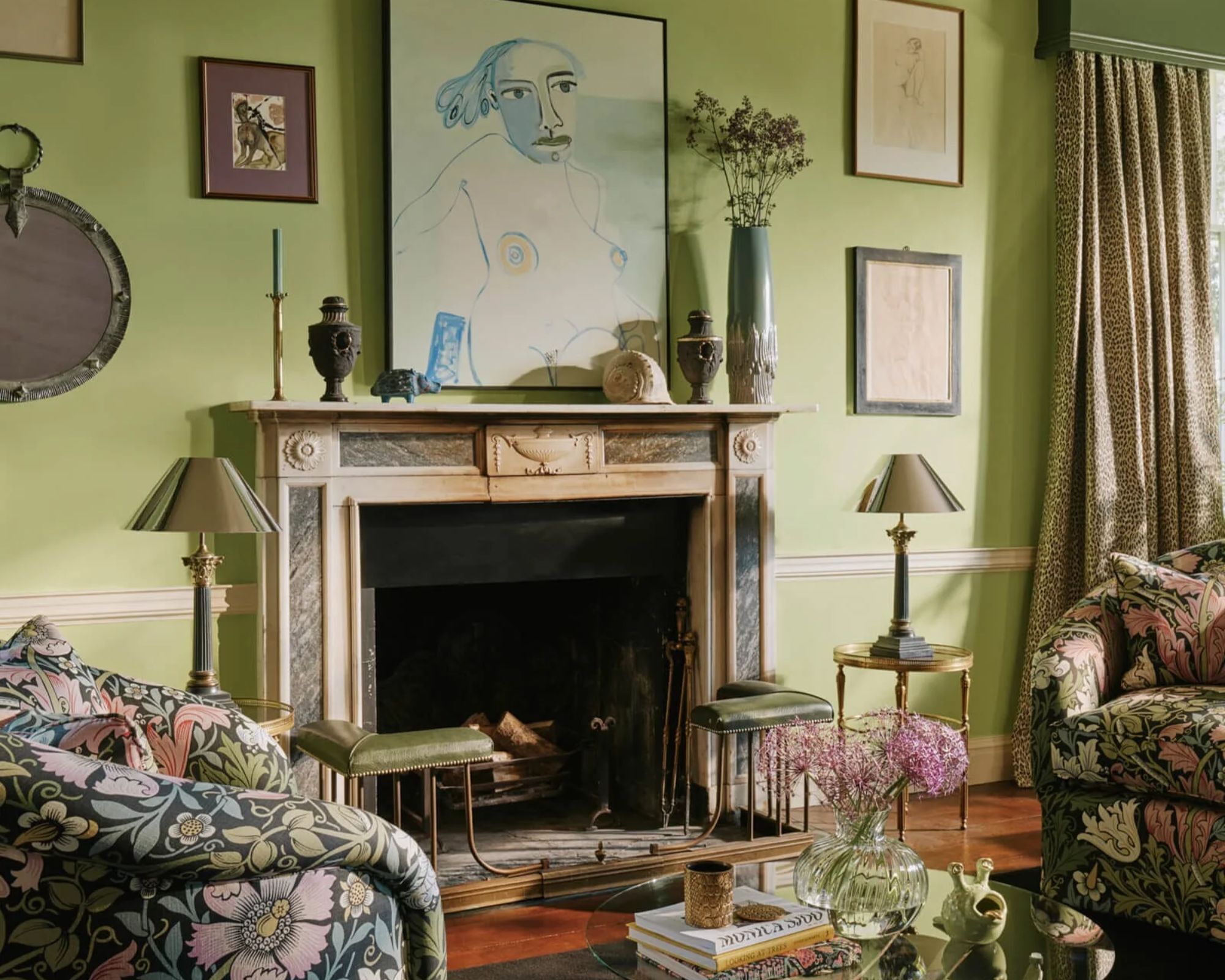
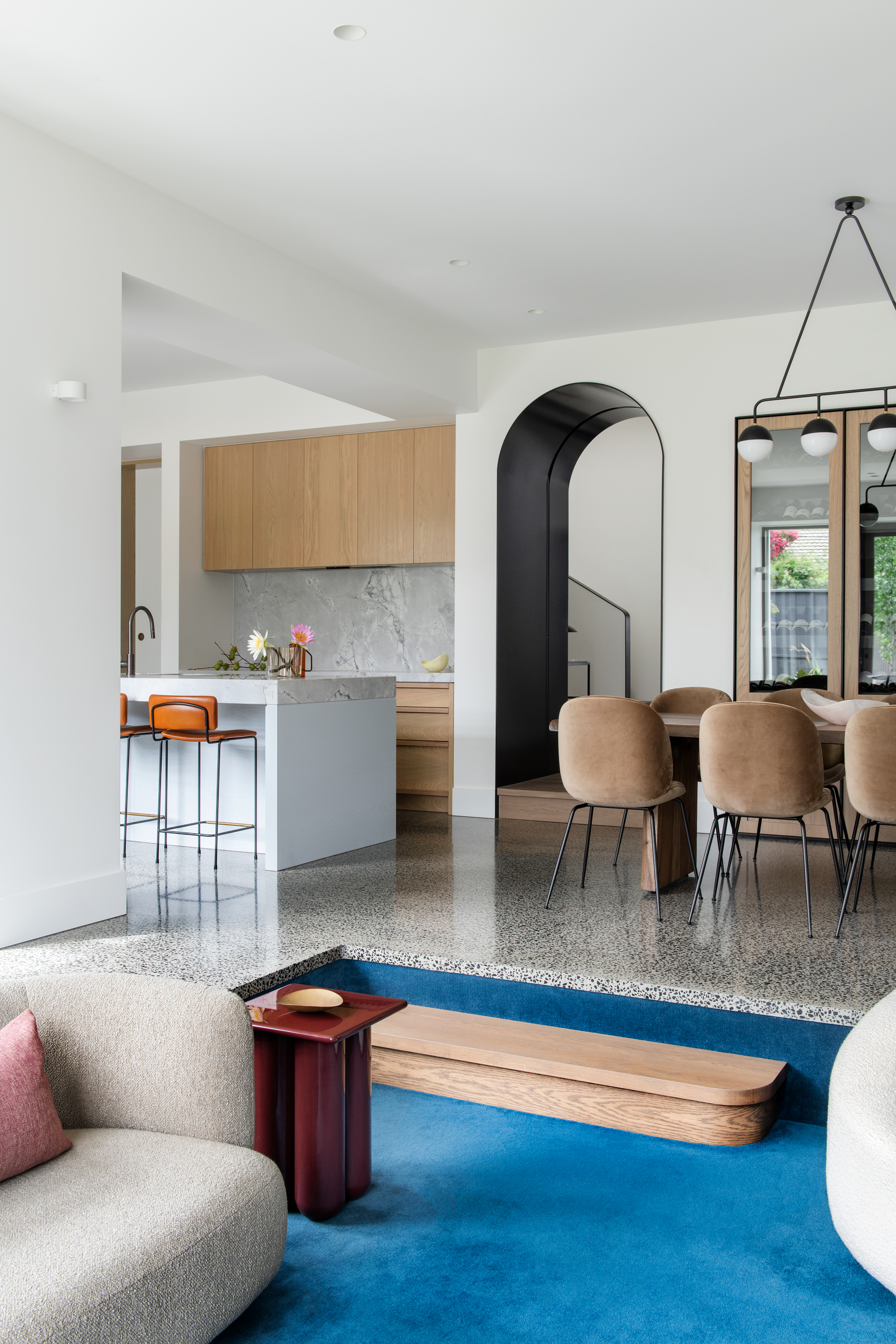
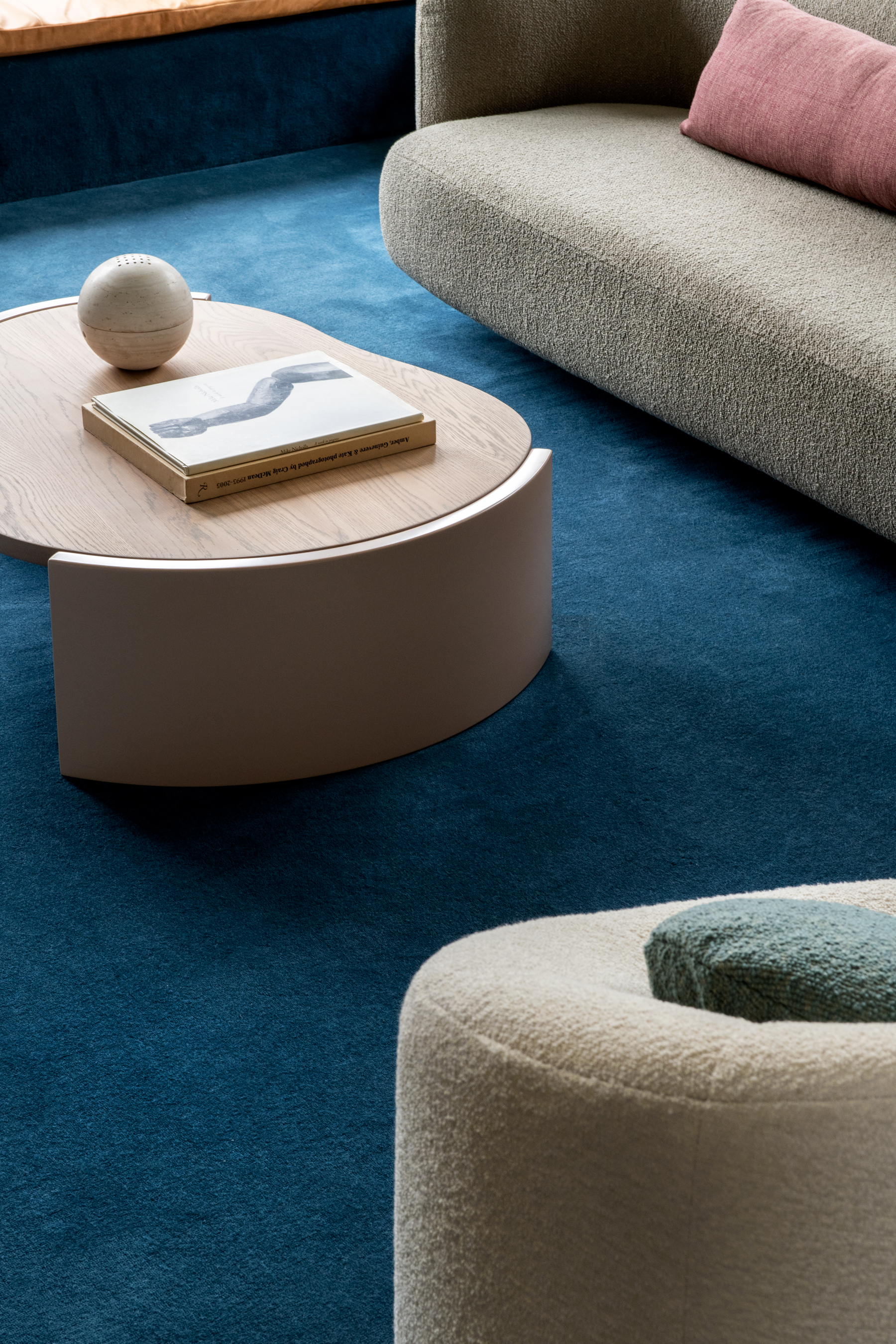
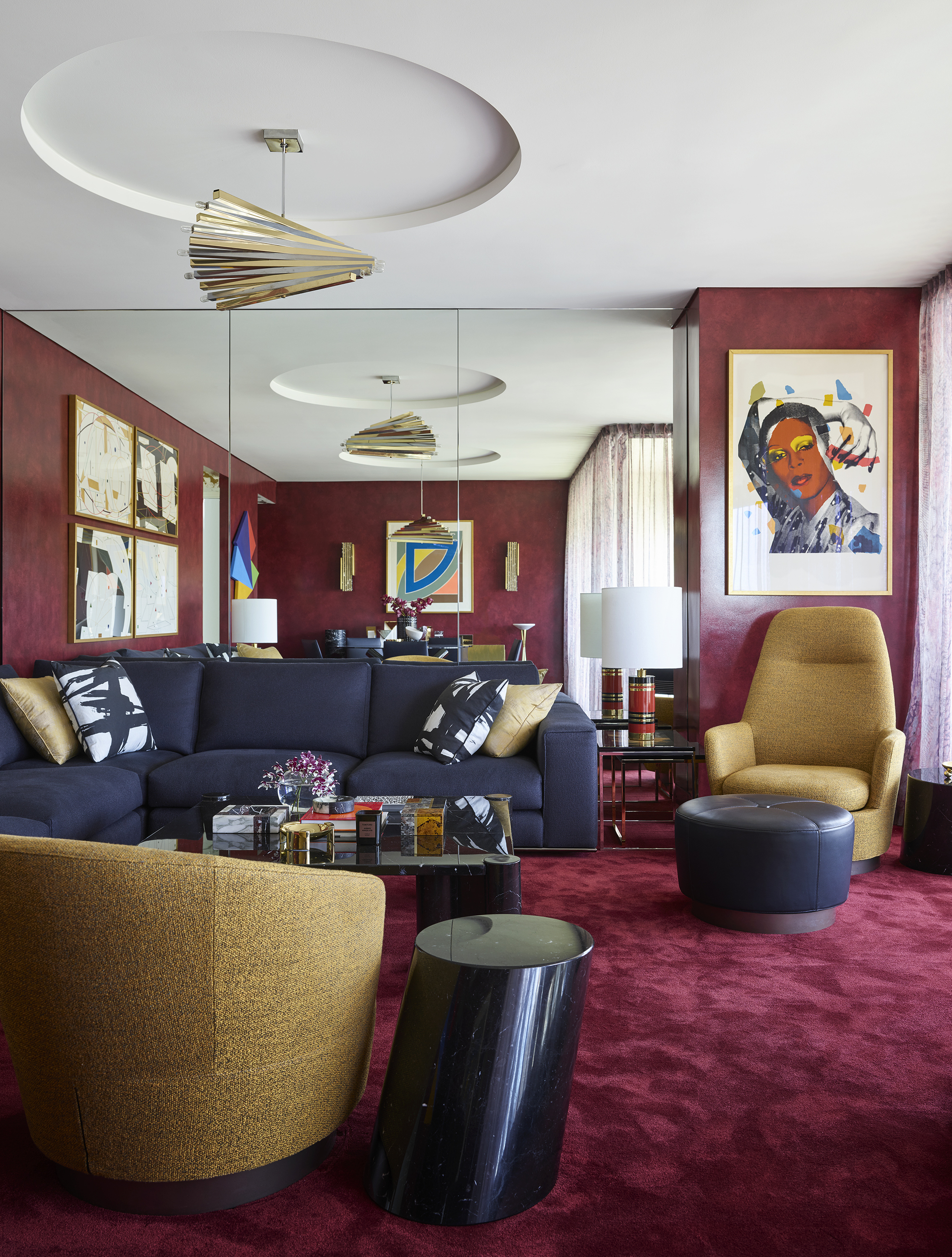
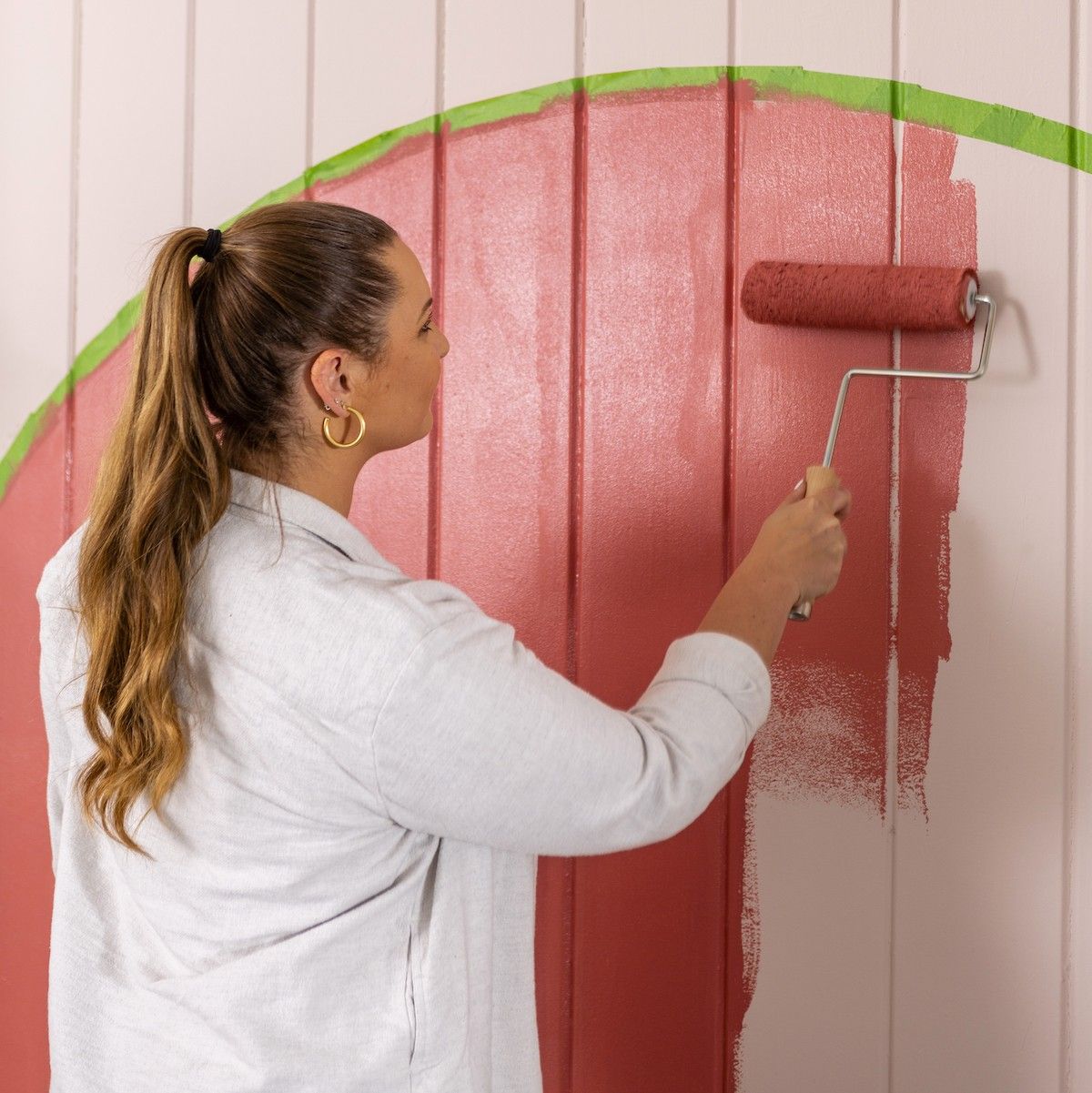
Upon moving to Twickenham, Jahangiry fully embraced a vibrant palette, incorporating color drenching, mixed metals, and statement pieces to create impactful spaces. Her current home is described as brighter, bolder, and more playful, accurately reflecting her family's personality. Her latest project, an office space, exemplifies this newfound boldness with earthy red walls, warm-toned furnishings, textured accessories, black metal shelving, a vintage wooden desk, and unexpected pops of yellow and lilac, signaling a definitive move away from her 'grey days'.
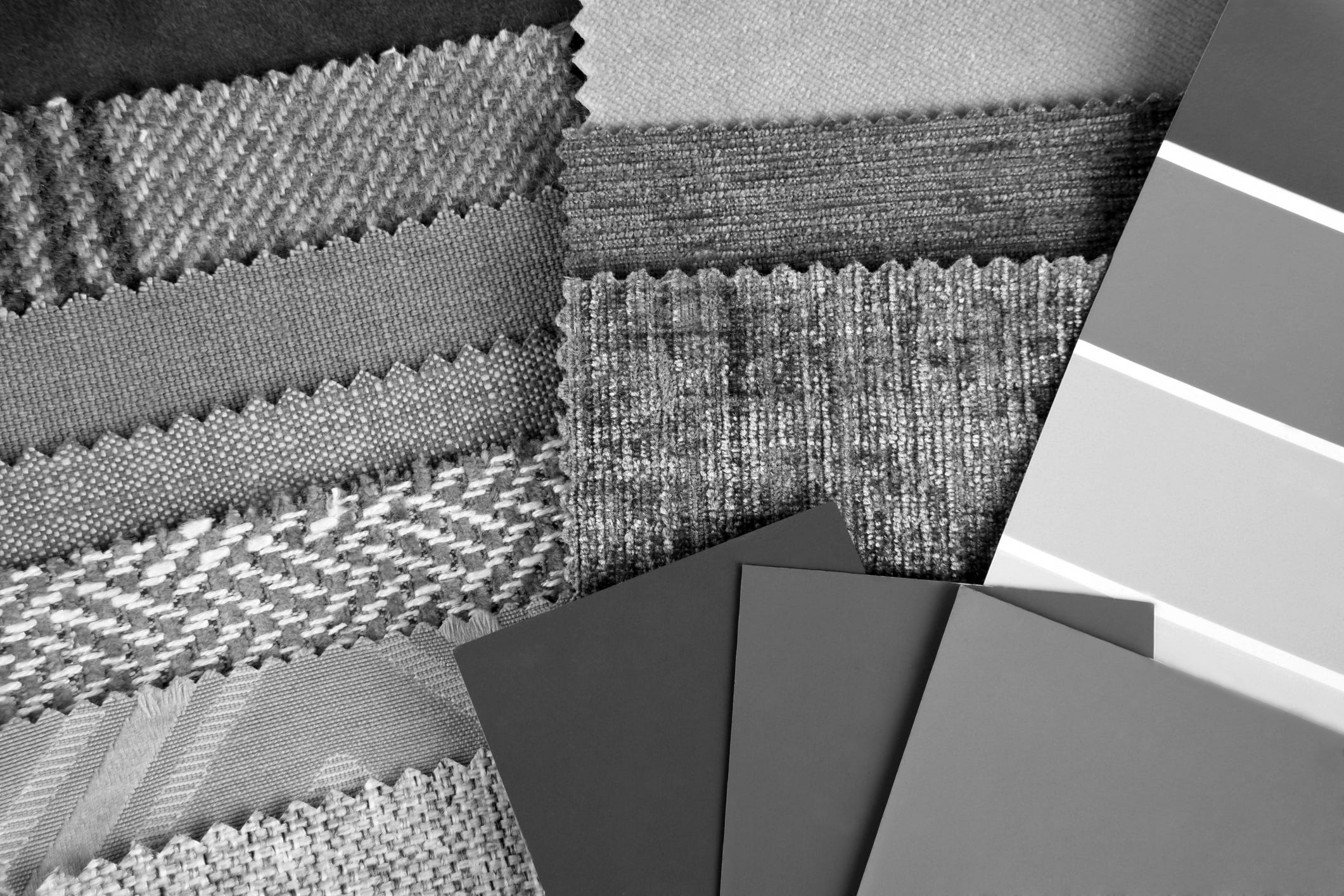
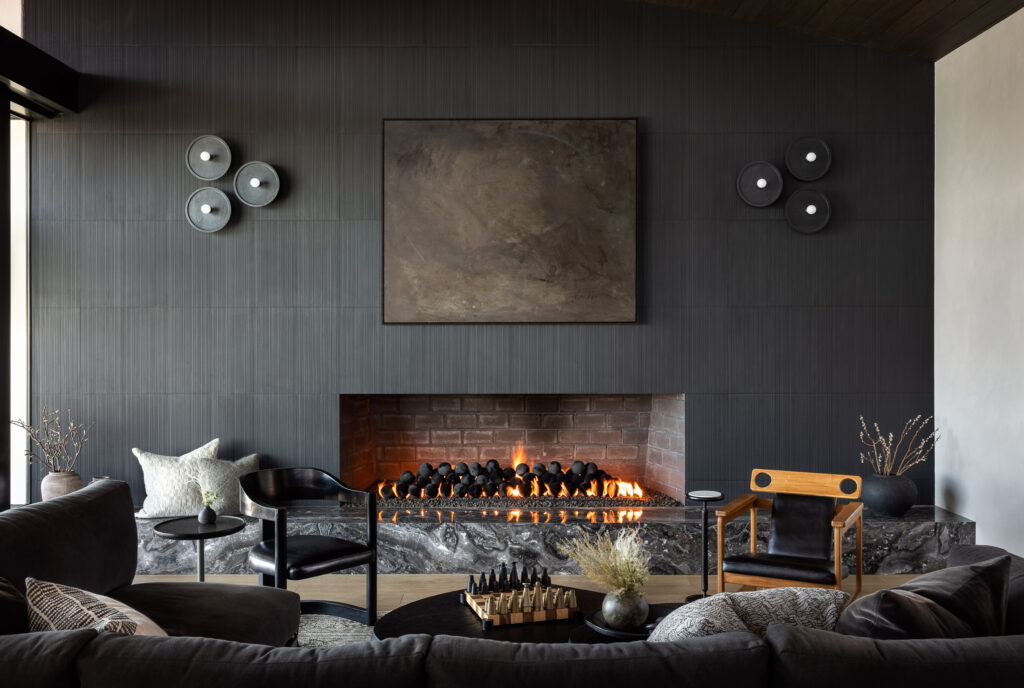
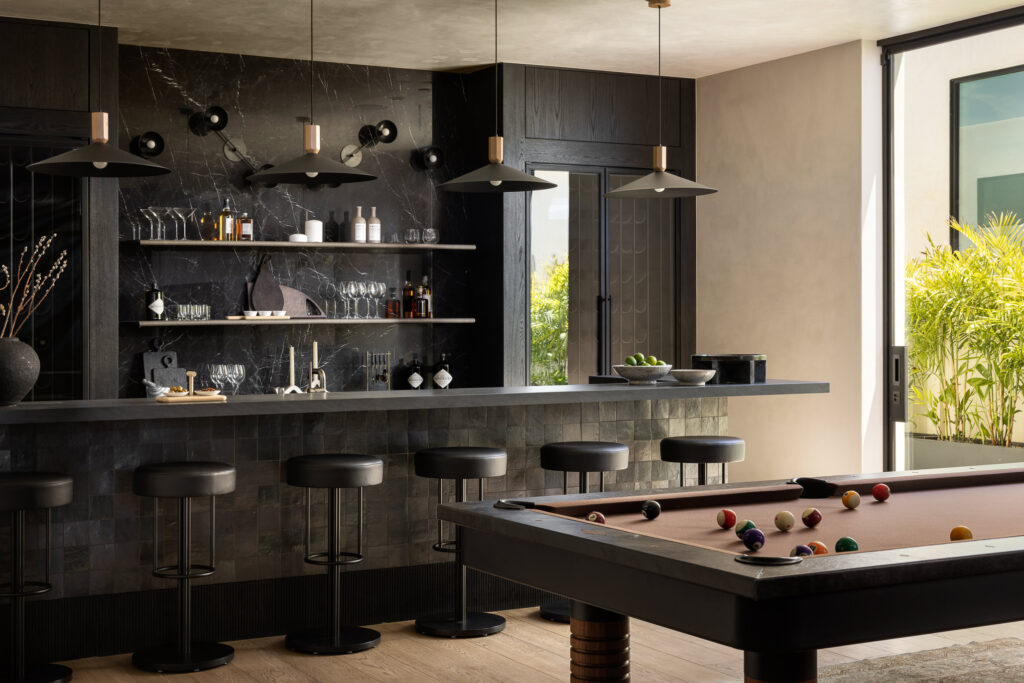
The article then delves into the pervasive nature of millennial grey in the late 2000s and 2010s, explaining its appeal as a 'modern,' 'sleek,' and 'neutral' choice for a generation furnishing their first homes. However, she notes that this trend often resulted in cold, flat, and sterile environments lacking personality, despite being heavily promoted on platforms like Pinterest and by high street retailers.
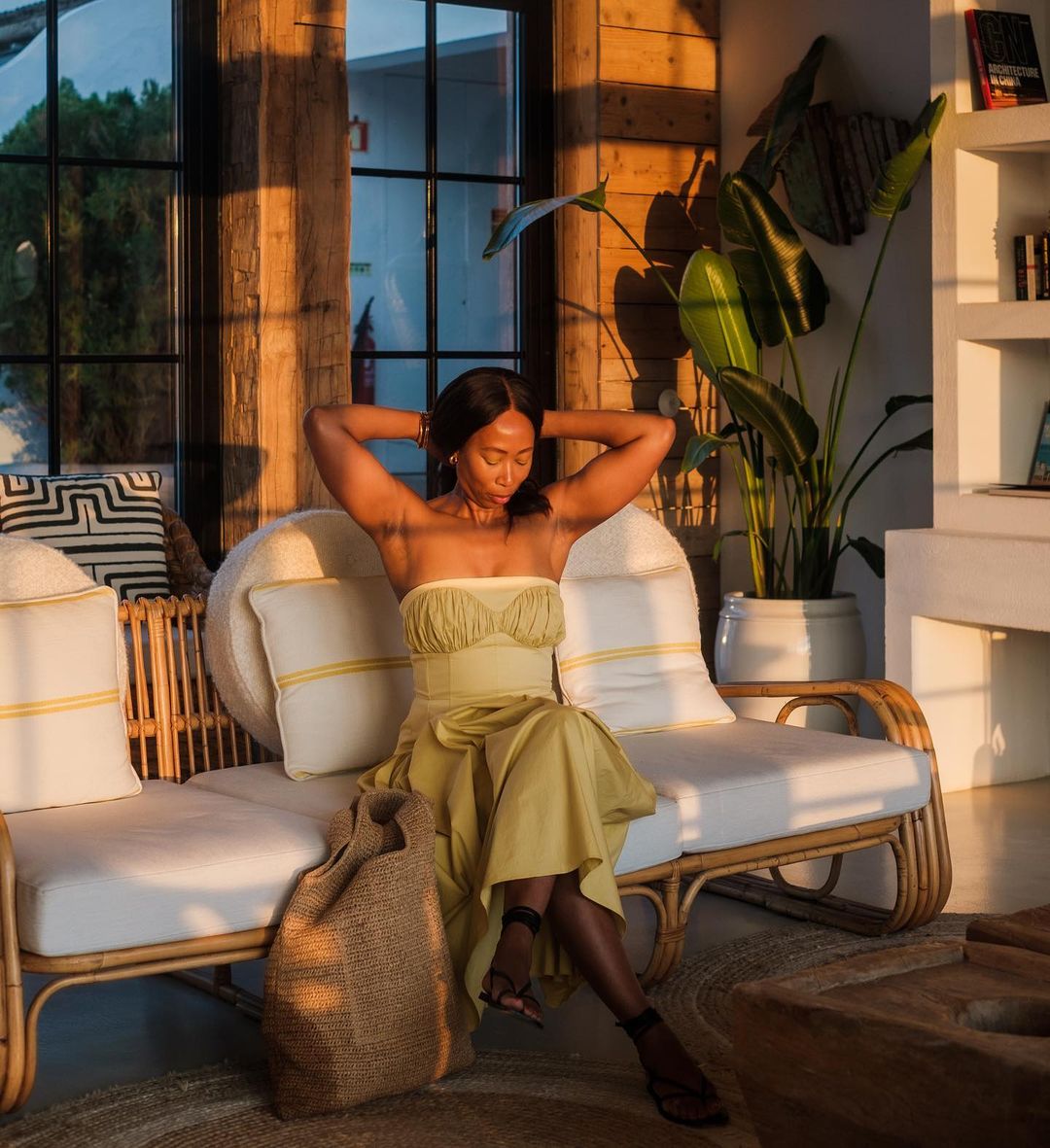
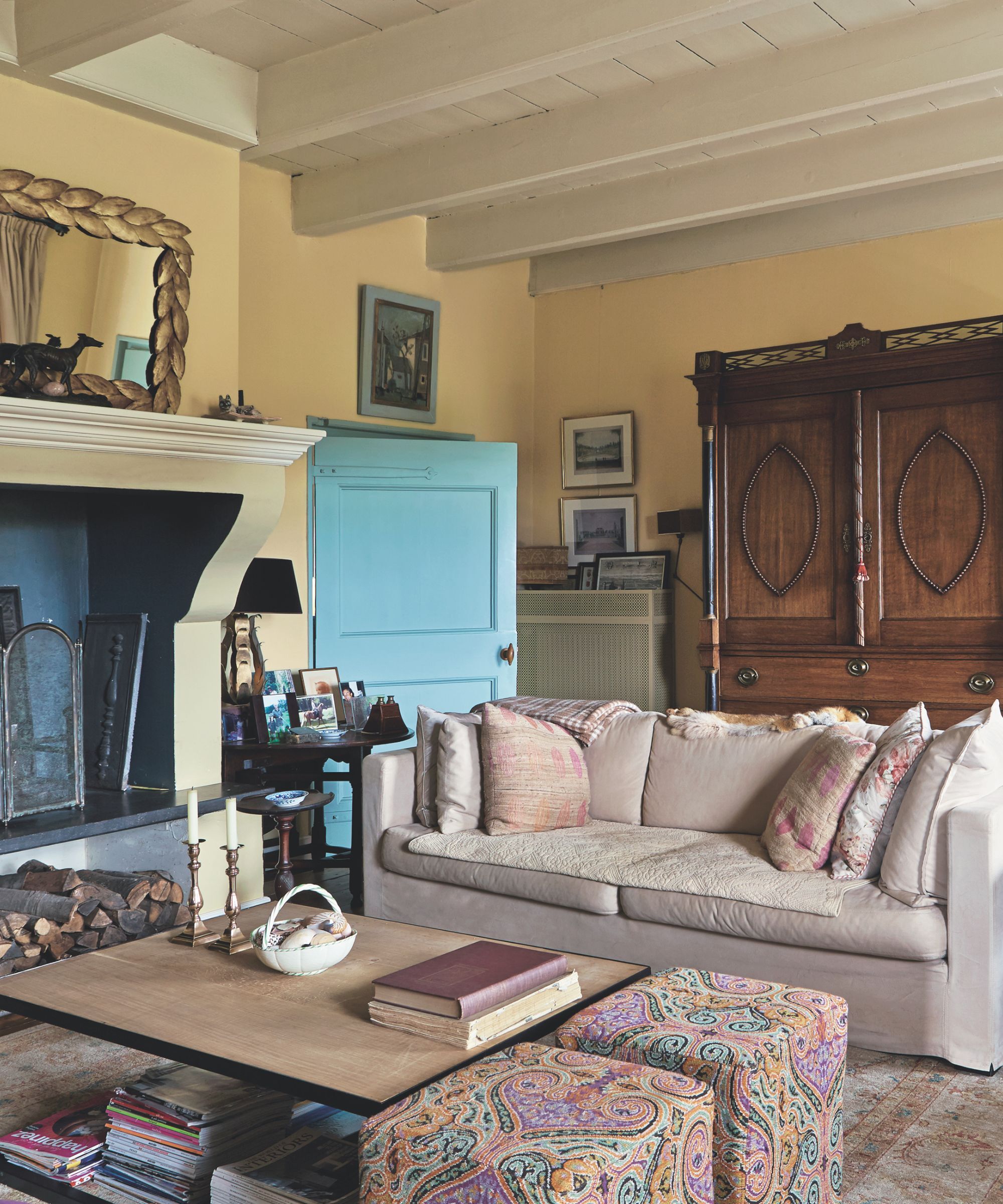
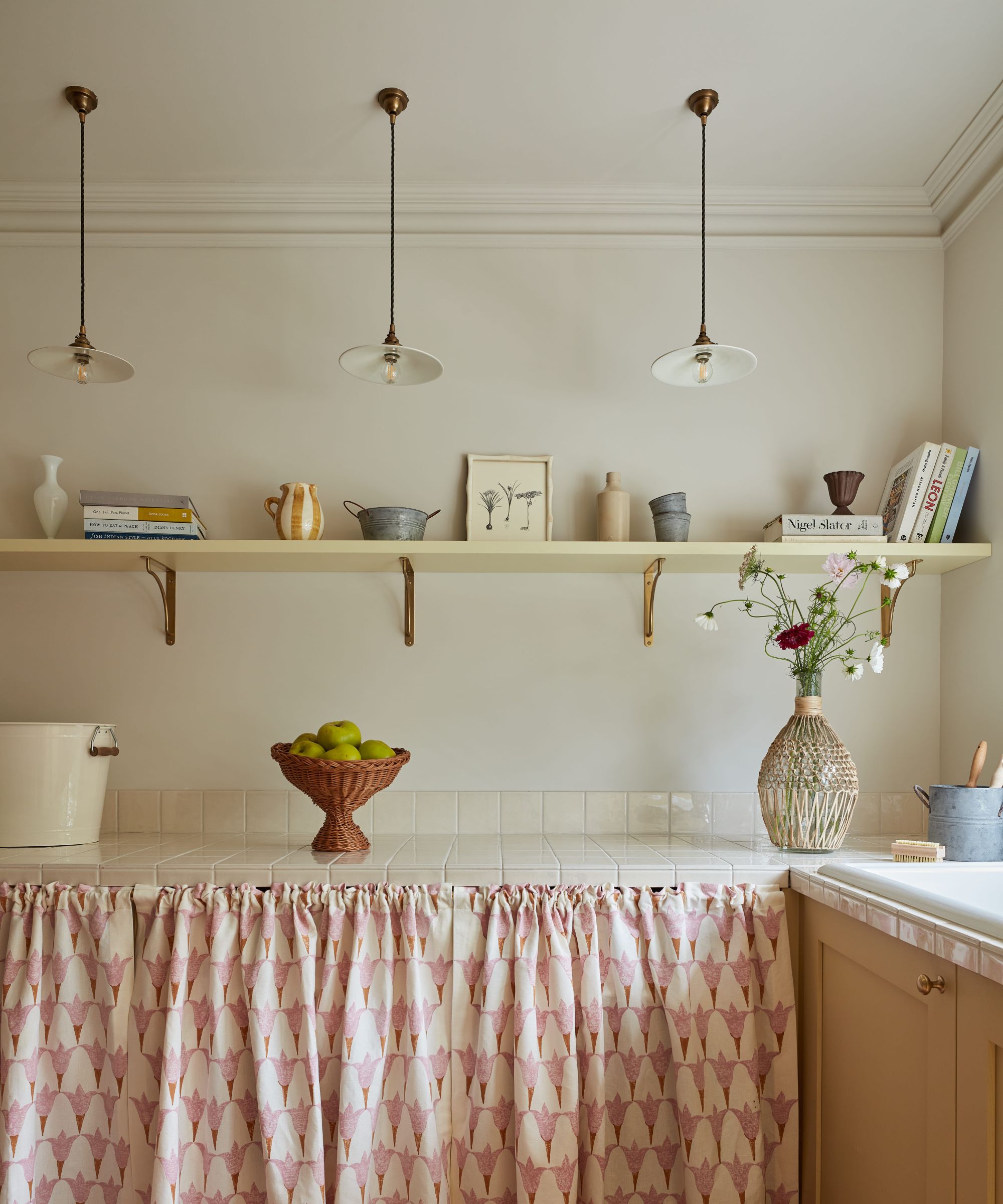
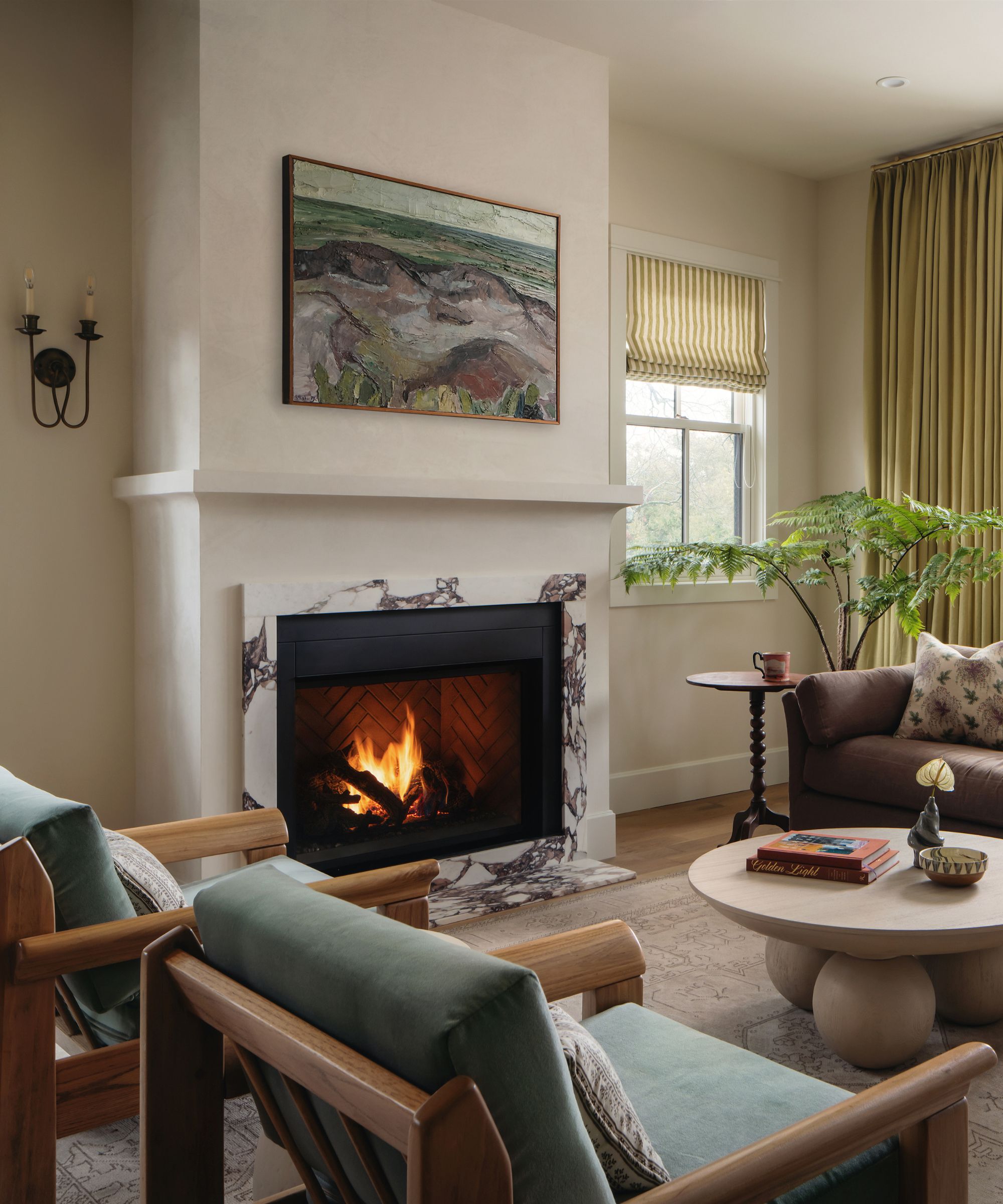
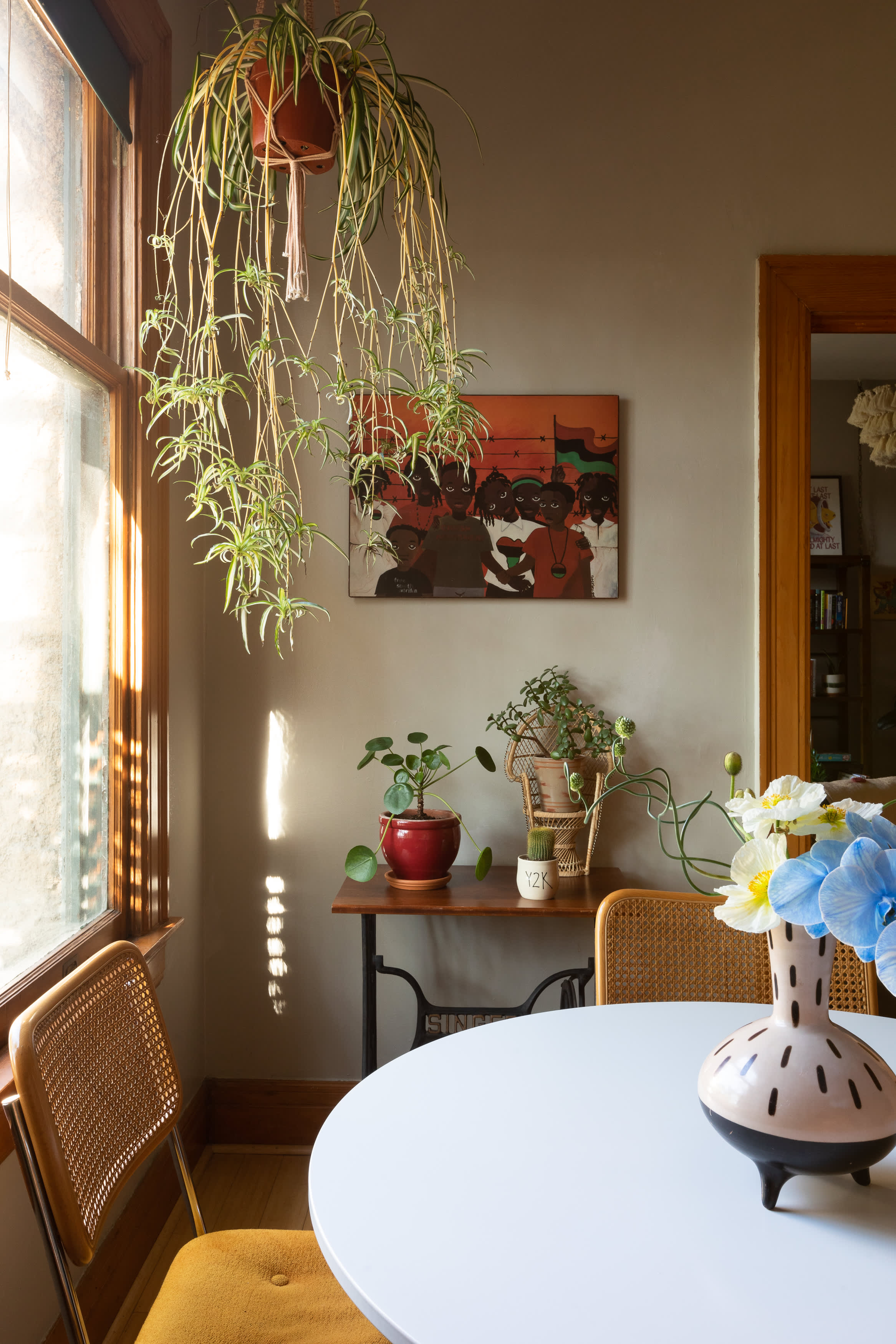
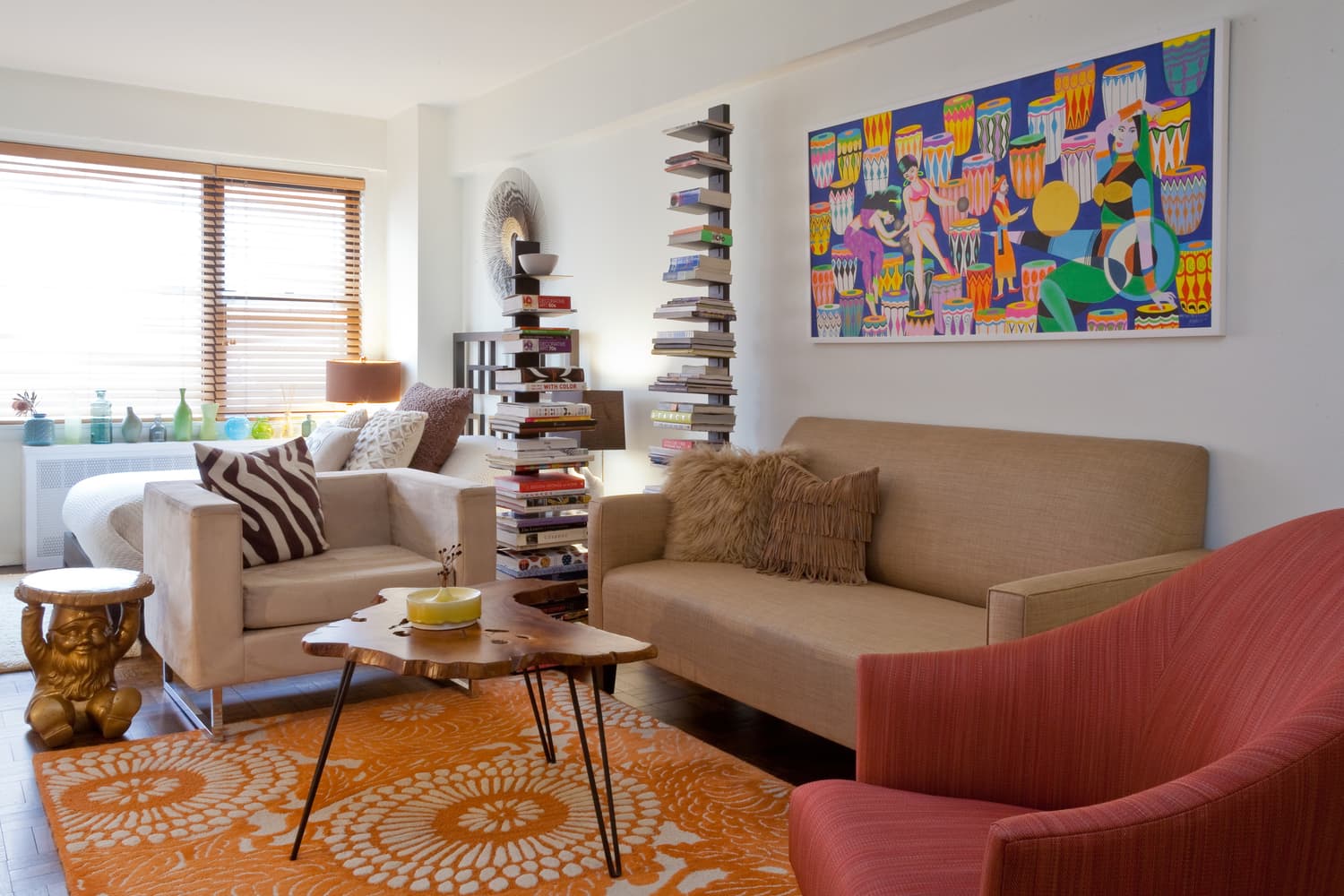
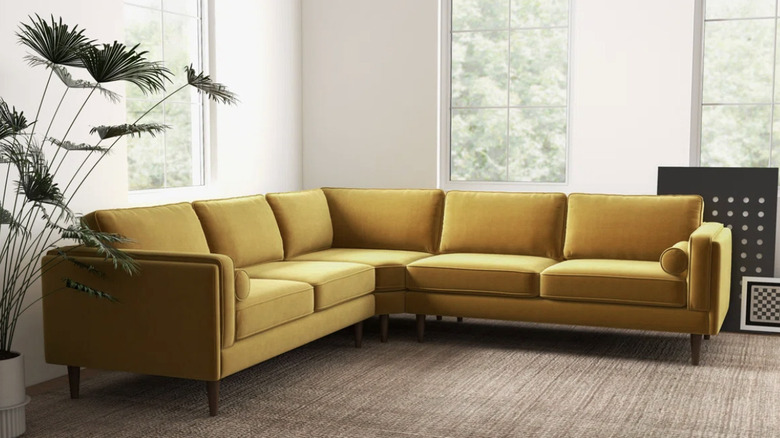
As millennials have matured, so have their design preferences. There's a noticeable shift towards warmer, more lived-in aesthetics such as Cottagecore, Japandi, Maximalism, boho, and eclectic styles. Biophilic design, houseplants, earthy palettes, and layered textures have gained popularity, bringing warmth and nature indoors. The current trend emphasizes earth tones like beige, taupe, caramel, terracotta, and sand, alongside natural materials such as linen, rattan, boucle, and raw wood. Pops of color, including sage, mustard, navy, and pink, are also being strategically incorporated.
Crucially, the focus has moved from perfection to personalization, with vintage finds, thrifted treasures, handmade ceramics, and unique pieces becoming central to home decor. While acknowledging that grey still has a place, particularly warm grey and taupe tones for softening black and white spaces, Jahangiry asserts that the rigid, monochromatic grey scheme she once adored is a thing of the past. Her journey represents a broader generational shift towards creating homes that prioritize warmth, texture, individuality, and personal expression over transient trends.
#InteriorDesign #MillennialGrey #ColorInInteriors #HomeDecorTrends #PersonalizedHome #DesignEvolution #BoldInteriors #EarthyTones #DecoratingTips #InteriorDesign #MillennialGrey #ColorInInteriors #HomeDecorTrends #PersonalizedHome #DesignEvolution #BoldInteriors #EarthyTones #DecoratingTips
0 komentarzy łącznie
 Brak komentarzy jeszcze
Możesz również polubić
Gen Z Just Declared This “Boring“ Color the New Millennial Gray and I Am So Upset
5 living room paint colors going out of style in 2025
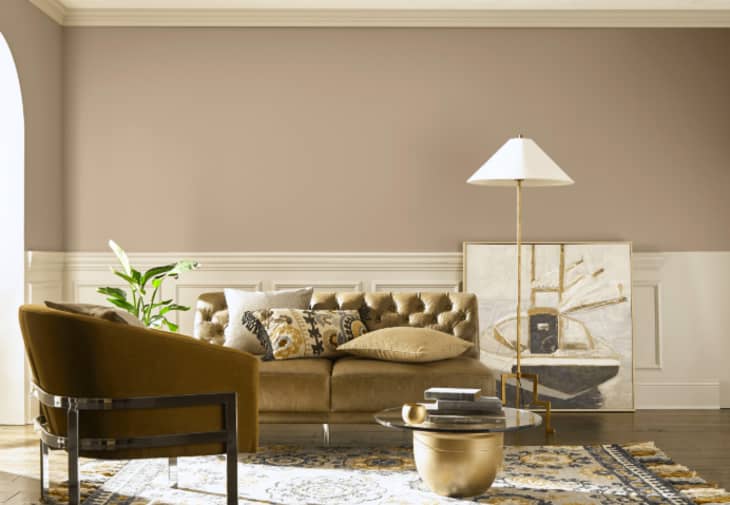
Move Over, Gray: “Boring”Beige is Back, and It’s Better Than Ever
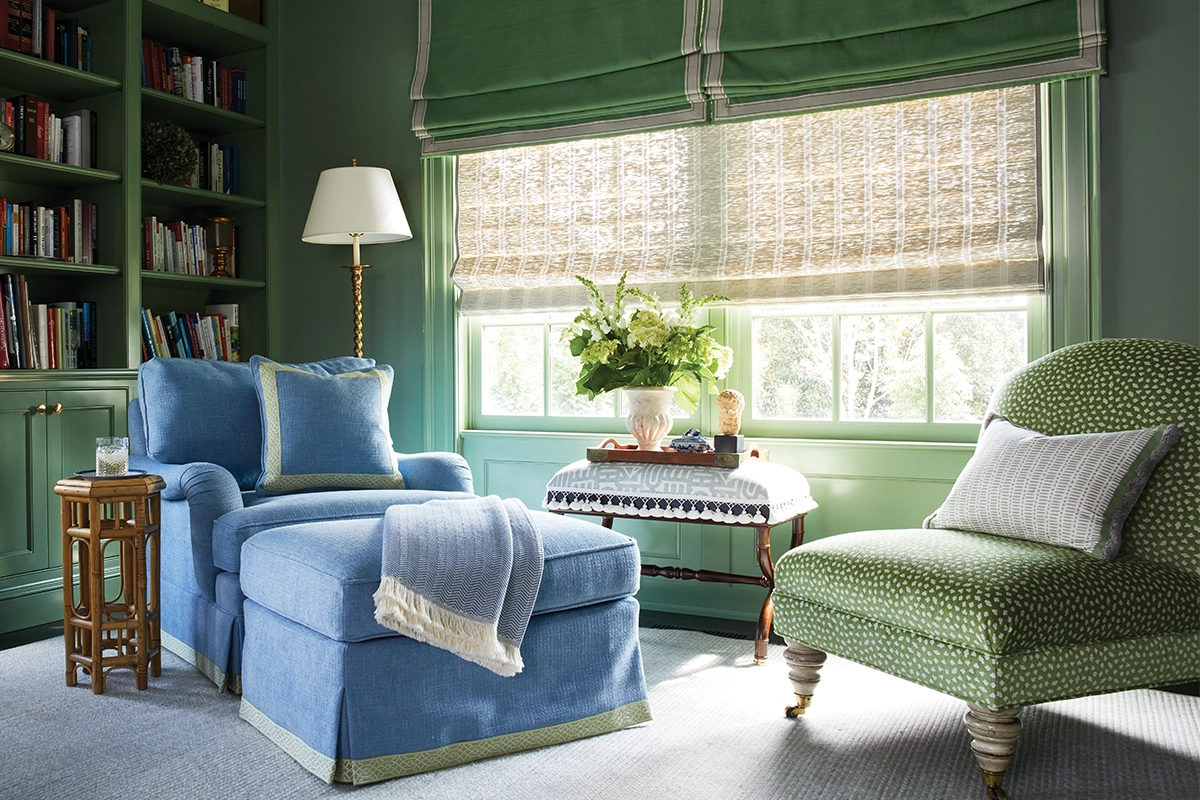
Say Goodbye to Gray? Saturated Hues Dominate 2025 Paint Color Trends
I'm Bored of Beige, So This Expensive-Looking Colour Is My New Go-To

How the IT girl went from bold to beige: What has drawn us toward a quieter life?
Is Millennial Gray Out? Here's What Color Experts Suggest Replacing It With

The Exterior Paint Color That Looks Severely Outdated Going Into 2025
Millennial Gray Is So Over—Here Are 5 Paint Colors to Try Right Now
We're Finally Leaving The "Sad Beige Aesthetic" Behind

The #1 Trendy Paint Color Designers Want You To Avoid


Turning Gray to Great

Why I'll Never Give Up My Neutral Color Scheme

I used to love gray interiors, but here's why my remodel is bringing back 'boring' beige instead

This Color Trend Is Having a Moment—Here’s How to Do It Right
My rented apartment follows the key rules of color psychology – here's why I'd never go back to an all-white home
This Colored Carpet Trend Has Changed My Mind on Soft Flooring

Goodbye To Butter Yellow: The Moodier Hue That's On Trend