1/5
This 600-Year-Old Wall Decor is Having a Renaissance in our Homes — and These 5 Examples Look Seriously Modern
Tapestries, a form of wall decor with a heritage spanning back to the 15th century, are currently experiencing a renaissance in contemporary home interiors. Traditionally associated with historic and opulent settings, designers and homeowners are now incorporating tapestries into modern spaces, appreciating their ability to add a rich, sumptuous aesthetic. Beyond their decorative appeal, tapestries offer practical benefits such as sound dampening and insulation. Their imposing presence also allows them to function as significant art pieces in various rooms, including dining areas, living spaces, and entryways.
According to Amy Kalikow of Amy Kalikow Design, the resurgence of tapestries is driven by a desire for added texture in home decor. Textured wall art with depth can uniquely enhance a room, providing visual interest through natural tones or vibrant colors. The most renowned style, the Aubusson tapestry, originating from the 16th century in central France, is particularly influential, with modern works often replicating its distinct weaving style. The article presents five examples demonstrating how tapestries can be effectively integrated into diverse contemporary interiors.
The first example showcases a tapestry in a living room, primarily used to introduce texture. This particular piece, a family heirloom, was acquired for a mere $25 in the 1980s and restored. Its neutral palette and textile quality make it versatile, blending well with various patterns and textures in the room. Designer Alida Coury emphasizes her approach of mixing modern designs with vintage pieces to create authentic and unexpected interiors.
A dining room setting illustrates how a tapestry can infuse a sense of history. Hung using a curtain rail with hardware that complements the room's overall aesthetic, this antique tapestry sourced from Antik, a platform for curated furnishings, becomes a focal point against white walls. Jennifer Chused of Chused & Co. highlights its ability to add character and heritage, serving as a unique decorative element distinct from large-scale paintings.
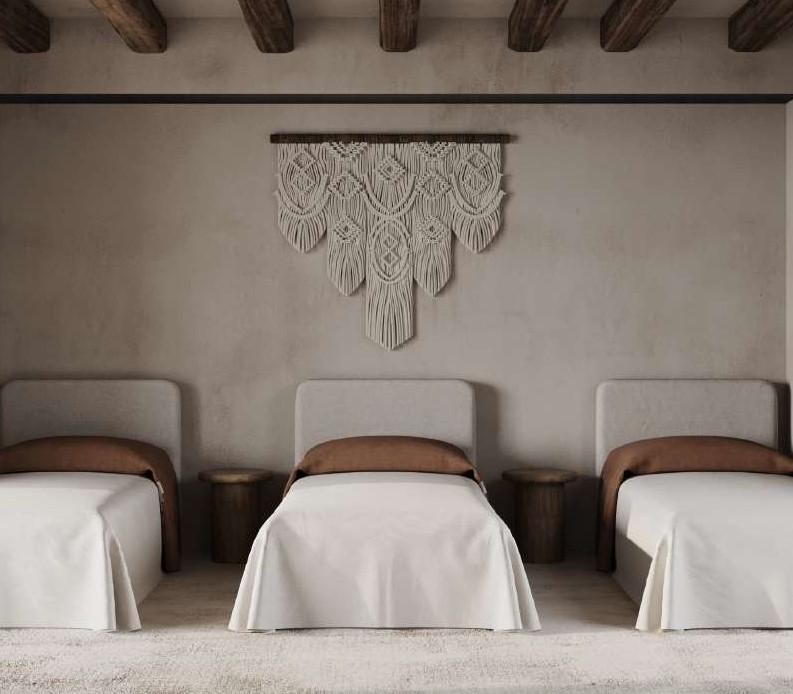
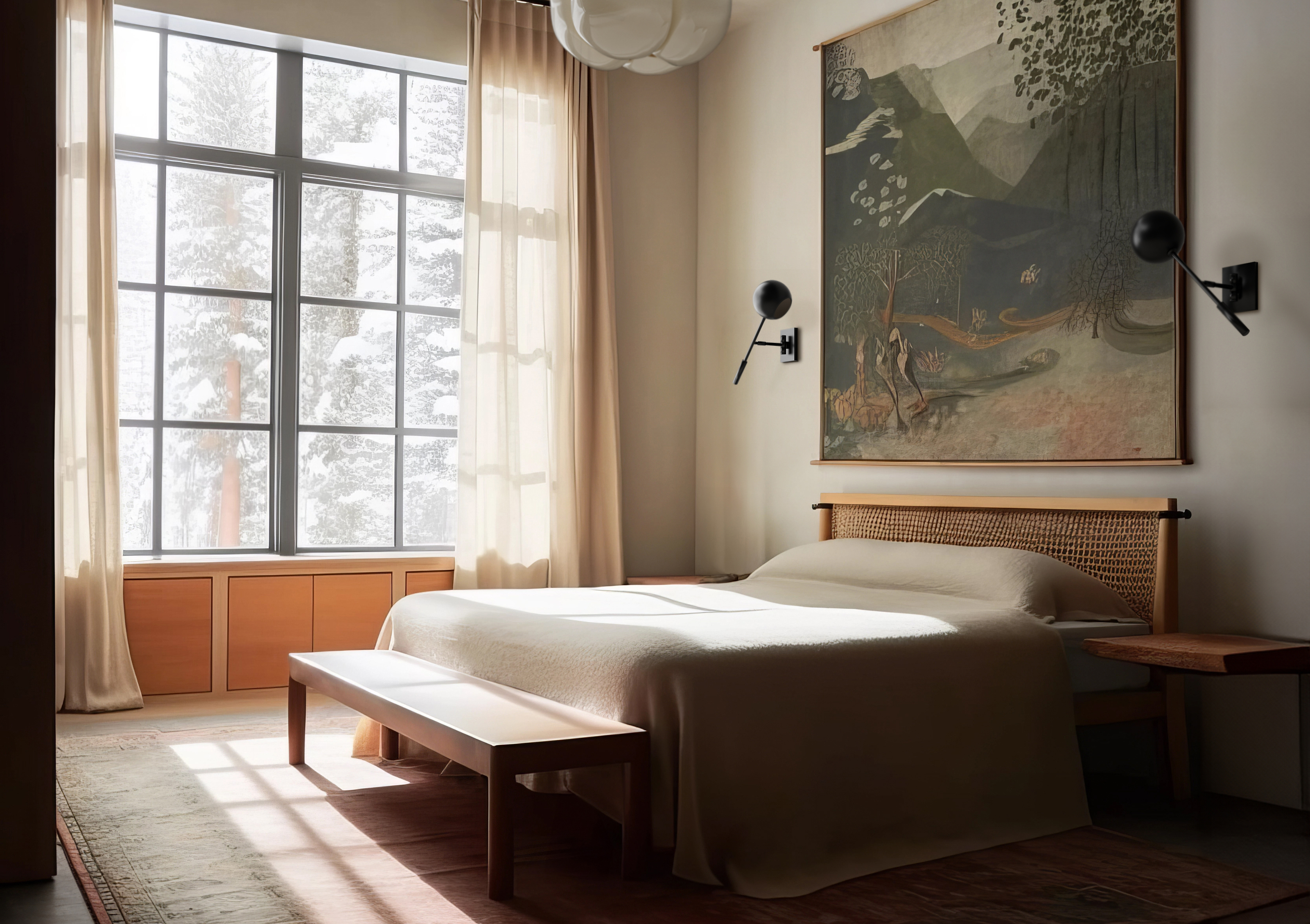
In a bedroom design by Christiane Lemieux, a tapestry is positioned above the headboard, creating a central focal point. Lemieux views tapestries as functional decorative layers, noting their traditional use for warmth and insulation, which still translates into a cozy and inviting atmosphere. She particularly favors them in 'chalet designs' for their authentic appeal, emphasizing their capacity to create a warm layer unmatched by other decor.
Another example features a tapestry in a minimalist dining room by Ome Dezin, proving that these pieces can introduce texture and warmth without overwhelming a simple aesthetic. The artwork, by Ohio-based visual artist Tyler Macko, draws inspiration from American decorative art history. The designers incorporated a well-placed wall light to highlight the intricate details of its dark-toned weave.
Finally, a luxurious living room designed by Charlap Hyman & Herrero demonstrates a ceiling-high Aubusson tapestry functioning as a central piece of art. This tapestry contributes to a whimsical aesthetic, complementing other eccentric decor elements like a modular couch and a silver stool. Deborah Hancock of Rees Roberts emphasizes the evolution of tapestries into important modern art pieces, noting their effectiveness in spaces where texture and handcrafted qualities are valued. The article concludes by recommending three specific wall tapestries to help readers incorporate this historic charm into their own homes.
#WallDecor #Tapestry #InteriorDesignTrends #HomeDecor #TexturedArt #ModernInteriors #AntiqueRevival #DesignInspiration #LivingRoomDesign #WallDecor #Tapestry #InteriorDesignTrends #HomeDecor #TexturedArt #ModernInteriors #AntiqueRevival #DesignInspiration #LivingRoomDesign
0 komentarzy łącznie
 Brak komentarzy jeszcze
Możesz również polubić
Wainscoting ideas – designers are rediscovering how this ancient millwork can uplift modern interiors

Bye-Bye, Accent Walls! Designers Say THIS Is Now the Hottest Decorating Feature

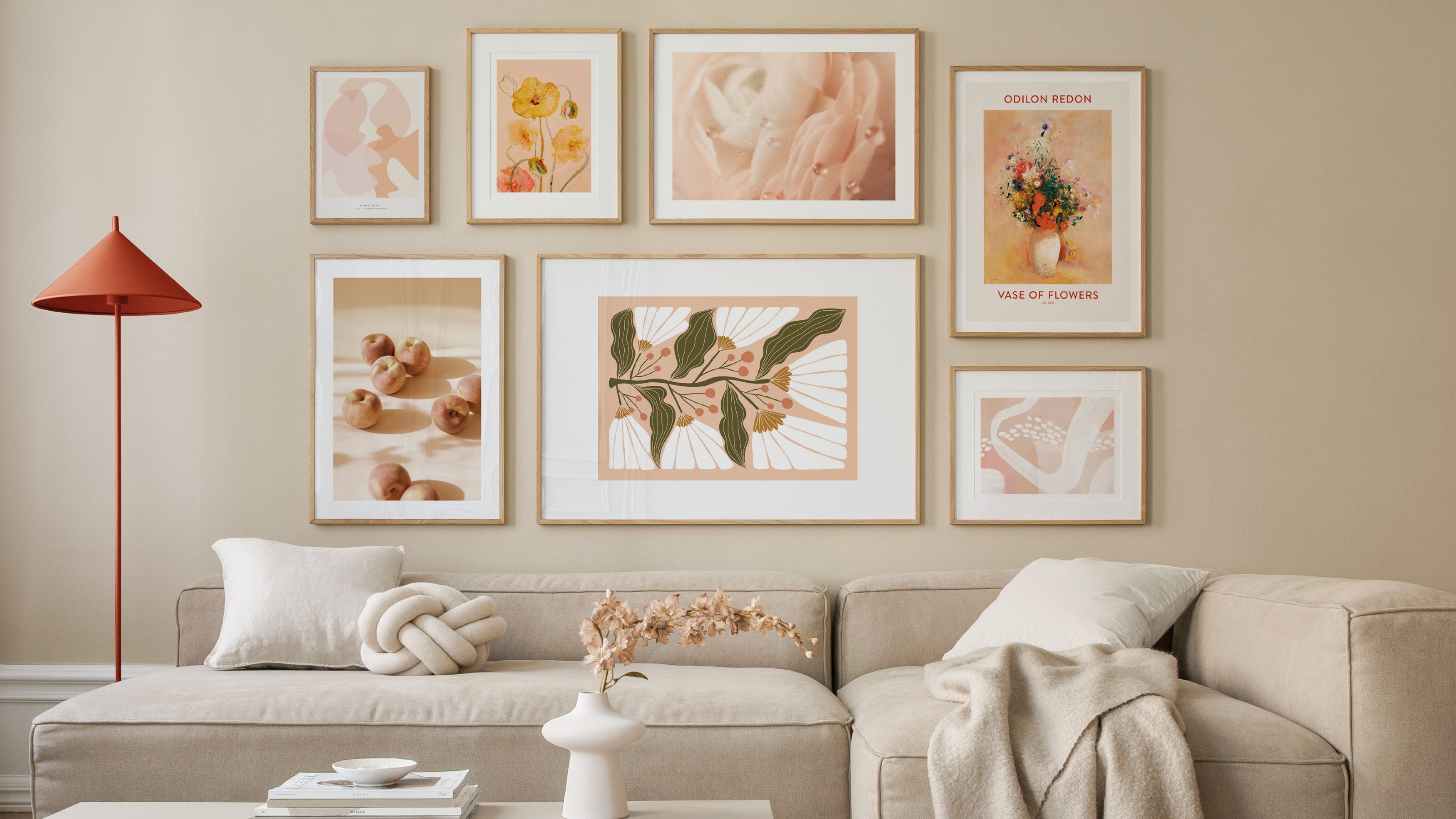
Etsy’s controversial trend report for 2024 predicts gallery walls are on their way out – but are they really?
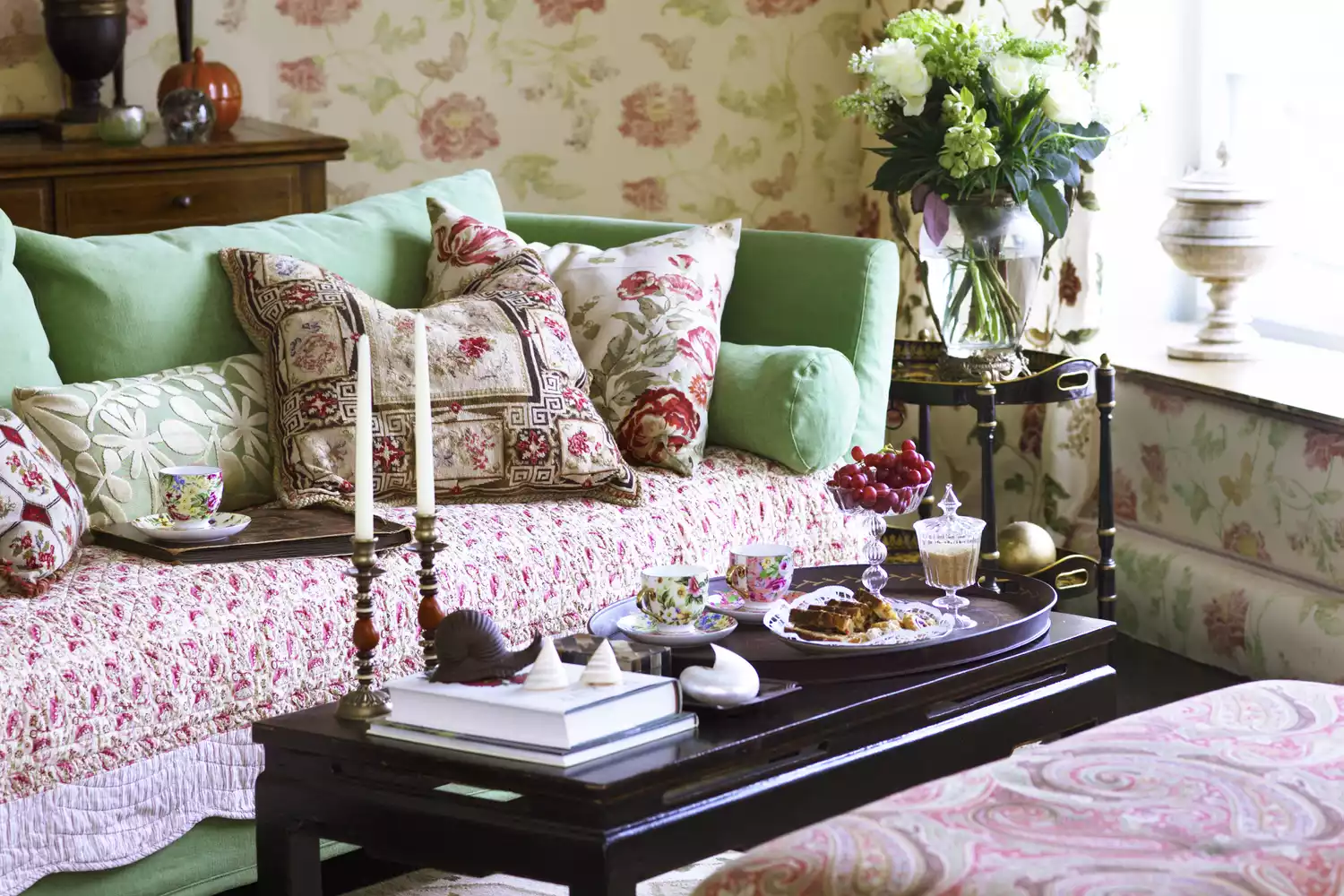
5 Grandma-Inspired Decor Trends Making a Comeback

'It's a centuries-old movement!' This creative ceiling idea is trending as a way to elevate your room's 'fifth wall'
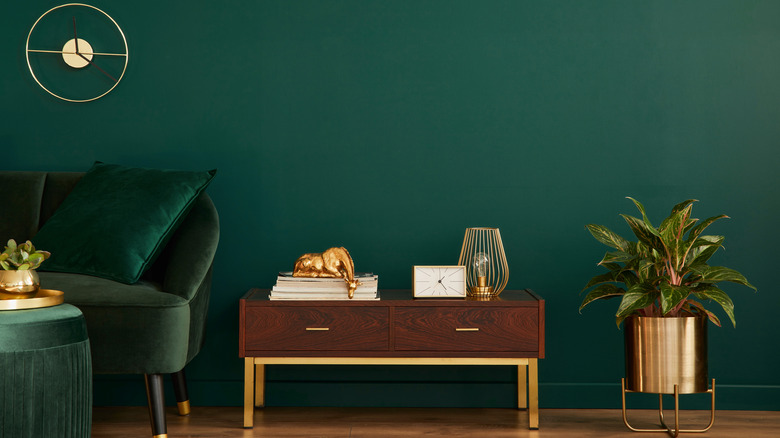
Vintage Home Design Trends That Are Making Huge Comebacks

The Latest Home Decor Trend Will Bring Old World Charm To Your Space
Historical Wallpapers and Fabrics Have Never Felt More Contemporary
5 Wallpapered Rooms we say Prove Vintage-Style Wallcoverings are Making a Comeback This Year
The Decades-Old Decor Trend That Everyone's Putting Back In Their Homes Today
Are gallery walls still in style for 2025? 5 fresh new twists that are shaking up this decorating staple
This Surprising NEW Trend Is Replacing Accent Walls

This Once-Dated Wall Paneling is Now Making Homes Look so Elegant and Sophisticated
This classical, European-inspired wall decor is back in style for 2024 – designers love its elegant appeal

Thought Decorative Wall Plates Were Old-Fashioned? Think Again
5 outdated wall decor trends designers warn to avoid – plus what we should be doing instead
5 ways to transform your home now that wallpaper is back in style
Wood Paneling and 11 More Vintage Decor Trends Making Huge Comebacks
4 outdated wall decor trends designers are leaving behind – and the one that they're choosing instead
Bye-Bye, Accent Walls! Designers Say THIS Is Now the Hottest Decorating Feature