1/7
The 5 Fabric Trends Ruling Interiors Now, According to the Pros
The choice of fabrics in interior design is currently being influenced by a combination of factors, including a heightened demand for comfort, a strong emphasis on well-being, and a desire for escapism. Experts in the field, such as Stine Find Osther and Charlotte Bastholm Skjold from Kvadrat, interior designer Laurence Carr, Svenja Diekmann from Hem, and print designer Stephanie Ogé of Sogé Decor, highlight several key trends that are shaping current textile preferences.
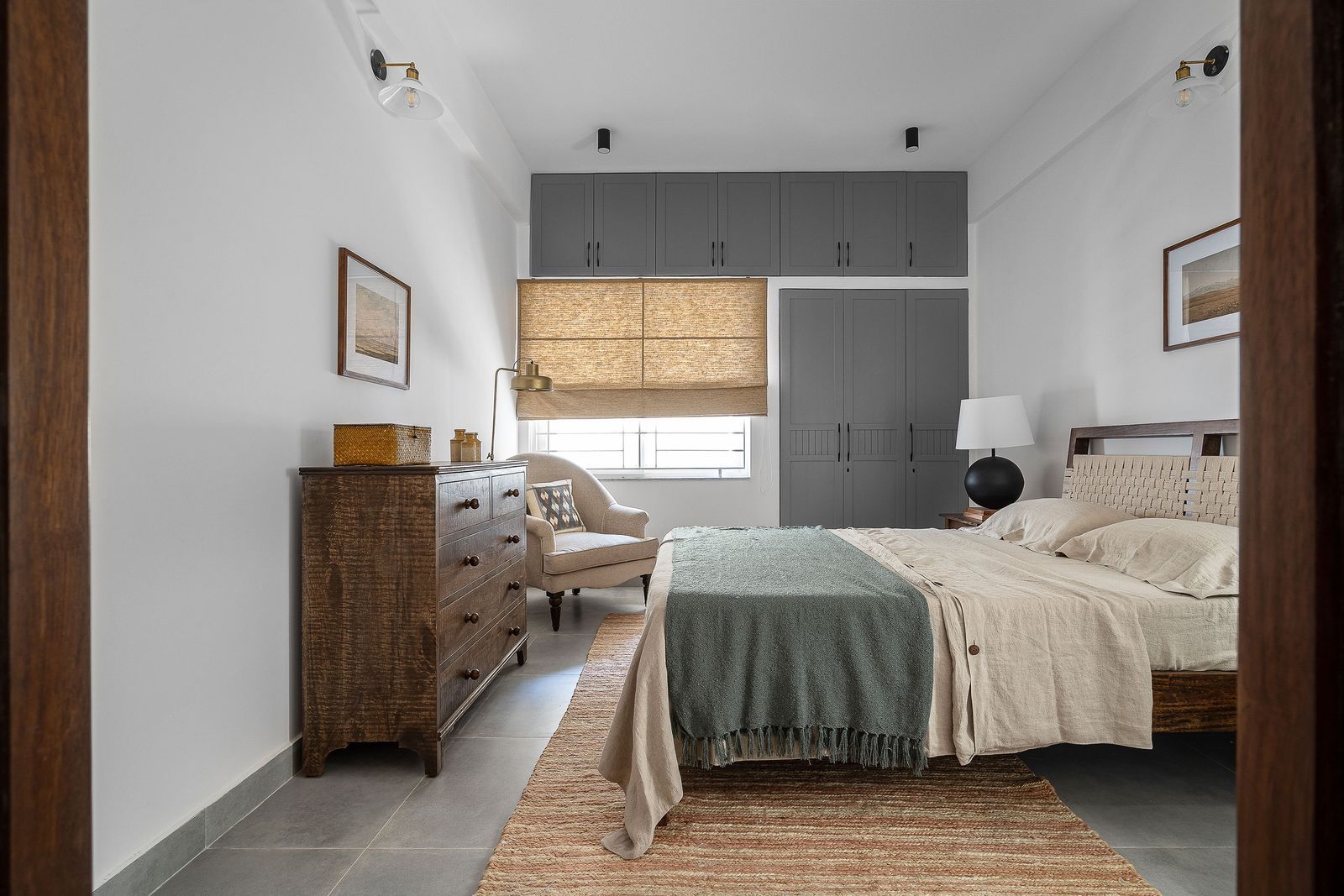
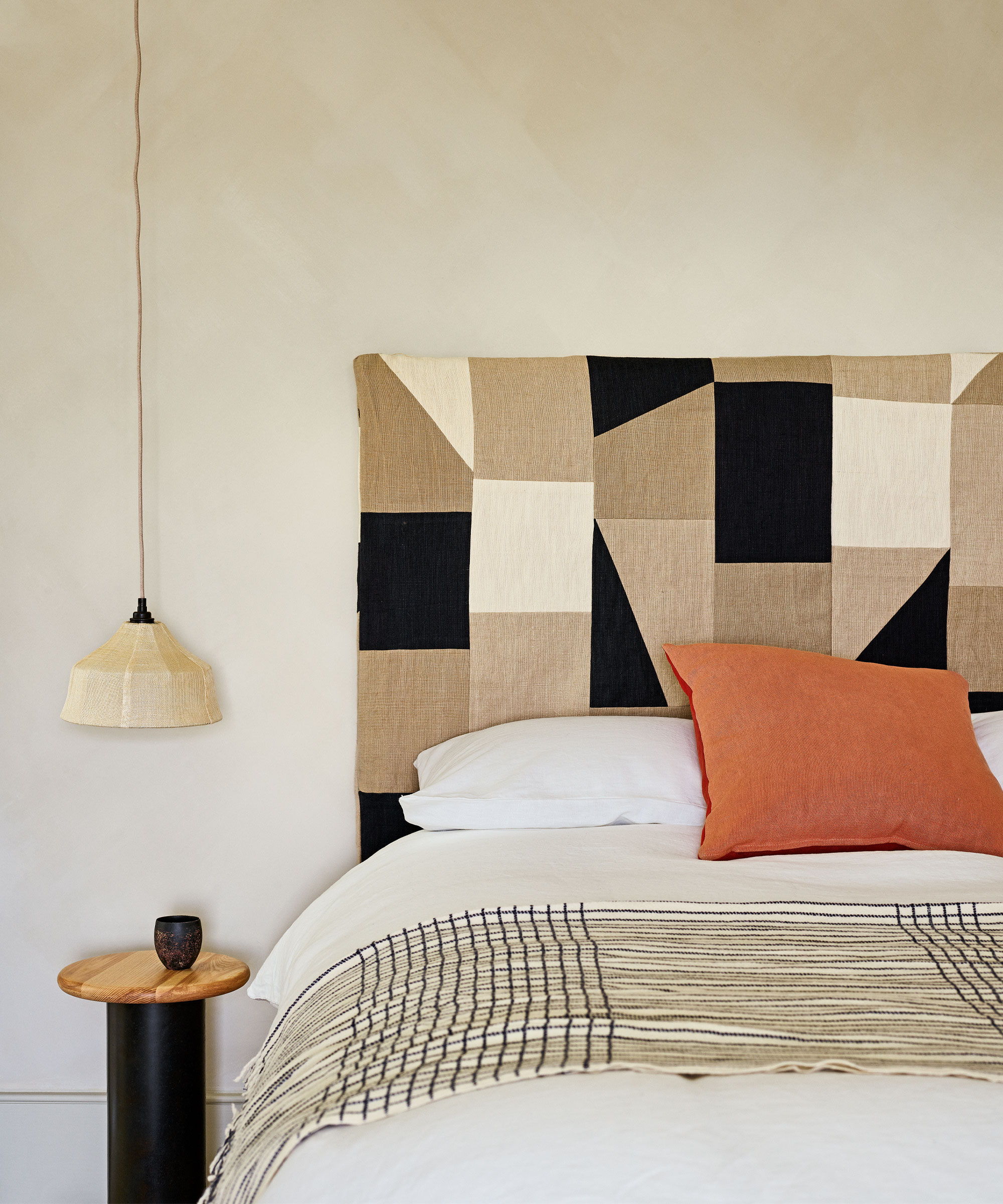
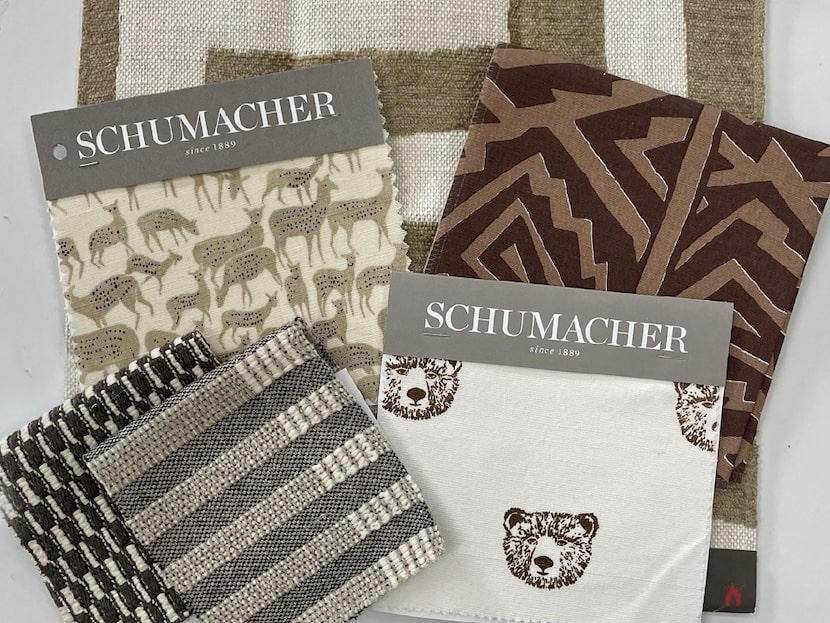
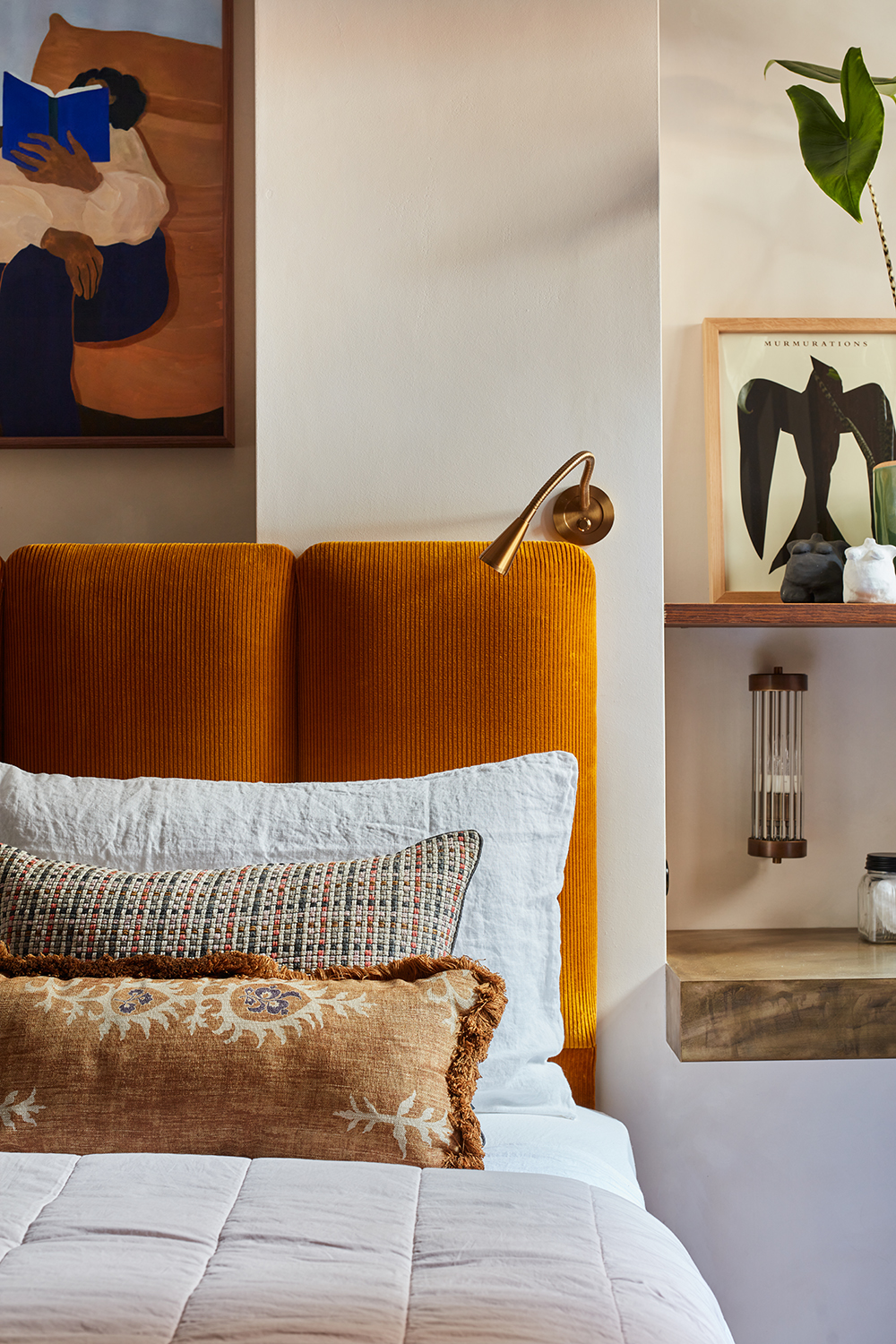
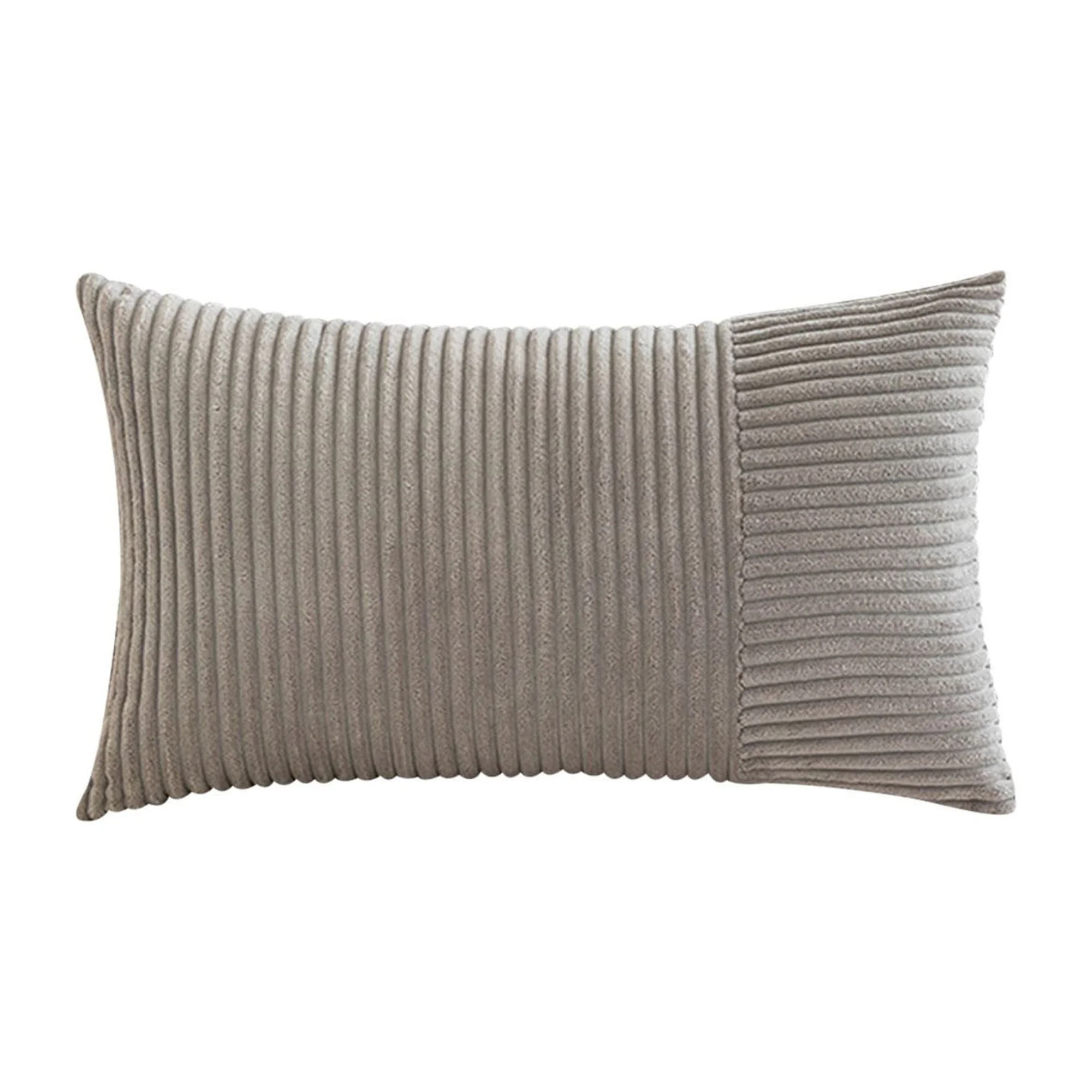
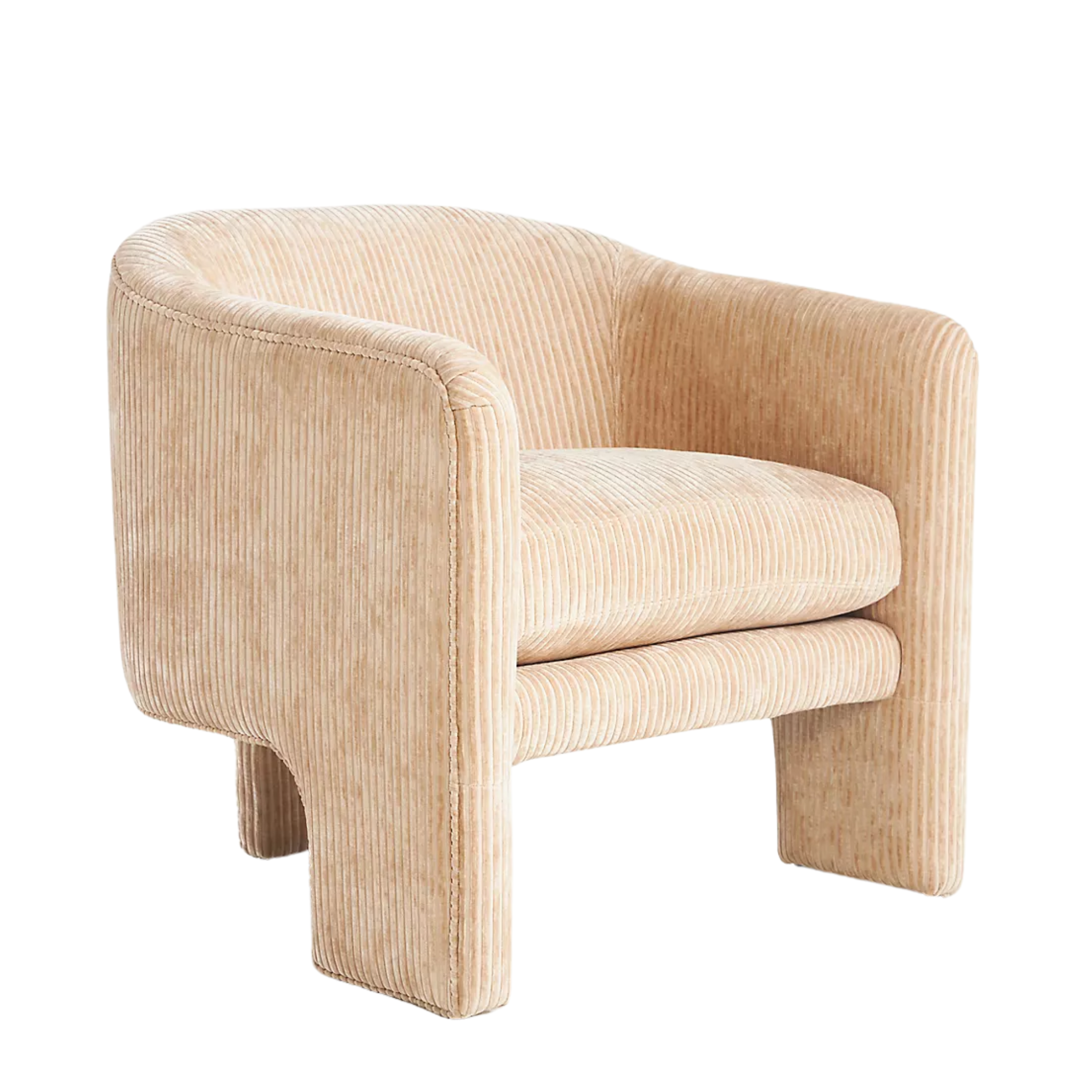
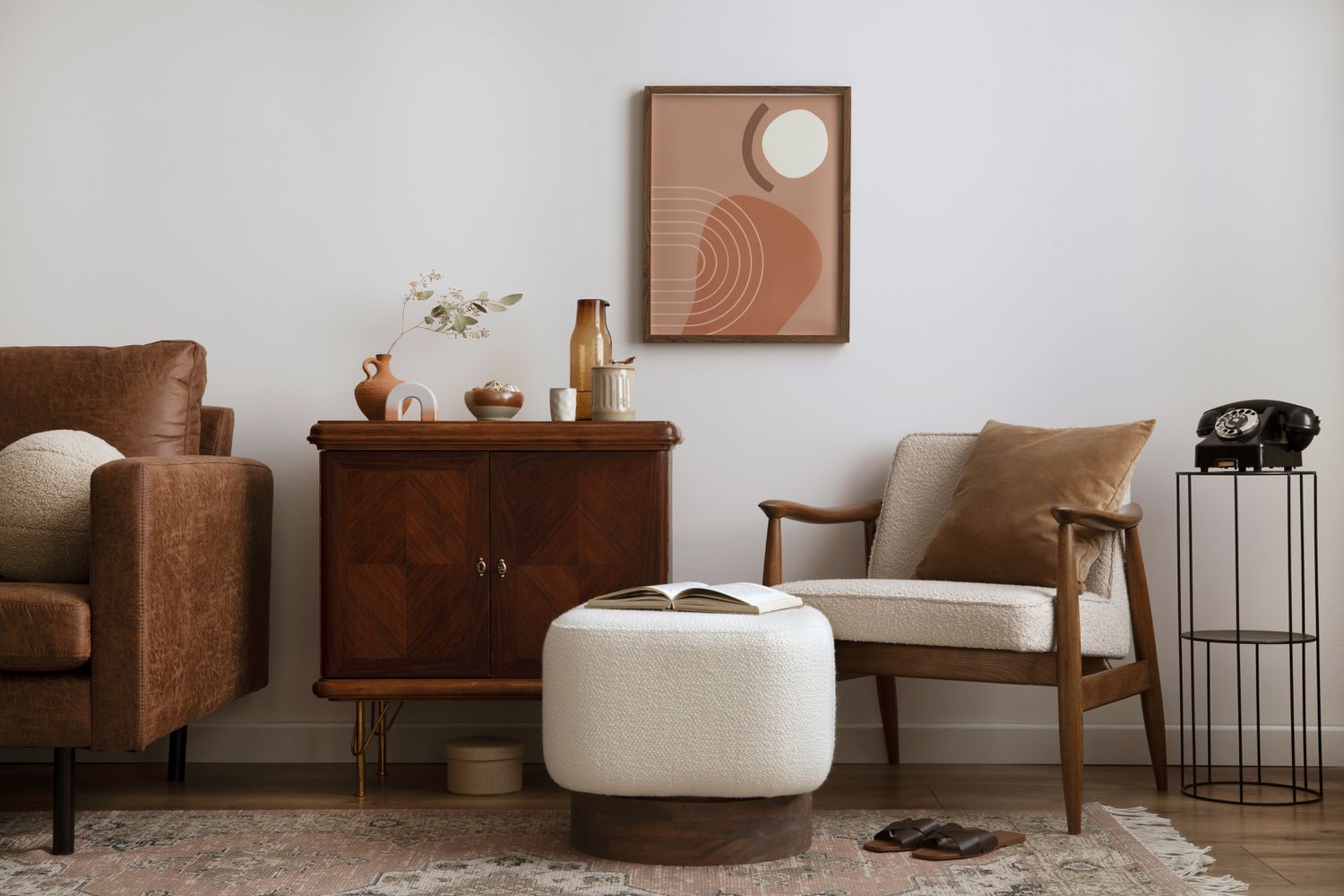
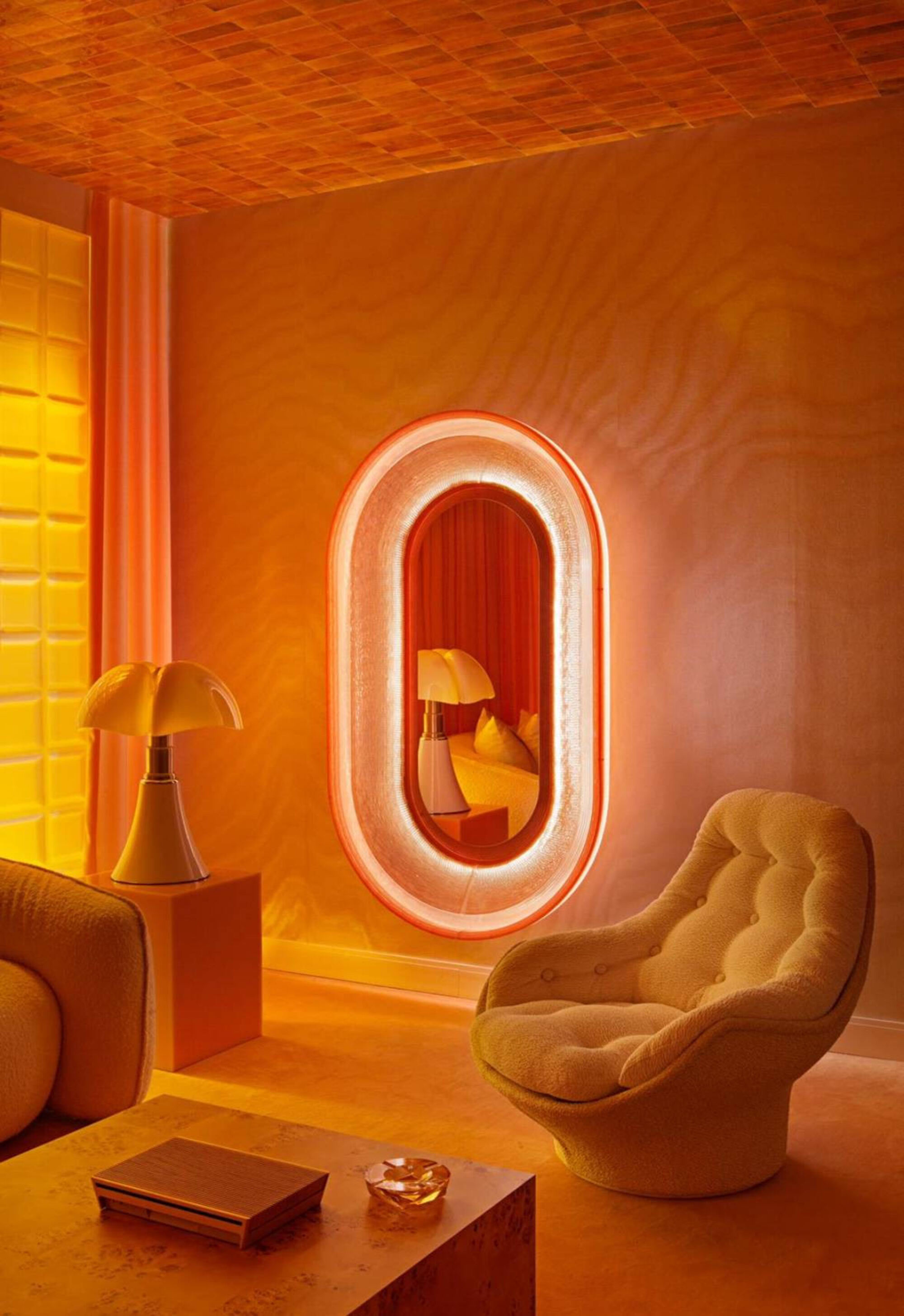
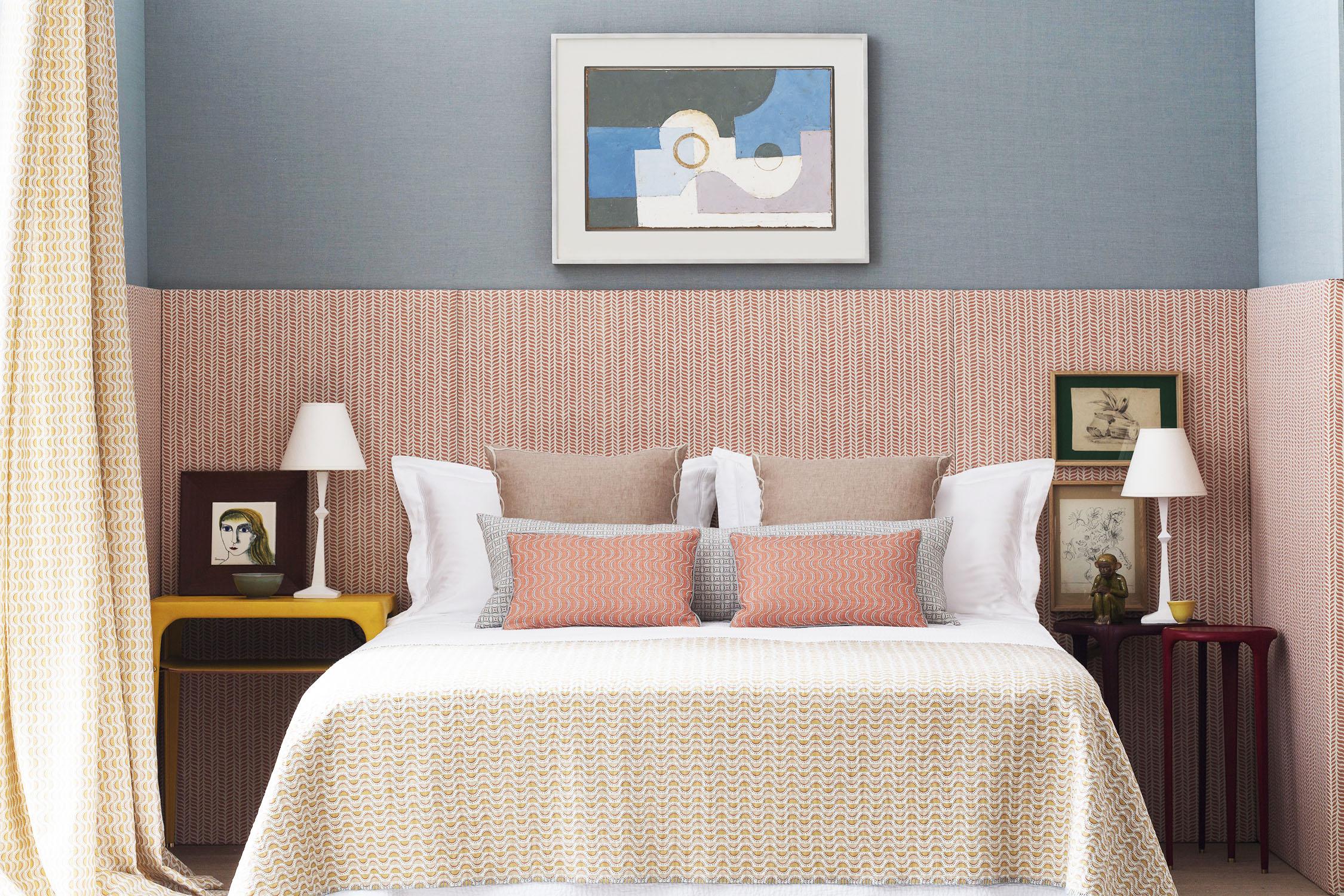
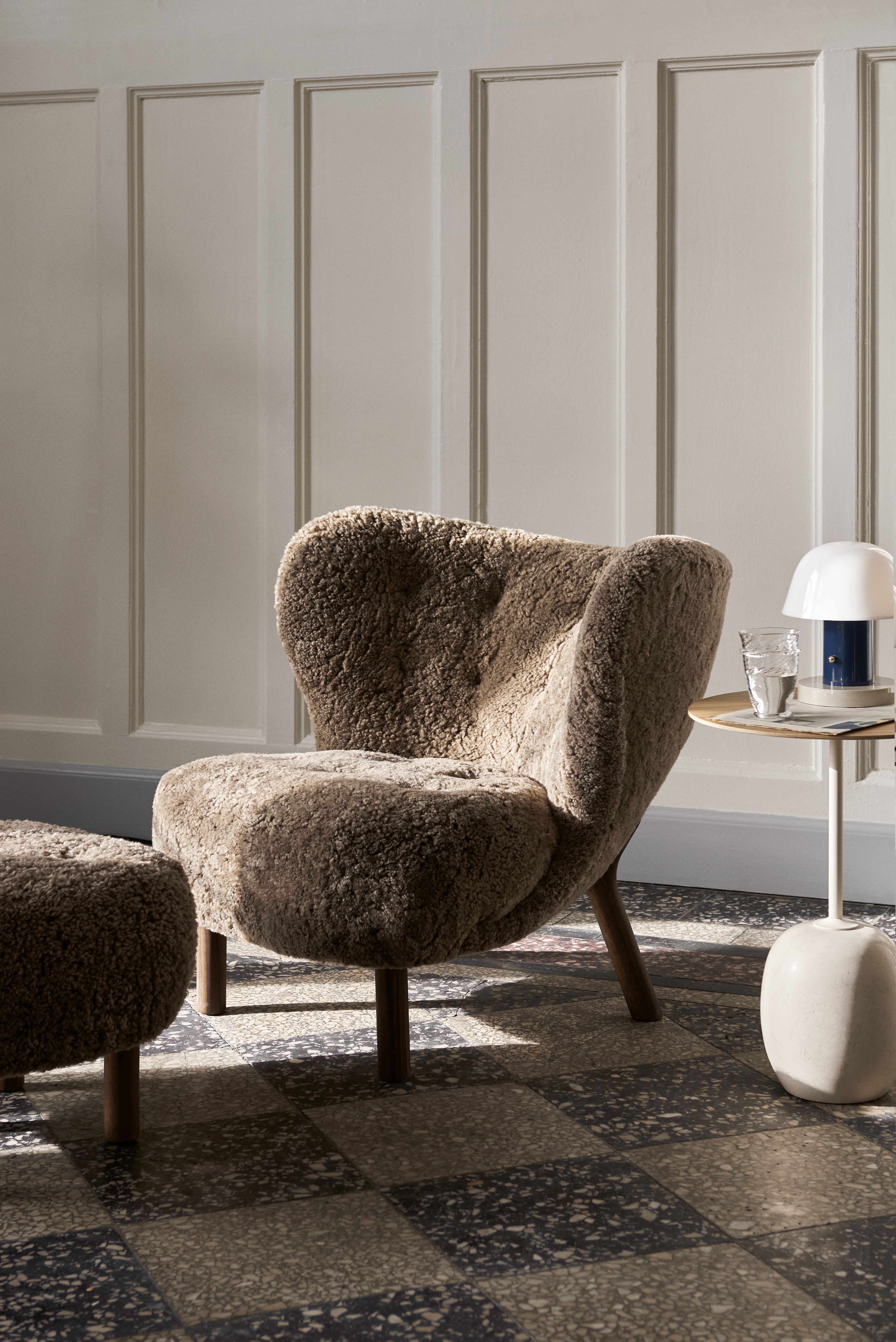
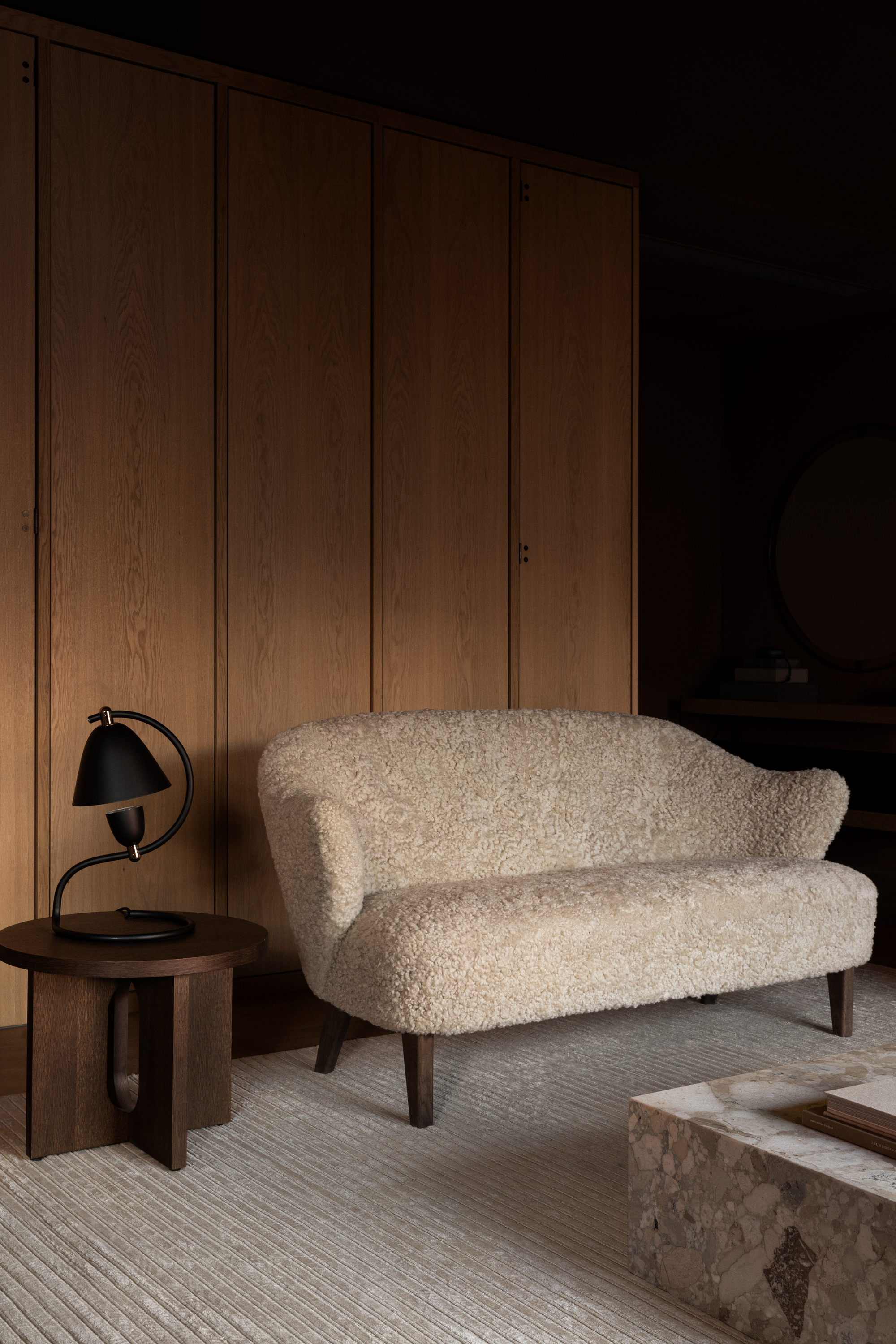
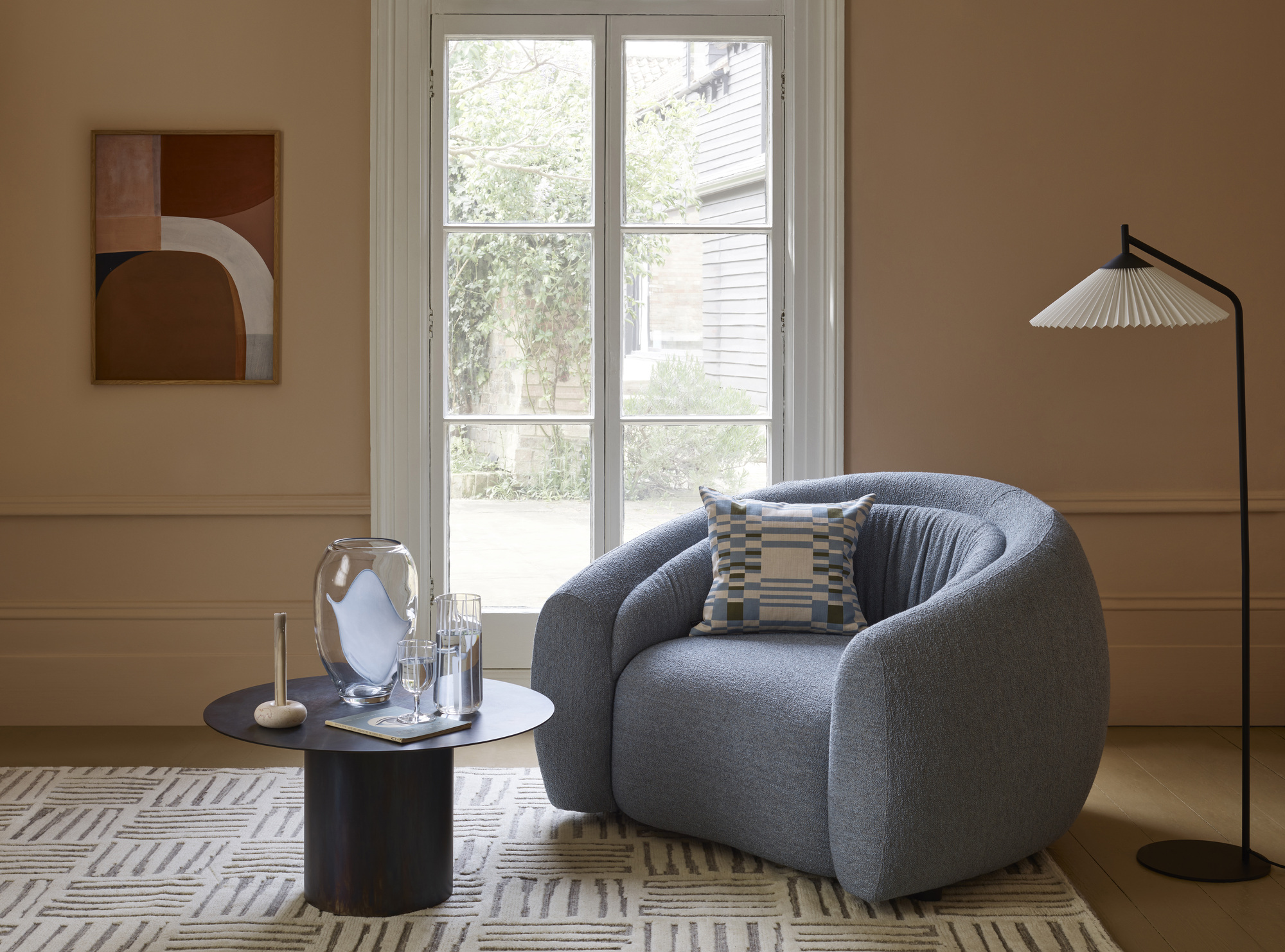
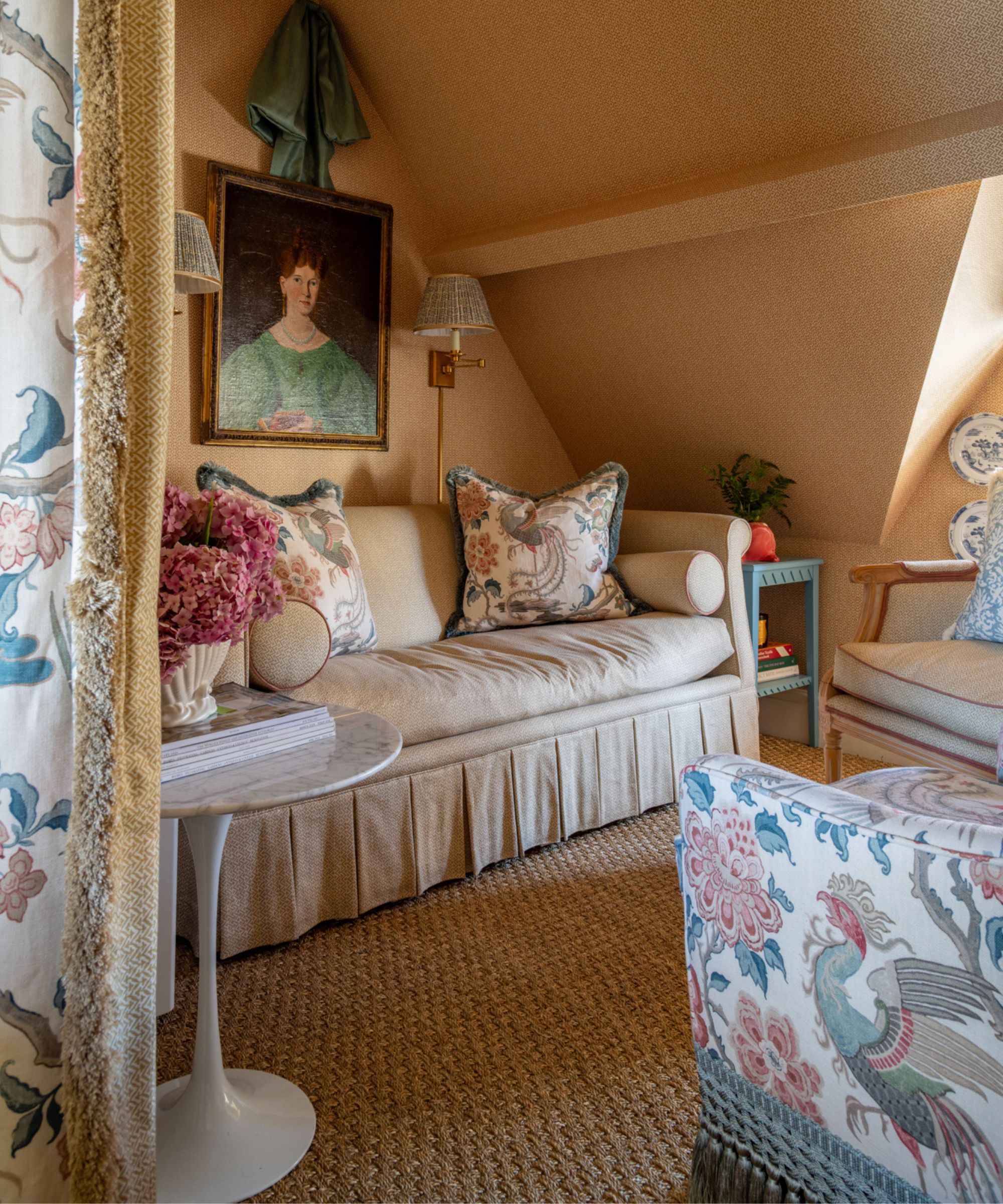
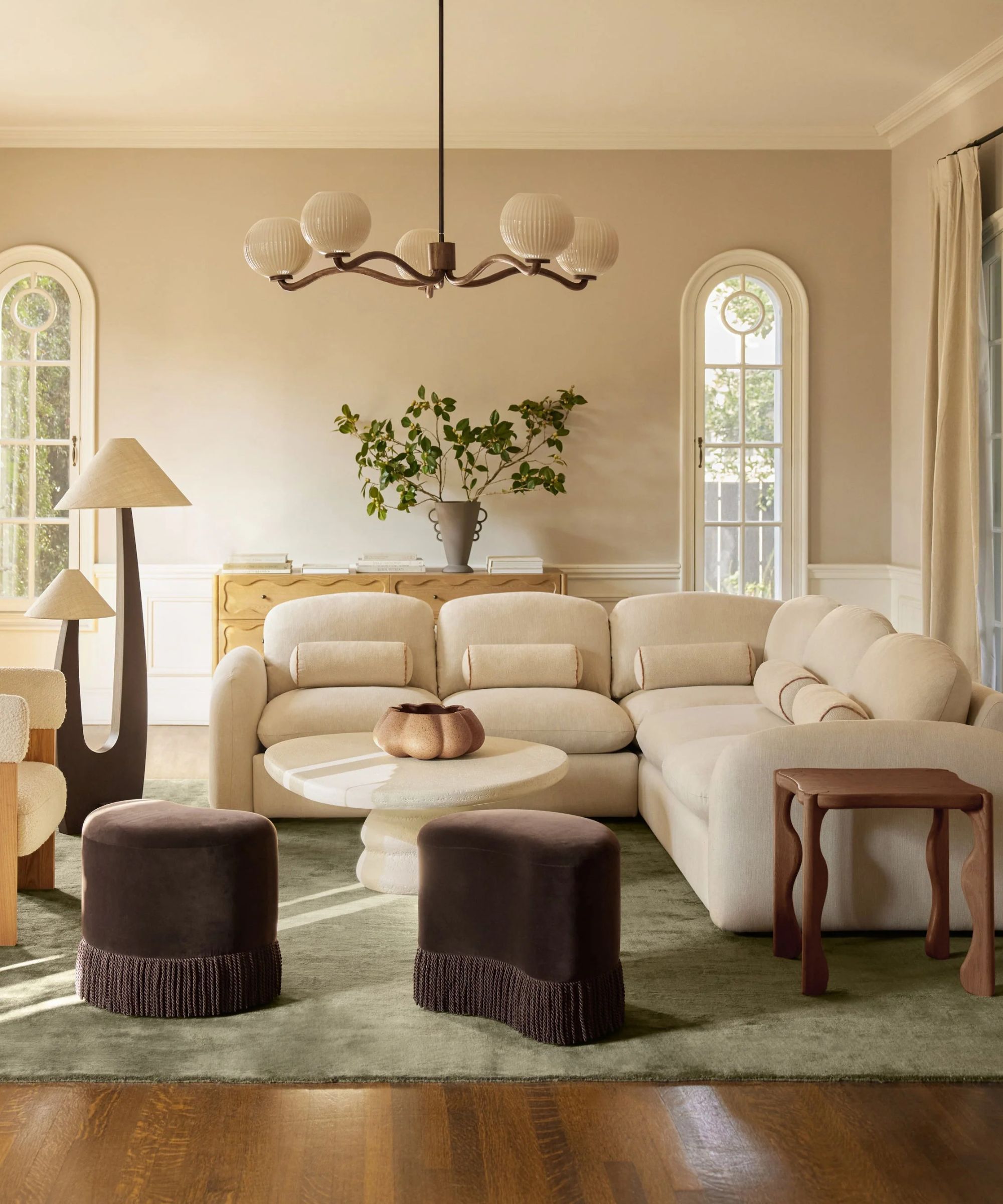
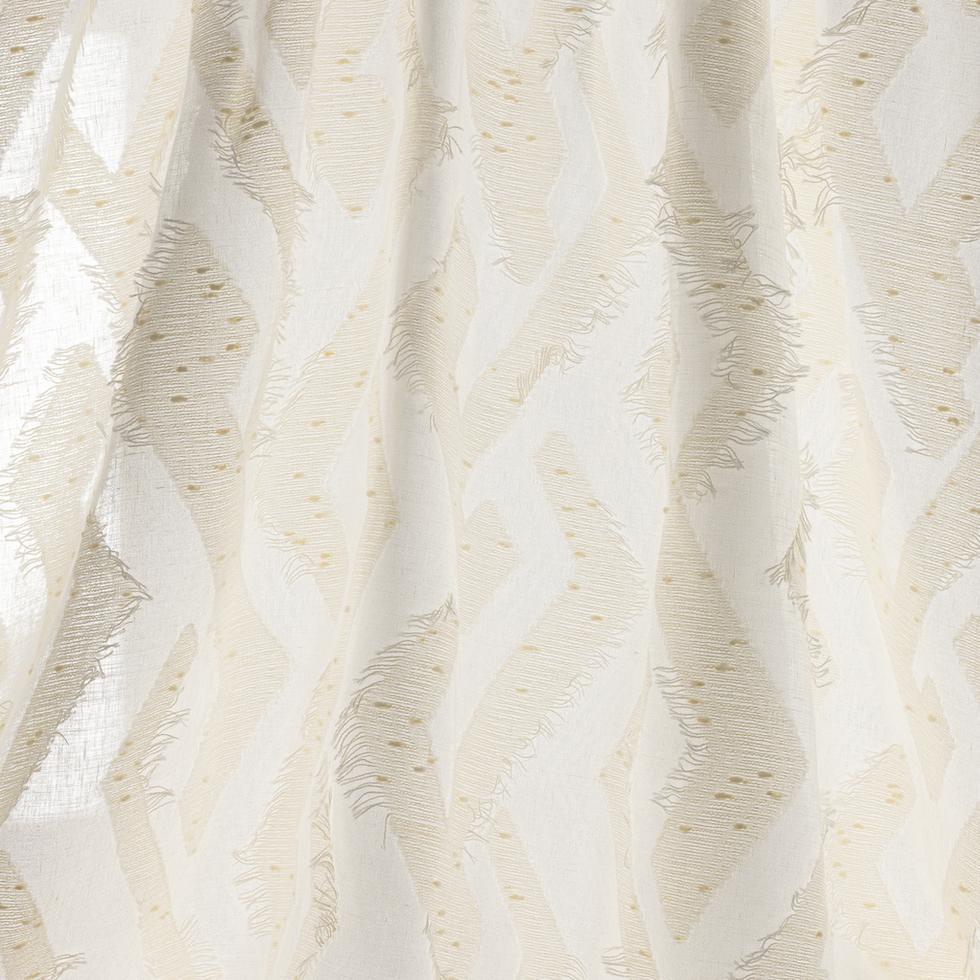
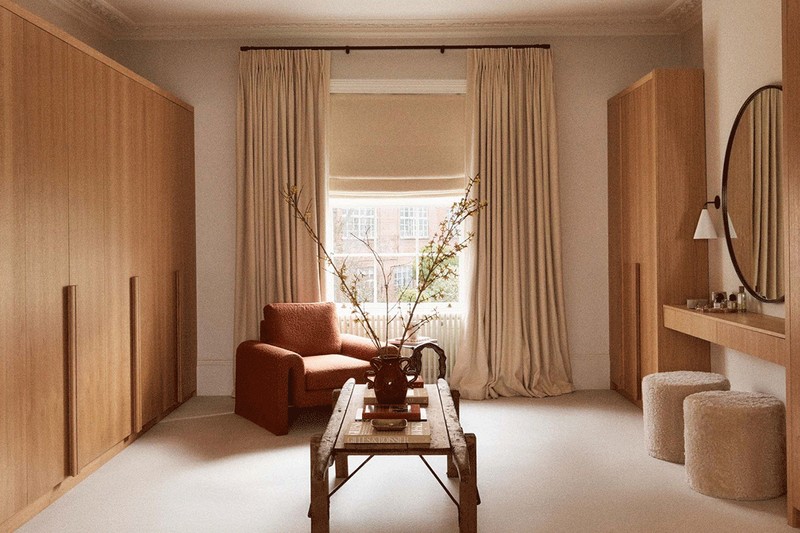
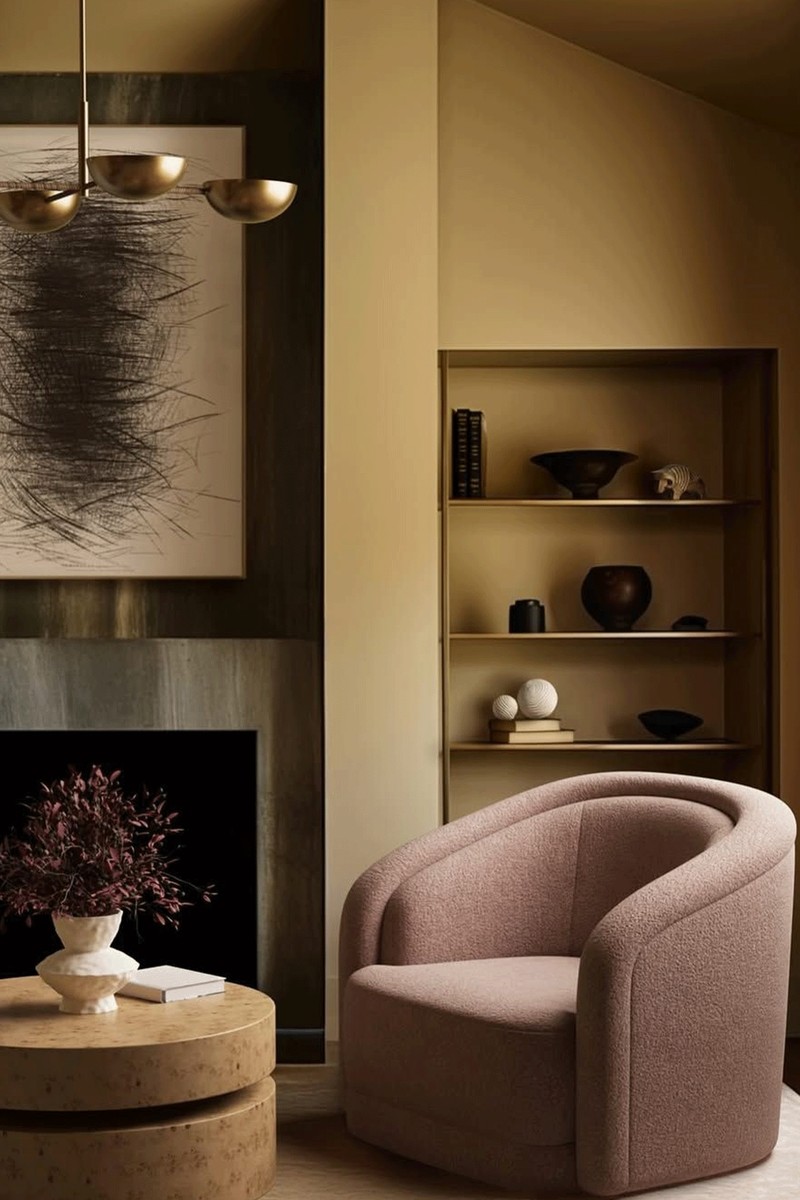
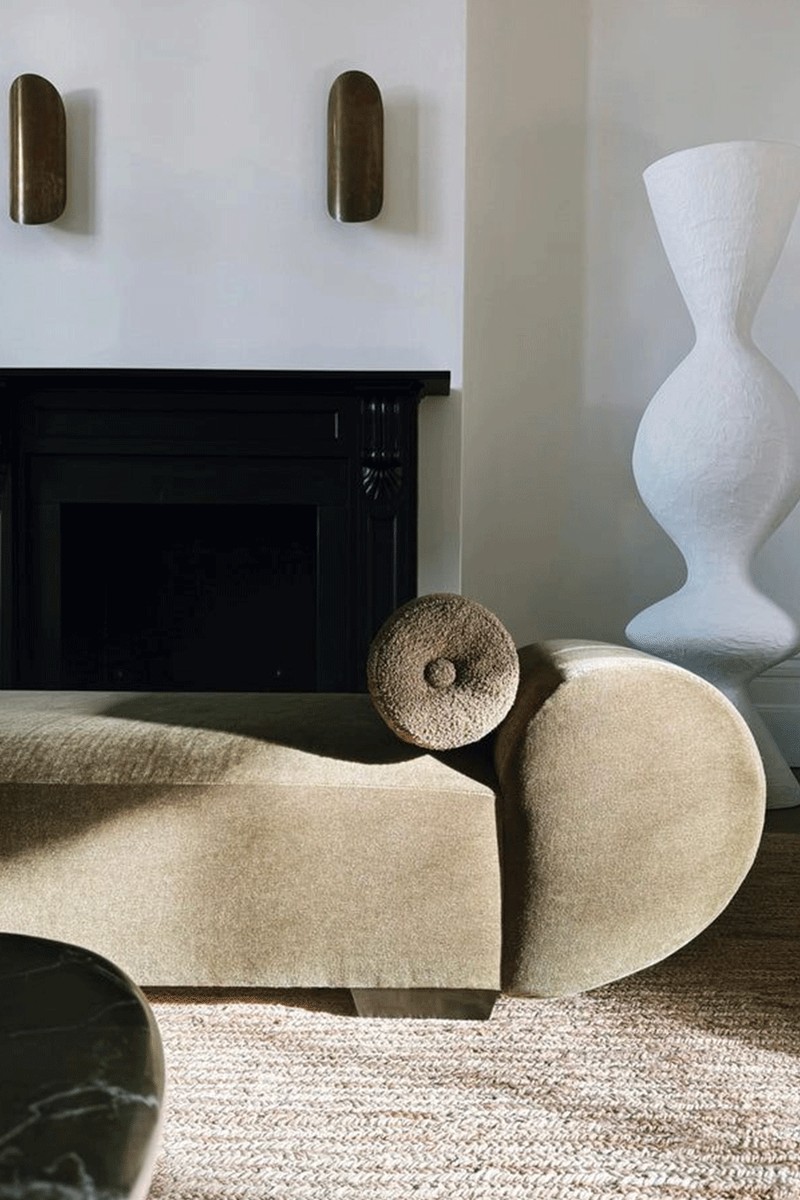
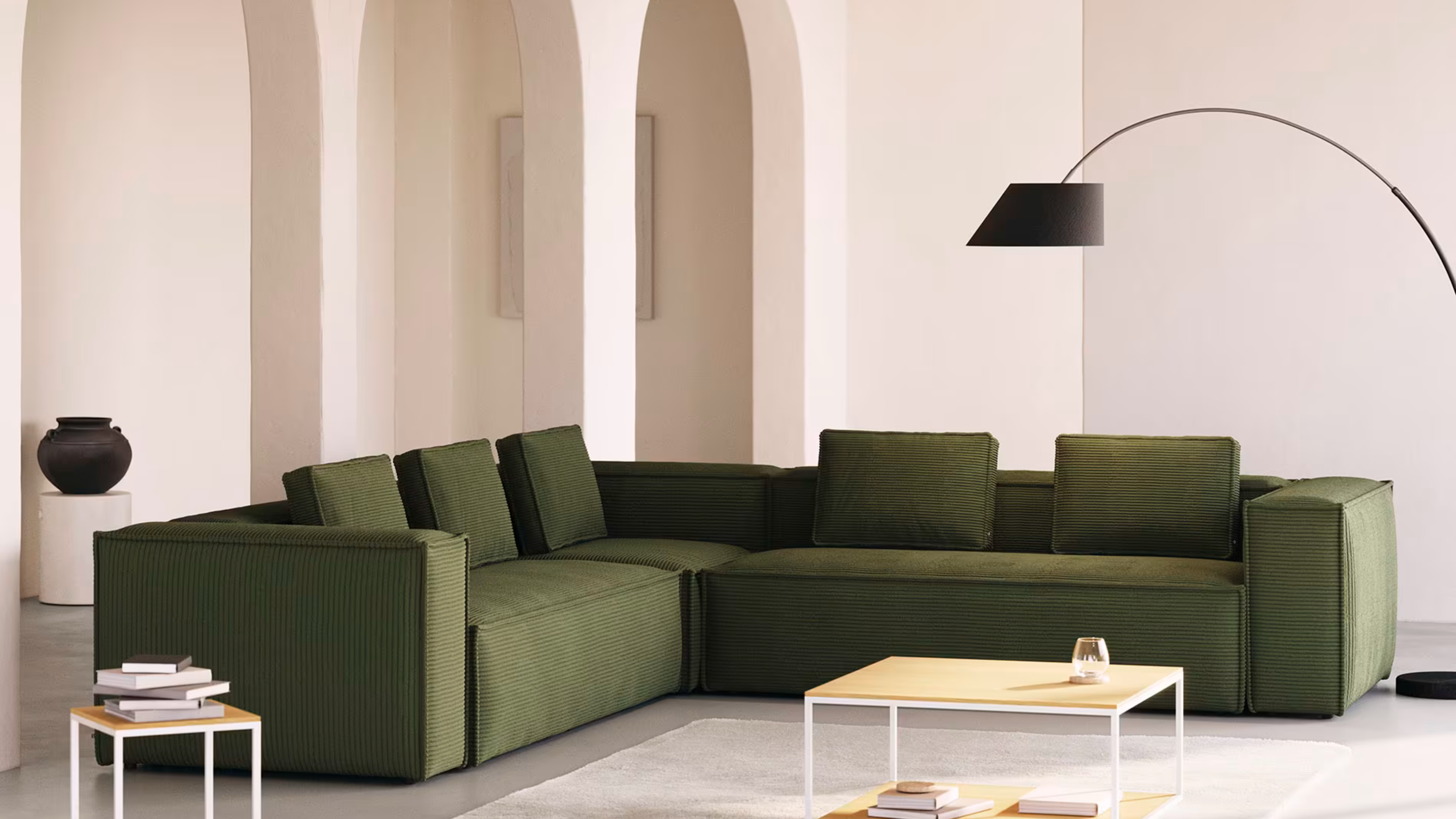
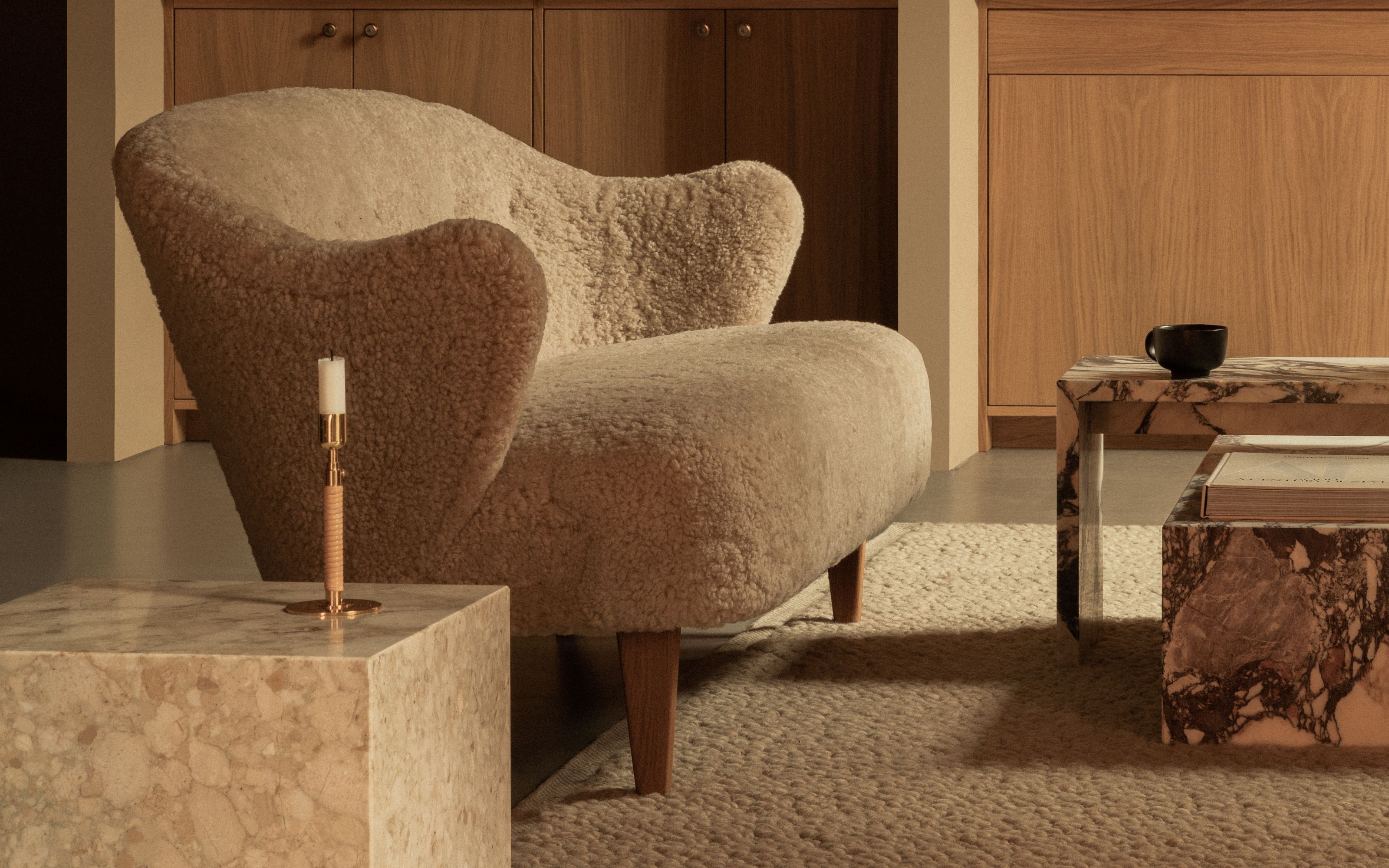
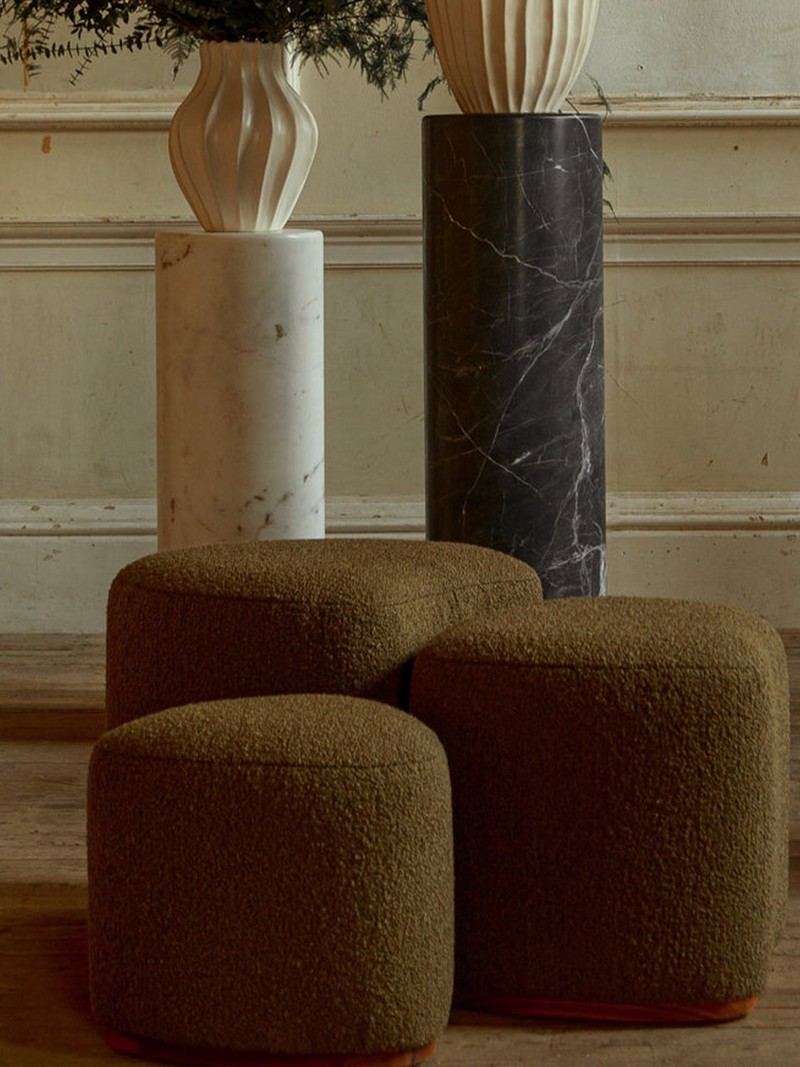
One prominent trend is the craving for comfort, manifested through the increased popularity of cozy, voluminous textiles. Materials like wool bouclé and soft cotton corduroy are favored for their inviting texture and ability to create a warm, homey atmosphere. Diekmann notes the resurgence of bouclé and corduroy, attributing it to their plush feel, durability, and subtle stylistic elements like monochromatic stripes. The emphasis on natural materials such as cotton, linen, and wool, often with thick weaves and stubby checks in neutral beige hues, underscores a desire for tactile and visually rich environments that bridge artisanal craft with characterful interiors.
Beyond aesthetics, health and wellness are significantly influencing fabric selections. There is a growing consumer preference for natural and renewable fabrics, driven by a post-pandemic awareness of indoor environmental quality. This shift involves a move away from chemically treated fabrics, synthetic materials, and finishes that emit volatile organic compounds (VOCs). Consumers are increasingly prioritizing materials with transparent certifications like SFC, FSC, and GOTS, indicating a strong demand for environmentally conscious options. Carr points to the return of traditional, handmade textiles such as 100 percent flax linen and wool and cotton dyed with natural water-based or vegetable dyes, reflecting a value for noble materials and sustainable practices. The consensus among experts is that sustainable fabrics are becoming standard, with a clear rejection of synthetic alternatives in favor of honest, organically derived weaves.
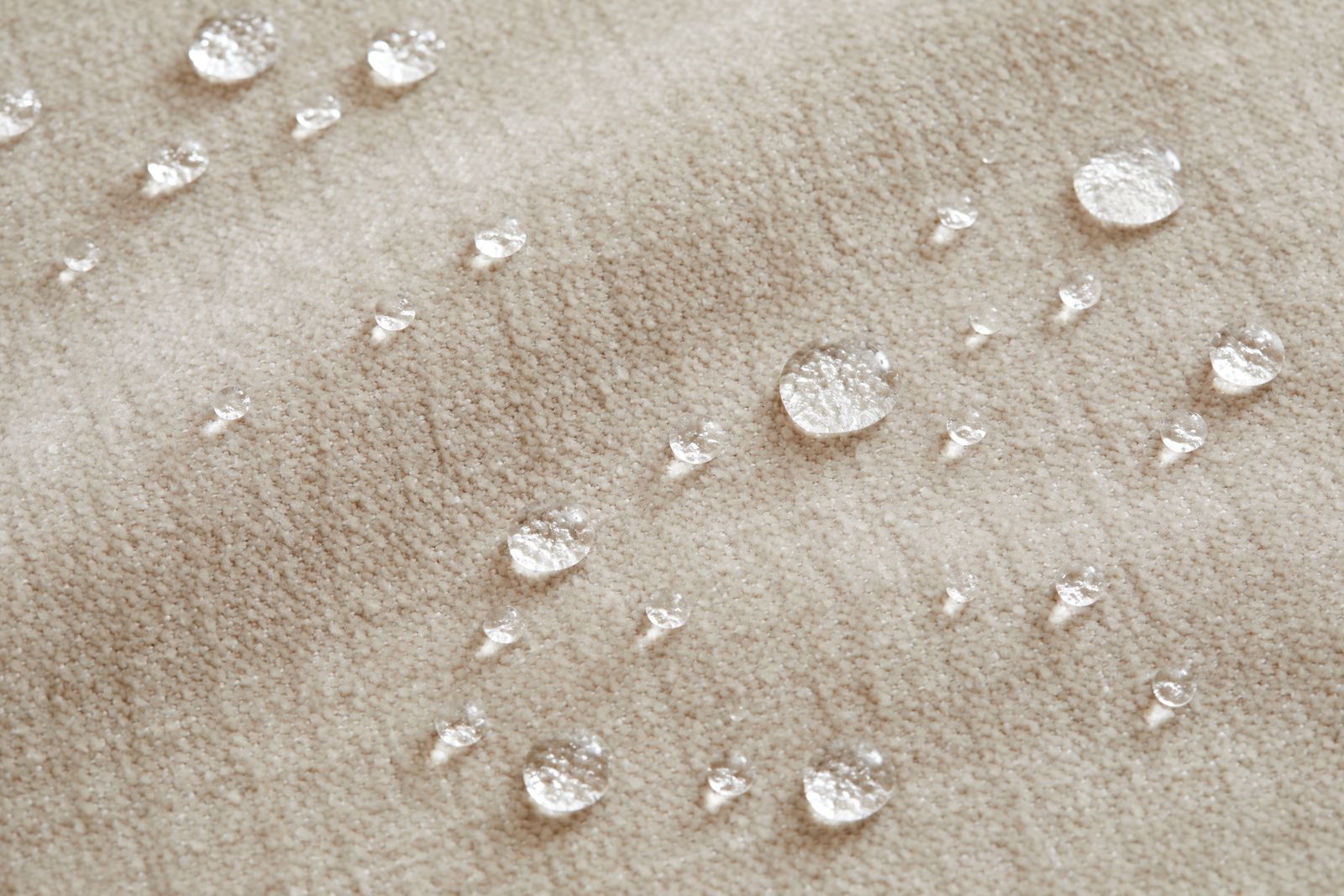
Innovation in textile production is also leading to creative alternatives that address environmental concerns. Companies are exploring circular, regenerative, and biodegradable materials, and reevaluating their sourcing to improve sustainability. This includes using closed-loop systems for water reuse and initiatives that support the ecosystems and communities involved in material production. An example is Supreen, a new performance textile that combines advanced weaving technology with a silicone blend to create a liquid barrier while maintaining a soft touch. The increasing traction of vegetable-tanned leathers and the emergence of movements like Vegan Interior Design Week indicate a broader trend away from animal-derived products.
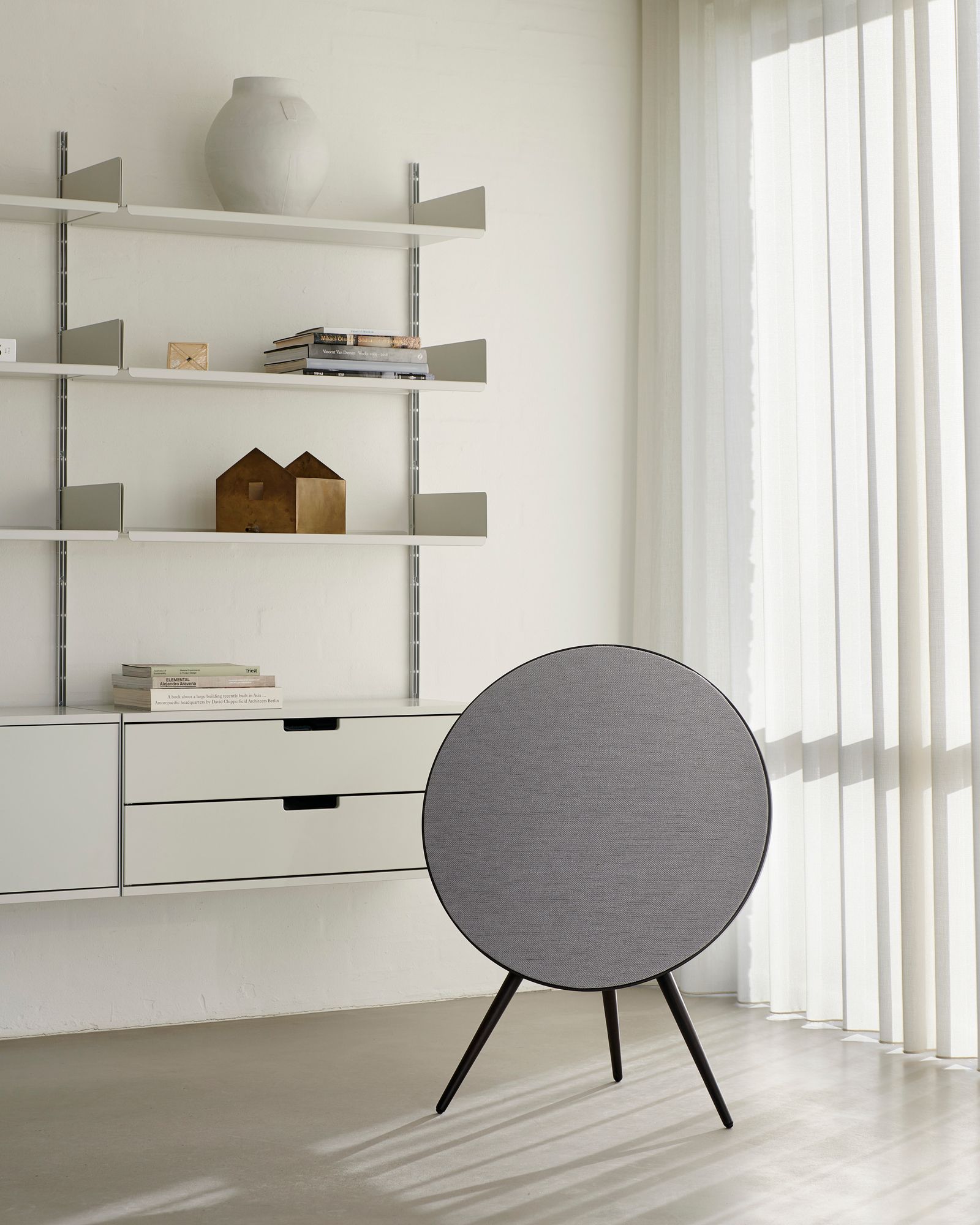
Fabric application is extending beyond traditional home furnishings to technology. Bastholm Skjold observes that textiles are being integrated into devices like speakers, adding a humanizing and tactile dimension to an increasingly digital world. The use of Kvadrat wool-blend covers on products like the Bang & Olufsen A9 speaker exemplifies how textiles can enhance the aesthetic and sensory experience of technological items.
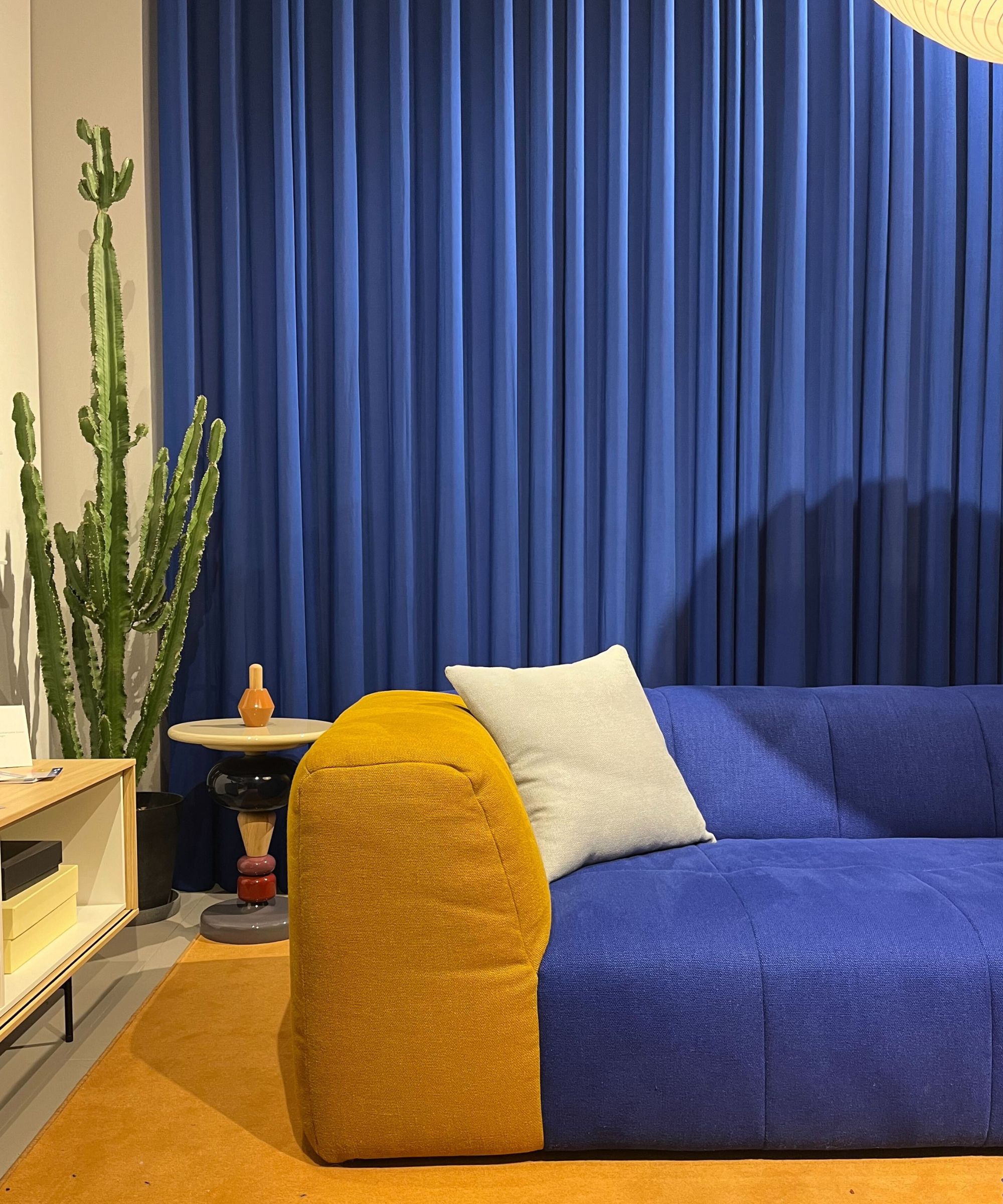
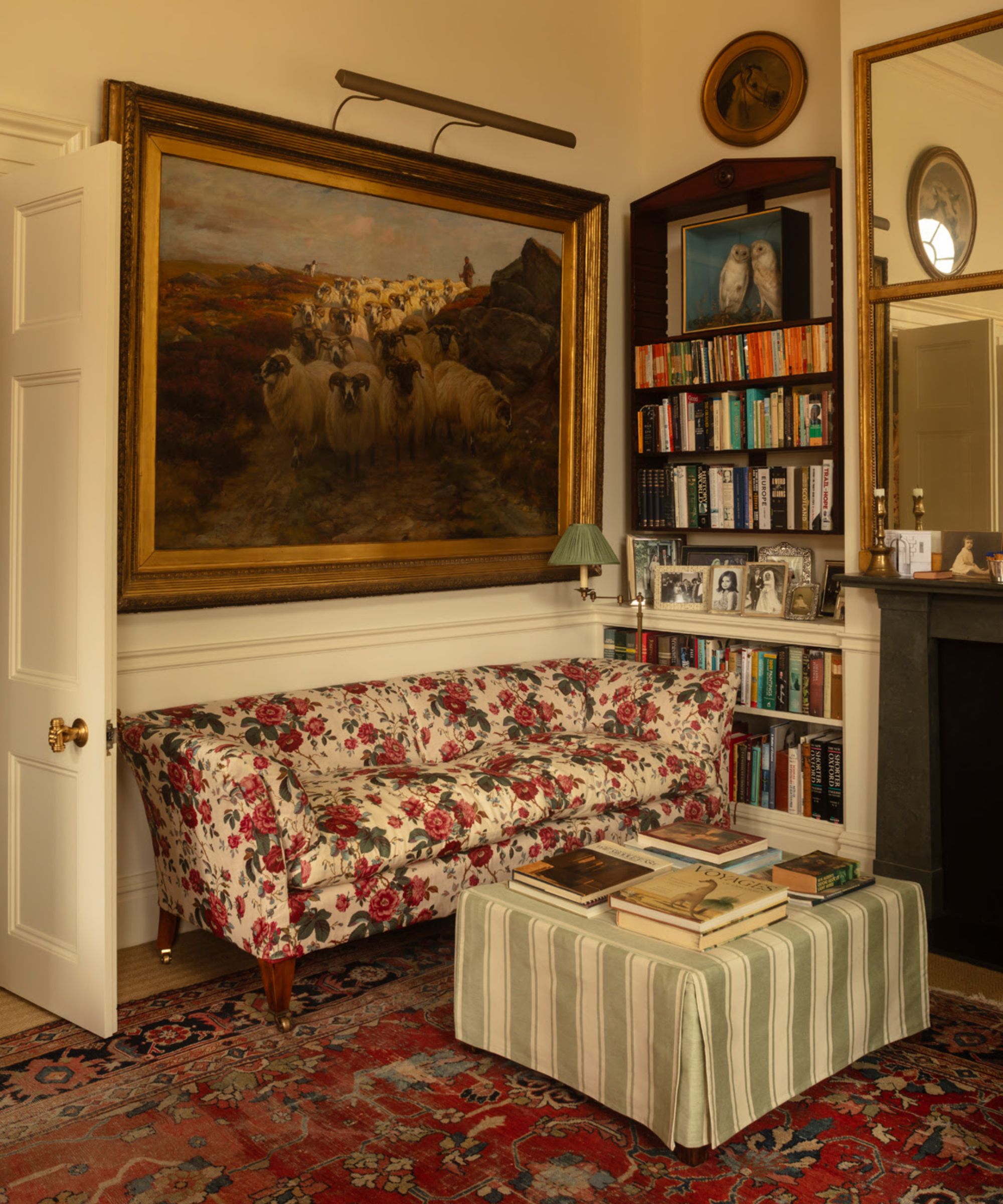
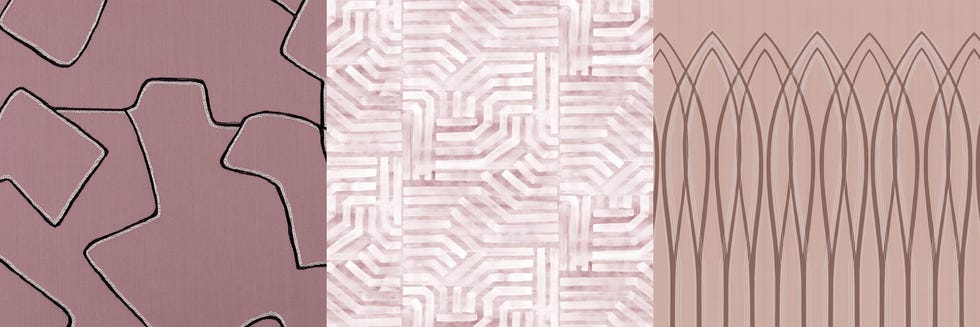
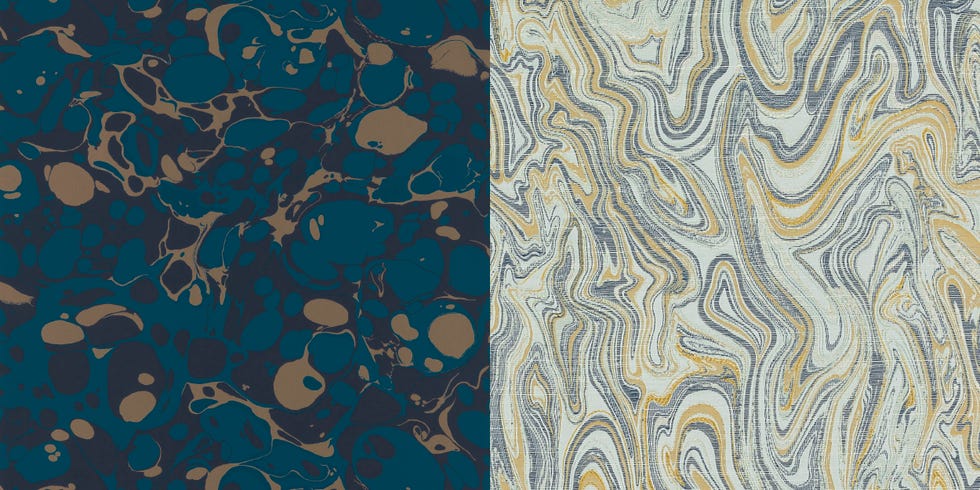
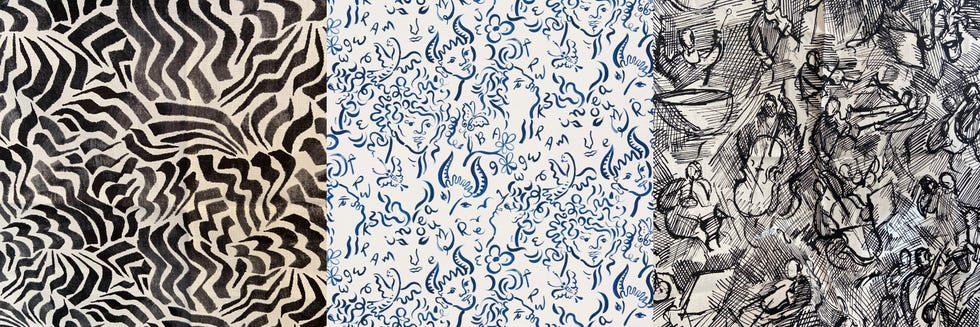
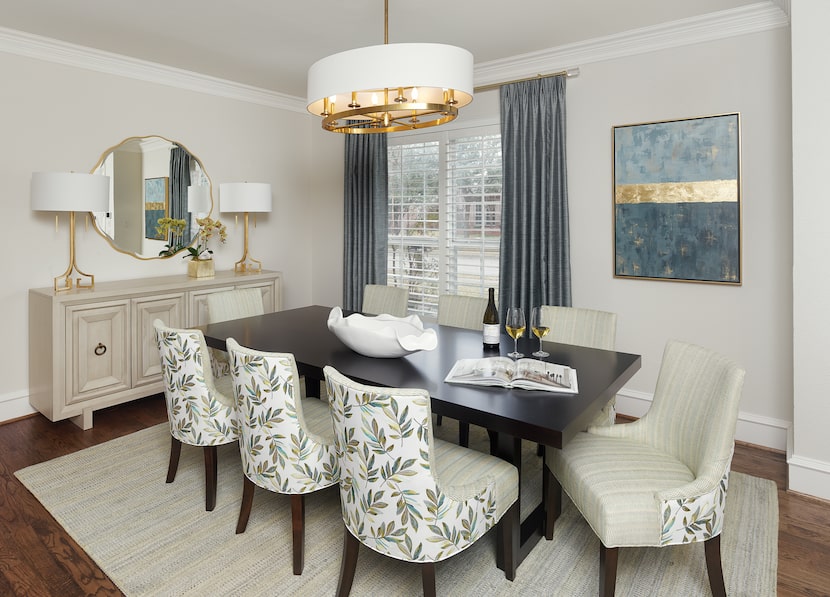
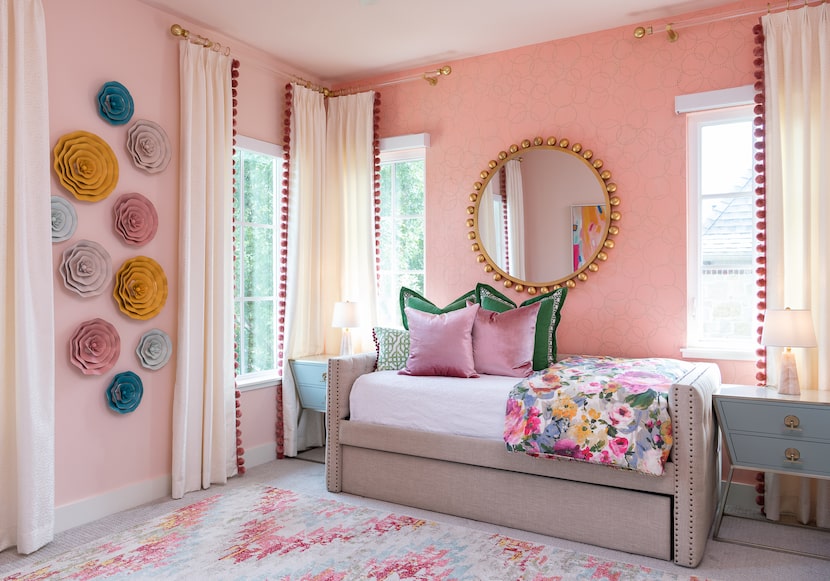
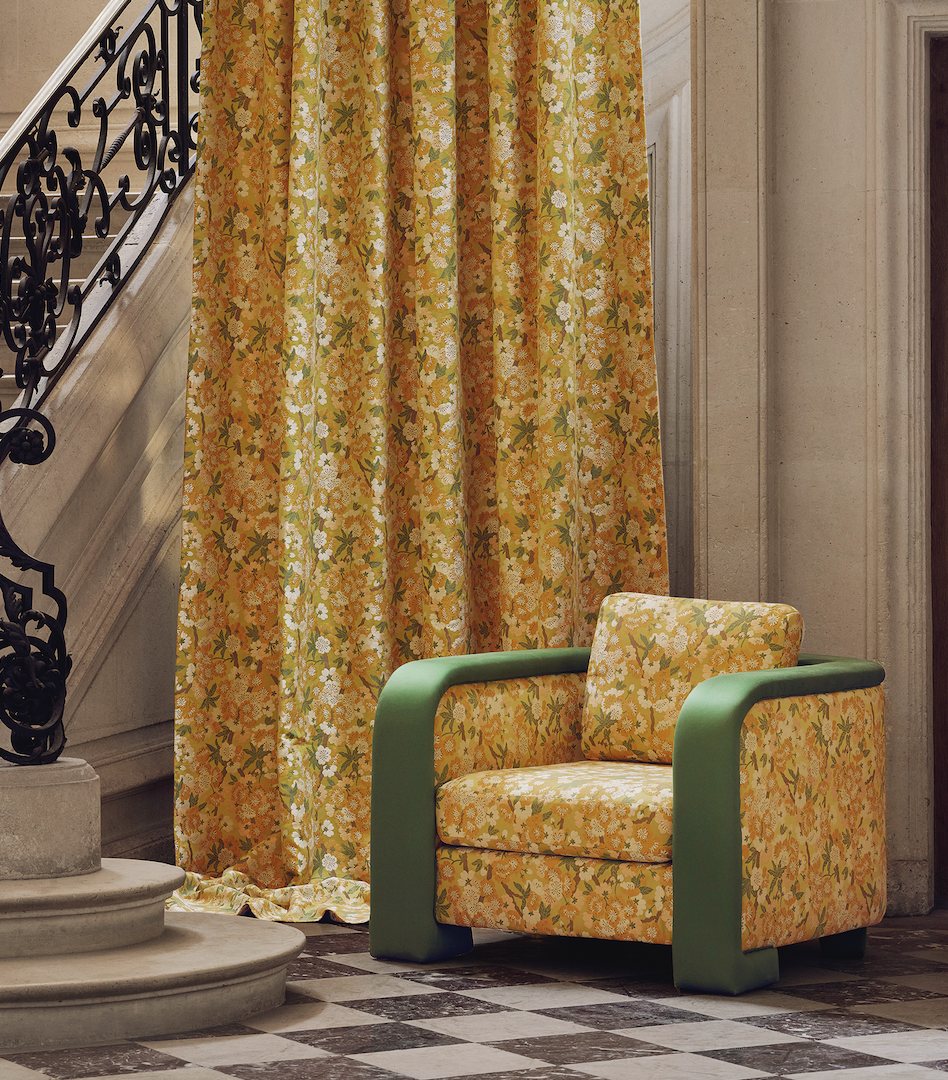
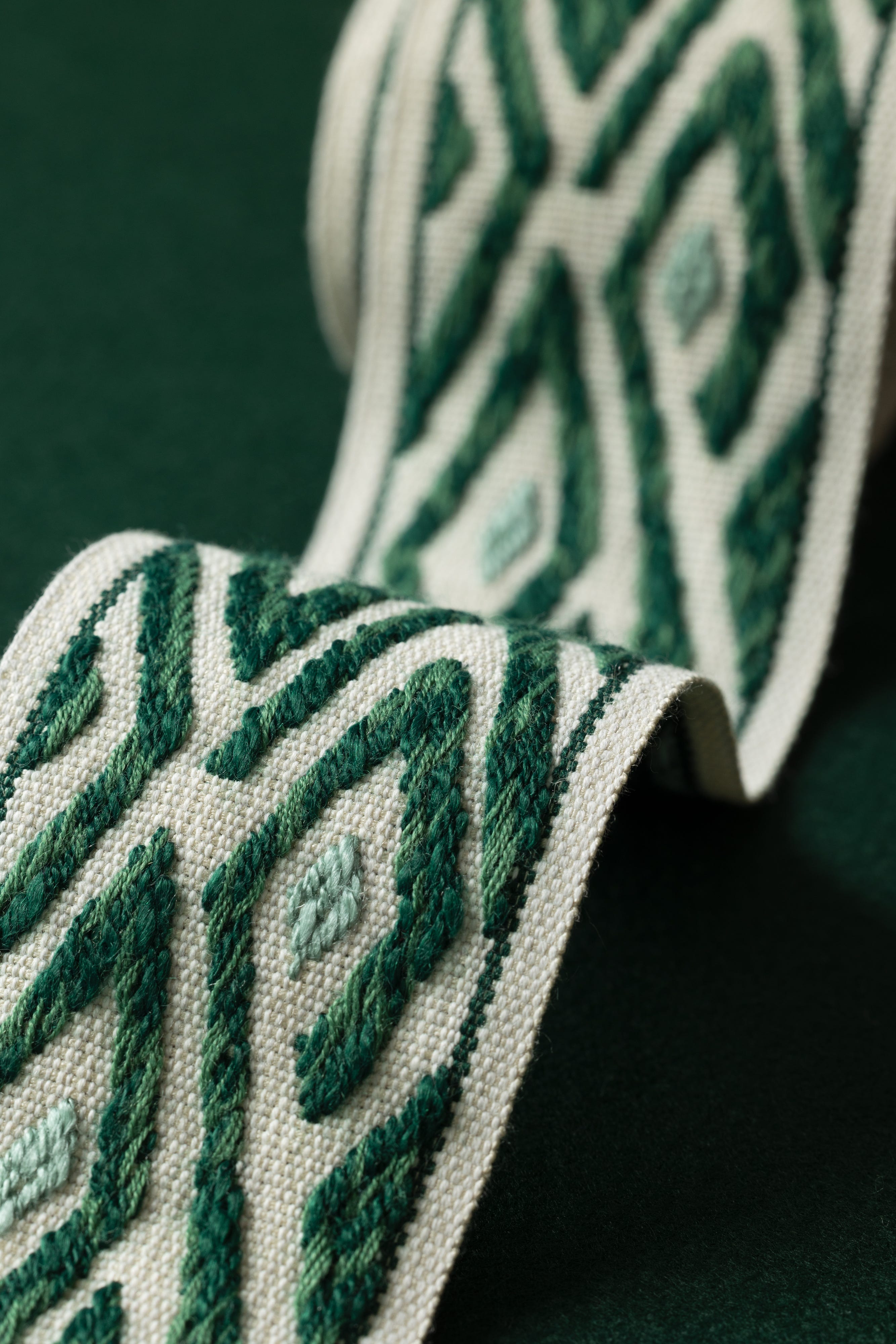
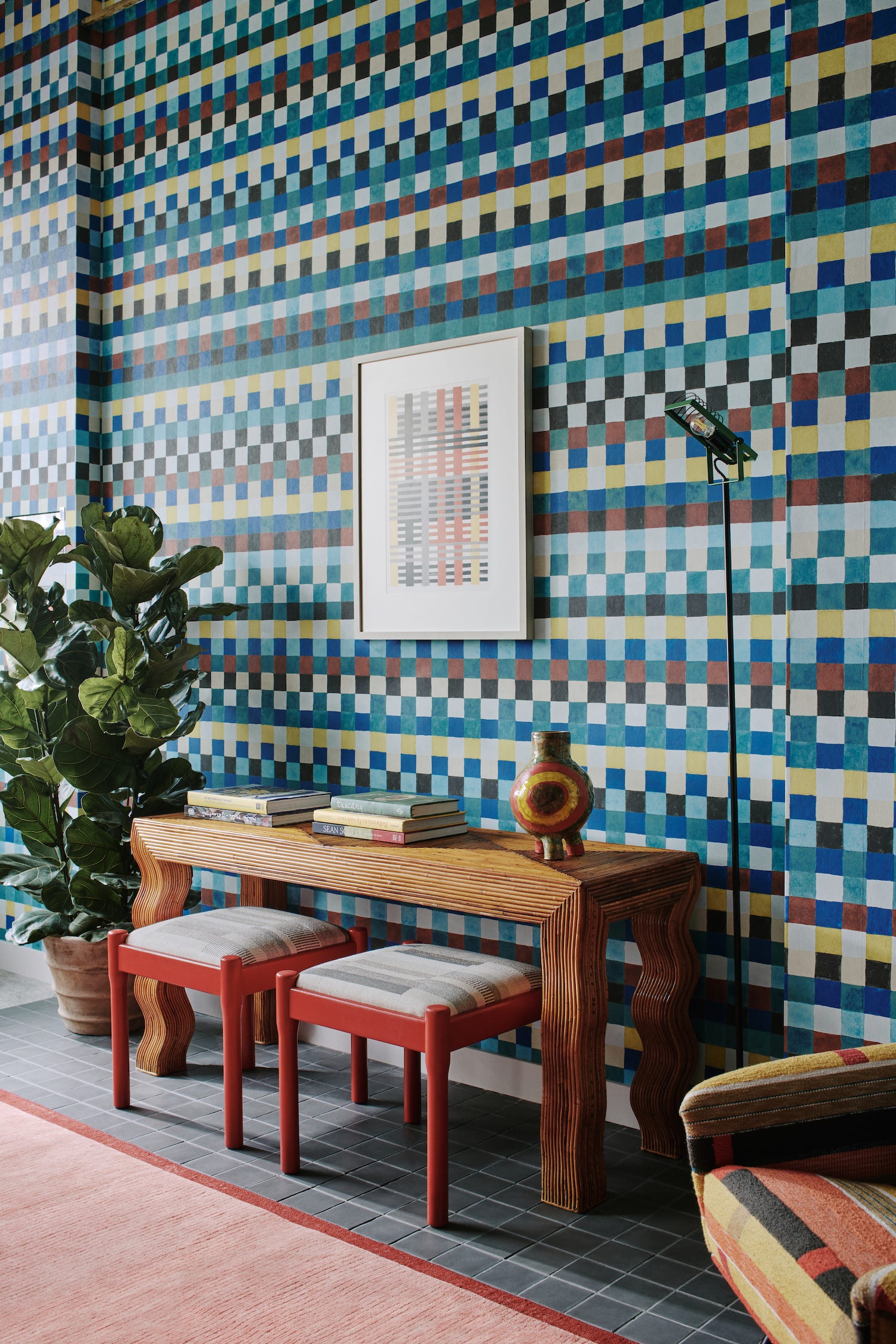
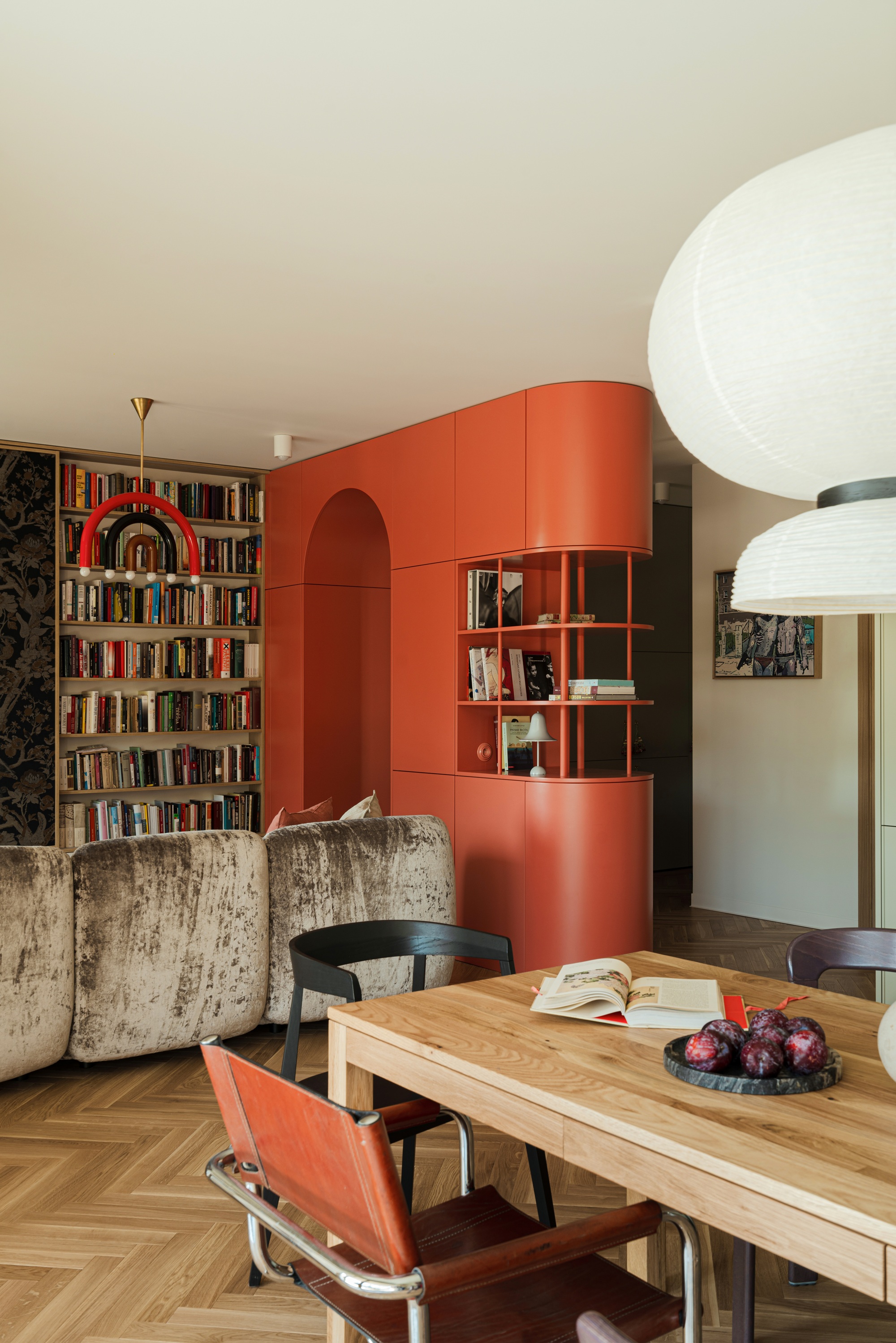
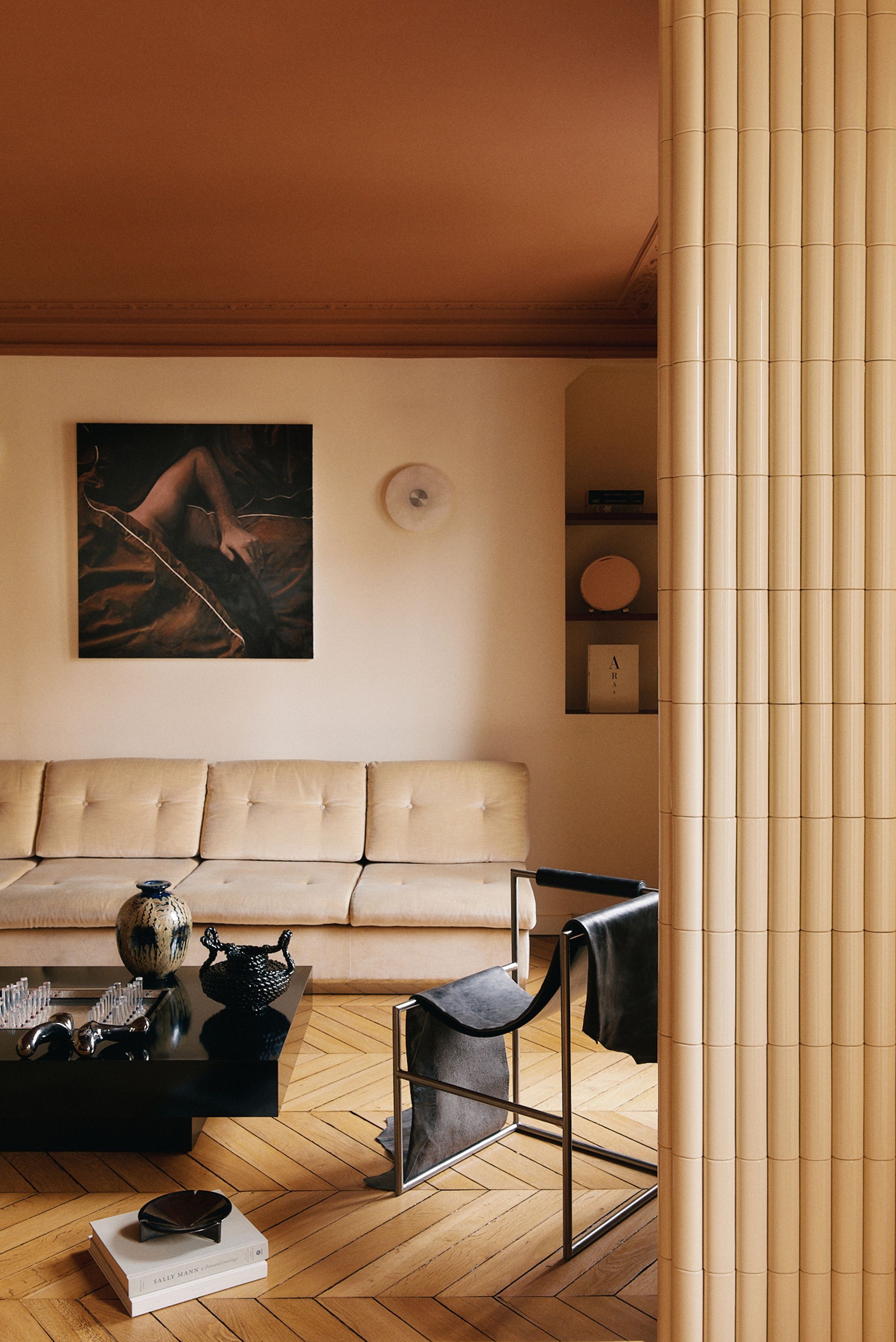
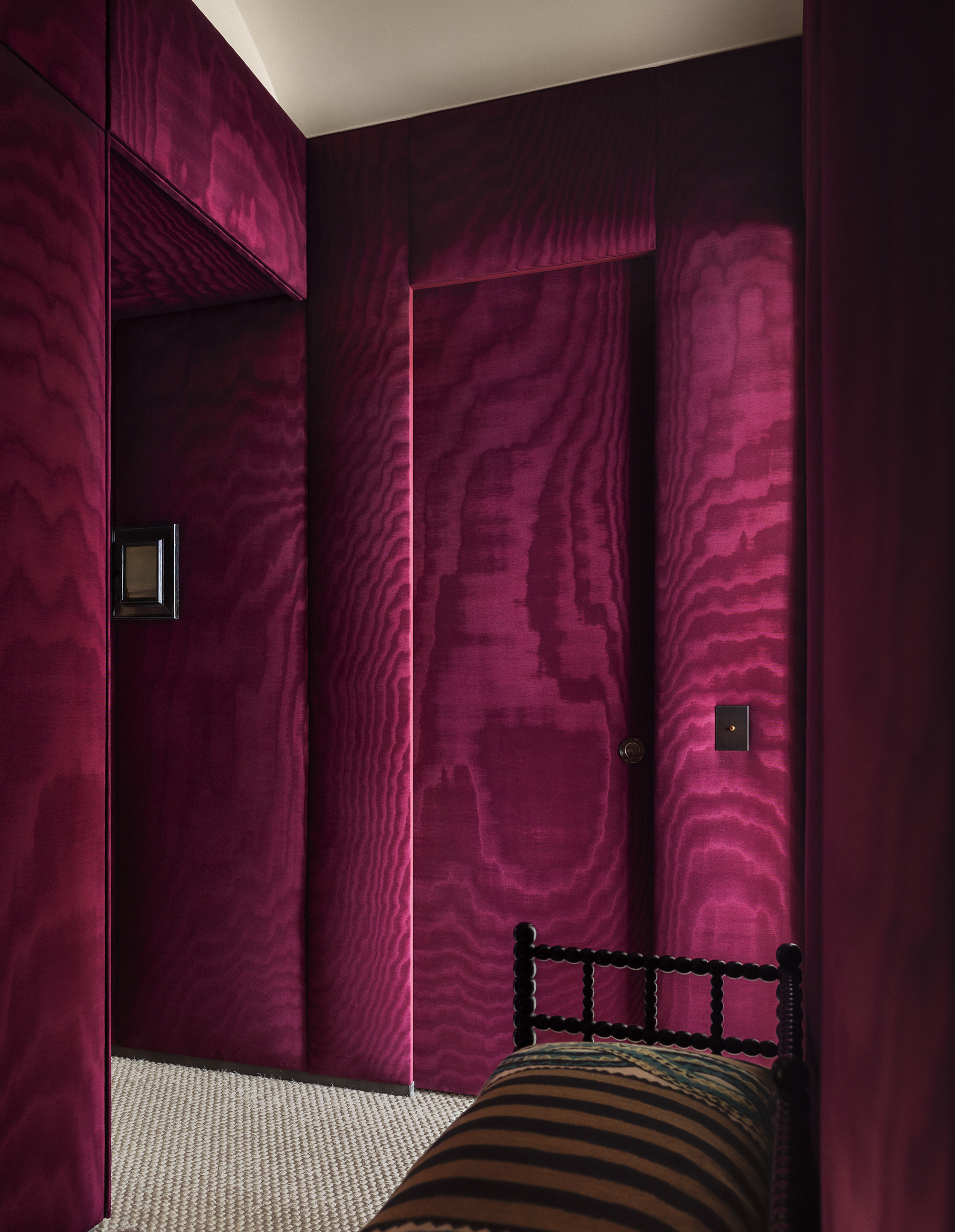
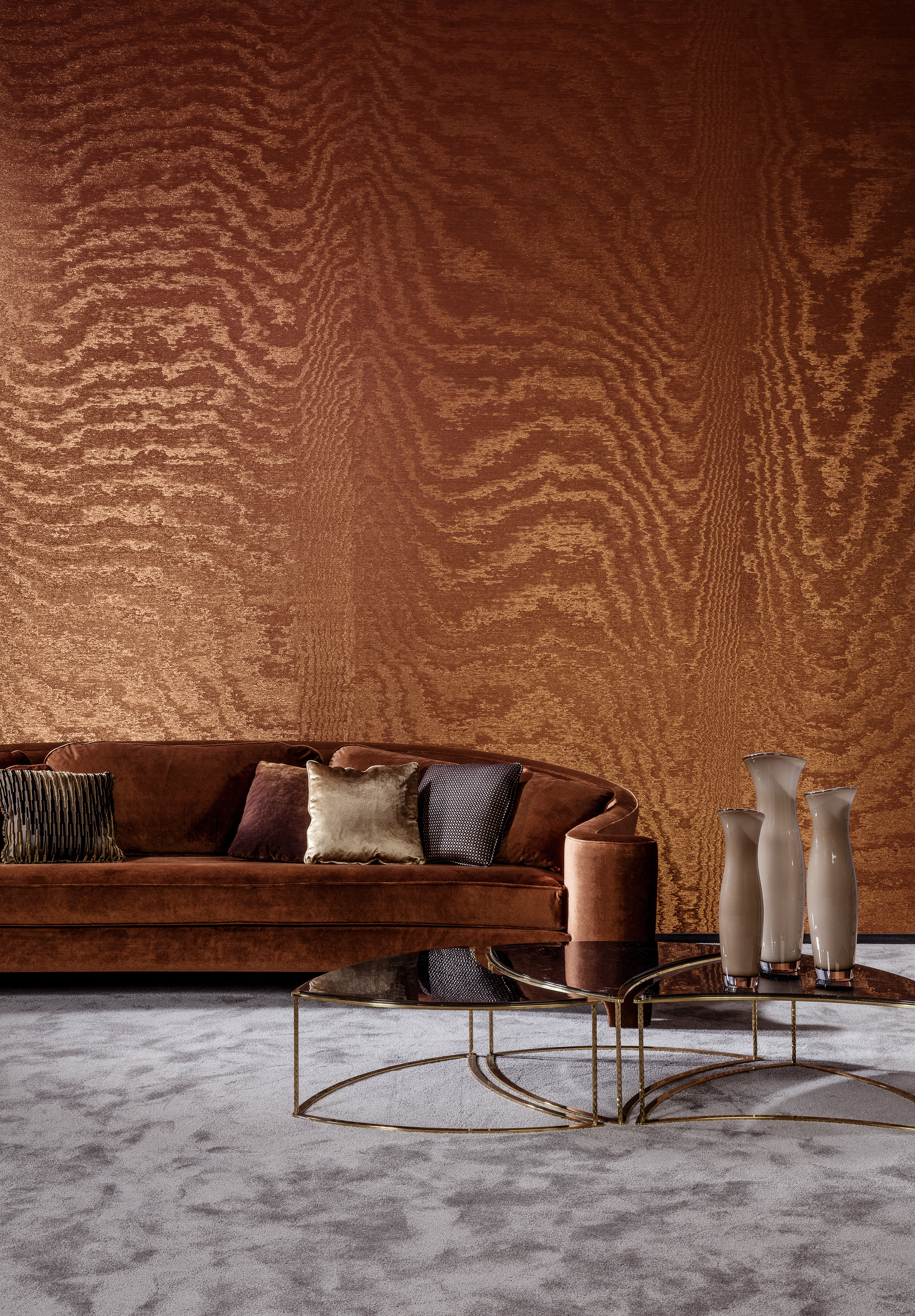
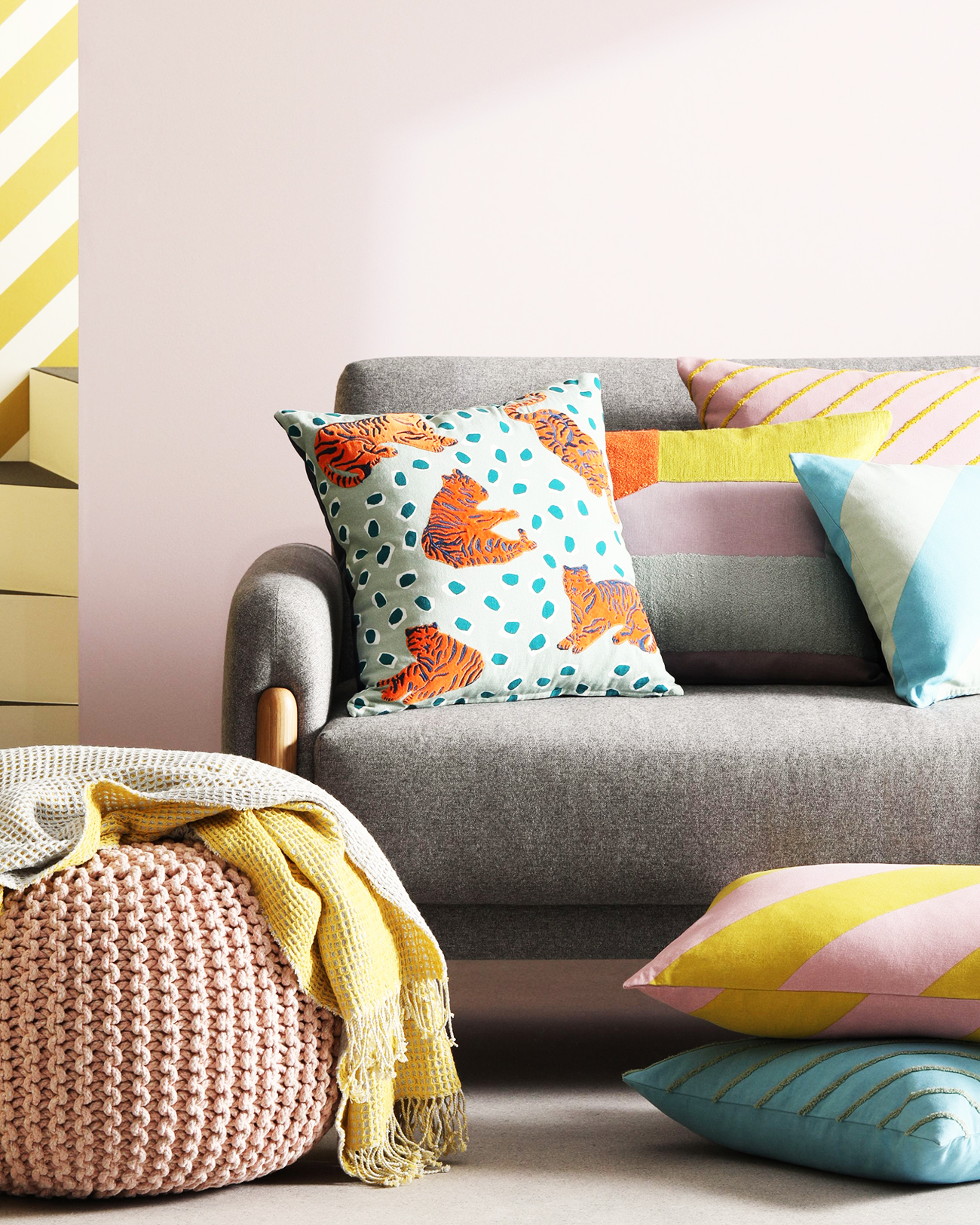
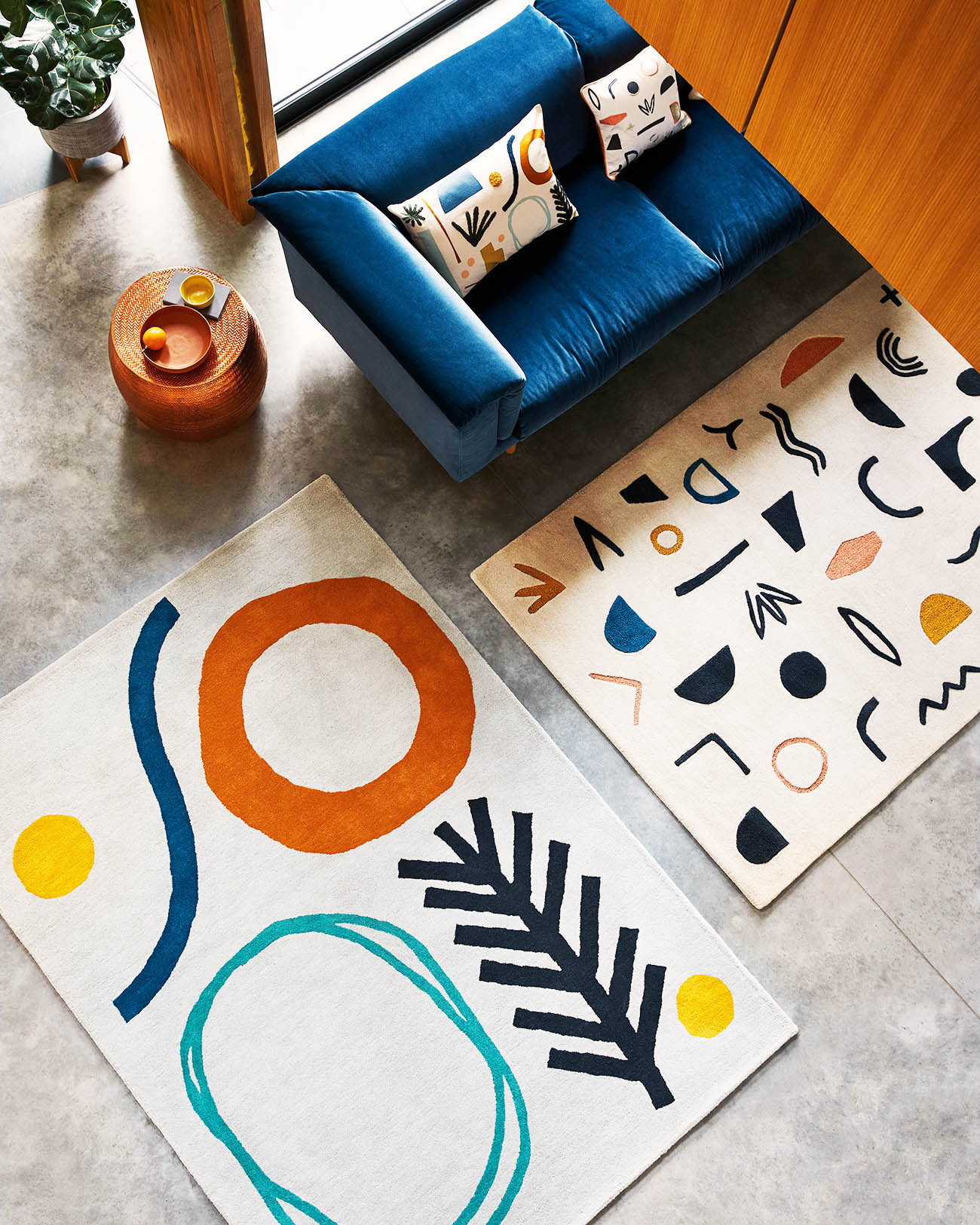
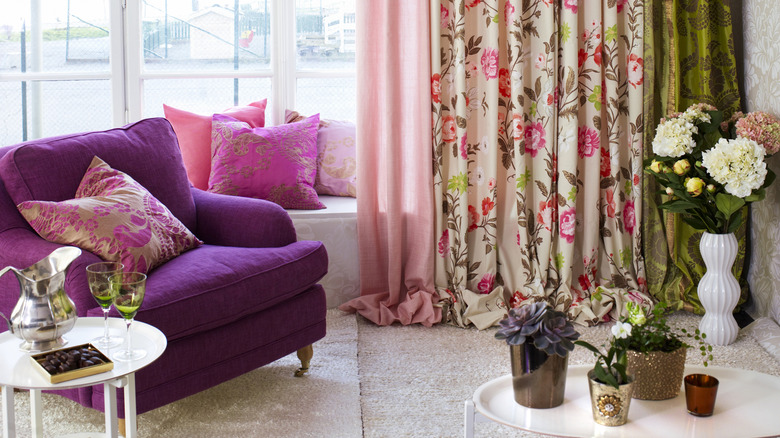
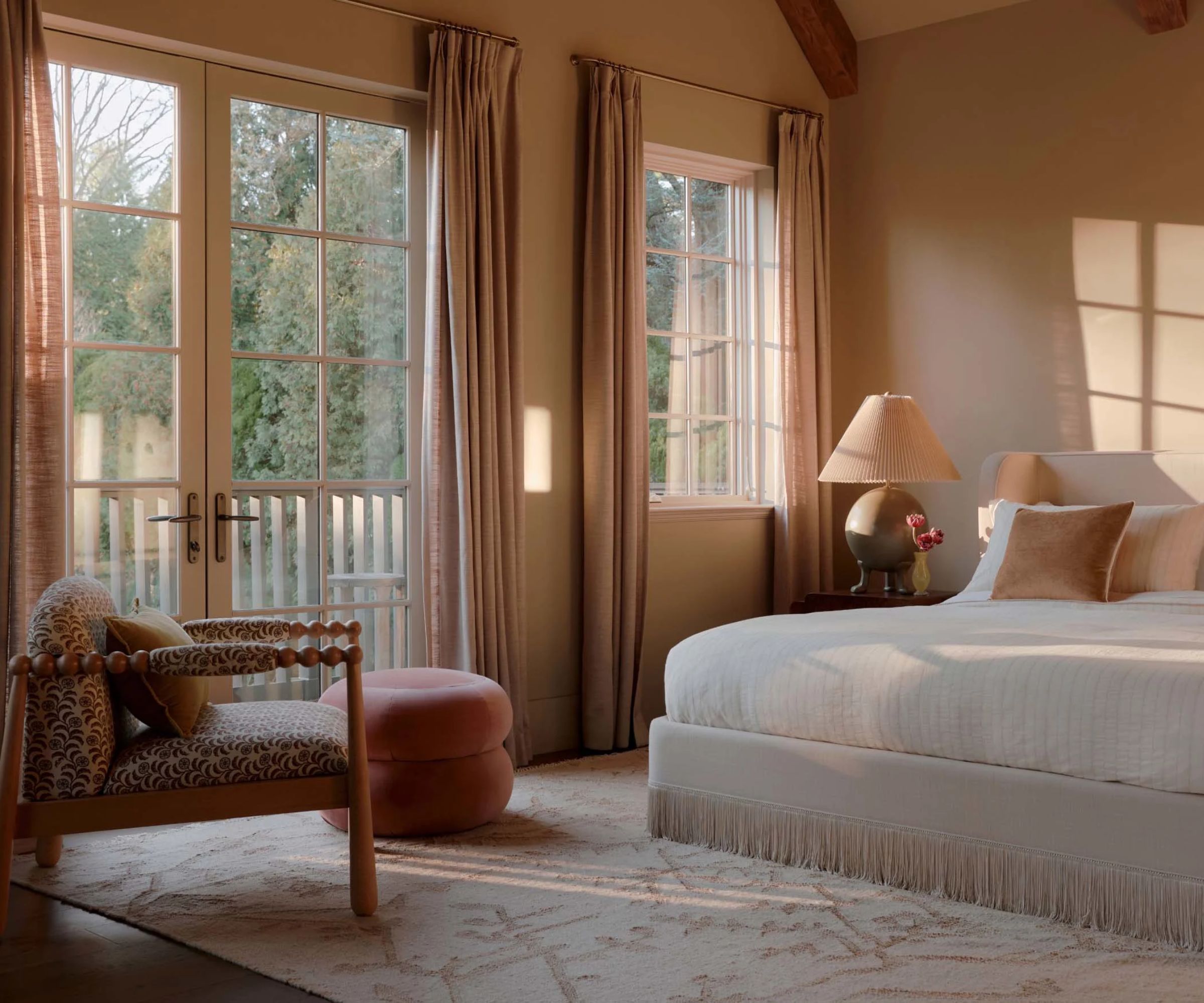
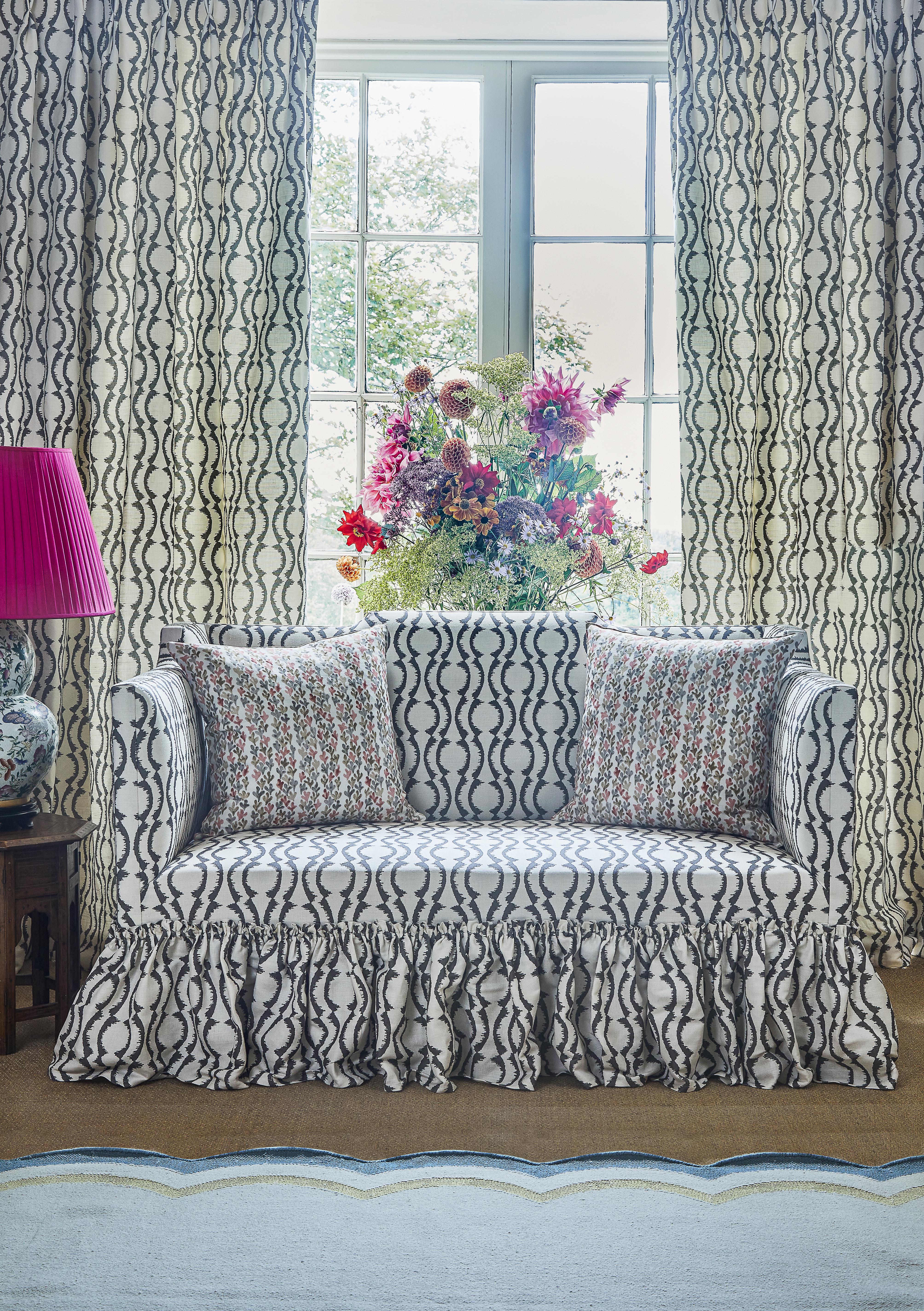
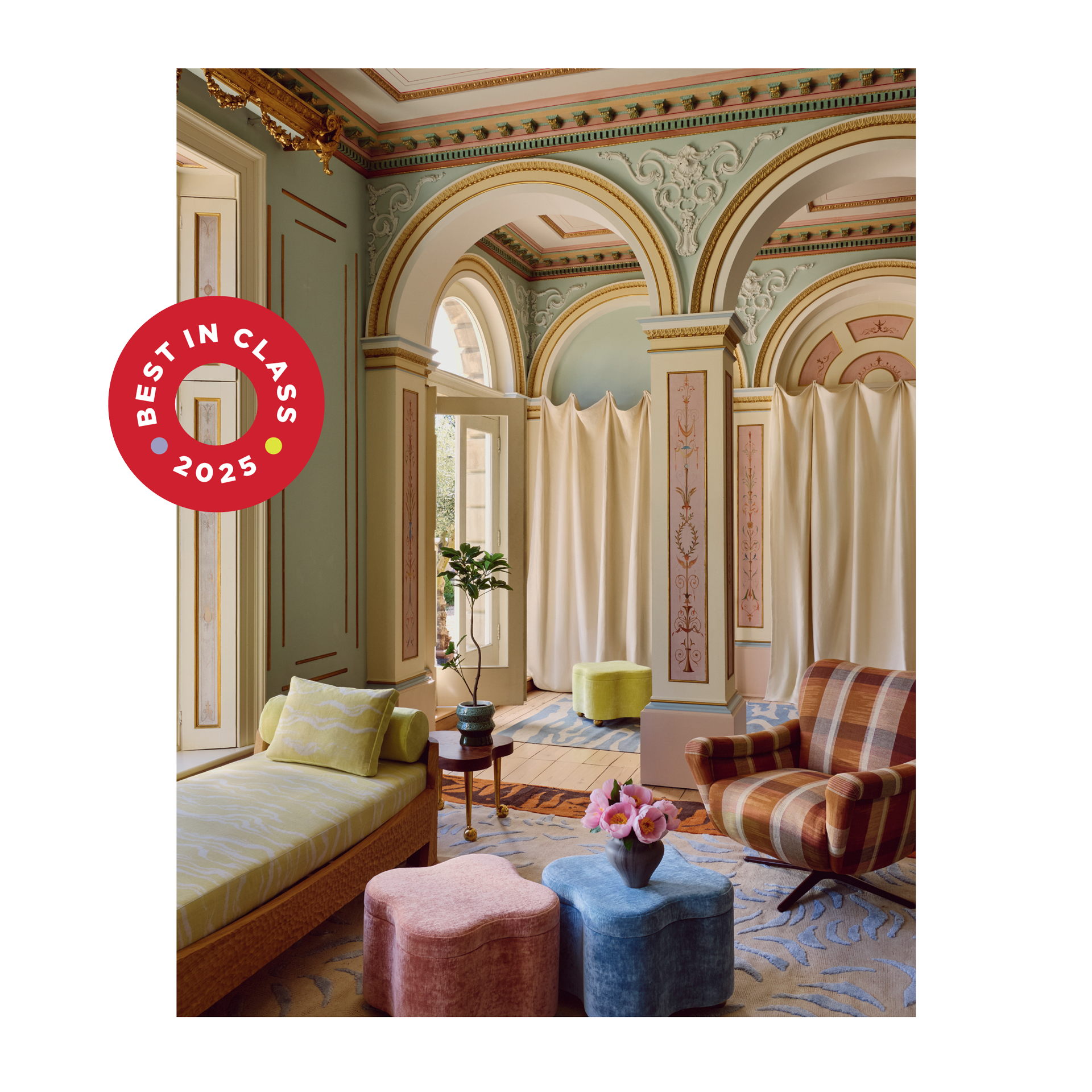
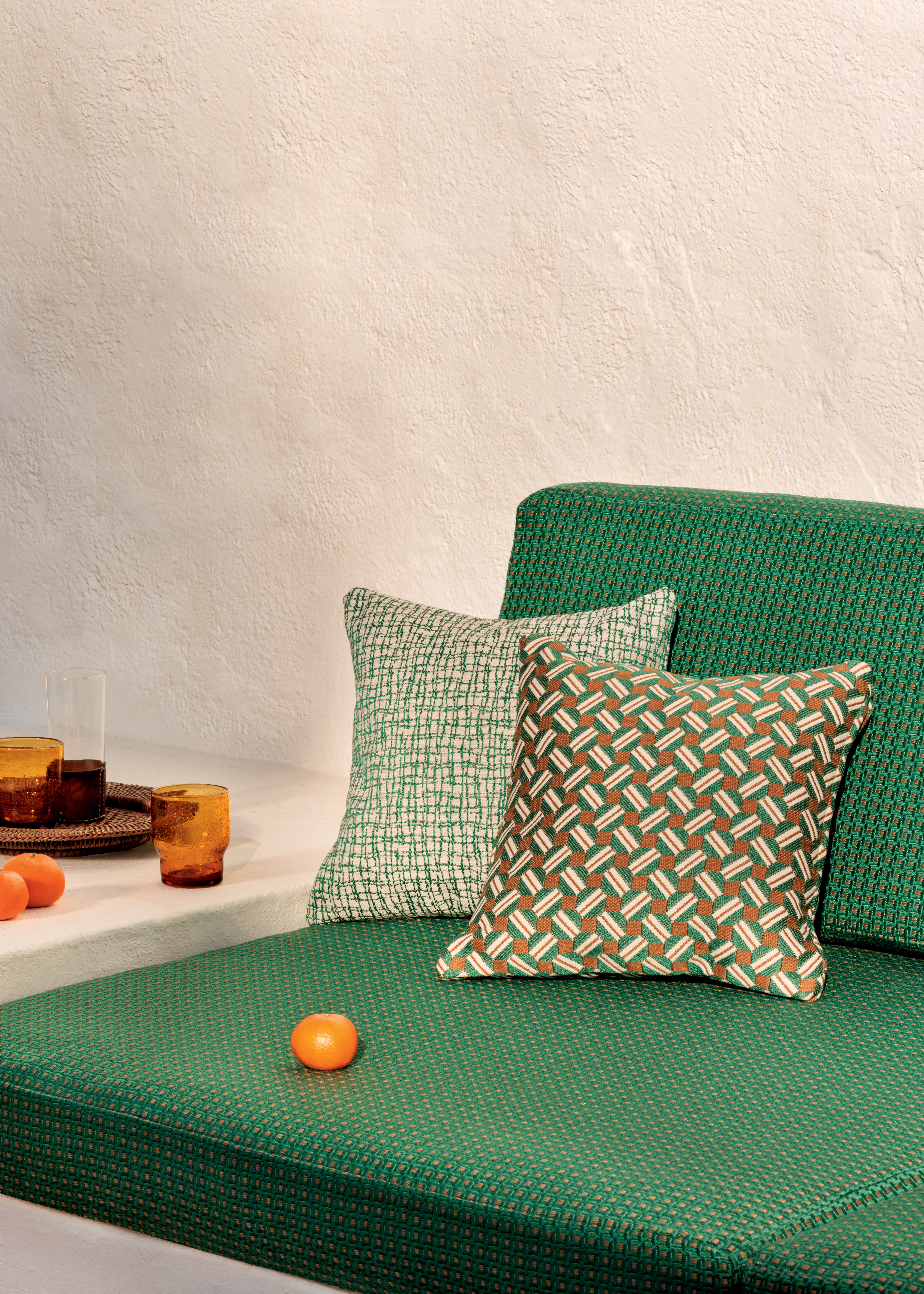
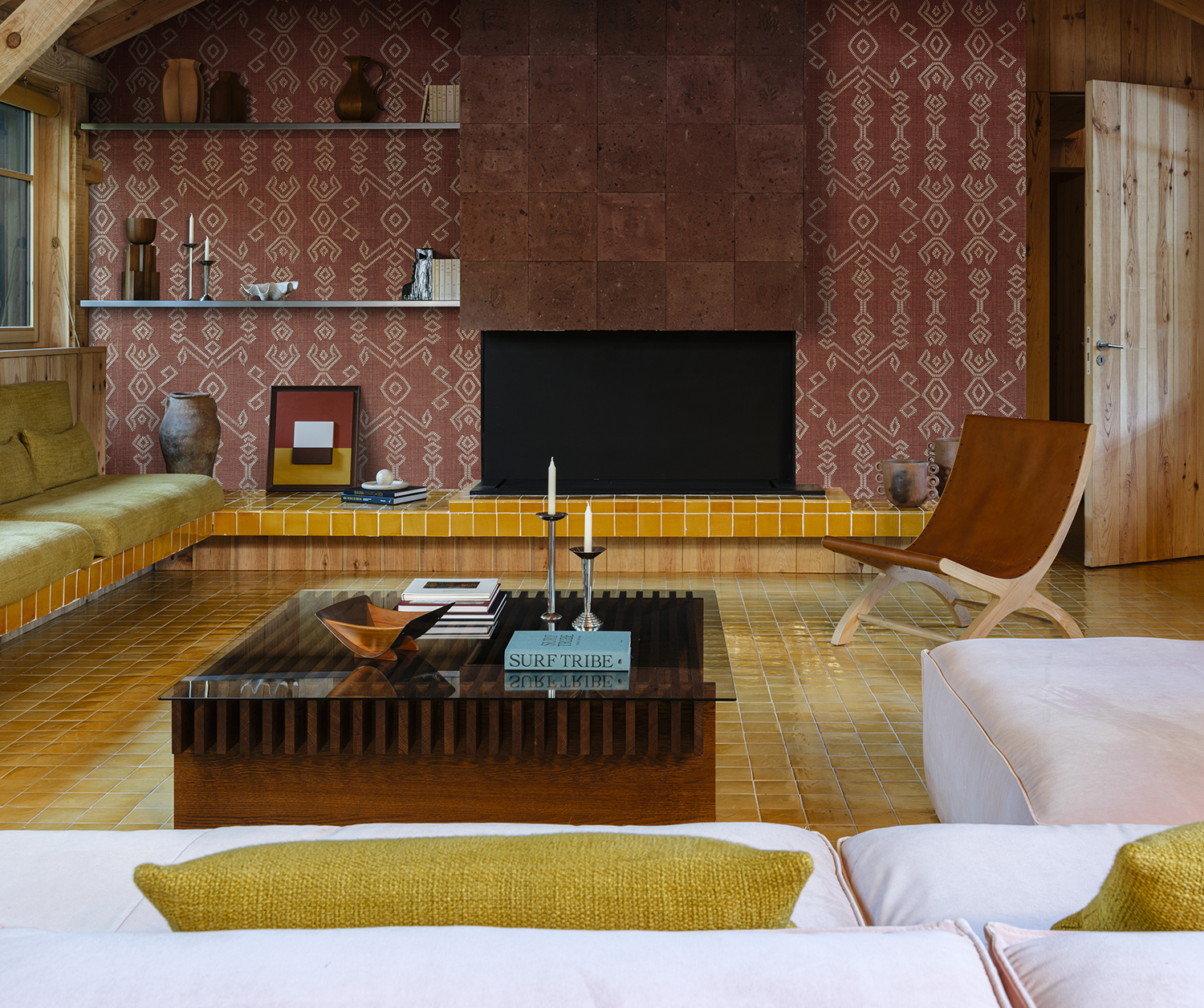
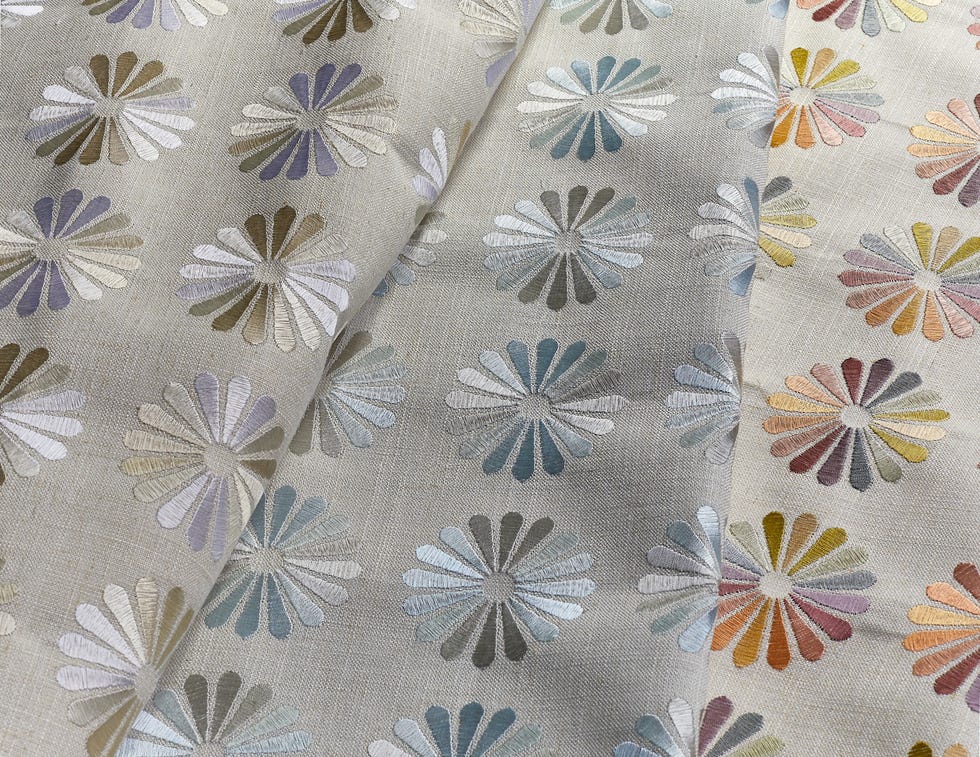
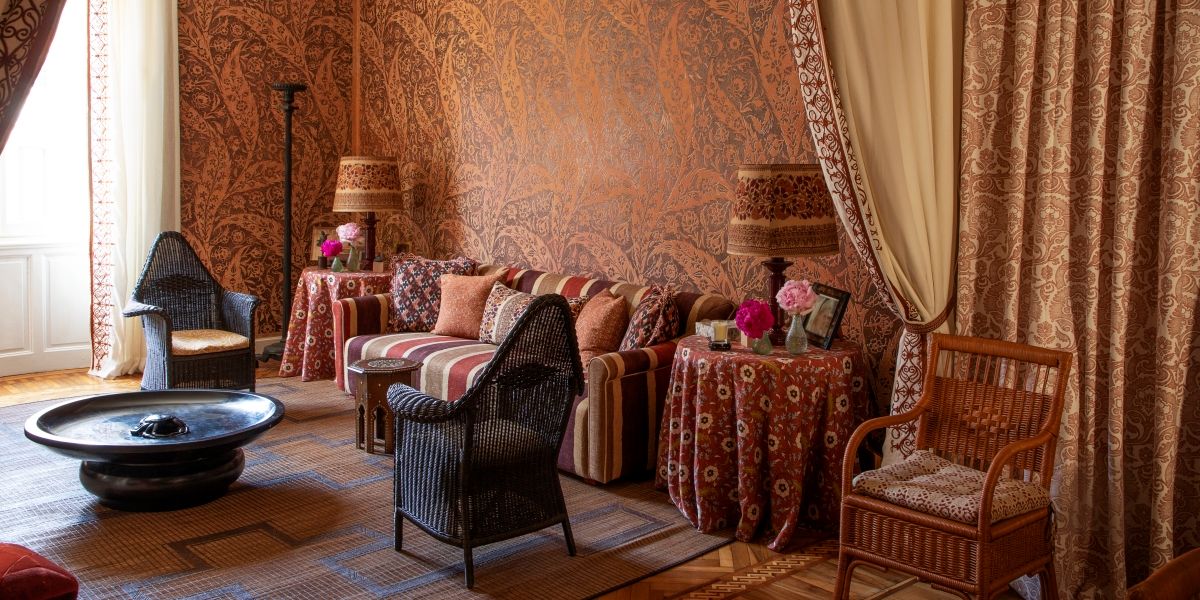
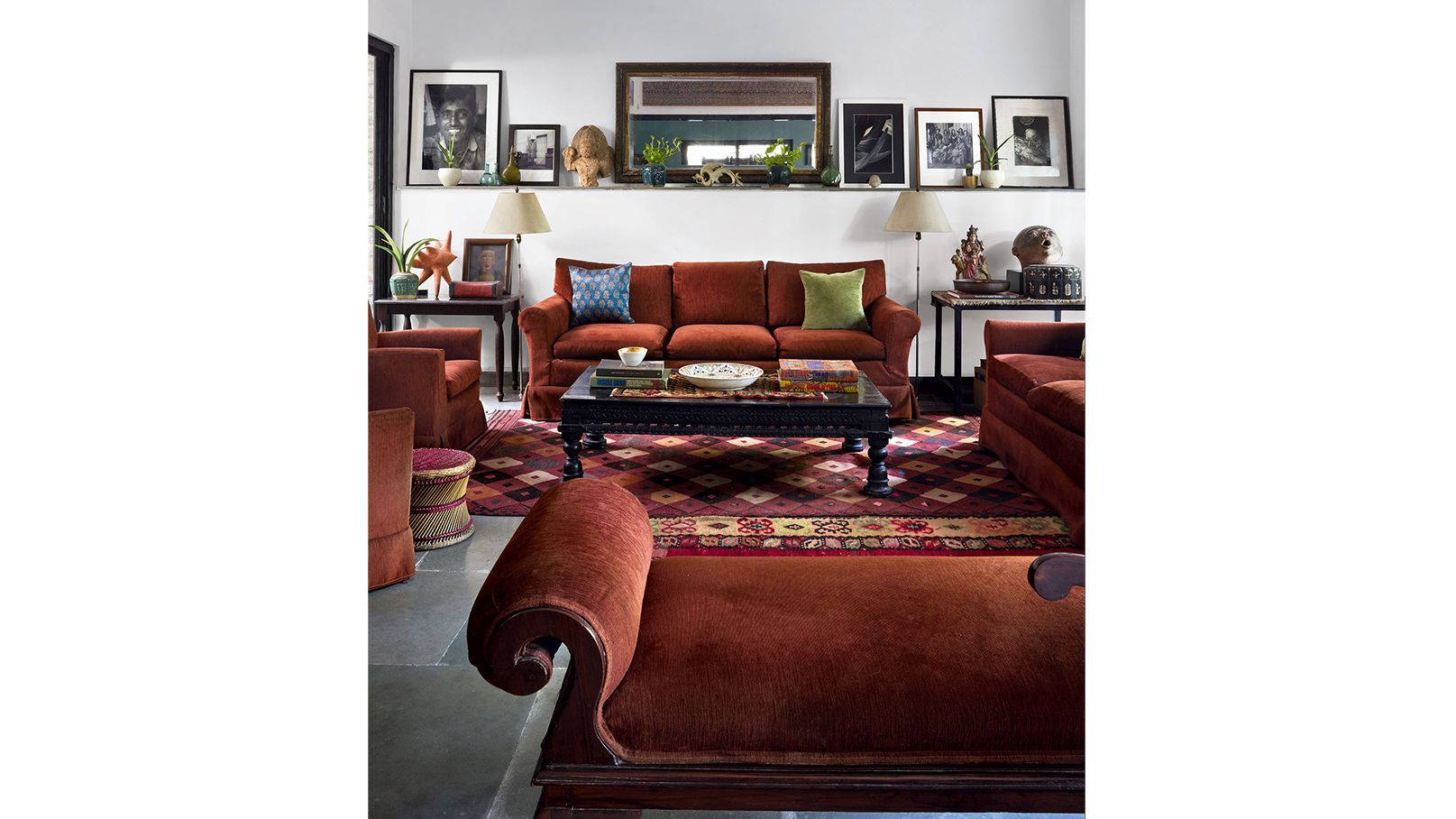
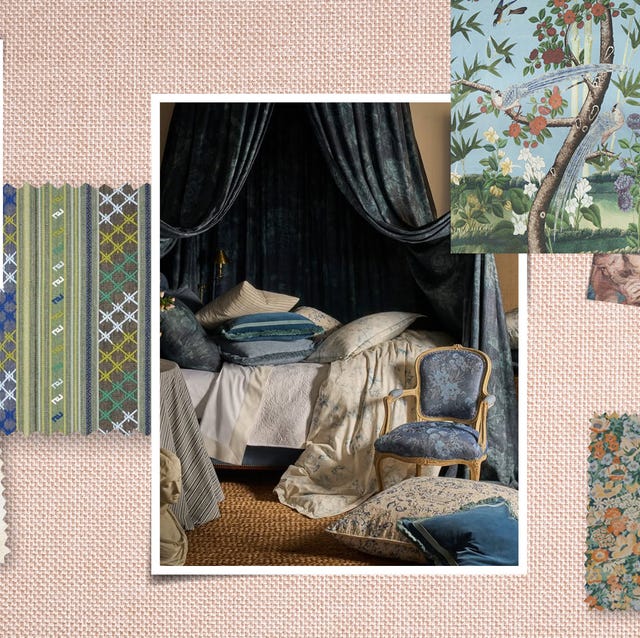
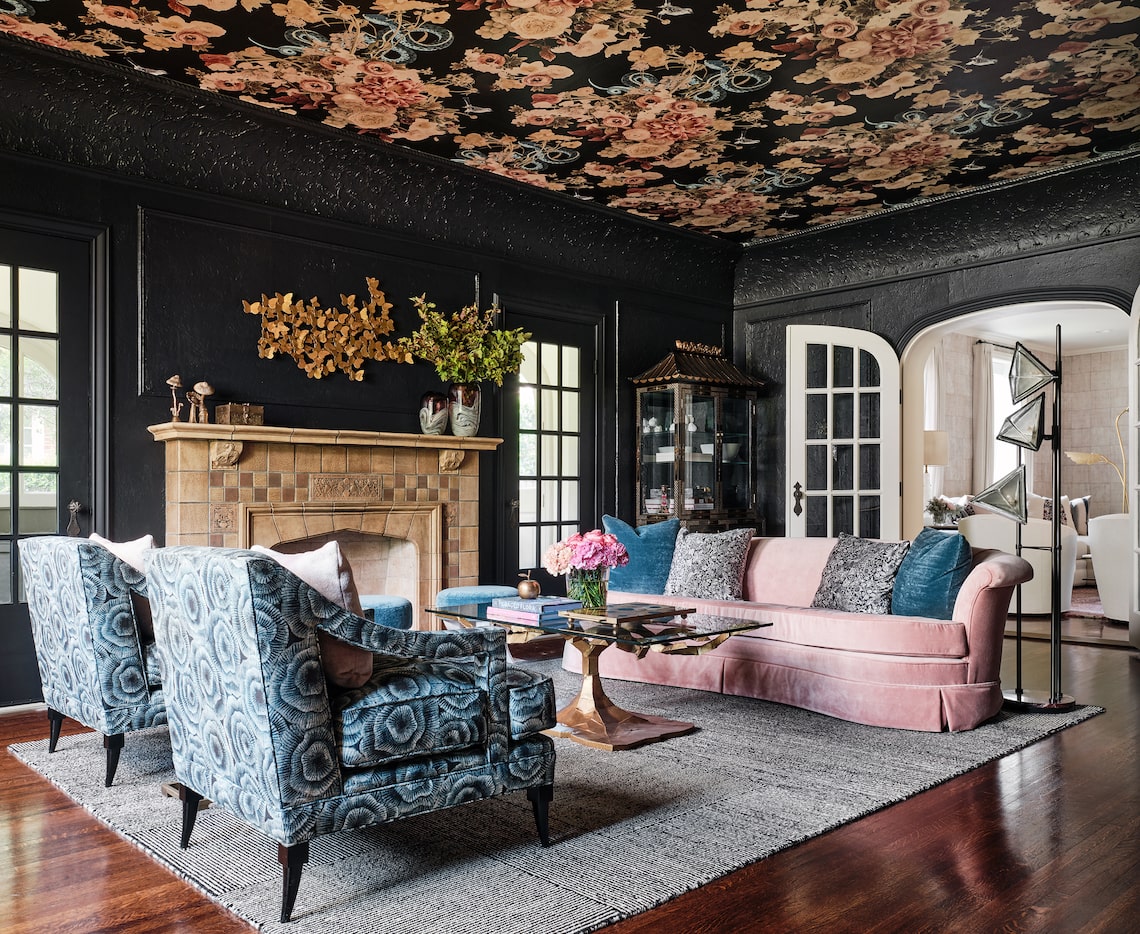
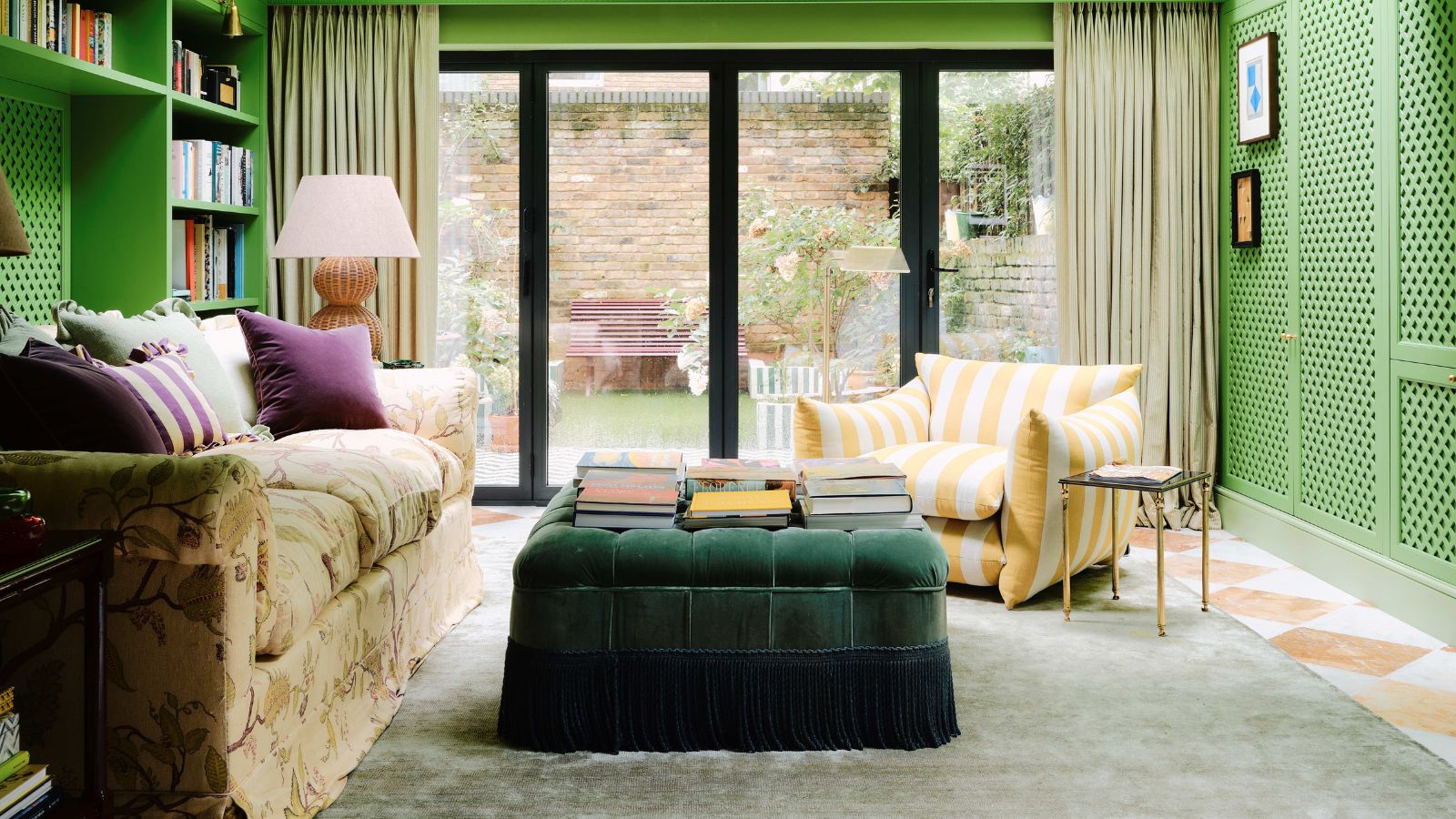
Finally, printed fabrics are embracing escapism and bolder aesthetics. Ogé notes that consumers are becoming more adventurous with print selections and color palettes, often drawing inspiration from global destinations. The trend includes moving away from neutral tones towards warmer palettes featuring jewel tones, golden hues, and rust colors. This is complemented by a strong connection to nature, with prints featuring florals and leaves in bold color schemes, aiming to bring the outdoors inside. Diekmann also observes a shift towards warm colors, earthy tones, and energetic splashes of color, as seen in Hem’s Monster Collection, which uses vibrant hues in mohair throws and hand-knotted wool rugs, integrating art, craft, and natural materials into the home.
#FabricTrends #InteriorDesign #SustainableFabrics #HomeDecor #TextileInnovation #ComfortInDesign #WellnessInteriors #PrintPatterns #NaturalMaterials #FabricTrends #InteriorDesign #SustainableFabrics #HomeDecor #TextileInnovation #ComfortInDesign #WellnessInteriors #PrintPatterns #NaturalMaterials
0 komentarzy łącznie
 Brak komentarzy jeszcze
Możesz również polubić
The 5 fabric trends ruling interiors now, according to the pros

Bouclé vs Corduroy — What's the Difference and How To Pick

Interiors: textiles trends and the best bedding, cushions and upholstery in stores now
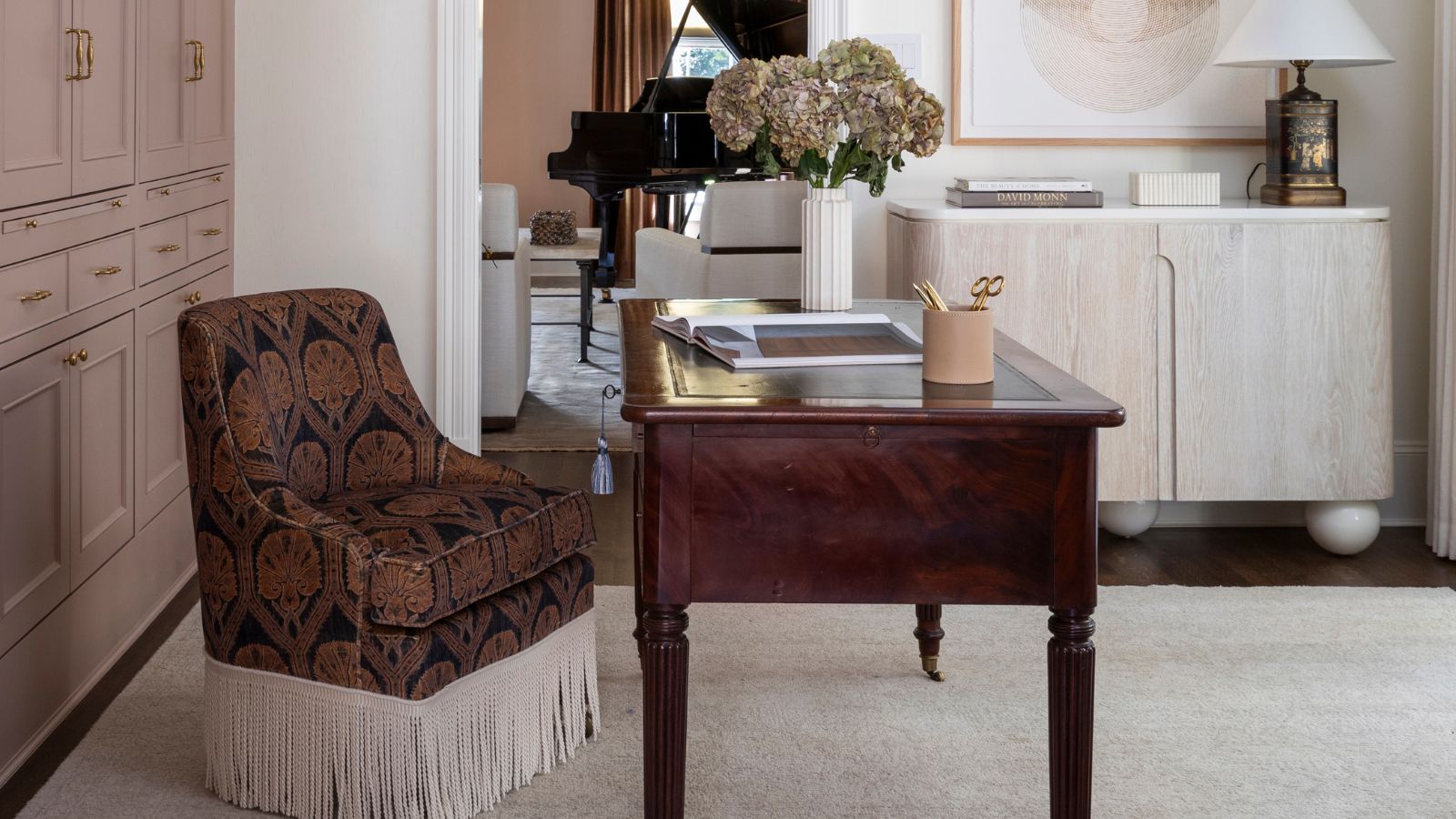
The NYC trend for fringes, trims and tassels is back for 2025

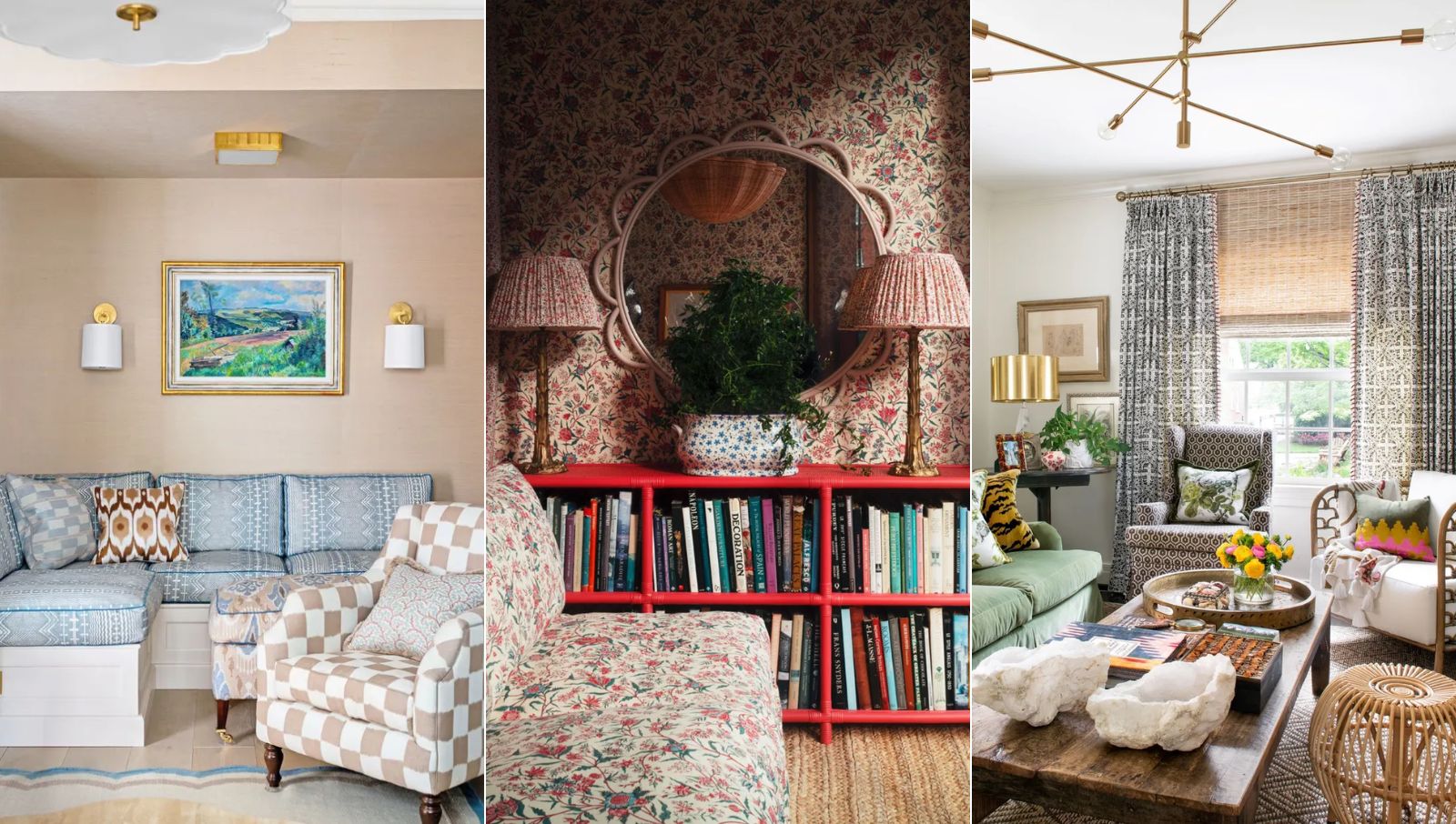
8 fabric trends that are defining the world of interior design
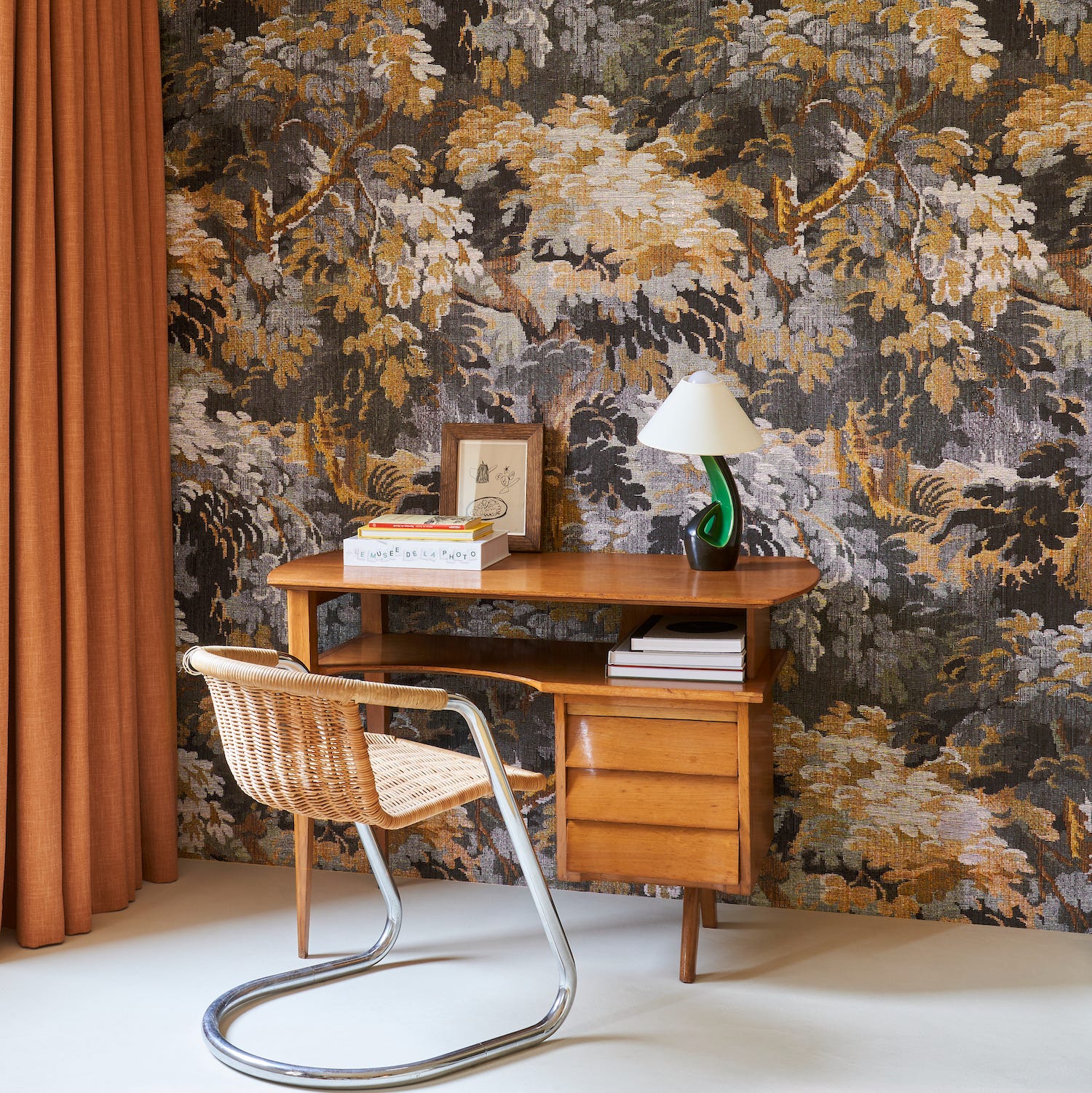
9 Inspiring Fabric and Wallcovering Trends You Should Know Now

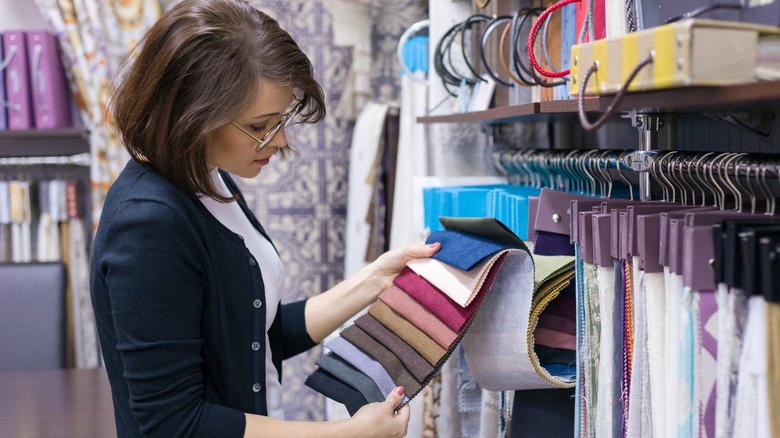
The Bold Curtain Trend That'll Be Taking Over In 2025
Livingetc Style Awards 2025 — Decorating

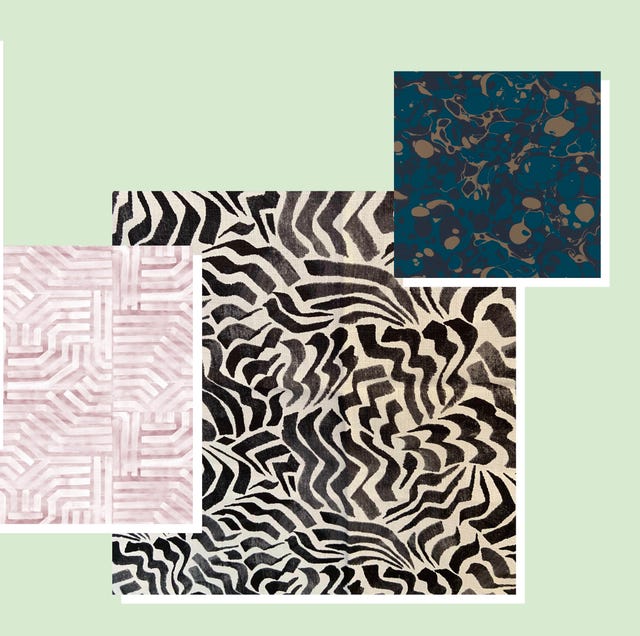
Get Your Scissors Ready! Here are 5 Fabric Trends You Need to Know Now
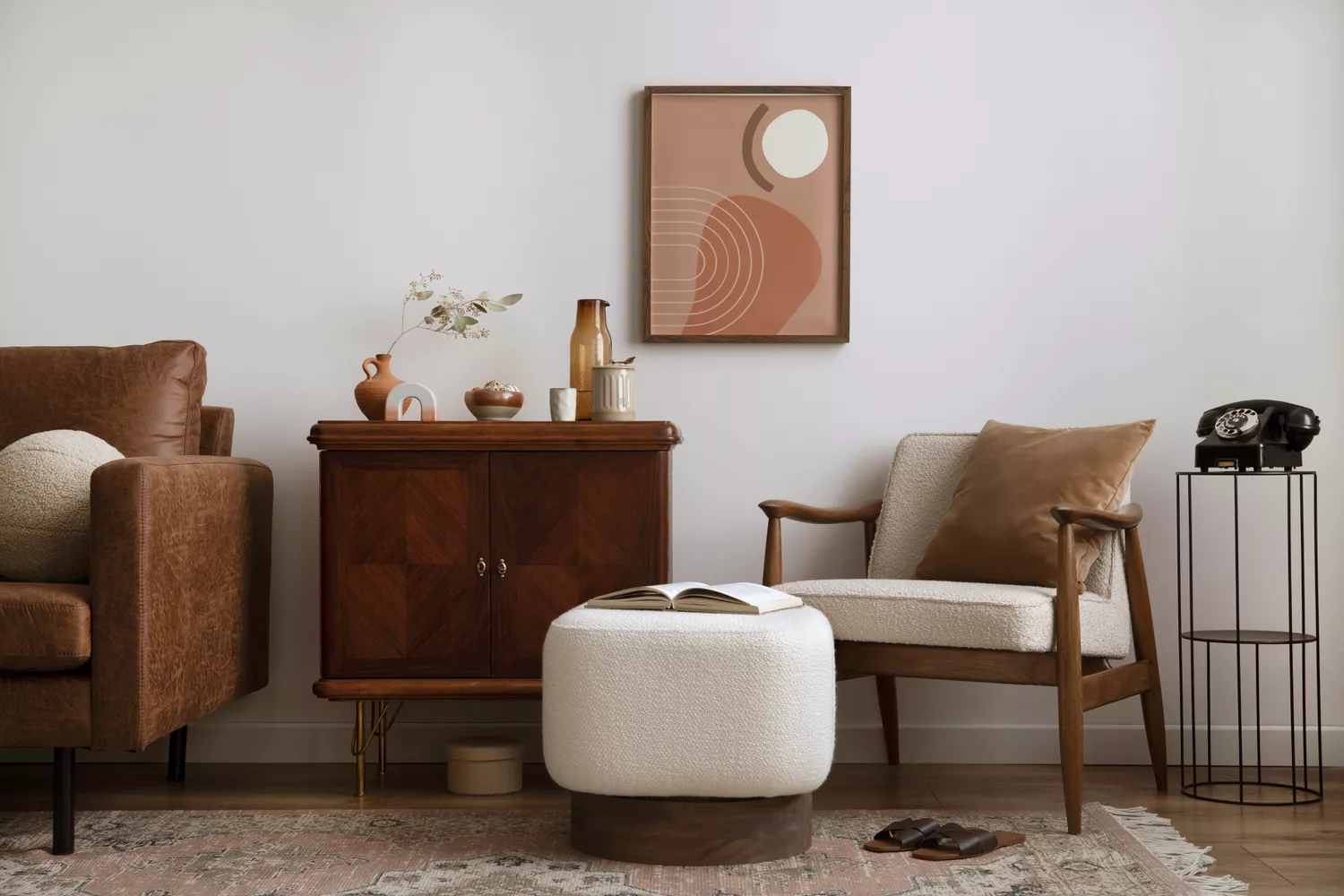
We Asked Designers for the Most Overdone Decor Trends of 2025 and They Did Not Hold Back

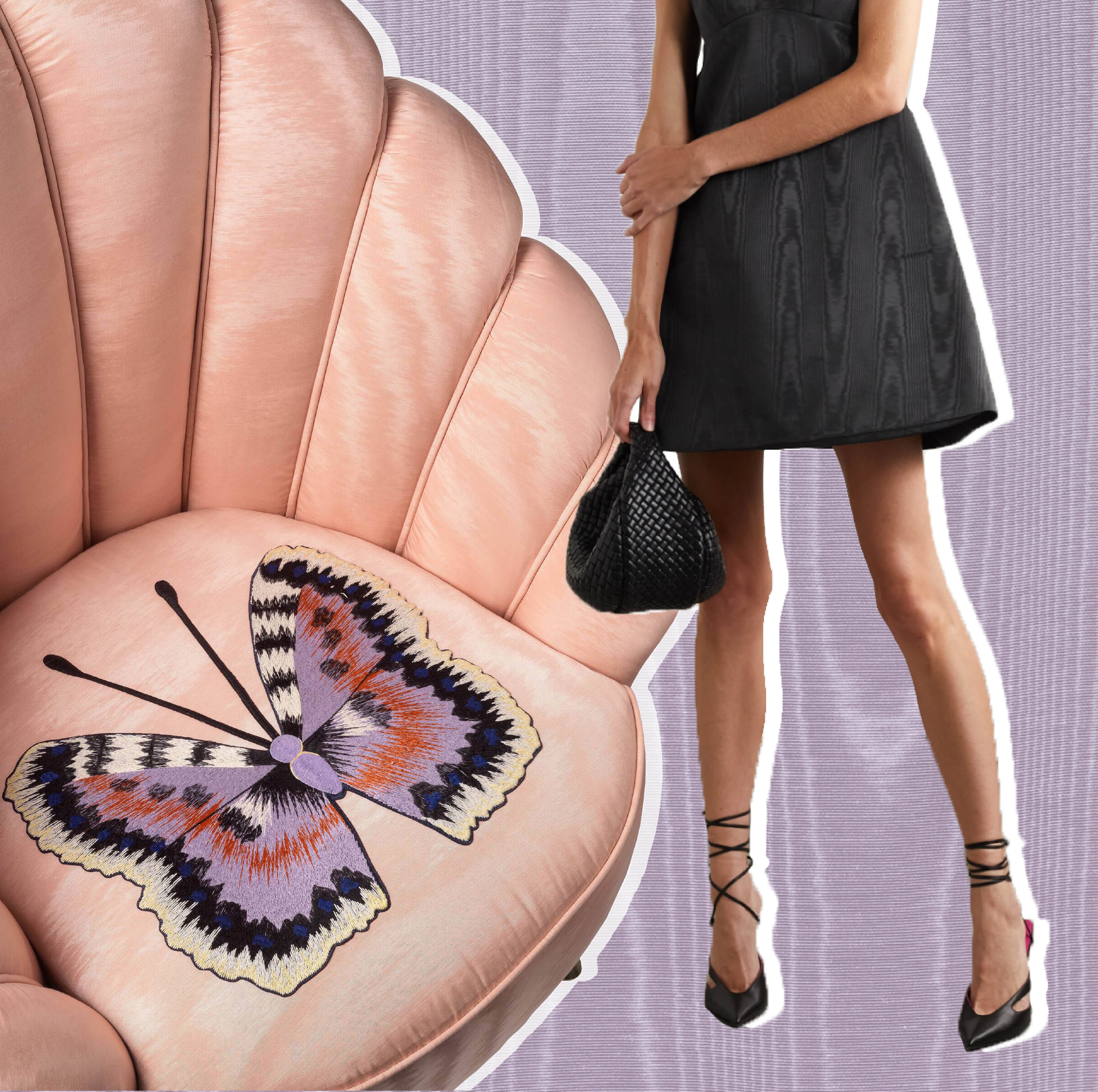
This Throwback Fabric Trend Is Back in a Major Way | What Is Moiré?
These 5 Textile and Wallpaper Trends Will Dominate the Design World in 2025

Fabric Wall Décor Is One of the Biggest Design Trends of 2025
Interior Design Trends — The 16 Defining Ideas for Decorating Homes in 2025
What is replacing bouclé? I'm obsessed with it - but even more obsessed with the design trend that's coming next
Interiors Trend Watch: Modern Bouclé
Trending now — bold fabrics that will update your home style

This 400-Year-Old Pattern Is the Emerging Trend That Designers Are Using to Bring 'Rhythm' to Their Projects
Why Statement Trims Are the Big Design Trend of 2026
18 "Outdated" Furniture Trends That Need To Go In 2025