




1/14
Interior Green Plants and the SDG Agenda
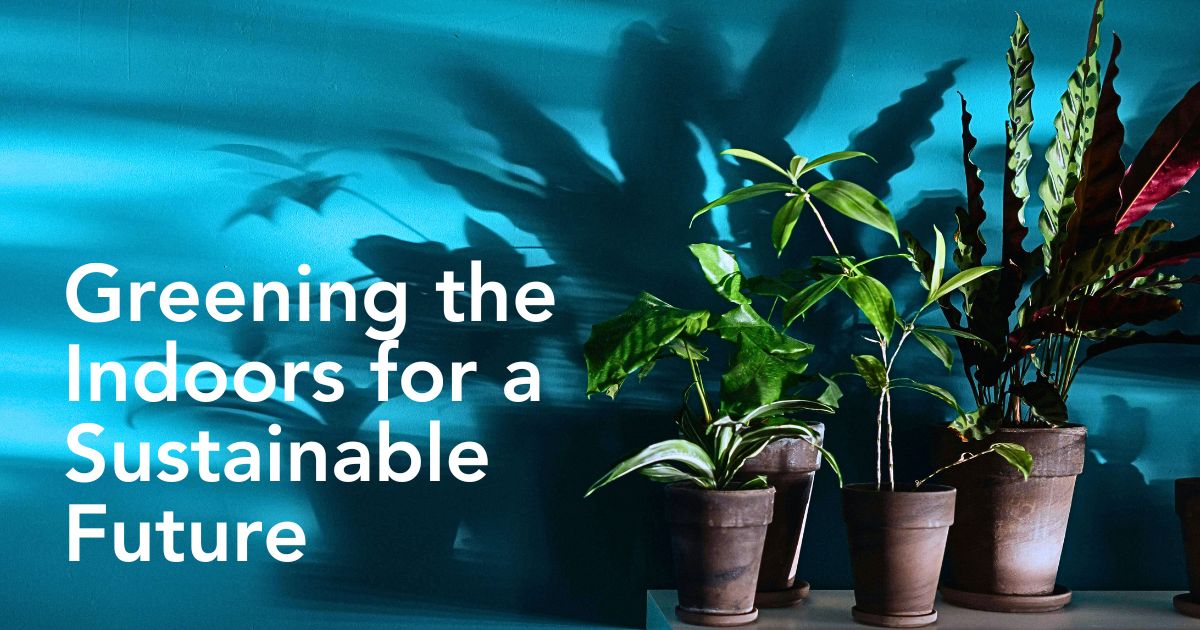
The integration of living plants into built environments, known as interior greens or plantscaping, plays a critical yet often overlooked role in achieving the United Nations Sustainable Development Goals (SDGs). While global sustainability efforts often focus on green spaces, renewable energy, and emissions reduction, the impact of interior greens extends beyond aesthetics, contributing significantly to environmental, social, and economic development. The SDGs, a blueprint for a sustainable future by 2030, encompass 17 interconnected goals addressing poverty, inequality, climate change, and environmental degradation.
Sustainable interior design, or 'green' interior design, is a rapidly growing segment of the design industry that directly supports these goals. By incorporating living plants into various indoor spaces like offices, homes, hospitals, and schools, interior greens address numerous SDG targets. For instance, in relation to SDG 3 (Good Health and Well-Being), research consistently demonstrates that the presence of indoor plants reduces stress, anxiety, and fatigue while enhancing mood, cognitive function, and overall life satisfaction. This biophilic design approach creates healthier and more restorative indoor environments, which is particularly relevant given modern lifestyle challenges and the mental health impacts of events like the COVID-19 pandemic.
Interior greening also supports SDG 6 (Clean Water and Sanitation). Certain indoor plants, when integrated into living walls or green roofs, can naturally filter and purify water, thereby reducing the strain on municipal water treatment systems and improving indoor air quality. Furthermore, utilizing greywater reclamation systems for plant irrigation promotes efficient water usage, aligning with SDG 6 targets. Concerning SDG 7 (Affordable and Clean Energy), strategically placed interior plants can contribute to energy efficiency. Through evapotranspiration, plants provide natural cooling, reducing the need for energy-intensive air conditioning. Living walls and green roofs also improve building thermal performance, minimizing heating and cooling demands and supporting the transition to cleaner energy sources.
For SDG 11 (Sustainable Cities and Communities), interior greens directly enhance the livability and sustainability of urban environments. Bringing plants and trees into urban buildings and public spaces creates more pleasant, healthy, and resilient settings. These greens help mitigate the urban heat island effect, reduce noise pollution, and improve air quality. They also offer psychological and social benefits, fostering a deeper connection to nature and strengthening community cohesion. Regarding SDG 15 (Life on Land), the 'domestication' and propagation of previously wild plant varieties in nurseries for interior use can provide an alternative market that reduces pressure on natural habitats. The urban greening movement, driven by interior plantscaping, increases vegetation cover and biodiversity in cities, complementing efforts to conserve and restore terrestrial ecosystems.
Finally, SDG 17 (Partnerships for the Goals) is advanced through the promotion of interior greens. Realizing the full potential of plantscaping requires collaboration among designers, architects, horticulturists, urban planners, policymakers, and the public. Such partnerships facilitate innovative solutions, the sharing of best practices, and the creation of conditions for interior greening to flourish. Beyond the direct SDG contributions, interior plants contribute to the broader sustainability agenda by promoting sustainable materials, upcycling, and the circular economy. For example, using rapidly renewable resources like bamboo or repurposing old furniture reduces waste. Certifications like Cradle to Cradle guarantee circularity and environmental responsibility in material use. The shift towards a green economy, emphasized by organizations like UNEP, highlights the imperative for radical changes in economic and cultural practices to conserve natural resources. Green interior designs are central to this transition, creating eco-friendly, healthy, and economically responsible spaces.
#InteriorGreens #Plantscaping #SustainableDevelopmentGoals #SDGs #IndoorPlants #BiophilicDesign #GreenInteriorDesign #CircularEconomy #UrbanGreening #InteriorGreens #Plantscaping #SustainableDevelopmentGoals #SDGs #IndoorPlants #BiophilicDesign #GreenInteriorDesign #CircularEconomy #UrbanGreening
 Brak komentarzy jeszcze