




1/7
I used to love gray interiors, but here's why my remodel is bringing back 'boring' beige instead
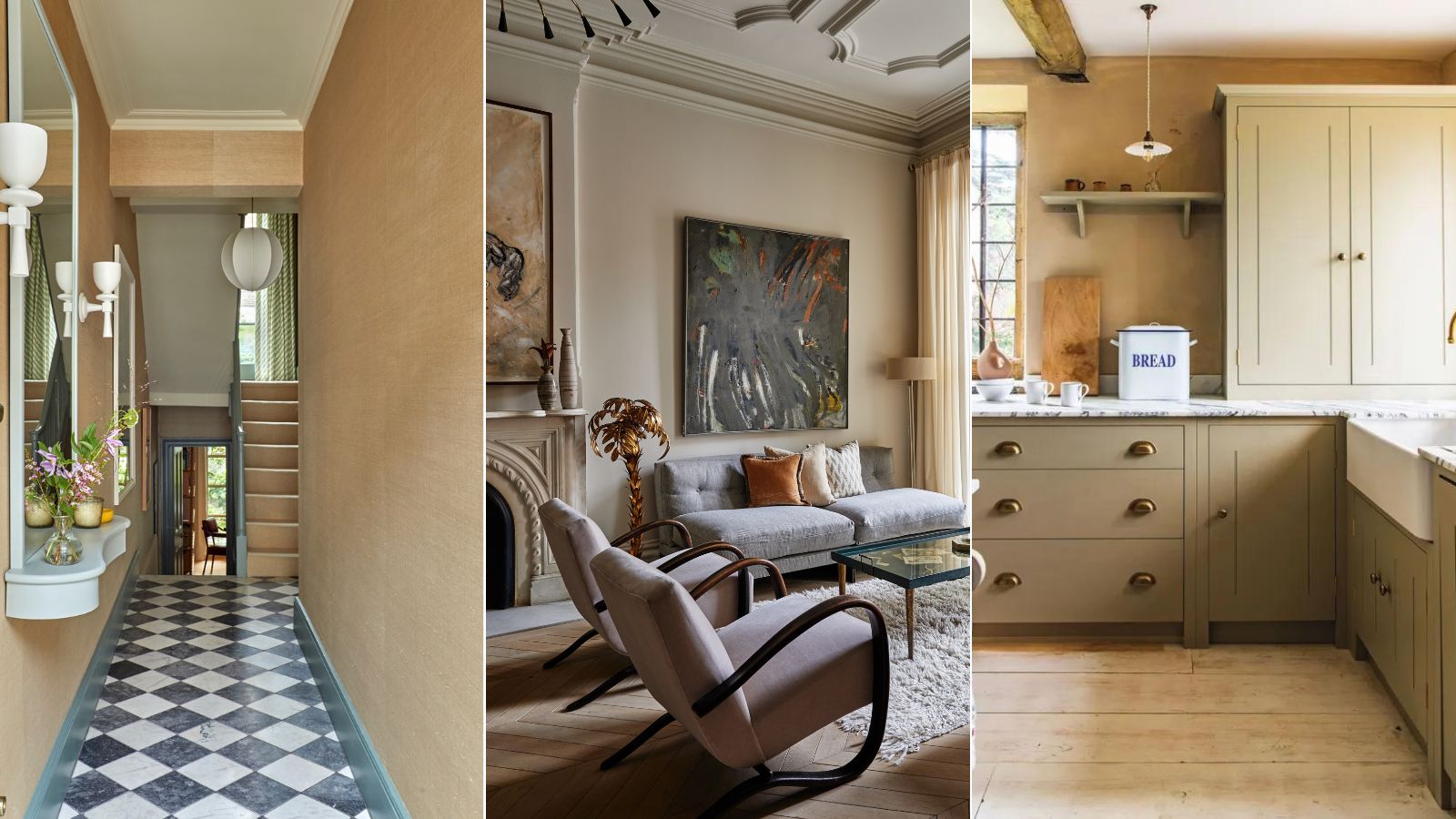
The article discusses the resurgence of beige in interior design, moving away from the previously dominant gray palettes, often dubbed 'Millennial Gray'. While gray has been a popular choice for much of the last decade, the author expresses a desire to move past this trend, finding it overdone and somewhat cold. Instead, the author advocates for the re-embrace of beige, highlighting its evolution from a color once dismissed as bland to a versatile and warming neutral.
The article outlines six key reasons why beige is making a comeback in 2024. Firstly, beige's versatility allows it to complement a wide array of aesthetics, from modern minimalism and Japandi style to rustic and countryside interiors. Its inherent warmth, unlike stark white, makes spaces more inviting while maintaining neutrality, providing an excellent canvas for diverse decorating choices. Interior designers like Montana Labelle emphasize beige's timeless quality and its ability to evoke comfort and warmth, making it suitable for various design styles.
Secondly, beige serves as an ideal base for bolder colors. Its understated nature allows other design elements, such as vibrant textures, patterns, and accent colors, to stand out. The author illustrates this by describing their own kitchen, which features beige walls complemented by terracotta floors, an olive green range cooker, and a surprising pop of red. This approach enables homeowners to layer in richer hues without overwhelming the space. Kathy Kuo suggests using beige as a framing color for a nuanced palette, cautioning against an all-beige scheme to avoid a 'sad beige' aesthetic. Designer Mindy Laven adds that a beige backdrop offers flexibility for easy color updates over time, ensuring the space remains dynamic and relevant without extensive overhauls.
Thirdly, beige inherently brings warmth to a space. Available in numerous tones and shades, beige creates a cozy, inviting, and lived-in atmosphere. Its soft, earthy qualities promote a sense of calm and relaxation, ideal for spaces like bedrooms. Rutherford Mottershead of Little Greene recommends pairing these earthy neutrals with contrasting colors like muddy reds or muted greens to add impact. The use of pale coffee, caramel, and sun-kissed tan beiges can not only make a room feel more spacious but also imbue it with a warm, golden glow. Interior designer Montana Labelle also advises paying attention to beige's undertones to ensure cohesion with other design elements, ensuring it adds depth and timeless elegance.
Fourthly, beige is effective in brightening up smaller or darker rooms. Its capacity to reflect natural light makes it an excellent choice for creating an airy and open feel. An example provided is a low-ceilinged country kitchen where continuous beige tones from floor to ceiling enhance the sense of spaciousness, a feat that darker colors, which create more defined edges, would struggle to achieve. Luisa Carmona notes that lighter beige tones reflect light, making rooms appear larger. She suggests choosing creamier beiges for spaces with abundant natural light and cooler, more muted beiges for those relying on artificial lighting.
Fifthly, a beige-on-beige palette can achieve a soft and harmonious look. This monochromatic approach, with subtle variations in tones, creates a tranquil, cocoon-like environment. Mara Rypacek Miller of Industville highlights the importance of incorporating layers of texture and pattern, such as natural materials like cotton, jute, and wool rugs, or rattan lighting, to elevate the scheme and enhance feelings of calm. Taniya Nayak emphasizes that texture is key to making a beige-on-beige space luxurious and anything but boring.
Finally, beige allows other design elements to take center stage. When used on walls, whether through paint, wallpaper, or paneling, beige recedes, enabling more prominent features of the design to shine. Hannah Fenton of Cult Revival points out that beige enhances other aspects of a room while still providing warmth and subtle elegance. This thoughtful use of beige allows for building a cohesive scheme without overwhelming it, as exemplified by a beige entryway with a striking black and white checkerboard floor. Molly Torres Portnof of DATE Interiors suggests using beige with natural materials to create cozy, soft, and minimal spaces, adding pops of deeper tones like green and umber for depth and subtle drama.
#InteriorDesign #BeigeDecor #ColorTrends #HomeRemodel #NeutralPalettes #WarmInteriors #DecoratingTips #DesignVersatility #ModernFarmhouse #InteriorDesign #BeigeDecor #ColorTrends #HomeRemodel #NeutralPalettes #WarmInteriors #DecoratingTips #DesignVersatility #ModernFarmhouse
 Brak komentarzy jeszcze