



1/4
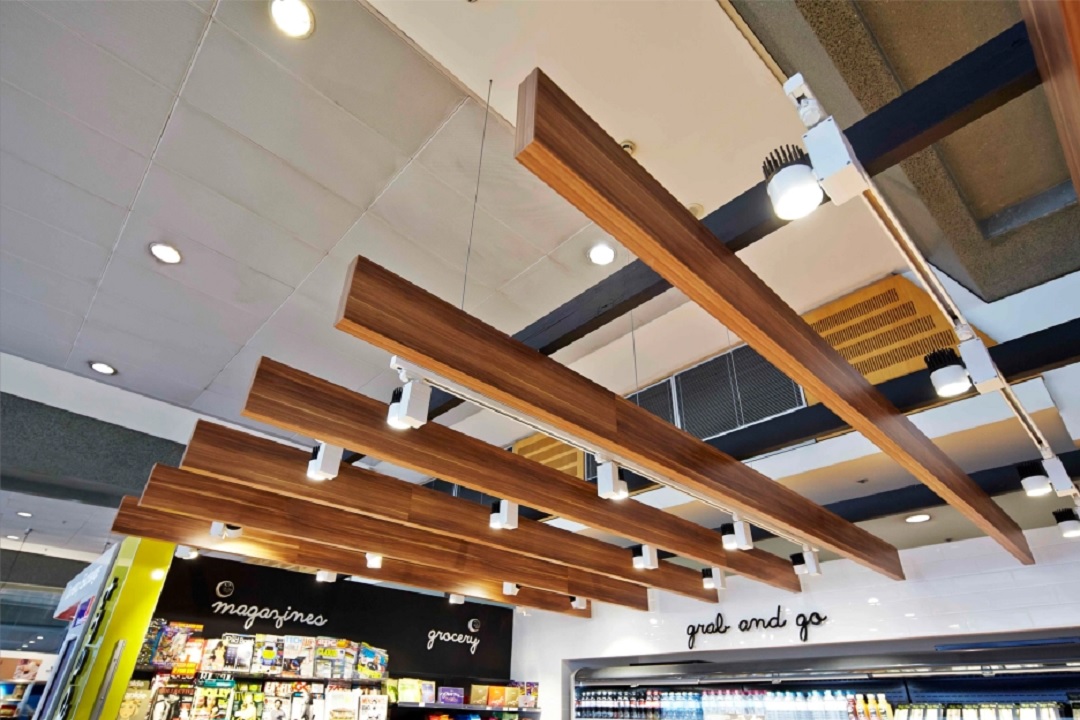
How SUPAWOOD’s MAXI BEAM is meeting the growing demand for lightweight timber-look beams
The increasing popularity of lightweight decorative beam systems in interior design reflects a growing demand for the aesthetic appeal of timber without its inherent limitations. These systems offer significant advantages over solid wood, addressing concerns related to weight, structural demands, warping, and installation costs. Lightweight beams, such as SUPAWOOD’s MAXI BEAM, can weigh as little as 3kg per linear meter for a 200mm-deep beam, simplifying support framing and accelerating installation. Their reduced propensity for movement and warping ensures a more stable and lasting finish, providing the visual impact of exposed timber with fewer practical challenges.
Beyond aesthetics, modern interiors require features that offer both visual appeal and functional integration. Decorative beam systems now provide considerable design flexibility, available in various standard and custom depths and widths, including curved or tapered profiles. When combined with acoustic backing, these beams can contribute to sound diffusion, enhancing the acoustic performance of open-plan or high-traffic areas. This adaptability makes them suitable for diverse environments like commercial fit-outs, hospitality venues, and educational institutions, where both visual statements and functional utility are crucial.
From a construction perspective, lightweight beam systems streamline on-site labor. They arrive prefinished and ready for installation, reducing the need for extensive cutting, finishing, and handling. The lighter components also lower manual-handling risks and decrease the structural framing required. For projects prioritizing timely completion and cost predictability, these efficiencies translate into tangible savings during the fit-out and construction phases.
The adoption of engineered beam systems also aligns with contemporary trends in sustainability and regulatory compliance. Their reduced weight minimizes energy consumption during transportation and installation. The stability of the materials also lowers waste associated with warping or material failure. Manufacturers offer low-VOC finishes and fire-rated options to meet environmental and safety standards. These systems typically boast extended visual lifespans, contributing to durability and overall lifecycle value.
Decorative beams create significant visual impact in various modern interiors, including offices, retail spaces, educational facilities, and hospitality settings. They define zones, add rhythm, and enhance the user experience, acting as both functional elements and sculptural features. Recent projects demonstrate their capacity to reinforce a brand's architectural language and contribute to a space's overall atmosphere. Key considerations for specifying these systems include structural support, finish and durability, integration of services, acoustic performance, fire rating, custom geometry, and long-term maintenance. Ultimately, lightweight timber-look beams bridge the gap between design aspiration and practical execution, offering an expressive, adaptable solution that meets contemporary construction demands.
#LightweightBeams #DecorativeBeams #InteriorDesign #TimberLook #ArchitecturalDesign #AcousticPerformance #SustainableMaterials #ConstructionEfficiency #LightweightBeams #DecorativeBeams #InteriorDesign #TimberLook #ArchitecturalDesign #AcousticPerformance #SustainableMaterials #ConstructionEfficiency
 Brak komentarzy jeszcze