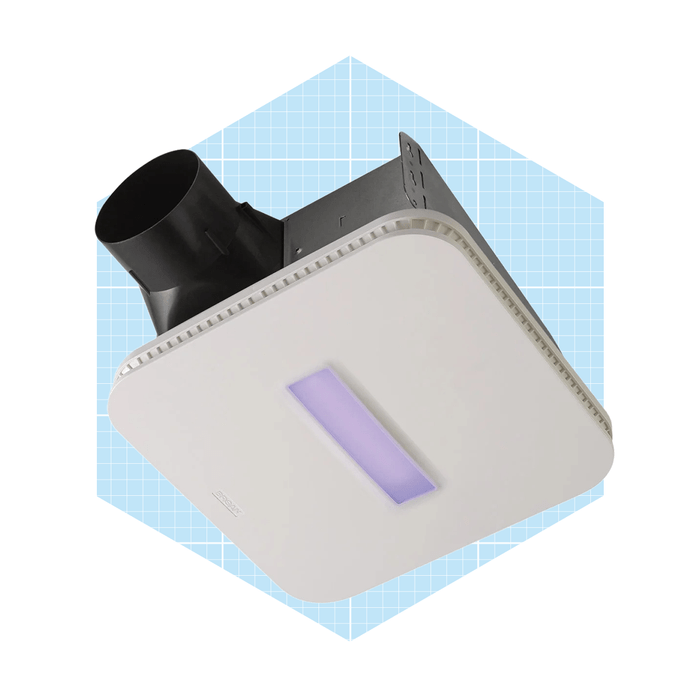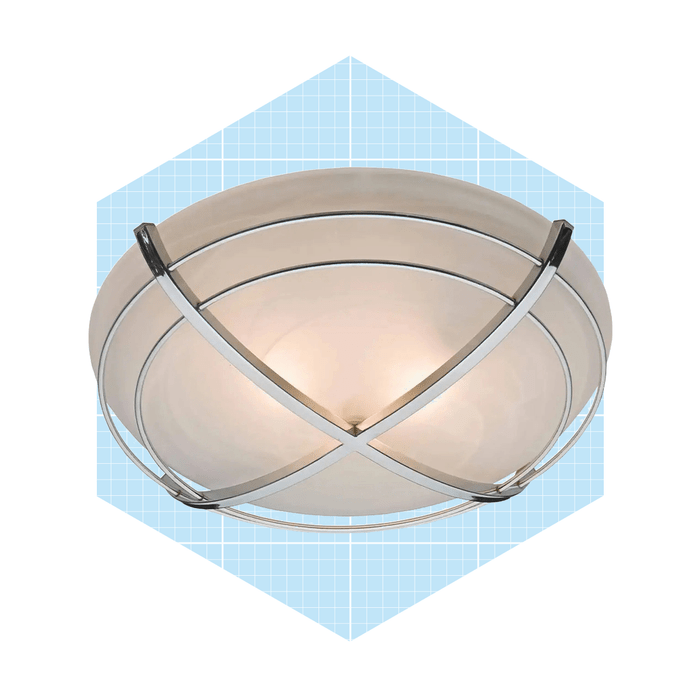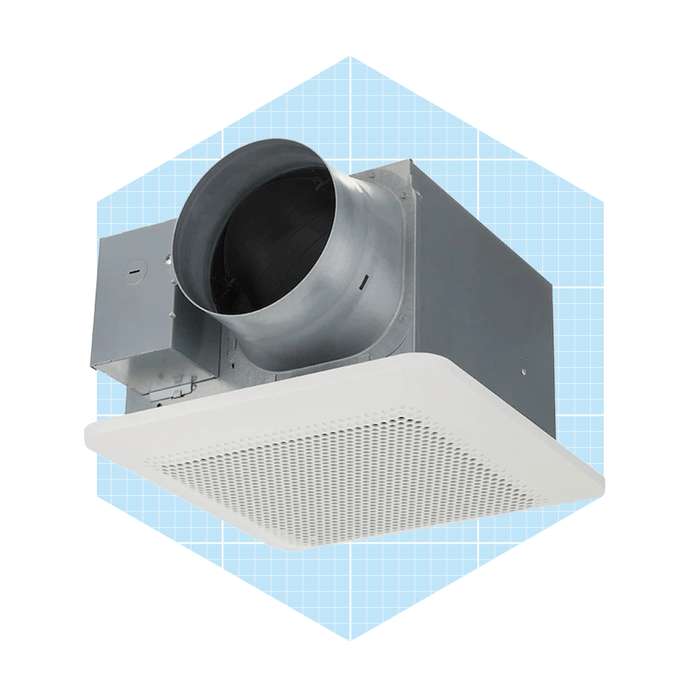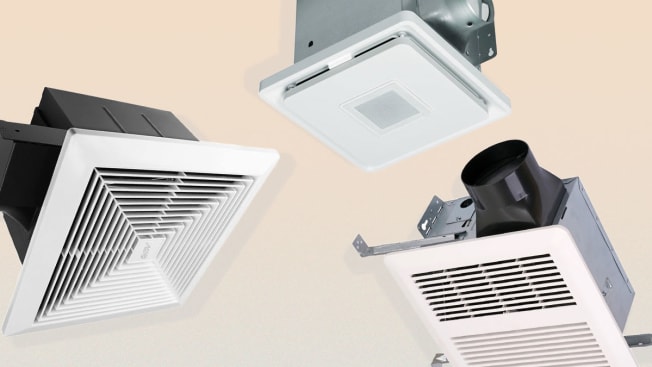
Best Bathroom Exhaust Fans of 2025
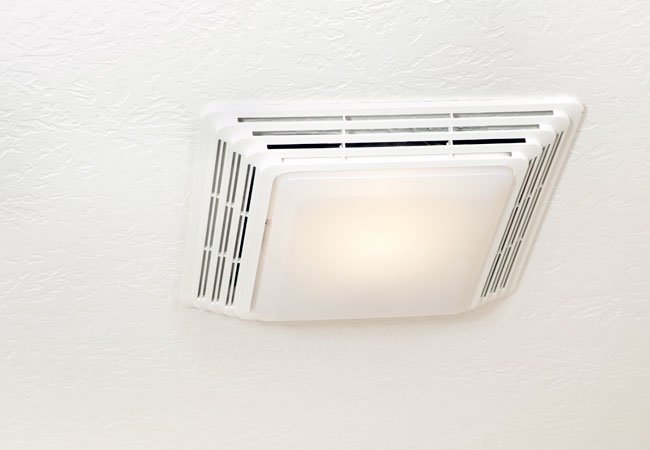
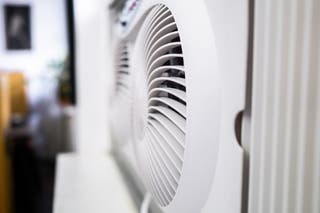
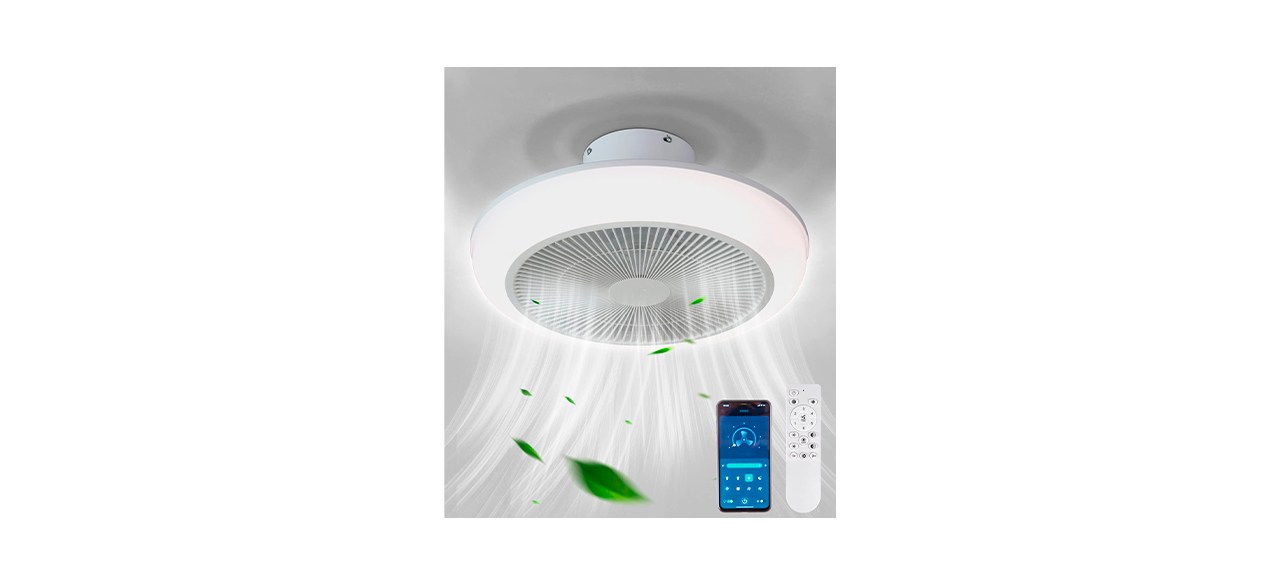
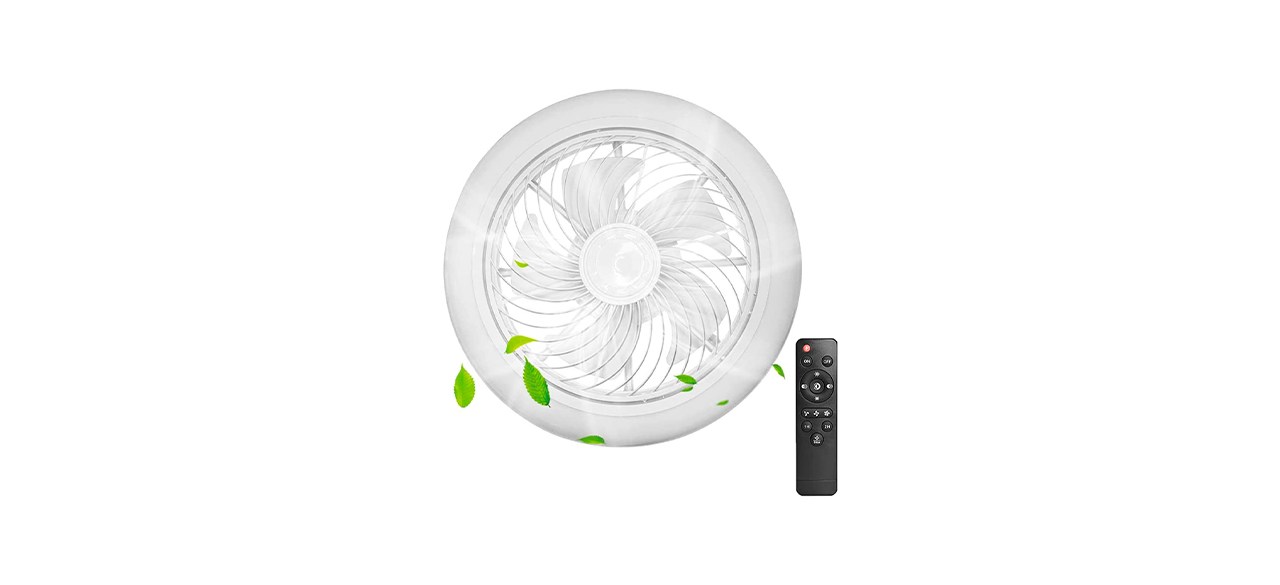
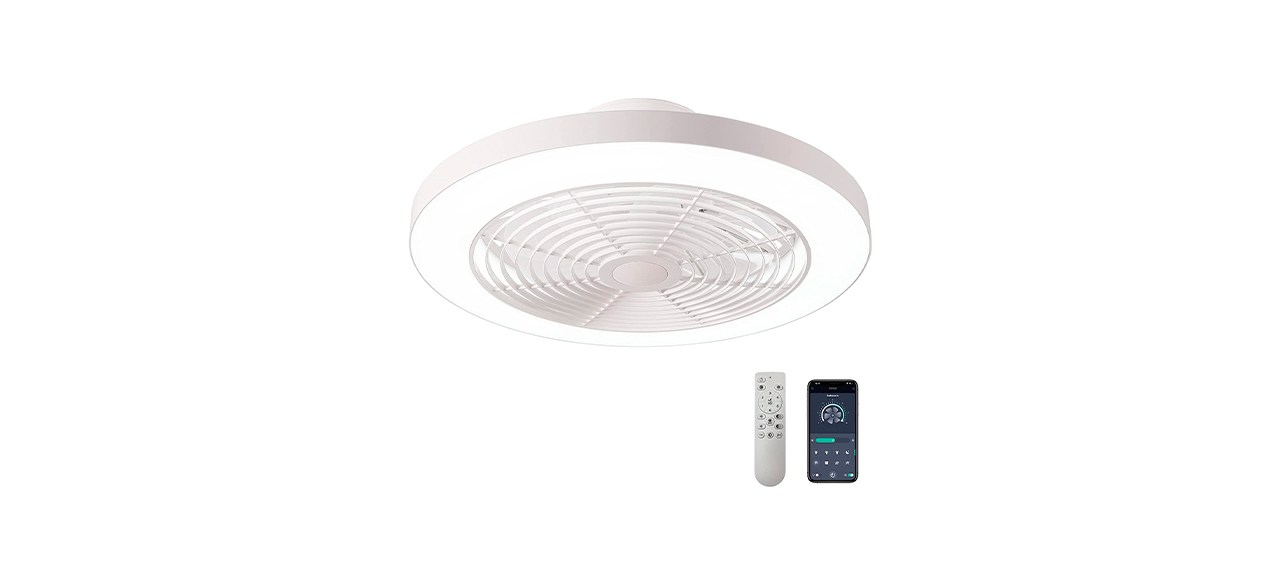
Effective bathroom exhaust fans are crucial for maintaining a fresh and healthy bathroom environment by preventing high humidity, mold, and unpleasant odors. Without a functional exhaust fan, problems like persistent humidity, mold growth on walls and ceilings, and deteriorating paint can arise, especially in bathrooms without windows. This guide details the testing methodology and key features of top-performing bathroom exhaust fans in 2025, categorized by duct size.
Our engineers at Consumer Reports rigorously test a variety of popular residential models, including bestsellers from major retailers, evaluating them for airflow and noise levels. While all tested fans offer a decent level of performance, the superior models distinguish themselves through additional features such as built-in light fixtures for enhanced illumination or Bluetooth speakers for integrated audio. The testing process involves connecting fans to a standardized 10-foot length of straight piping to accurately measure airflow output. Noise levels are assessed by comparing all running fans at a consistent distance, with the quietest fan setting the benchmark for a 5-star rating.
Bathroom exhaust fans operate by drawing air from the bathroom and expelling it outdoors through a duct system. The efficiency of this process is significantly influenced by the ductwork's design and the fan's speed. Complex ductwork with multiple bends increases resistance, thereby reducing airflow effectiveness. The duct size is also a critical factor; fans designed for larger, 4-inch ducts generally provide better airflow compared to those for older, 3-inch ducts. Newer bathrooms commonly feature 4-inch or larger vents, whereas older homes might have 3-inch ducts. Although upgrading duct size is possible, it typically requires professional installation and considerable investment. However, for smaller bathrooms (approximately 50 square feet or less), a 3-inch duct fan can still be quite effective.
Fan speed, measured in cubic feet per minute (CFM), indicates airflow velocity. Most fans operate at a single speed. While a higher CFM might seem more advantageous, the actual difference in effectiveness, especially in smaller bathrooms, might be minimal. Additionally, higher fan speeds can lead to increased noise. Regular maintenance and timely replacement are essential. If an existing fan fails to clear humidity and odors, or if mold appears and paint deteriorates, replacement is advisable. A burning smell from the fan signals an electrical hazard, necessitating immediate professional inspection. For bathrooms lacking existing ventilation infrastructure, consulting a contractor for ductwork, venting, and electrical wiring is the first step. If the infrastructure is already in place, homeowners can opt for self-installation or hire an electrician, HVAC technician, general contractor, or experienced handyperson.
#BathroomExhaustFans #HomeImprovement #AirQuality #MoldPrevention #Ductwork #HumidityControl #ApplianceReview #HomeSafety #ConsumerReports #BathroomExhaustFans #HomeImprovement #AirQuality #MoldPrevention #Ductwork #HumidityControl #ApplianceReview #HomeSafety #ConsumerReports
0 komentarzy łącznie
 Brak komentarzy jeszcze
Możesz również polubić
8 Best Bathroom Exhaust Fans of 2025

The 16 best ceiling fans for extra airflow in 2023, plus expert tips
The 3 Best Window Fans in 2025 | Reviews by Wirecutter
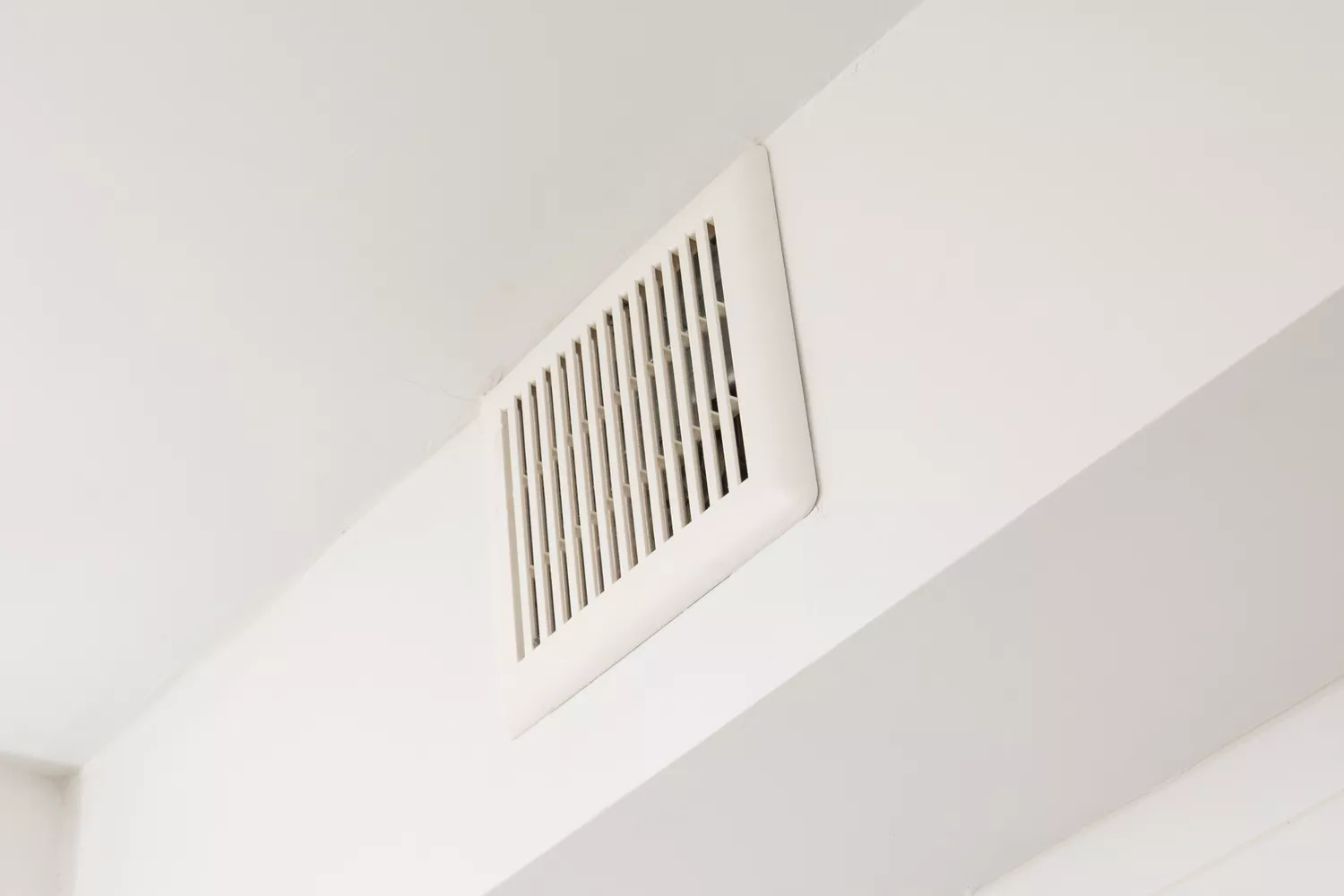
Bathroom Fan Venting Code Basics

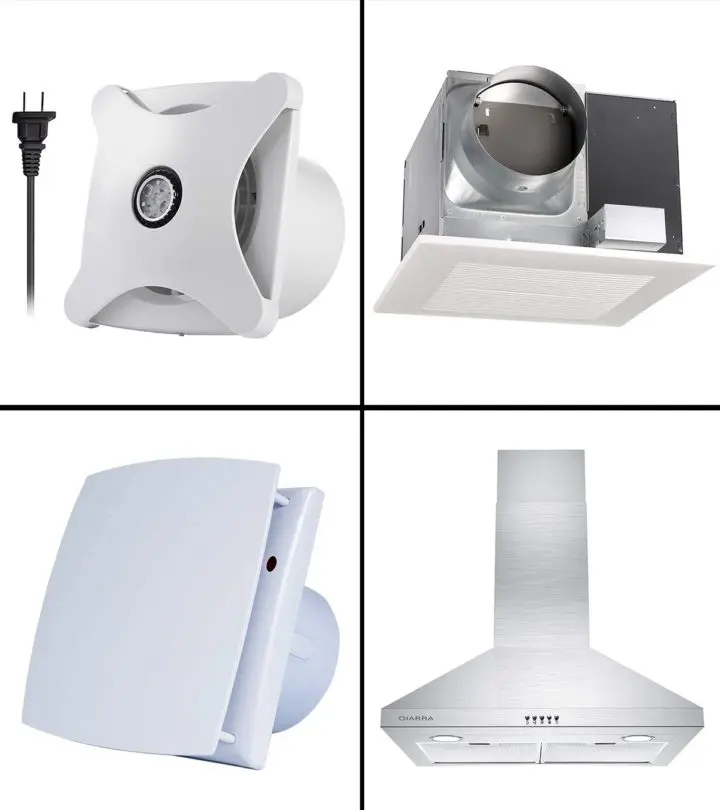
15 Best Kitchen Exhaust Fans In 2025
2025 Best Bathroom Trends

Premium ceiling fans to keep your room cooler and fresher: Top 10 fans on Amazon in 2025 | Hindustan Times


The Top 11 Bathroom Trends of 2024, According to Interior Designers
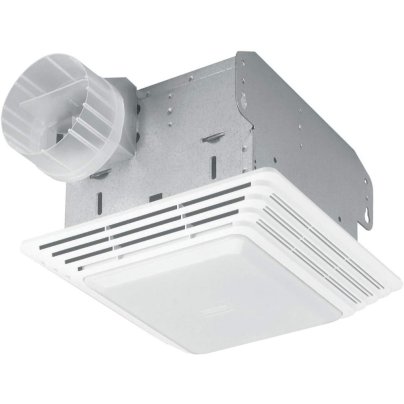
Vetted: The Best Bathroom Fans for Moisture and Humidity Control

13 Best Ceiling Fans In India In 2025
Bathroom Hardware Trends Set To Dominate In 2025


7 top-rated ceiling fans to consider this year

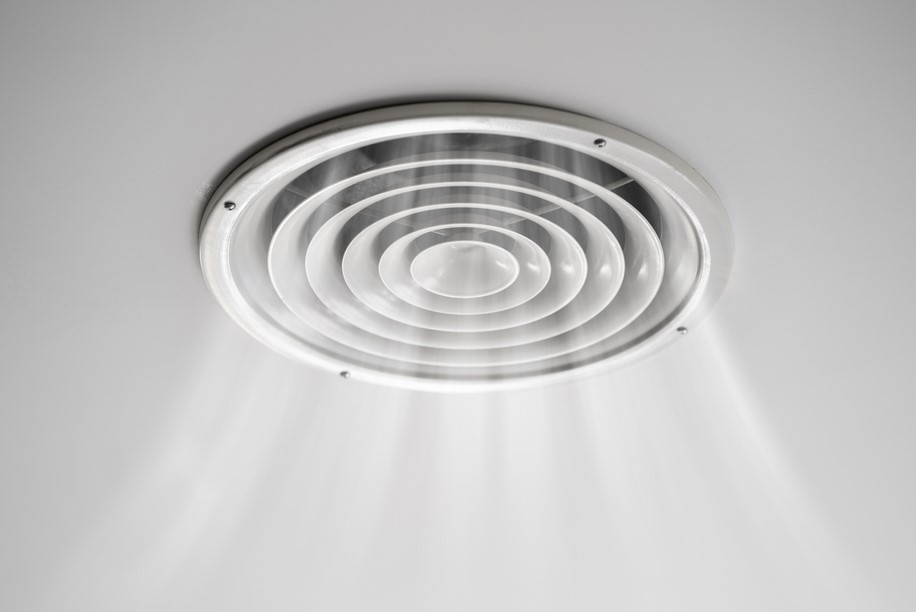
Recommendations for internal bathroom ceiling ventilation fan?

Best ceiling fans in Australia 2025

8 best bladeless ceiling fans

Top bathroom design trends in 2025
The 9 Best Outdoor Ceiling Fans of 2025

10 Modern and Best Ceiling Fans For Home In India 2024


Year in review: 5 design-led bathroom products from 2024
The Top 2023 Bathroom Trends, According to Designers