When is a crocus not a crocus? When it’s actually a colchicum
The article discusses two types of fall-blooming bulbs that gardeners might encounter in October: Colchicum autumnale and Crocus sativus, commonly known as autumn crocus and saffron crocus, respectively. While both bloom in the fall and are often confused, they belong to different plant families and have distinct characteristics and uses. Garden centers typically stock these bulbs alongside spring-blooming varieties, which can lead to confusion for those unfamiliar with their fall-flowering nature.
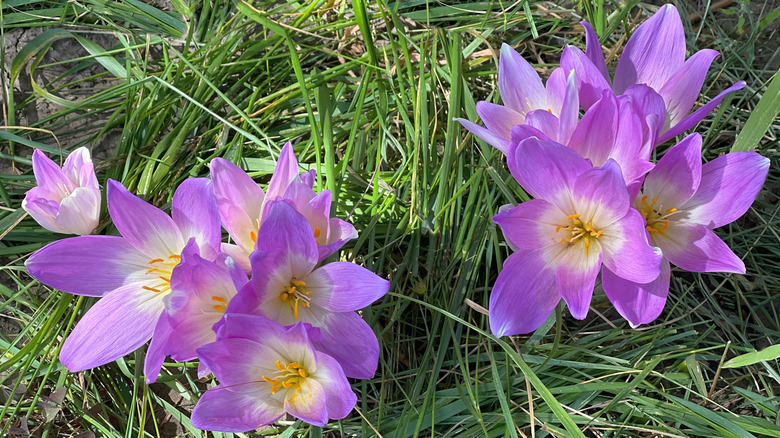
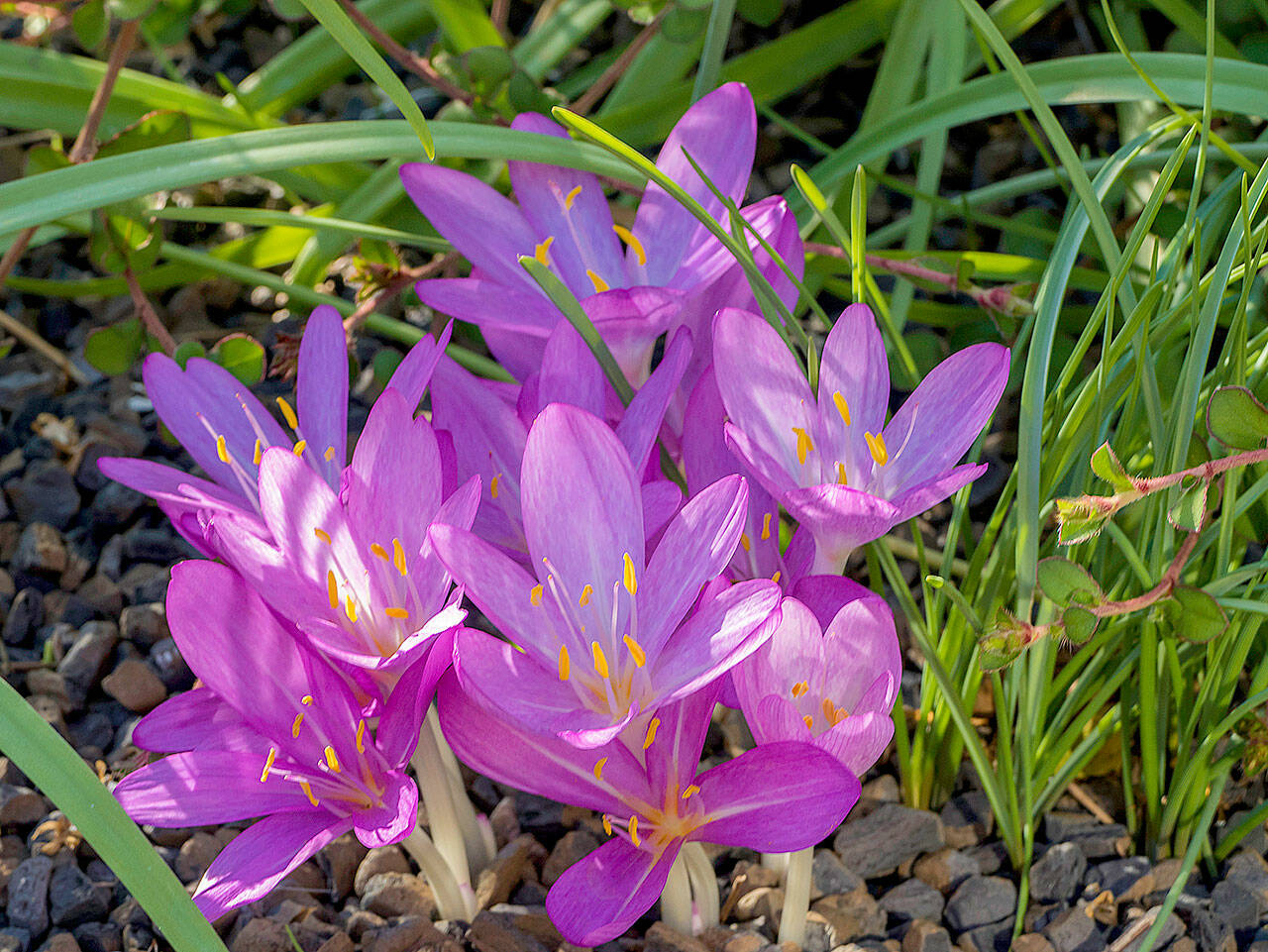
Colchicum autumnale, or autumn crocus, is a member of the lily family. It produces pink goblet-shaped flowers, typically 5 to 6 inches tall, that emerge in October and bloom for approximately two to three weeks. After the flowers fade, upright leaves, usually six to eight per plant and 8 to 14 inches long, sprout and remain green until early summer when they go dormant. The plant is noted for its poisonous nature if ingested, yet its extract, colchicine, has historical use as a treatment for gout and is also utilized in horticulture to induce polyploidy. Polyploidy can lead to desirable traits such as larger or double flowers and stronger plant performance. Colchicums are versatile in garden settings, thriving when interspersed among low groundcovers like vinca, creeping Jenny, ajuga, creeping thyme, or sedums, which provide support for their somewhat floppy flowers. Their pink-purple blooms also pair well with the silver foliage of lamb's ear, purple asters, pink chrysanthemums, and other plants with purple leaves. They tolerate both sun and partial shade, requiring reasonable drainage to prevent rot, and are considered a low-maintenance addition to any garden.
Crocus sativus, or saffron crocus, is a true crocus that bears a closer resemblance to traditional spring-blooming crocuses but flowers in the fall. This plant has been cultivated for over 3,500 years for its valuable stigmas, which yield saffron, a spice used for flavoring food and dyeing fabrics. Its purple to lavender flowers appear in the fall for a one-to-two-week period, during which the bright red stigmas are harvested. To produce just 1 gram of saffron, 150 to 200 flowers are needed, making home cultivation for spice production a significant undertaking. Saffron crocus corms should be planted 4 inches apart and 4 inches deep in well-drained soil enriched with moderate organic matter, preferably in full sun. The corms multiply annually and can be divided to expand plantings. They are suitable for borders, walkways, rock gardens, or mass plantings.
Both autumn crocus and saffron crocus are available in garden centers during October, but their seasonal availability means they can be in short supply. Early purchase is recommended to ensure gardeners can acquire these unique fall bloomers and enjoy their beauty for many years. The article also mentions free online gardening classes offered by Sunnyside Nursery, including topics like "Essential Evergreens" and "Tucking in the Garden for Winter," indicating a broader interest in horticultural education and community engagement.
#FallBulbs #AutumnCrocus #SaffronCrocus #GardeningTips #ColchicumAutumnale #CrocusSativus #Horticulture #GardenPlants #FallBulbs #AutumnCrocus #SaffronCrocus #GardeningTips #ColchicumAutumnale #CrocusSativus #Horticulture #GardenPlants
 Brak komentarzy jeszcze
The Stunning Crocus Plant That Grows In The Autumn