1/16
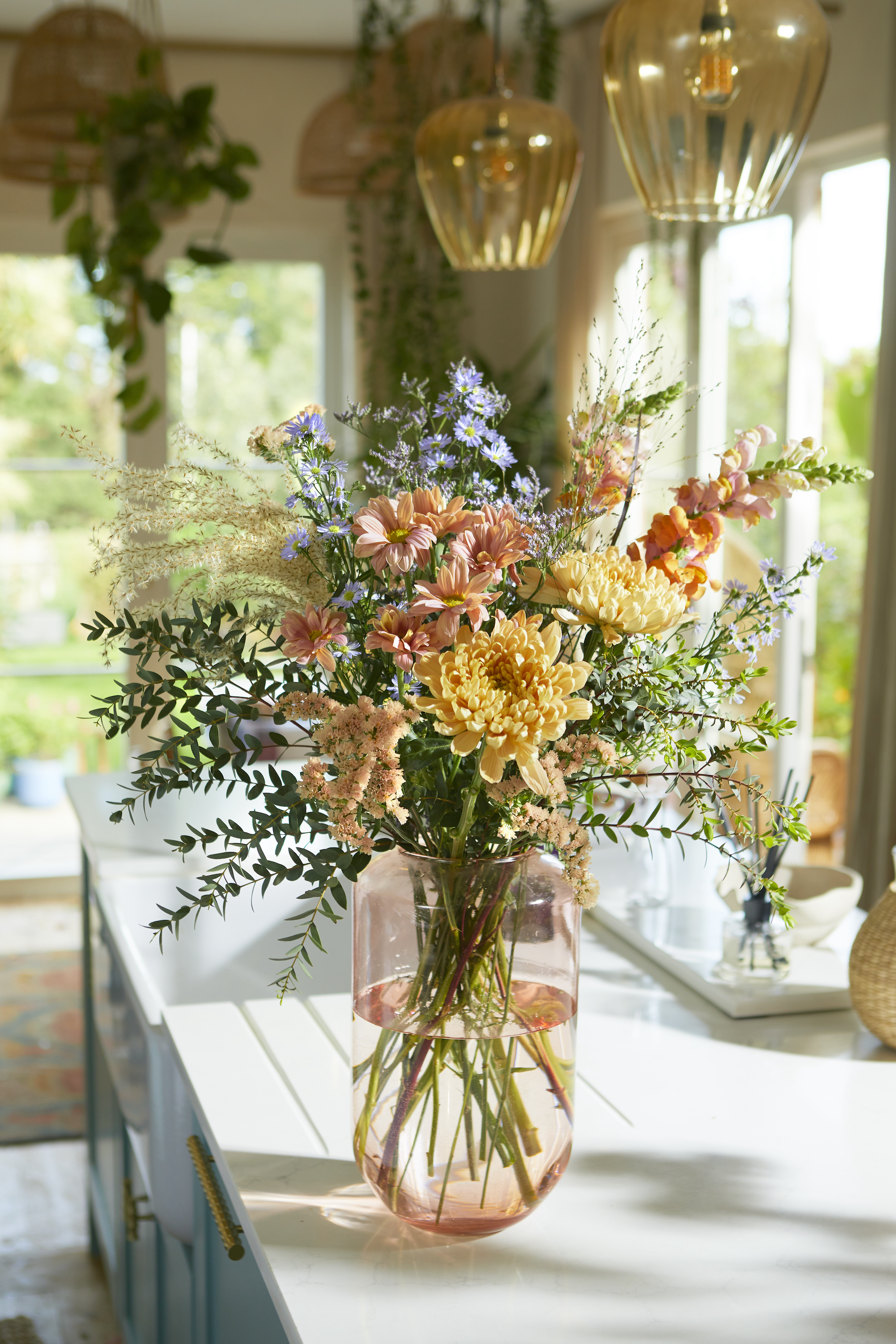
15 Cut Flowers to Grow for Stunning Homemade Bouquets
Cultivating a cutting garden allows enthusiasts to enjoy fresh flowers without the recurring expense of purchasing them, bringing both beauty and a sense of accomplishment to the home. Starting a cutting garden is accessible to everyone, with foundational knowledge being the primary requirement. Initial success can be achieved by focusing on easily grown varieties such as zinnias, cosmos, and sunflowers. However, selecting the right seeds is crucial, as some sunflower varieties, for instance, can grow significantly tall with a single large bloom, which might not be ideal for all arrangements.
Sunflowers (Helianthus annuus) are a quintessential summer bloom, offering golden-yellow petals, though maroon, lemon yellow, and white varieties also exist. 'Procut' varieties are particularly suited for bouquets due to their single-stemmed nature, while branching sunflowers provide smaller blooms. Dwarf sunflowers are excellent for confined spaces, and pollen-free options prevent mess. These thrive in full sun and are versatile for companion planting and containers, blooming from summer to fall.
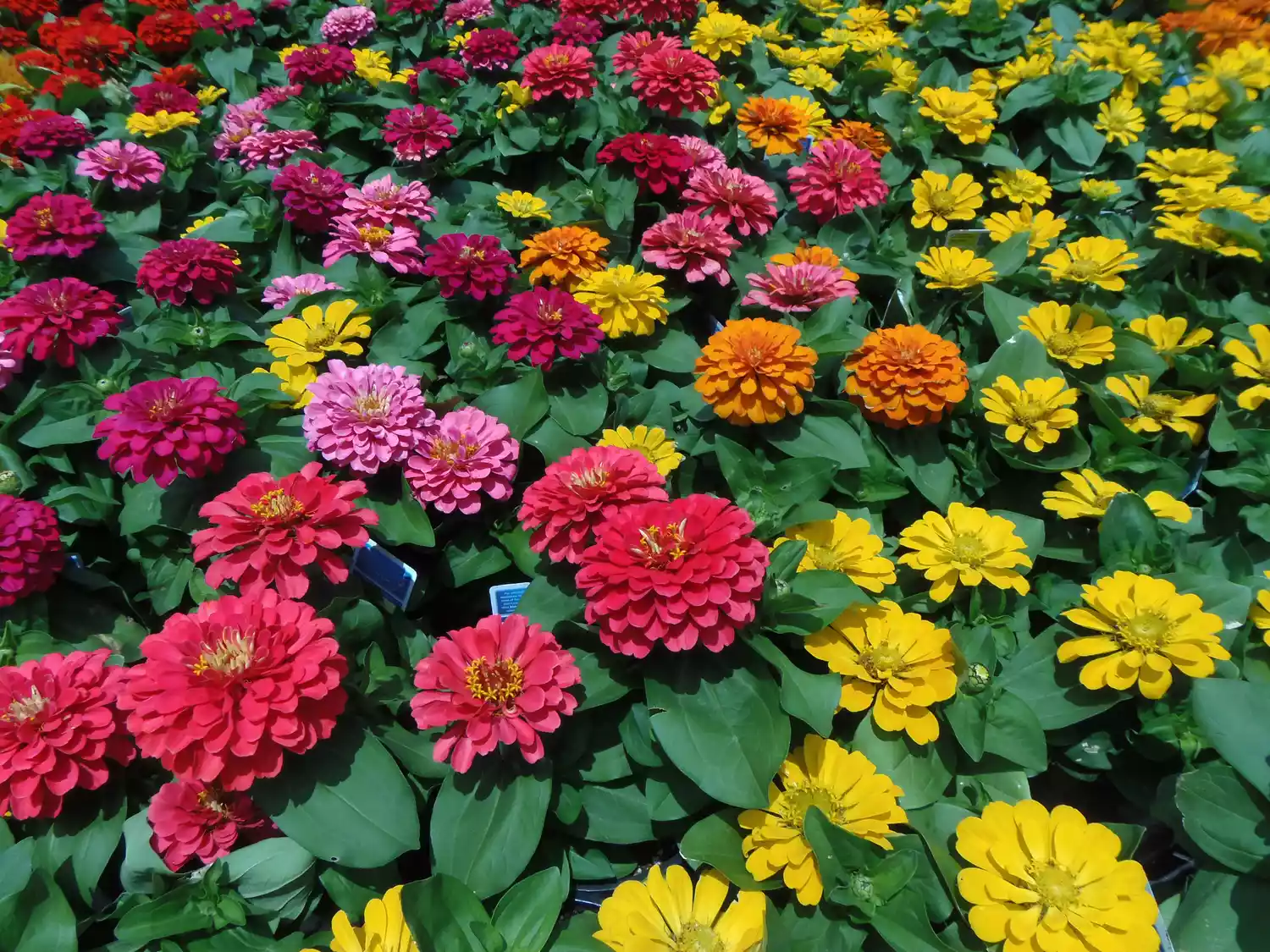
Zinnias (Zinnia elegans) are celebrated for their ease of growth from seed and diverse range of shapes, sizes, and colors, making them a popular choice for floral designs. Double-bloomed zinnias are striking in bouquets, while single-bloomed types attract pollinators. They are well-suited for companion planting, garden borders, and containers, flowering from late spring to fall.
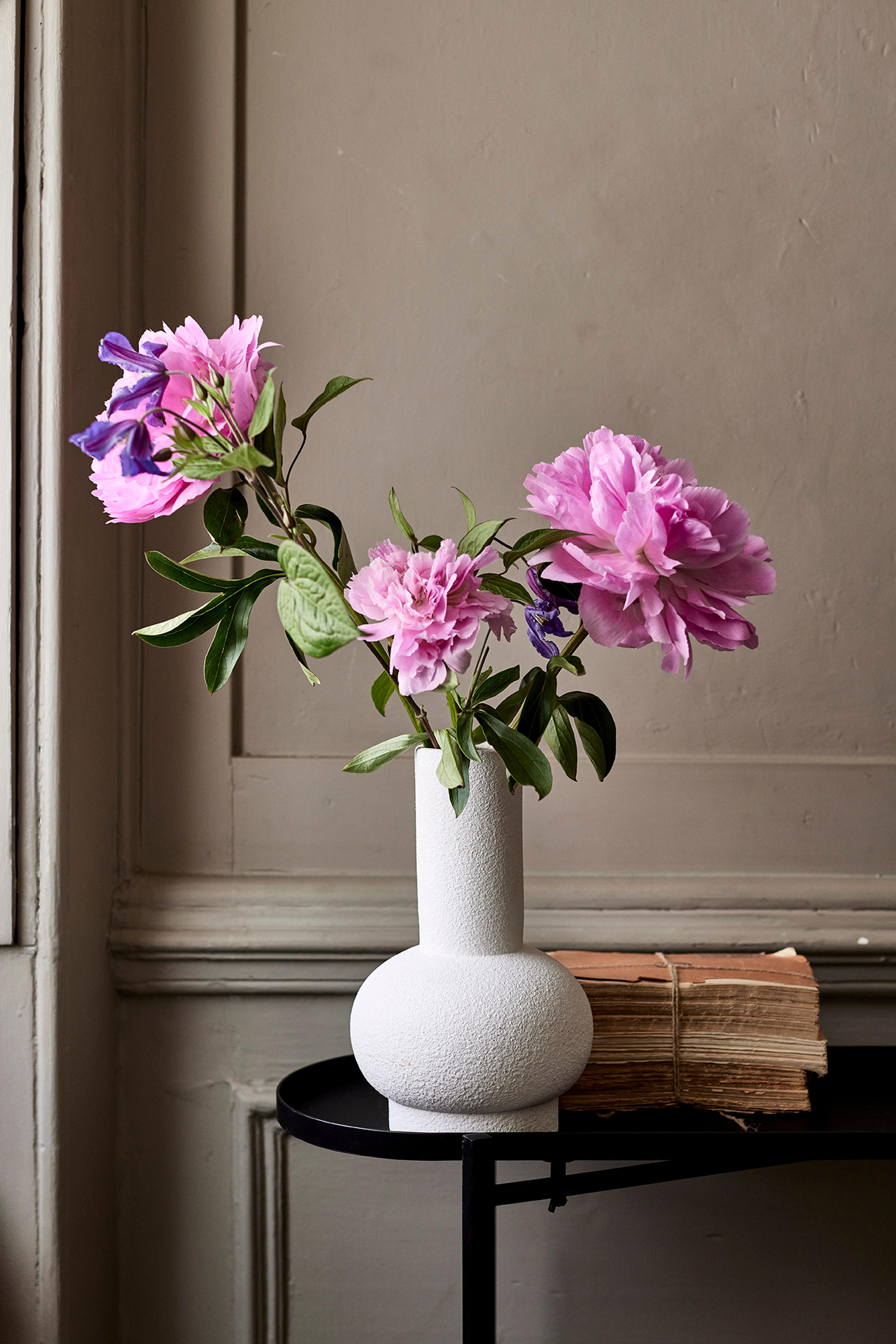
Peonies (Paeonia lactiflora) are impactful cut flowers, known for their fragrant, large blooms in various shades of pink and white. They are often featured solo in arrangements and contribute significantly to fragrance gardens, blooming in late spring to early summer.
Cosmos (Cosmos spp.) are among the easiest cut flowers to grow from seed, whether started indoors or direct-sown. Their bold pink and white blooms are complemented by feathery leaves that add texture to bouquets. Regular harvesting promotes reblooming, extending their productivity from early summer to fall.
Snapdragons (Antirrhinum majus) offer unique shapes and vibrant colors, adding an interesting element to arrangements. They prefer cooler temperatures, blooming in spring and fall, and their flowering ceases in summer heat. Harvesting when two-thirds of the buds are still closed can prolong their presence. They are ideal for cool weather and distinctive forms.
Dahlias (Dahlia spp.) are sought after for their bold colors and varied bloom sizes, from small minis to large 'dinner plate' varieties. They require staking and, in colder zones (7 and below), their tubers need to be overwintered indoors. They are excellent for big blooms and cottage gardens, flowering from mid-summer to fall.
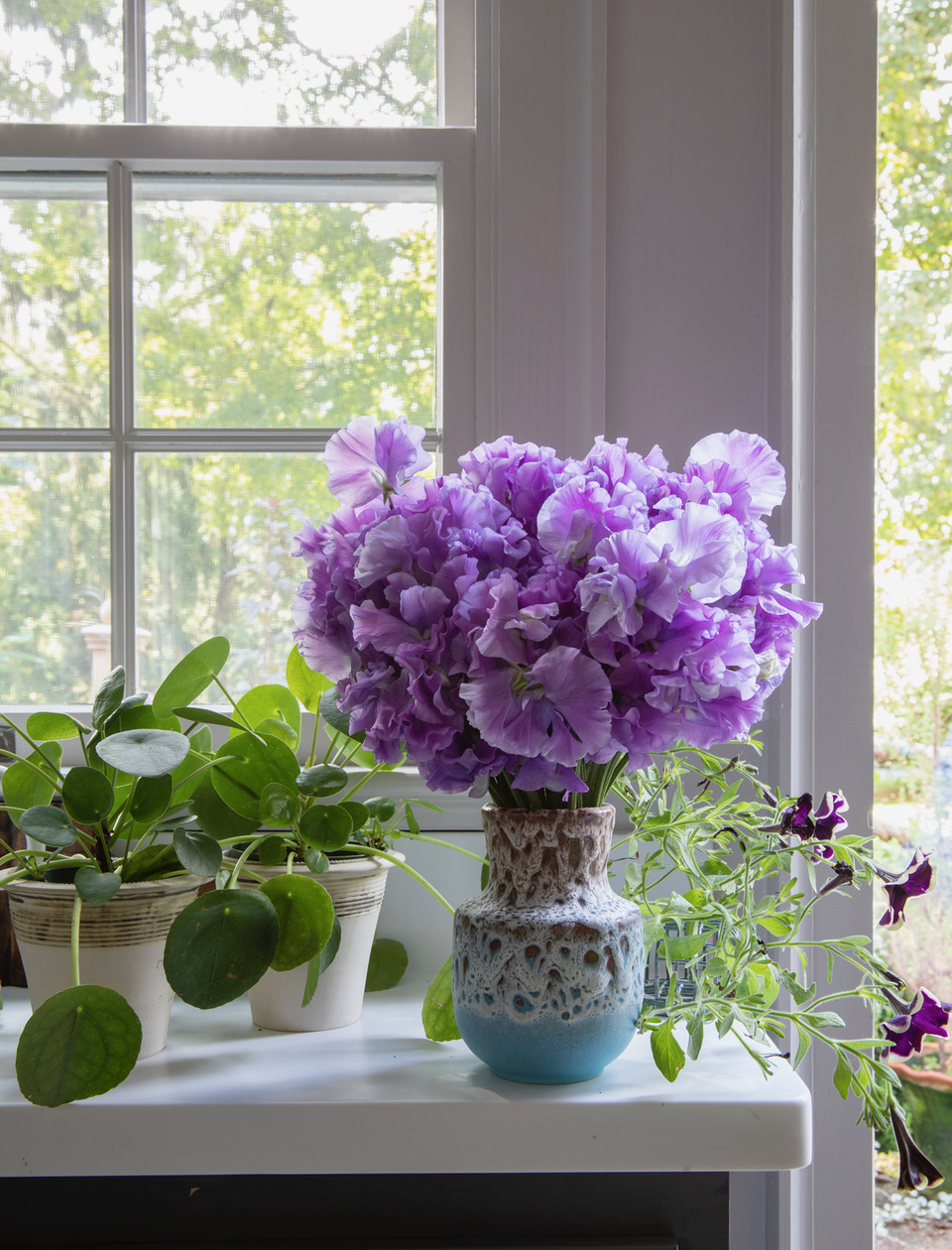
Sweet Peas (Lathyrus odoratus) are a favorite for spring and fall gardens, tolerating cold better than many other cut flowers but struggling in heat. Most varieties are highly fragrant. Harvesting when a few buds have opened and providing a trellis for support encourages tidy stems. They are best for cool weather, vertical growth, and fragrance, blooming in spring and fall.
Daffodils (Narcissus spp.) herald spring with their early blooms in February and March. Beyond classic yellow, they come in white, orange, and pink. They can be grown indoors in pots with proper light, water, and fertilizer. They are suitable for cool weather, garden borders, and containers, blooming in spring.
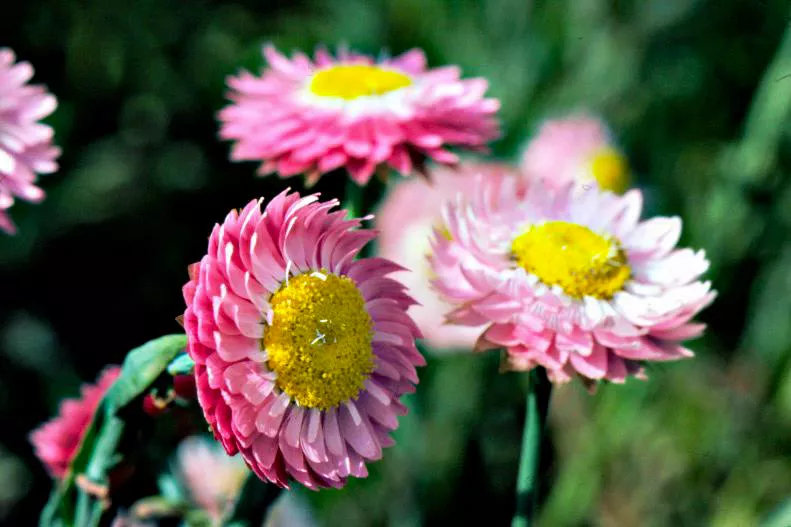
Strawflower (Xerochrysum bracteatum) simplifies flower preservation, as its papery petals contain minimal moisture, facilitating quick drying for fall and winter bouquets. They are excellent for dried arrangements and late-season blooms, flowering from summer to fall.
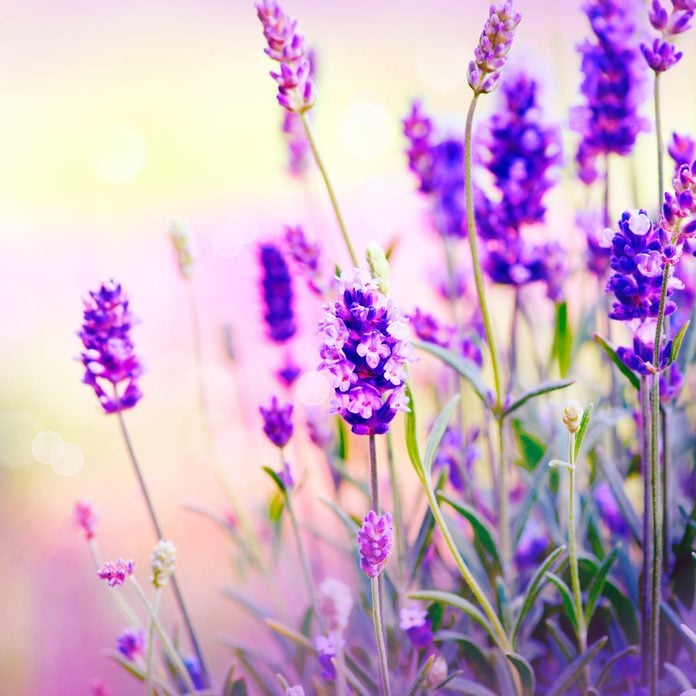
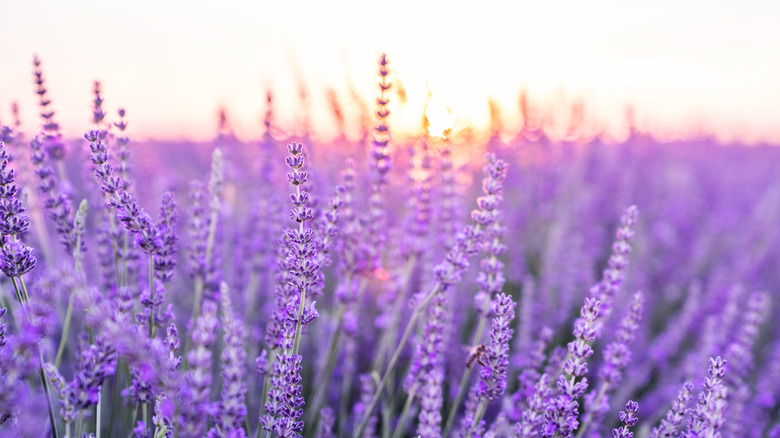
Lavender (Lavandula spp.) is another flower that dries beautifully but also serves well fresh in bouquets, offering delicate color and rich fragrance. English lavender is a versatile choice, suitable as an edible or ornamental plant, provided it is grown in well-draining soil. It is valued for fragrance and dried flowers, blooming in summer.
Tulips (Tulipa spp.) are vibrant springtime favorites that bloom early and then die back by late spring. Their bright colors make them popular for mass plantings and adding pops of color to garden borders. They bloom in spring.
Yarrow (Achillea millefolium) is commonly found in white, but also in pink and yellow. Fresh yarrow can be used as filler, or dried for arrangements by hanging upside down. It attracts pollinators and blooms from late spring to fall.
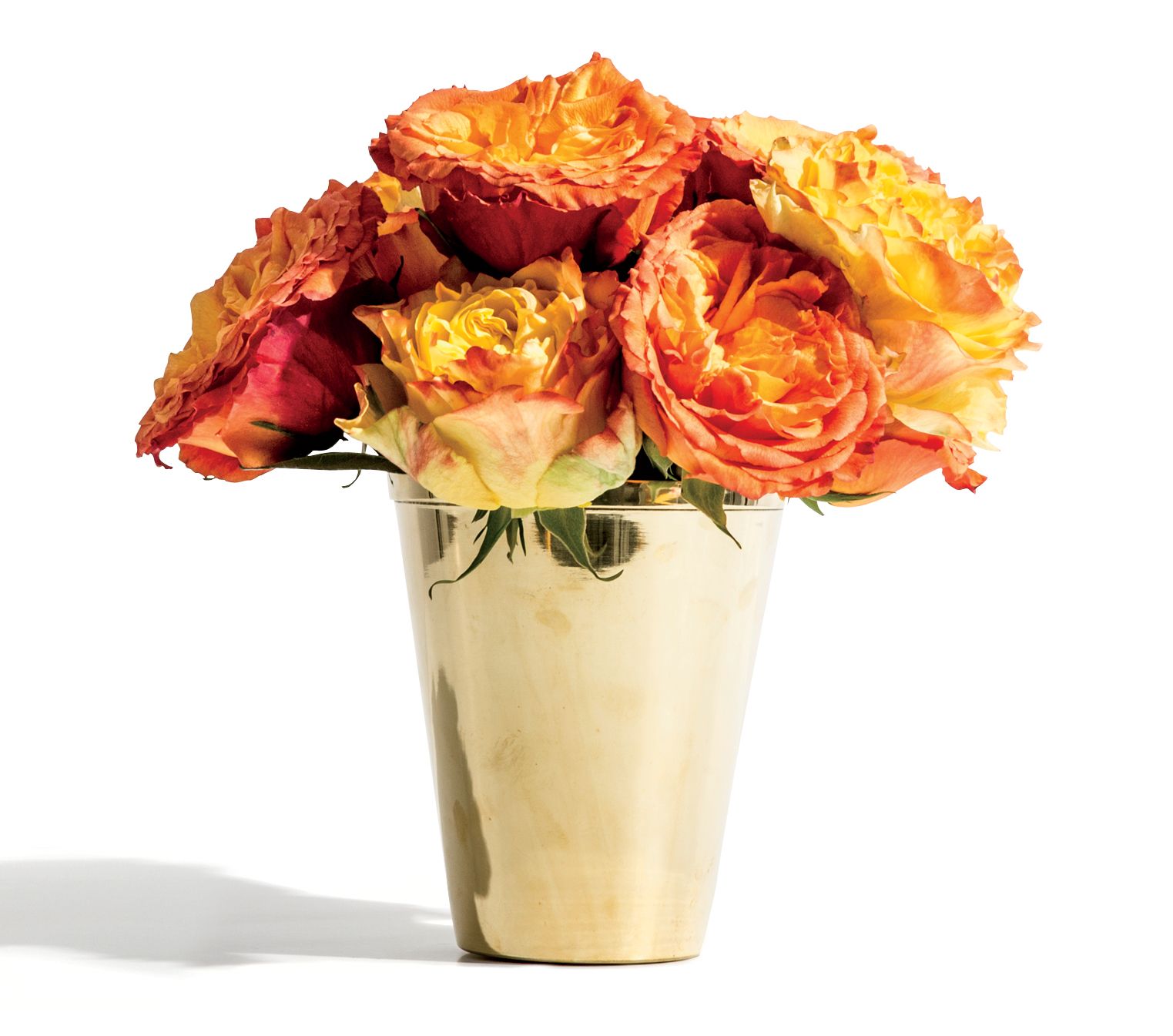
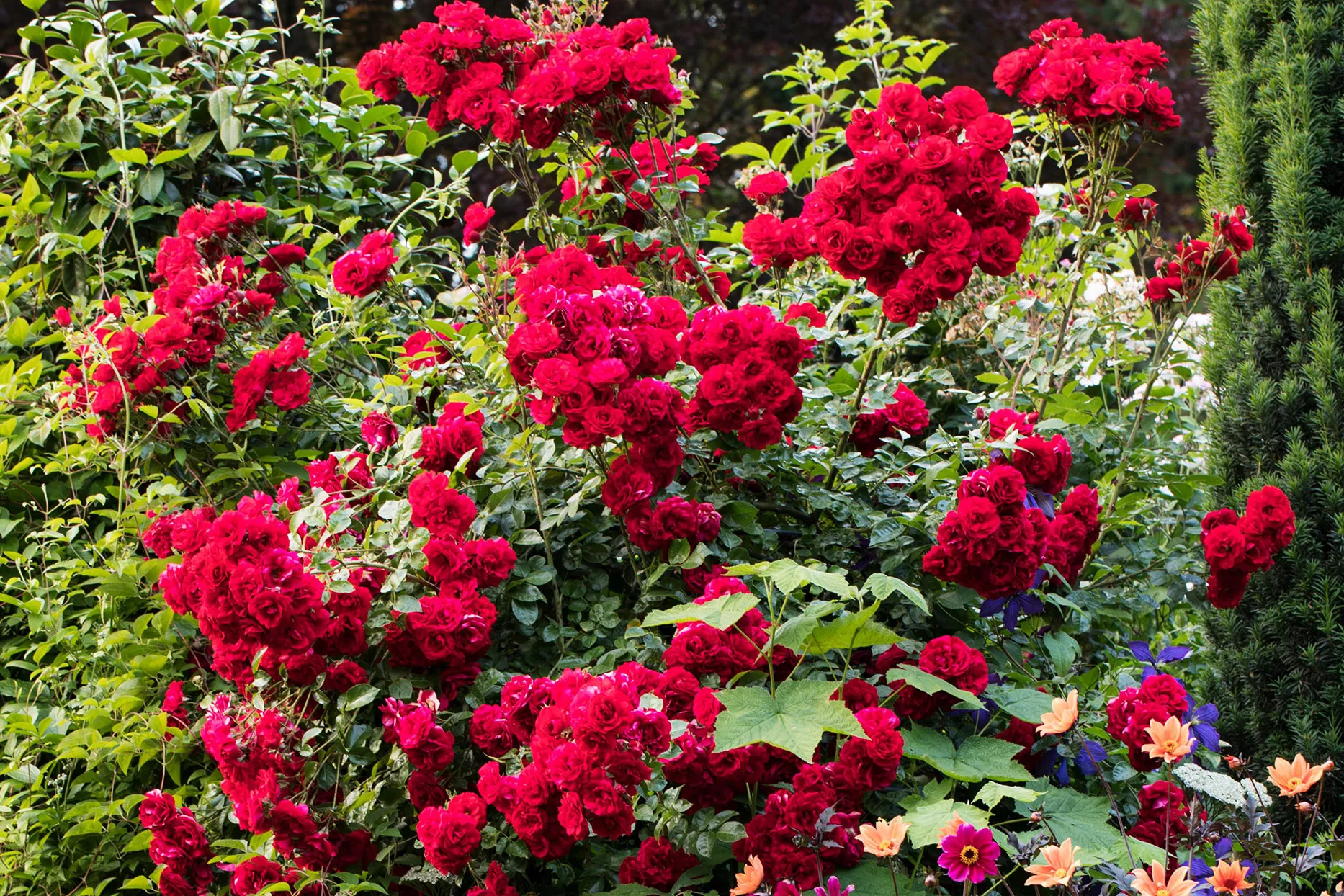
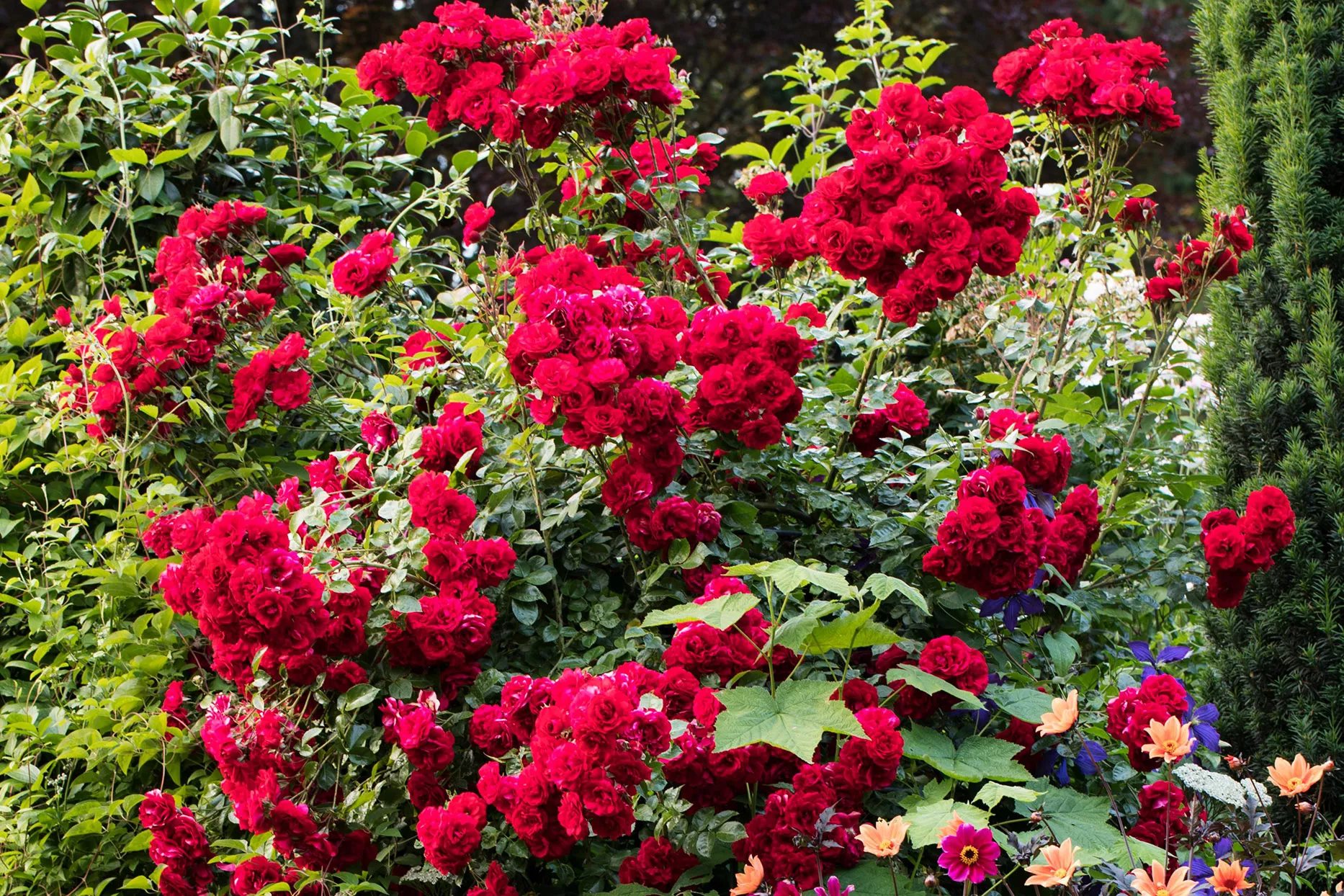
Roses (Rosa spp.) are essential cut flowers, available in a wide range of colors and sizes, with some offering strong fragrances. Hybrid tea roses are preferred for their long, straight stems and large, scented blooms, while dwarf and climbing varieties cater to different garden needs. They are great for fragrance gardens and containers, blooming from late spring to fall.
Bells of Ireland (Moluccella laevis) possess an unusual green, bell-shaped bloom that provides a distinct look in arrangements and lasts well in vases. Their freshness can be extended by trimming stems at an angle, using clean water, and applying a homemade flower food. They are suitable for dried flowers and cottage gardens, blooming from late spring to fall.
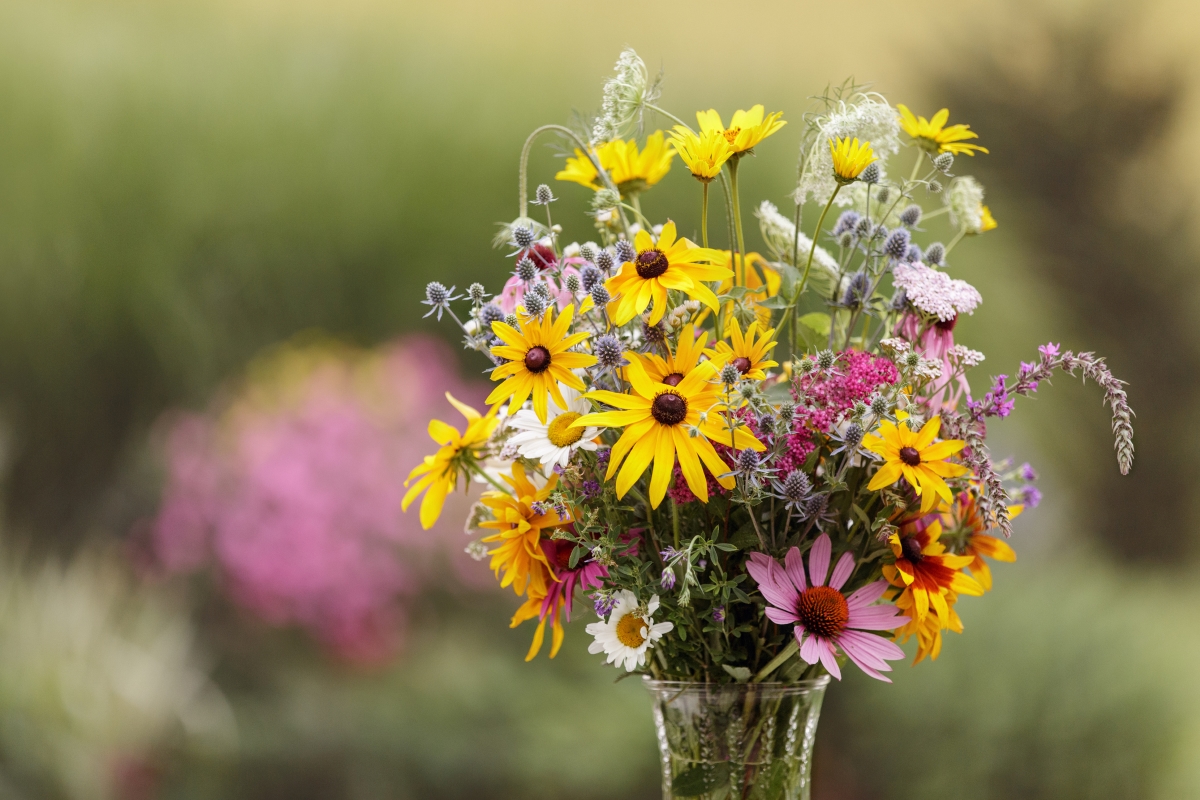
Rudbeckia (Rudbeckia spp.), including the well-known Black-eyed Susans, also come in red and lemon yellow. These low-maintenance plants thrive in full sun and well-draining soil, self-sowing and providing seeds for birds. They combine well with other fall flowers like snapdragons and sweet peas. They are excellent late-season flowers and attract birds, blooming from summer to fall.
#CutFlowers #HomeGardening #FlowerBouquets #DIYFlowers #GardenDesign #PollinatorPlants #SeasonalBlooms #FragranceGardens #DriedFlowers #CutFlowers #HomeGardening #FlowerBouquets #DIYFlowers #GardenDesign #PollinatorPlants #SeasonalBlooms #FragranceGardens #DriedFlowers
0 komentarzy łącznie
 Brak komentarzy jeszcze
Możesz również polubić
Steal These Florists' Tips to Create Better Bouquets at Home
How to make your home bloom, plus 5 tips for the perfect floral display

7 Flower Subscription Services Perfect for You (or Your Best Bud)

These Are the Top 13 Varieties for Cut Flowers
The Best Flowers to Plant in Montana: 15 Flowers for a Gorgeous Bloom
15 Best Purple Plants For Your Flower Garden
These 15 Flowers Are the Best Picks for a Gorgeous Dried Arrangement
PSA: You Can Now Buy Fresh Flowers at Target (and They’re So Good)

Gardening experts reveals how to make your cut flowers last longer
8 Colorful Flowering Shrubs to Grow for Cut Flowers
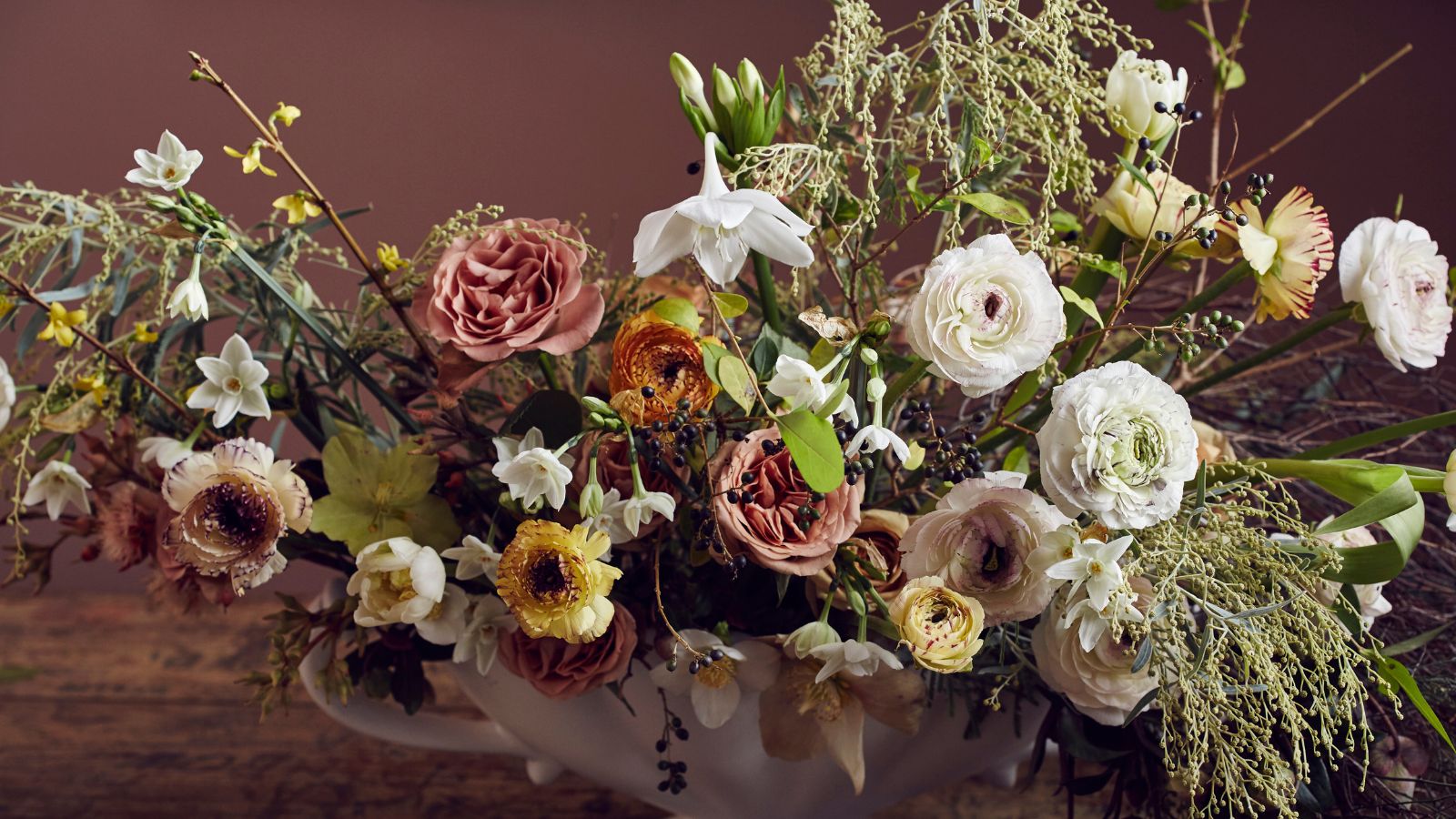
How to arrange flowers like a professional – these 7 rules are all you need according to floral experts


15 Floral Peel-And-Stick Wallpapers If Your Plant Collection Just Isn't Big Enough

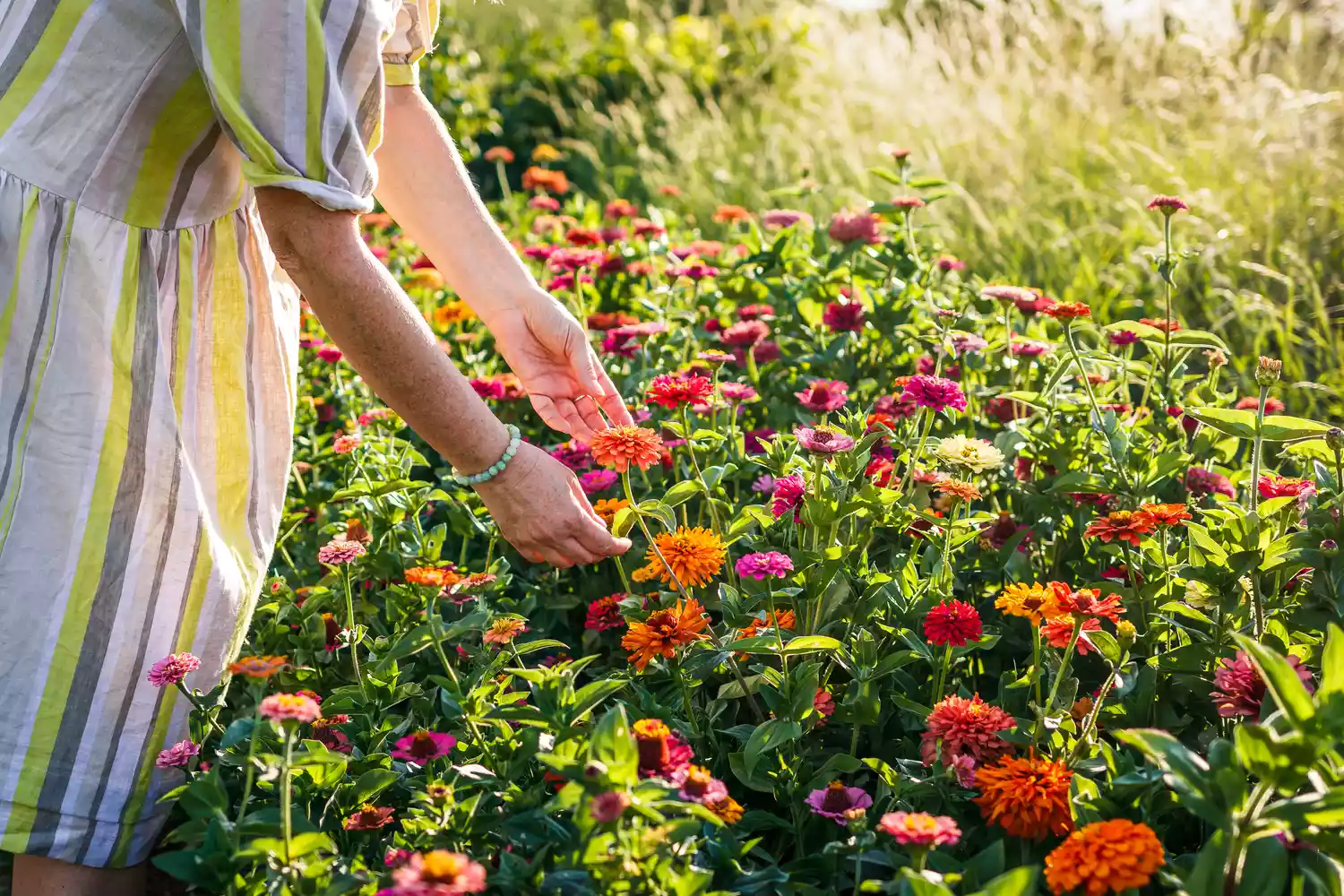
13 Long-Lasting Cut Flowers for Beautiful Bouquets


Flower home decor ideas – 12 blooming looks that'll add instant cheer to your home

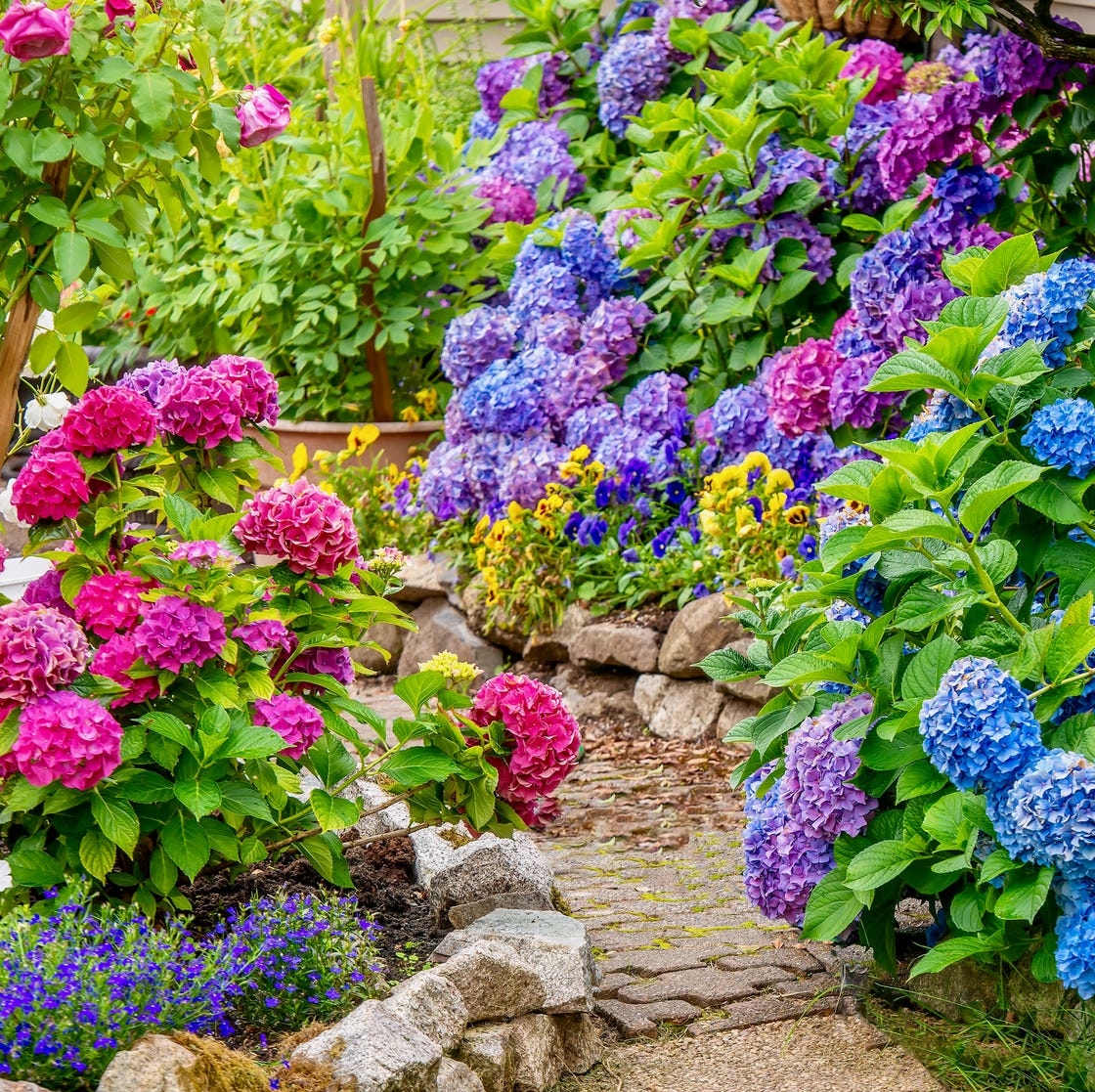
These Beautiful Flowering Shrubs Will Add Major Color to Your Garden

Grow Your Favorite Blooms in These Top-Rated Window Boxes

10 Pretty Purple Flowers That’ll Make Your Garden Pop

15 Variegated Plants To Spruce Up Your Indoor Spaces

The Art of Decorating with Flowers — 10 Ideas for Elevating Your Home with Blooms

14 Fabulous Flowers That Are Easy to Grow From Seed