


Where to Find and Visualize Your Next Home Design Idea
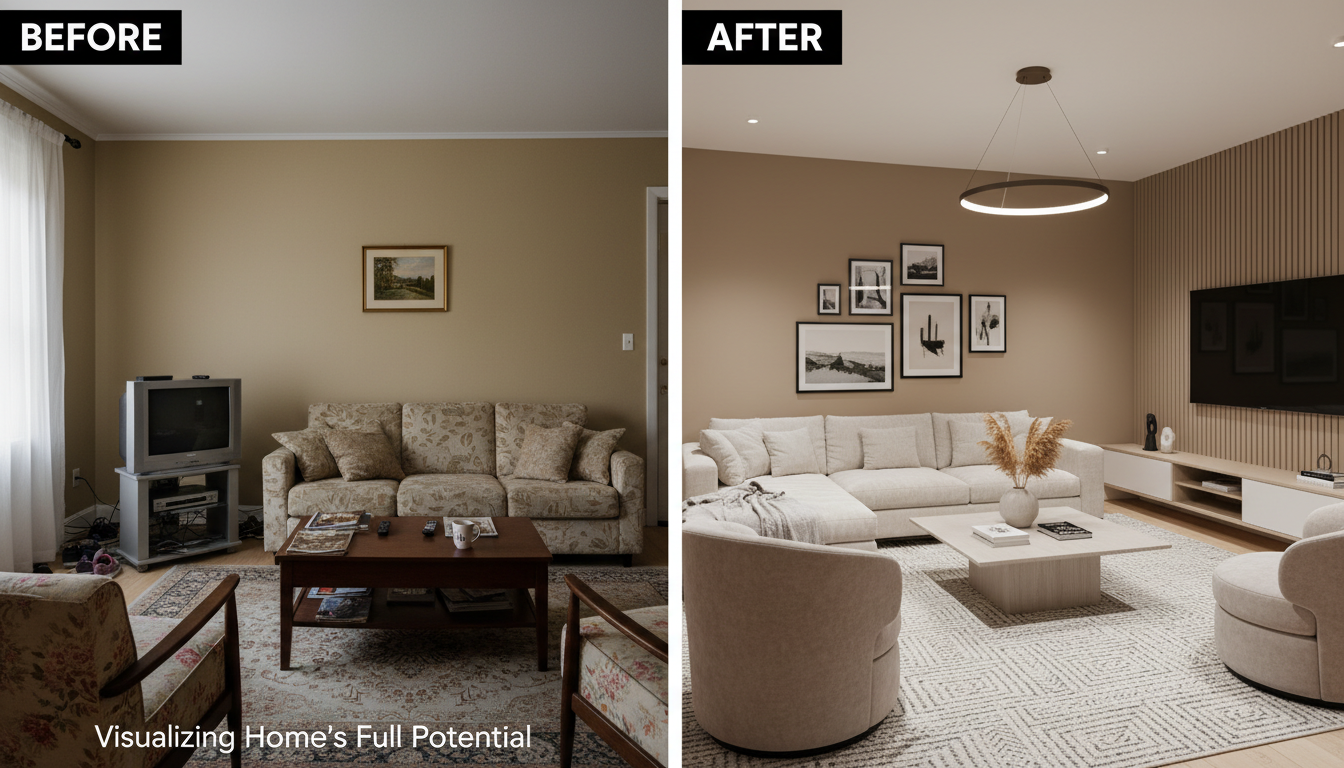
Starting a home design project is an exciting journey. It often begins with a spark of inspiration—a stunning kitchen on Pinterest, a cozy living room in a magazine, or a clever small-space solution on a design blog. But how do you bridge the gap between that initial idea and seeing how it would actually look in your own home? The landscape of home design websites has evolved dramatically, moving beyond static images to offer interactive, personalized experiences.
Starting a home design project is an exciting journey. It often begins with a spark of inspiration—a stunning kitchen on Pinterest, a cozy living room in a magazine, or a clever small-space solution on a design blog. But how do you bridge the gap between that initial idea and seeing how it would actually look in your own home? The landscape of home design websites has evolved dramatically, moving beyond static images to offer interactive, personalized experiences.
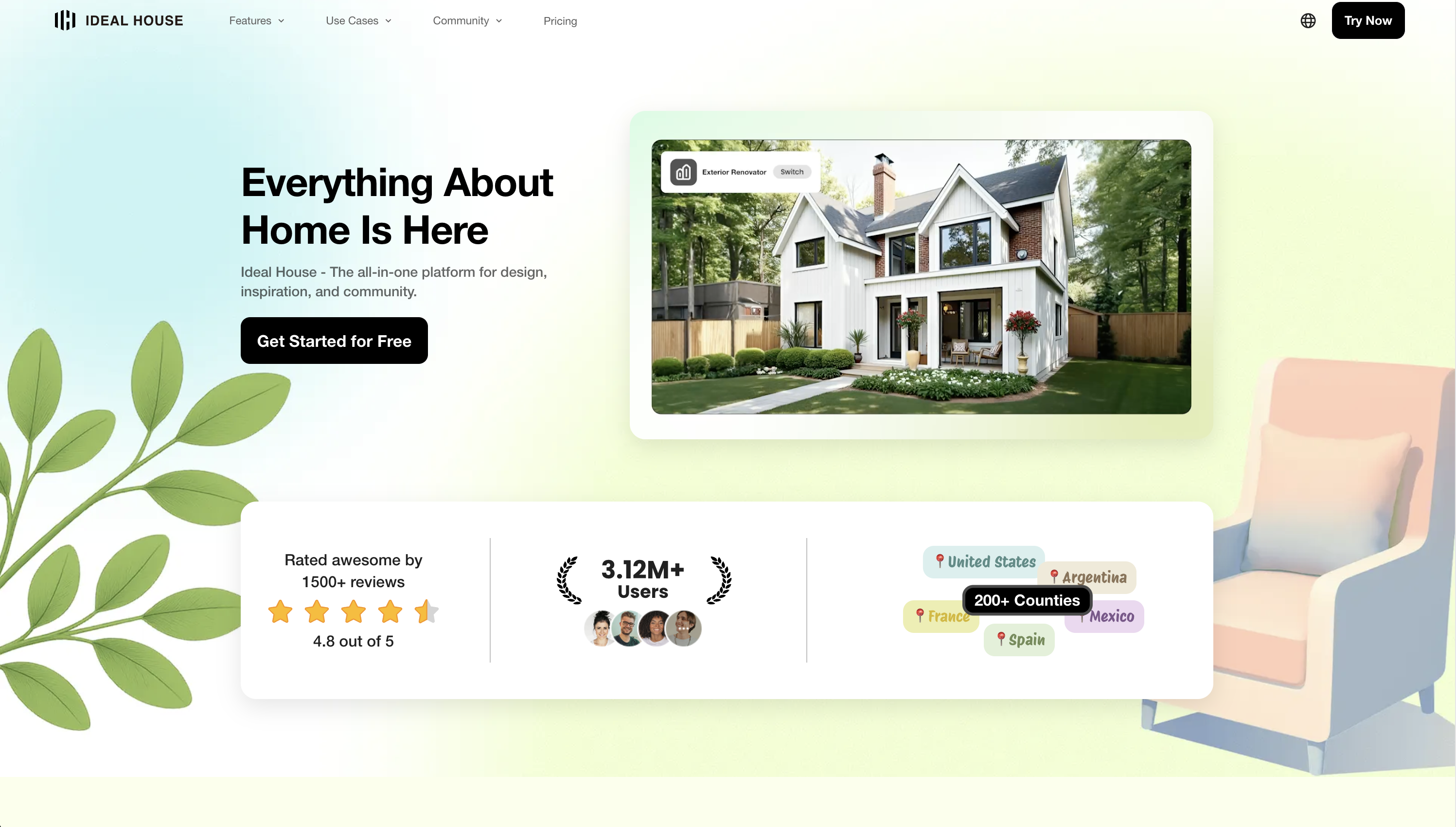
While traditional inspiration sites are fantastic for discovering your style, a new generation of tools allows you to become an active creator. Platforms like Ideal House are at the forefront of this shift, offering a suite of AI-powered, web-based tools that transform the design process. Instead of just browsing photos of other people's homes, you can upload a picture of your own room and instantly visualize new styles, remove clutter, swap materials, or even generate a complete exterior renovation. It’s a powerful way to test-drive your ideas in your unique space, bridging the gap between inspiration and reality without needing any complex software or design skills.
This article will map out the modern world of home design websites, from the best places to gather ideas to the tools you can use to bring them to life.
The Foundation: Websites for Design Inspiration and Ideas
Before you can start visualizing, you need a vision. These websites are the perfect starting point for discovering trends, exploring different aesthetics, and finding inspiration from real-world projects.
The Design Mainstays
These are the titans of the design world, offering a look into professionally designed, high-end homes that are perfect for dreaming big.
-
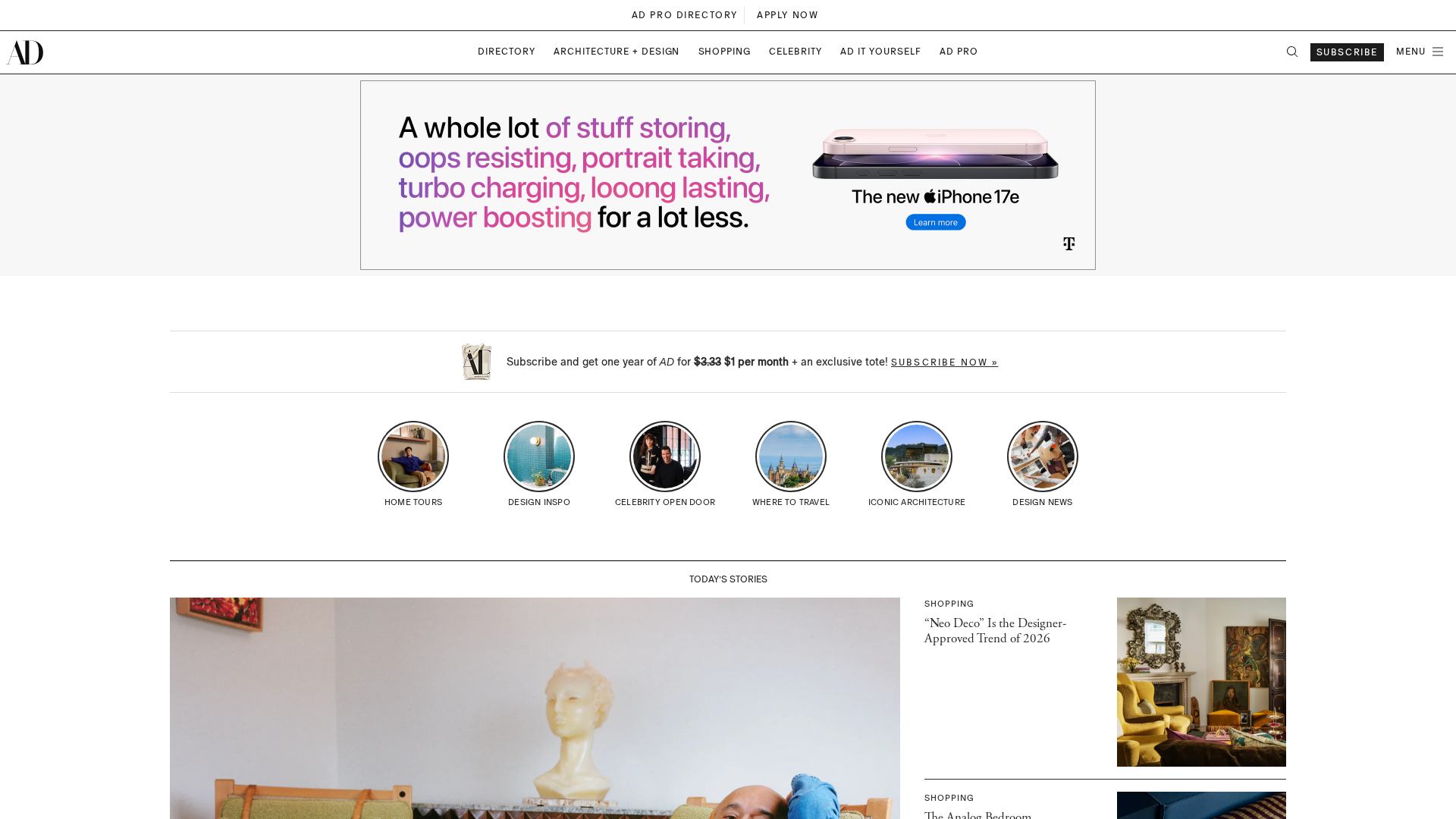
Architectural Digest: Known for its iconic Open Door video series and stunning photography, AD is the place to see celebrity homes and the work of the world's top architects and designers.
-
Elle Decor: Blending high fashion with interior design, this site showcases stylish, contemporary trends from global cultural centers.

-
House Beautiful: As the oldest interior design magazine in the U.S., it offers a wealth of inspiration, focusing on accessible tips and beautiful American homes.
The Real-World Renovators
If you're looking for inspiration that feels more attainable, these blogs focus on real homes, practical advice, and DIY projects. Many feature detailed before-and-after home tours.
-
Apartment Therapy: The go-to resource for renters and small-space dwellers, offering clever solutions, home tours, and practical DIY decorating tips.
-
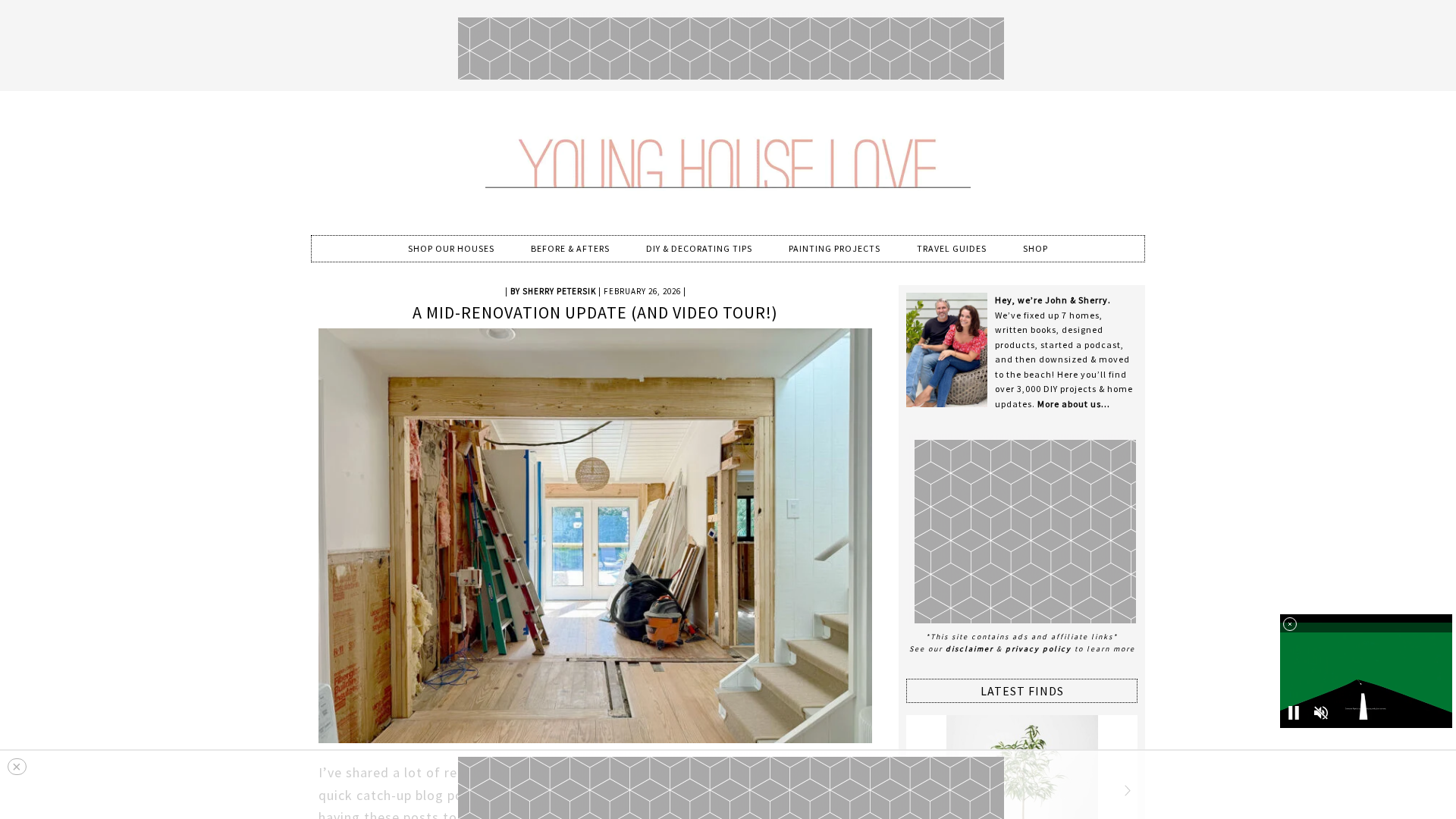
Young House Love: Chronicling over 3,000 DIY projects across seven different homes, this blog is a treasure trove of tutorials, renovation stories, and budget-friendly ideas.
-
Dwell: Focusing on modern architecture and design, Dwell showcases innovative homes, renovations, and prefab solutions with an emphasis on thoughtful living.

-
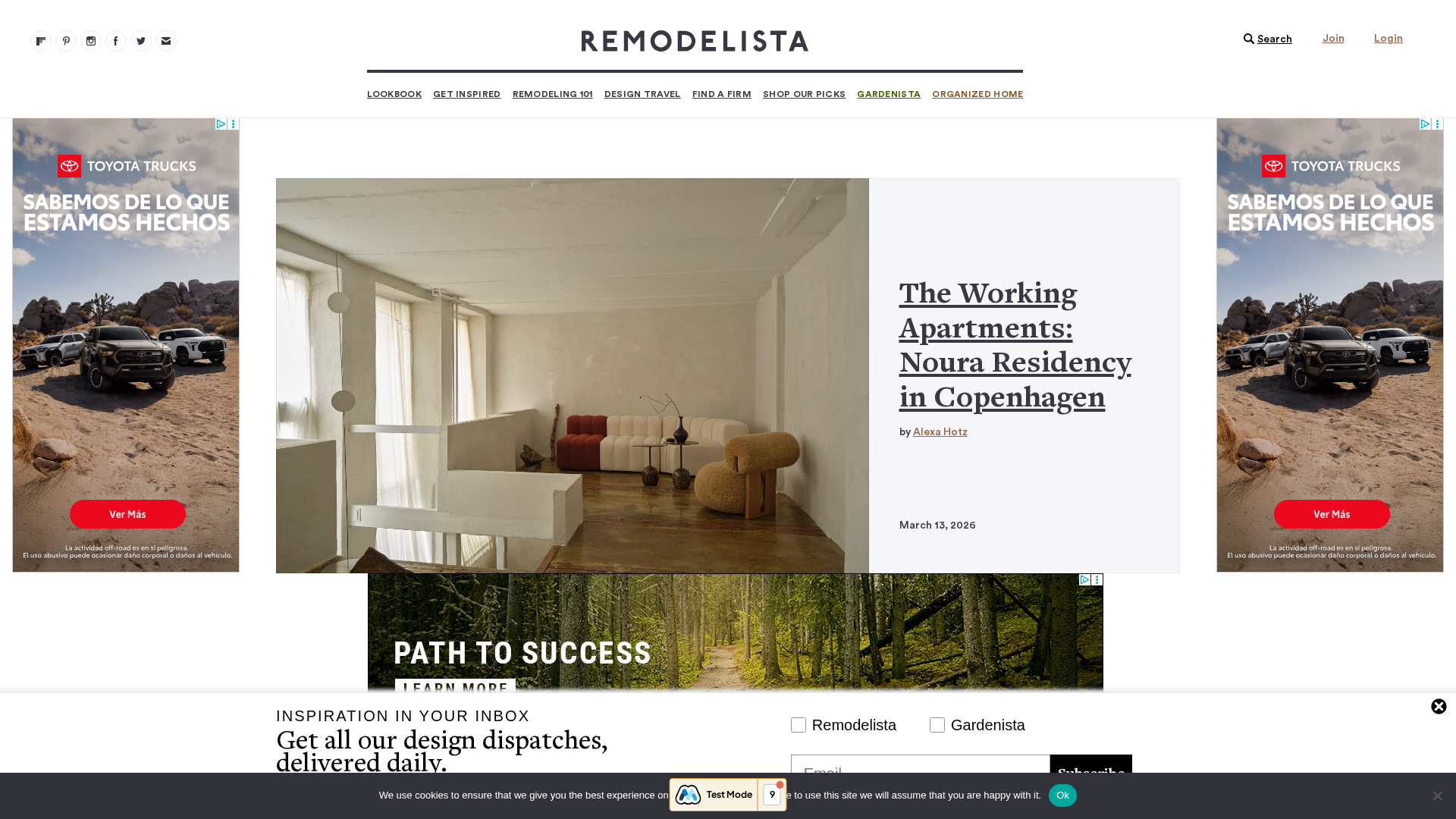
Remodelista: For lovers of clean, simple elegance, Remodelista offers a minimalist and often eco-conscious approach to design.
Niche Styles and Trends
When you have a specific aesthetic in mind, these blogs provide a deep dive into particular styles.
- For Scandinavian Design: Blogs like My Scandinavian Home and Nordic Design offer endless inspiration with their focus on minimalism, functionality, and natural light.
- For Bohemian and Eclectic Style: Check out The Jungalow for a vibrant, pattern-filled, and plant-heavy aesthetic.
- For DIY Upcycling: Websites like Bless'er House and Thrifty Decor Chick are full of creative ideas for transforming thrift store finds and old furniture.
The Marketplace: Websites for Shopping Furniture and Decor
Once you've defined your style, the next step is finding the pieces to bring it to life.
Major Retailers and Marketplaces
-
IKEA: A global staple for affordable, Scandinavian-inspired furniture and home goods, perfect for budget-friendly makeovers and famous for its "IKEA hacks."
-
Wayfair: An enormous online marketplace offering millions of products across every style and budget, with sister sites like AllModern for more specific tastes.
-
Crate & Barrel: Offers a reliable selection of elevated, modern furniture and decor, often featuring collaborations with popular designers.
-
West Elm: A go-to for mid-century modern and contemporary styles, with a growing commitment to sustainably sourced and Fair Trade Certified products.
Curated and Designer-Led Shops
For a more curated shopping experience, these sites are run by popular interior designers and offer a distinct aesthetic.
-
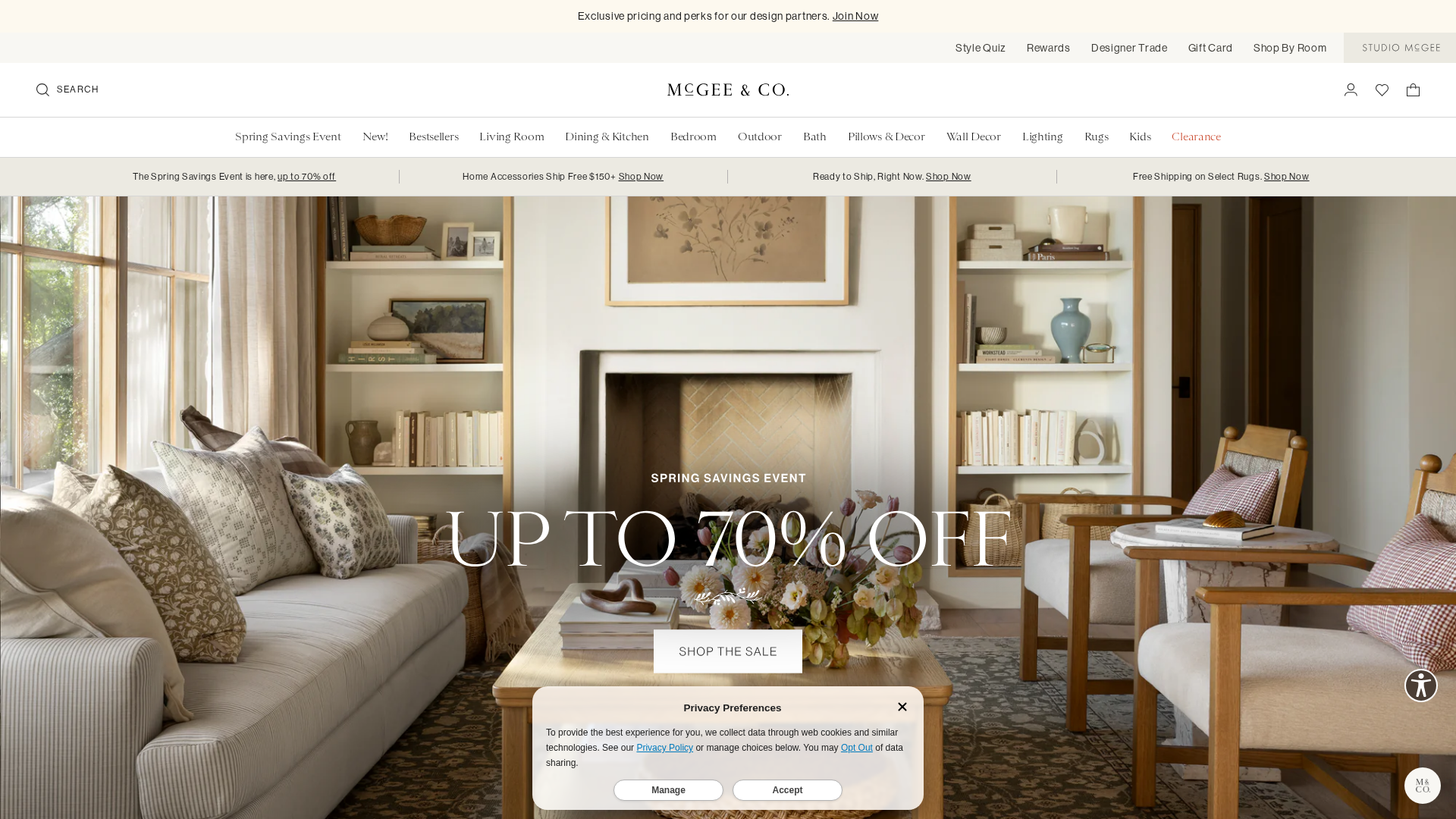
McGee & Co.: Curated by Shea McGee of Studio McGee, this shop is known for its bright, clean, and traditional-meets-modern style.
-
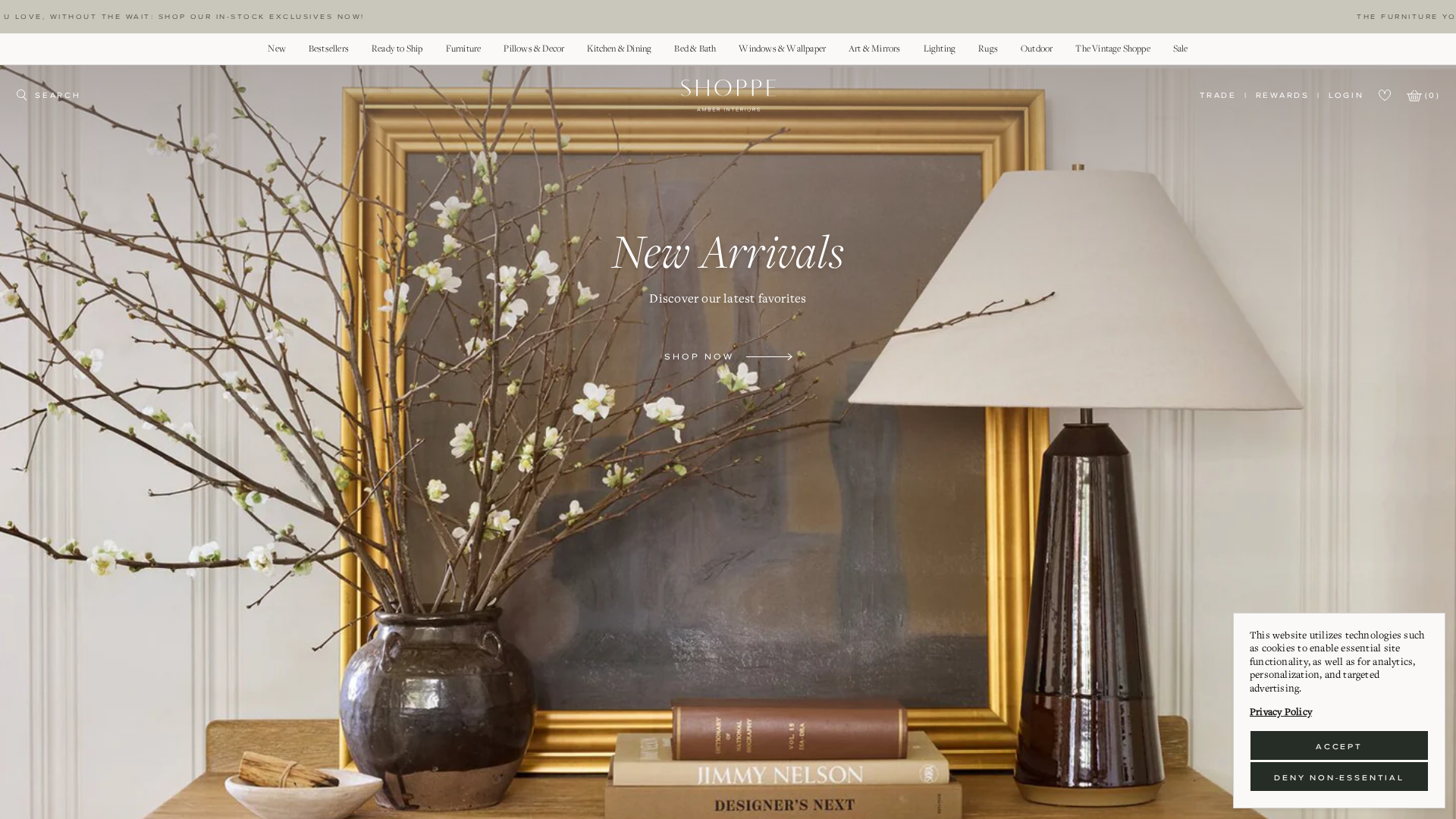
Shoppe Amber Interiors: Features a laid-back, eclectic California aesthetic with a mix of textures, vintage pieces, and artisan-made goods.
-
Lulu and Georgia: A great source for creating a warm, layered space with a focus on rich, earthy colors and heritage prints.
Secondhand and Artisan Treasures
For those seeking unique, one-of-a-kind pieces with a story.
- Kaiyo: An online marketplace for high-quality secondhand furniture from top brands, promoting a more sustainable way to shop.
- Etsy: A vast platform for handmade and vintage items, where you can find everything from custom furniture to unique wall art and handcrafted decor.
- NOVICA: In association with National Geographic, this site connects you with artisans from around the world, offering handcrafted decor, furniture, and art.

The Toolkit: Websites for Planning and Visualizing Your Space
This is where home design becomes truly interactive. These tools range from simple floor planners to advanced AI visualizers.
Traditional 2D/3D Room Planners
These tools are digital sketchpads for your home, allowing you to create floor plans and arrange furniture layouts.
-
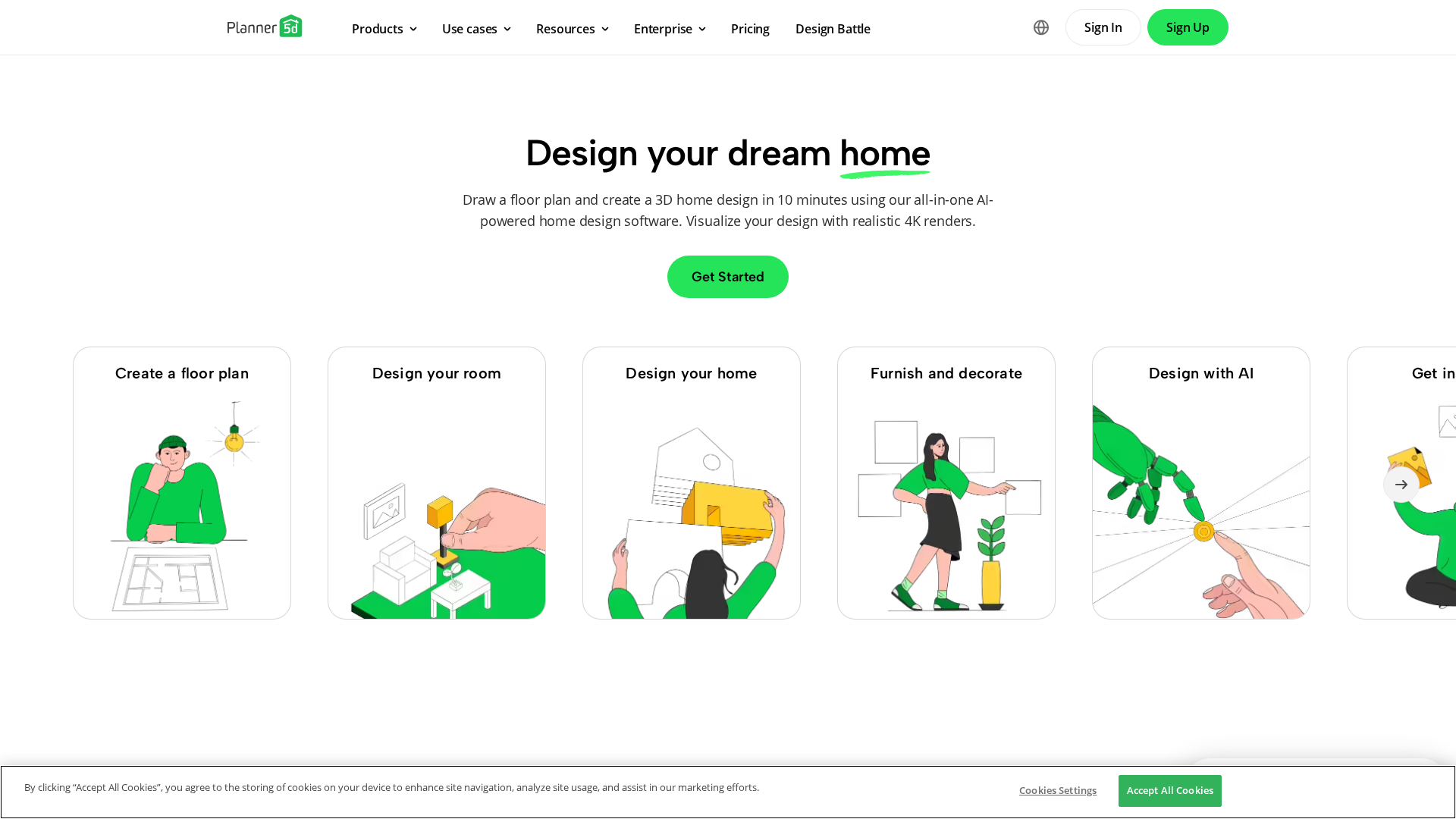
Planner 5D: An easy-to-use tool that lets you create detailed 2D and 3D floor plans and furnish them from a large catalog.
-
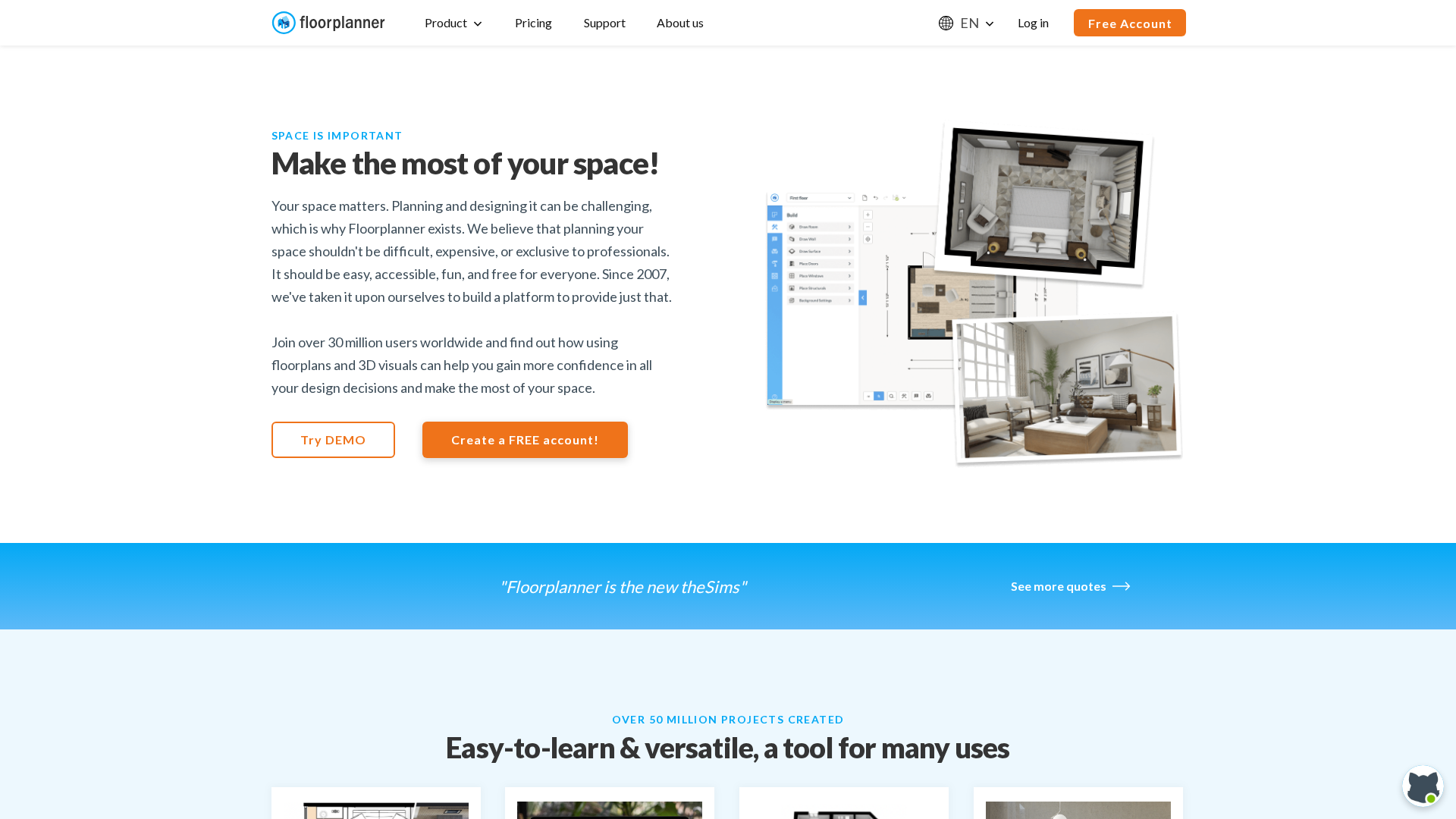
Floorplanner: A browser-based tool perfect for drawing accurate room layouts and viewing them in 3D.
-
SketchUp: A powerful and versatile 3D modeling software with a free version that's great for DIY designers who want more control, though it has a steeper learning curve.

While useful for layout planning, these tools often require you to build your room from scratch and can have limitations in their free versions, like paywalls for resizing furniture.
Augmented Reality (AR) Furniture Try-On Apps
AR apps let you use your phone's camera to place a virtual model of a single product into your real-life space.
- IKEA Place: Allows you to see how IKEA's furniture looks and fits in your room.
- Houzz "View in My Room 3D": Lets you visualize products from the Houzz marketplace in your home.
AR is great for checking if a specific sofa or chair will fit, but it's limited to one item at a time from a specific retailer's inventory.
The New Wave: AI-Powered Design and Visualization Tools
This is the most exciting frontier in home design. AI tools eliminate much of the manual work and guesswork, allowing you to visualize comprehensive design changes in seconds using just a photo.
While a number of AI tools like RoomGPT exist, Ideal House offers one of the most comprehensive web-based suites available. Instead of being a single-function tool, it provides a complete toolkit for homeowners, designers, and real estate professionals.

- See new styles instantly: Use the Interior Remodel or Exterior Renovator to upload a photo of your space and instantly see it transformed in hundreds of different styles, from Modern Farmhouse to Japandi.
- Start with a clean slate: The Object Remover can digitally empty a furnished room, giving you a blank canvas to plan a redecoration without moving a single piece of furniture.
- Make targeted changes: With the Smart Replacer, you can select your floor and ask the AI to change it to "dark wood flooring," or select a sofa and prompt it to become an "emerald green velvet couch."
- Visualize new materials: The Room Visualizer lets you test new flooring, wall paints, and countertops realistically in your space.
- Try before you buy: The Furniture Try-On tool lets you upload photos of furniture you're considering and places them realistically in your room.
- Go from 2D to 3D: Turn a hand-drawn sketch or professional floor plan into a photorealistic visualization with the AI Plan Visualizer.
These AI-driven tools act as a powerful shortcut, helping you explore countless possibilities and make confident decisions before you commit time and money.
The Community: Websites for Advice and Discussion
Sometimes you just need a second opinion. These forums are excellent places to ask questions, share your progress, and get feedback from fellow design enthusiasts.
-
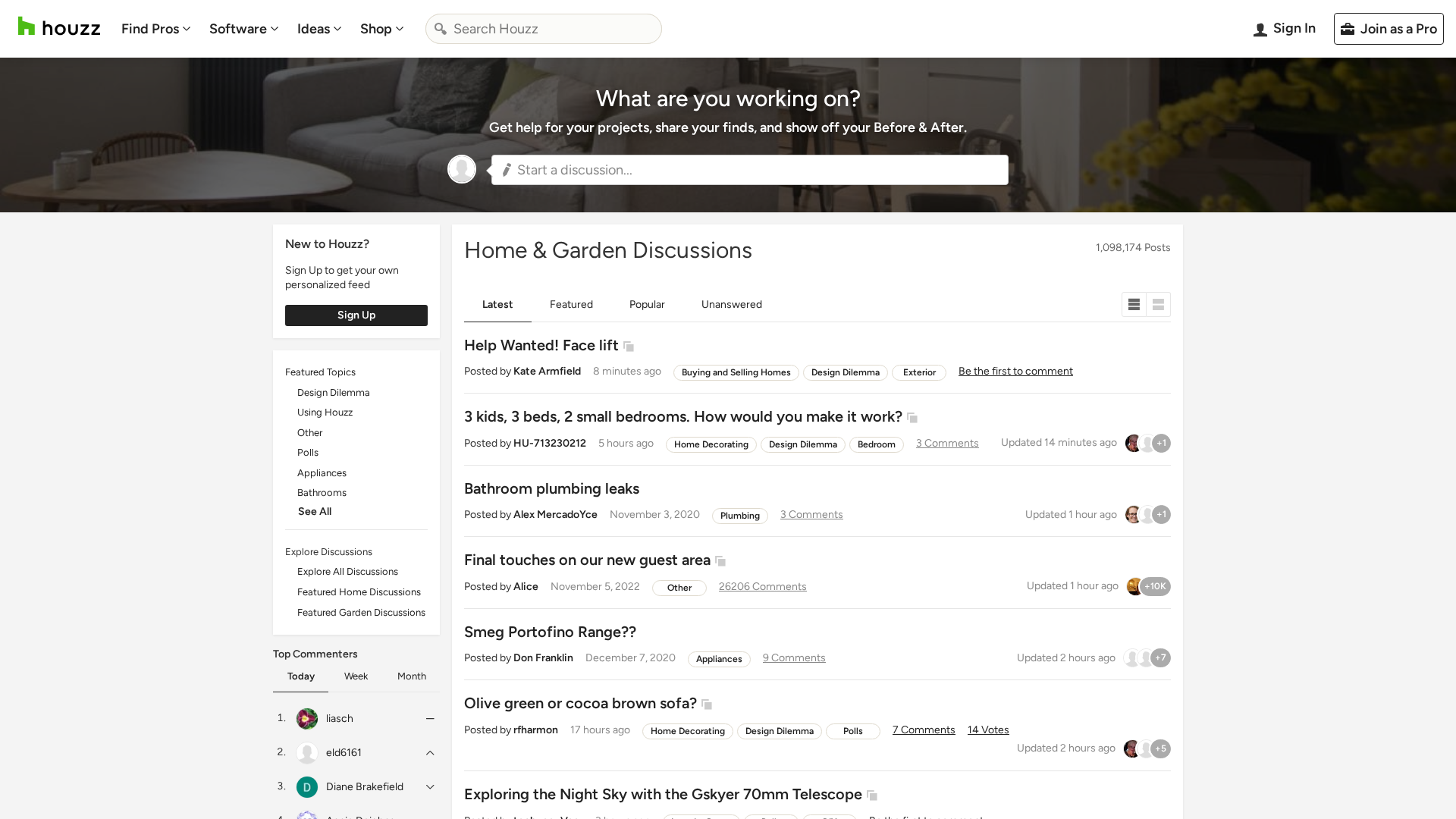
Houzz Discussions: A very active community where you can post a "Design Dilemma" and get advice from both amateurs and professionals.
-
Reddit: A hub for niche communities. Popular "subreddits" include:
- r/InteriorDesign: For discussions on the practice and profession of design.
- r/HomeDecorating: A friendly place for amateurs to ask for advice.
- r/DesignMyRoom: Post a picture of your room and get specific layout and decor suggestions.
- r/malelivingspace & r/femalelivingspace: For tailored advice and inspiration.
-
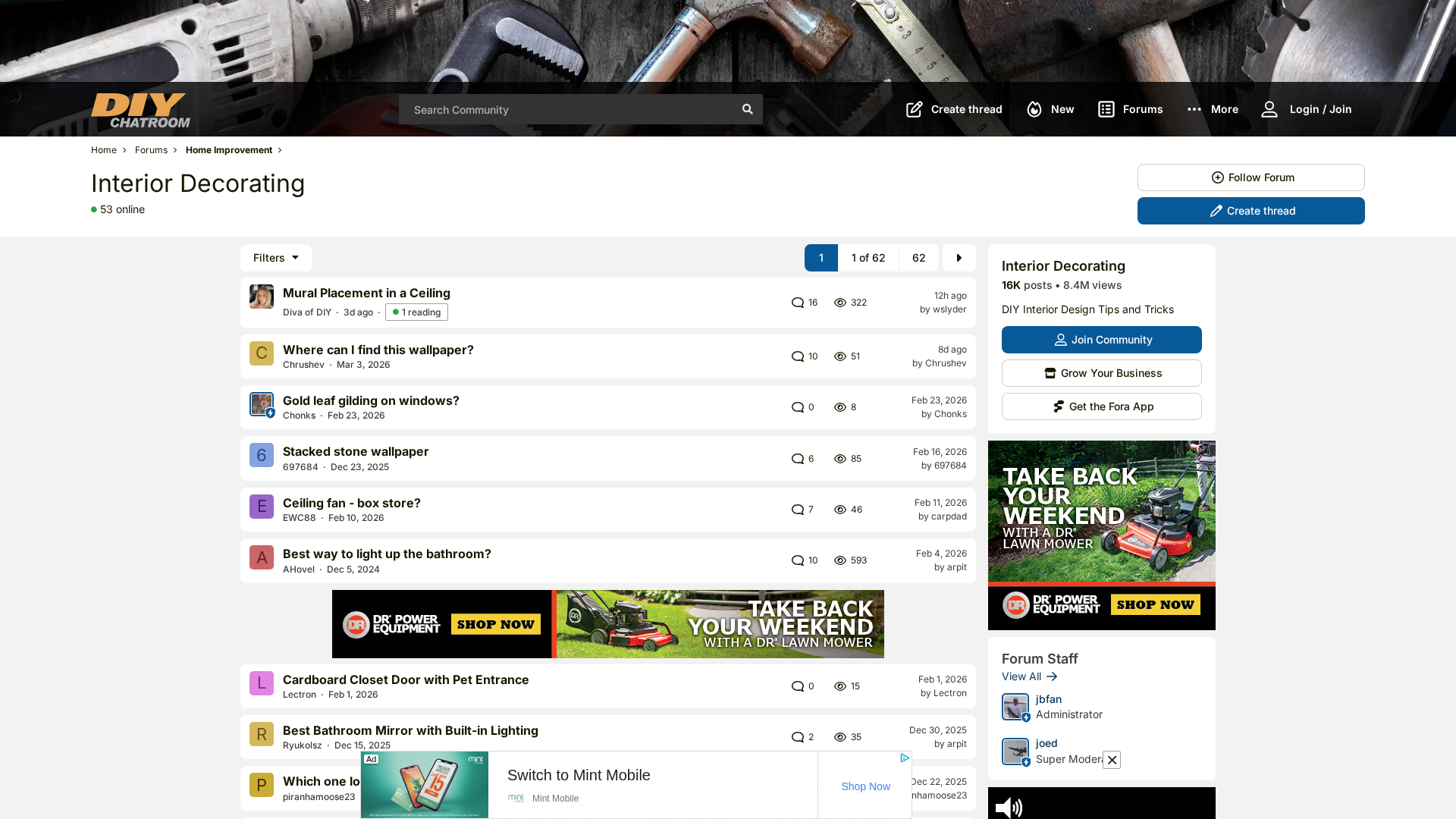
DIY Chatroom: A forum focused on home improvement and DIY projects, perfect for when you have technical questions.
Putting It All Together: Your Personalized Design Workflow
With so many resources available, here’s a simple workflow to guide your next project:
-
Gather Inspiration: Start by browsing blogs like Apartment Therapy and magazines like Architectural Digest to define the style and mood you're aiming for. Create a mood board on Pinterest to collect your ideas.

-
Visualize and Iterate: This is the crucial step. Take your inspiration and apply it to your home using a tool like Ideal House. Upload photos of your rooms and use the Interior Remodel tool to test different styles. Use the Smart Replacer to see how a new paint color or flooring material would look. This is where you can experiment risk-free.
-
Plan and Shop: Once you've landed on a design you love in your AI-generated visuals, use those images as a guide to shop for furniture and decor on sites like Wayfair or West Elm.
-
Seek Feedback: If you're unsure about a choice, post your AI-generated design concepts in a Reddit community like r/DesignMyRoom to get a quick poll of opinions.
The world of home design is no longer just about looking—it's about creating. By combining timeless inspiration with modern technology, you have everything you need to design a space you truly love.