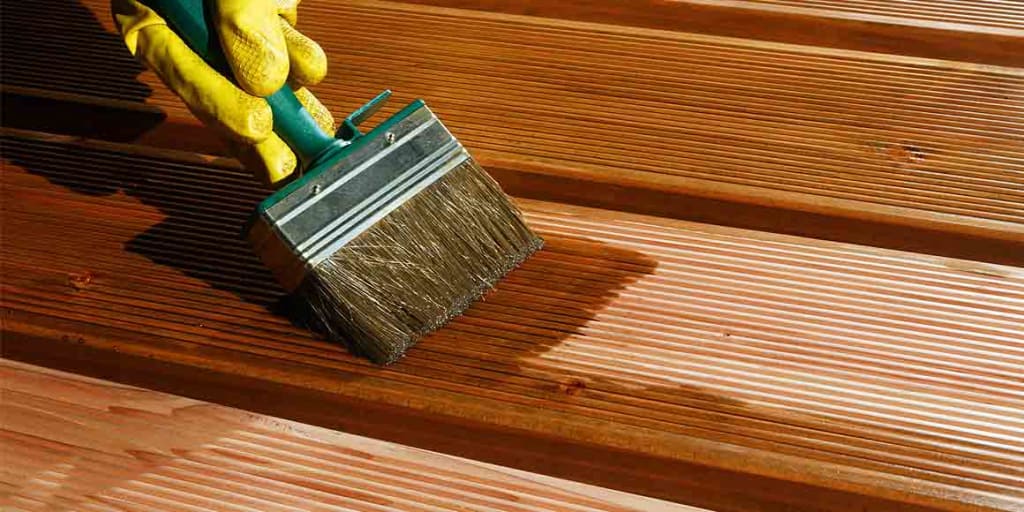
Wood Coating Market Sees Strong Growth Driven by Demand for Sustainable and Durable Finishes
The global wood coating market is experiencing substantial growth, projected to reach USD 17.3 billion by 2033 from USD 11.0 billion in 2024, exhibiting a Compound Annual Growth Rate (CAGR) of 4.88%. This expansion is fueled by increasing demand in furniture, construction, and interior décor sectors, alongside a significant shift towards sustainable and durable coating solutions. Key market trends include a rising preference for eco-friendly water-based coatings, driven by environmental regulations and consumer consciousness. These formulations, particularly the waterborne technology segment, are expected to grow at a 3.6% CAGR through 2030, as manufacturers develop greener alternatives that maintain high performance.
The booming global construction industry, anticipated to reach USD 14.9 trillion by 2025, and rapid urbanization, especially in developing nations, are also significant drivers. These factors lead to increased residential and commercial projects, along with renovation activities, creating extensive opportunities for coating manufacturers. Technological advancements are revolutionizing the industry, with innovations in UV-cured coatings, nano-coatings, and digital printing. Companies are introducing advanced products like water-based primers and environmentally adaptable solutions that offer faster curing times, enhanced durability, and scratch resistance.
The expanding global furniture market, valued at USD 660.5 billion in 2023, is further boosting wood coating consumption. Consumers are seeking durable and aesthetically pleasing furniture, driving demand for premium coating products that offer superior moisture resistance, wear protection, and visual appeal. There is also a notable shift towards polyurethane-based solutions, which dominate with over 40% market share due to their exceptional adhesion, chemical resistance, and ability to achieve glossy finishes. These coatings also offer environmental benefits through lower carbon emissions over their lifecycle.
Artificial intelligence (AI) is playing a transformative role in the wood coating market. AI optimizes coating formulations by analyzing performance data, reducing material waste by 15%, and improving durability. Smart manufacturing systems powered by AI monitor application processes in real-time, detecting defects instantly and reducing rejection rates by 20%. Predictive maintenance algorithms minimize downtime by 25%, while AI-driven color matching systems reduce color variation errors by 30%. Furthermore, AI optimizes supply chains, reducing material spoilage by 12-18% and cutting transportation costs.
The market is segmented by coating type, with stains and varnishes holding the majority share due to their versatility and protective qualities. Polyurethane dominates the resin type segment, while solvent-borne technology leads formulating technologies due to its superior adhesion and faster drying times. Furniture is the leading application segment, driven by residential and commercial construction, urbanization, and customization trends. Regionally, Asia Pacific holds the leading position due to its rapid urbanization, growing construction activities, and expanding furniture market.
#WoodCoating #SustainableFinishes #EcoFriendlyCoatings #ConstructionIndustry #FurnitureMarket #TechnologicalAdvancements #PolyurethaneCoatings #AICoatingOptimization #AsiaPacificMarket #WoodCoating #SustainableFinishes #EcoFriendlyCoatings #ConstructionIndustry #FurnitureMarket #TechnologicalAdvancements #PolyurethaneCoatings #AICoatingOptimization #AsiaPacificMarket
0 opmerkingen in totaal
 Nog geen opmerkingen
Dit vindt u mogelijk ook leuk

Carving out a niche in the timber-furniture industry

In Depth: Engineered wood products

Manufacturers see a bright future driven by the repair and remodel categories
Wood Innovation: Sustainability Becomes More Important, Companies Seek to Develop Wood-Based, Eco-Friendly Products


The colourful story behind the Danish paint giant’s state-of-the-art coatings
Wood Treatments

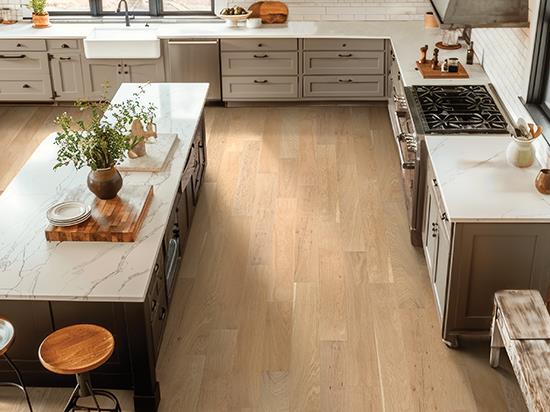
Hardwood Report 2025: The hardwood industry continues to improve its offering – March 2025

Ronseal Woodcare | Paints, Stains & Varnishes


Wood Paneling Is Back—and Better Than Ever

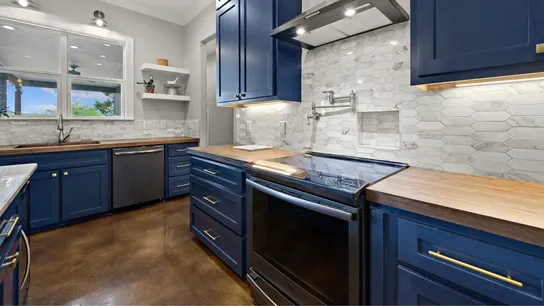
Cabinet Painting Drives Franchise Growth | Fresh Coat
In Depth: Deck Fasteners
In Depth: Deck Railings & Accessories

Global Plywood Market Size and Forecast 2025–2033

We're Over White-Washed Woods: See the Colors of the Year from 4 Major Stain Companies


econitWood™ turns timber scraps into new material resources

An Honest Review of LED-Cured Hardwax Oil for Wood Finishing

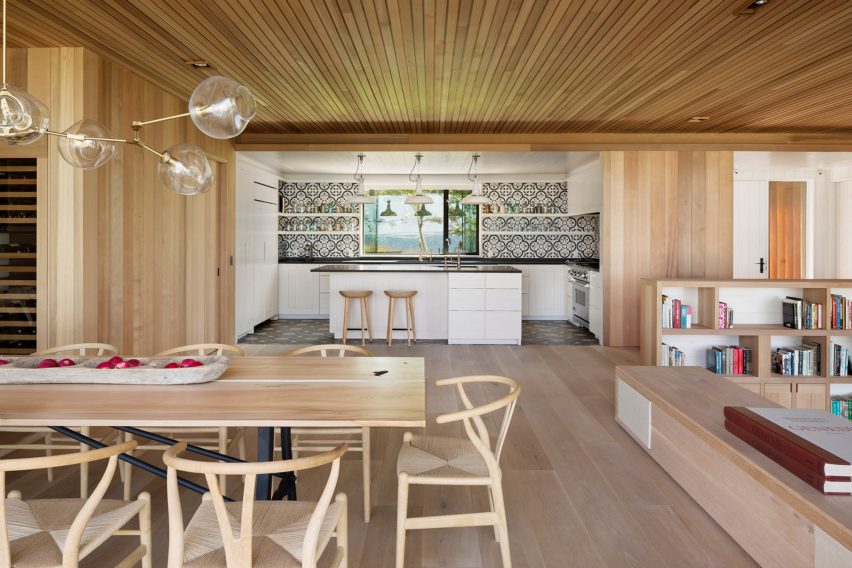
Ten projects that seamlessly integrate wood into the design
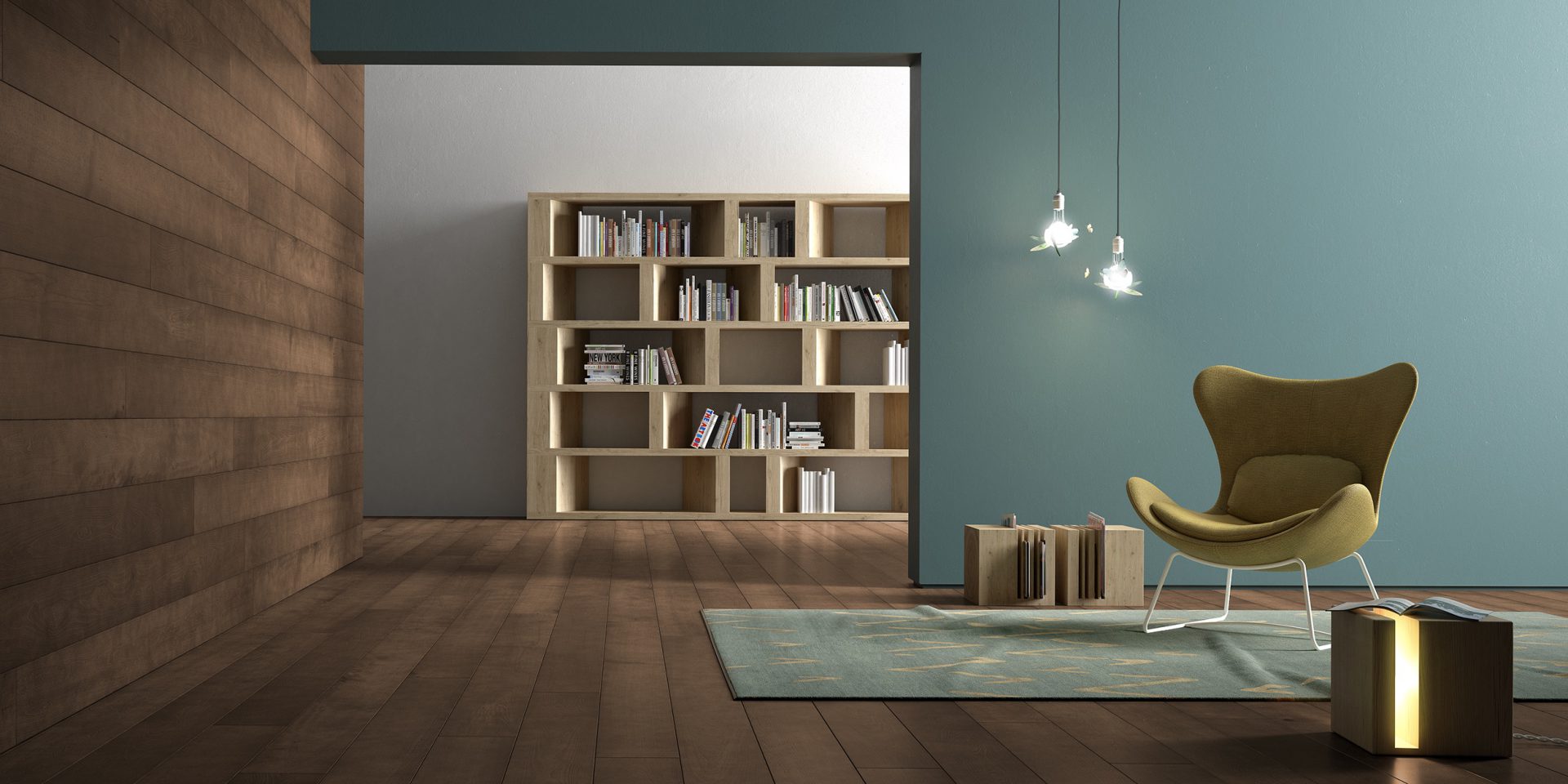
Wood flooring was just a start, introducing Italian hardwood excellence ITLAS

26 Profitable CNC Projects To Sell in 2025


Australia Plywood Market: Construction Demand, Infrastructure Growth & the Role of Engineered Wood