1/11
Rustic bathroom ideas – 10 design secrets to help you relax in rural comfort
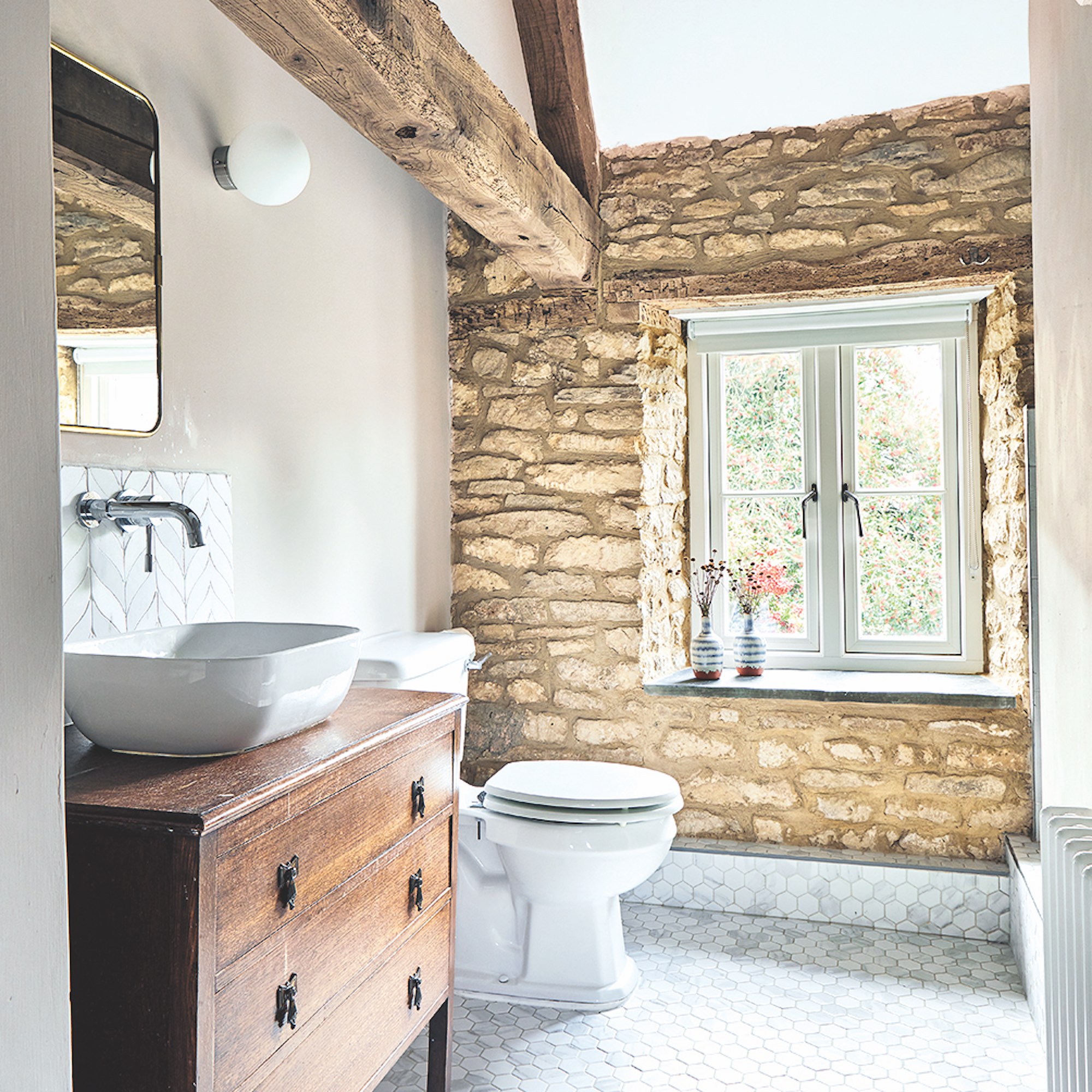
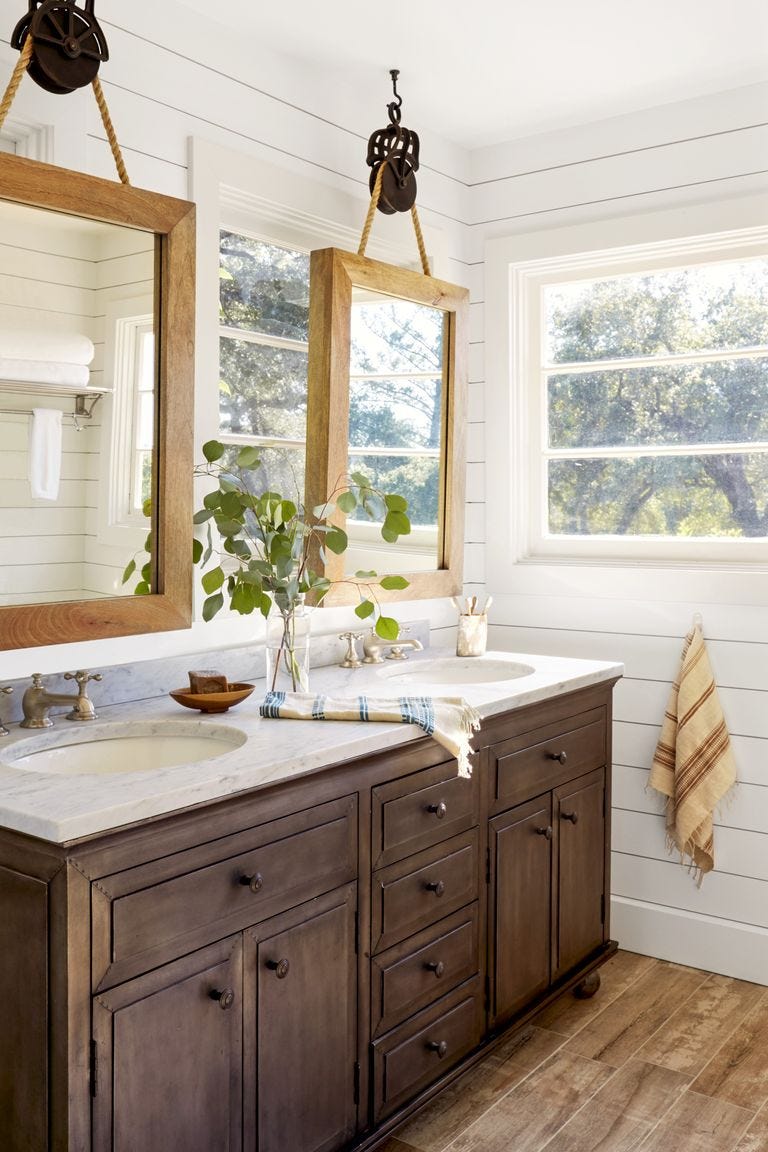
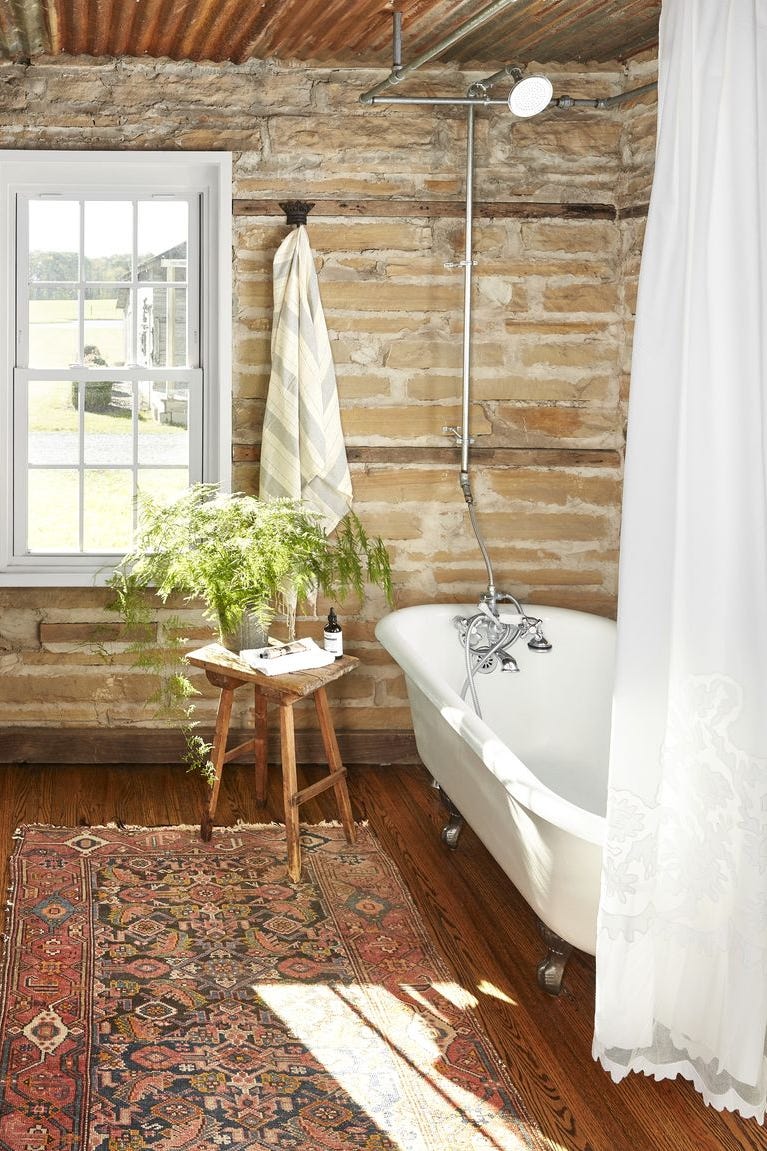
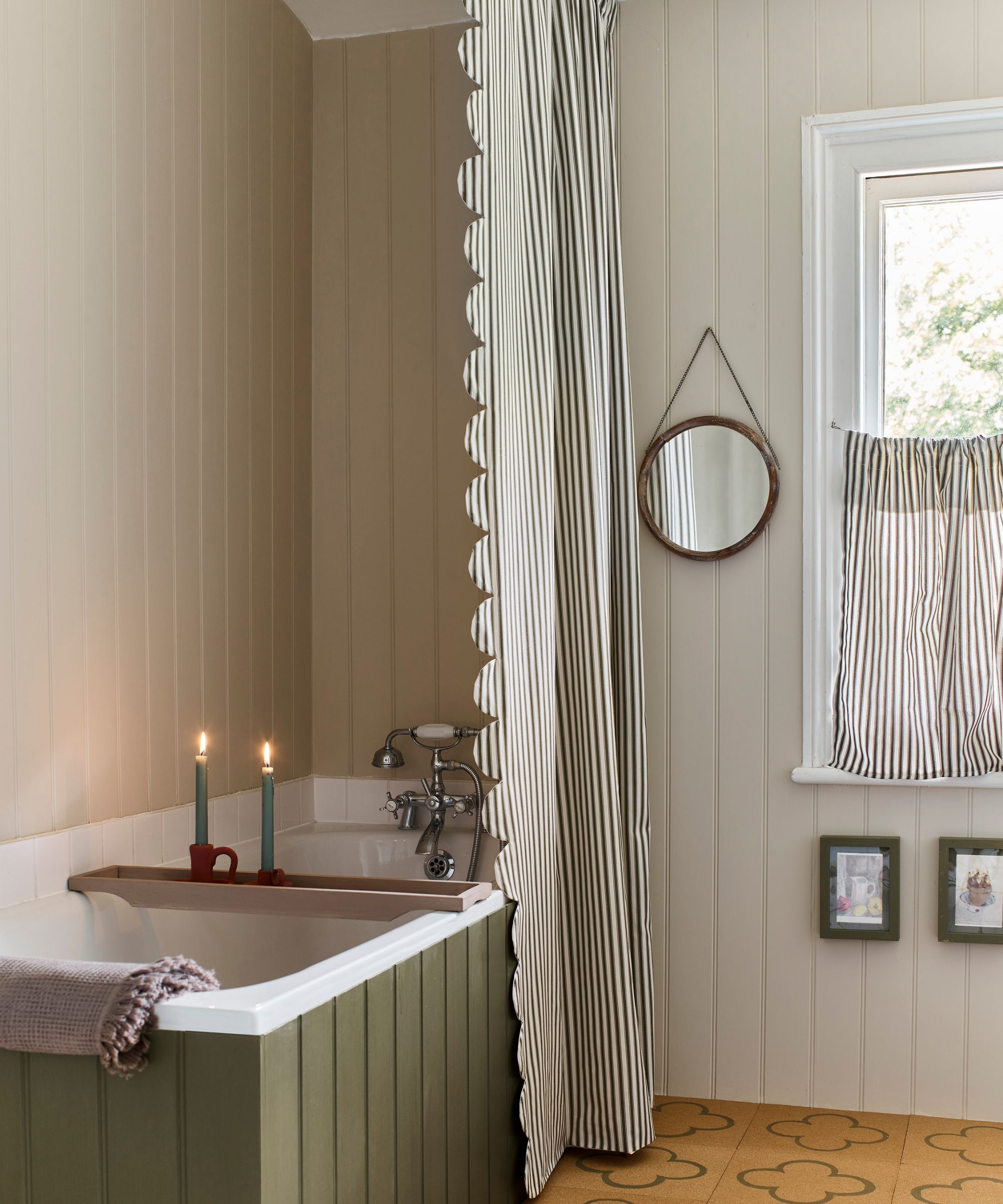
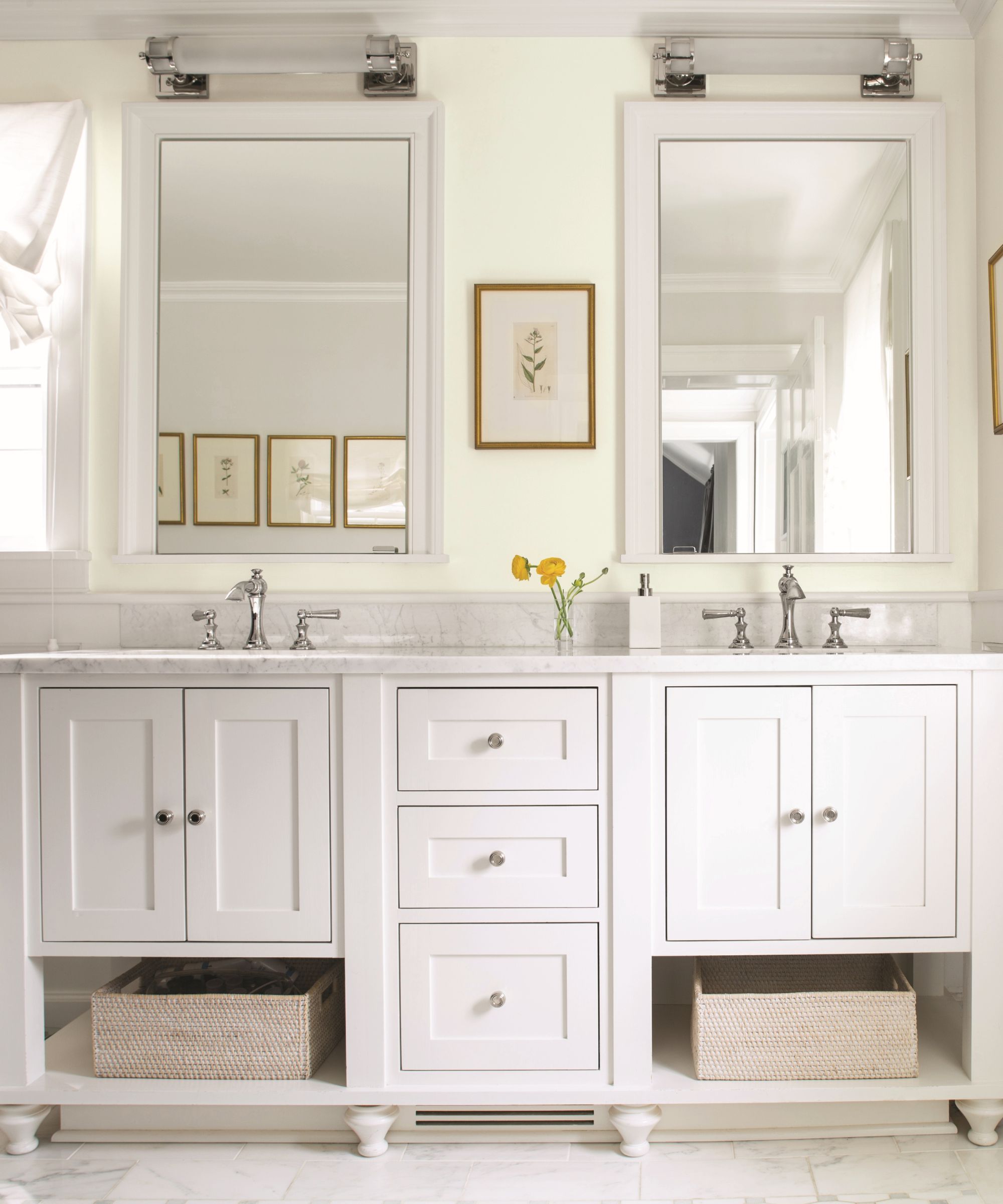
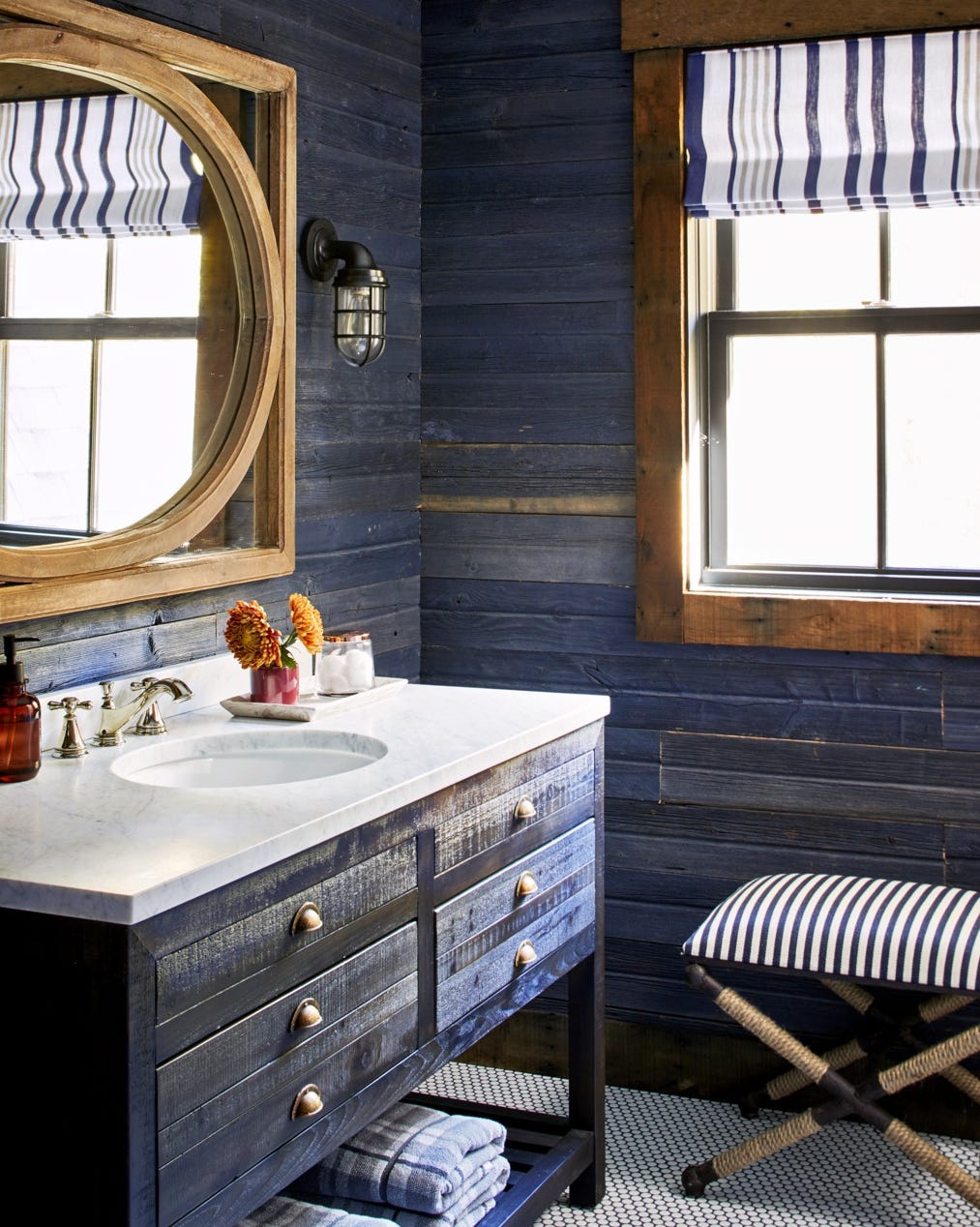
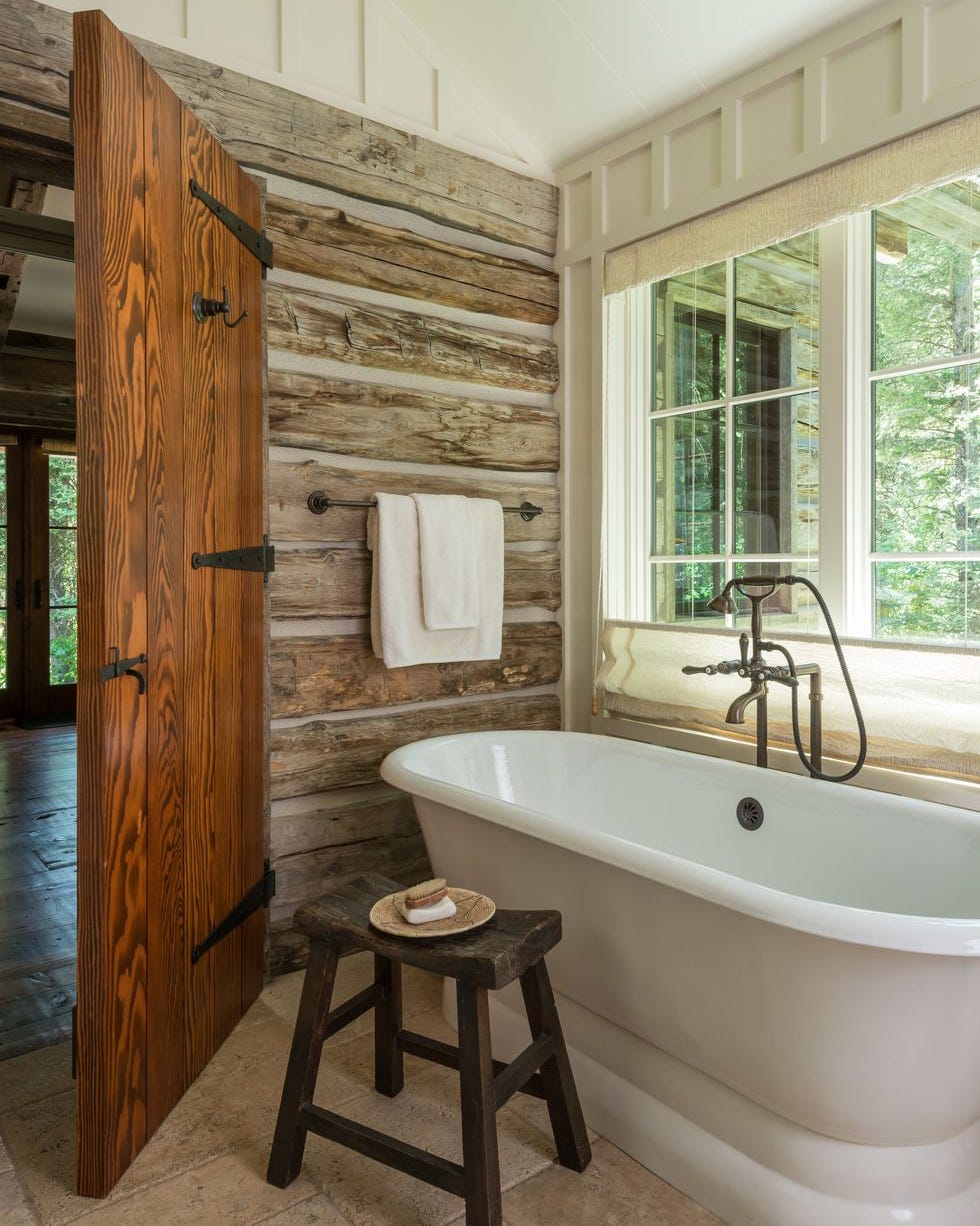
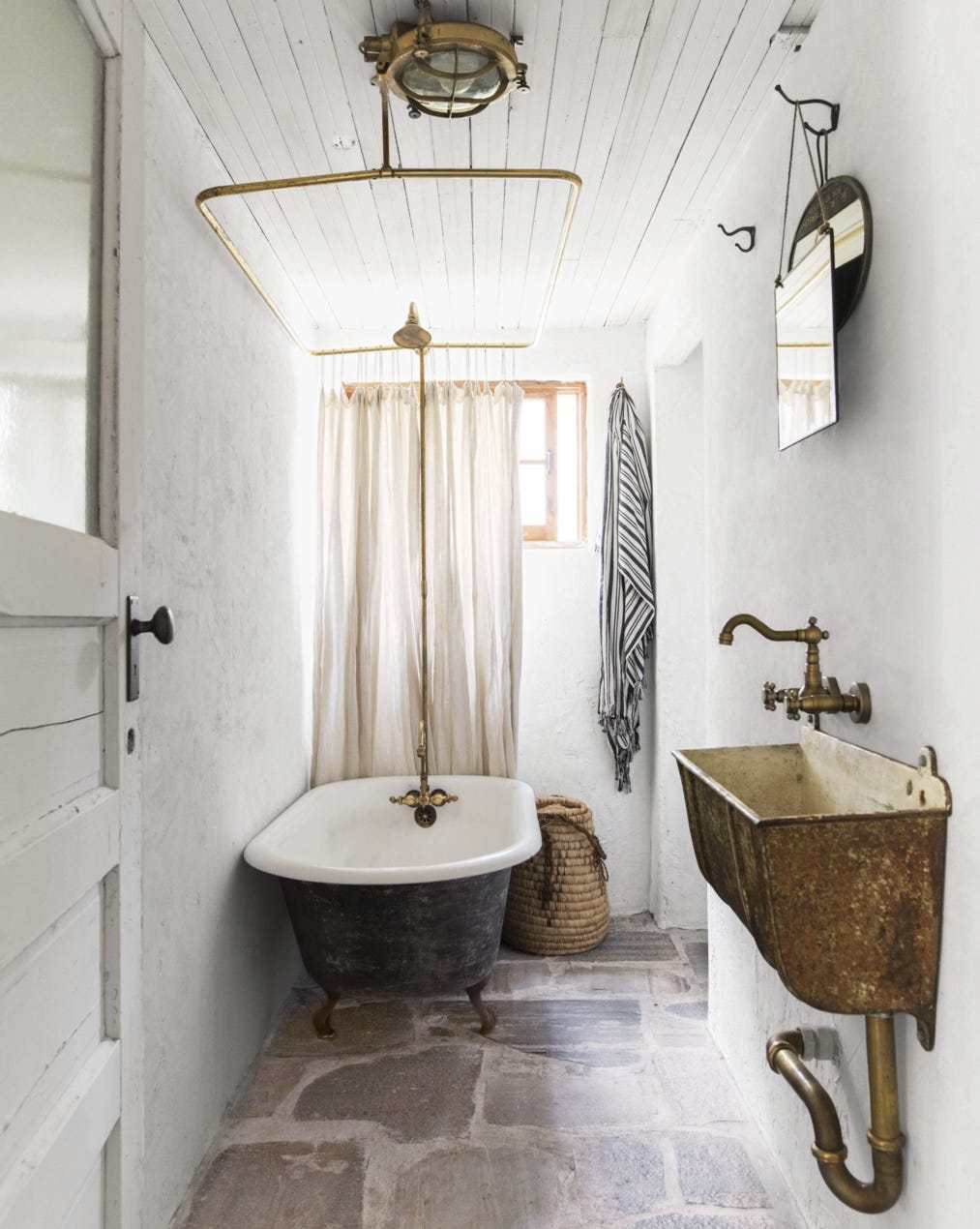
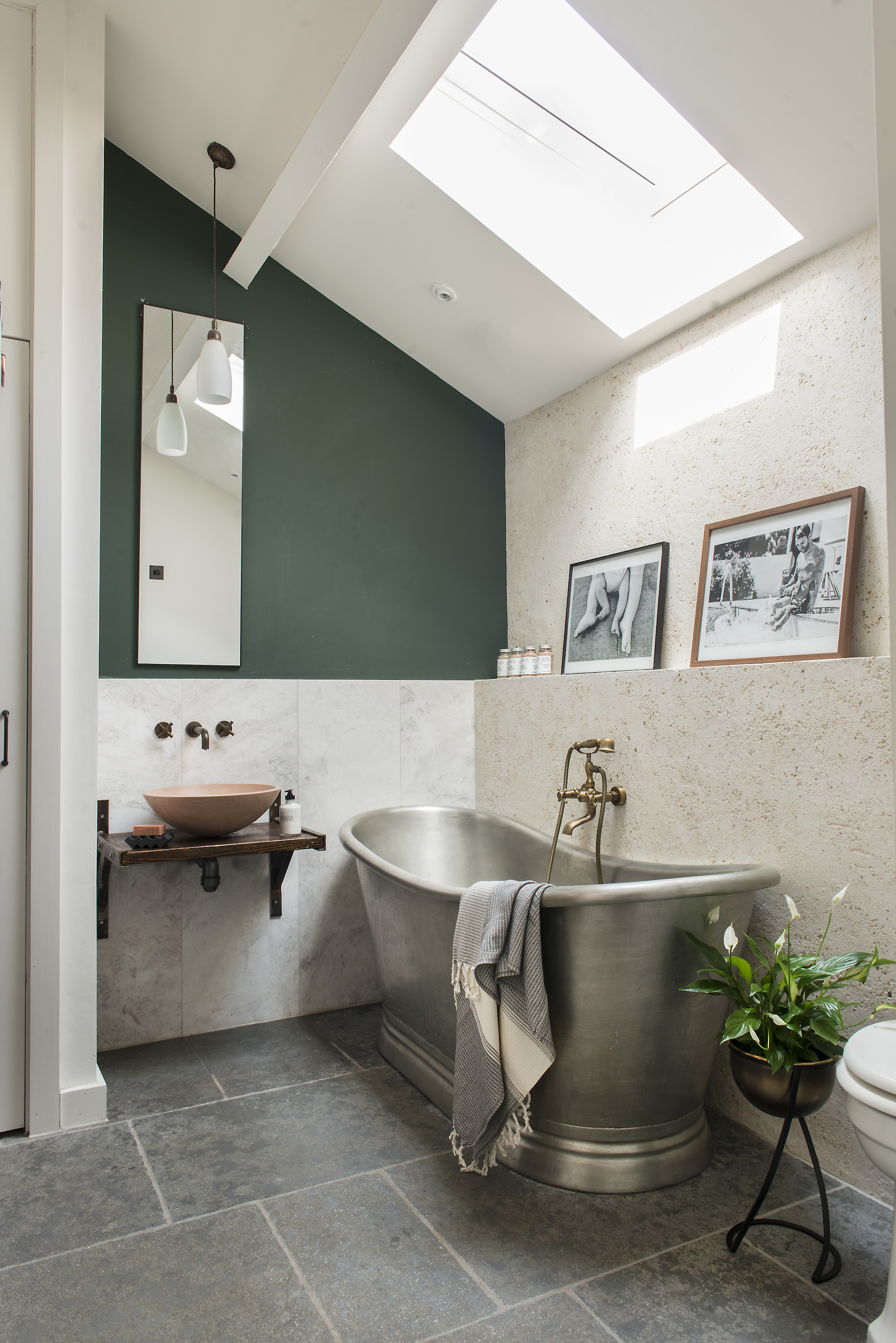
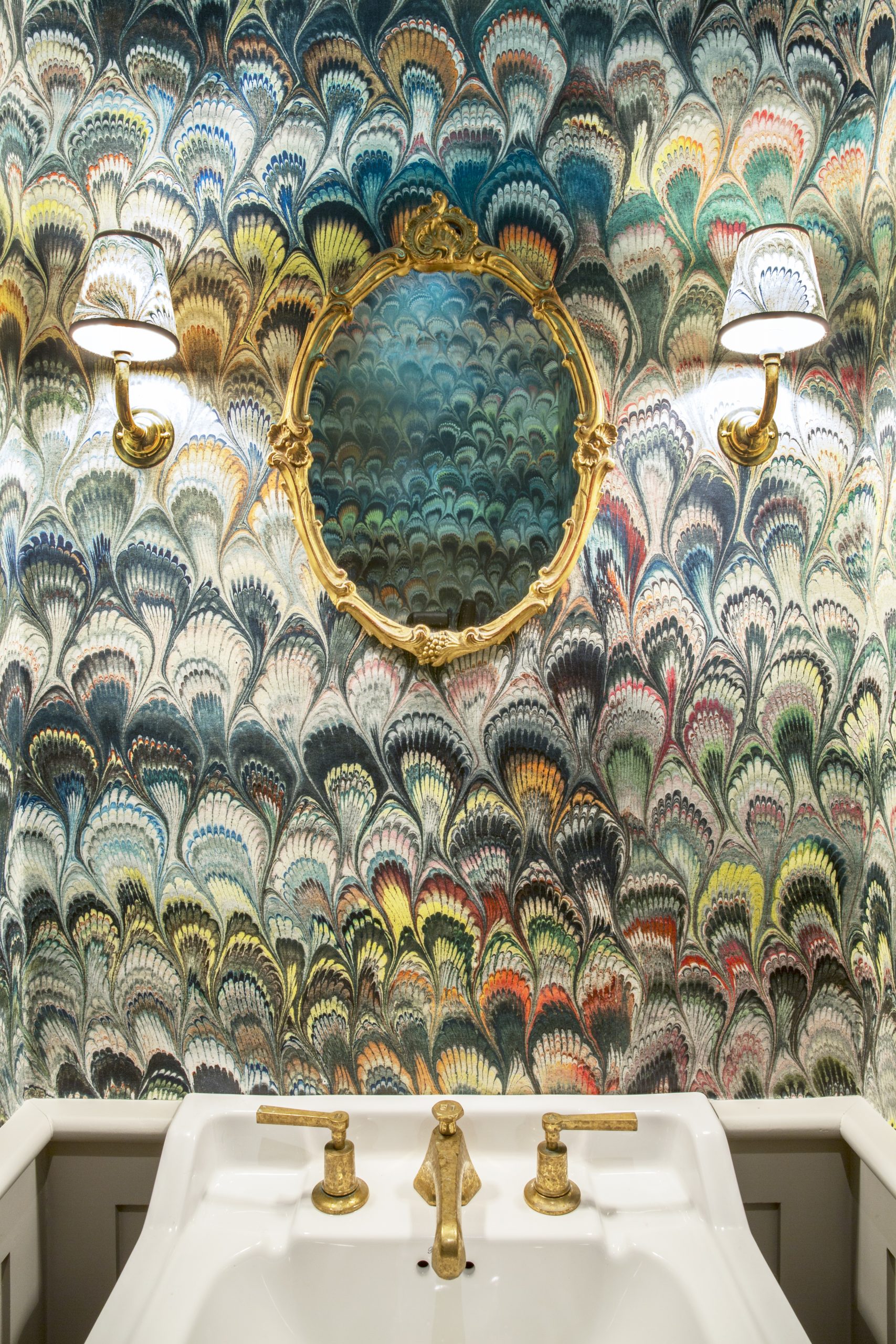
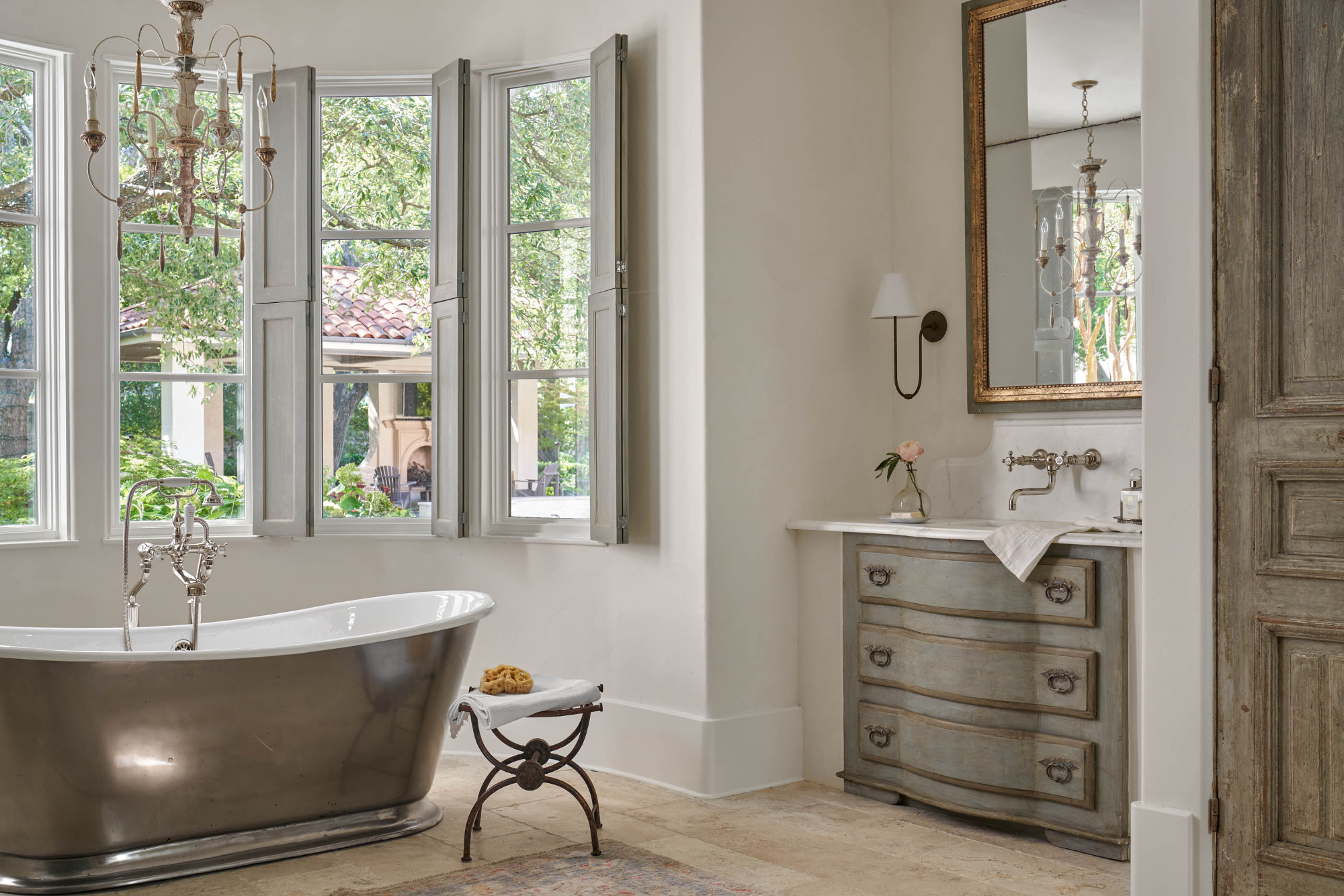
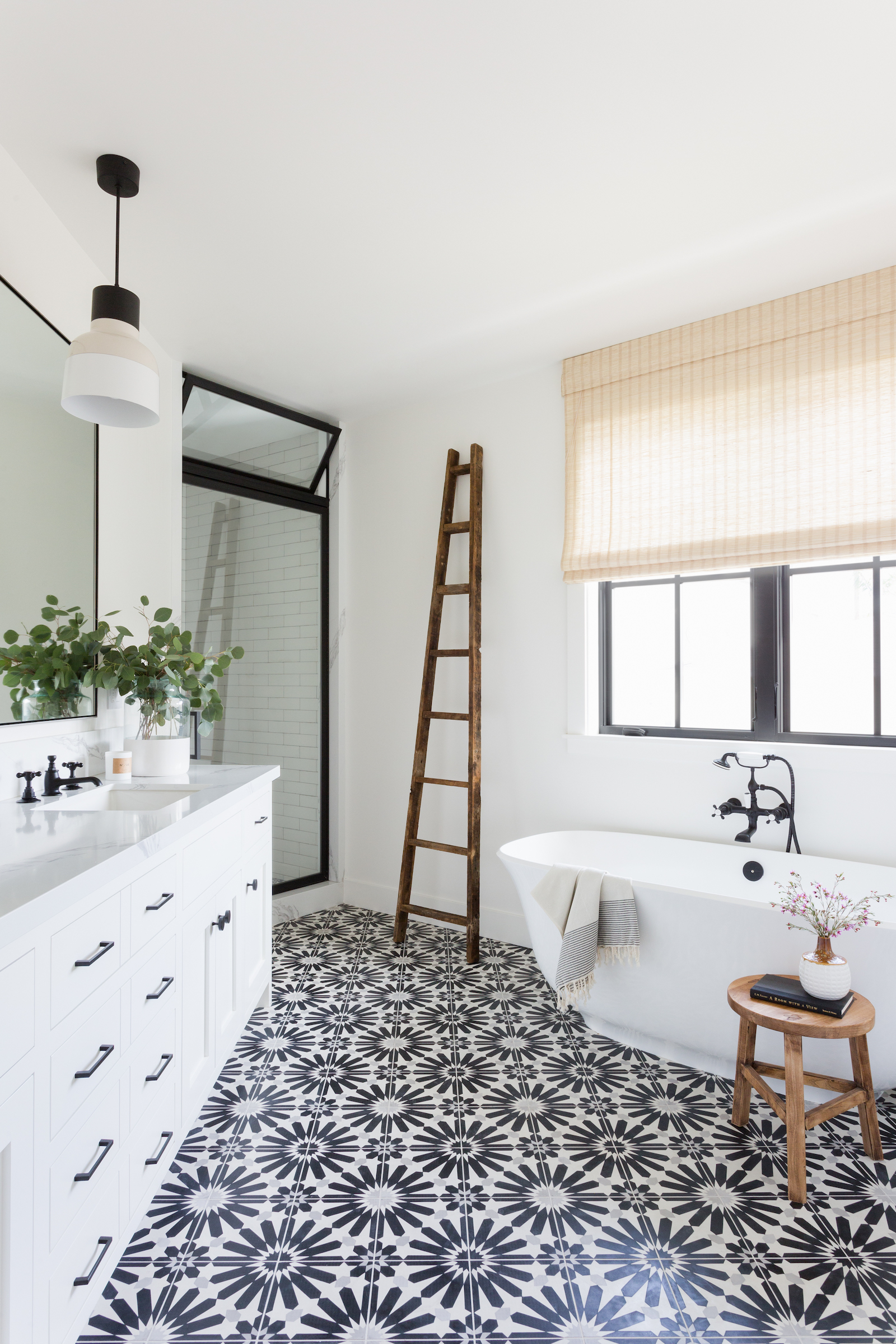
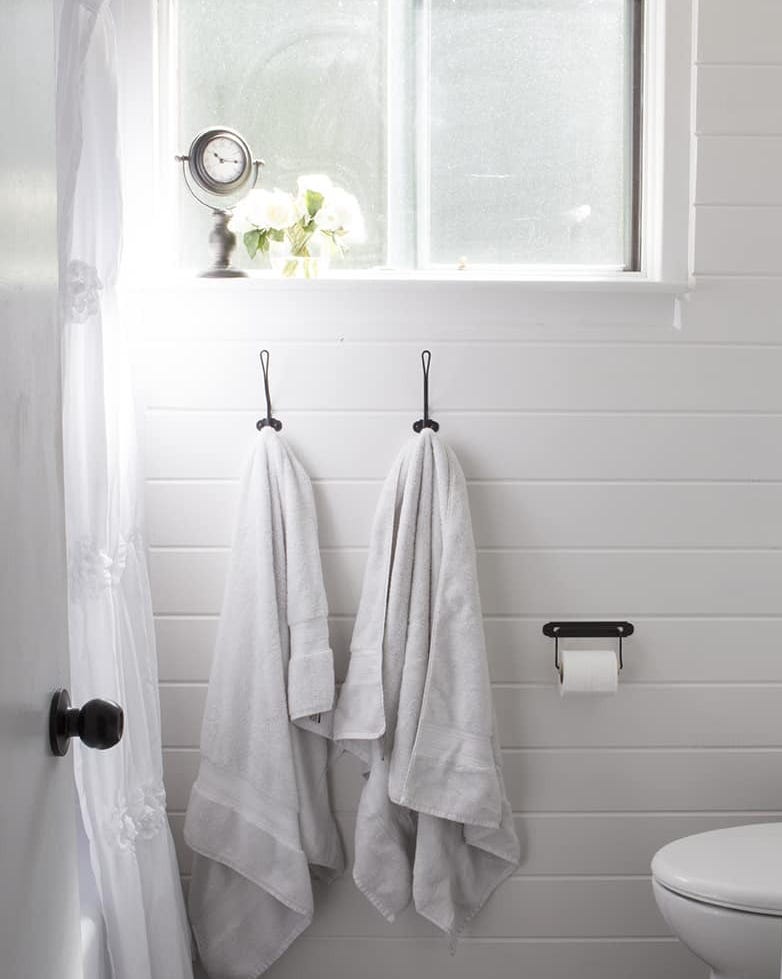
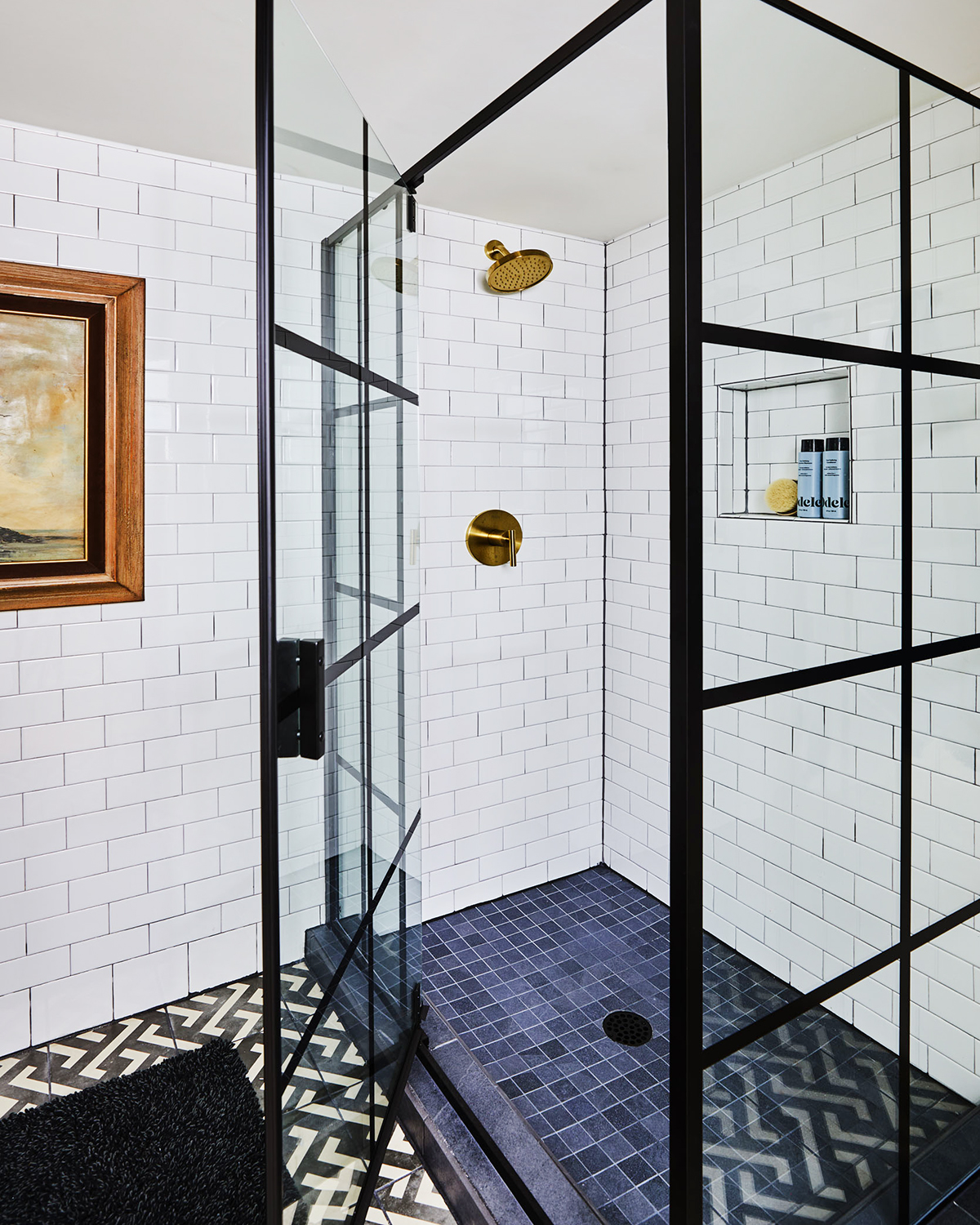
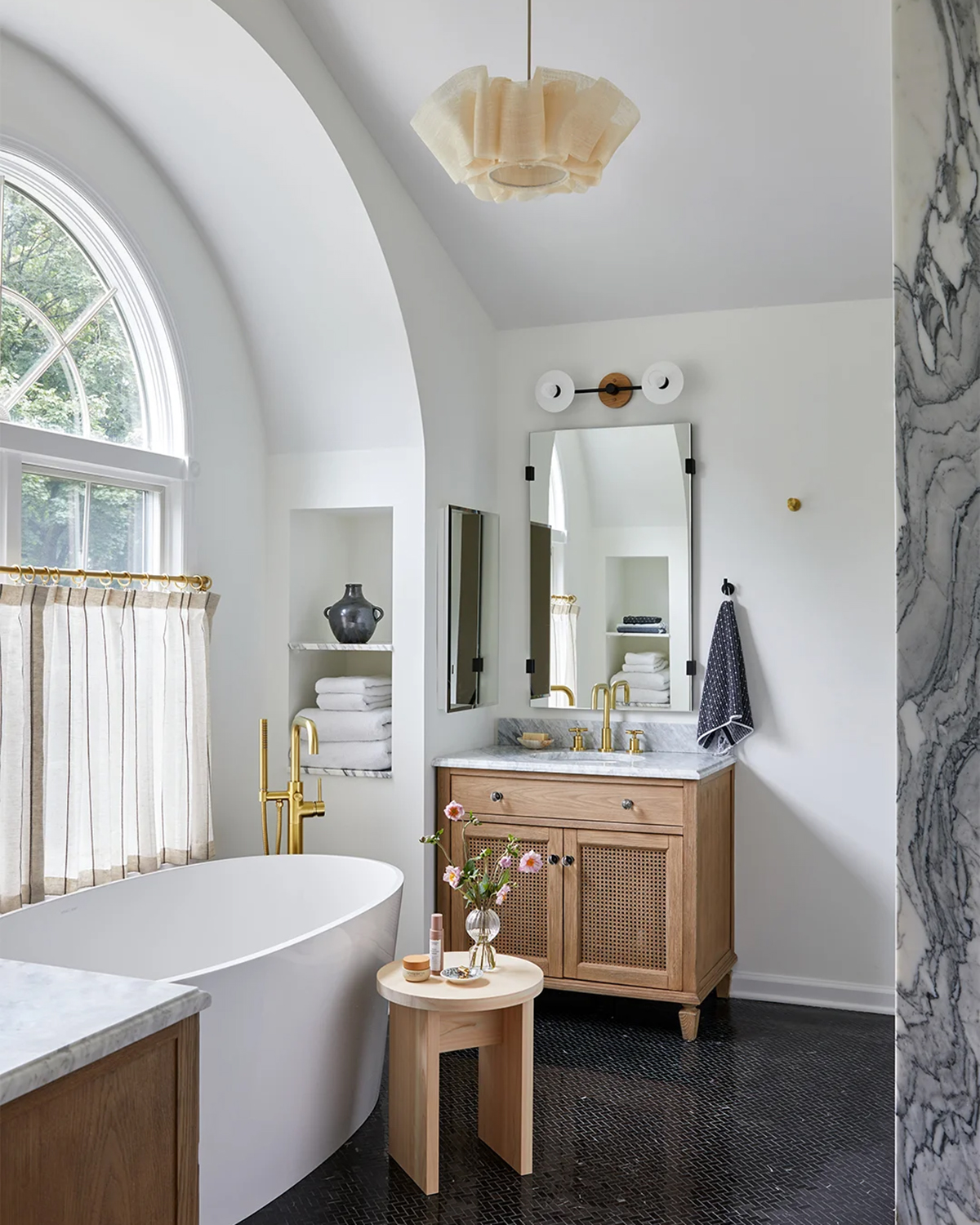
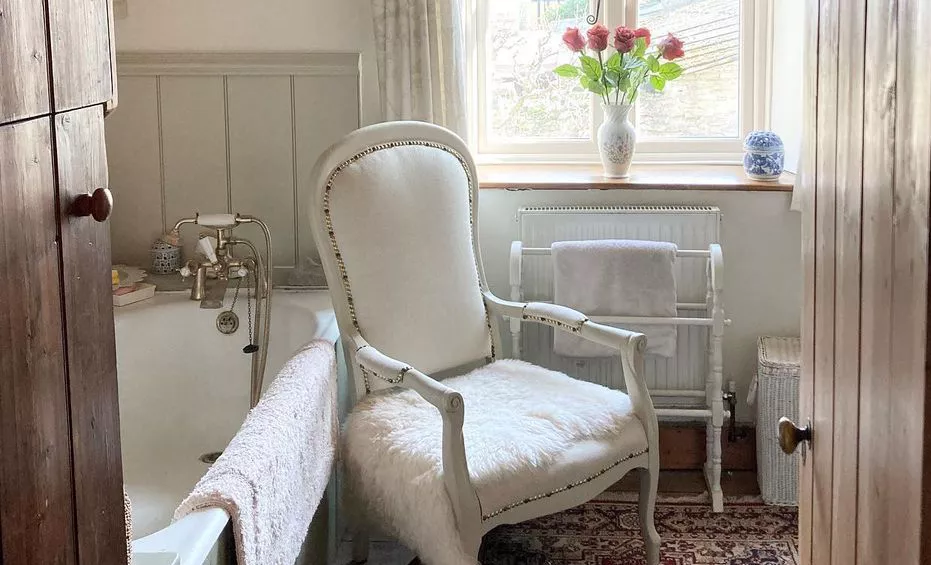
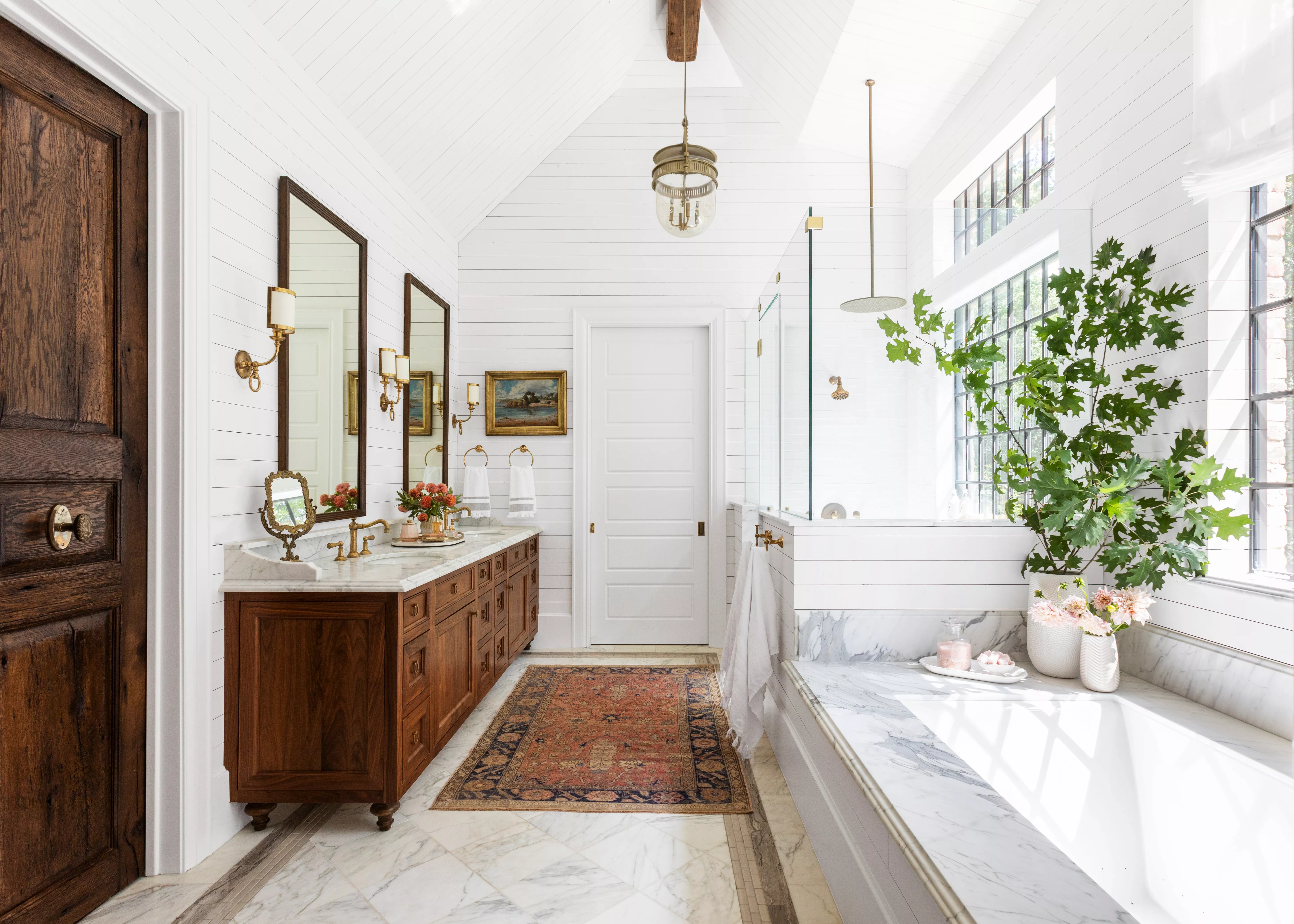
Achieving a rustic bathroom aesthetic involves incorporating rough finishes, rich textures, and unique patterns through unusual combinations. When designing a rustic bathroom, it's essential to draw inspiration from the property's architectural quirks and rural setting, especially for period homes. This approach ensures that materials like wood, stone, plaster, and paneling are integrated, reflecting the building's construction and the surrounding natural views. The goal is to blend luxurious finishes and modern fittings with these traditional elements to create a harmonious and comforting space.
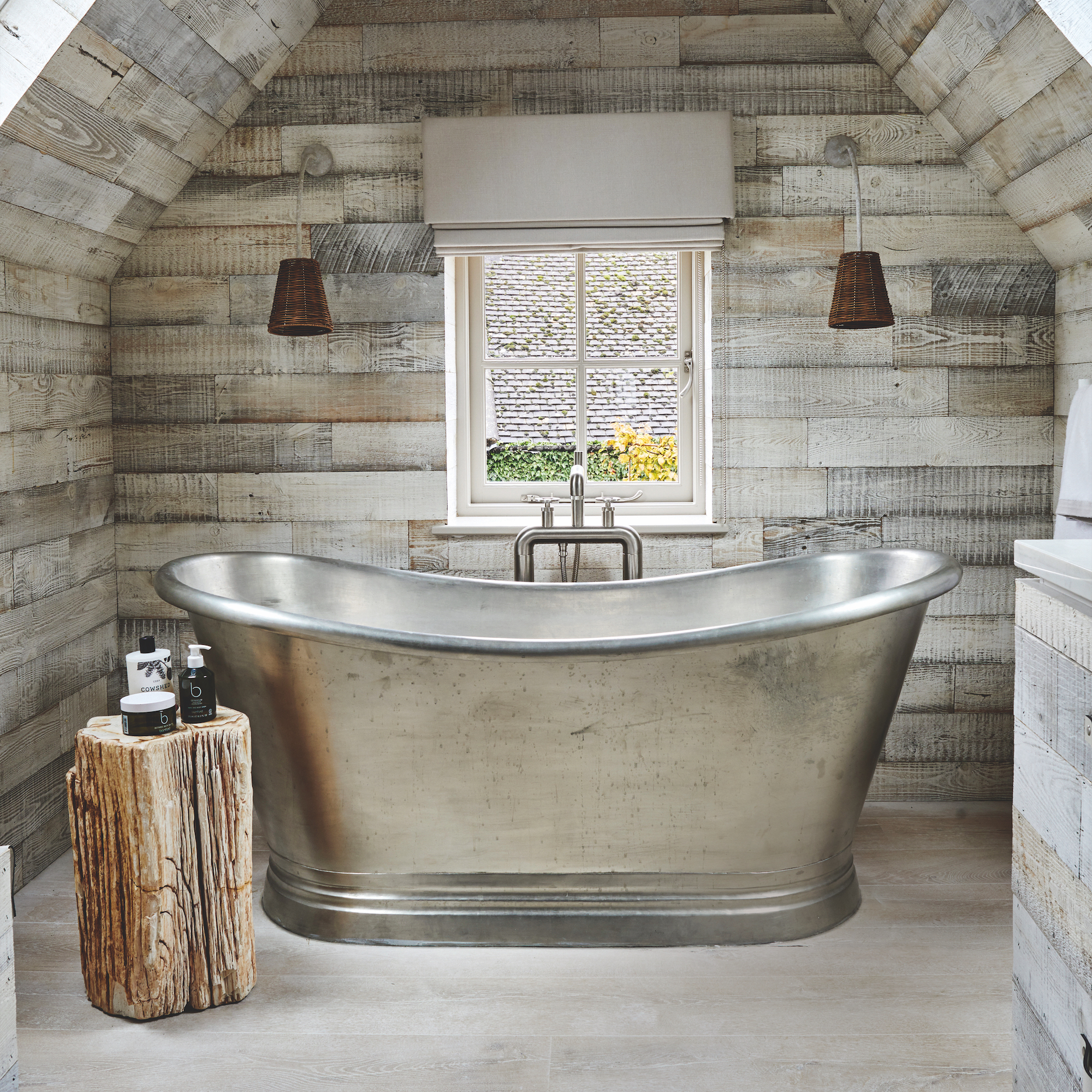
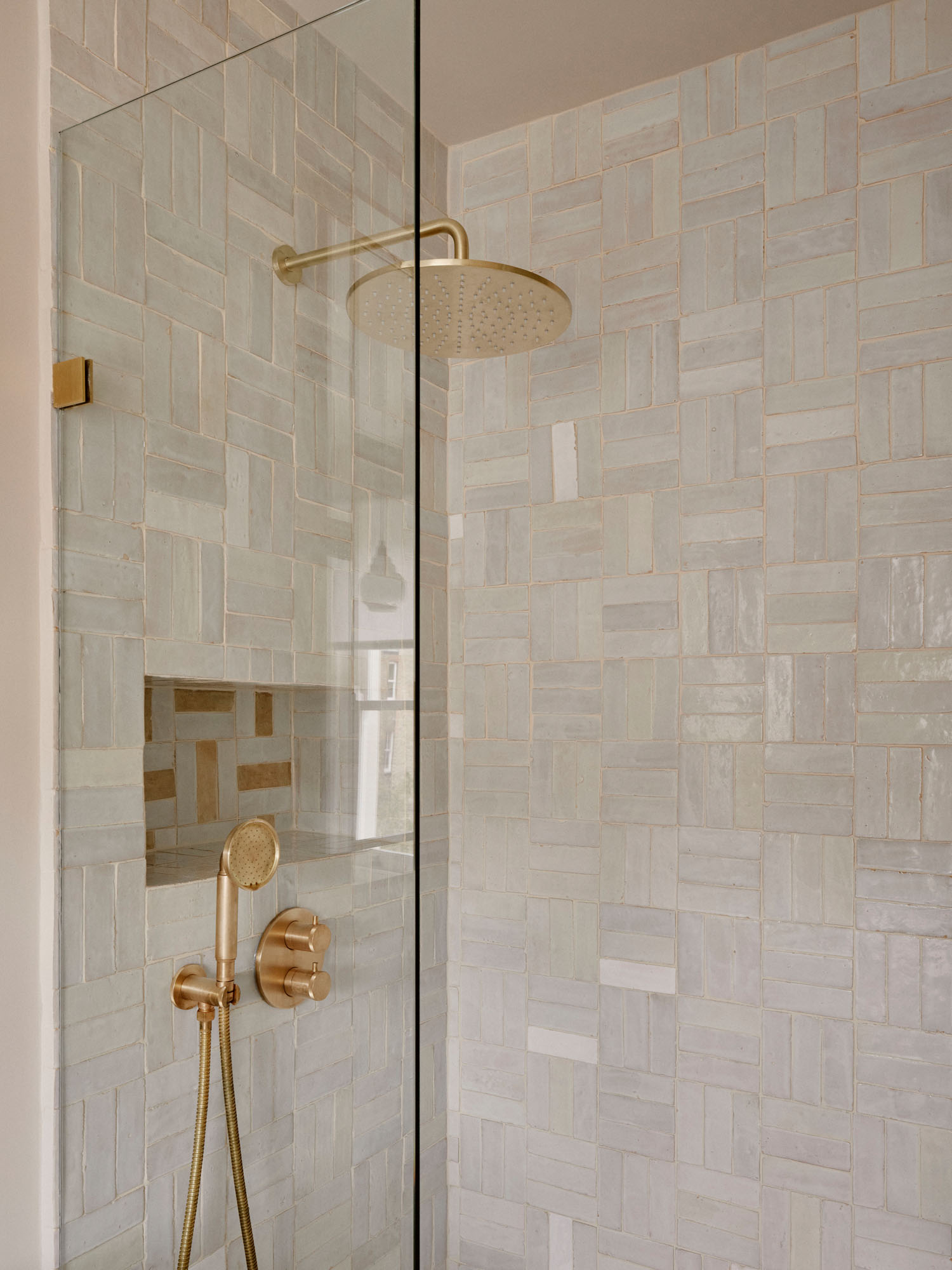
One key design principle is to work with the walls, utilizing naturally aged and distressed reclaimed floorboards. These can bring significant rustic charm and surprising resilience to bathroom walls. Cleaning them and applying a clear wax finish protects them from moisture while preserving historical elements like old saw blade marks and nail holes. Another effective strategy is to combine various materials carefully. For instance, pairing grey oak on floors and bath panels with iridescent zellige tiles creates a textural contrast, adding warmth and visual interest to the room. Painting pine ceilings and structural beams white can also modernize the rustic feel.
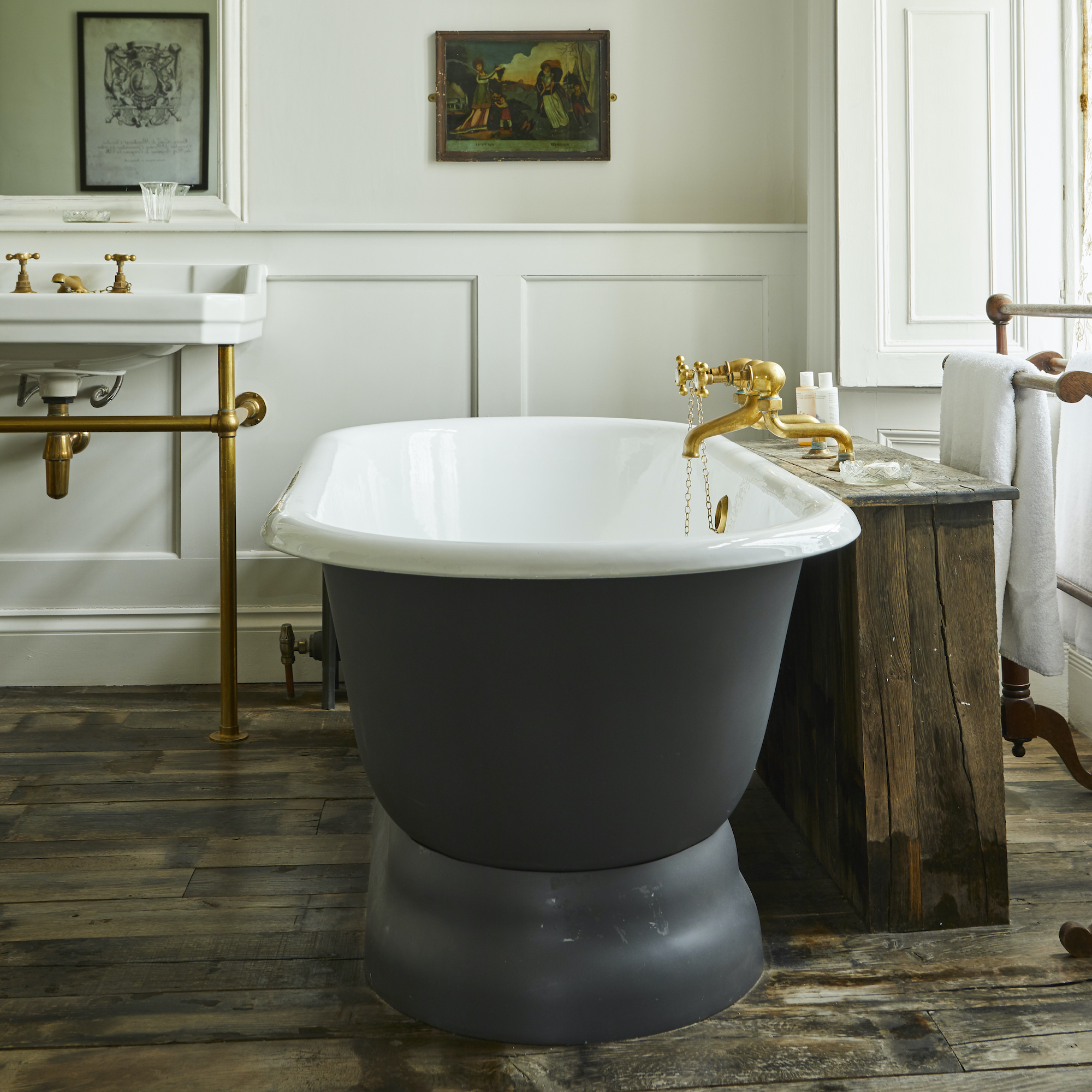
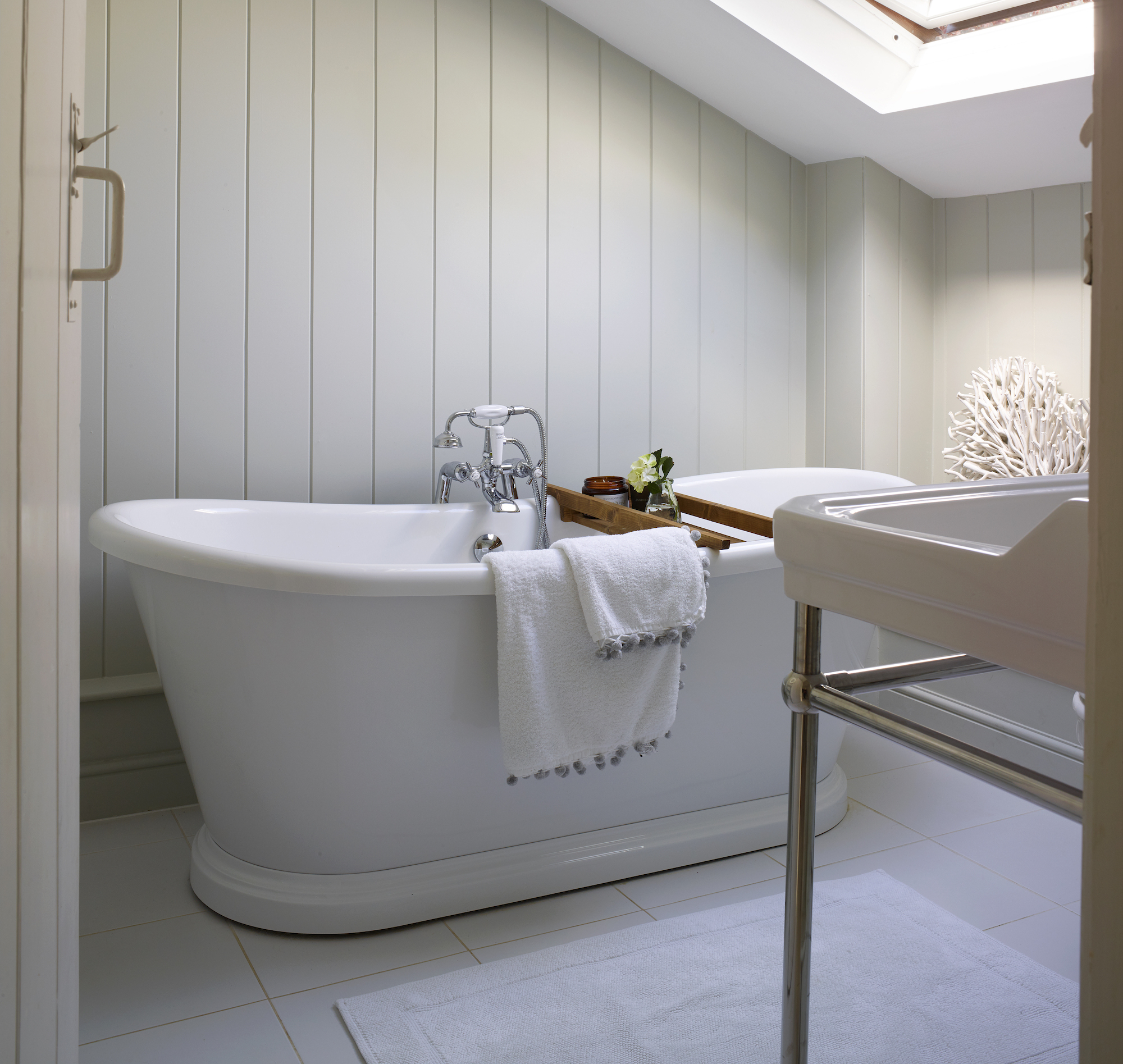
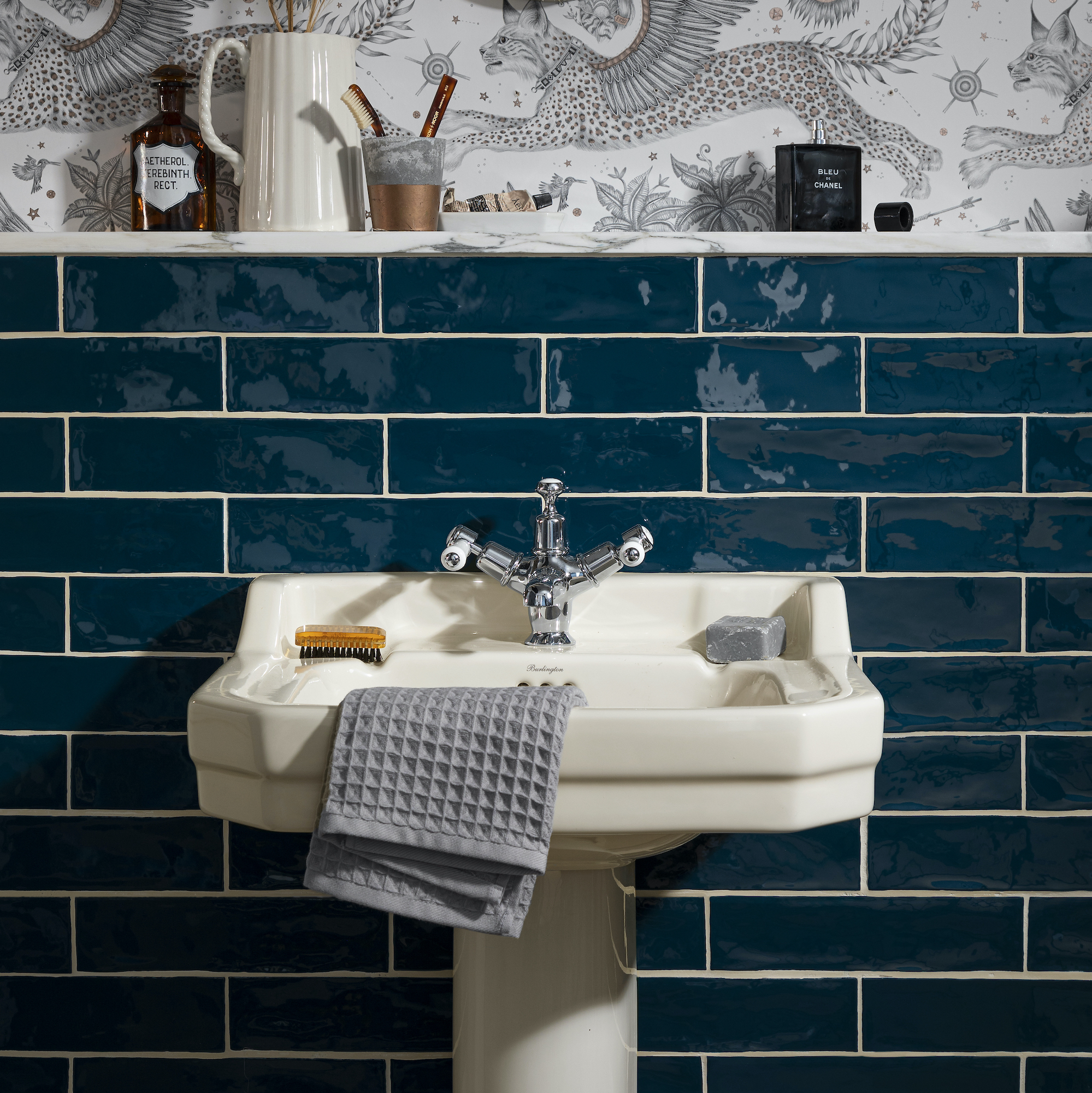
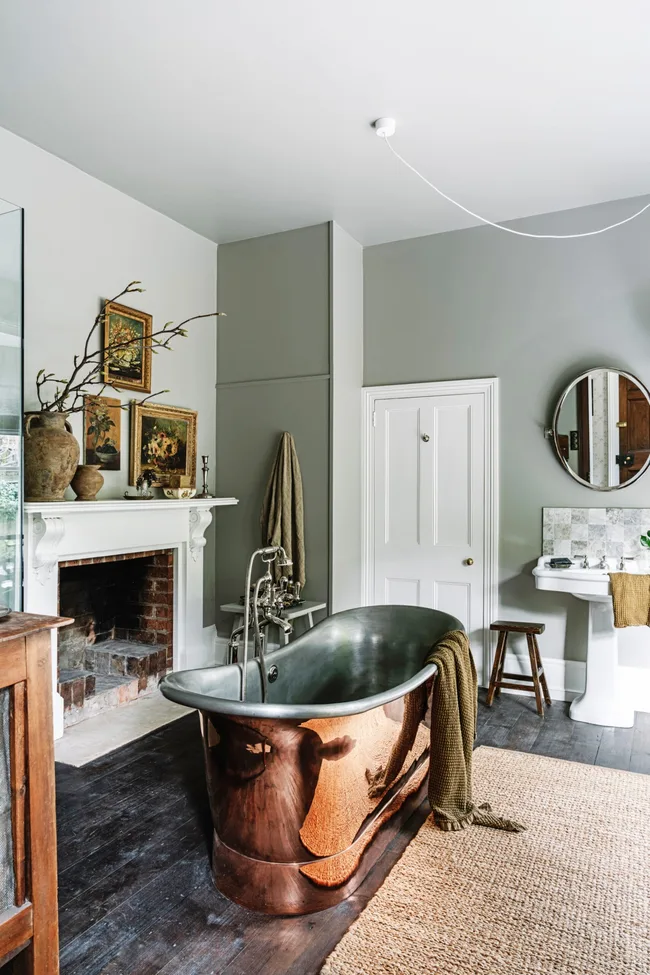
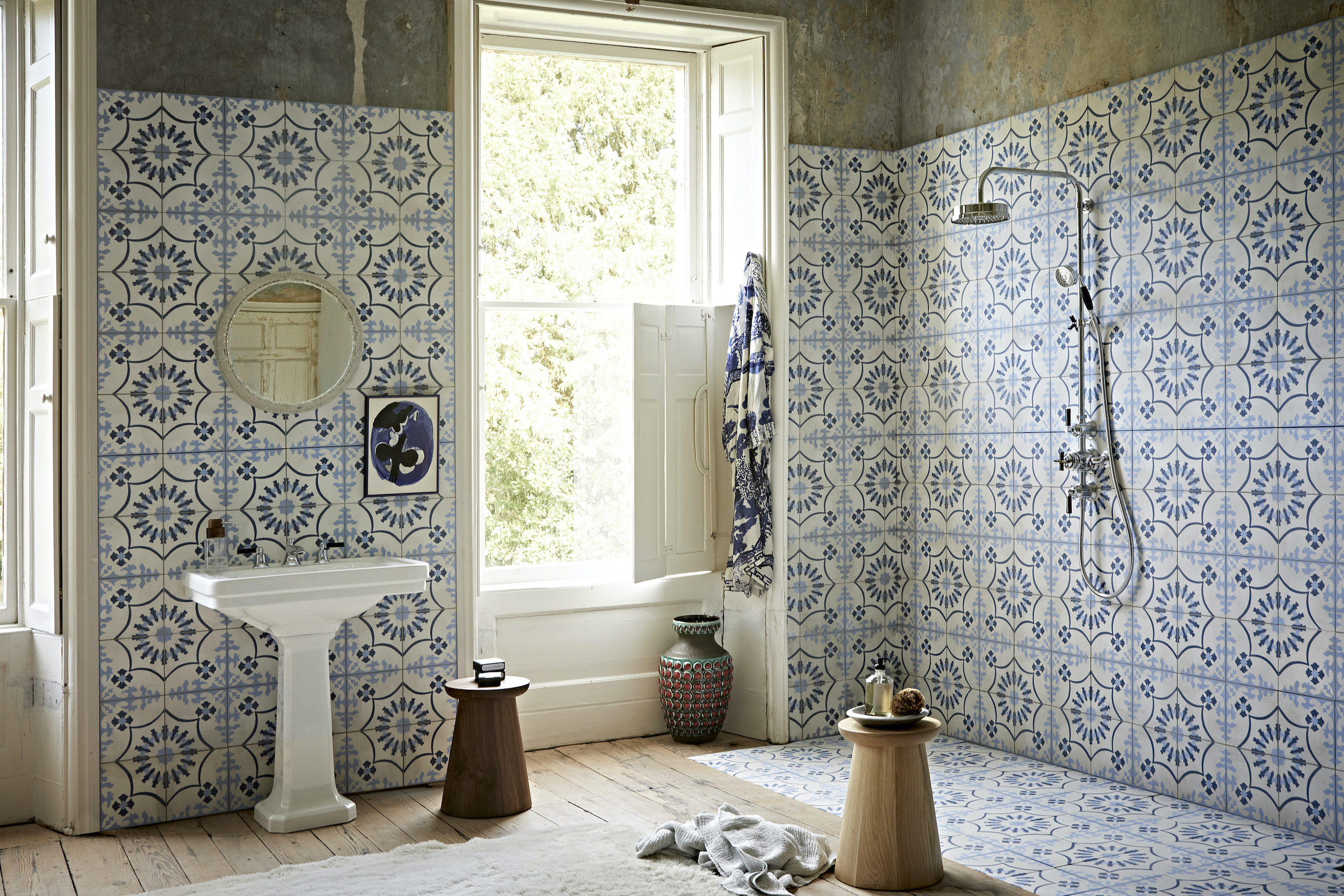
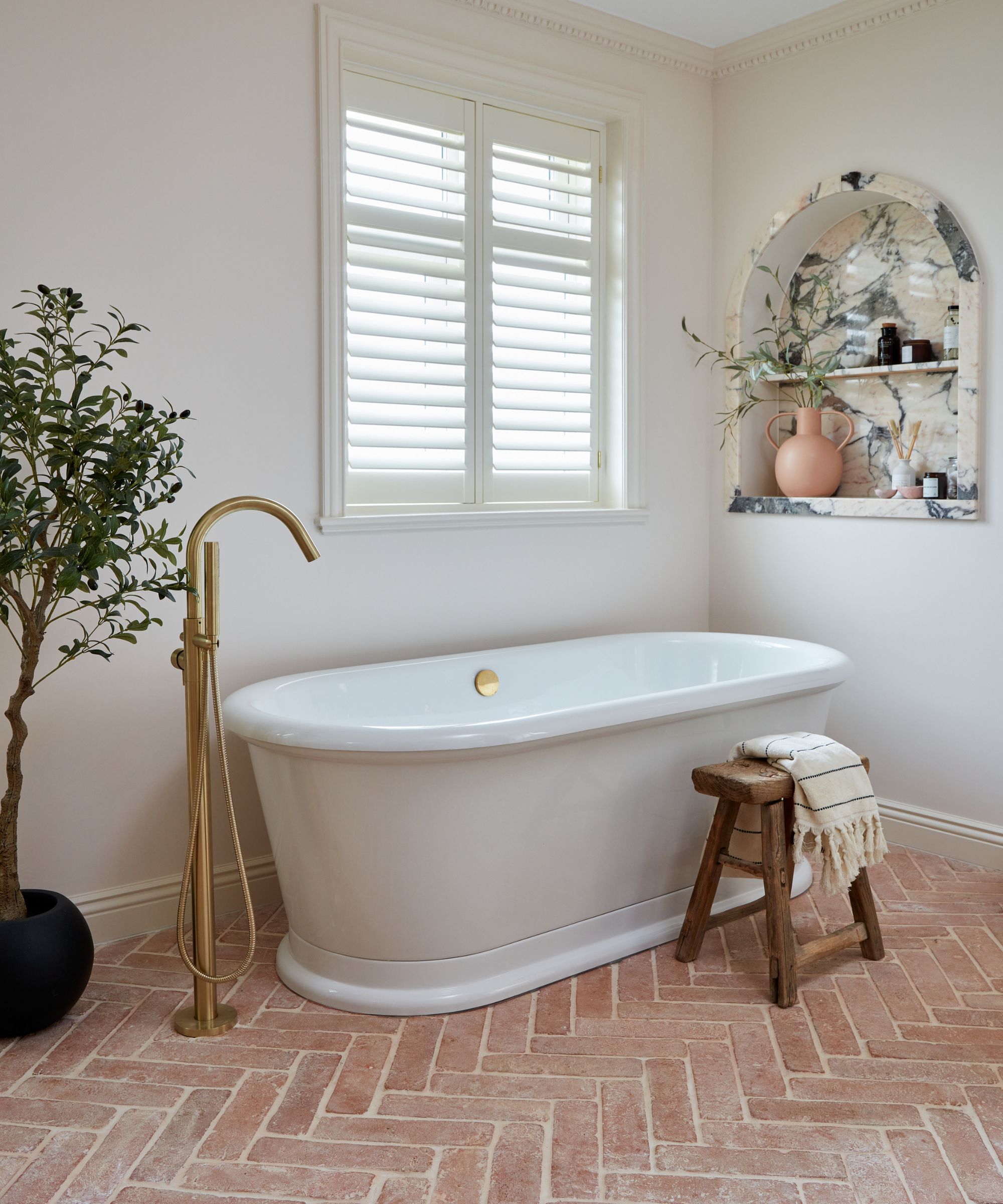
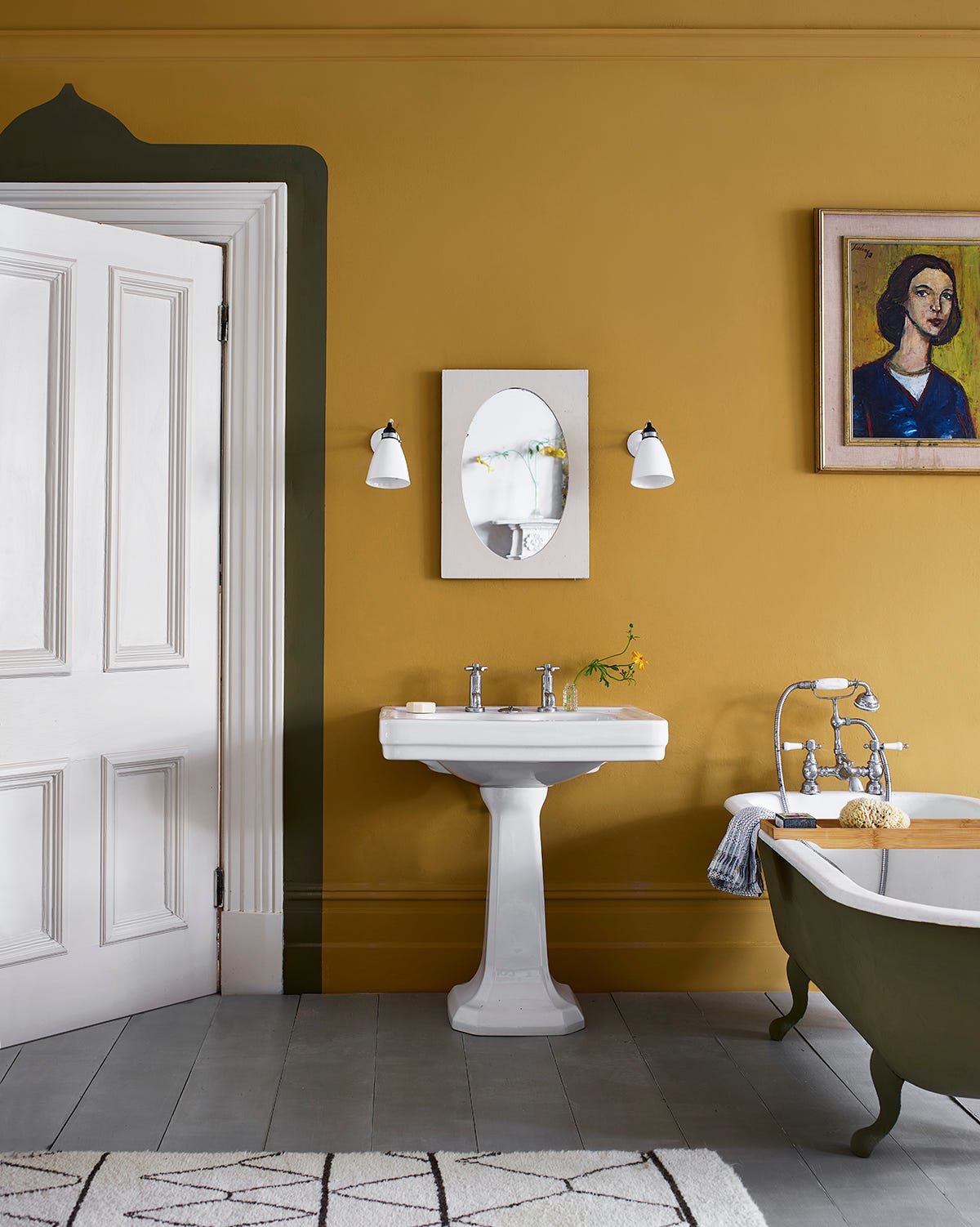
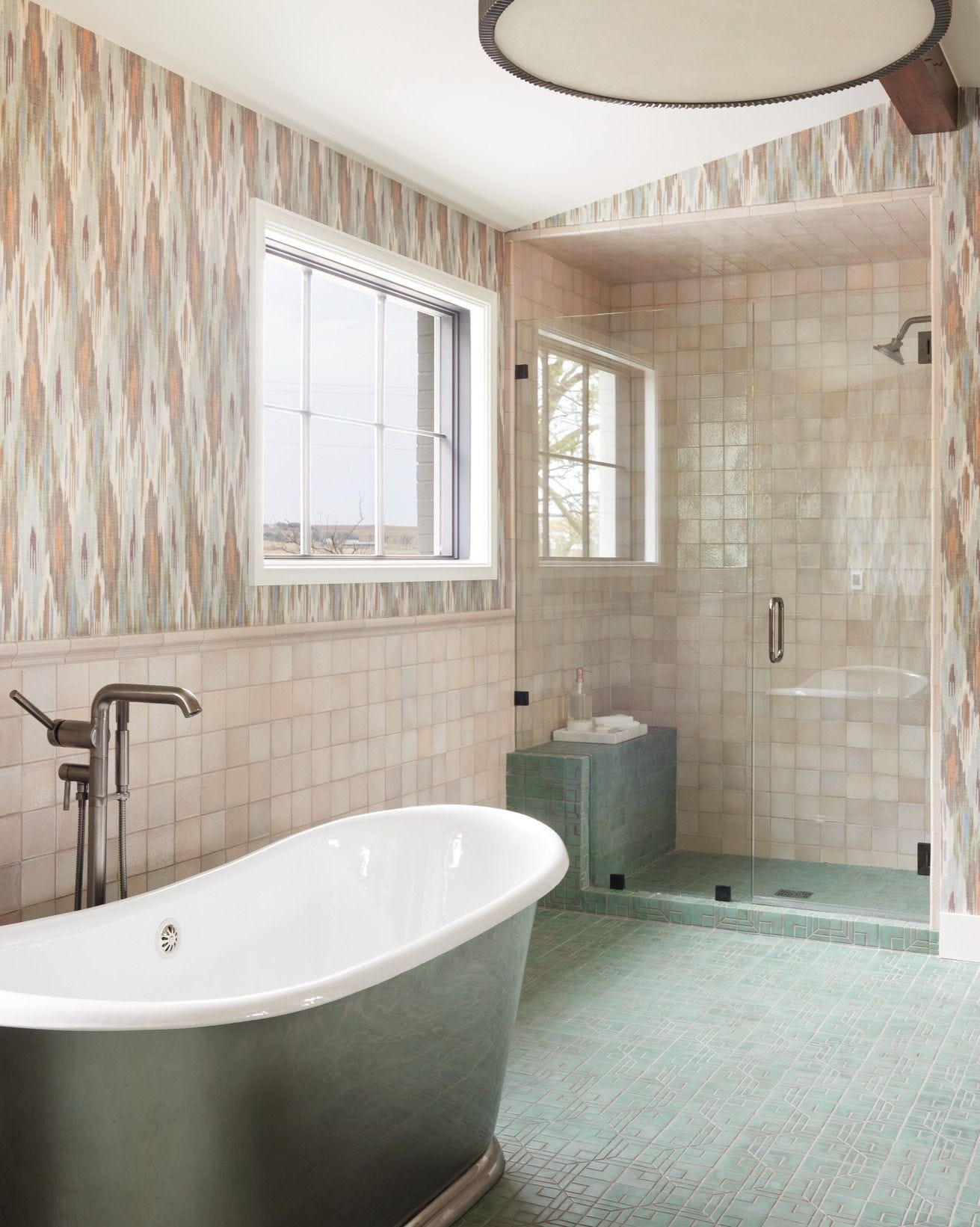
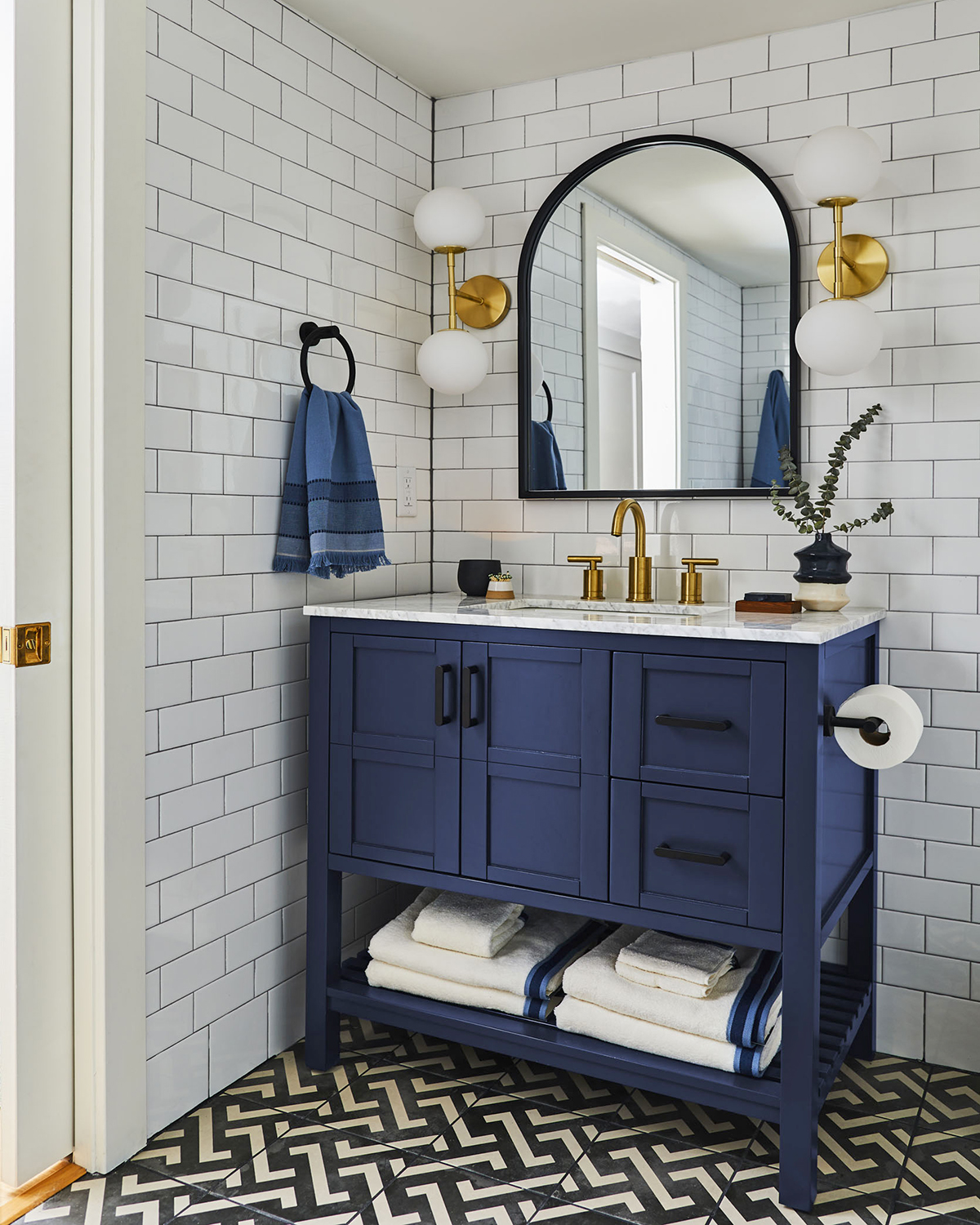
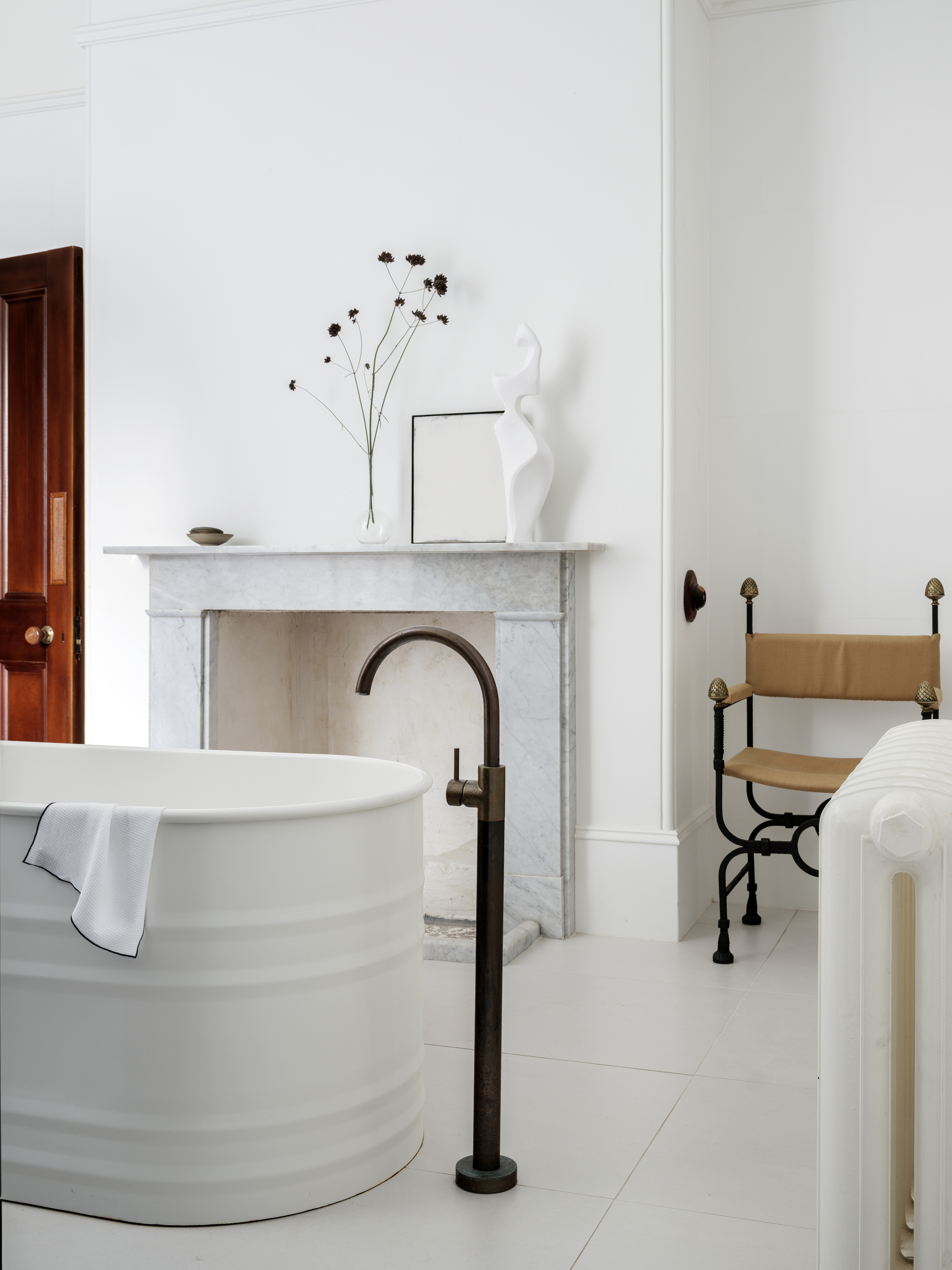
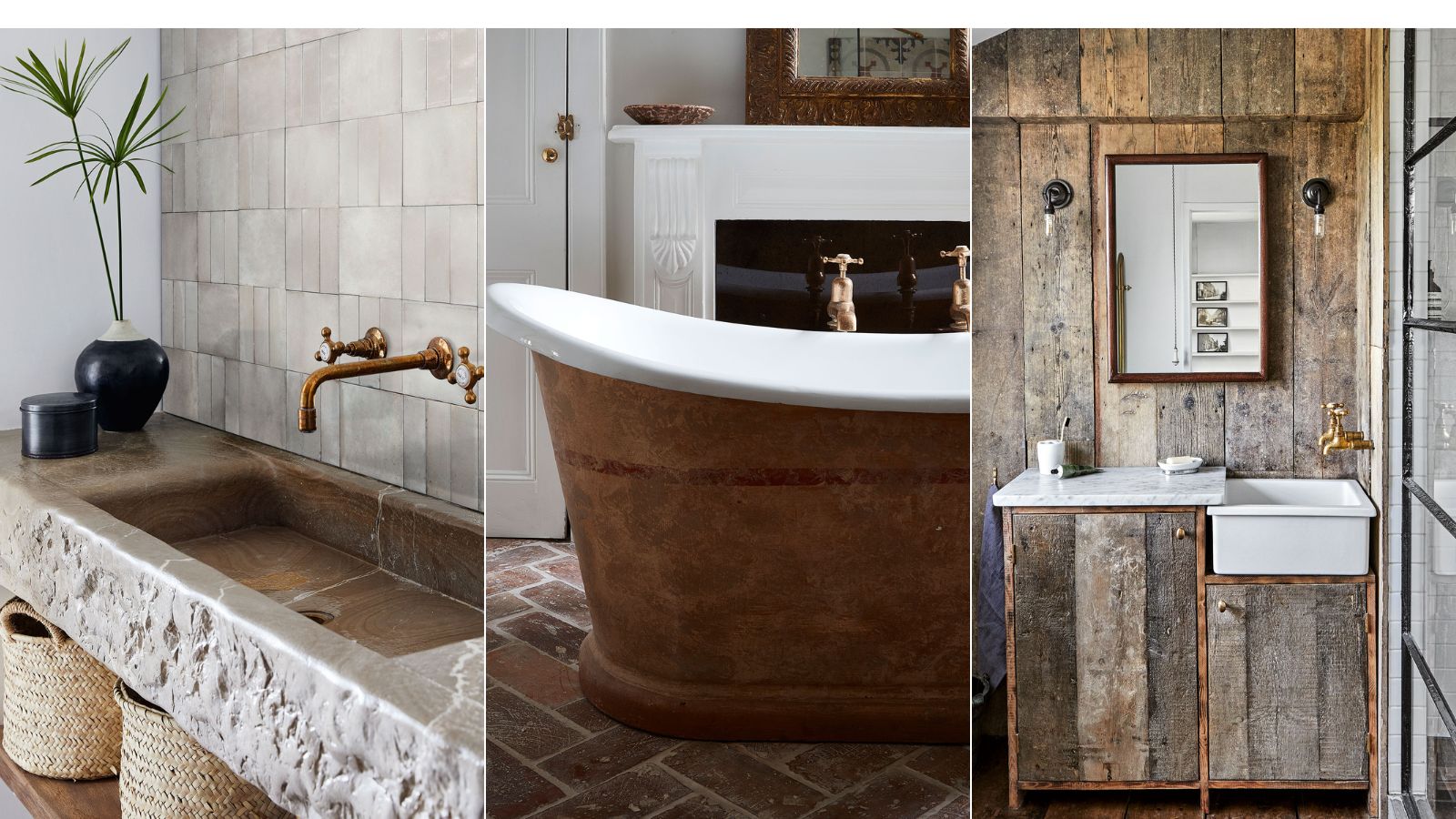
Embracing a crafted look is crucial, even in modern interpretations of rustic design. Handcrafted tiles, like Belgian reproduction terracotta and weathered white zellige, offer richness and character due to their perfectly imperfect nature. Adding statement colors can prevent large bathrooms from feeling cold and exposed. Color-blocking techniques, particularly with earthy Mediterranean shades, highlight shower areas and introduce visual warmth, complementing textural materials like wood accessories and woven storage. Integrating old with new elements, such as a traditional bateau bath in a Grade II-listed property, can create an elegant and contemporary classic look when paired with modern functionalities like marble surfaces.
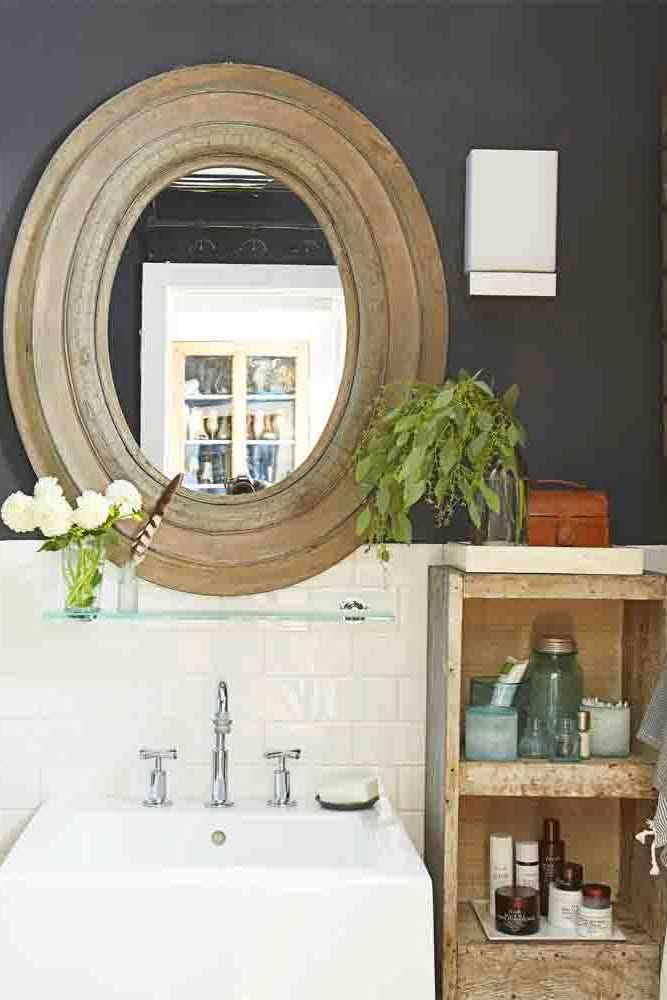
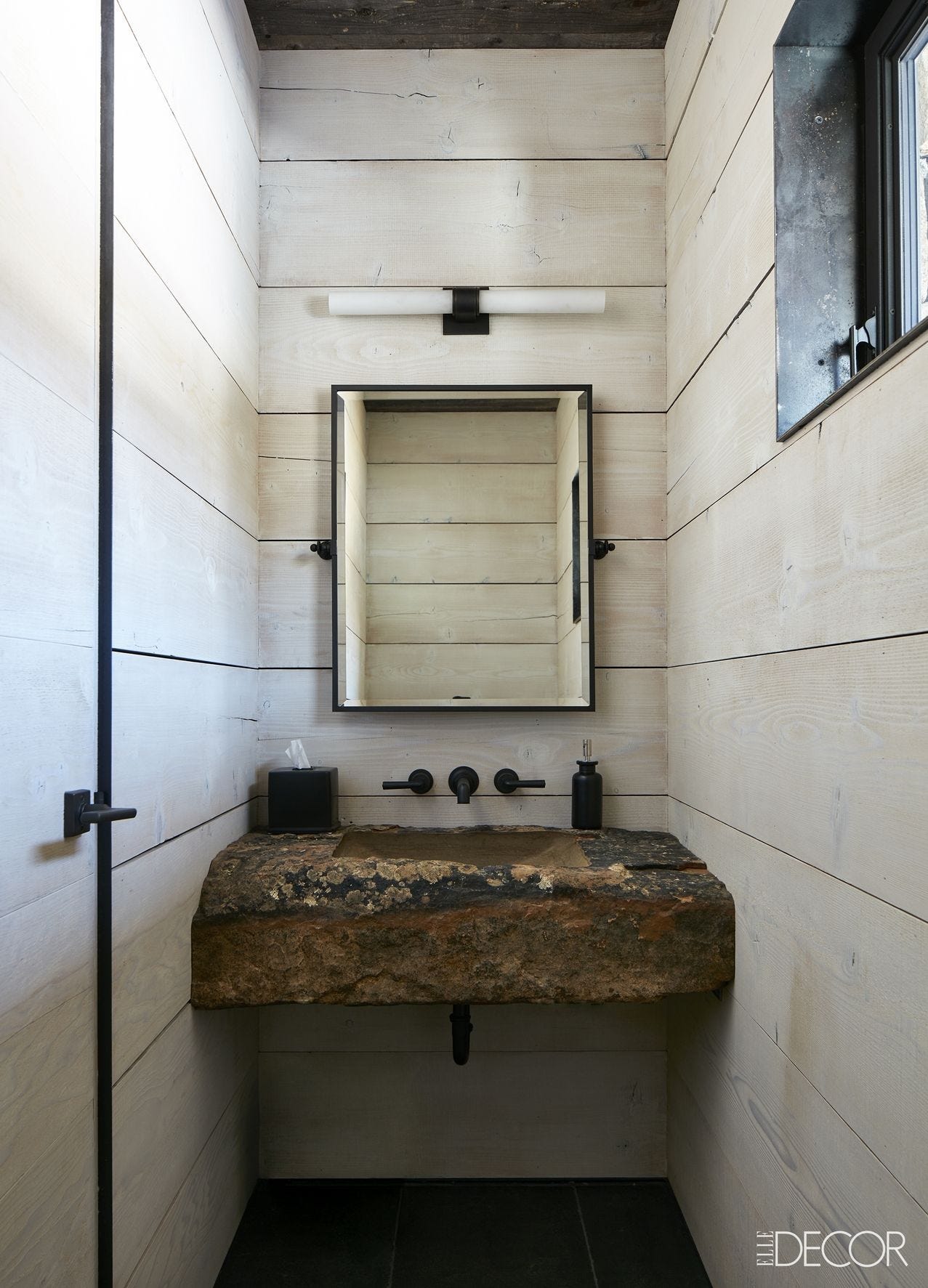
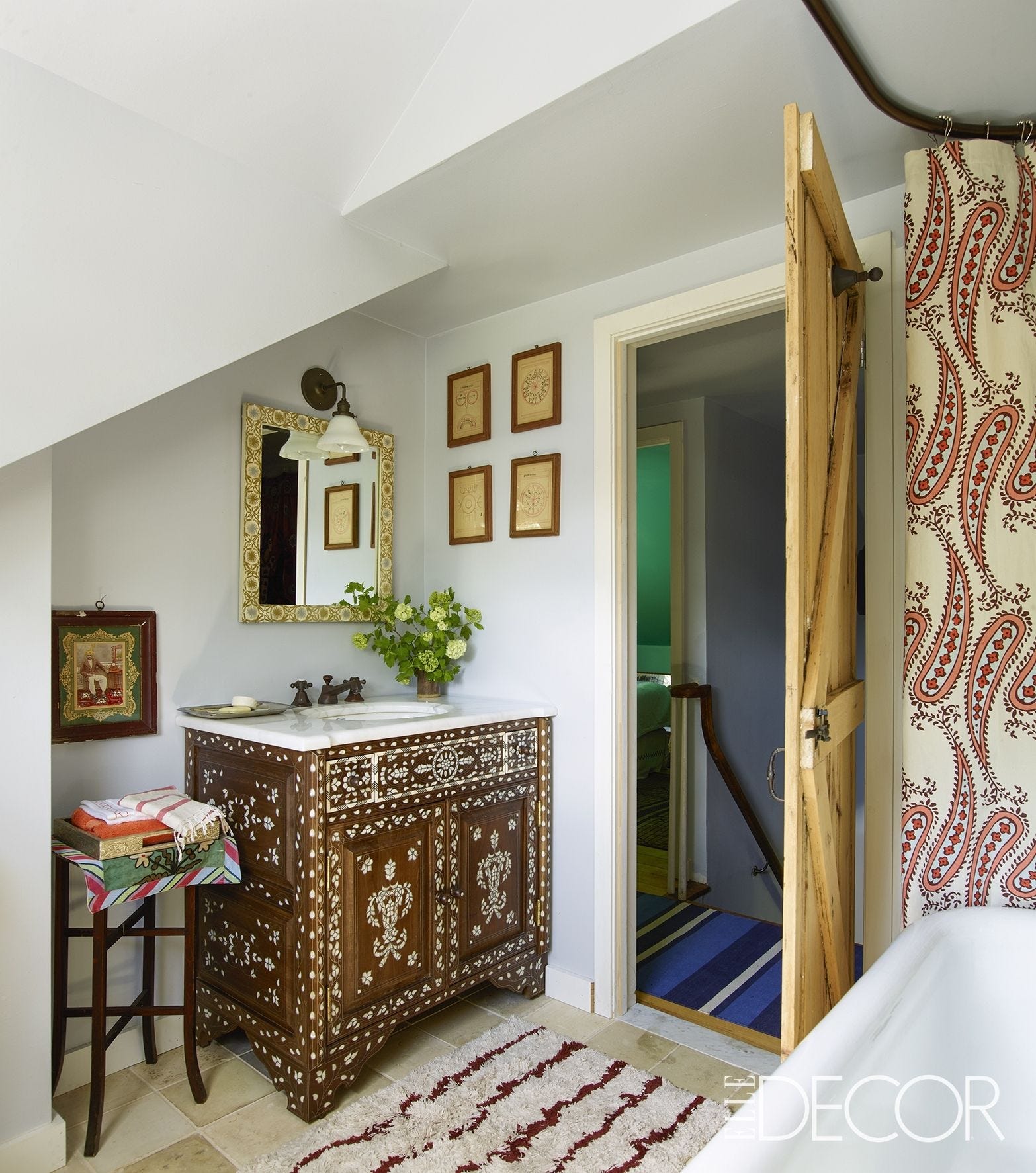
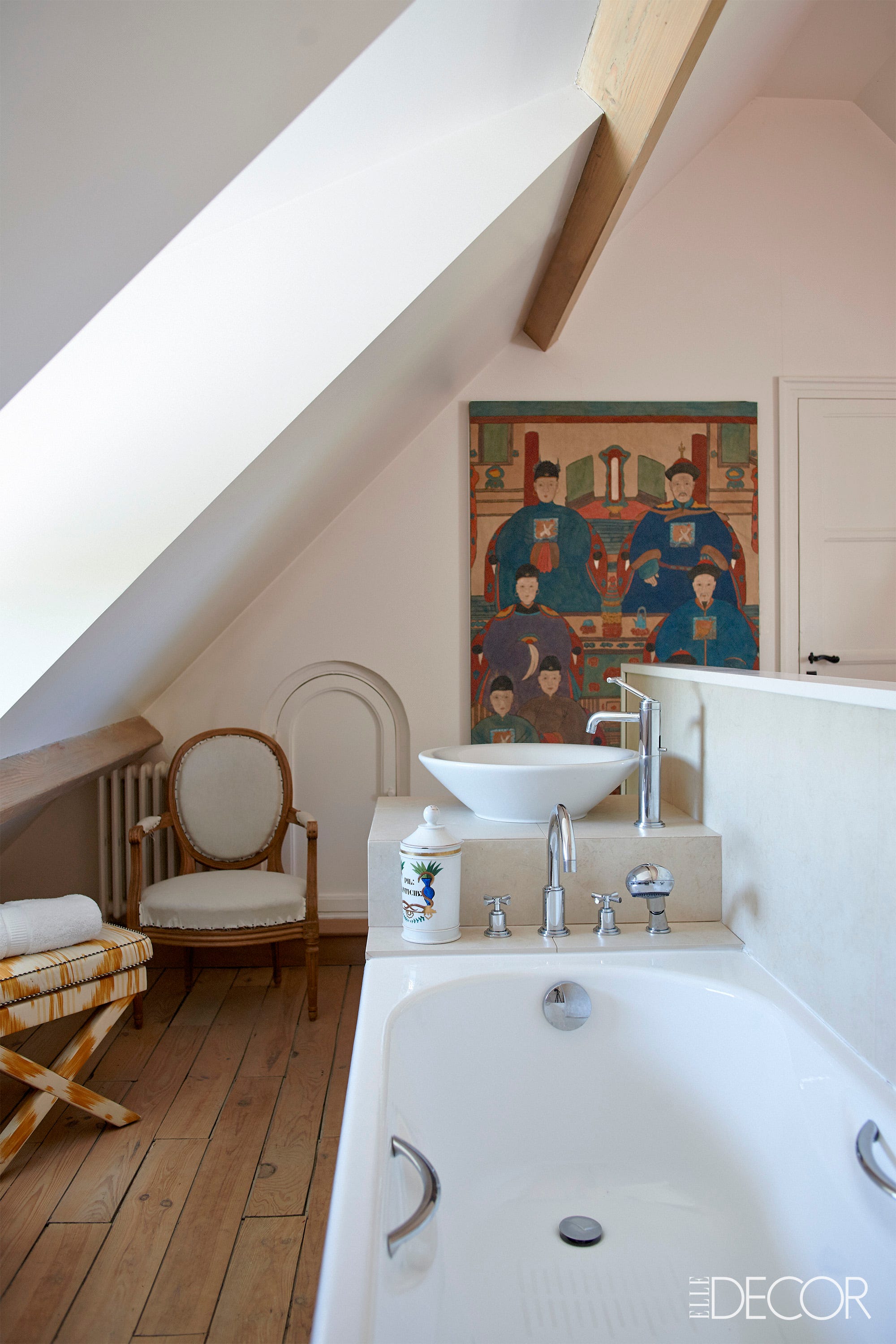
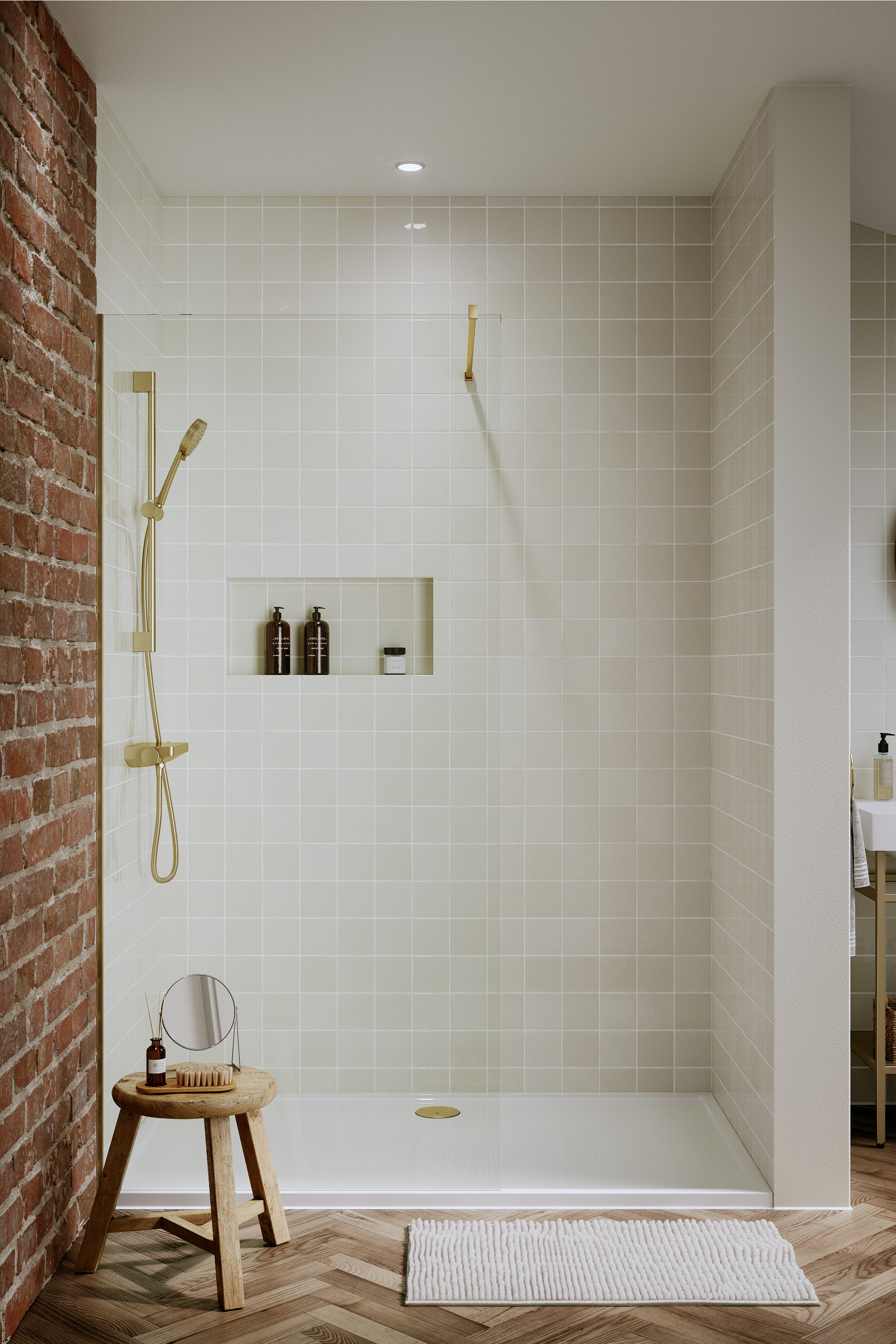
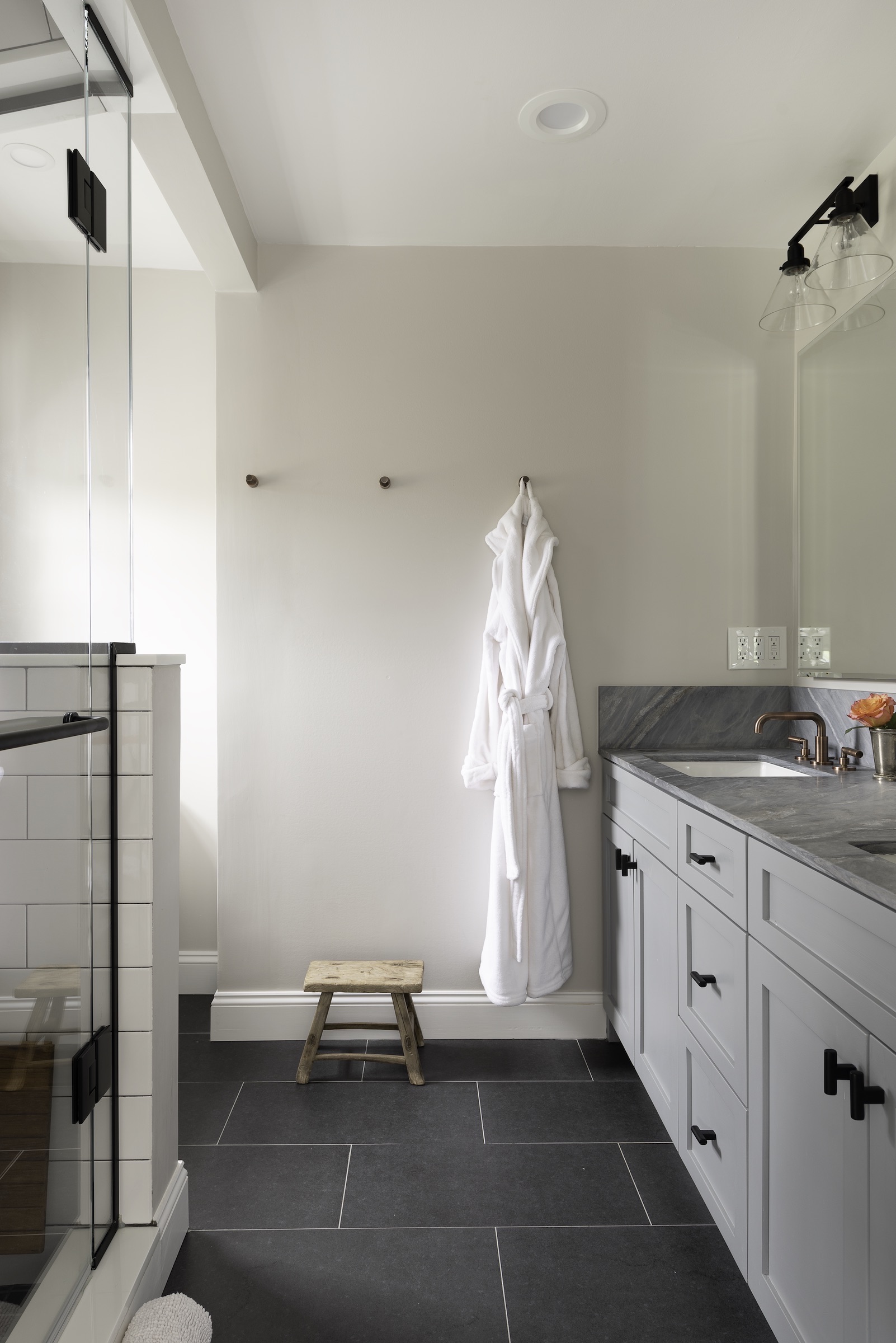
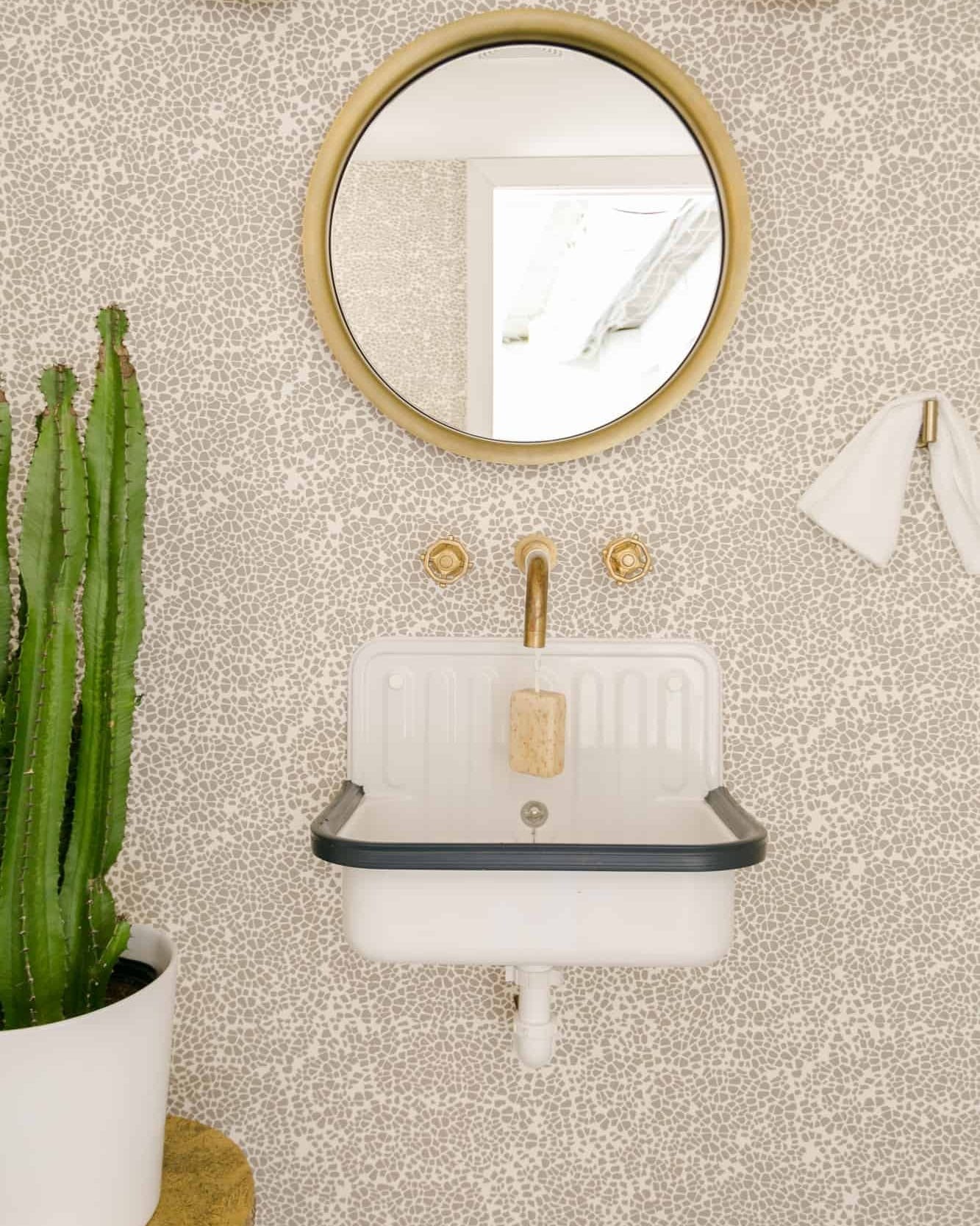
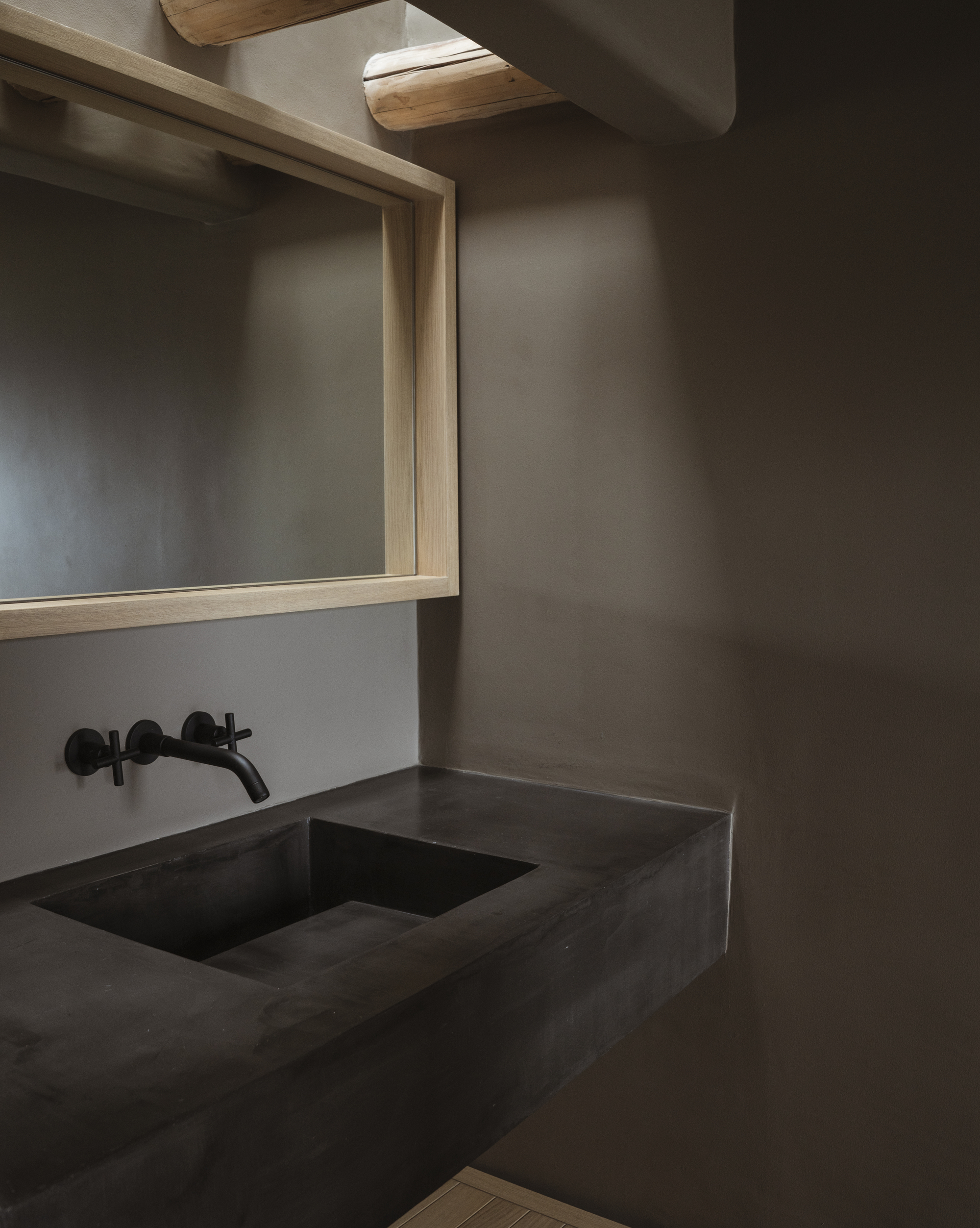
Exploring raw materials, such as stone basins with raw edges and irregular wall tiles, generates an organic, rustic feel. Porcelain tiles designed to mimic handmade pieces further enhance this serene atmosphere. For ultimate luxury, a bath can be brought into the bedroom, creating an en-suite with rustic elements like pitched ceilings, wooden floorboards, and antique furnishings. To warm up small spaces, using consistent color tones across multiple surfaces, including walls and baths clad in waterproof materials like Béton Ciré, blurs awkward angles and creates an earthy, spacious feel. Characterful vanities made from antique tables also contribute to this effect.
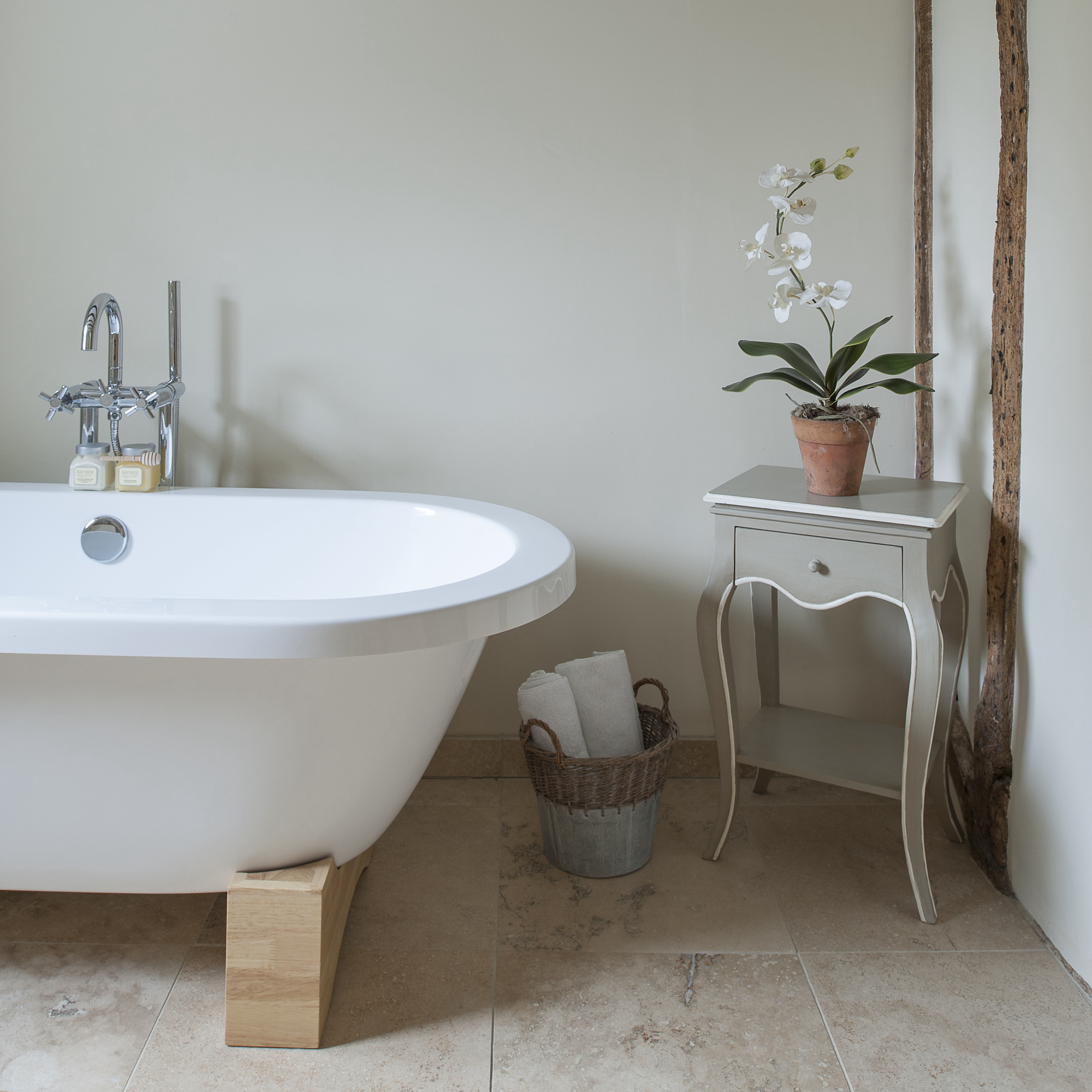
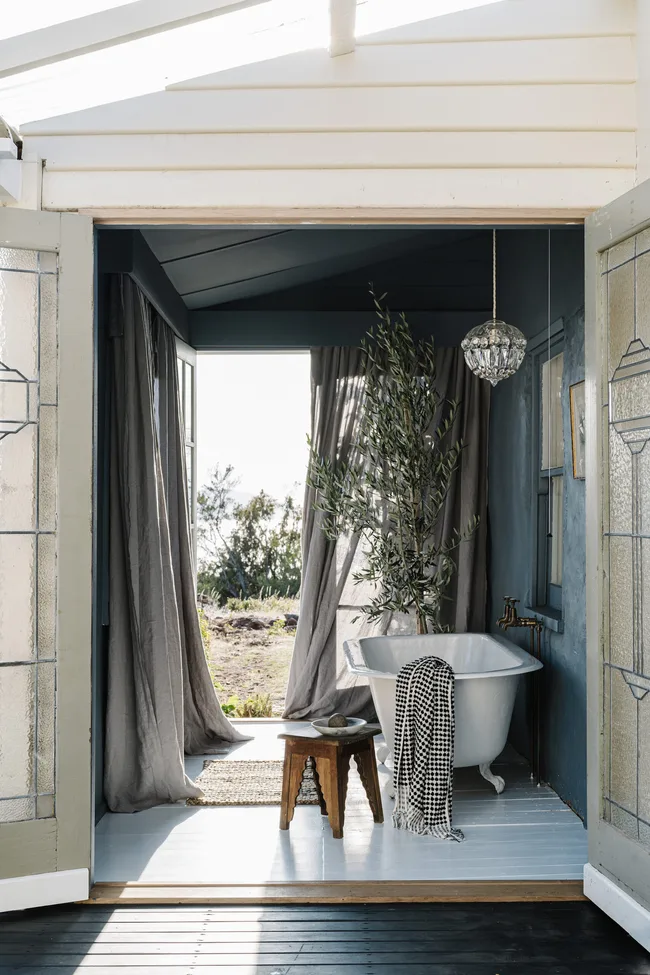
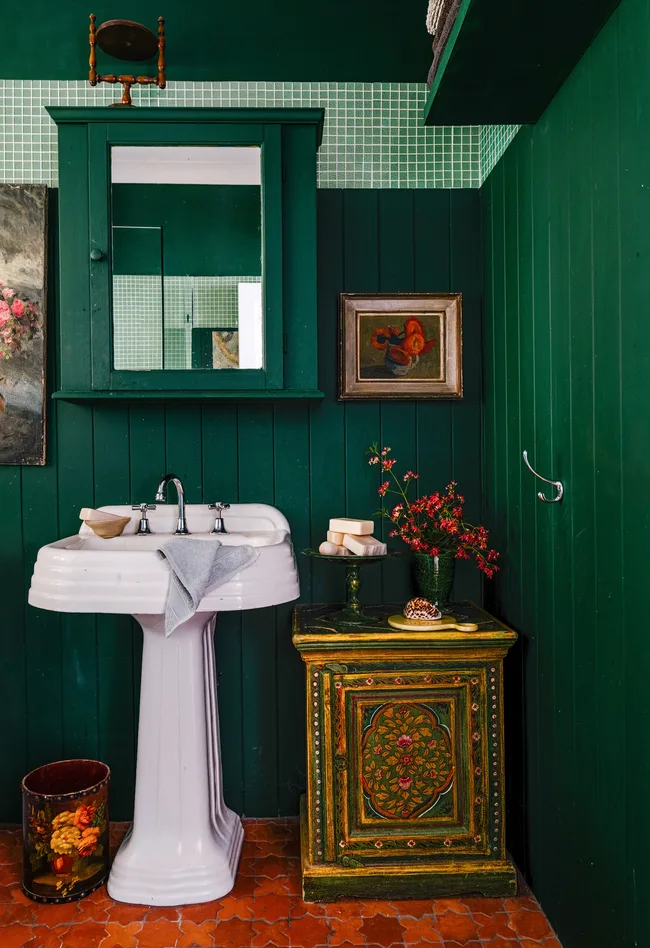
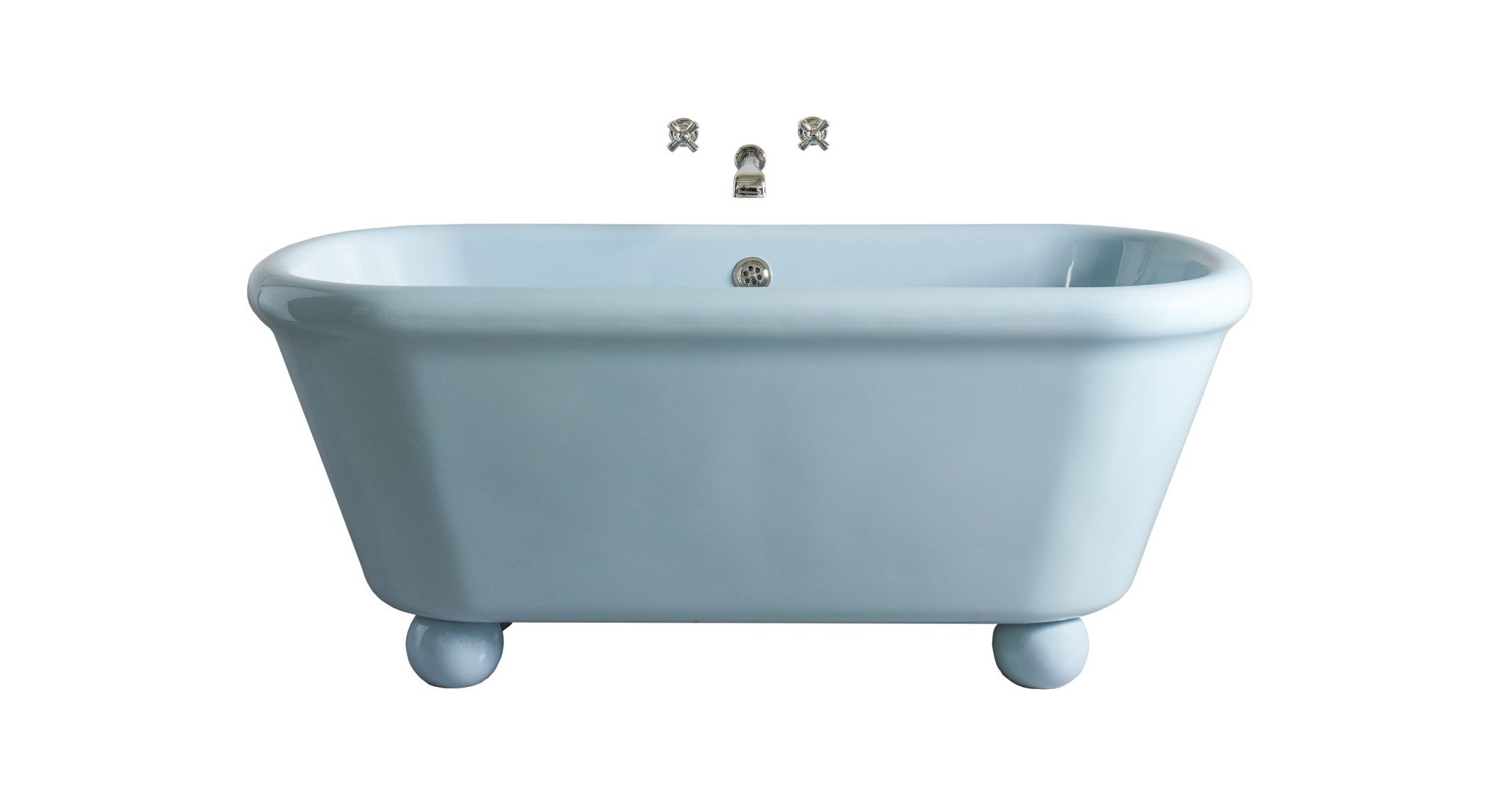
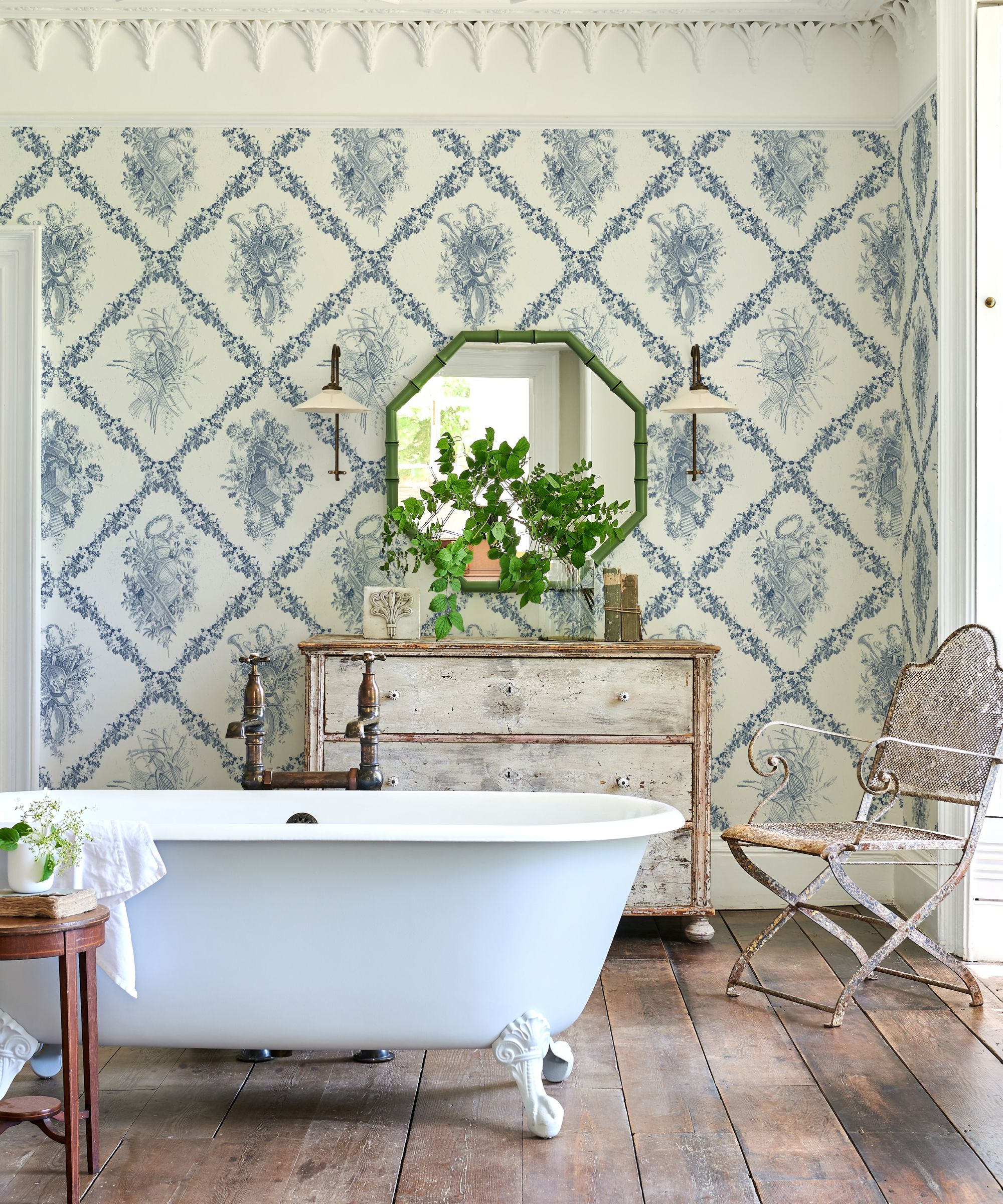
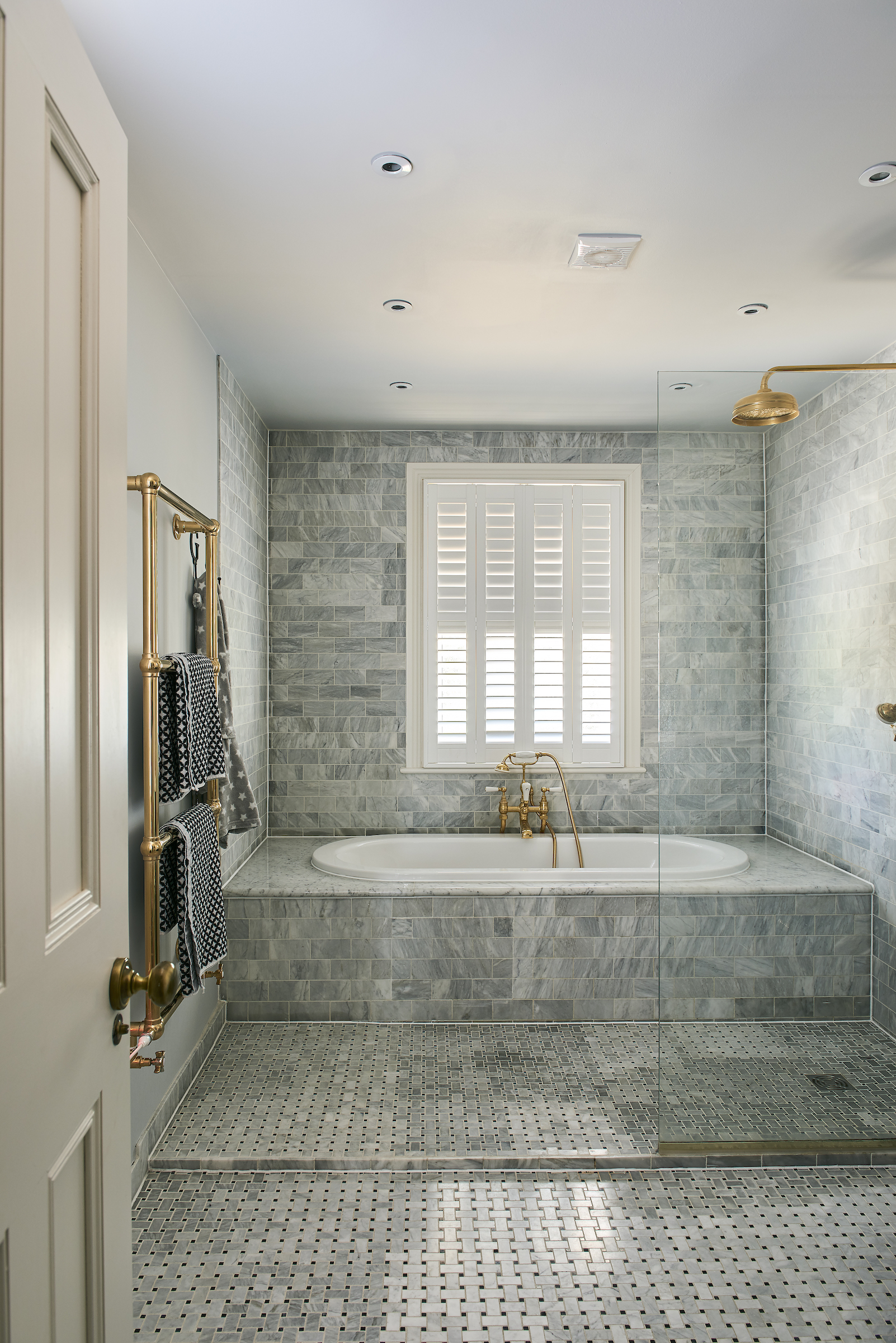
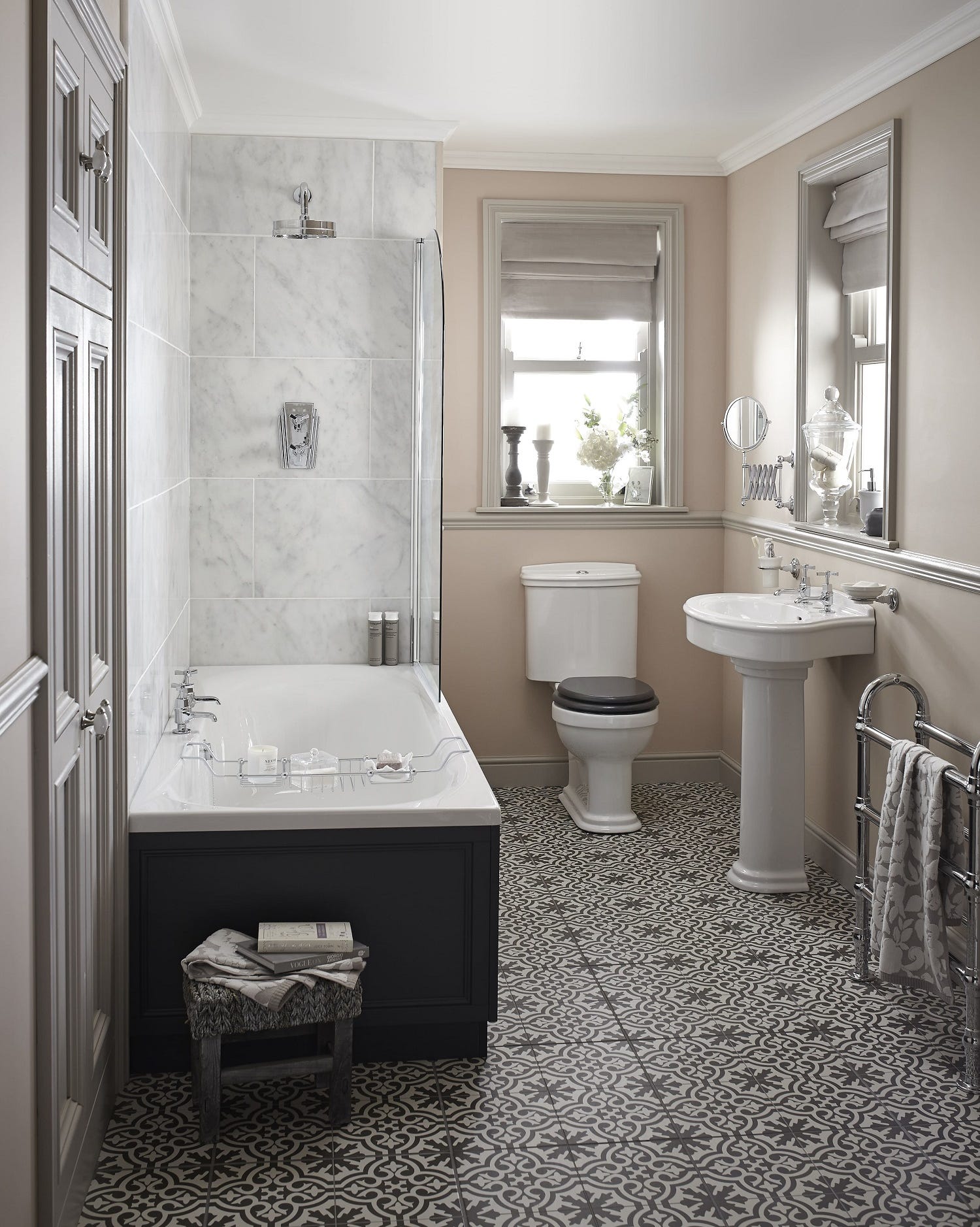
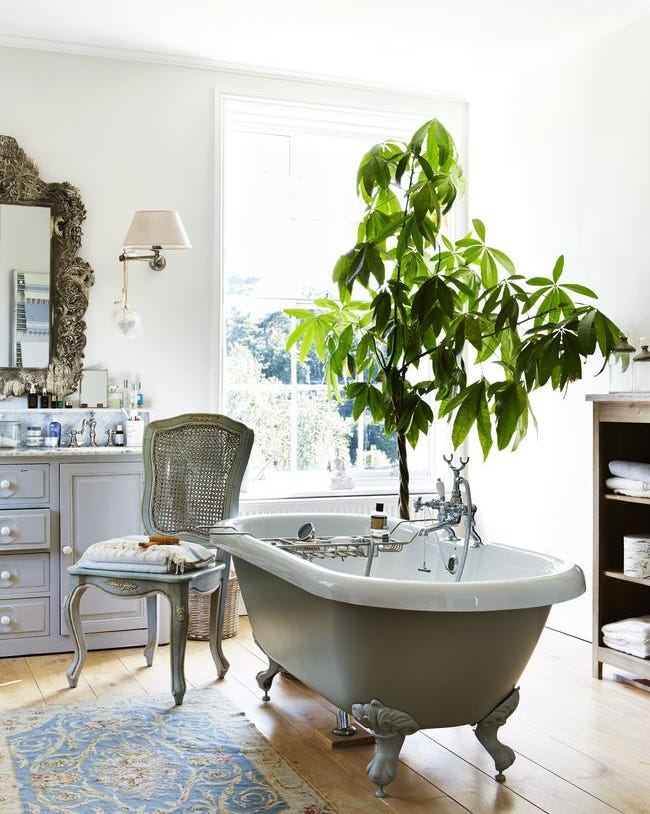
Embracing polished plaster, or tadelakt, is a current trend due to its hygienic, seamless, and waterproof properties. This material can be used on floors, walls, ceilings, and even furniture, offering a sleek or rustic earthy effect with customizable colors. Finally, special attention should be given to bathroom flooring. Durable, anti-slip, and easy-to-clean materials like terracotta tiles evoke warmth and rustic charm, especially when reclaimed for a natural patina. While stone and tiles can be chilly, underfloor heating can be installed to enhance comfort. The choice of fixtures and fittings is also vital, with traditional pieces like free-standing roll-top baths complemented by concealed wall-mounted taps and cohesive metal finishes like nickel and brass, which add a classic touch over chrome.
#RusticBathroom #InteriorDesign #HomeDecor #BathroomTrends #MaterialSelection #TileDesign #ColorSchemes #TraditionalModernBlend #LuxuryBathrooms #RusticBathroom #InteriorDesign #HomeDecor #BathroomTrends #MaterialSelection #TileDesign #ColorSchemes #TraditionalModernBlend #LuxuryBathrooms
0 opmerkingen in totaal
 Nog geen opmerkingen
Dit vindt u mogelijk ook leuk
Rustic bathroom ideas – 10 ways to channel country charm into your bathing space
Cottage bathroom ideas – how to get the pretty rustic look perfect for small spaces
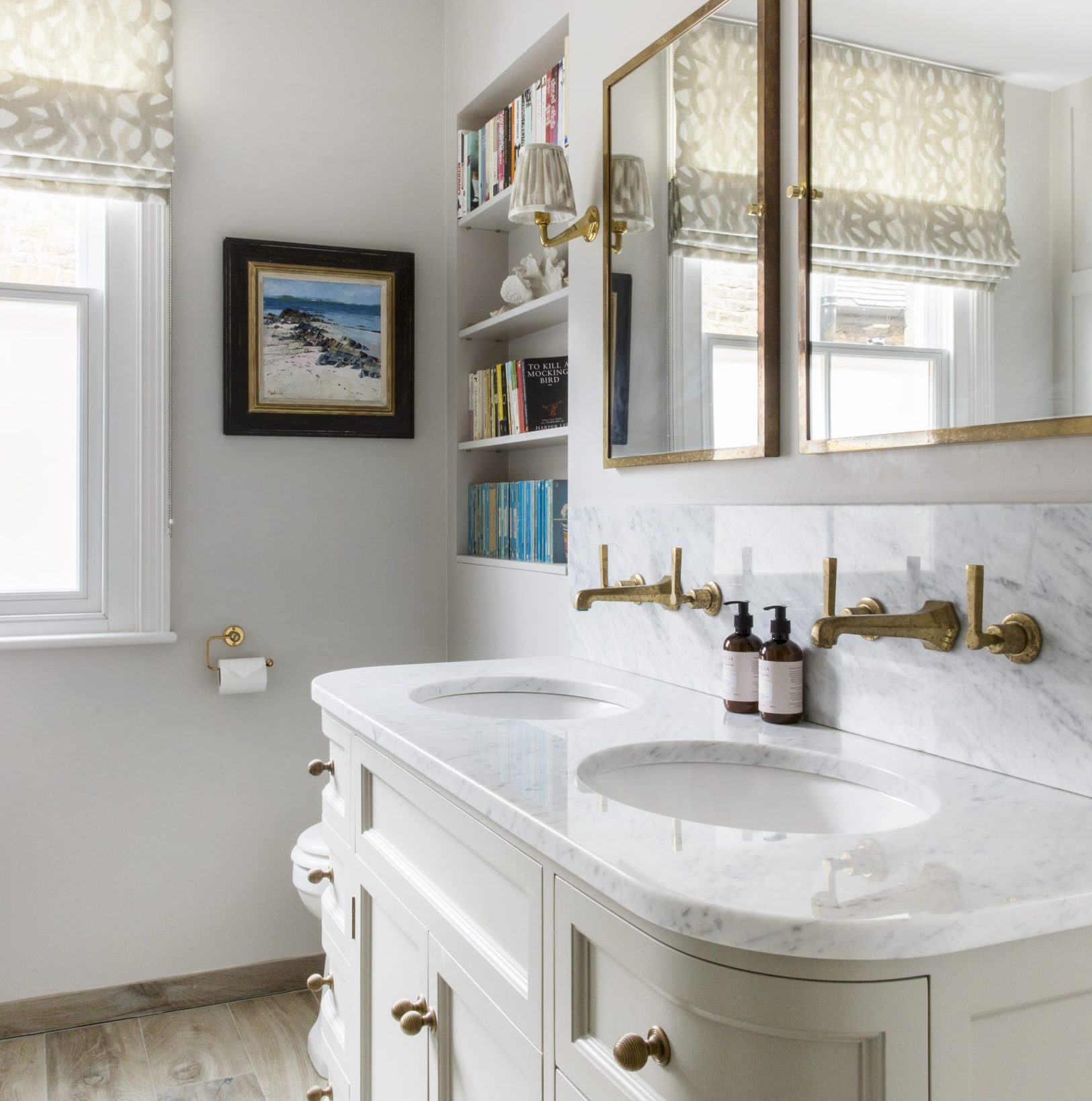
How to create a warm, decorative bathroom for a country house
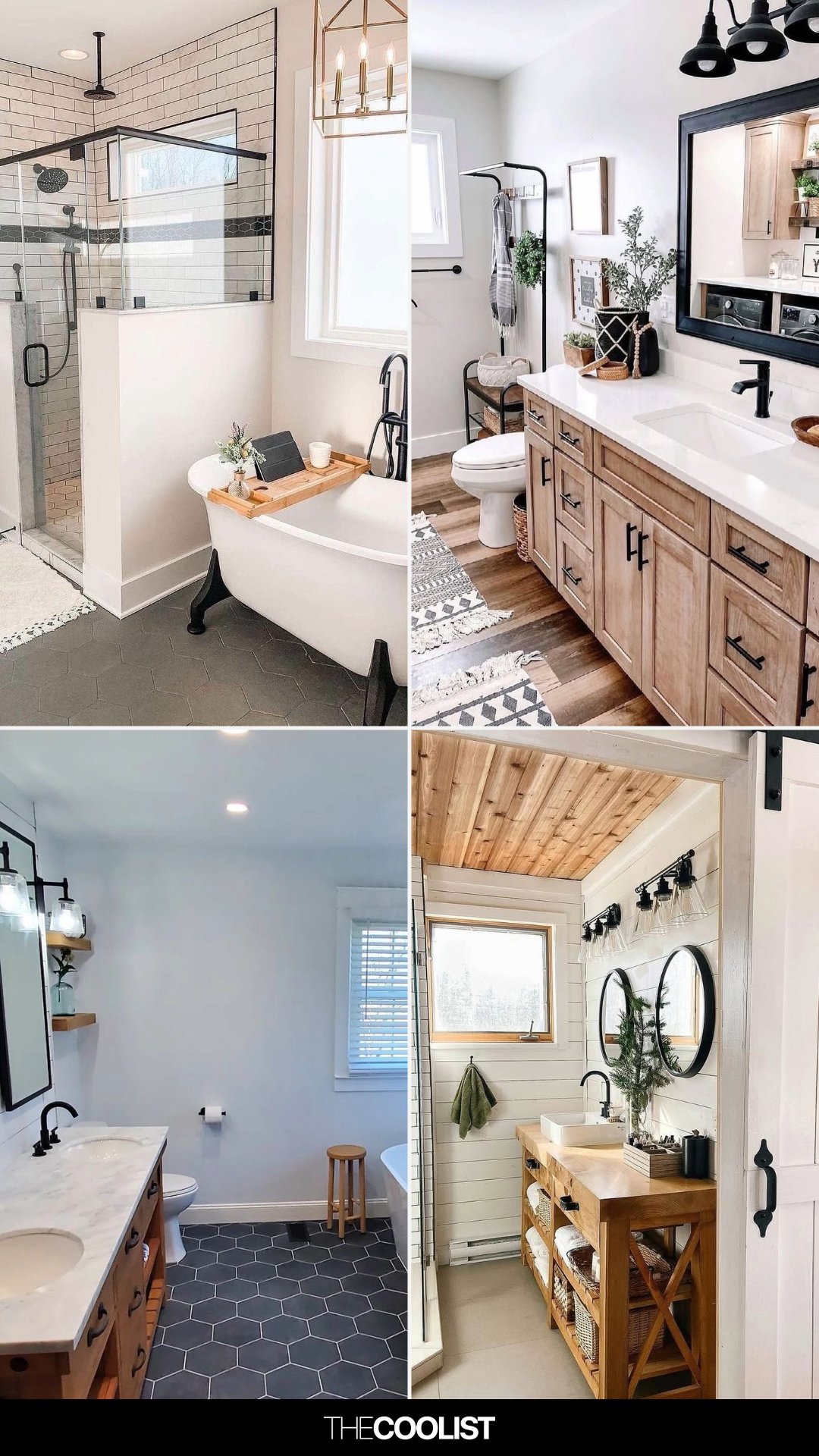
21 Modern Farmhouse Bathroom Ideas That Combine Rustic Charm with Sleek Design
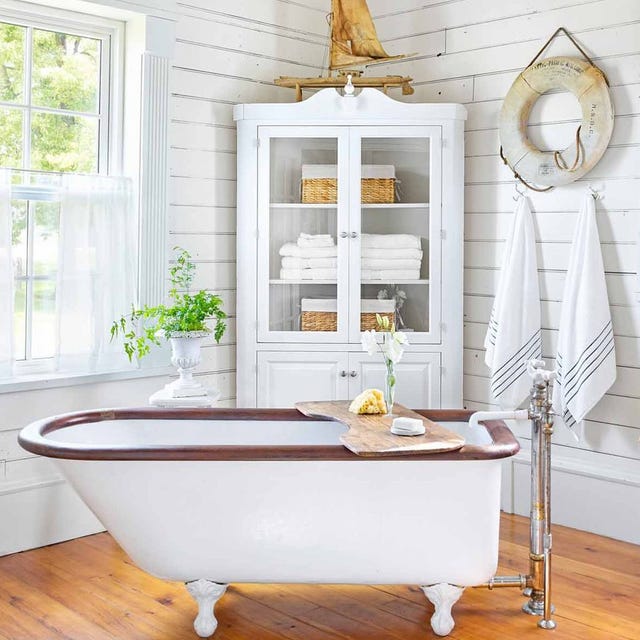
These Rustic Bathroom Ideas Will Turn Your Space into a Relaxing Haven

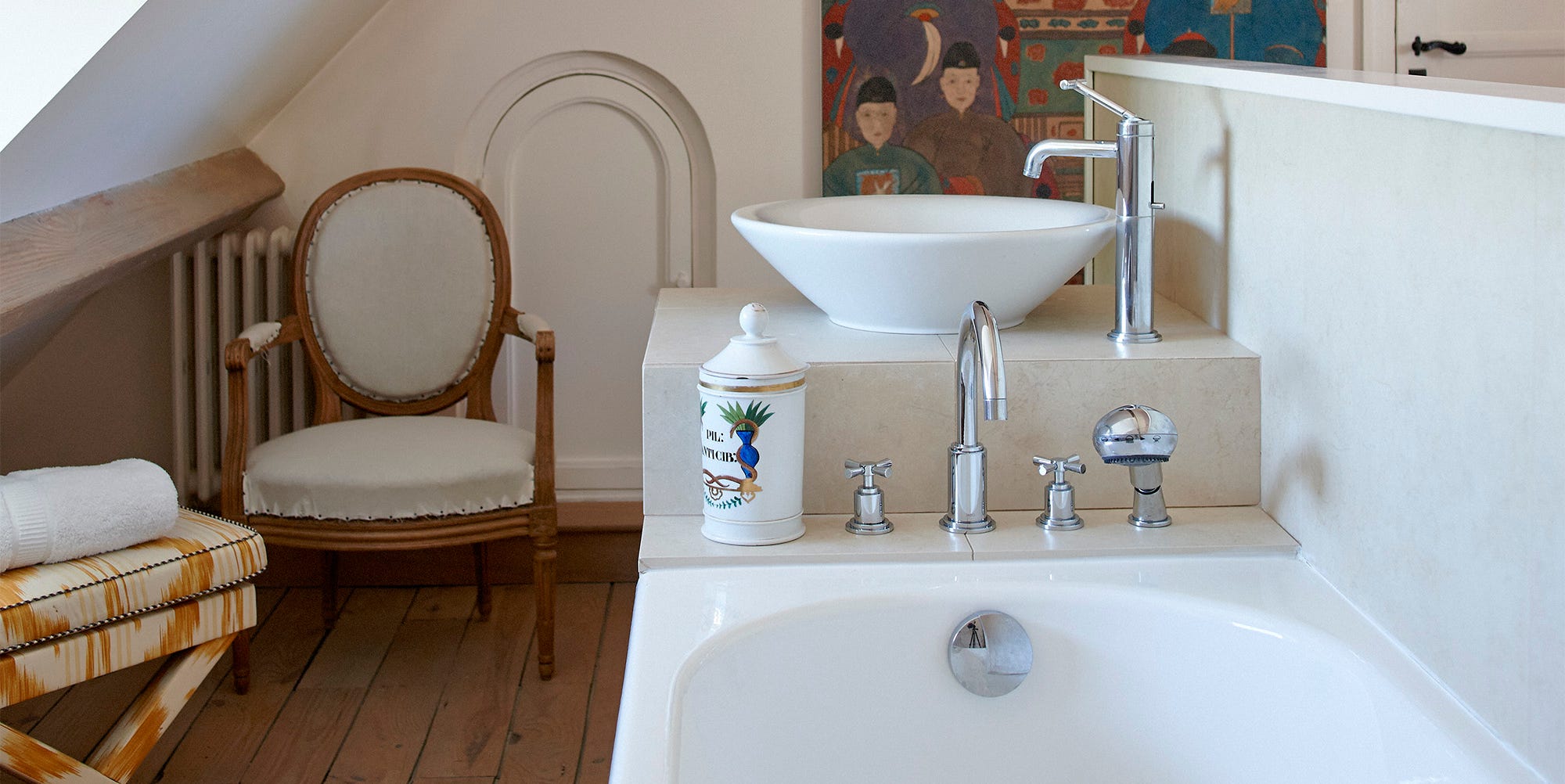
25 Rustic Bathrooms To Give Your Home An Old World Feel

42 Country Bathroom Ideas to Bring Rustic Charm to Even the Most Modern Homes

Get Inspired By These Charming Bathroom Farmhouse Ideas

Gorgeous farmhouse small bathroom ideas — 7 designer-approved ways to create a rustic, relaxing room

44 Rustic Bathroom Ideas That Add Charm and Character

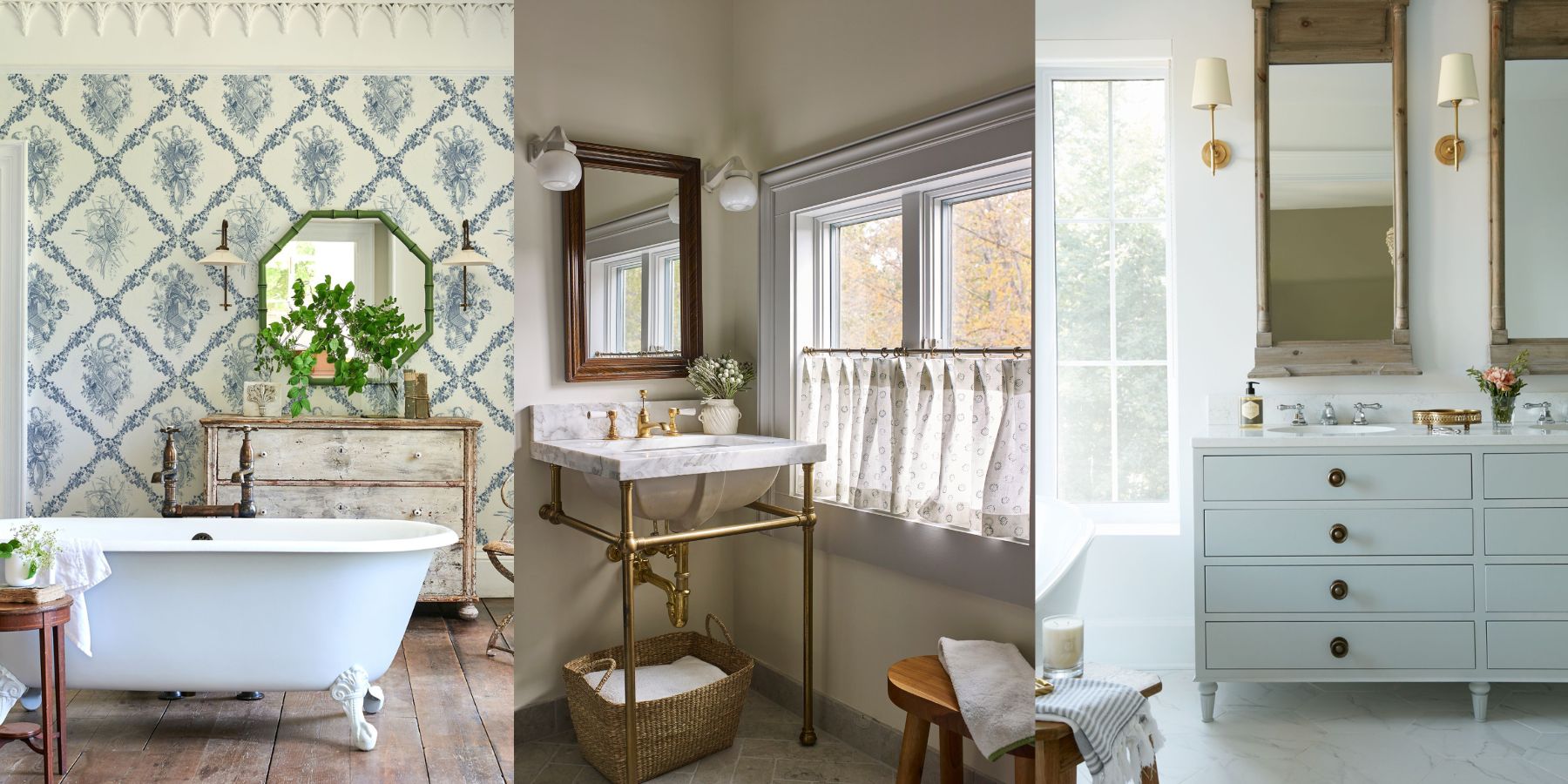
French country bathrooms – 13 ways to capture this elegant yet rustic look
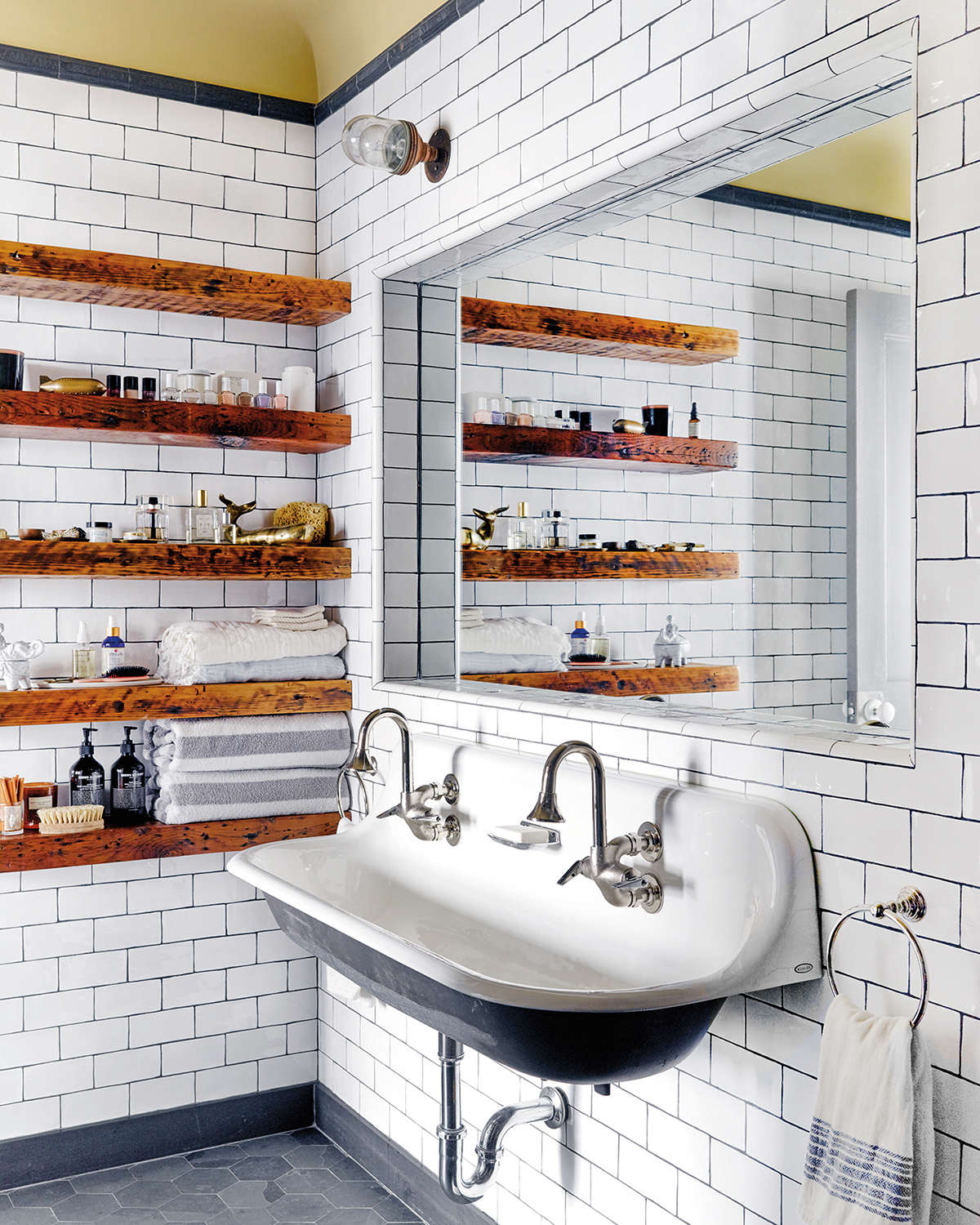
10 Modern Farmhouse Bathrooms Where a Freestanding Tub or an XL Sink Is Really All You Need

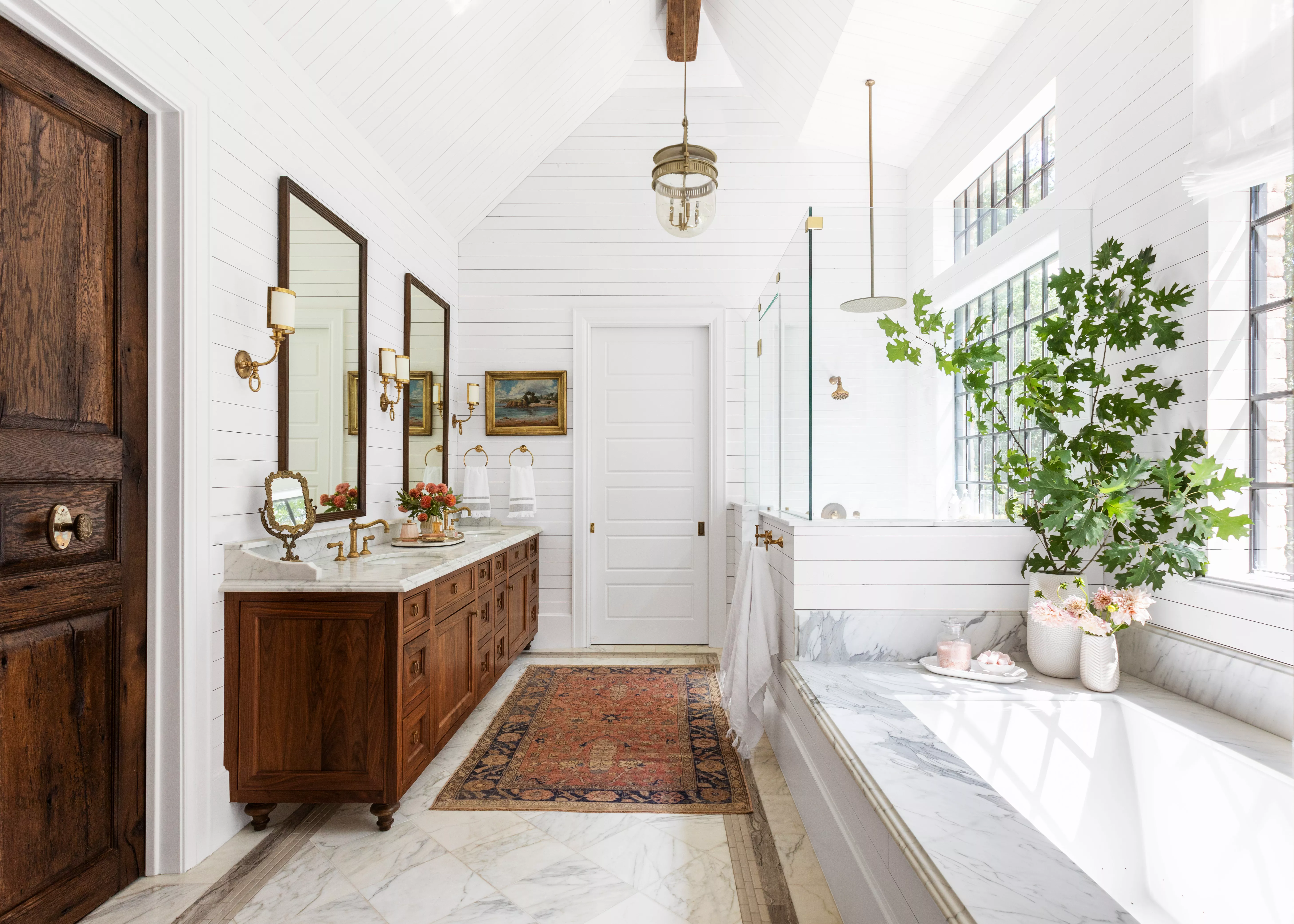
44 Rustic Bathroom Ideas Full of Cozy Character

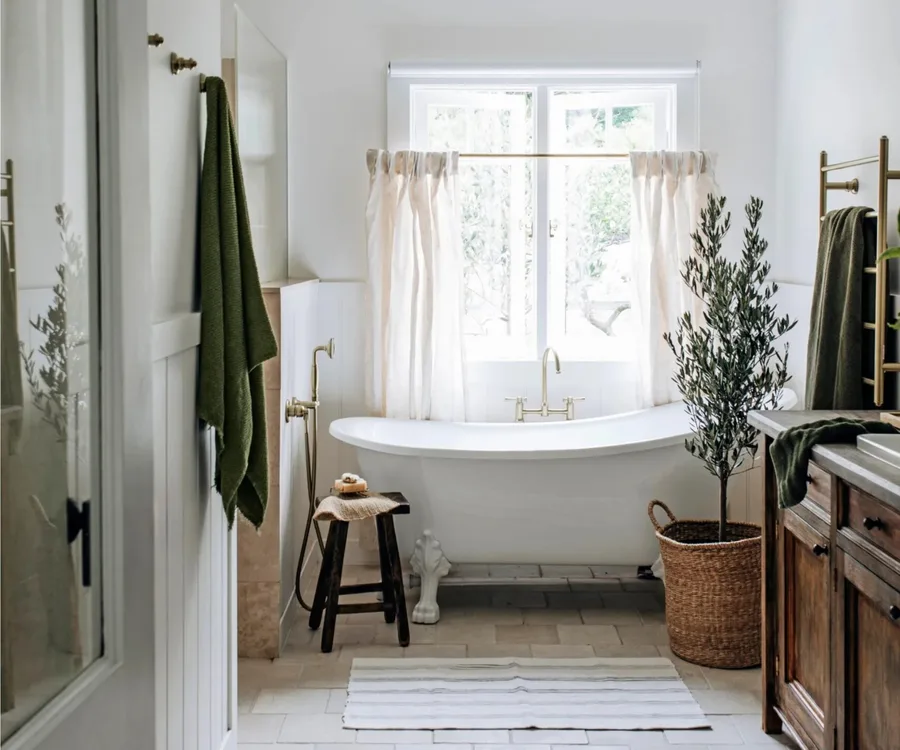
25 stylish country bathrooms with a rustic edge

Farmhouse shower ideas – 10 ways to freshen up in rustic style
10 ideas interior designers use to create calming bathrooms that feel like at-home spas

31 Rustic Bathroom Ideas for Lots of Cozy Character
10 modern farmhouse bathrooms to inspire a cozy, contemporary upgrade

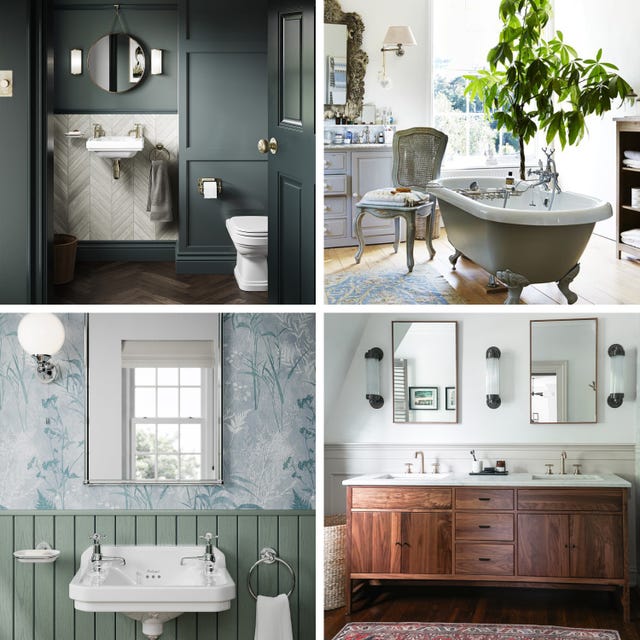
20 country bathroom ideas to inspire your next redesign
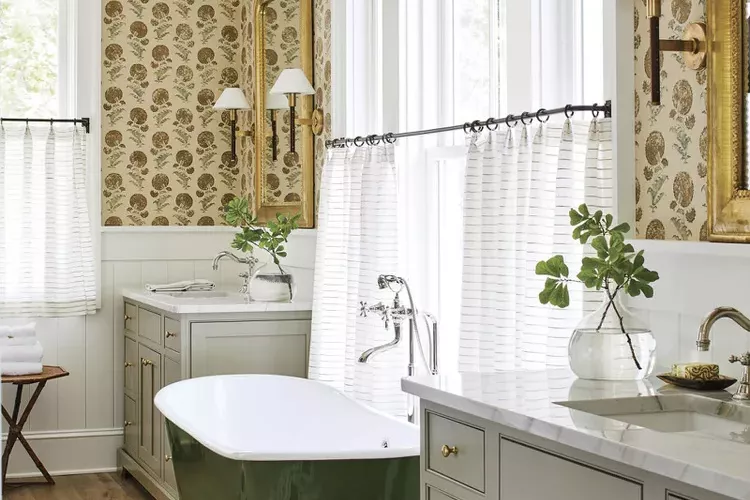
40 Best Bathroom Ideas For A Relaxing Retreat