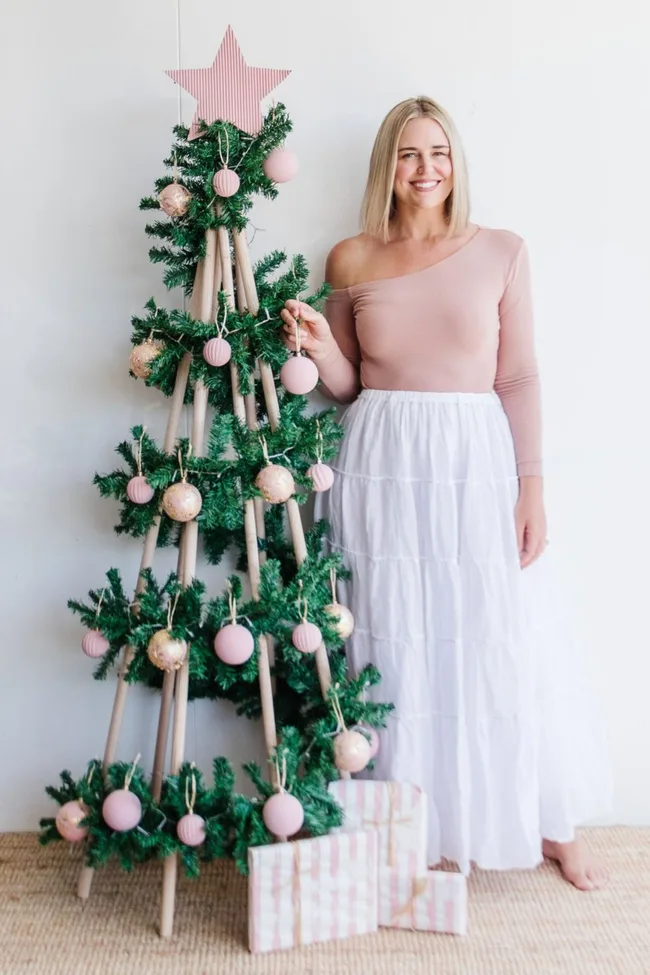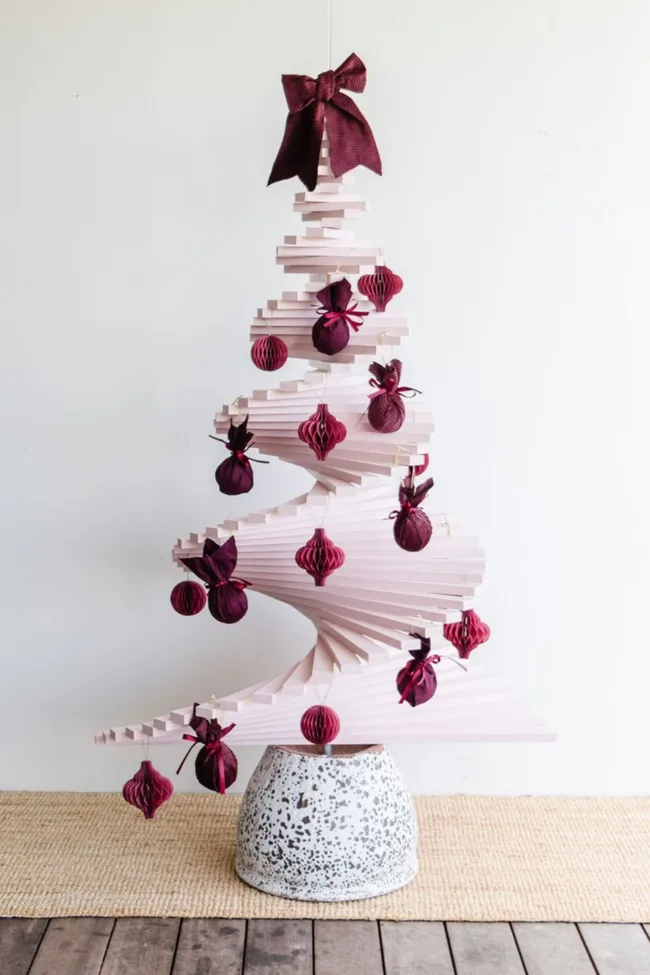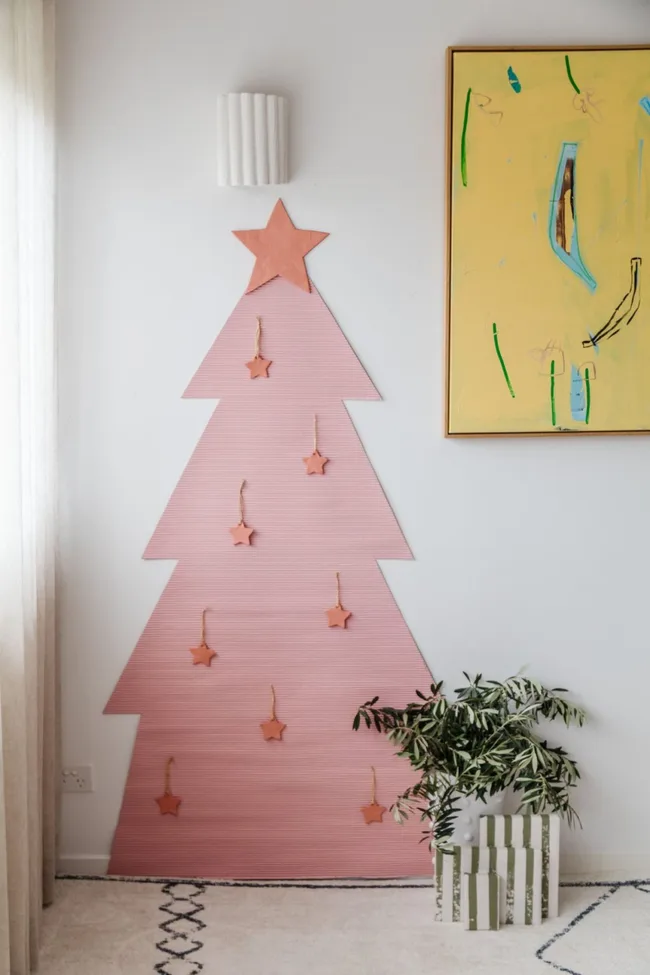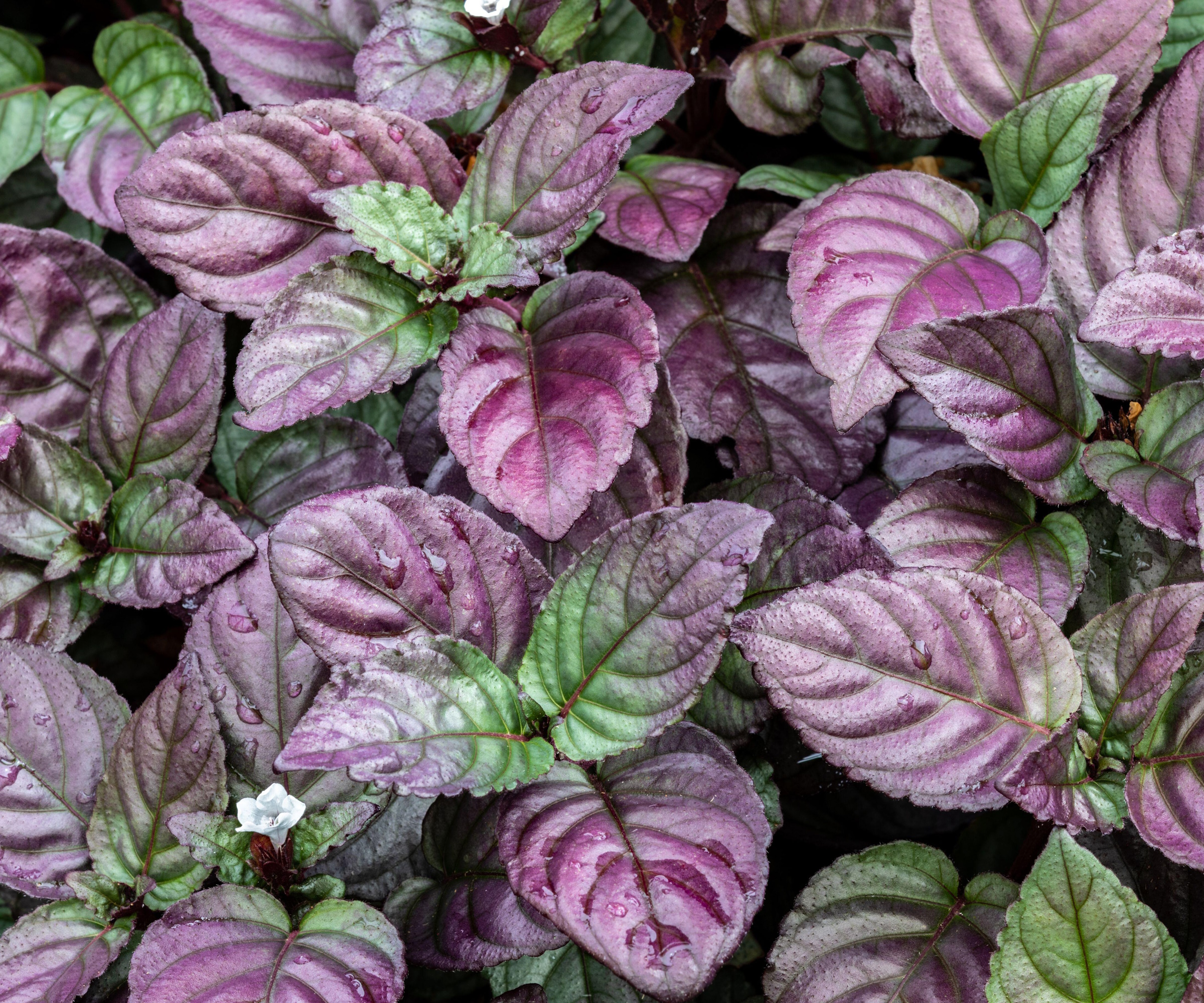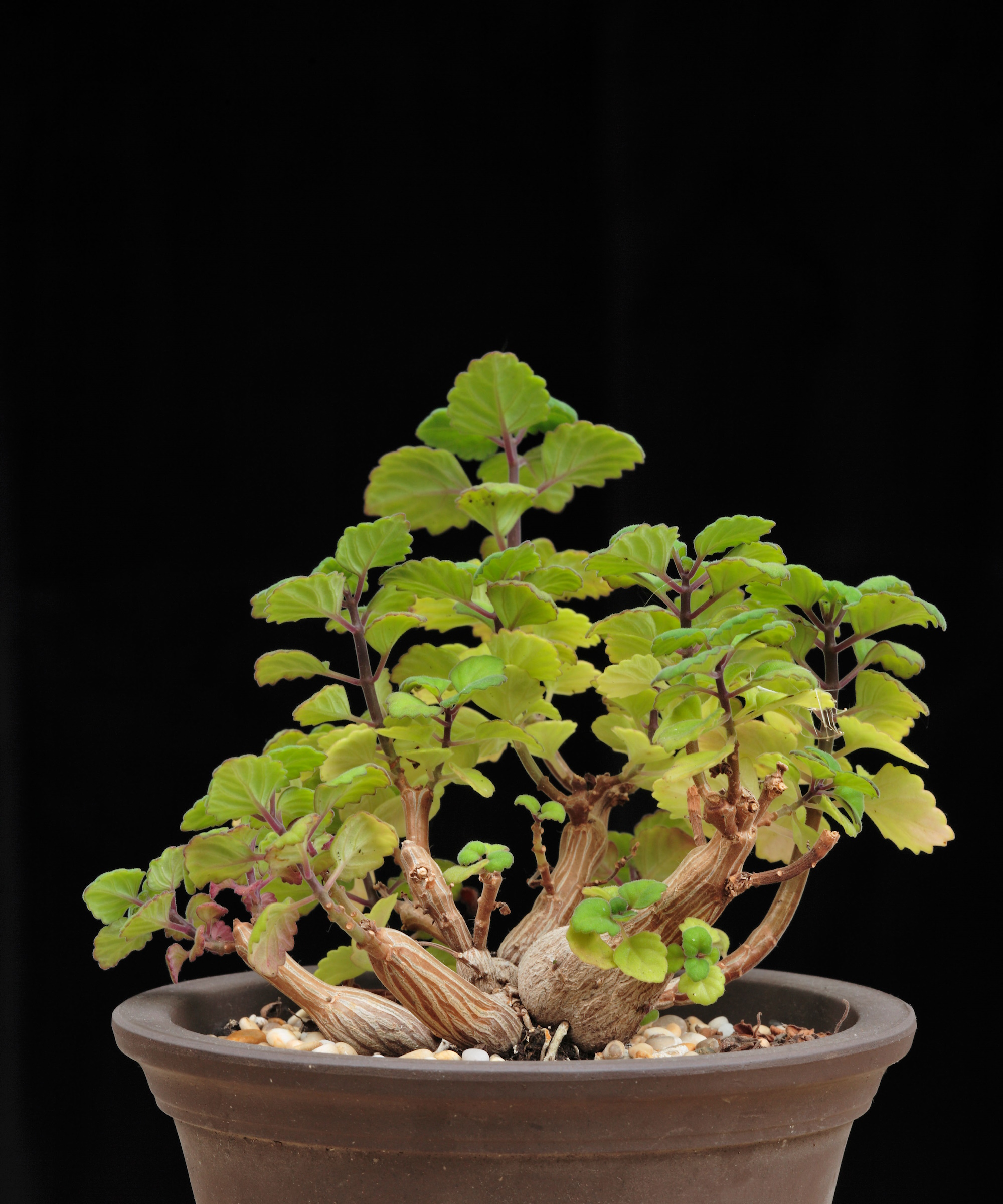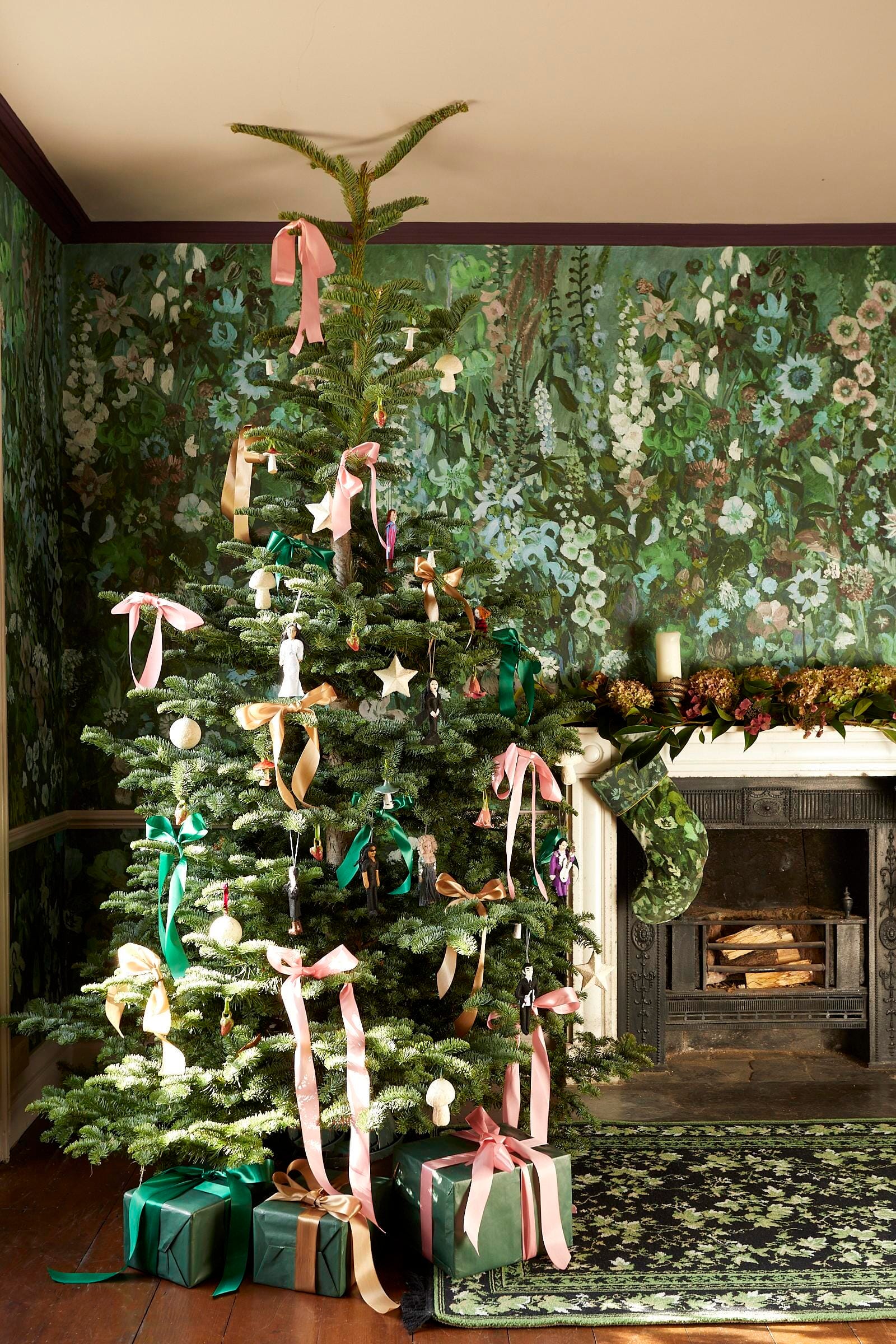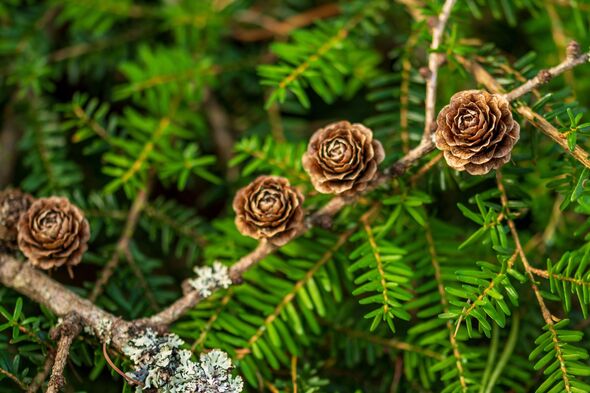
How to style your Christmas tree with houseplants, flowers and foliage - without plastic
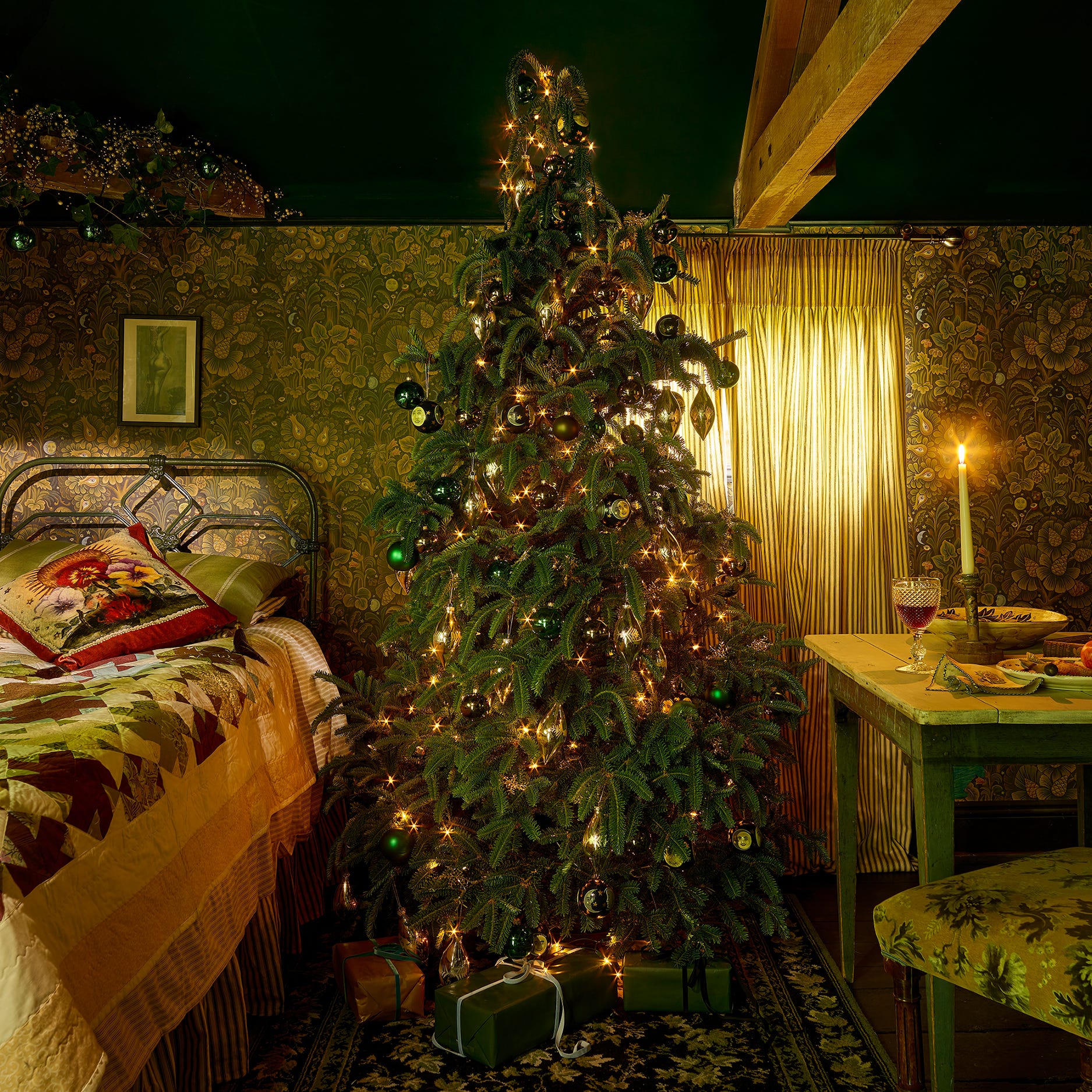
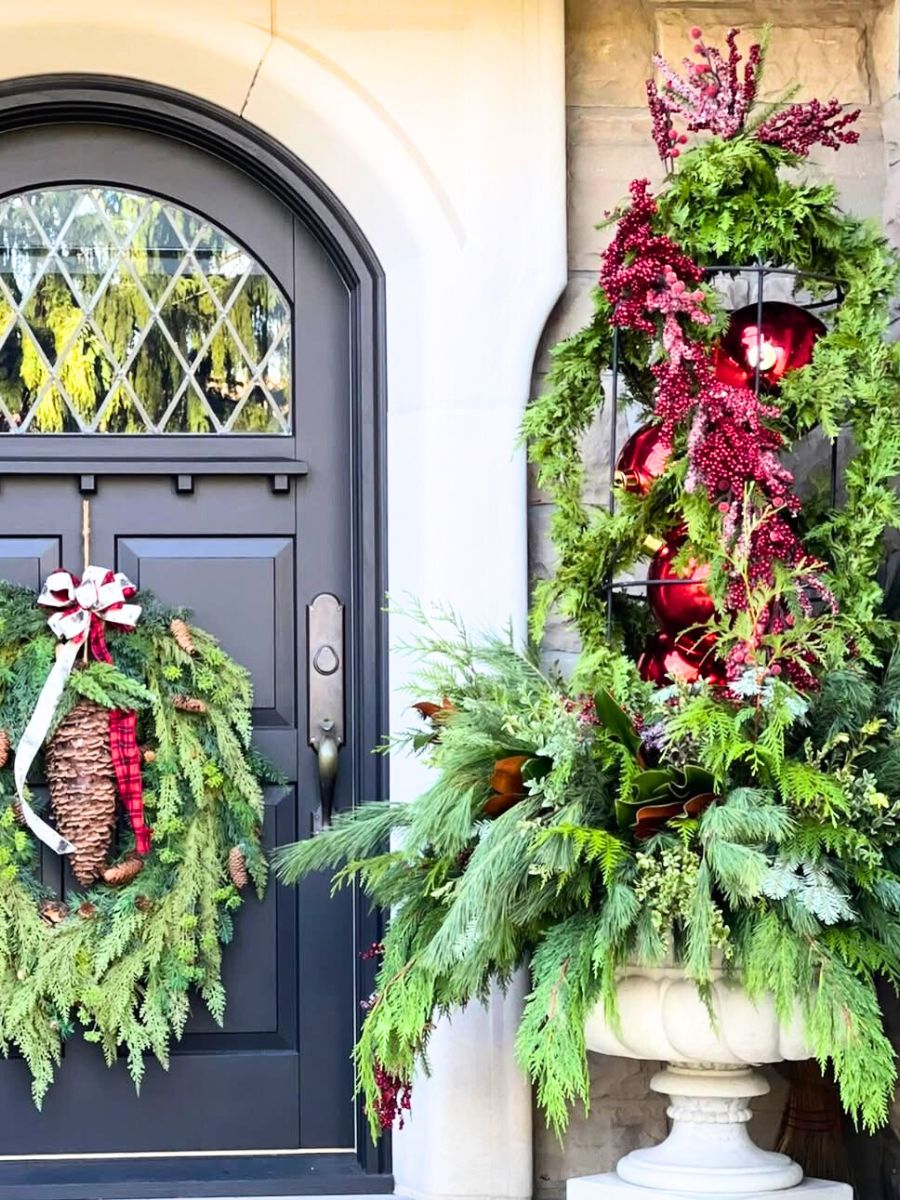
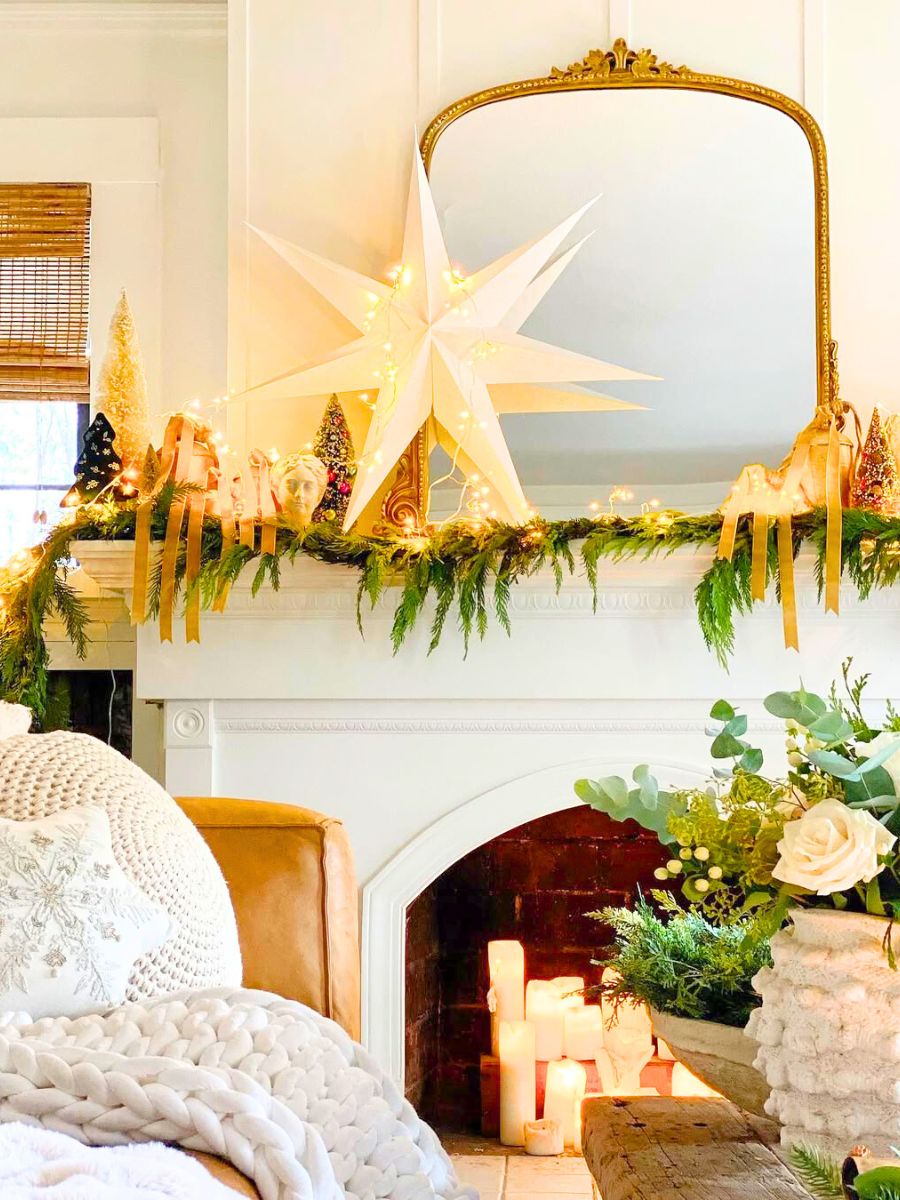
This article offers an alternative approach to traditional Christmas tree decorations, advocating for the use of natural elements over plastic baubles and glitter. It highlights the rising trend of incorporating real and foraged foliage, and more recently, houseplants, to create unique and eco-friendly festive displays. The shift towards natural decorations is presented as a way to achieve a distinctive aesthetic while also being a more budget-friendly and sustainable option compared to conventional, non-biodegradable ornaments.
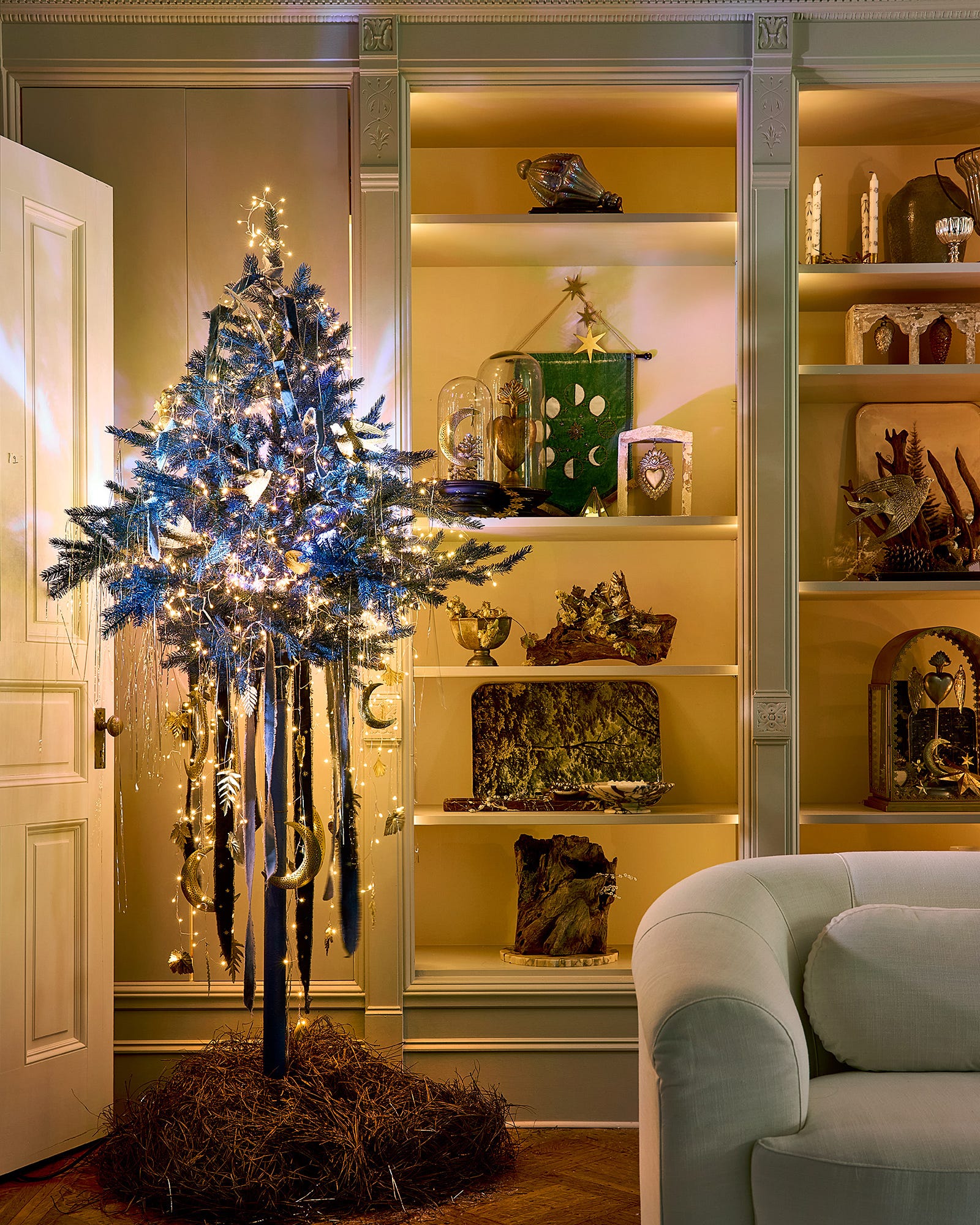
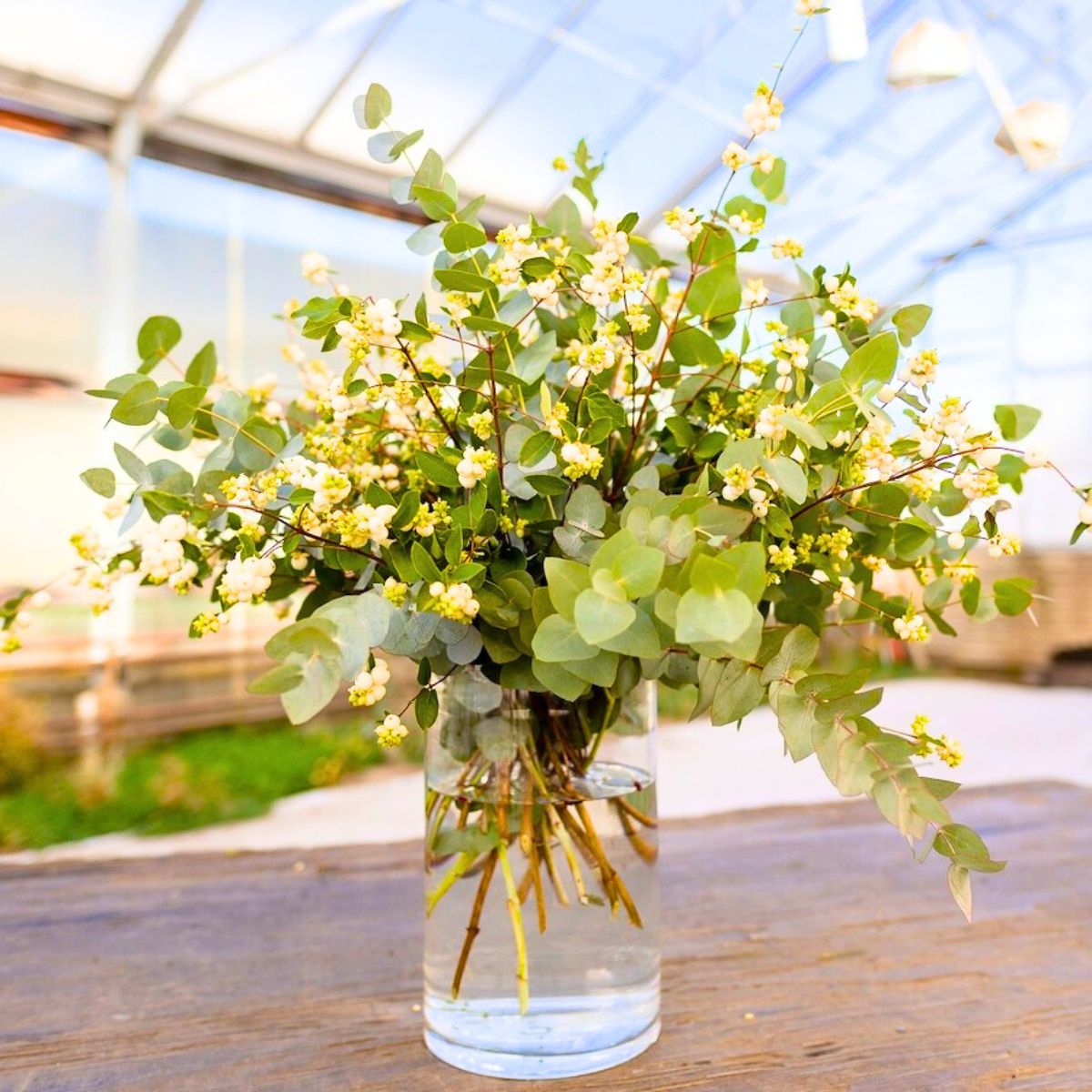
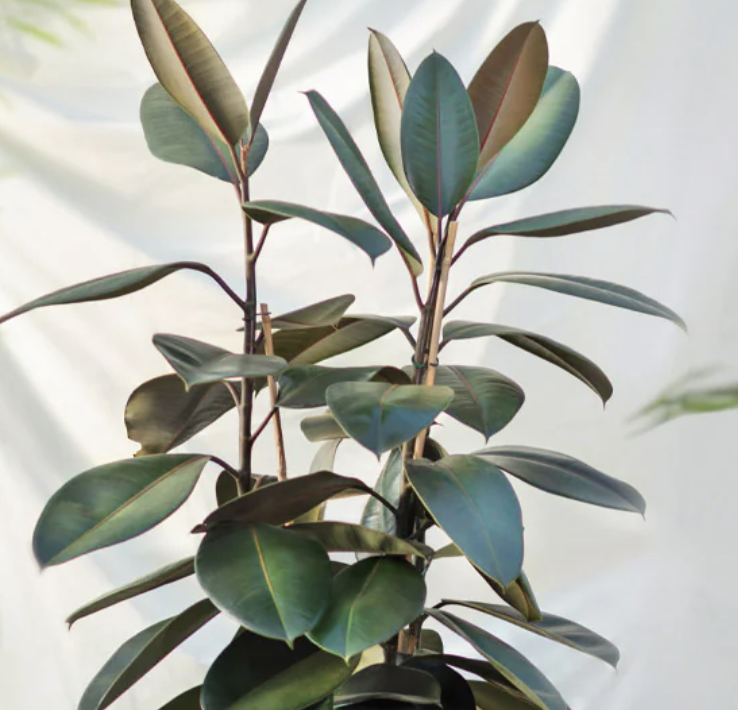
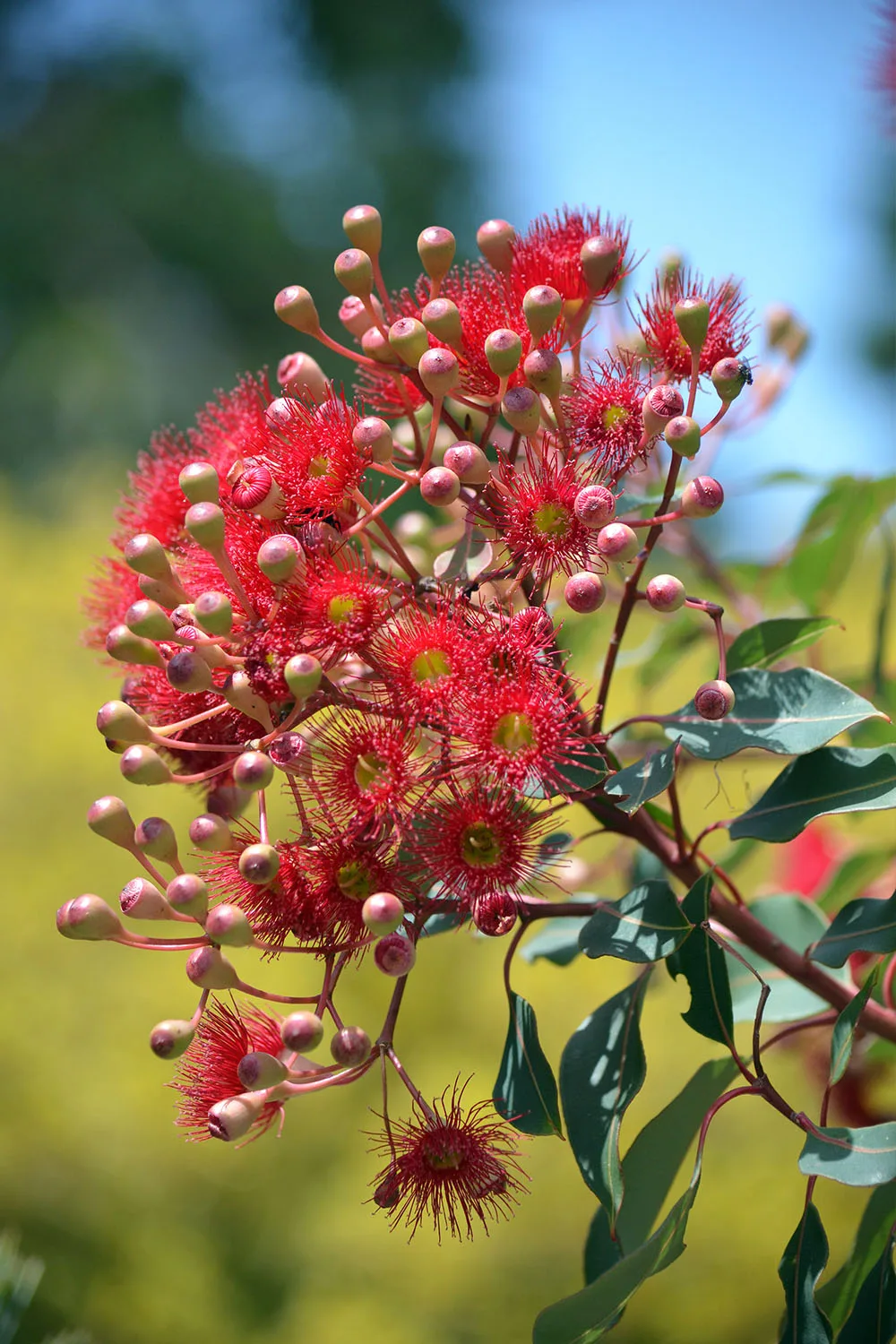
Rebecca Stanton, a stylist at Dobbies Garden Centres, emphasizes the growing popularity of integrating houseplants into Christmas tree designs. She suggests using them to create bursts of seasonal color among the branches for a truly unique effect. For instance, combining eucalyptus with vibrant houseplants like anthurium can result in a dramatic and fragrant display that deviates from typical lights and baubles. The article provides a step-by-step guide for those interested in decorating their tree with houseplants, beginning with strategically placing the tree away from direct heat and identifying spaces for plant integration. It advises selecting small, lightweight potted houseplants, watering them thoroughly before placement, and securing them within the branches using floristry wire or twine if necessary. The guide also recommends incorporating foraged foliage, such as eucalyptus, to fill any gaps and arranging succulents, ferns, and trailing ivy in colorful pots around the tree's base, complemented by twinkling lights. It concludes with a reminder to monitor and water houseplants throughout December, temporarily removing them from the tree for hydration.
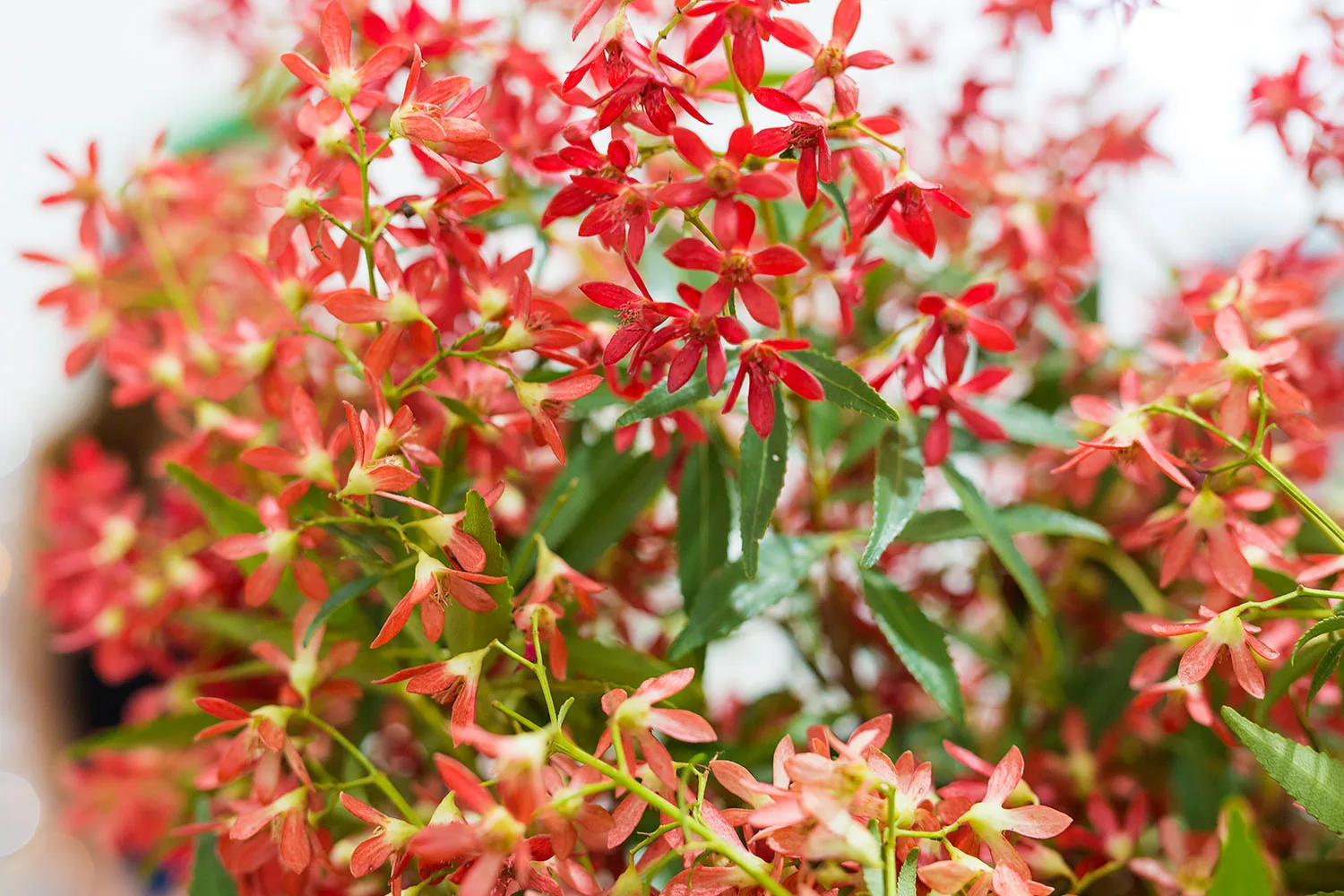
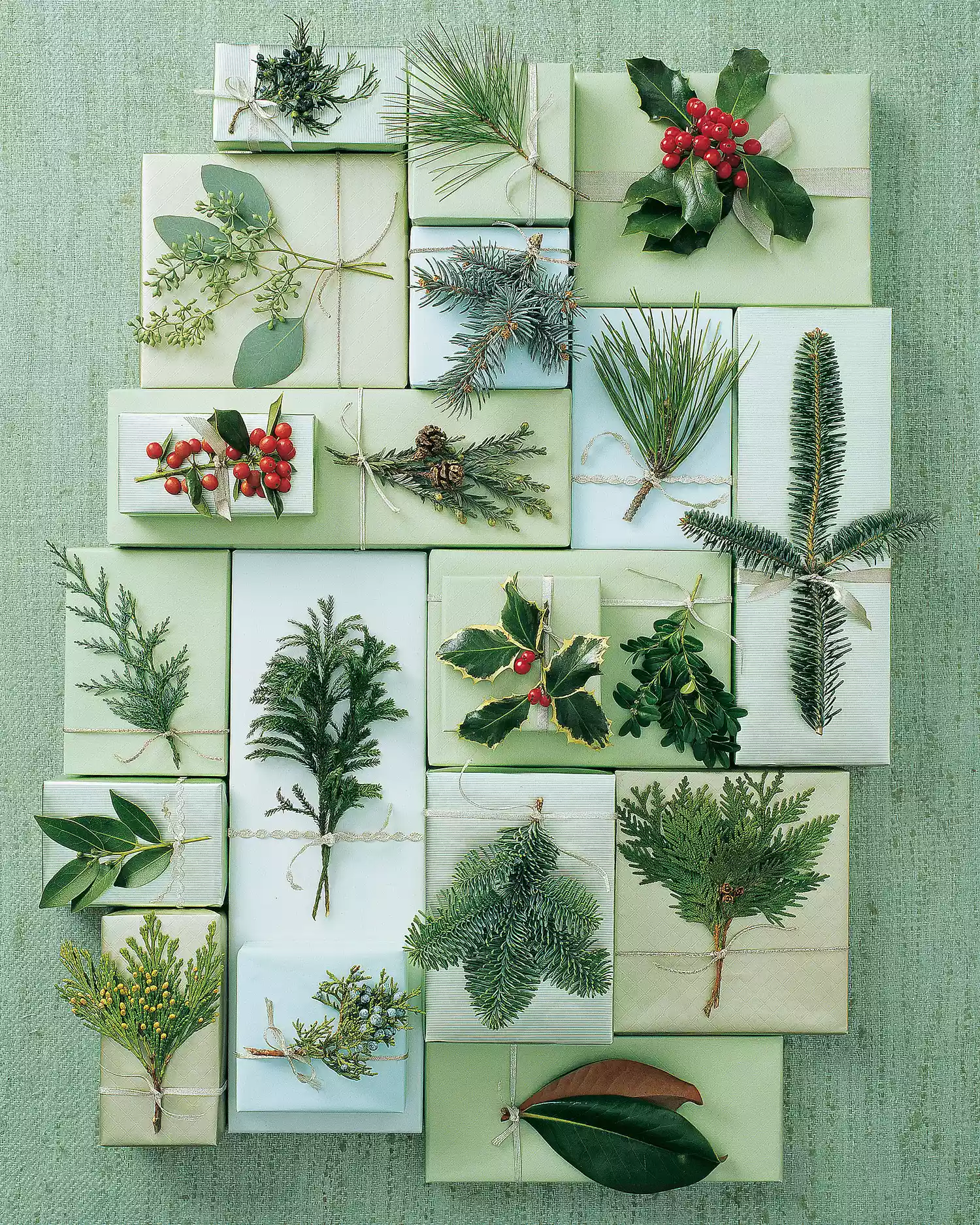
For individuals hesitant to use live houseplants or who do not own them, the article offers alternative natural decoration ideas using foliage and flower stems. Chris Waugh, a florist at Bloom & Wild, suggests adding stems that dry naturally, such as hypericum berries, rosemary, poppy seed heads, baby's breath (gypsophila), and sea lavenders (statice) to fill gaps and add texture. The use of evergreen herbs like rosemary or dried lavender is recommended for both visual appeal and aromatic benefits. Additionally, the article explores the aesthetic potential of leaves, dried fruits, and cones. Judith Blacklock, an award-winning florist, advises creating garlands from fallen leaves, spraying them gold for glamour, and adorning trees with dried orange slices, scented wired cones, and cinnamon sticks tied with hessian ribbon for a rustic touch. She also highlights the beauty of branches from deciduous holly (Ilex verticillata) for adding color and interest, noting their strength and longevity. Finally, the article suggests using bundles of dried flowers, particularly those wrapped in ribbon, and dried hydrangea heads, which can be sprayed to match any color scheme, as attractive finishing touches.
#ChristmasTreeDecorations #NaturalDecor #HouseplantStyling #EcoFriendlyChristmas #FoliageDecor #FestiveDesign #HomeDecor #SustainableLiving #ChristmasTreeDecorations #NaturalDecor #HouseplantStyling #EcoFriendlyChristmas #FoliageDecor #FestiveDesign #HomeDecor #SustainableLiving
0 opmerkingen in totaal
 Nog geen opmerkingen
Dit vindt u mogelijk ook leuk
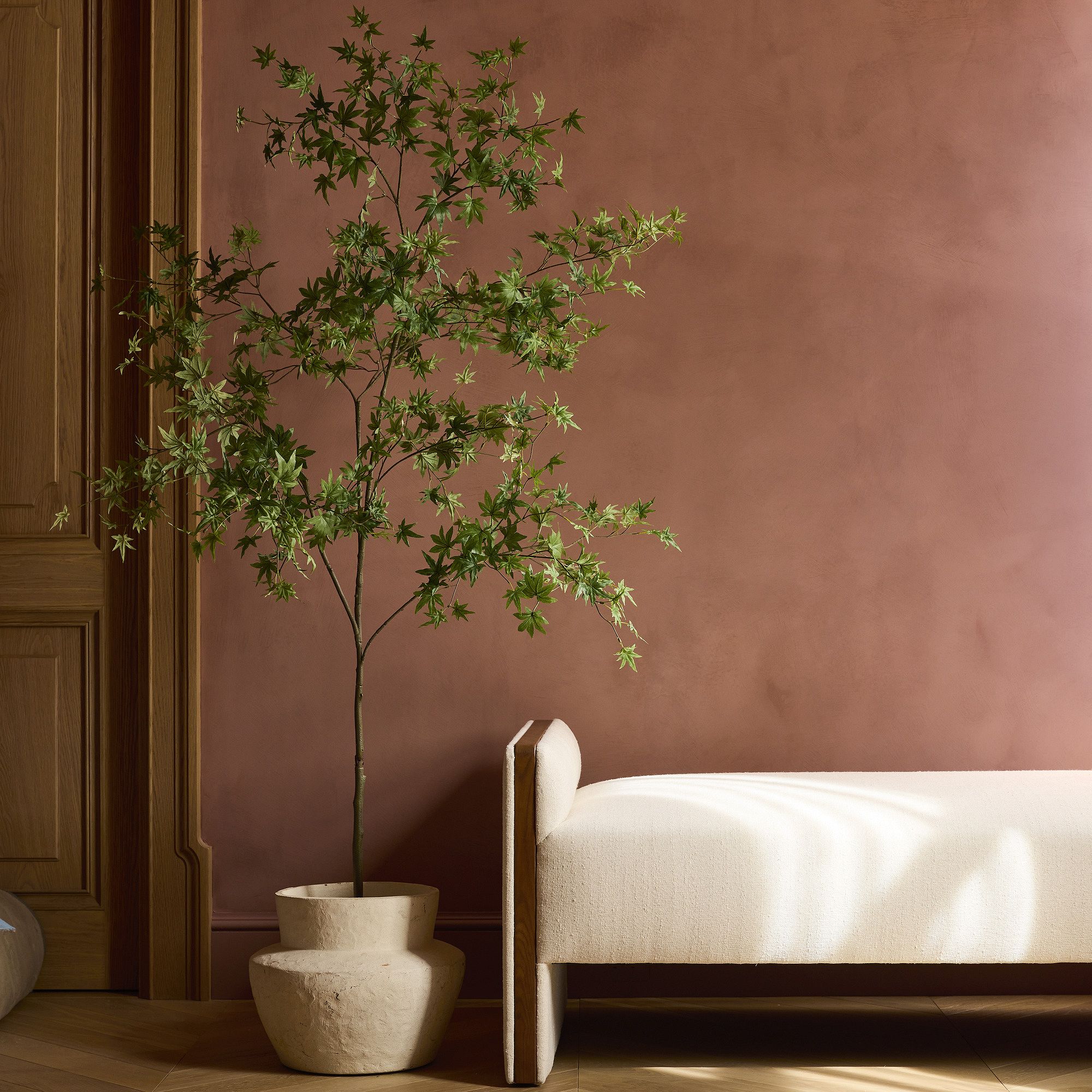
We're Crushing on Faux Trees, Right Now — They're Chic Year-Round, and a Clever Twist for Christmas

Fake Plastic Trees and Artificial Houseplants We Don’t Hate

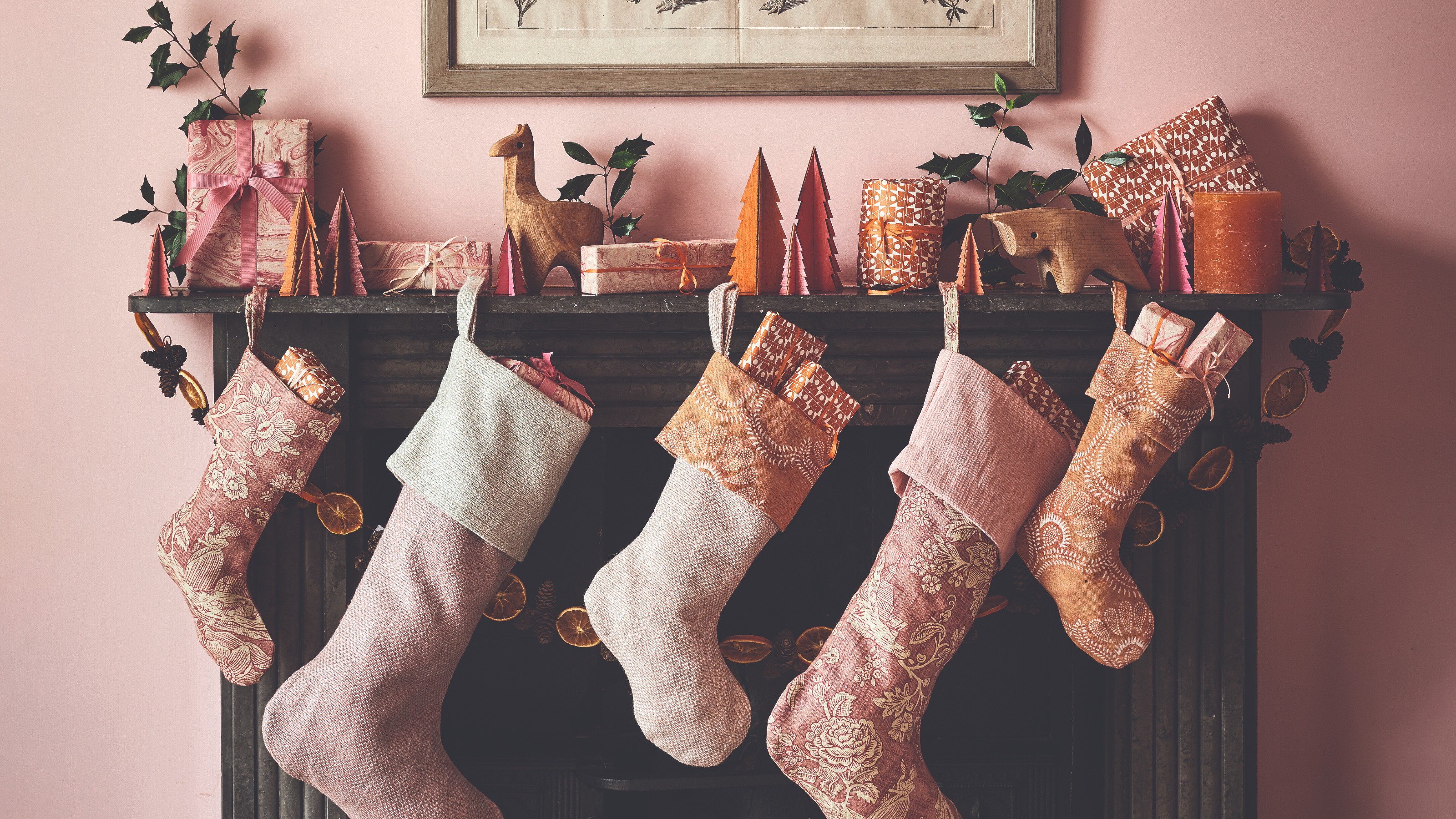
Budget Christmas decorating ideas – 44 ways to create a festive atmosphere at home without breaking the bank
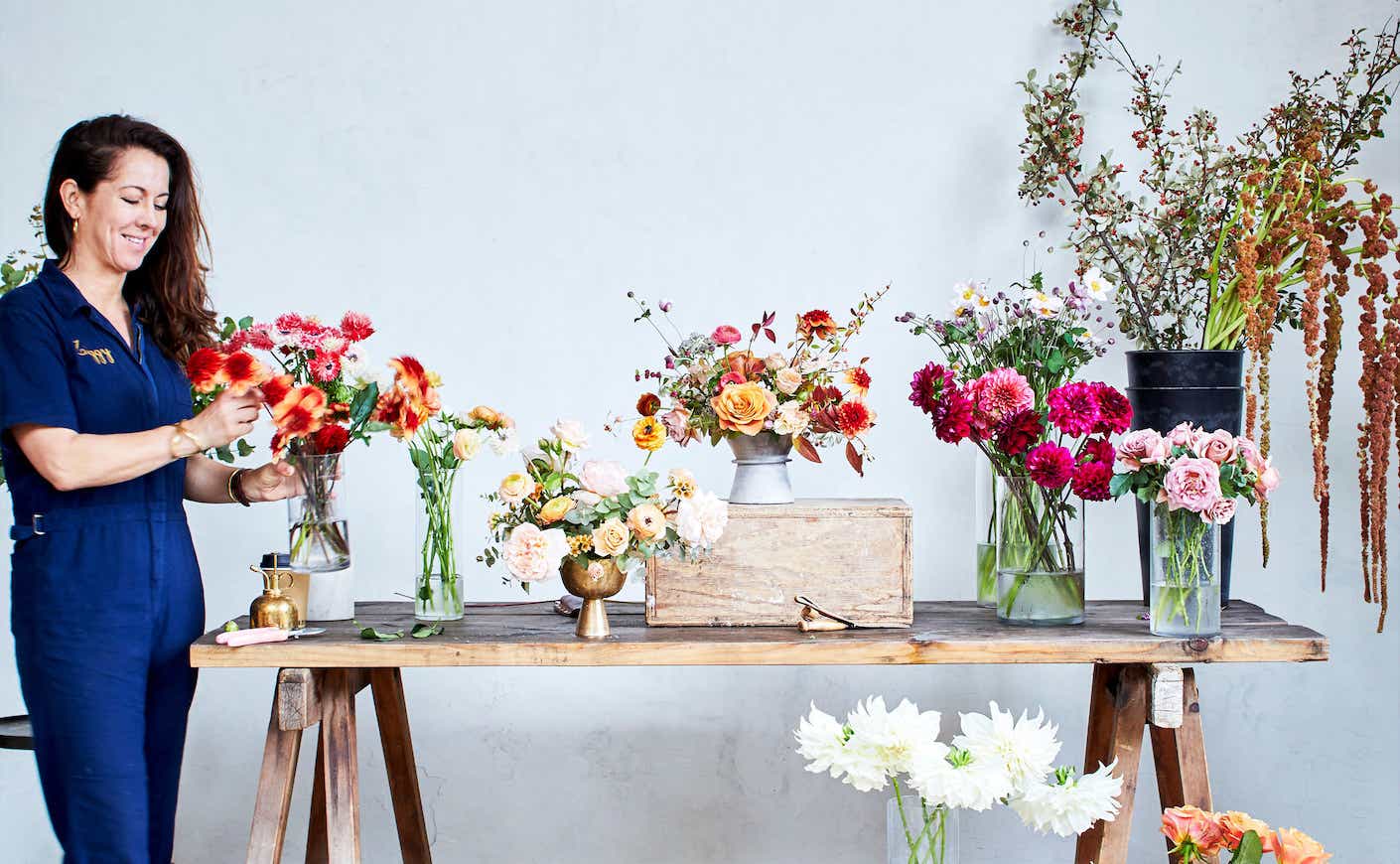
How to Make Eco-Friendly, Easy Flower Arrangements At Home

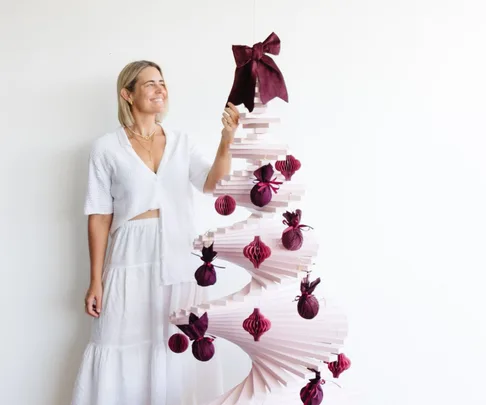
15 alternative Christmas tree ideas to try this year

40 Stylish Substitutes for the Classic Christmas Tree
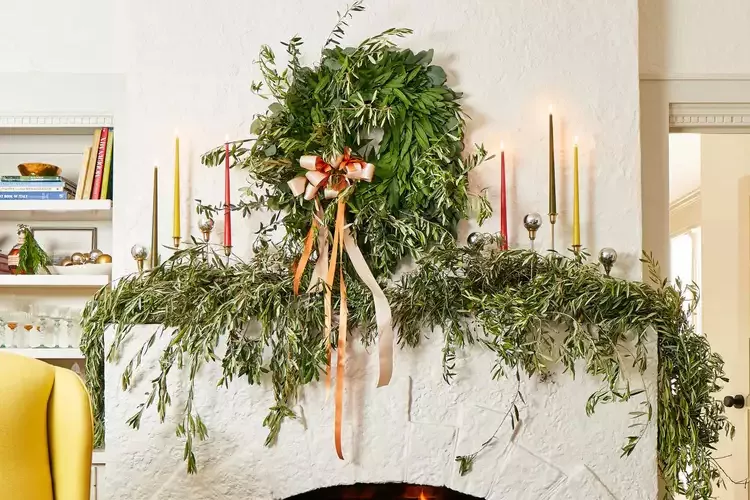
70 Ways To Decorate With Fresh Christmas Greenery
Big Bows, Faux Fur, and Florals — The Best Christmas Tree Decorations You’ve Never Heard Of Are Under $20
Best holiday houseplants – 7 plants ideal for festive decor that aren't all Christmas cacti

Every DIY Christmas Tree Idea of 2024 Worth Making in a Holiday Crafternoon

Christmas tree decorations - but make it fashion

5 living rooms with indoor trees that prove why they're the most elevating trend of 2024
Step Up Your Holiday Decor Game With These Elegant (and Easy to Make!) Ideas

These 82 Christmas Tree Ideas That Will Make Your Neighbors Jealous

14 of our favourite festive living rooms from the Country Living archives
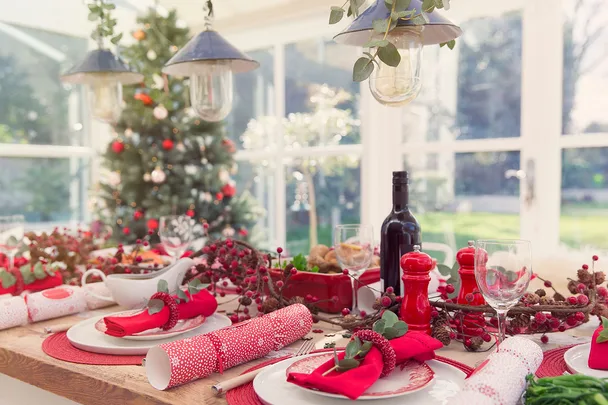
Expert tips for creating Christmas floral arrangements

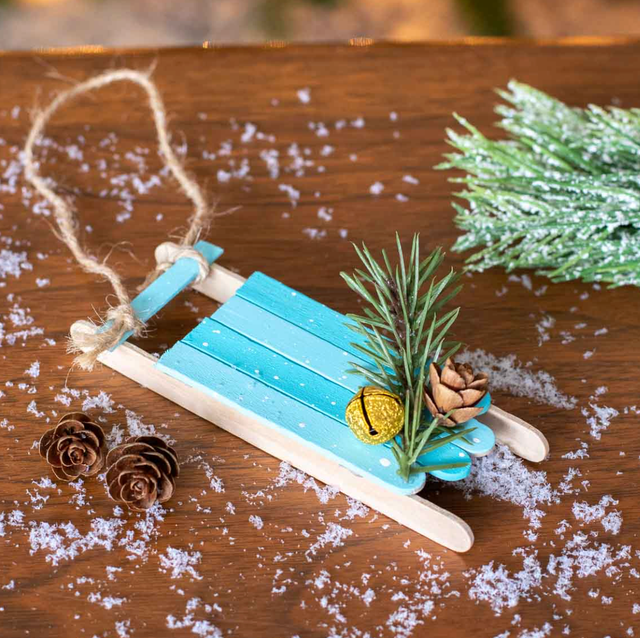
DIY Christmas Ornaments That Turn Your Tree into a Homemade Masterpiece

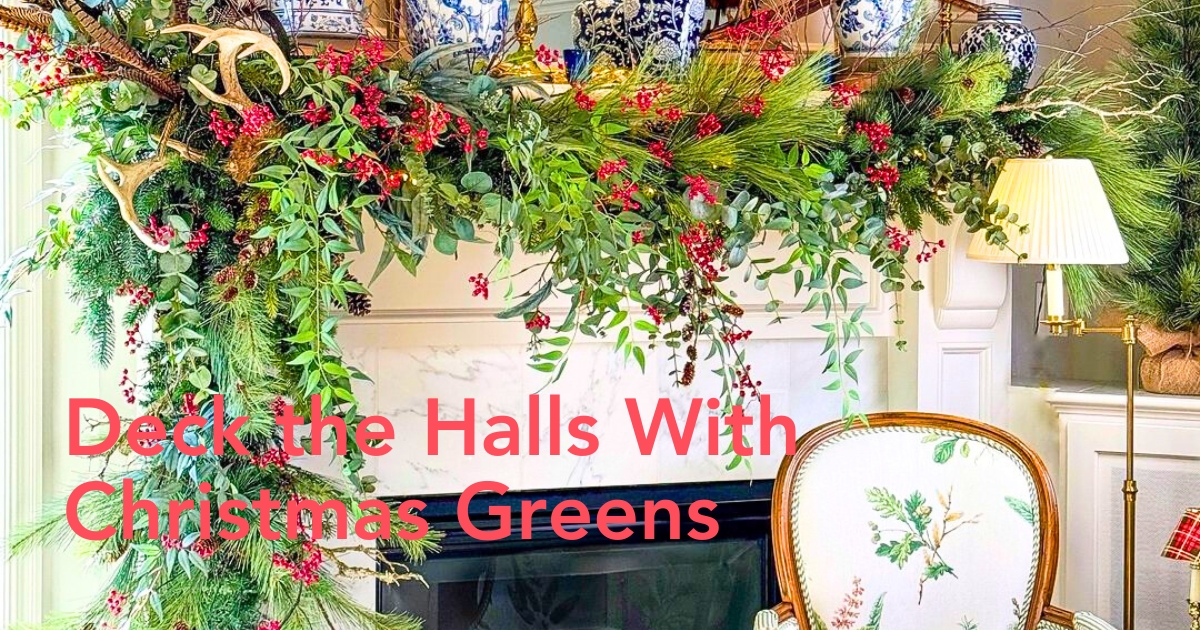
10 Types of Fresh Christmas Greenery for Your Home

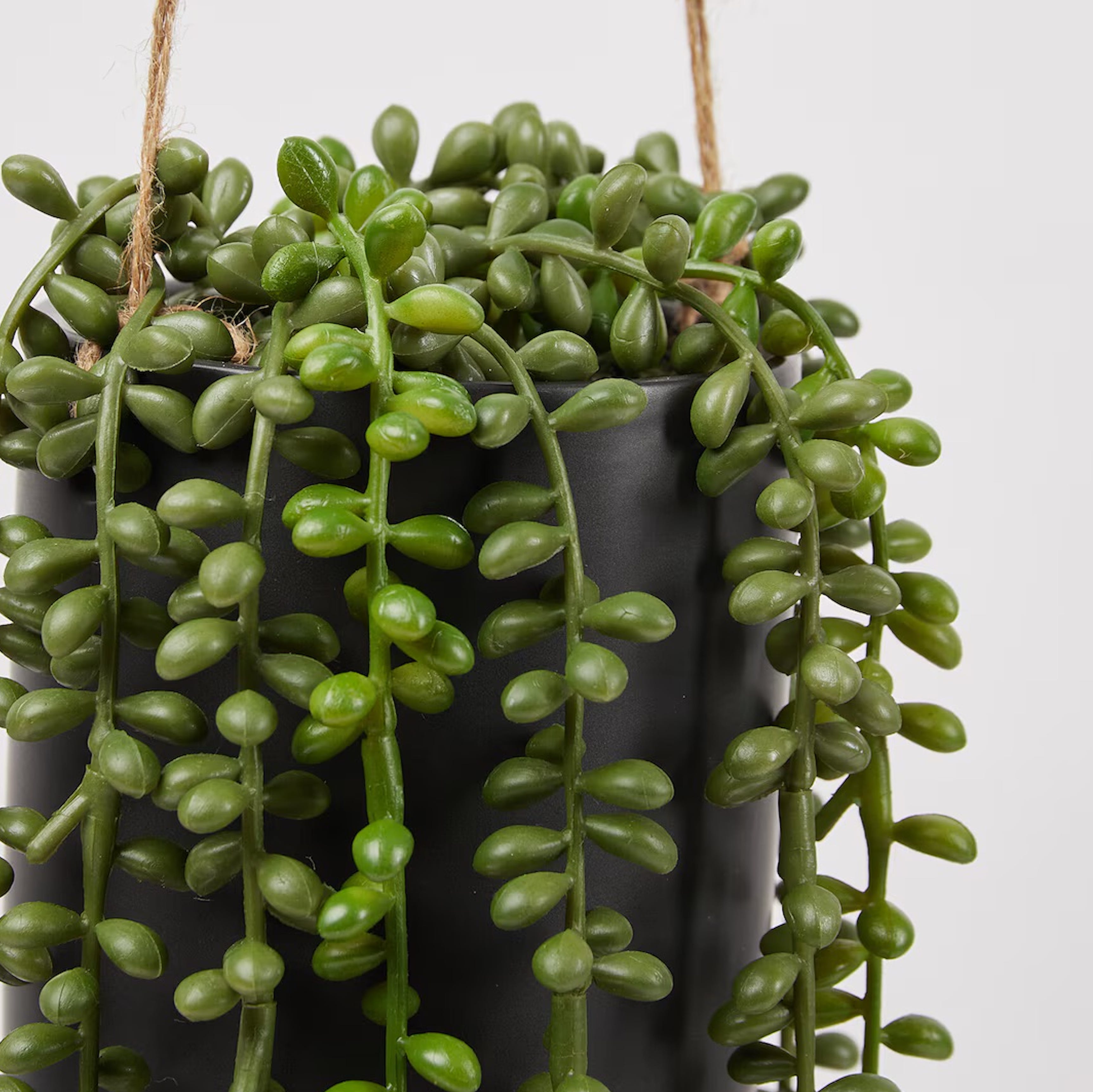
10 Realistic Artificial Plants That Require Minimal Effort
How to Decorate With Holiday Greenery and Keep It Fresh All Season Long