




1/5
Here's what color experts actually think about the unexpected red theory – is it really as simple as it sounds?
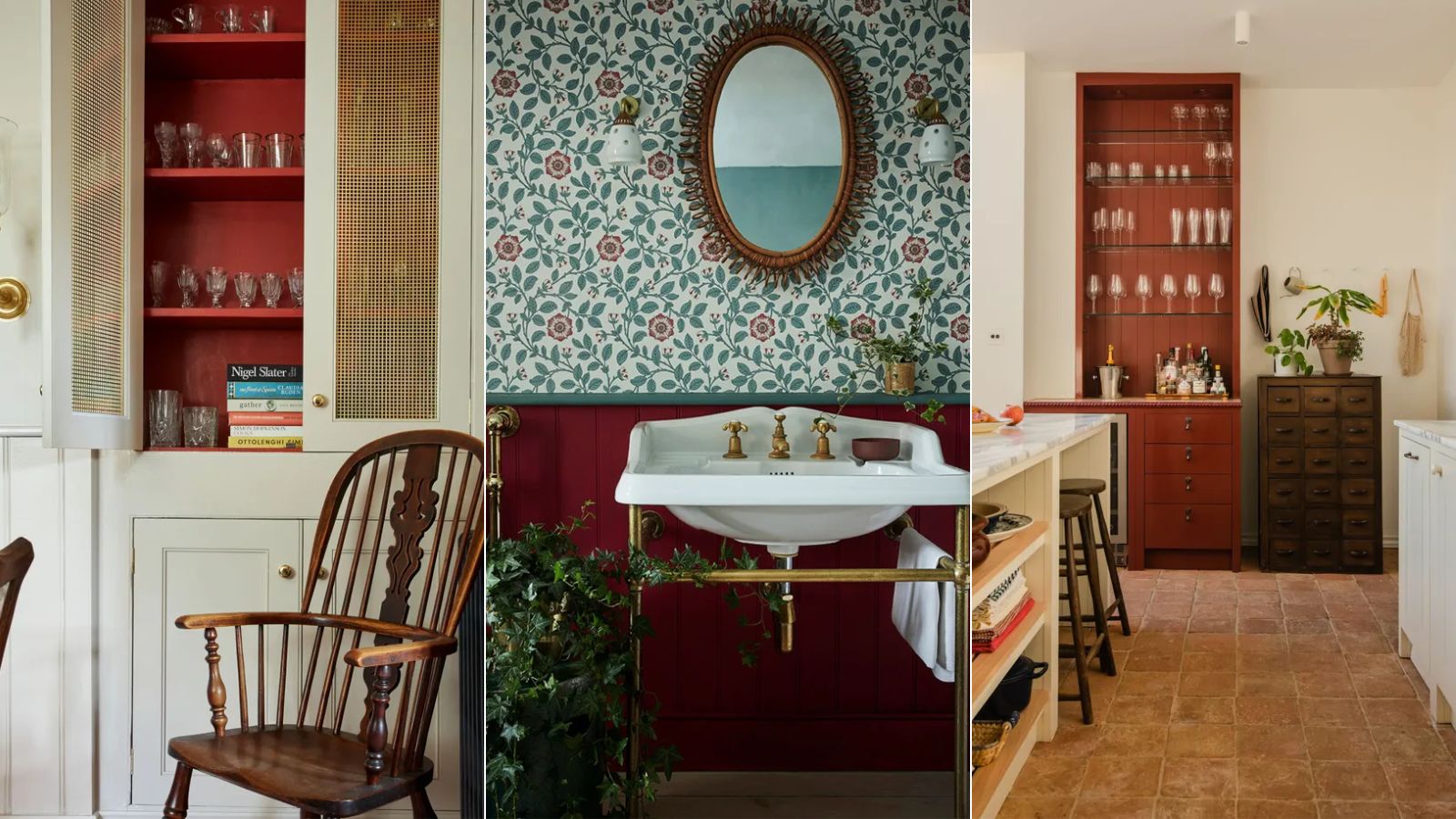
The 'unexpected red theory,' a concept popularized by TikTok creator Taylor Simon, posits that incorporating a small amount of red into any interior space consistently enhances its aesthetic appeal. This theory has rapidly gained traction in the interior design world, establishing itself as a significant home decor trend for 2024. Despite its seemingly straightforward premise, interior designers and color specialists offer nuanced perspectives on its application and effectiveness.
According to experts, the simplicity of the unexpected red theory contributes to its widespread appeal, aligning with contemporary interior design trends that champion experimental and bold color use, such as dopamine decor and maximalist aesthetics. Natalia Miyar, an interior designer, expresses enthusiasm for any trend that empowers individuals to experiment with color, even subtly. However, the question remains whether a mere splash of red can universally guarantee a stylish outcome.
Patrick O'Donnell, brand ambassador for Farrow & Ball, suggests that the underlying principle of the unexpected red theory is not exclusive to the color red. He argues that similar effects can be achieved with other vibrant hues, such as cobalt blue or hot pink, when introduced into muted or earthy schemes. O'Donnell notes that incorporating small red details, like striped lampshades or upholstered chairs, can create a desirable tension within a more restrained color palette.
Furthermore, the success of the unexpected red theory is contingent on the room's overall color scheme. Tash Bradley, a color expert at Lick, emphasizes the importance of limiting a room to a maximum of three colors: a dominant, a secondary, and an accent. For the unexpected red theory to be effective, red should be chosen as the accent color. Integrating red into a space already saturated with multiple competing colors can diminish its impact. A more restrained palette allows the red accent to make a more pronounced statement. Bradley highlights that a primary red accent can complement various color schemes, including neutrals, blues, teals, and greens.
The specific shade of red chosen is another crucial factor. Color is subjective, and preferences vary from vibrant tomato reds to deeper wine reds. The key is to select a shade that resonates with personal taste and complements the existing decor. Bradley advises choosing a color that evokes positive associations and personal connection. She explains that even a minimal application of red can significantly impact a space due to its inherent power. For those exploring the trend, brighter reds like Lick’s Red 02 are ideal for small accents on woodwork, furniture, or lamp bases. Conversely, earthier reds with brown, black, or white pigments, such as Lick’s Red 03, are suitable for larger applications, including entire rooms, as they are less visually stimulating and intense. Miyar concurs, noting that a pillar box red offers a dramatic, vibrant punch, while a muted rust tone provides warmth and richness.
Beyond paint, the unexpected red trend can be embraced through smaller decor items. Natalia Miyar encourages starting with items one loves, whether a specific shade of red, a piece of art, or fabric with red detailing. This approach ensures the space feels organic and inviting rather than overly curated. Ultimately, while the unexpected red theory requires thoughtful consideration regarding shade and overall color balance, experts affirm its potential to introduce drama and enhance home decor, a benefit that can also be extended to other carefully chosen colors.
#UnexpectedRedTheory #ColorTrends #InteriorDesign #HomeDecor #ColorPsychology #AccentColor #DecoratingTips #ColorPalettes #DesignExperimentation #UnexpectedRedTheory #ColorTrends #InteriorDesign #HomeDecor #ColorPsychology #AccentColor #DecoratingTips #ColorPalettes #DesignExperimentation
 Nog geen opmerkingen