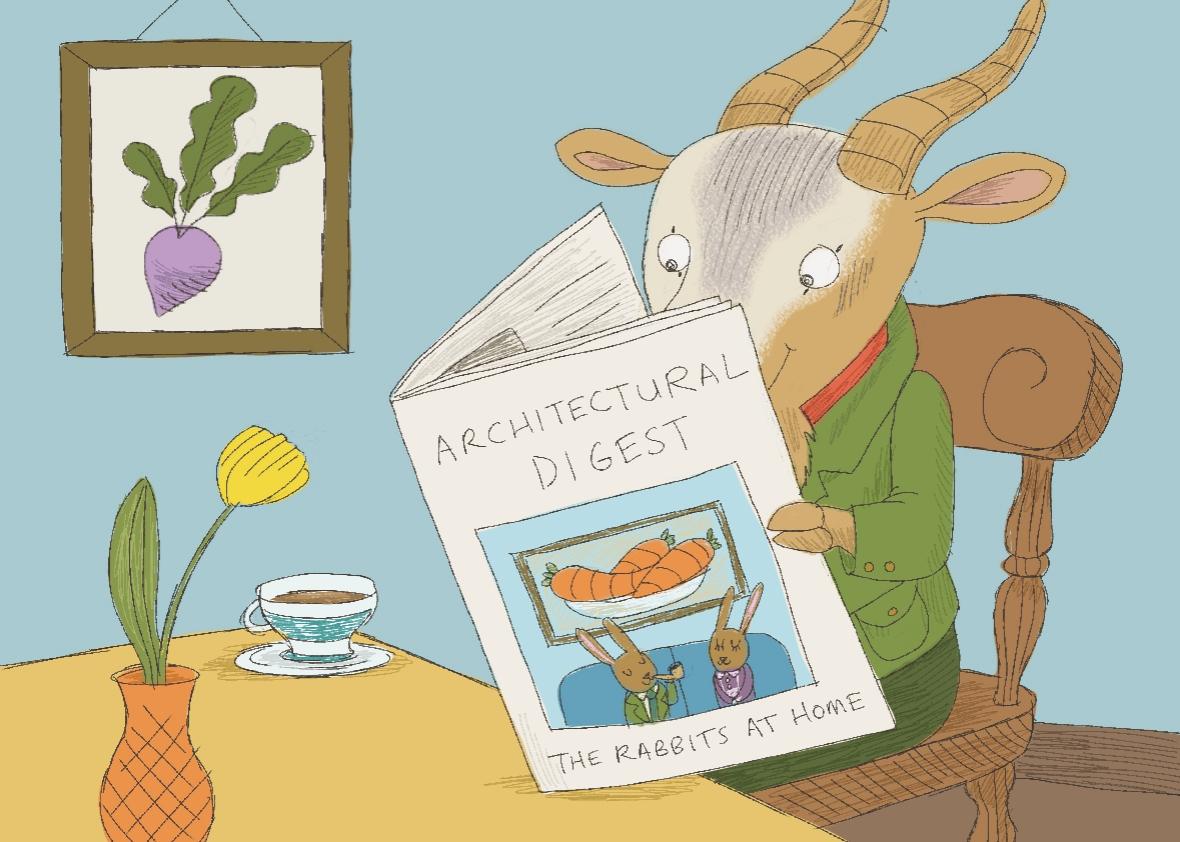
From Goodnight Moon to Richard Scarry, the great rooms of children's literature, reviewed.
Children's picture books serve as a unique lens through which to observe social evolution, not only in widely discussed areas like gender roles and racial politics but also in fashion and interior design. These books present idealized worlds, thereby documenting shifts in our collective notion of what constitutes an ideal living space over time. Examining classic picture books from recent decades offers insights into evolving design sensibilities, akin to reviewing archives of design magazines.
Margaret Wise Brown's "Goodnight Moon," illustrated by Clement Hurd in 1947, features an "eclectic" room. Described as a proscenium or diorama, it showcases three walls, a central fireplace with windows, and a prominent gilt-framed painting of a cow jumping over the moon. The mantle is adorned with a brightly colored clock and sturdy garniture. Green and gold striped drapery, rigged to create volume, offsets the simple window architecture. The overall aesthetic leans towards rococo elements, despite the book's narrative being Modernist. While the text was published in the same year as Mies van der Rohe's Farnsworth house model was displayed, Hurd's illustration of the room might reflect his own early life experiences. The circular rug and clean silhouettes of the bed, table, lamp, bookcase, and andirons introduce modern touches. A toy dollhouse in the corner, perfectly symmetrical with a chimney, evokes a postwar suburban fantasy, signaling a middle-class aspiration. The constant fire and the watchful old woman contribute to a sense of comfort as the bunny character drifts to sleep.
Ezra Jack Keats's books, including "The Snowy Day" (1962), "Whistle for Willie" (1964), and "Peter’s Chair" (1967), depict family homes that feel surprisingly fresh due to their retro appeal. One of Peter’s parents displays a flair for pattern, with wallpaper so vibrant it appears to lift off the page. While wallpaper is now a creative class signifier, its mass production offered instant décor during the Depression. The domestic setting is crucial and distinctly rendered in Keats’s works. Peter’s home, like many in children’s literature, is a sanctuary—a sunny haven after adventures in the winter streets or vacant lots. Beyond the memorable wallpaper, the homes feature handsome furniture, often in the Danish modern style. In "Whistle," a simply framed mirror on a wall adorned with yellow flowers allows Peter to see himself, while "Peter’s Chair" provides a framed baby portrait, further emphasizing self-discovery. These objects, along with details like a hat-wearing father and a pet dachshund, communicate a solid middle-class environment, mirroring homes that still exist today. In contrast, Keats's later works portray less cheerful homes where parents are often absent or bickering, creating a desire for escape, unlike Peter's home, which he cherishes.
Bernard Waber’s "The House on East 88th Street" (1962) and "Lyle, Lyle Crocodile" (1965) feature an iconic uptown brownstone, a quintessential New York City residence. The house itself conveys essential information about the book's world, indicating a traditional family structure and a refined urban setting. The large, grand house seems impossibly spacious for the small family. Mrs. Primm, the matriarch, possesses impeccable taste and forms a close bond with Lyle, the crocodile who inexplicably comes with the house. Lyle acts as a domestic companion, assisting Mrs. Primm with household tasks like making beds, folding linens, and cooking. Mrs. Primm’s dining table, with its footed fruit bowl, candelabra, seltzer, and cut crystal glasses, suggests elegance and bounty. The slip-covered chairs, Louis Comfort Tiffany-style fixture, and overflowing breakfront further underline the house’s beauty and abundance.
Richard Scarry’s "Best Storybook Ever" (1967) presents a rabbit family’s house with green shutters and a jaunty red exterior, concealing a well-ordered interior. The aesthetic, with its New England architectural influences and Swiss emphasis on order and harmony, reflects Scarry’s upbringing and adult life. The recurring golden yellow in the kitchen extends to the stairwell, adorned with framed family portraits and a still life in the living room. The master bedroom features what appears to be a twin bed, and toilets are conspicuously absent, aligning with the idealized portrayal common in children’s literature. The dining room hutch has a country vibe, while the living room and attic den sofas prioritize comfort over ostentation. The home is depicted at the start of the day, with one son lacing his shoes and the mother preparing breakfast, conveying an optimistic and vibrant atmosphere.
Finally, Jan and Stan Berenstain’s "The Berenstain Bears" series (1962–Present) features an architecturally impossible treehouse, which is less a tree and more a giant broccoli with rooms in its boughs. Despite its fantastical nature, it evokes a bucolic ideal. The house incorporates Victorian elements like pink accents and mullioned windows. Papa Bear, a carpenter, is responsible for much of the home's rustic, hewn wood elements, including bunk beds, chairs, staircase railings, and Tramp art-inspired picture frames. These details, sometimes adorned with stray leaves, reflect his handiwork. In "The Berenstain Bears and the Truth," the destruction of Mama's "hideous" but cherished lamp, resting on a roughly formed end table, highlights the family’s thrifty and commonsensical nature as they glue it back together. The house, particularly with Papa’s workshop adjacent, reflects a world where domestic life and artisanal craftsmanship are valued.
#ChildrensLiterature #InteriorDesign #HomeDecor #LiteraryAnalysis #PictureBooks #SocialEvolution #ArchitecturalStyles #MidCenturyDesign #ChildrensLiterature #InteriorDesign #HomeDecor #LiteraryAnalysis #PictureBooks #SocialEvolution #ArchitecturalStyles #MidCenturyDesign
 Nog geen opmerkingen
25 Books You'll Want To Curl Up With In A Reading Nook
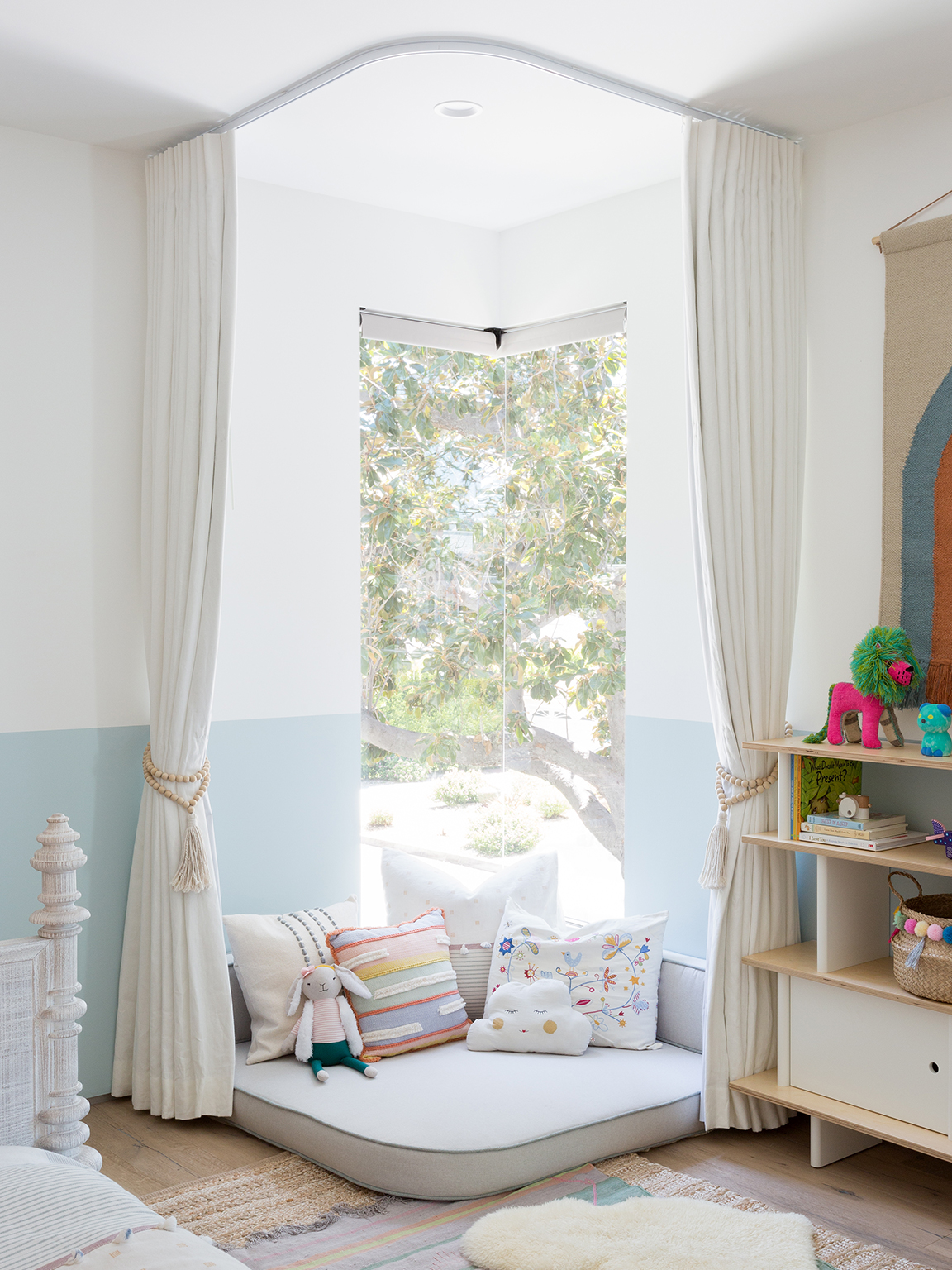
This Little Girl’s Bedroom Reading Nook Is So Cool, We Want One, Too
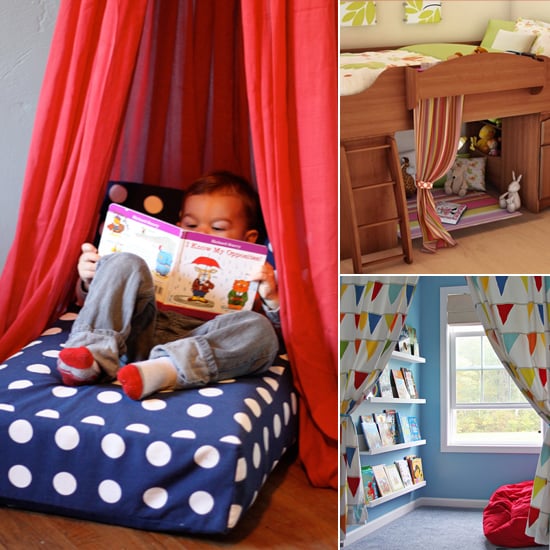
The Best Reading Nooks For Kids and Their Books
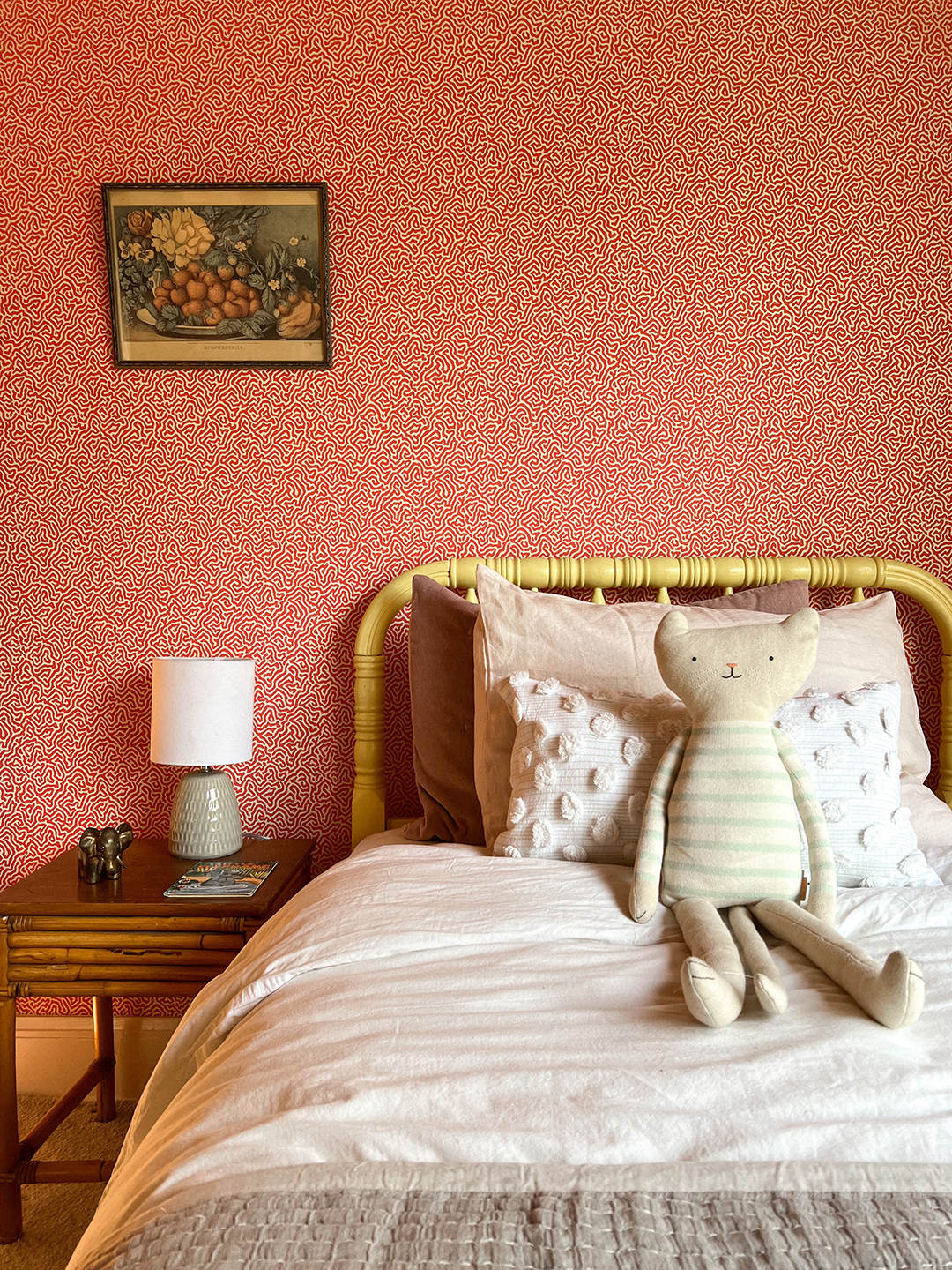
A Narnia-Style Reading Nook Sits Just Behind This Toddler’s Bedroom Closet Door

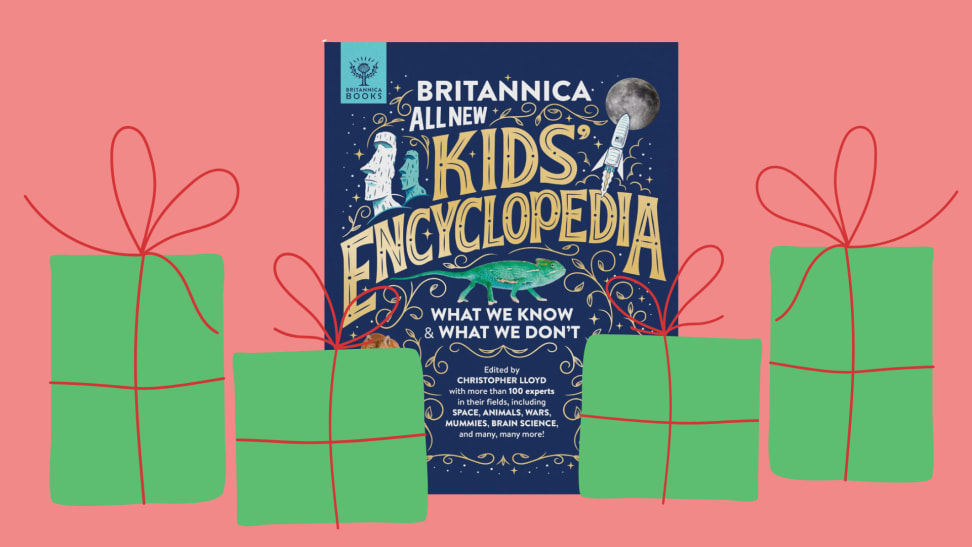
20 gifts for kids who love to read—and they're not just books

Design A Library To Discover The First Book That Belongs On Your Shelves

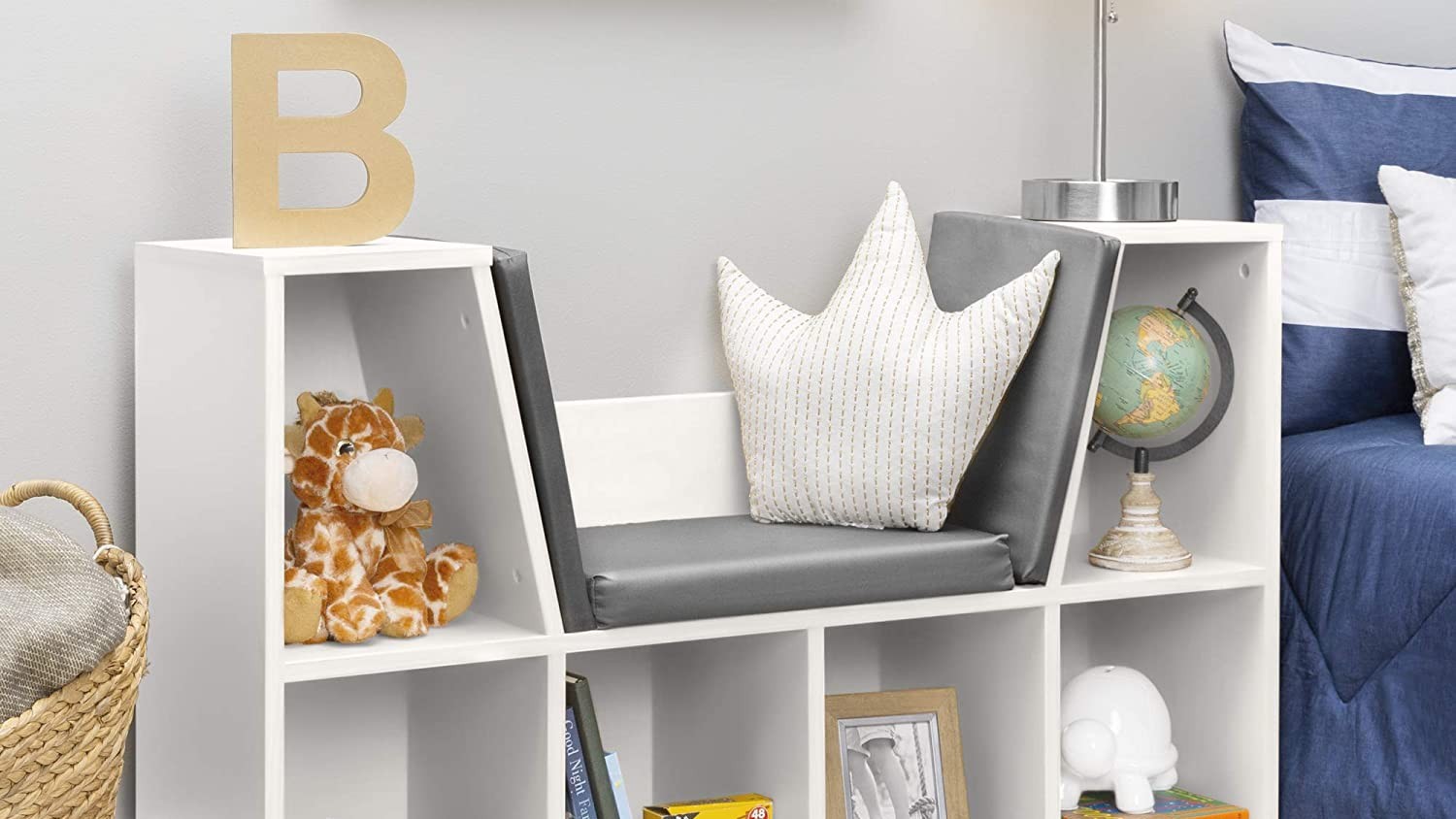
Encourage Your Kids to Read More Books with These Super Cute Reading Nooks

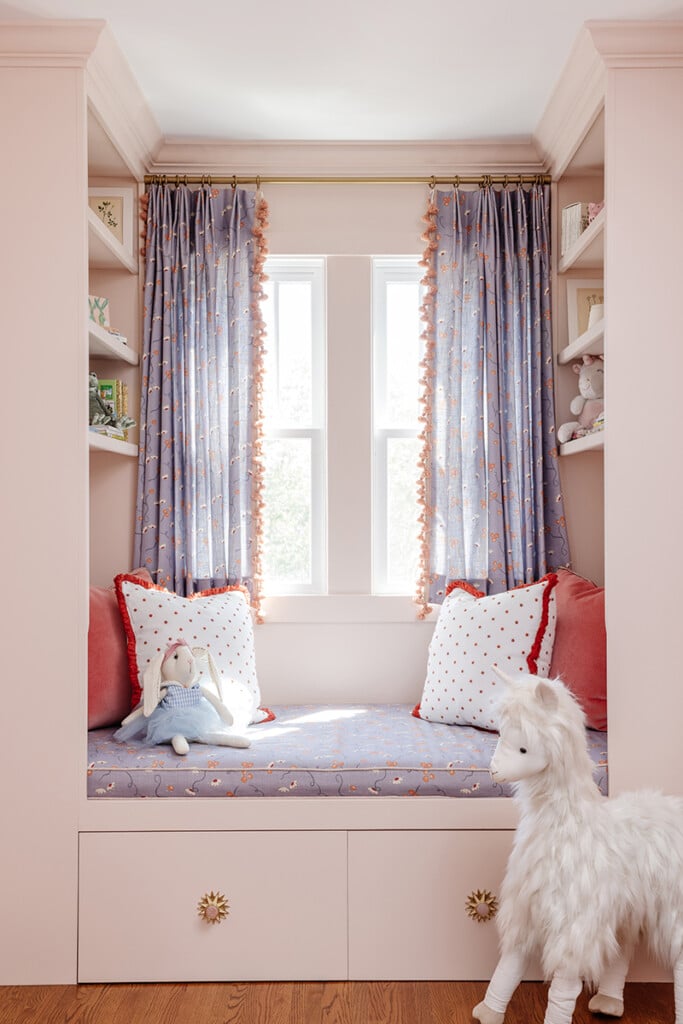
Design: A Girly Bedroom for the Ages