Flower arrangement 101: How to make a bouquet from backyard flowers
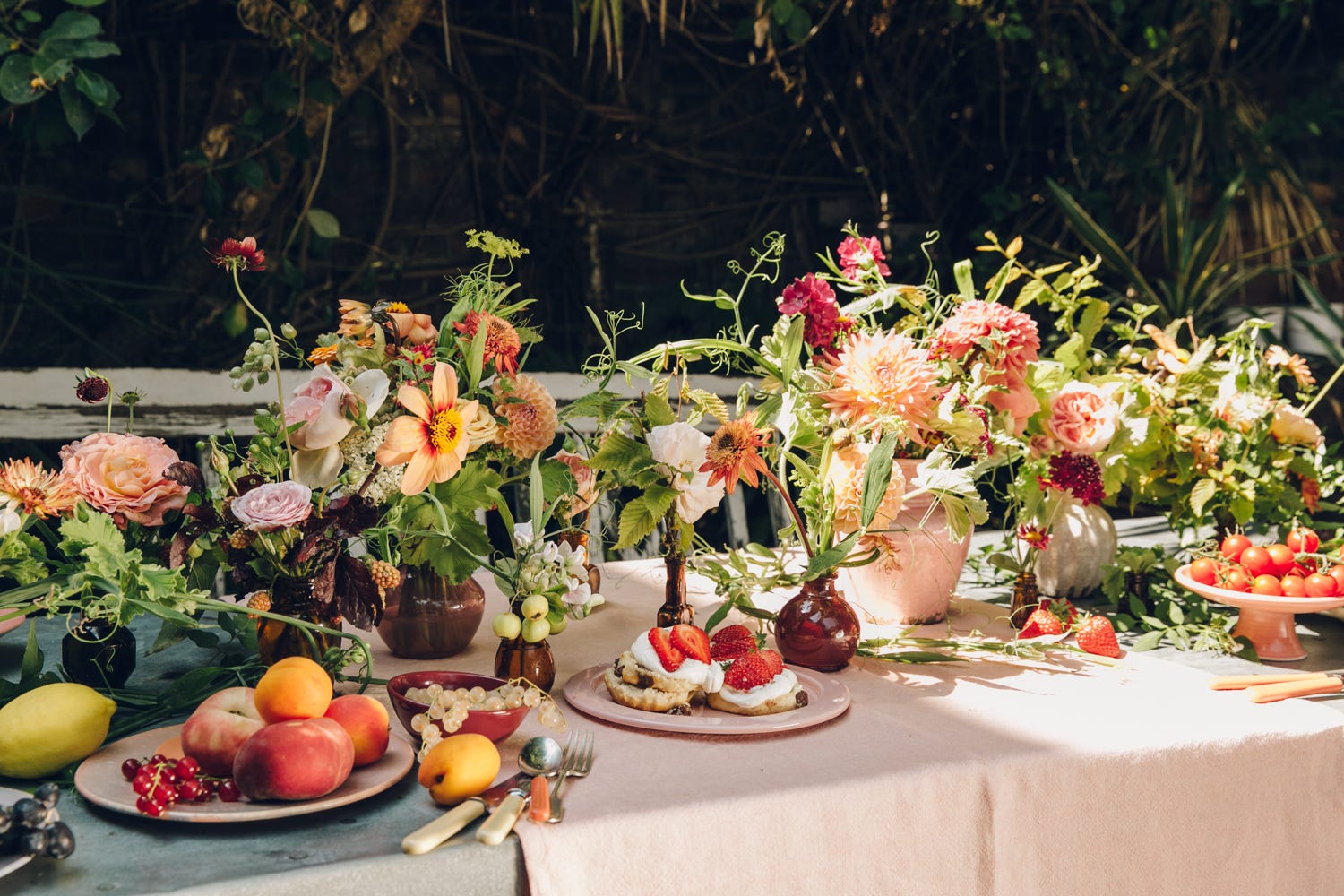
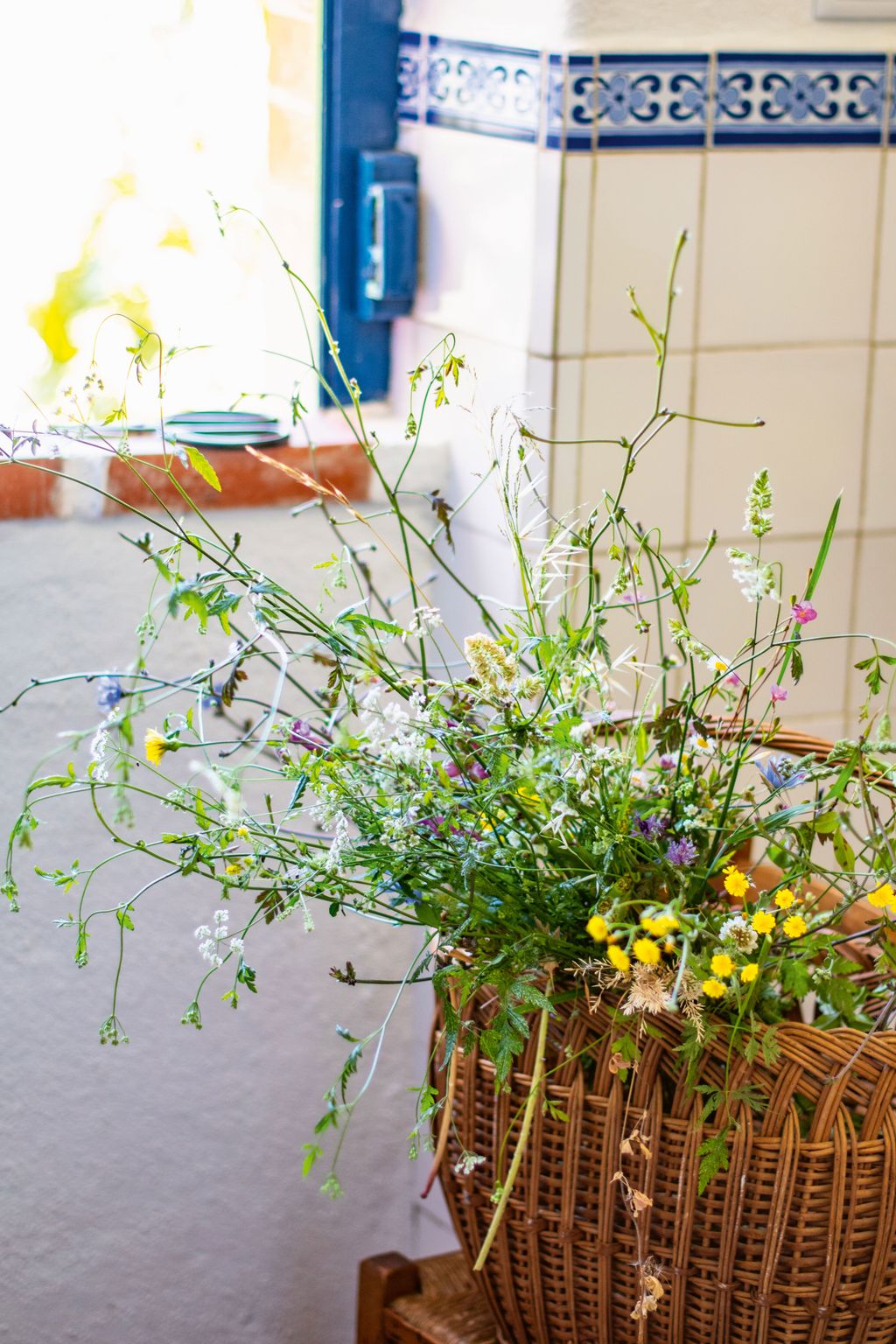
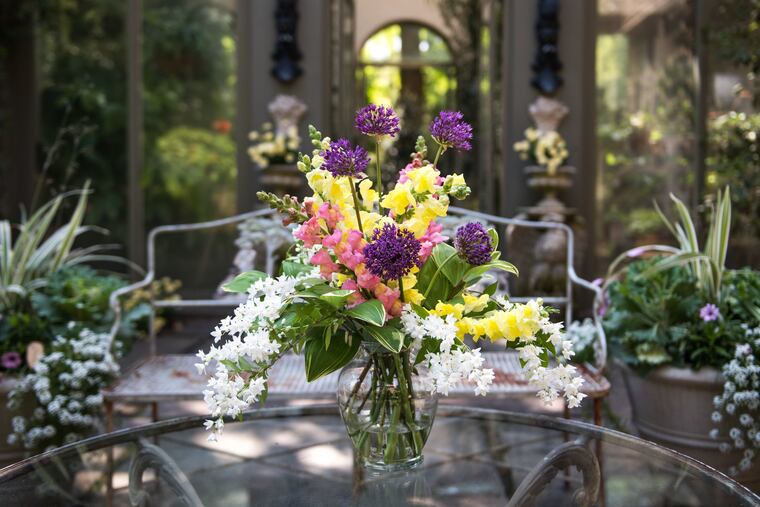
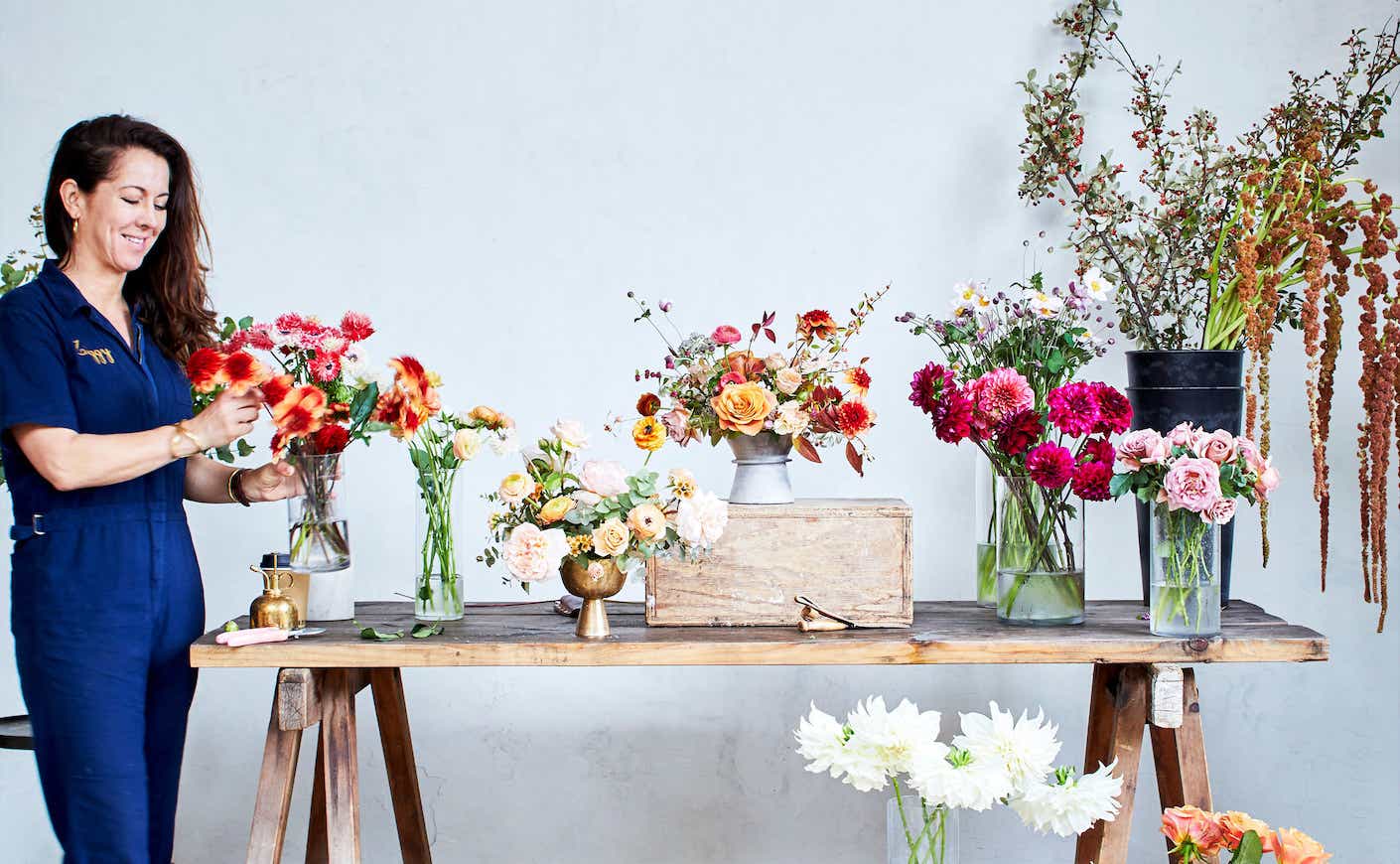
Flower arranging is a creative and meditative activity that can be enjoyed by anyone, regardless of artistic background. While it may seem complex, with a few techniques, anyone can create beautiful bouquets from flowers found in their own garden. Expert florists emphasize experimentation and arranging by feel, encouraging individuals to develop their unique style rather than simply copying others.
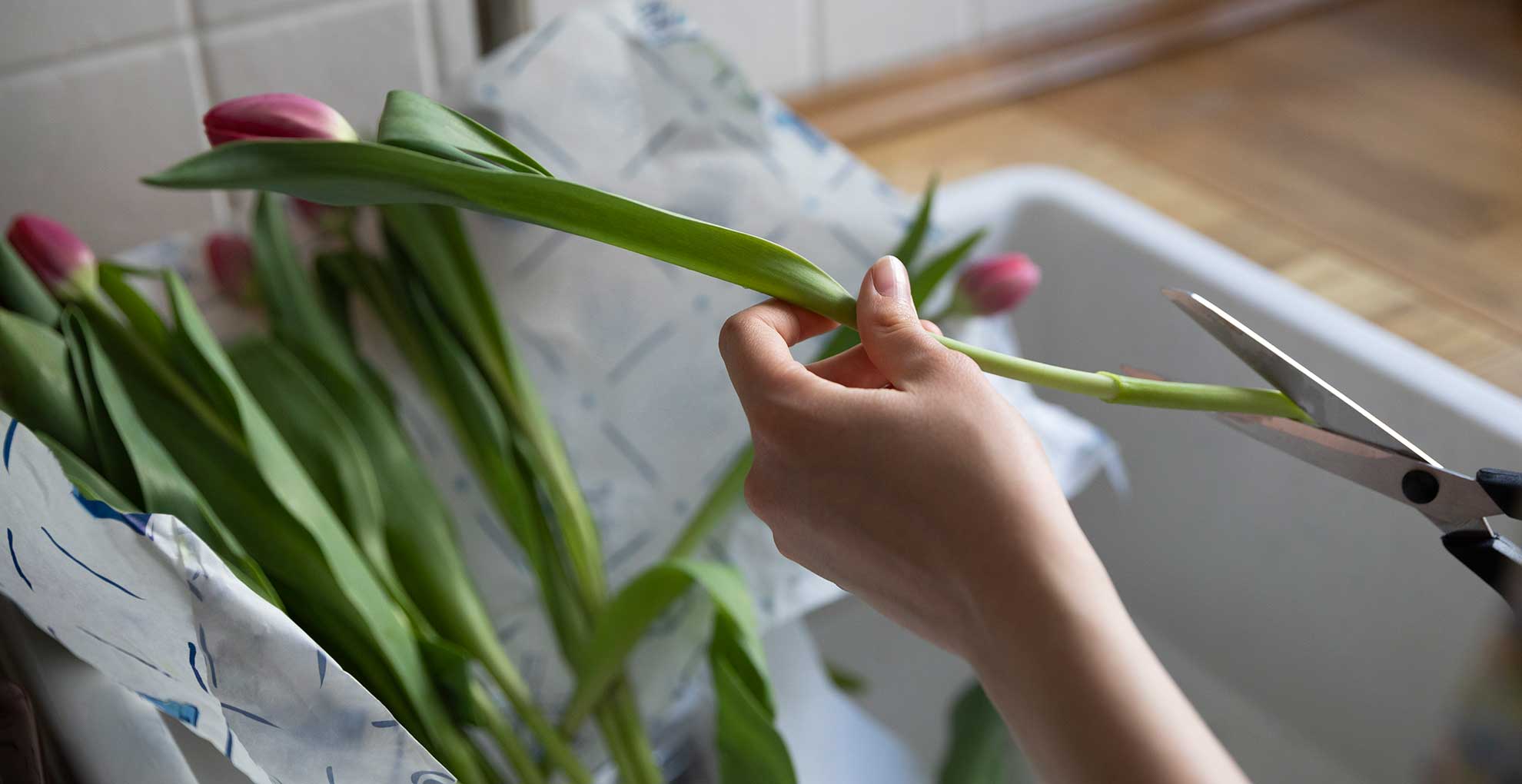
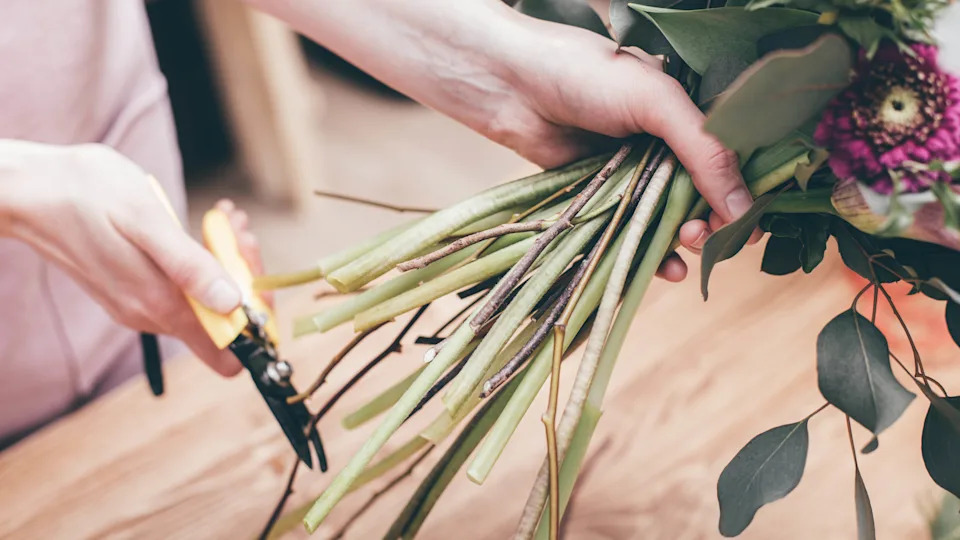
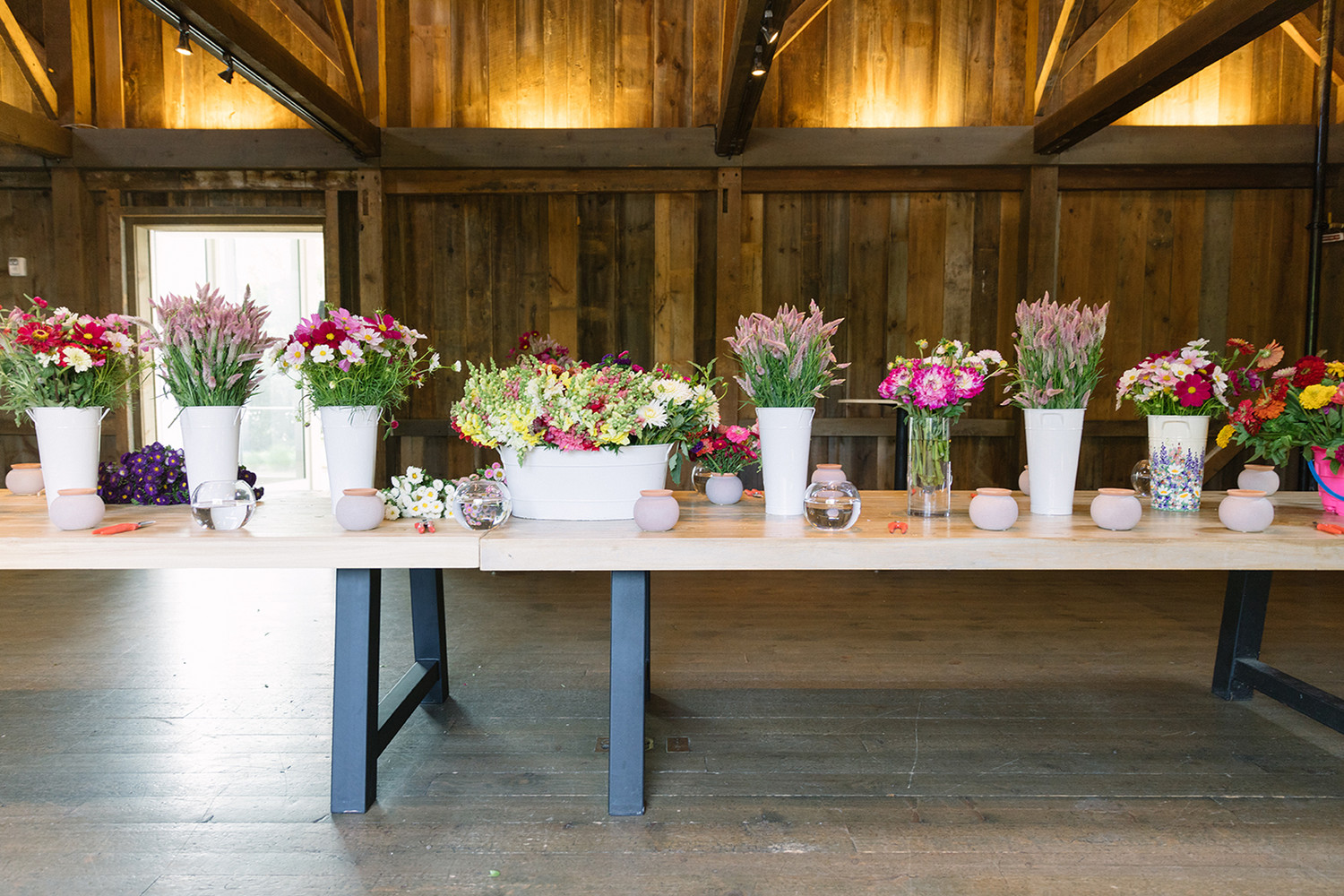
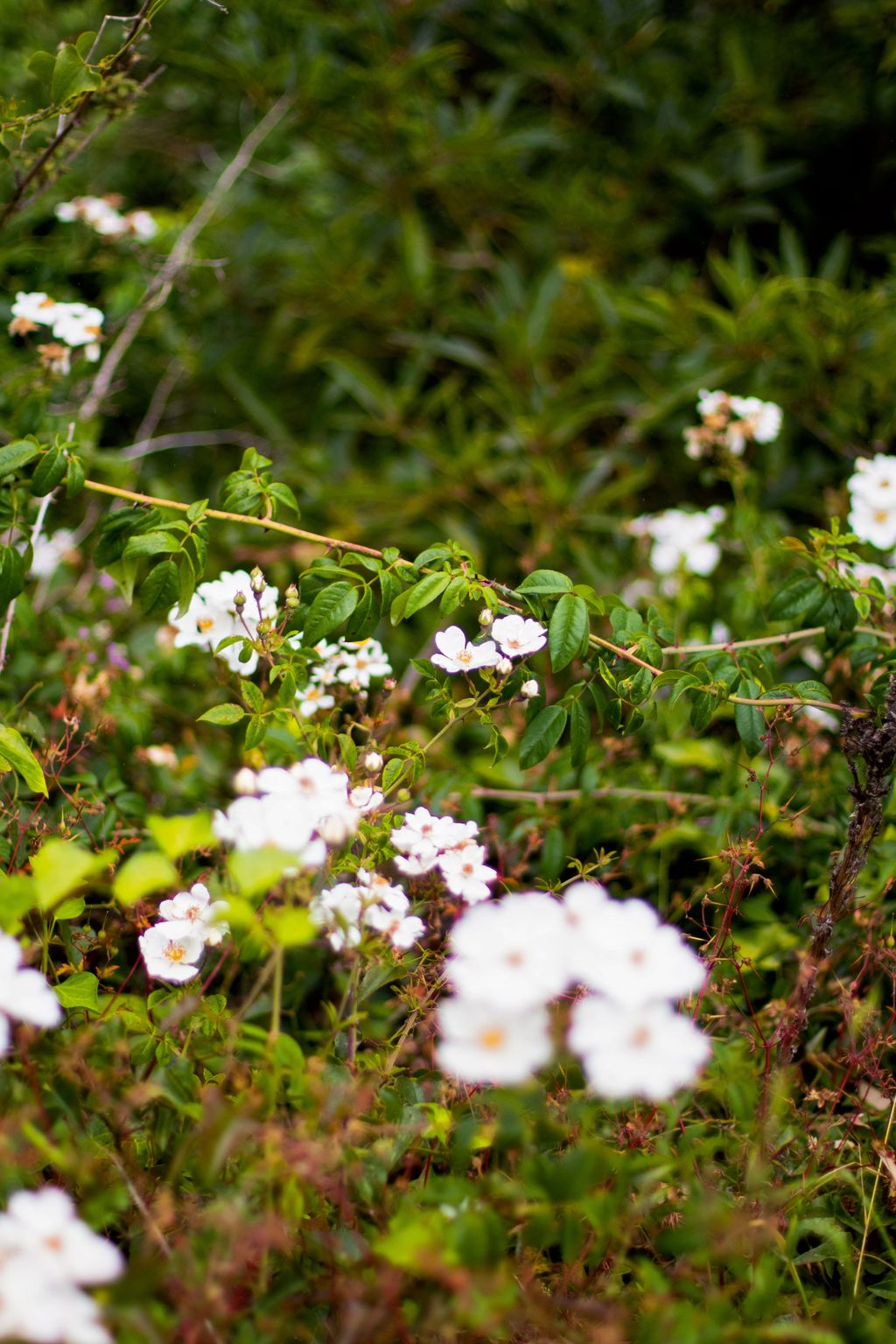
To begin, proper flower retrieval is crucial for longevity. Flowers should be picked early in the morning before they experience the stress of the sun's heat, which helps them last significantly longer. Selecting flowers that are just beginning to open ensures they recover quicker from being cut and generally have a longer vase life. Stems should always be cut at an angle, similar to a straw, to allow for better water absorption. Using sharp scissors prevents crushing the stems, which can impede water uptake. Immediately after cutting, flowers should be placed in a bucket with a few inches of water to prevent wilting. For more intricate arrangements, it's advisable to leave stems in water for at least half a day to strengthen them.
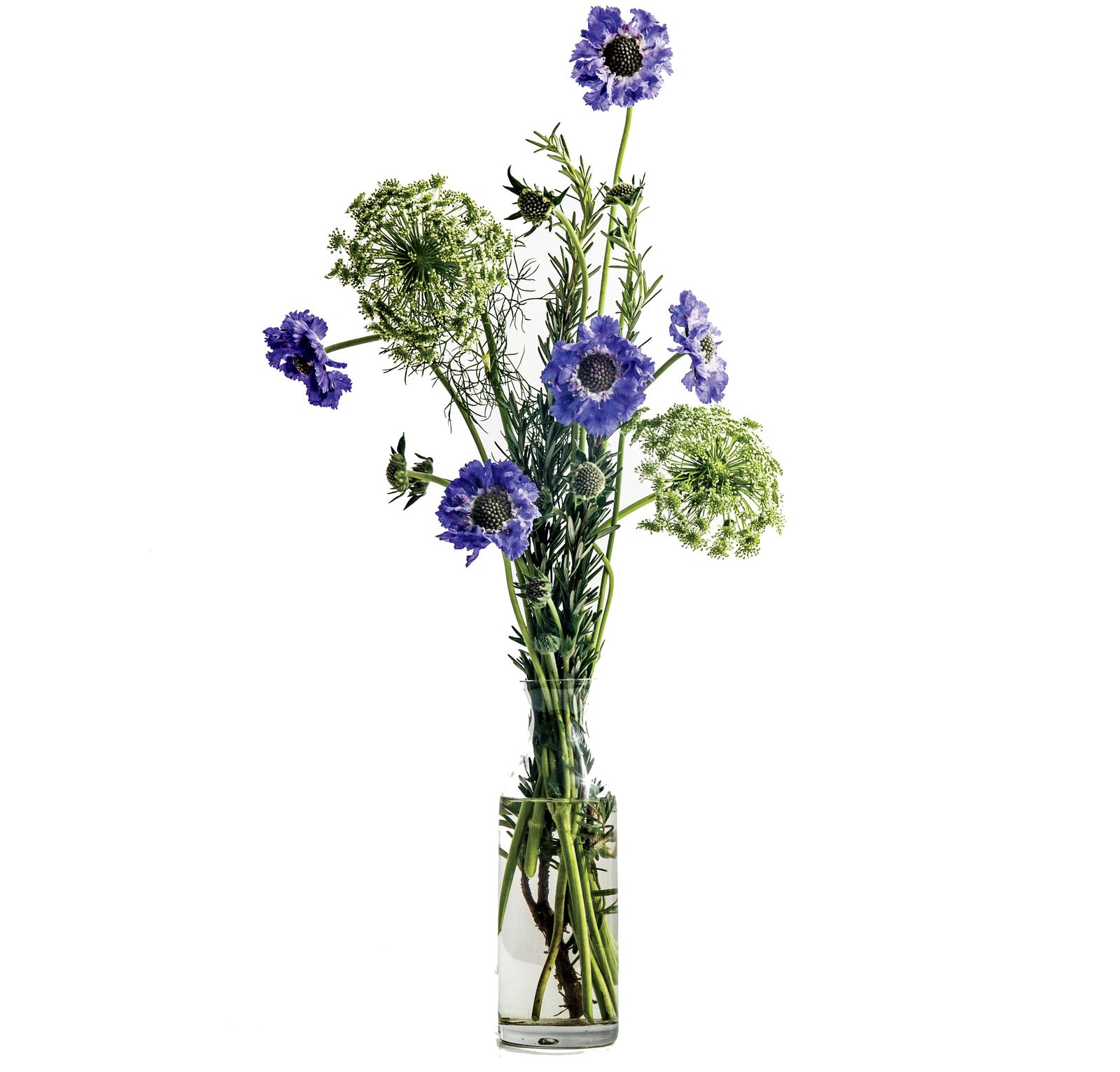
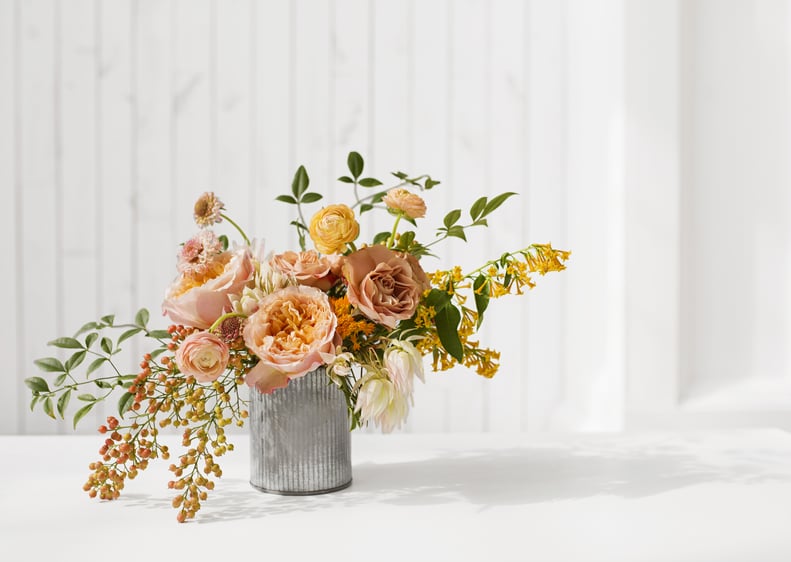
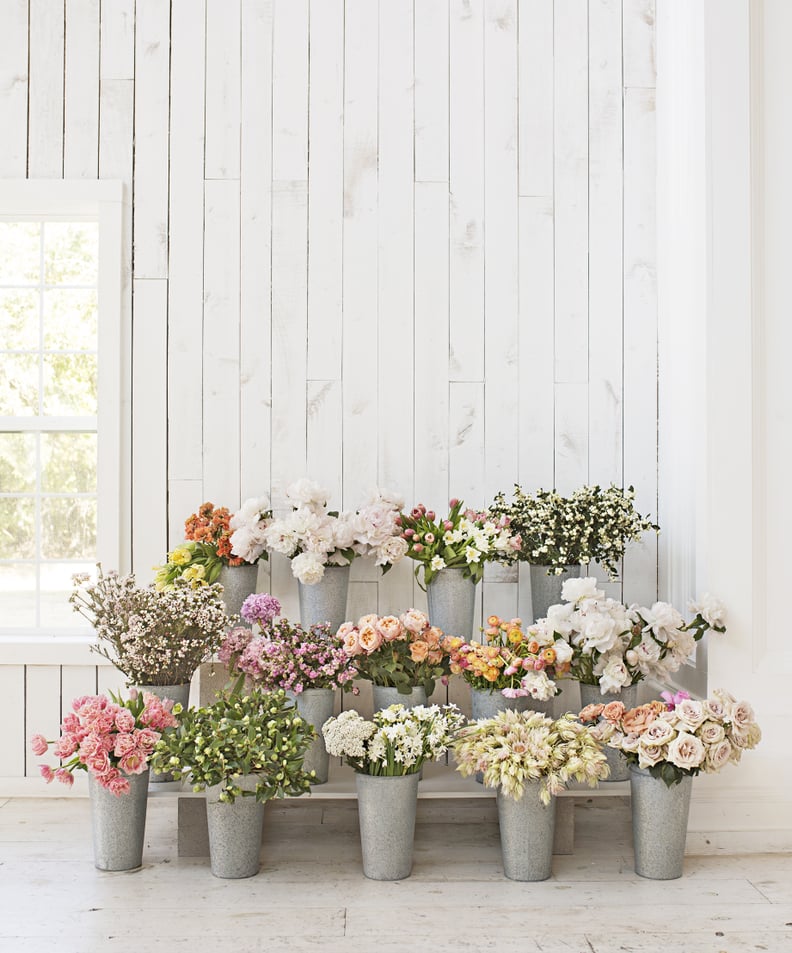
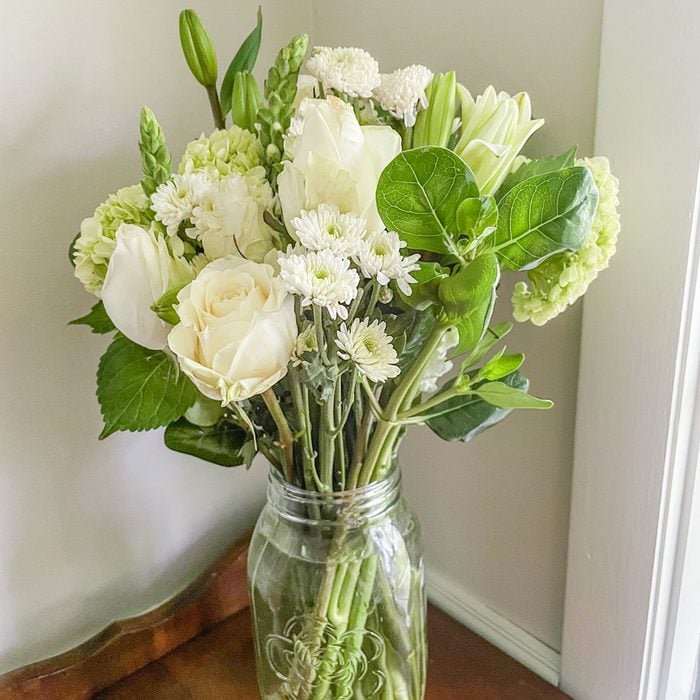
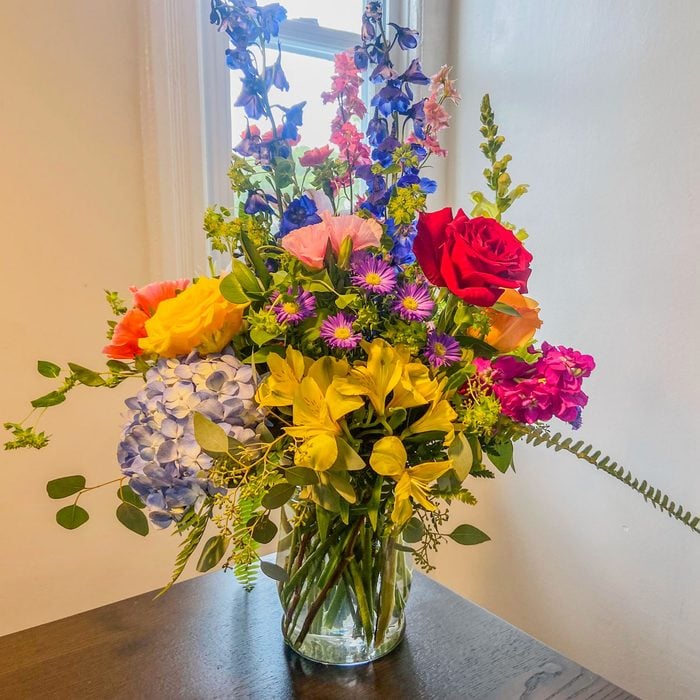
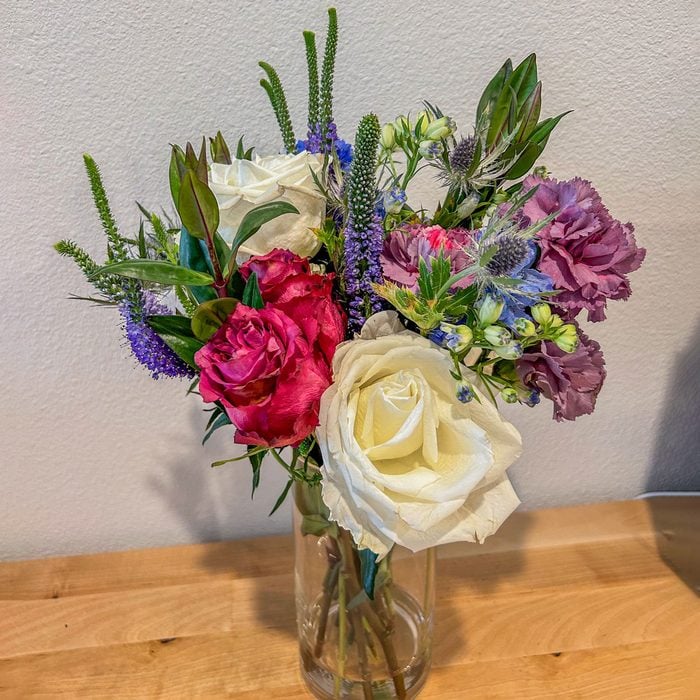
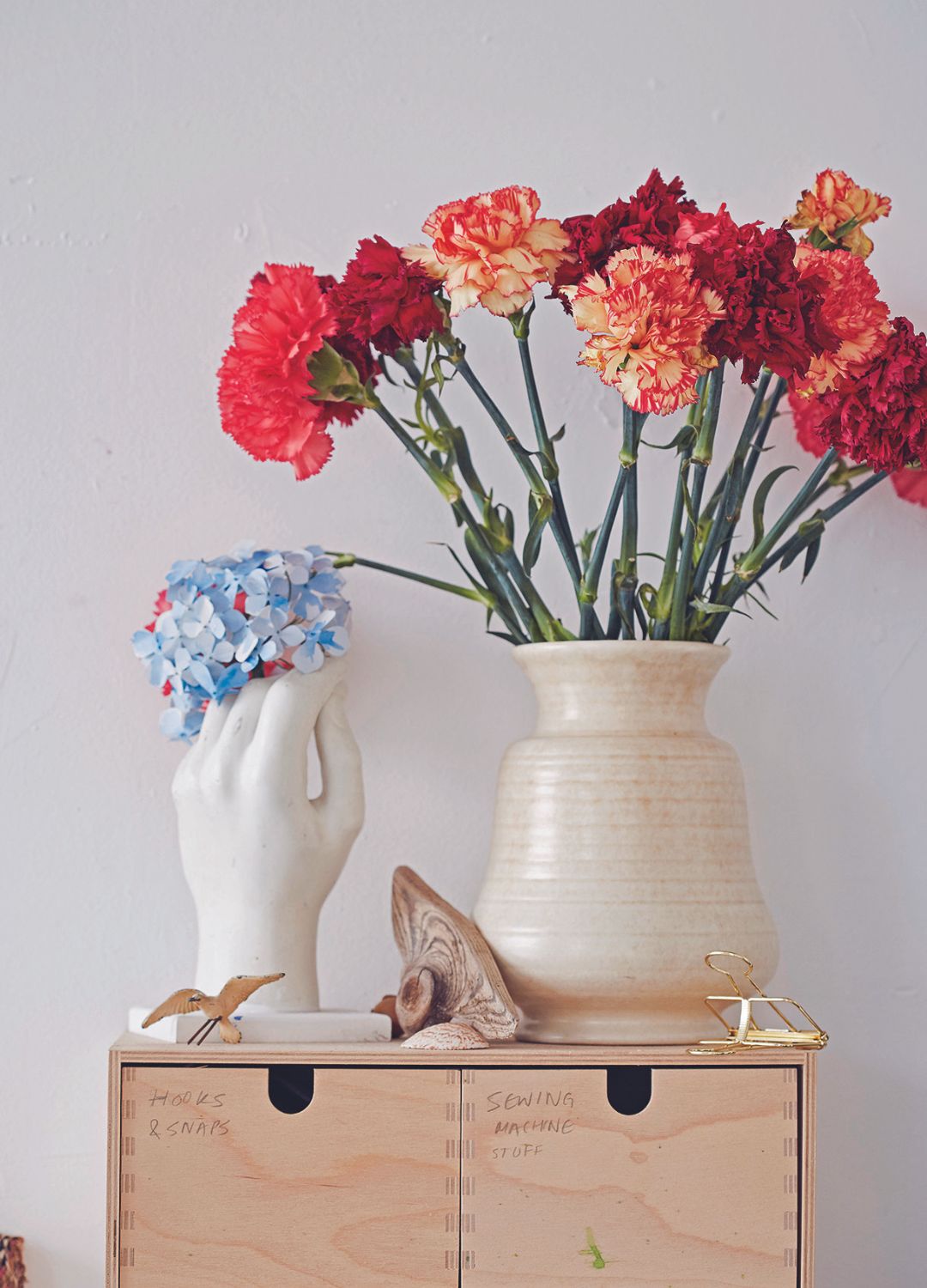
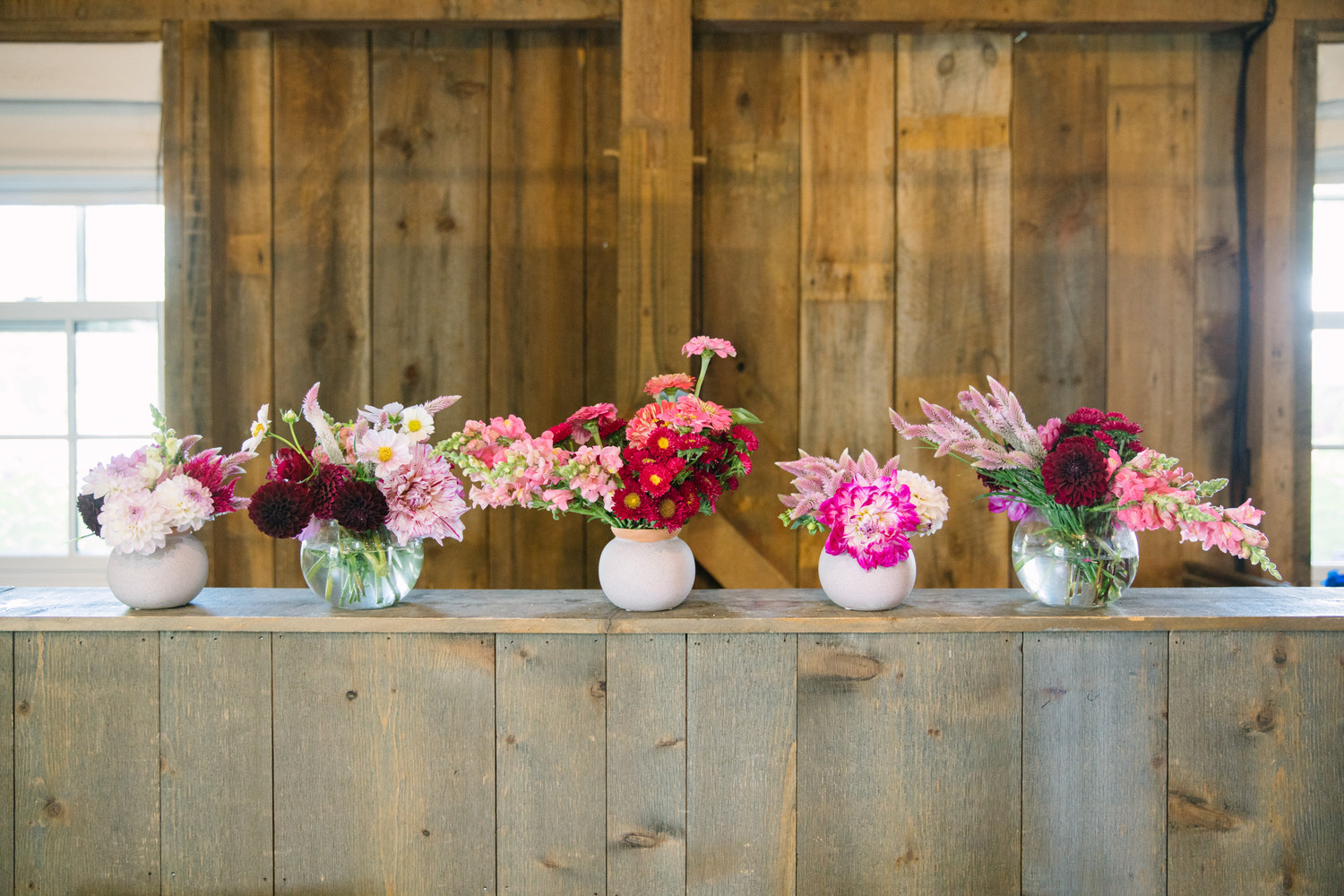
Before arranging, a thematic approach can help guide flower selection. Thinking about adjectives that describe each flower can assist in choosing blooms that fit a desired theme, whether it's wild and airy, playful and bright, dramatic and moody, or monochromatic. Incorporating herbs like rosemary, mint, oregano, or basil can add fragrance and provide structural support for flowers due to their strong stems and variety of colors. The choice of vessel is also important; clear-glass utility vases place focus on the flowers, while unique vintage vases can add sculptural appeal. The ideal vase height is approximately one-third of the intended overall arrangement height. Removing lower leaves from stems is a critical step, as submerged foliage can rot, leading to bacteria that shorten the flowers' lifespan.
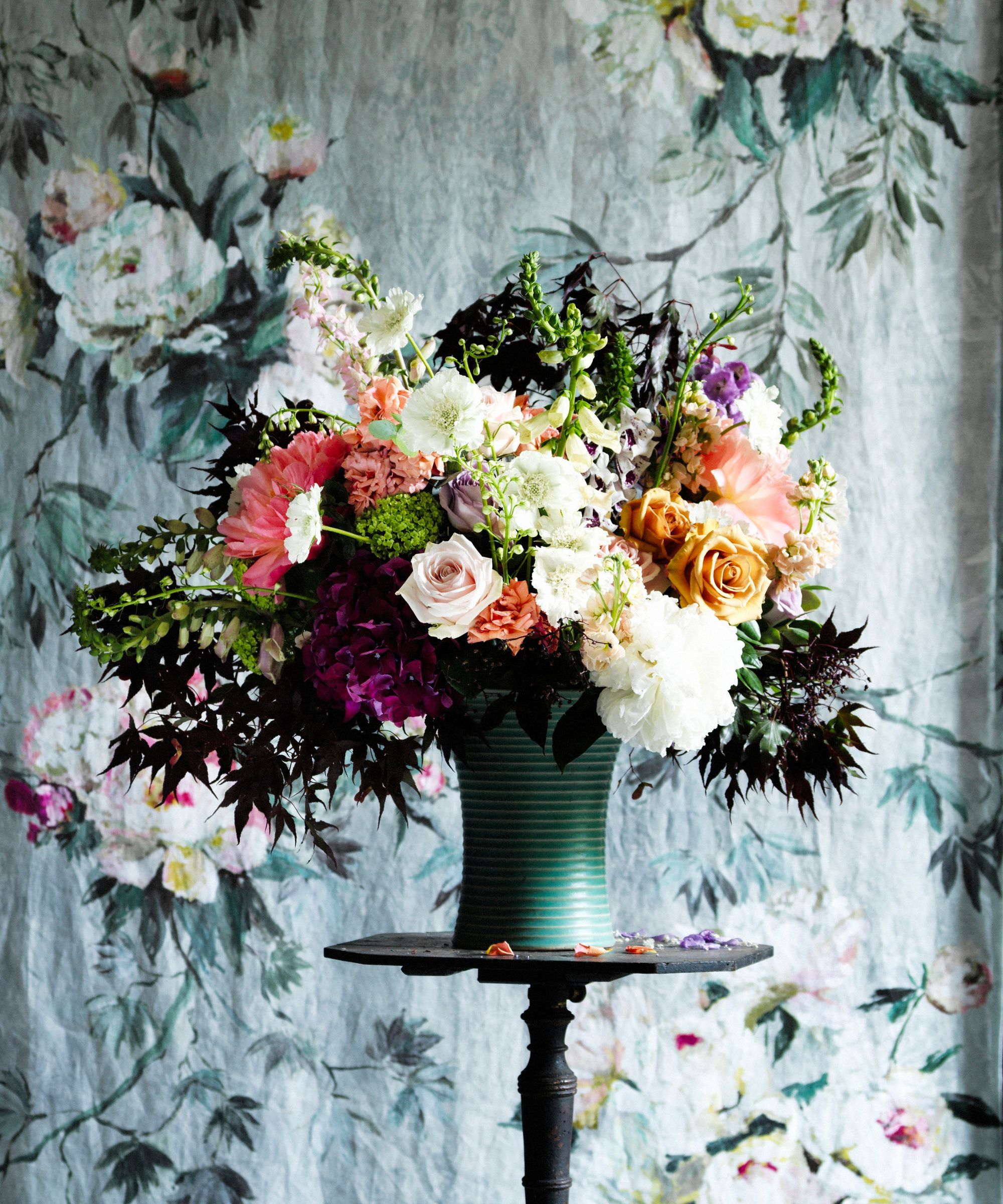
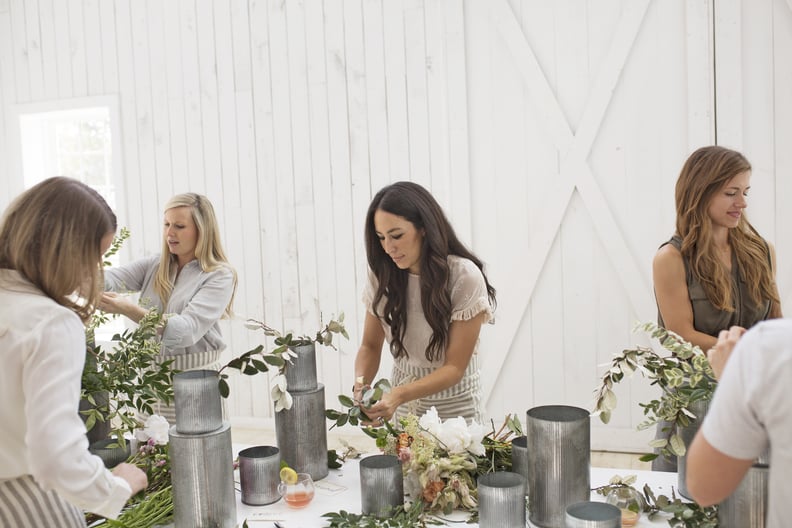
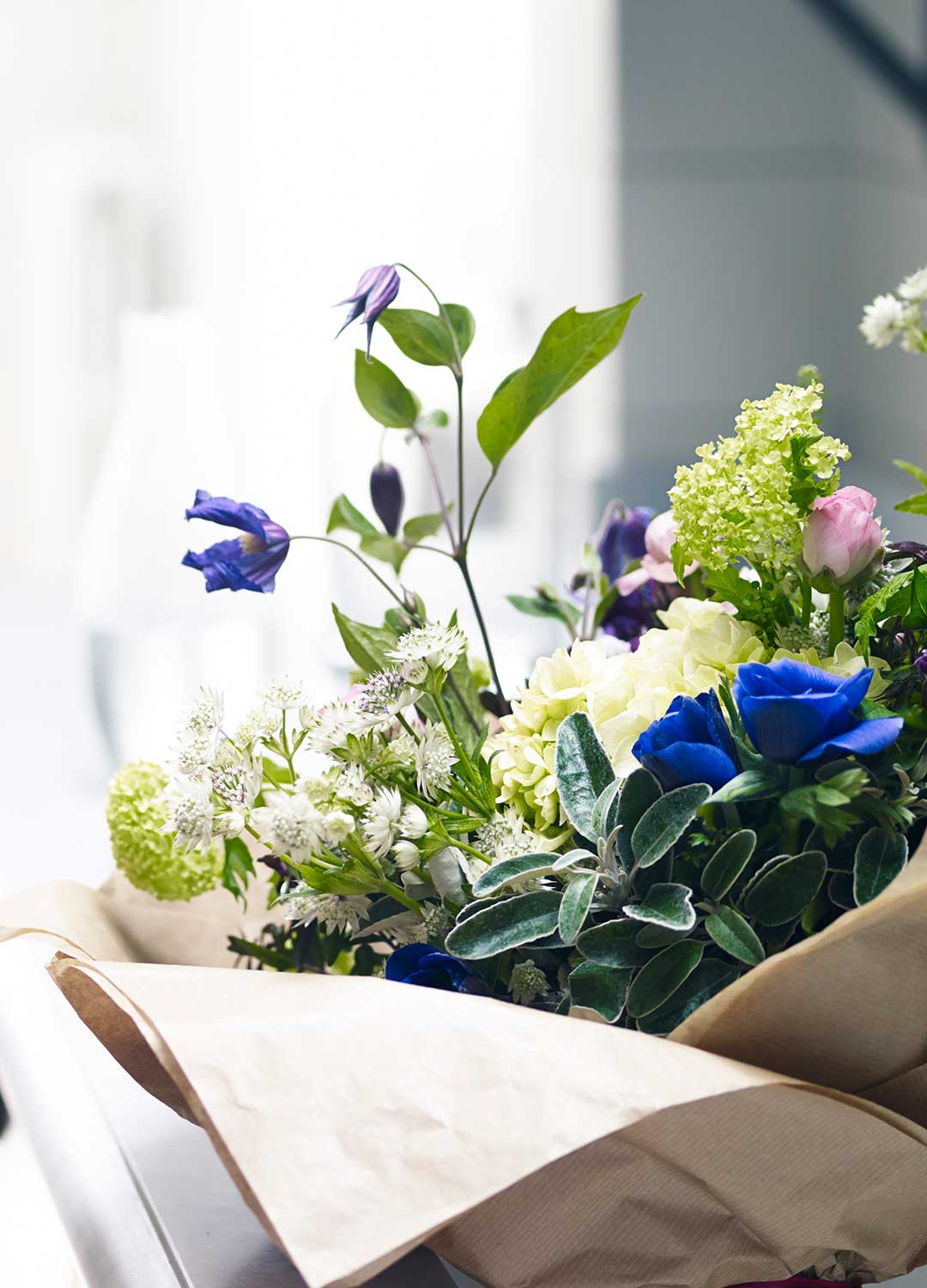
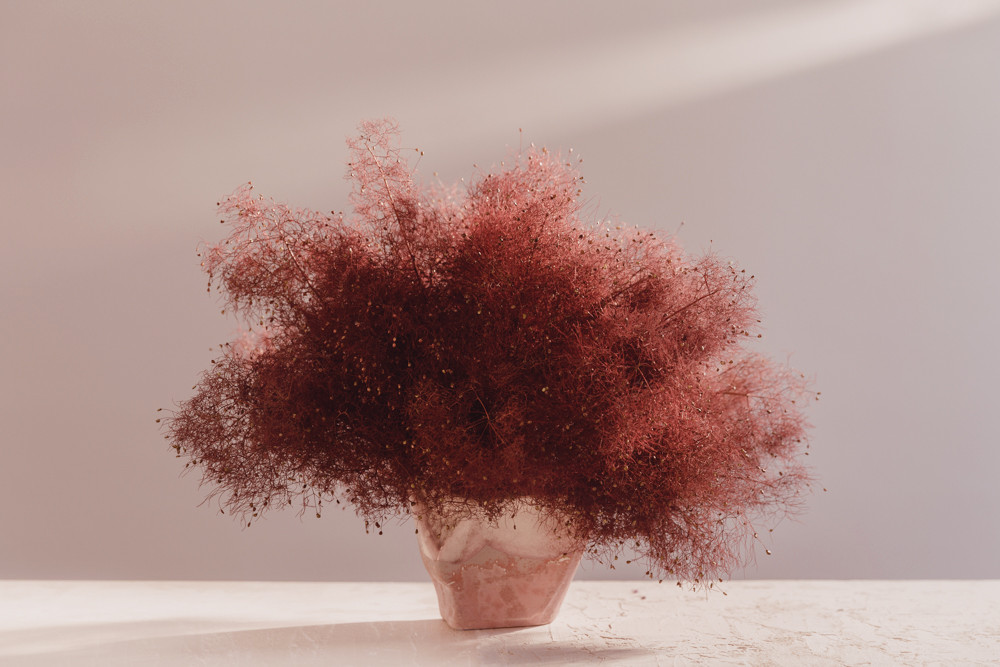
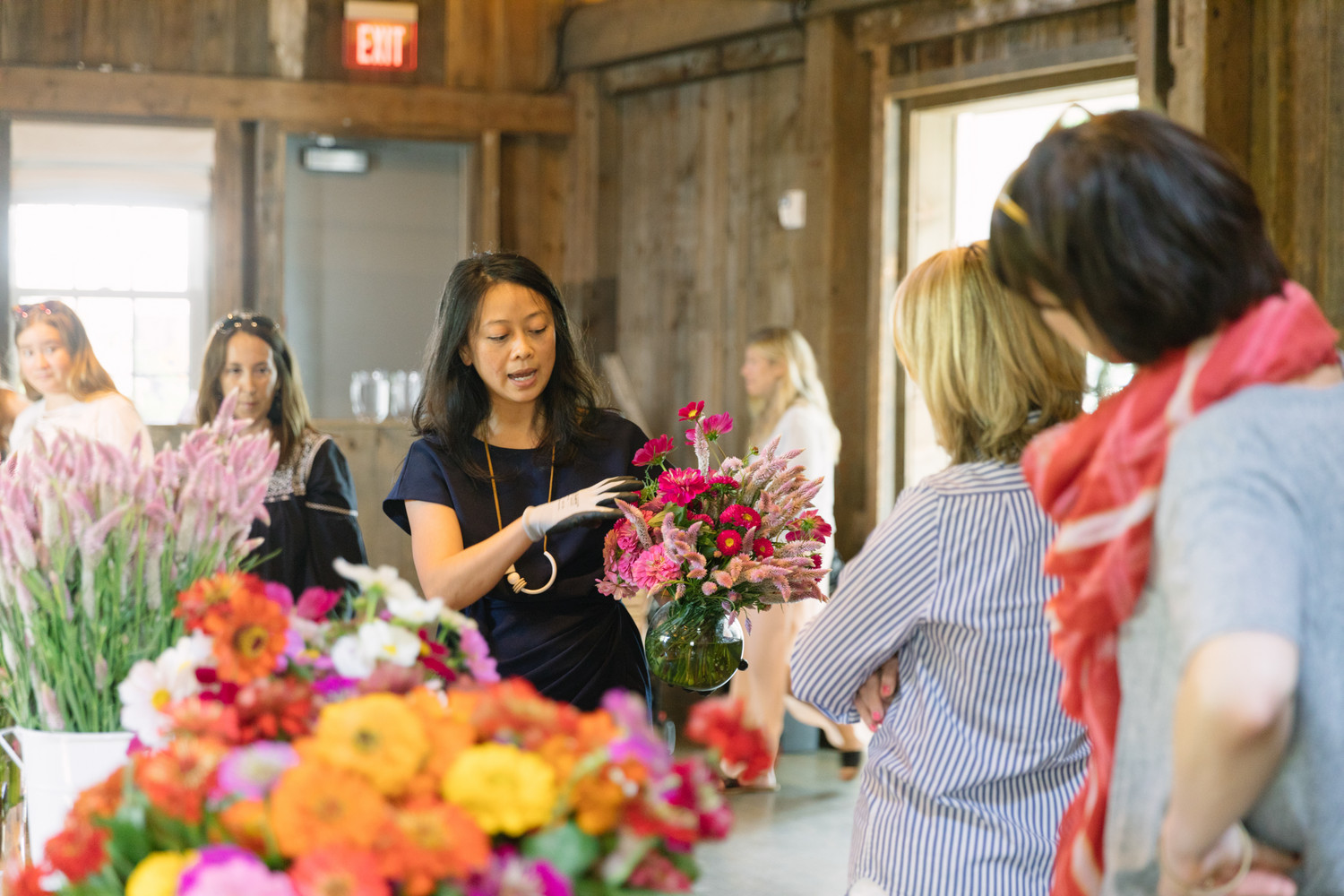
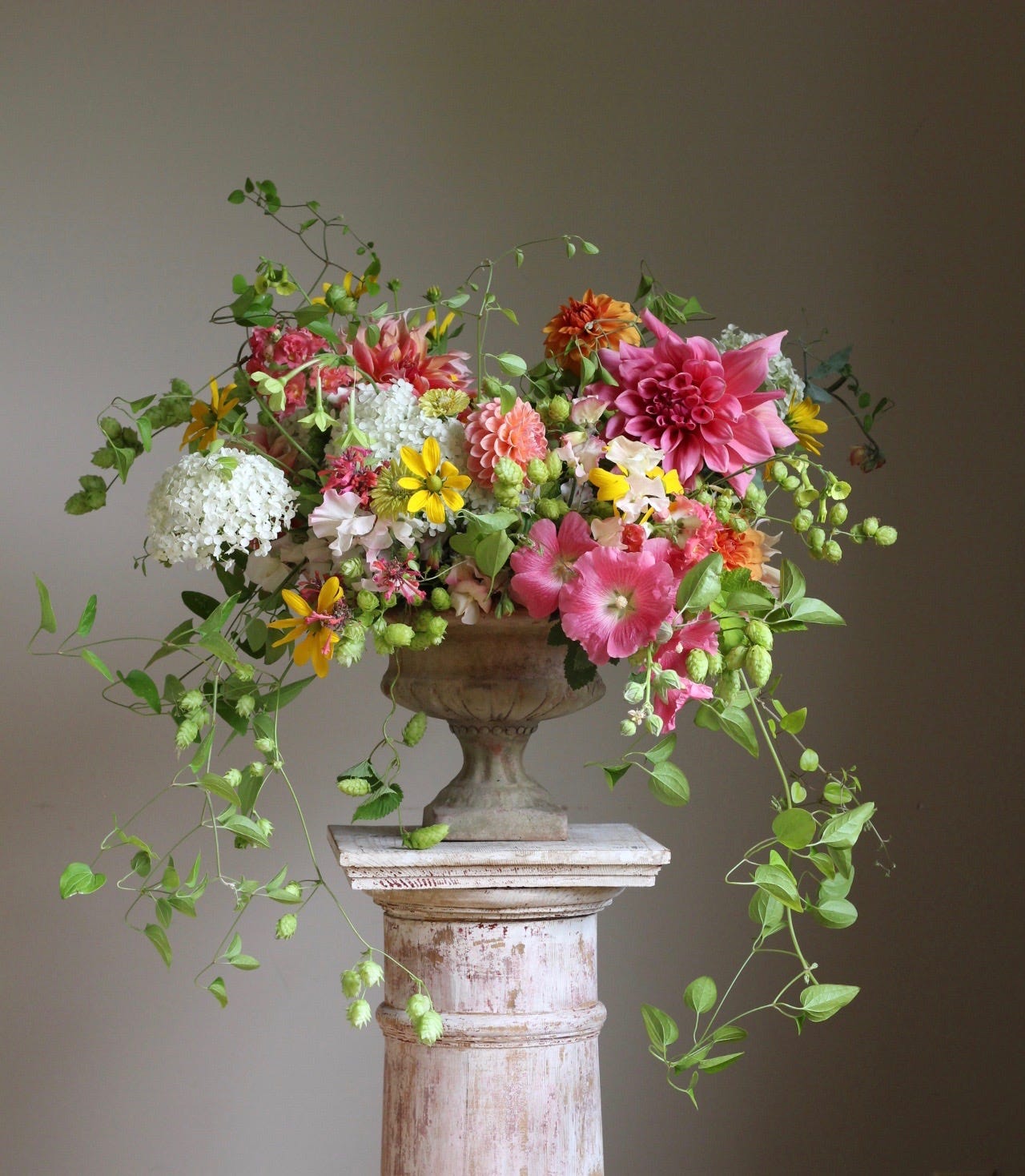
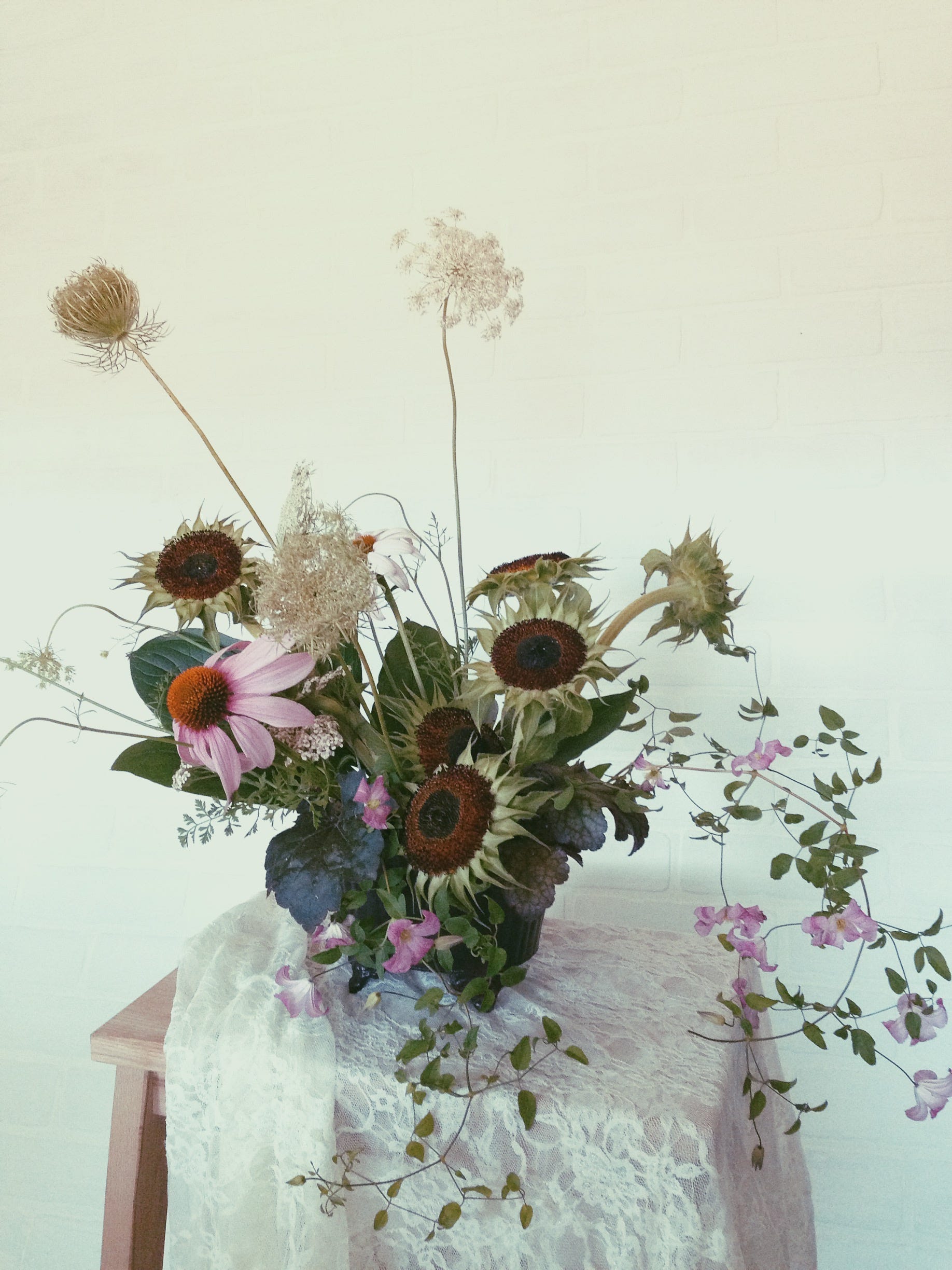
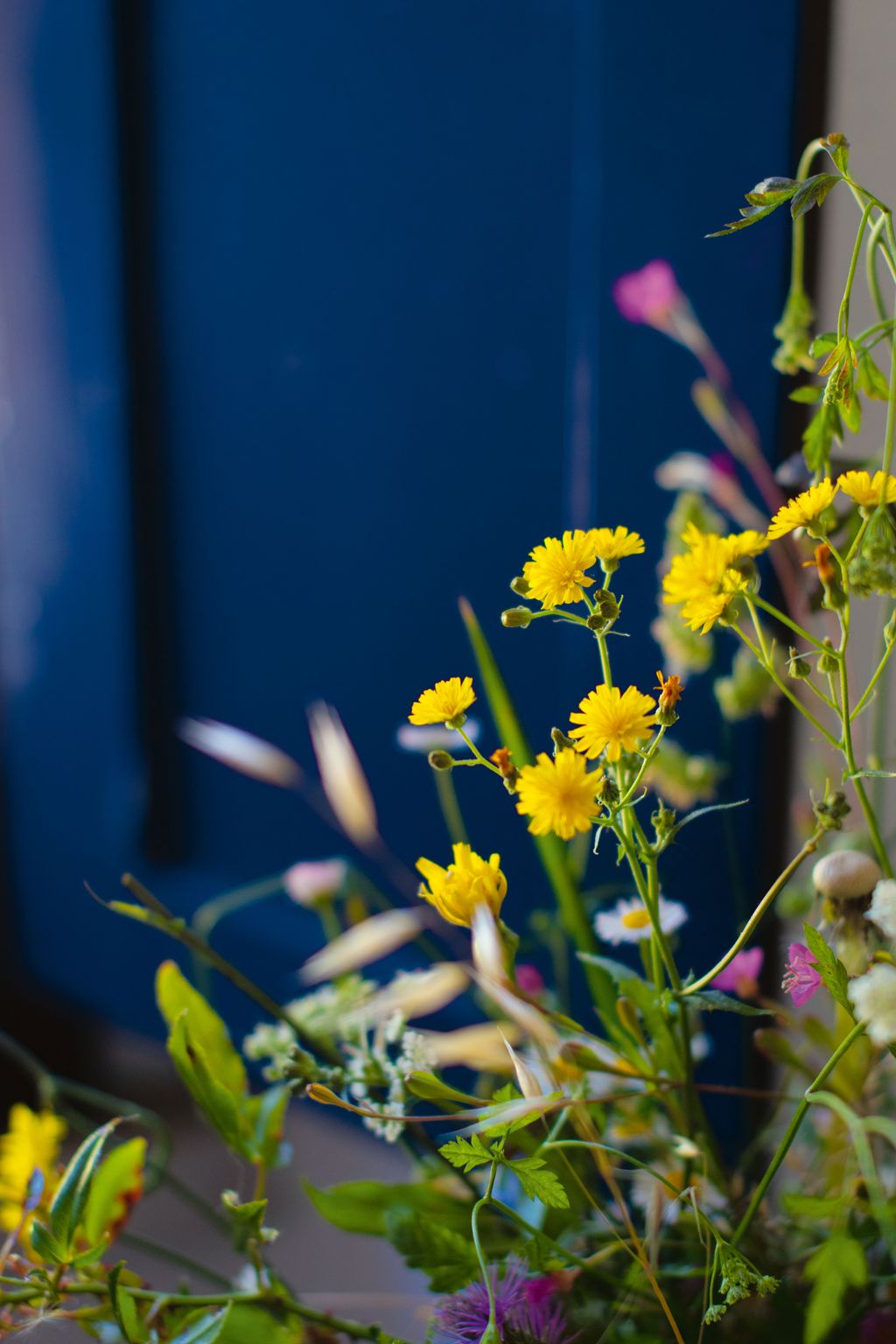
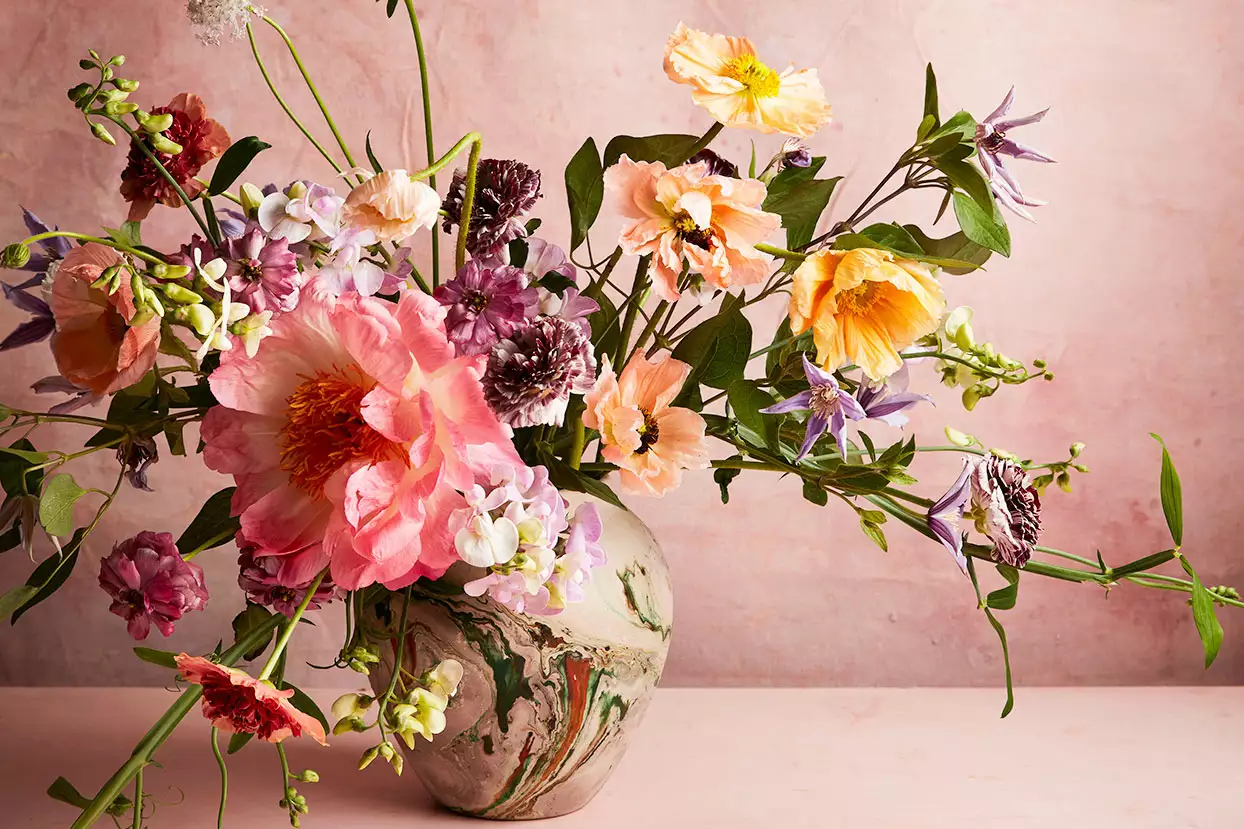
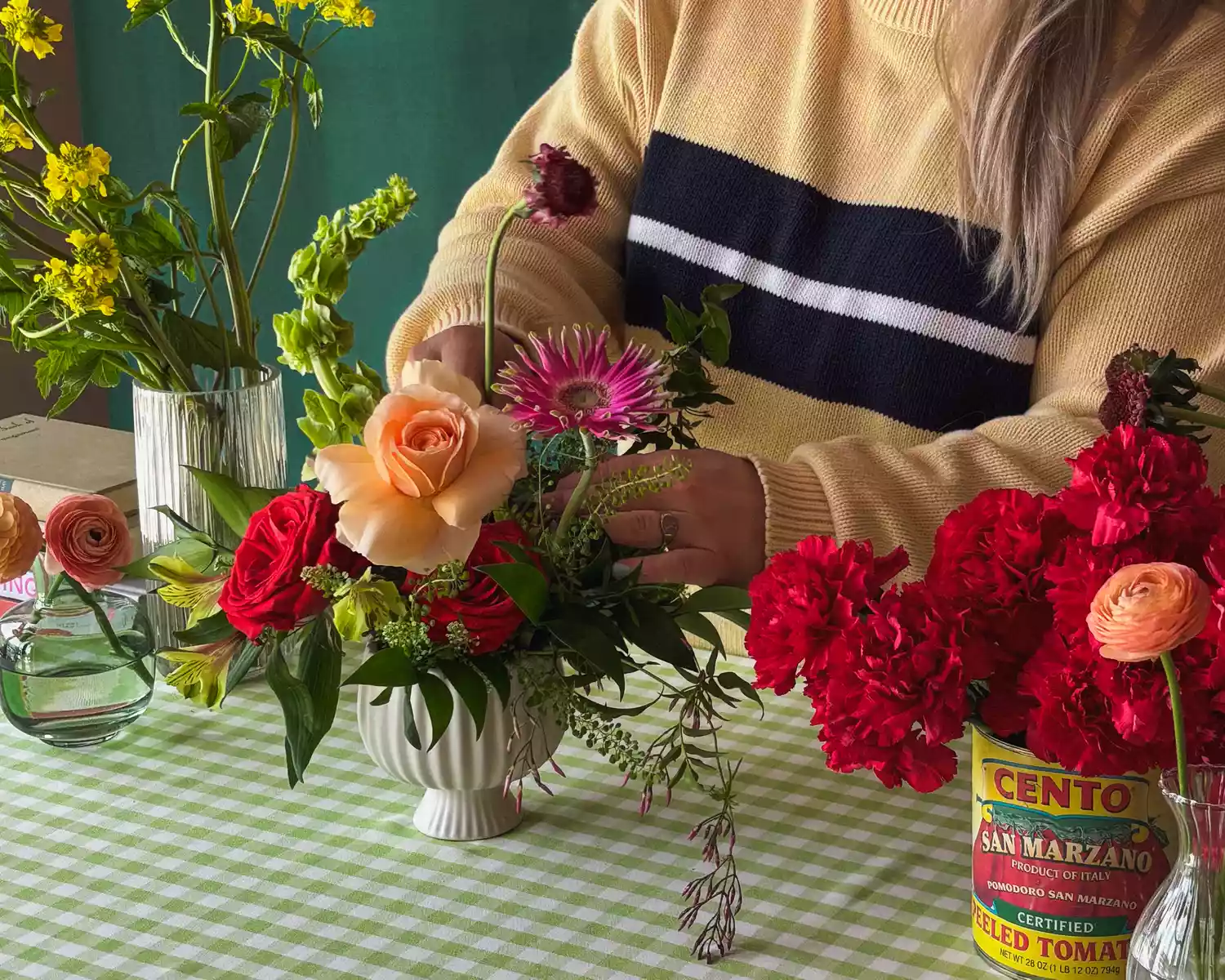
During the arranging process, experimentation is key to discovering which foliage and flowers hold up well in a vase. While some common roadside flowers like dandelions may not last, many garden flowers not typically found in floral shops can be excellent additions. Creating a stable structure with sturdy green foliage, such as Japanese maple leaves or smoke bush, forms the base of the bouquet. These greens should be angled to kiss the container's sides, building outwards to hide the lip of the container. Larger, focal flowers are then positioned, followed by wispier blooms to fill in gaps. It is important to leave some space between flowers to allow for movement and to highlight the unique characteristics of each cutting. For those seeking more order, a Scotch tape grid across the vase mouth or a flower frog (a spiky base with pins) can be used to hold stems in place. Stepping back periodically to view the arrangement from a distance helps ensure a cohesive and balanced overall picture.
After the arrangement is complete, routine maintenance is essential to prolong its life. Changing the water and recutting the stems every two days significantly increases longevity. For extended freshness, especially if preparing an arrangement in advance, refrigeration is an option. However, it's crucial to keep the vase away from produce items, as certain fruits and vegetables release gases that can accelerate the aging process of flowers.
#FlowerArrangement #BackyardFlowers #FloralDesign #DIYFlowers #GardeningTips #HomeDecor #CreativeOutlet #MeadowbrookFarm #FlowerArrangement #BackyardFlowers #FloralDesign #DIYFlowers #GardeningTips #HomeDecor #CreativeOutlet #MeadowbrookFarm
0 opmerkingen in totaal
 Nog geen opmerkingen
Dit vindt u mogelijk ook leuk
How to design a bud vase arrangement using wild flowers from your garden

15 Cut Flowers to Grow for Stunning Homemade Bouquets

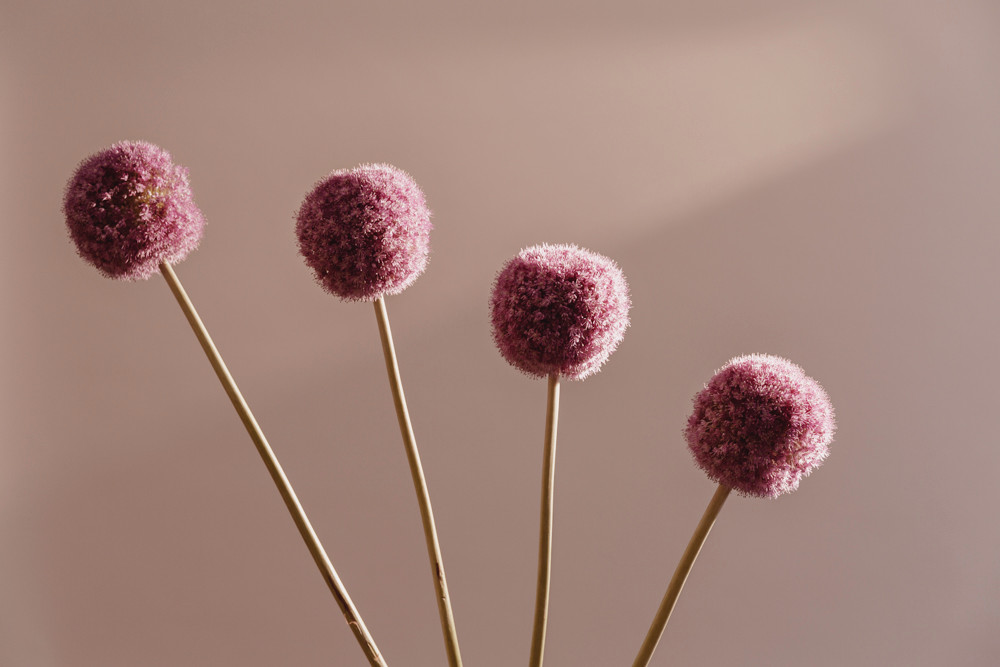
These Stunning Arrangements Use Just One Type of Flower
Shopping for Flowers with De Juan Stroud (Published 2008)
Steal These Florists' Tips to Create Better Bouquets at Home
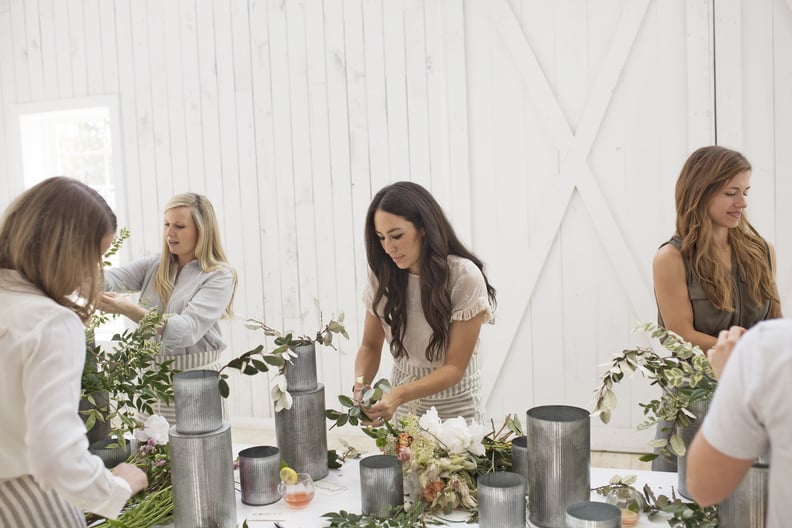
Joanna Gaines's 5 Must-Read Tips For Creating Stunning Flower Arrangements
How to Make Eco-Friendly, Easy Flower Arrangements At Home

How to Elevate Your Farm Stand Flowers

How to make your home bloom, plus 5 tips for the perfect floral display

14 Flower Arranging Secrets That Will Help You Build a Better Bouquet

7 ways to keep your Mother's Day flowers fresh and long lasting — expert tips
8 Summer Arrangement Ideas
The '3-5-8 Rule' Is Every Florist's Secret to Creating Stunning Flower Arrangements—and It's So Easy to Try at Home
7 Flower Subscription Services Perfect for You (or Your Best Bud)

Expert tips for creating Christmas floral arrangements

How to forage for and arrange wildflowers
How to arrange flowers like a professional – these 7 rules are all you need according to floral experts
How to make cut flowers last longer – 7 expert tips for getting the most out of your bouquet

3 Flower Arrangements That Give Your Backyard BBQ A Touch Of Sophistication

8 Things You Should Never Do With Fresh Flowers If You Want Them To Last