Color Drenching Might Be Everywhere, But My Mom’s Been Doing It Since the ’90s
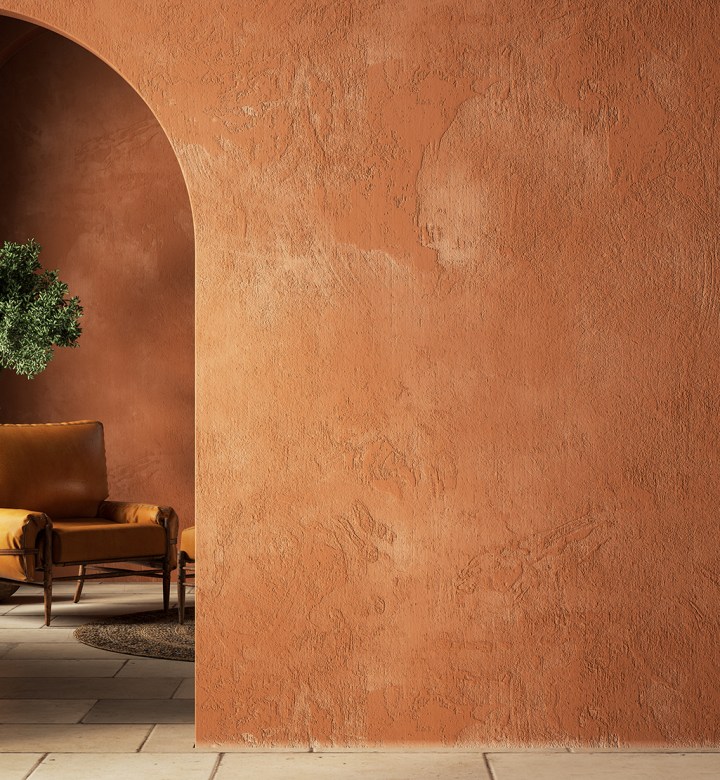
Color drenching, a design trend that involves painting every surface in a room the same hue, including walls, ceilings, trim, and doors, and sometimes even furniture, is gaining significant traction in 2025. This immersive approach aims to create a seamless, high-impact aesthetic that can be both dramatic and calming. This trend is not new; interior designers have been utilizing it for decades, with a seasoned designer sharing her insights on its application and effectiveness.
This design strategy functions by eliminating visual clutter caused by contrasting elements. When all surfaces are coated in a single color, the eye moves uninterrupted across the space, enhancing cohesion and often making the room feel more expansive. This technique can highlight architectural details such as crown molding, paneling, and archways, allowing them to stand out through shape and shadow rather than color differentiation. It can also serve to minimize the appearance of unusual dimensions or awkward room proportions, effectively acting as a 'blur tool' for less-than-perfect features.
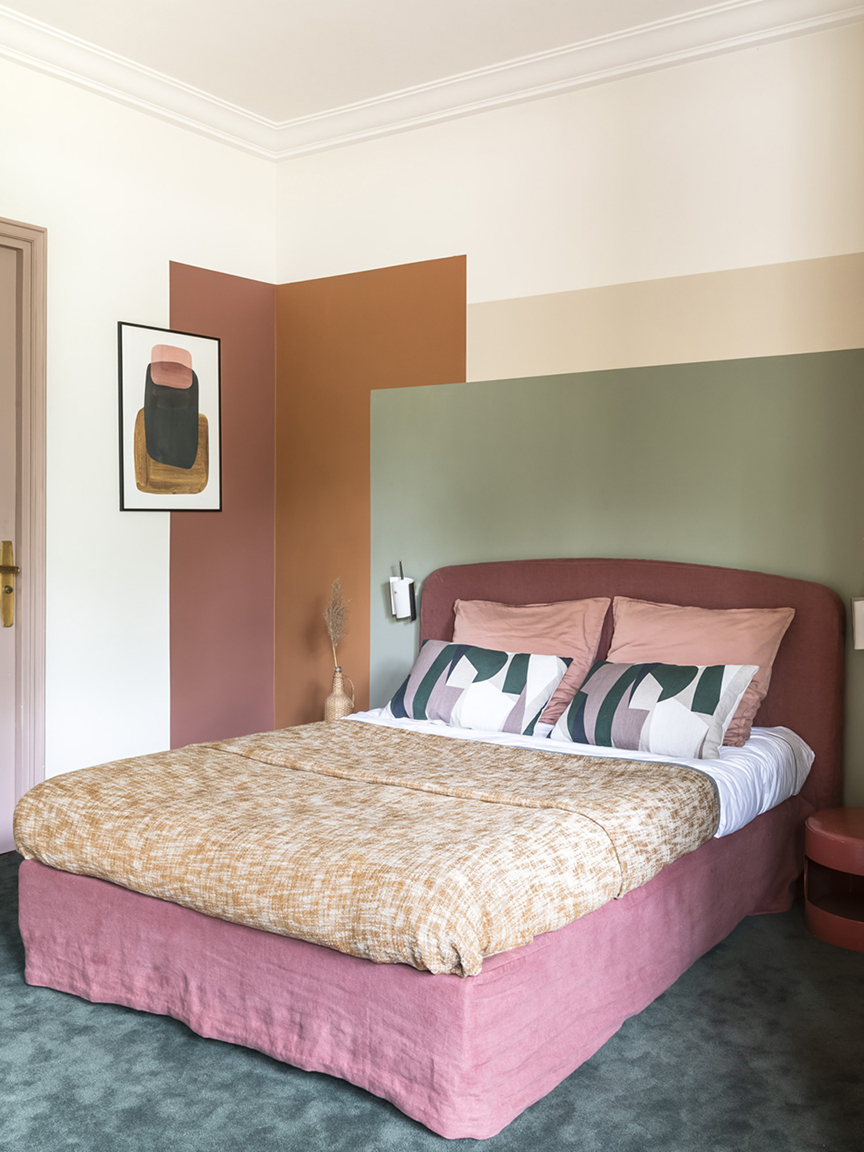
Color drenching is particularly well-suited for rooms where a bright and airy feel is not always desired, such as dining rooms, powder rooms, libraries, and bedrooms, where it can foster a sense of atmosphere and coziness. Powder rooms are ideal candidates for bold color choices due to their small size, which creates a 'jewel box' effect and allows for easy repainting if preferences change. Bedrooms benefit from deeper, moodier shades to create a 'cocoon effect,' especially when combined with layered textures and thoughtful lighting. For open-concept spaces or rooms without distinct architectural features, more careful consideration and styling are needed to prevent the effect from becoming overwhelming. The guiding principle is to let the room's architecture inform the decision, enhancing existing features or creating visual interest through styling in more neutral spaces.
Implementing color drenching involves several key steps. First, it is advisable to start with smaller, less critical spaces like powder rooms, entryways, or laundry rooms to experiment with the concept without a high level of risk. Second, full commitment to the color by extending it to the ceiling is crucial; a white ceiling can disrupt the continuity and diminish the overall impact of the design. Third, selecting a matte or flat paint finish is recommended, as it absorbs light, conceals surface imperfections, and contributes to a sophisticated, architectural look. Fourth, rather than matching every item to the wall color, layering within the chosen palette using varying shades, textures, and materials (e.g., velvet pillows, subtle rugs, brass accents) helps add depth and prevents the space from appearing cartoonish. Finally, the success of color drenching is maximized when it either highlights the existing architectural character of a room or is complemented by strong styling choices, such as sculptural lighting, textured fabrics, or bold bookshelves, to provide visual depth.
#ColorDrenching #InteriorDesign #HomeDecor #PaintTrends #DesignTips #HomeImprovement #ArchitecturalFeatures #SpaceTransformation #MoodLighting #ColorDrenching #InteriorDesign #HomeDecor #PaintTrends #DesignTips #HomeImprovement #ArchitecturalFeatures #SpaceTransformation #MoodLighting
 Nog geen opmerkingen
Forget Squiggles—This Parisian Mom Gives Color-Blocking a Sophisticated Spin
Jenny Marrs Proves This Once-Popular Color Still Has A Place In Bathrooms Today
This Bold Decor Trend Is Proof That Grandma Is Always Right