1/2
A History of Radiators in Chicago: Q&A with The Steam Whisperer
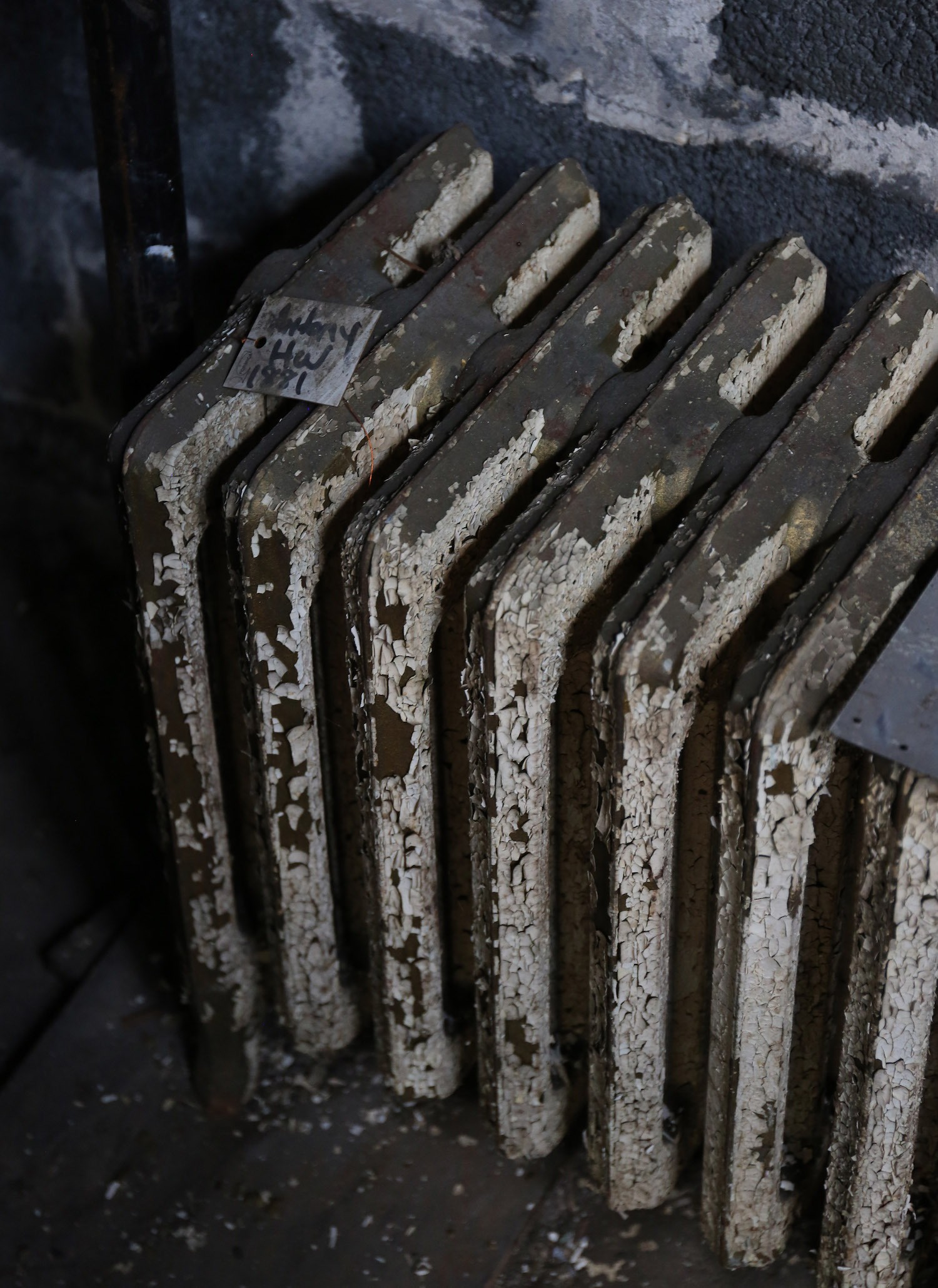
This article explores the history and prevalence of steam radiator heating systems in Chicago through an interview with Dave Bunnell, owner of The Steam Whisperer, a company specializing in boiler and radiator maintenance. Bunnell estimates that approximately 30 to 40 percent of housing units in Chicago are heated by steam, primarily due to the large scale of buildings that utilize this system, such as apartment complexes. The peak era for steam and radiator installation in Chicago was between 1905 and 1940, a period of significant growth for the city, aligning with the construction of much of its proper area. Chicago is considered one of the leading cities for steam-heated units, though New York City surpasses it, having continued to install steam systems into the 1980s.
The discussion touches upon the impact of the 1918 flu pandemic on heating systems. During this time, building codes were modified to require that heating systems be capable of maintaining 70 degrees Fahrenheit even with windows open in sleeping rooms, due to the belief that poor ventilation contributed to the spread of the illness. This requirement led to the installation of oversized radiators to compensate for the heat loss from open windows. After World War II, steam heating began to fall out of favor, largely replaced by forced-air systems. Forced air was cheaper and faster to install, which was advantageous during the post-war housing boom for returning GIs. In contrast, installing piping for hot water or steam systems was more labor-intensive and expensive.
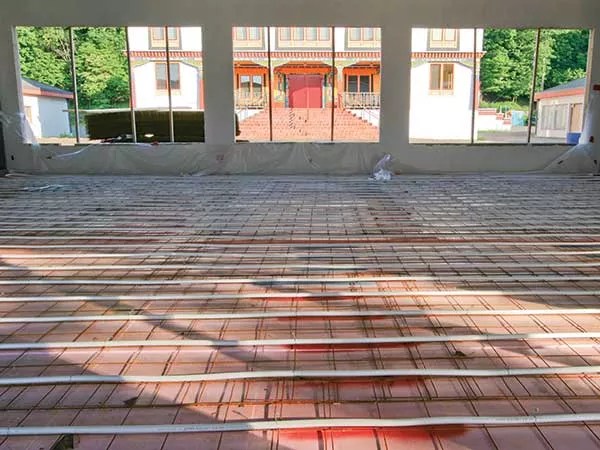
The interview also addresses why steam heat remained prevalent in large buildings, particularly those along North Lake Shore Drive in Chicago, and the Empire State Building in New York. Steam heating systems avoid the pressure issues associated with height that hot water systems encounter, allowing them to be used in very tall structures. The reason New York continued to adopt steam while Chicago shifted away might be attributed to the influence of institutions like the Illinois Institute of Technology (IIT). Bunnell suggests that IIT’s architectural program, which had a major worldwide influence, may have fostered a perception that steam was an outdated and inefficient technology, favoring hot water systems instead. Many large Chicago buildings constructed from the 1950s to the early 1980s were designed by architects associated with IIT, such as Mies van der Rohe, whose iconic Crown Hall at IIT is heated with hot water running through the floor.
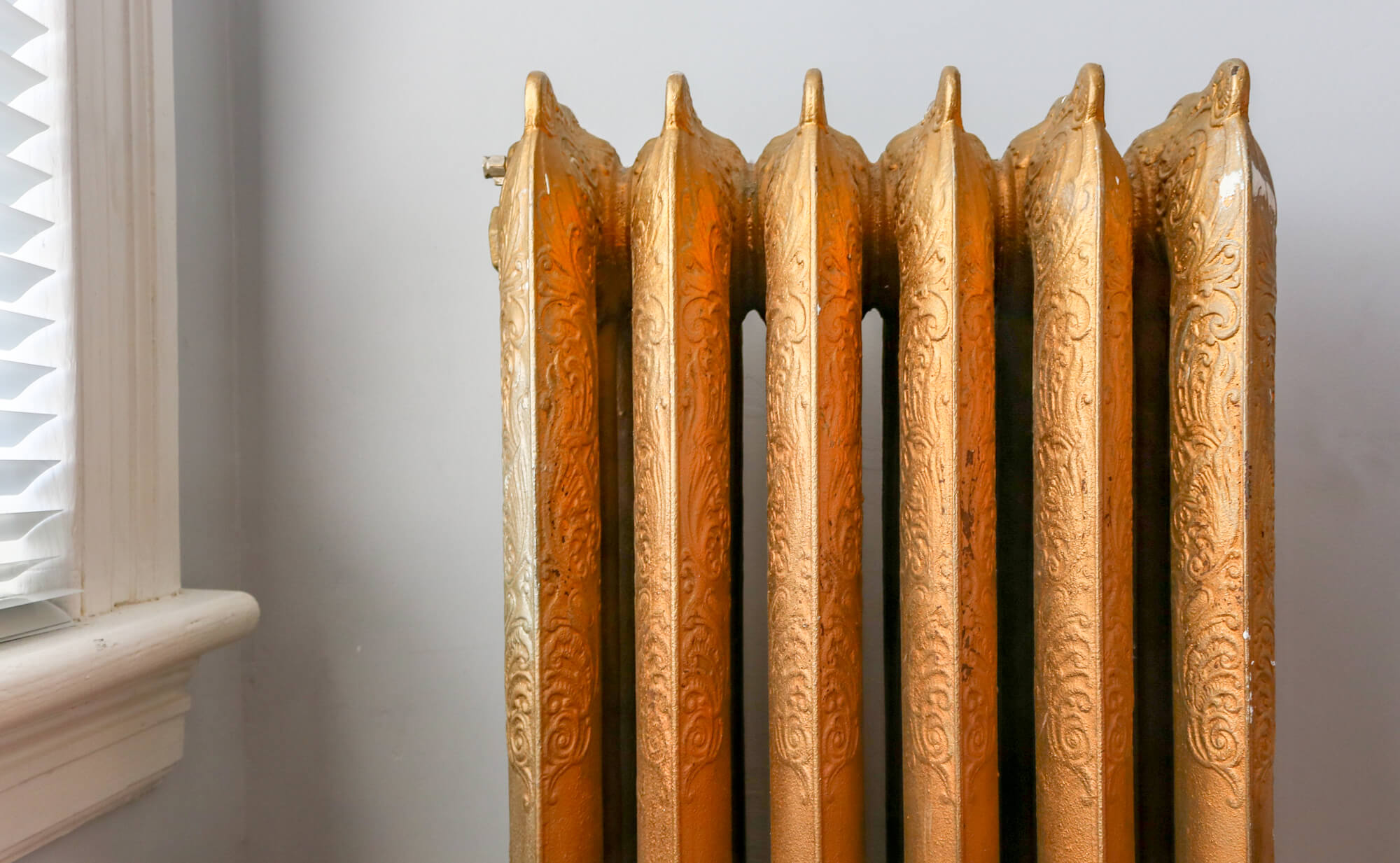
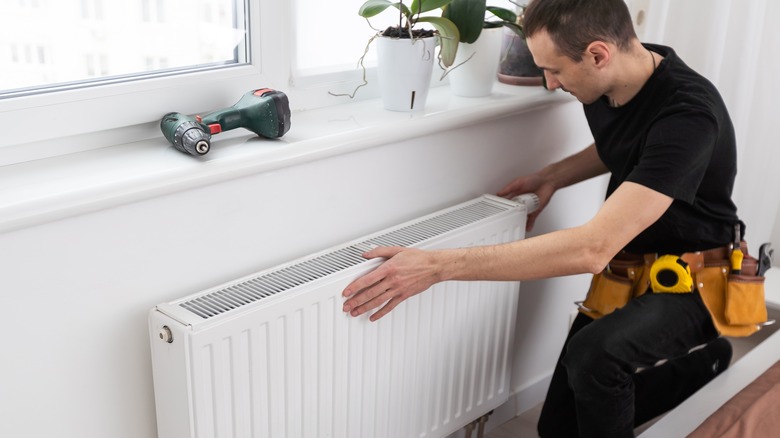
Regarding the comfort of steam heat, Bunnell explains that it feels cozier than forced air due to the principles of heat transfer. Radiant heat, similar to sunshine, directly warms surfaces in a room, making everything touched feel warmer. This is the most efficient form of heat transfer. Convection is another method, while heating air is the least efficient due to air's low mass. Radiators primarily transfer heat through radiation, increasing the temperature of surfaces above the air temperature, which contributes to a feeling of greater comfort. Finally, the characteristic sounds of a radiator, such as pinging and hissing, are discussed. While some minor noise from expansion is normal when pipes heat up from 70 to 250 degrees Fahrenheit, a properly functioning system should not be excessively loud. These noises are often more pronounced at the beginning of the heating season as systems transition from cold to hot.
#RadiatorHistory #SteamHeat #ChicagoArchitecture #HeatingSystems #PostWarHousing #1918FluPandemic #HeatTransfer #BuildingCodes #IITInfluence #RadiatorHistory #SteamHeat #ChicagoArchitecture #HeatingSystems #PostWarHousing #1918FluPandemic #HeatTransfer #BuildingCodes #IITInfluence
 Nog geen opmerkingen
Podcast 428: Why Radiant Heat?, Proper Construction Sequencing, and Waterproofing Mansard Windows

JORIS LAARMAN’S HEAT WAVE RADIATOR

Here’s What to Do With the Radiators When You Renovate a Brownstone or Townhouse
Radiant Heating
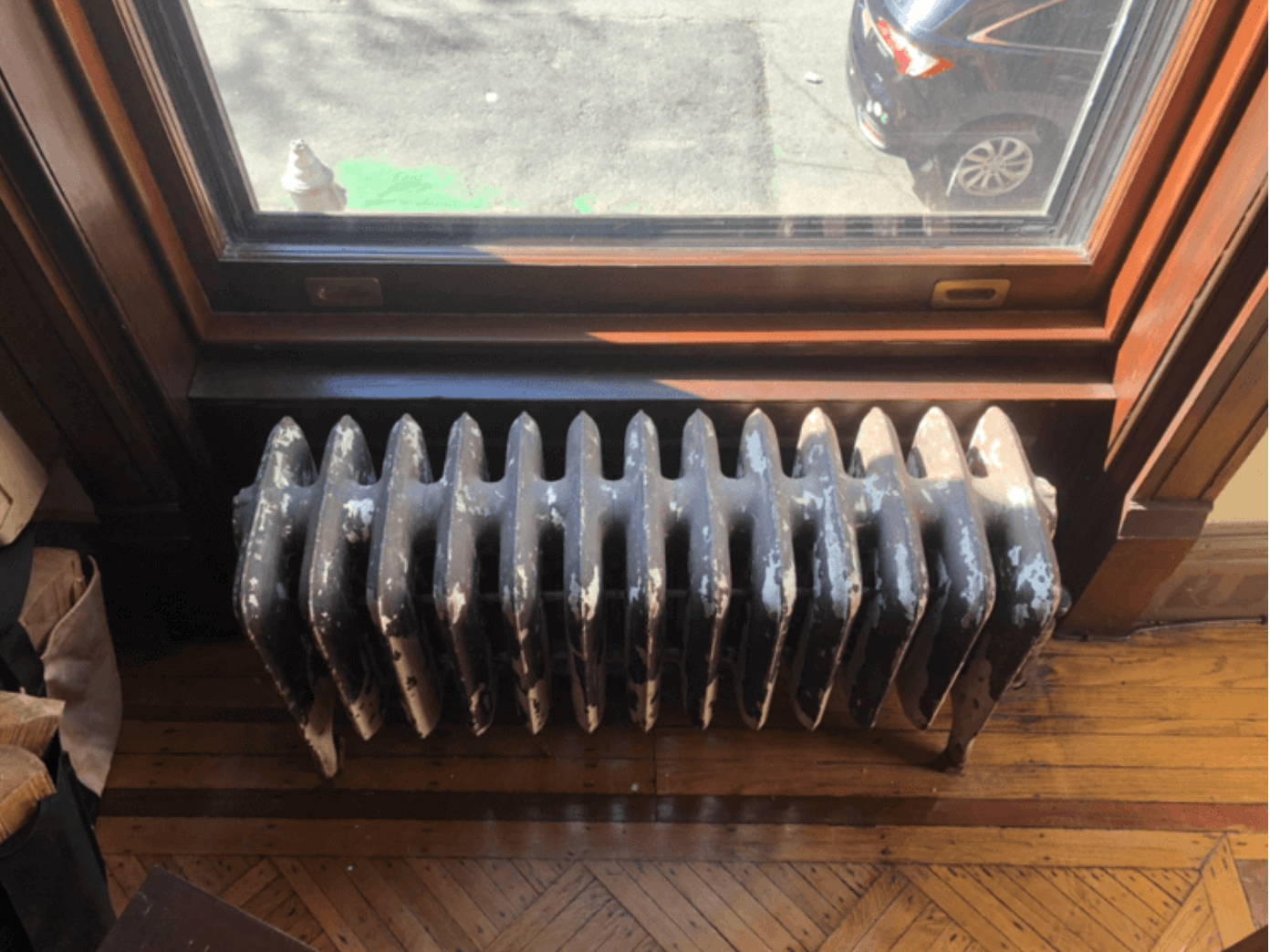
Castrads Helps Solve the Biggest Problem With New York City Radiators
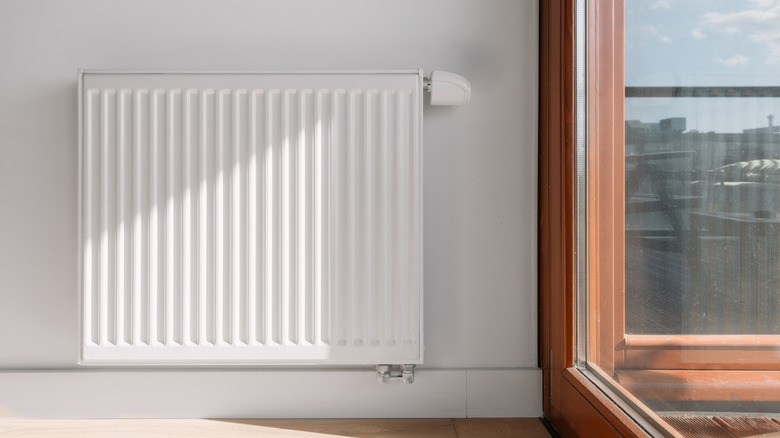
Can Installing A Shelf Over A Radiator Impact How Well It Heats Your Home?
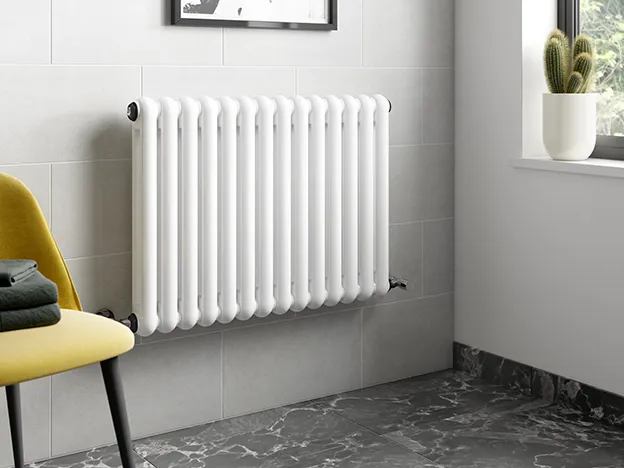
Radiators

Podcast 469: Blue Goo on Framing, Painting Open Soffits, and Whole-House Dehumidifiers