1/30
30 Home Trends Kids of the ’90s Remember
The 1990s brought about a distinctive set of home design and decor trends, many of which are now viewed through a lens of nostalgia, and some are considered dated. This retrospective explores 30 such trends, highlighting their popularity at the time and how they compare to contemporary aesthetics. These trends range from specific furniture pieces and color palettes to patterns and architectural details, offering a comprehensive look at the era's interior design landscape.
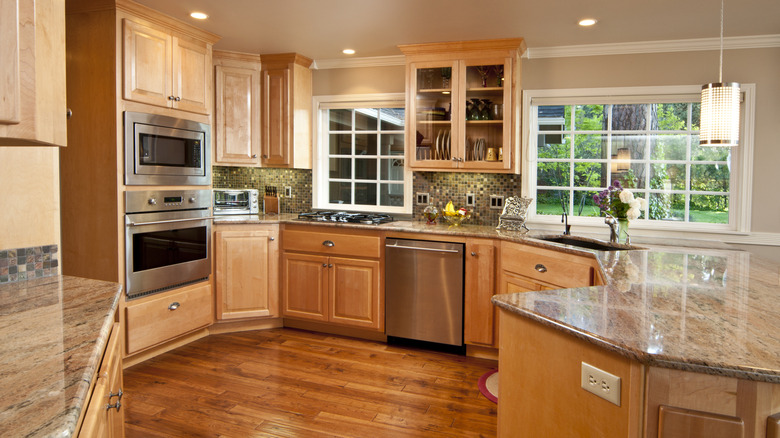
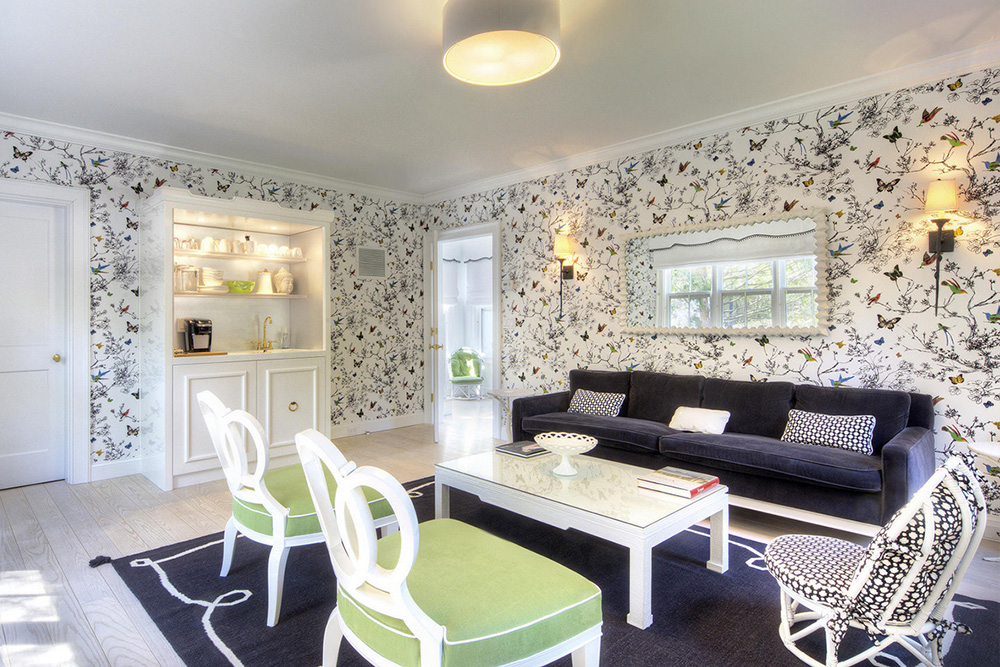
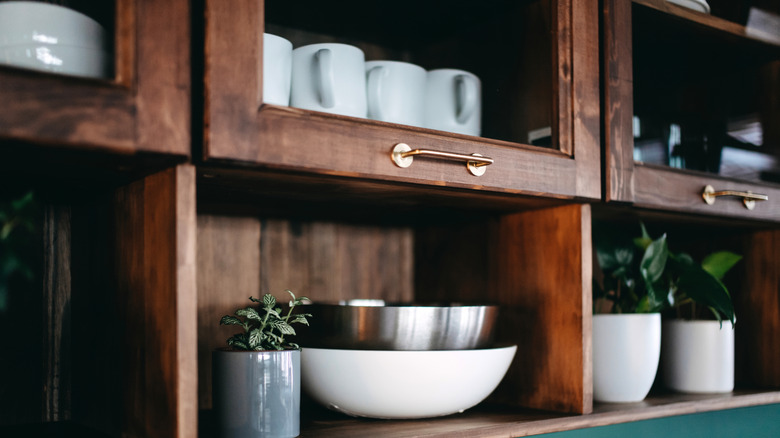
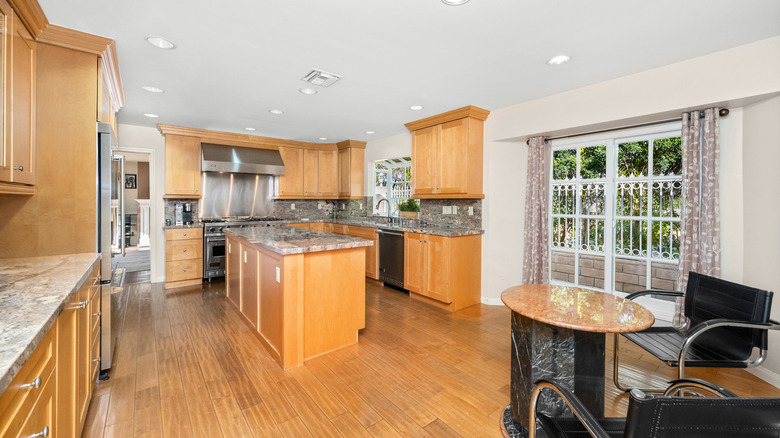
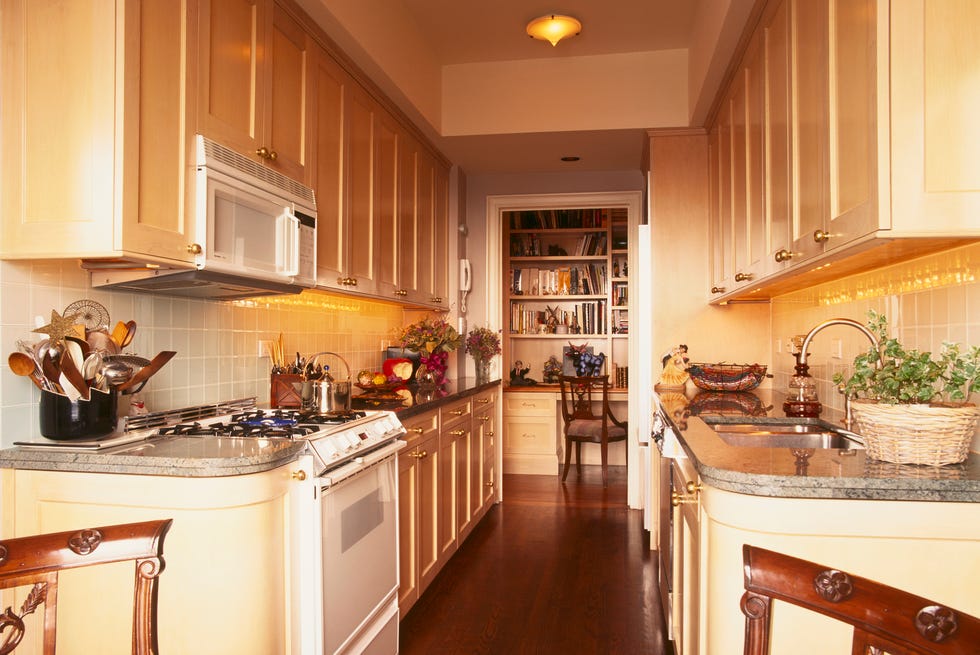
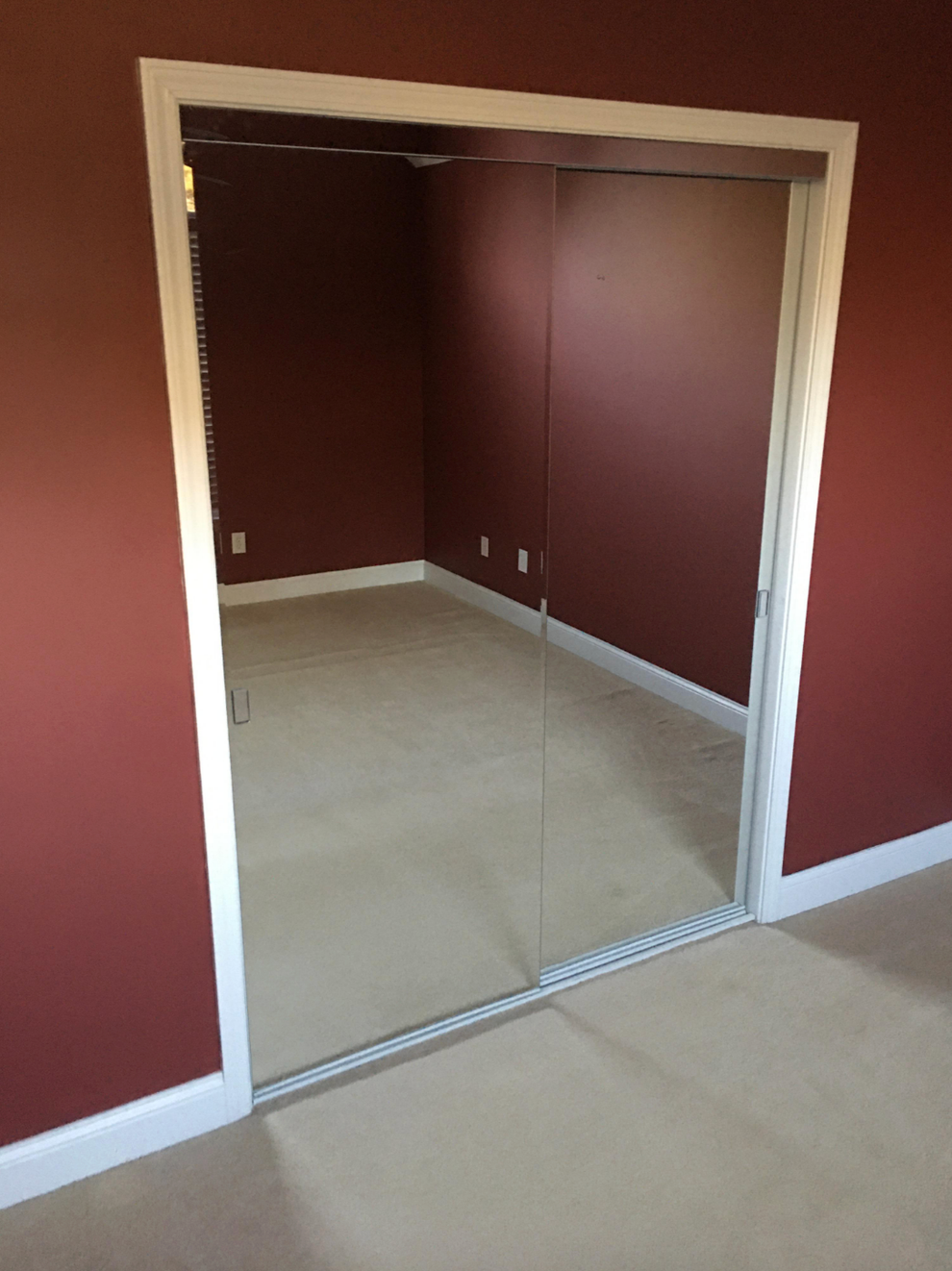
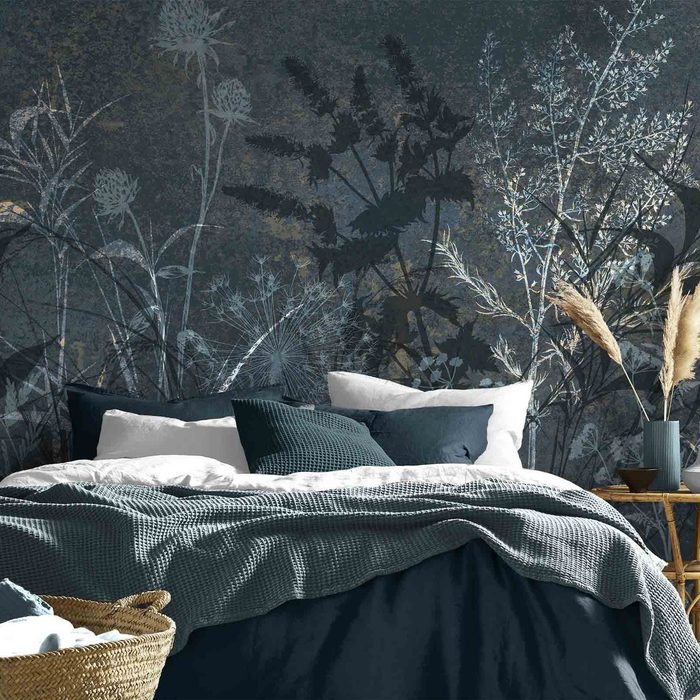
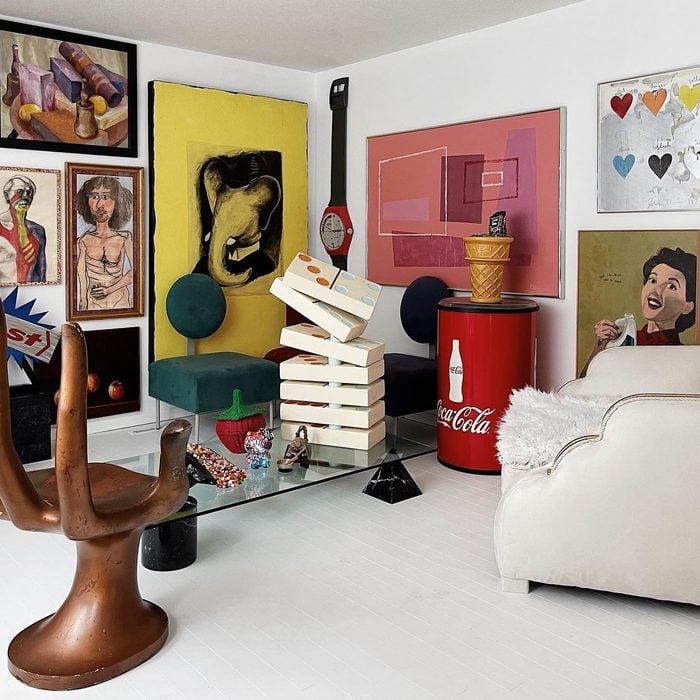
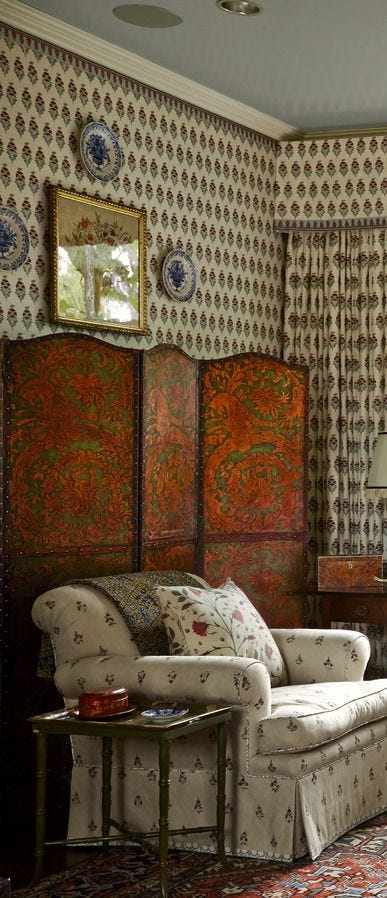
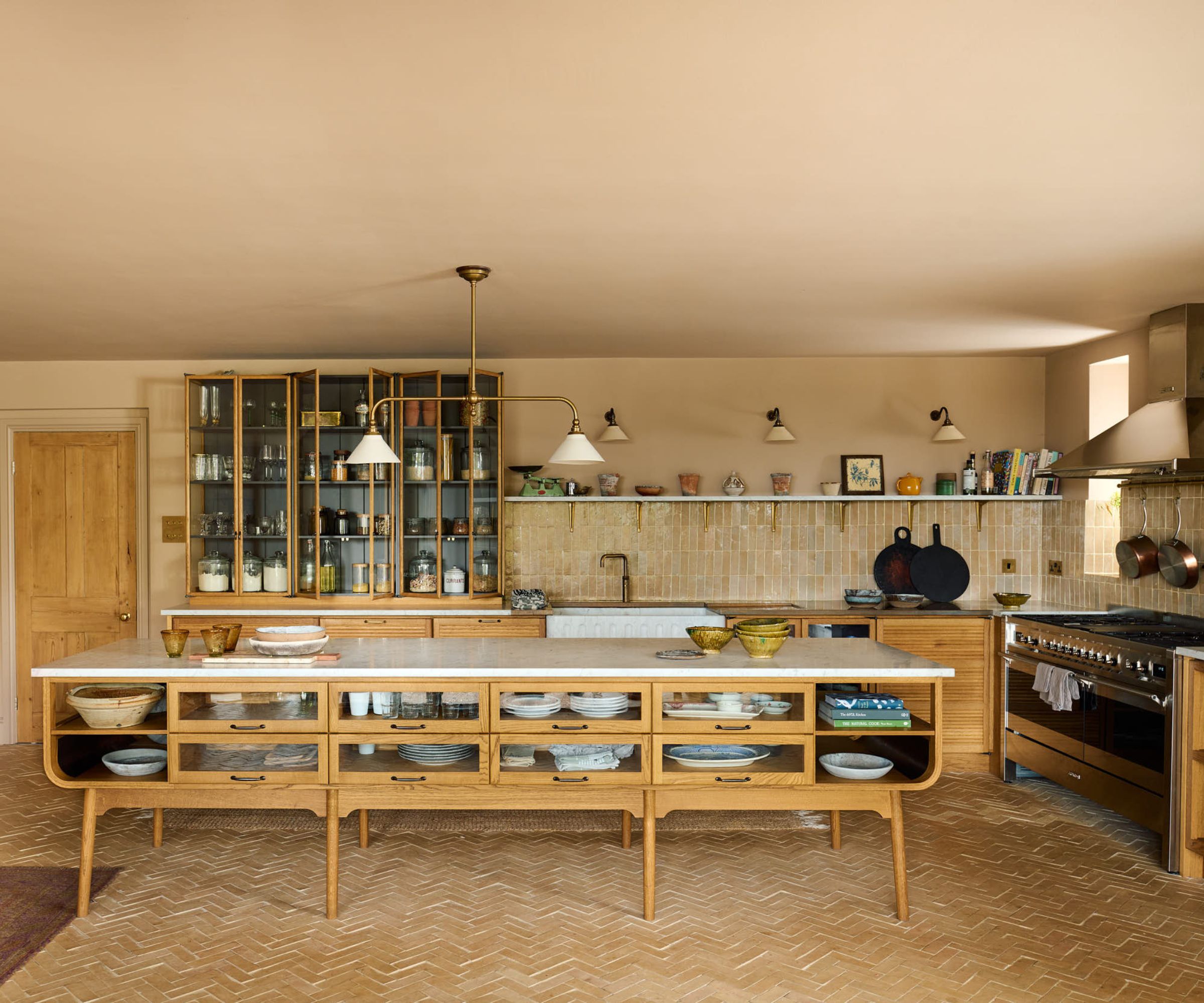
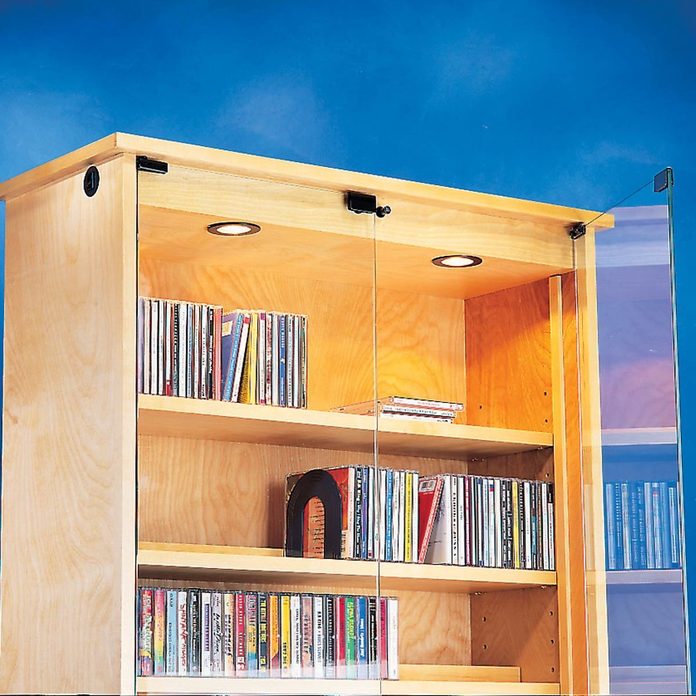
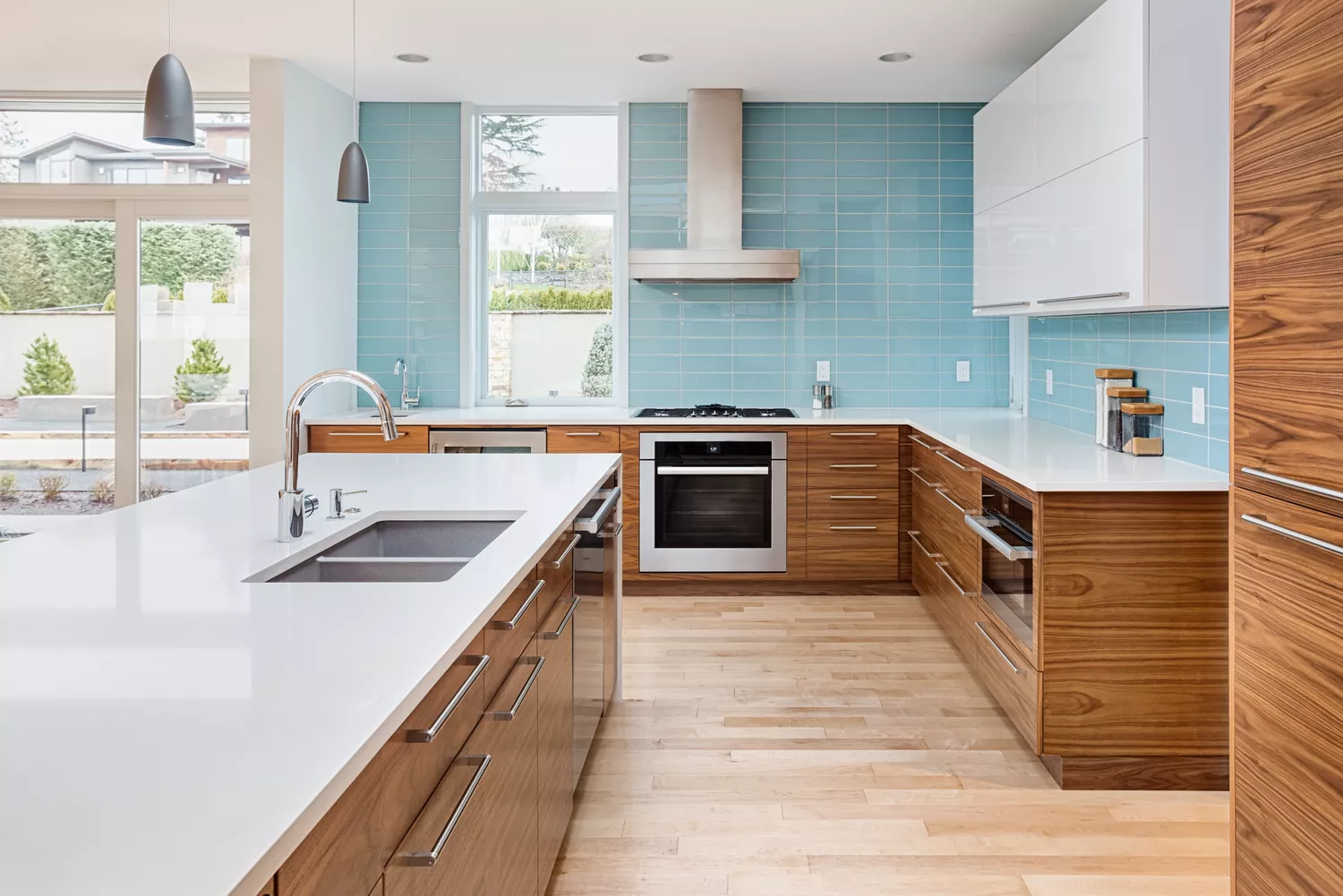
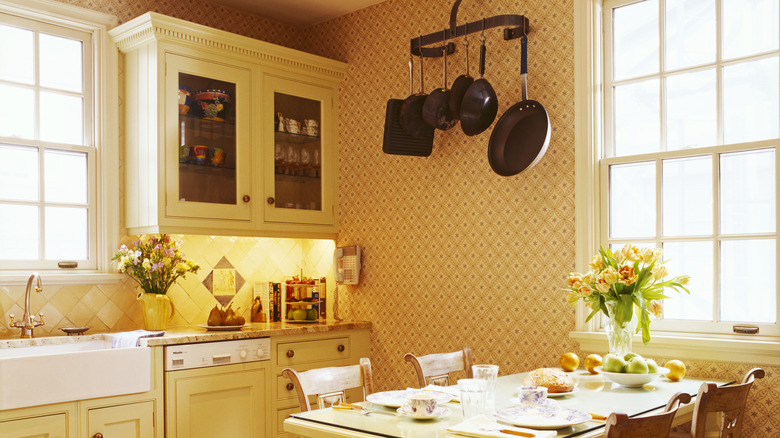
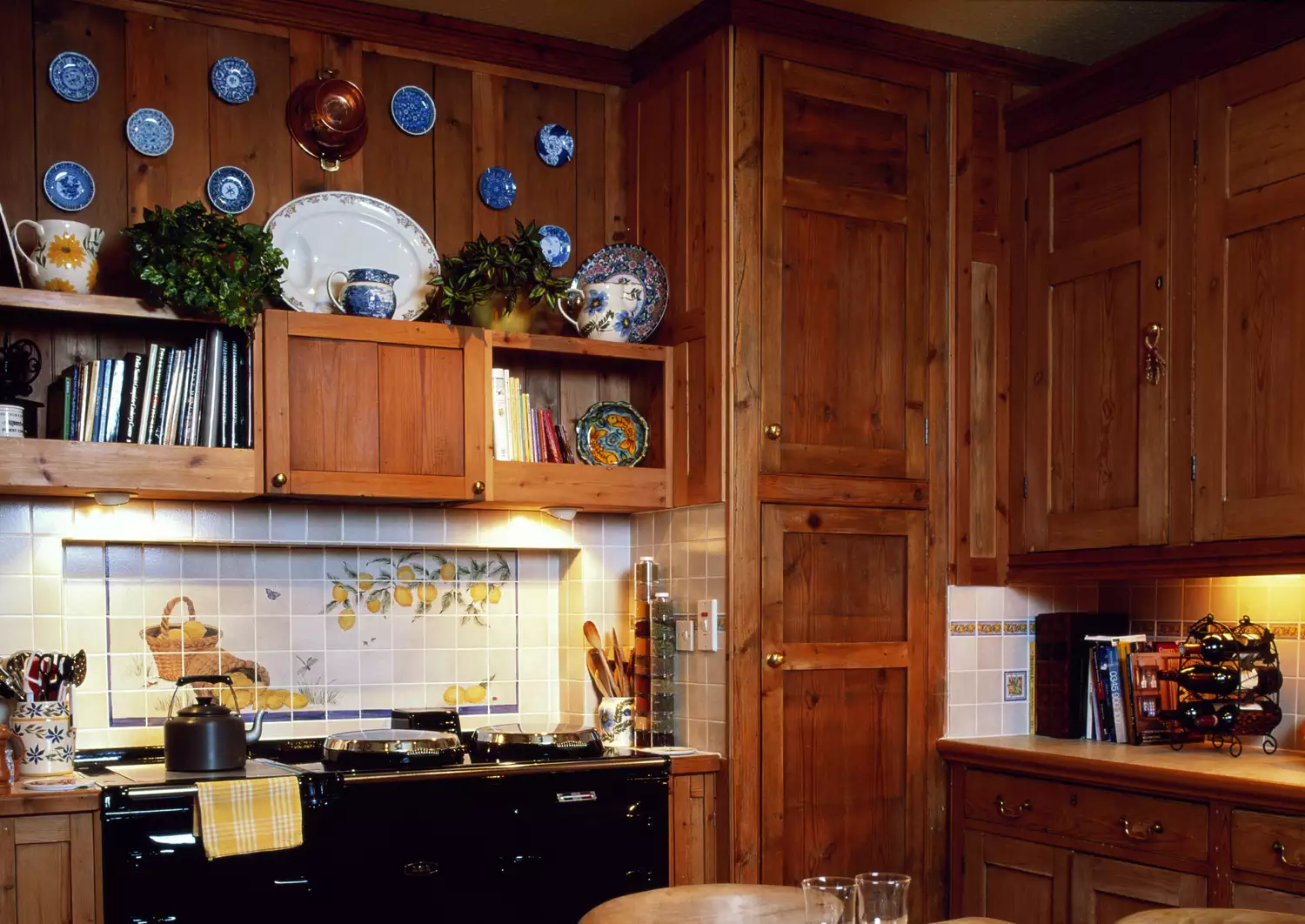
CD and cassette cabinets were a prominent feature in 90s homes, often placed near multi-disc stereo systems. These functional pieces, with their magnetic locking mechanisms, housed music collections like Hootie and the Blowfish albums, reflecting the predominant media format of the time. Another common element was thick carpet, chosen perhaps for its perceived durability and available in a variety of colors, adding a distinct texture to living spaces. Patterns, often layered upon each other, were also a significant design choice. Intricate tile work and patterns on patterns were not uncommon, showcasing a departure from minimalist designs. The economy's strength during the mid-90s was mirrored in the widespread use of bright primary colors in home decor, a stark contrast to more subdued palettes. Light oak cabinetry was nearly ubiquitous in kitchens and other areas, though today it's often seen as a sign of a dated interior. Homes also frequently featured frilly decor, characterized by an abundance of plants, both real and artificial, and botanical motifs on wallpaper.
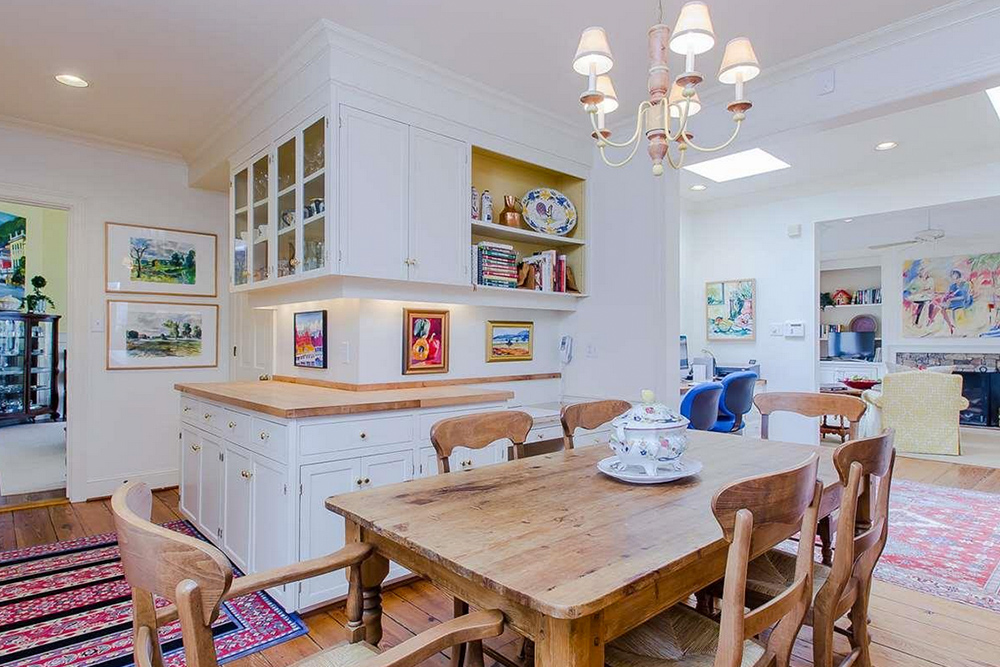
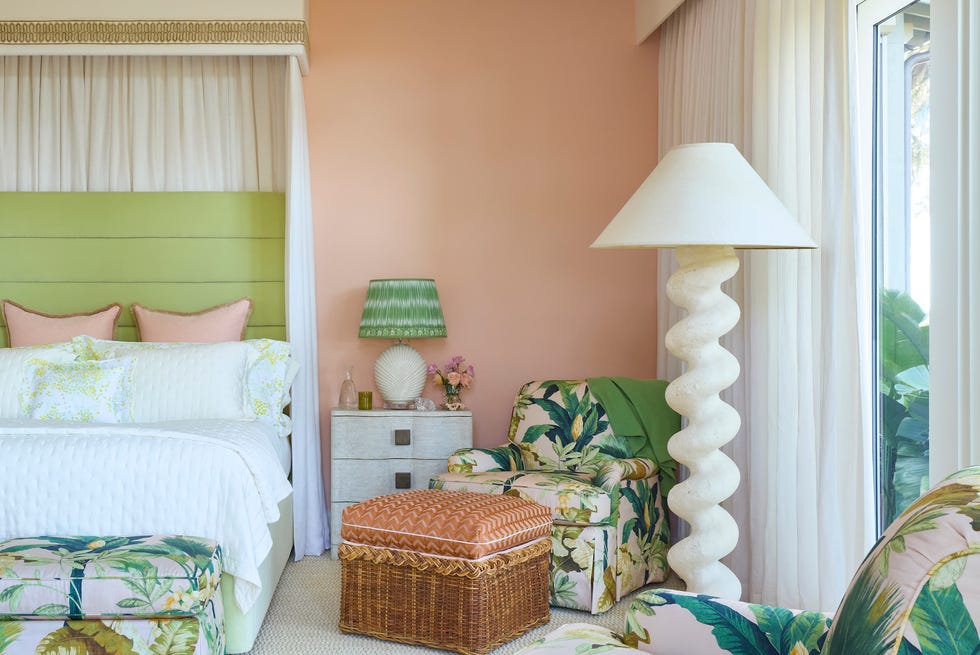
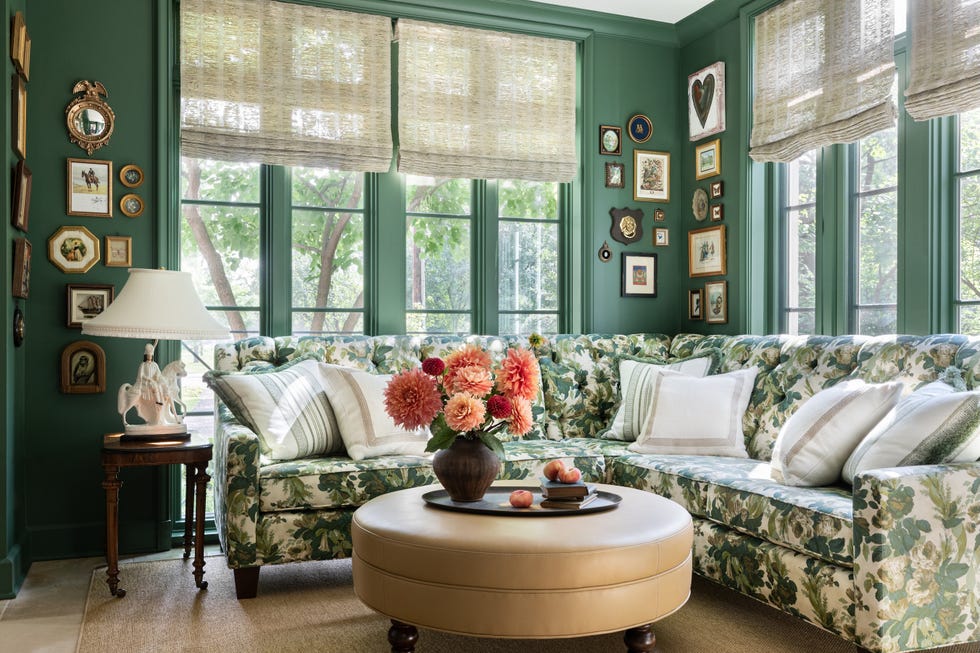
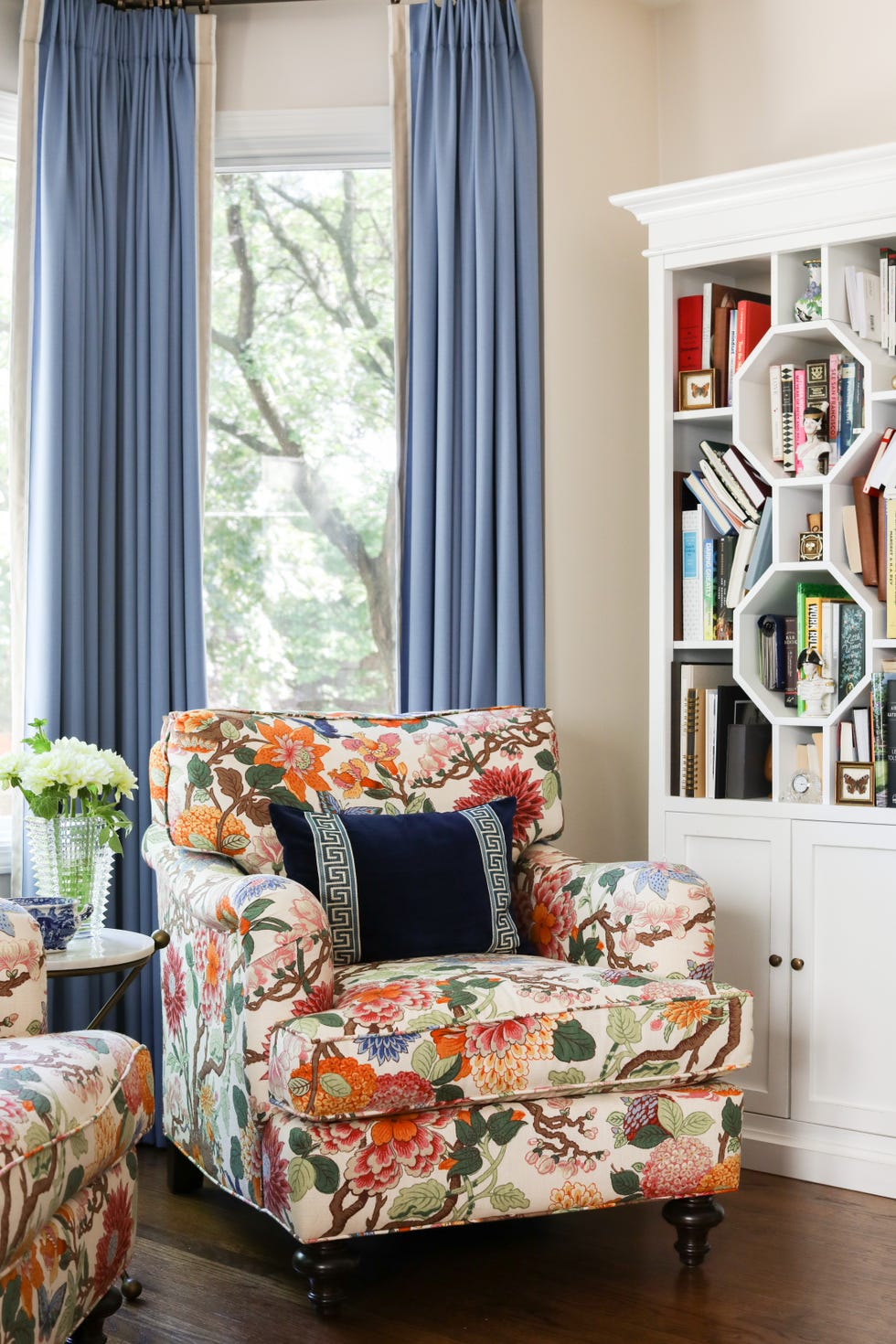
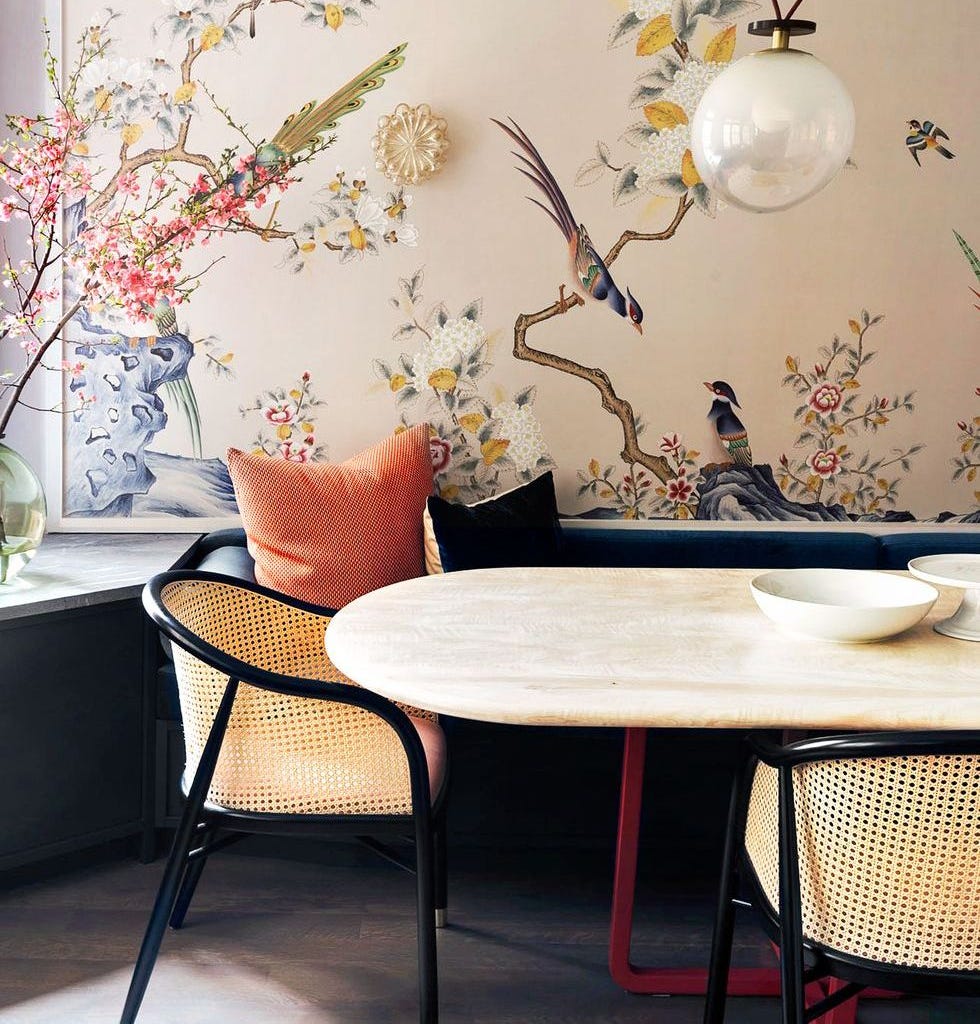
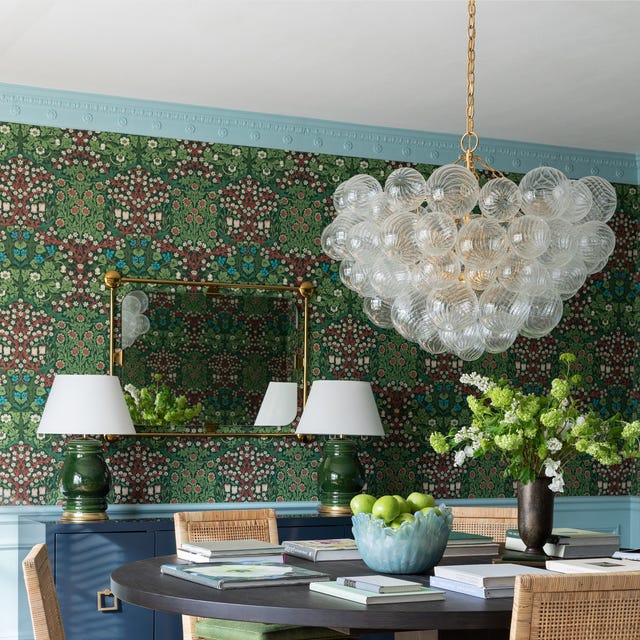
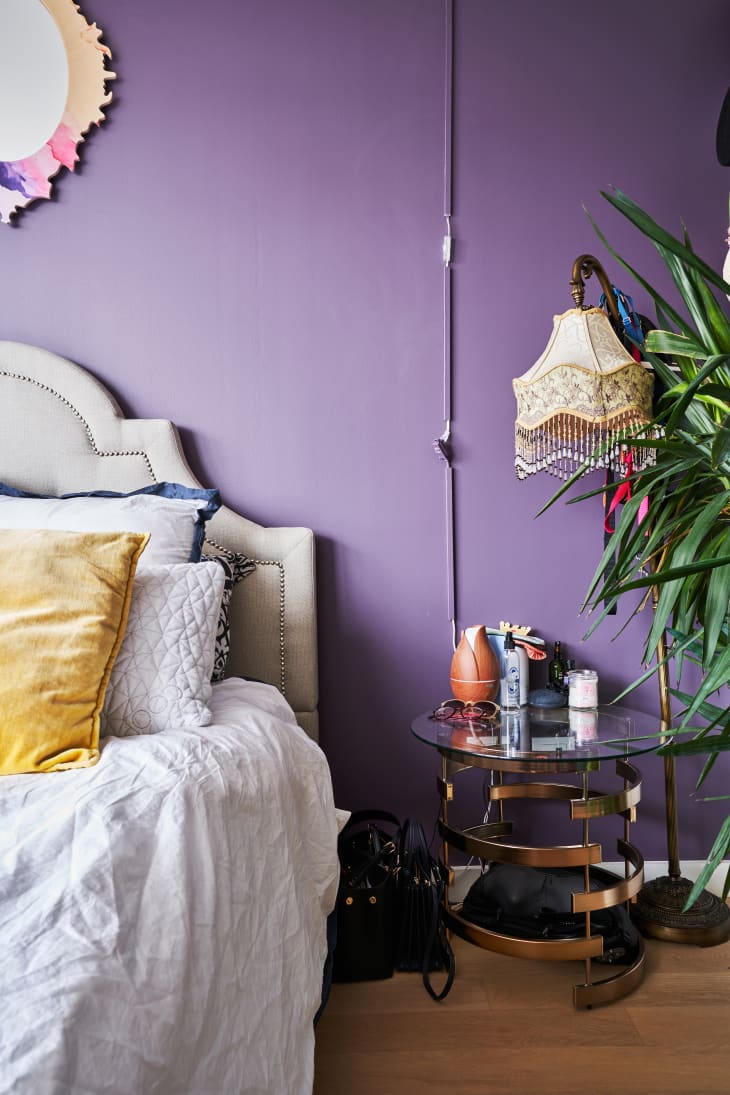
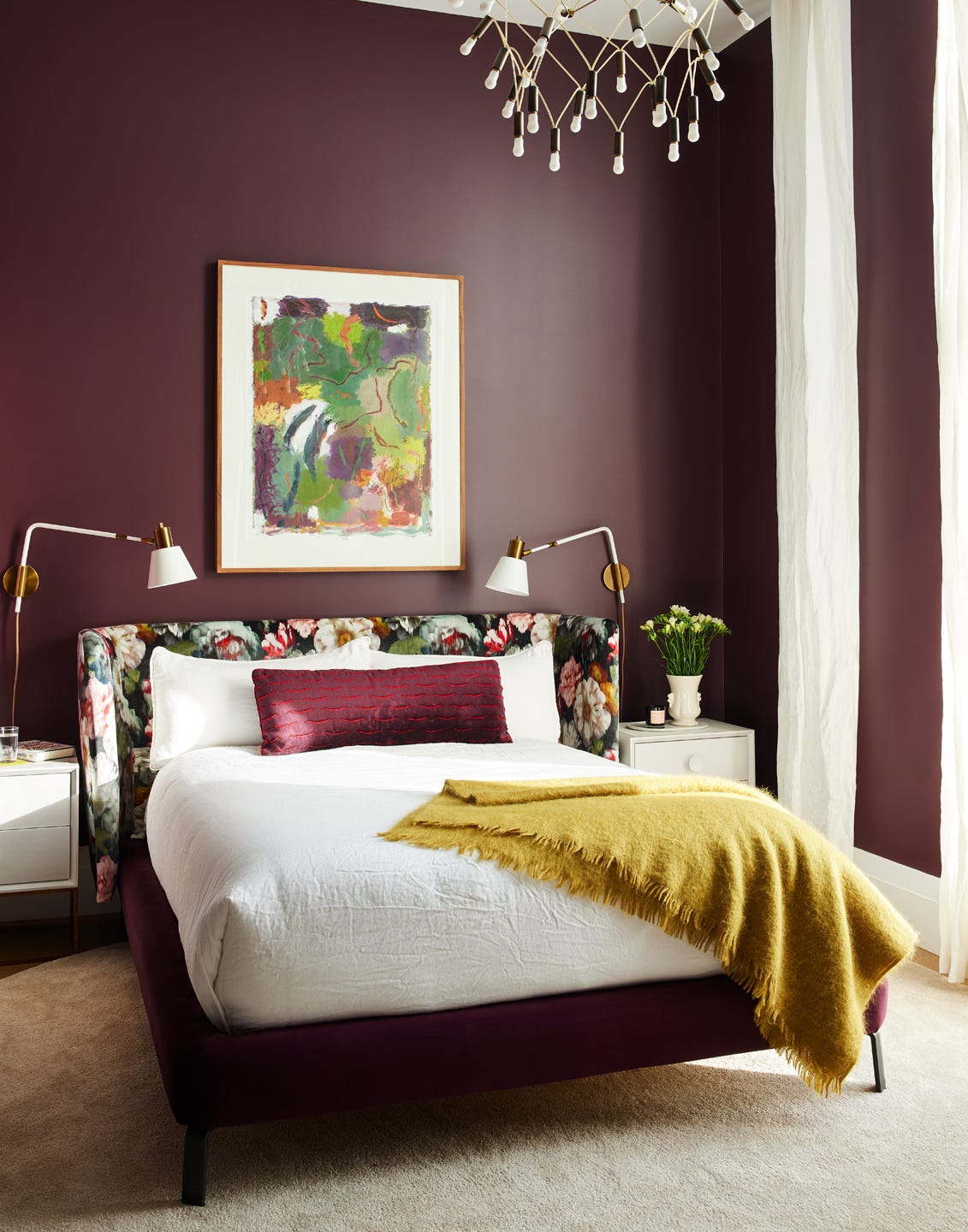
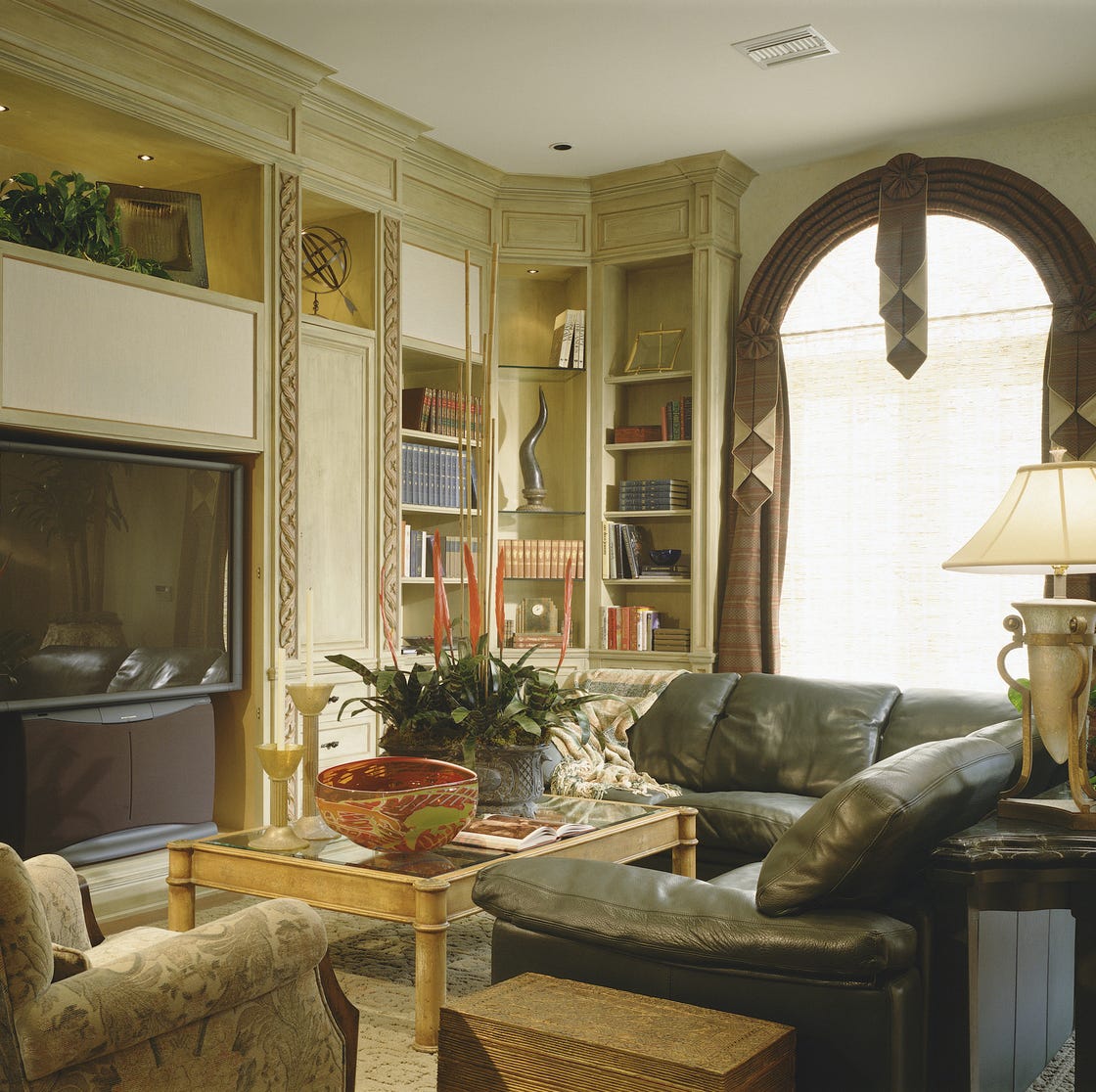
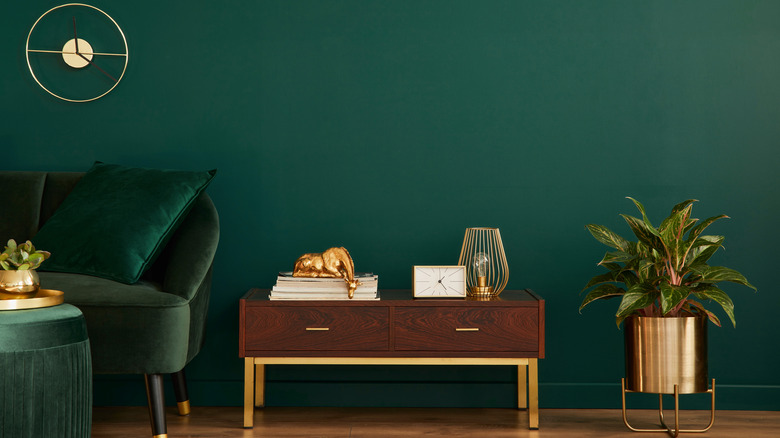
Purple emerged as a notable color trend, extending beyond home interiors to vehicles, indicating a broader cultural appeal. Floral patterns, though still appreciated today, were heavily utilized in the 90s, sometimes to an extent that might be considered excessive by modern standards. Wallpaper, in general, was a pervasive trend, with various designs adorning walls, though specific patterns from the 90s are now often removed during renovations. Chandeliers, particularly those with a certain ornate style, were popular, representing an attempt to achieve a classic look on a budget. Faux plants further contributed to the abundance of greenery, often leading to cluttered appearances. Rag-rolled walls, a variant of sponge painting, created textured finishes, while arched windows became a hallmark of the McMansion architectural style. Hunter green was another dominant color, appearing everywhere from paint to textiles, and is now frequently cited as a sign of a dated home.
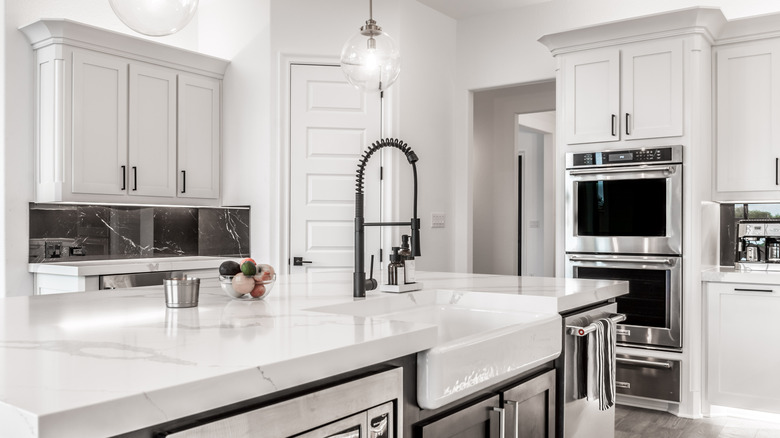
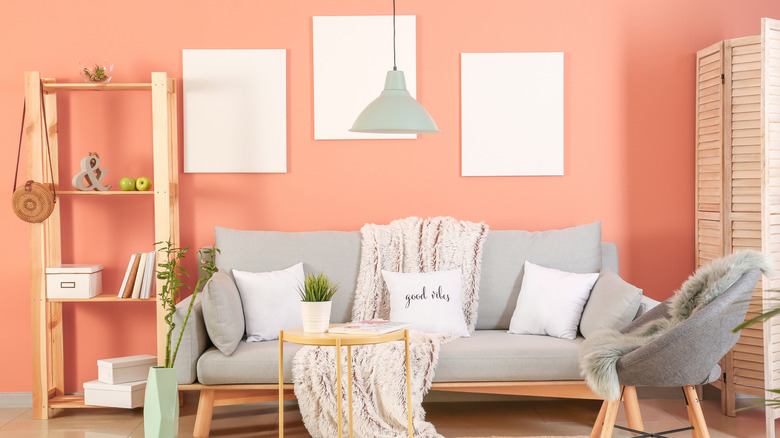
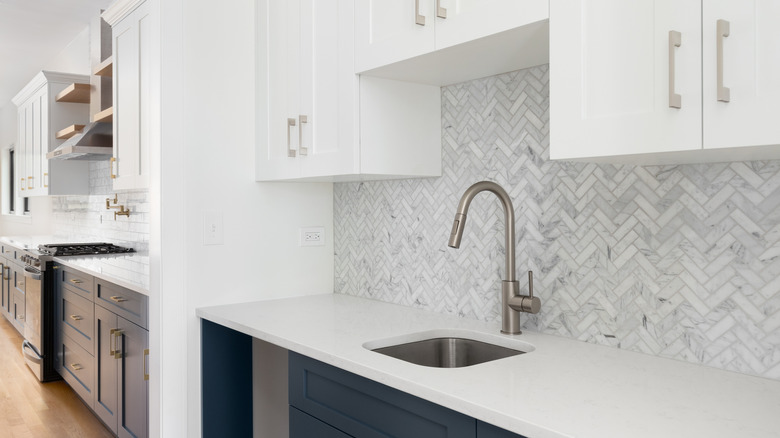
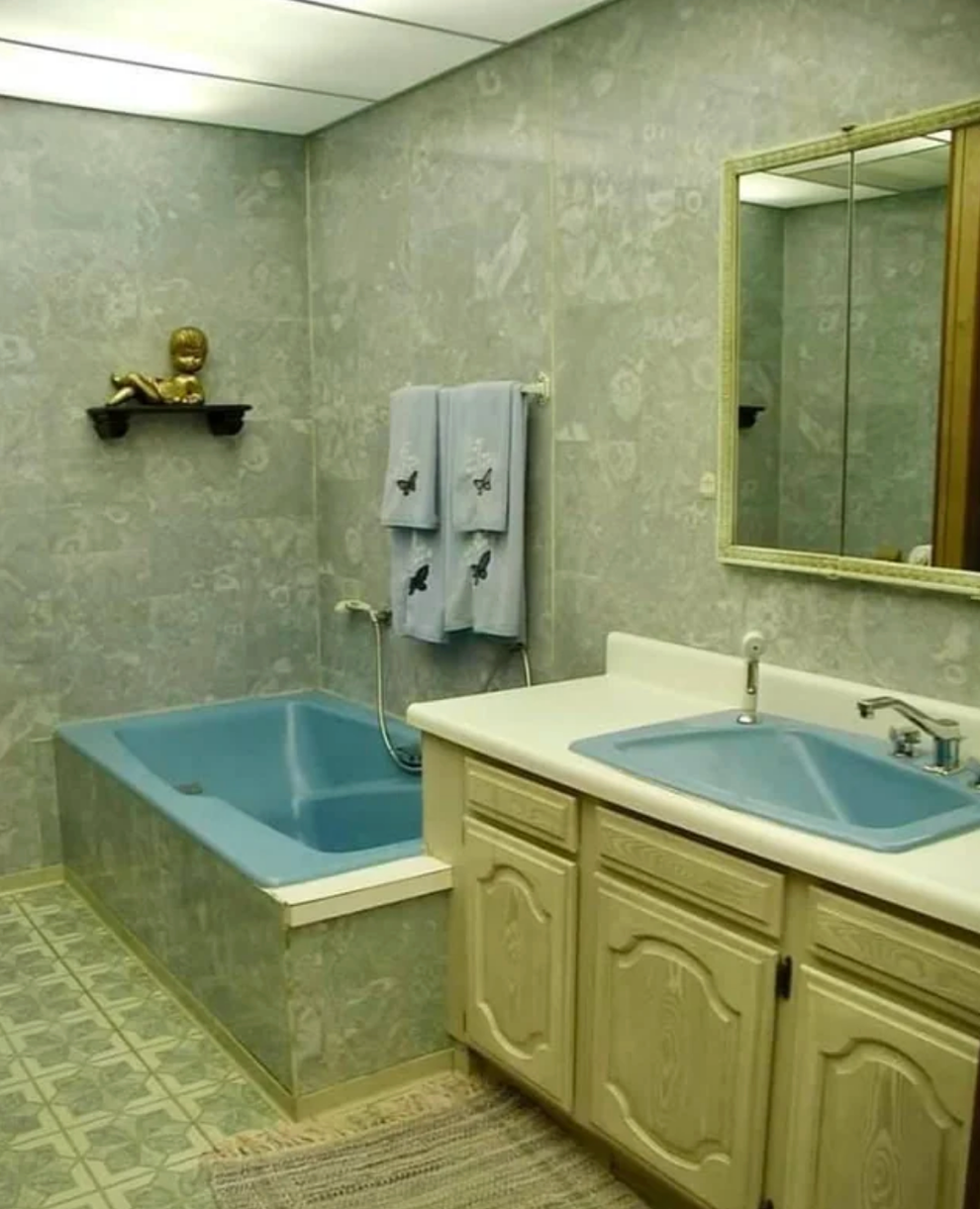
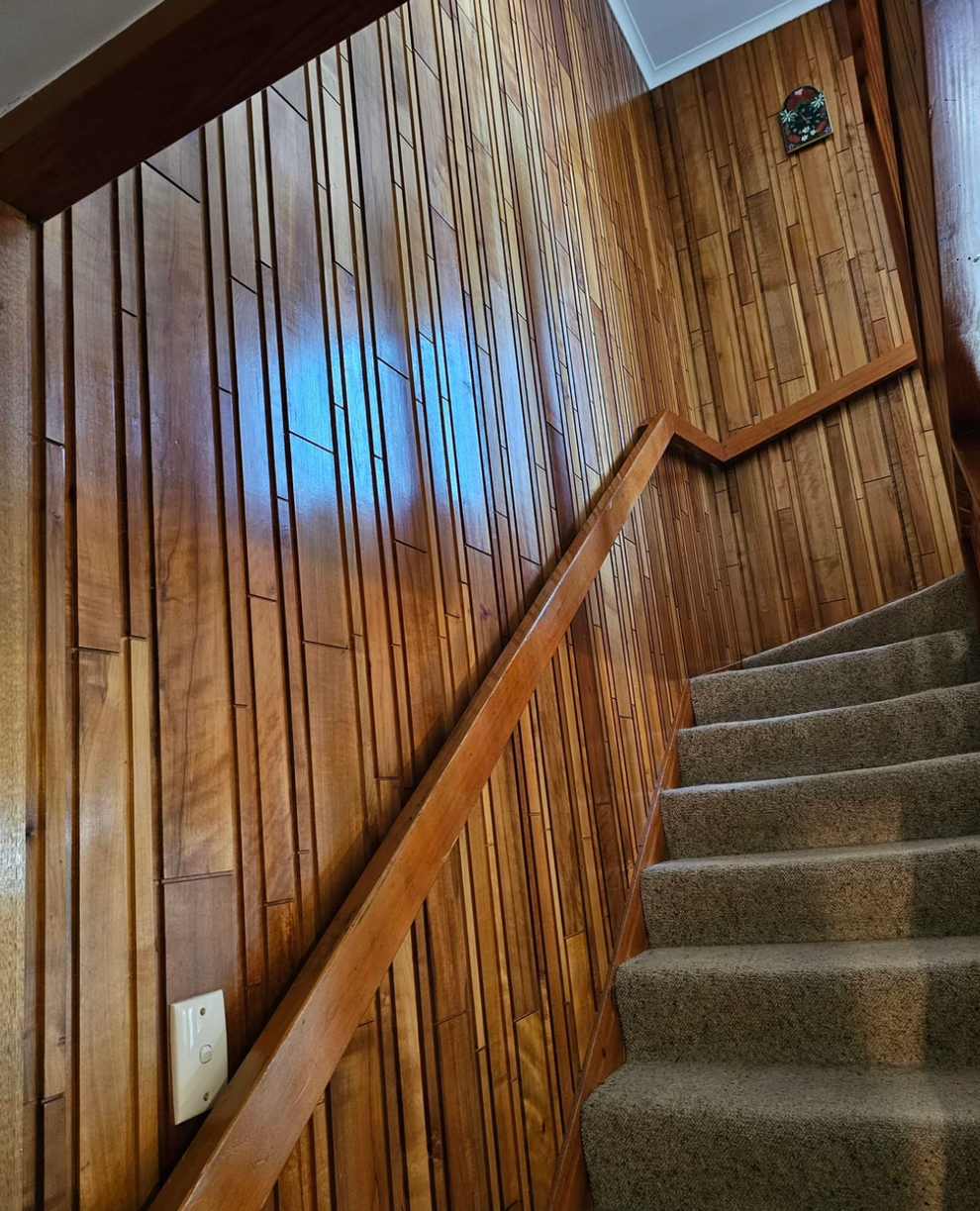
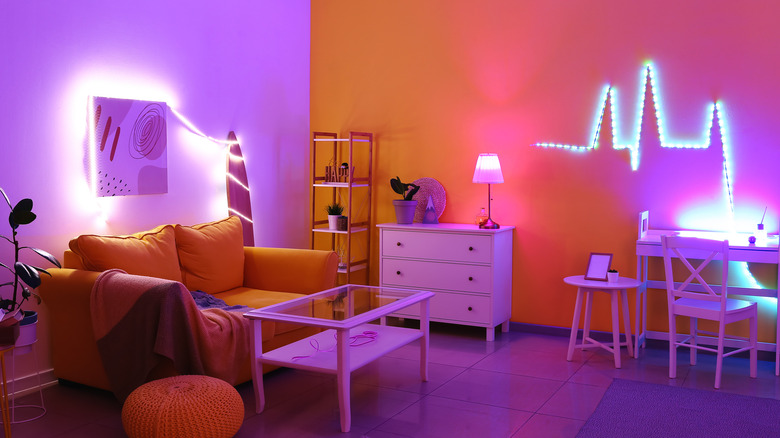
Above-cabinet decorating, often featuring faux plants, was a common practice, as was the use of faux granite for countertops, reflecting a desire for luxury materials at a lower cost. Off-color shower tiles, frequently adorned with more floral patterns, were standard, contrasting sharply with today's preferences for neutral tones and subway tiles. The grunge era's influence manifested in home decor through drab browns and brass light fixtures, while faux columns were an attempt to bring classical architecture indoors, particularly in McMansions. Striped awnings were a charming exterior feature, evoking a sense of relaxed outdoor living. Rope lights, a later-decade trend, offered a cool, ambient glow for rooms and events. Iron railings, especially those with less practical designs, were common before more modern and safer alternatives became popular. Dark oak furniture and cabinetry were prevalent, leading to a sense of uniformity across many homes. Huge entertainment centers, designed to house VHS players and large tube televisions, became obsolete with the advent of flat-screen TVs. Glass tables were a common fixture, particularly in formal dining areas, and pastels, including dusty pinks and mint greens, frequently appeared in various rooms. Finally, huge window treatments, reminiscent of royal drapery, added a dramatic and often heavy look to interiors, posing cleaning challenges, and ornate cabinet handles were favored before simpler, more practical knobs gained popularity.
#NinetiesHomeTrends #VintageDecor #HomeDecorHistory #RetroInteriorDesign #DatedHomeStyles #KitchenCabinetTrends #ColorPalettes #ArchitecturalDetails #WallpaperTrends #NinetiesHomeTrends #VintageDecor #HomeDecorHistory #RetroInteriorDesign #DatedHomeStyles #KitchenCabinetTrends #ColorPalettes #ArchitecturalDetails #WallpaperTrends
0 opmerkingen in totaal
 Nog geen opmerkingen
Dit vindt u mogelijk ook leuk
9 Kitchen Trends From The '90s That Are Making A Comeback

Home decor in the 1990s – recreate a classic living room from then, updated for now
Interior Designers Say the 1990s Are Back—Here’s How to Capture the Look

'90s Decor Trends Are So Back in Style—6 Trends to Try This Season

8 Bedroom Decor Icons From the ’90s That Are Cool Again
15 Colors To Decorate With For A '90s Aesthetic
This '90s Home Trend Is Back With A Vengeance
Retro Decor: 10 Things From Your Grandparents' House That Are Back in Style

Surprise: 1990s Design Trends Are Coming Back
20 Photos of 1990s Home Décor to Overwhelm You With Nostalgia
People Are Revealing The "Outdated" Home Design Trends From The '80s That Need To Come Back

9 ideas to steal from the kitchens of the 1990s and how to make them actually look chic in 2025
'90s Decorating Trends We're Still Obsessed With

10 '90s Kitchen Design Trends We Think Need A Comeback

11 Vintage Home Trends That Are Making a Comeback
Are the '90s the Next Big Thing in Interior Design?
Charming '90s Kitchen Color Schemes That Deserve A Comeback

’90s Fashion is Back—But What About ’90s Interiors? Here’s What Designers Say

Vintage Home Design Trends That Are Making Huge Comebacks

Like it or Not, 90s Décor Is Back and in Homes Everywhere, According to Interior Designers