1/2
7 Clever Ways to Hide TV Cords
The increasing presence of flat-screen televisions, often serving both entertainment and aesthetic purposes, brings with it the challenge of managing unsightly power and connection cords. These cords, if left unmanaged, can detract from a room's decor, particularly against light-colored walls. Addressing this issue, several practical and creative solutions exist to conceal TV wiring, ensuring a clean and streamlined appearance whether the TV is in use or simply displaying artwork.
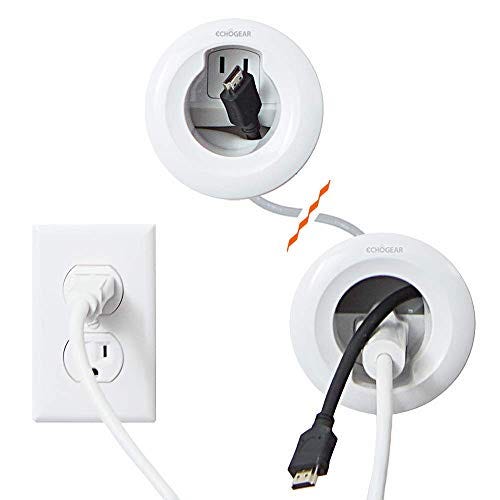
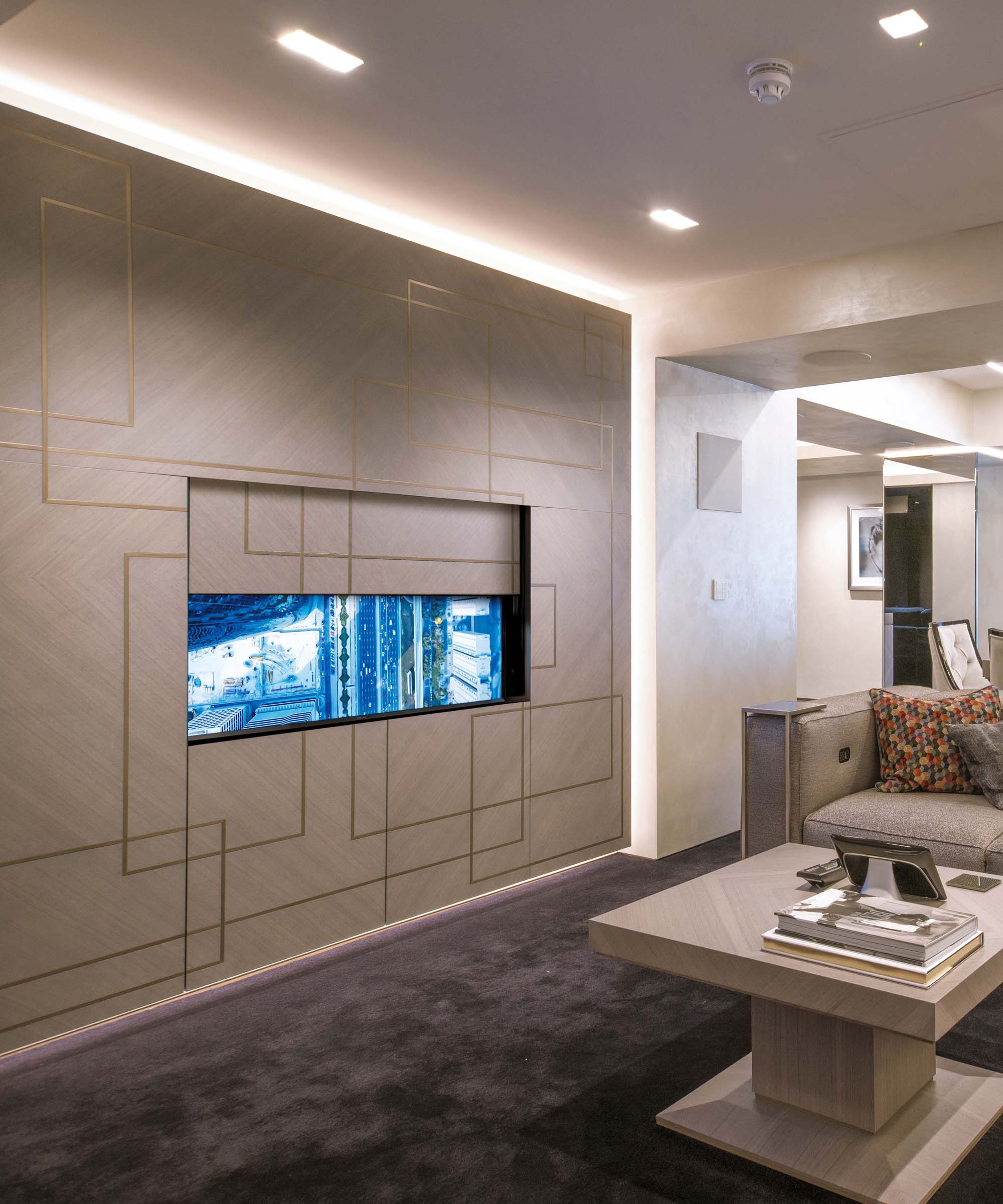
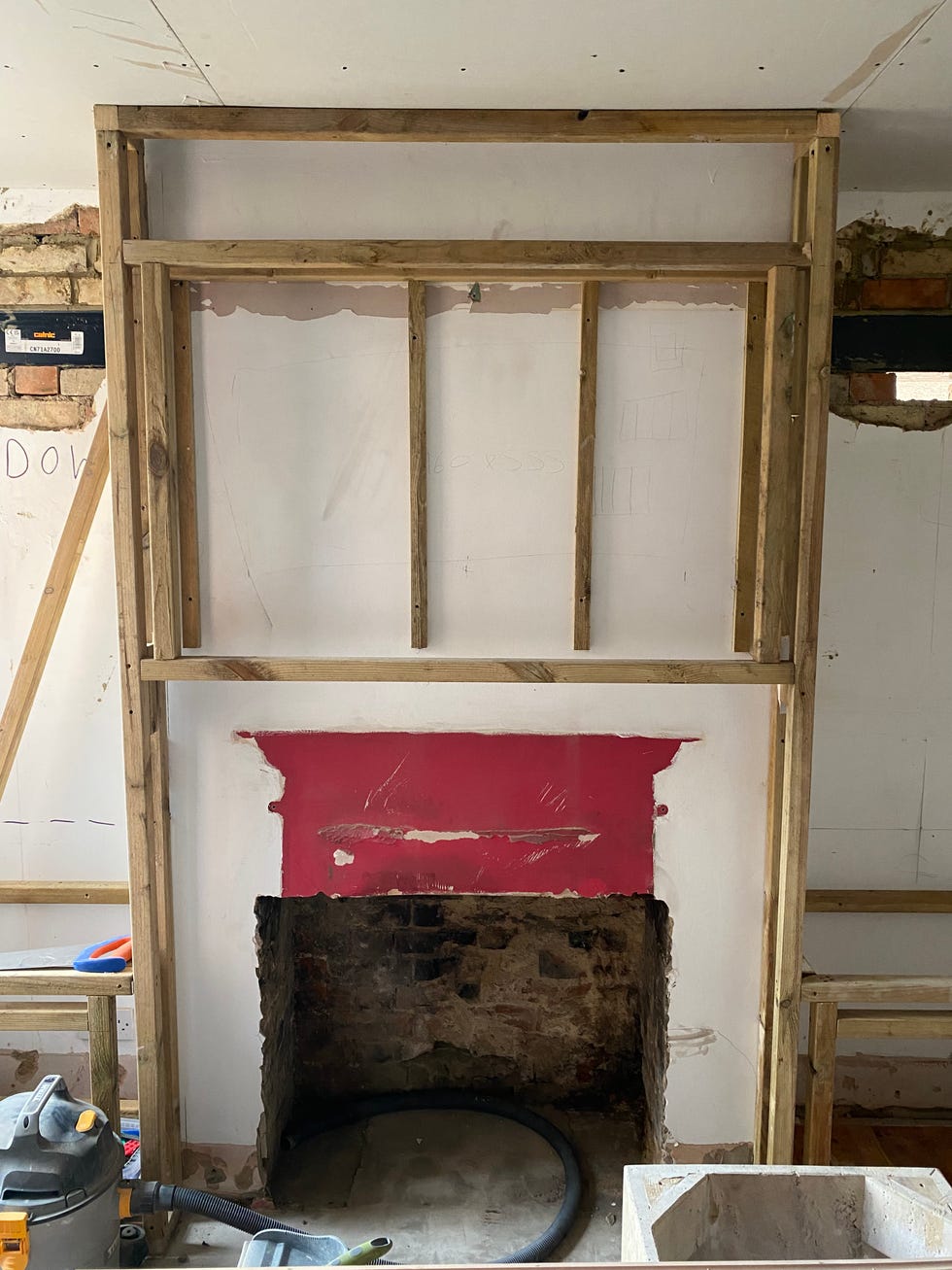
One highly effective method involves concealing cables directly within the wall. This approach requires cutting two holes: one behind the television and another near an electrical outlet below. Low-voltage brackets or boxes are then installed to guide the wires, allowing them to be plugged in at both ends while remaining completely out of sight. This method provides a polished and obstruction-free wall surface.
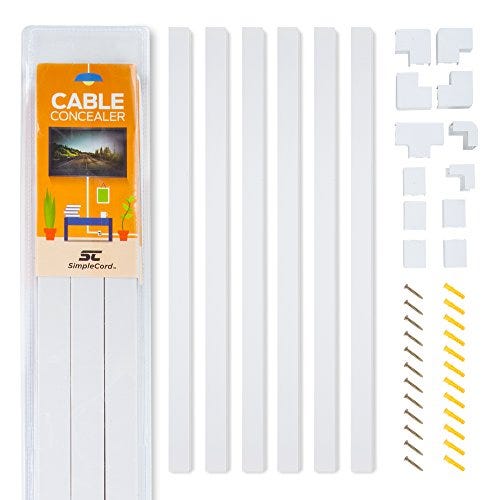
For a less invasive solution, cable raceways, also known as cable concealer kits, offer a quick and easy alternative. These smooth, flat PVC covers adhere directly to the wall, eliminating the need for drilling. They can be cut to the precise length of the wires and, once the cords are gathered inside, the cover snaps shut. Raceways can also be painted to match the wall color, further integrating them into the room's design.
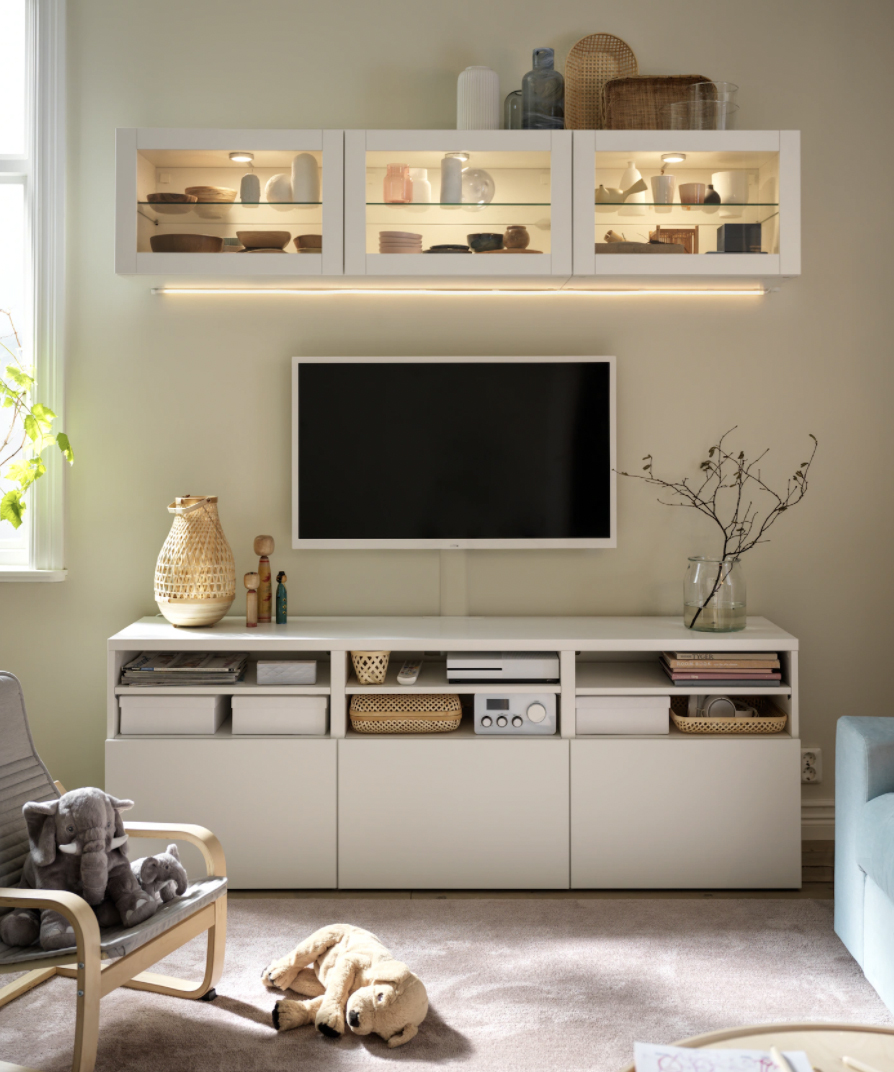
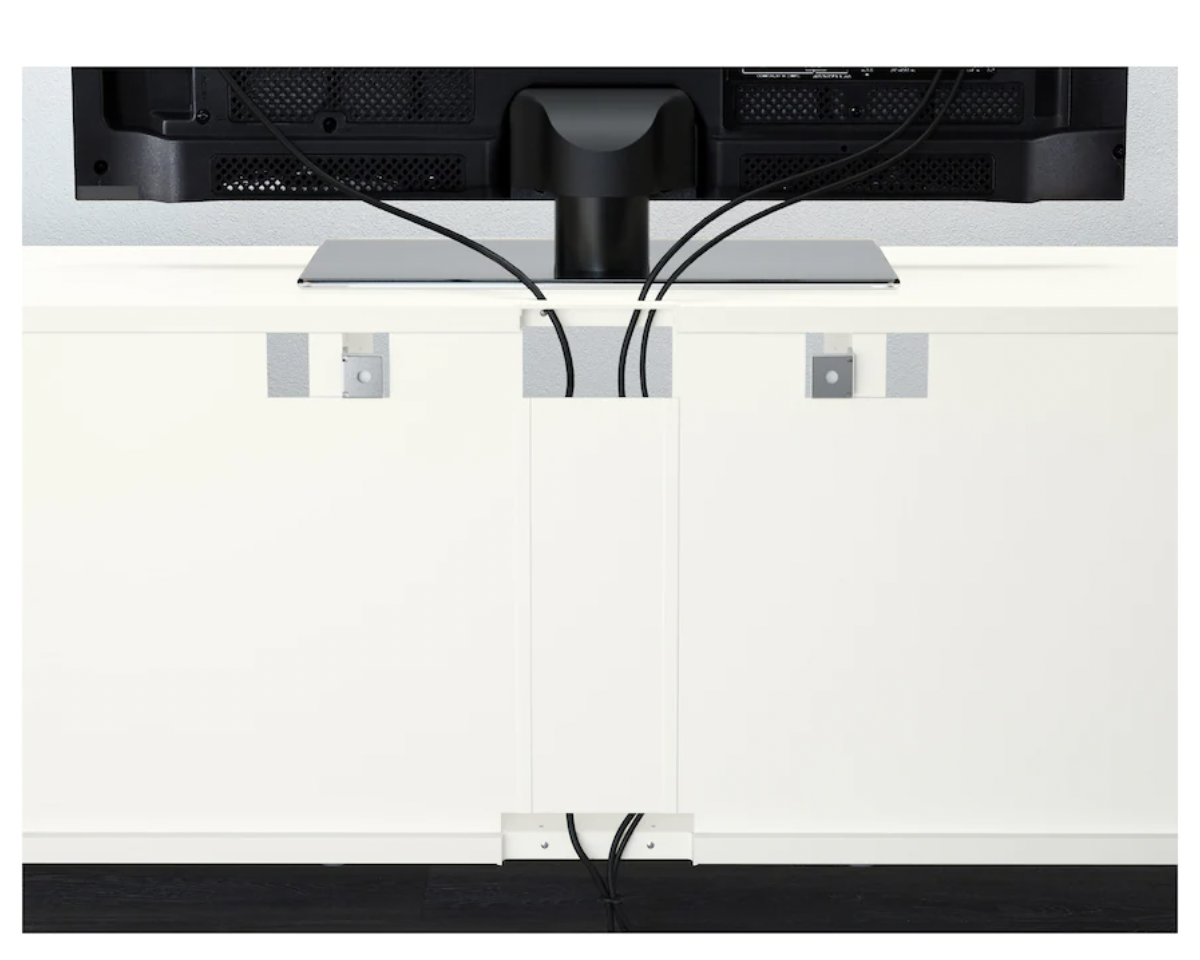
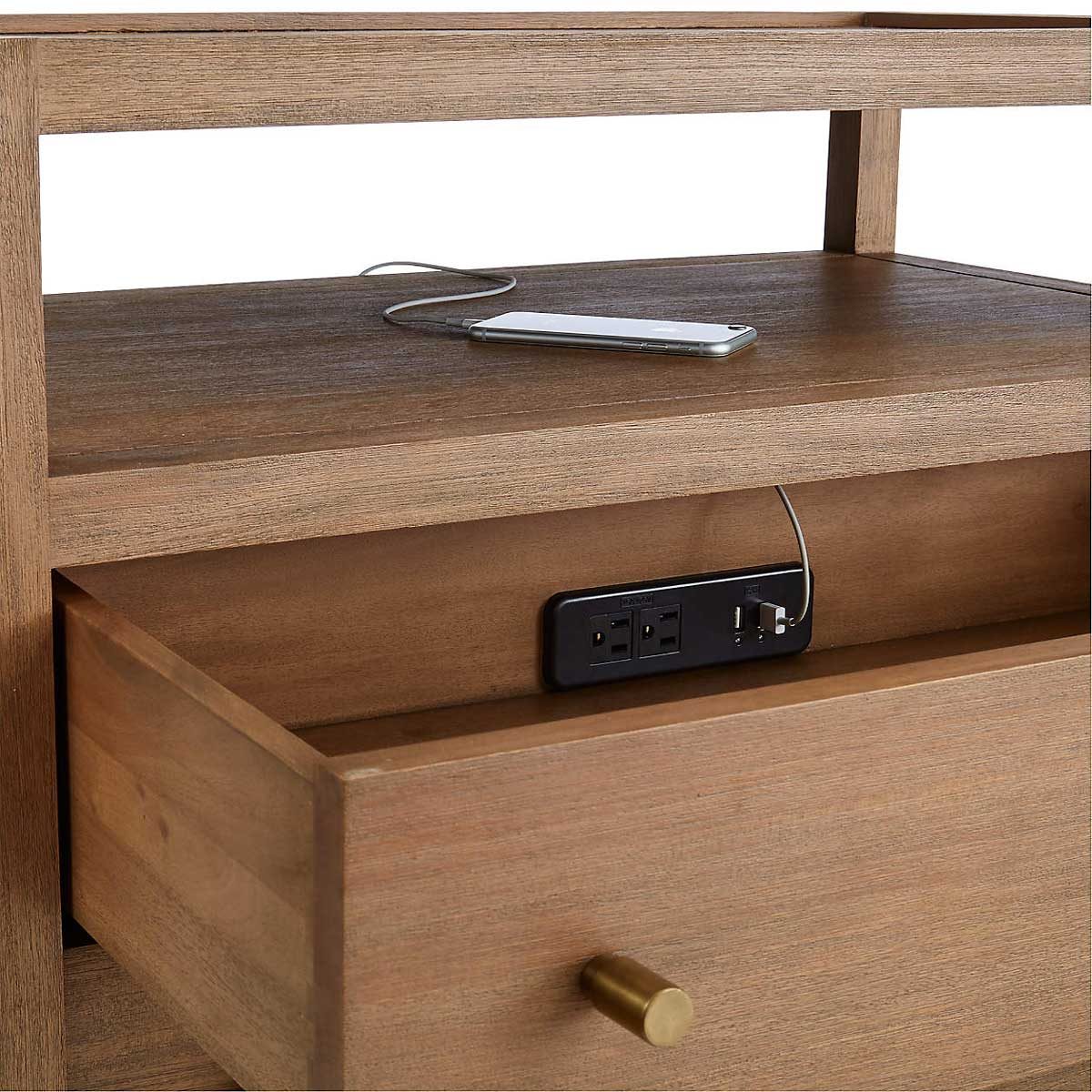
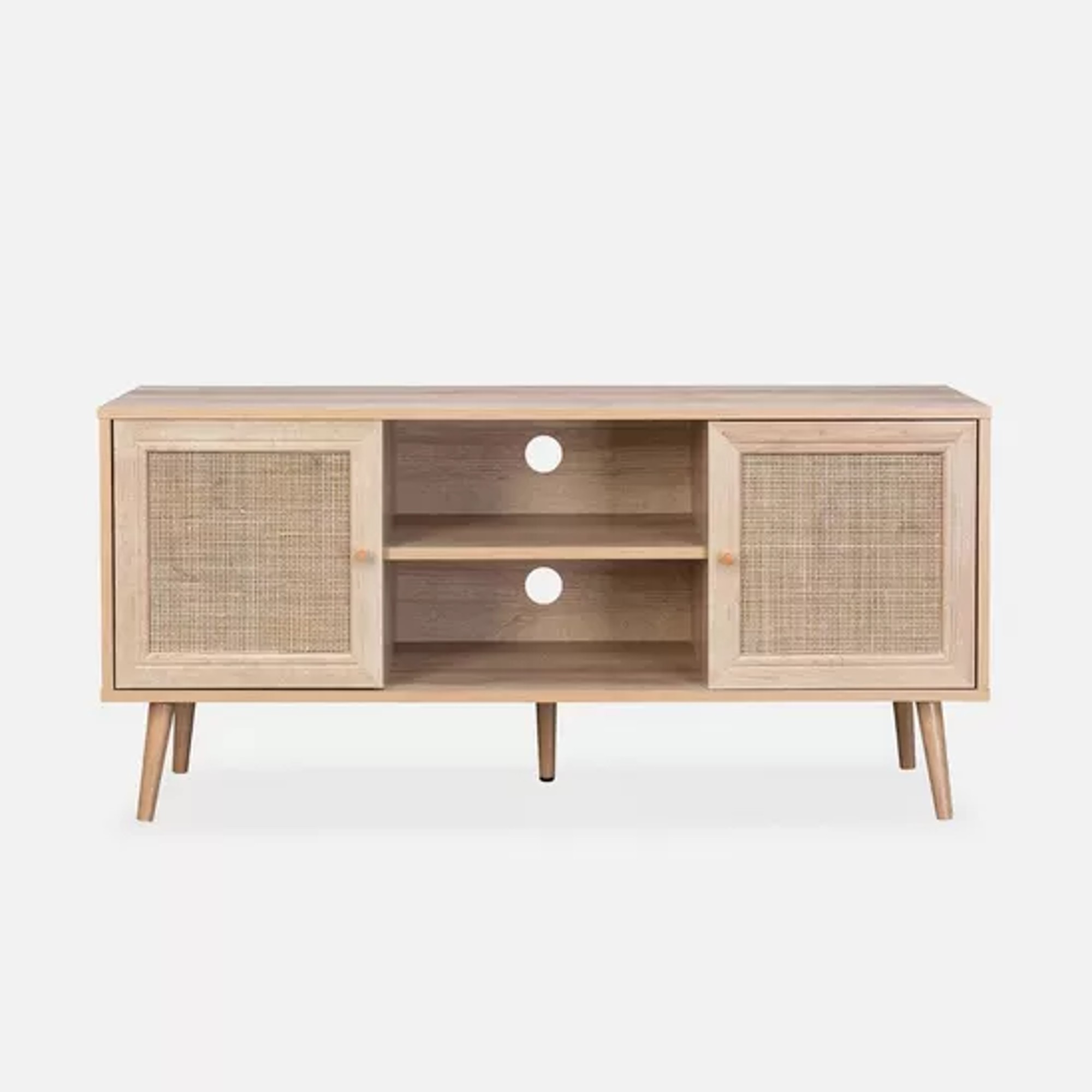
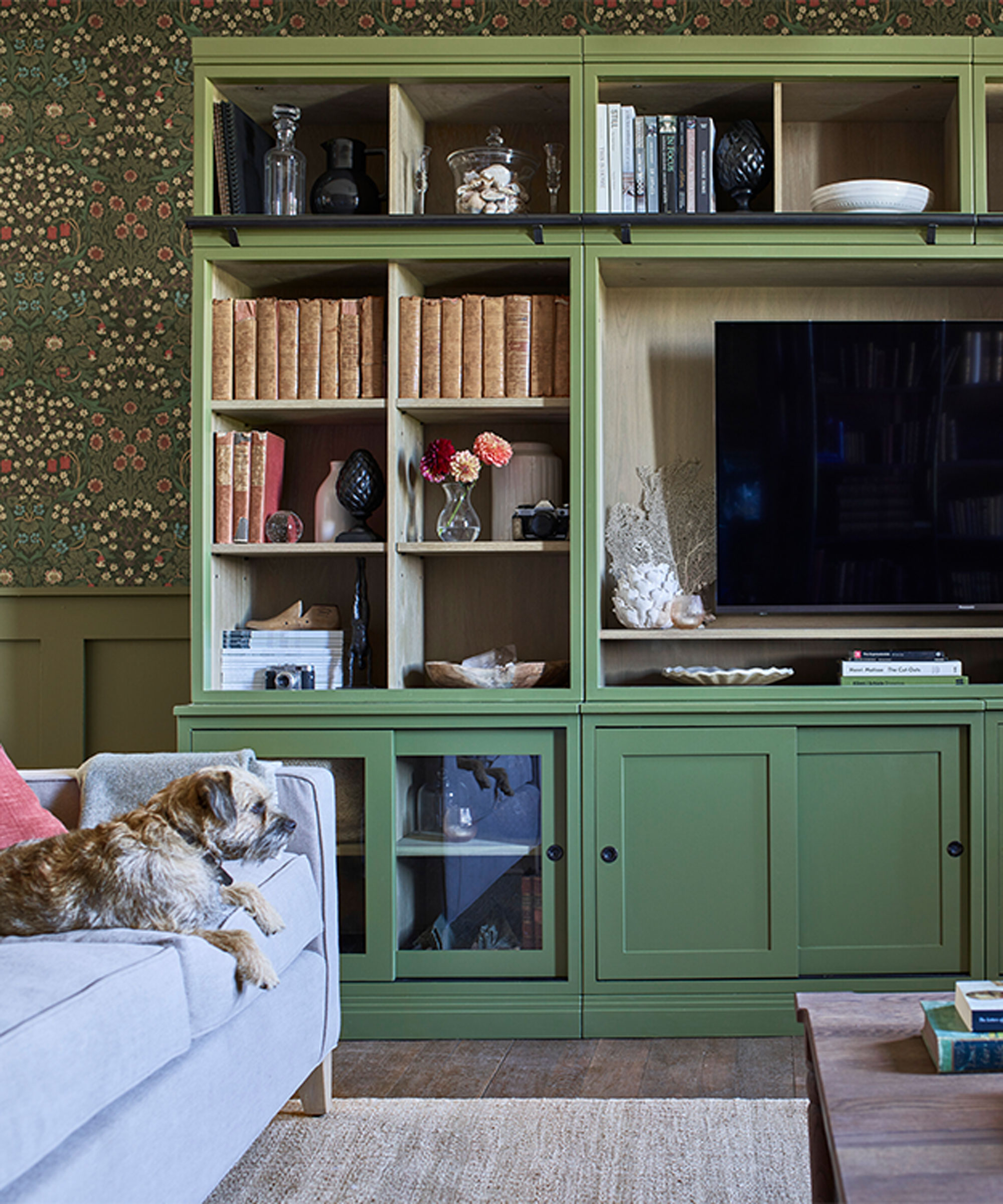
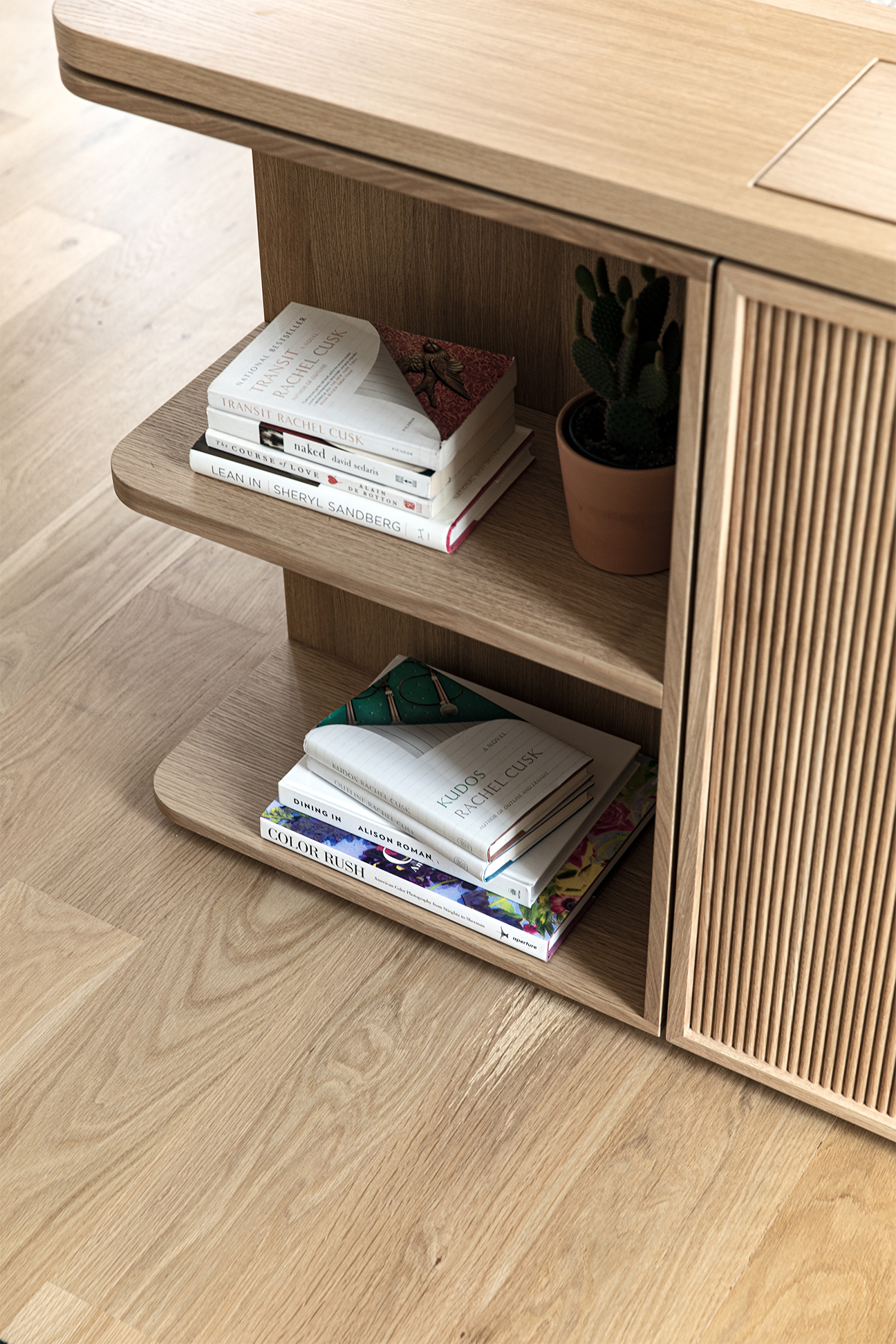
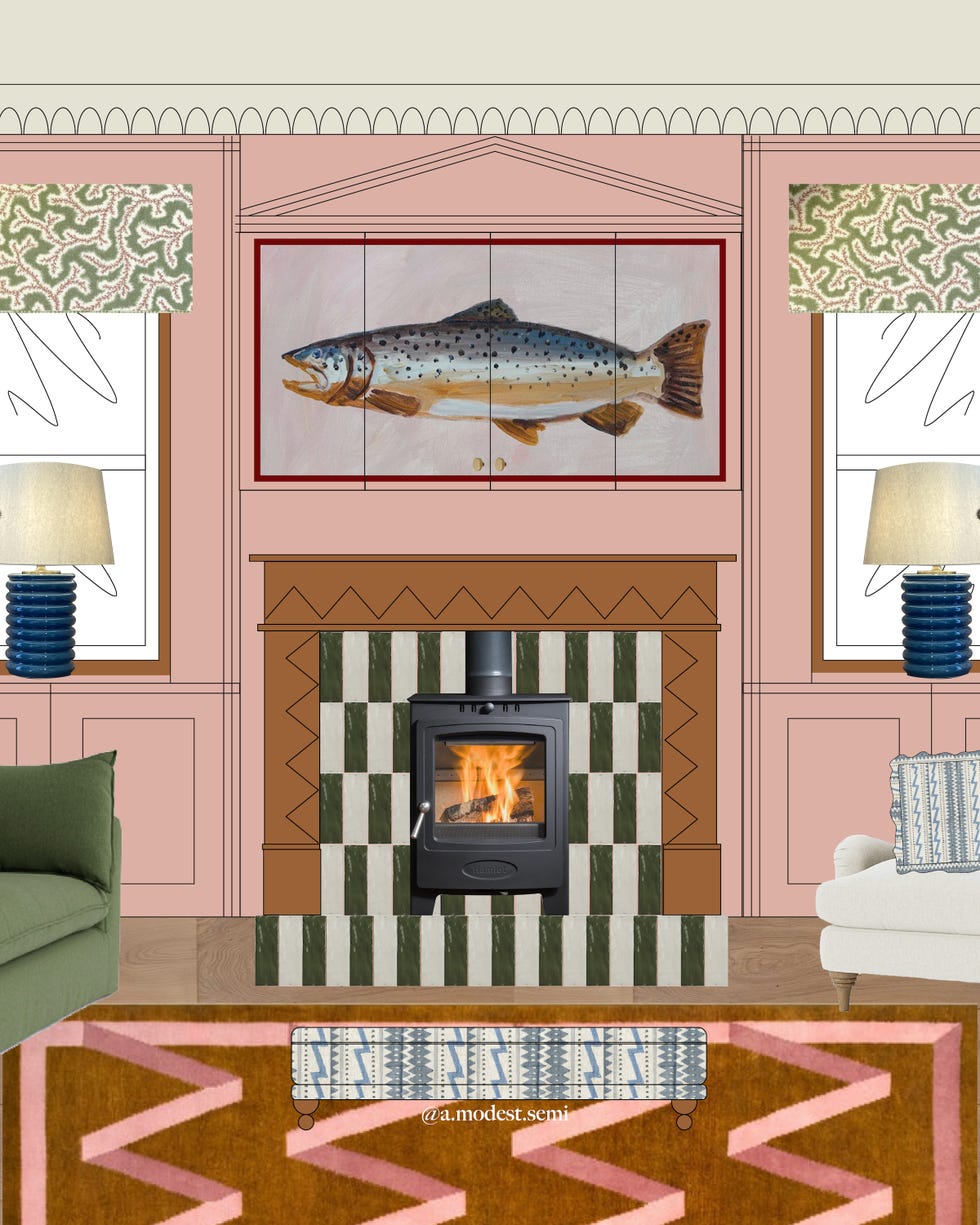
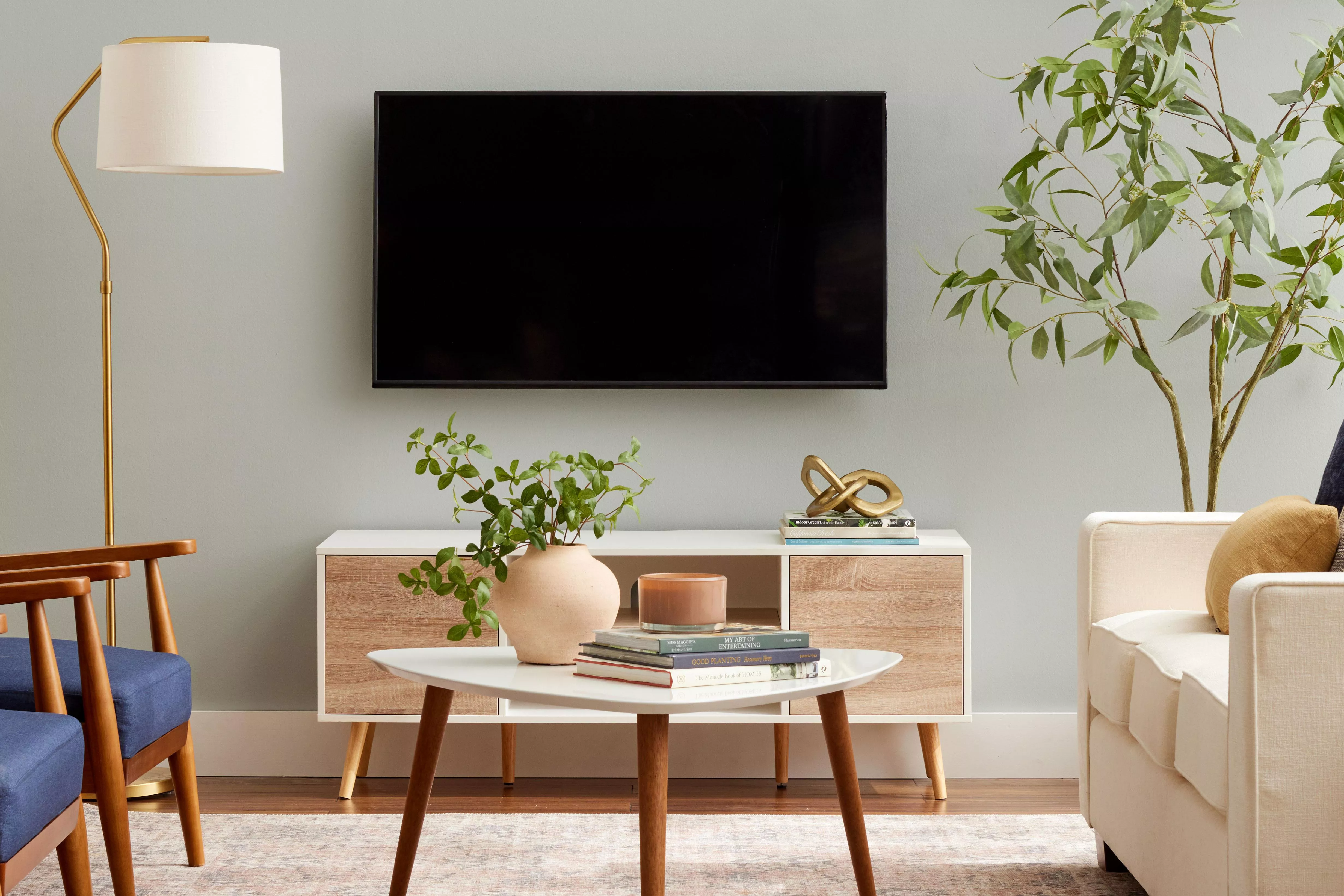
When wall-mounting is not feasible, selecting a TV stand equipped with an integrated outlet or cord management features is beneficial. Consoles, cabinets, or entertainment centers with openings at the back allow cords to be routed discreetly. Units with cabinet doors provide an additional advantage by completely hiding associated devices like cable boxes or routers, maintaining a clean aesthetic with minimal visible wires.
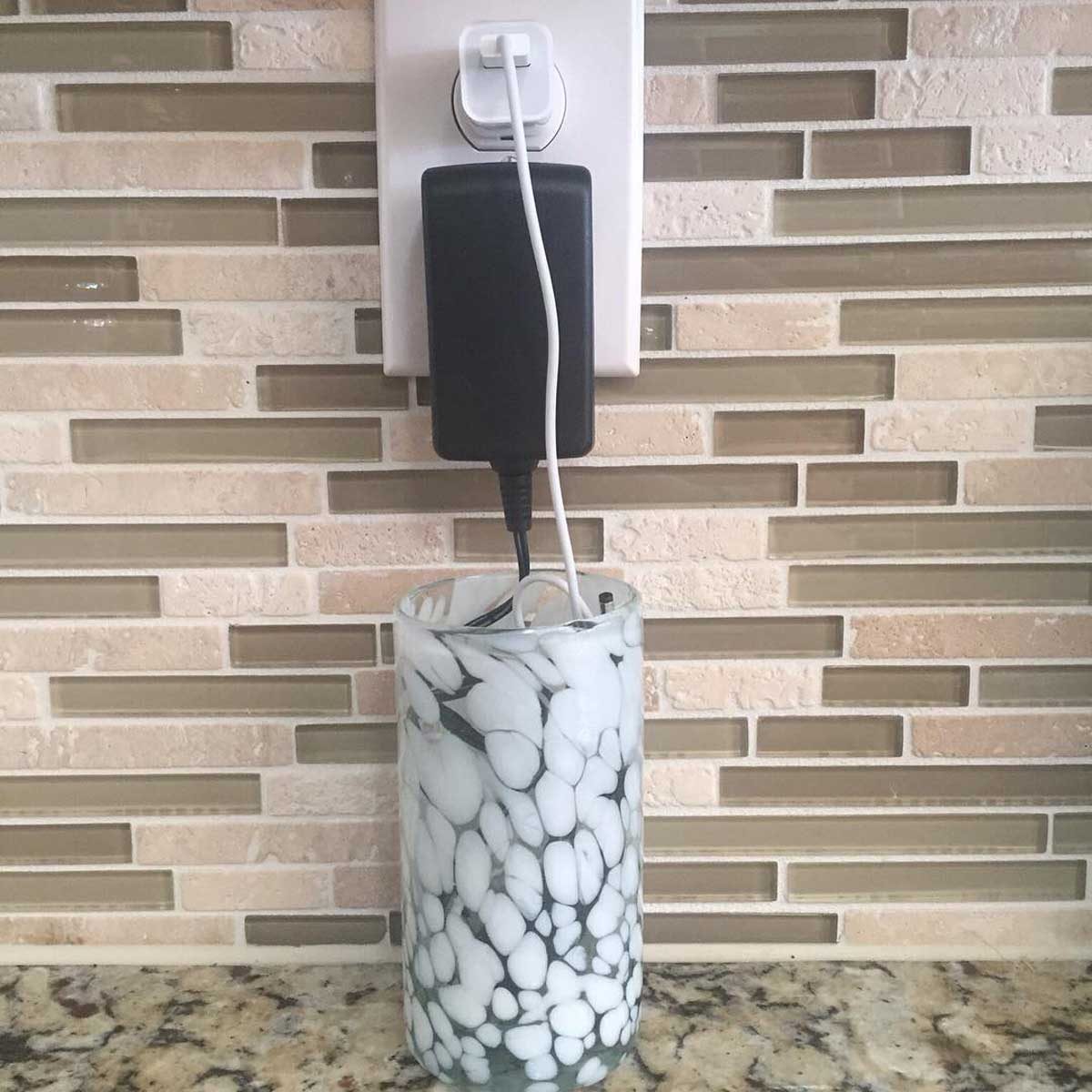
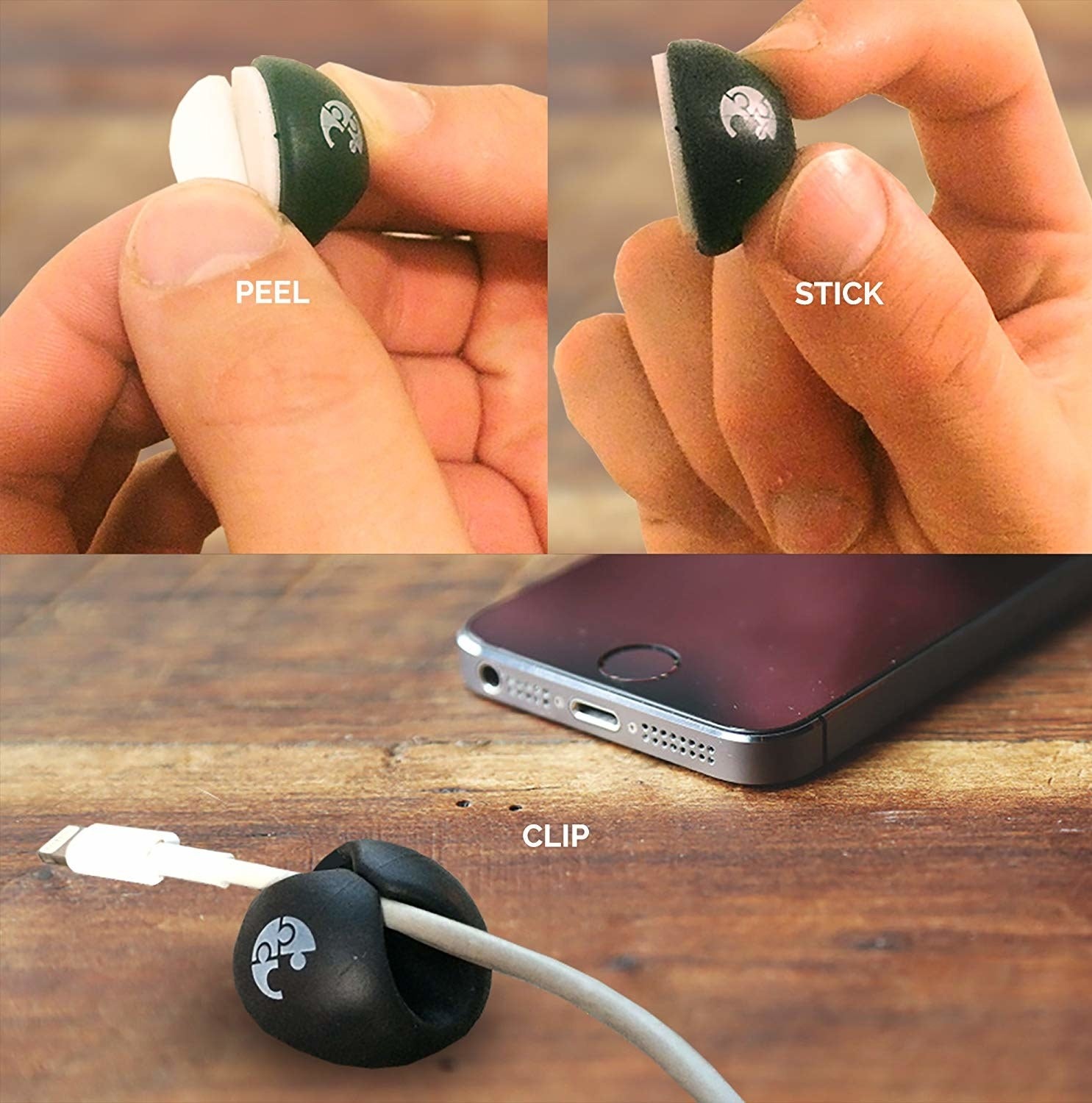
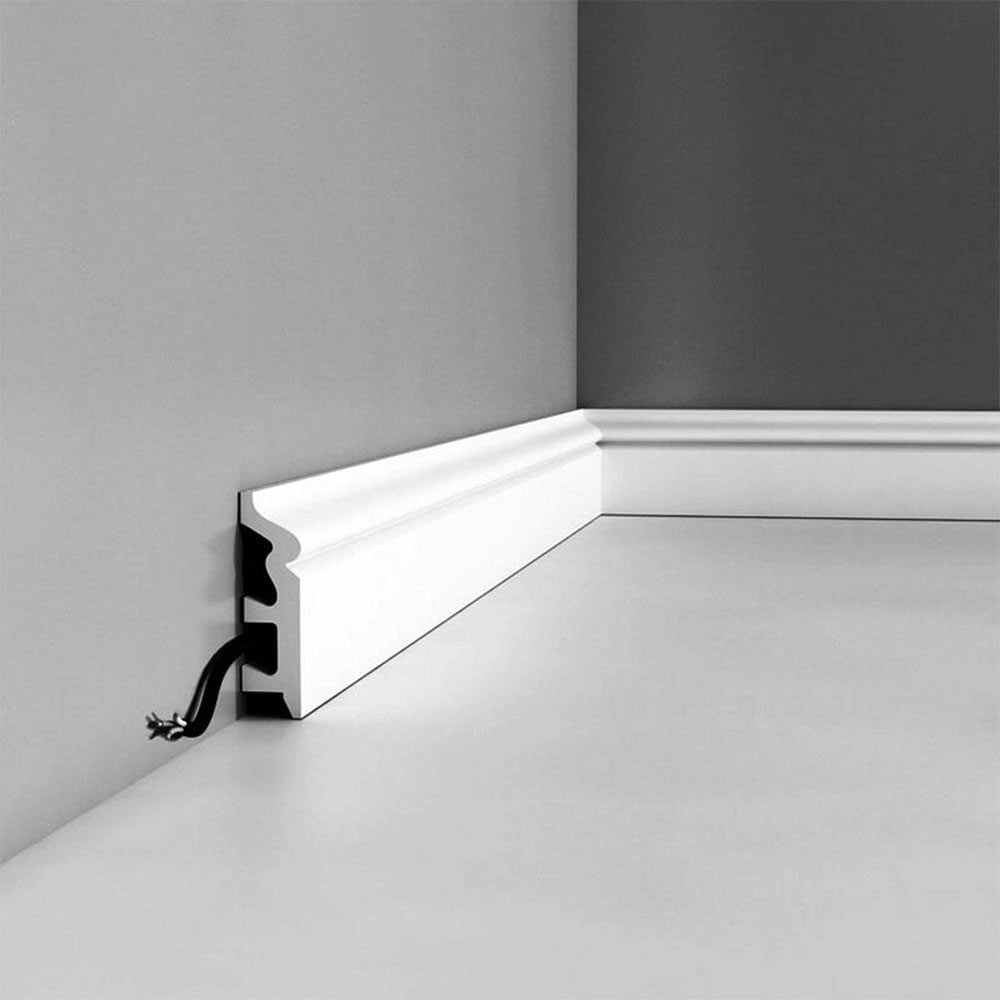
A budget-friendly and straightforward solution is to bundle the cords together. Using items such as clips, zip ties, adhesive hooks, or coiled sleeves, all wires can be neatly gathered into a single, slim bundle. This bundle can then be pinned along a baseboard or secured to the back of furniture, significantly reducing clutter. A crucial step in this process is to identify and label each cord, especially those belonging to service providers, to avoid confusion and simplify future adjustments.
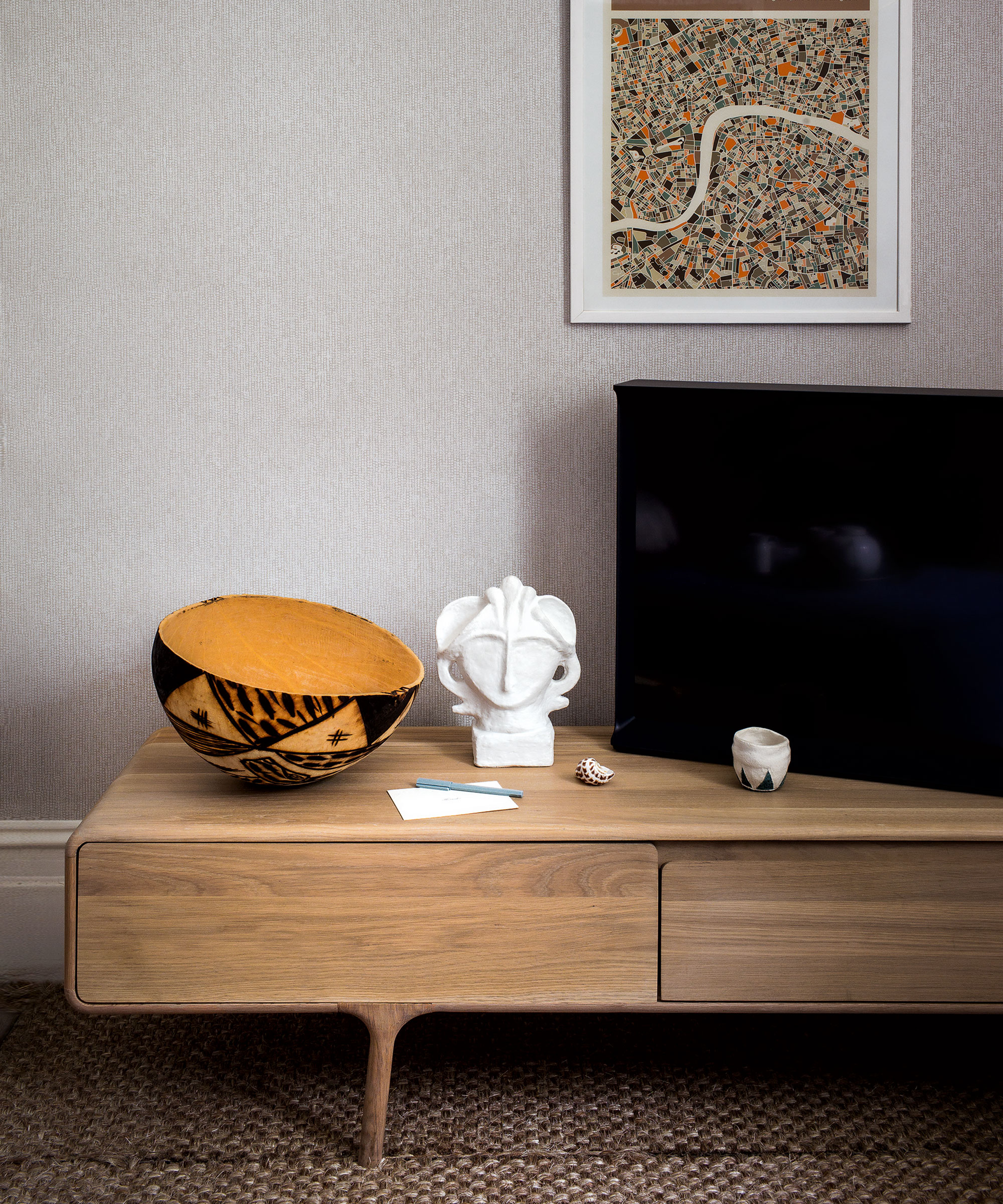
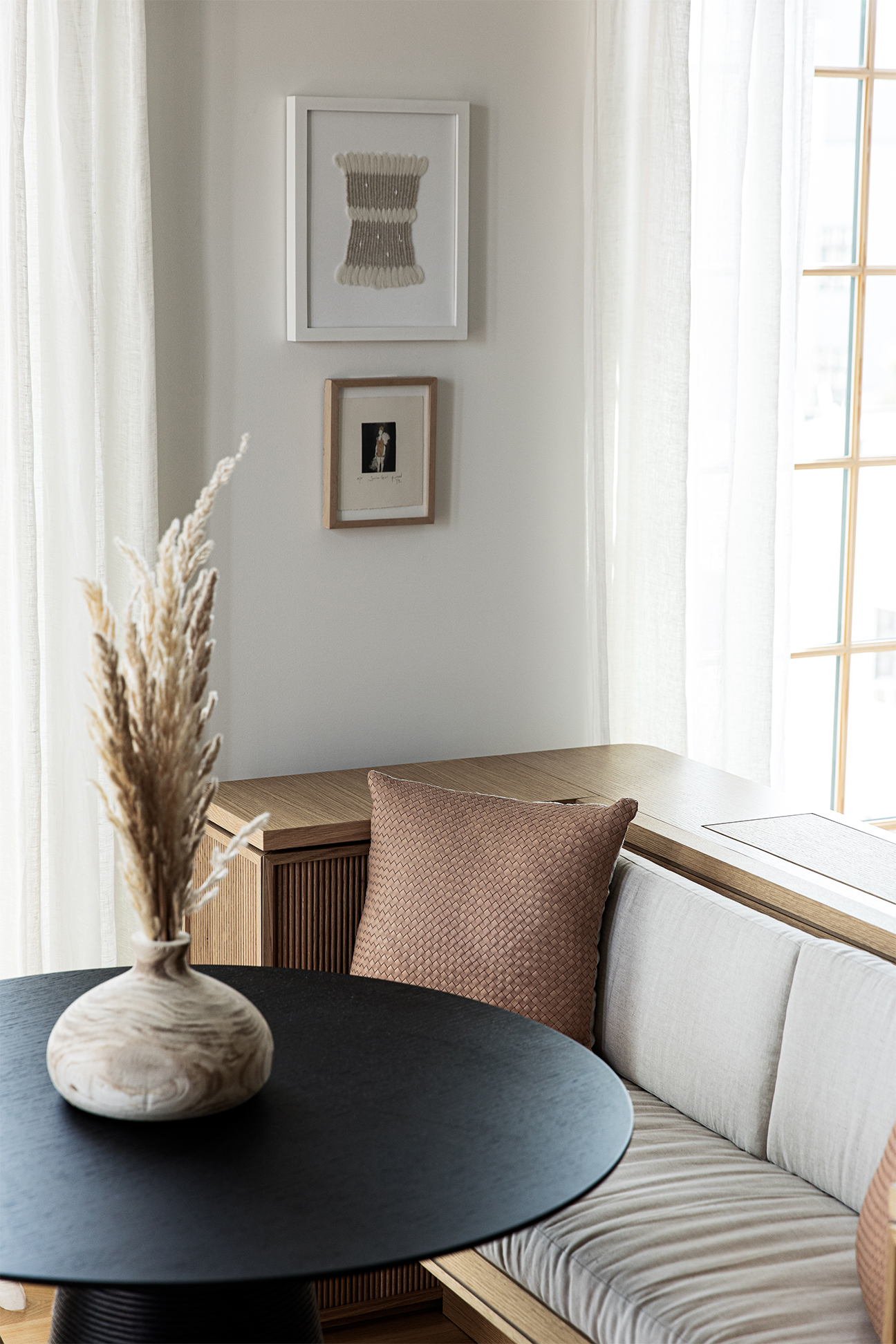
Positioning the TV on a console table, particularly a low-sitting credenza, provides another opportunity for concealment. Whether the TV is mounted lower on the wall or placed directly on the furniture, cords can be tucked behind the cabinet and secured with zip ties. Decorative elements like art or flowers placed on the table can further obscure any remaining visible wires.
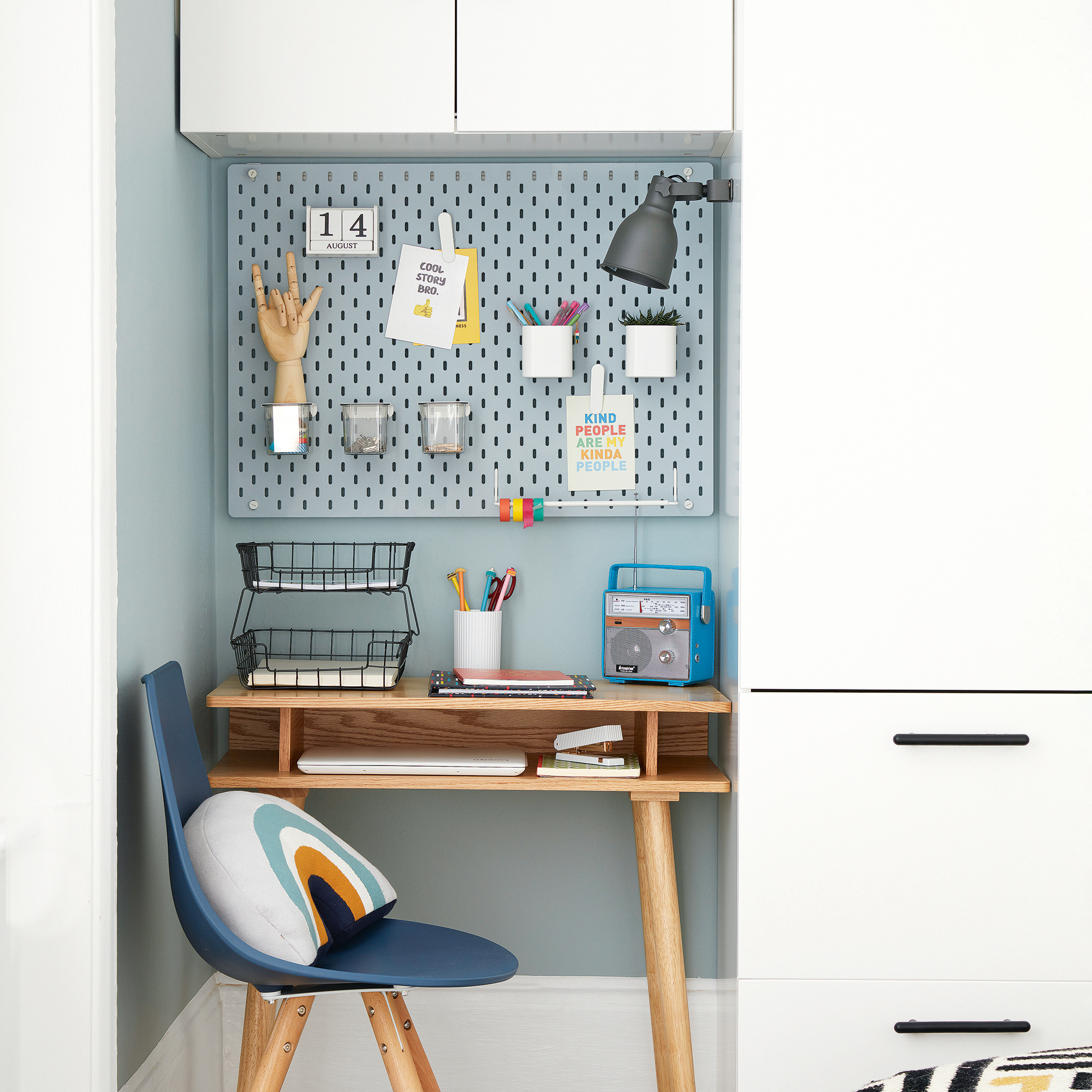
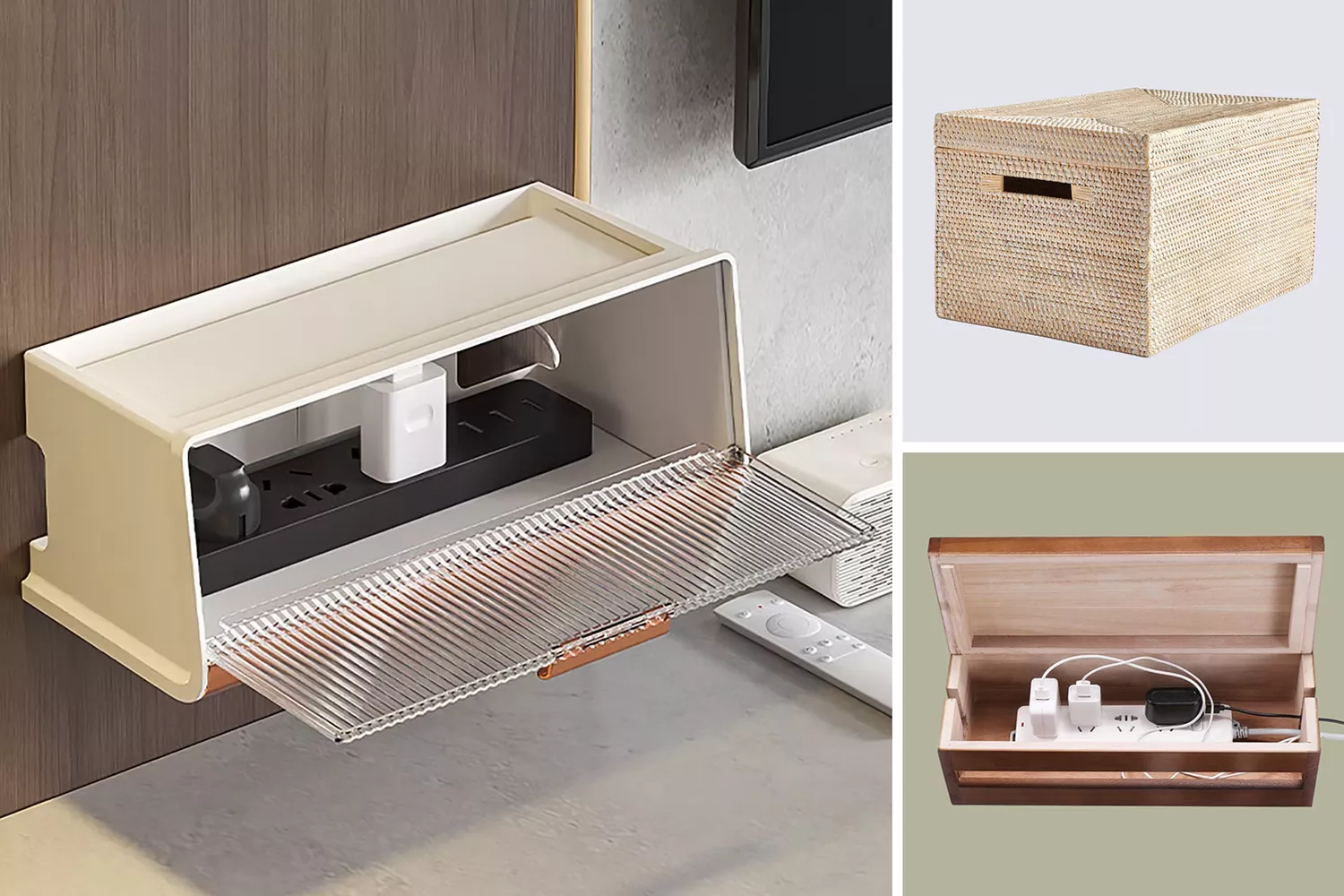
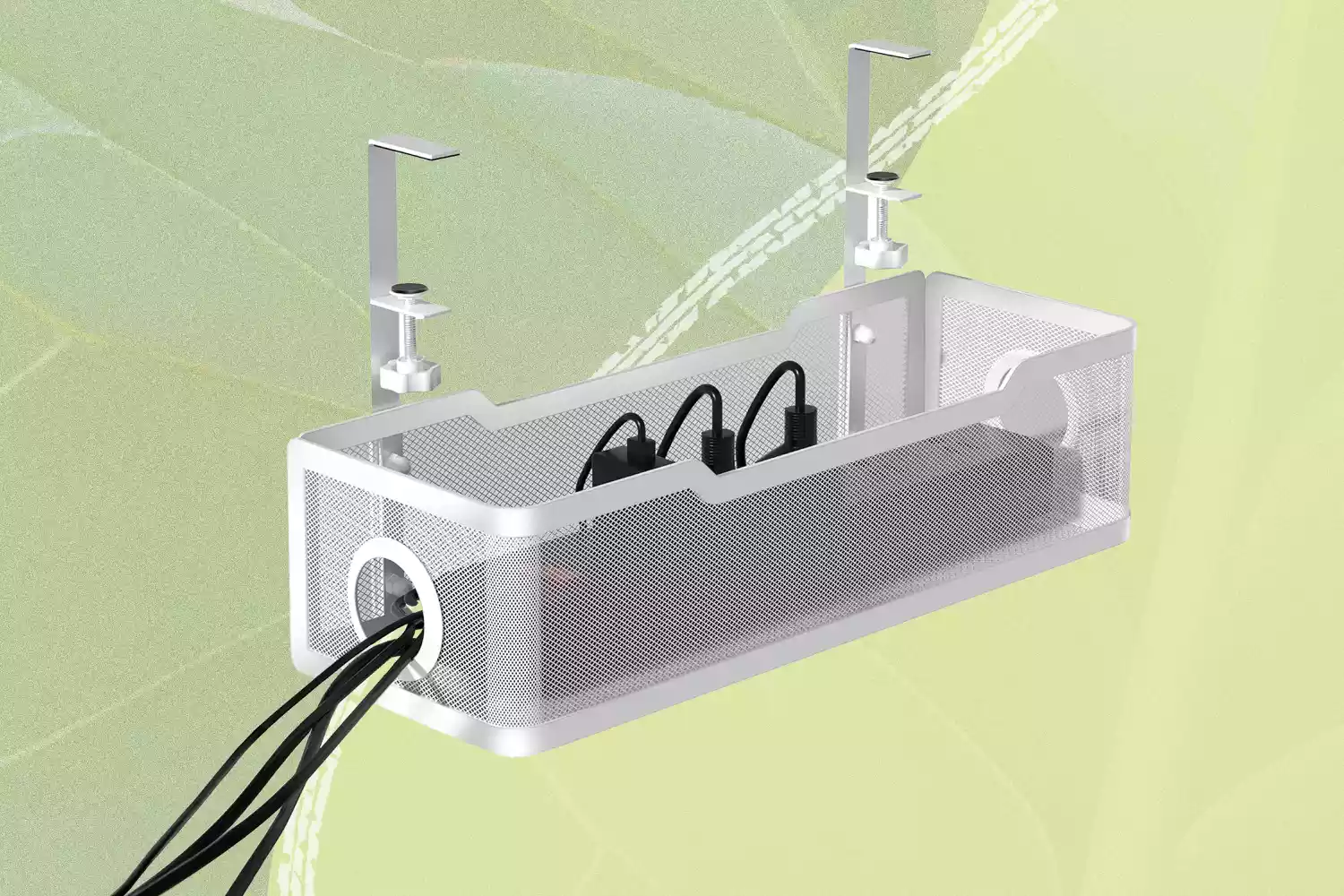
Cable storage boxes are a popular and versatile option. These discreet, often neutrally colored boxes are designed to house power strips and excess wiring. Available in various sizes, they can be chosen to complement the living room decor and positioned strategically near outlets and cable jacks to keep the area tidy.
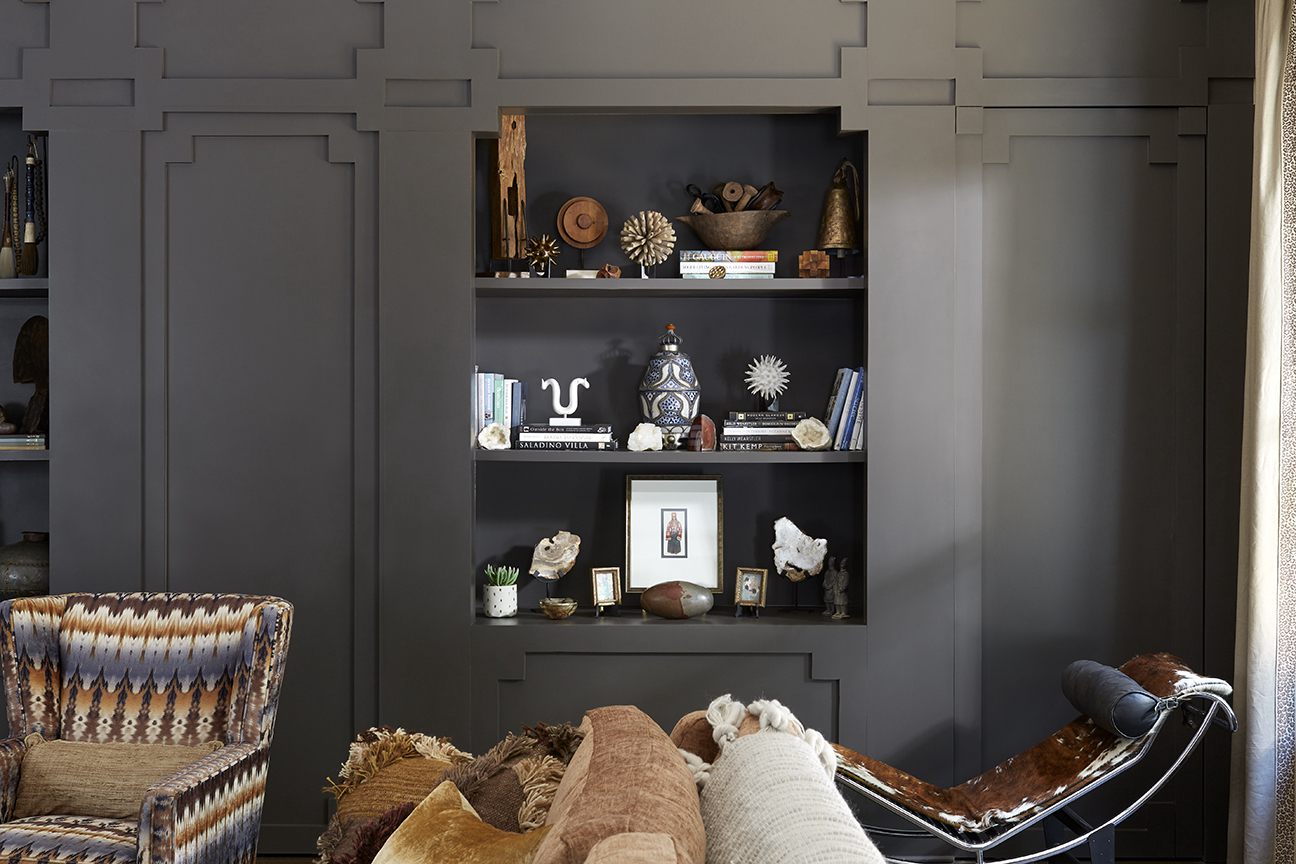
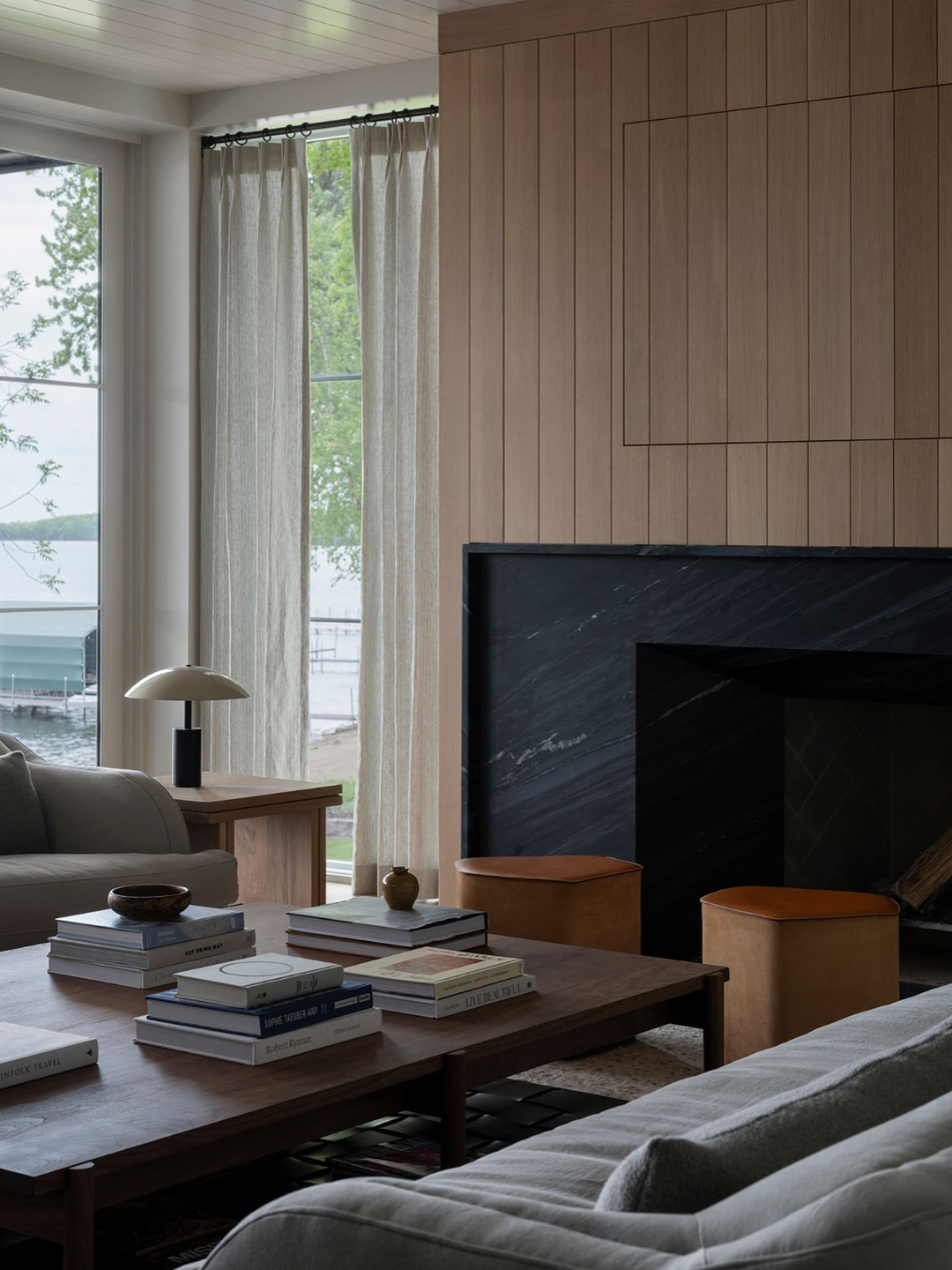
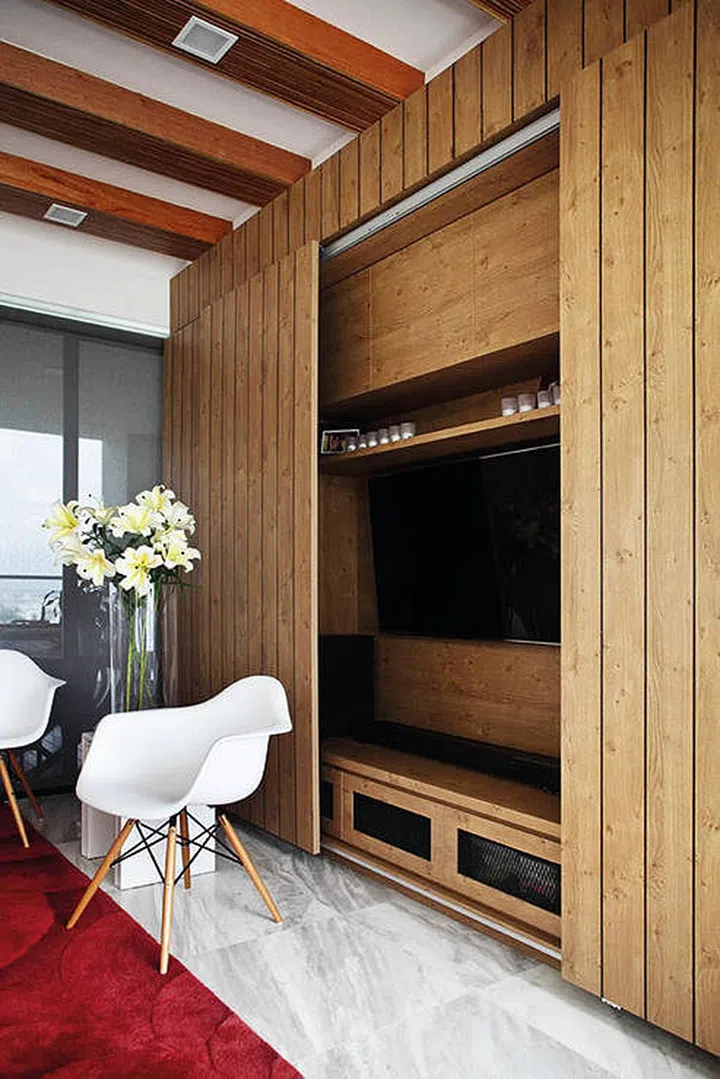
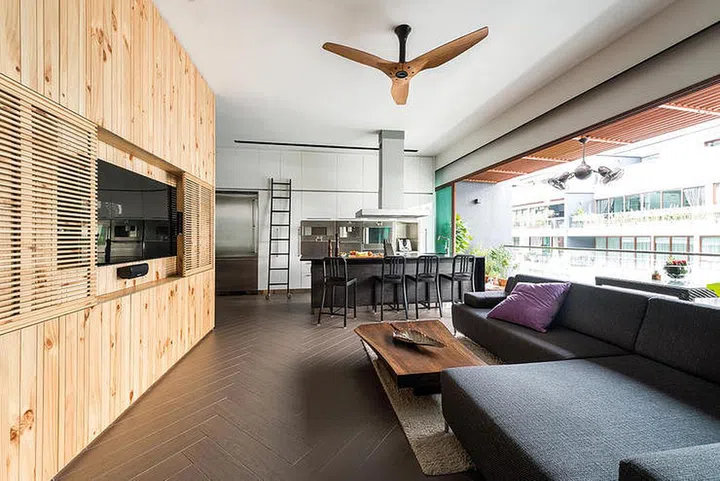
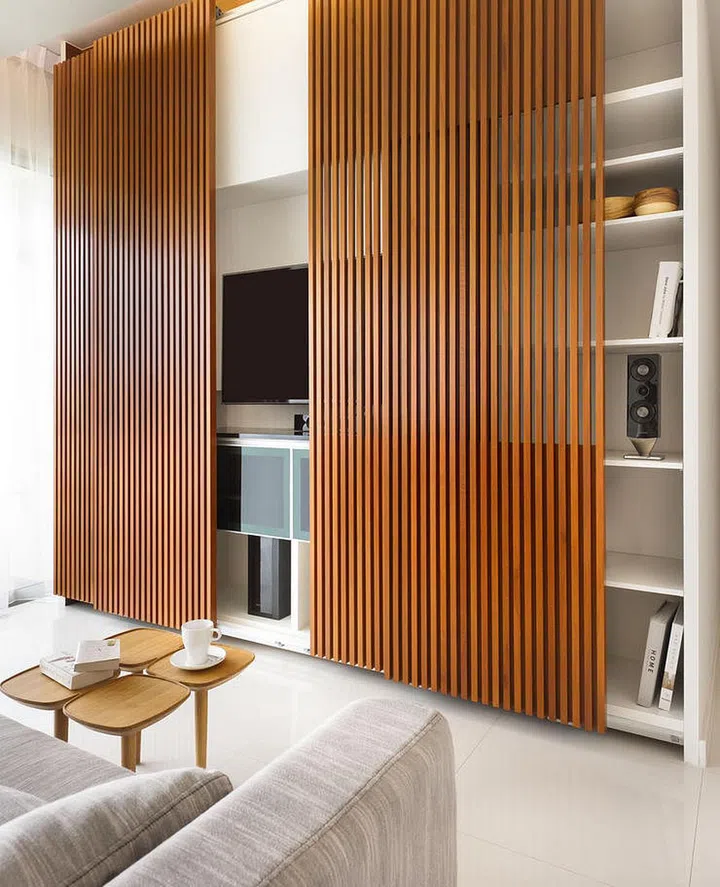
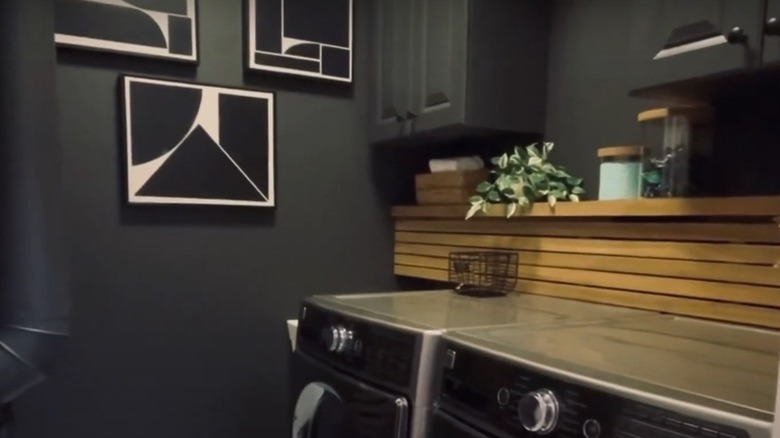
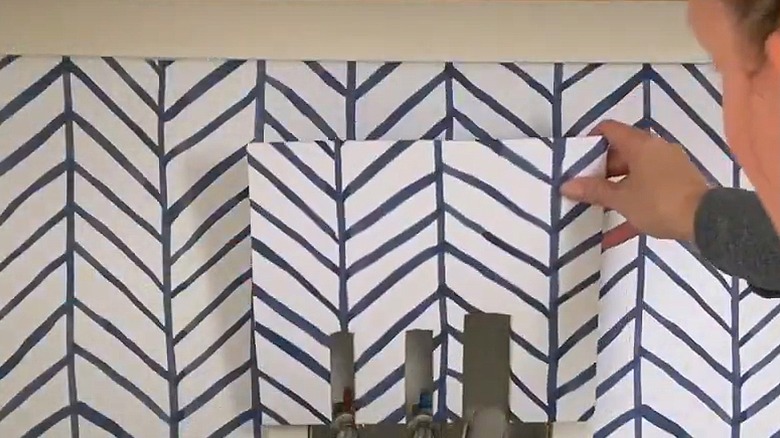
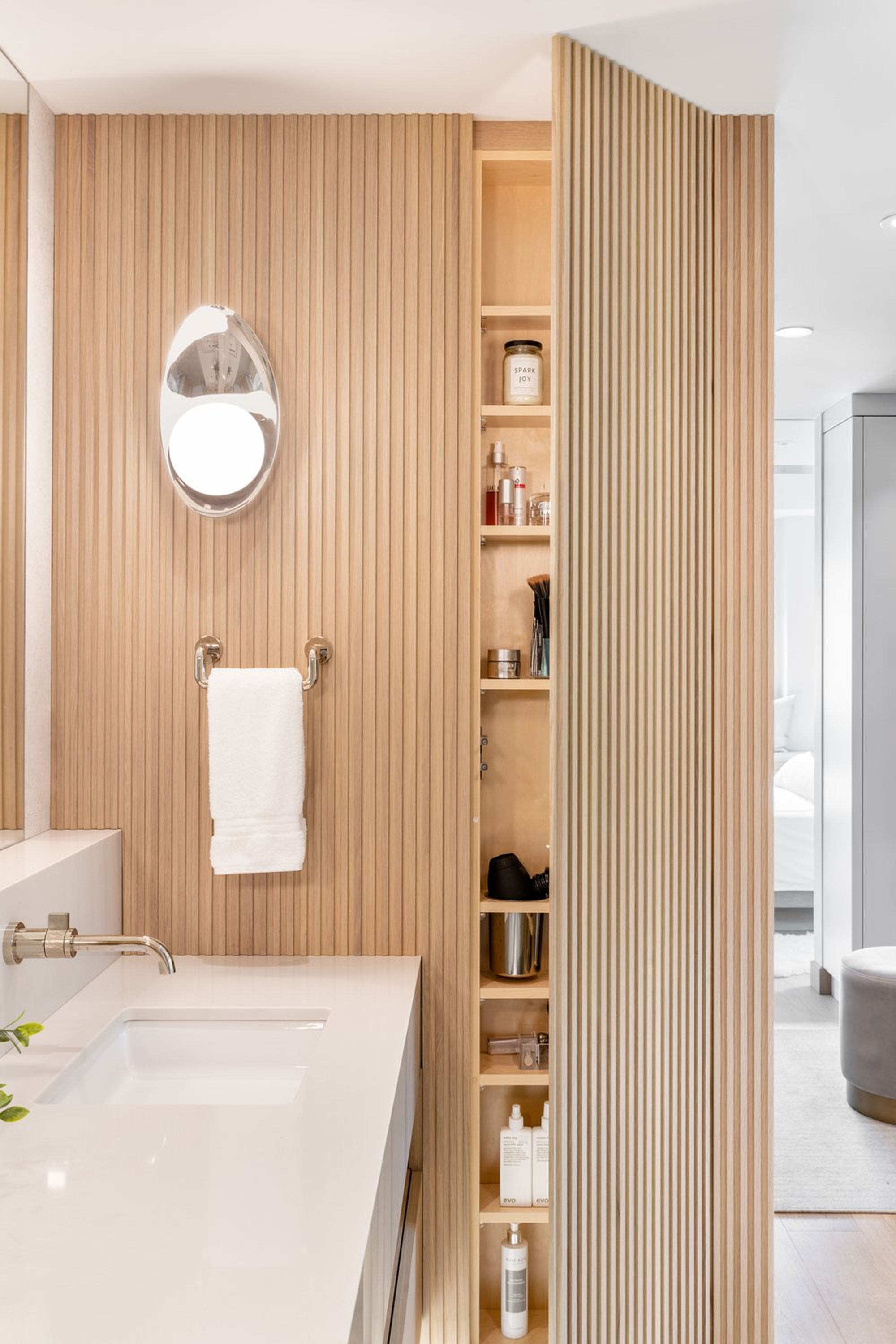
Finally, decorative wall treatments such as wainscoting, slatted wood paneling, or shiplap can serve a dual purpose: enhancing the room's aesthetic and cleverly hiding TV cables. For slatted wood or shiplap, cords can be guided along the seams using Velcro strips or small adhesive hooks. When installing wainscoting, leaving an inch of space from the wall creates a channel for wires, which can be further organized using a conduit or integrated into a cable raceway system for a seamless finish.
#TVCordManagement #HomeOrganization #InteriorDesign #CableConcealment #DeclutteringTips #DIYHomeDecor #LivingRoomDecor #HomeImprovement #TVCordManagement #HomeOrganization #InteriorDesign #CableConcealment #DeclutteringTips #DIYHomeDecor #LivingRoomDecor #HomeImprovement
0 opmerkingen in totaal
 Nog geen opmerkingen
Dit vindt u mogelijk ook leuk

Creative ways to hide TV cords on walls

How to organize cables behind the TV –clever ways to keep them neat and discreet


How to Hide Outdoor Lighting Wires and Cables — 7 Tips for a Patio Free From Circuitry Eyesores
9 Hidden Storage Ideas That Conceal Clutter in Plain Sight

8 Creative Ways for Hiding Cords in Your Home


8 stylish ways to hide your TV around your home
How to organise and hide charging cords

Step-by-step: The ultimate DIY guide for hiding your TV

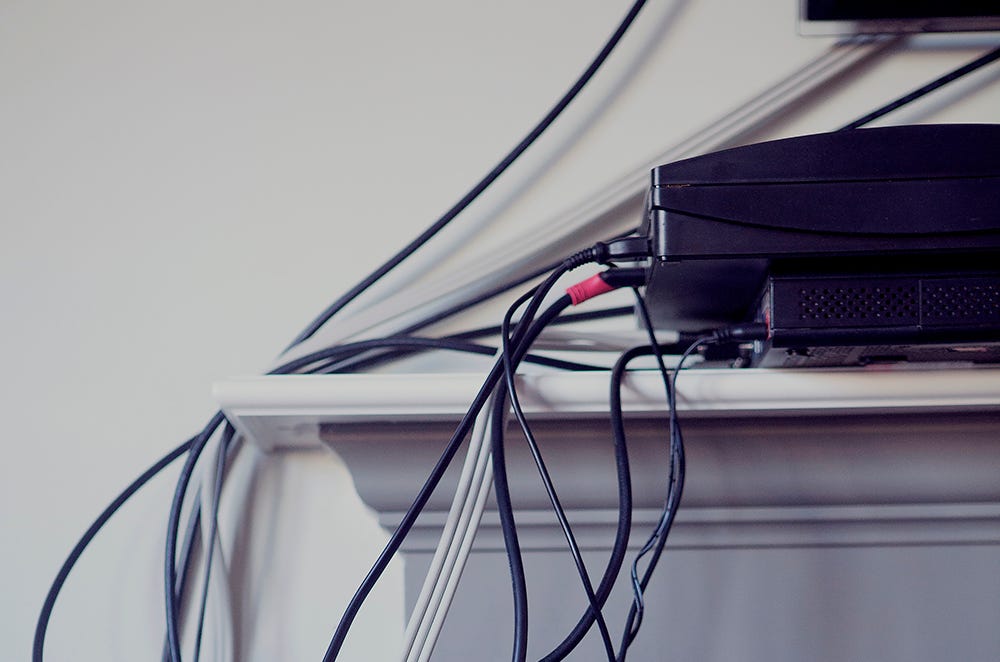
Here's How to Hide Your Ugly TV Cables and Wires

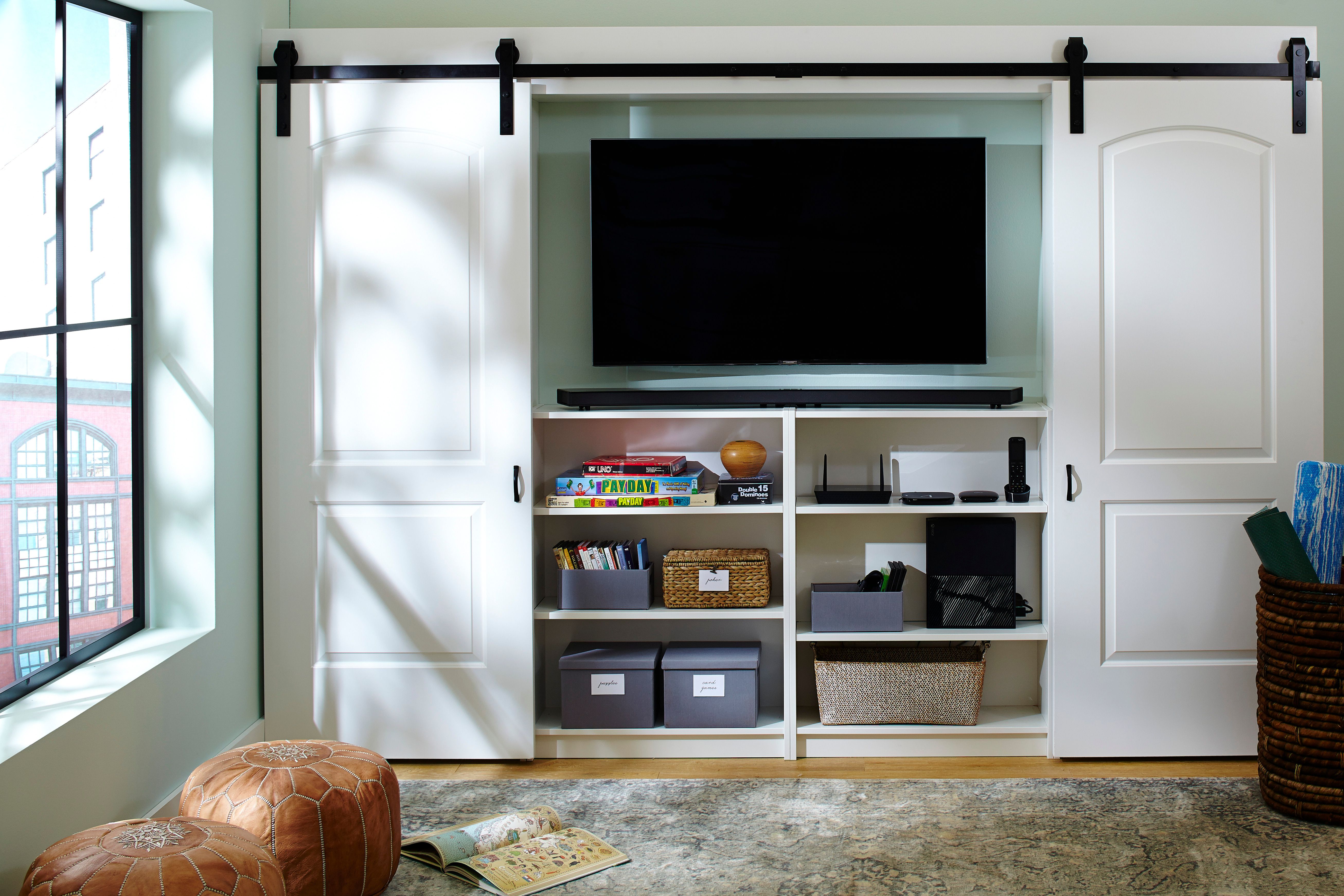
10 Clever Ways to Hide a TV in Plain Sight
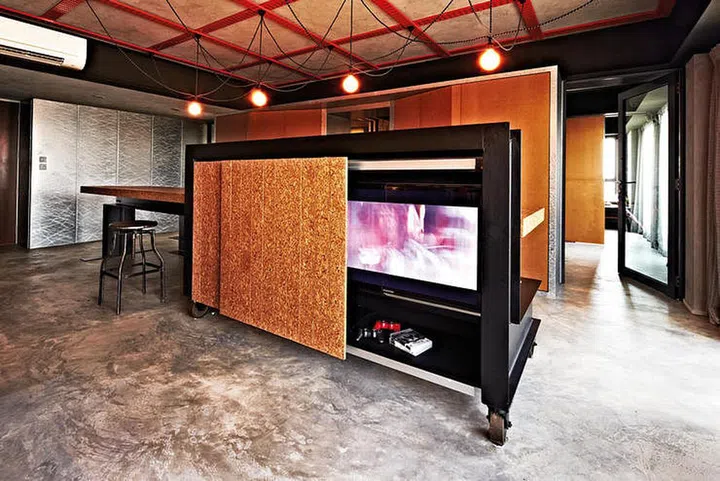
Living room design ideas: 6 ways to conceal your TV
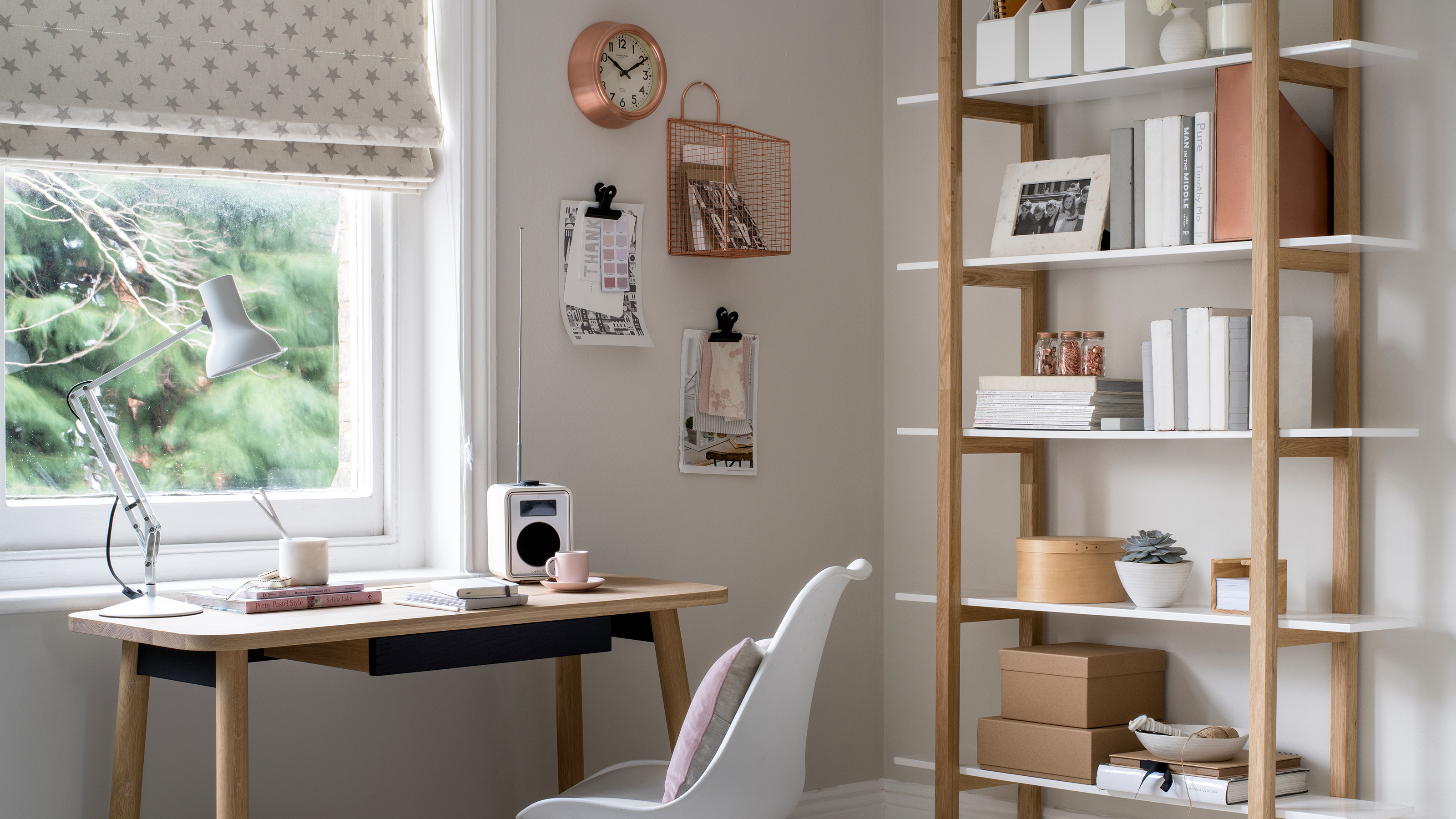
How to hide wires – 16 ways to organise wires in your home office and declutter your workspace
15 Solutions for Hiding Unsightly TV Cords, Wires, and Other Electronics
19 Products That’ll Help You Hide Pesky Cords

This Is the Ultimate Way to Hide Your TV


10 Genius Hidden Storage Ideas That'll Help Conceal Clutter and Keep Your Home's Eyesores Out of Sight
How to hide TV wires – 5 ways to eliminate messy cords from your living room for a clean and seamless look

24 Ways to Hide Your TV in Plain Sight

12 Best Ways To Hide Your Washing Machine Hookups

These 7 Cable Organizers Will Let Your Game Room Go From Chaos to Control