10 Ways to Decorate Your Home Like an Interior Designer
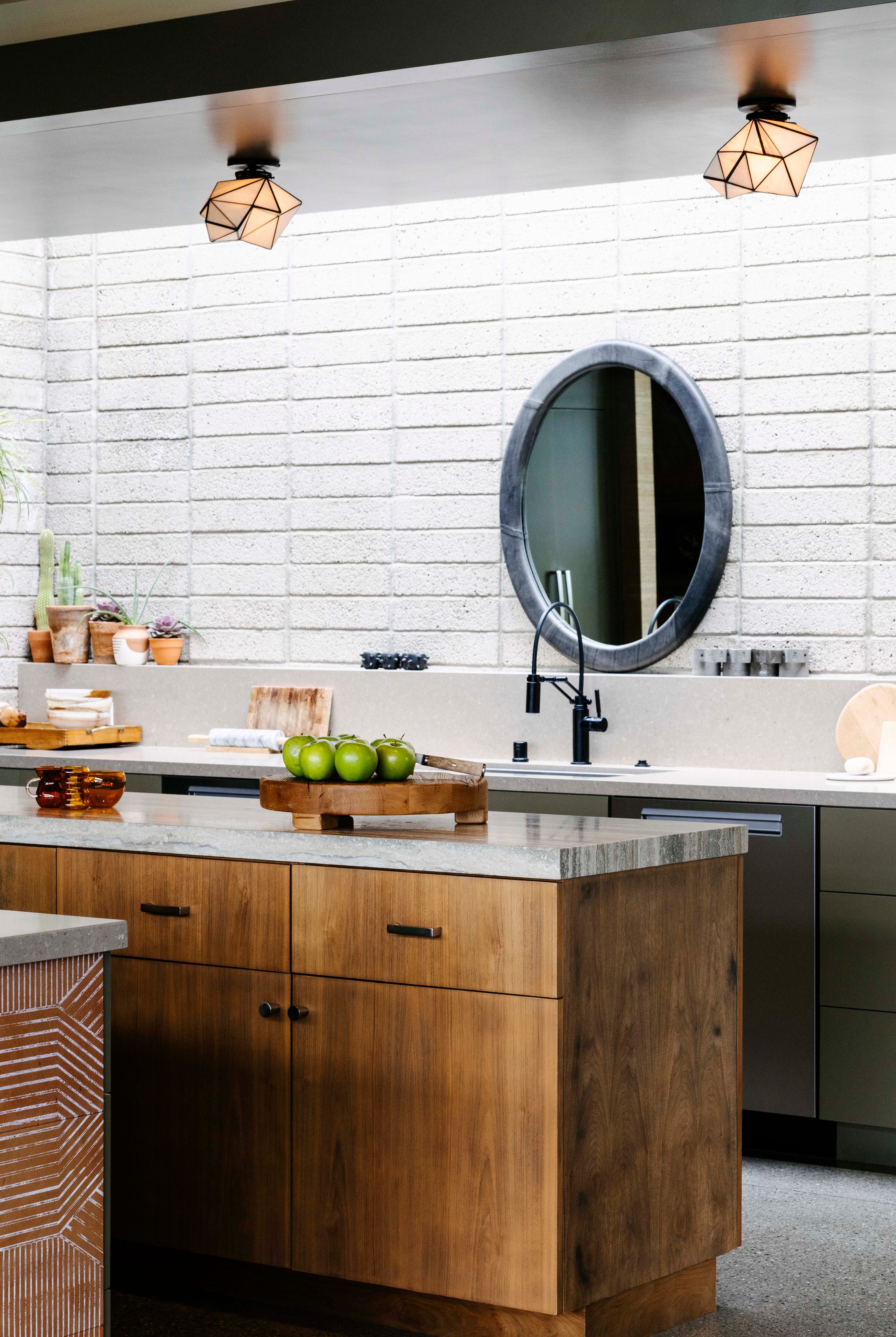
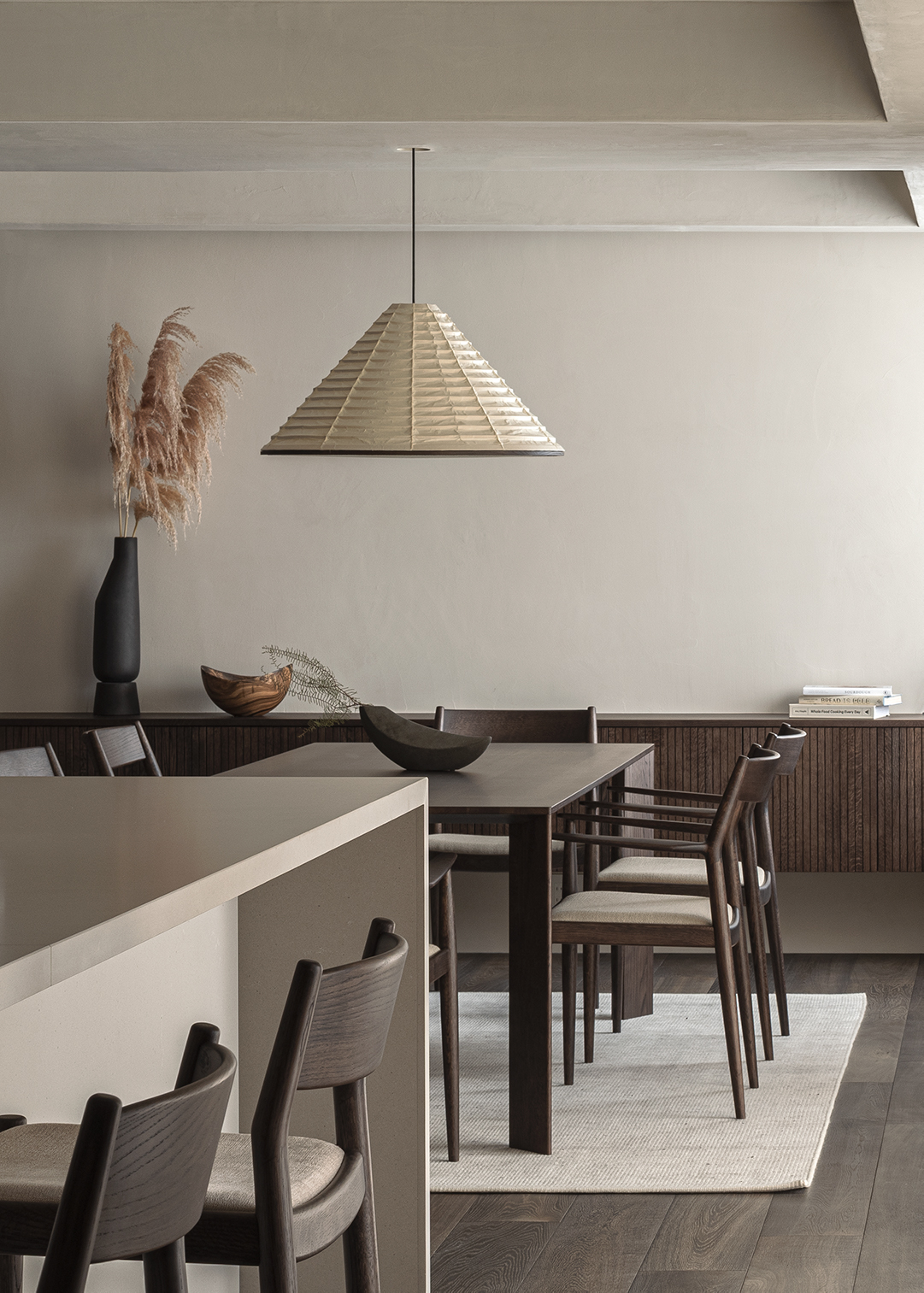
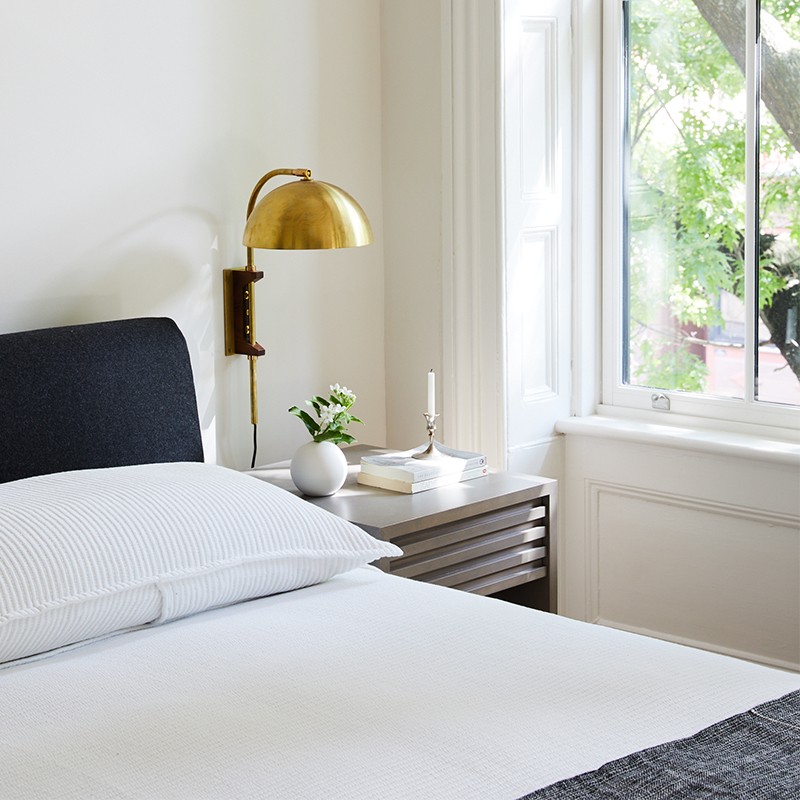
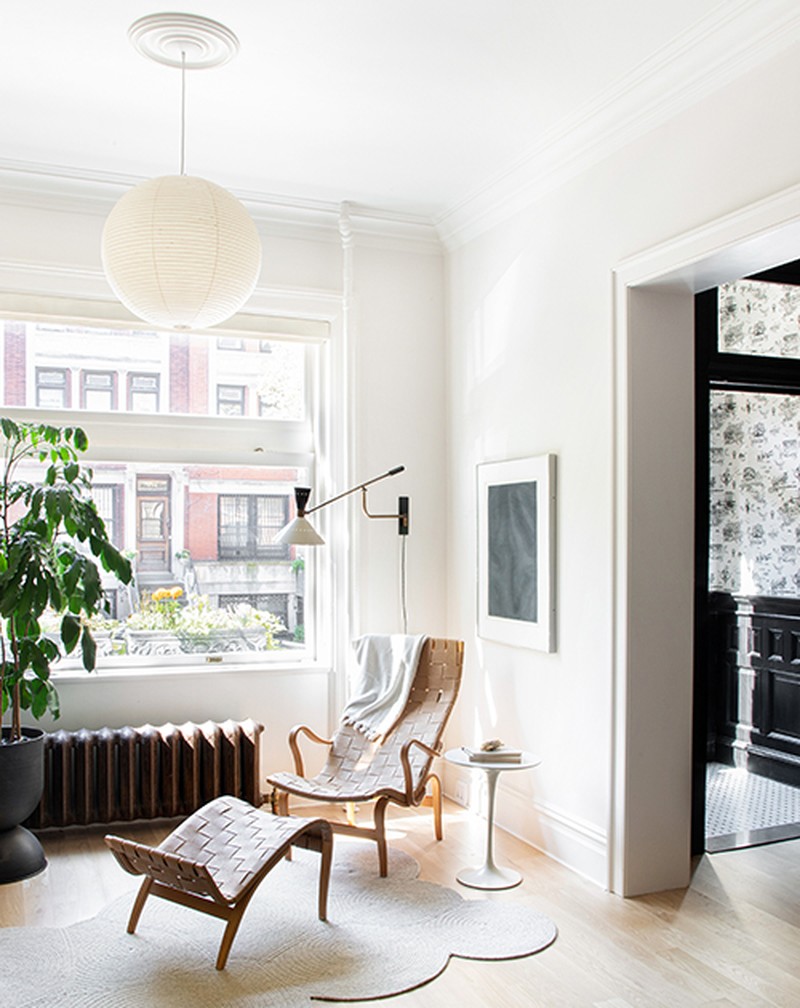
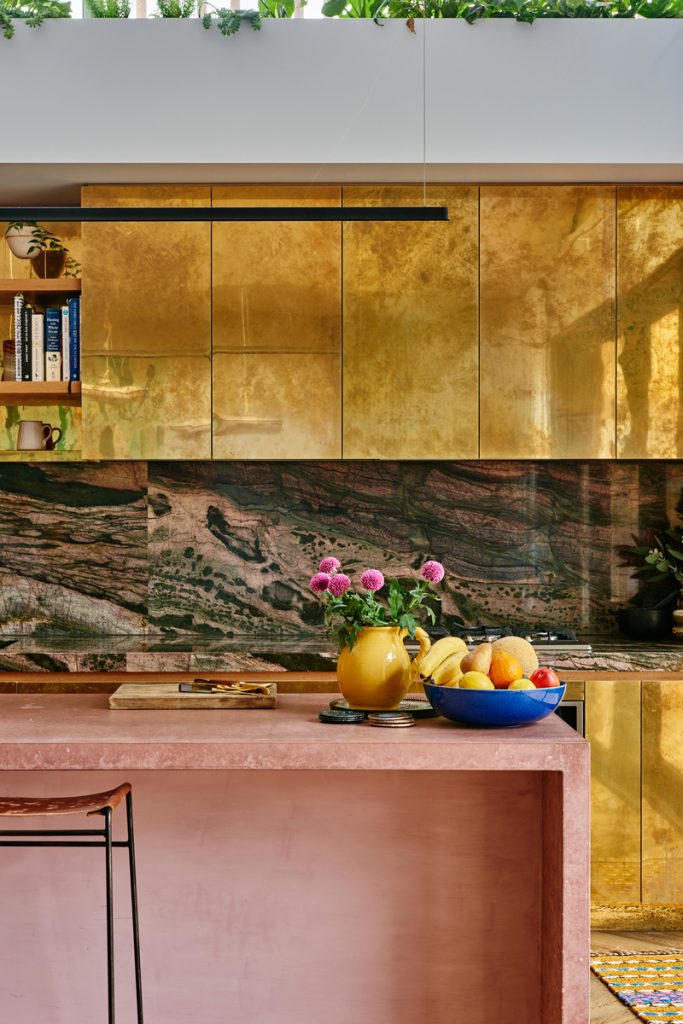
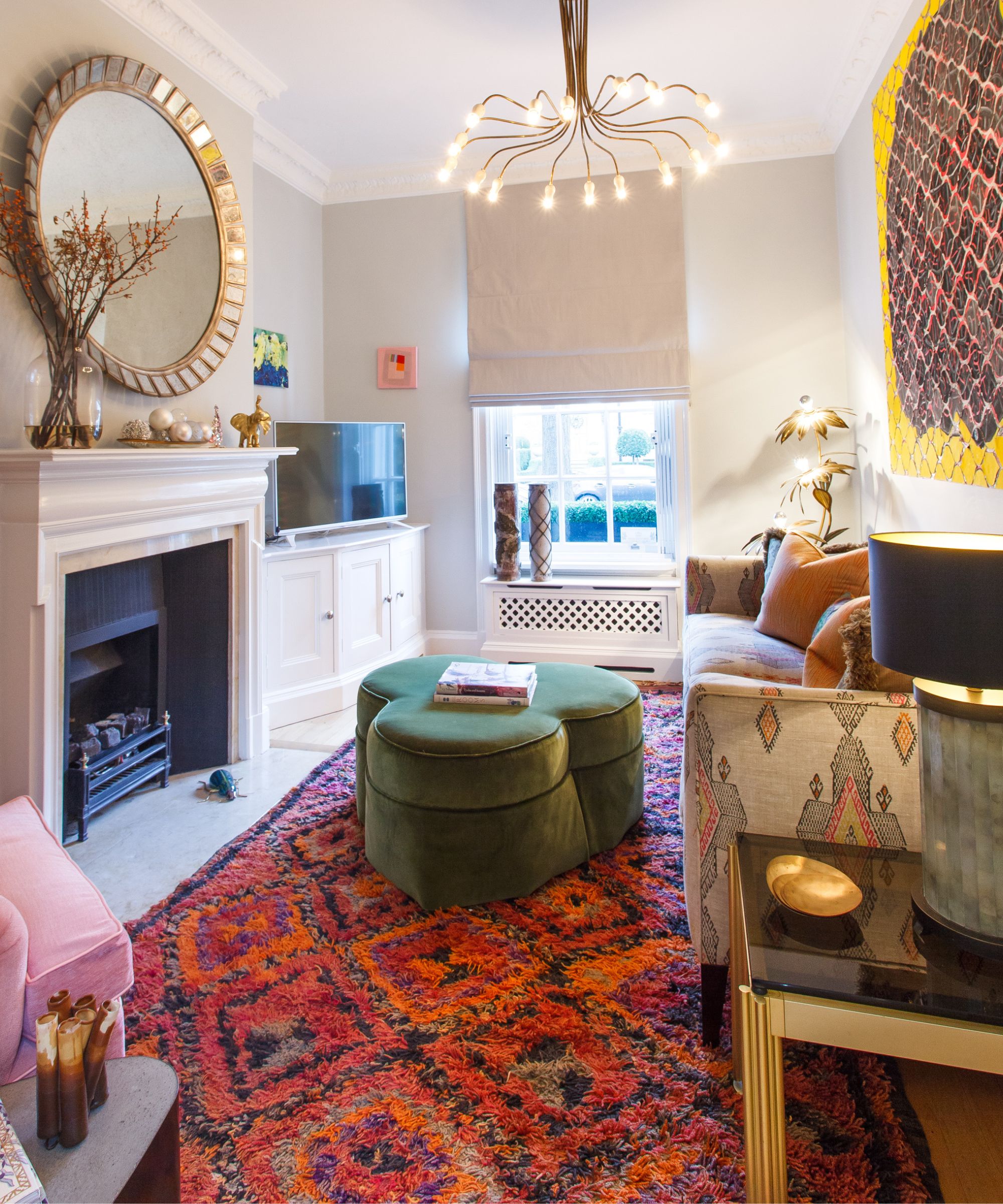
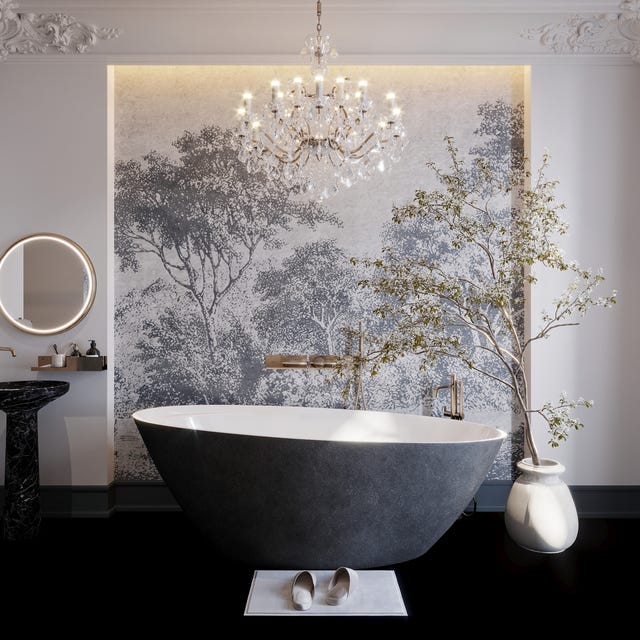
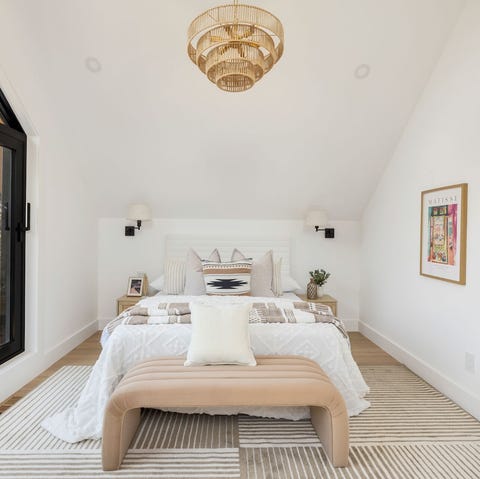
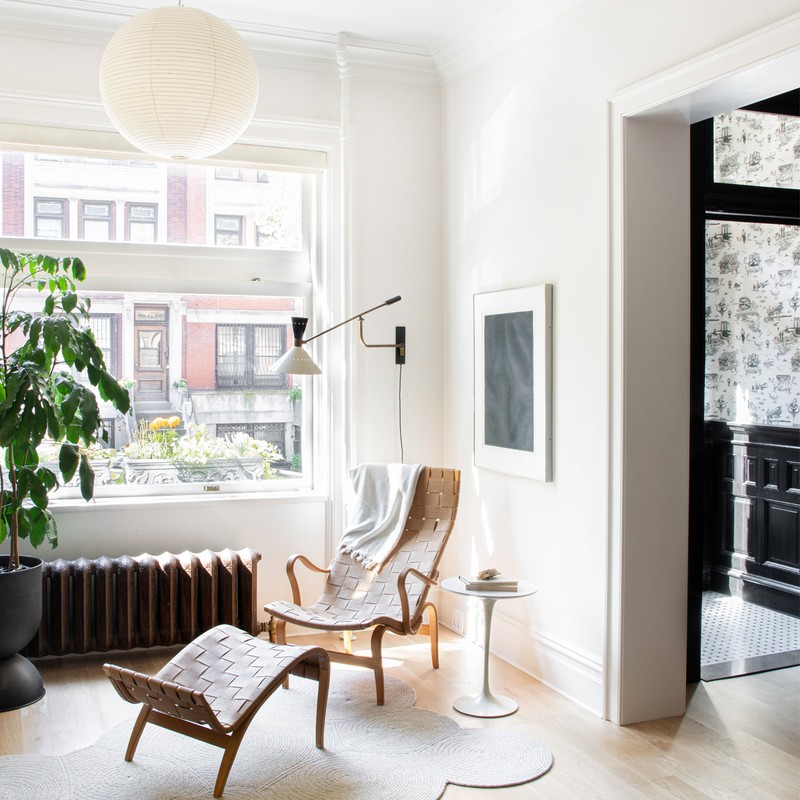
The article shares ten key strategies that interior designers use to curate stylish and intentional living spaces, making their homes feel unique and cohesive. These strategies are actionable tips for anyone looking to elevate their home decor. One fundamental approach highlighted is the incorporation of statement lighting. Designers often replace standard fixtures with bold pendant lamps, vintage chandeliers, or artistic wall sconces to add purpose, opulence, and architectural interest. Layering different types of lighting—task, ambient, and decorative—is also crucial to create warmth and depth, avoiding sole reliance on recessed lighting.
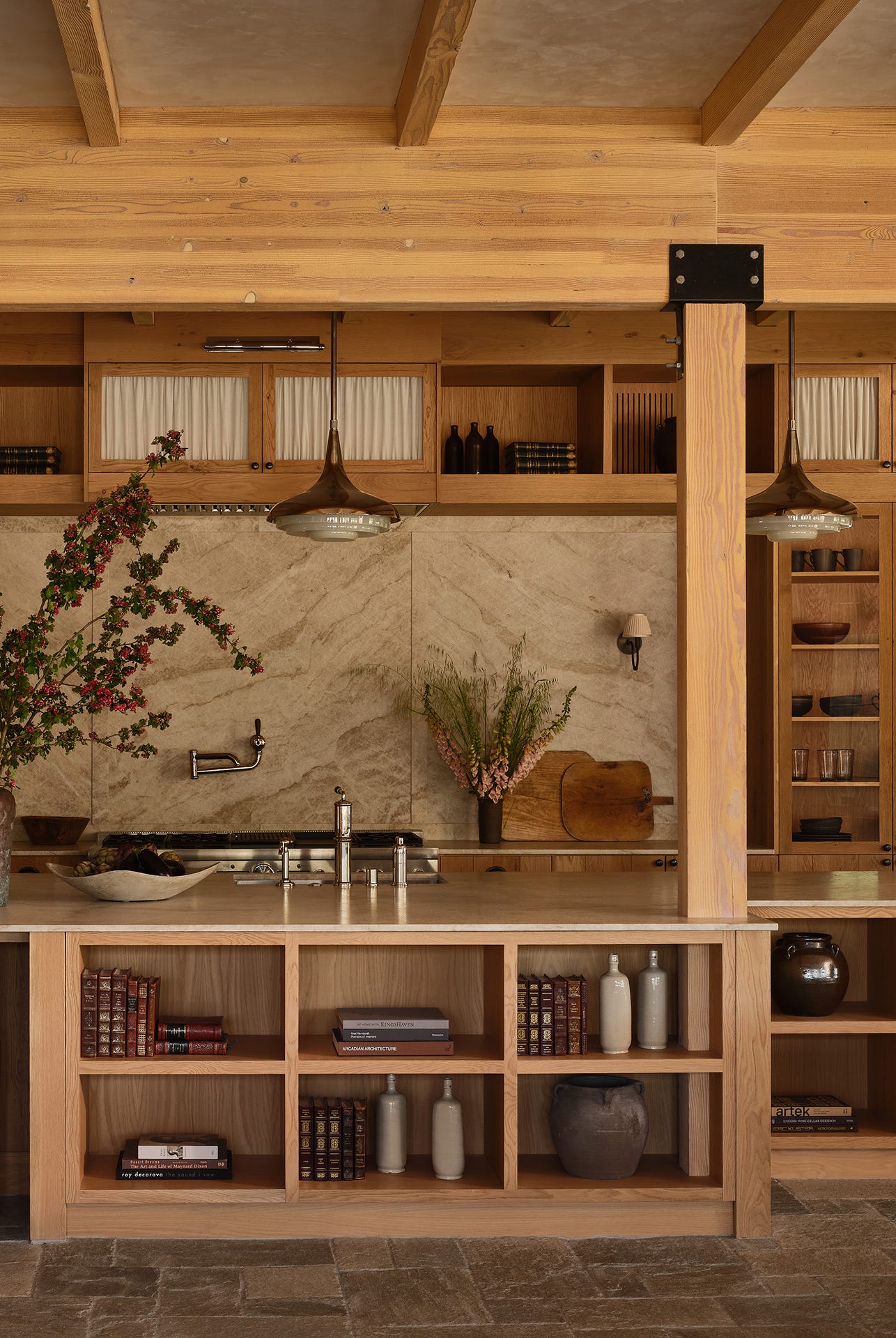
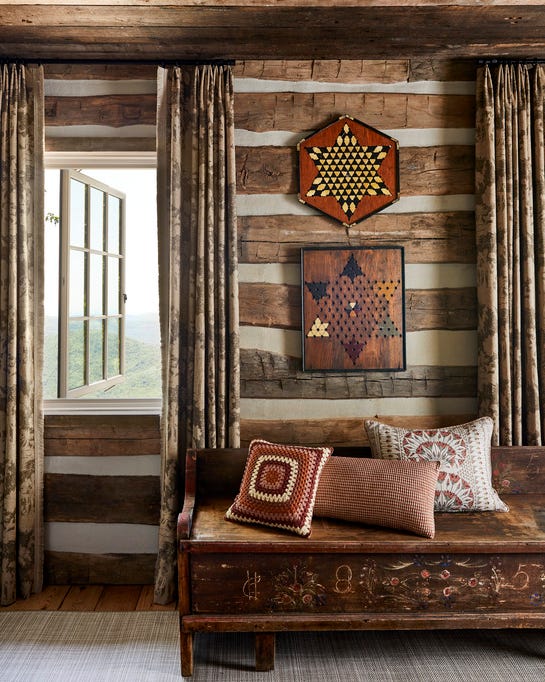
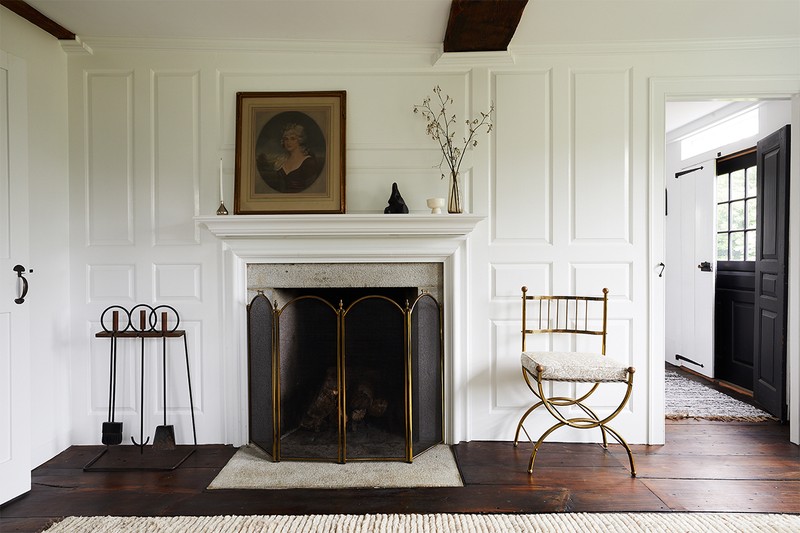
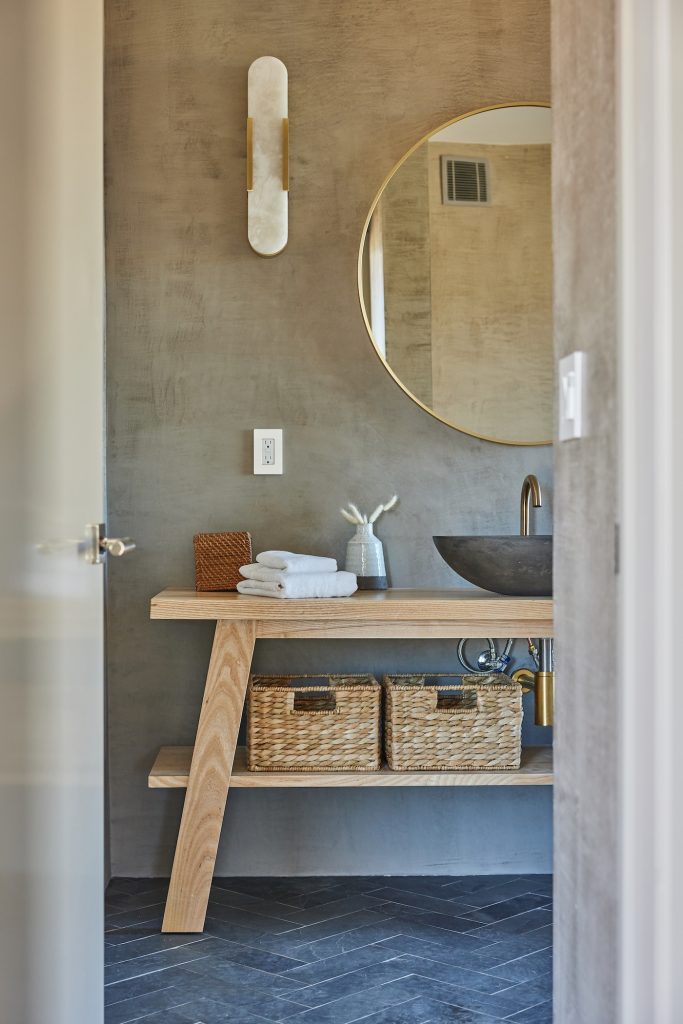
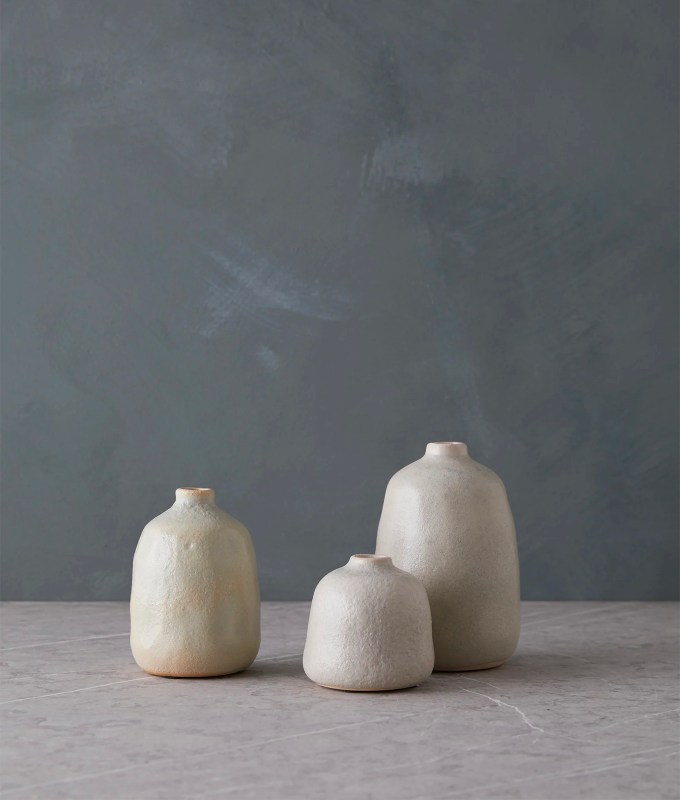
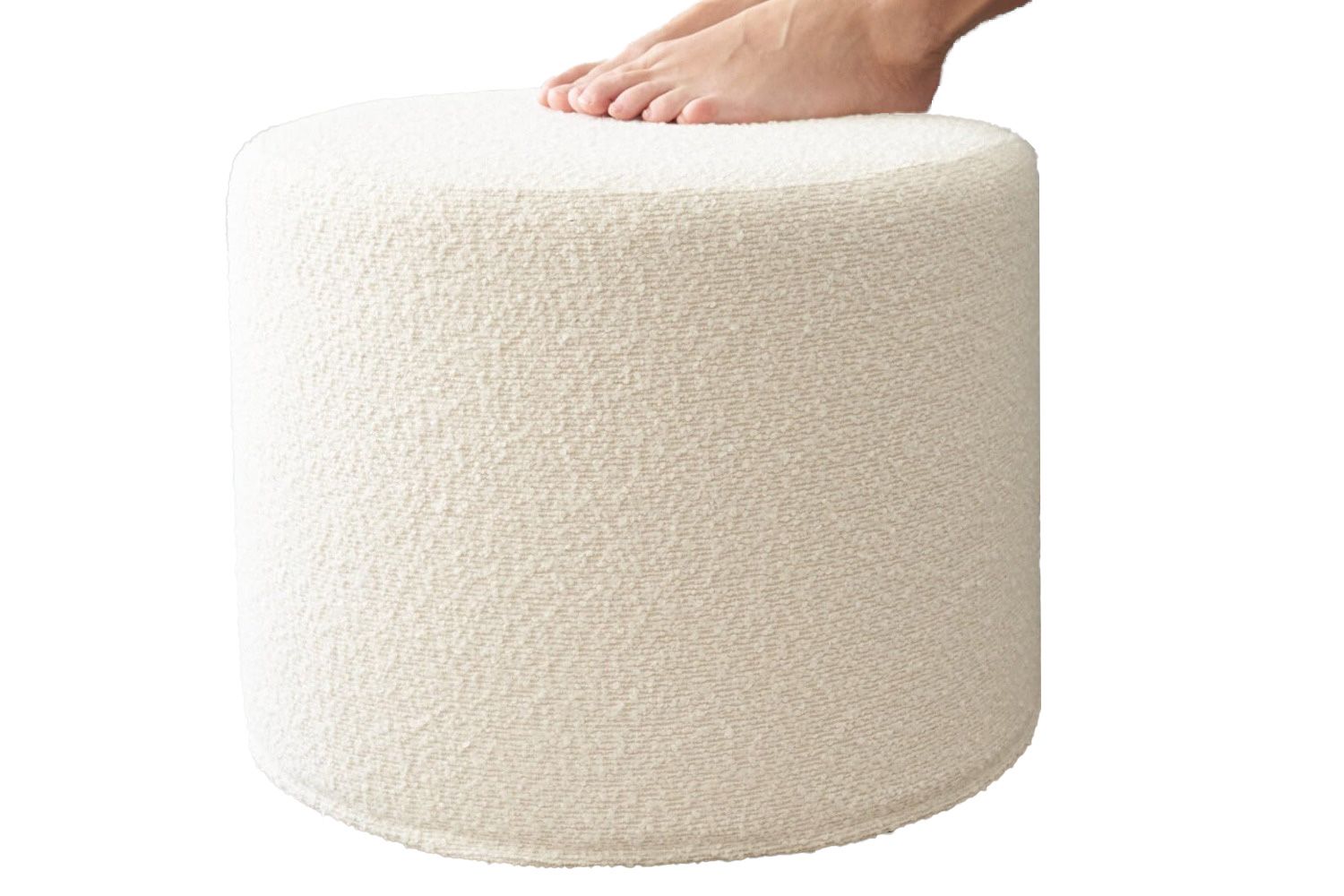
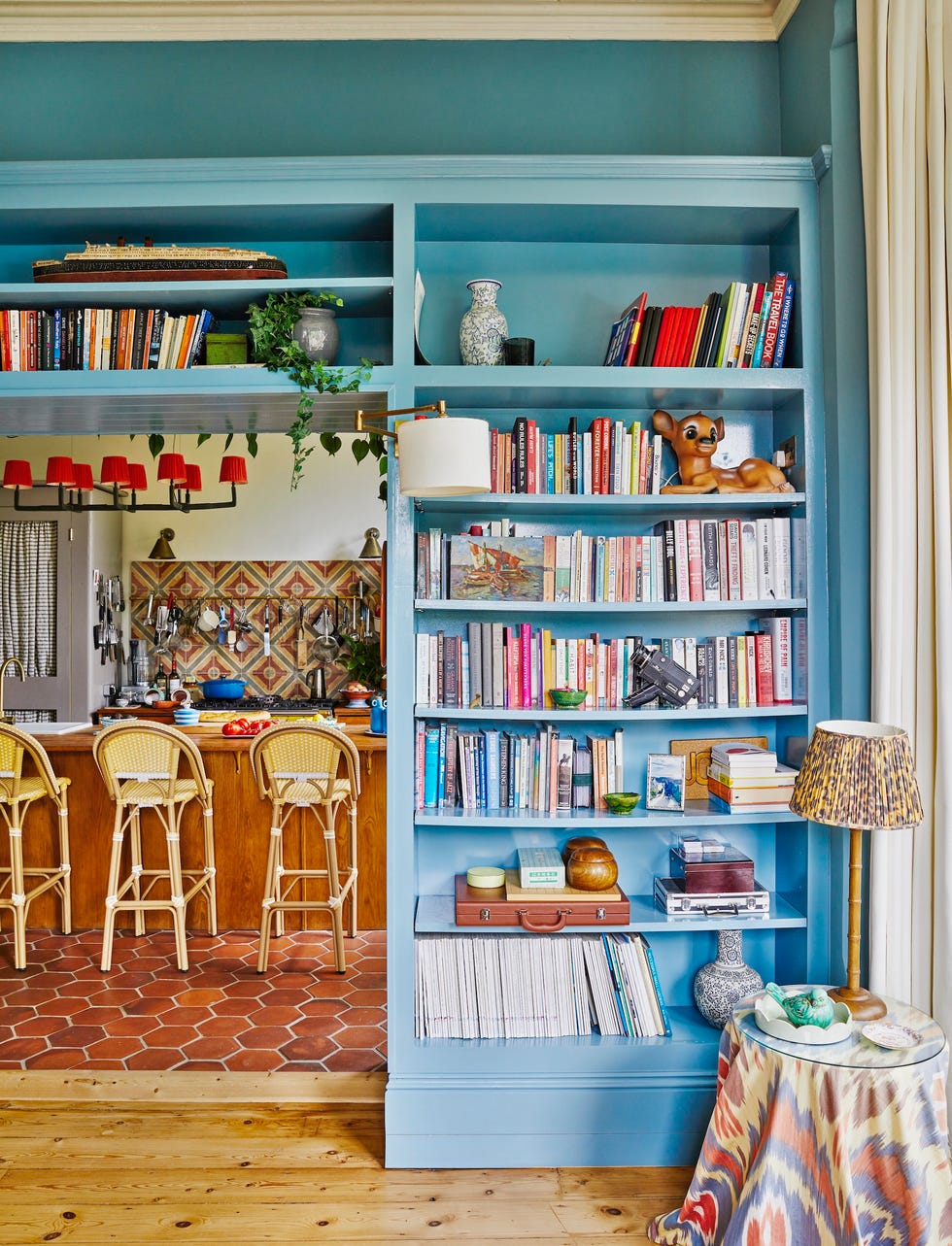
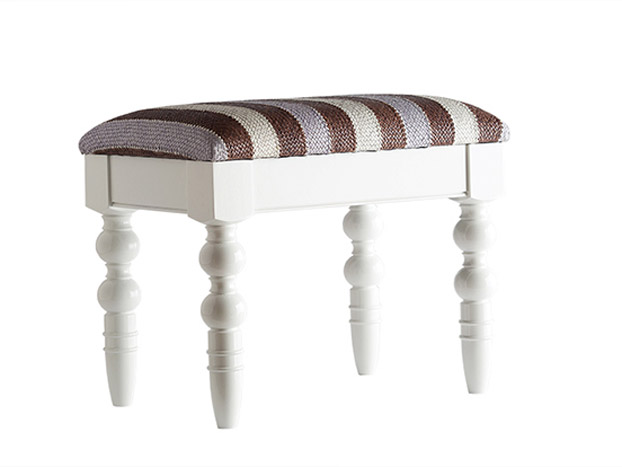
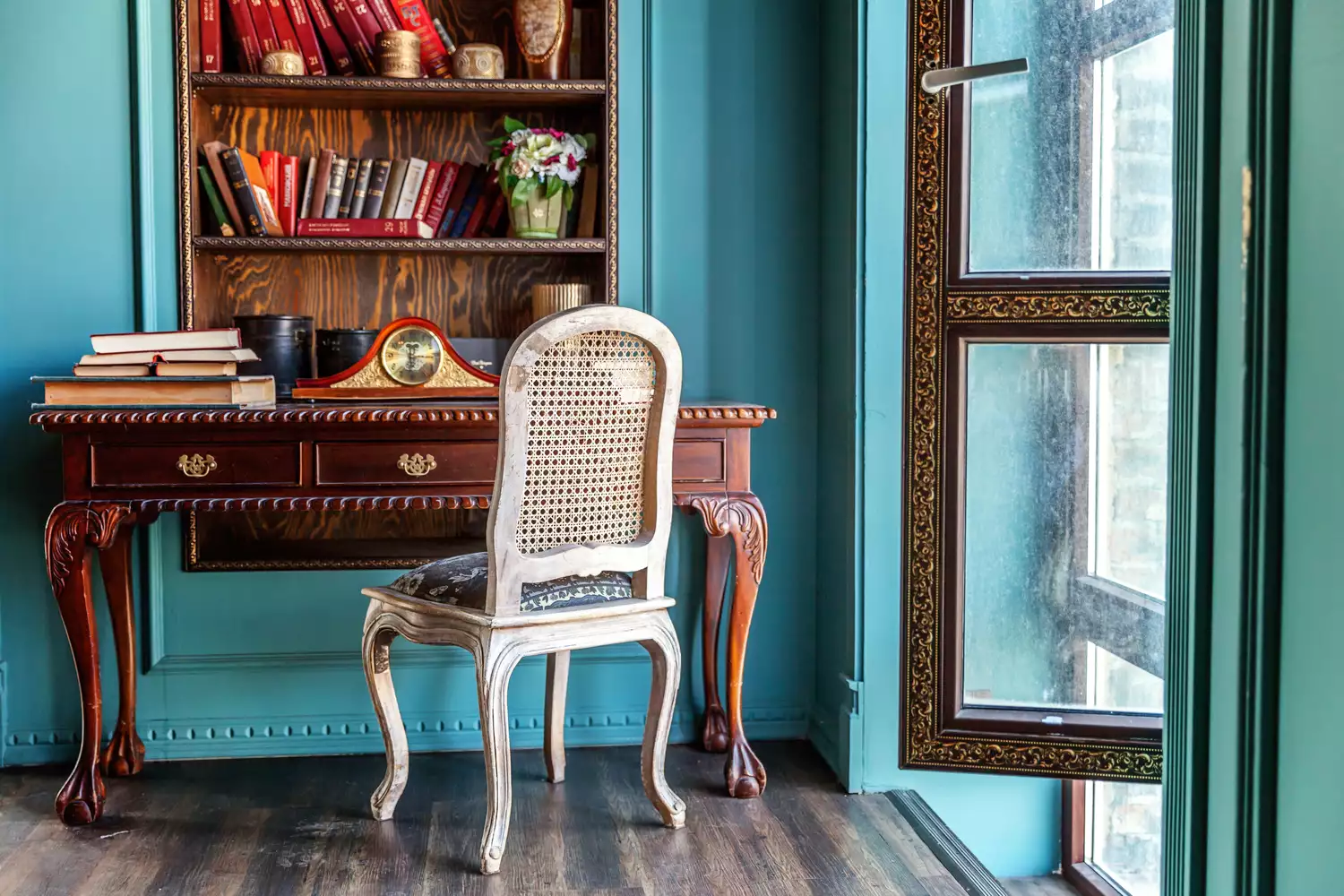
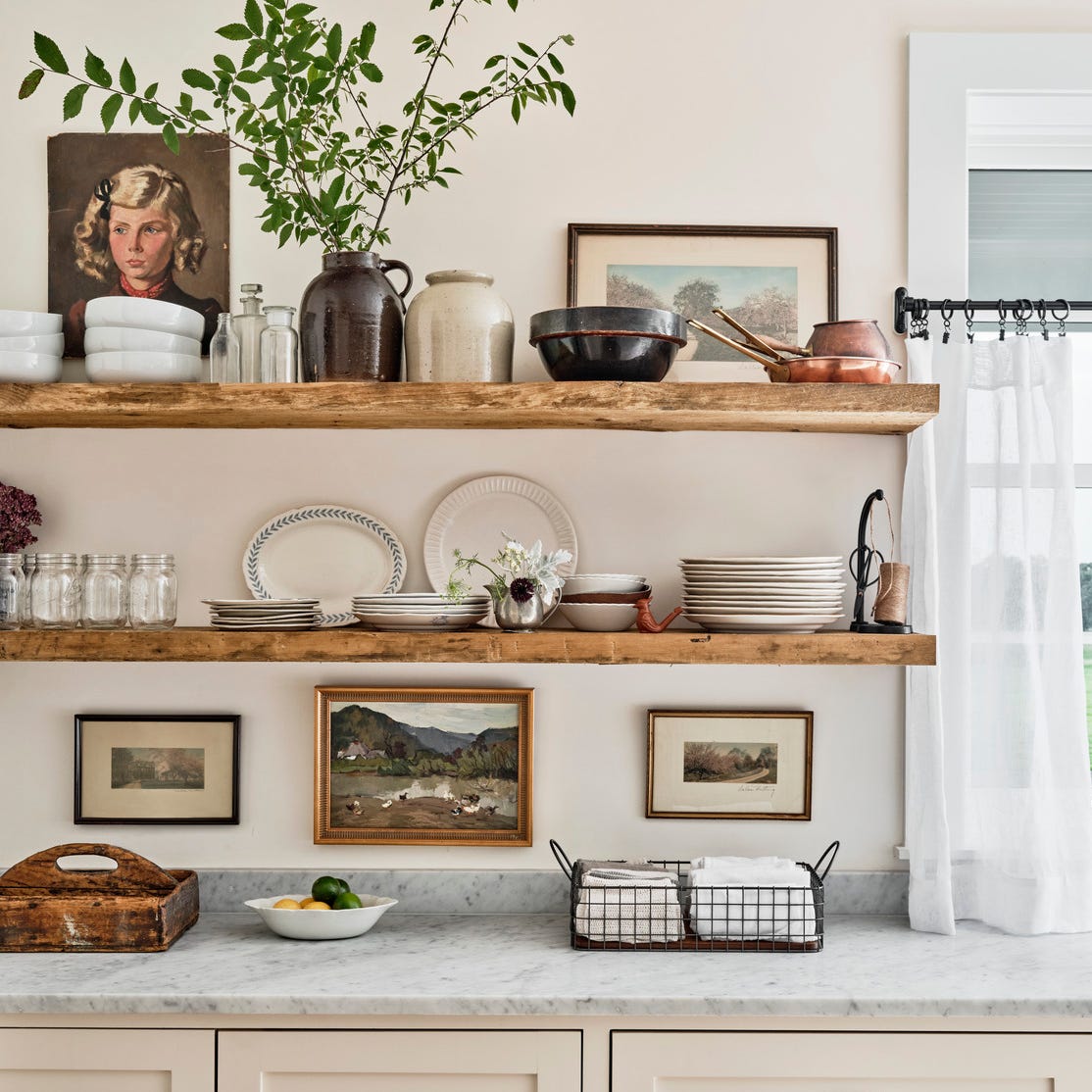
Another significant tip is to integrate vintage or one-of-a-kind pieces. These items, such as family heirlooms, thrift store finds, handmade pottery, vintage rugs, or antique furniture, imbue a space with history, personality, and authenticity that mass-produced decor often lacks. Mixing contemporary and vintage elements prevents a home from feeling overly formulaic. Functional yet stylish storage is also emphasized; even in maximalist homes, designers maintain an uncluttered environment through sophisticated storage solutions. This includes woven baskets, decorative storage ottomans, custom built-ins, glass jars for pantry staples, floating shelves, and concealed drawers, ensuring practicality without compromising aesthetics.
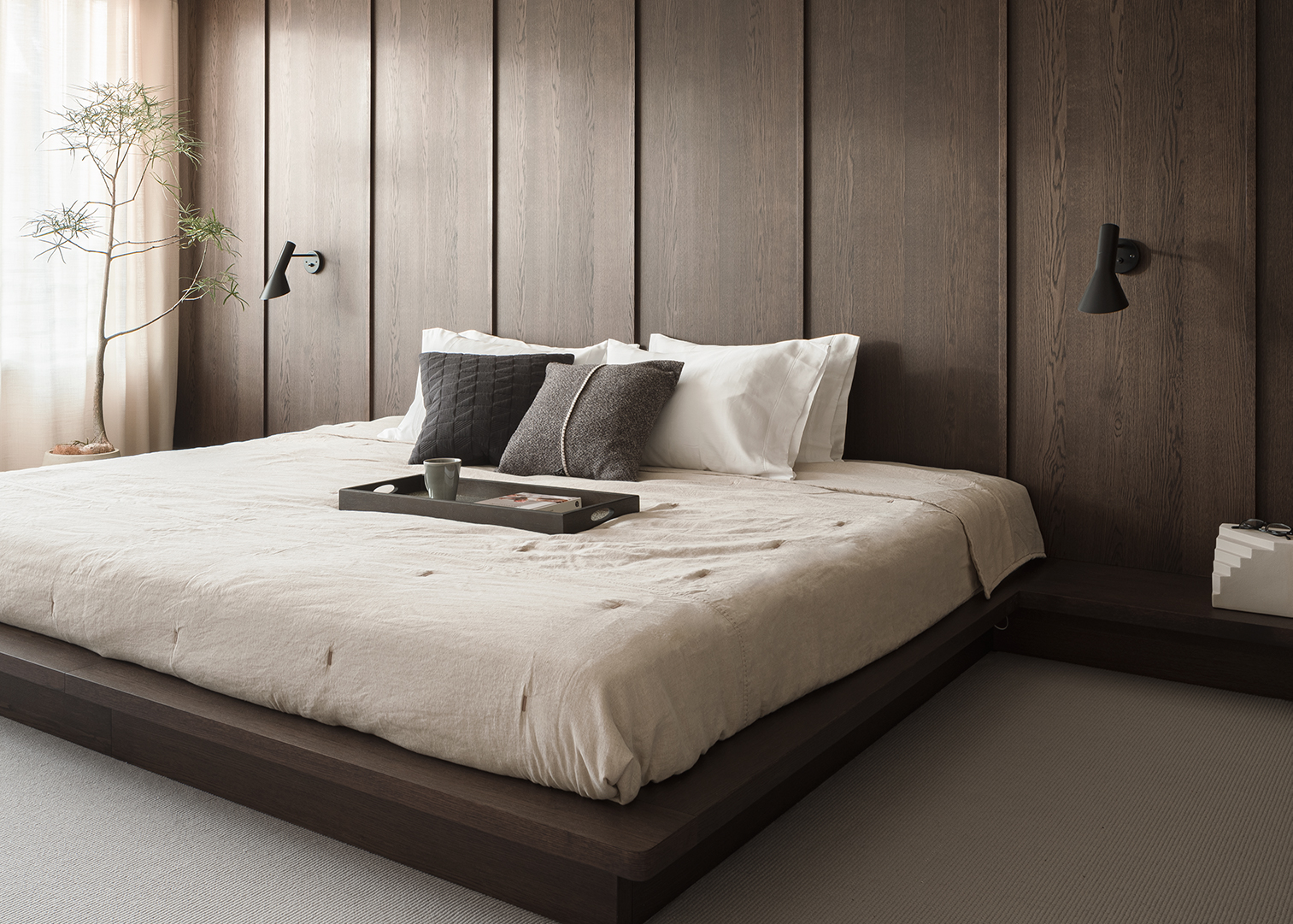
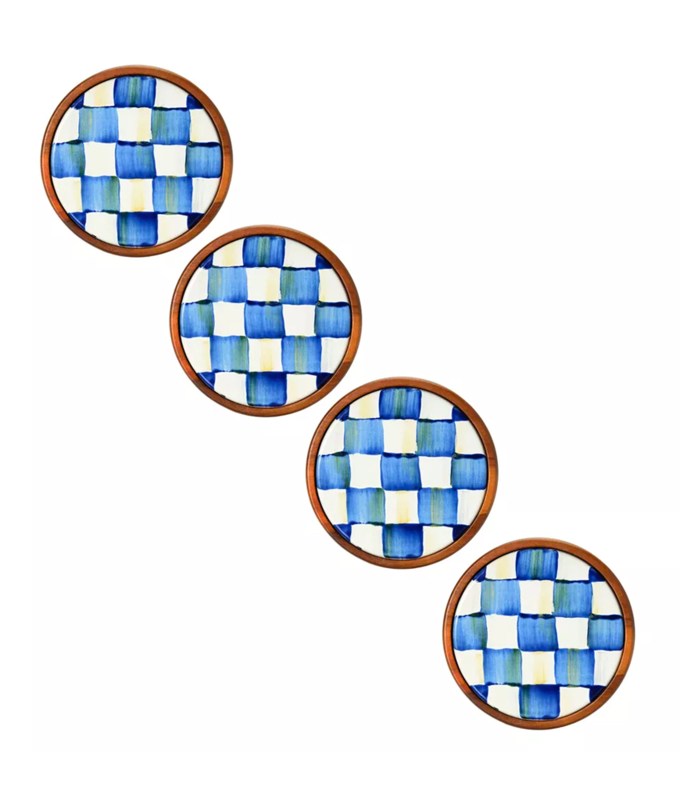
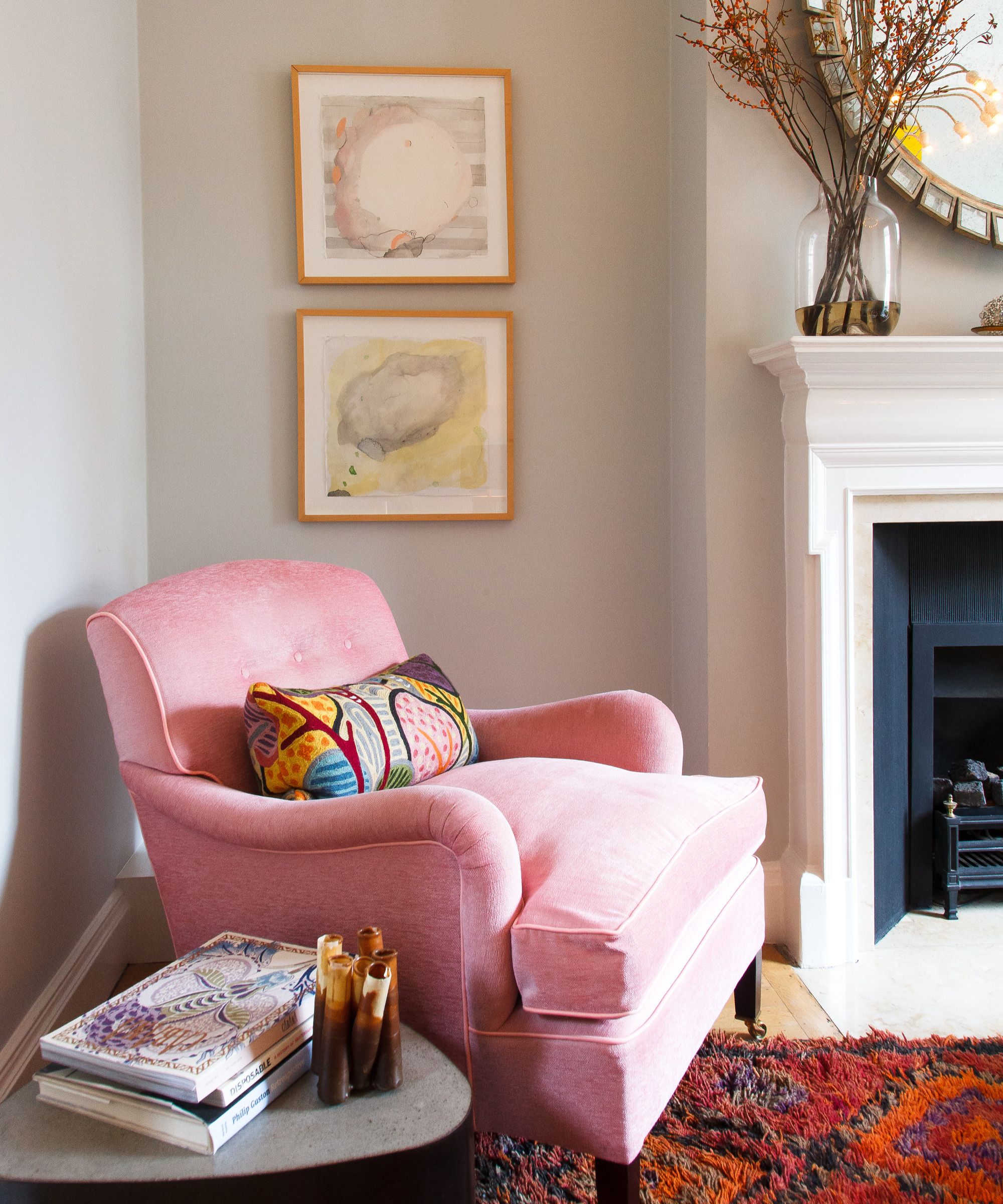
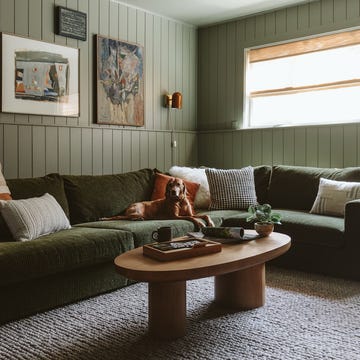
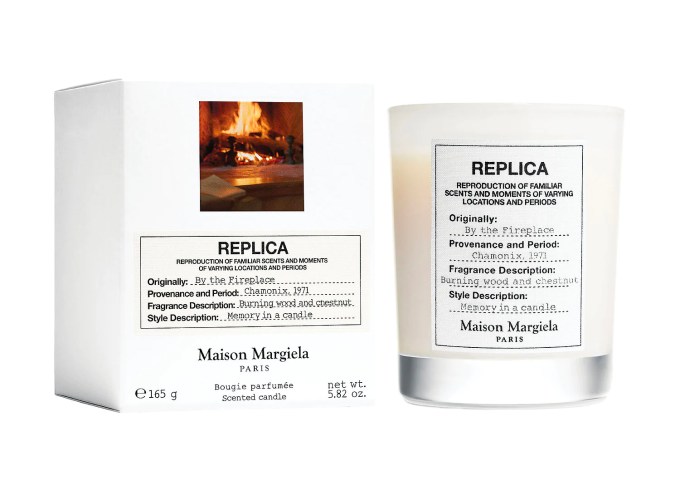
Designers frequently use an abundance of pillows to enhance comfort and visual interest, mixing various fabrics, textures, and colors to create a curated feel that reflects personal style. Similarly, decorating with candles is a common practice, as they contribute to a soft, fragrant, and cozy atmosphere. For those sensitive to scents, unscented tea lights in unique vessels offer a similar aesthetic benefit. A varied collection of glassware is another characteristic found in designers' homes, allowing for an expression of mood and adding a distinctive touch to everyday items. This involves having different types of glassware from various origins, rather than a uniform set.
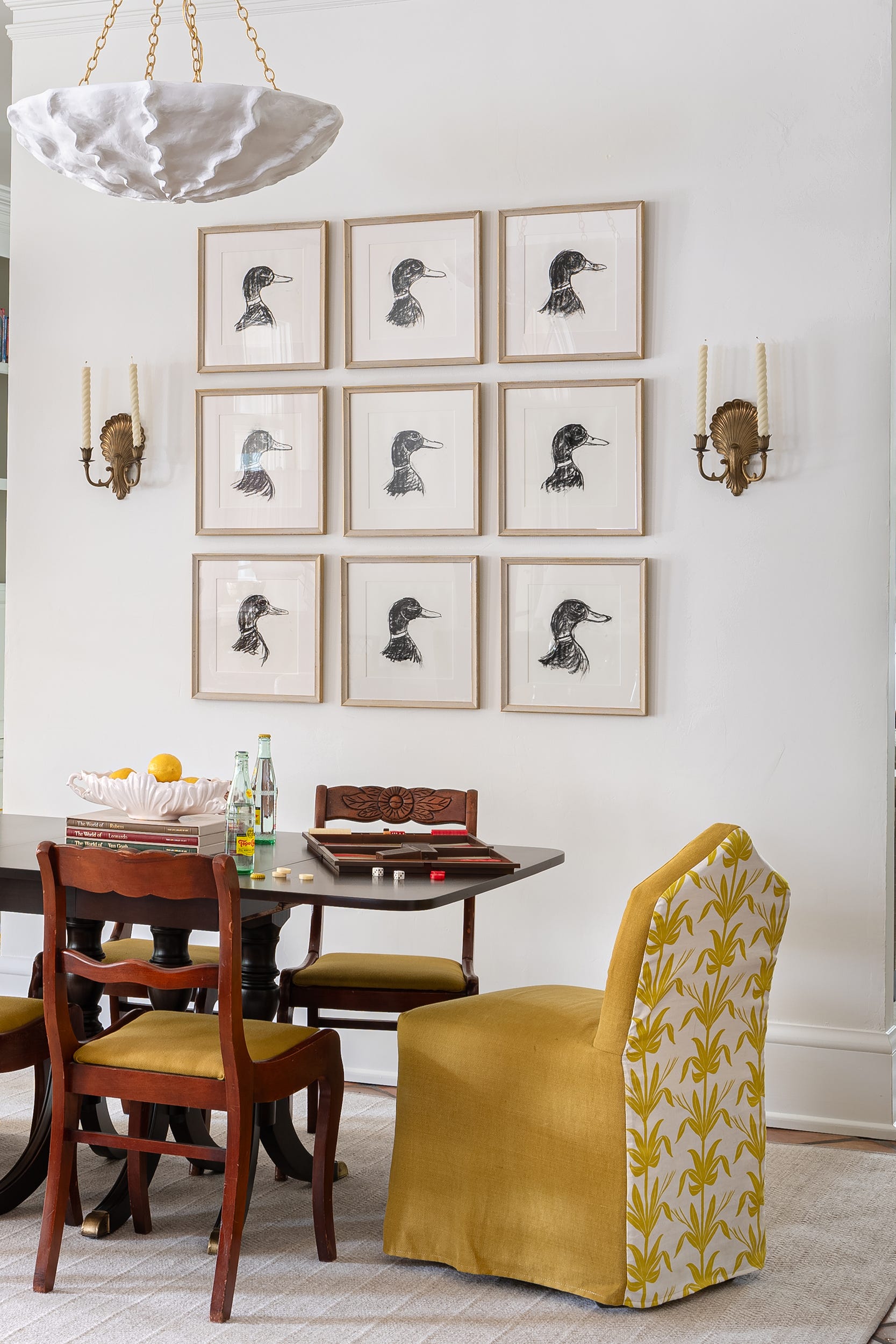
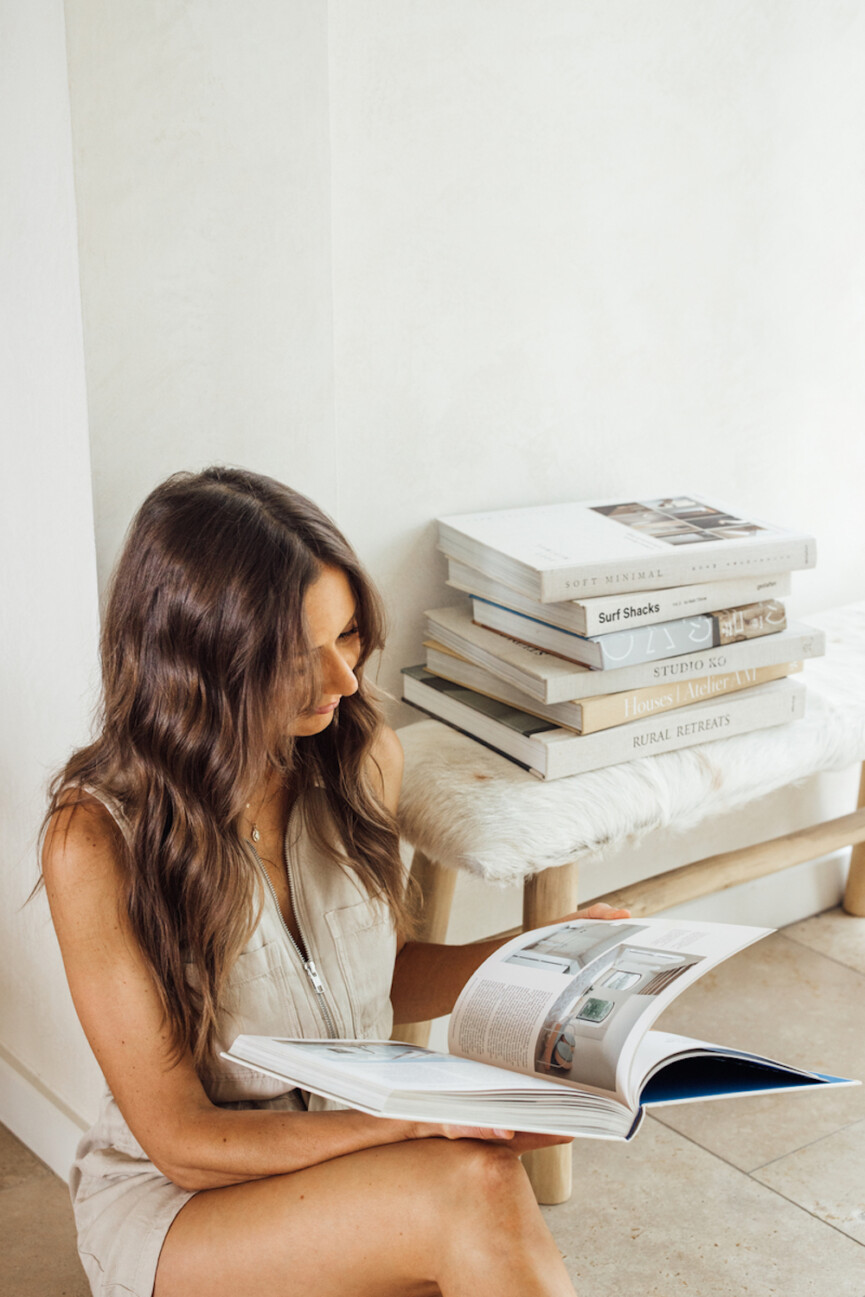
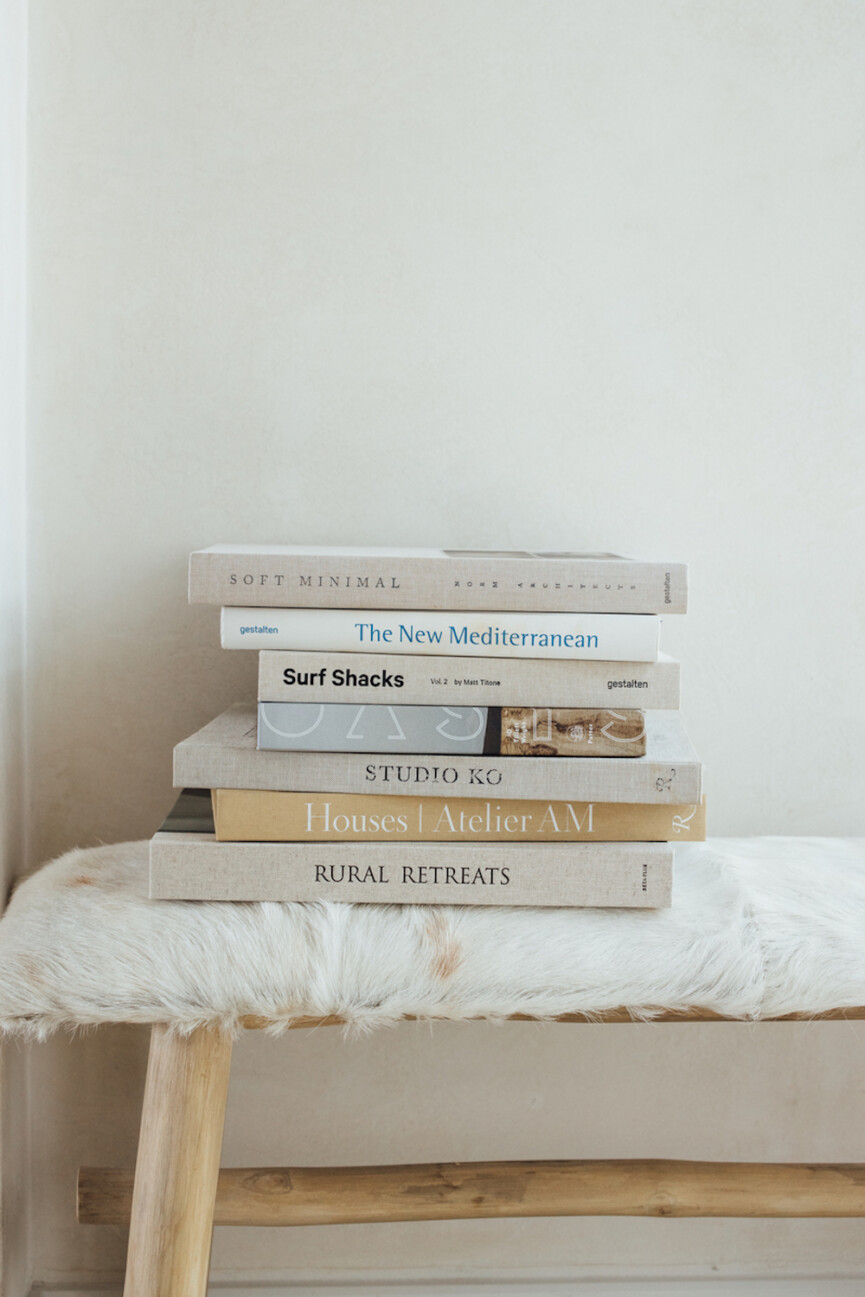
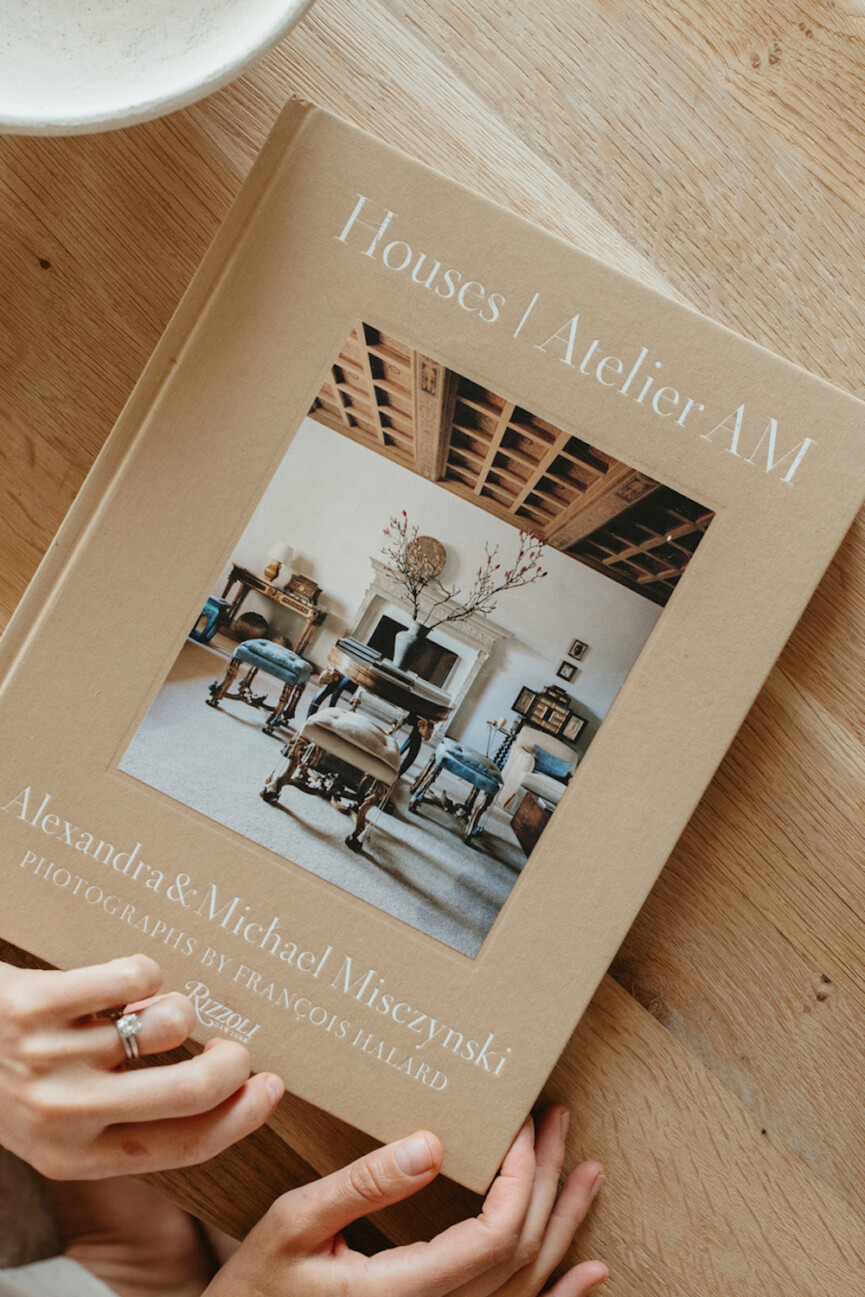
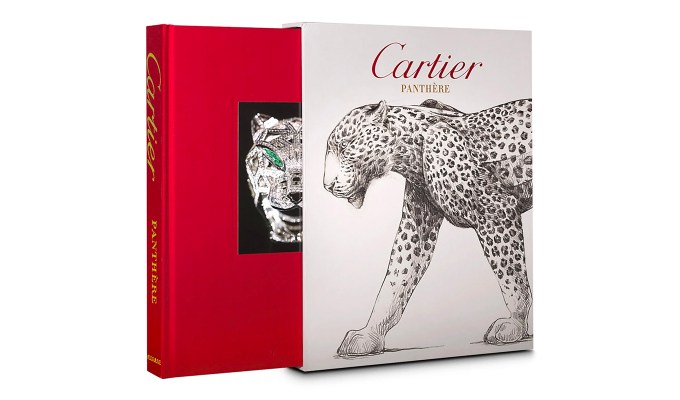
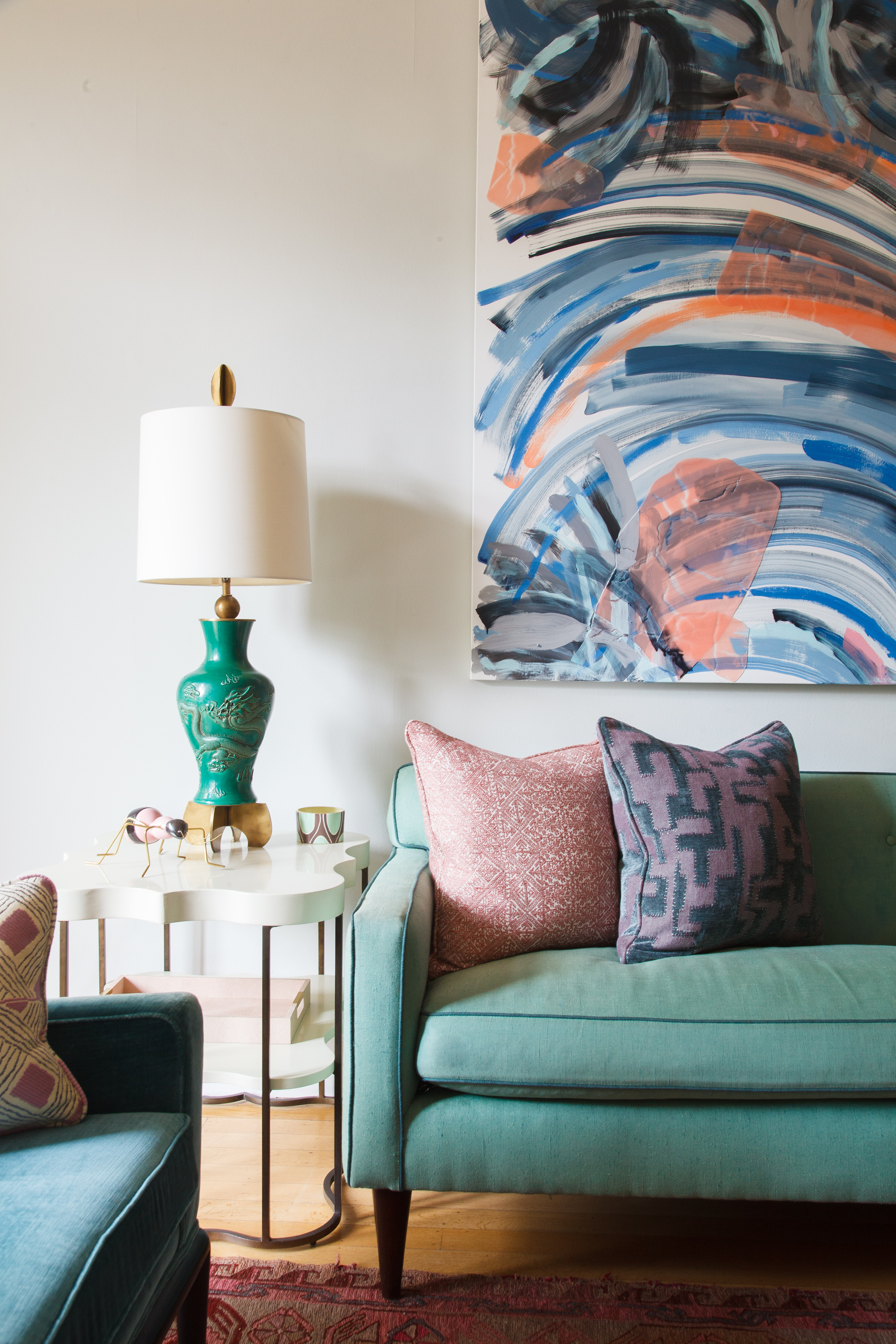
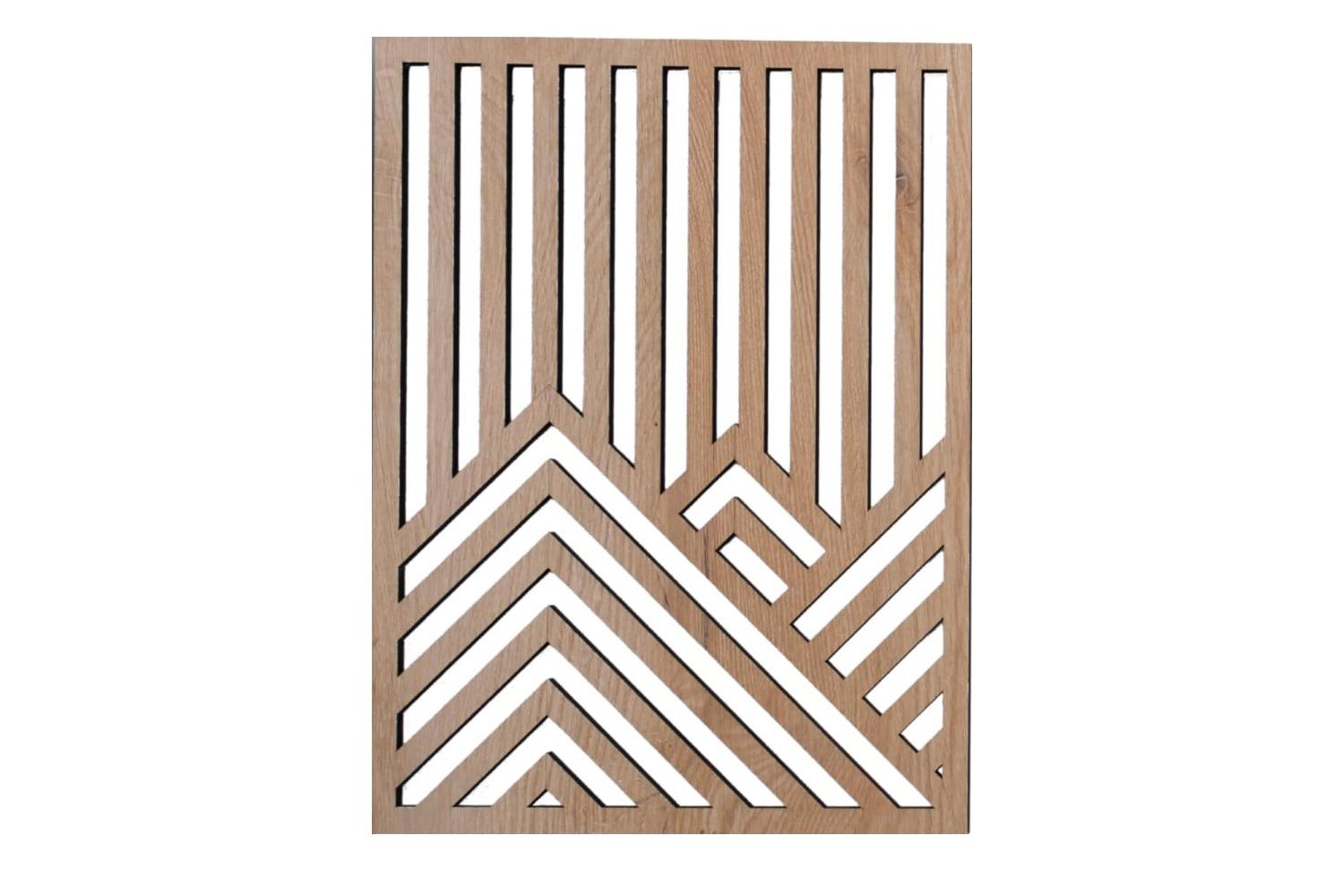
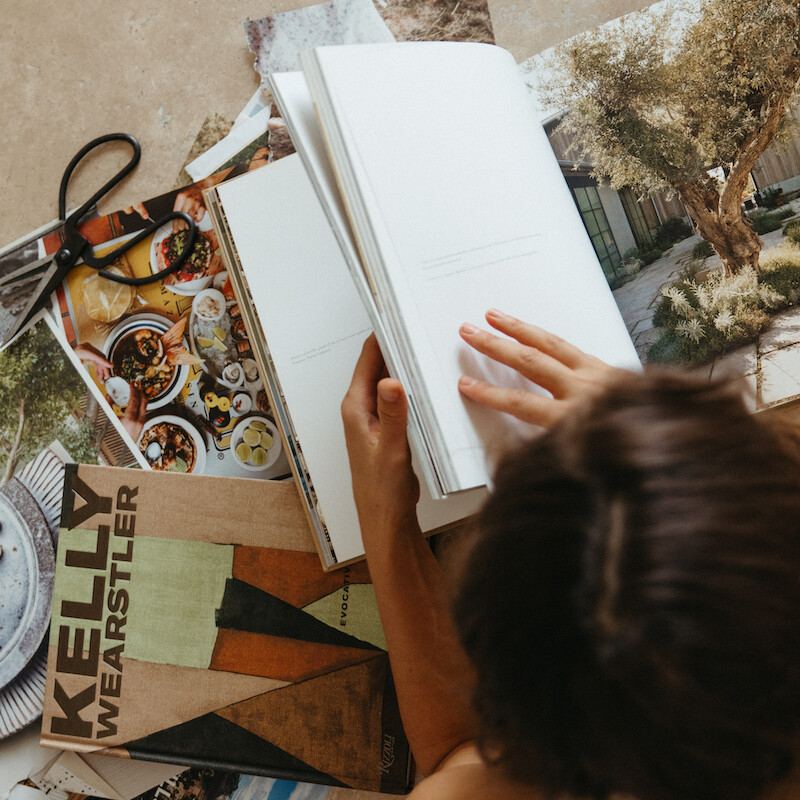
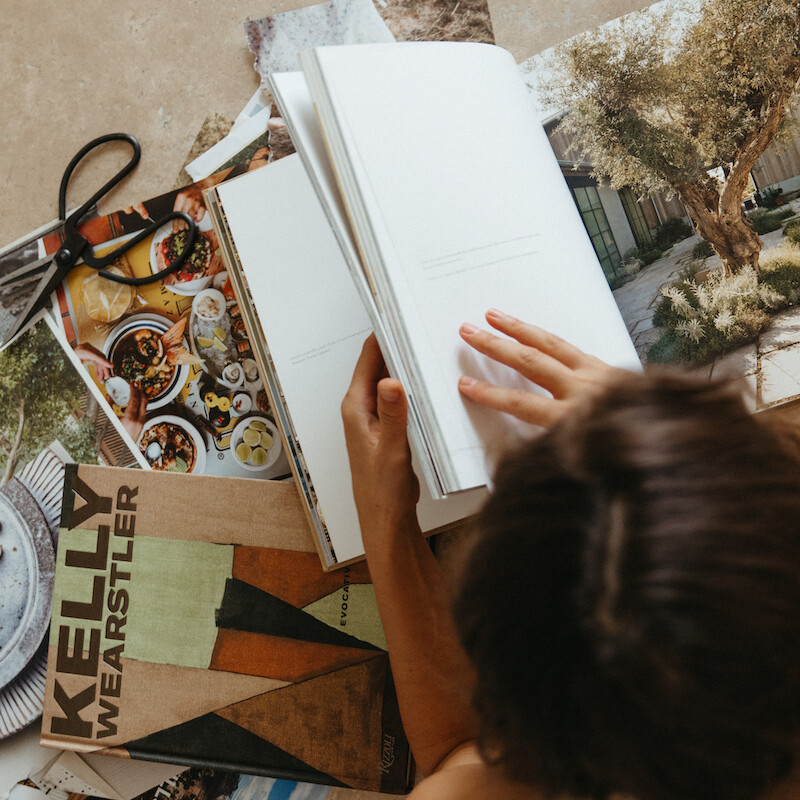
Regularly switching up decorative items such as throws, home decor pieces, lighting, and pillows is also a practice of interior designers. These interchangeable items introduce ambiance, layered texture, and seasonality, keeping the home dynamic and fresh. Additionally, designers often display collectibles acquired from their travels and shopping excursions, adding personal touches and stories to their spaces. Incorporating art is essential, with designers always featuring at least one piece of artwork that tells a story or sparks conversation. This can range from expensive paintings to local art fair prints or thrifted oil paintings, demonstrating that impactful art doesn't require a large budget. Coffee table books are utilized not just for reading but as functional decor, adding a sophisticated and intellectual element to living areas. These can be vintage novels or chic coffee table books, easily sourced from thrift stores or library sales.
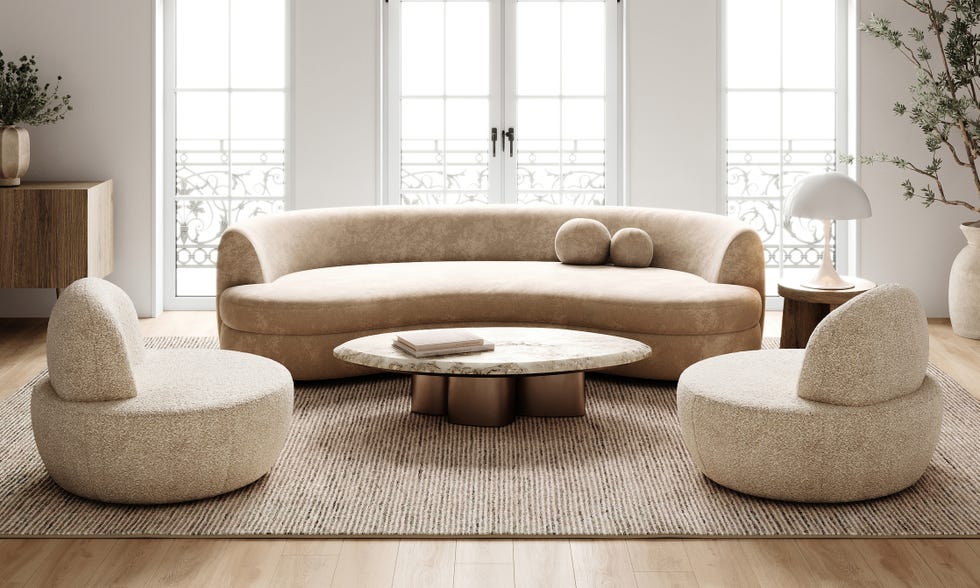
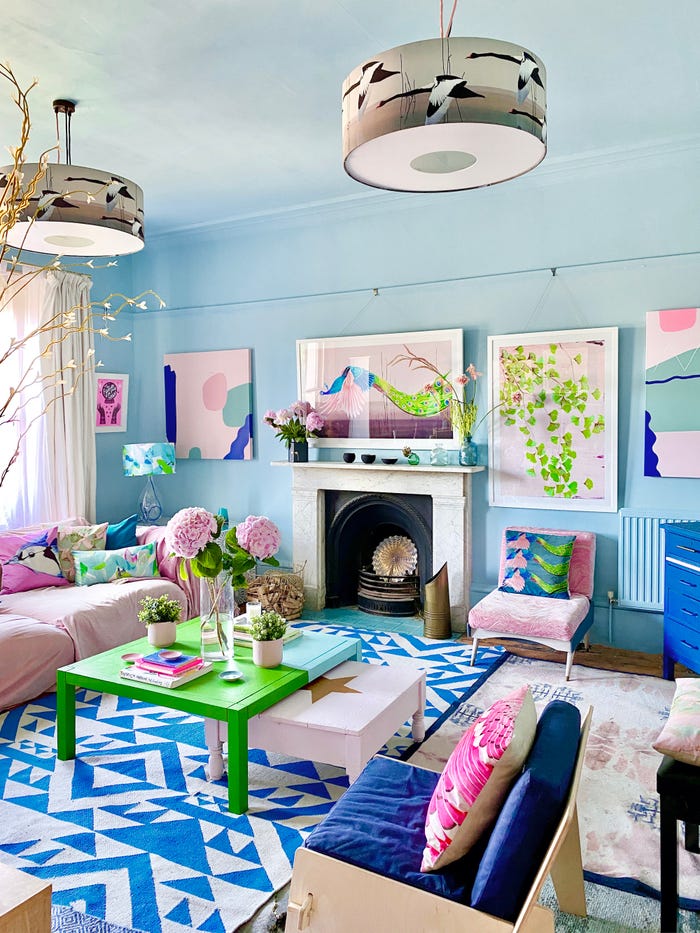
Finally, designers stress the importance of using pieces that genuinely reflect one's personality. This could involve a statement furniture piece like a bold colored sofa or a unique sculpture. Authentic reflections of personal joy and taste are considered the foundation of great design, ensuring the home feels truly personal and inviting. By implementing these strategies, individuals can transform their living spaces to achieve a professionally designed, curated look that blends style with personal expression.
#InteriorDesign #HomeDecor #DecoratingTips #StatementLighting #VintageDecor #StylishStorage #PersonalizedHome #ArtInDecor #HomeStyling #InteriorDesign #HomeDecor #DecoratingTips #StatementLighting #VintageDecor #StylishStorage #PersonalizedHome #ArtInDecor #HomeStyling
0 opmerkingen in totaal
 Nog geen opmerkingen
Dit vindt u mogelijk ook leuk
Design Insiders Reveal Their SECRETS to Decorating Your Home Like a Pro

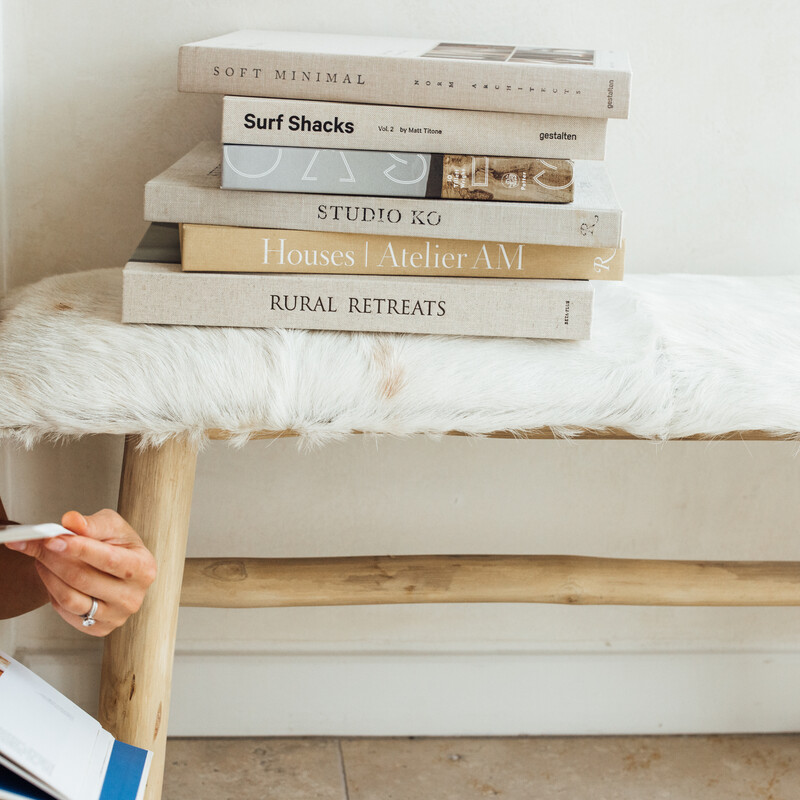
10 Interior Design Books We Turn to for Home Inspiration

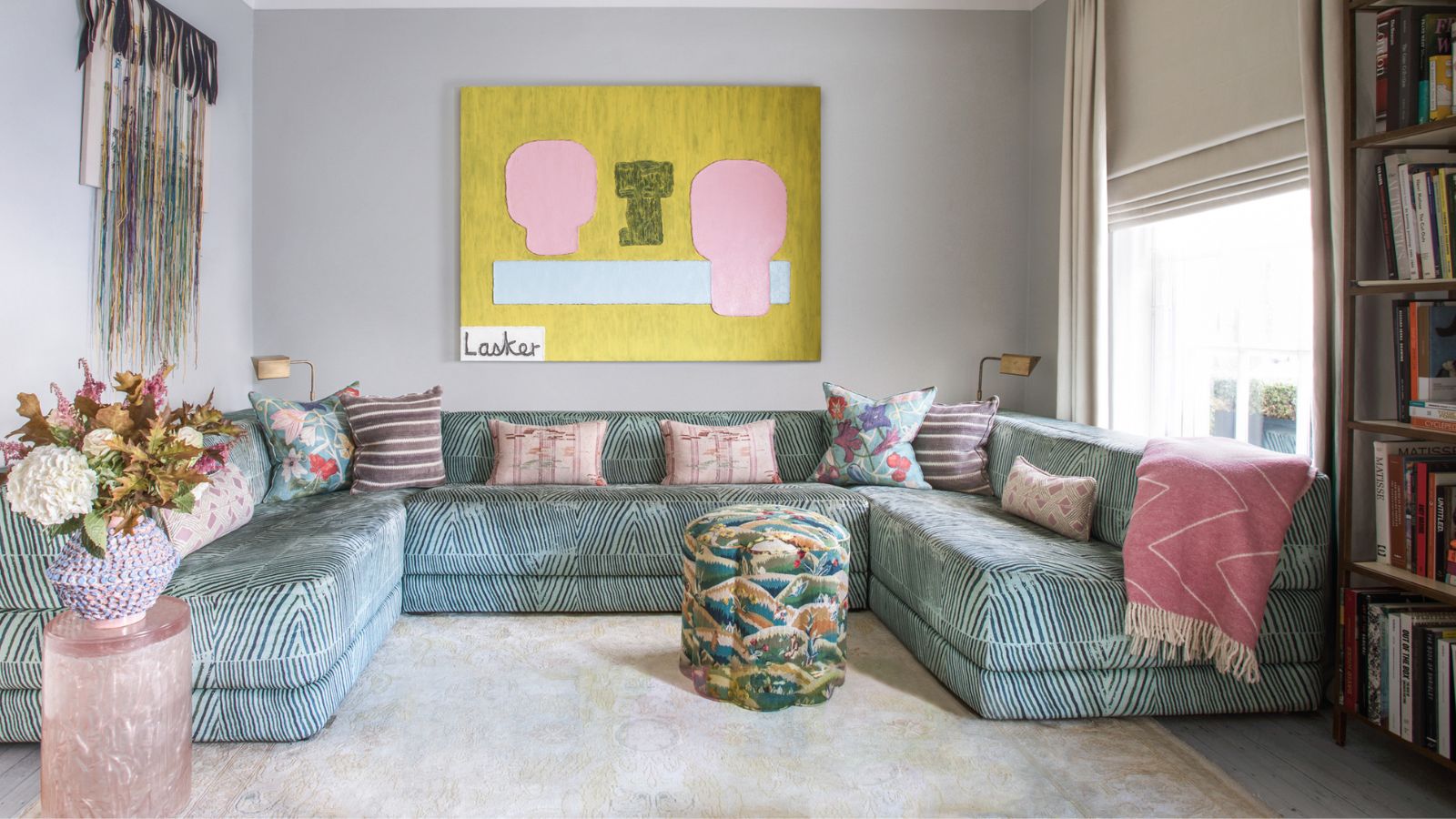
I'm an interior designer – and this is how I design my clients' rooms with art in mind

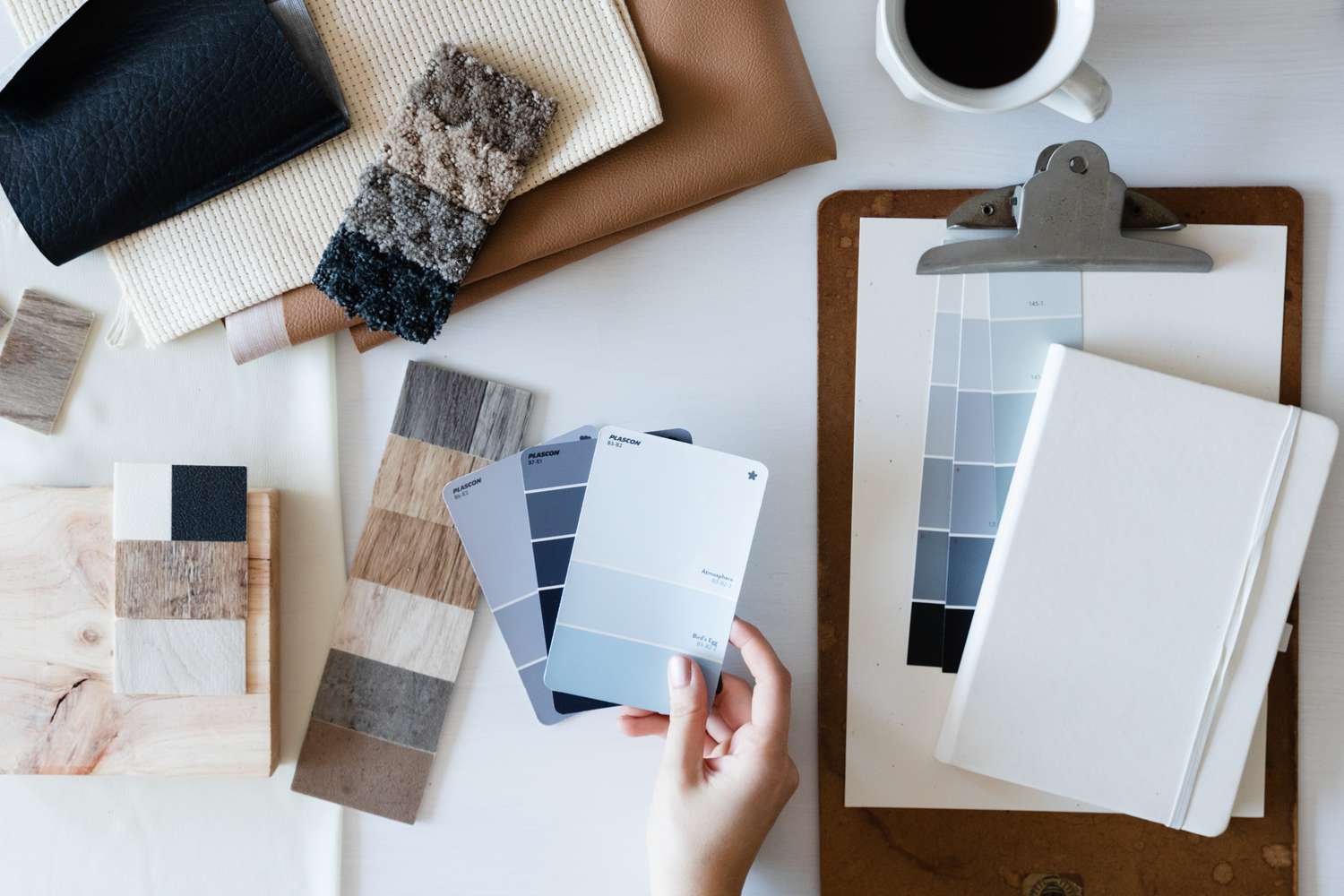
The Differences Between an Interior Designer and an Interior Decorator

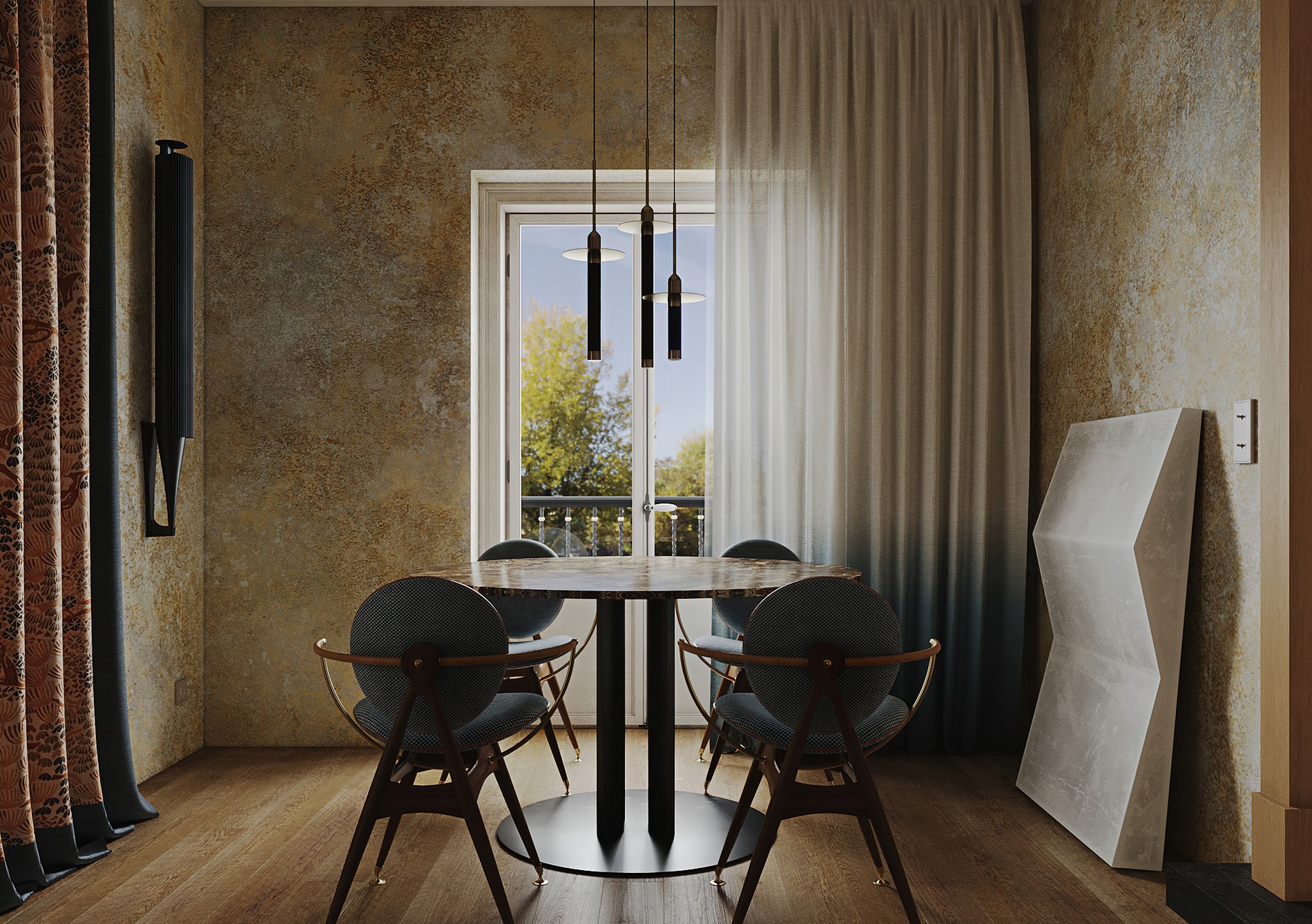
Interior Design Styles — 9 Ways to Decorate Everyone Should Know About

The 10 Biggest Interior Design No Nos According to Decorators
We Asked Interior Designers to Show Us Their Favorite Room at Home—and We're Ready to Move in Immediately
These Trendy Home Additions Will Look "Dated" in 2026, According to Designers
Make Any Room Look Camera-Ready with These Easy Tricks from Stylists
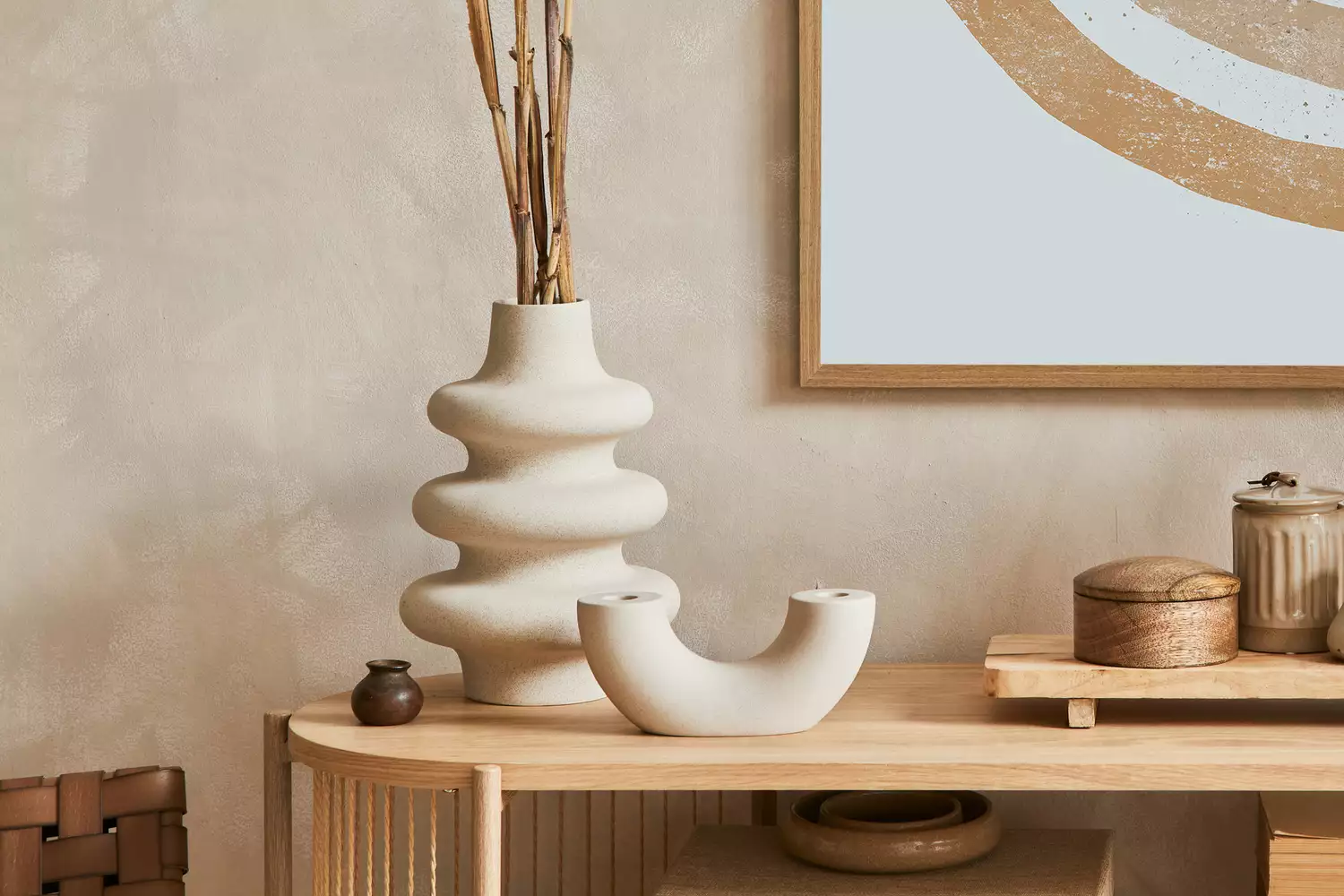
10 Things You'll Always Find in an Interior Designer's Home
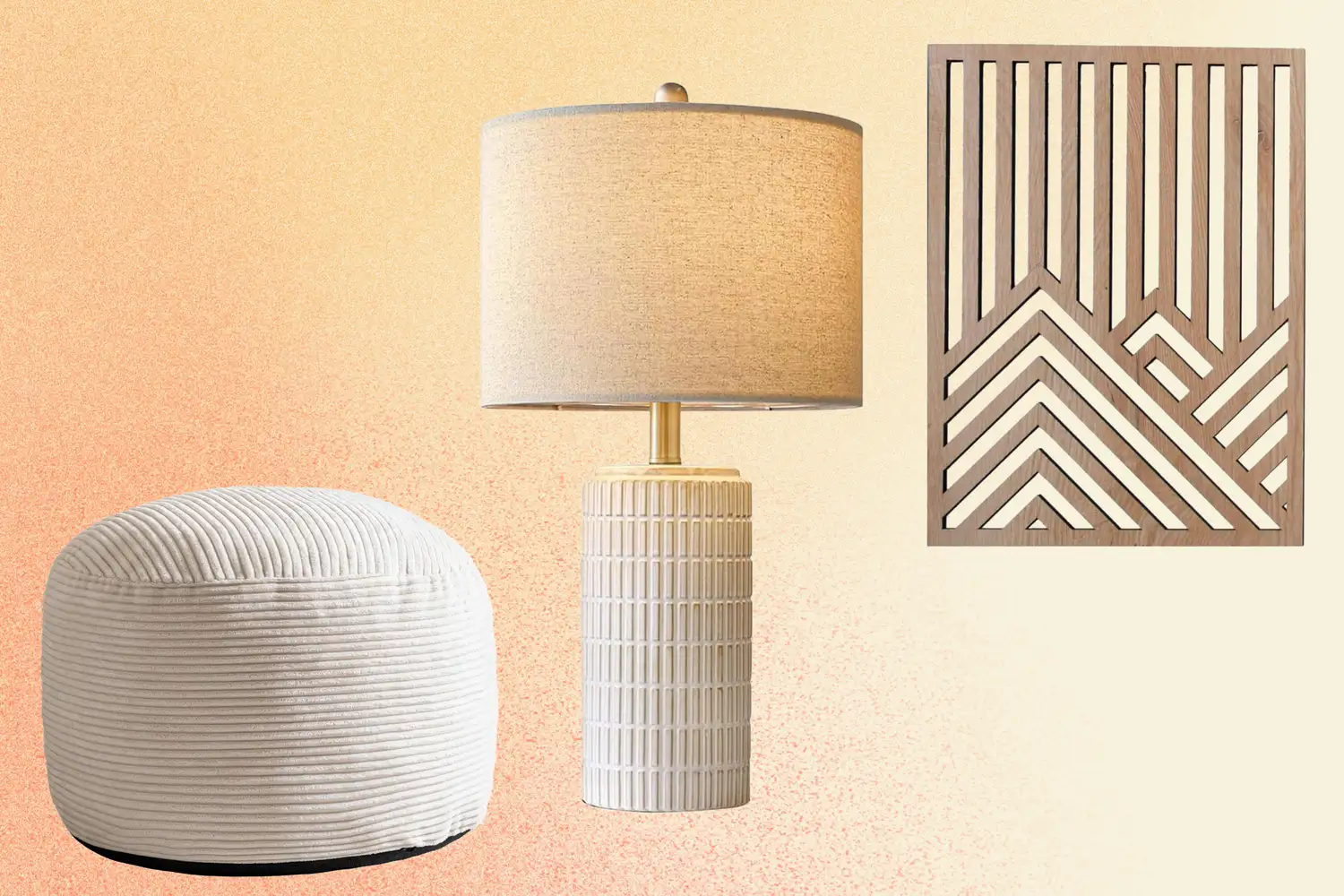
Designers Say These 4 Decor Trends Are Super Outdated—Update Your Home With These 8 Finds Instead
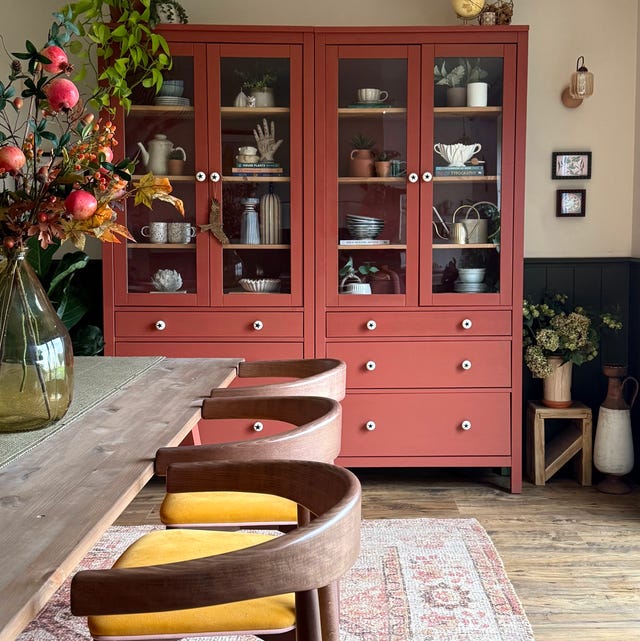
Copy-And-Paste Interiors: Repeating A Look Isn’t Lazy — It’s Clever
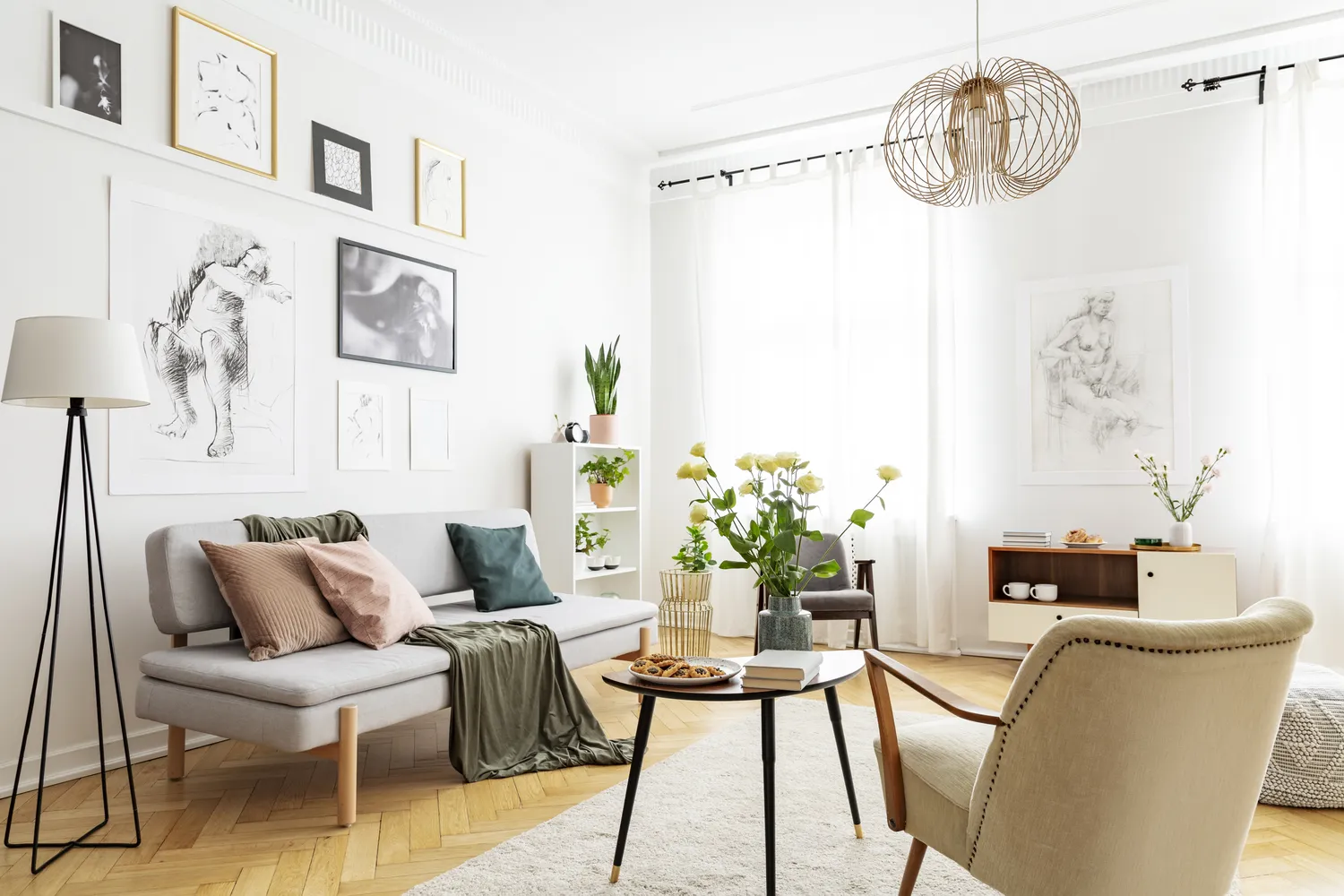
5 Tacky Home Decor Items That Instantly Make a Home Look Bad, According to Designers
From the Wrong Rug Size to Too-Short Curtains, Interior Designers Share Their Biggest Pet Peeves
Decorating Ideas - Home Decor Ideas and Tips

4 Cutting-Edge Home Design Couples (And Their Advice)

19 Tips From A Top Interior Designer

The 20 Best Home Decor Gifts for Design Obsessives (And Anyone Dreaming of a Chicer Space)

15 ways to add color to your home, according to interior designers
Home Design & Decorating Ideas and Tips