


Small Garden Design: 15+ Ideas for Patios & Balconies
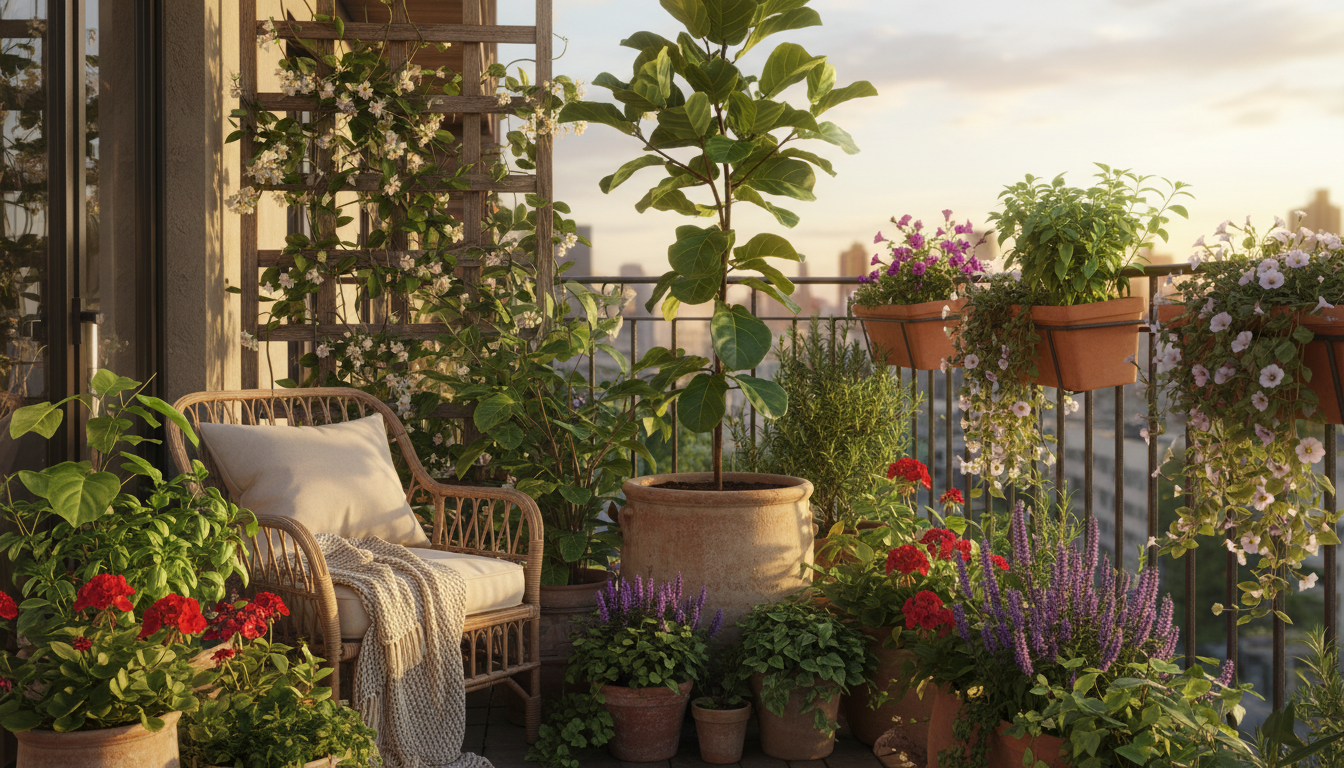
A tiny balcony, a narrow side yard, or a petite patio might feel like a limitation, but in reality, it’s an invitation to get creative.
Small-space gardening is about making every inch count, transforming overlooked corners into lush, personal sanctuaries. But how do you turn a big vision into reality when you’re short on square footage? Visualizing the final result can be the biggest hurdle. Before you buy a single pot or packet of seeds, I’ll share a number of practical small‑space gardening ideas to help you create a modern Zen corner or a romantic cottage‑style container garden that fits perfectly in your space. These simple, actionable tips will help you bridge the gap between imagination and a beautiful, achievable garden.
The Magic of Containers: Your Garden, Anywhere
Container gardening is the cornerstone of cultivating greenery in small spaces. Pots and planters offer total flexibility, allowing you to grow everything from vibrant flowers to fresh vegetables on a balcony, stoop, or deck.
Choosing the Right Pot
The container you choose impacts both the health of your plants and the style of your space.
- Material Matters: Terracotta pots are classic and porous, but dry out quickly. Plastic and fiberglass are lightweight and retain water well, making them ideal for balconies with weight restrictions. Fabric grow bags are excellent for root health and are easy to store. For a rustic or industrial look, consider repurposed items like galvanized tubs or wooden crates, but always ensure they have drainage holes.
- Size and Drainage: Avoid cluttering your space with many tiny pots. A few large containers create a bigger impact and are easier to water. Always choose pots with drainage holes to prevent root rot from overwatering.
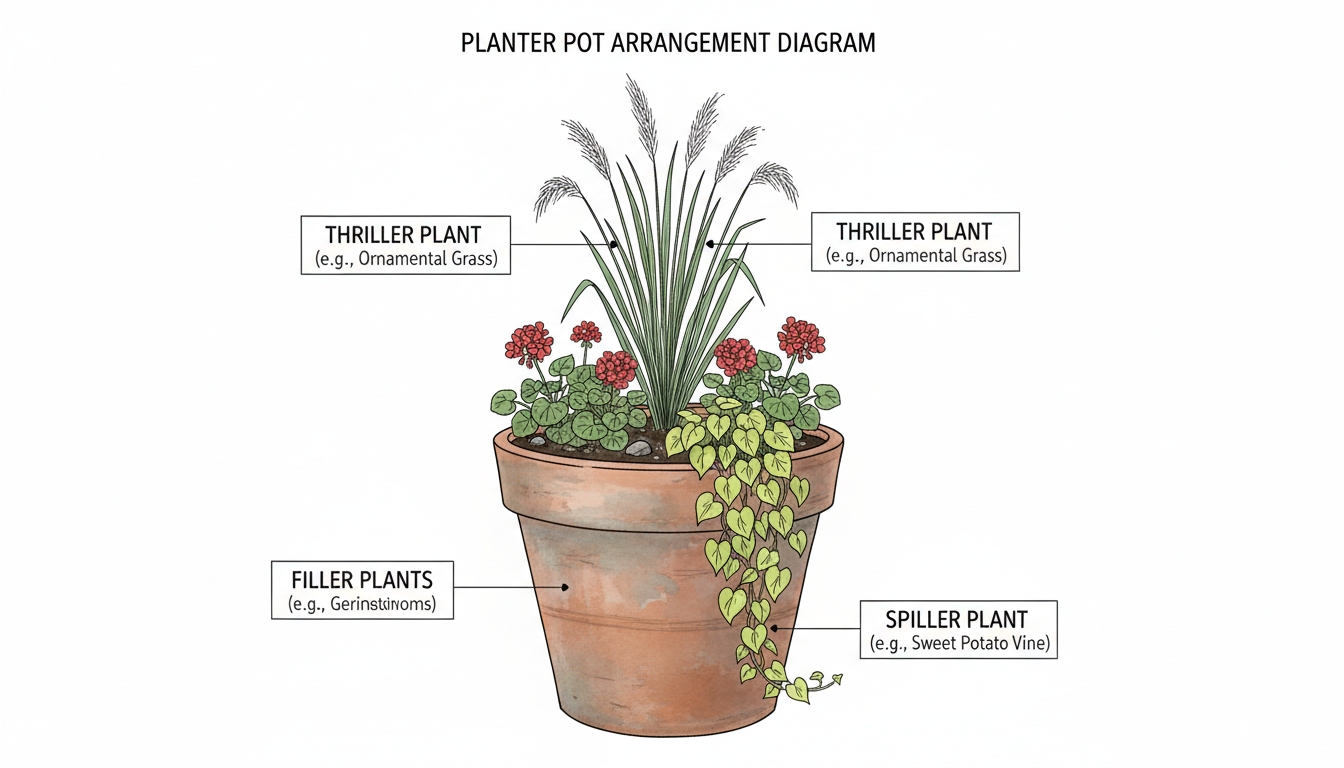
The "Thriller, Filler, Spiller" Formula
For stunning, professional-looking container arrangements, use this classic design concept:
- Thriller: A tall, eye-catching plant that provides a vertical element and a focal point. Think ornamental grasses, a dwarf evergreen, or a canna lily.
- Filler: Mounding plants that surround the thriller and fill the container. Coleus, geraniums, and heucheras work beautifully.
- Spiller: Trailing plants that cascade over the edge of the pot, softening its lines. Sweet potato vine, creeping Jenny, and trailing petunias are perfect choices.
Best Plants for Pots
Almost any plant can be grown in a container if the pot is large enough. Some reliable choices for small space container gardening include:
- Edibles: Herbs like basil, rosemary, and mint are must-haves. Compact "patio" varieties of tomatoes, peppers, and lettuce are bred for containers. Strawberries are also excellent in hanging baskets or strawberry pots.
- Flowers: Annuals like petunias, marigolds, and pansies provide season-long color. Perennials like hostas (for shade) and coneflowers offer lasting beauty.
- Shrubs: Many dwarf evergreen shrubs like boxwood, dwarf Alberta spruce, and certain junipers provide year-round structure and greenery.
Go Vertical: Maximize Every Inch
When you can’t build out, build up. Vertical gardening is a game-changer for small spaces, expanding your growing area without taking up precious floor space.
Why Go Vertical?
- Increased Space: A squash plant that might take up 20 square feet on the ground can be trained up a trellis, reducing its footprint to just a few feet.
- Healthier Plants: Lifting plants off the ground improves air circulation and reduces soil-borne diseases. Fruit is also kept away from pests.
- Easier Harvesting: No more bending or crawling; your vegetables and flowers are at a convenient height.
- Stunning Aesthetics: An archway covered in vines or a wall of green can turn a simple garden into a magical retreat.
Smart and Affordable Trellis Ideas
You don't need expensive systems for DIY vertical gardening. Get resourceful with these ideas:
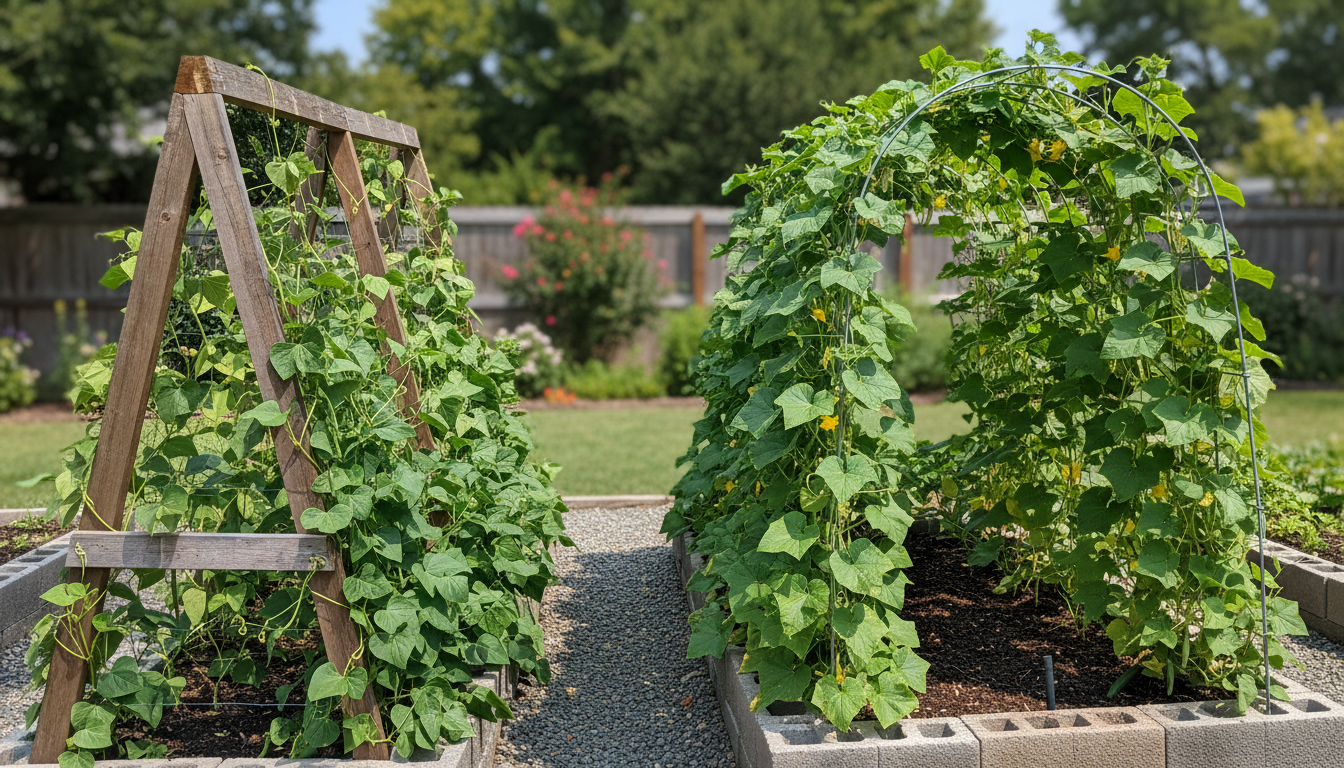
- Cattle or Hog Panels: Bend them into an arch between two raised beds to create a beautiful and productive walkway.
- Welded Wire or Chicken Wire: Attach it to T-posts or a wooden frame for a simple, effective trellis for peas, beans, and cucumbers.
- Recycled Items: An old gate, a broken dog kennel panel formed into an A-frame, or even an old bed frame can be repurposed into a charming trellis.
- String or Twine: Run lines between two posts for a minimalist support system that works wonderfully for lightweight climbers like peas and beans.
Best Climbing Plants for Small Spaces
Many vining plants thrive on vertical supports. Consider these for your vertical garden wall:
- Pole Beans and Vining Peas
- Cucumbers
- Small Melons and Squash (support heavier fruits with slings made from old nylons)
- Clematis
- Morning Glories and other annual vines
Balcony & Patio Perfection
Balconies and patios come with unique challenges, but also wonderful opportunities to create an intimate garden escape.
Dealing with Wind, Sun, and Weight
Before you start, assess your conditions.
- Wind: High-rise balconies can be extremely windy, which dries out soil and can damage delicate plants. Choose wind-resistant plants like grasses, lavender, or rosemary. Heavier pots offer more stability. You can also install a privacy screen which doubles as a windbreak.
- Sun and Heat: A south-facing balcony can bake in the sun, intensified by reflected heat from windows and walls. Drought-tolerant plants like succulents, sedum, and Russian sage are excellent choices.
- Weight Restrictions: Always check your building’s rules on weight. Opt for lightweight fiberglass or plastic containers and use a potting mix with perlite to reduce overall weight.
Genius Balcony and Patio Ideas
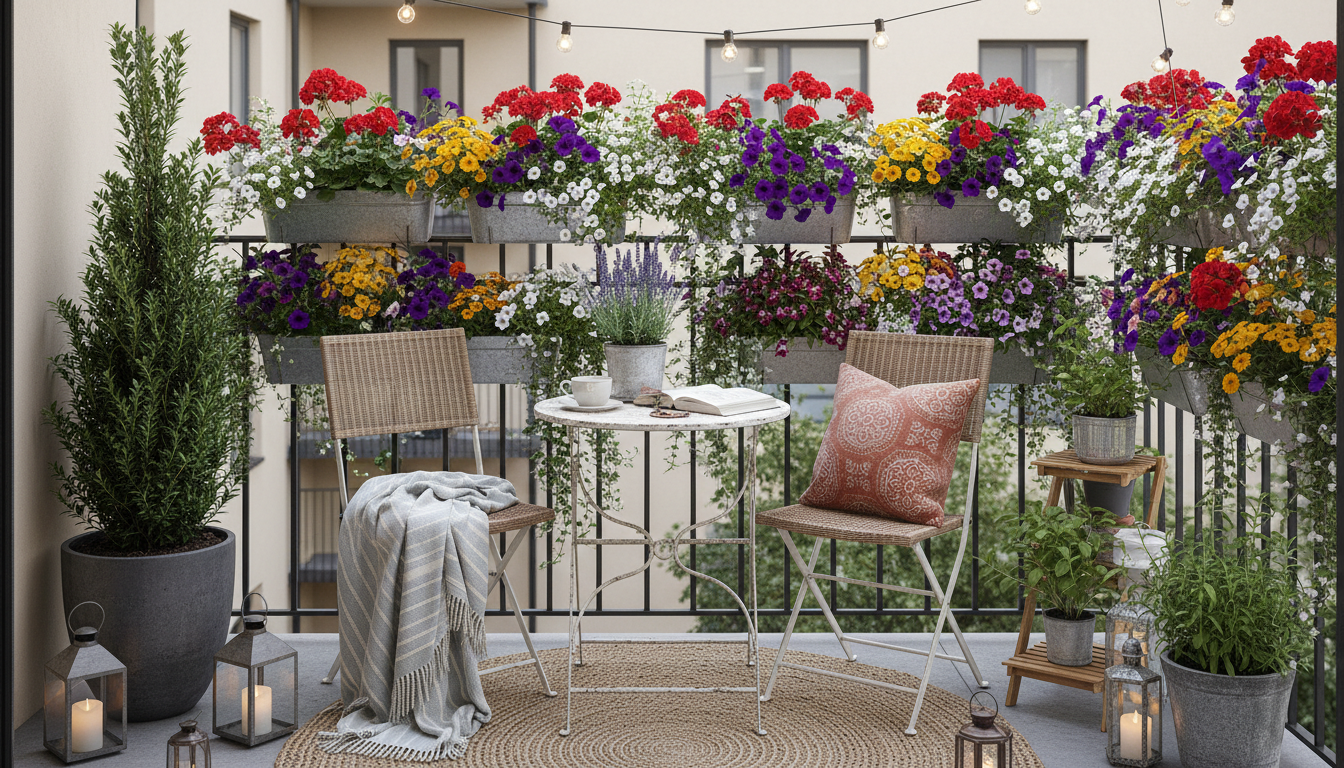
- Use Railing Planters: Free up floor space by planting in containers that hang directly on your balcony railing. They’re perfect for herbs, strawberries, and trailing flowers.
- Create a Living Wall: Install a vertical planter system on a wall to grow a lush tapestry of succulents, herbs, or leafy greens.
- Choose Multi-Functional Furniture: Opt for benches with built-in storage, or a fire pit that can double as a coffee table. Foldable bistro sets can be tucked away when not in use.
- Add Privacy with Plants: Use tall, narrow planters with columnar shrubs like ‘Sky Pencil’ Holly or bamboo to create a natural privacy screen from neighbors. A trellis with climbing vines is another fantastic option.
The Tiny Yard Transformation
Even a small patch of land can become a stunning garden with a few clever design tricks.
Visual Tricks to Make Your Yard Feel Bigger
- Paint Fences Dark: It may seem counterintuitive, but a dark fence (charcoal gray or deep green) makes the boundary recede and causes the green foliage in front of it to pop, creating an illusion of depth.
- Use the Diagonal Axis: Orienting a path or a small patio on a 45-degree angle makes the space feel wider and more dynamic.
- Hang a Mirror: A well-placed outdoor mirror can reflect light and greenery, creating the illusion of a continuing garden.
- Blur the Edges: Soften the hard lines where your patio meets the garden with spilling plants like creeping thyme or Japanese forest grass.
Create "Garden Rooms"
Divide your small yard into distinct zones to increase its functionality and make it feel larger. Use a few tall planters to separate a dining area from a cozy seating nook, or lay an outdoor rug to define a "living room" space. A gravel courtyard corner with a bistro set can become a charming destination.
What to Plant: Low-Maintenance & High-Impact Choices
Choosing the right plants is key to a successful small garden. Focus on varieties that offer multiple seasons of interest without requiring constant care.
Low-Maintenance Perennials and Shrubs
For year-round structure, include hardy plants that thrive on neglect.
- Shrubs for Pots: Dwarf Hinoki Cypress, ‘Green Gem’ Boxwood, and Oakleaf Hydrangea provide texture and form.
- Perennials for Sun: Lavender, Sedum ‘Autumn Joy’, and Coneflower are drought-tolerant and attract pollinators.
- Perennials for Shade: Hostas, Heuchera (Coral Bells), and Hellebores offer beautiful foliage and flowers in shadier spots.
Edible Landscaping: Beauty You Can Eat
Integrate edibles directly into your ornamental plantings.
- Swiss Chard: The 'Bright Lights' variety has colorful stems that look stunning next to flowers.
- Herbs: Use thyme as a fragrant groundcover, or let rosemary add an evergreen architectural element.
- Artichokes and Kale: These vegetables have dramatic, sculptural leaves that can serve as a focal point in a mixed container.
Native Plants for an Eco-Friendly Garden
Growing native plants in containers or small beds supports local pollinators and requires less water and fertilizer. Look for compact native options like Wild Geranium, Columbine, or dwarf varieties of milkweed.
Ready to see how these ideas could look in your own space? Don't just dream it—design it. Upload a photo of your garden to the AI Landscape Design tool and start experimenting with different styles, layouts, and plants. Whether it’s a modern minimalist patio or a lush cottage balcony, you can visualize your perfect little garden today.