




Vinyl Flooring Market Size, Share, Trends, Growth Drivers and Forecast 2034
The vinyl flooring market is experiencing significant growth, driven by increasing consumer and commercial demand for durable, cost-effective, and aesthetically versatile flooring solutions. Known for its water resistance, resilience, and ease of maintenance, vinyl flooring is becoming a popular alternative to traditional materials like wood, ceramic, and stone. This expansion is fueled by rapid urbanization, rising construction activities, and evolving interior design trends across residential, commercial, and industrial sectors.
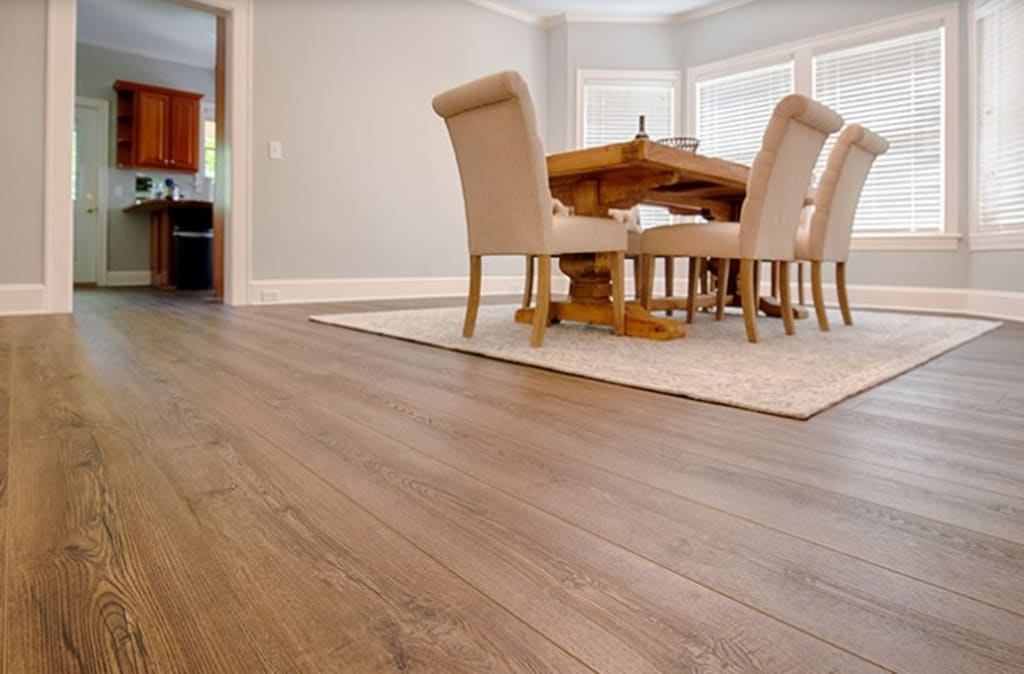
Technological advancements have played a crucial role in this market's momentum, with innovations such as luxury vinyl tiles (LVT), vinyl sheets, and vinyl planks that mimic natural materials while offering superior performance. The growing demand for sustainable and low-maintenance options further accelerates its adoption. A key driver is the steady increase in residential construction and renovation projects, where homeowners seek visually appealing and long-lasting flooring. Vinyl flooring provides a wide array of designs and finishes that replicate hardwood, marble, and ceramic tiles at a lower cost, making it ideal for moisture-prone areas like kitchens and bathrooms. The ease of DIY installation also contributes to its popularity in home remodeling.
Commercial establishments, including offices, retail stores, hotels, hospitals, and educational institutions, are increasingly adopting vinyl flooring due to its durability, ease of cleaning, and resistance to heavy foot traffic. In healthcare facilities, its seamless, non-porous surfaces are crucial for hygiene and preventing bacterial growth. The hospitality and retail sectors value its aesthetic flexibility and ability to withstand wear and tear. The introduction of LVT and rigid core vinyl flooring (SPC and WPC) has revolutionized the market, offering enhanced stability, improved acoustics, and realistic designs through innovations like 3D printing and advanced layering technologies. These products are expanding vinyl flooring's application into areas traditionally dominated by hardwood and stone.
Cost-effectiveness and low maintenance are critical factors influencing its widespread adoption. Vinyl flooring provides a budget-friendly solution without compromising aesthetics or performance, resisting stains, scratches, and moisture. Unlike hardwood, it does not require polishing, sealing, or refinishing, significantly reducing long-term maintenance costs. The increasing preference for sustainable flooring solutions is also shaping the market, with manufacturers focusing on eco-friendly production processes, recyclable materials, and low volatile organic compound (VOC) emissions. The development of phthalate-free vinyl flooring addresses health and environmental concerns. The rise of DIY culture, supported by easy-to-install click-lock planks and peel-and-stick tiles, further boosts demand, particularly in urban households and rental properties.
Regionally, North America and Europe dominate the market due to high renovation rates and advanced construction practices, while Asia-Pacific is emerging as a lucrative market driven by rapid urbanization, infrastructure development, and increasing disposable income. Despite challenges such as environmental concerns regarding PVC usage and competition from alternatives, ongoing research and development in sustainable and recyclable vinyl solutions are expected to mitigate these issues. The future of the vinyl flooring market is promising, with continuous investments in product innovation, sustainability, and digital printing technologies, ensuring its sustained growth through 2034.
#VinylFlooring #MarketAnalysis #ConstructionIndustry #HomeRenovation #LuxuryVinylTiles #SustainableFlooring #DIYHomeImprovement #InteriorDesign #CommercialFlooring #VinylFlooring #MarketAnalysis #ConstructionIndustry #HomeRenovation #LuxuryVinylTiles #SustainableFlooring #DIYHomeImprovement #InteriorDesign #CommercialFlooring
 아직 댓글이 없습니다