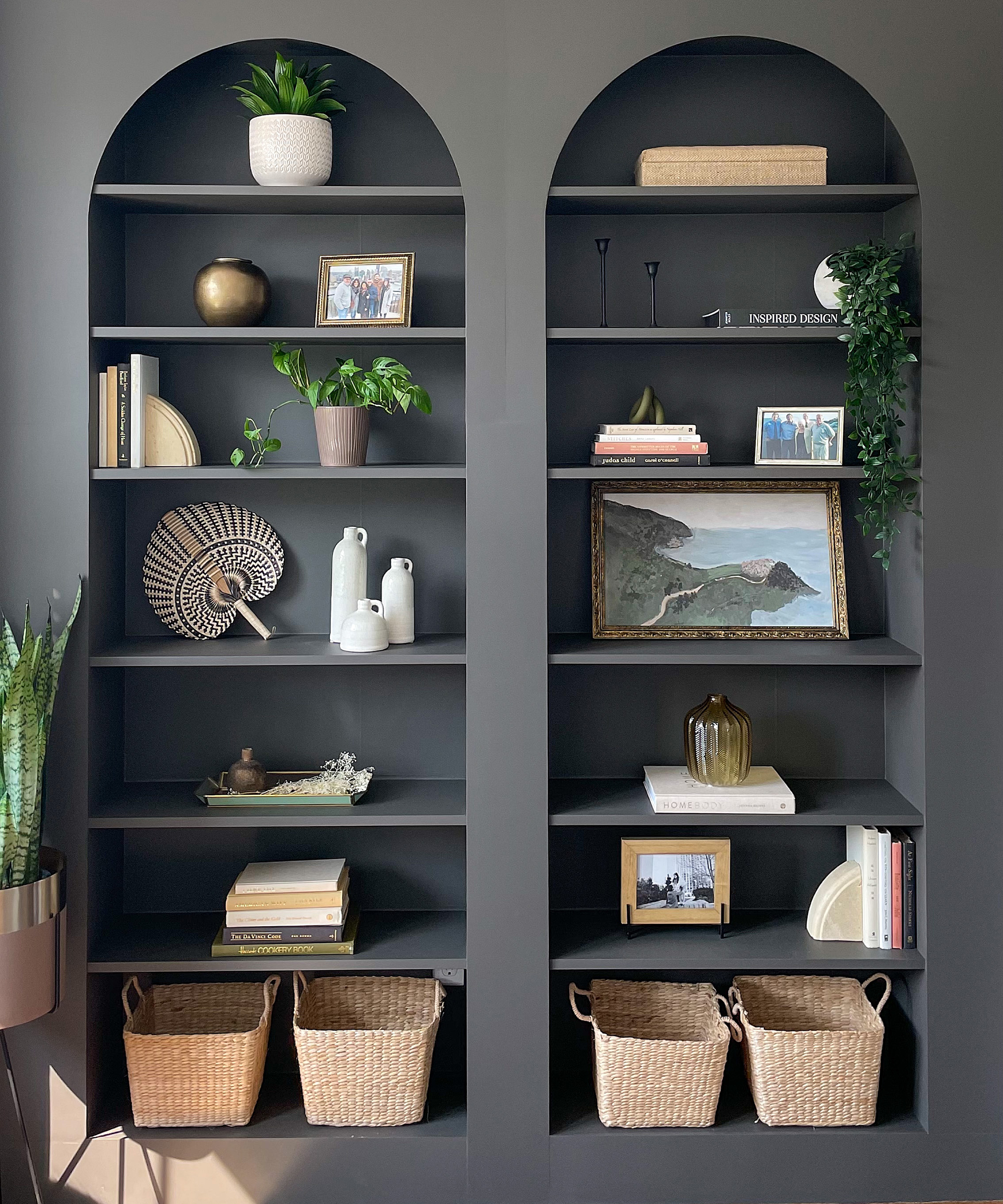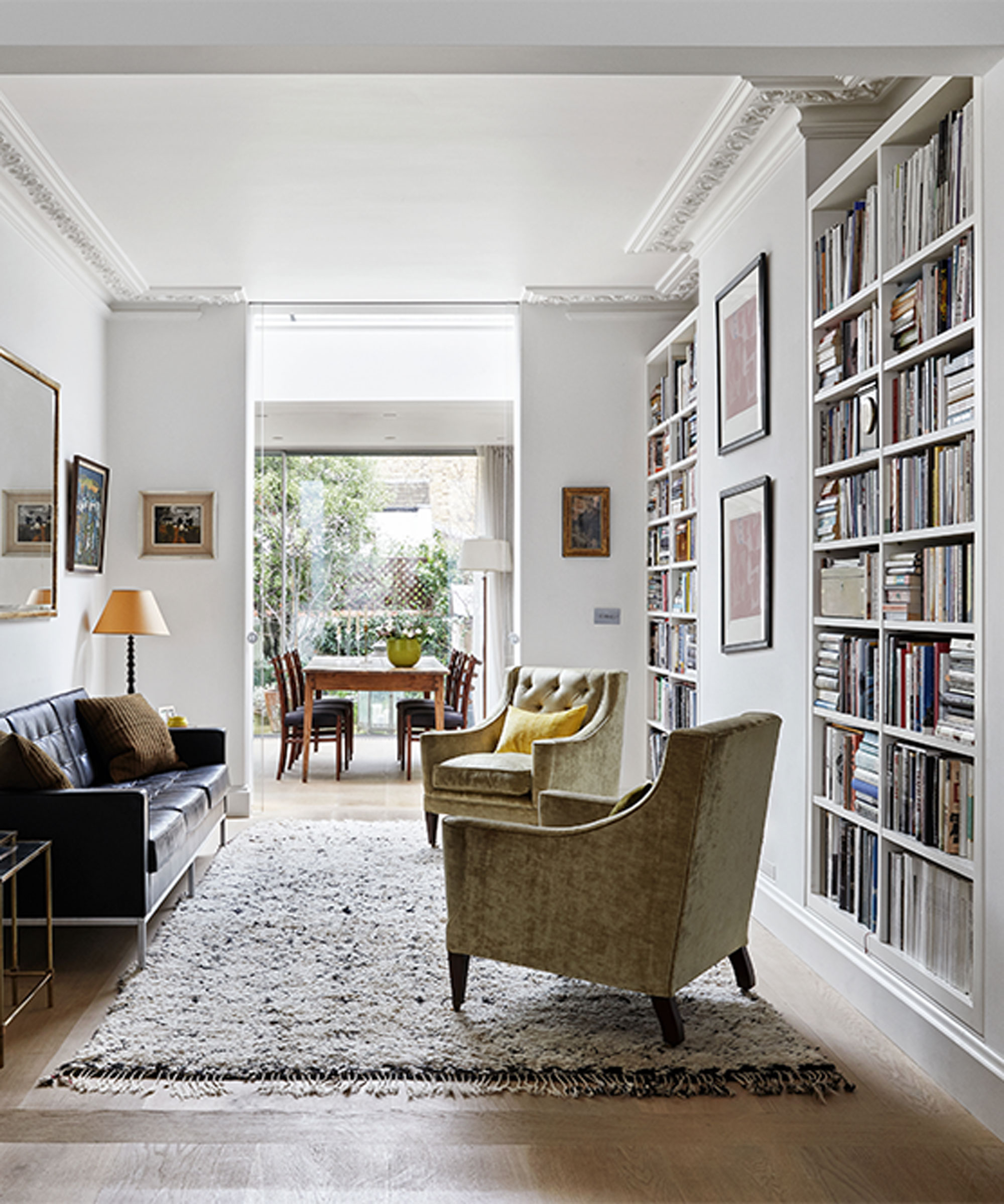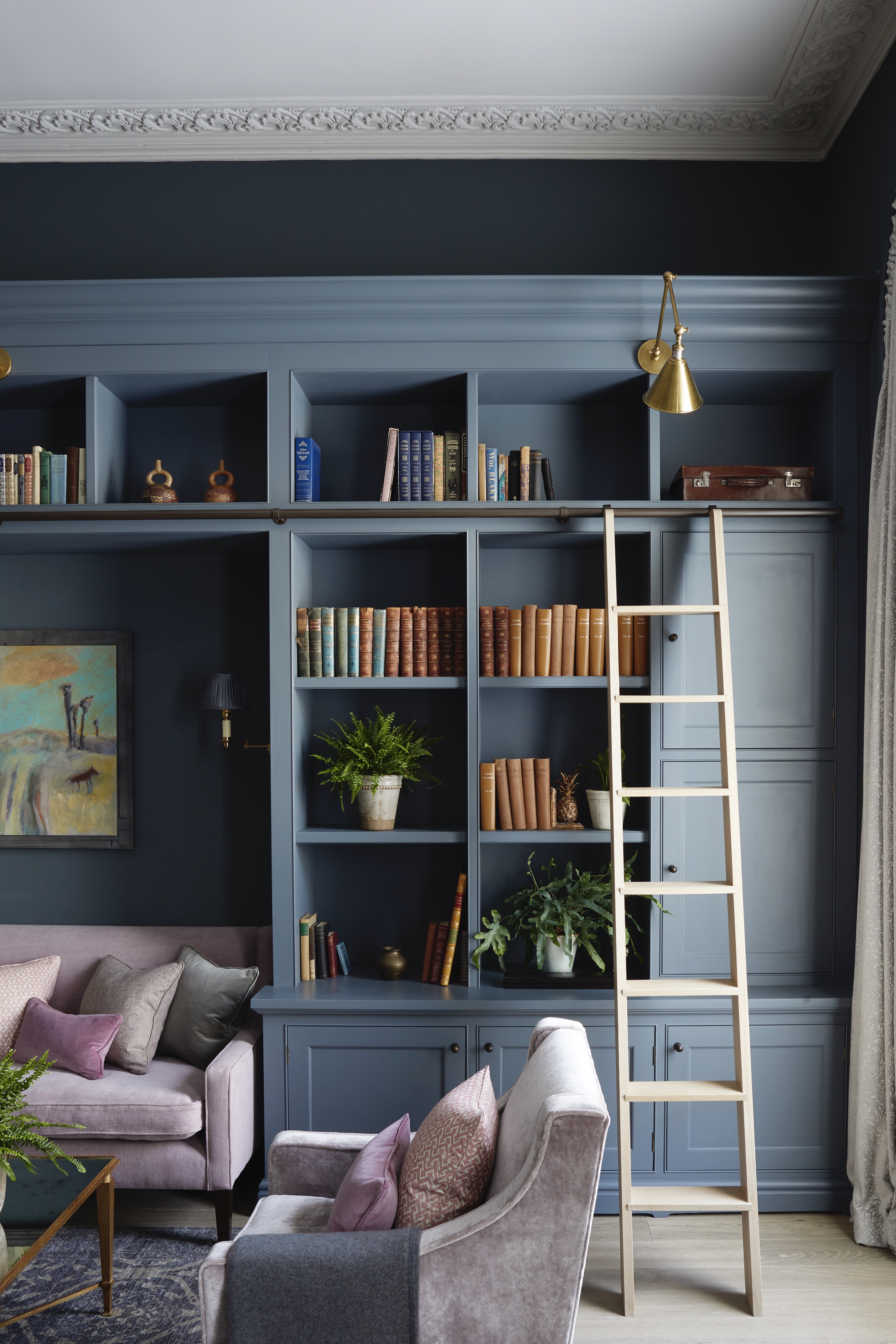
1/12
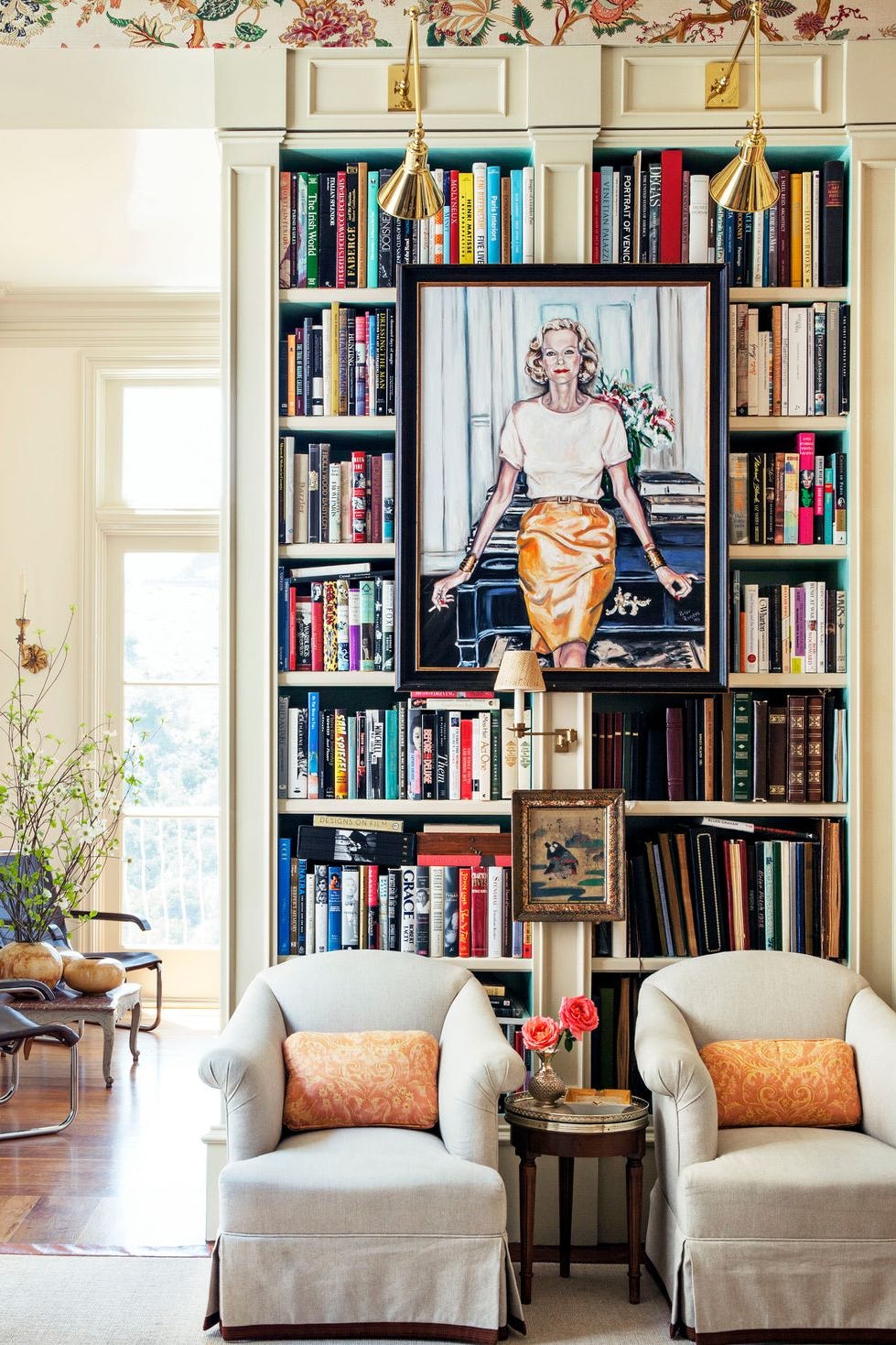
How 11 Writers Organize Their Personal Libraries
The organization of personal libraries is a topic of considerable debate among book enthusiasts, often revealing insights into an individual's personality, interests, and reading habits. While the debate over alphabetization versus color-coding or other systems might seem trivial, for many avid readers, particularly writers, it is a deeply personal and often meticulously planned endeavor. A person's bookshelves offer a unique glimpse into their world, reflecting their intellectual journey and aesthetic preferences.
Susan Sontag, for instance, eschewed alphabetical order, preferring to arrange her vast collection by subject or, for literature, by language and chronologically, following a "Beowulf to Virginia Woolf principle." She found the idea of placing disparate authors like Pynchon and Plato alphabetically nonsensical, opting instead for a thematic and historical flow. Her library was structured with distinct sections for English, Spanish, Italian, Japanese, Greek, Chinese, and Russian literature, alongside ancient history, Judaism, early Christianity, Byzantium, the Middle Ages, philosophy, psychiatry, and the history of medicine. Her own works were intentionally kept out of sight in a small room.
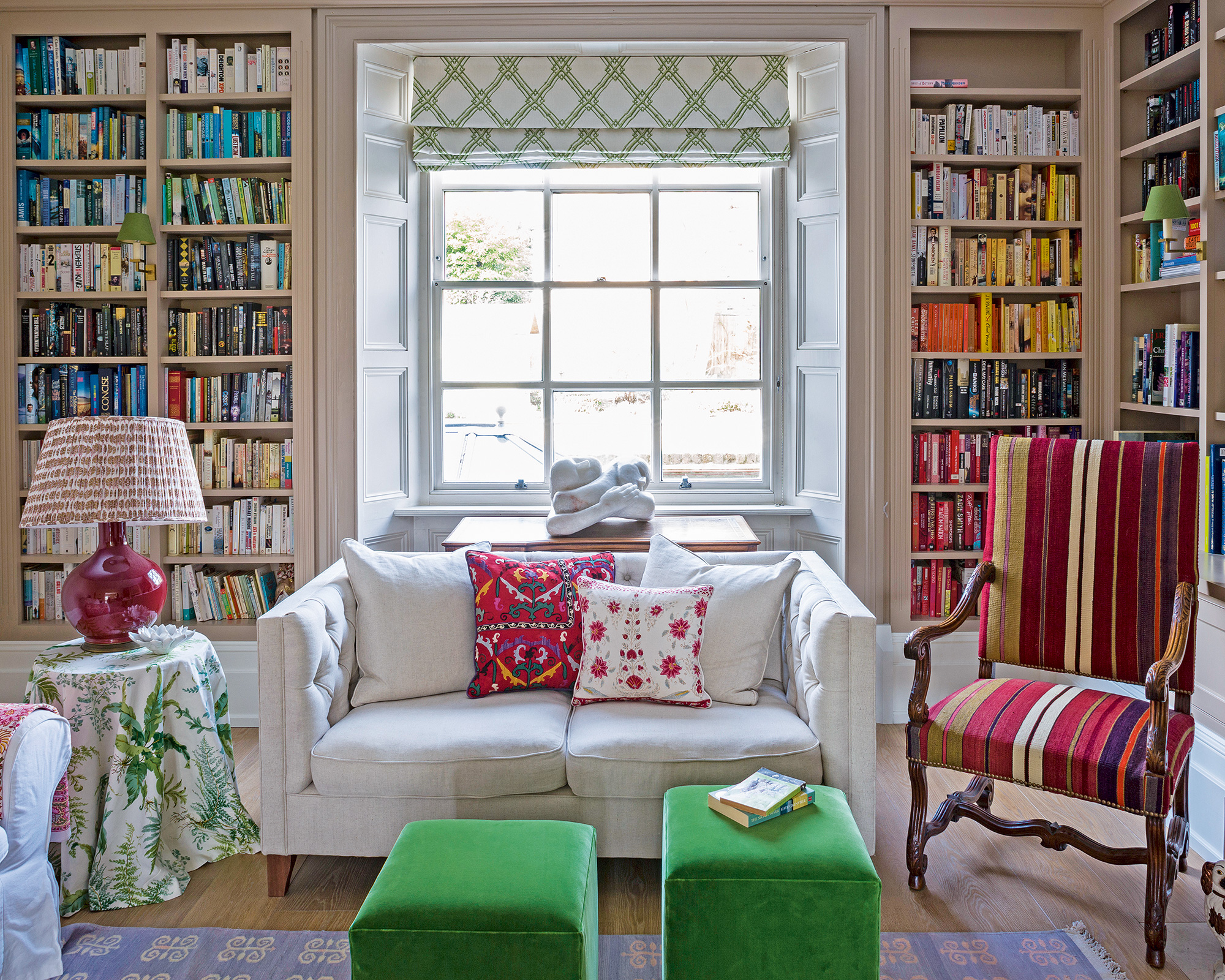
Hanya Yanagihara, on the other hand, a collector of some 12,000 books, staunchly adheres to alphabetical order, asserting that color-coding indicates a lack of genuine concern for a book's content. She regularly culls her collection, despite owning multiple editions of certain titles to give away. Conversely, Ayelet Waldman and Michael Chabon experienced a domestic bookshelf reorganization by color initiated by Chabon, which Waldman found chaotic, especially given their sons' colorblindness, often leading her to repurchase books she already owned.
Georges Perec, in his essay "Brief Notes on the Art and Manner of Arranging One's Books," explored numerous classification methods—by continent, color, acquisition date, publication date, format, genre, literary period, language, reading priority, binding, and series. He concluded that no single system is entirely satisfactory, and most personal libraries employ a combination of these. Perec distinguished between stable classifications, which are consistently maintained, and provisional ones, which are temporary. He humorously admitted that much of his own collection remained in a state of "provisionally definitive" disarray, often leading him to spend hours searching for a specific book only to discover others that served his purpose just as well.
Samuel Pepys famously maintained an extremely ordered library of exactly 3,000 volumes, numbered by size. He employed a space-saving technique of double rows with narrower, raised shelves for taller books. His commitment to precision was such that he even had wooden blocks carved to match the height of shorter volumes within a set, ensuring visual uniformity. Allegra Goodman also uses a double-shelf system, organizing books chronologically within subjects, though she admits to a constant state of disarray and a tendency to buy duplicate copies of books she cannot locate. She hopes to properly organize her books once her last child leaves for college.
Karen Joy Fowler's system is highly personal and social, grouping authors based on personal connections and workshops attended. For instance, close friends Richard Butner and Christopher Rowe are placed together, with Gwenda Bond, Rowe's wife, beside him. Authors she doesn't know personally are grouped by subject, enthusiasm, or purchase date. Brian Evenson describes a chaotic system with competing organizational principles. He attempts to alphabetize fiction but has also created genre-specific sections and press-specific collections, resulting in books from the same author being scattered across different categories. His non-fiction and other collections are even more haphazard, often leading to accidental discoveries or prolonged searches, sometimes necessitating the purchase of new copies.
Fran Lebowitz organizes her books first by broad categories like fiction, letters, and essays, then by numerous subdivisions, and finally alphabetically within those. She maintains a separate biography section, despite arguments from her assistant who prefers a unified author-centric system. Lebowitz’s apartments are primarily for her books, not herself, reflecting her dedication. She also possesses an extensive reference library, including a cherished, albeit expensive, second edition of the Oxford English Dictionary. James Dickey, with his 20,000-volume library, preferred strict alphabetization by author, believing that subject classification was too prone to overlap. Erica Jong, during a house hunt, noted that many writers are compelled to find homes large enough for their books. Her earlier system combined author, subject, and period, eventually evolving to include a "cataloging by whim" method that grouped books by shared themes or authors that resonated with her, such as works by and about women and the women's movement.
#BookOrganization #PersonalLibraries #LiteraryFigures #Bookshelves #HomeDecor #SusanSontag #HanyaYanagihara #GeorgesPerec #SamuelPepys #BookOrganization #PersonalLibraries #LiteraryFigures #Bookshelves #HomeDecor #SusanSontag #HanyaYanagihara #GeorgesPerec #SamuelPepys
0개의 댓글이 총 표시됩니다.
 아직 댓글이 없습니다
추가로 마음에 드릴 만한 콘텐츠
Ten practical home libraries that showcase their owners' book collections

10 of the most incredible home libraries around the world
17 Literary Home Accessories Every Book-Lover Should Own


A home library – when reading nooks are no longer enough

Fully booked: Tips for organizing your home library

Organizing a bookshelf – 15 ways to keep on top of your tomes

Why My Living Room Bookshelves Are the Best Part of My Home

Home library space: a bibliophile’s dream


DIY bookshelves — 11 creative ways to store books and literature you love

7 Genius Tips to Make Your Bookshelf Less Cluttered, According to Organizing Pros

Transform Your Reading Nook With These 17 Genius Book Organizers

21 home libraries that will make a bookworm weak at the knees

19 Creative Storage Solutions For The Book-Obsessed
A Home Library Can Tell Your Life Story (Published 2024)
The most beautiful home libraries in Britain
Here's How Designers Really Feel About Those Rainbow Bookshelves

How do you organize your sample library?

From the Archive: A Tour of Some of the World’s Most Elegant Home Libraries

Check out the decor of these home libraries
Literary Elitists Love These 9 Bookshelves