




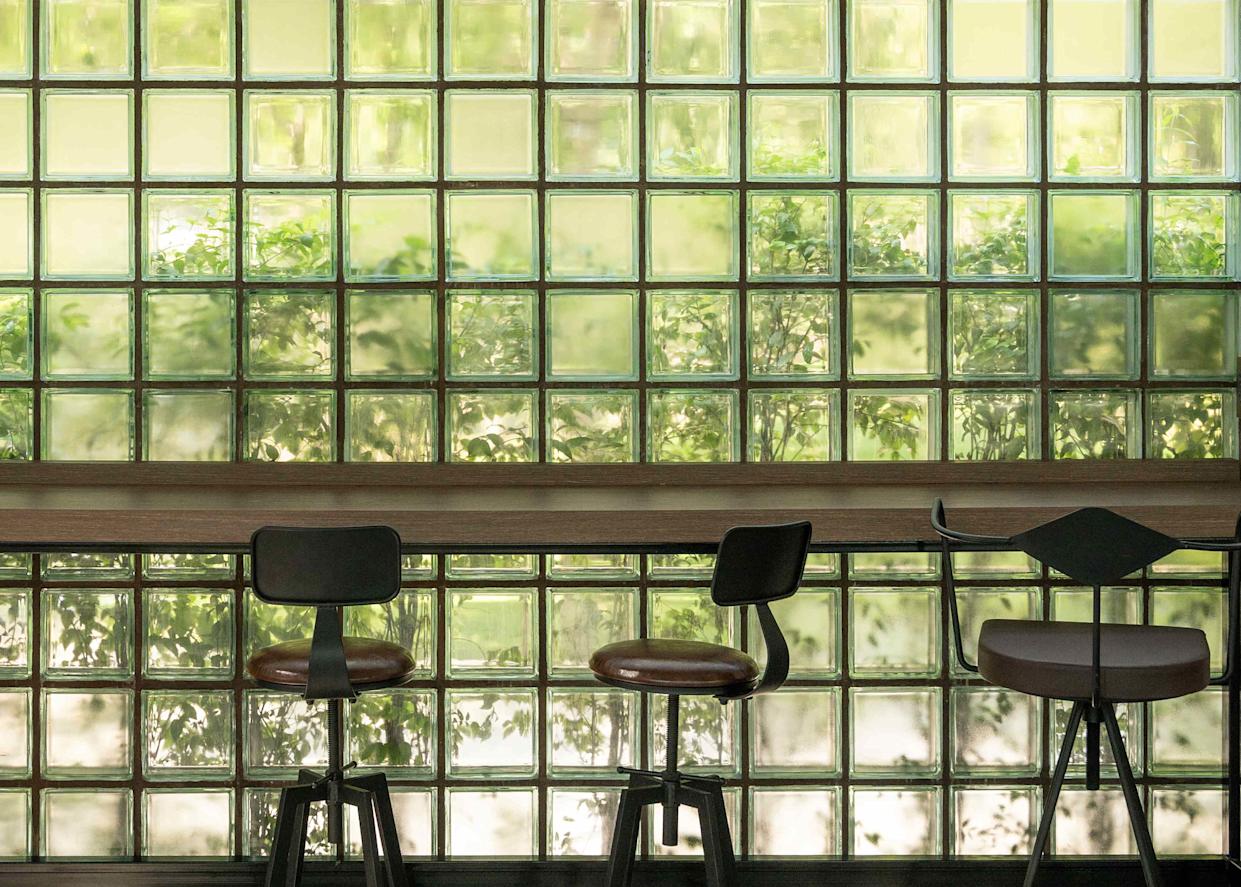
Glass Blocks Are the Vintage Trend We're Loving in 2025—Here's How to Use Them
Glass blocks, a material that has cycled in and out of design trends, are experiencing a significant resurgence in 2025. Once a staple of architectural innovation in the early 20th century, they became associated with utilitarian and unappealing spaces before being re-embraced for their unique blend of aesthetic and functional qualities.
The historical use of glass blocks dates back to notable architectural projects like the Maison de Verre in the late 1920s, designed by Pierre Chareau and Bernard Bijvoet. This iconic structure famously utilized glass blocks for its facade, demonstrating their ability to diffuse natural light during the day and create a luminous effect at night. At the time, this was a revolutionary application for a material primarily relegated to public lavatories. Another key historical example is the entirely glass block building constructed by Owens-Illinois for the 1933 Chicago World's Fair, which showcased the material's potential for standalone structures and its versatility with color incorporation.
Over time, glass blocks fell out of fashion, with many associating them with institutional or uninviting environments such as hospitals, schools, and government buildings. This decline was typical of design movements, where trends eventually become dated. However, contemporary designers are now rediscovering the material, appreciating its inherent ability to diffuse light, create texture, and add depth to spaces, aligning with a modern desire for interiors that feel both private and light-filled. Nostalgia also plays a role in their return, especially for younger homeowners who are drawn to vintage elements, even those they haven't directly experienced.
In current design practices, glass blocks are being incorporated into diverse settings. Examples include Billy Cotton's design for Bridges, a New York City restaurant featuring industrial Art Deco elements and glass block partitions. Charlap Hyman & Herrero used glass blocks to drench an entire bathroom in a Silver Lake project, pushing the boundaries of material application. Darren Jett of Jett Projects has made glass block a signature element, as seen in a Soho project where a circular glass wall encloses a shower. Furniture and lighting designers are also exploring the material; Lee Broom's Chant lighting collection, for instance, directly references the Maison de Verre, reimagining its forms in a contemporary context, even extending to a portable lamp. Furniture designer Sophie Collé recently utilized glass blocks in custom tables for influencer Yu Ling Wu, embedding different styles of blocks within wooden structures, sourcing them from an old restaurant.
For homeowners looking to integrate glass blocks, experts suggest their use in bathrooms and kitchens due to their durability and ease of cleaning. Collé personally used them in her corner apartment to filter natural light from her bedrooms and studio into the main living space, effectively maximizing sunlight. Broom recommends their application as dividers, partitions, and privacy screens, particularly in curved formations, to allow light penetration while introducing texture and sculptural interest into a room. The material offers a unique solution for balancing light, privacy, and aesthetic appeal in contemporary interiors.
#GlassBlocks #HomeDesign #InteriorTrends #ArchitecturalDesign #VintageRevival #LightDiffusion #HomeDecor #ModernInteriors #DesignHistory #GlassBlocks #HomeDesign #InteriorTrends #ArchitecturalDesign #VintageRevival #LightDiffusion #HomeDecor #ModernInteriors #DesignHistory
 아직 댓글이 없습니다