From pastels to botanicals, these 4 Italian tile designs are worth copying in your kitchen
The author recounts a visit to CERSAIE, an international ceramic tile show in Bologna, Italy, where an overwhelming display of design innovation and beauty was presented by 600 exhibitors to 62,000 visitors. The author, who is in the midst of renovating a Victorian home and creating long-stay hospitality offerings, sought inspiration for kitchen designs. The experience at CERSAIE was so impactful that it evoked a sense of Stendhal Syndrome, characterized by feeling overwhelmed by intense beauty. Despite the inability to bring back physical samples, the author gathered rich inspiration, leading to a discussion of four key kitchen remodel ideas directly influenced by the show.
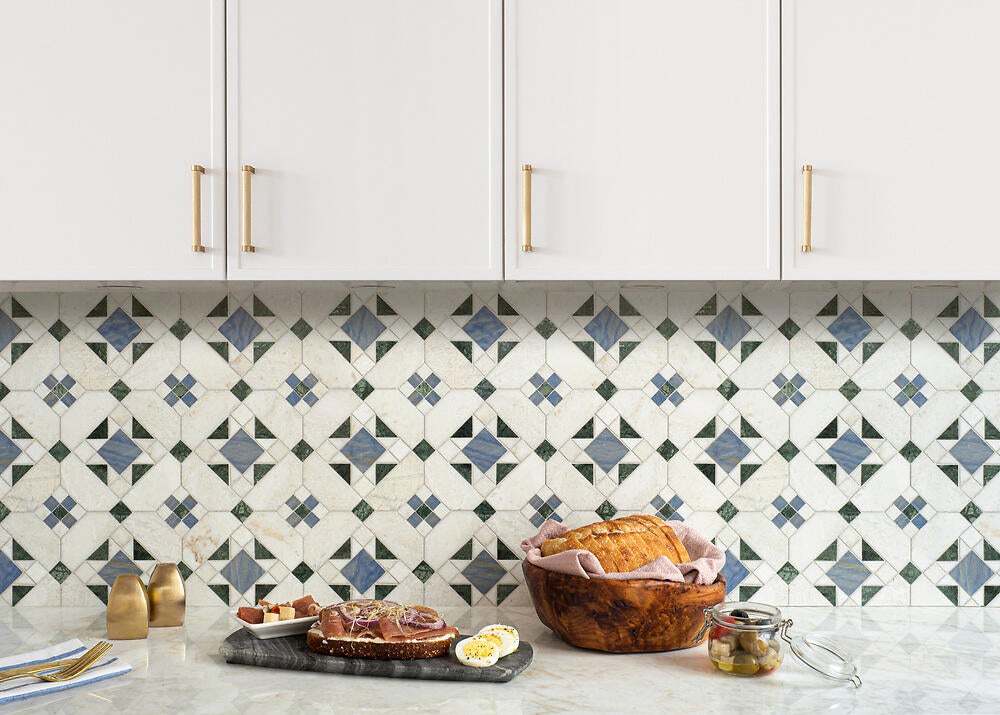
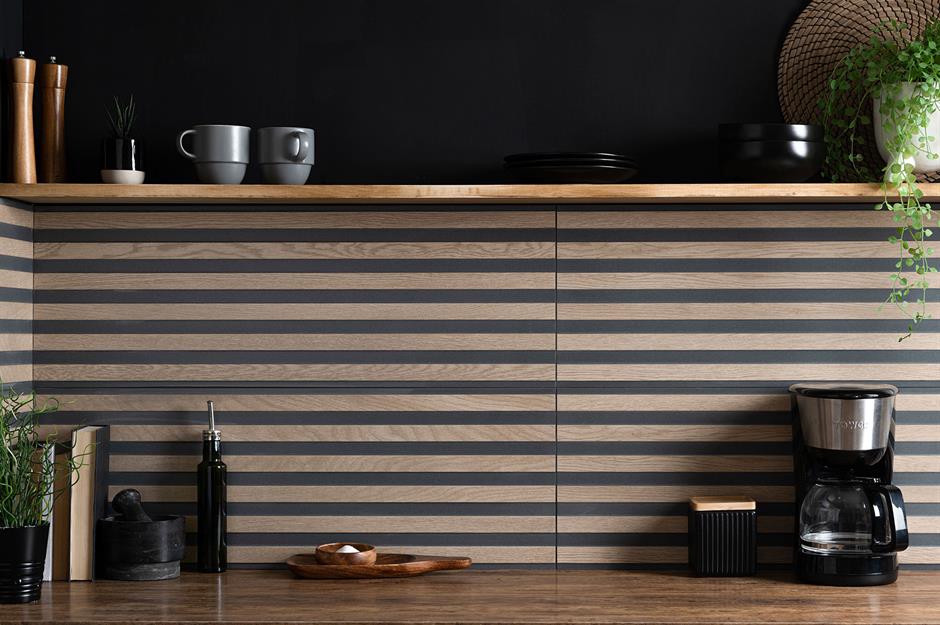
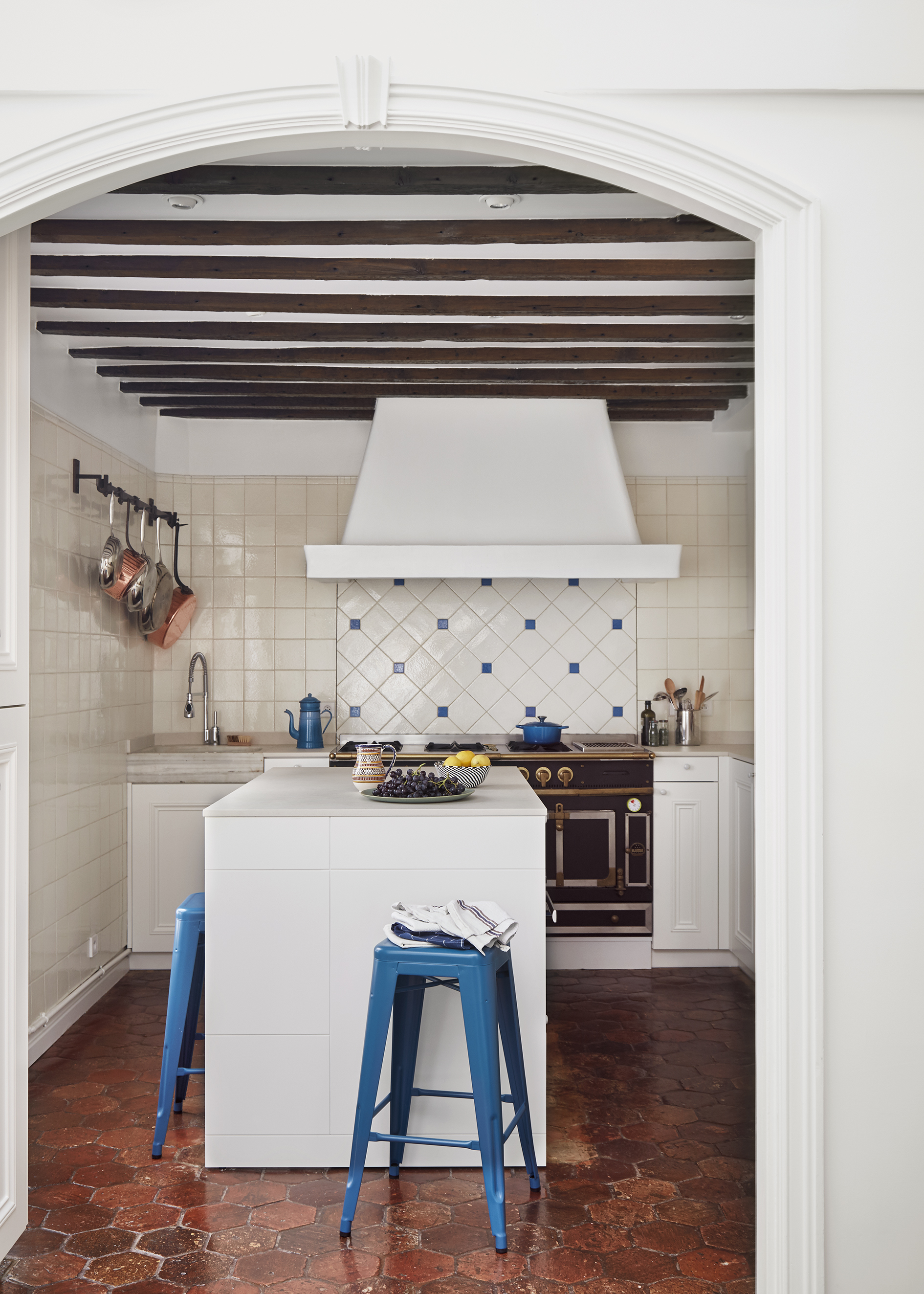
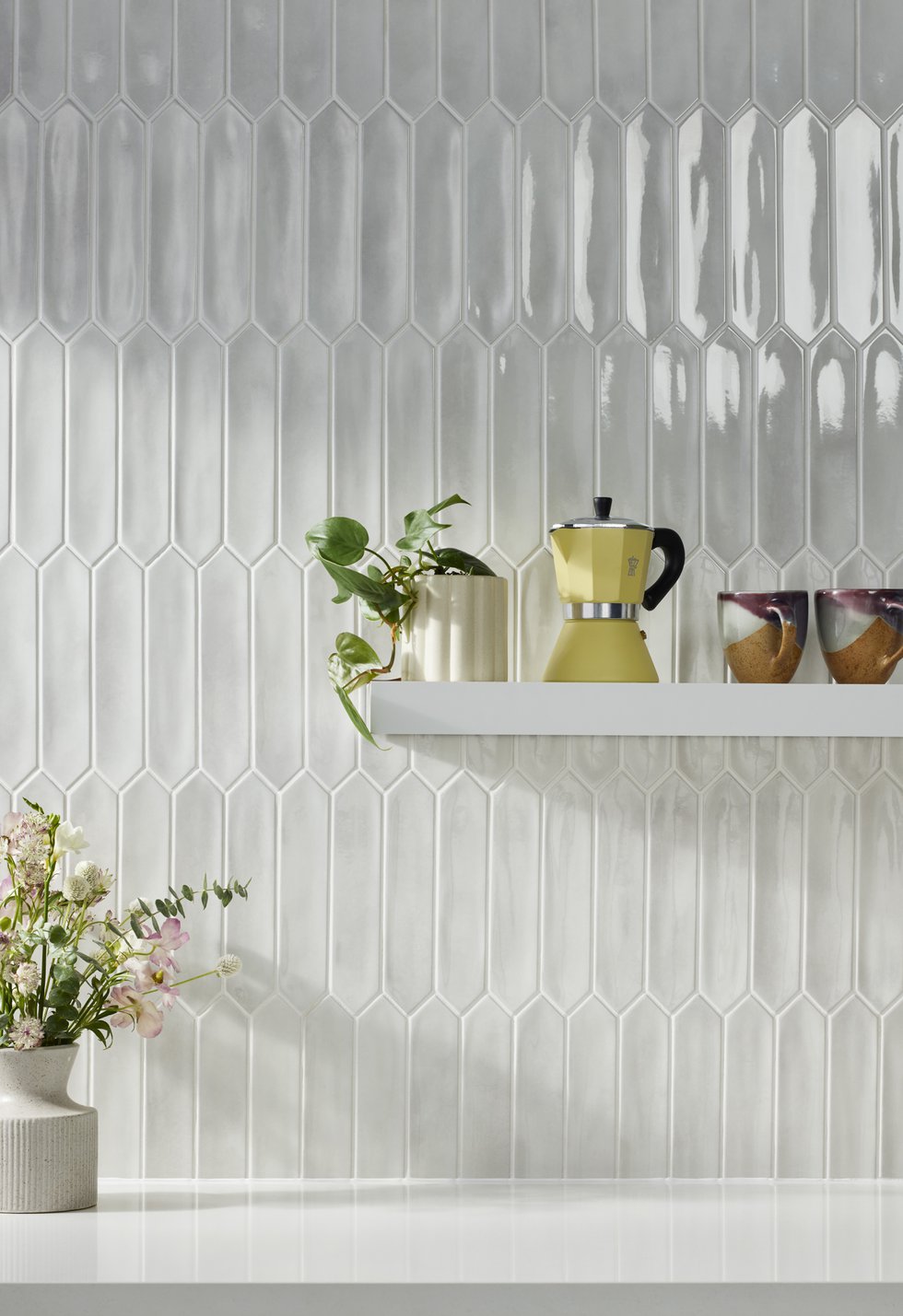
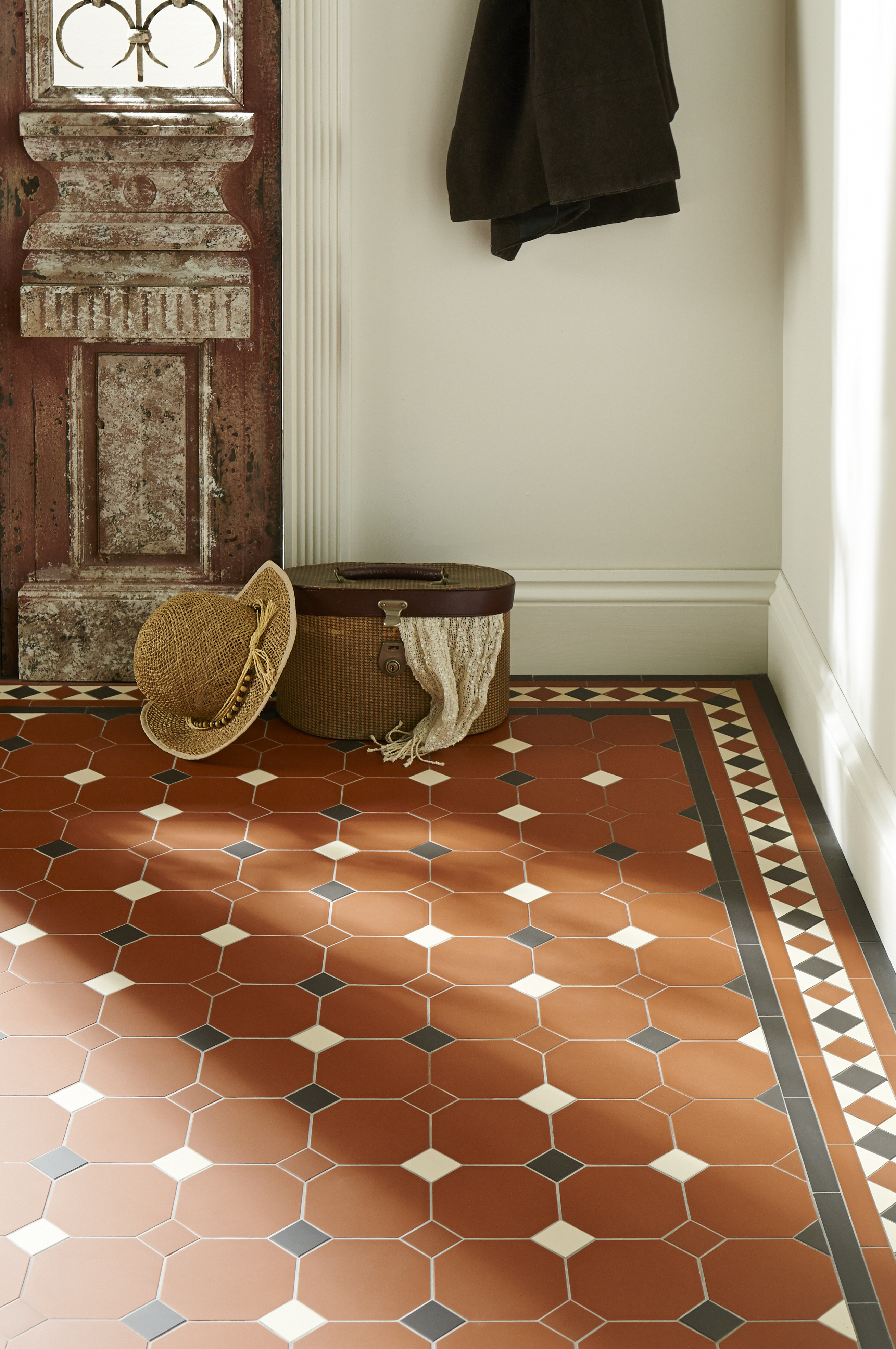
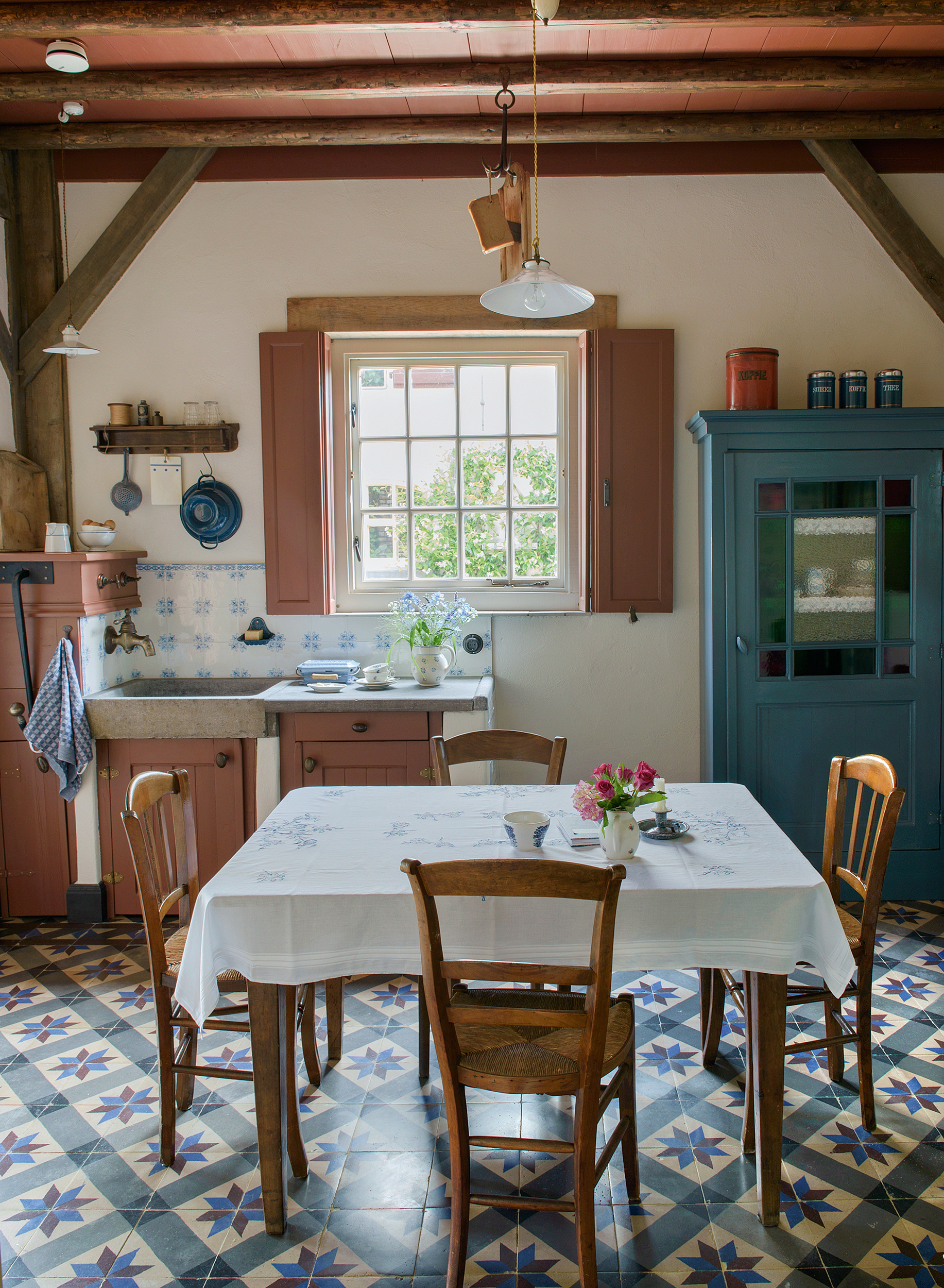
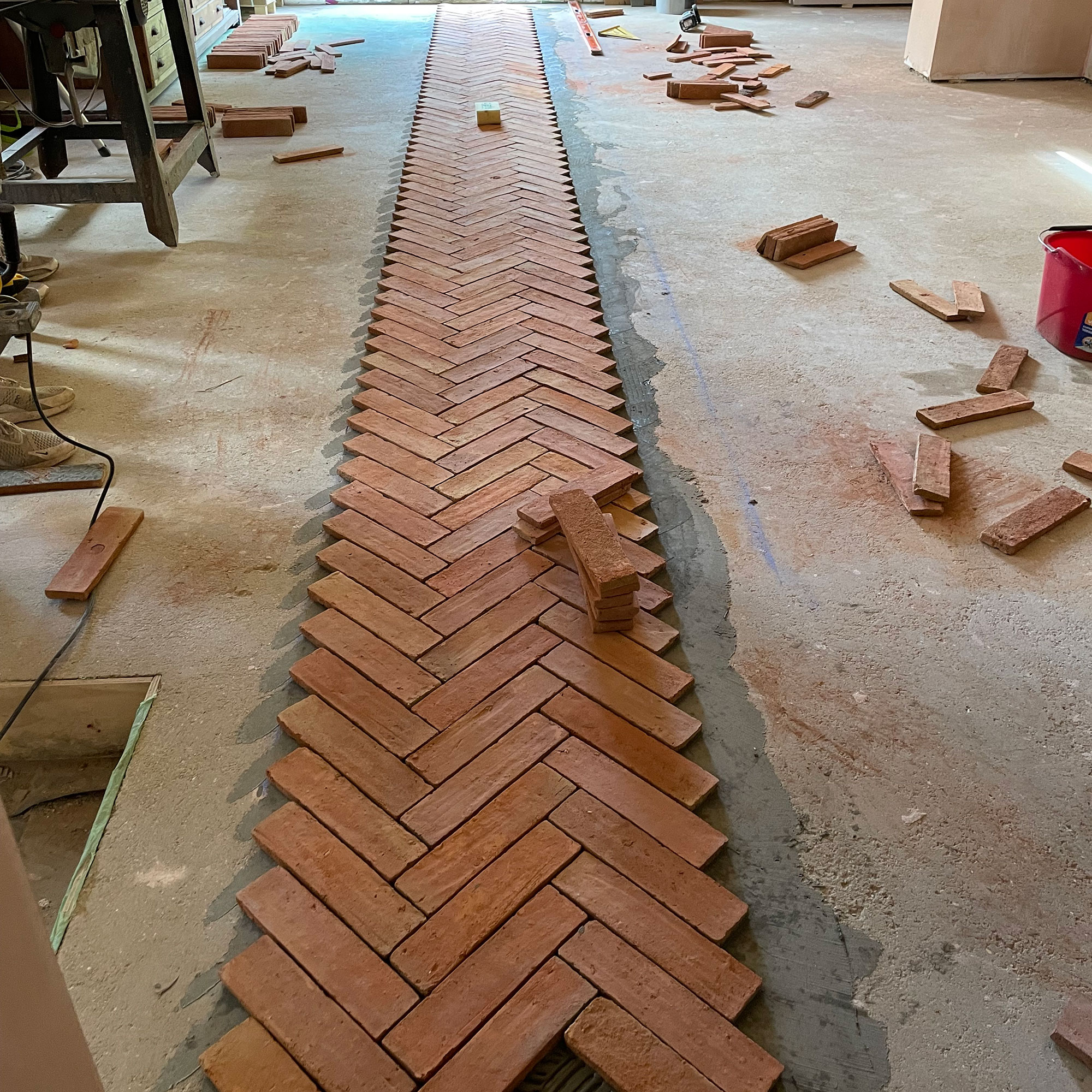
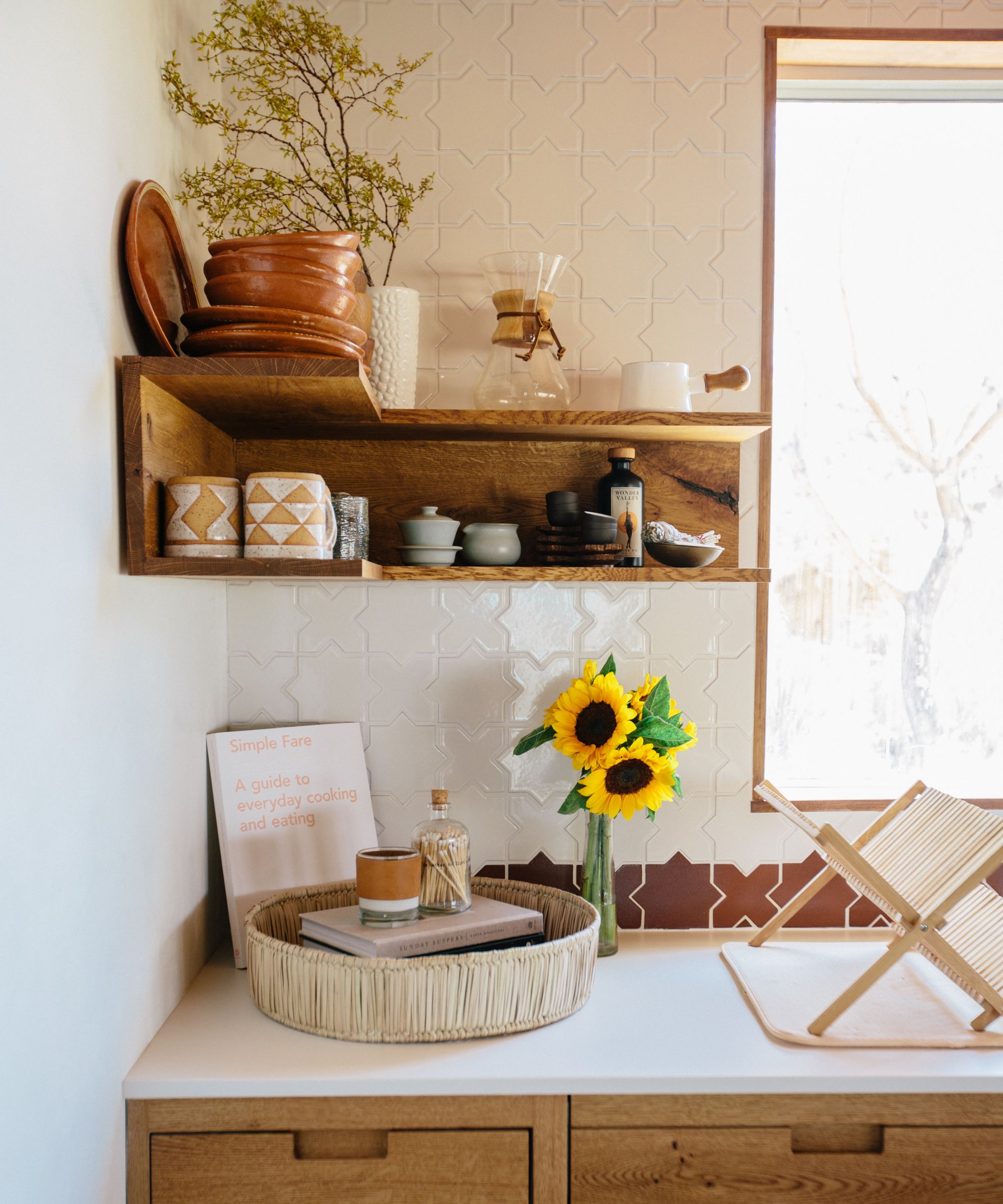
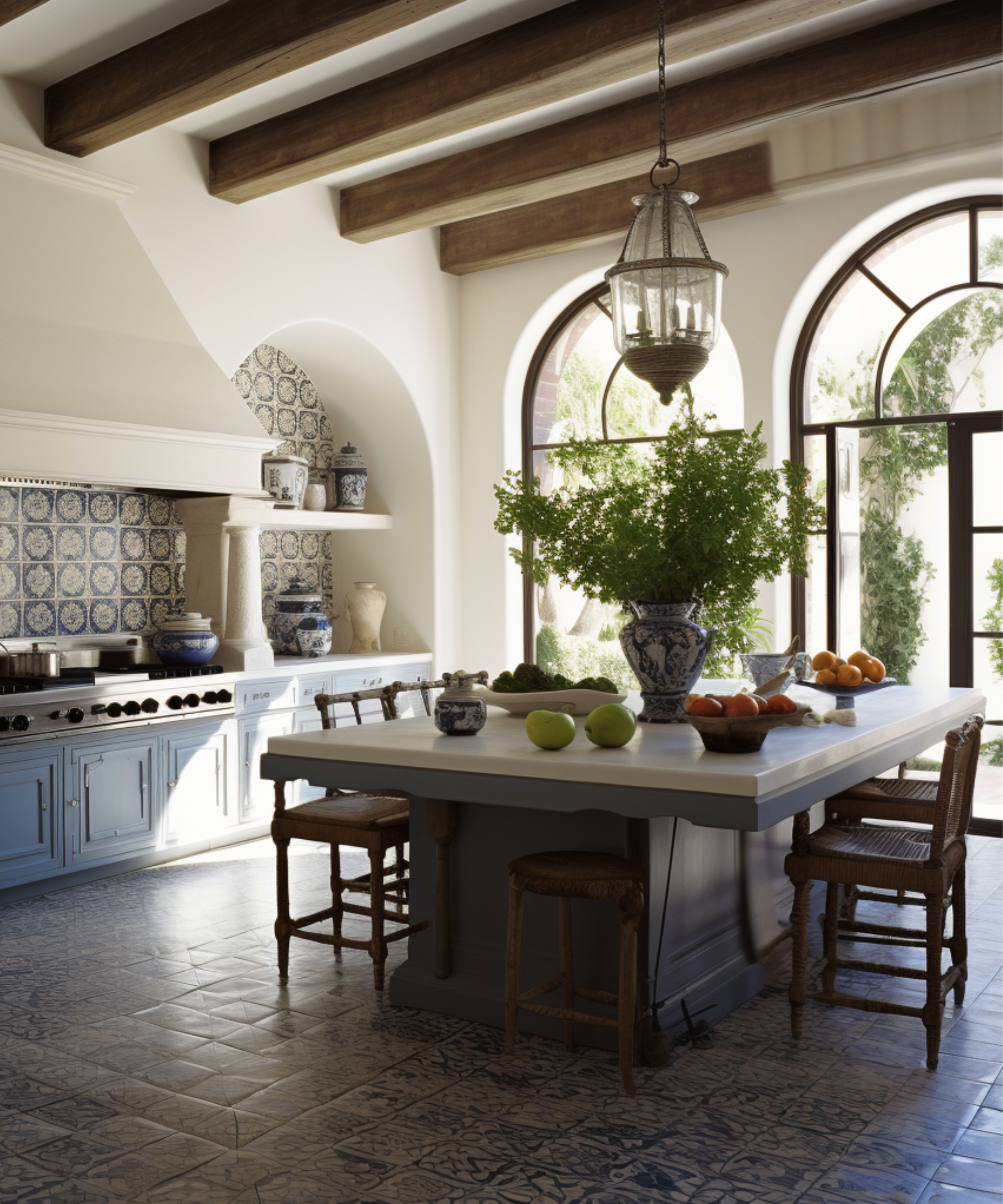
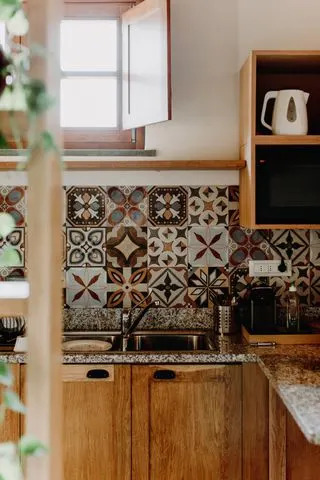
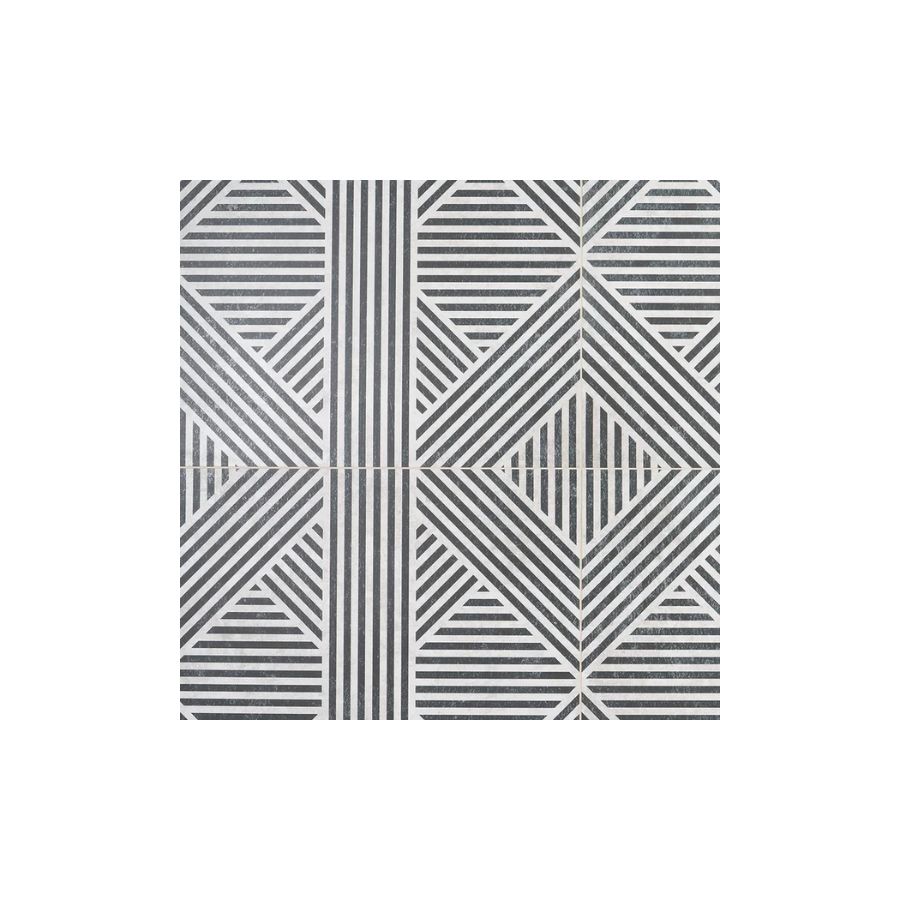
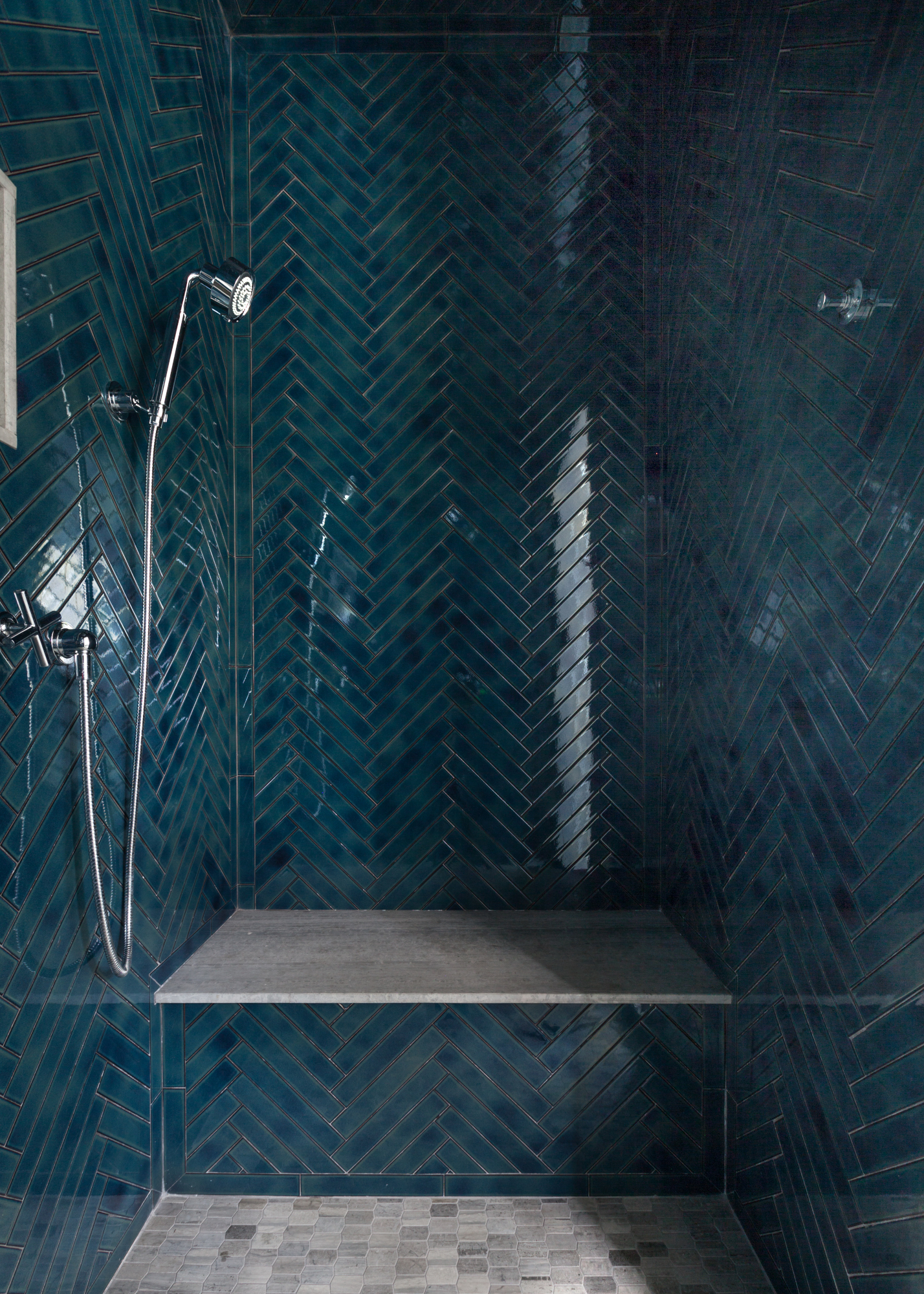
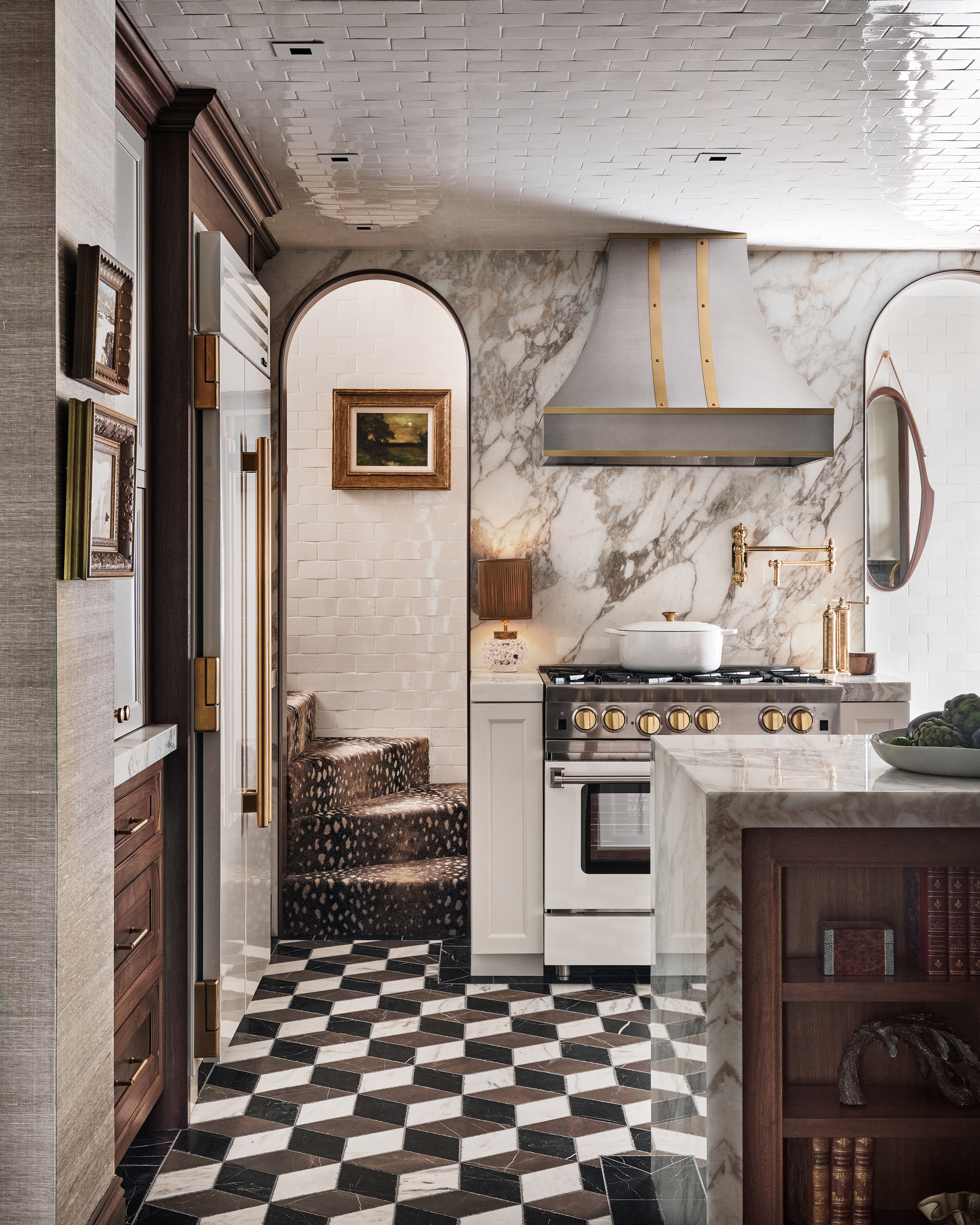
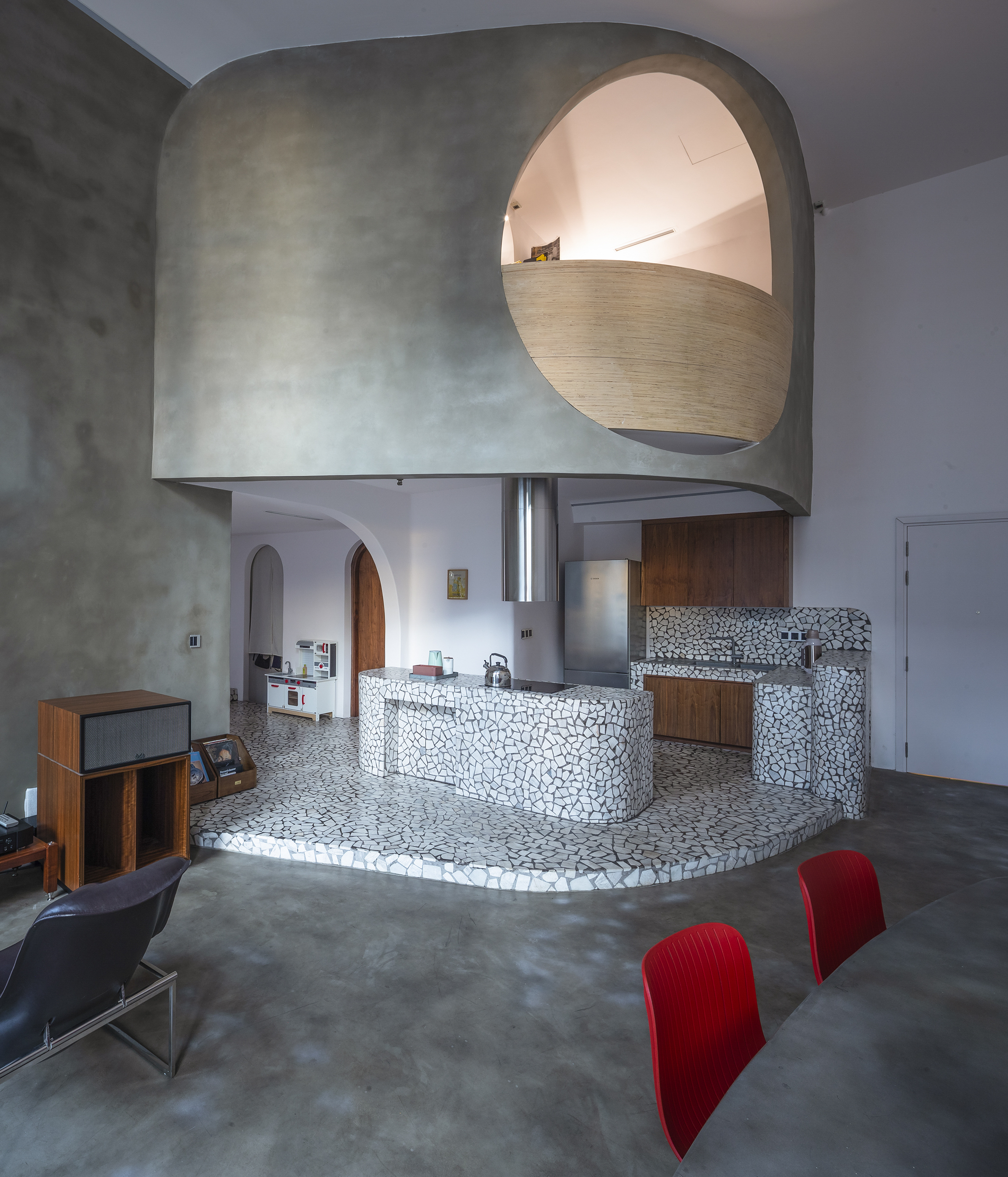
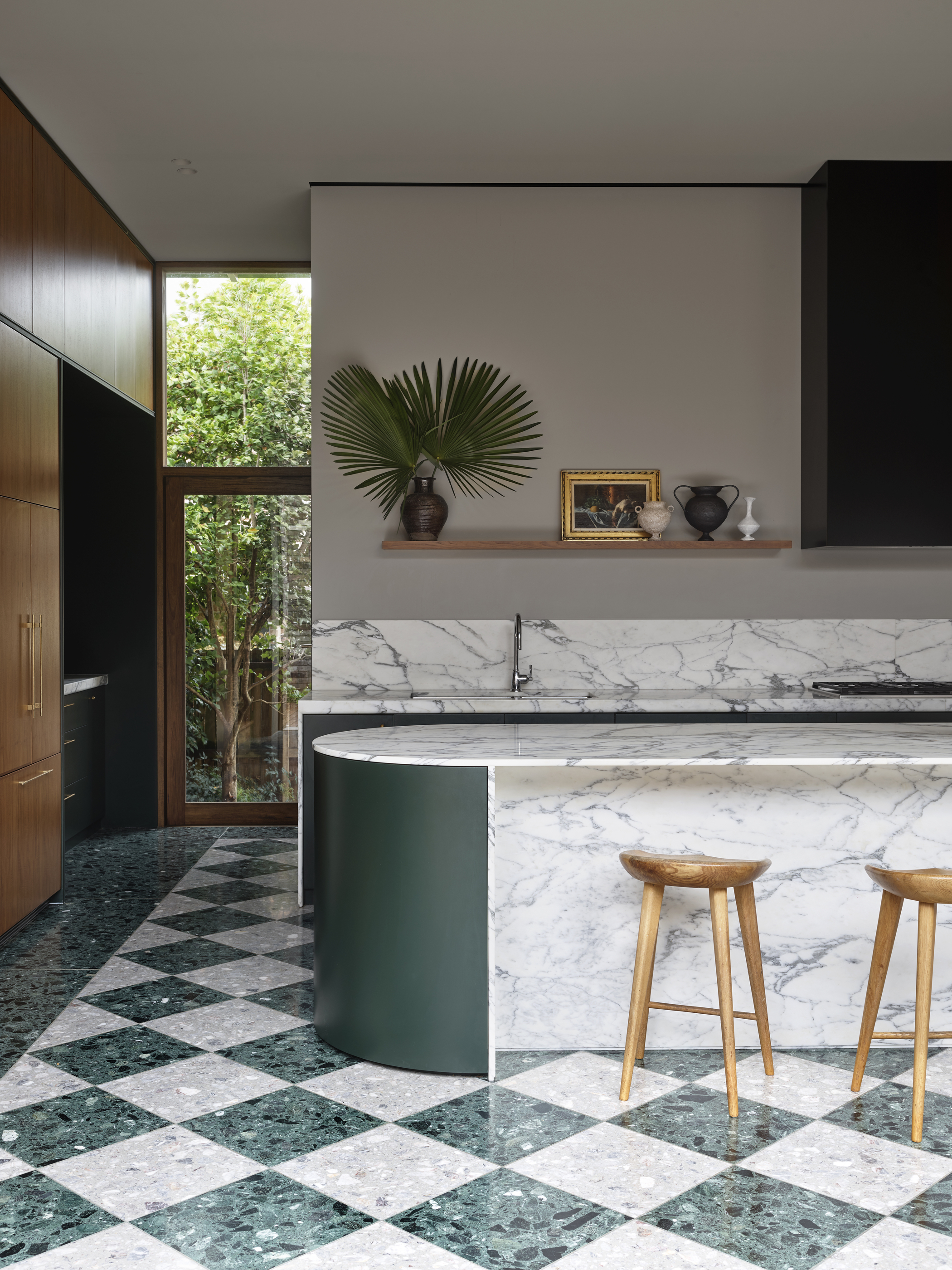
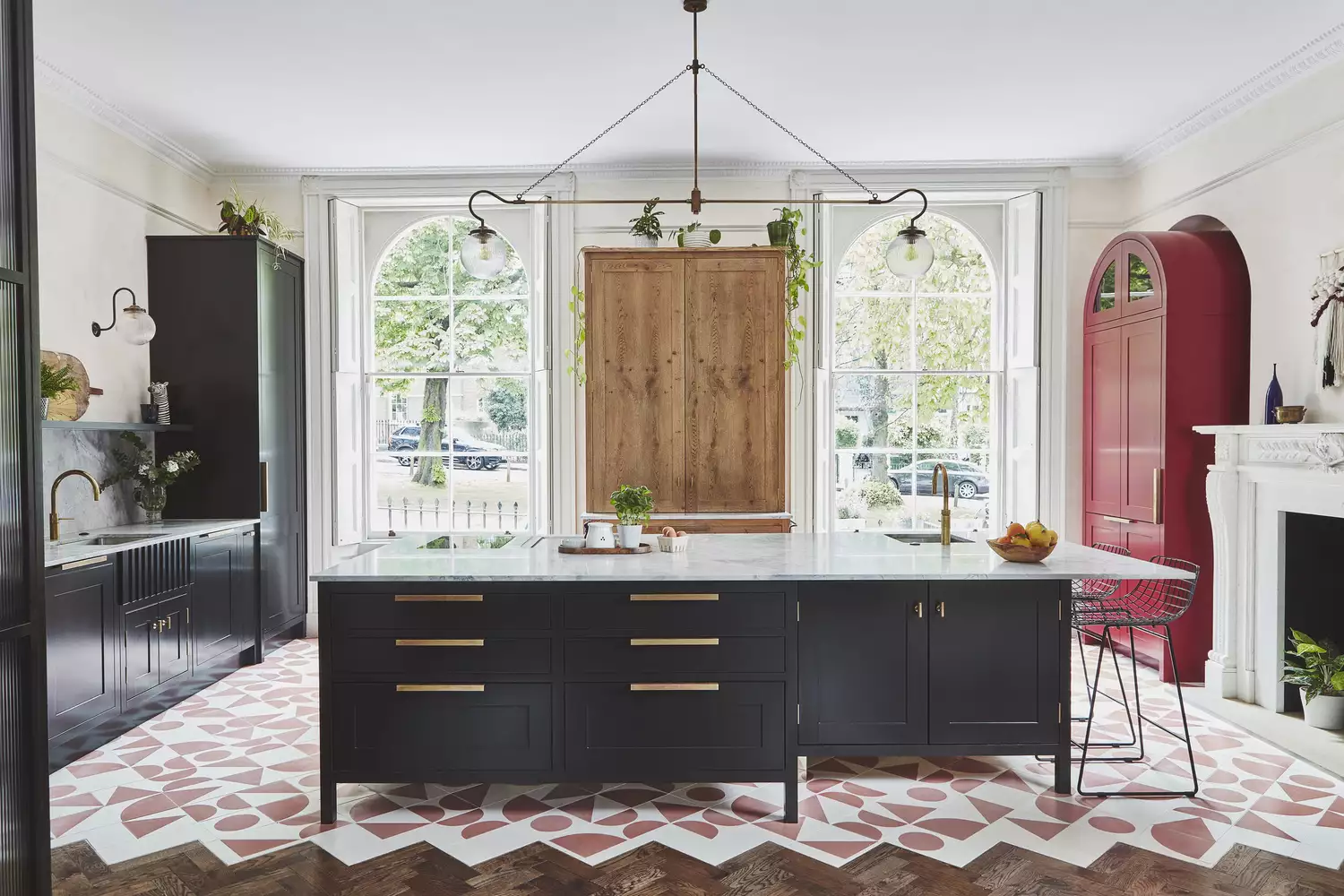
The first key takeaway highlights tile as an art form, transcending its functional purpose as a floor or wall covering. The exhibition featured large-scale art installations and tile murals, creating an atmosphere akin to a museum or art gallery rather than a trade show. The author suggests considering tile's color and texture as a medium for artistic expression, offering possibilities beyond conventional applications, such as unexpected diagonal or zig-zag patterns for added visual interest in kitchen designs.
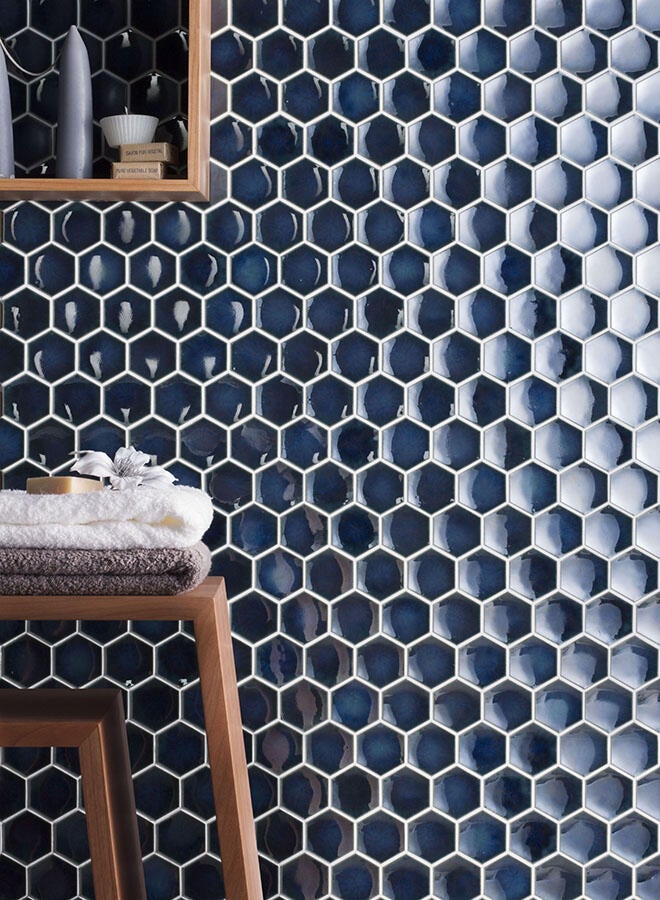
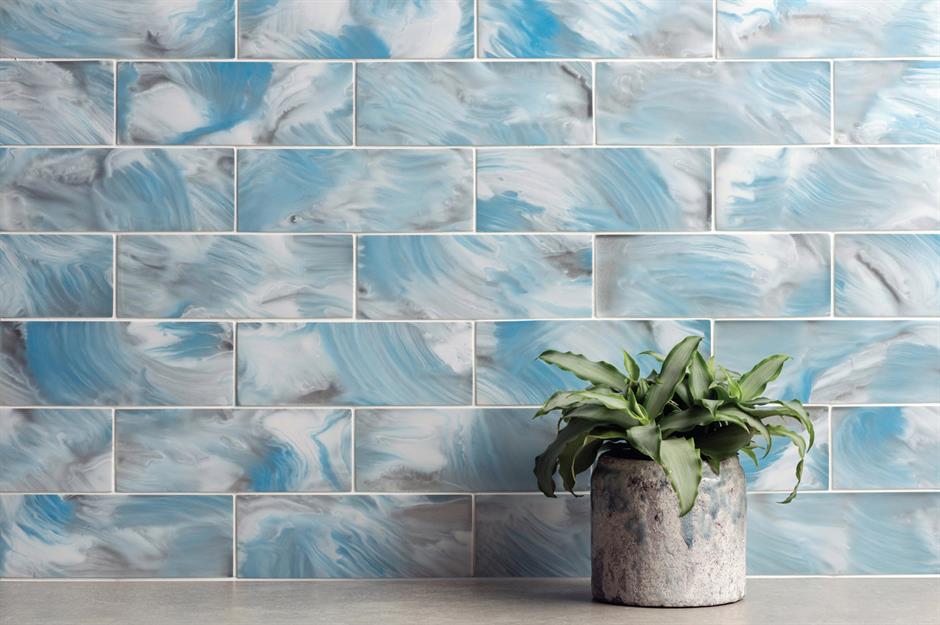
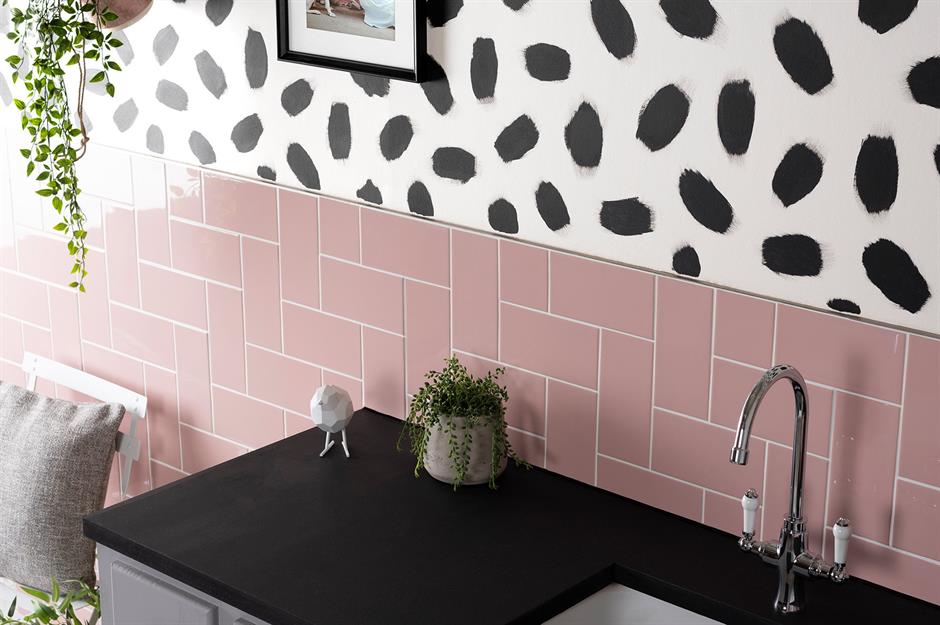
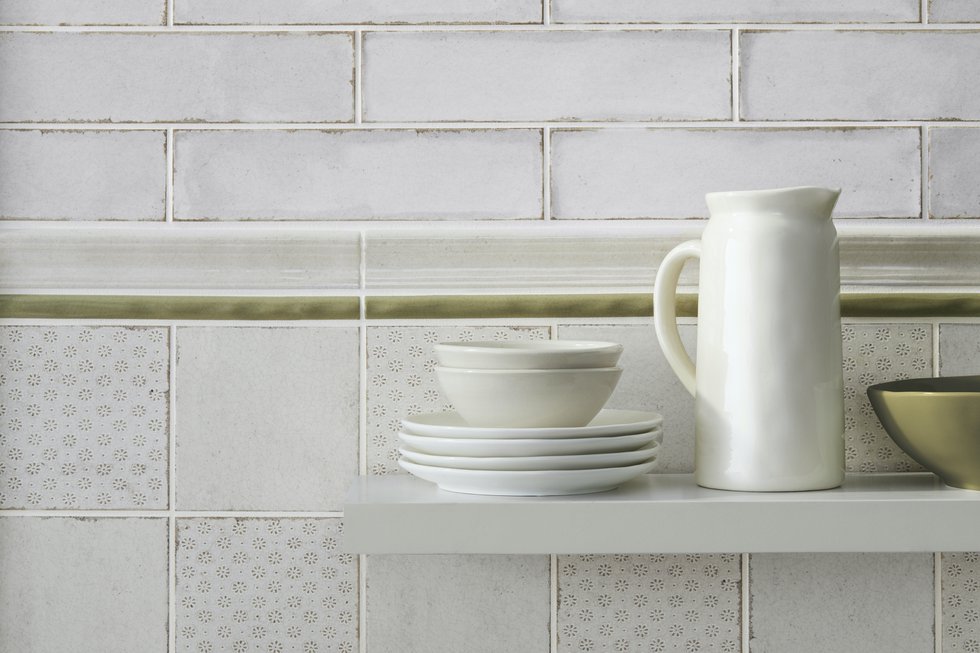
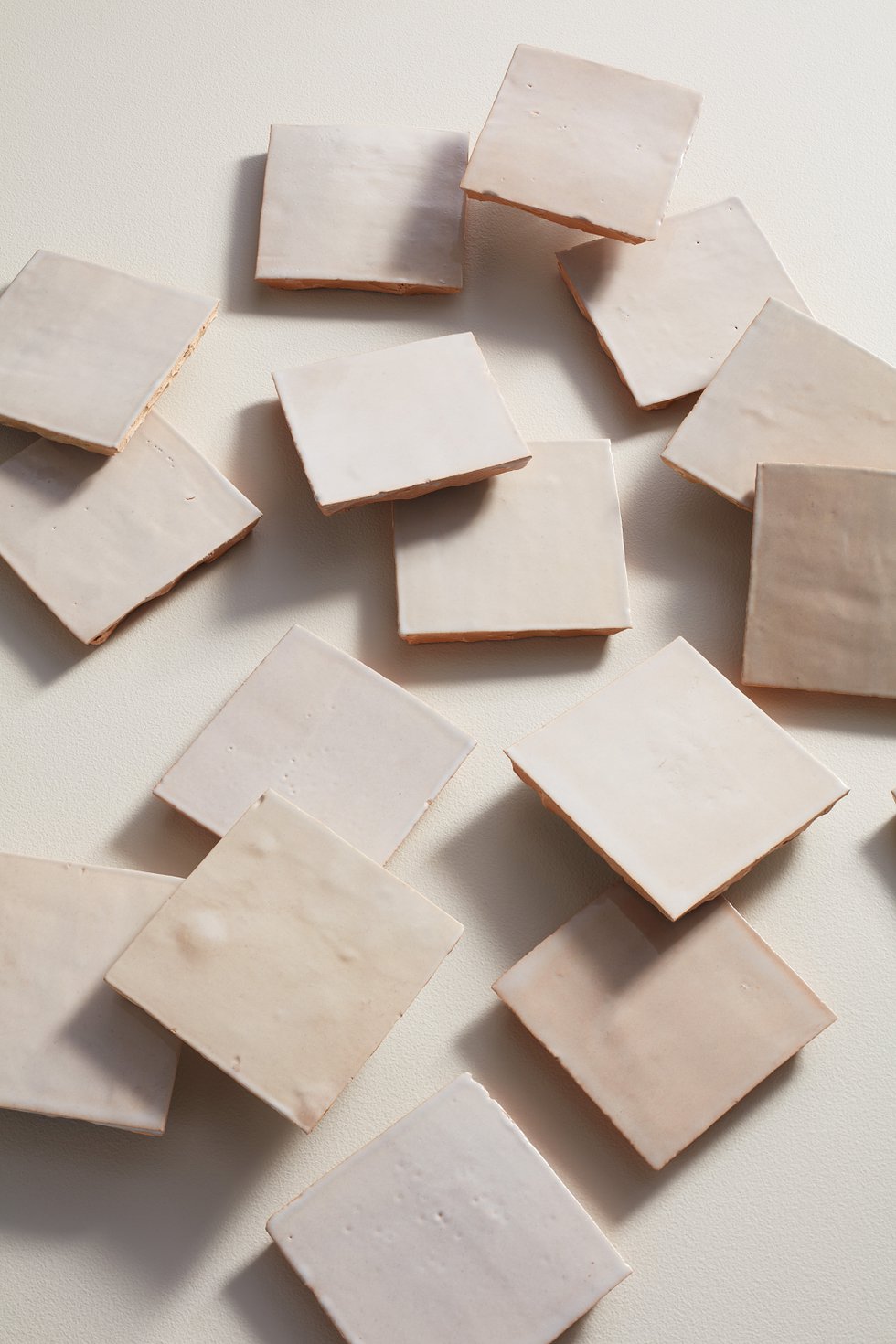
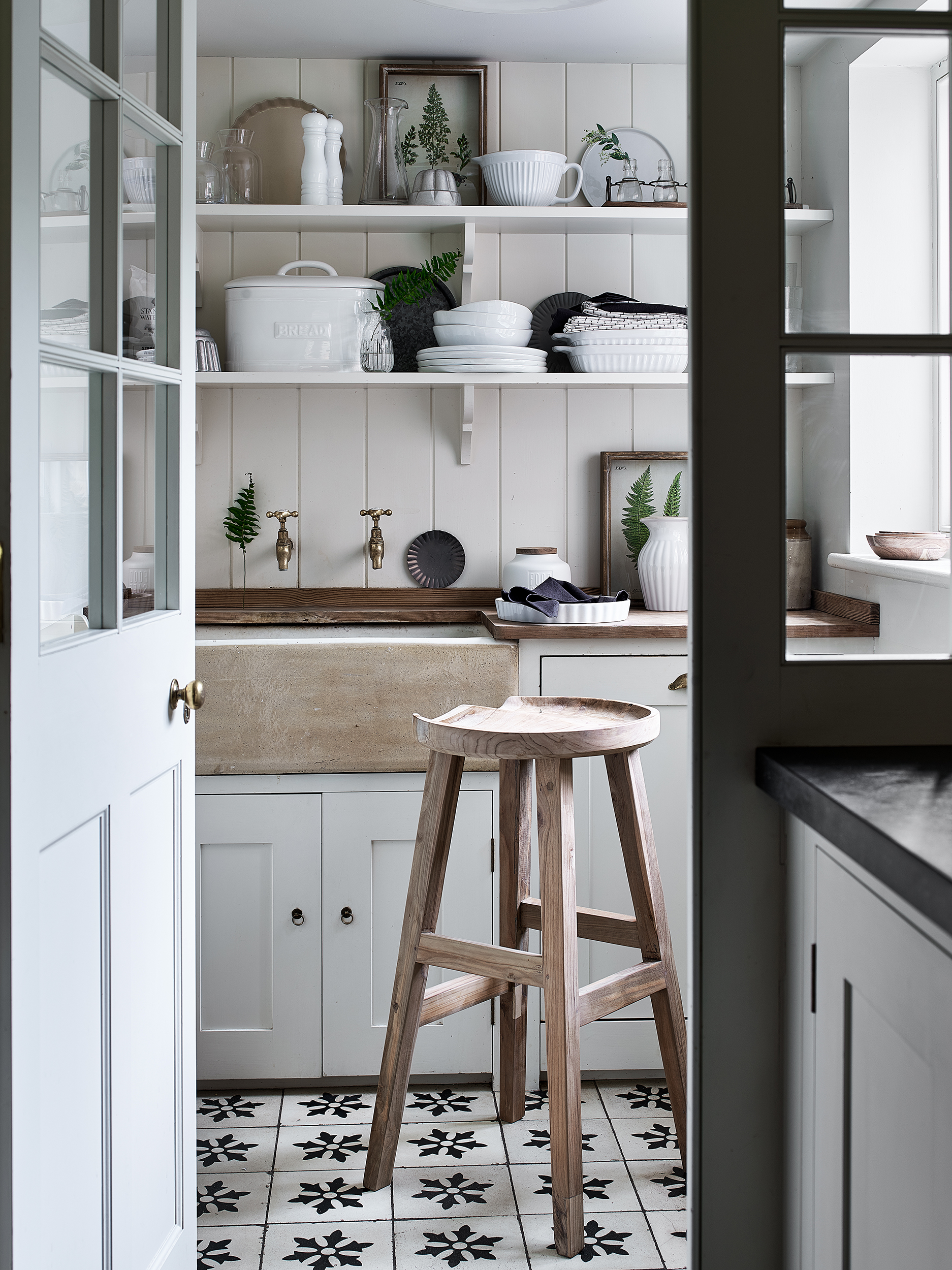
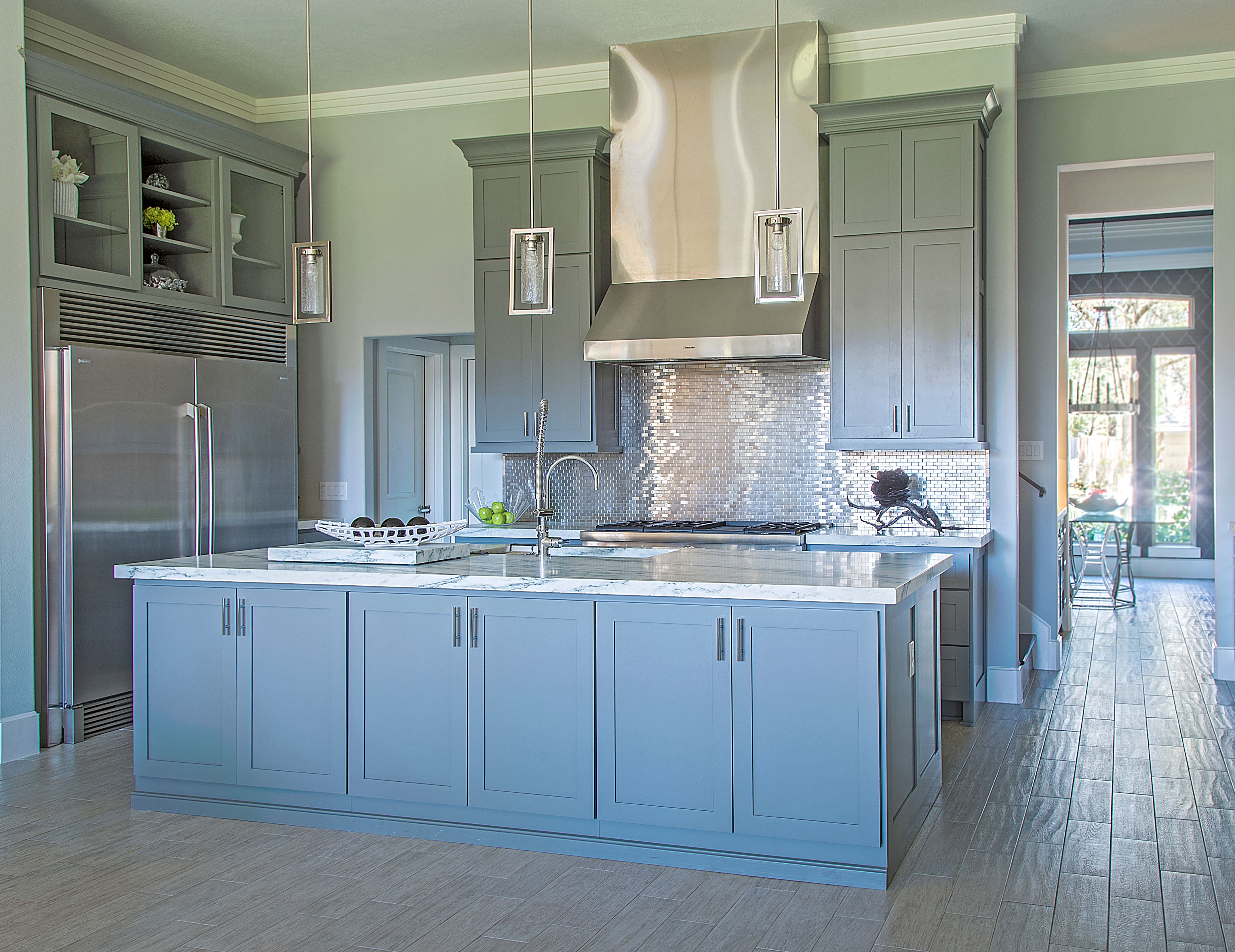
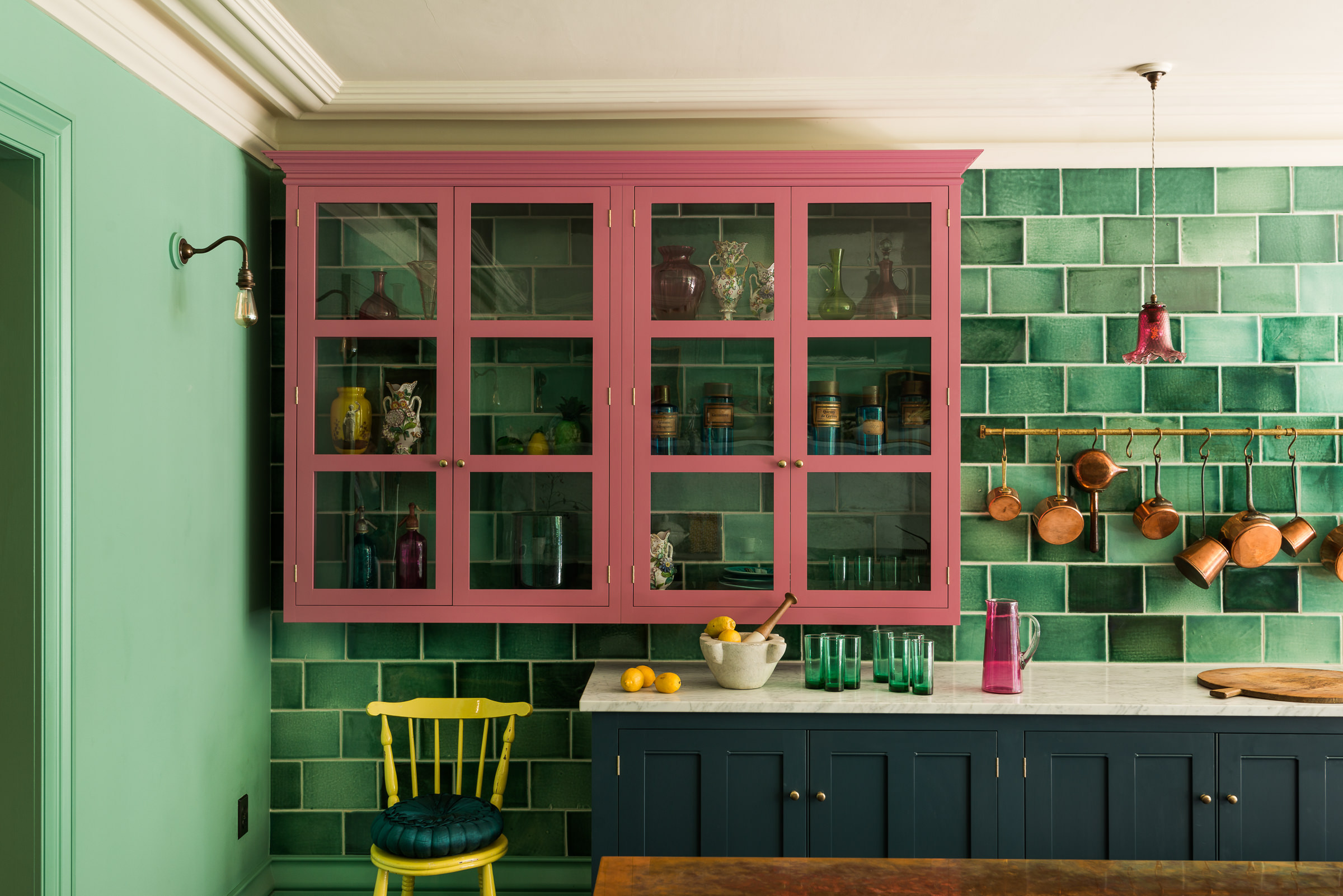
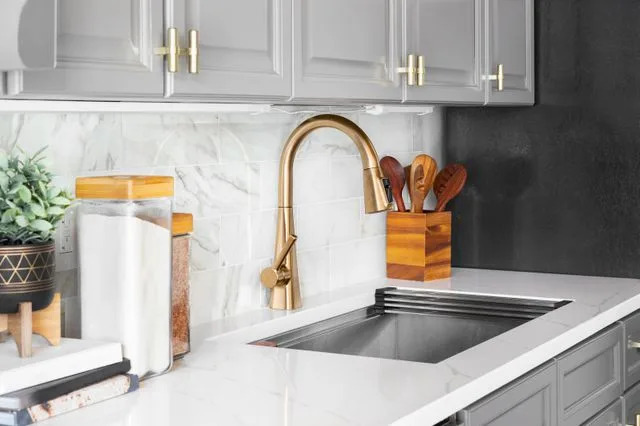
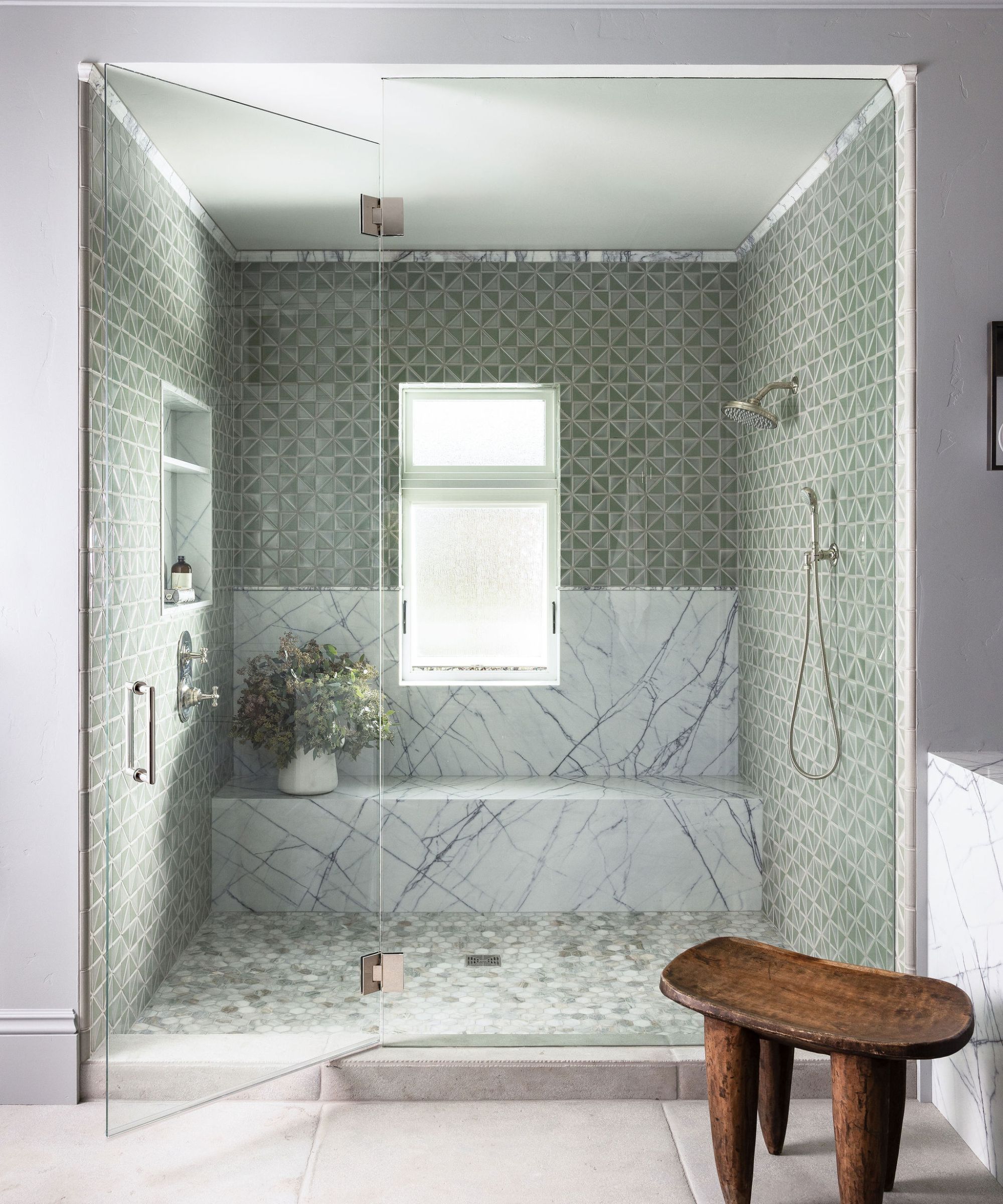
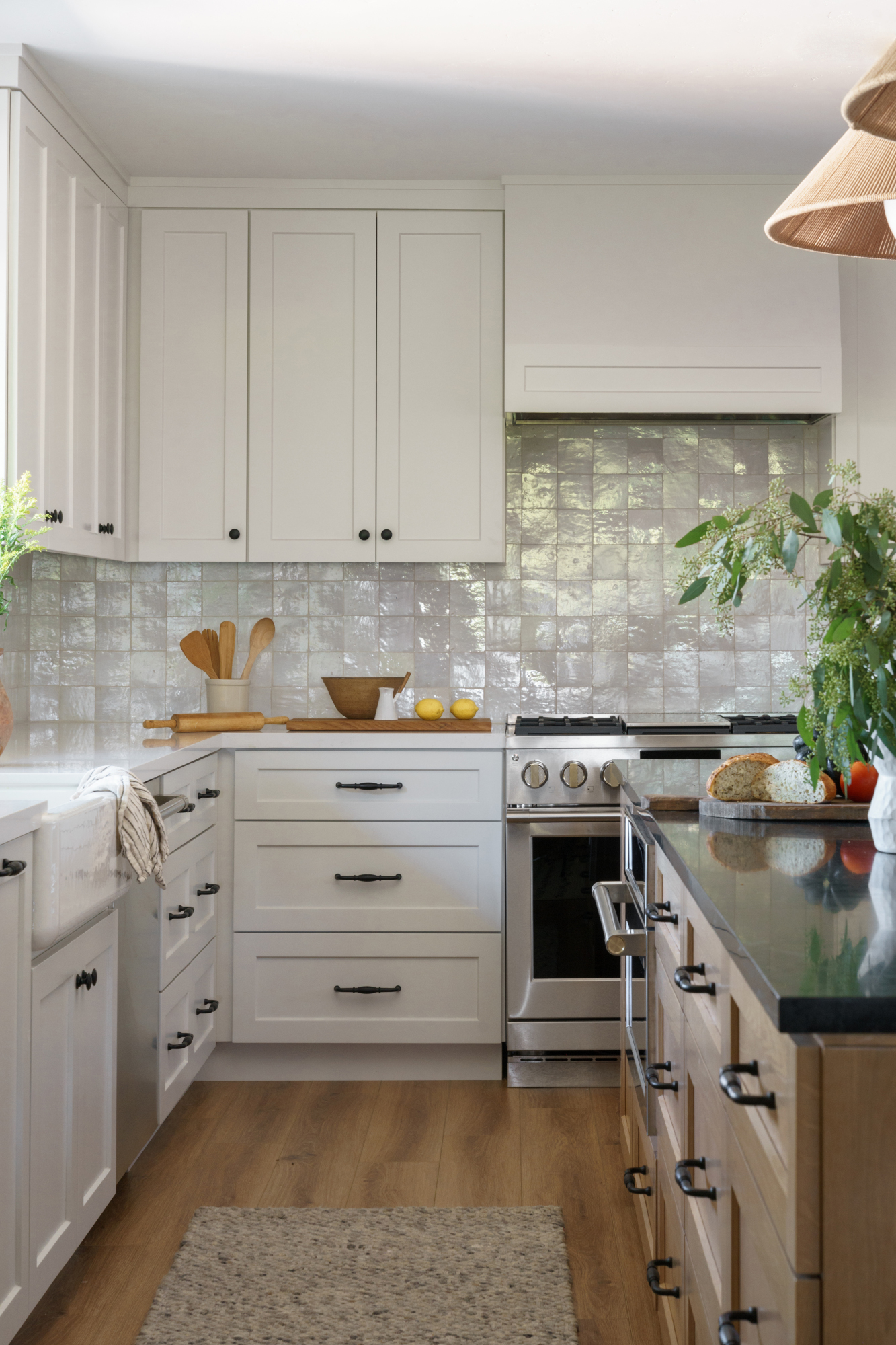
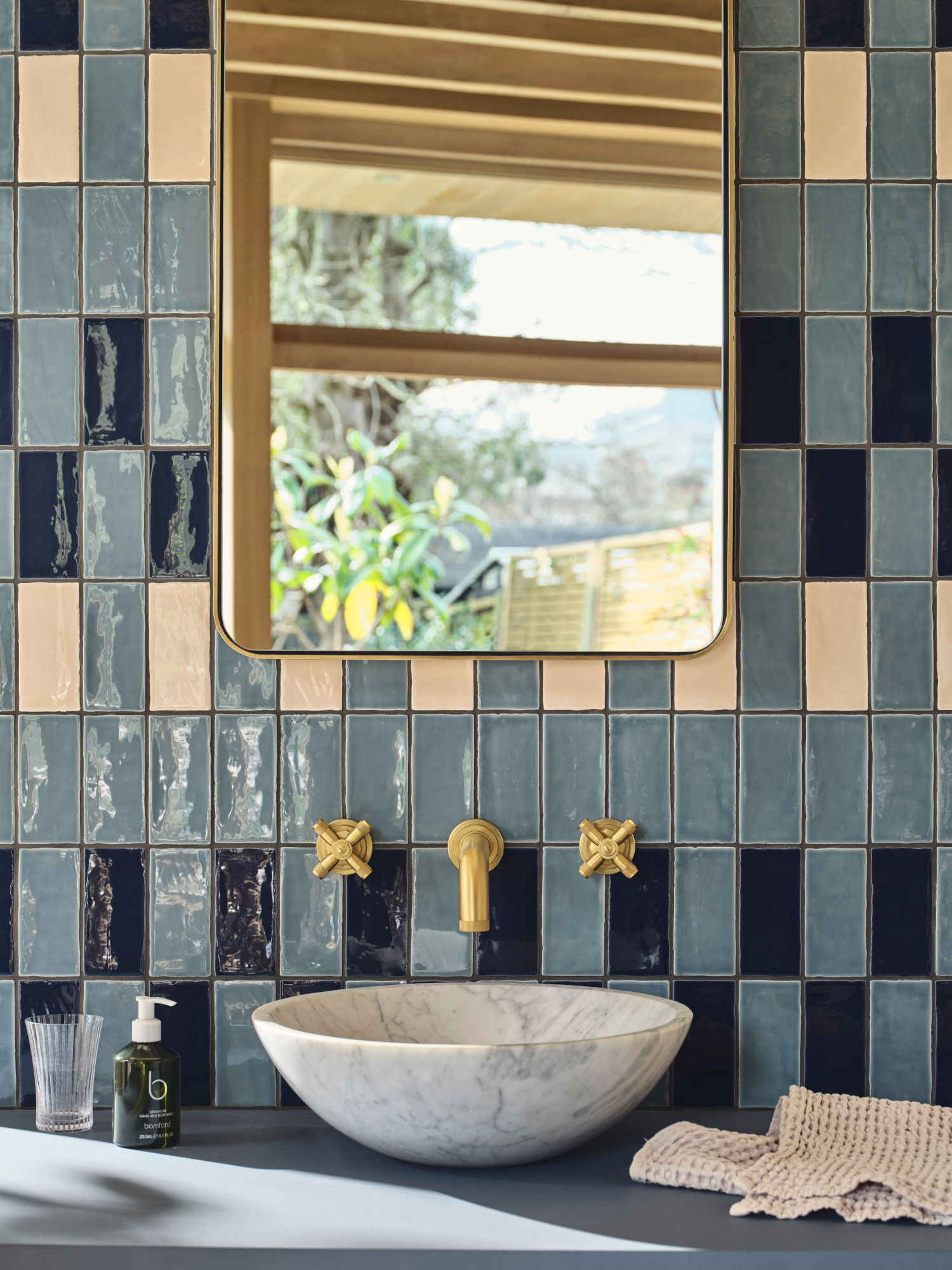
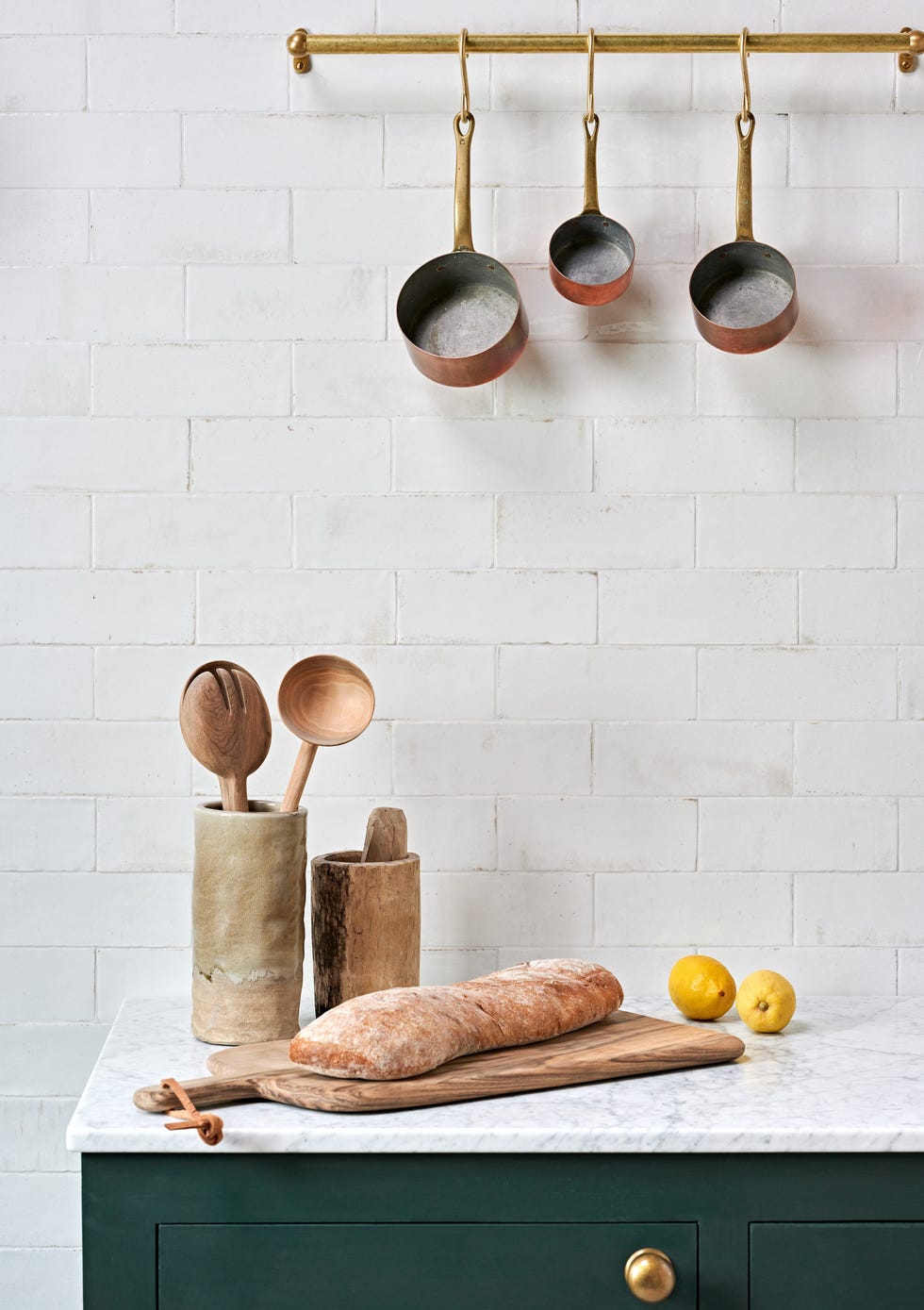
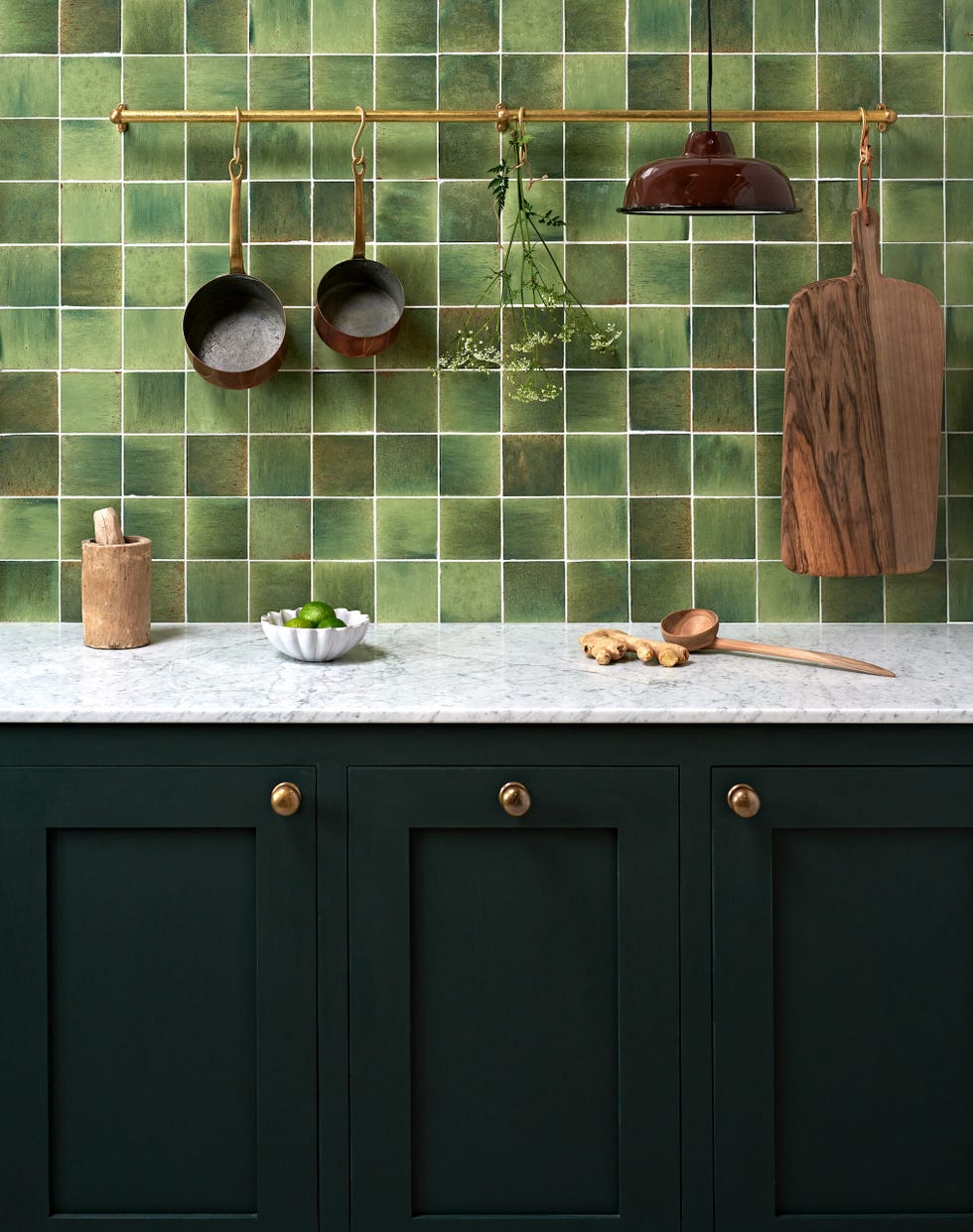
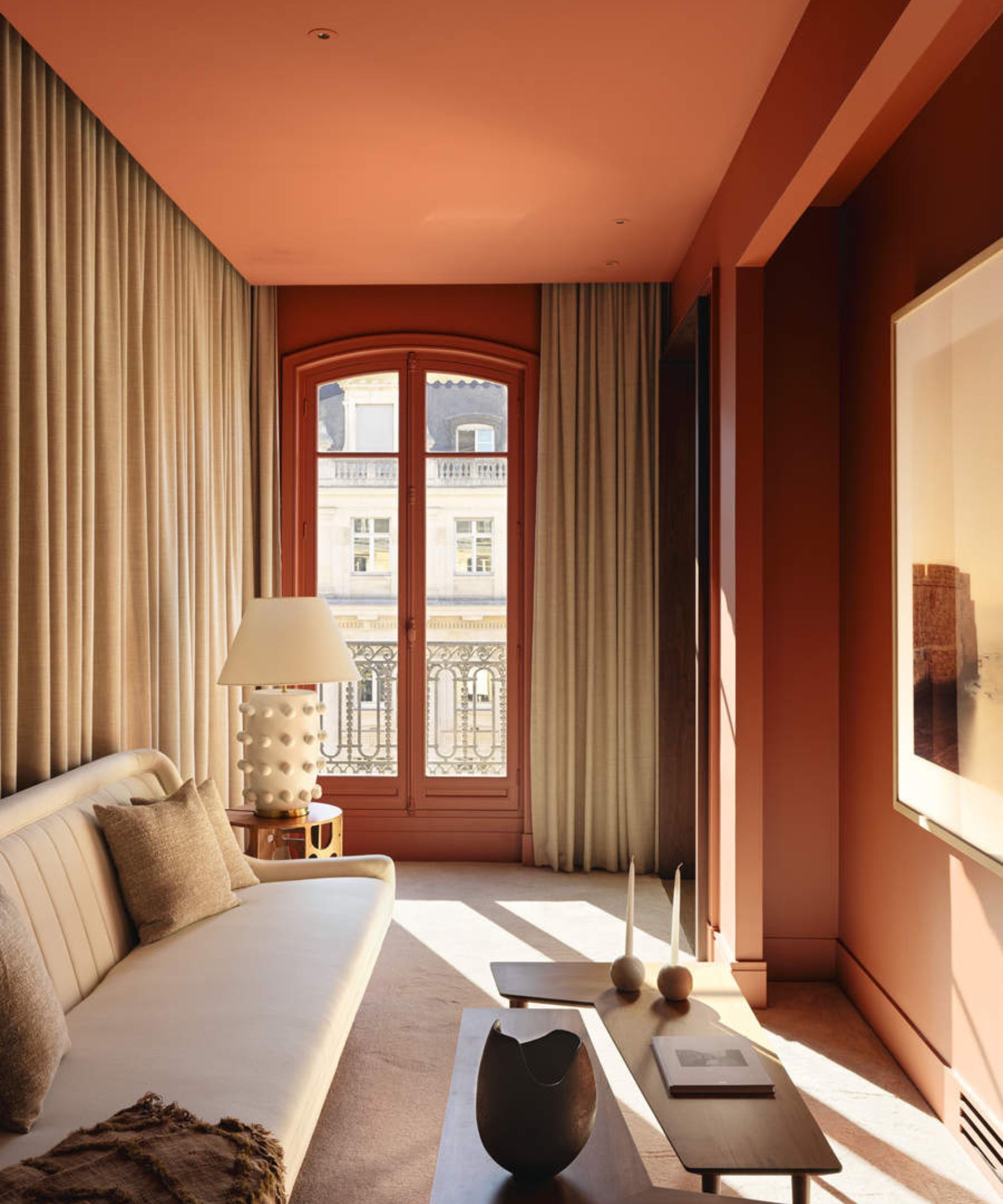
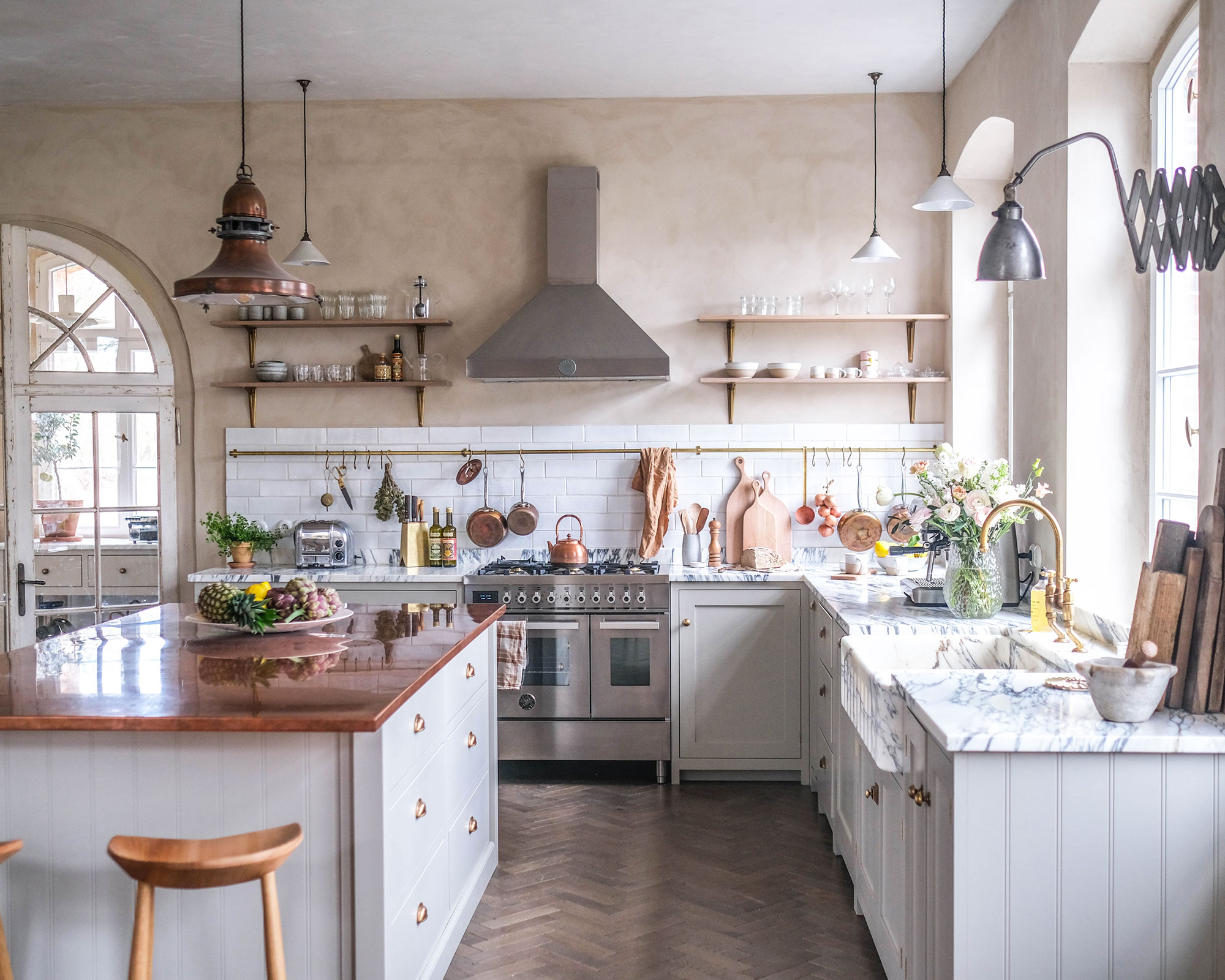
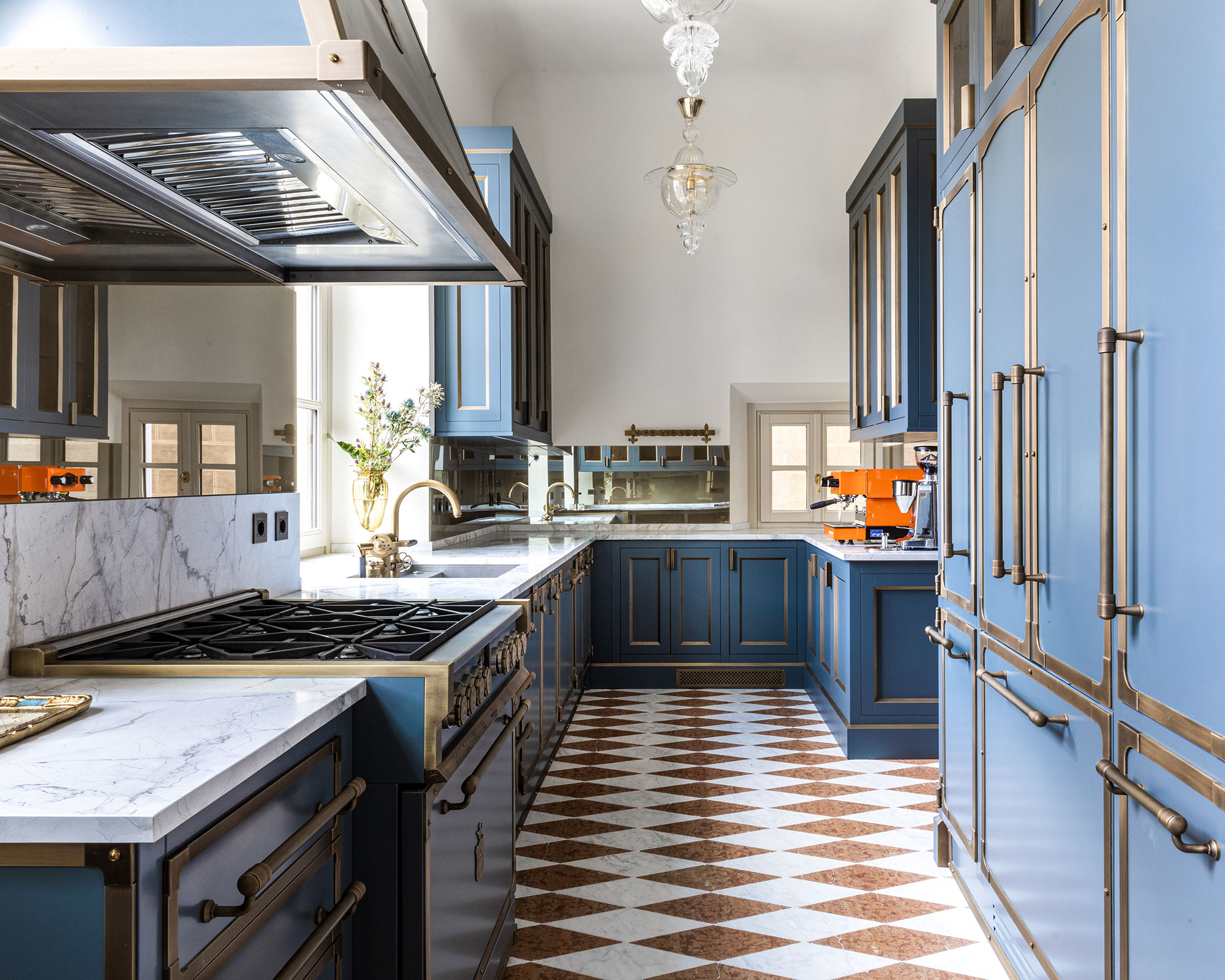
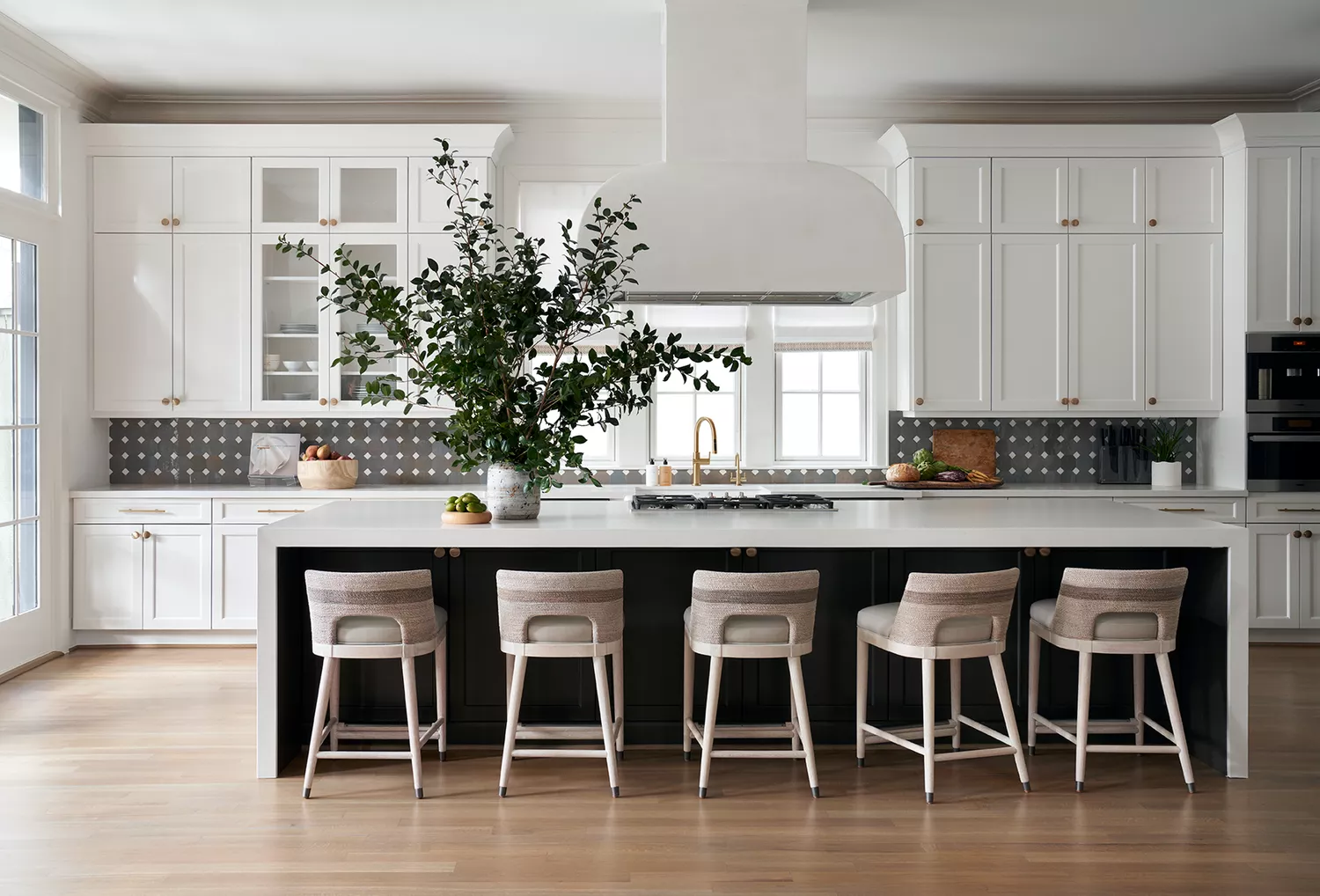
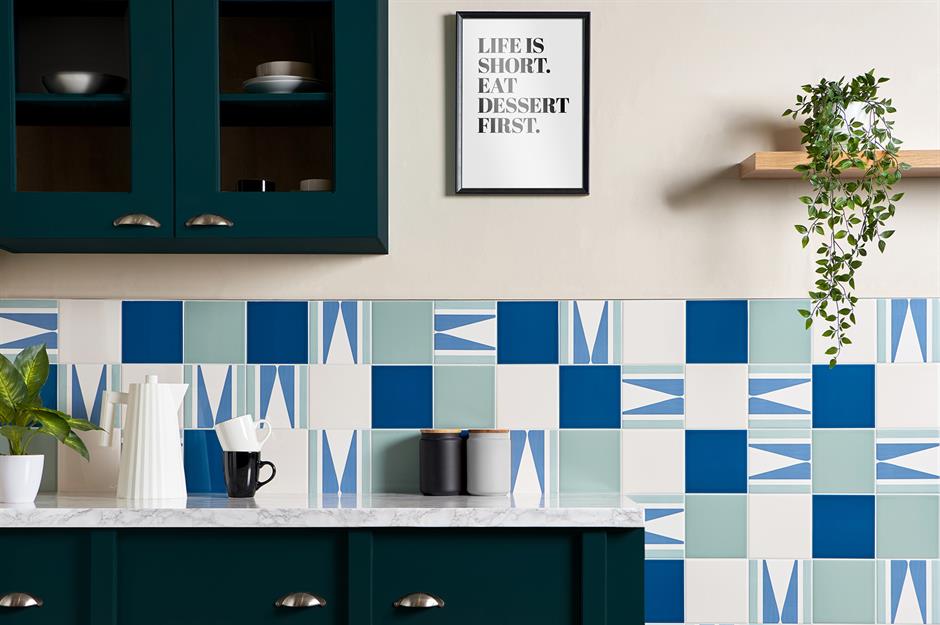
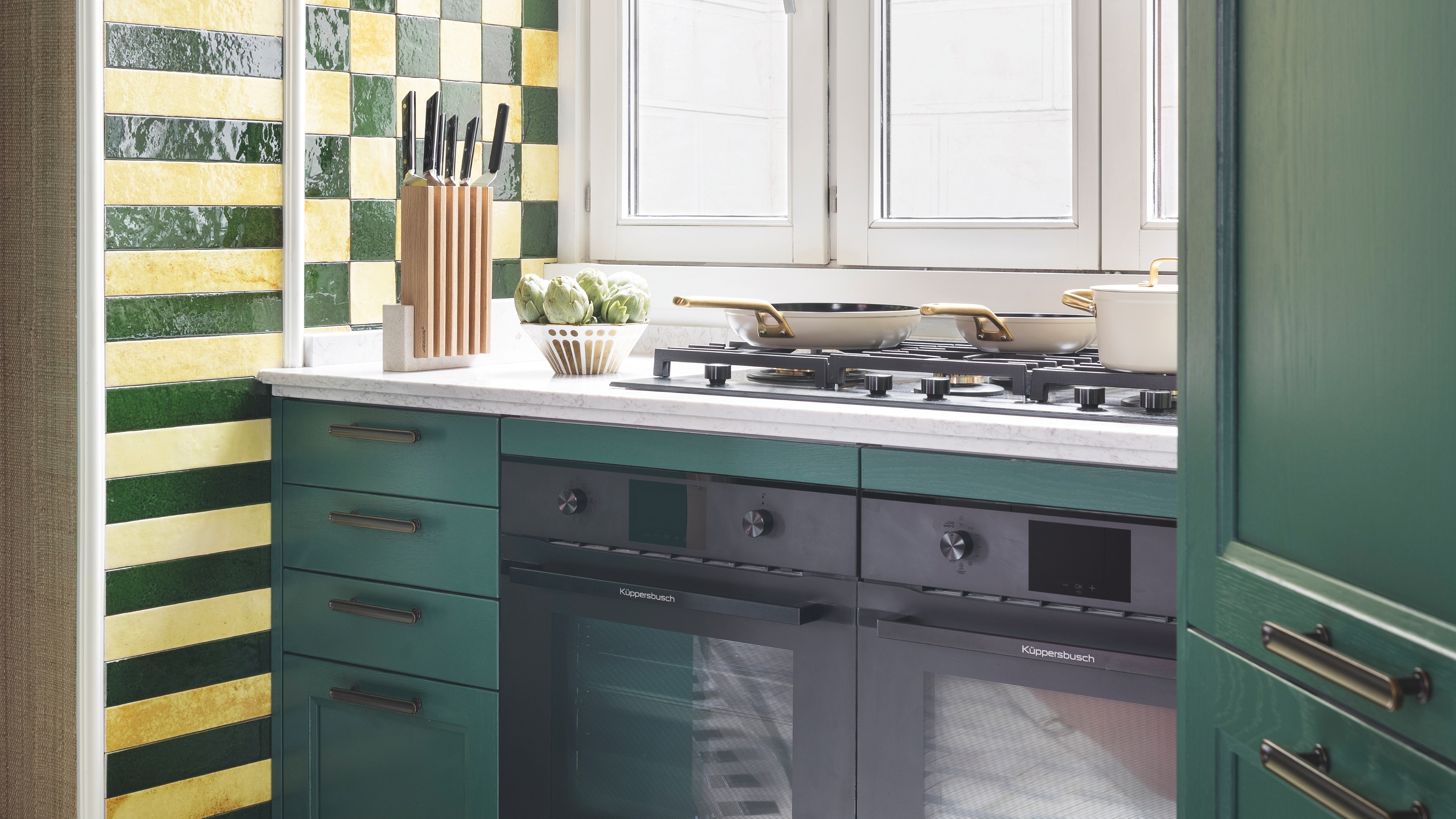
The second major trend identified is the prevalence of dreamy pastels as kitchen colors. Gauzy pinks, sky blues, and soothing greens dominated the color palette, imparting a soft, warm, and romantic feel despite tile being a hard surface. This trend aligns with broader industry movements, as evidenced by major paint brands like Benjamin Moore and Sherwin-Williams announcing similar pastel hues as their Colors of the Year. The author was so inspired that upon returning home, pale pink, light green, and cheerful light yellow were chosen for an apartment kitchen renovation.
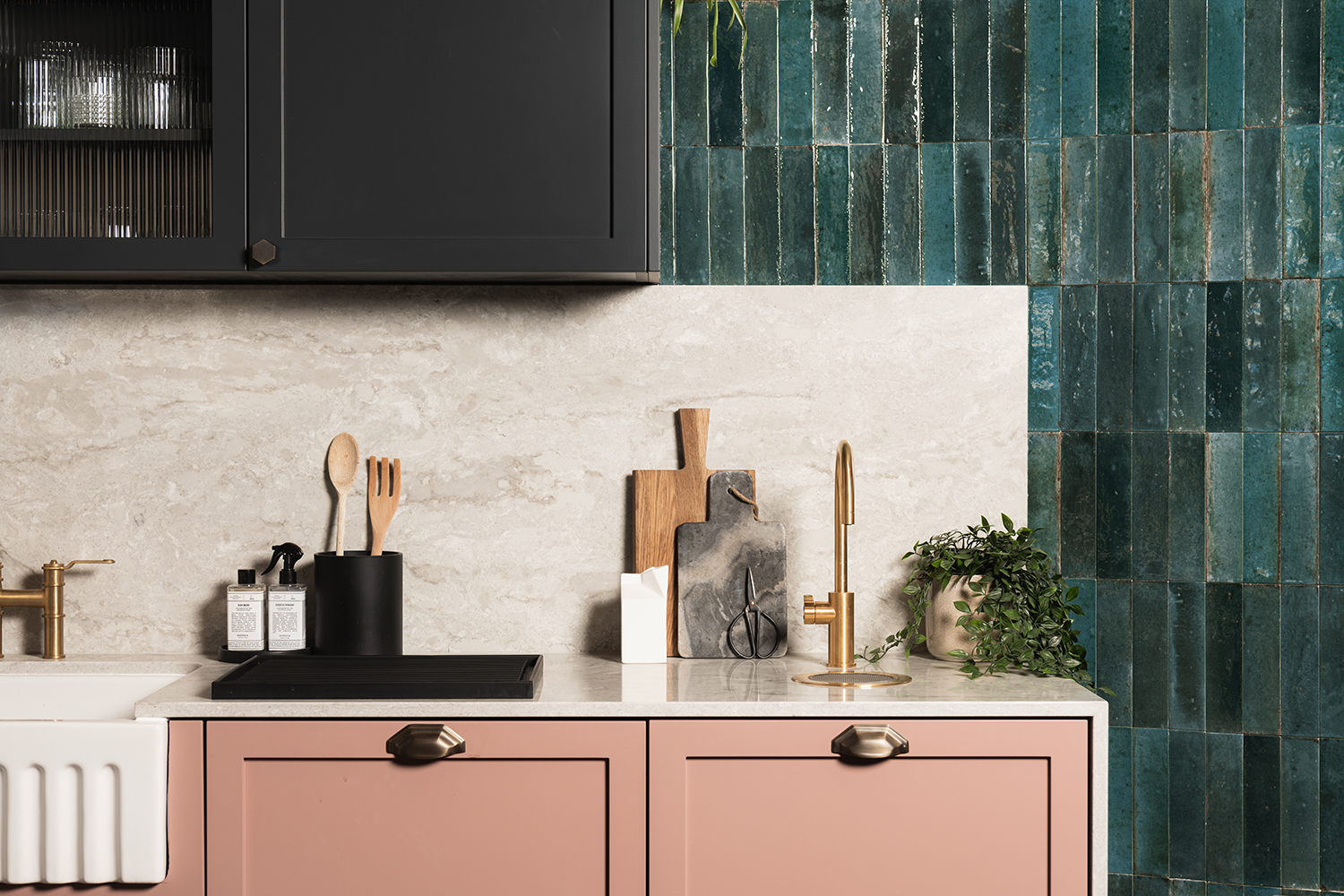
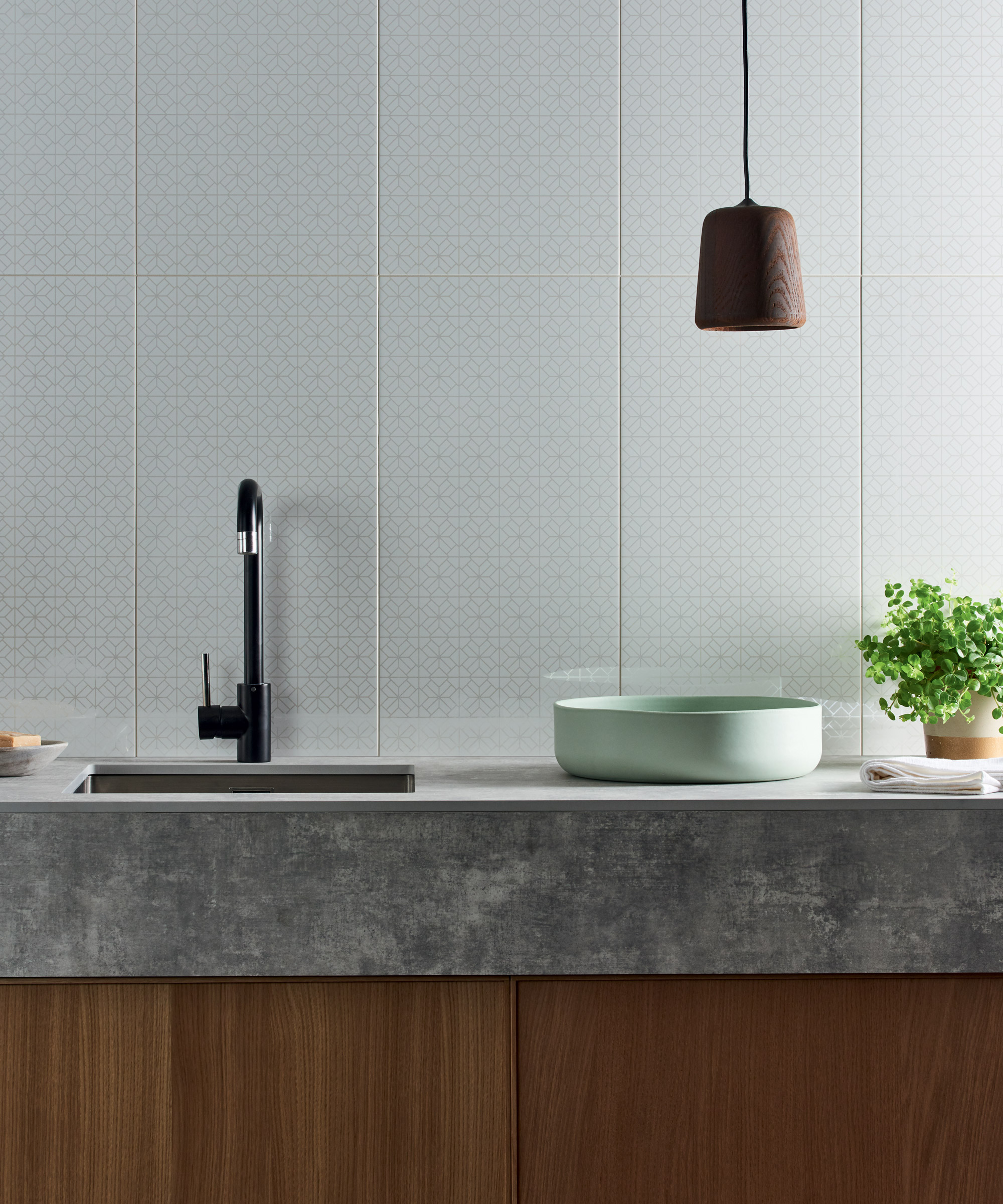
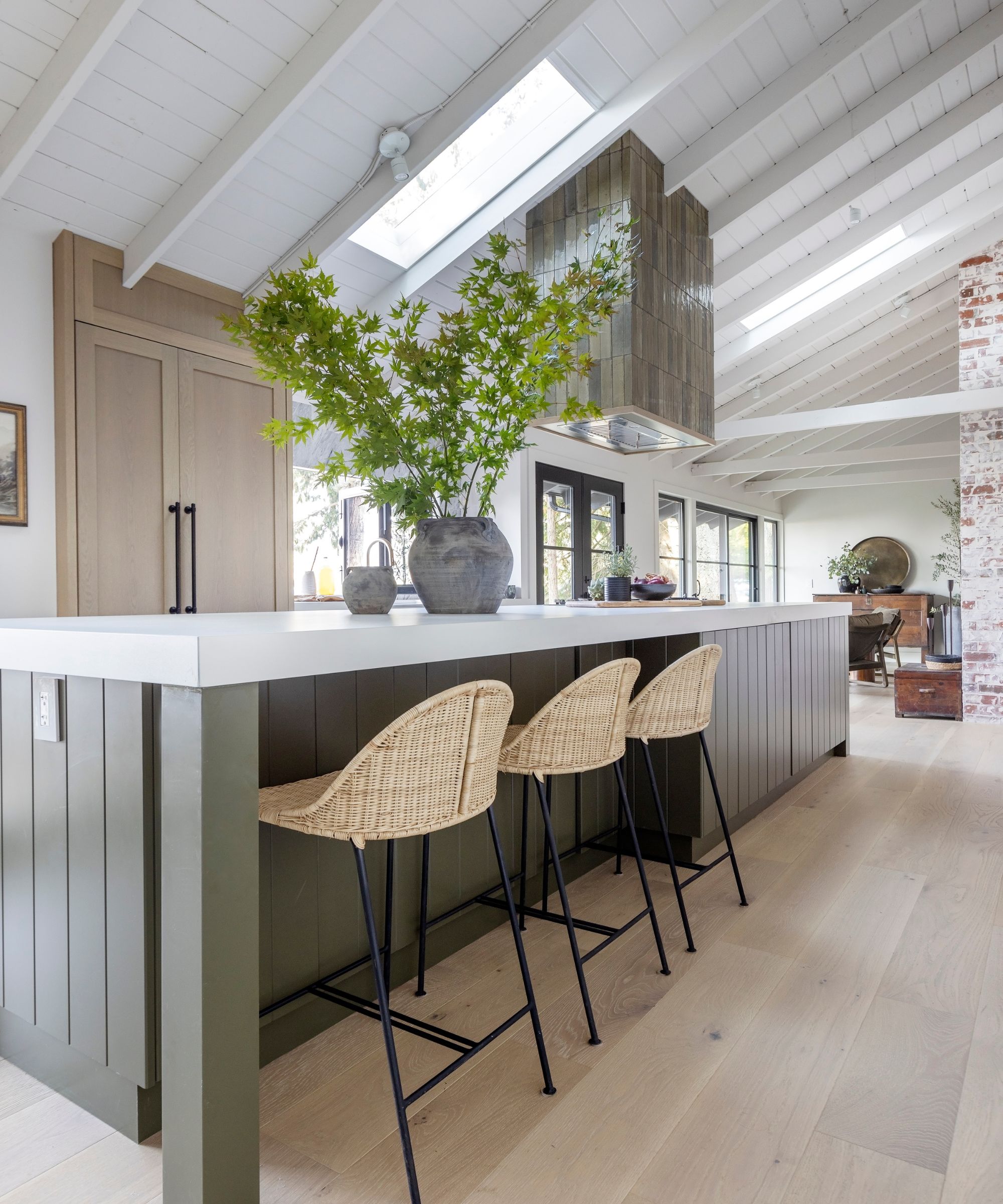
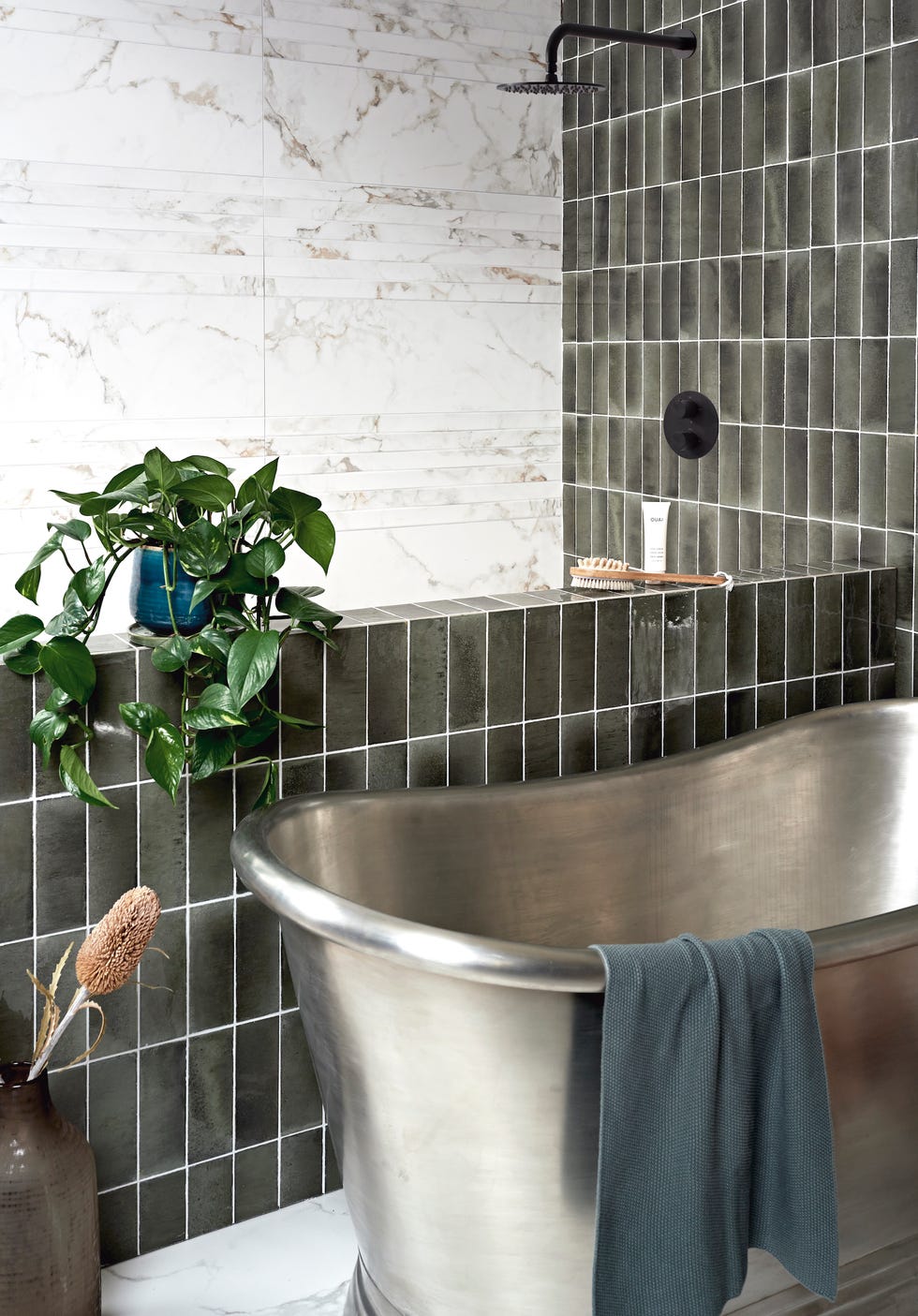
The third significant trend focuses on botanicals, with monstera leaf-patterned tiles being particularly ubiquitous at CERSAIE. This trend reflects a collective desire for tranquility, comfort, and a connection to nature, particularly after recent global events. For those not ready for a permanent botanical tile commitment, the author suggests incorporating real plants into the kitchen from local nurseries. The article emphasizes the logical connection between plants, food, and sustenance, advocating for surrounding oneself with reminders of the natural world. Alternatives include starting with a botanical backsplash or opting for green and blue jewel tones that evoke nature.
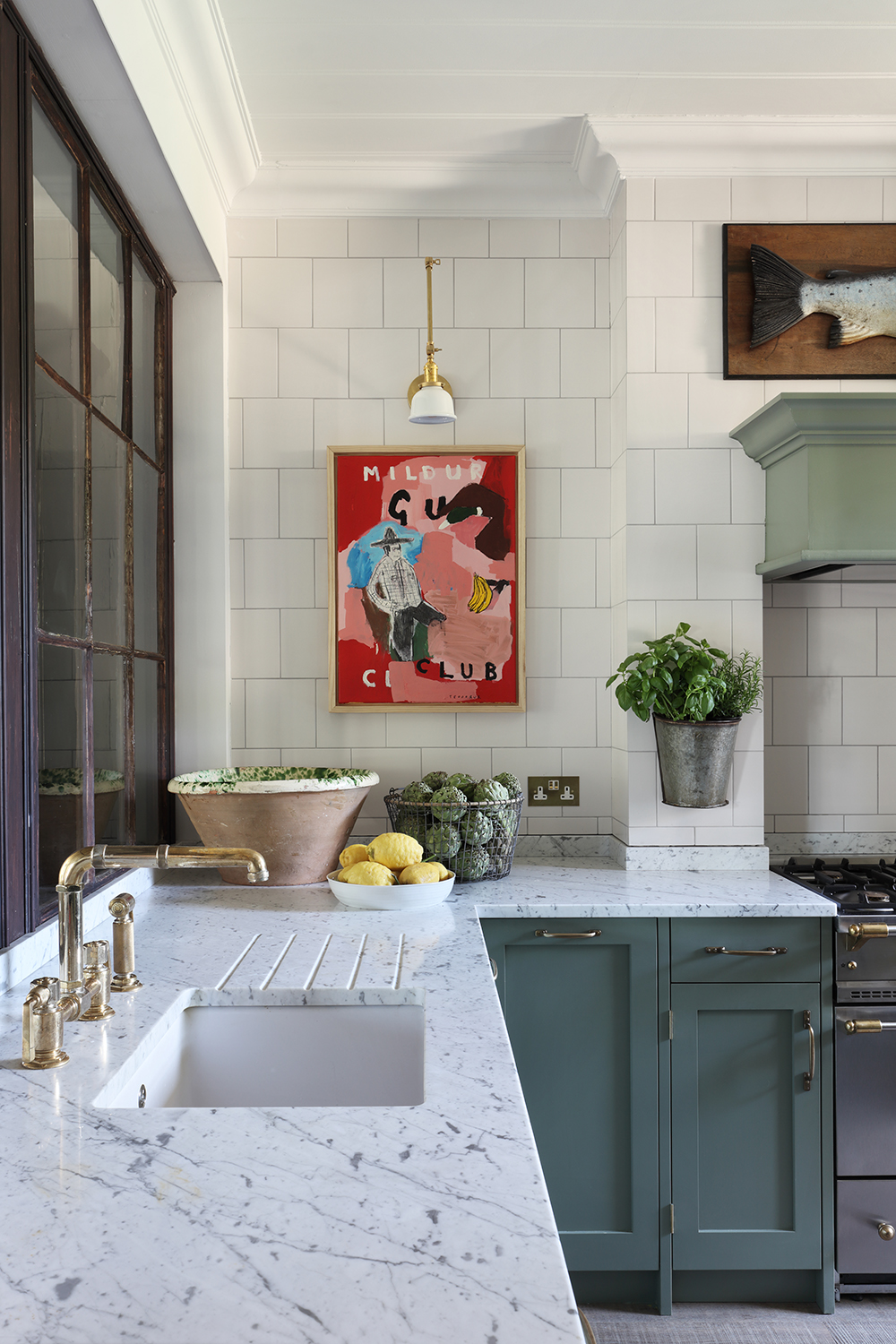
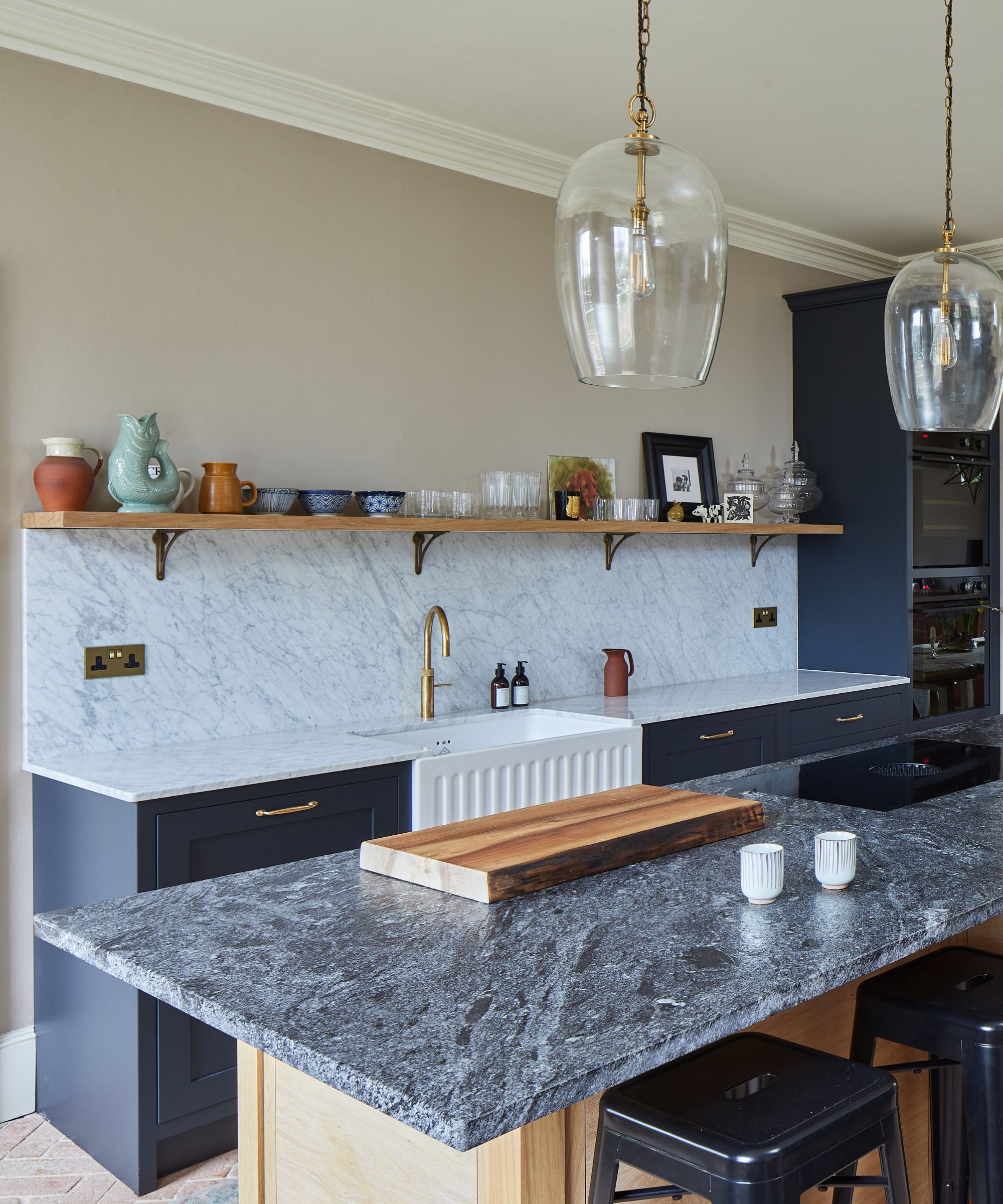
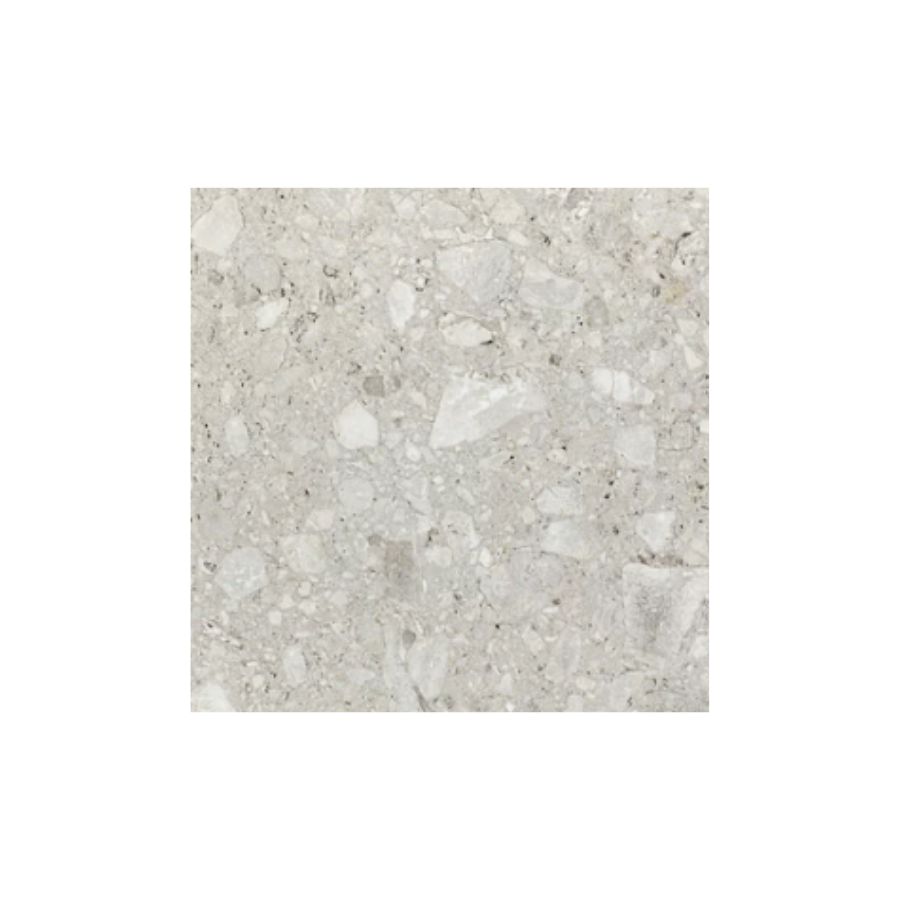
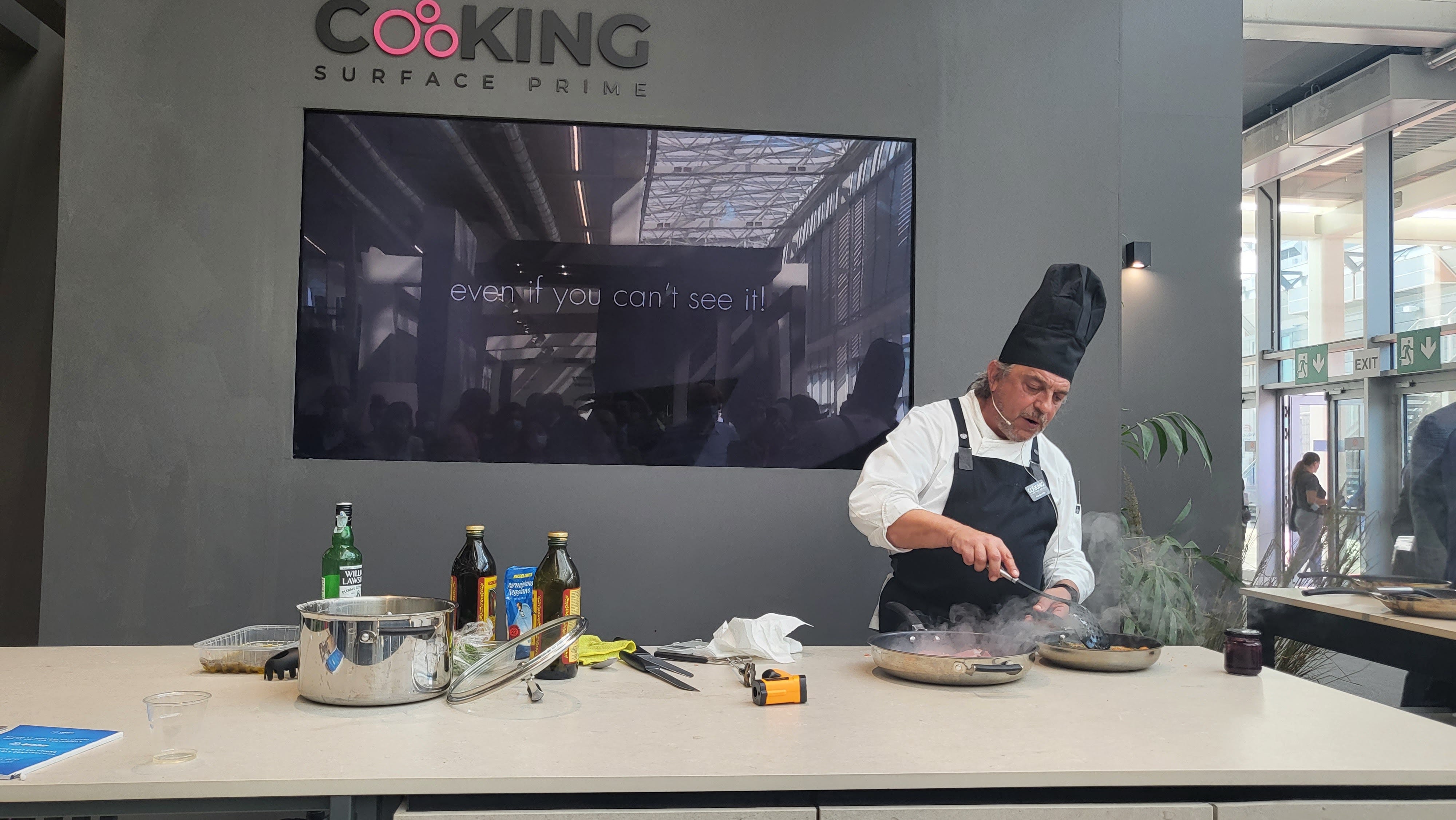
Finally, the article introduces a revolutionary kitchen technology: induction cooking directly integrated into countertops, demonstrated by an Italian chef at the show. This innovation, called COOKING Surface Prime from ABKStone, allows for cooking directly on the counter using induction principles, where heat is transferred only through cookware, leaving the countertop cool to the touch. This technology enables seamless food preparation, cooking, and cleanup on a single surface. The product is expected to roll out in the U.S., with distributors able to request it for future availability in regions like Kentucky. For those seeking Italian-inspired tile locally, the author points to Louisville Tile, which carries brands like Florim, Ragno, and Panaria, offering accessible options for bringing these design ideas into American homes.
#ItalianTile #KitchenDesign #CERSAIETrends #HomeRenovation #CeramicTile #InteriorDesign #BotanicalDecor #PastelColors #InductionCooktop #ItalianTile #KitchenDesign #CERSAIETrends #HomeRenovation #CeramicTile #InteriorDesign #BotanicalDecor #PastelColors #InductionCooktop
0개의 댓글이 총 표시됩니다.
 아직 댓글이 없습니다
추가로 마음에 드릴 만한 콘텐츠
7 timeless tile designs to try in any room

Tile patterns: 15 smart designs to add style to every room

These Kitchen Tile Trends Will Transform Your Backsplash and Countertops in 2025

7 Kitchen Tile Trends You're About to See Everywhere in 2025, According to Designers

Kitchen wall tiles: Ideas for every style and budget | loveproperty.com
I'm longing to tile the kitchen but no budget to actually do it, so here's what I'm doing instead

11 Beautiful Kitchen Tiling Ideas to Elevate Your Space

From the Classic to the Innovative, These Are the 15 Kitchen Tile Ideas You Need to Know for Project Planning in 2025

Kitchen wall tile ideas - designer ways to add extra depth and style to your scheme
24 Beautiful Kitchen Floor Tile Ideas, From Whimsical Patterns to Bold Colors

Kitchen Tile Trends for 2025 — 5 Popular New Styles That "Blend Artistry With Function"
Ca' Pietra's new pottery-inspired tile collection is so dreamy

24 Beautiful Kitchen Floor Tile Ideas, From Whimsical Patterns to Bold Colors
Kitchen wall tile ideas – bring color, pattern and style to vertical surfaces

Decorator's Address Book: 12 interior designers on the best places to shop for tiles
I've just come back from summer in Italy – these are the 5 must-have decor trends I need
Tile Style: Four Ways to Dress Up Your Home
Italian kitchen decor is trending – here’s how to infuse this traditional European style into your cooking space
6 Outdated Tile Choices That Interior Designers Aren't Using Anymore — And What They Say to Try Instead
37 Kitchen Floor Tile Ideas for Every Style and Budget