1/5
Does a bathroom vanity need a backsplash? Not necessarily, say these design experts
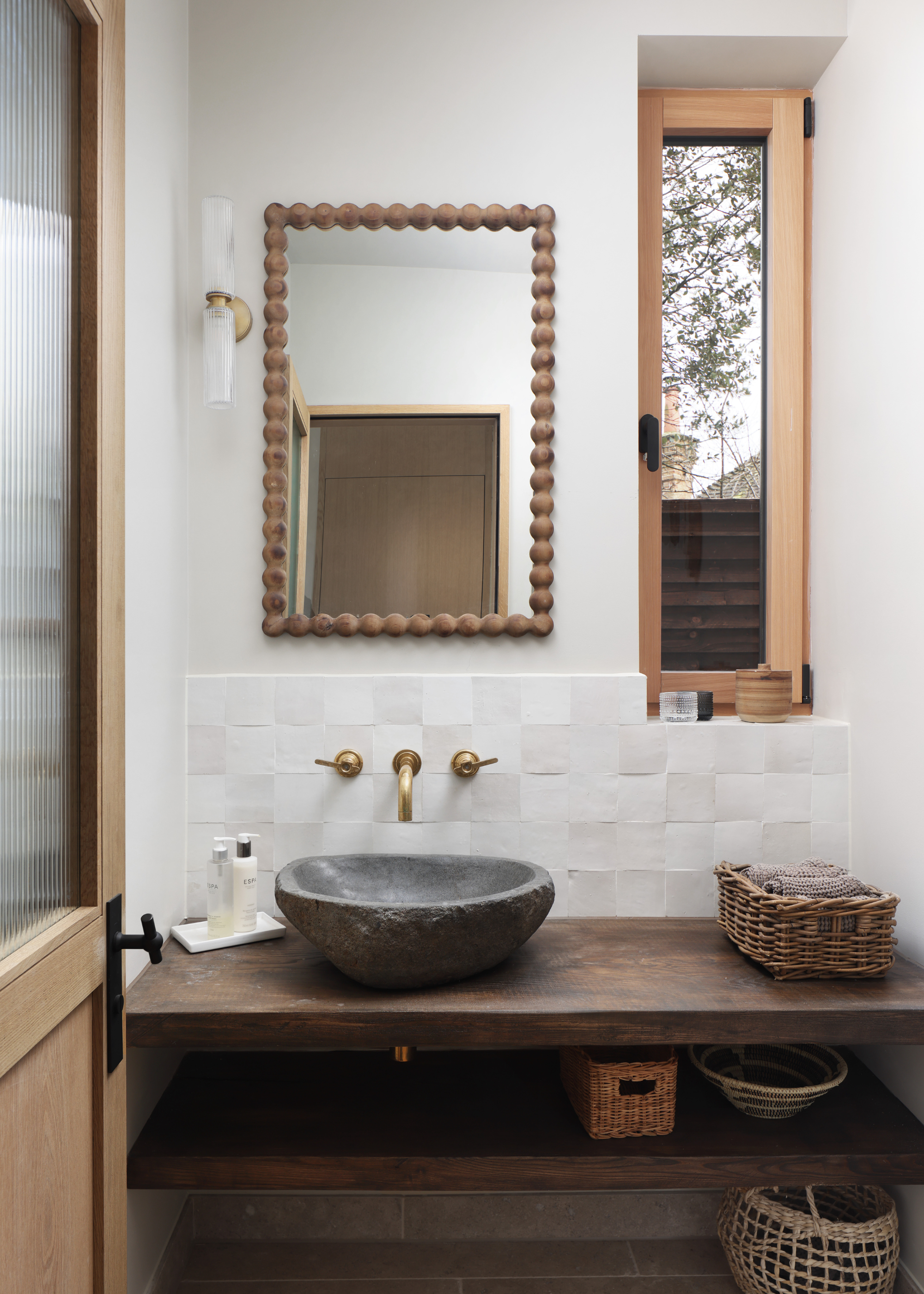
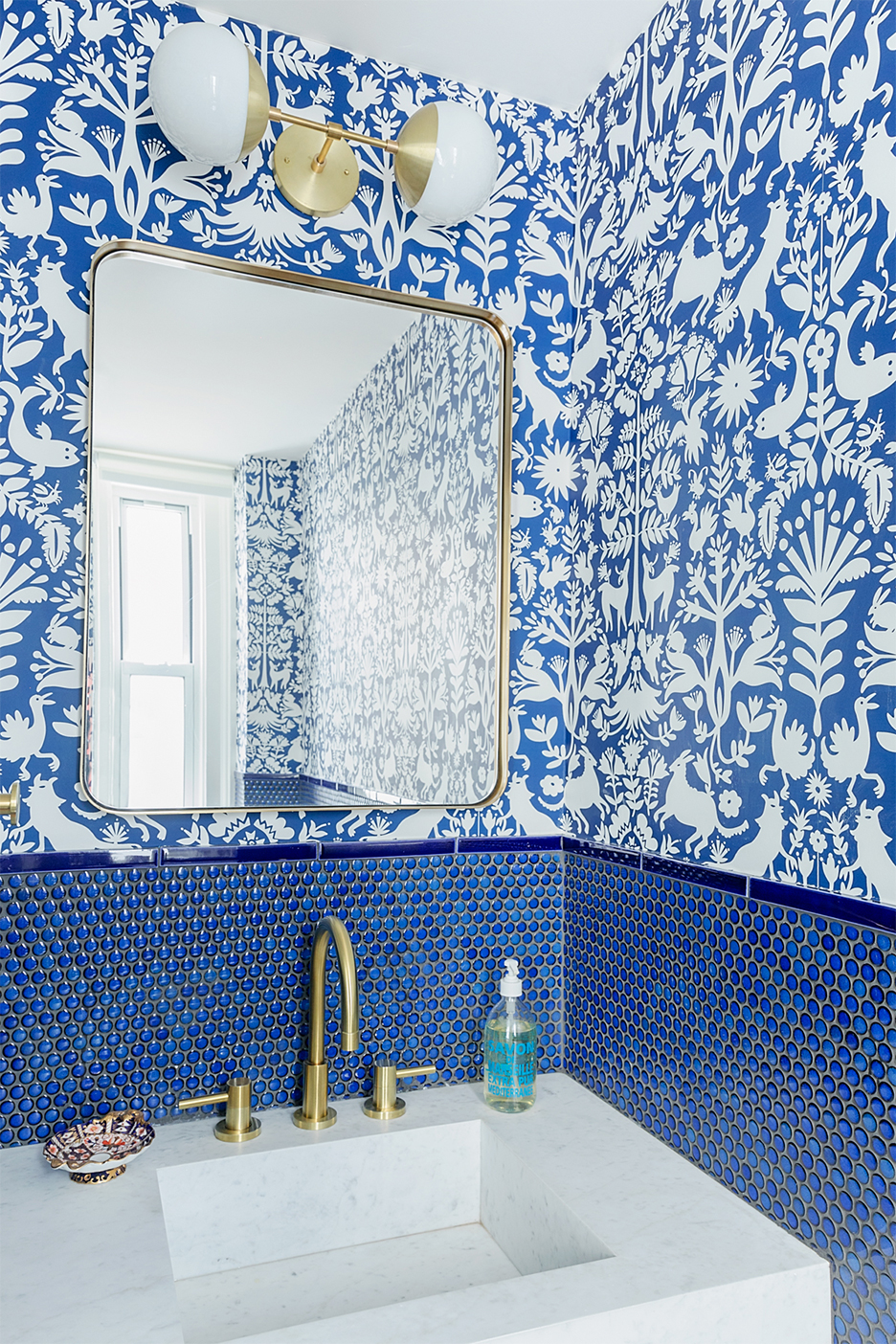
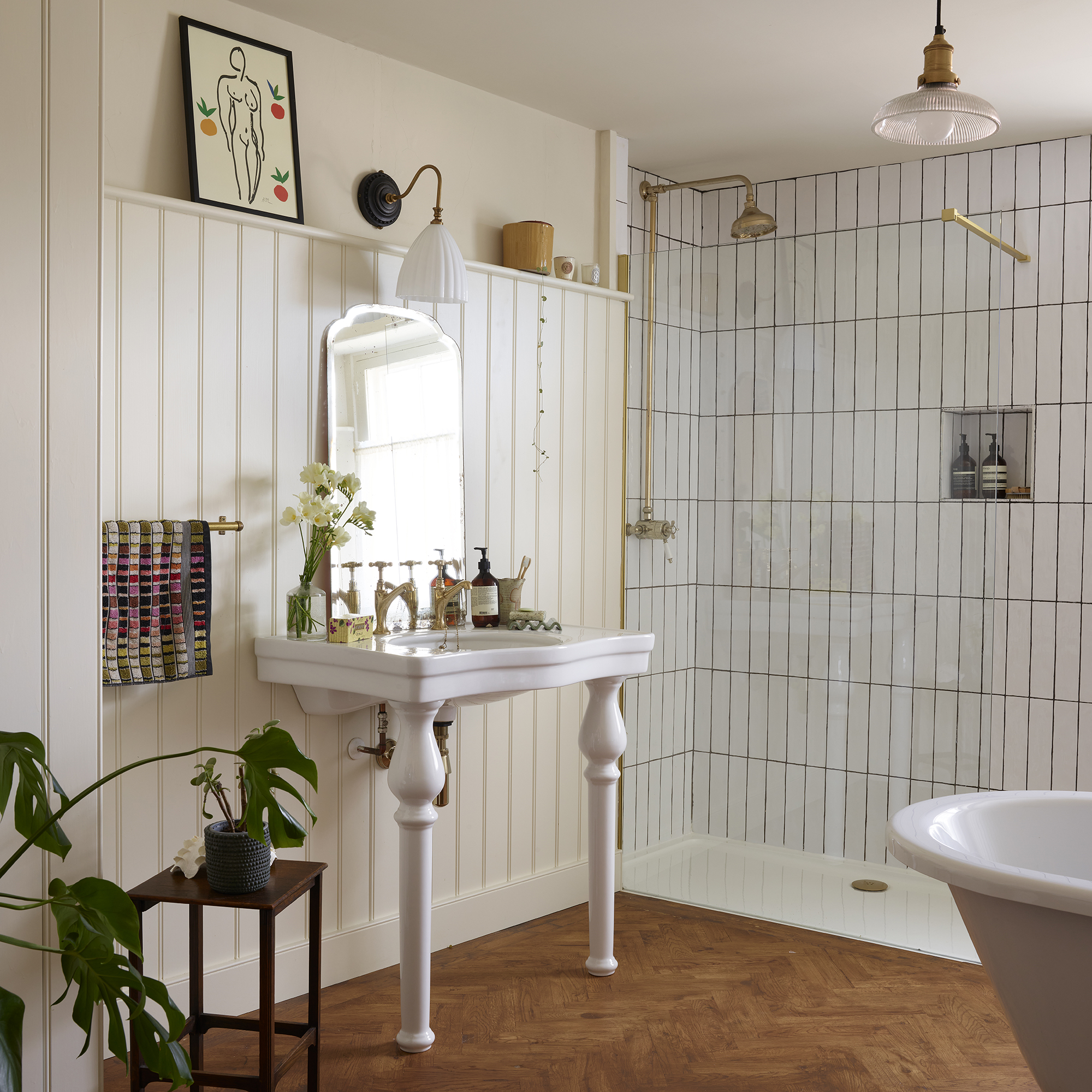
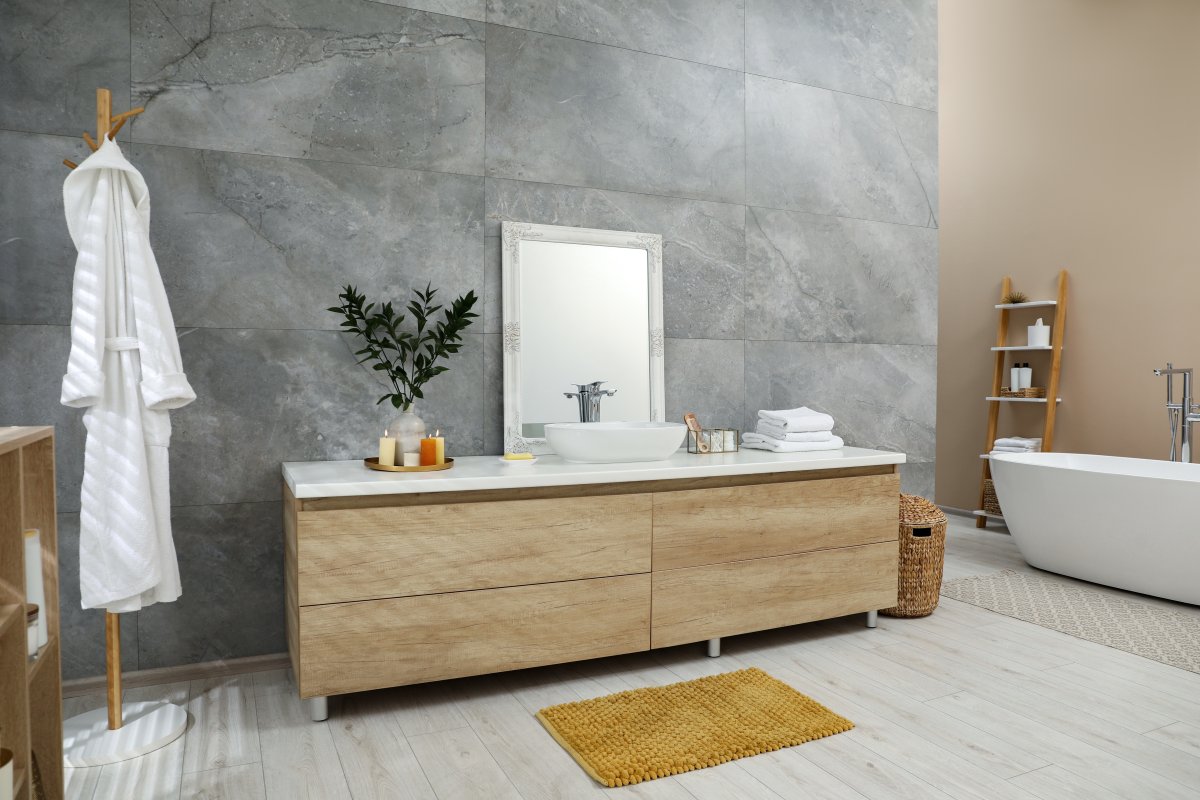
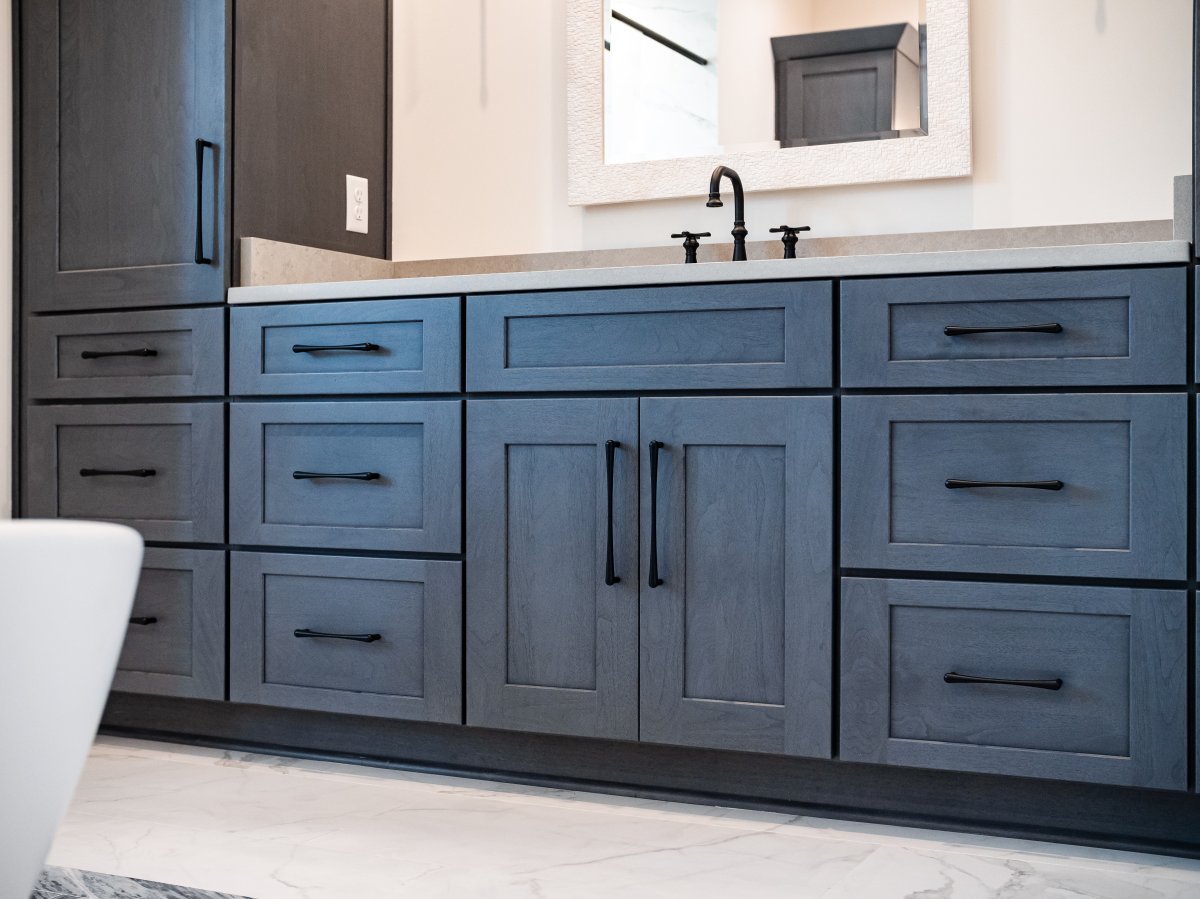
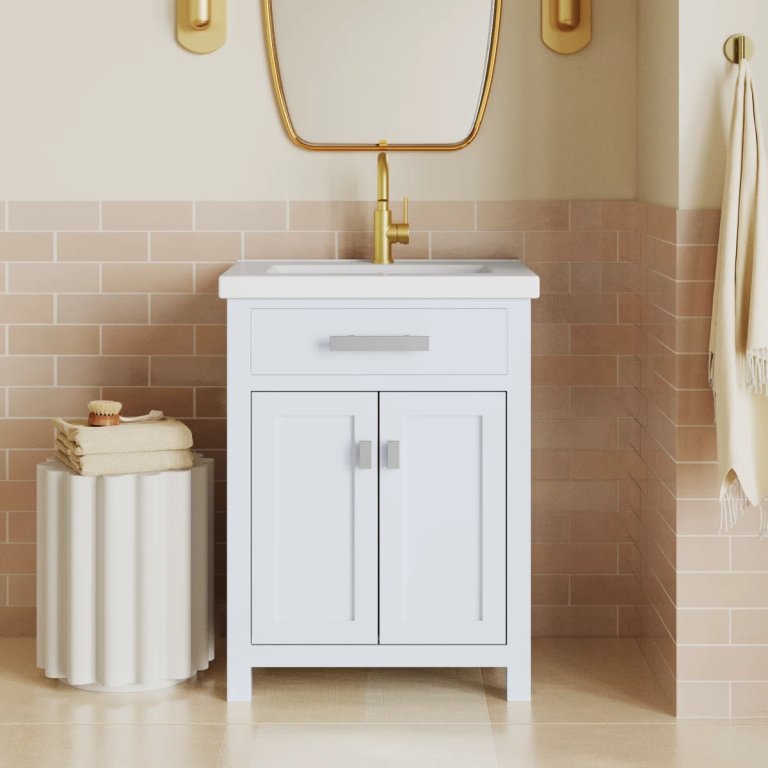
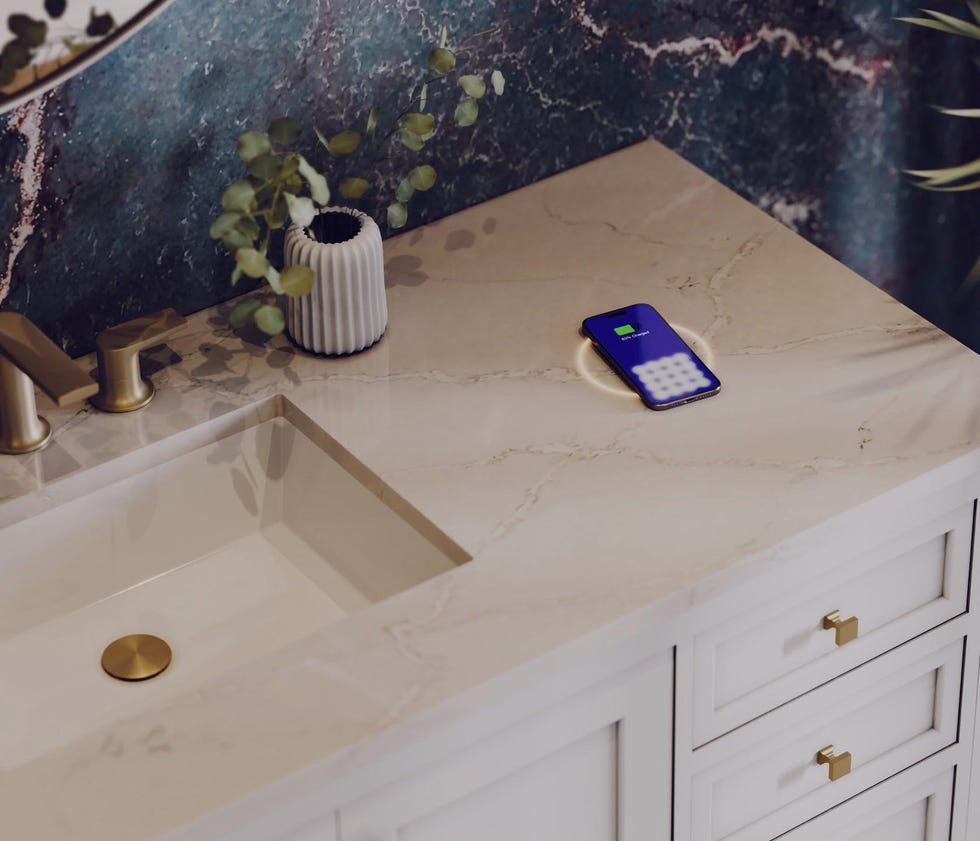
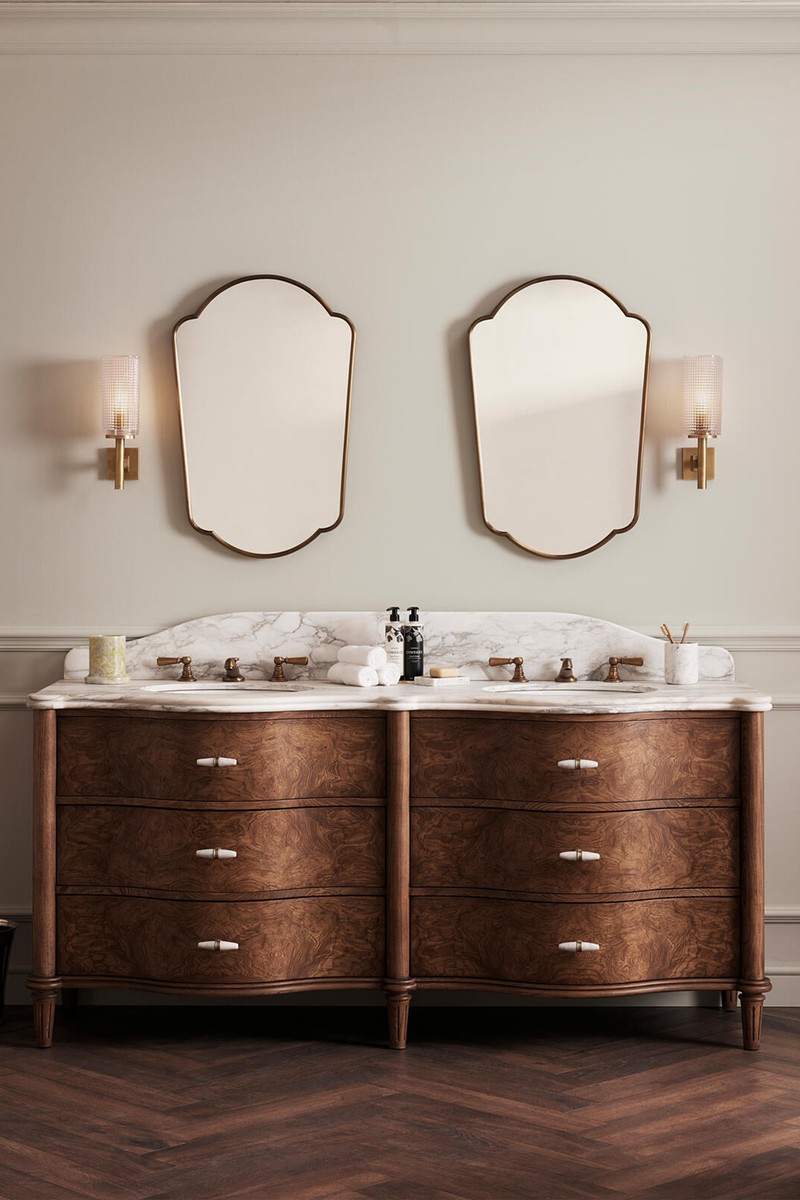
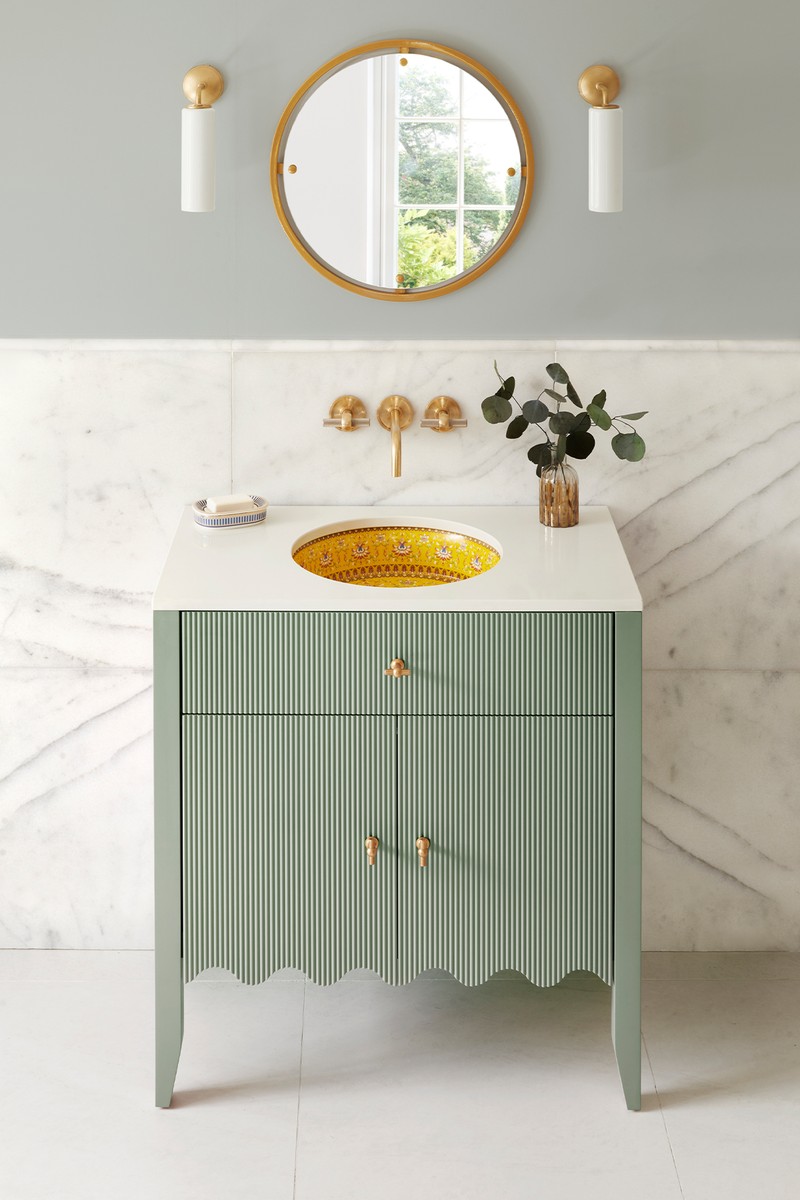
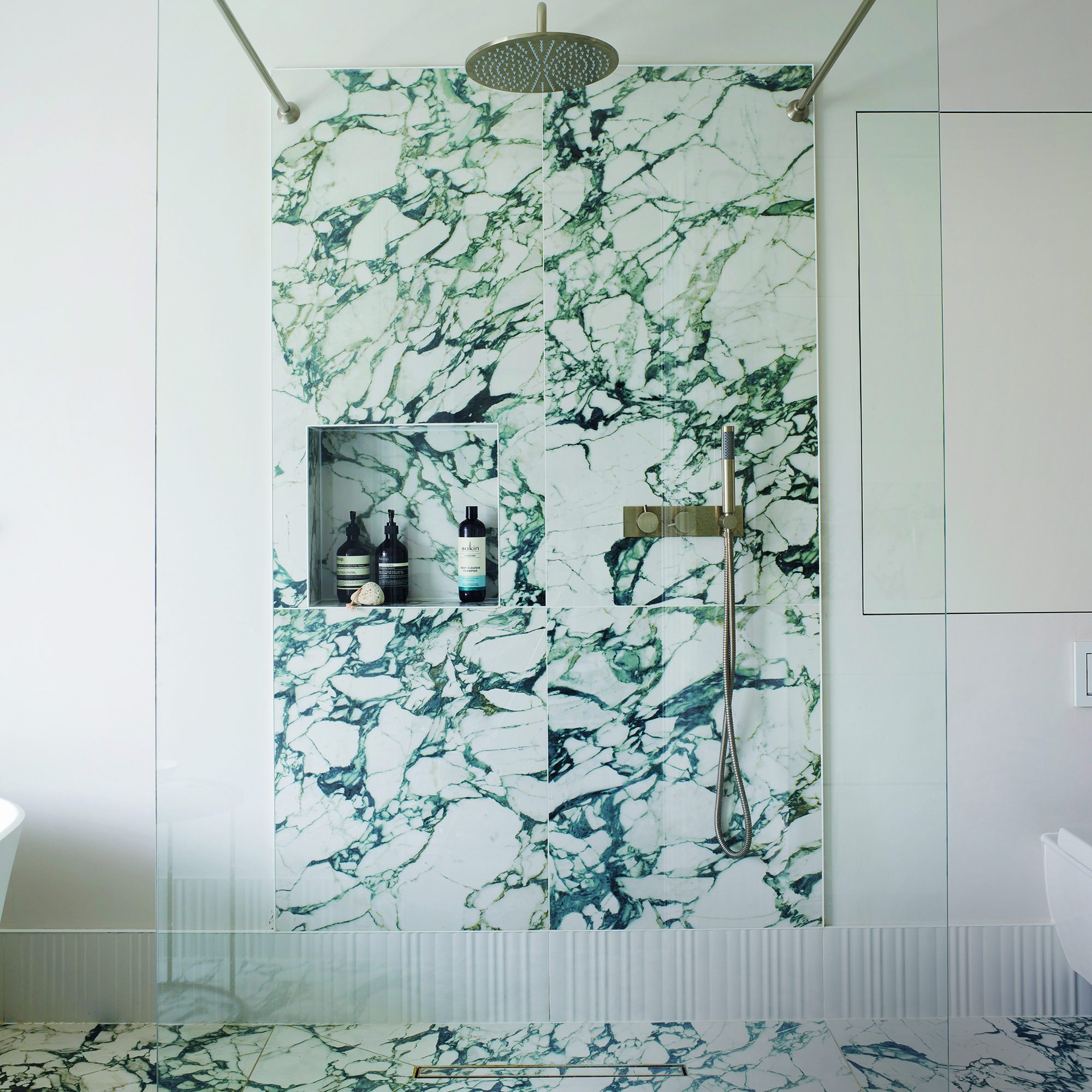
A vanity backsplash is a functional element designed to safeguard the wall behind bathroom taps from water damage and prevent moisture from seeping into the underlying cabinet. While a backsplash offers practical benefits, its necessity depends on factors such as bathroom usage and desired aesthetic. For instance, a powder room used infrequently by guests may not require a backsplash, as confirmed by Delia Kenza, director at Delia Kenza Interiors.
Failing to install a backsplash in certain areas can lead to issues like rot, mold, or mildew on drywall, paint, or wallpaper due to constant water exposure. Staining is also a common problem. Rob Whitaker, creative director at Claybrook, highlights that water can accumulate behind taps, especially with children or teenagers, emphasizing the need for a water-resistant, easy-to-clean surface.
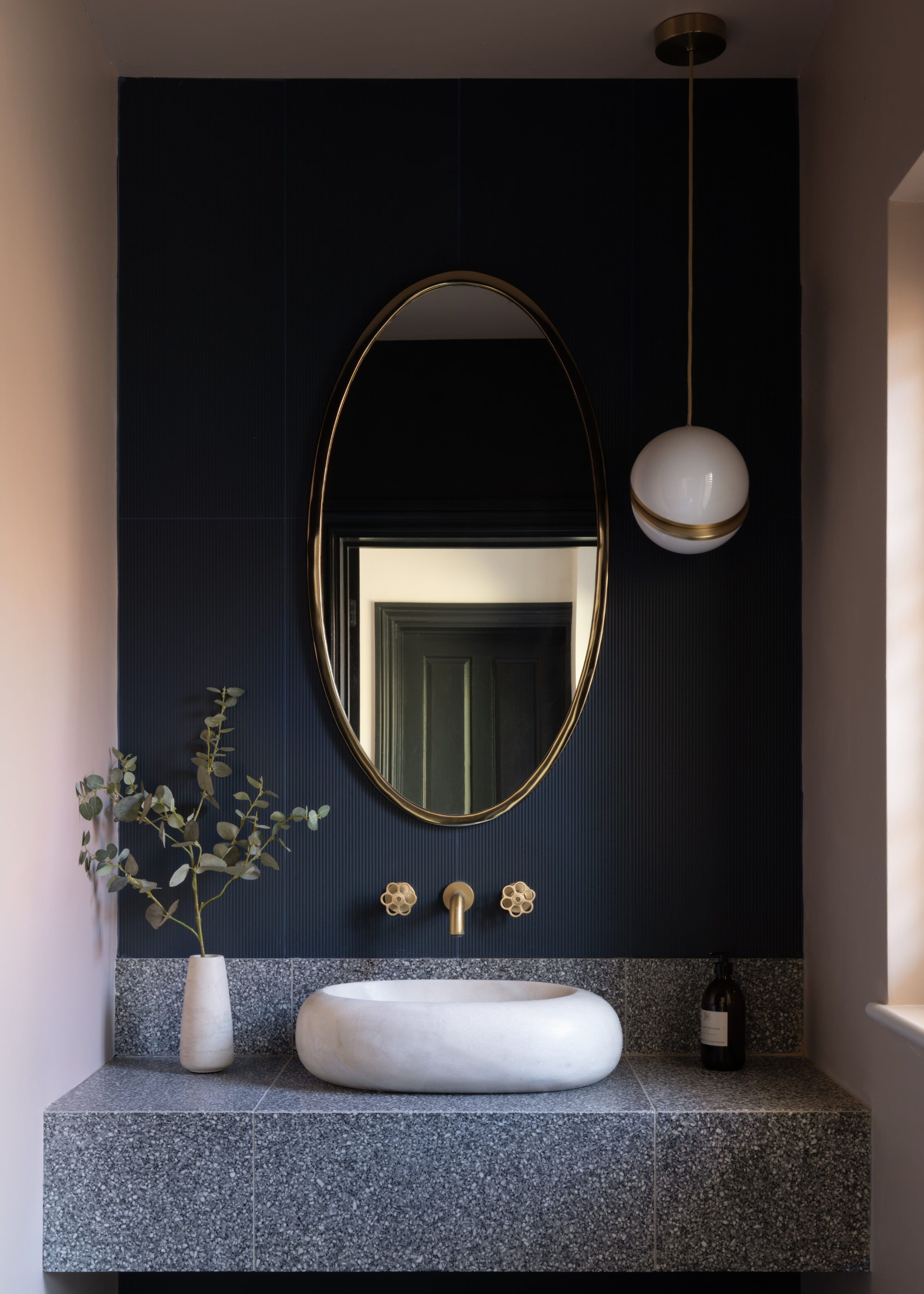
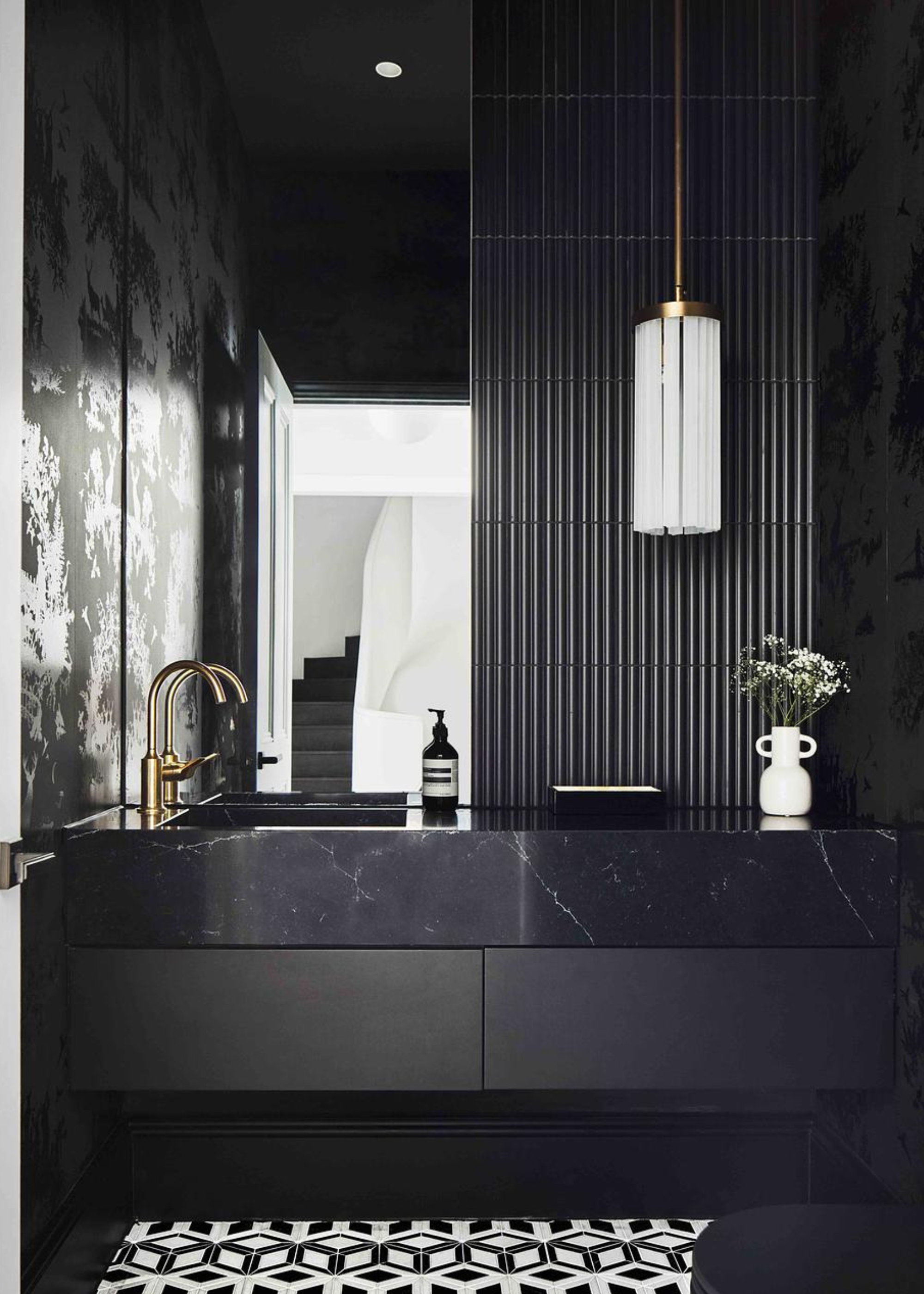
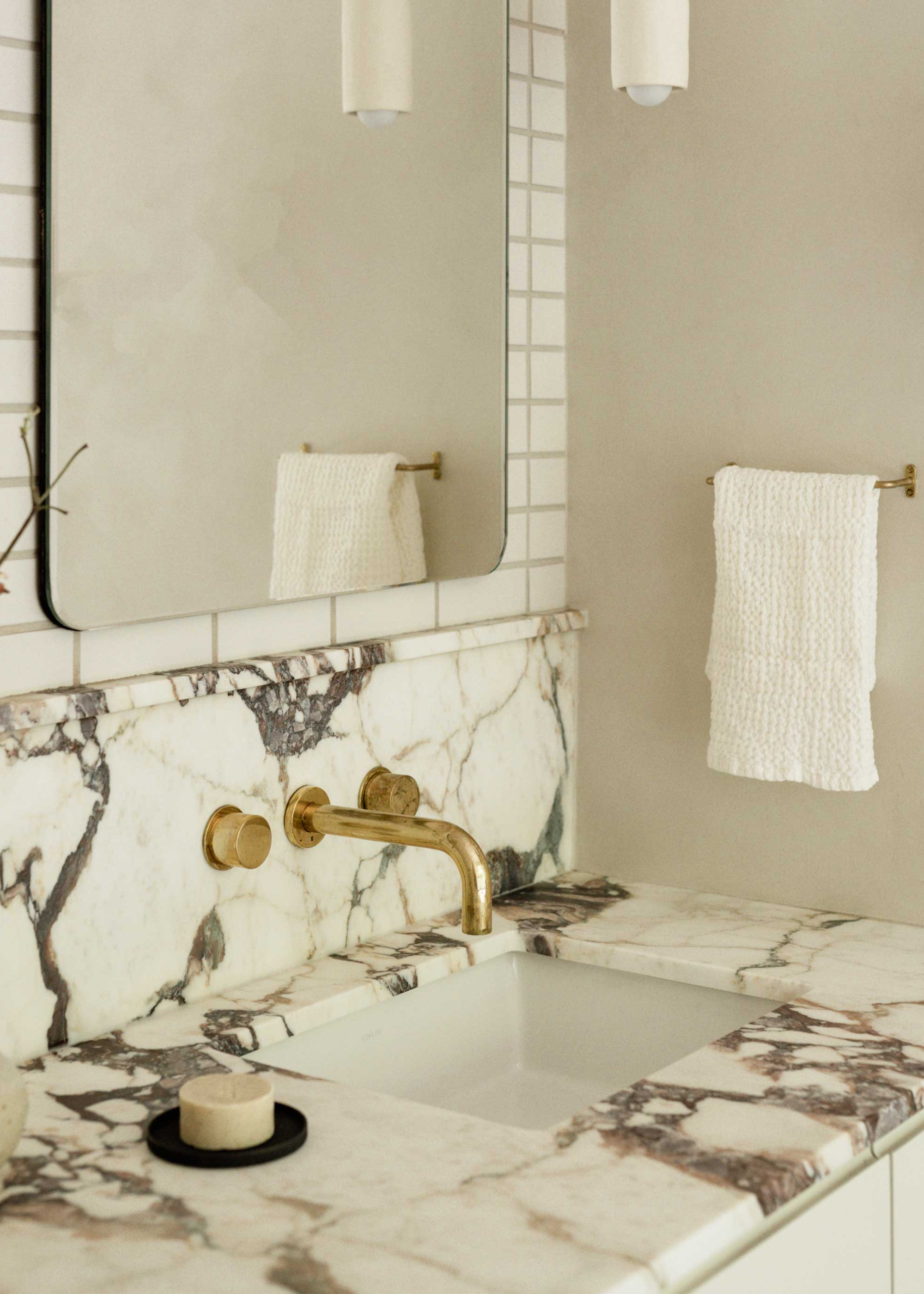
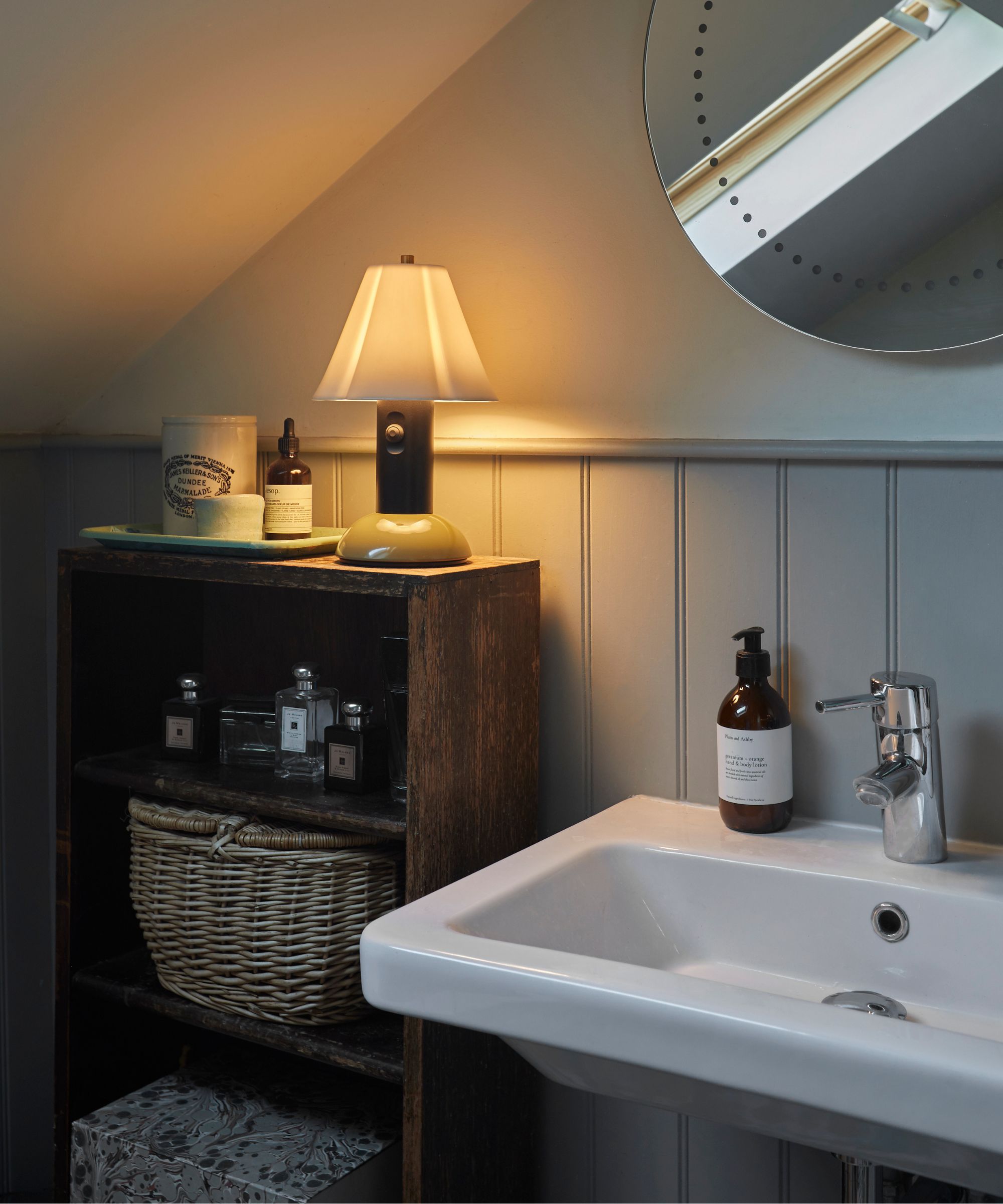
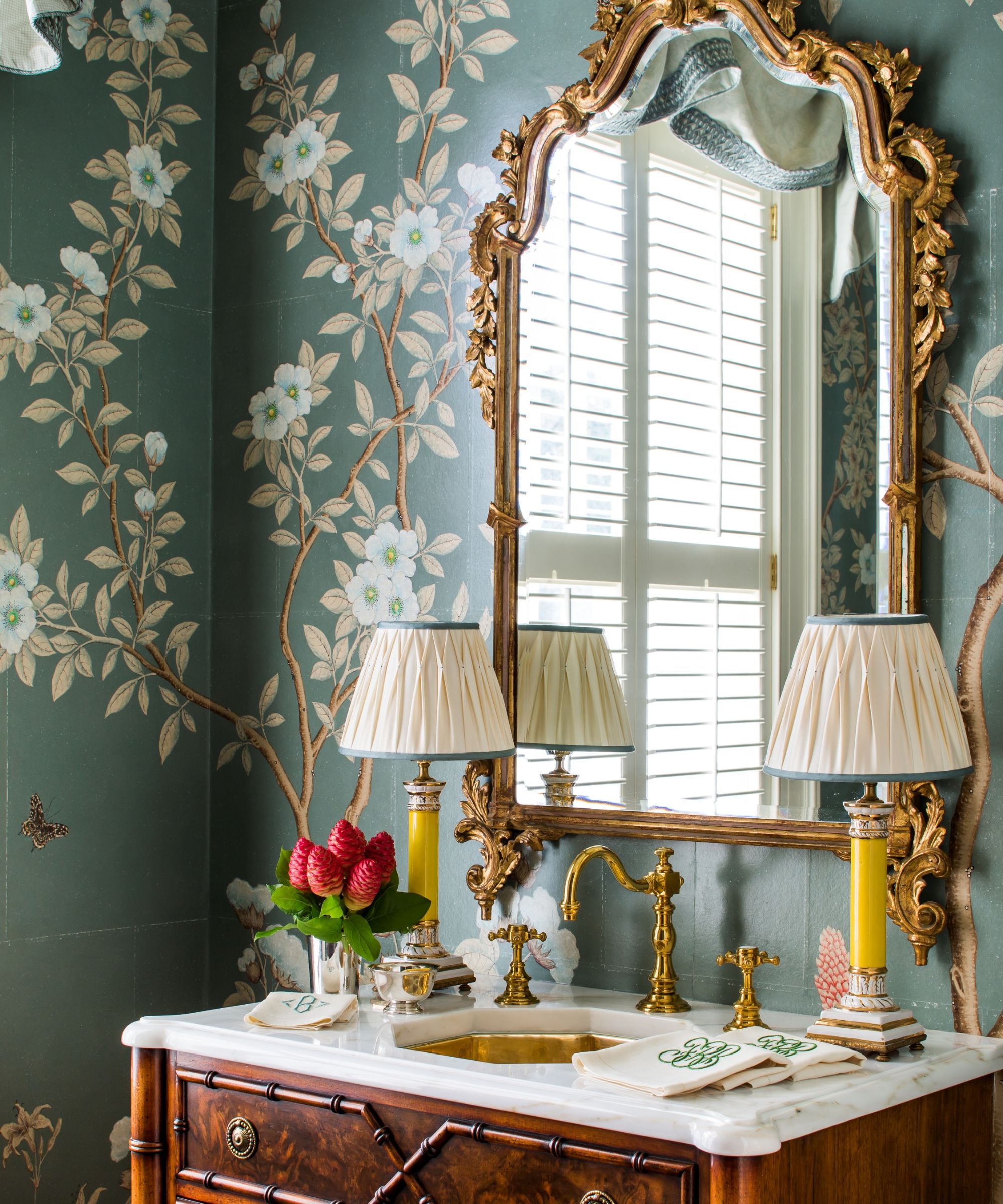
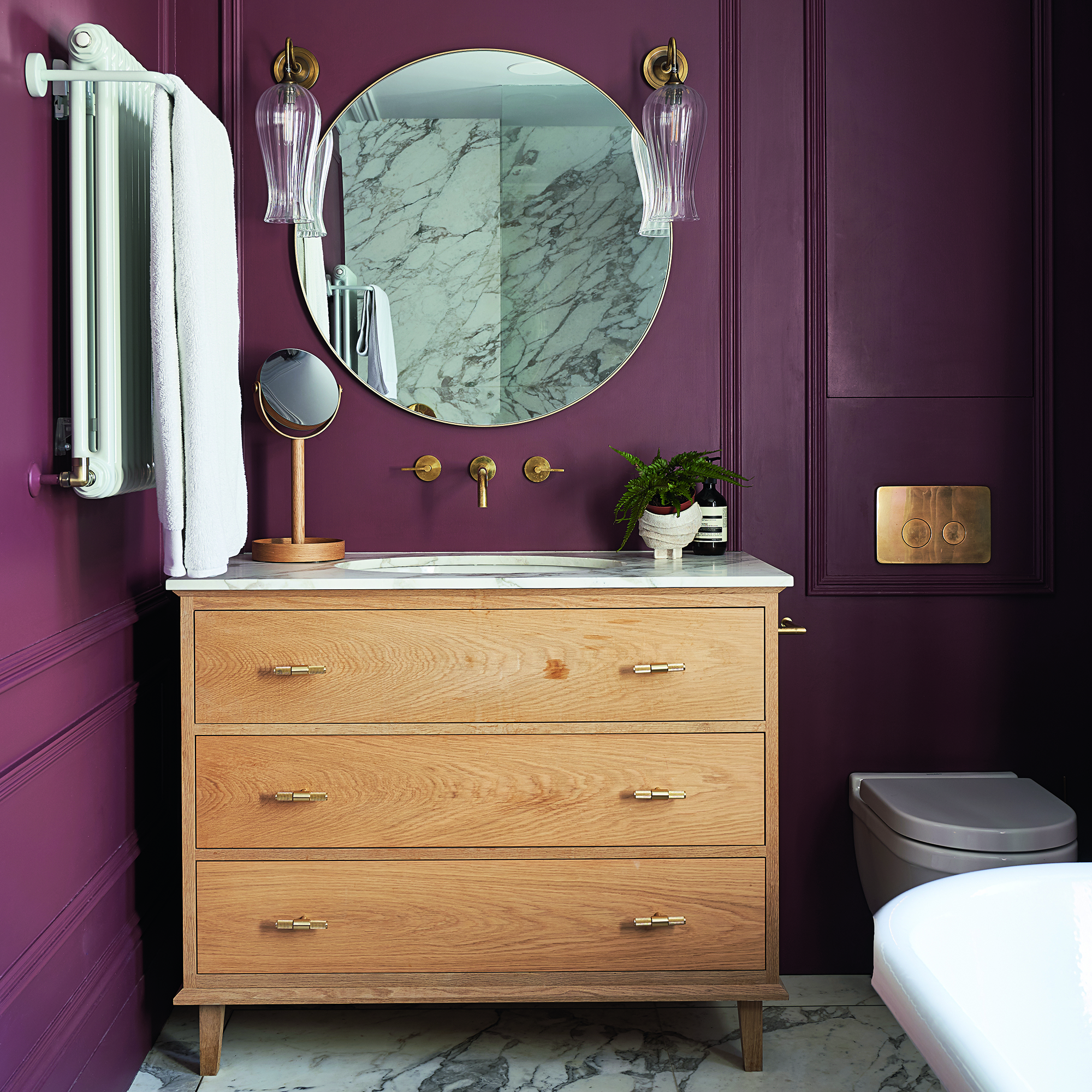
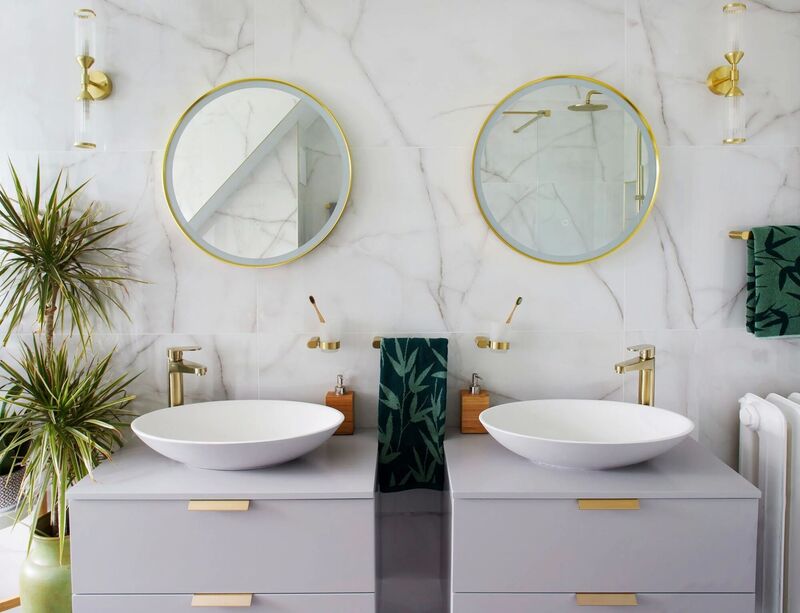
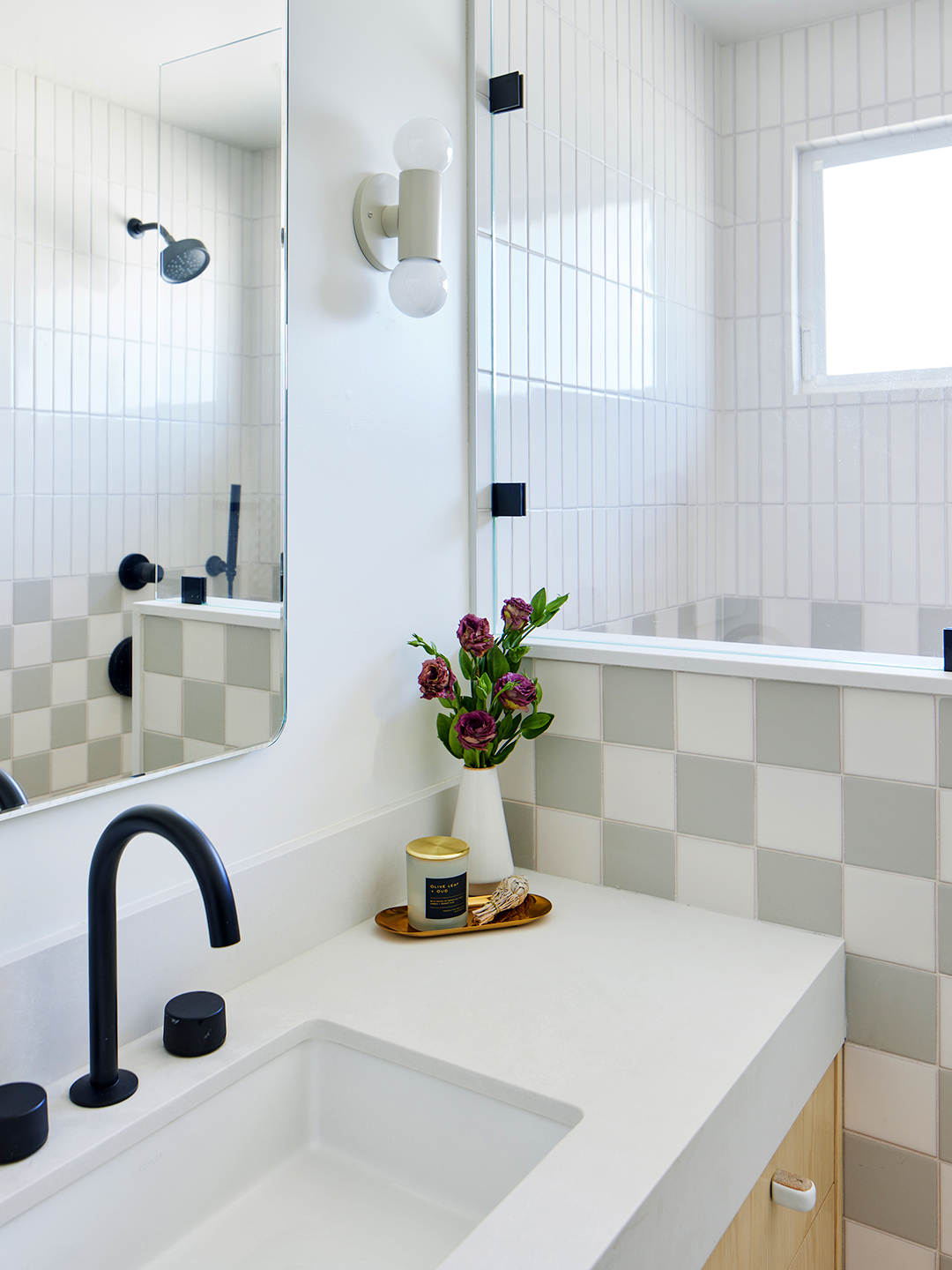
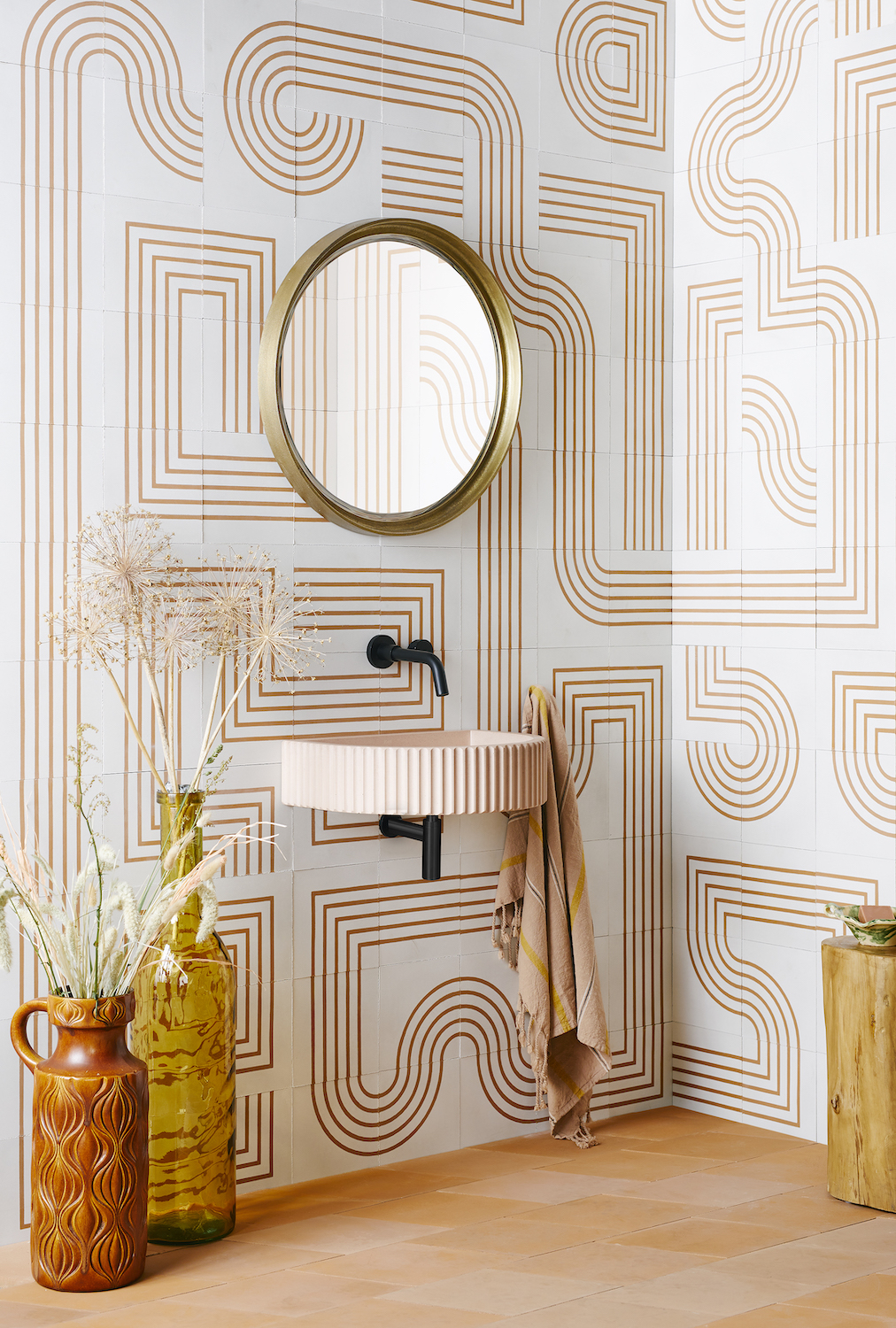
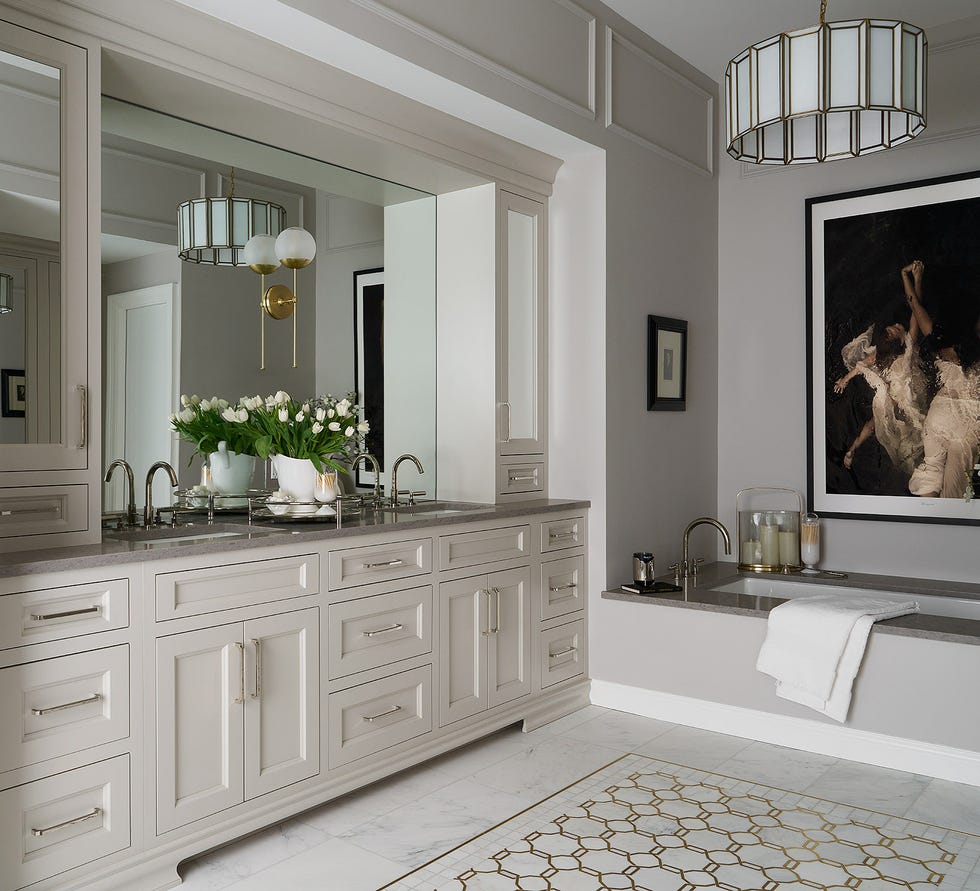
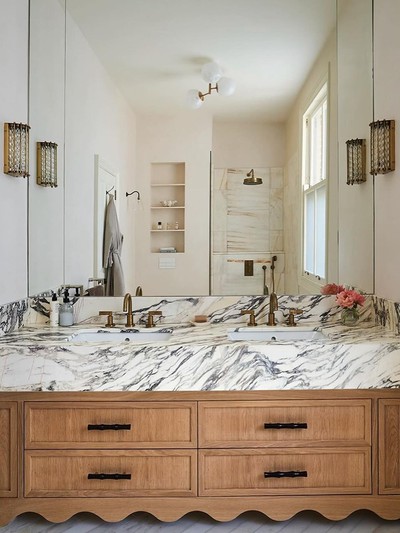
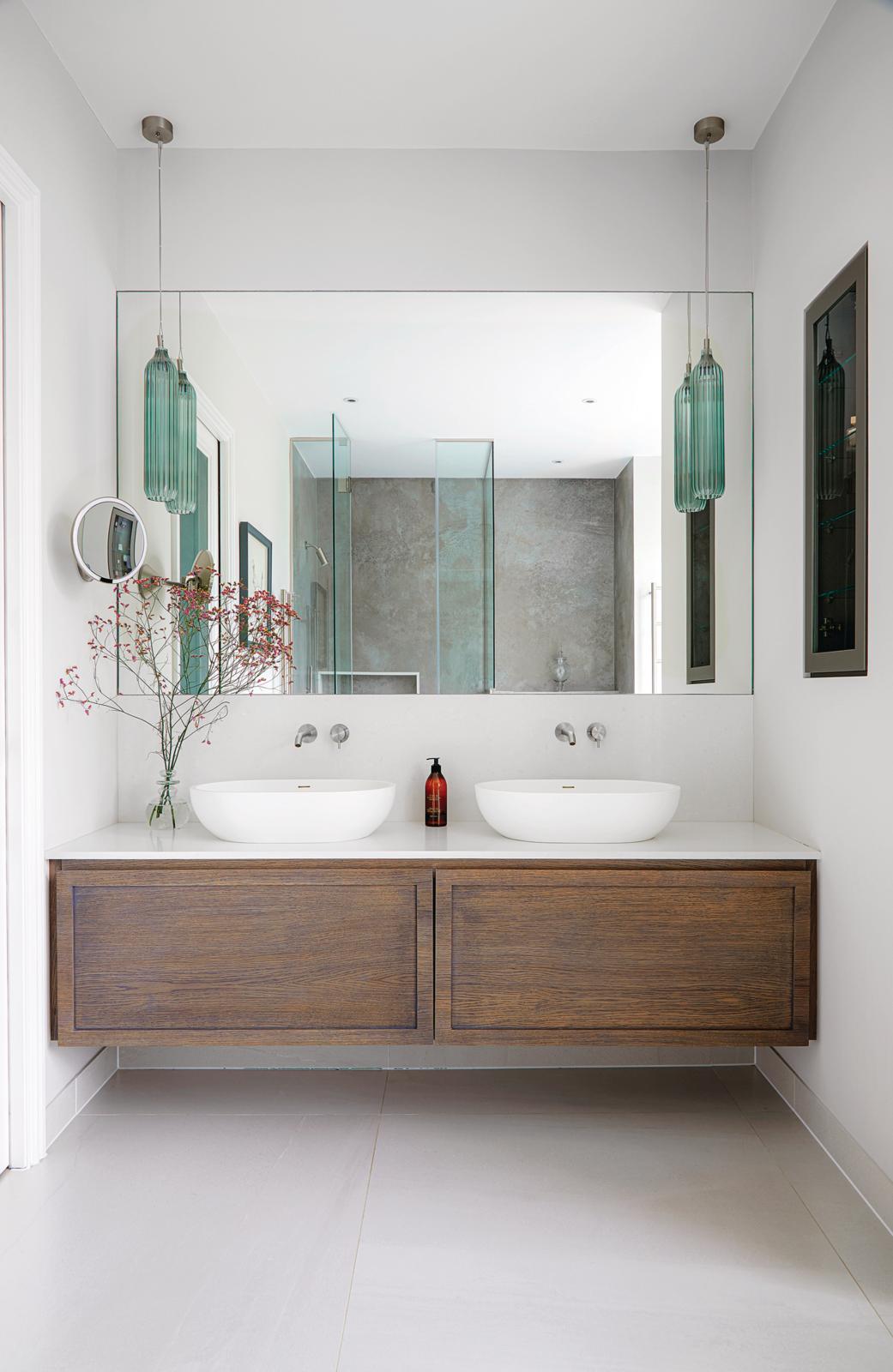
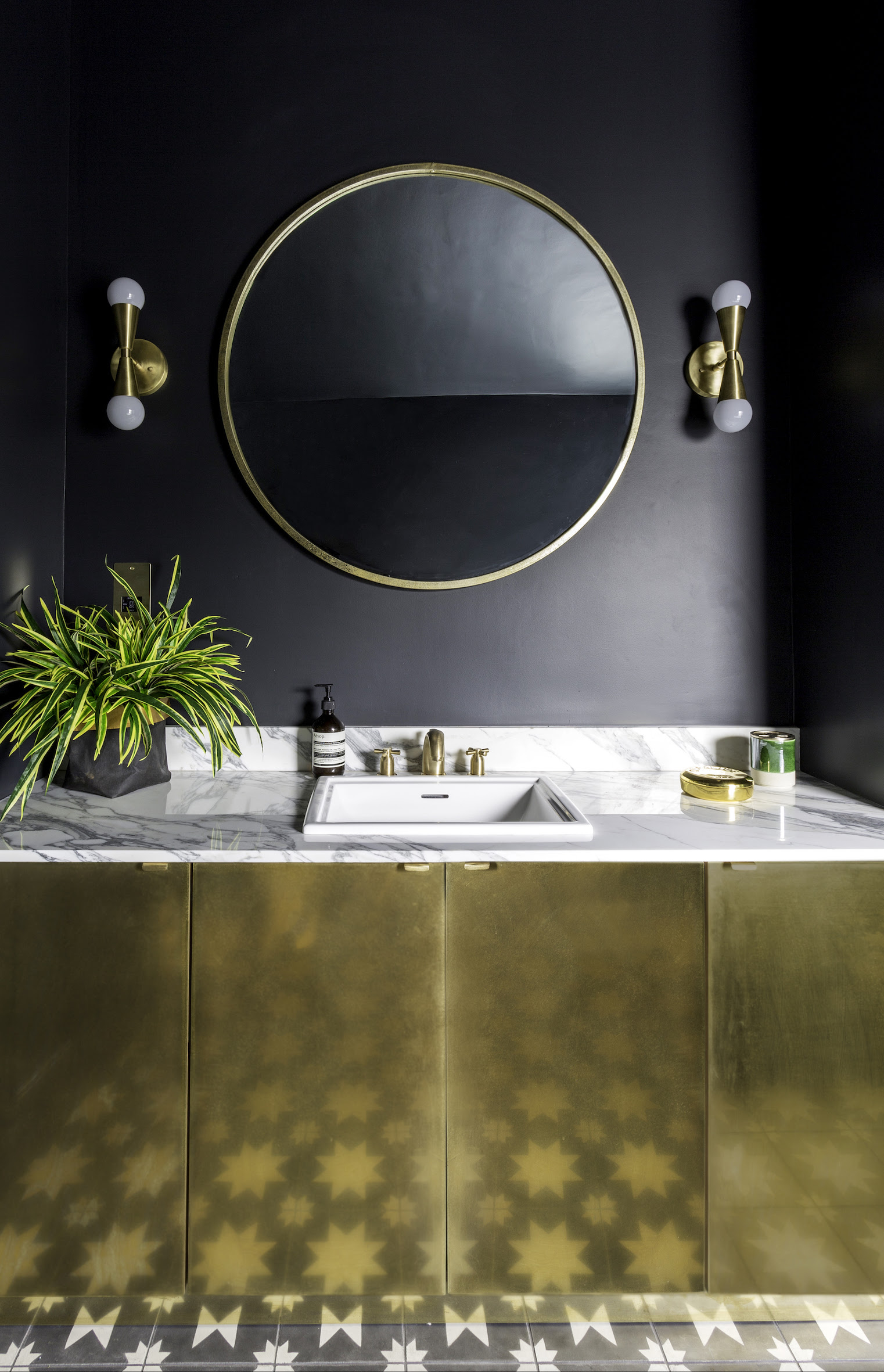
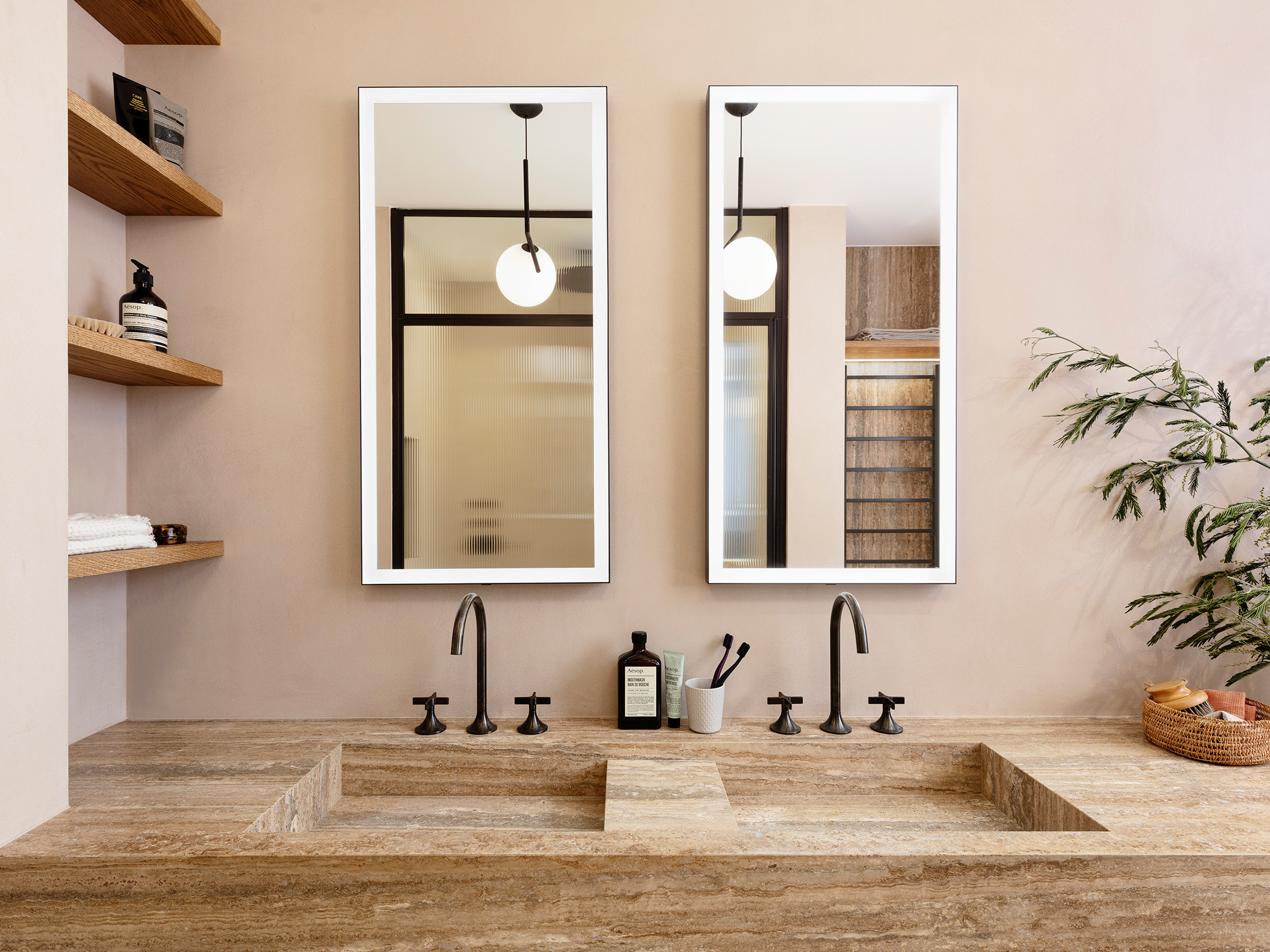
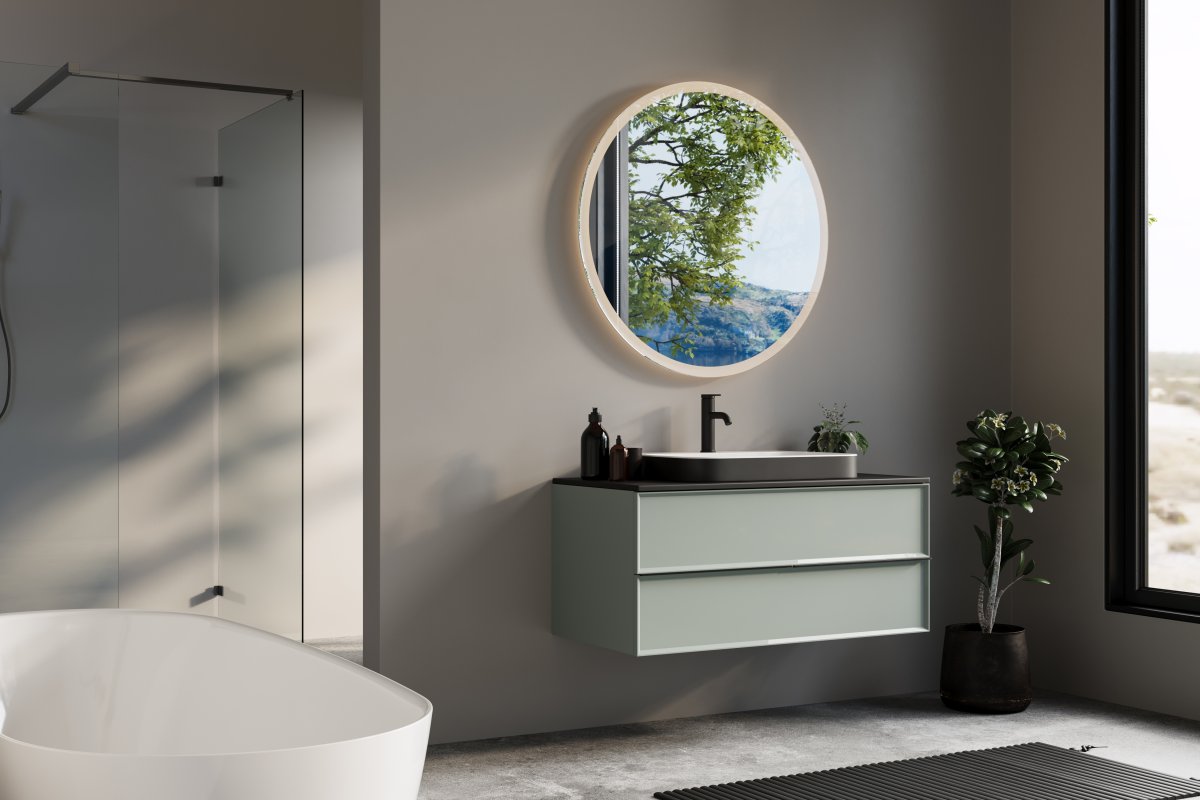
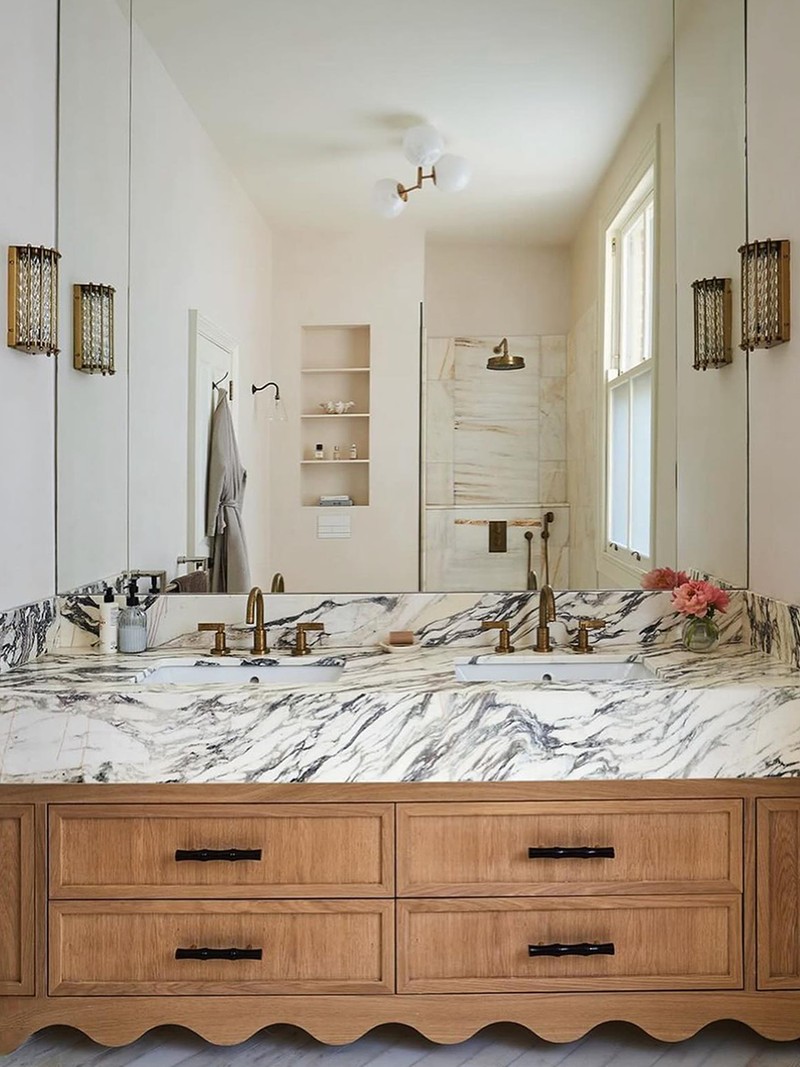
For those who prefer a modern, minimalist look without the conventional lipped edge of a backsplash, several alternatives are available. Becky Russell, CEO at Kingston Lafferty Design, notes that various moisture-resistant and waterproof materials can be used as alternatives. A fully tanked wetroom, for example, inherently prevents water ingress. Thoughtful selection of sanitaryware and fittings can also mitigate the need for a backsplash. Designers suggest extending the vanity worktop to include a two to three-inch upstand. A mirror or mirrored wall behind the vanity can serve as a waterproof solution while adding visual depth. Alternatively, a washstand with a built-in backsplash eliminates the need for a separate installation. Opting for deeper sinks can also minimize splashes, making a backsplash less critical.
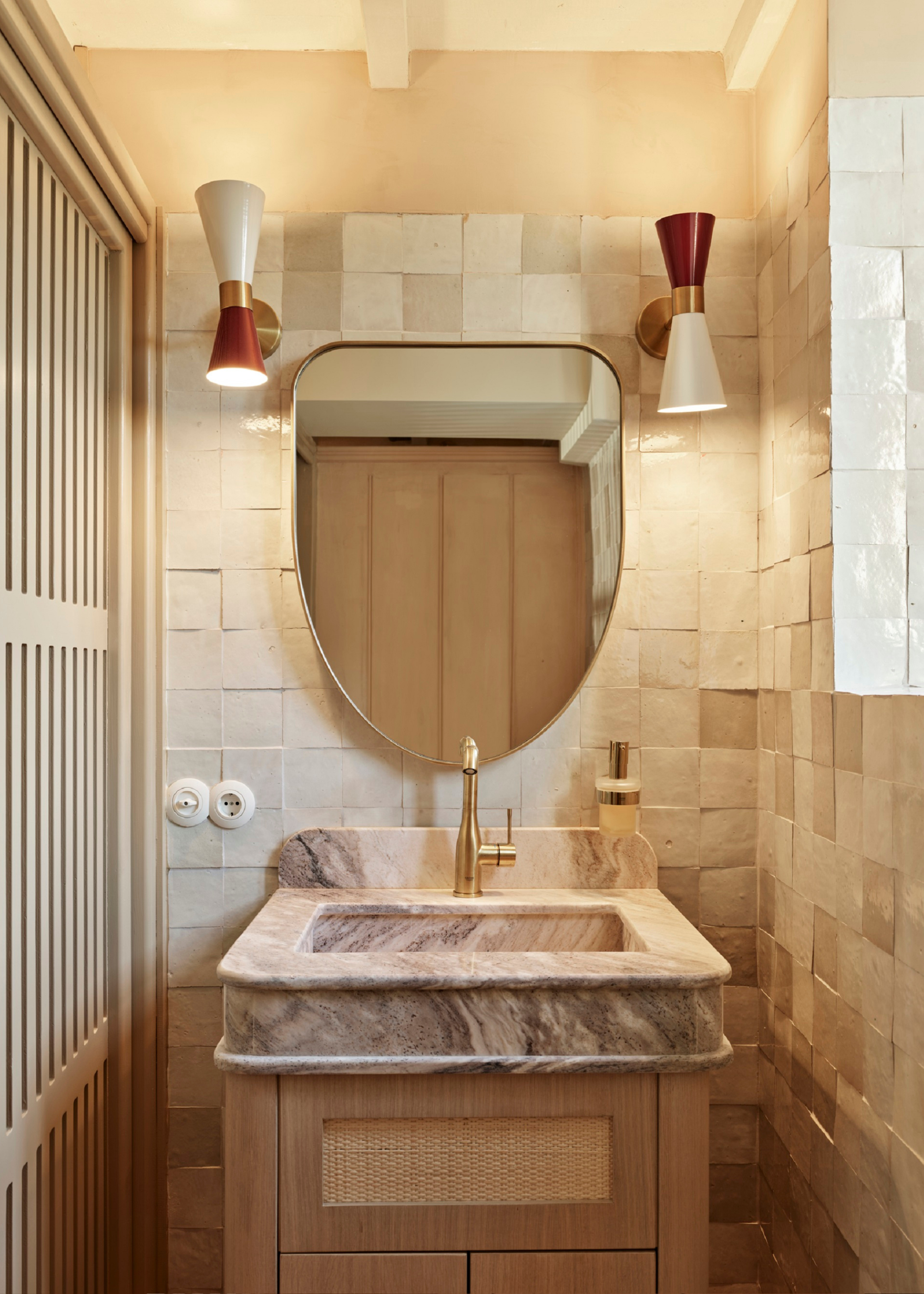
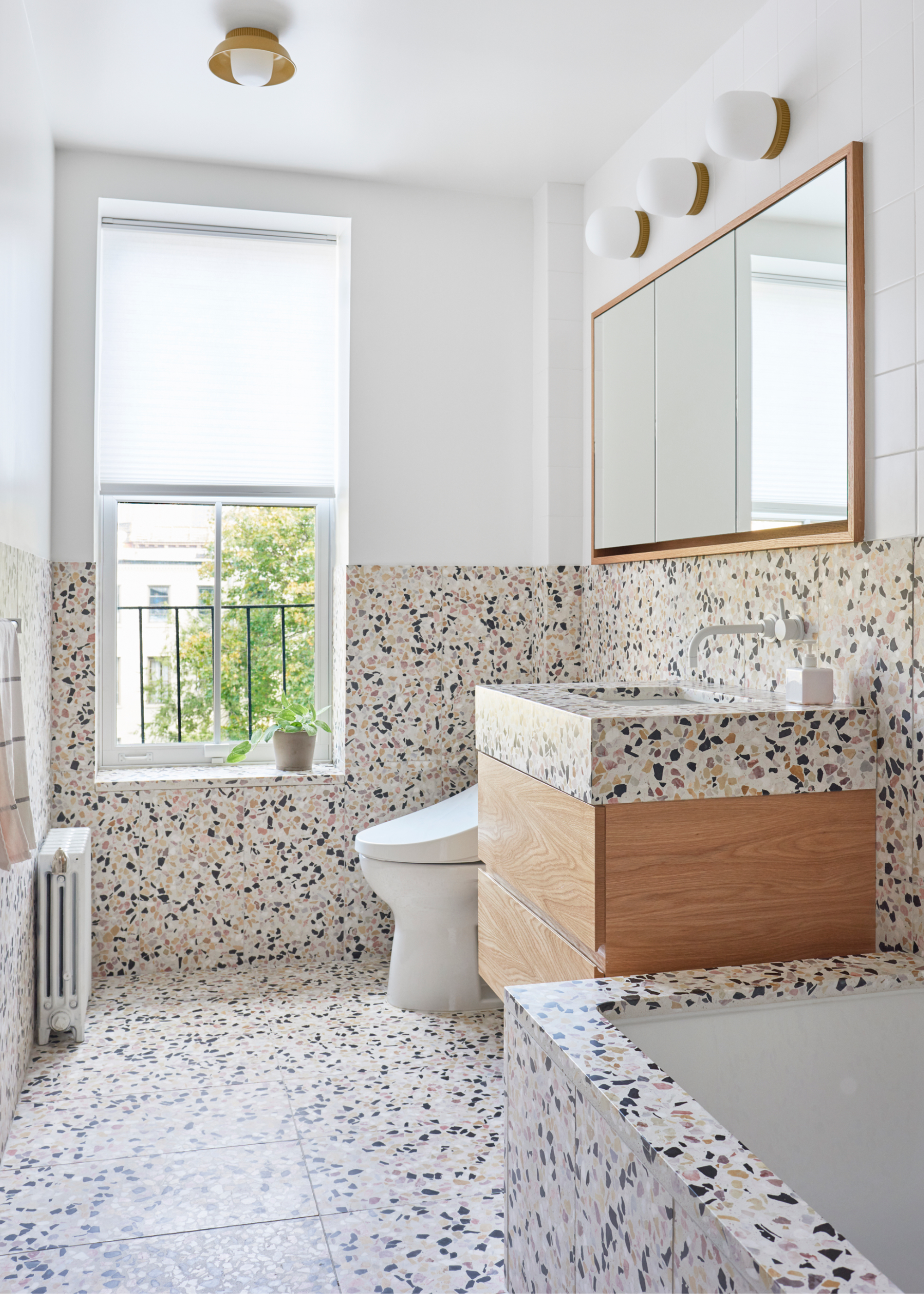
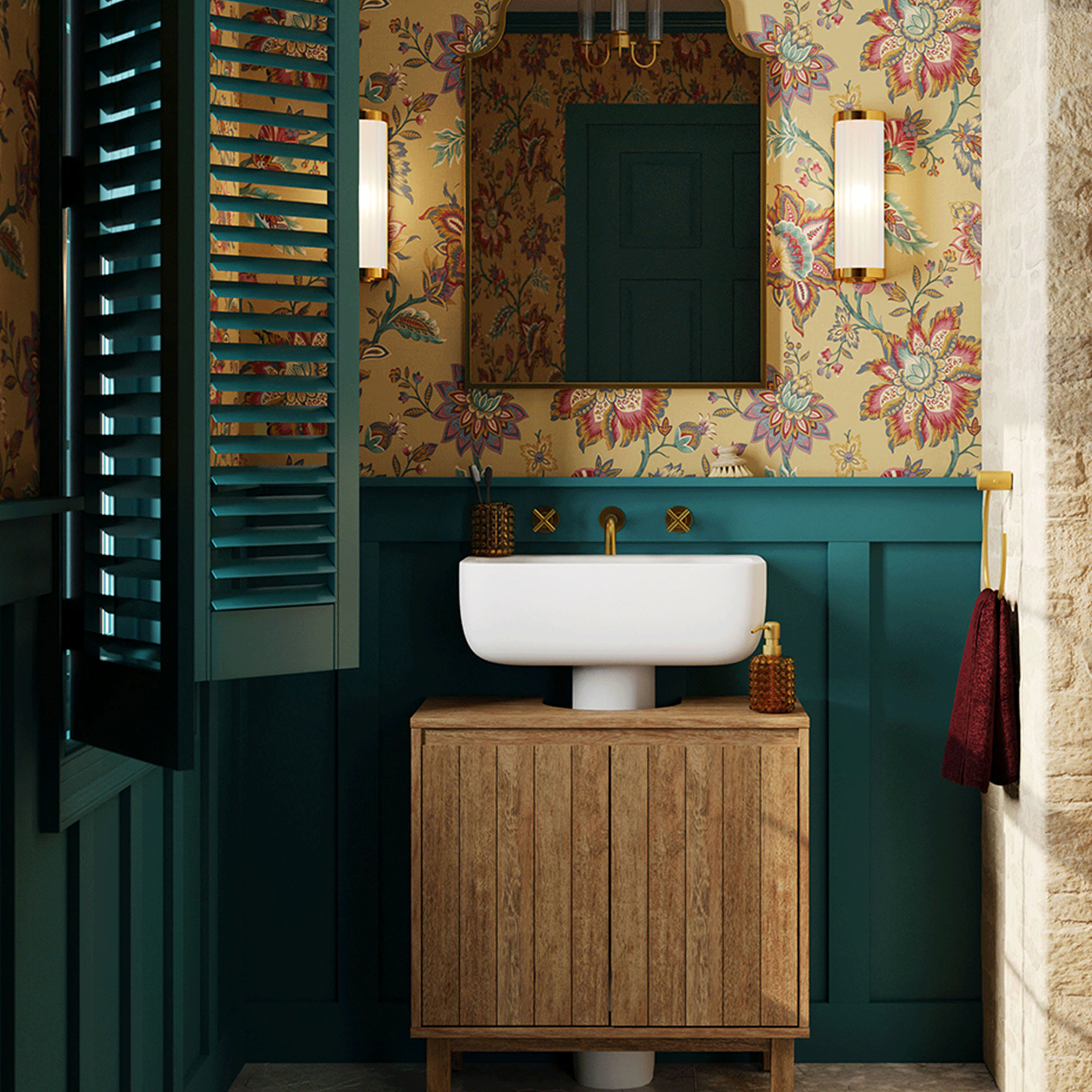
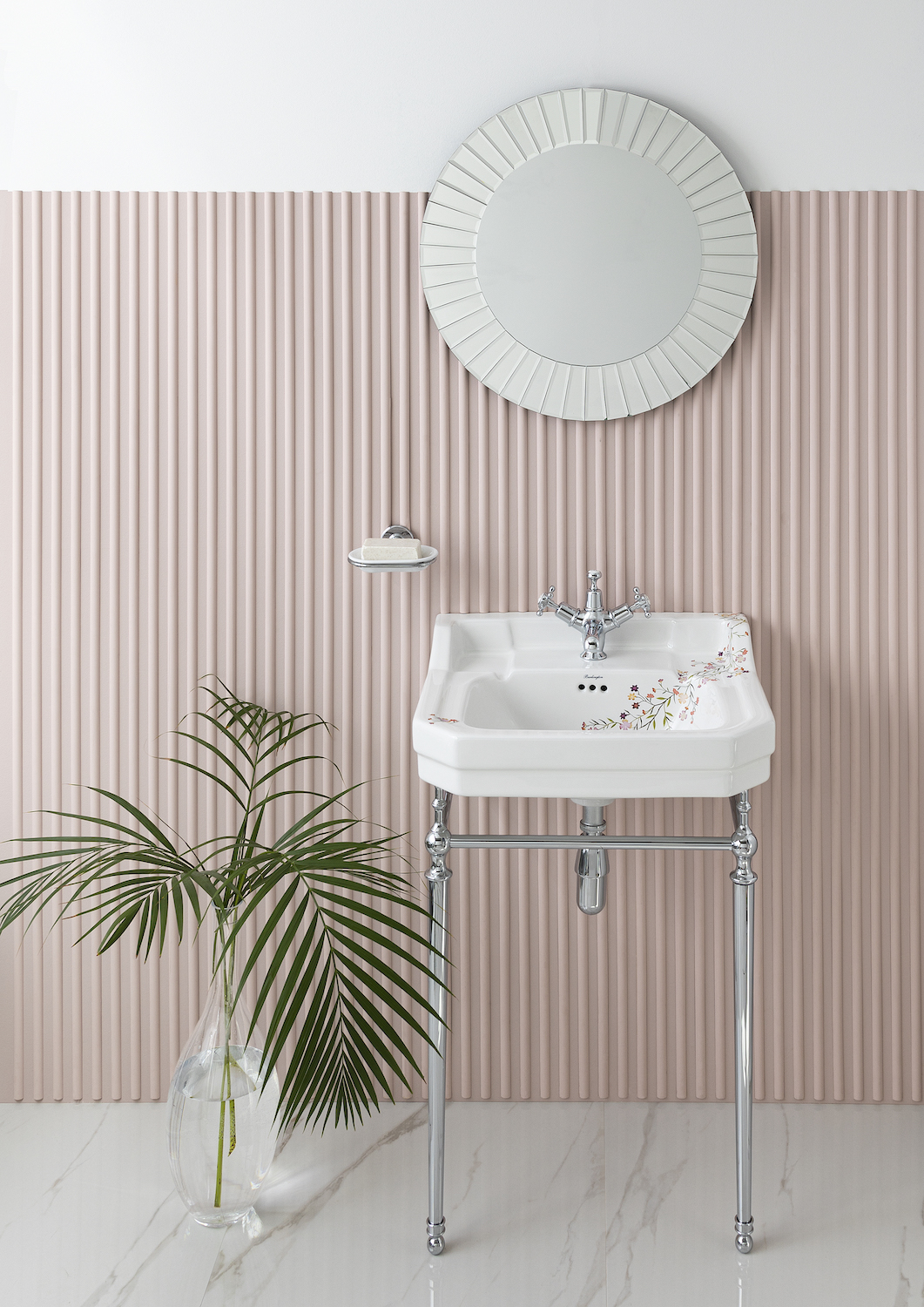
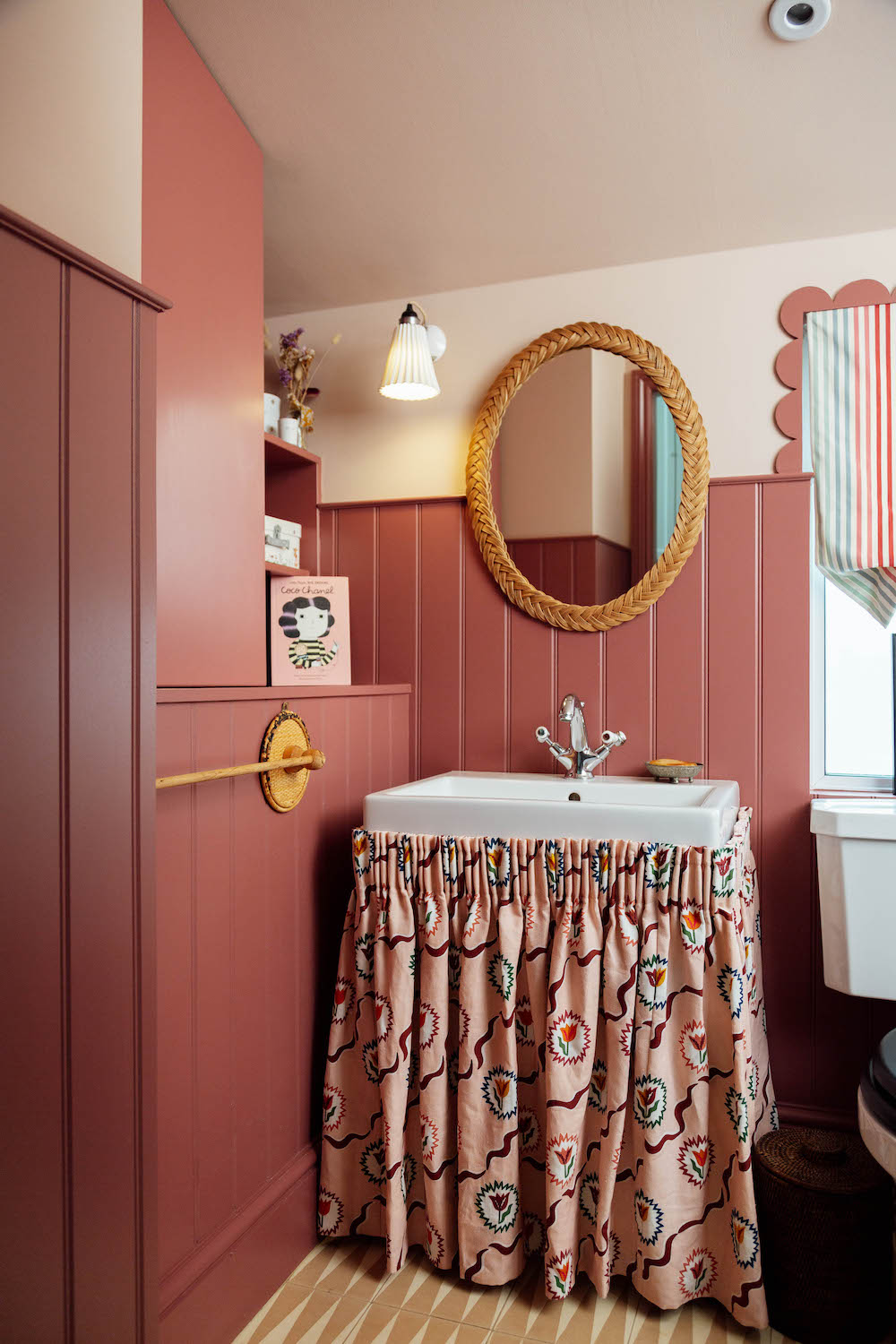
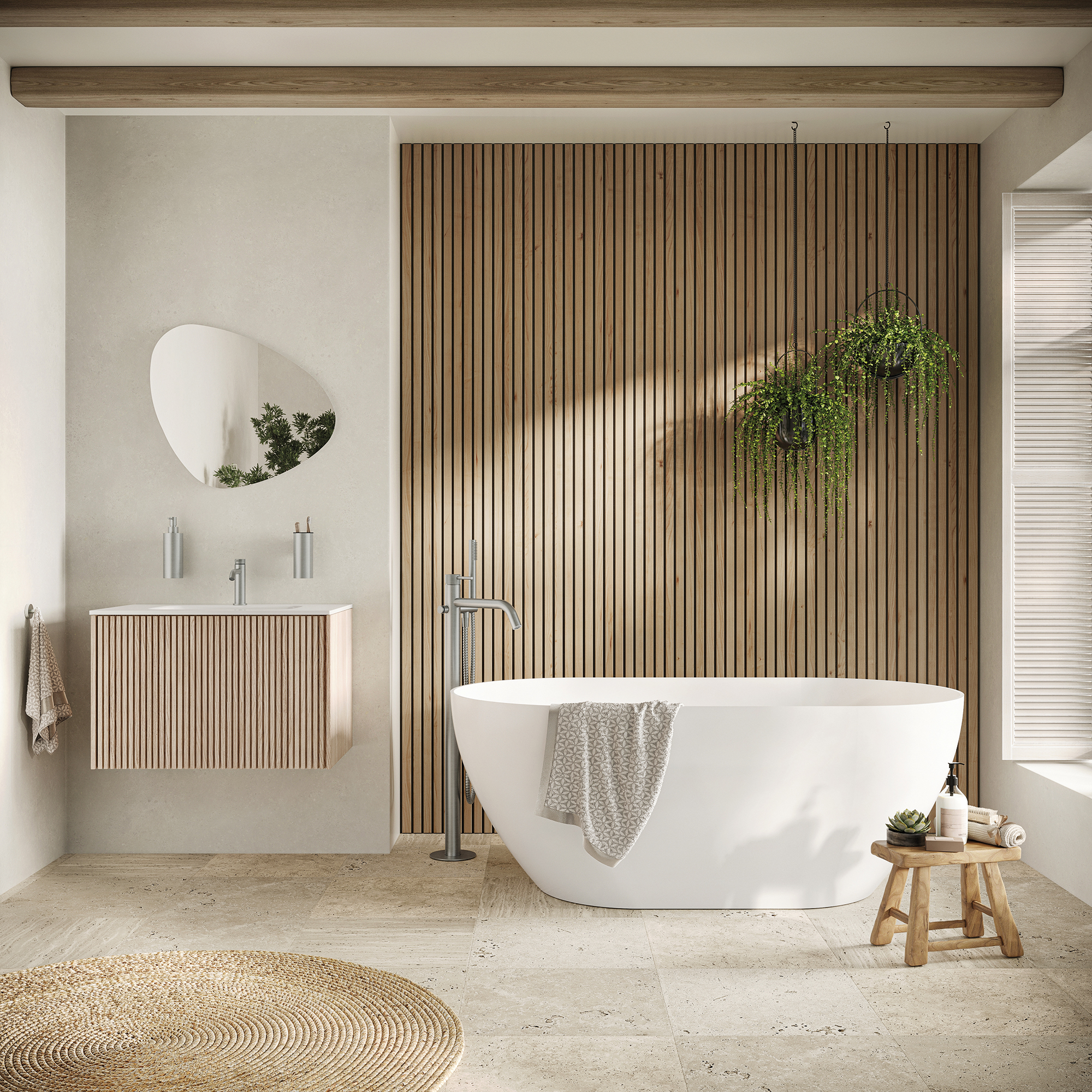
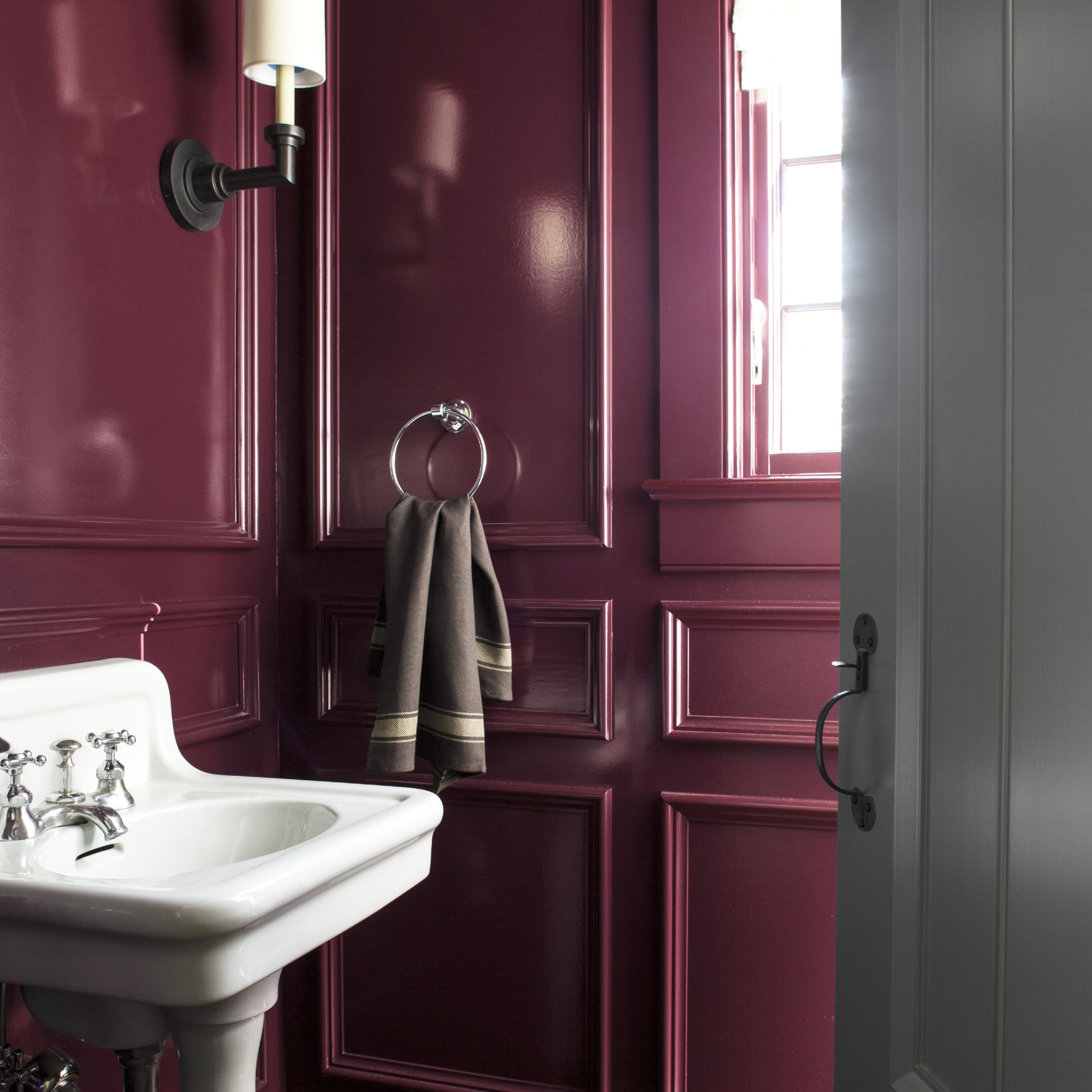
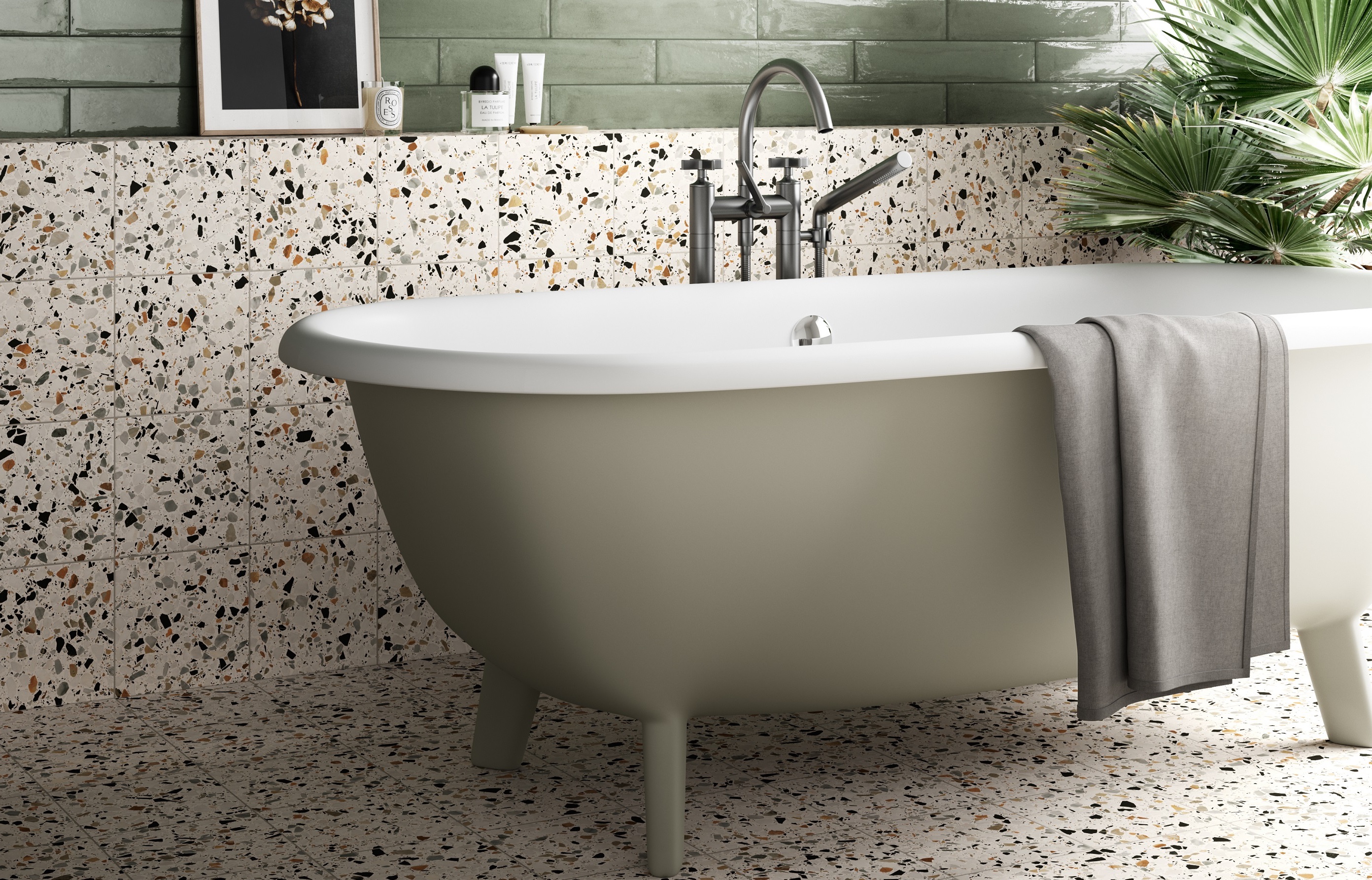
Beyond structural alterations, other design solutions exist to protect walls from splash damage. Yoko Kloeden, creative director at Yoko Kloeden Design, recommends tiling entire walls or creating an upstand with the same material as the vanity worktop. An example is a Brooklyn brownstone renovation by Studio Nato, where colorful terrazzo tiles form a wainscoting effect, seamlessly covering the sink area, floor, and bathtub. Microcement, a blend of cement, silica sand, resins, and natural pigments, is another effective option due to its seamless finish, which prevents mold and mildew and simplifies cleaning. Tadelakt, a natural lime plaster, offers a similar aesthetic and protective quality. For walls not protected by these materials, using moisture-resistant, washable paint is crucial for regular cleaning without damaging the color. Alex Epstein, lead interior designer at Purple Cherry Architects, suggests using waterproof cladding like shiplap paneling for a unique, minimalist look, particularly suitable for low-country or coastal aesthetics.
#BathroomDesign #VanityBacksplash #InteriorDesign #Waterproofing #MoistureResistance #HomeRenovation #BathroomTrends #MinimalistDesign #DesignAlternatives #BathroomDesign #VanityBacksplash #InteriorDesign #Waterproofing #MoistureResistance #HomeRenovation #BathroomTrends #MinimalistDesign #DesignAlternatives
0개의 댓글이 총 표시됩니다.
 아직 댓글이 없습니다
추가로 마음에 드릴 만한 콘텐츠
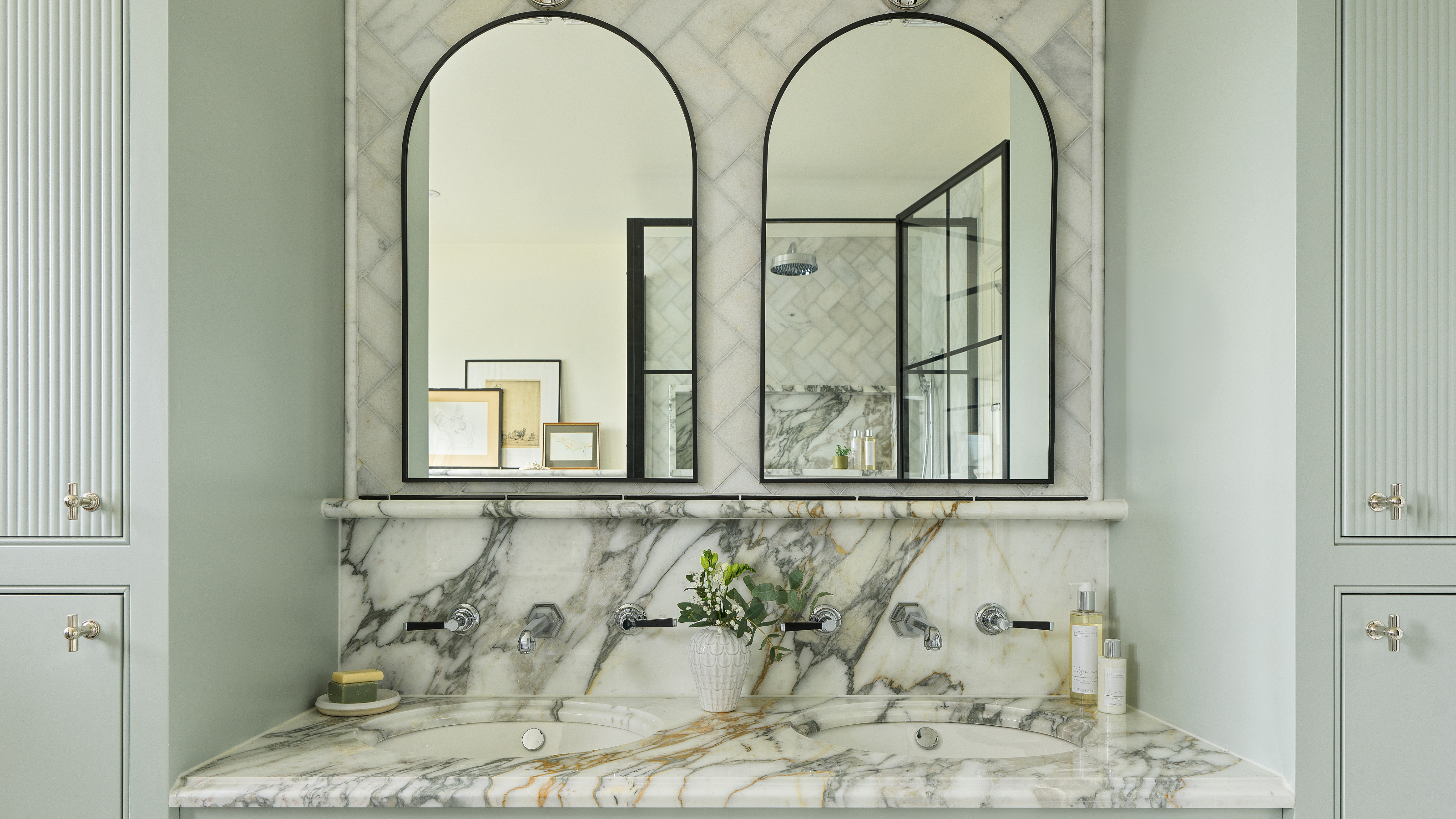
5 Bathroom Backsplash Materials Designers Tend to Avoid for Practical Reasons — And What They're Choosing Instead When Renovating
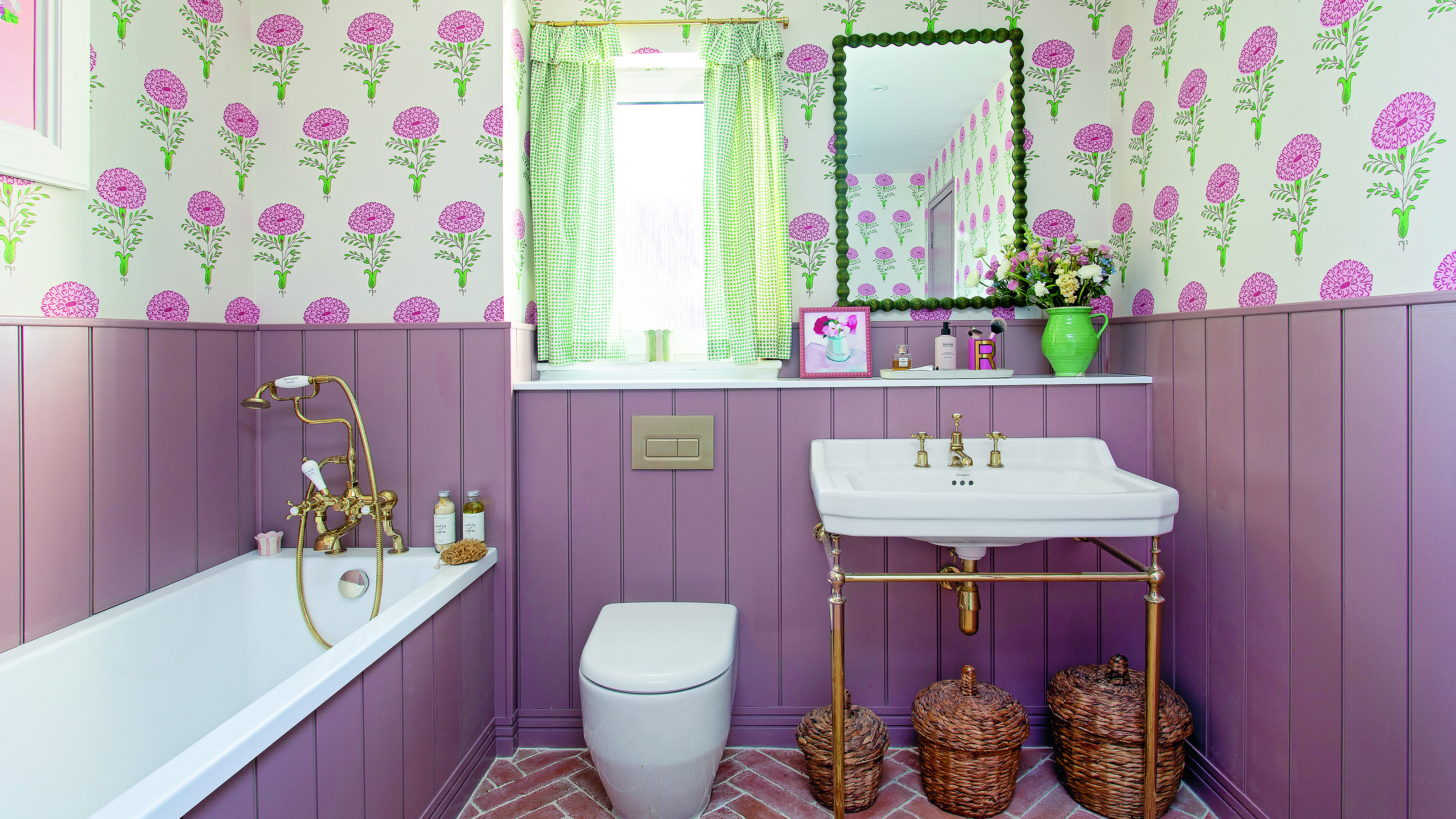
The bathroom wall panelling you should be adding, according to design pros
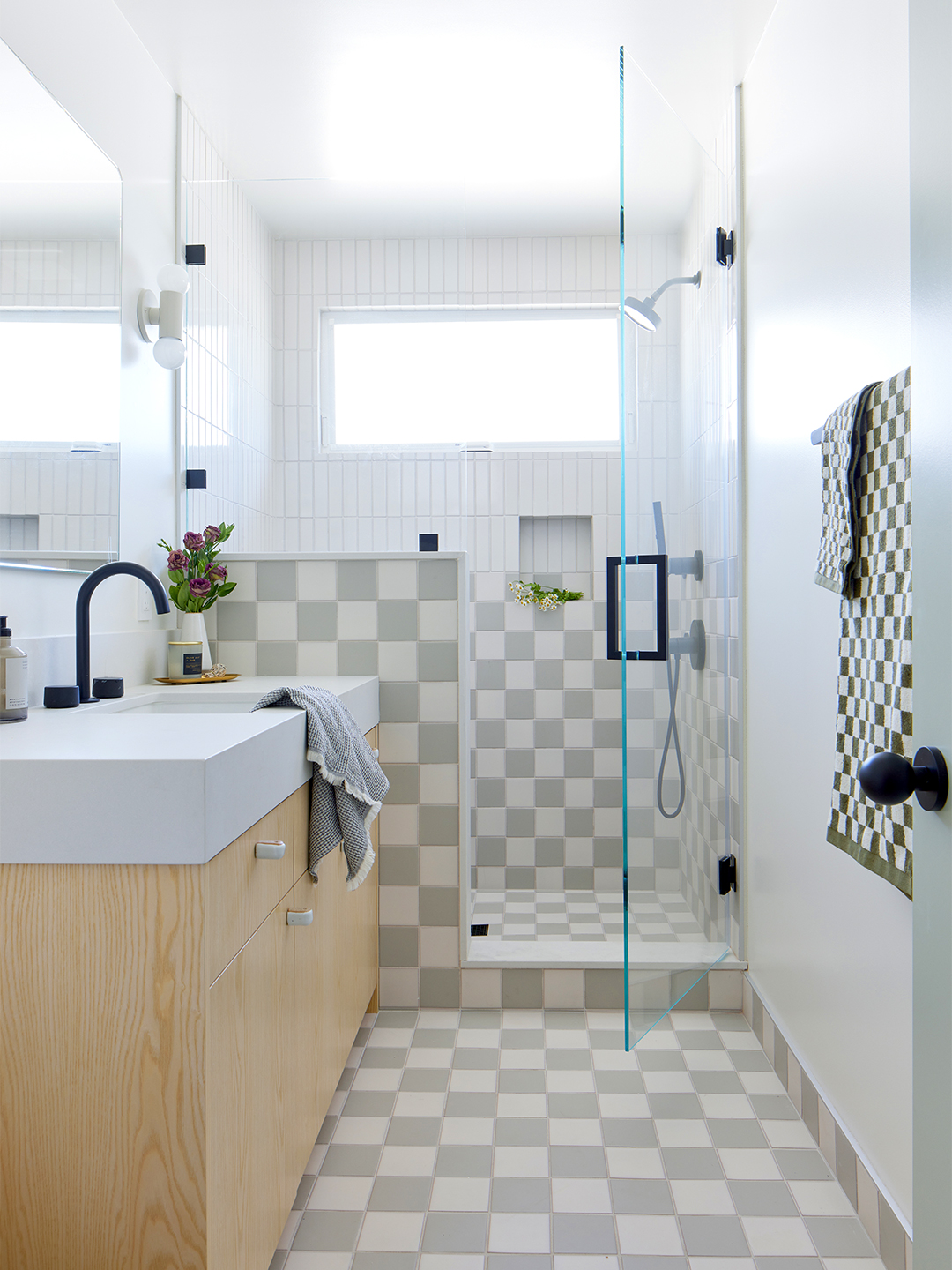
Nixing the Medicine Cabinet Streamlined This Tiny Bathroom Remodel
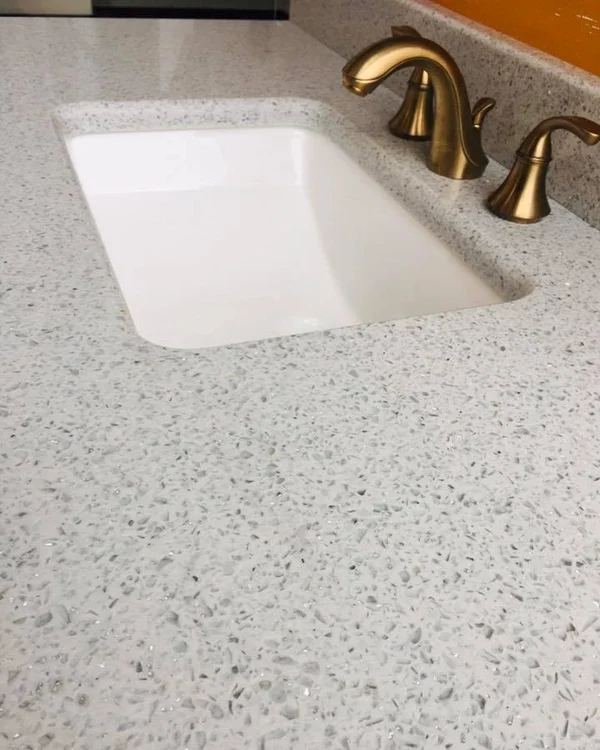
Timeless Elegance: Top Vanity Countertop Trends in 2025
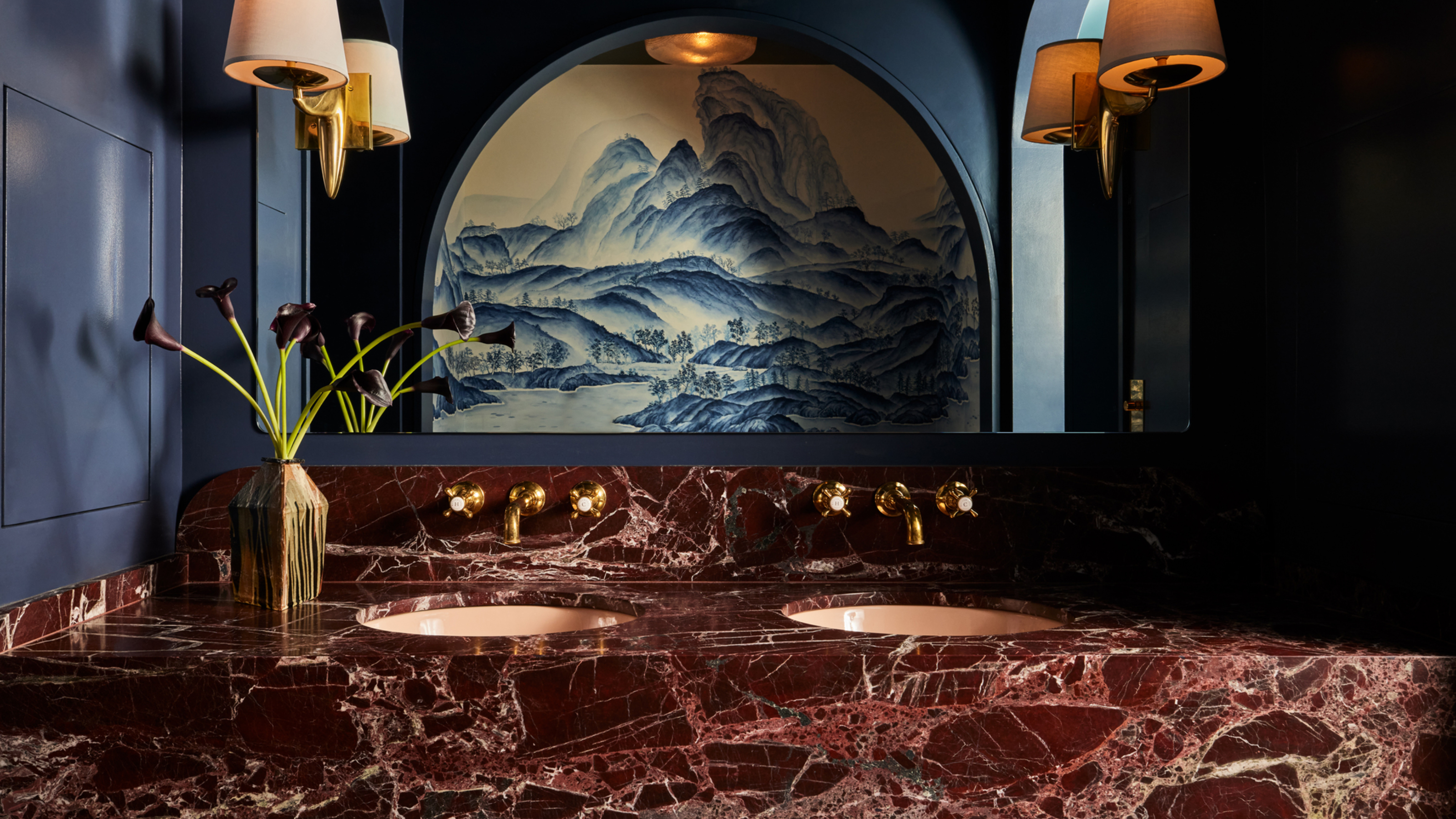
5 Bathroom Vanity Countertops Experts Avoid
Vanity Fair: Six superb bathroom vanity choices
Designers Swear This Bathroom Feature Is so Overrated

12 vanities that’ll add style and substance to your bathroom

Forget the Tub—These Bathroom Backsplash Ideas Steal the Show
The 7 Best Bathroom Vanities of 2026 for Style and Storage

Bathroom backsplash ideas - designers explain the best styles for behind baths and basins
Bathroom vanity ideas - experts explain how to use the most stylish materials and smartest designs
This Genius Bathroom Design Hides Its Mirrors and Cabinets
This Once-Popular Bathroom Feature Is Falling Out of Favor (and What’s Replacing It)

One Sink or Two? Design Experts Weigh In on the Bathroom Debate

These bathroom tile alternatives will give you an equally on-trend look - without the hassle of grout
Designers Say Your Bathroom is Missing This 1 Thing

This Once-Popular Bathroom Feature Is Falling Out of Favor (and What’s Replacing It)

24 Stylish Bathroom Vanity Units

The 15 Best Places to Buy a Bathroom Vanity