



1/3
Cheesecake Factory Interiors Are Weird and Wonderful, All Thanks to This Designer
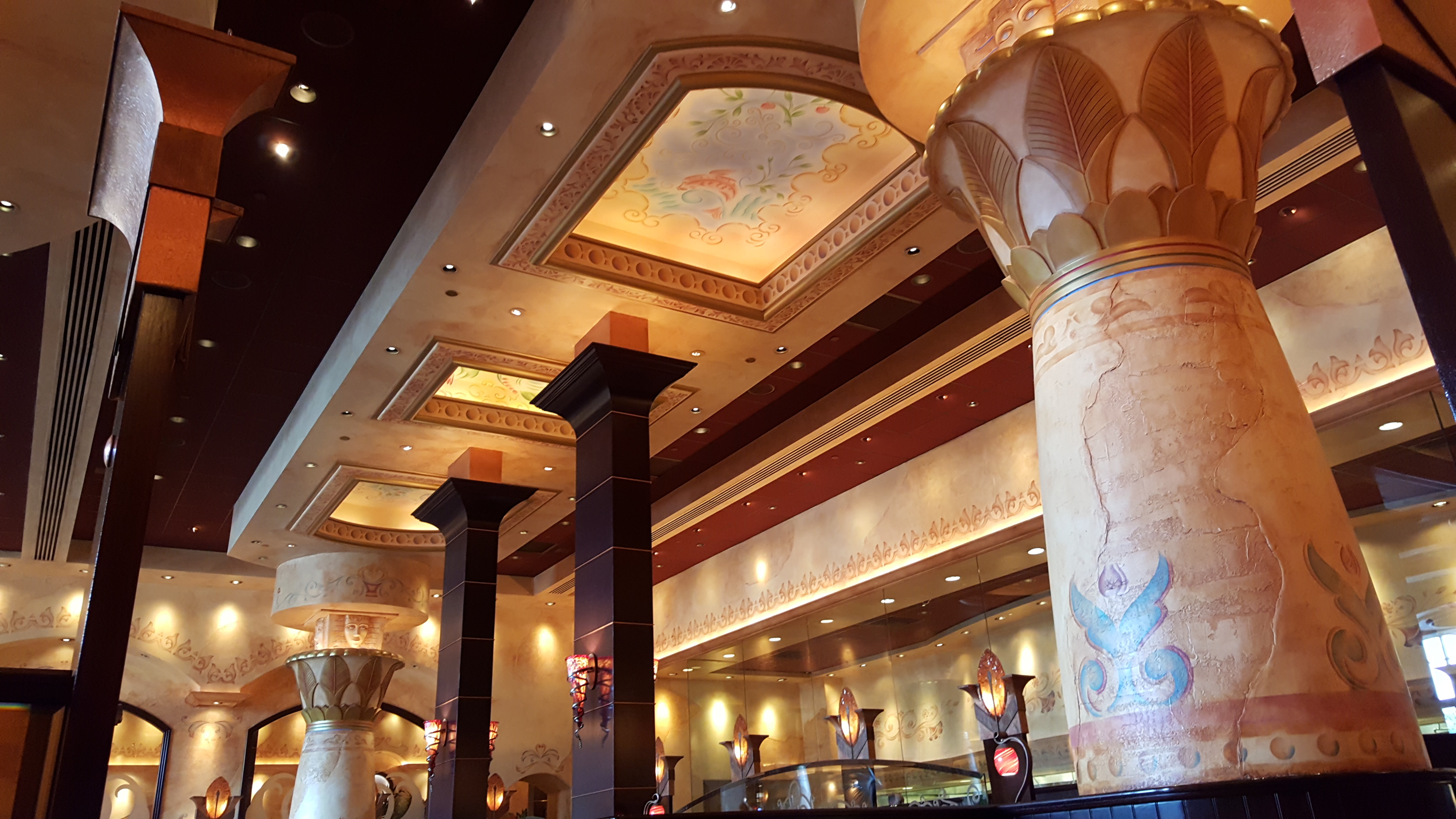
The Cheesecake Factory, recognized as America's top-ranked casual-dining chain, boasts a distinctive interior design characterized by a blend of gold hues, dark wood, and an eclectic mix of styles, often described as ancient-Egypt-meets-Vegas-Strip. This unique aesthetic is largely attributed to Rick McCormack, a hospitality designer who spent 15 years developing the brand's interior concepts. The chain, which started with its first location in Beverly Hills in 1978, has since expanded to 194 locations and includes offshoots like RockSugar and Grand Lux Cafe.
McCormack joined The Cheesecake Factory in 1992 after designing their sixth location. He established an in-house design department responsible for replicating and evolving the brand's signature look across numerous restaurants nationwide. The original design inspiration came from founder David Overton's experiences in San Francisco, leading to elements such as Victorian beadboard and dark-wood siding. McCormack further integrated diverse design elements like French limestone floors, Egyptian columns, and varied wood paneling, creating an unusual yet successful eclectic mix. The longevity of these designs is notable, with many 20-year-old locations retaining their initial aesthetic, a testament to the decision not to pursue fleeting trends.
Key to the Cheesecake Factory's design identity are its Egyptian-style columns. Initially inspired by a London bathhouse's palm tree-like columns, Overton introduced similar elements in the second restaurant. McCormack later refined these to more closely align with Overton's preference for Egyptian aesthetics, incorporating them into approximately 120 locations. For flagship restaurants, more elaborate designs, such as mosaic-tiled columns or two-story columns with custom artwork, were used to add a sense of luxury and sophistication.
McCormack highlighted the functional considerations behind the design, particularly the need to accommodate the high volume of business. While the dining areas offered flexibility in layout, certain elements like the bakery area at the entrance were standardized to ensure consistent capacity for cheesecakes. The brand's success allowed for a generous budget, enabling the use of high-quality materials and creative, often price-prohibitive, features like mosaic tiles, which might not be feasible for other restaurants. McCormack's work on RockSugar, a Pan-Asian concept, is a notable example of his creative freedom and access to resources, involving sourcing materials from Beijing and collaborating with Warner Brothers' art department for a large mural. The article also touches upon current industry trends, such as the shift towards fast casual and the challenge of attracting millennials, suggesting that brands like The Cheesecake Factory, which prioritize a special dining experience, will continue to thrive.
#CheesecakeFactory #RestaurantDesign #InteriorDesign #HospitalityDesign #RickMcCormack #EclecticStyle #EgyptianColumns #RestaurantArchitecture #CasualDining #CheesecakeFactory #RestaurantDesign #InteriorDesign #HospitalityDesign #RickMcCormack #EclecticStyle #EgyptianColumns #RestaurantArchitecture #CasualDining
 아직 댓글이 없습니다