1/28
Best Flooring of 2025
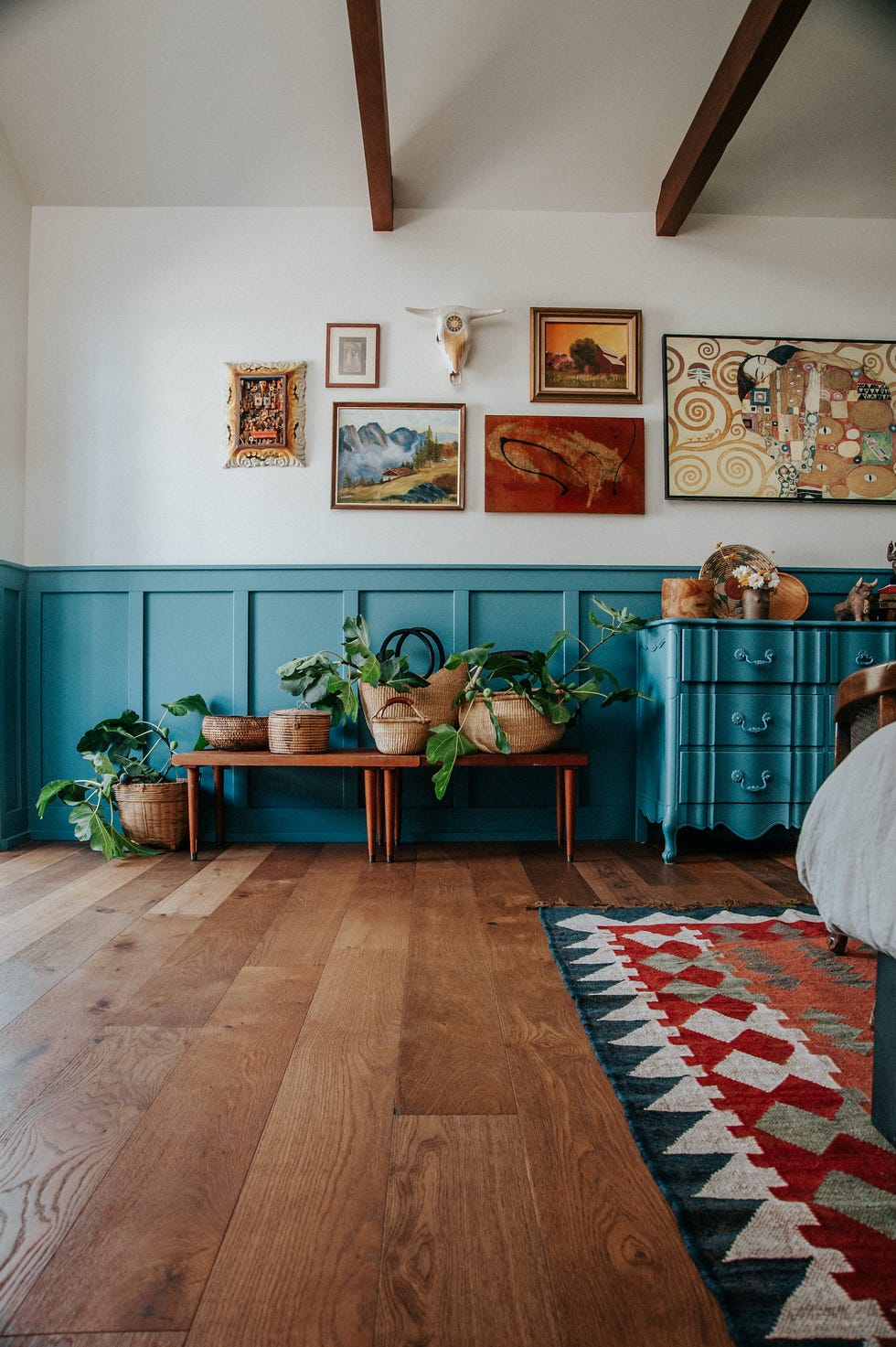
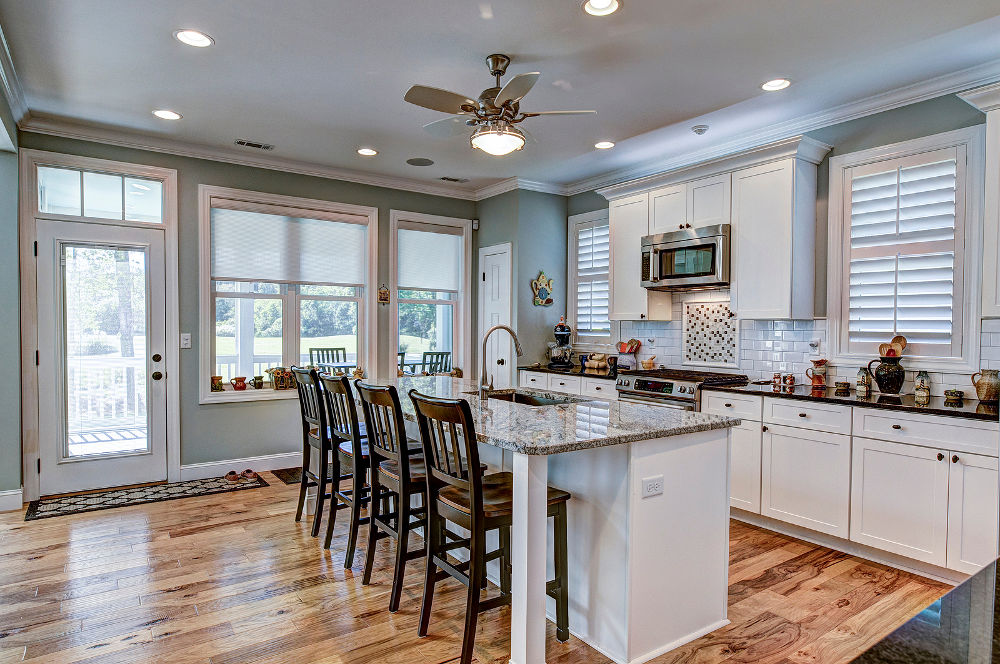
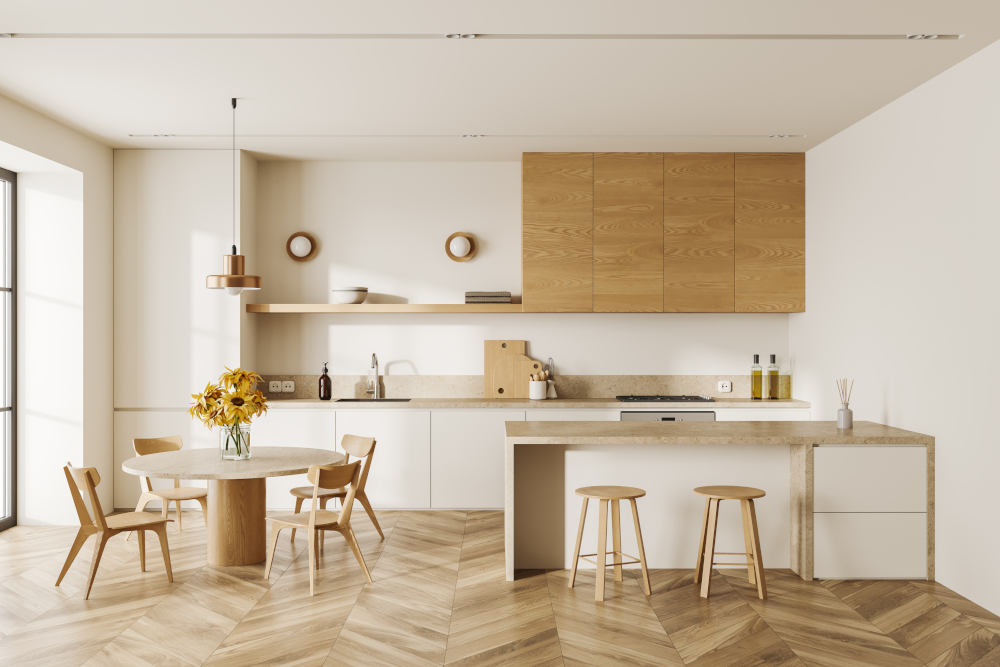
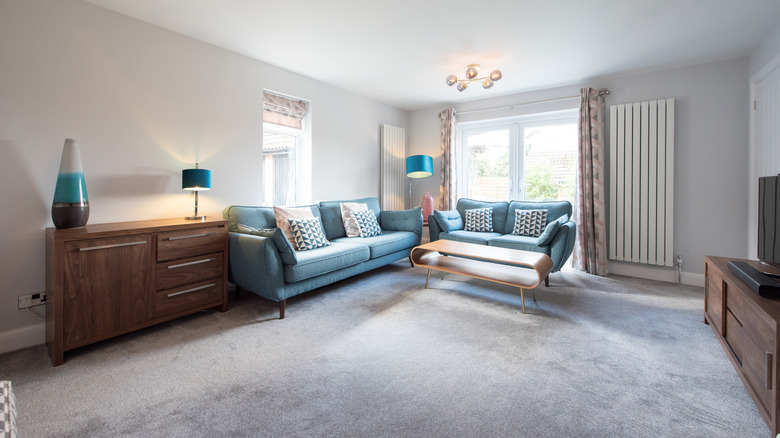
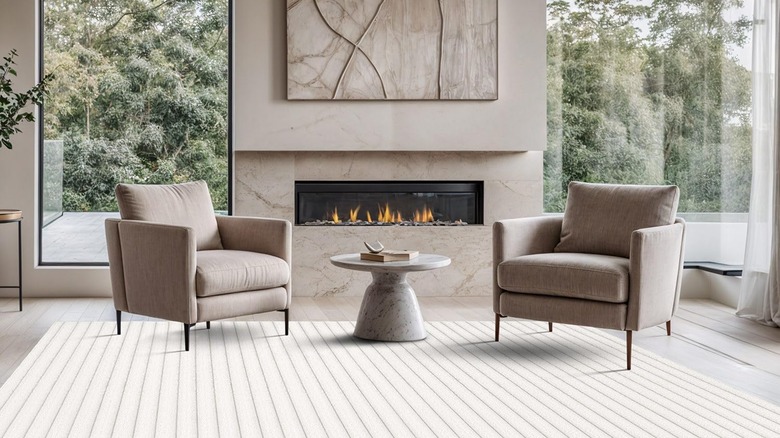
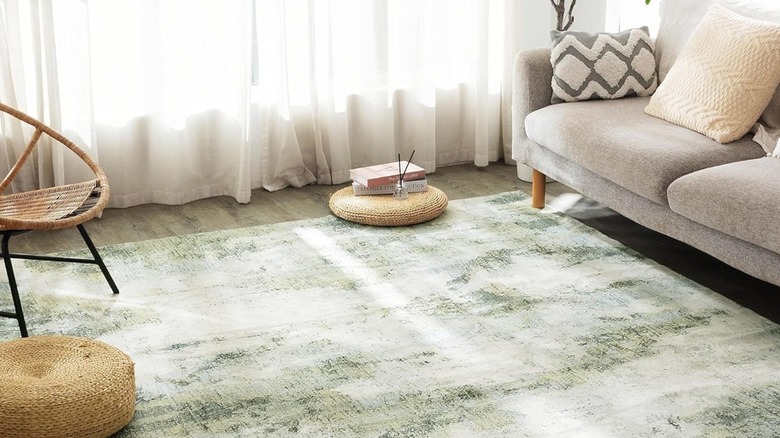
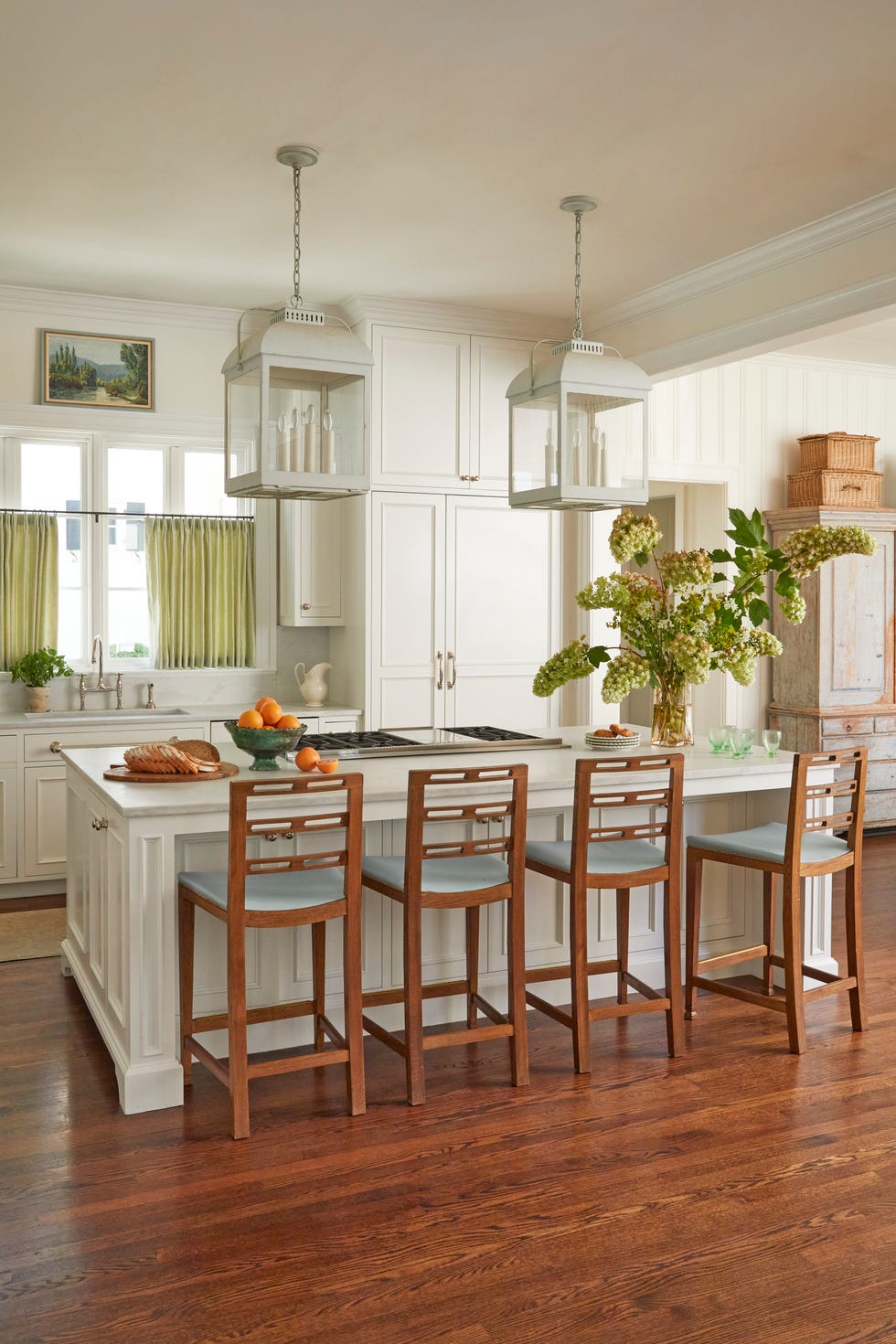
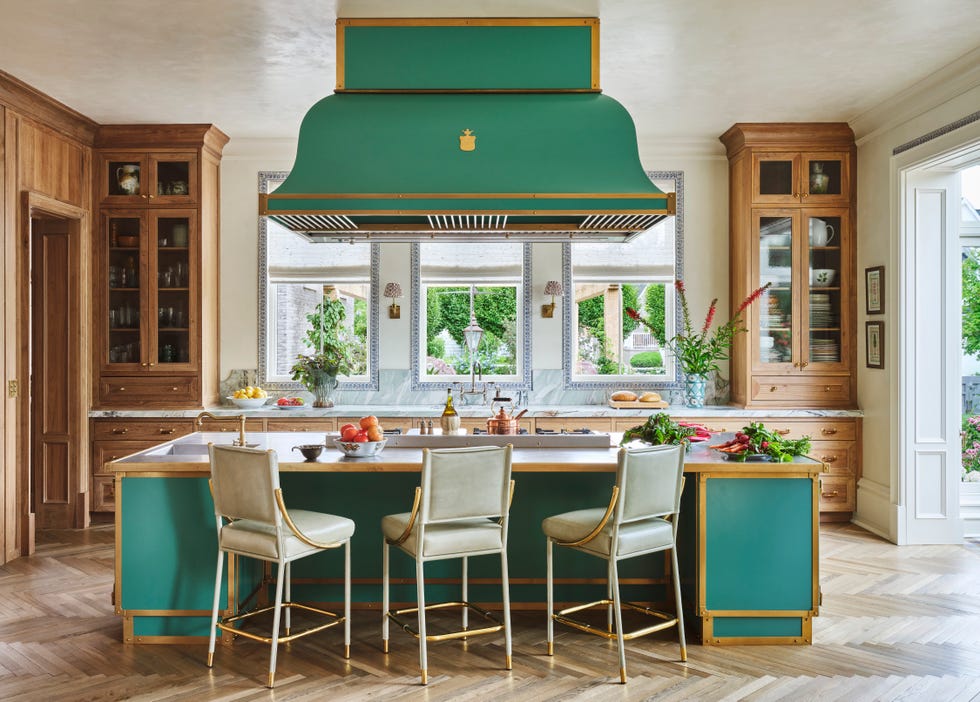
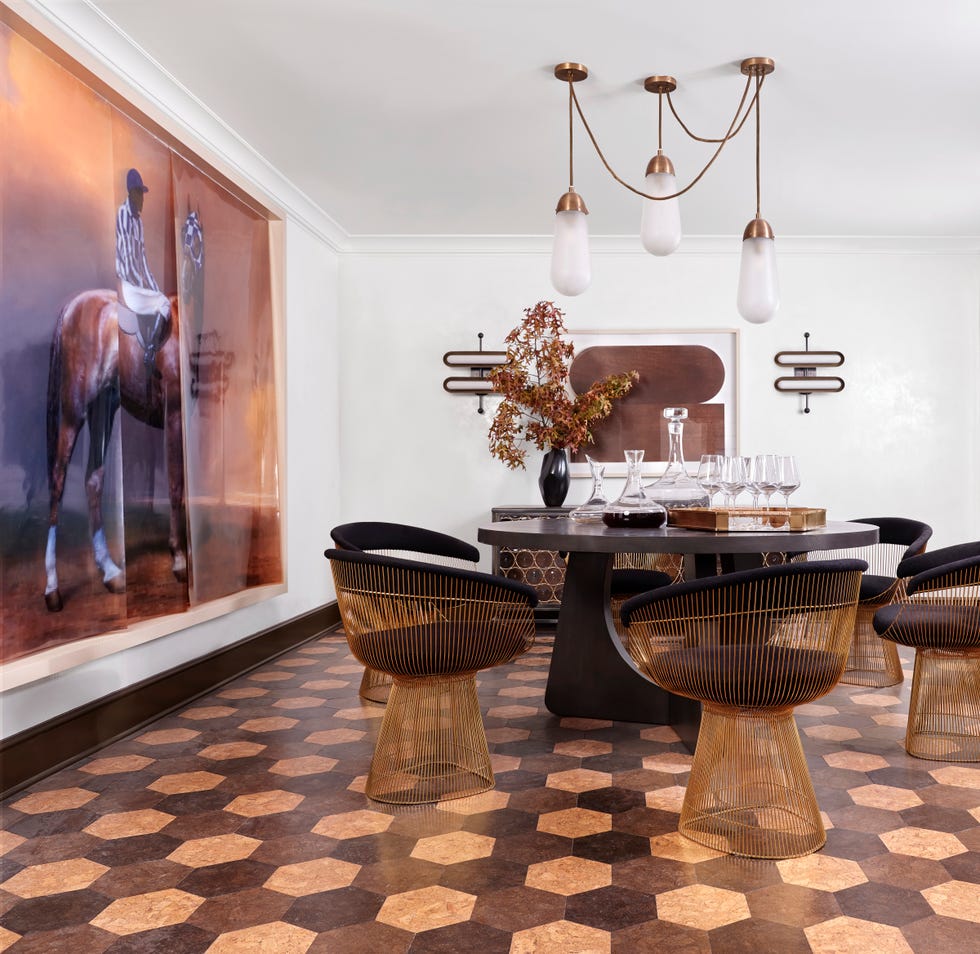
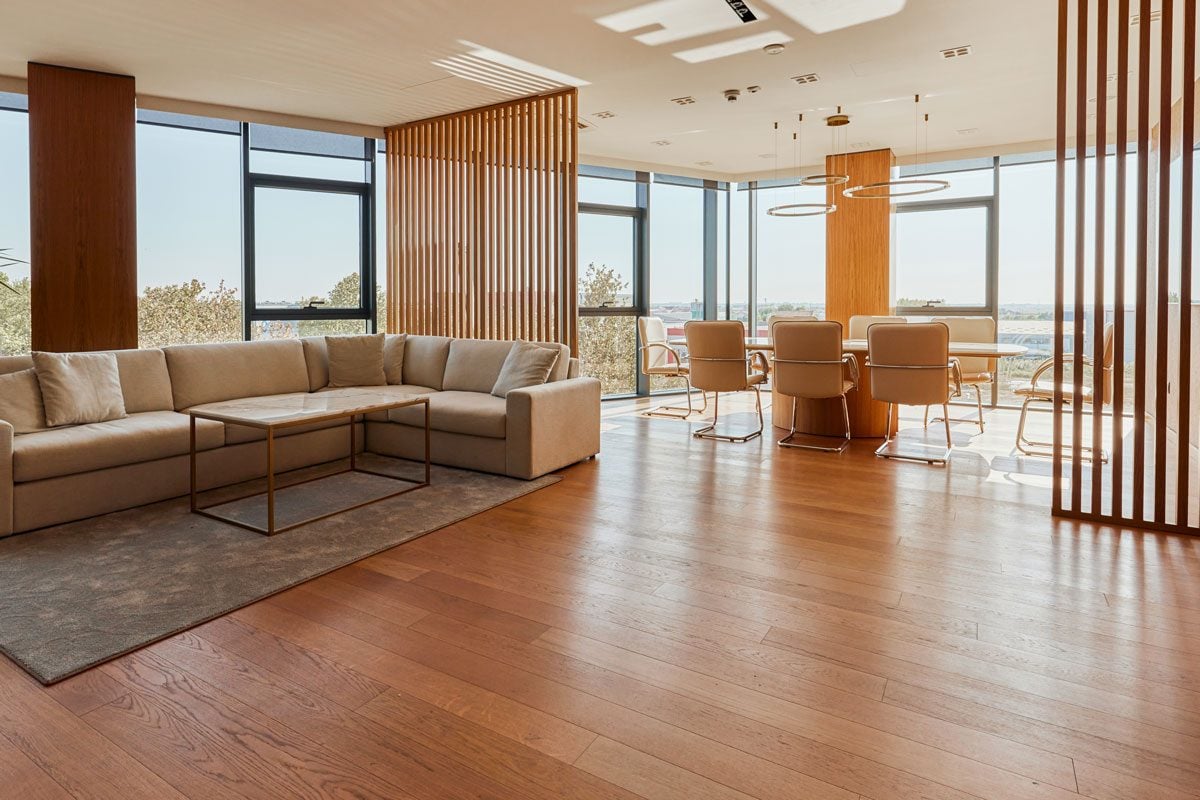
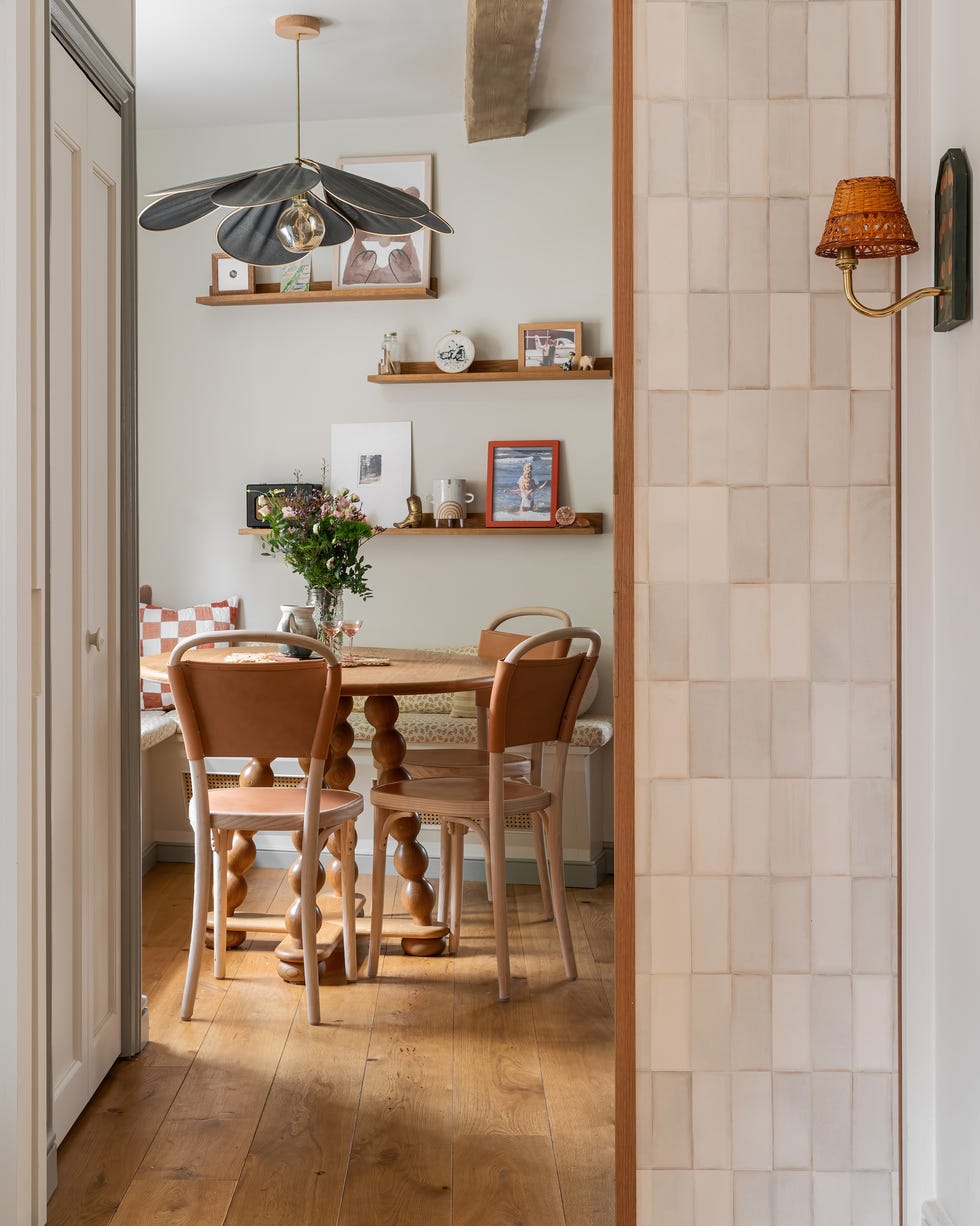
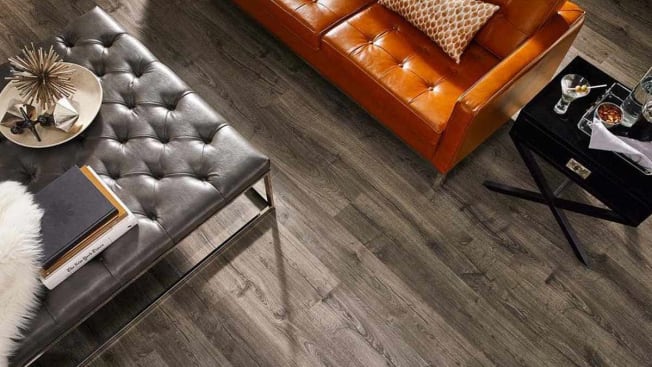
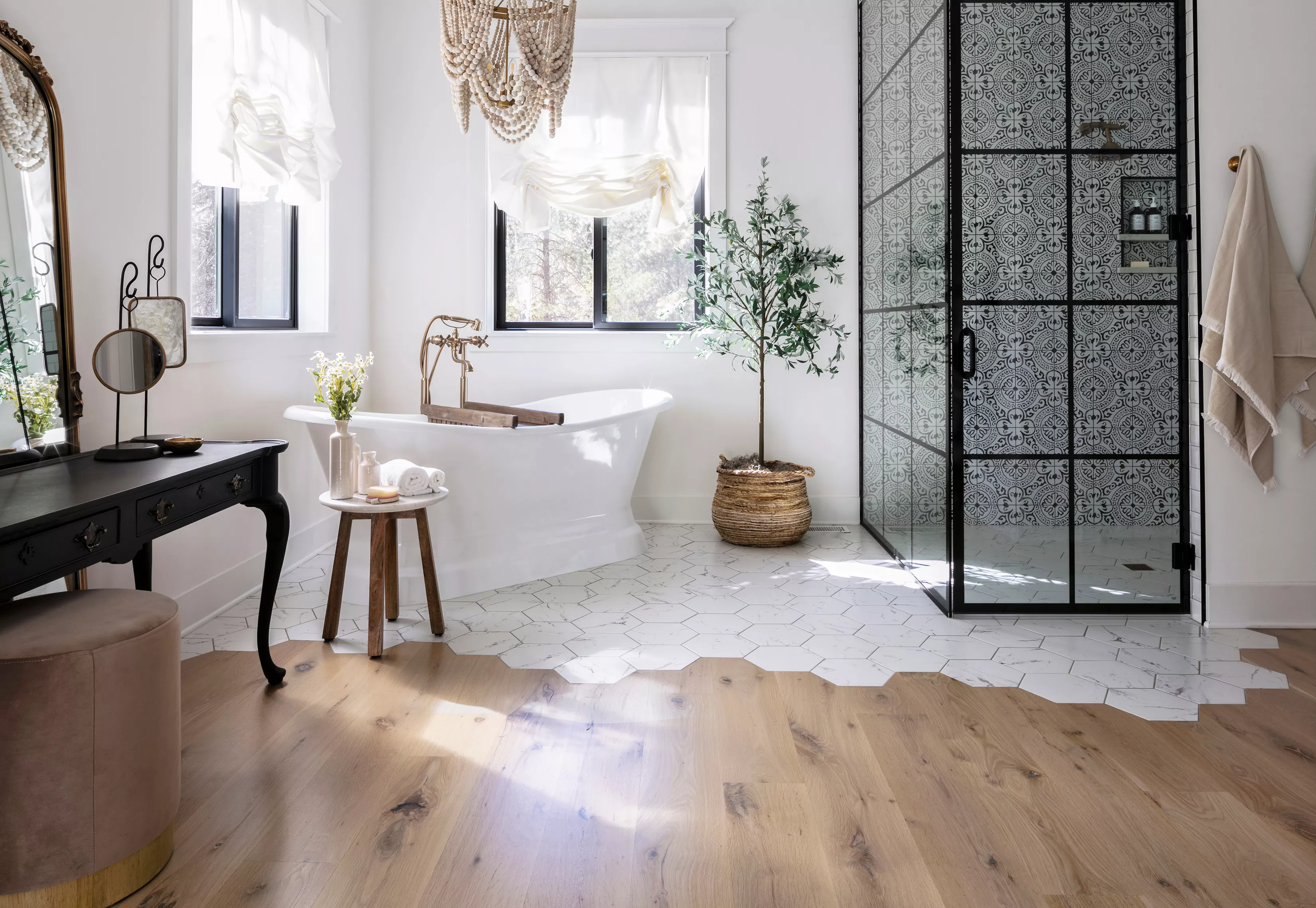
Choosing the right flooring for a home involves considering the specific needs of each room, as no single type fits all situations. For instance, while prefinished solid wood might suit a living room, high-traffic areas require surfaces resistant to scratches, spills, and dents. Rooms exposed to strong sunlight benefit from flooring that resists UV-induced color changes. Li Wang, a test engineer at Consumer Reports, emphasizes the importance of selecting flooring based on the activities it will endure. Hardwood flooring, for example, is generally not recommended for kitchens due to its susceptibility to stains, nicks, scratches, dents from dropped items, and warping from water spills. Alternatives like tile or vinyl, which are now available in styles mimicking hardwood, are better choices for such areas.
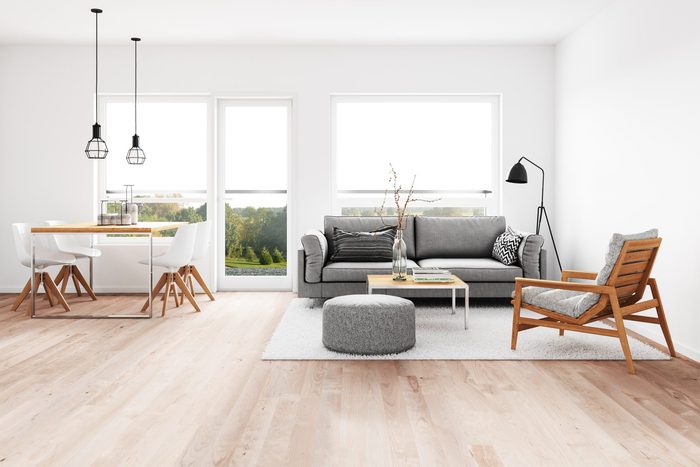
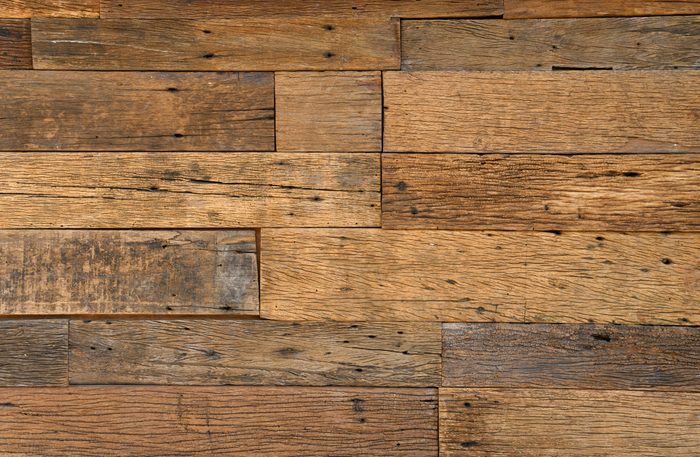
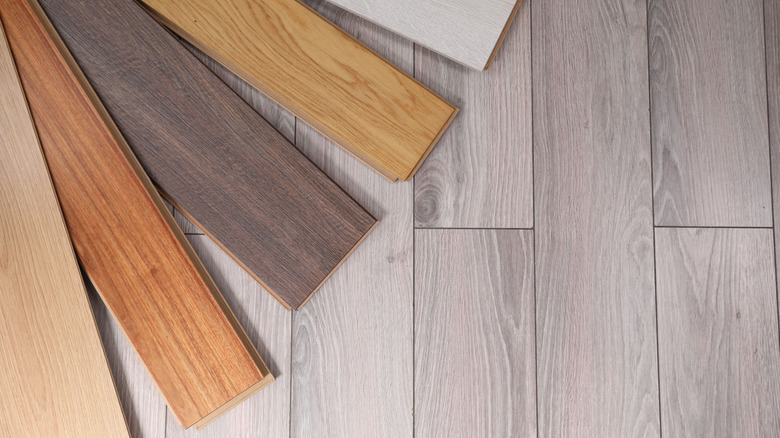
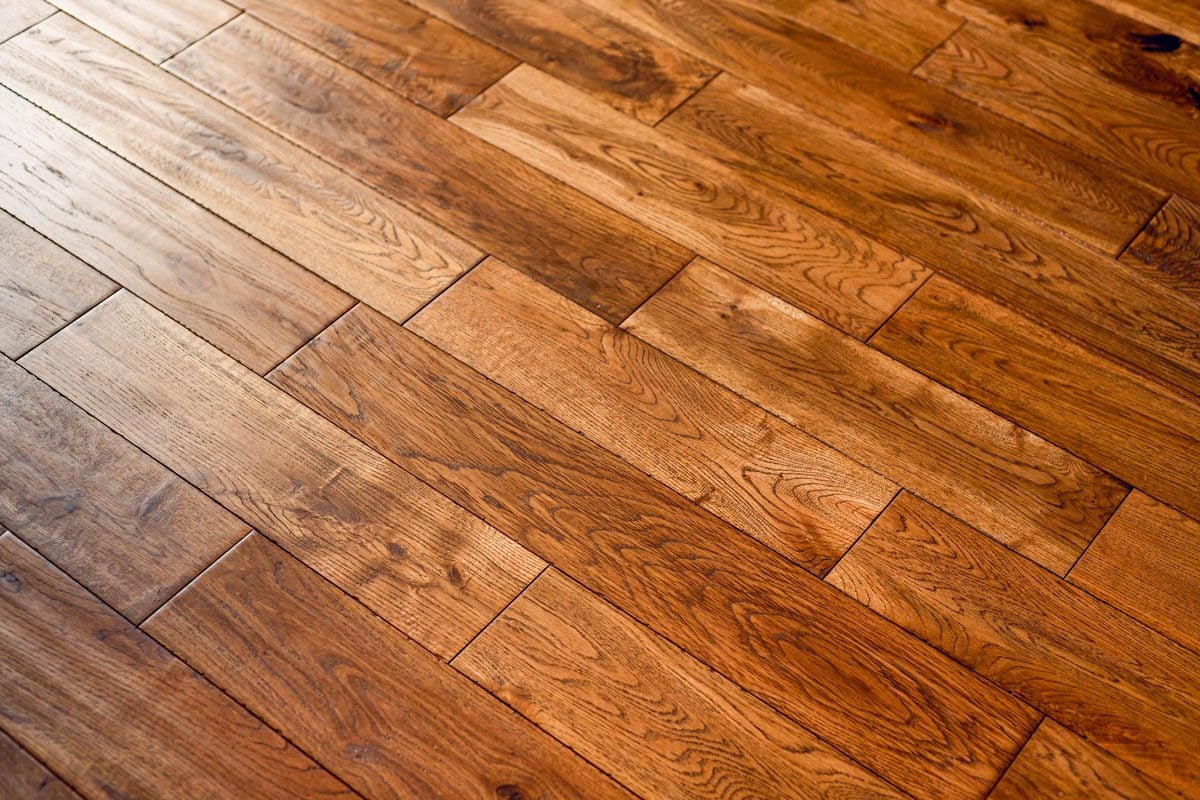
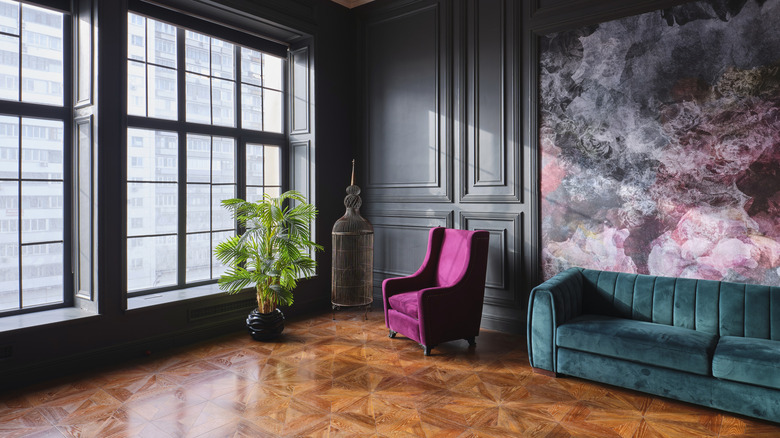
The article categorizes and reviews various types of flooring based on Consumer Reports' rigorous lab tests of over 40 products. Prefinished solid wood flooring, made of factory-finished planks, offers the aesthetic of unfinished hardwood without the installation complexities. However, this category generally shows poor dent resistance in tests. Engineered wood flooring provides the look and feel of solid wood but with enhanced stability, as its solid wood layer is bonded to multiple substrate layers (plywood, vinyl, or composite). This construction makes it less prone to seasonal shrinking and swelling, thus minimizing gaps between boards in dry conditions.
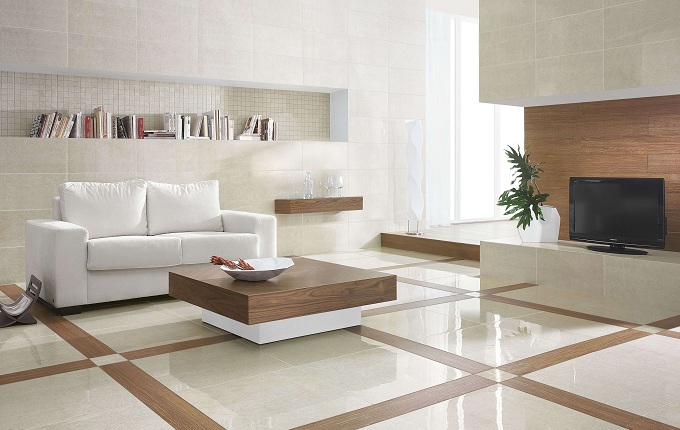
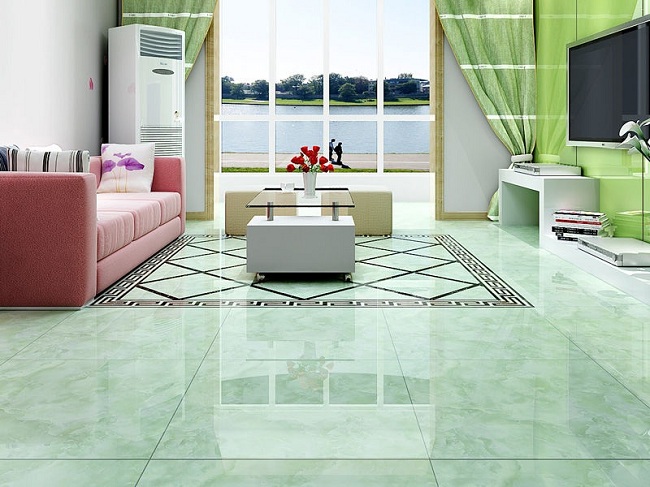
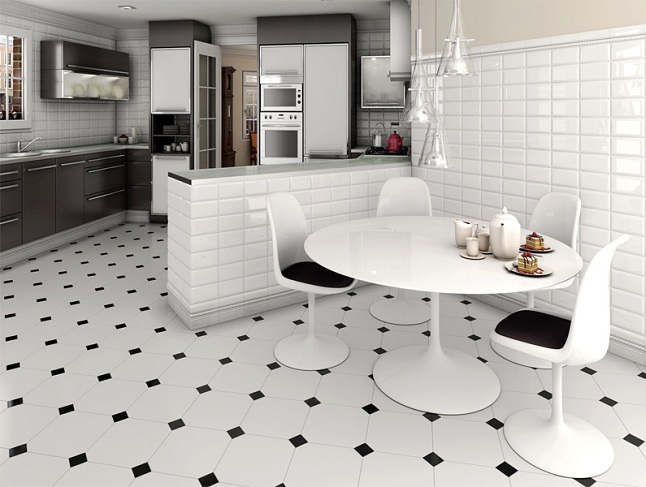
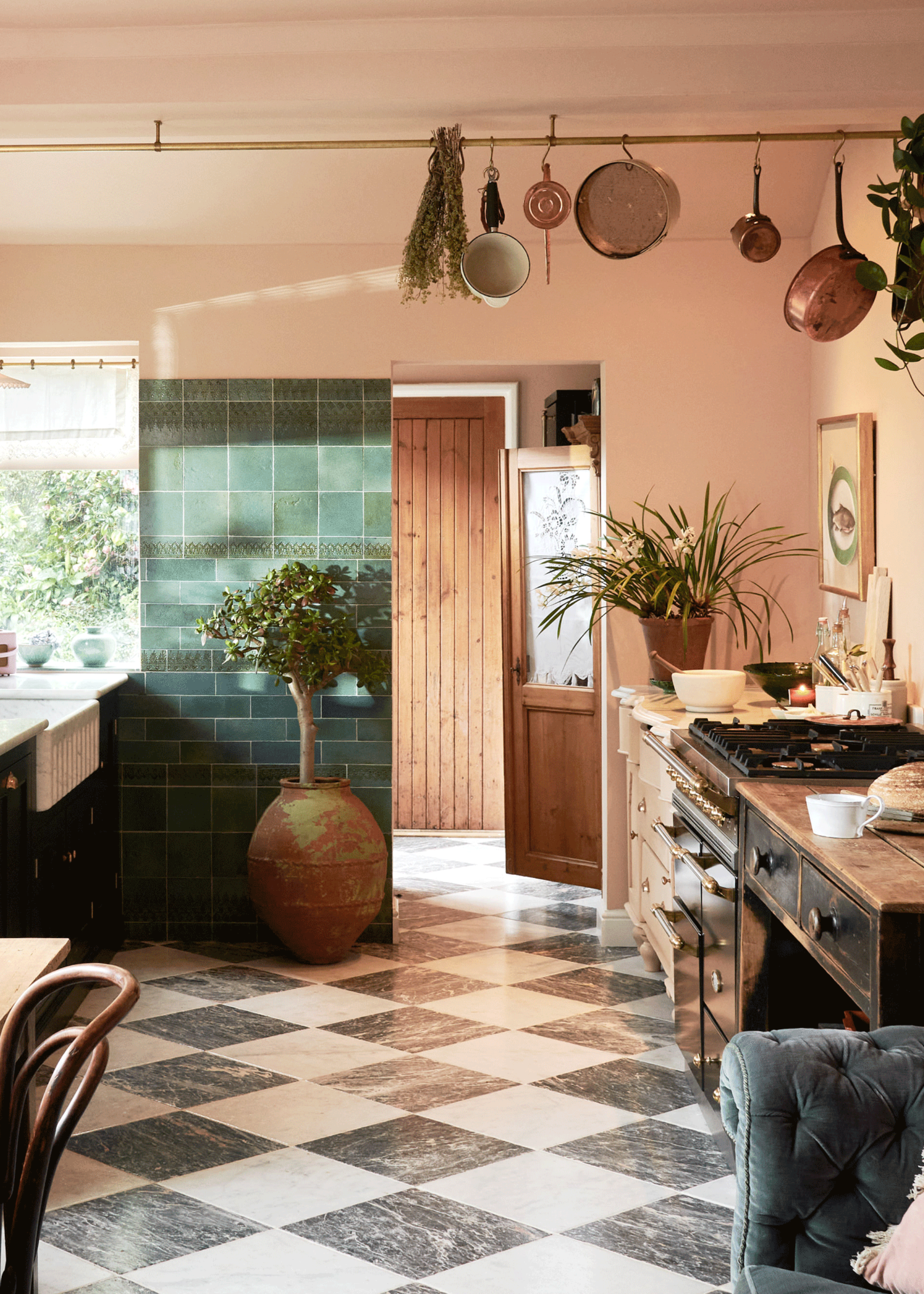
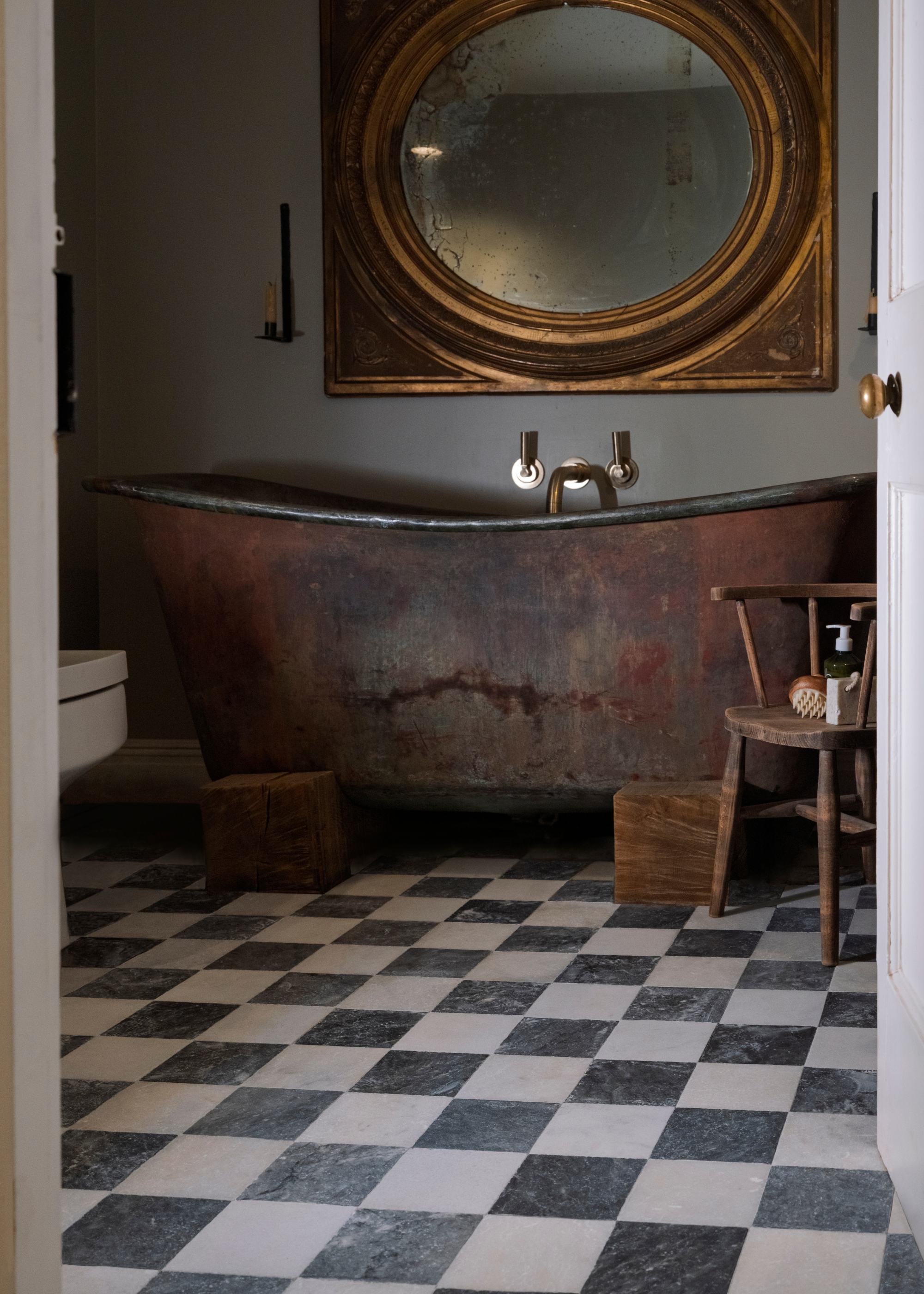
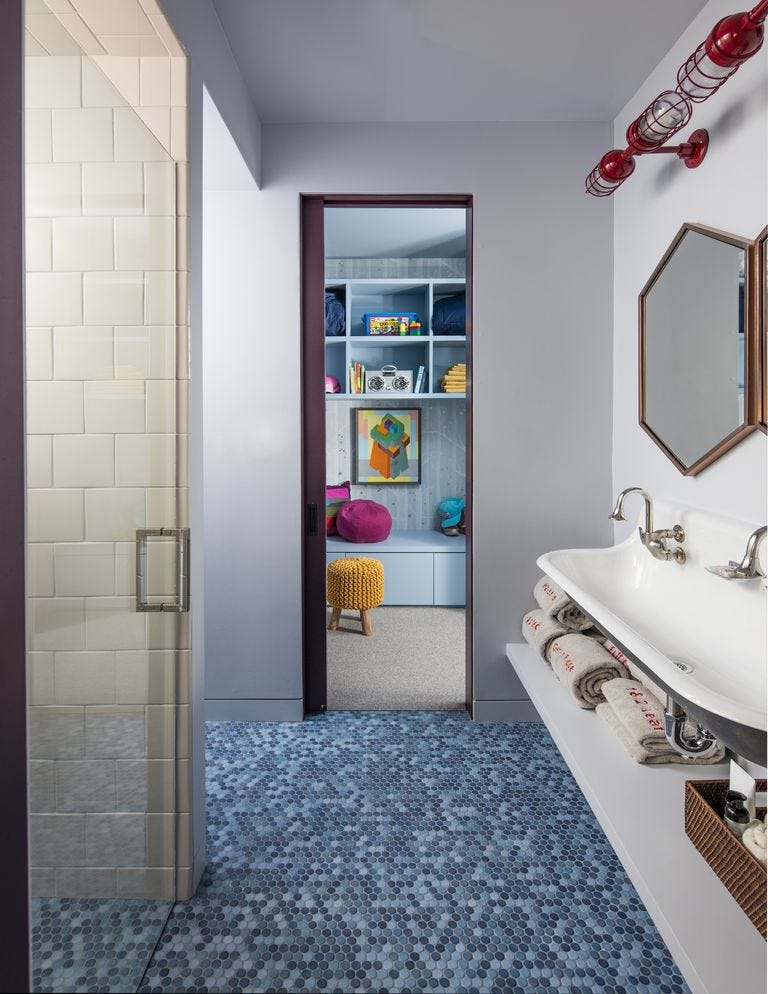
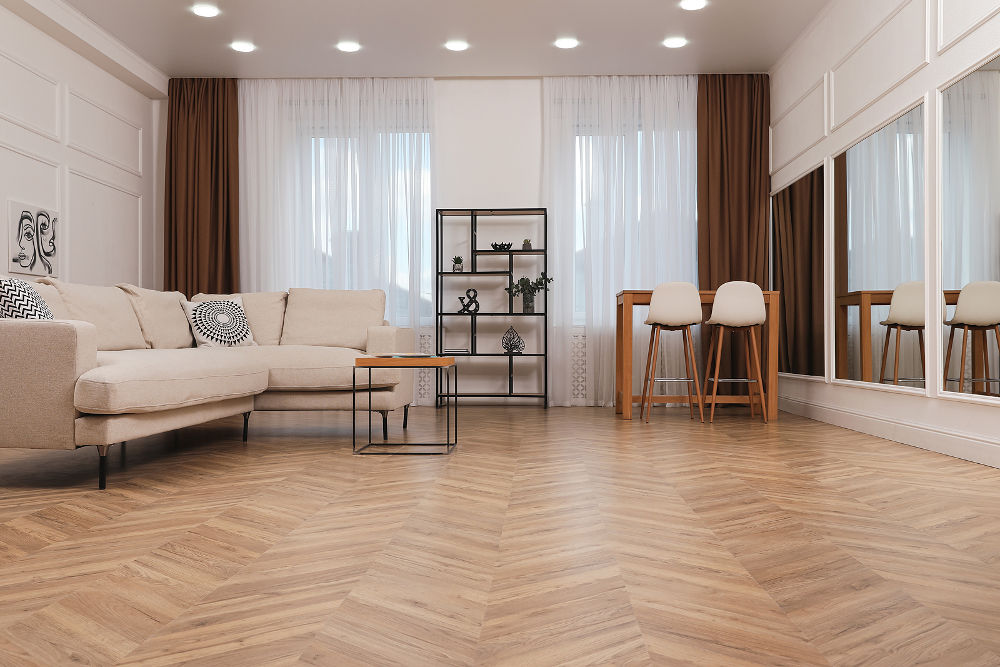
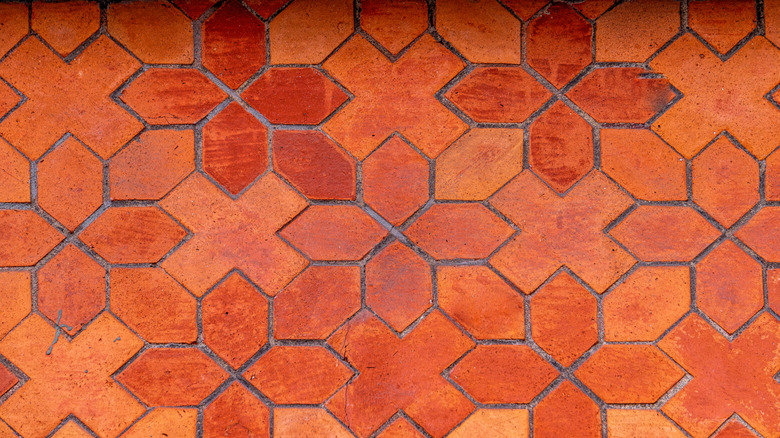
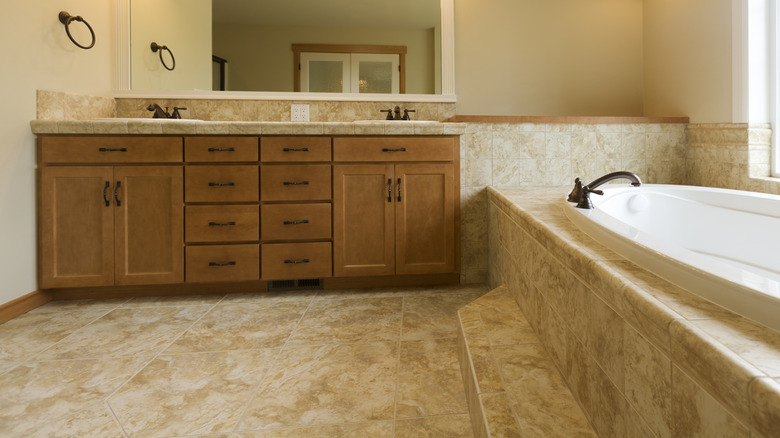
Laminate flooring, a more budget-friendly option, simulates wood through a photographic image sealed on a dense fiberboard. It comes in various wood patterns and is often easy to install as a floating floor over existing surfaces. Vinyl flooring, typically made of flexible PVC, is available in squares, planks, or sheets and can mimic diverse textures like wood, stone, and various patterns. Porcelain tile, another durable option, can replicate materials such as marble, stone, hardwood, or ceramic tile. While it excels in resisting foot traffic, scratches, and stains, it can chip or crack if subjected to heavy impacts. For kitchens, porcelain tile's hardness can be a drawback, necessitating cushioned mats for comfort.
Consumer Reports employs a comprehensive testing methodology to evaluate flooring. Foot-traffic wear is assessed by rubbing abrasive discs on samples, with successful products showing no damage after 500 cycles (50,000 rubs). Dent resistance is measured by dropping blunt and pointed weights from increasing heights, noting the point at which visible damage occurs. Water resistance is critical for longevity and is tested by leaving water on the surface overnight and by submerging samples to observe swelling, deformation, softening, or delamination. Fading is evaluated by exposing part of a sample to UV rays for two weeks and comparing it to an unexposed section.
Regarding installation, the decision to DIY or hire a professional depends on the flooring type and the individual's experience. Floating floors, which click together and rest on an existing surface, are relatively easy to install and remove. This method is not suitable for solid wood or porcelain tile, which require direct attachment to a subfloor through nailing, gluing, or mortar. Professional installation is advisable for these more complex types. The article encourages readers to consult Consumer Reports' full flooring ratings and buying guide for more information.
#Flooring #HomeImprovement #ProductReview #ConsumerReports #HomeDecor #InteriorDesign #DIYHome #MaterialScience #DurabilityTesting #Flooring #HomeImprovement #ProductReview #ConsumerReports #HomeDecor #InteriorDesign #DIYHome #MaterialScience #DurabilityTesting
0개의 댓글이 총 표시됩니다.
 아직 댓글이 없습니다
추가로 마음에 드릴 만한 콘텐츠
The Top 10 Flooring Trends for 2022

The 10 Big Flooring Trends Emerging in Homes in 2025

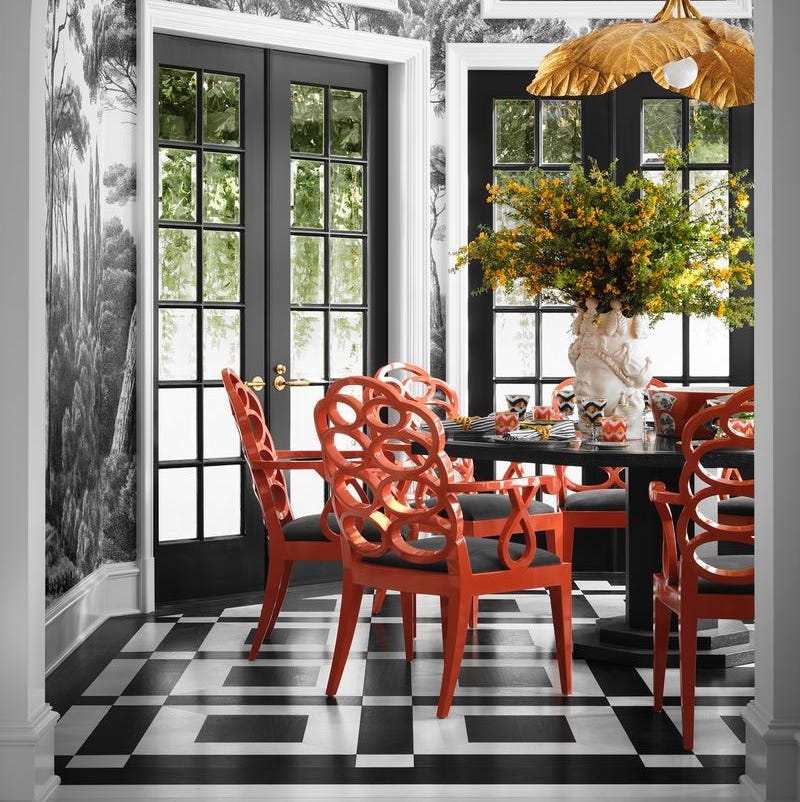
Bold Flooring Is Making a Massive Comeback in 2024

5 Flooring Trends You're About to See Everywhere in 2025, According to Designers

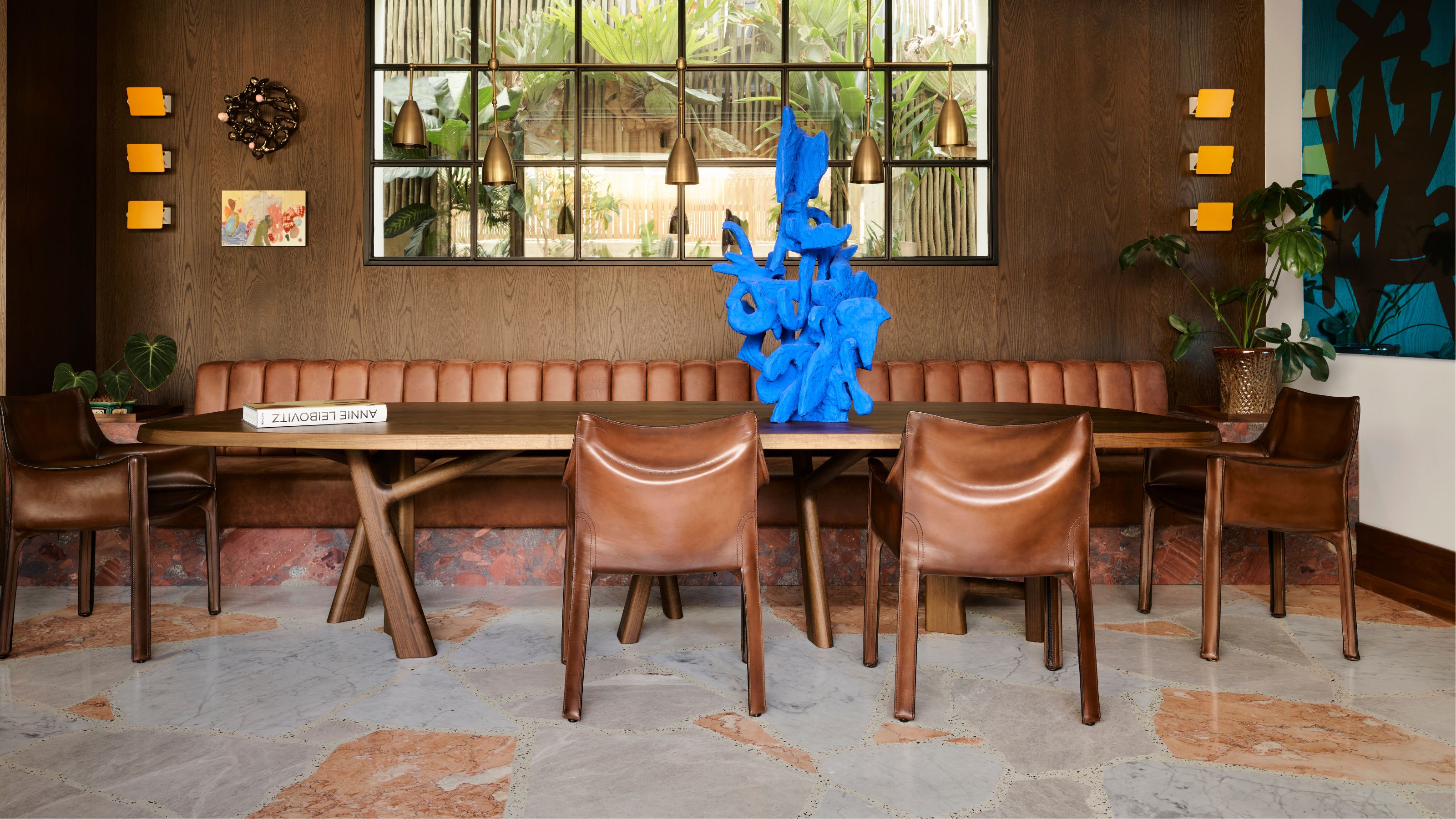
8 Flooring Trends for 2026 — The Designs, Materials, and Layouts Designers Are Predicting to Be the 'Next Big Thing'
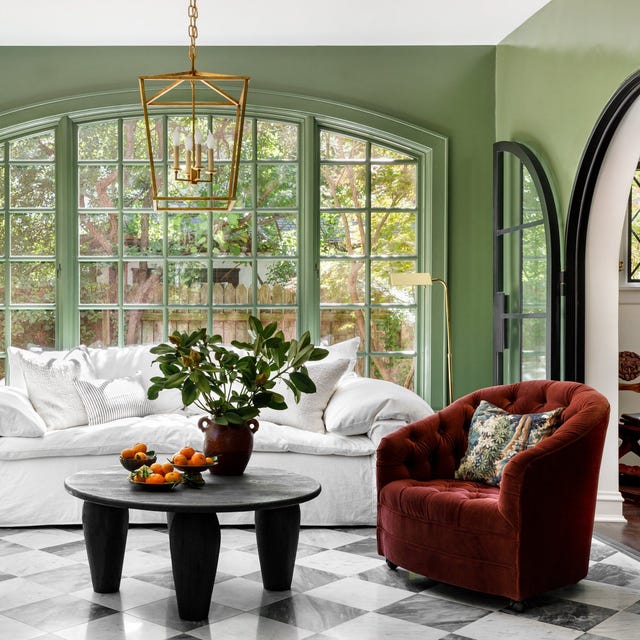
8 Flooring Trends You Should Know for 2022

These Sustainable Flooring Trends Will Be Everywhere In 2025

Future of Flooring: Home Pros Talk Through the Latest and Greatest Flooring Trends
25 Popular Floor Tile Designs for 2025 with Images

8 Flooring Trends That Experts Predict Will Take Over in 2025


Designers Are Convinced These 4 Flooring Trends Will Rule 2026

These 4 Flooring Trends Are Set To Dominate In 2026, According To A Design Expert
One Of 2025's Biggest Flooring Trends Is Great For Busy Homeowners
9 of the finest luxury flooring trends to expect in 2024

The Best Home Gym Flooring Options of 2024
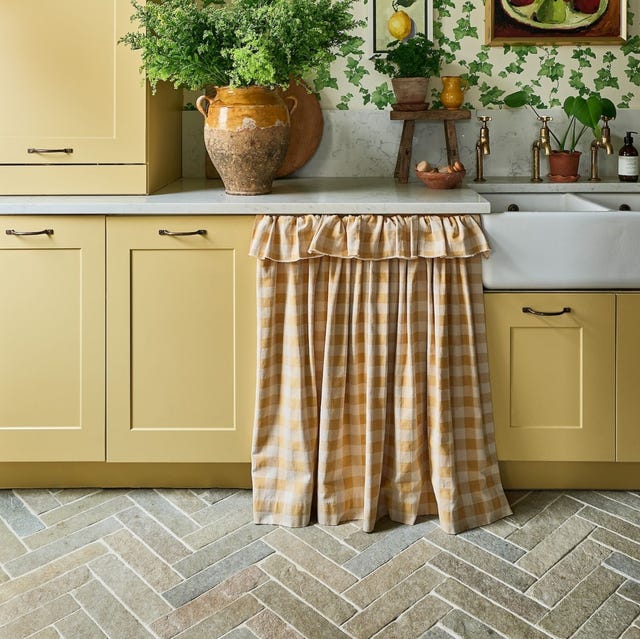
7 flooring trends you're about to see everywhere
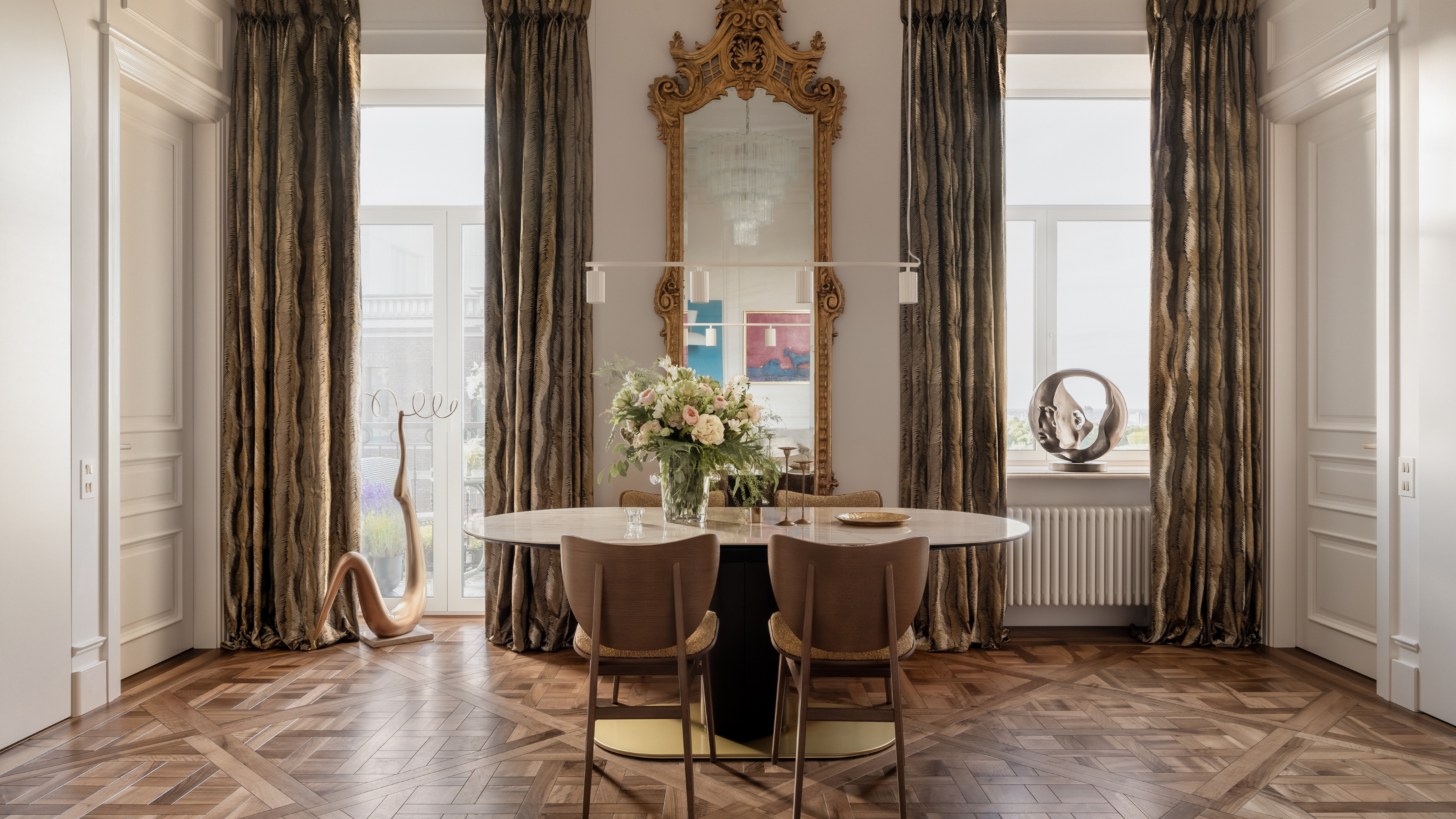
Outdated Flooring Trends in 2025 That I Want You to Leave in the Past
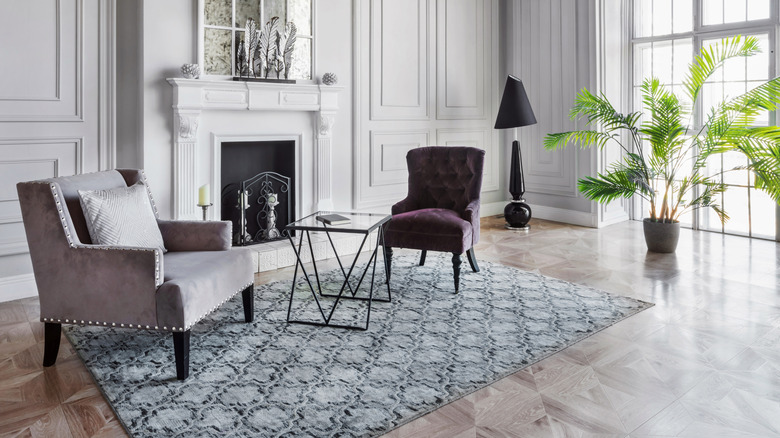
8 Carpet Floor Trends That Are Having A Moment In 2025
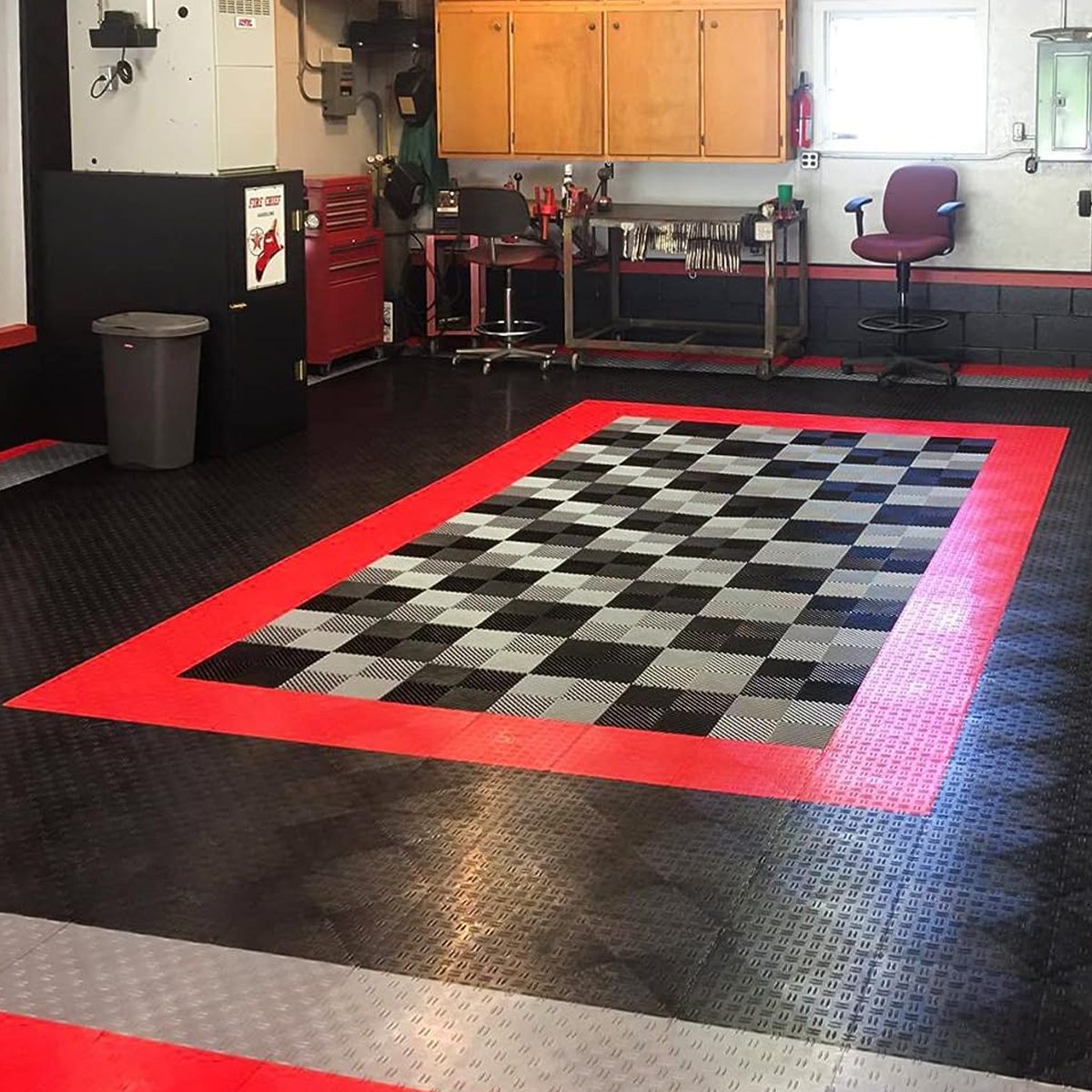
The 6 Best Garage Floor Tile Options in 2025
7 Flooring Trends Experts Say We'll See in Homes in 2025