1/4
Animal Crossing: Happy Home Designer review
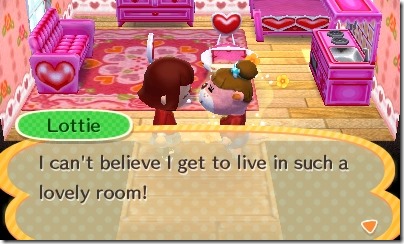
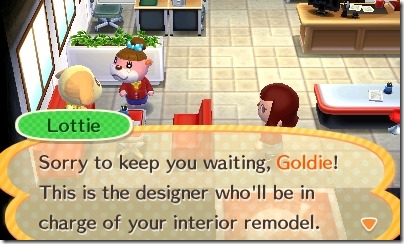
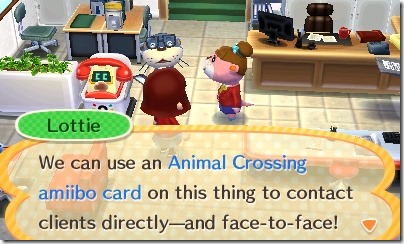
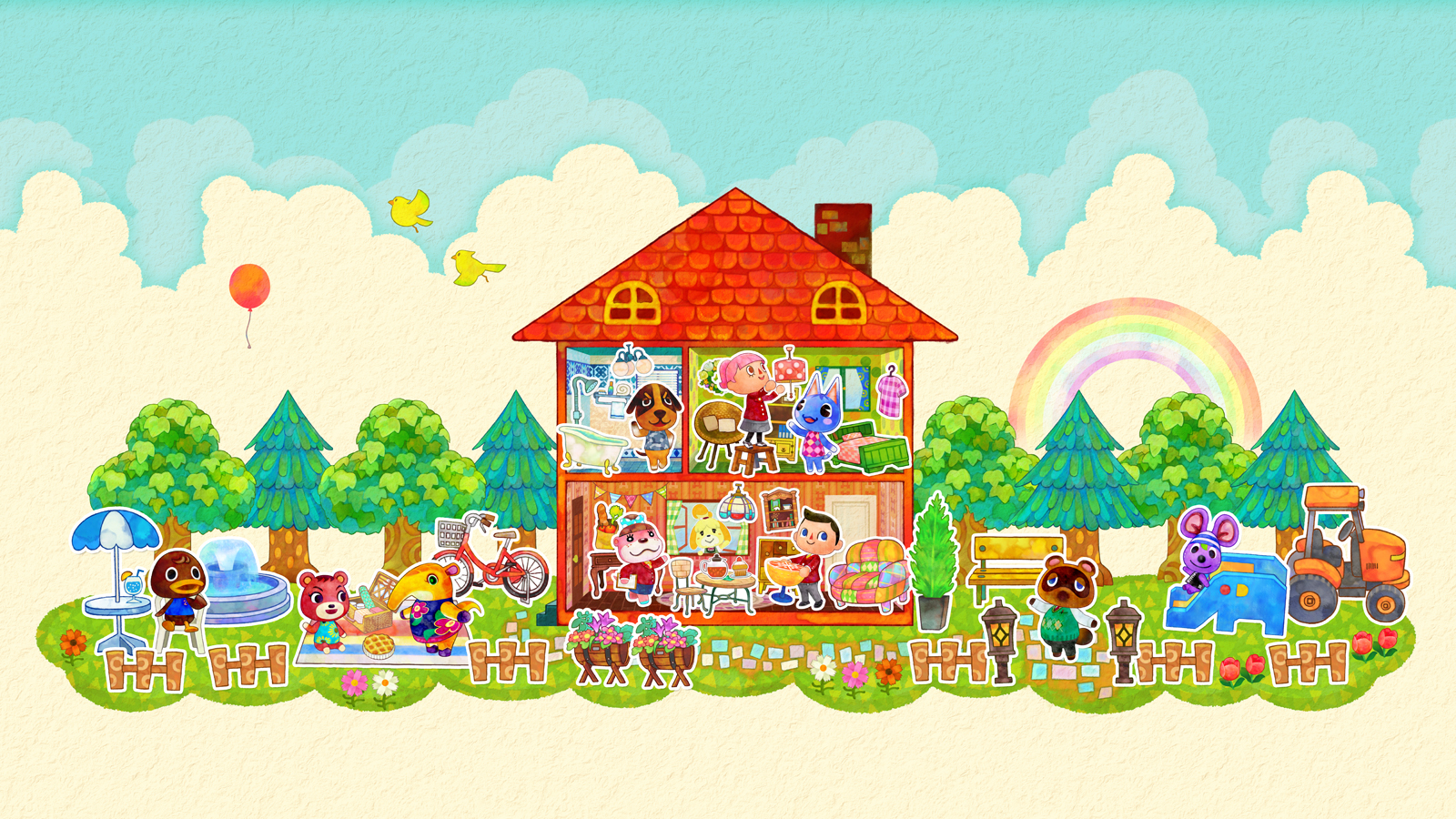
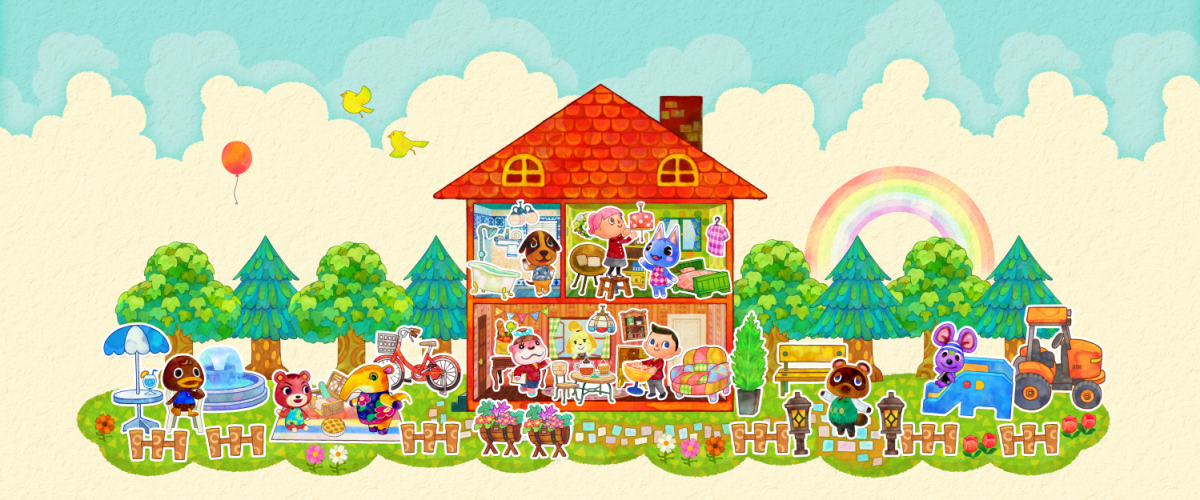
Animal Crossing: Happy Home Designer, a spin-off of the popular Animal Crossing series, deviates significantly from its predecessors by focusing solely on interior and exterior design rather than the traditional elements of debt repayment, 24-hour day cycles, and resource gathering. The game casts players as a new employee of Nook's Homes, tasked with designing homes and public facilities for the quirky animal villagers.
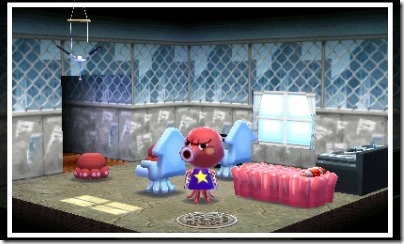
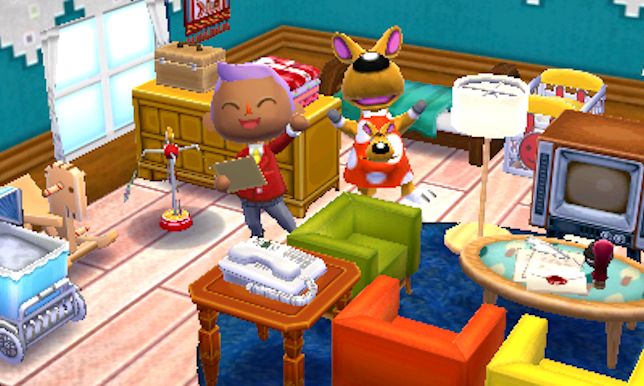
The core gameplay revolves around fulfilling design requests from villagers, which vary from simple aesthetic preferences like 'chic furniture with a relaxed atmosphere' for a sheep, to more imaginative and bizarre demands, such as 'a secret vacation spot for superheroes' for a pink gorilla. This variety ensures that players are constantly engaged with new and interesting projects, preventing monotony.
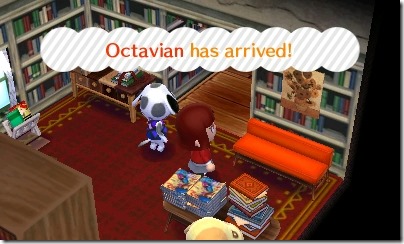
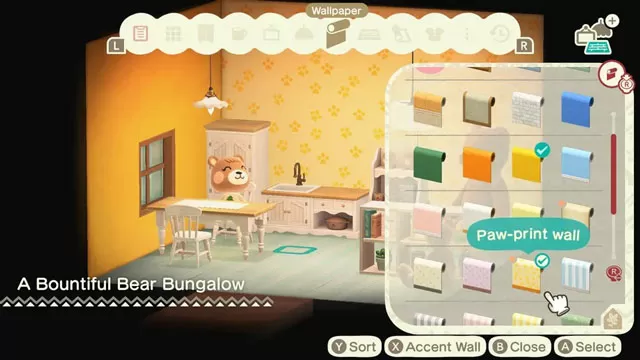
The design tools within the game are highlighted as exceptionally intuitive and charming. Players can easily select and place furniture, drag items to reposition them, and tap to rotate them. As players progress, they unlock a continuous stream of new furniture and decor items, ranging from familiar Animal Crossing staples to novel household objects and even specialized items like spaceship control stations. This gradual introduction of new elements keeps the design process fresh and rewarding.
More advanced customization options, such as creating custom patterns using a sewing machine or importing them via QR codes, and altering floor plans or hanging items from the ceiling, are accessible by spending play coins and studying a handbook. These features offer a surprising depth of creativity, allowing players to realize complex design visions, such as a hat museum. The game also supports online sharing of designs, enabling players to showcase their creations and draw inspiration from others' work, particularly noting the elaborate and detailed designs from Japanese players.
However, a significant divergence from the main series is the absence of consequences for design choices. Players can create unappealing or even bizarre interiors without negative repercussions from the villagers, who remain perpetually satisfied. This lack of challenge means that players cannot 'fail' a design, removing a layer of engagement present in other simulation games.
Another key difference is the lack of a personal home for the player character. While designing for others is central, the game does not offer the sense of personal progression and ownership found in the main Animal Crossing titles, where players invest in their own homes and towns. The review expresses a longing for the freedom and progression of traditional Animal Crossing games, such as New Leaf, where activities like bug catching and fishing contribute to personal and communal development. The article concludes by suggesting that while Happy Home Designer is an enjoyable and creative experience, it leaves players craving the comprehensive freedom of the main series, hinting at the potential for a more immersive game if the design tools were integrated into a traditional Animal Crossing framework.
#AnimalCrossing #HappyHomeDesigner #Nintendo3DS #VideoGameReview #LifeSimulation #InteriorDesign #GameDesignTools #AnimalCrossing #HappyHomeDesigner #Nintendo3DS #VideoGameReview #LifeSimulation #InteriorDesign #GameDesignTools
0개의 댓글이 총 표시됩니다.
 아직 댓글이 없습니다
추가로 마음에 드릴 만한 콘텐츠

Animal Crossing: Happy Home Designer Diaries 1: Nook Homes’ Latest Star

Chief Architect Home Designer Suite 2025 review


Review: "Animal Crossing Happy Home Designer"

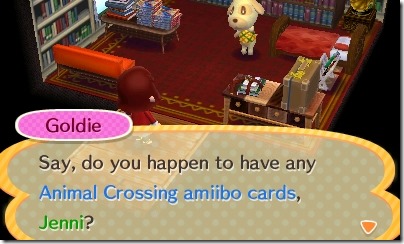
Animal Crossing: Happy Home Designer Diaries 2: Do You Have amiibo Cards?
‘Design Home’ Has Completely Taken Over My Life


Animal Crossing: New Horizon’s new Interior Design options look amazing


Fallout 4: Happy Home Designer
Animal Crossing: Happy Home Designer Review: Inferior Decoration


Everything you need to make 3 new homes in 'Animal Crossing: New Horizons'

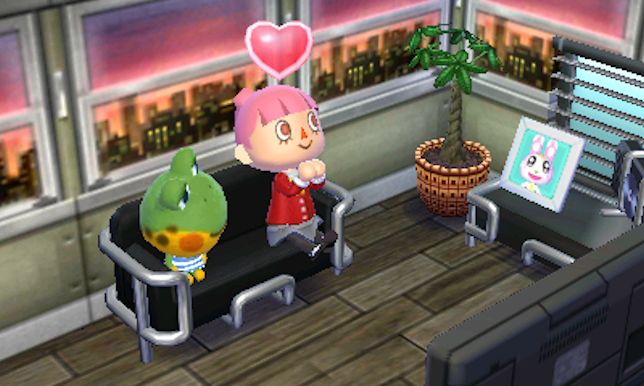
Animal Crossing: Happy Home Designer review of home makeover sim

She’s Into Cozy, He’s More Modern—Here’s How Their Designer Found a Colorful Middle Ground

How to Get Accent Wall in Animal Crossing New Horizons

Spoak home designer review
Living-dining room stylish, but surprisingly kid-friendly

Kelvin and Liz Fletcher's home truths - including the bad habit Liz would love Kelvin to quit