1/2
Gen-Z Icon Olivia Rodrigo’s Bookshelf Styling Is Straight Out of the 2000s, Of Course
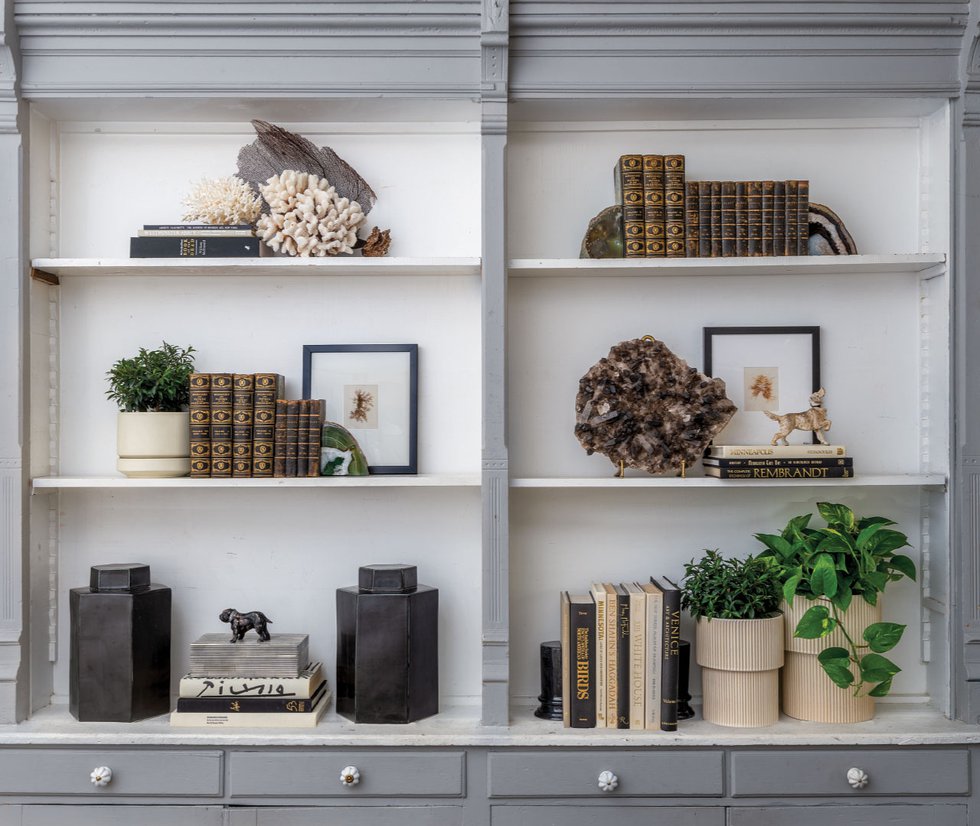
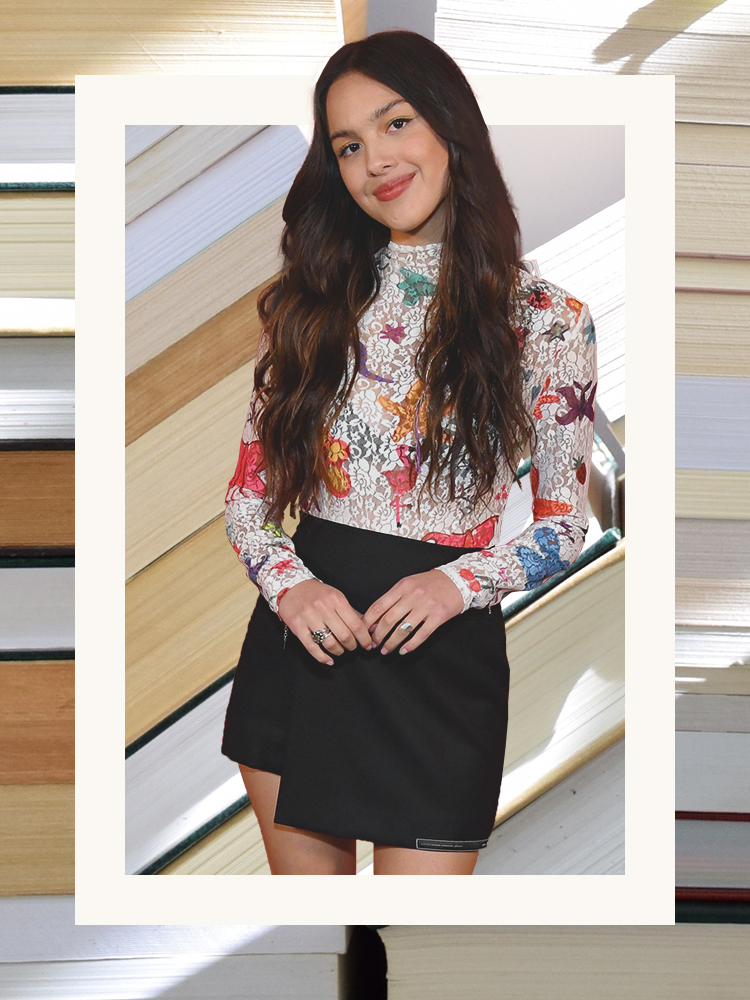
Musician Olivia Rodrigo recently showcased her Grammy awards on Instagram, drawing attention not just to her achievements but also to her controversial bookshelf styling: displaying books with their spines facing inward. This interior design choice has historically been met with disapproval from many, who argue it makes books impractical and difficult to locate. However, Rodrigo's minimalist approach has sparked a reconsideration of this trend, particularly within the context of contemporary aesthetics. The article delves into the debate surrounding backward-facing books, presenting arguments for and against this design choice.
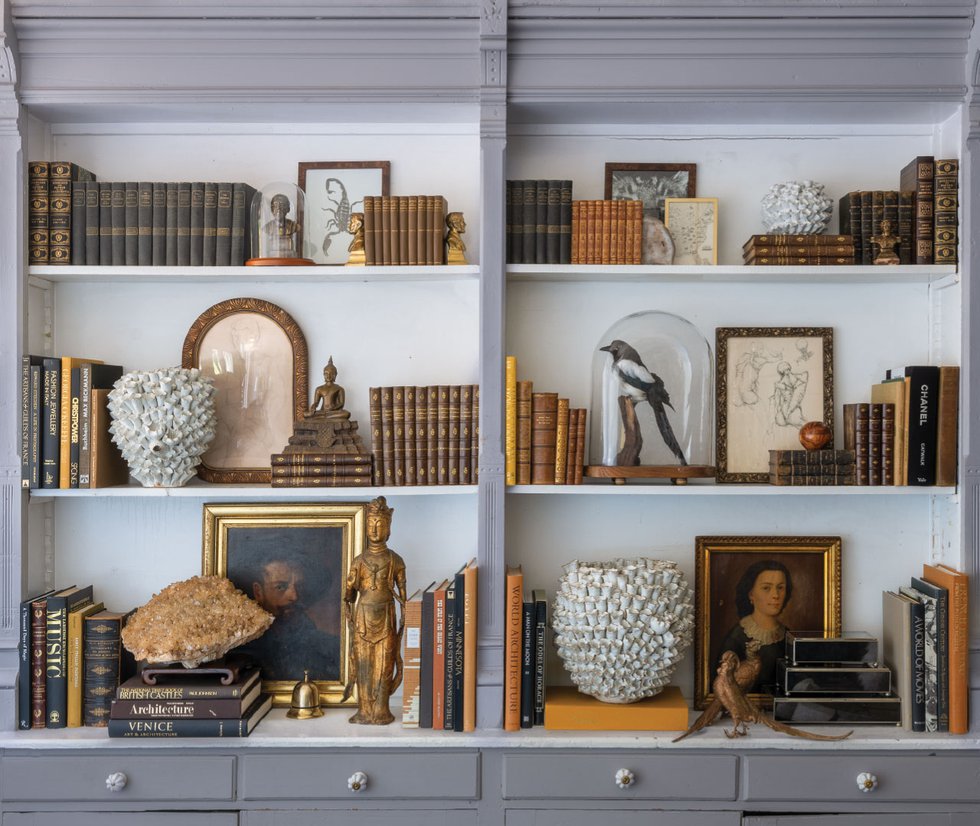
Traditionally, books are displayed with their spines visible for easy identification and access. The functional aspect of a bookshelf is often prioritized, allowing individuals to quickly find specific titles for reading or lending. Critics of the backward book trend emphasize the impracticality of having to pull out each book to discern its title, viewing it as an unnecessary hindrance to the primary purpose of a book collection. They often question the logic behind sacrificing utility for a purely visual effect, especially for avid readers or those who frequently refer to their library.
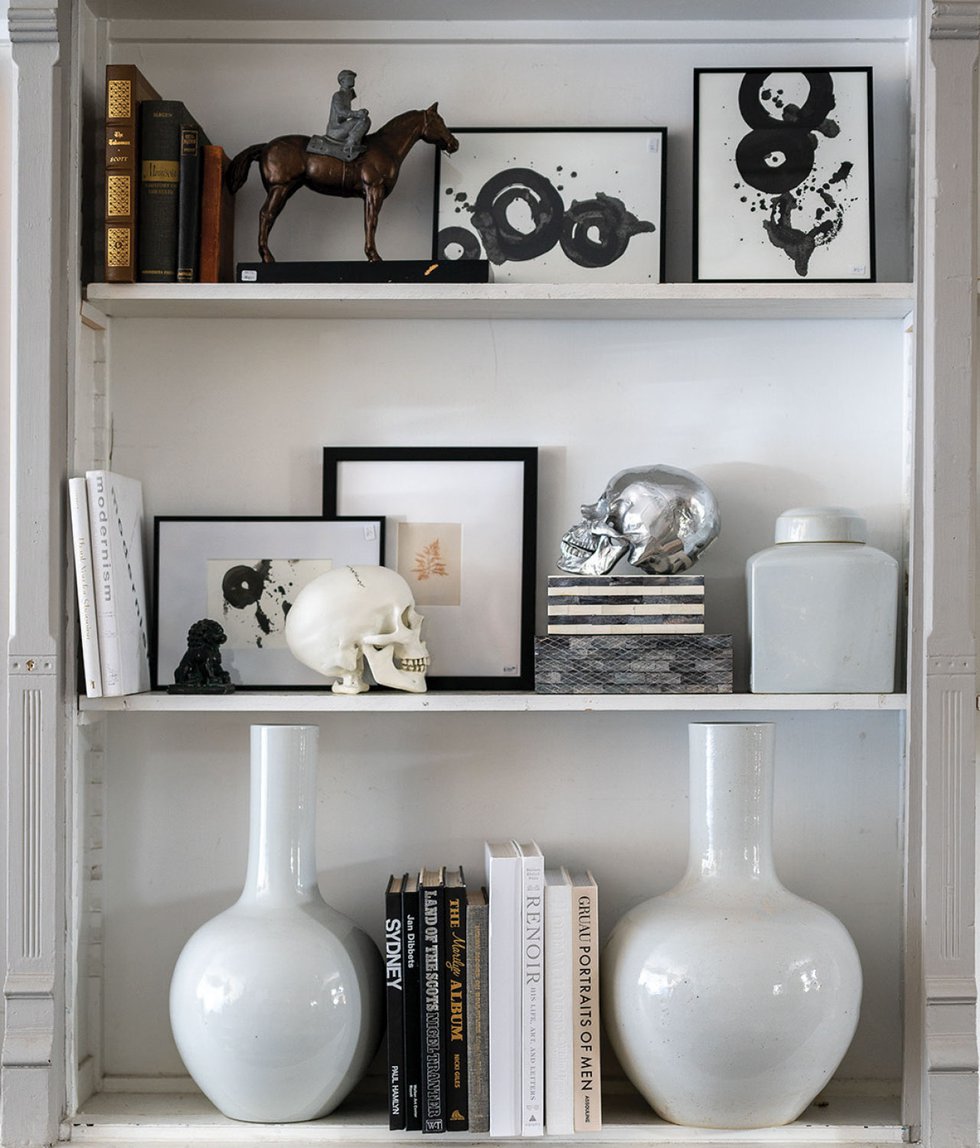
However, the article points out that Rodrigo's styling, which involves floating shelves and a mix of vertically and horizontally placed books, offers a fresh perspective. Prop stylist Rosy Fridman supports treating bookshelves as art installations, suggesting that flipping books can be an effective way to store less-frequently accessed titles while contributing to a minimalist aesthetic. This approach transforms the bookshelf from a purely utilitarian storage unit into a decorative element that enhances the overall room design. By concealing colorful or mismatched spines, a more cohesive and serene visual can be achieved, aligning with minimalist design principles that favor muted tones and uncluttered spaces.
Rodrigo's influence as a Gen-Z icon further highlights the resurgence of this 2000s trend, suggesting a generational preference for aesthetics over strict functionality. This ties into a broader interest in Y2K trends among younger demographics. The article raises questions about whether backward books are becoming a timeless design choice, despite ongoing backlash, or if this preference merely reflects a contemporary inclination towards visual appeal. It encourages readers, particularly those seeking a bookshelf revamp or who enjoy a 'novel roulette' experience, to consider this contentious style.
Ultimately, the article frames the backward bookshelf trend as a design experiment worth exploring, especially for those who prioritize visual harmony and are open to unconventional styling methods. It acknowledges the ongoing debate but presents the style as a valid option for integrating books into a modern living space in a visually striking way, moving beyond purely functional considerations to embrace the artistic potential of a book collection.
#OliviaRodrigo #BookshelfStyling #InteriorDesignTrends #MinimalistDesign #GenZStyle #Y2KTrends #HomeDecoration #OliviaRodrigo #BookshelfStyling #InteriorDesignTrends #MinimalistDesign #GenZStyle #Y2KTrends #HomeDecoration
0개의 댓글이 총 표시됩니다.
 아직 댓글이 없습니다
추가로 마음에 드릴 만한 콘텐츠

Olivia Rodrigo's living room embraces 'bookshelf wealth,' 2024's most eclectic design trend

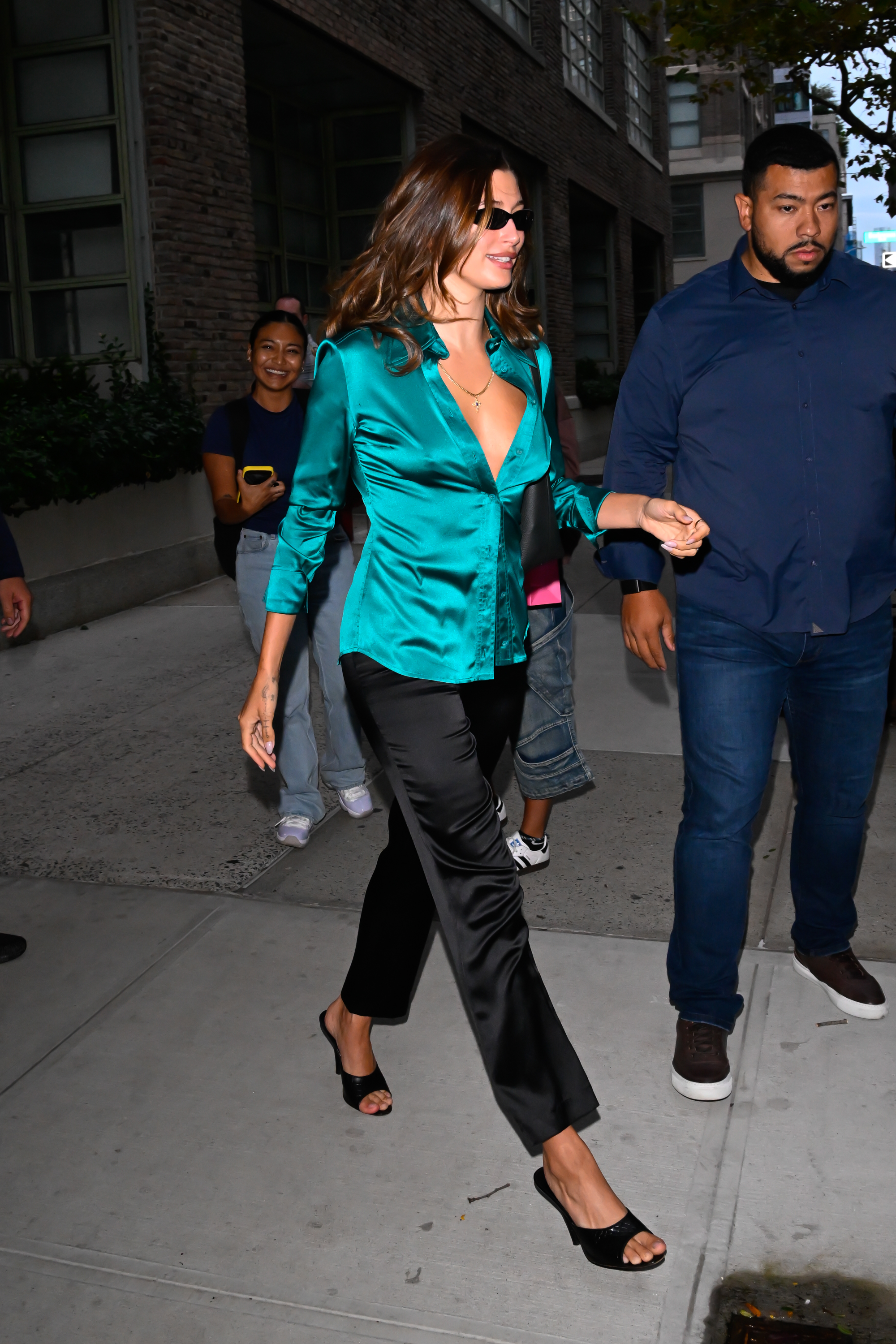
Hailey Bieber's Madonna-Coded Teal and Black Color Combination Will Start an '80s Style Revival

Interior Designers Say the 1990s Are Back—Here’s How to Capture the Look

Monica Barbaro styles her bookshelf with an eclectic mix of plants, books, and trinkets – it's a masterclass in creating a balanced, but not over-styled, design

Monica Barbaro styles her bookshelf with a mix of objects
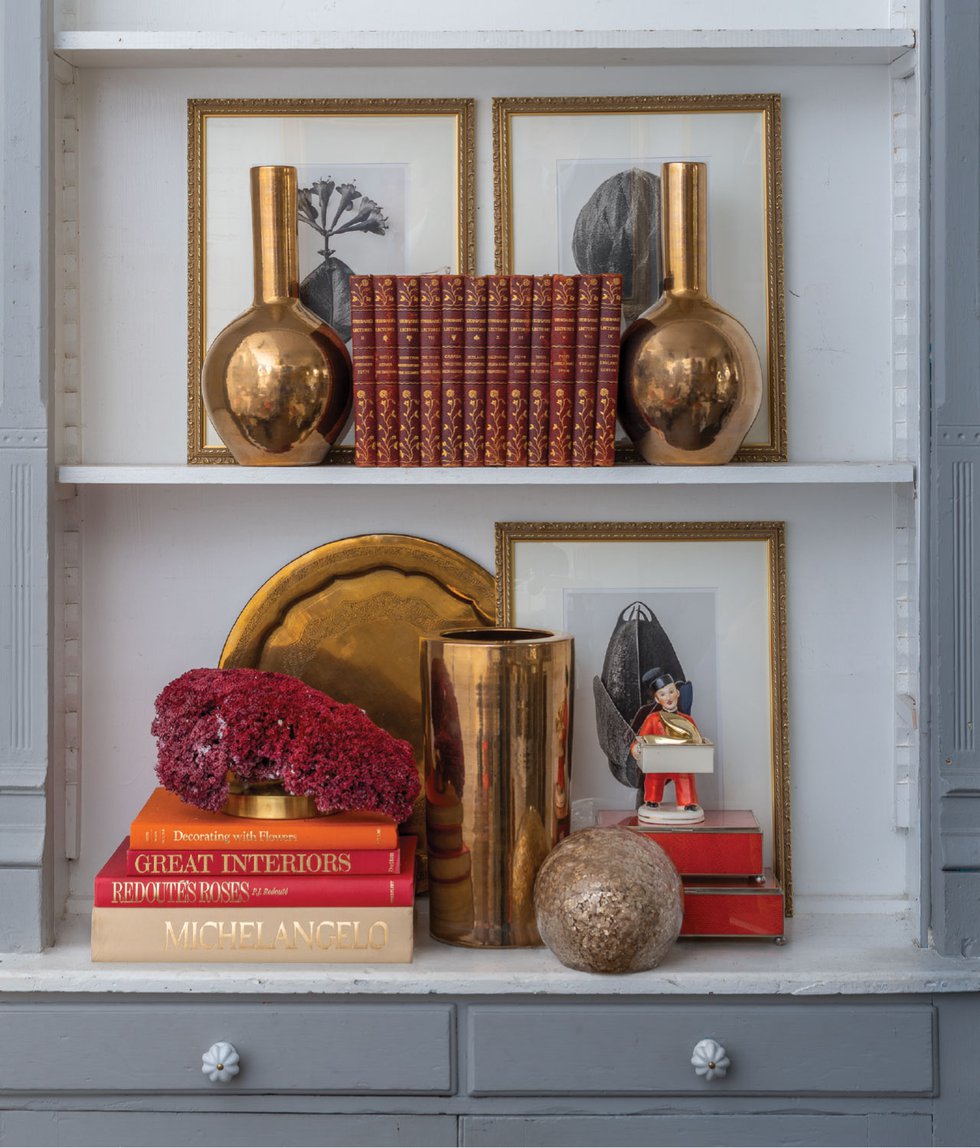
Home & Design | Shelf Talkers

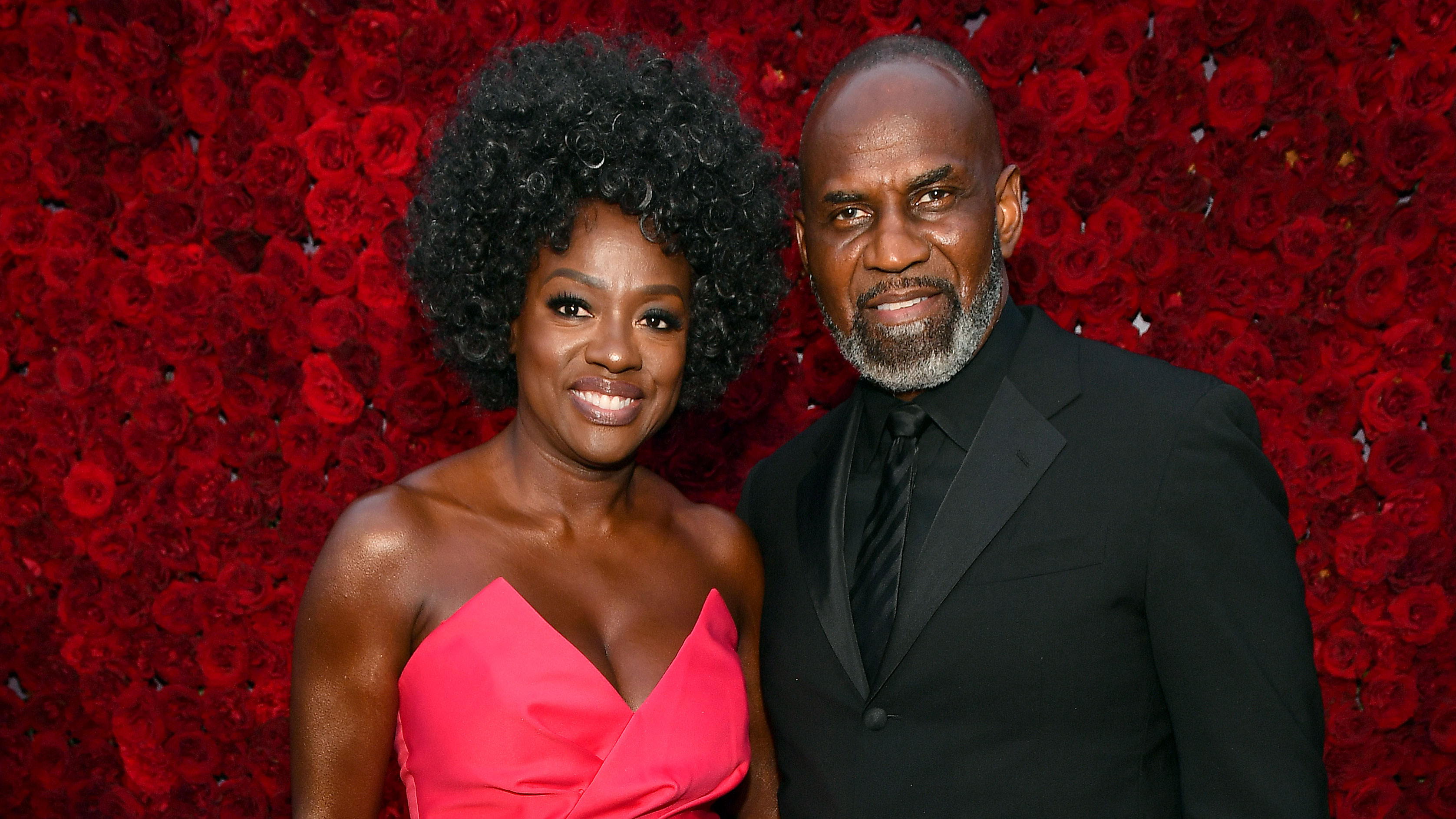
Viola Davis's 'outdated' living room color is back in favor for 2025

This coffee table accessory is a staple in celebrity homes
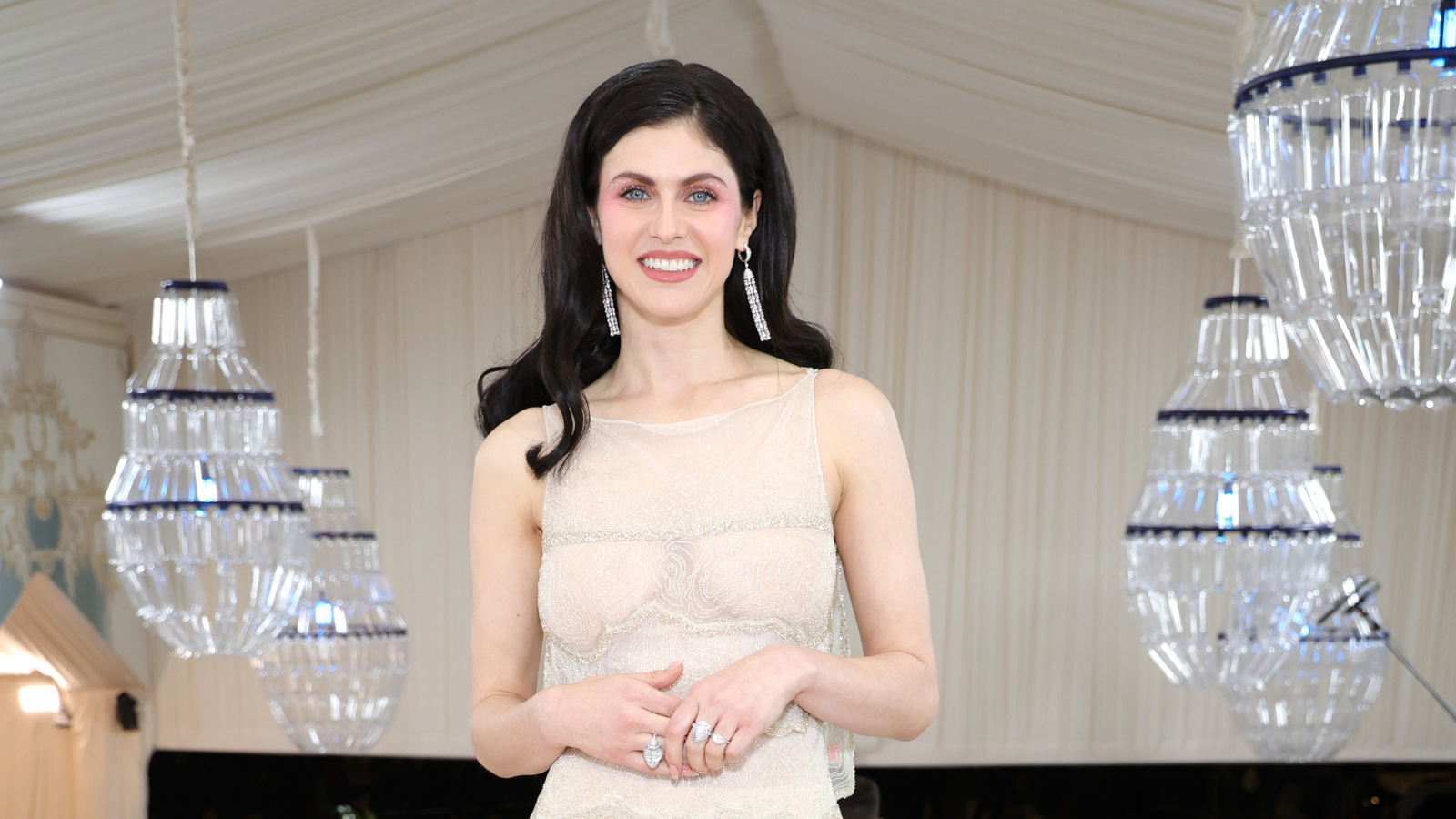
Trend experts love Alexandra Daddario's living room – where retro hues meet art deco glamor

Olivia Munn's living room shelves transform nostalgia-core
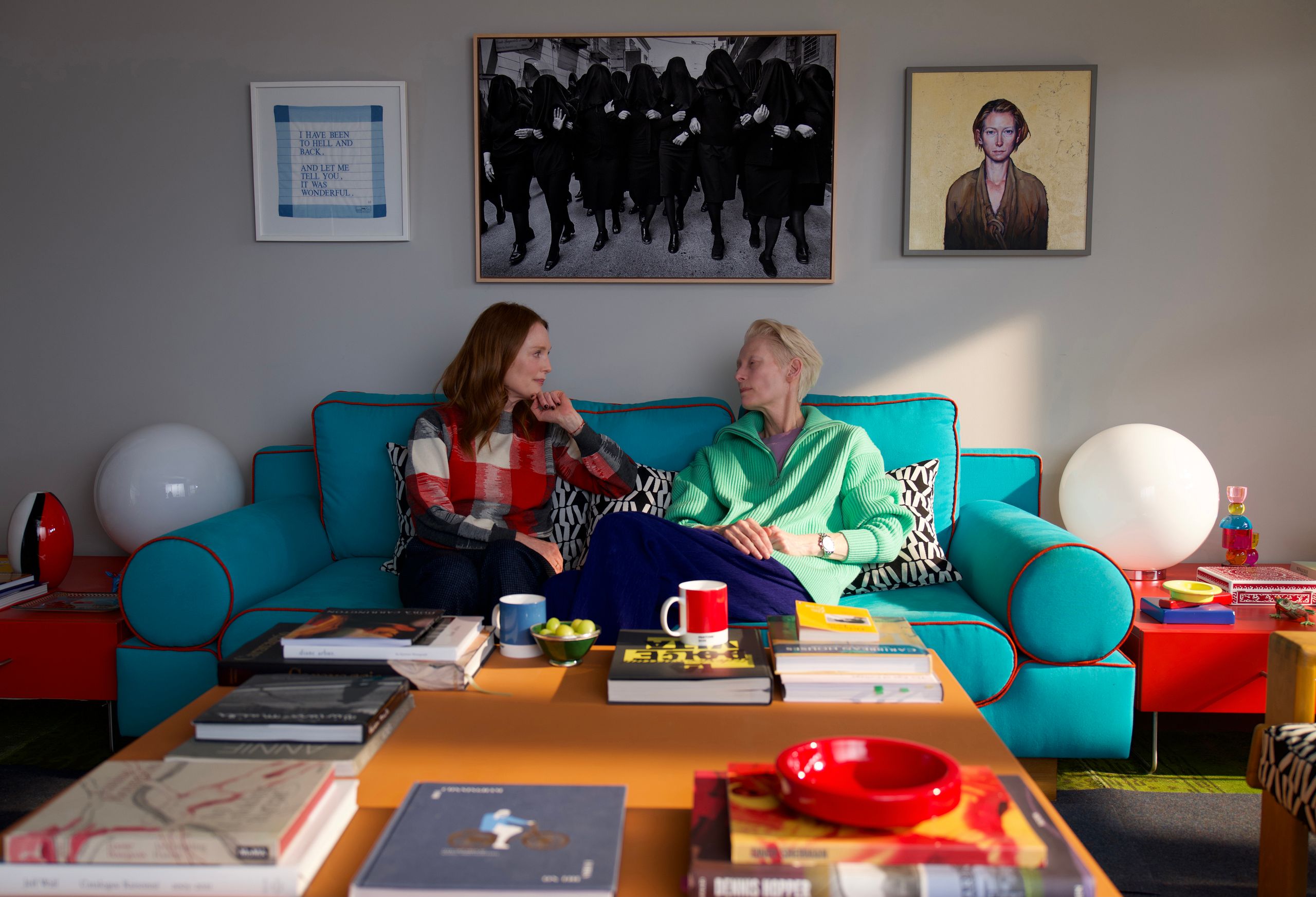
How to Bring the Almodóvar Aesthetic Into Your Home
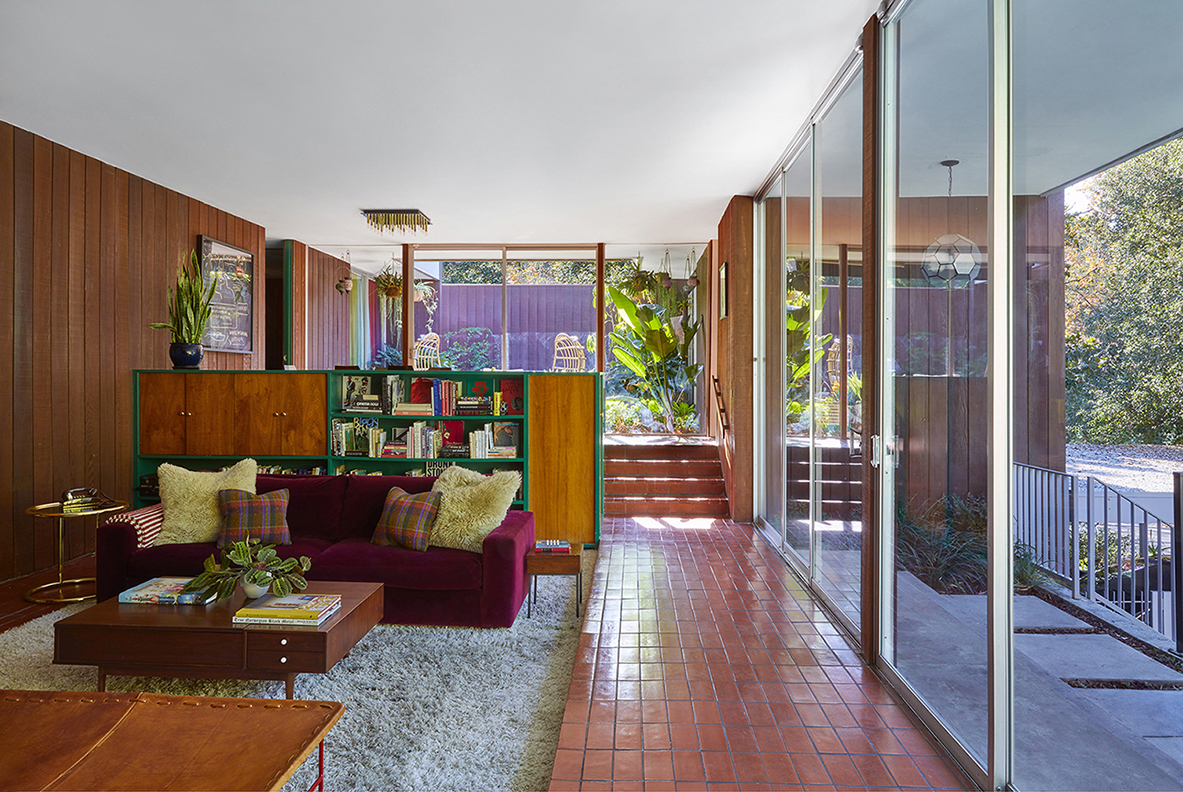
Trippy Prints and Jewel Tones Make This L.A. Home's Retro '70s Paneling Look Fresh as Ever


Miley Cyrus' elevated black and white bookshelf styling presents a pared-back twist on the 'bookshelf wealth' trend – it's bold and elegant

Gorgeous Gorgeous Girls Love Nursery Chic


Selena Gomez's couch proves that this one color trend isn't going anywhere in 2024
Zooey Deschanel's love for vintage design strikes again with this furniture item – experts love its 'old-world' style

Shop Johnny Galecki's Eclectic Library With These 6 Picks
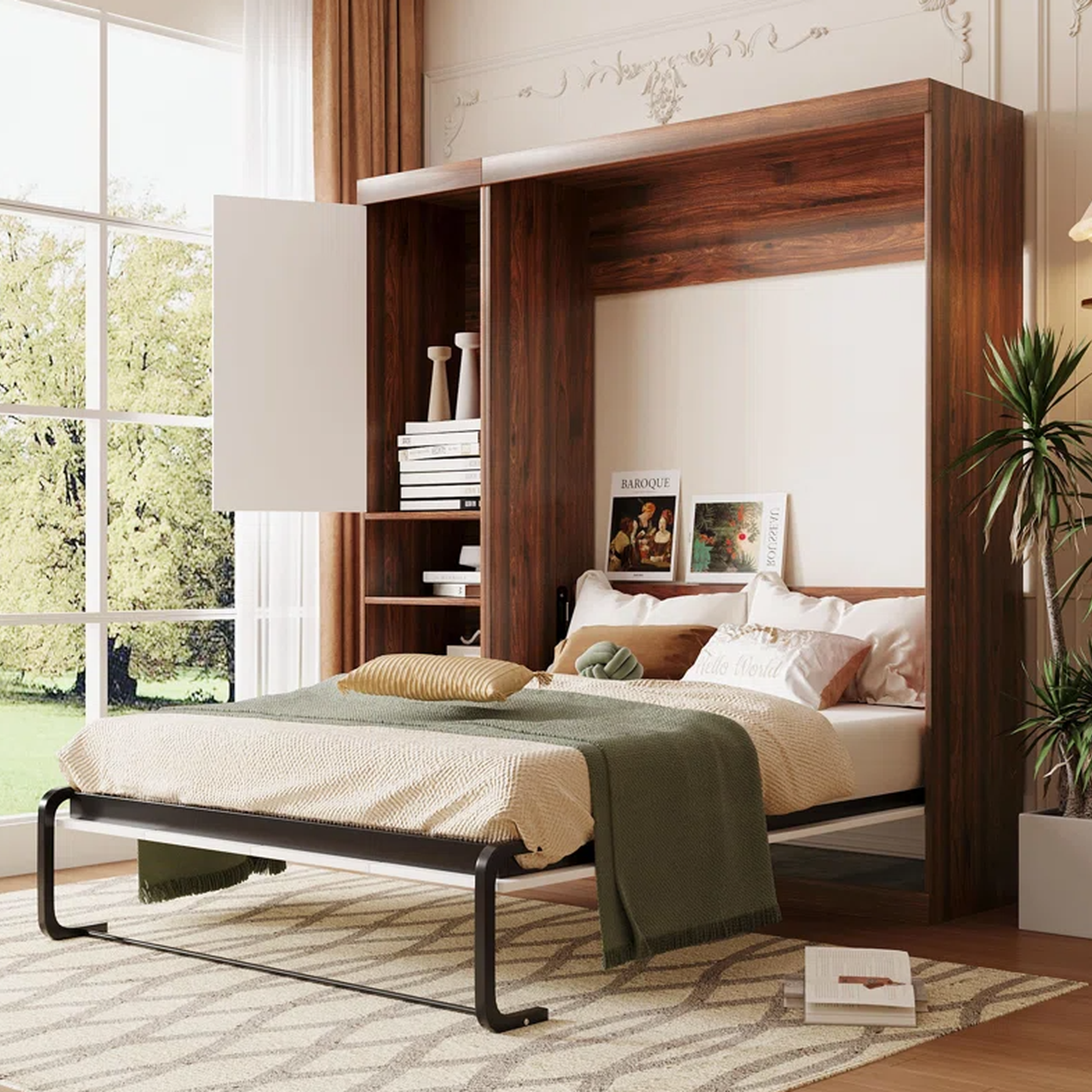
This Furniture Trend From the 1920s Is Officially Back

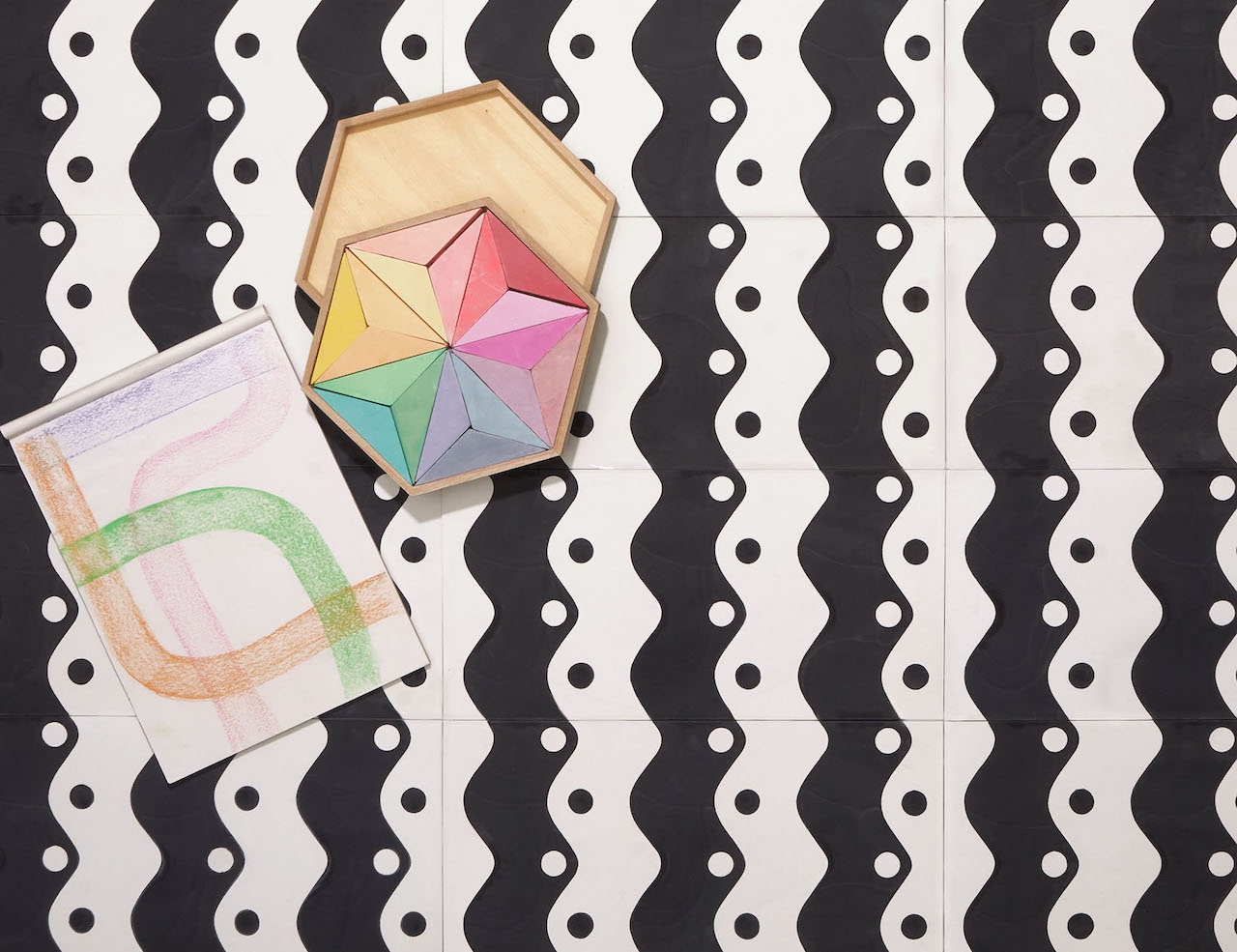
Tuning Into Frequency: Aimée Wilder’s New Retro Tile Collection


“Bookshelf Wealth” Isn’t New. So Why Is It Taking Off?