1/20
What is the cheapest electric heater to run? Experts reveal
With rising energy costs and dropping temperatures, identifying the most cost-efficient electric heater is a primary concern for many homeowners. This article delves into the various types of electric heaters available, analyzing their running costs based on the January 2026 energy price cap of 27.69p per kWh. The objective is to determine which type offers the most affordable solution for keeping homes warm during winter.
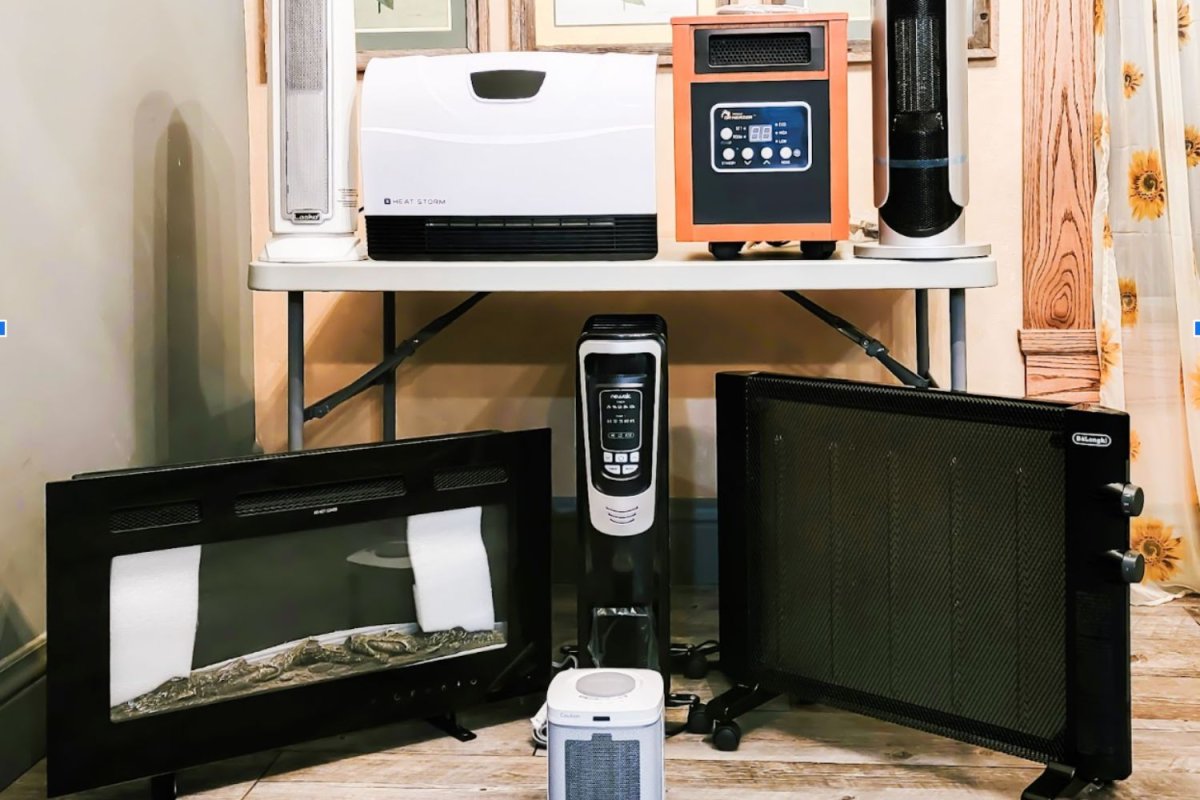
The article begins by explaining how to calculate the running cost of an electric heater. This involves finding the heater's power in kilowatts (kW) – converting watts to kW by dividing by 1000 if necessary – and then multiplying this figure by the current electricity price per kWh. This calculation provides an hourly running cost, which can then be scaled up for longer usage periods. It is highlighted that while this formula provides a baseline, the actual cost depends on factors such as the heater type, its energy efficiency, specific electricity rates, and how frequently it is used. Experts suggest that the cheapest electric heaters are those that are energy-efficient, capable of retaining heat, and effective at warming a room without consuming excessive electricity.
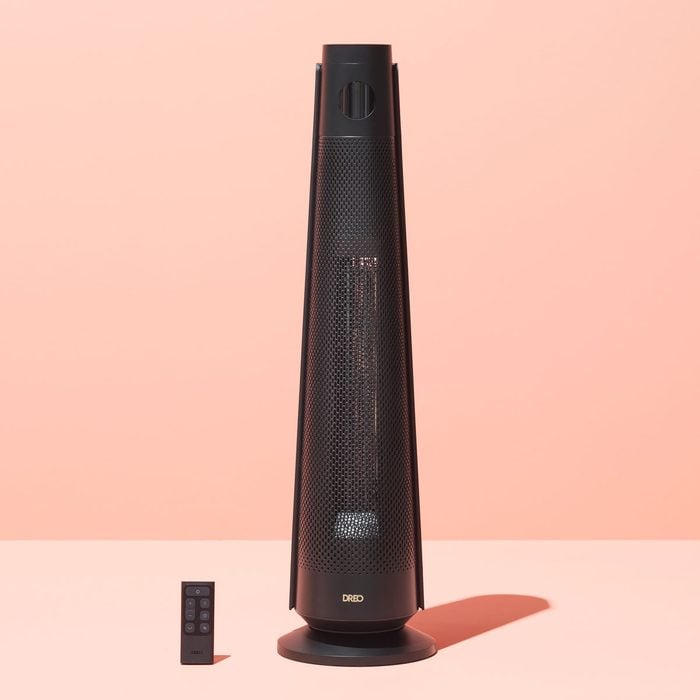
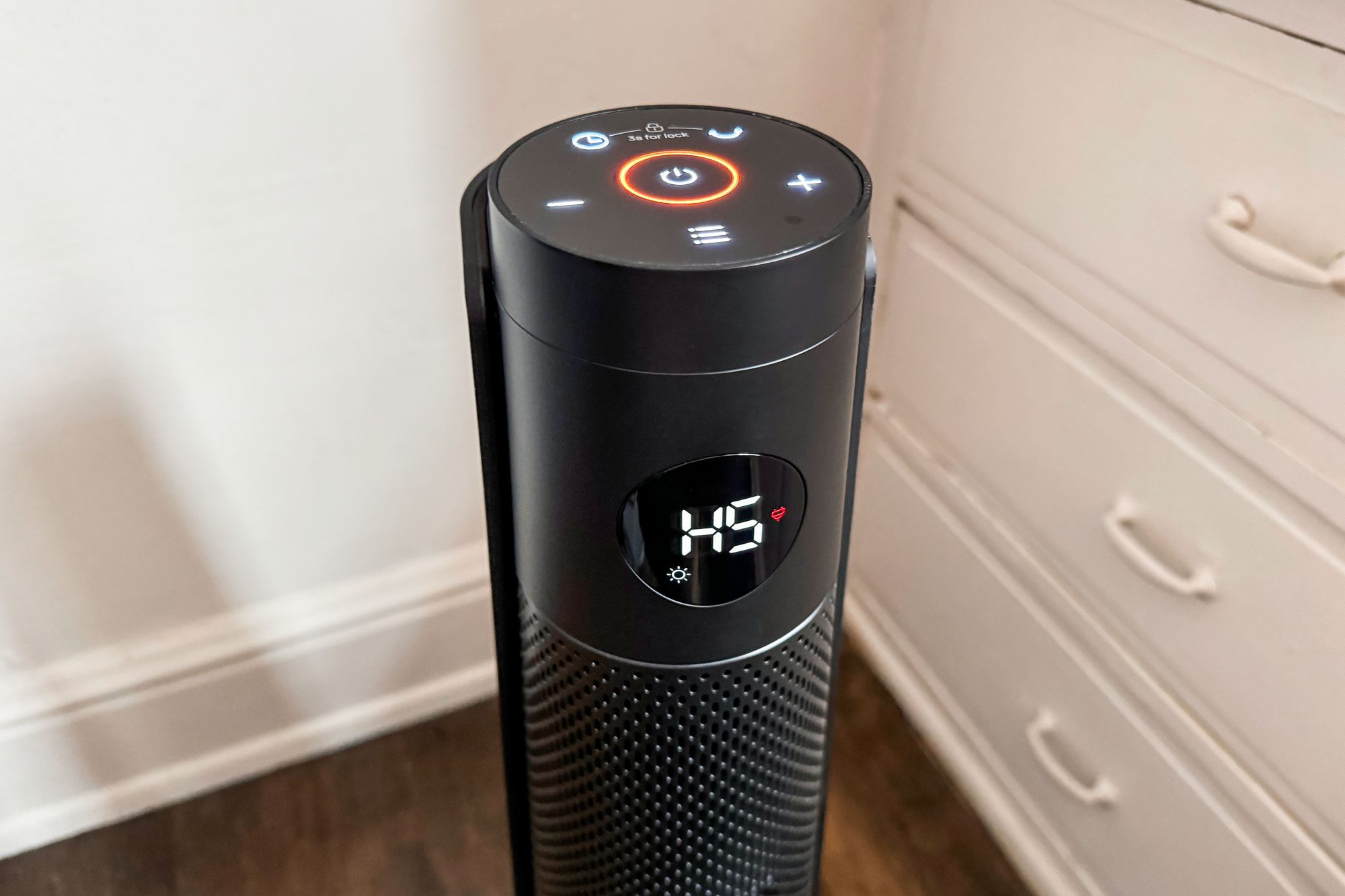
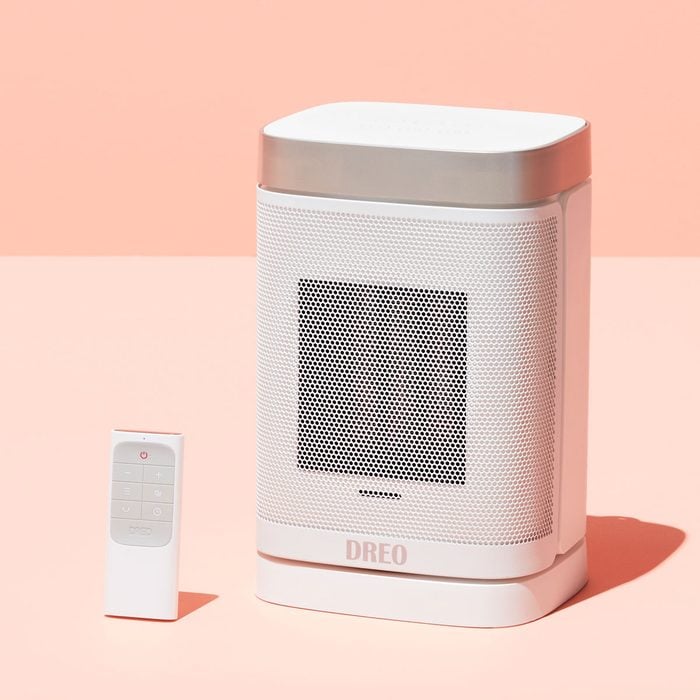
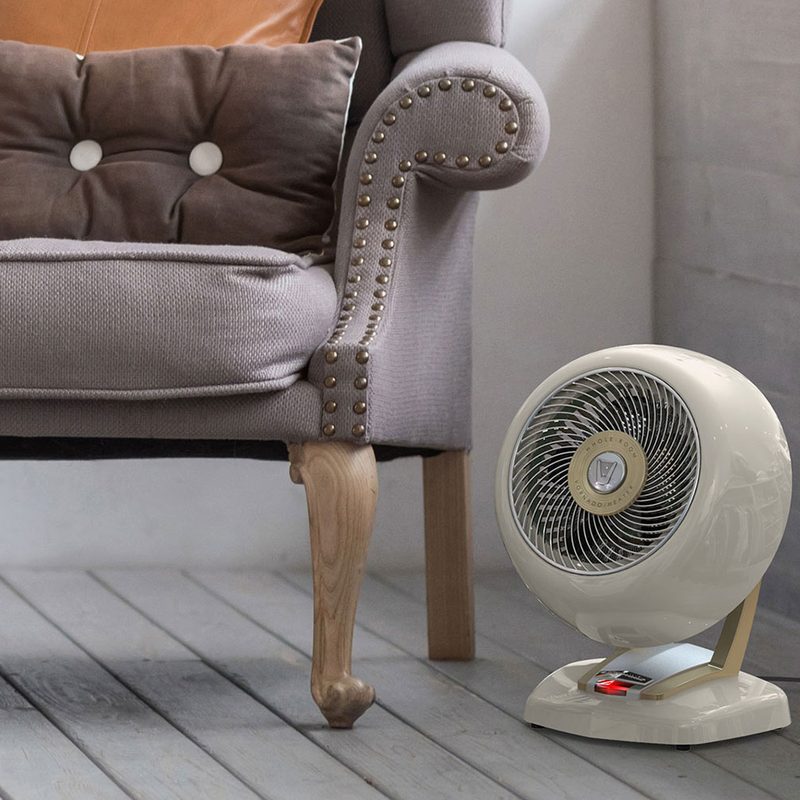
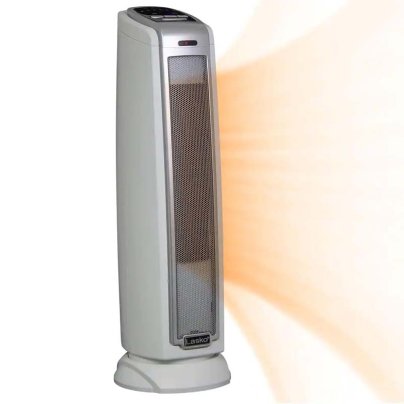
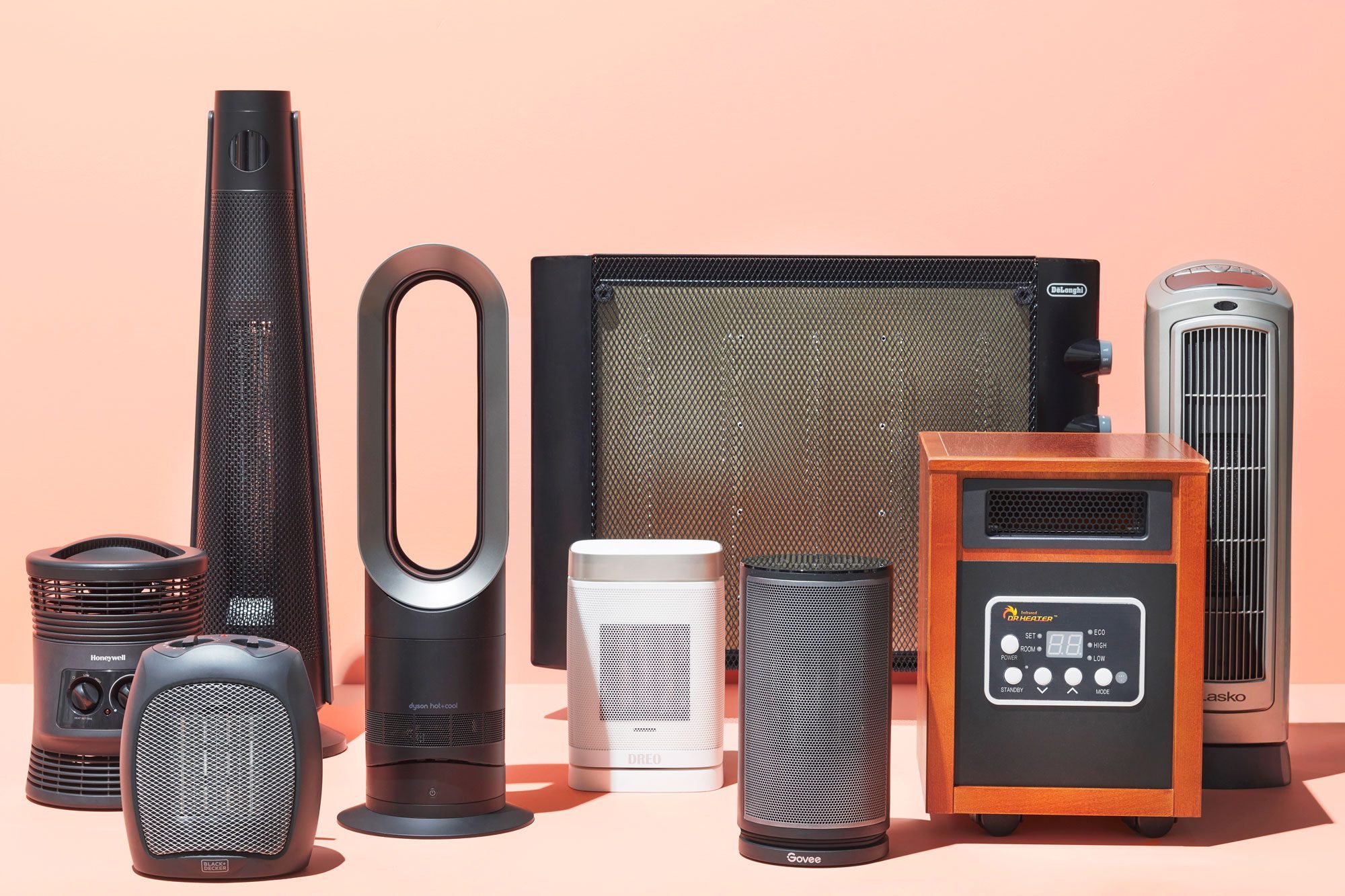
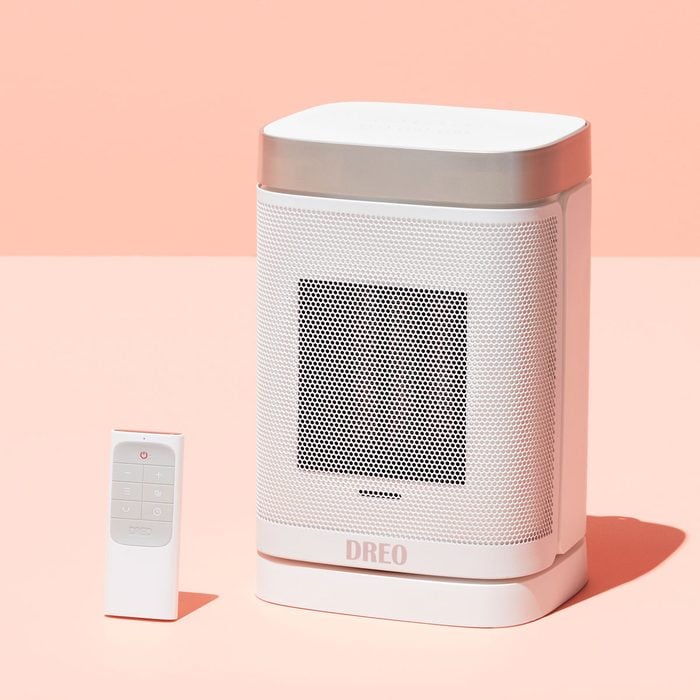
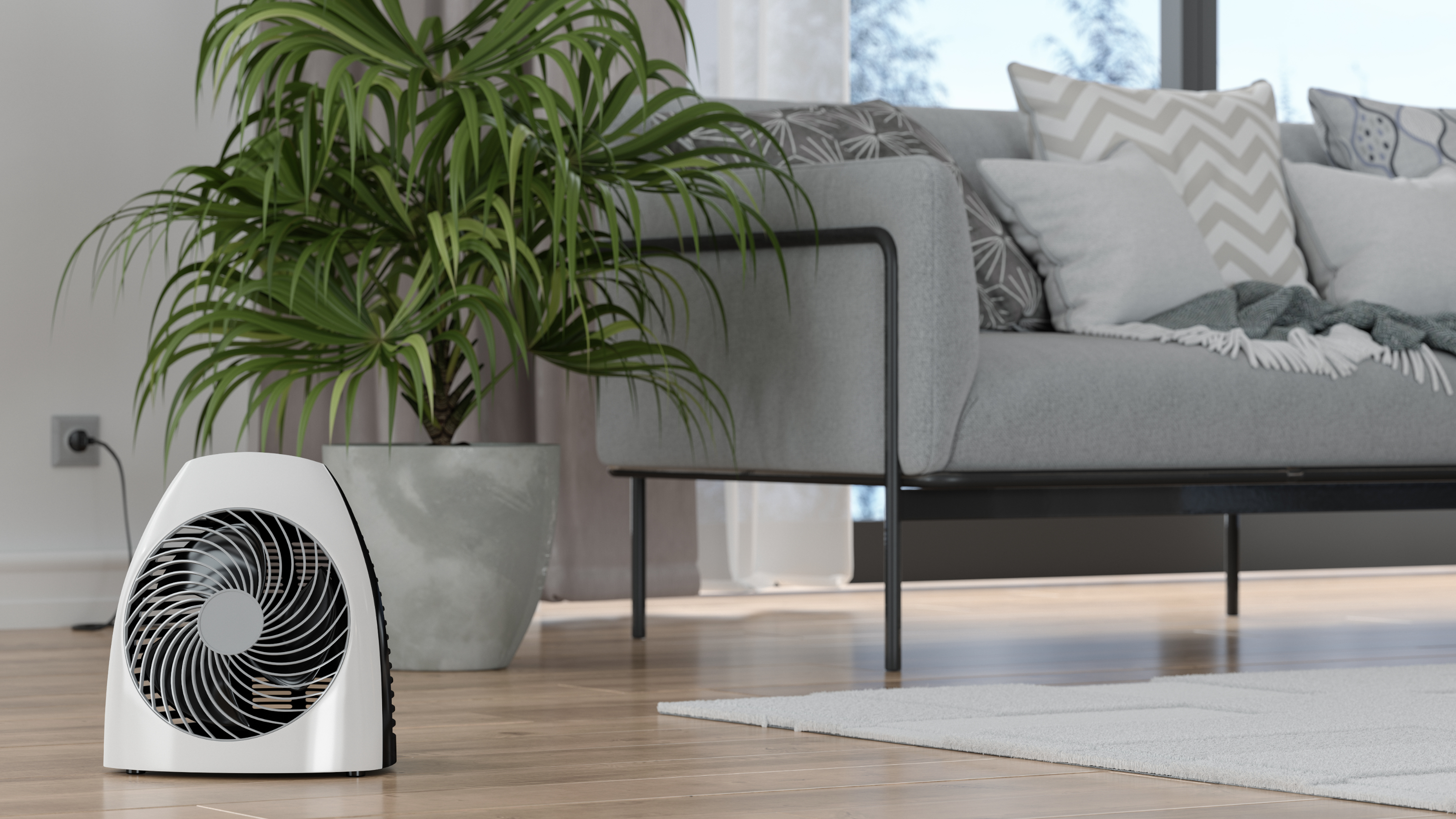
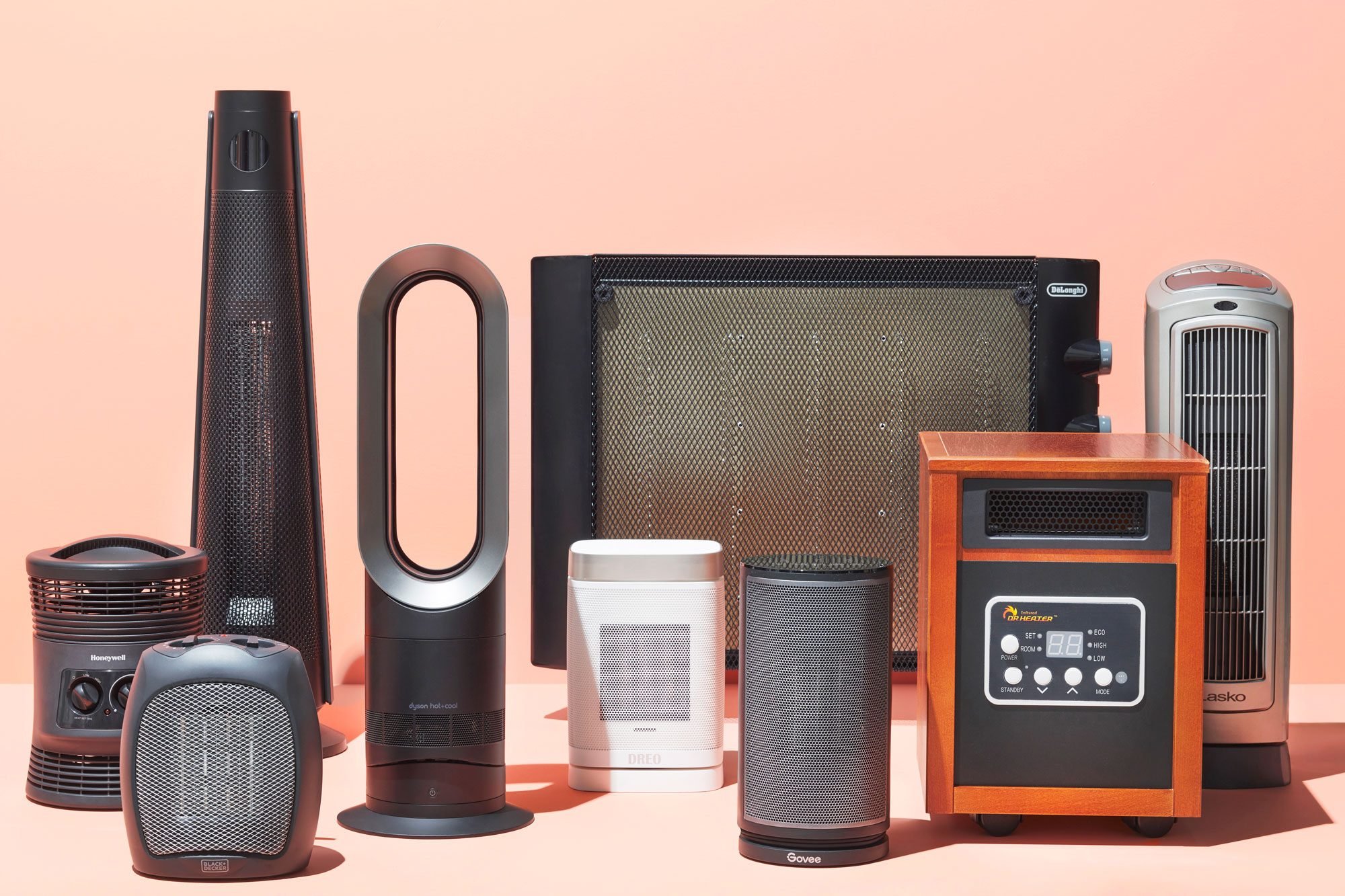
The discussion then moves to specific types of electric heaters. Fan heaters, a common choice, typically range from 1000W to 2000W, with 2kW models being prevalent. A 2kW fan heater costs approximately 55p per hour to run. While smaller desktop fan heaters (around 1.5kW) are cheaper, larger, more powerful models (around 2.2kW) are more expensive. Despite higher running costs for larger units, fan heaters are popular due to their portability, oscillation features for even heat distribution, and often incorporate ceramic heating technology.
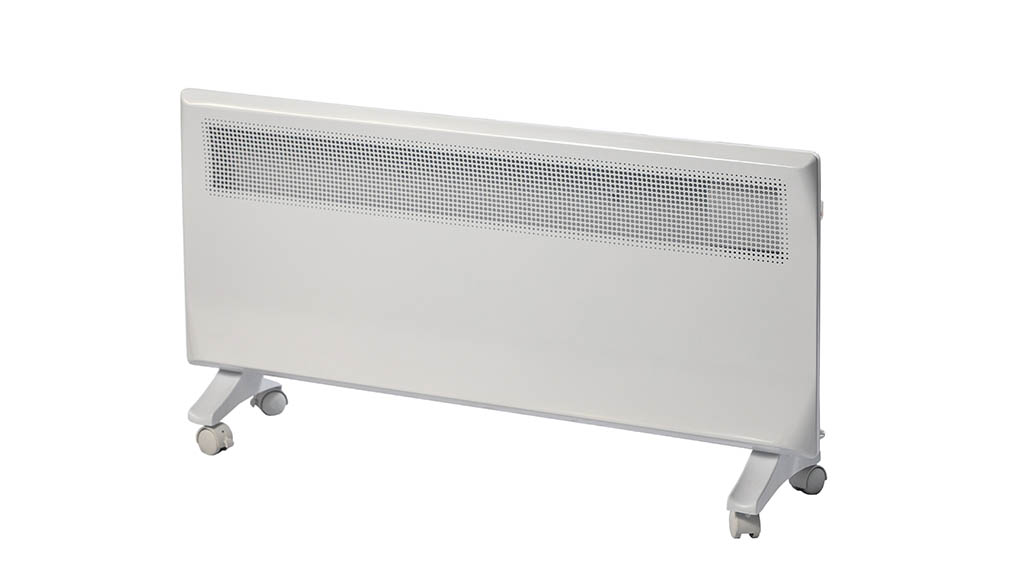
Convection heaters generally have a wattage of around 2000W, costing about 55.4p per hour to operate. These heaters work by creating a convection current, where hot air rises and circulates, gradually heating the room. Although they take longer to warm a space, they retain heat after being turned off, potentially offering long-term cost-effectiveness, especially for larger rooms. However, their size can be a disadvantage, as they tend to occupy more space.
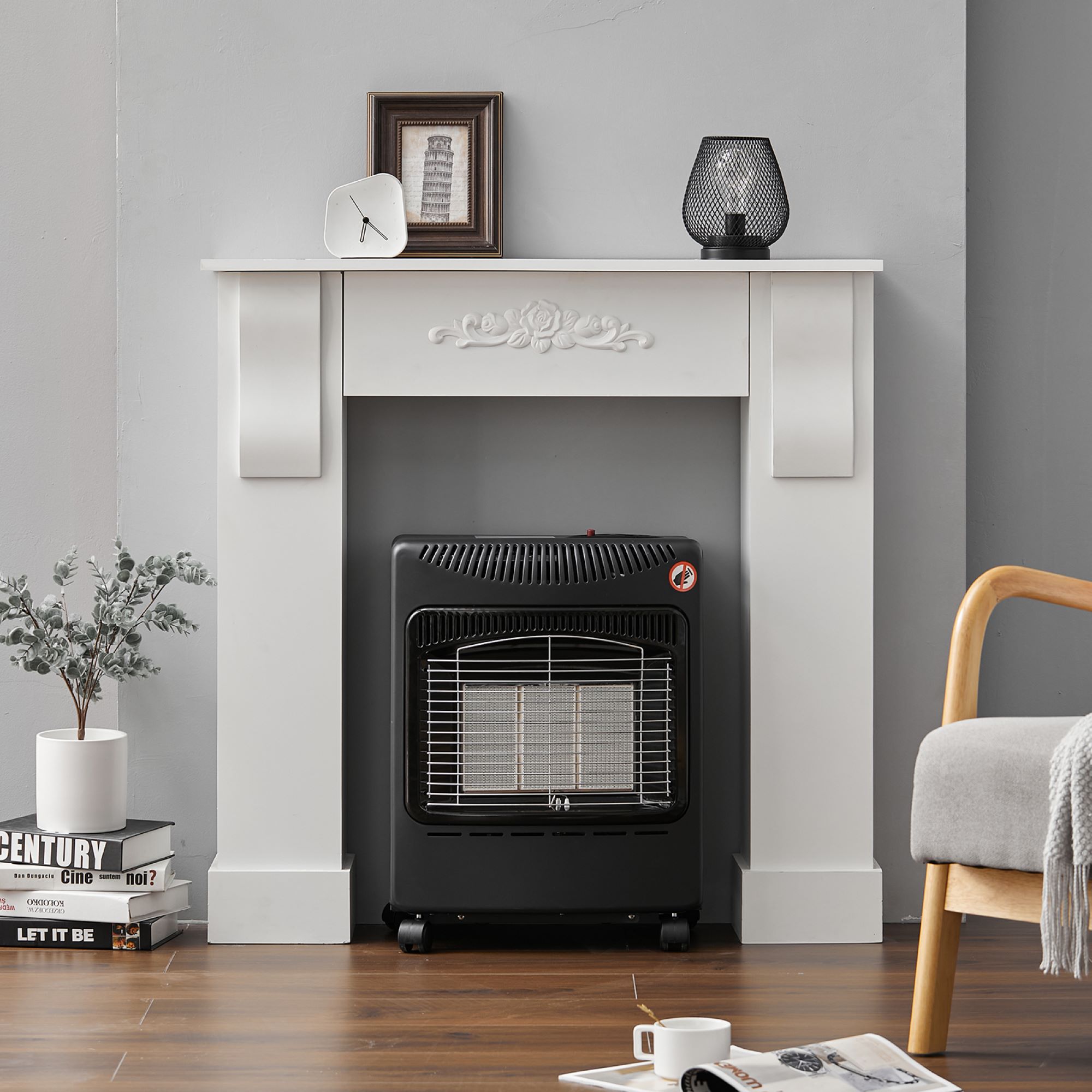
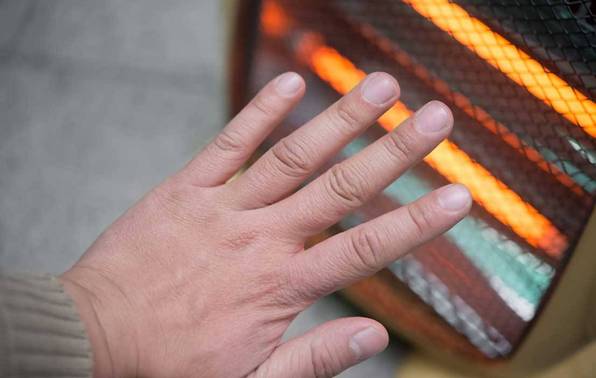
Halogen heaters are identified as the cheapest electric heater to run, with wattages typically around 1200W, and some models offering adjustable settings of 400W, 800W, and 1200W. This translates to running costs between 11p and 33p per hour. Halogen heaters provide instant, directional heat, making them effective for quickly warming specific areas. Martin Lewis, a financial journalist, also endorses halogen heaters for their affordability. However, their directional nature means they struggle to heat entire rooms, and the heat dissipates quickly once turned off. They also pose a minor safety risk due to their high operating temperature.
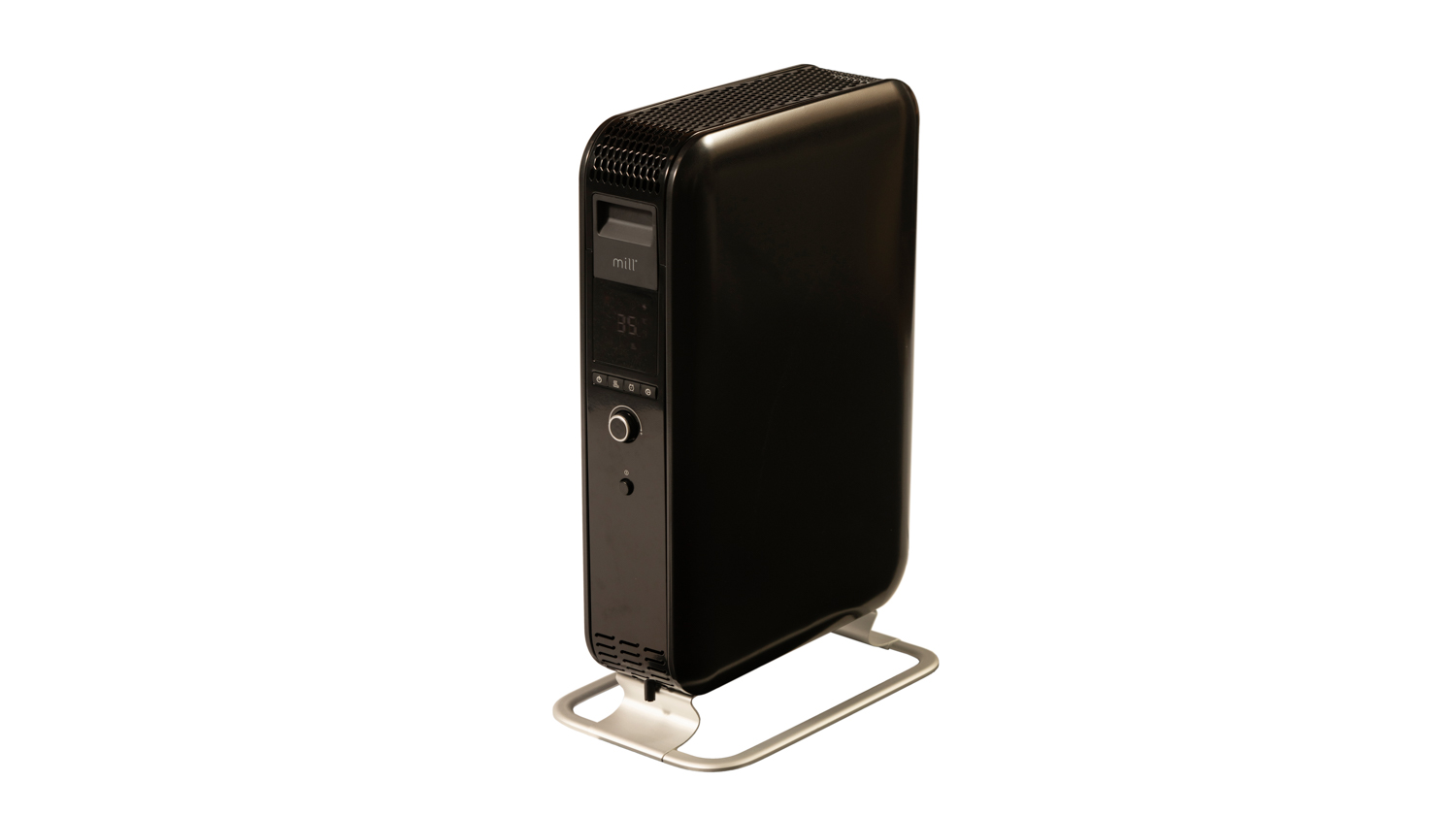
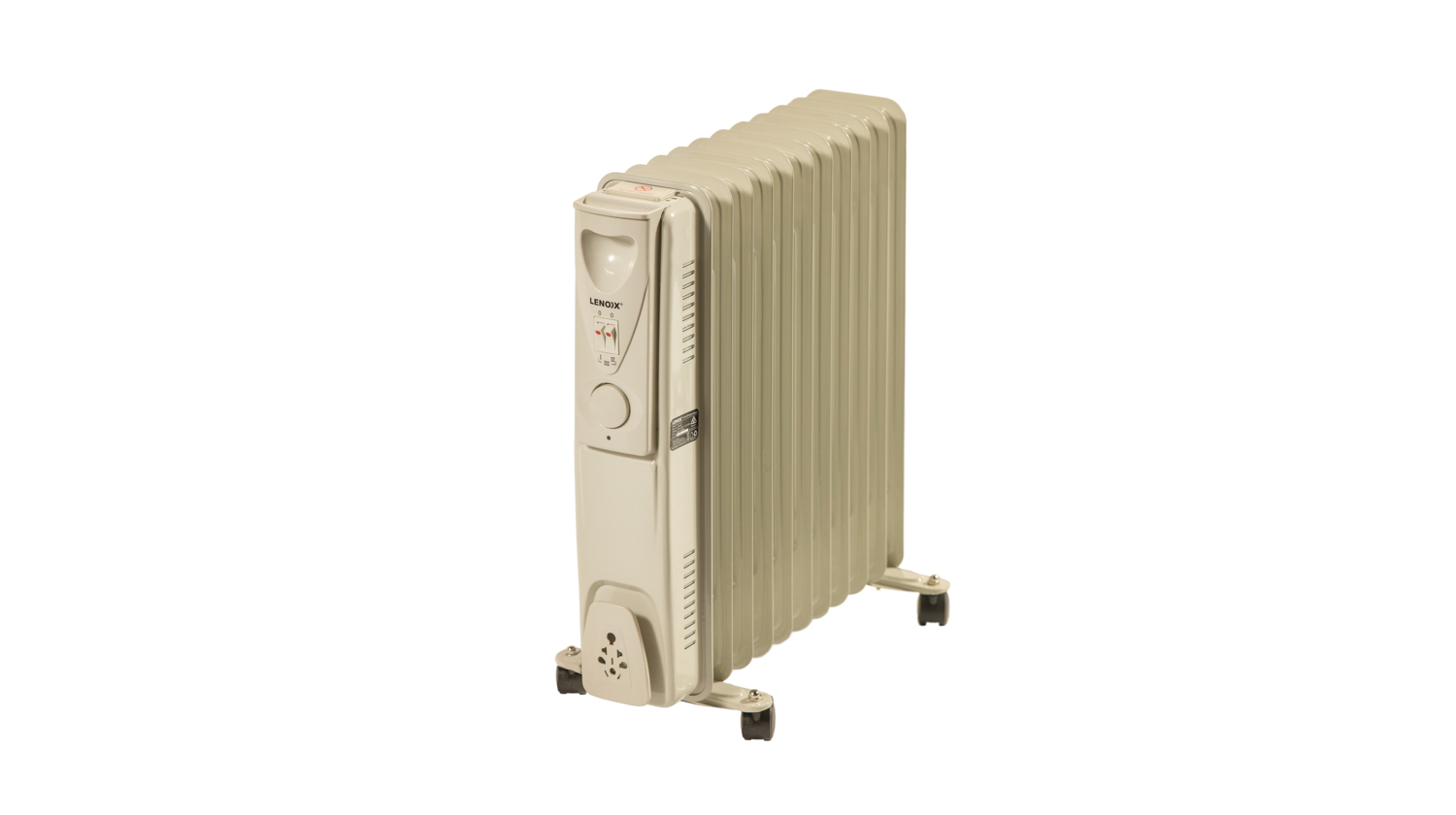
Oil-filled heaters vary significantly in wattage, from 500W to 2500W, resulting in running costs between 13.8p and 69.2p per hour. These heaters are recognized for their energy efficiency, quiet operation, and safety, making them suitable for households with children and pets. They retain heat effectively after being switched off, contributing to their cost-effectiveness. Even at higher wattages, their running cost can still be less than that of central heating for the same duration. Opting for a lower wattage model allows users to benefit from their efficiency while minimizing costs.
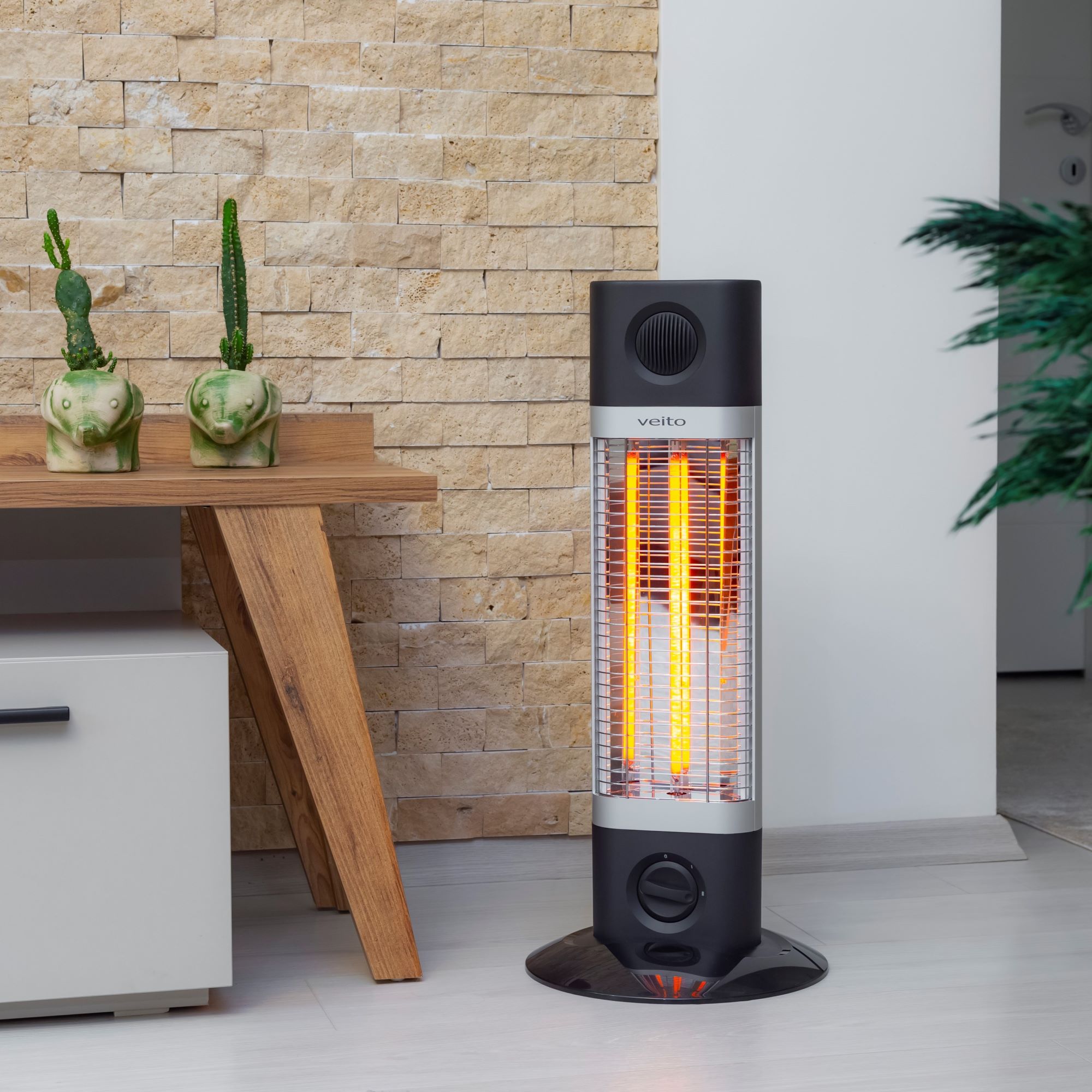
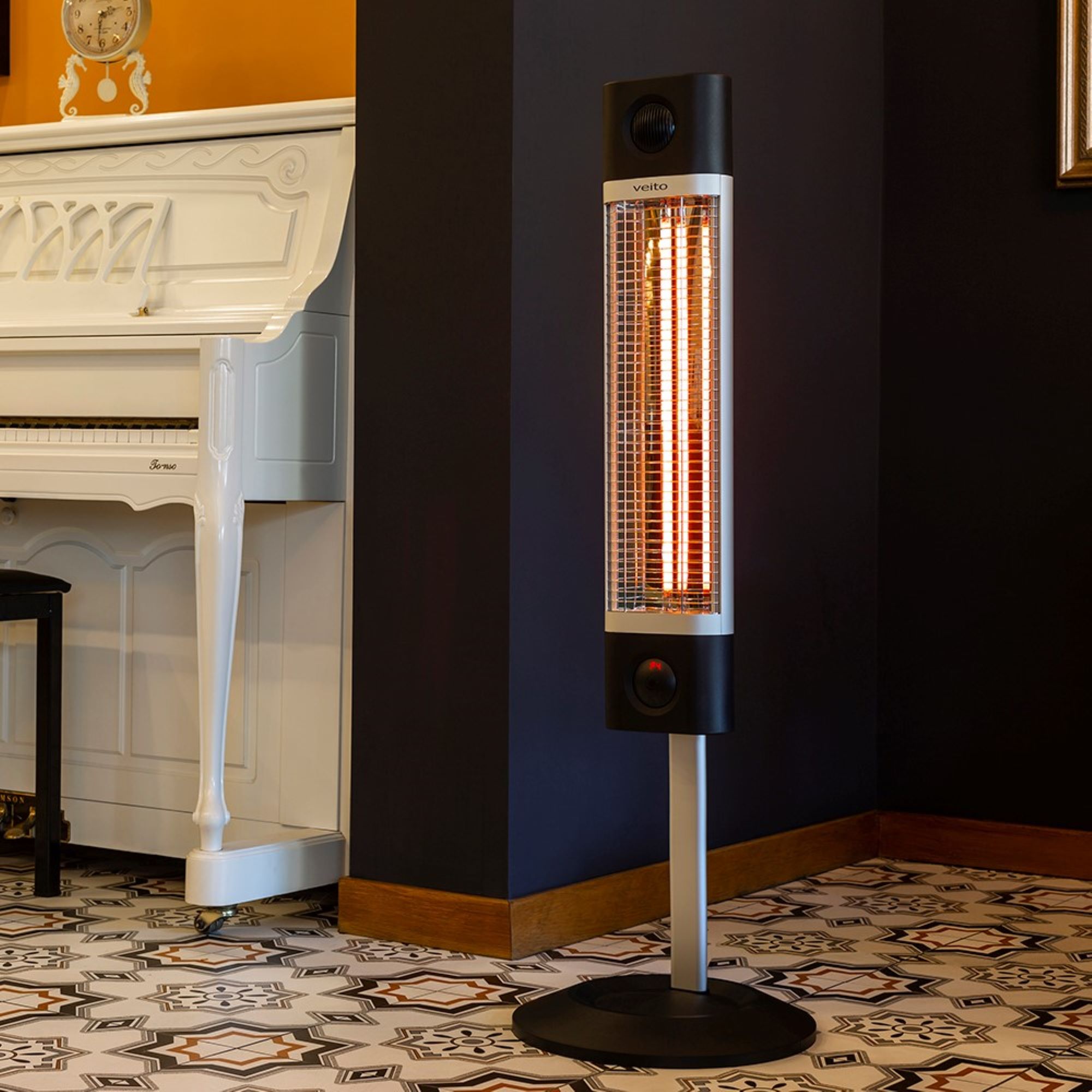
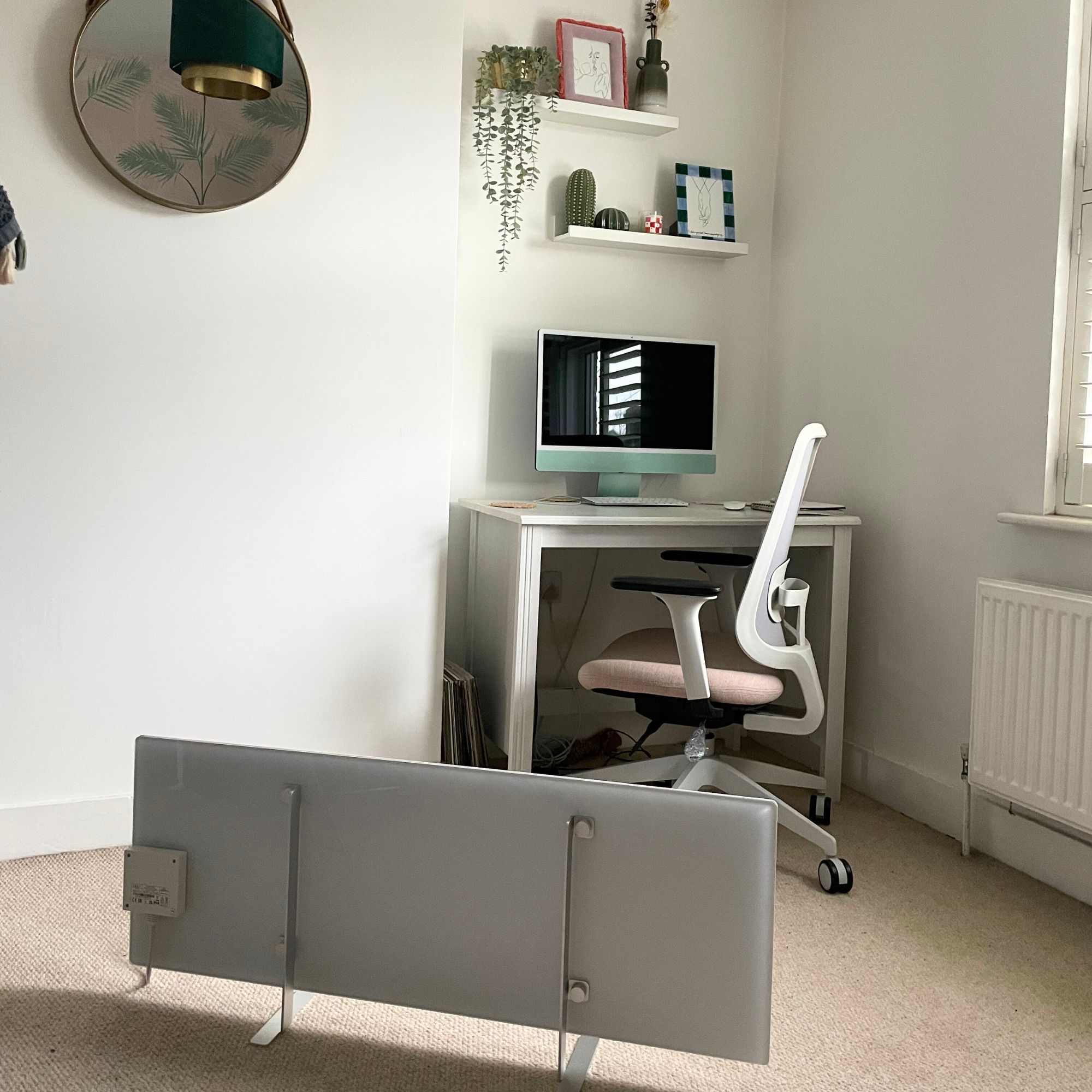
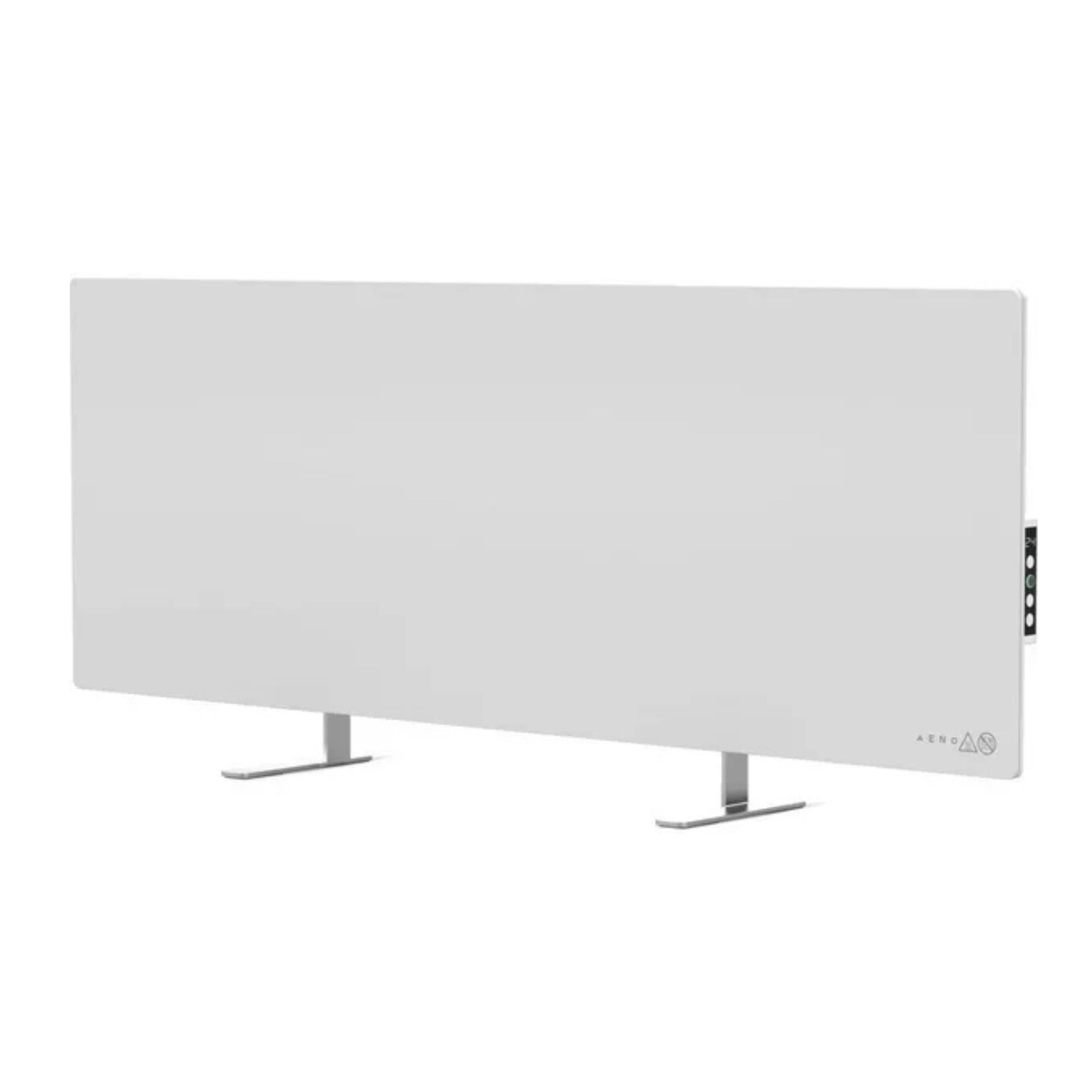
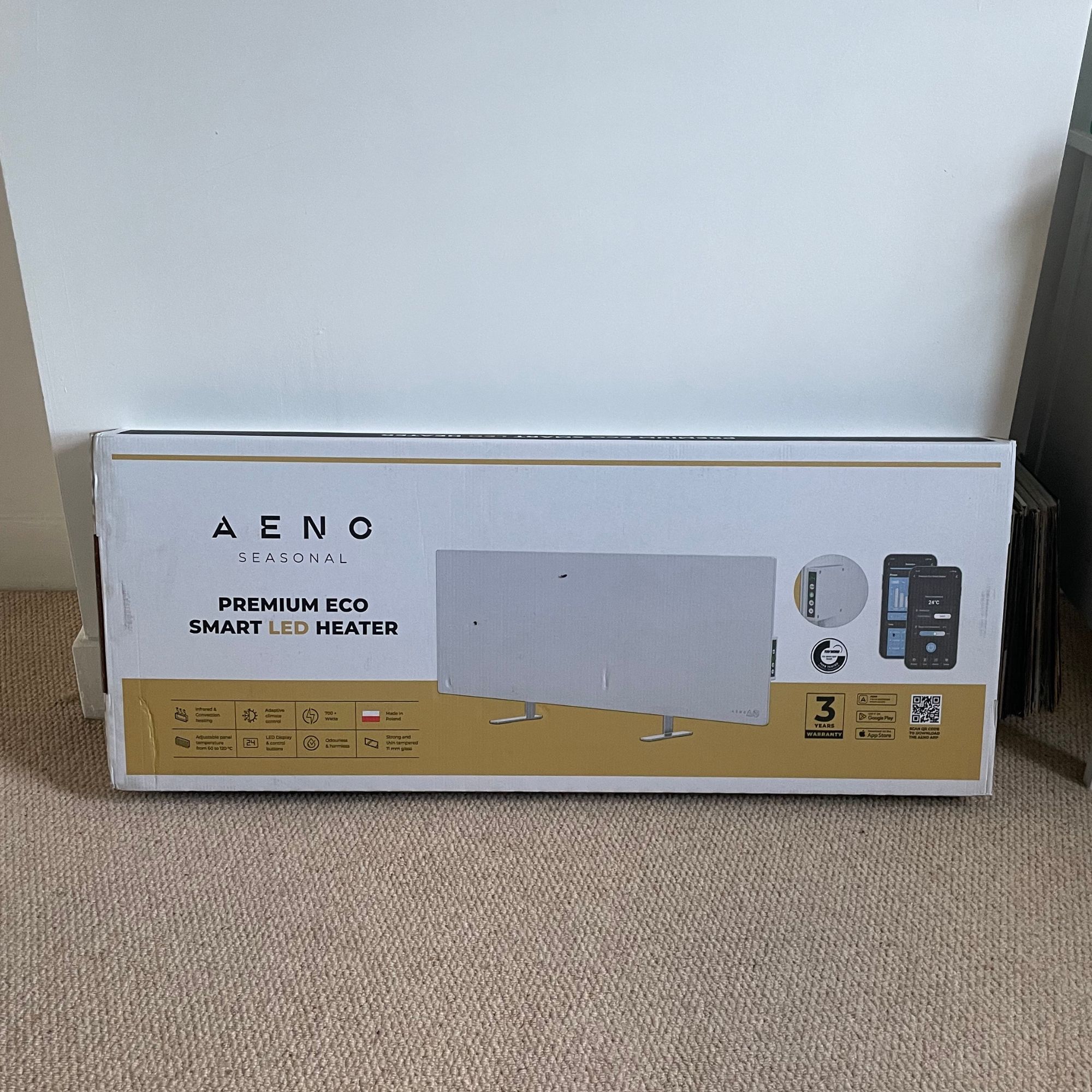
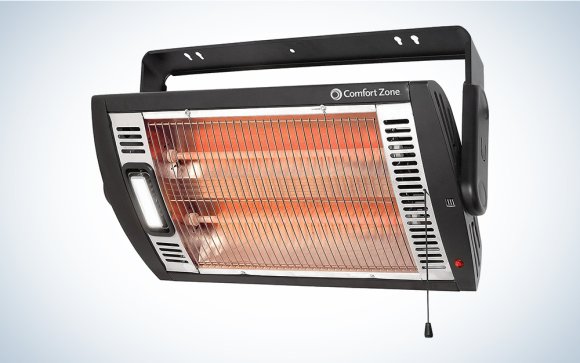
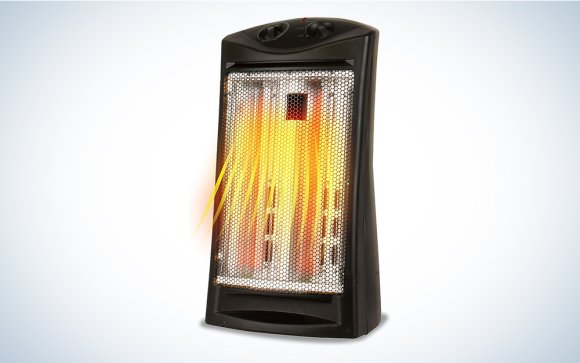
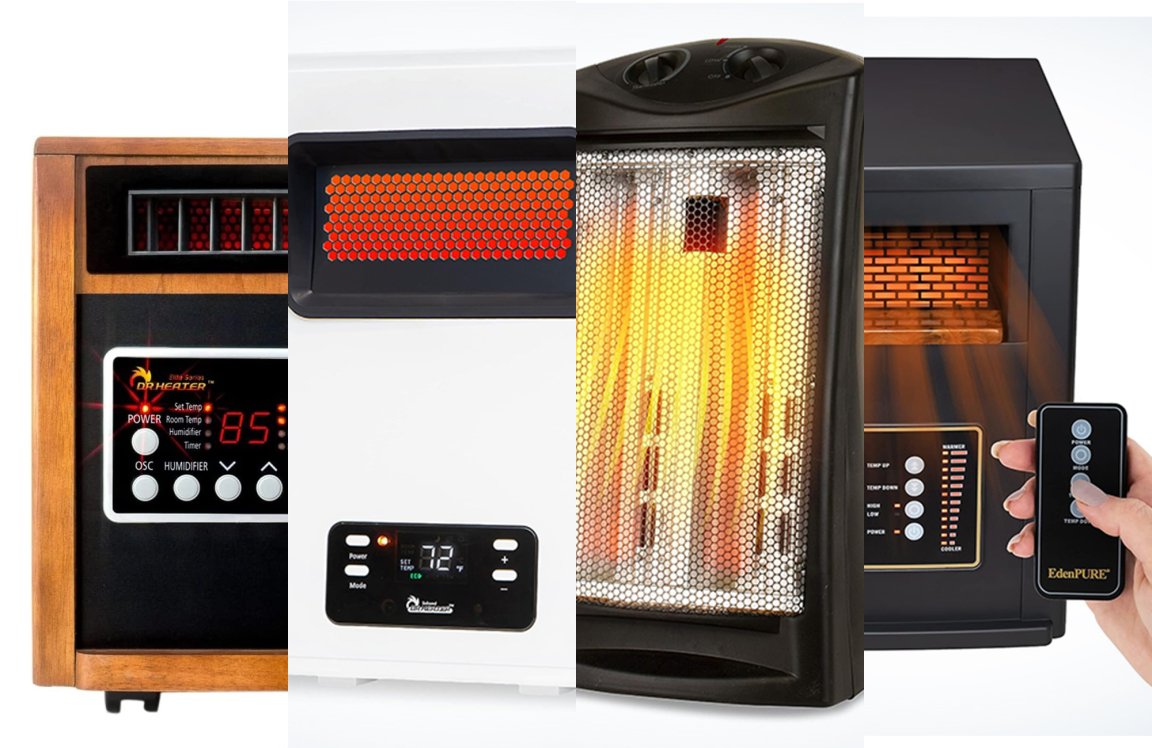
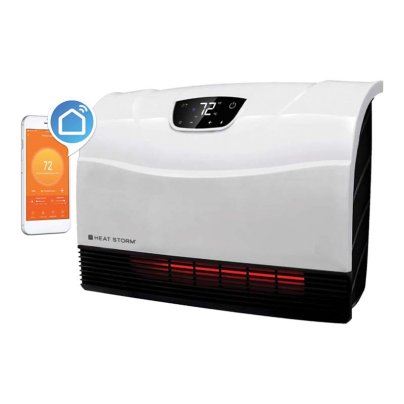
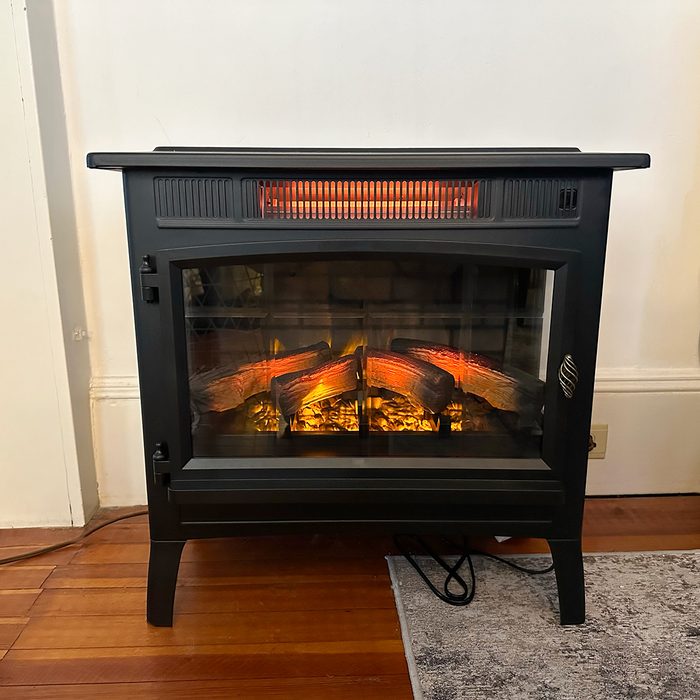
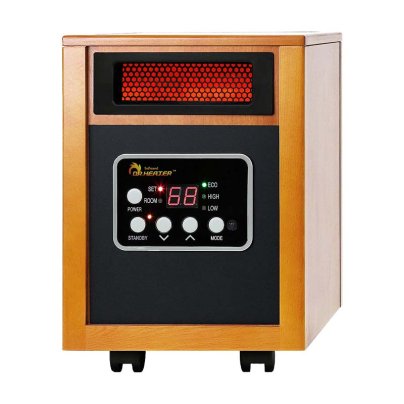
Infrared heaters, while less common in UK homes, offer unique benefits. Many models combine infrared technology with convection heating. These heaters convert electricity into radiant heat, similar to natural sunlight, and are considered relatively cheap to run, with wattages ranging from 900W to 2000W. Running costs typically fall between 24.9p and 55.4p per hour. Infrared heaters can be used for whole-home heating systems, often appearing as wall-mounted panels, or as supplementary heaters for immediate spaces. Panels with lower wattages can be run for longer periods, optimizing heat delivery.
The article concludes that halogen heaters are the cheapest electric heater to run, considering both hourly cost and speed of warmth delivery. Their affordability and efficiency make them a valuable investment for winter. However, it is cautioned that even the cheapest electric heaters will increase bills with prolonged use, and proper placement is crucial for optimizing running costs. Additionally, homeowners are encouraged to review their gas and electricity tariffs and consider switching suppliers to find better deals and further save energy. The article also addresses frequently asked questions, clarifying that halogen heaters with low wattage settings are ideal for targeted heating, while convection heaters are better for prolonged whole-room heating. It also advises against using outdoor halogen heaters indoors due to safety concerns and unsuitable design for continuous indoor operation. Halogen heaters are confirmed to be cheaper to run than fan heaters, particularly lower-wattage models, due to their lower power consumption. Overall, the guide offers a comprehensive comparison to aid consumers in making informed decisions about electric heating solutions.
#HomeHeating #ElectricHeaters #EnergyEfficiency #HalogenHeaters #ConvectionHeaters #FanHeaters #OilFilledHeaters #InfraredHeaters #EnergySavingTips #HomeHeating #ElectricHeaters #EnergyEfficiency #HalogenHeaters #ConvectionHeaters #FanHeaters #OilFilledHeaters #InfraredHeaters #EnergySavingTips
合計0件のコメント
 まだコメントはありません
あなたも好きかもしれません

Are infrared heaters cheap to run? For targeted heat they could be better value than an oil-filled radiator, say experts
Electric Central Heating
We Vetted The 8 Best Electric Tankless Water Heaters to Save Space and Cut Costs

The 9 Best Space Heaters to Heat Up Your Digs
The electric heaters to avoid buying
How Much Should You Spend On A New Electric Water Heater?


The Ultimate Guide To Warmth: How To Choose The Best Room Heater For Your Home?
Our Favorite Energy-Efficient Space Heater Adds Style to Our Homes While Heating
Choosing a heater

This BHG-Tested Electric Fireplace Space Heater Brings Instant Cabin Vibes—and It’s on Sale

The 7 Best Energy-Efficient Space Heaters, Tested and Reviewed

The 4 Best Electric Fireplaces, Tested by Shopping Experts
Water Heater Cost in 2025: DIY or Professional Installation?

The Best Electric Wall Heaters for Added Warmth
The best infrared heaters
The 7 Safest Space Heaters: Tested and Reviewed
What’s the most efficient way to heat a house? How to heat your home for less, according to experts


This smart panel heater costs just pennies to run — it’s so effective I’ve been using it every day in lieu of my radiators
9 cheap ways to heat your home this winter for under £10 each


Electric vs water underfloor heating: installation, efficiency and user reviews compared