1/2
US Household Kitchen Appliances Market
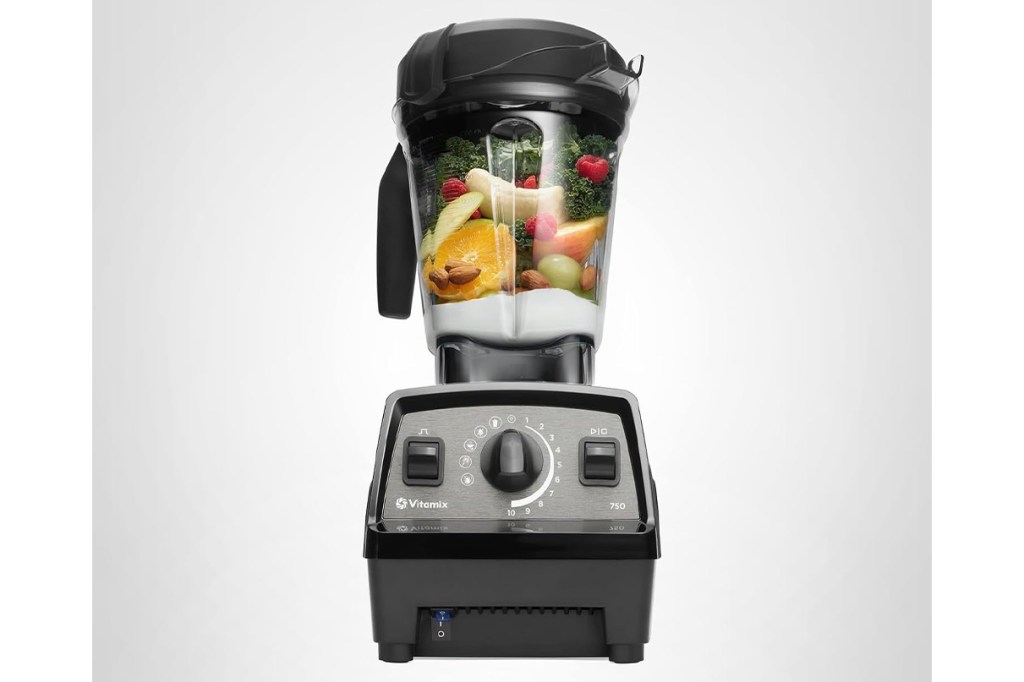
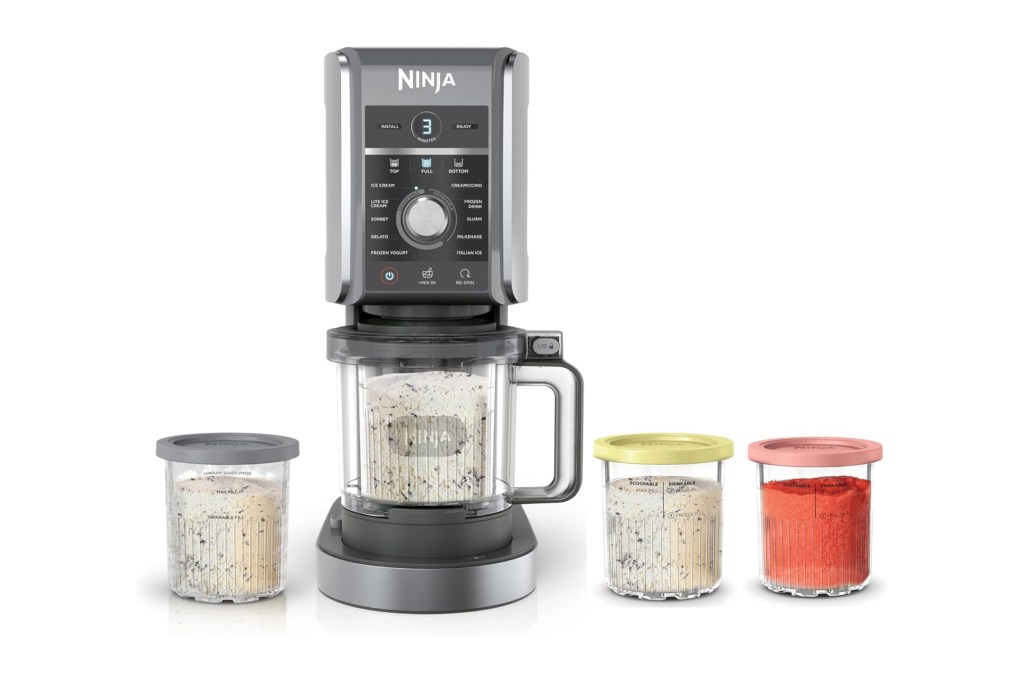
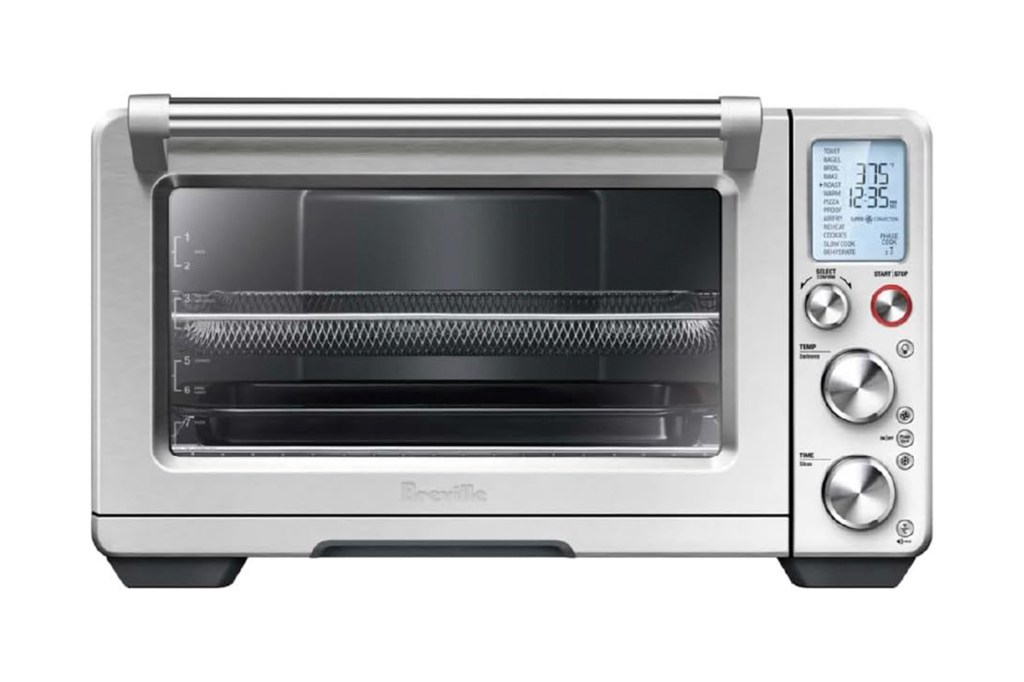
The US Household Kitchen Appliances market is projected to reach USD 82.0 billion by 2034, growing from USD 63.4 billion in 2024, at a Compound Annual Growth Rate (CAGR) of 2.6% during the forecast period from 2025 to 2034. This market includes a range of products such as refrigerators, ovens, dishwashers, and microwaves, which are essential for daily cooking, food storage, and cleaning. These appliances provide convenience and contribute to energy savings in modern homes.
Market growth is primarily driven by an increase in home renovation activities and a growing demand for energy-efficient products. Kitchen appliances account for approximately 17% of an average household's electricity bill, which encourages consumers to invest in sustainable options. In 2023, US households spent 43% more on home appliances compared to a decade prior, even as appliance prices decreased by 12%, making high-end models more accessible. Consumer preferences are also shifting, with 49% of homeowners planning new appliance purchases; 64% intend to upgrade, and 39% seek energy-efficient replacements. Smart kitchen appliances are becoming increasingly popular, with 57% of those planning purchases favoring them, indicating a trend towards IoT integration and digital convenience.
Urbanization and millennial homeownership are contributing to the demand for modular kitchens and compact appliance designs. This trend encourages manufacturers to innovate with space-saving and multi-functional products. Regulatory support, such as energy efficiency mandates from the Department of Energy and ENERGY STAR certifications, pushes manufacturers towards eco-friendly innovations. Federal and state incentives, including rebates and tax credits for energy-efficient appliances, further boost consumer adoption.
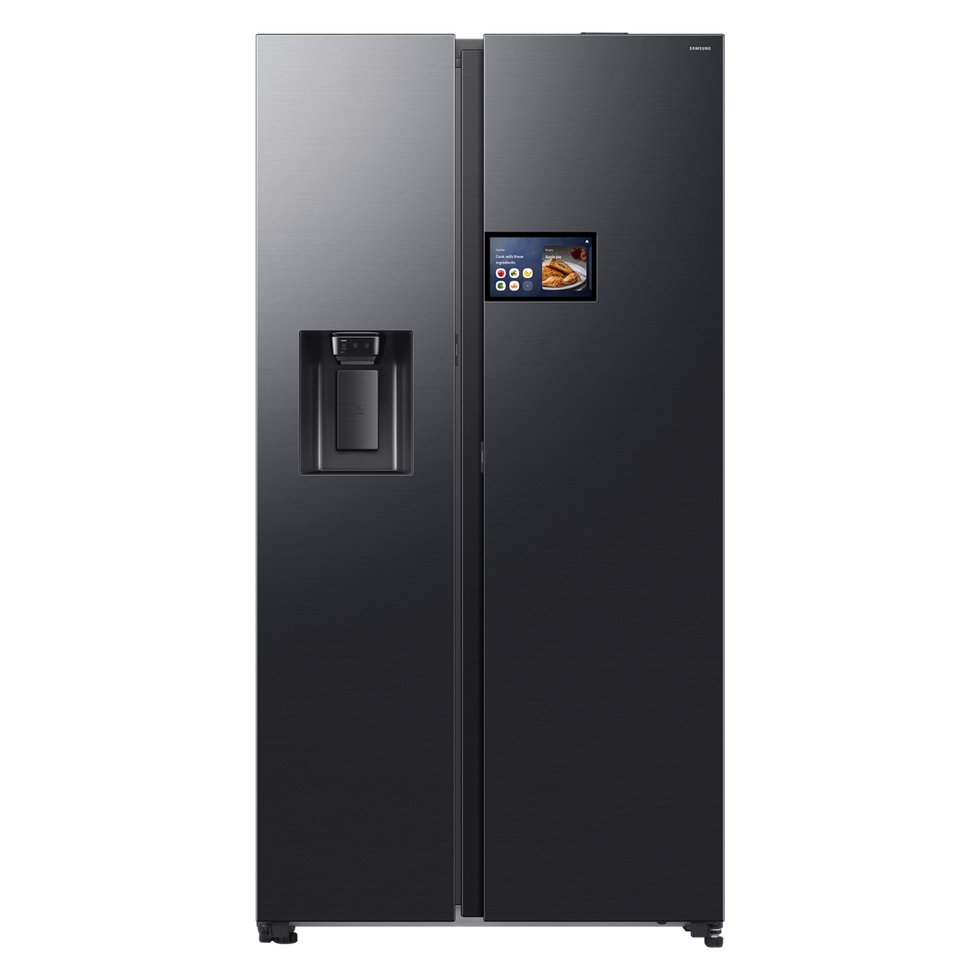
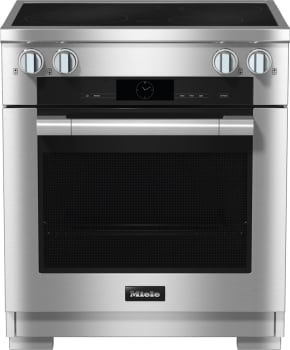
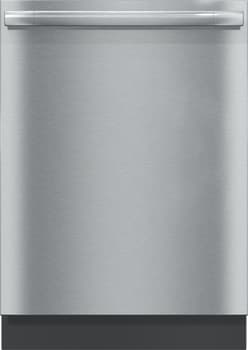
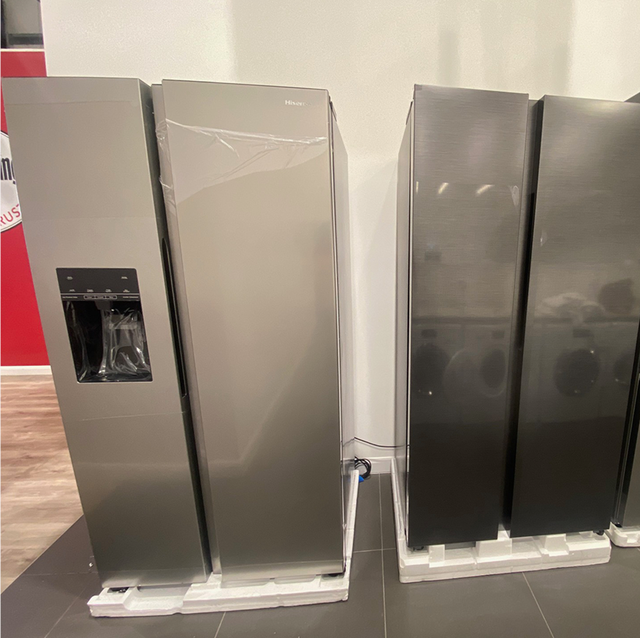
In terms of product segments, cooking appliances held the largest share at 41.5% in 2024, driven by continuous demand for ovens, cooktops, and ranges, along with innovations in energy-efficient and multifunctional designs. Dishwashers are also growing in popularity due to increasing preference for hygiene and time-saving. Refrigerators remain essential, with a shift towards compact and energy-efficient models. Range hoods support kitchen upgrades, particularly in open-plan homes, focusing on aesthetics and ventilation. Other appliances comprise secondary tools that offer functional diversity.
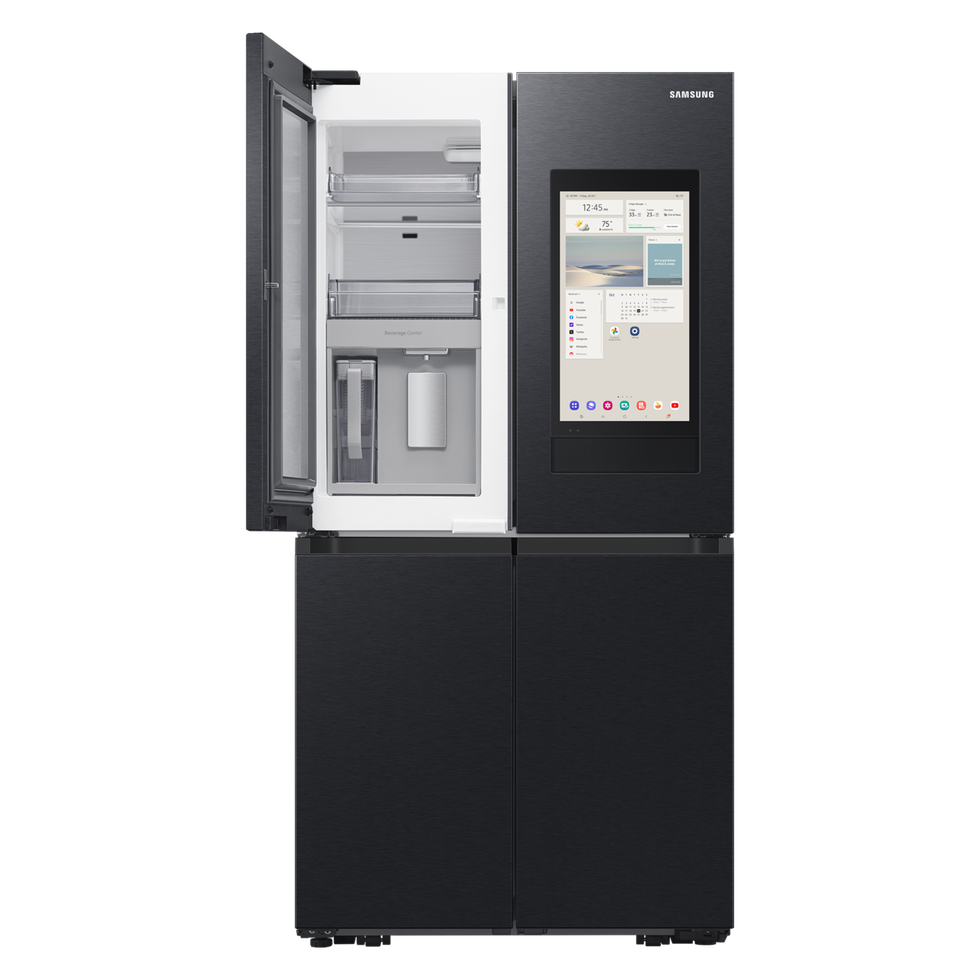
Regarding technology, conventional appliances dominated the market with an 84.7% share in 2024, attributed to their affordability, widespread availability, and consumer familiarity. These are particularly popular among middle-income households and older demographics who value brand trust and simplicity. Smart appliances are gaining traction among tech-savvy consumers, offering features like AI integration, remote operability, and energy monitoring. However, high upfront costs and compatibility issues are barriers to mainstream adoption.
Key growth drivers include the rising popularity of smart kitchens and IoT-enabled appliances, which offer remote control, scheduling, and real-time monitoring. The demand for time-saving solutions is significant, especially in households where both partners work full-time. The expansion of e-commerce platforms has made smart appliances more accessible and affordable. Urban living trends also favor compact and multi-functional designs. The integration of artificial intelligence (AI) for predictive maintenance and personalized use, along with a focus on energy efficiency and customizable kitchen designs, further propels market growth. Rural and semi-urban areas represent untapped markets as infrastructure and internet connectivity improve. Restraints include the high initial cost of premium and smart appliances, frequent product recalls that erode consumer trust, privacy concerns related to data collection by IoT devices, and complex repair and maintenance needs for advanced appliances.
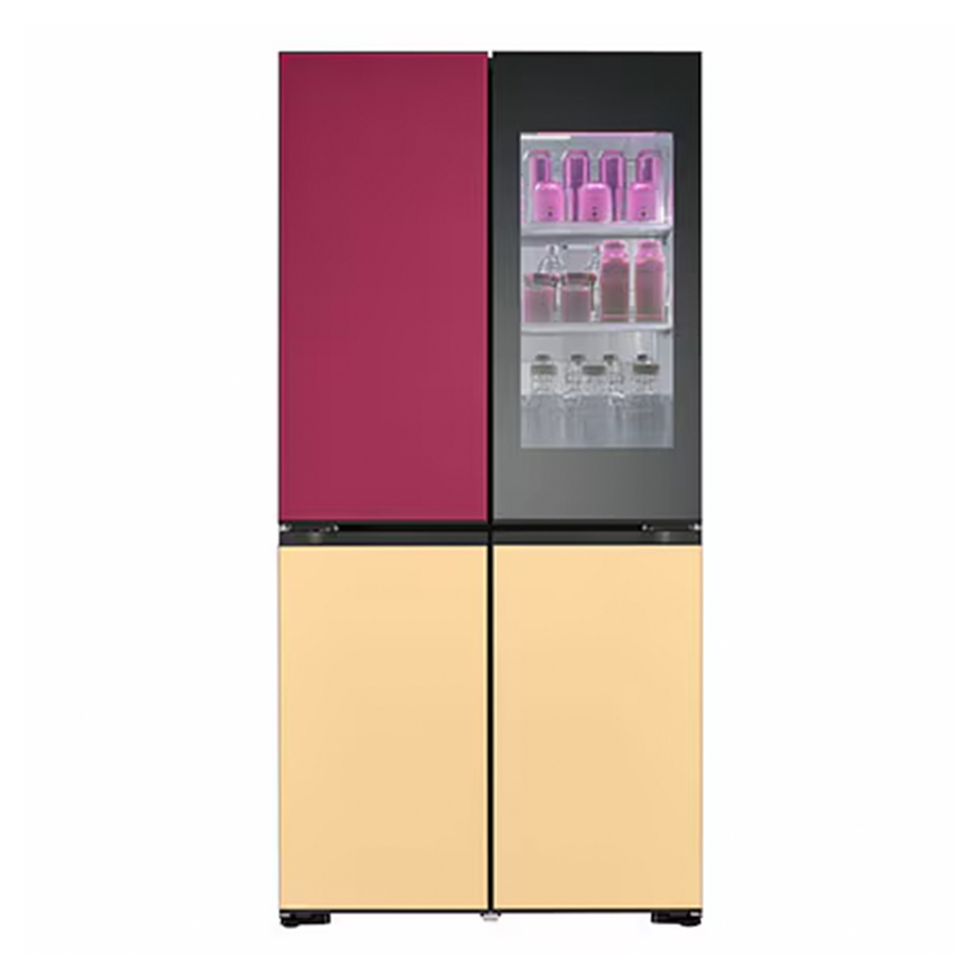
Major market players, including Whirlpool Corporation, General Electric, Samsung Electronics, and LG Electronics, are driving innovation with smart technology and energy-efficient solutions. Whirlpool focuses on brand legacy and sustainability, General Electric on AI integration, Samsung on sleek designs and connectivity, and LG on style, functionality, and energy efficiency. Recent developments include new DOE guidelines for funding under the Home Electrification and Appliance Rebate program and potential tariffs on steel and aluminum imports that could impact appliance costs. LG Electronics also rebranded its SIGNATURE KITCHEN SUITE to SKS in 2025.
#USMarket #KitchenAppliances #SmartAppliances #EnergyEfficiency #HomeRenovation #ConsumerElectronics #IoTIntegration #MarketAnalysis #HomecareAndDecor #USMarket #KitchenAppliances #SmartAppliances #EnergyEfficiency #HomeRenovation #ConsumerElectronics #IoTIntegration #MarketAnalysis #HomecareAndDecor
合計0件のコメント
 まだコメントはありません
あなたも好きかもしれません
Kitchen Units

Prime Day’s leftovers are still sizzling: Shop 40+ extended kitchen deals
Kitchen Design And Appliance Trends To Try This Year

The KitchenAid of Your Dreams Is $200 off RN—Plus, More Black Friday Kitchen Deals Before They're Gone

12 Household Appliance Brands That Have Been Long Gone And Forgotten

It’s My Job to Shop for Kitchen Items, and These Are My Favorite Amazon Finds of the Month

North America Garage Overhead Doors Market Size, Share, 2033
The Best Luxury Kitchen Appliances and Brands, According to Testing


The Best After Christmas Kitchen and Cookware Sales
Kitchen remodel? There’s still time to save up to 40% on GE appliances’s during Wayfair’s 4th of July sale

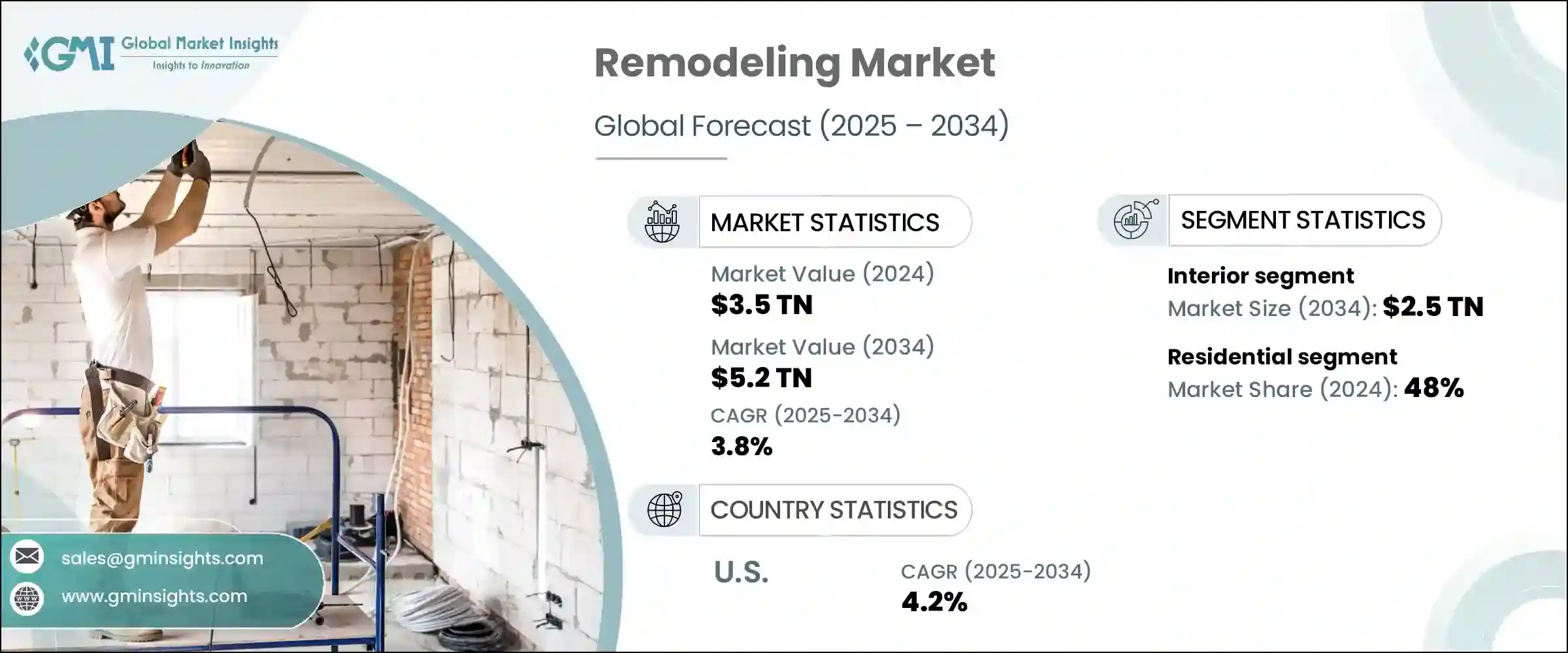
Remodeling Market Size, 2025-2034 Trends Report


Edelman: Plumbing Supply with a touch of history, panache

USA Cabinet Store Expands Kitchen and Bathroom Remodeling Services to Alexandria Market
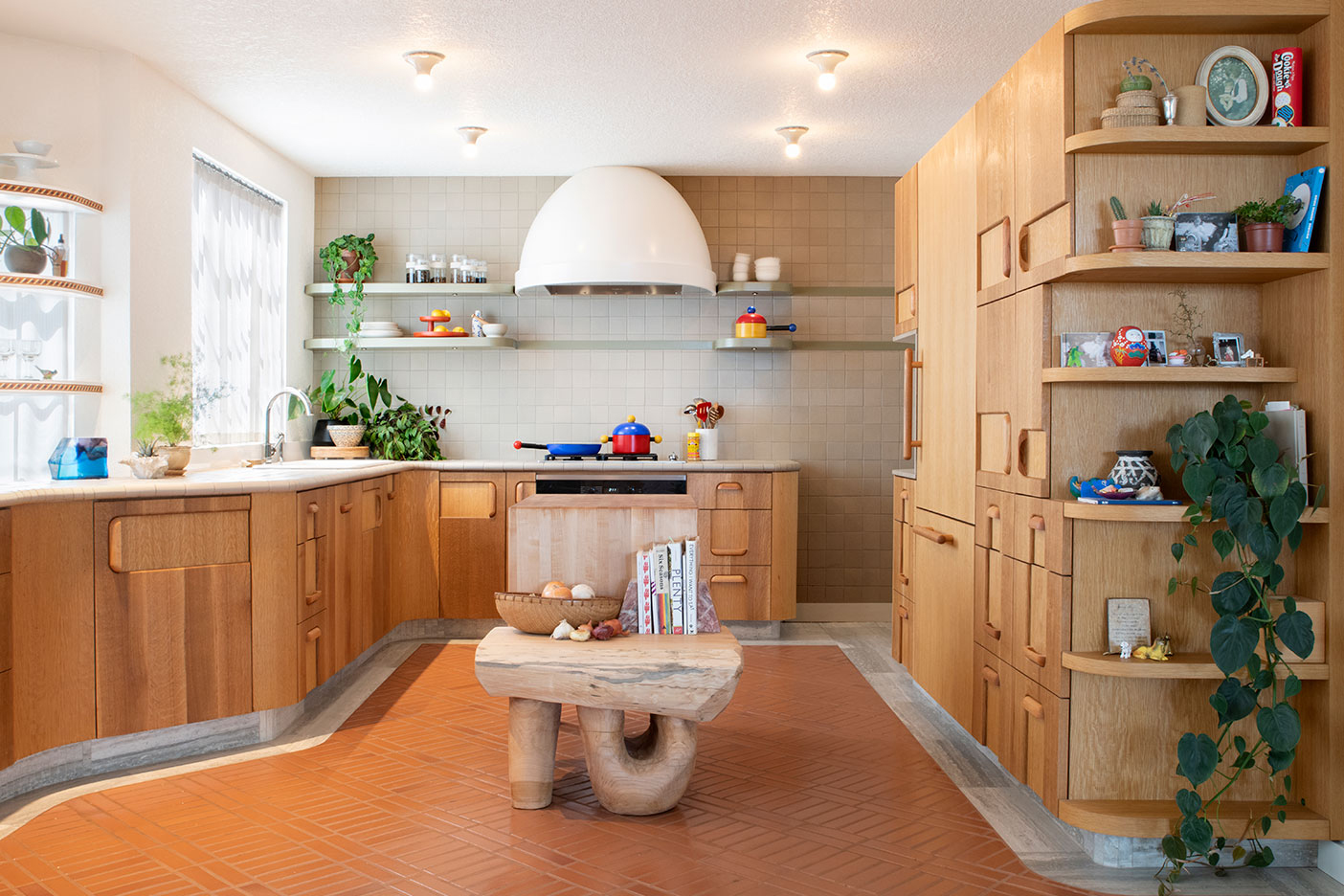
Buyers Are Laser Focused on Kitchen Islands This Spring—Here's What Makes One Stand Out


Hot Tub Market Size, Share & Analysis Report, 2024 – 2032
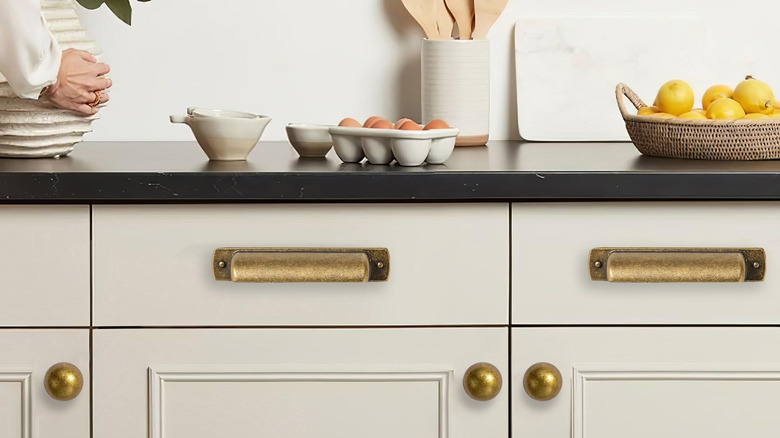
Cabinet Hardware Trends To Give Your Kitchen An Upgrade On A Budget
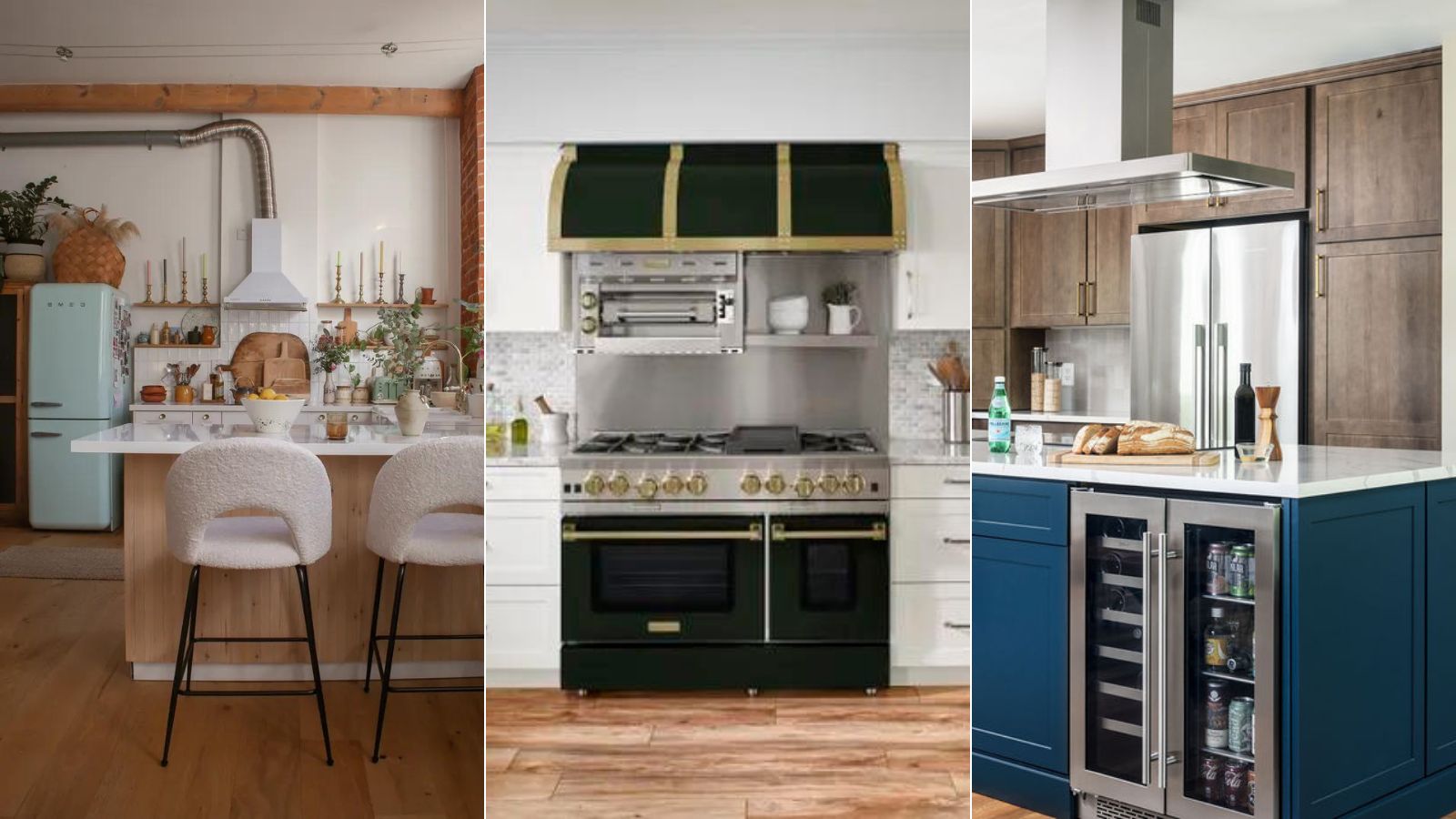
Are integrated appliances still on trend? Interior designers share their do's and don'ts of designing around appliances

The best American fridge freezers for large households and busy homes

Sourced by Homes & Gardens: Where to Buy Kitchen Hardware That is Elevated, Functional, and Suits Every Budget

India Electric Fan Market Research Report 2025–2033: Growth, Segments, and Regional Outlook