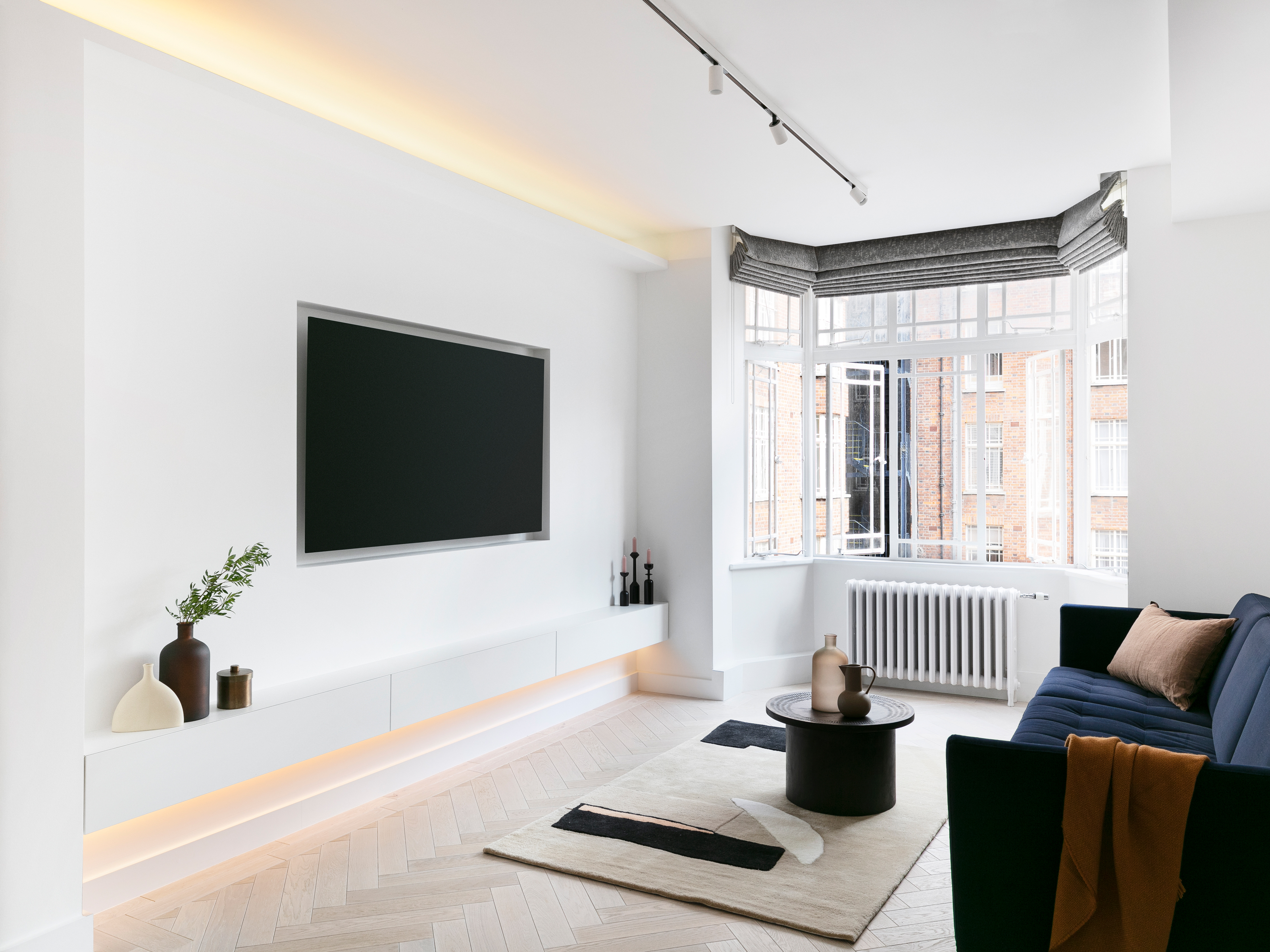
1/10
These genius LED lighting ideas look super luxe, but are surprisingly easy to recreate yourself
LED lighting has gained popularity in home design due to its versatility and energy efficiency. While LED technology itself encompasses various forms, LED strips are particularly favored by architects and designers for accent lighting, offering a modern and sophisticated aesthetic. Traditional bulbs have limitations in form, whereas LED lighting provides greater flexibility for creative lighting designs. Many architectural LED lighting concepts can be replicated as DIY projects using affordable mains or battery-powered LED strips, offering a cost-effective way to update a home's appearance.
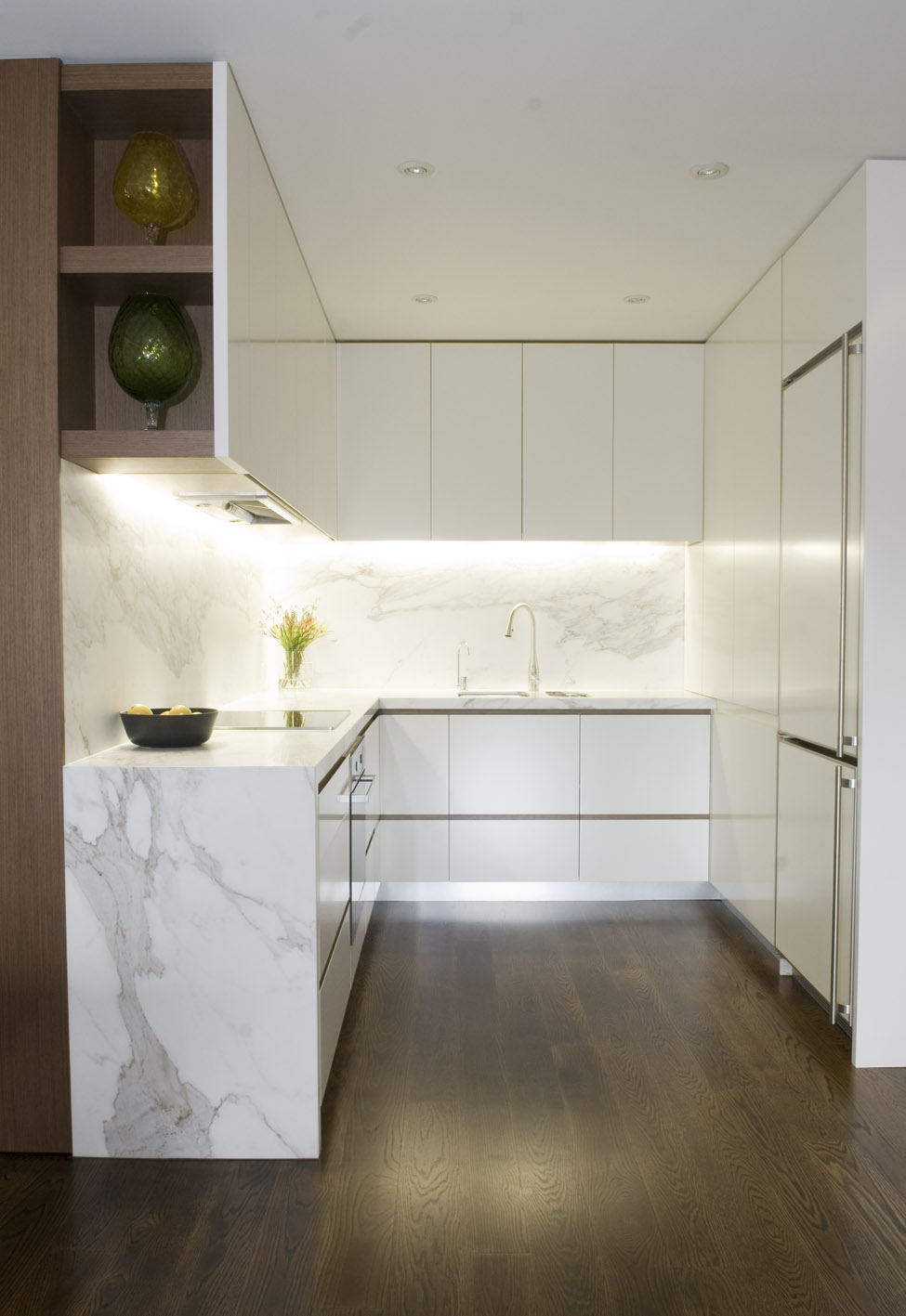
LED lamps are noted for being significantly more energy-efficient than incandescent and most fluorescent lamps, contributing to reduced energy bills. LED strip lighting can be incorporated into various areas of the home, including living rooms, bathrooms, and kitchens. These strips are often used for concealed lighting, creating an ambient glow without visible fixtures, which can enhance the atmosphere of a room. Emily Aiken of Whipple Russell Architects suggests using LED strips in soffit coves for an even ceiling glow, especially when paired with wood ceilings to add warmth. Other applications include toe kick lighting under cabinets in kitchens and bathrooms, as well as illumination for islands, closet cabinets, bars, and wine rooms.
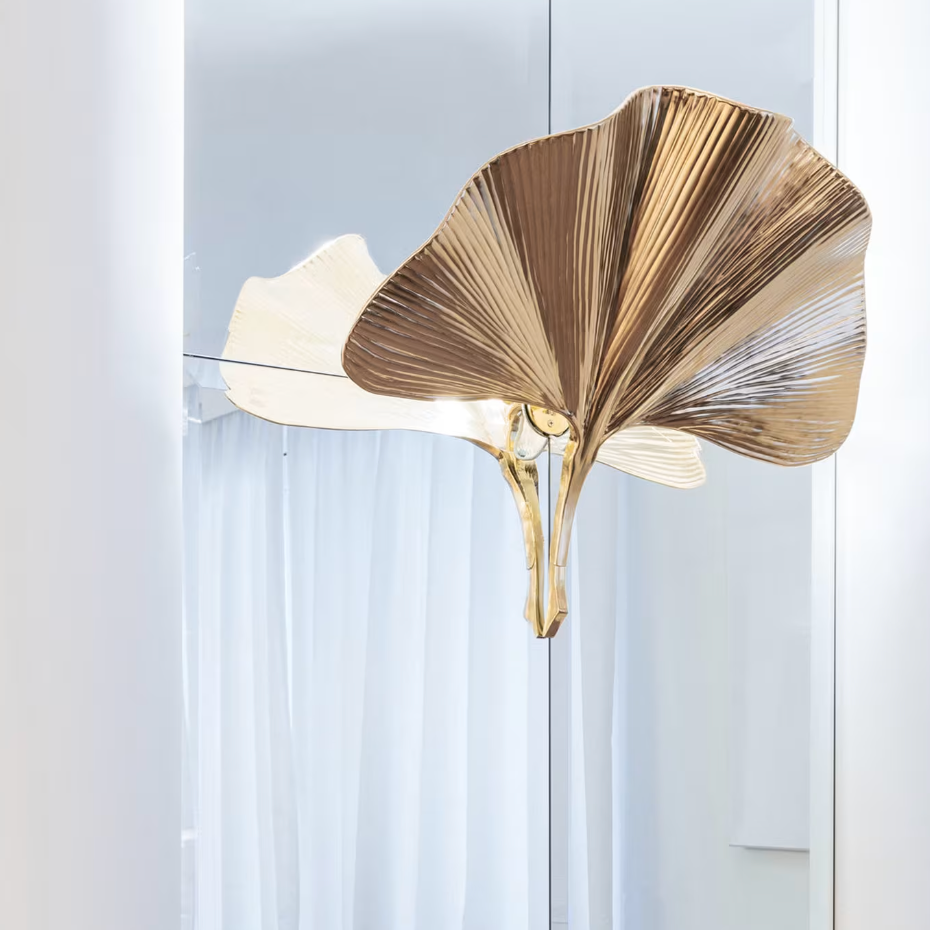
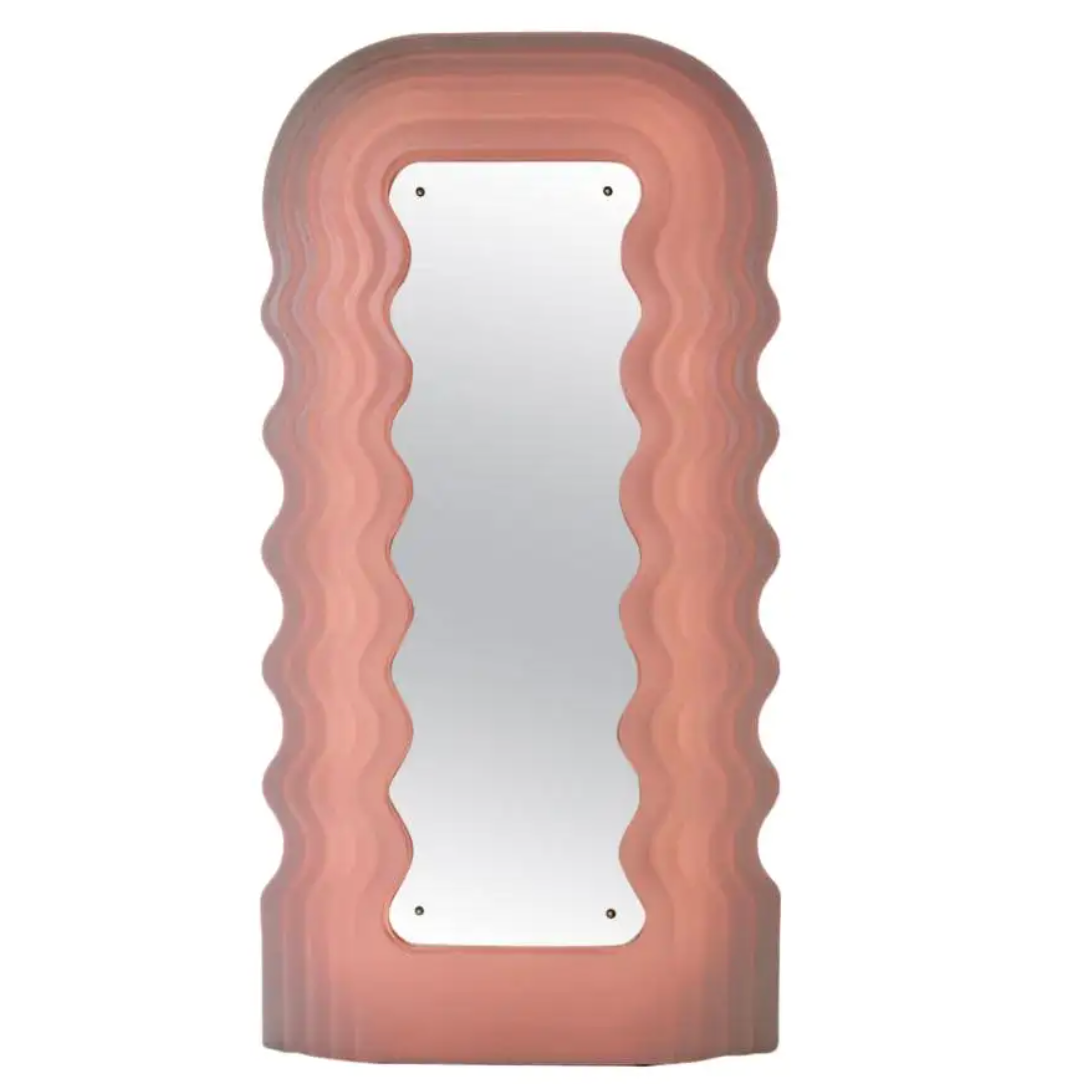
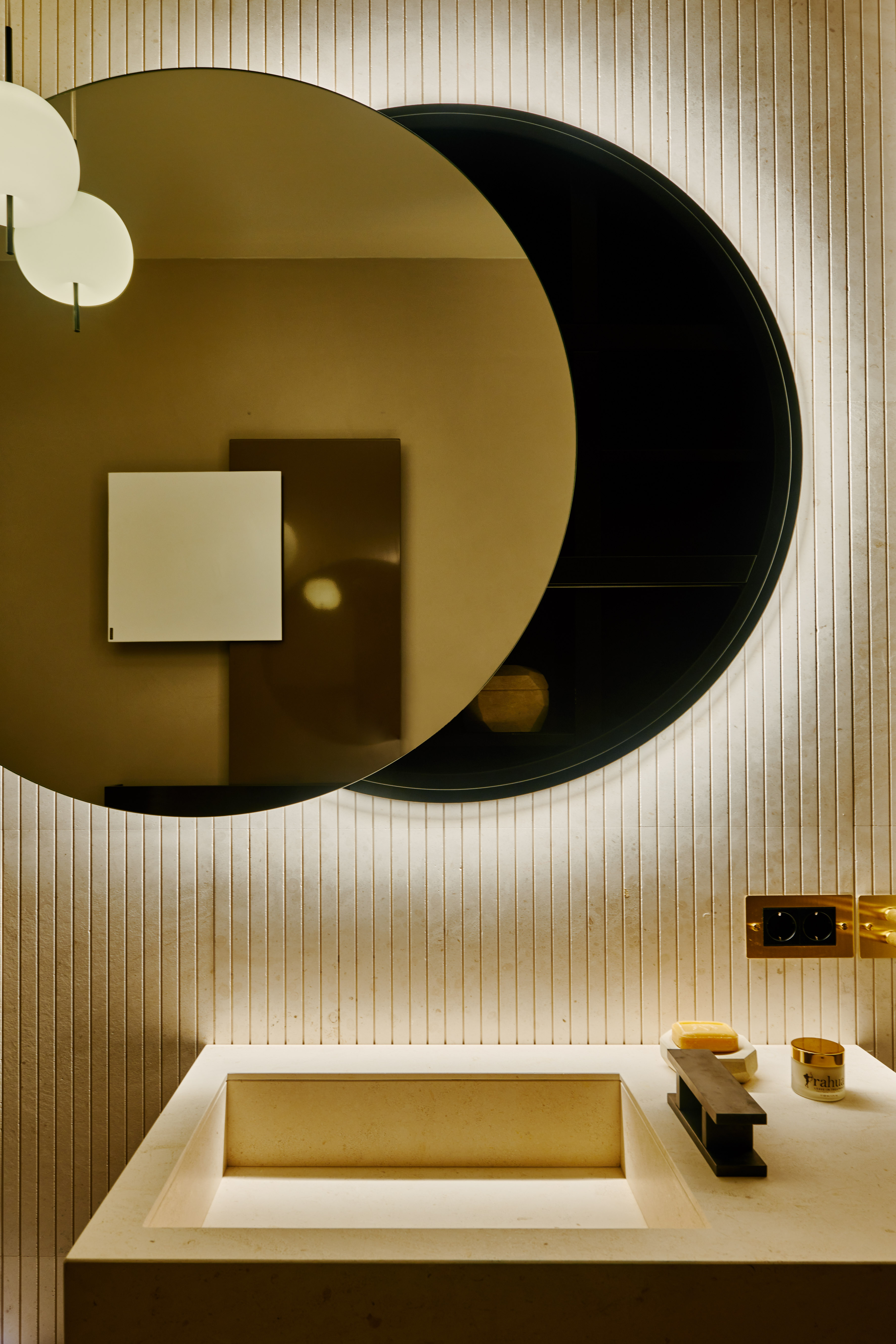
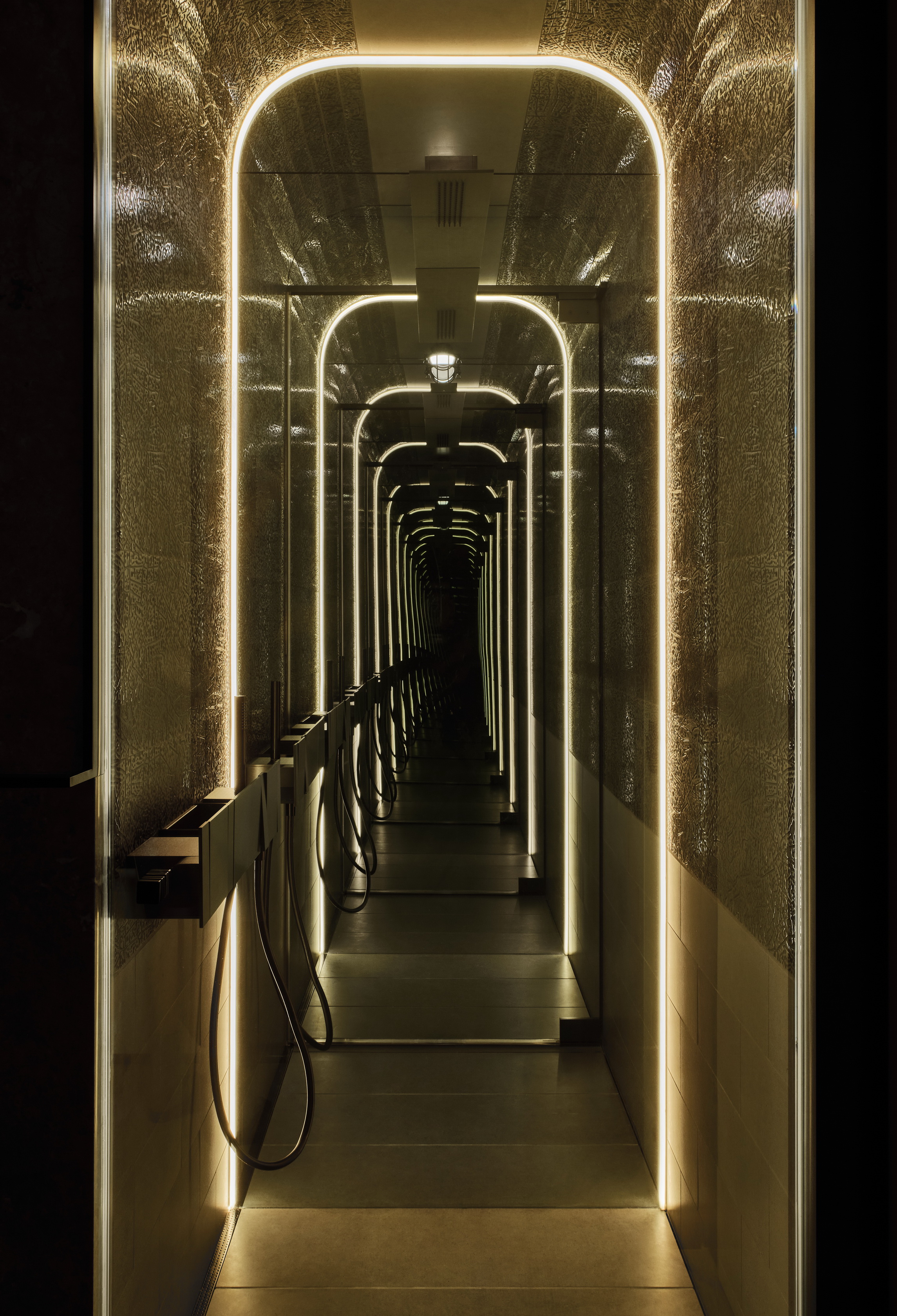
Several specific LED lighting ideas can transform different spaces within a home. One effective application is backlighting mirrors, particularly in bathrooms, to create a soft, halo-like effect. This design, exemplified by Blackhaus Architects, provides both practical illumination for daily routines and an aesthetic element. Backlit mirrors are widely available or can be custom-made with LED strips and existing mirrors, with optional motion detectors for automatic illumination.
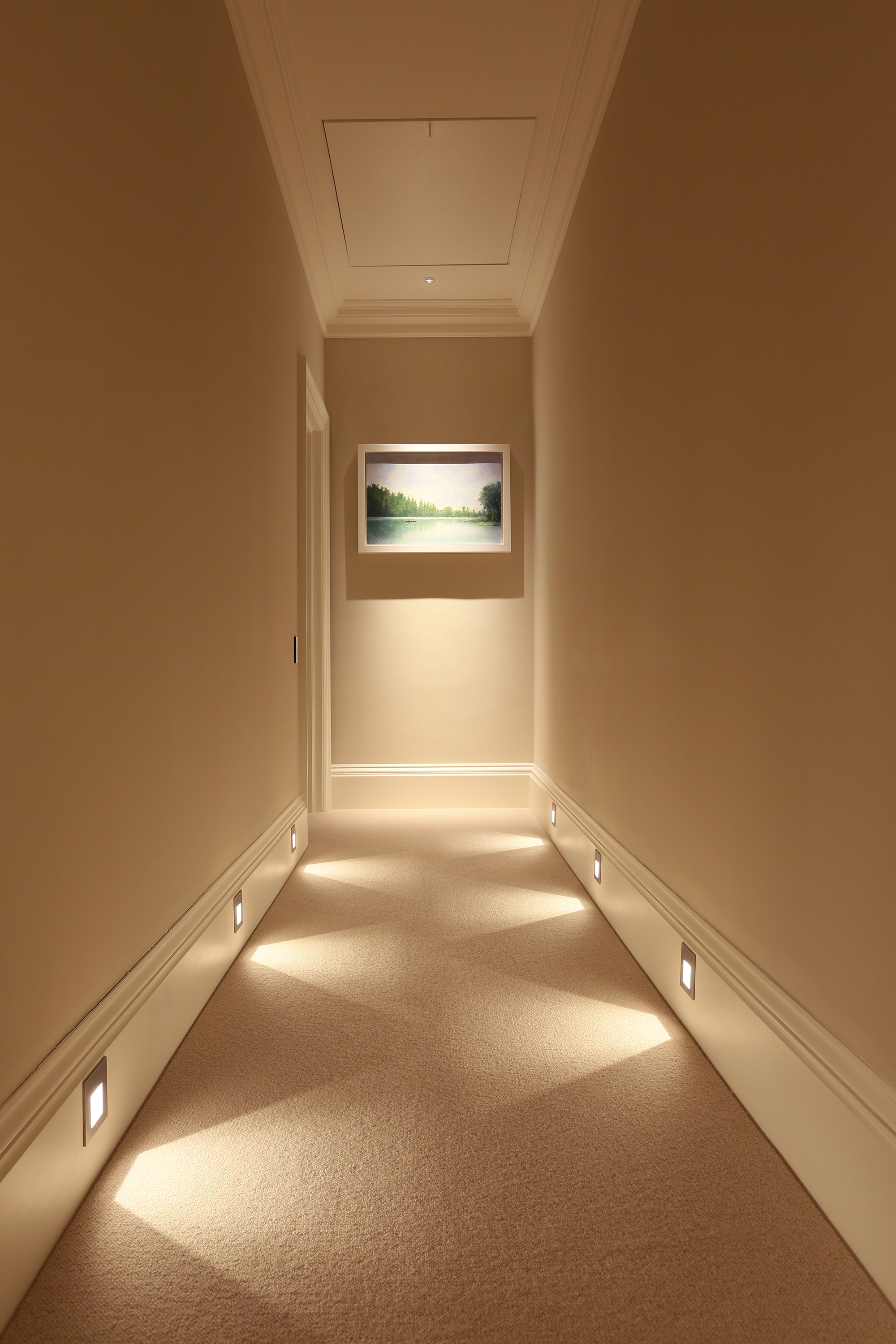
Embedding LED strips along the borders of a room, where the floor meets the wall, can illuminate the flooring and define the room's footprint. This can be achieved using solid aluminum profiles and flexible LED strips, with diffusers to ensure even light distribution. This method creates a contemporary look and highlights wall paint. In bedrooms, LED lighting can be used to create an illuminated headboard, providing a soft, ambient glow suitable for relaxation and reading. U31, a design firm, utilizes LED cove lighting to highlight artwork above the headboard, offering both aesthetic appeal and practical ambient light.
LED lighting can also be integrated into pantries and bar areas to create focal points. A kitchen renovation by Rose Sorkheh features LED accents in a bar cabinet, which contrasts with dark timber veneer and creates an evening ambiance without relying on overhead lighting. Another elegant application is cornice lighting, where LED strips are tucked into crown molding to provide accent lighting that washes the ceiling with light, highlighting architectural details. This approach is particularly effective in period properties, offering a modern touch while respecting historical elements.
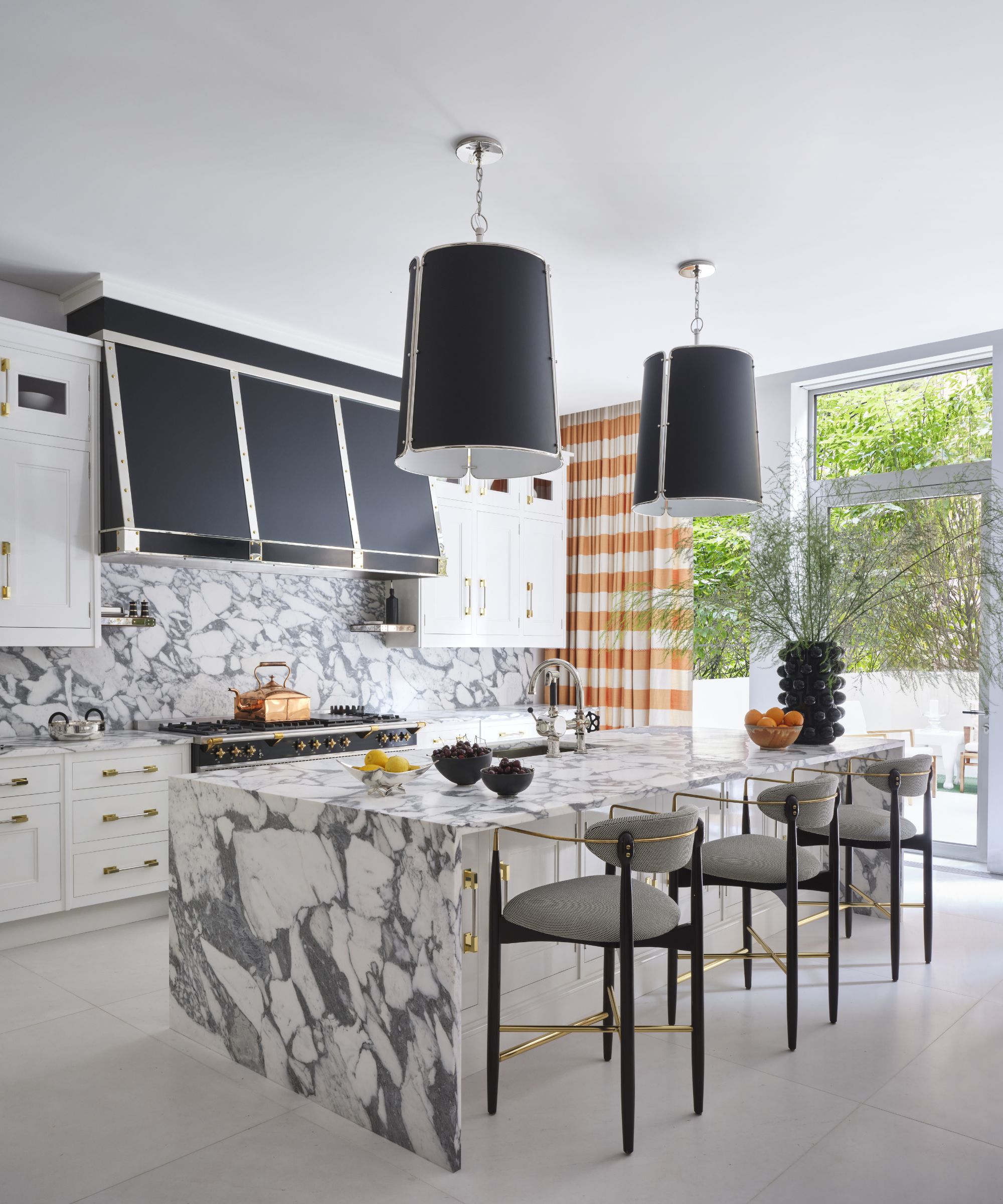
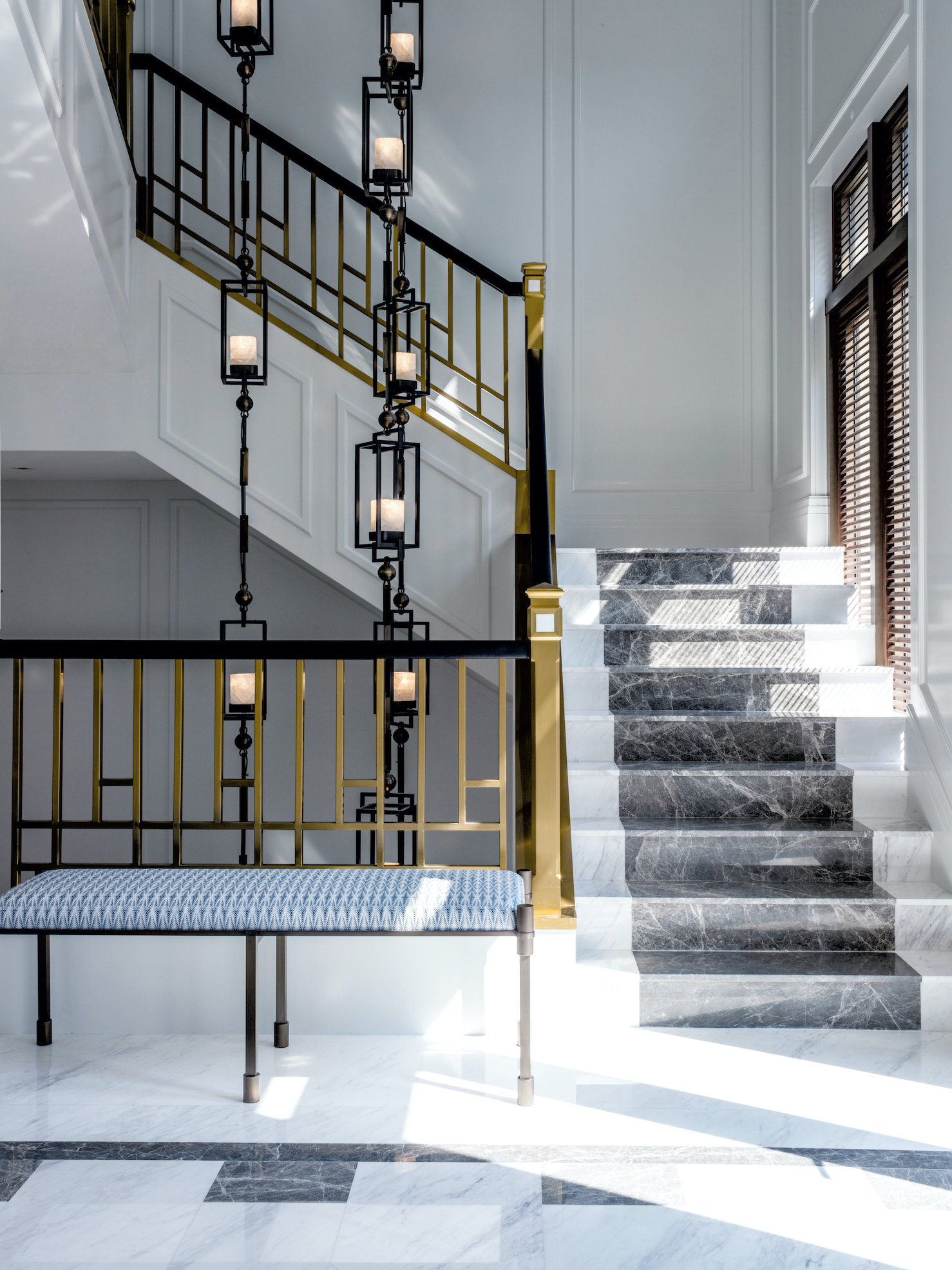
Staircases can be enhanced with LED lighting, either by cascading strips along the entire length or by placing strips under individual steps. This not only adds a sleek aesthetic but also improves safety by illuminating the path in the dark. Elliot Barratt of Elliot James Interiors notes that warm LED lighting under each step creates visual impact in contemporary interiors and can also highlight stonework on external staircases. Finally, LED lighting can be used in kitchen ceilings to provide functional illumination while keeping the overall design simple, allowing other features, such as a large olive tree, to become focal points. Sofia Bune Strandh of Sola Kitchens emphasizes the importance of layered lighting concepts with separate controls and dimmers for maximum flexibility in busy kitchen spaces, often opting for cooler white tones in ultra-modern designs.
When choosing LED colors, it is advisable to stick to creams, whites, and warm, soft yellows to avoid a garish or cheap appearance. Bright colors like red, green, or electric blue are generally not conducive to relaxation. The ideal light color can depend on the activity; yellow light is often preferred for studying, while white, cool light is suitable for kitchens. For subtle color accents, one can rely on wall colors to reflect a desired hue when lit with white LED light.
#LEDLighting #HomeDesign #InteriorLighting #AccentLighting #EnergyEfficiency #DIYHomeImprovement #ModernLighting #ArchitecturalLighting #HomeDecor #LEDLighting #HomeDesign #InteriorLighting #AccentLighting #EnergyEfficiency #DIYHomeImprovement #ModernLighting #ArchitecturalLighting #HomeDecor
合計0件のコメント
 まだコメントはありません
あなたも好きかもしれません
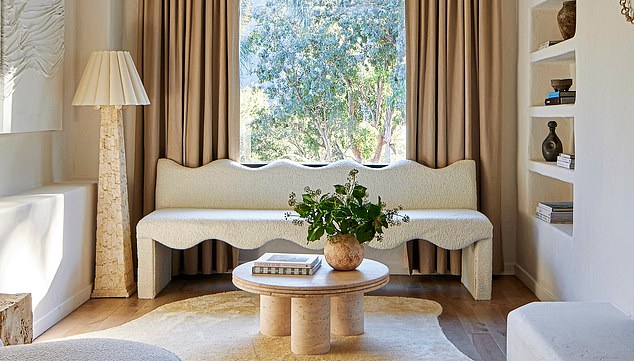
Twenty stylish lamps and lights to update your home without breaking the bank

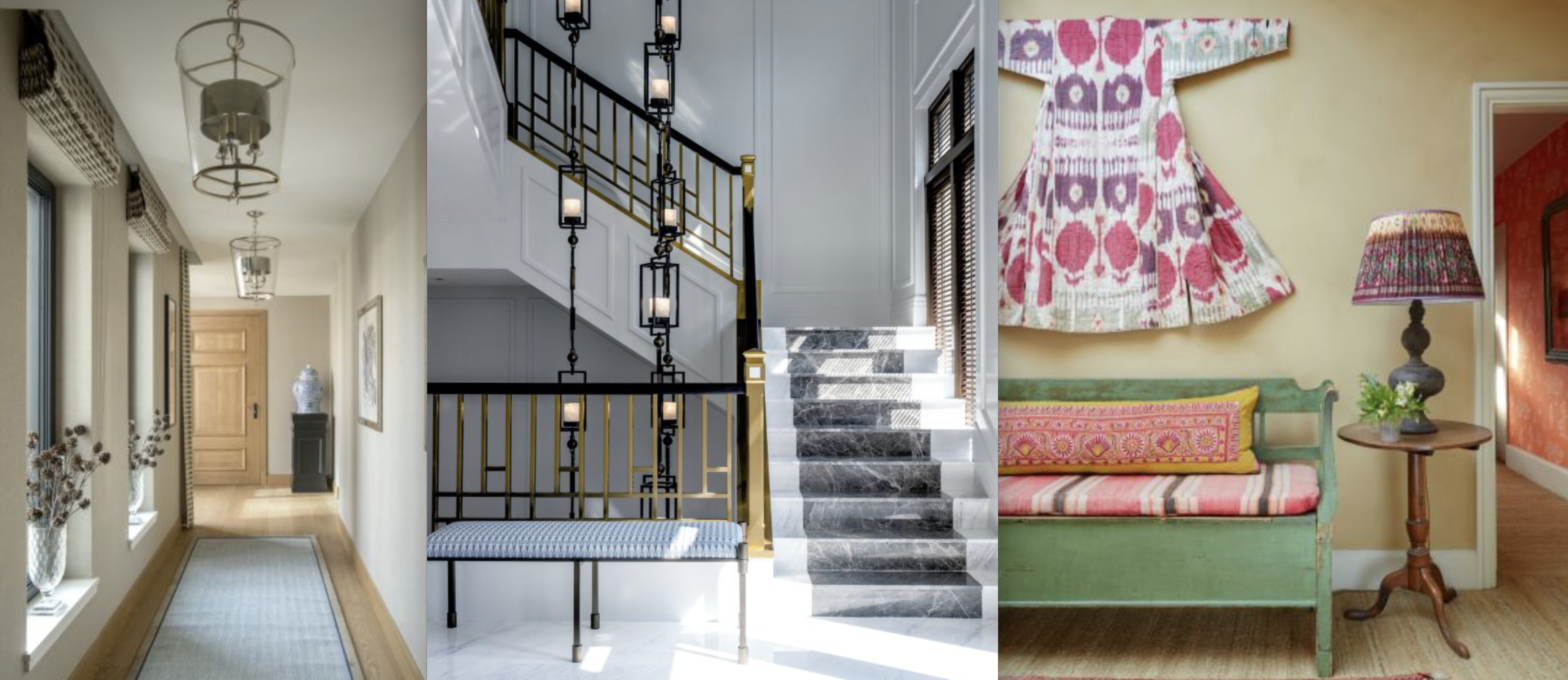
Landing lighting ideas – 10 ways to create atmospheric and chic illumination

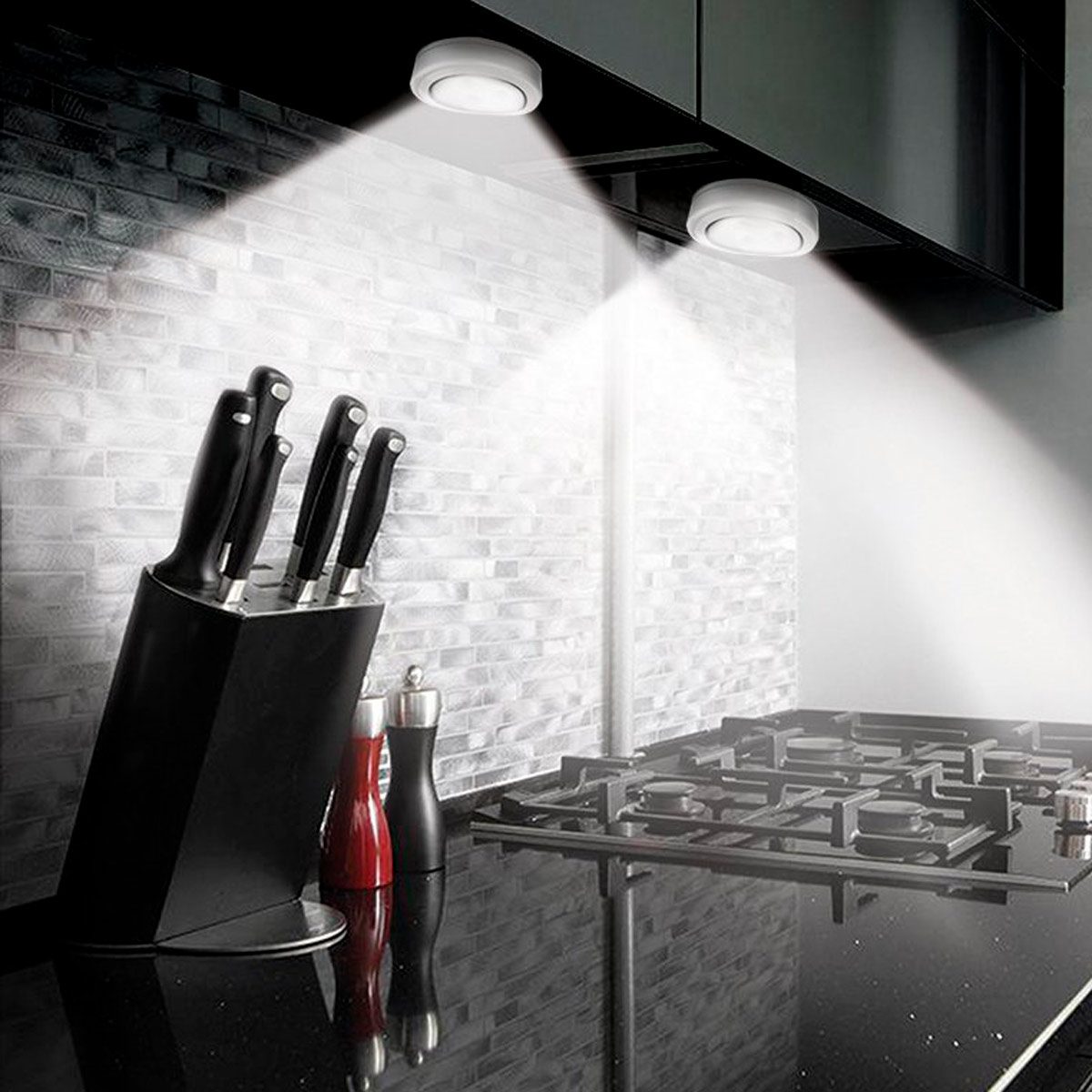
10 Ways To Add Lighting Without Wires or Cords

15 Unique Light Fixtures and Lamps to Brighten Up Your Space

Decorator's Address Book: 15 of the best places to shop for lighting as suggested by interior designers
27 Light Fixtures That Don't Cost A Fortune

22 DIY Lampshade Ideas for Creative Updates in Less Than an Hour

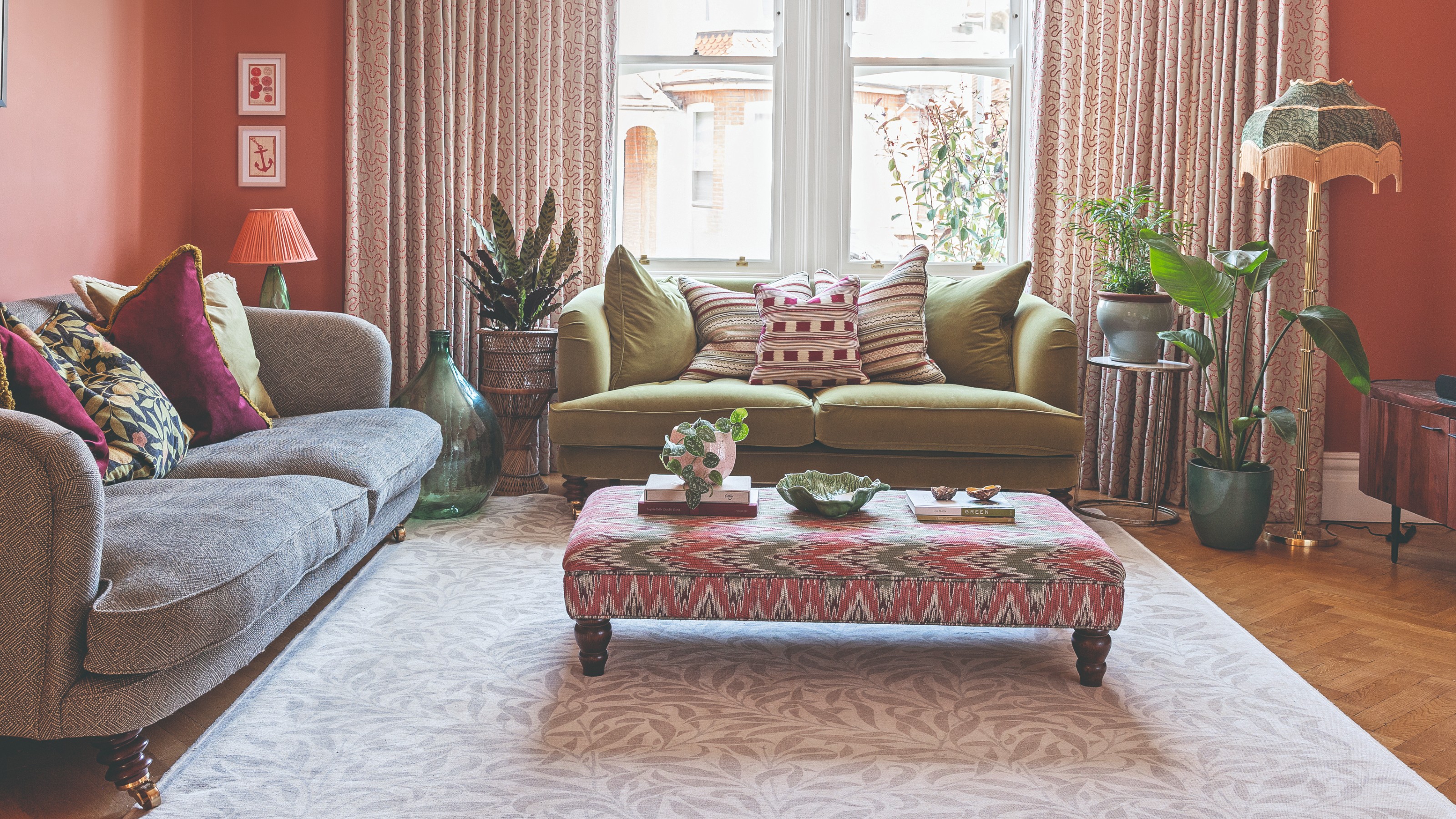
5 affordable ways to make your living room lighting look much more expensive than it actually is
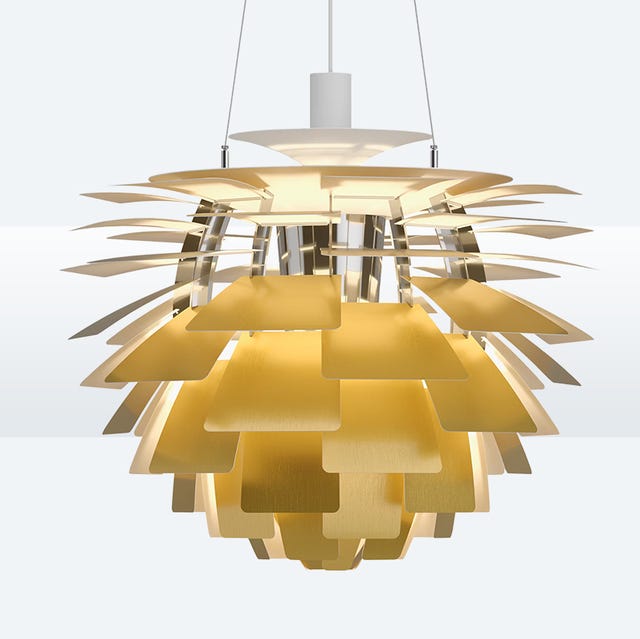
Illuminate Your Space These Luxury Lighting Brands

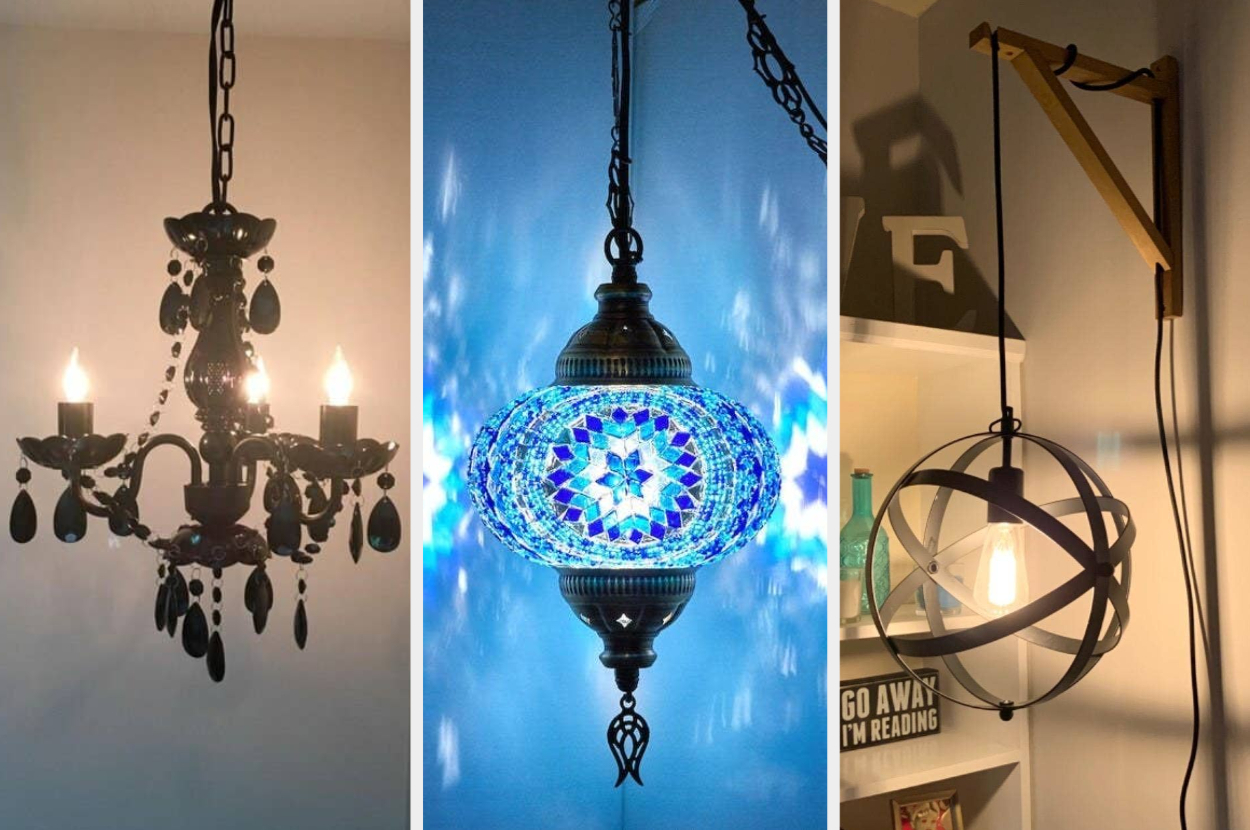
26 Easy Lighting Upgrades That Don’t Require Calling An Electrician
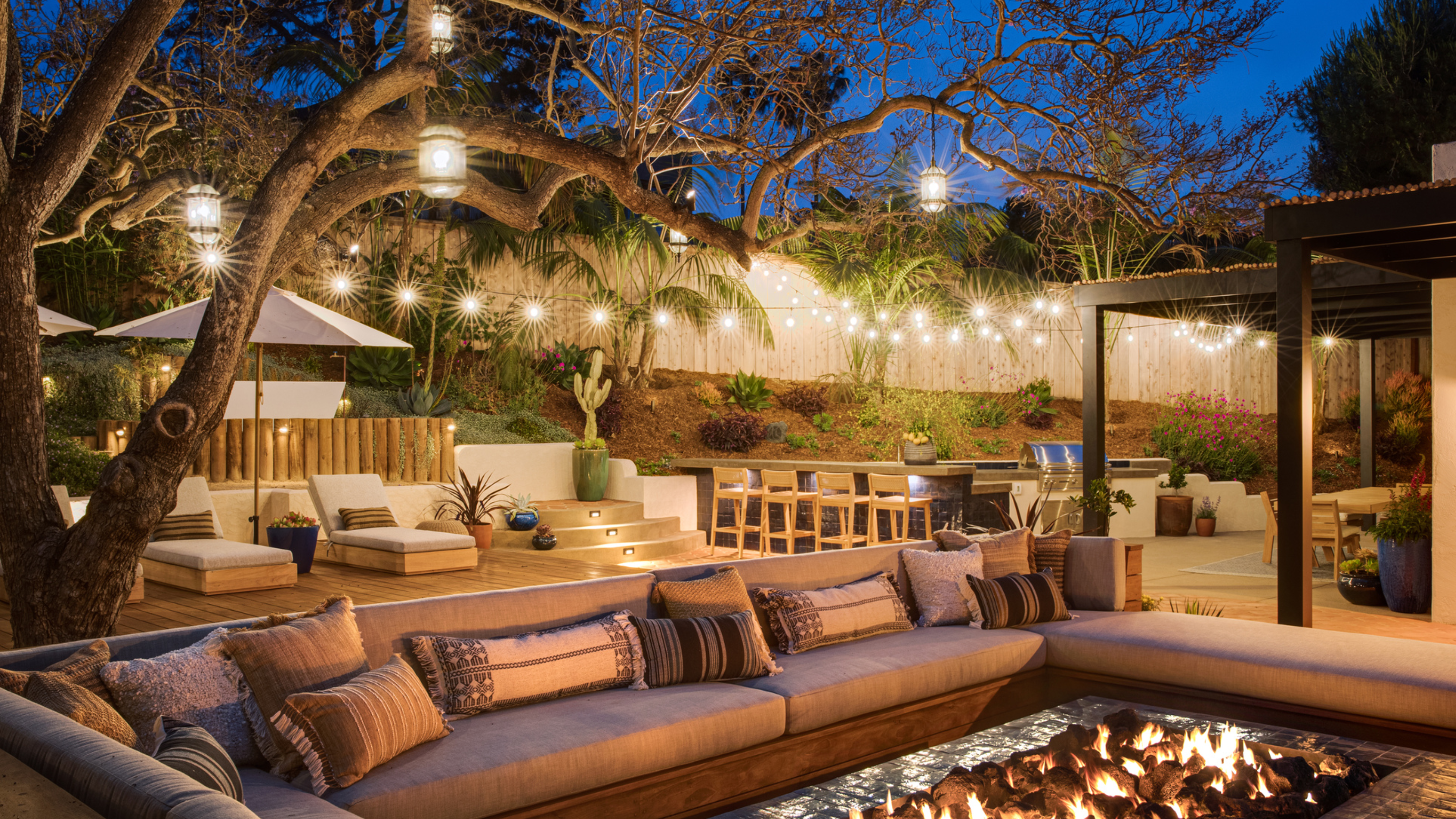
Forget Basic Festoon Lights — I've Found These Much More Elevated Options for Your Garden's Lighting That Have Designer Good Looks
Make Your Backyard Magical with These Gorgeous Outdoor Lighting Ideas

A really cheap way to get really smart lights
These are the best LED strip lights for fun, colorful custom smart lighting

Where to Put LED Lights — 5 Inspiring Ways to Use This Versatile Lighting Design
IKEA Lighting Is Just as Worthy of Hacking as the Billy Bookcase

Best new lighting designs to brighten up your space

20 Ways High-End Designers Properly Light a Living Room

How to make LED candles look like the real thing
5 Easy, Designer-Approved Lighting Hacks to Brighten Up Your Home