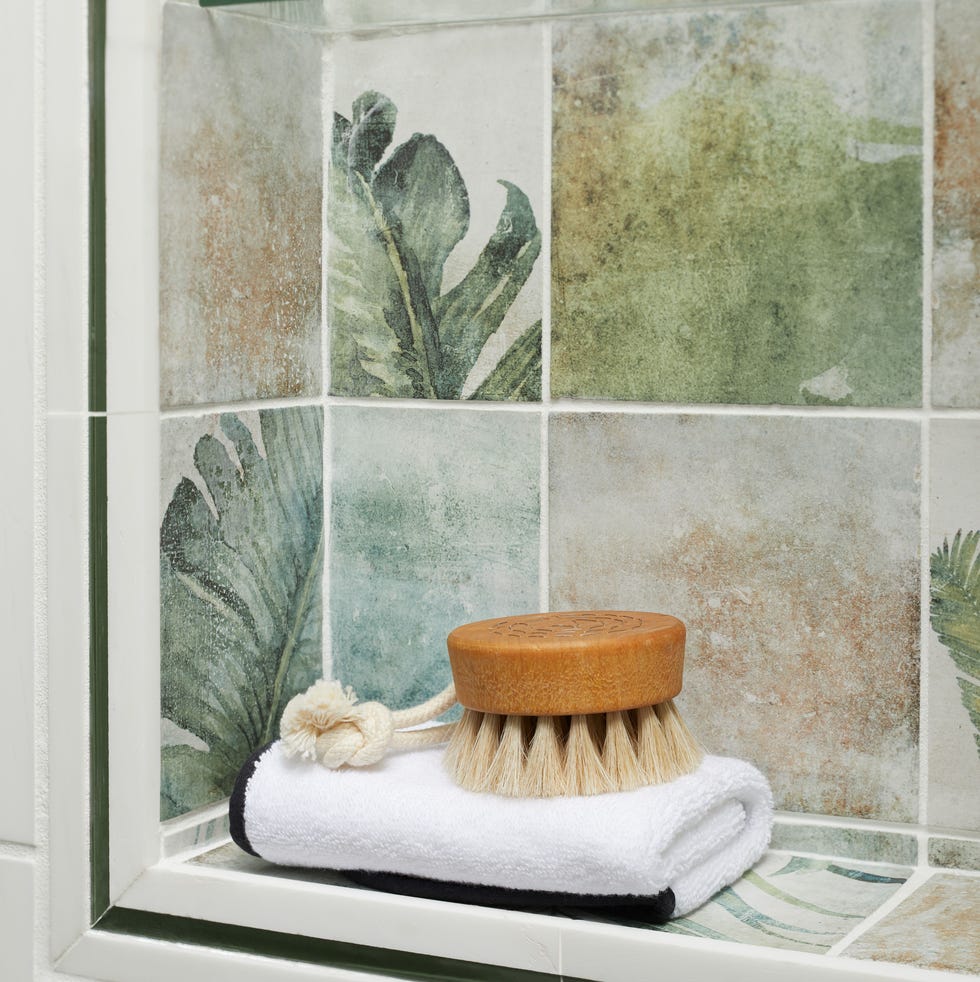
The Stylish Tile Hack That Adds A Pop Of Gingham To Any Room
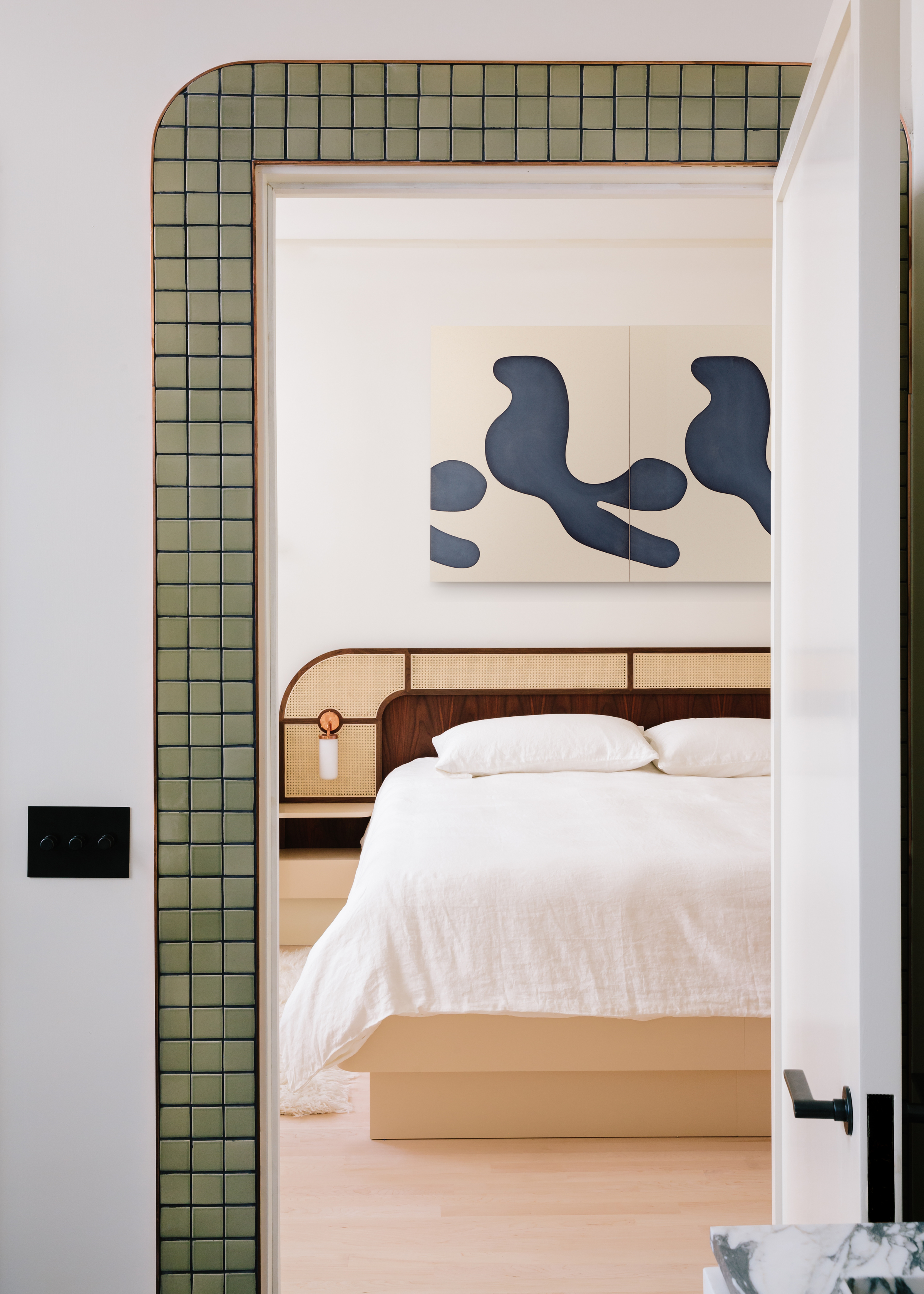
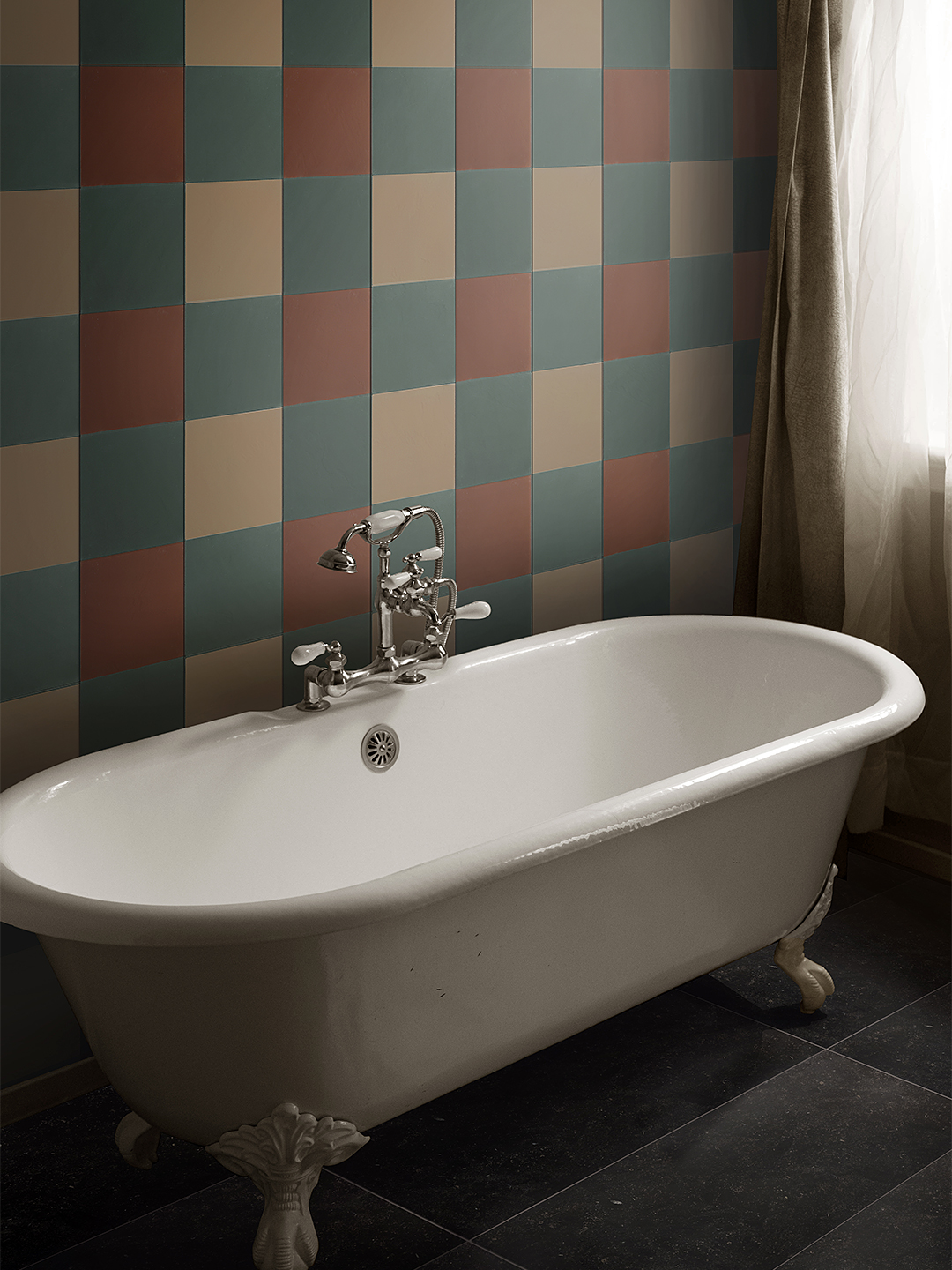
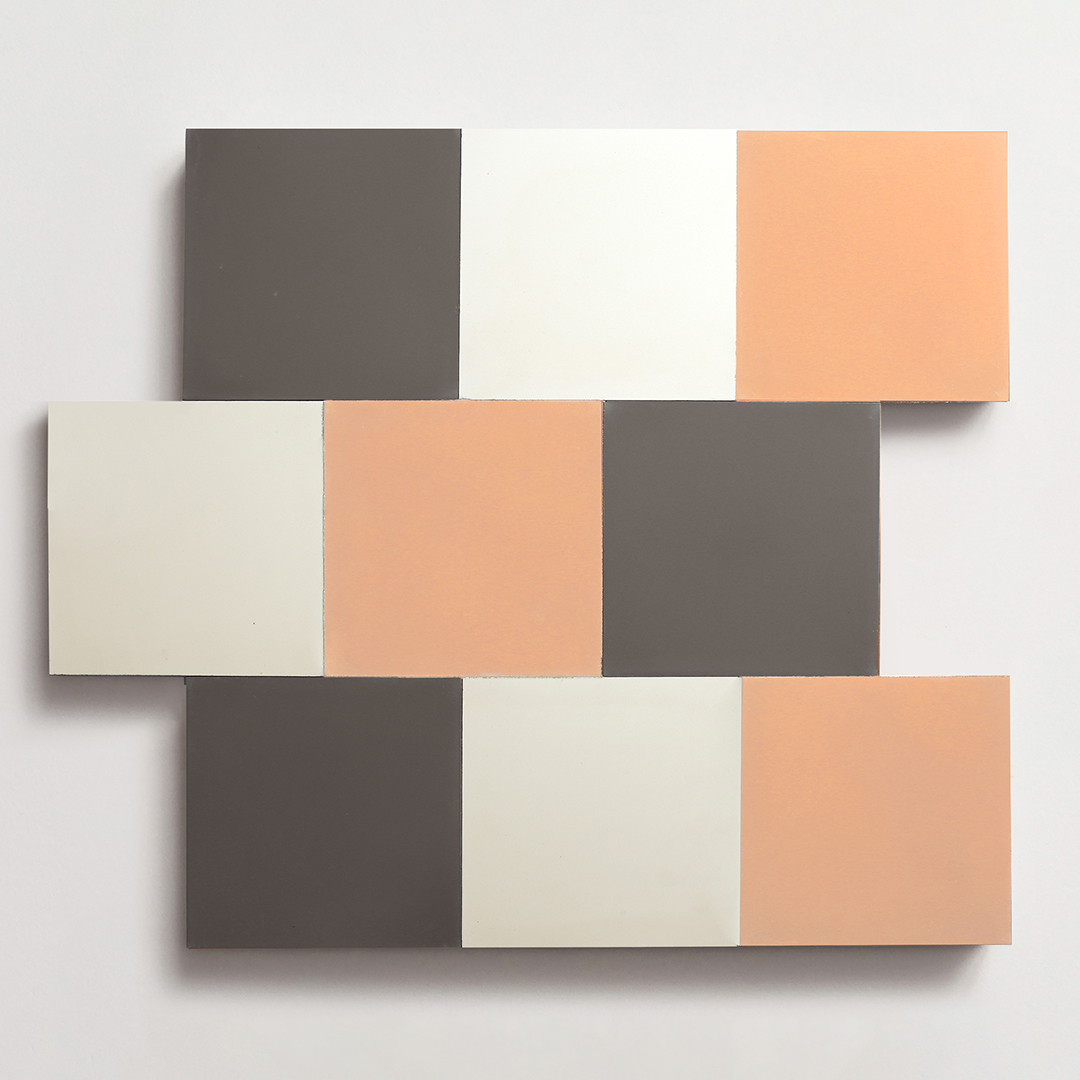
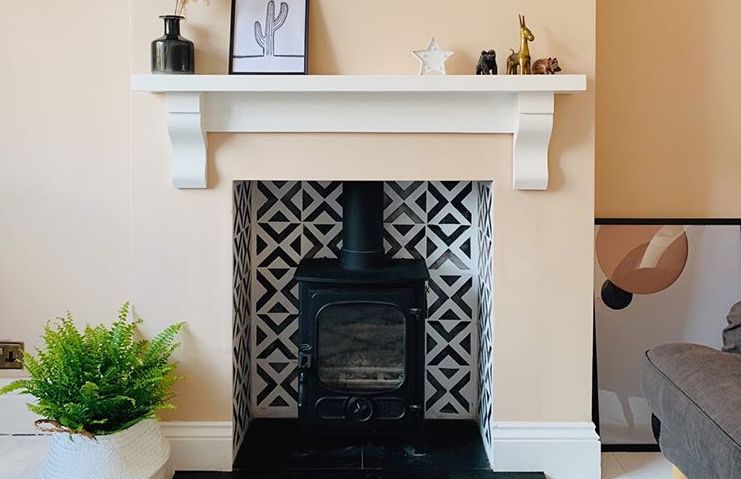
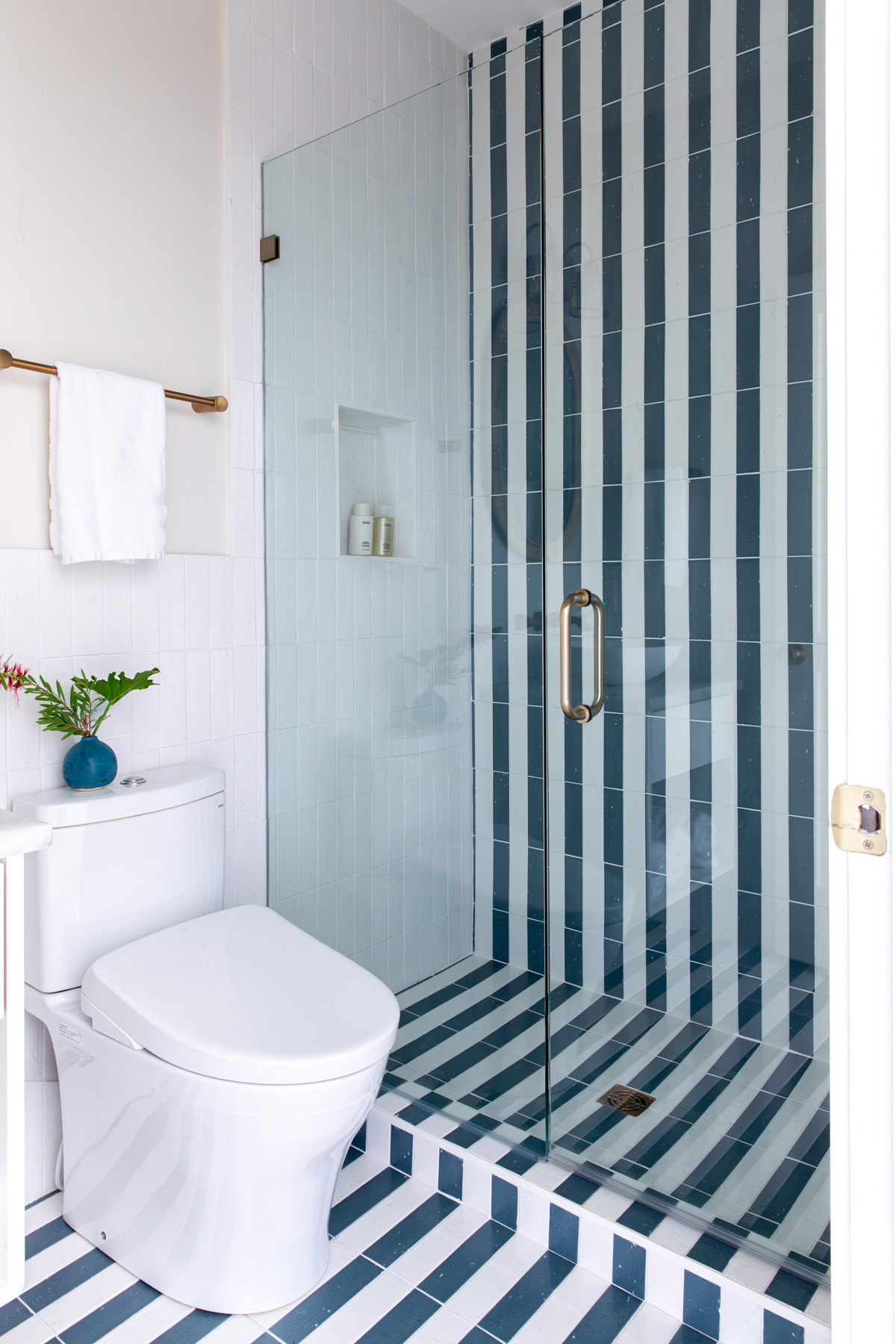
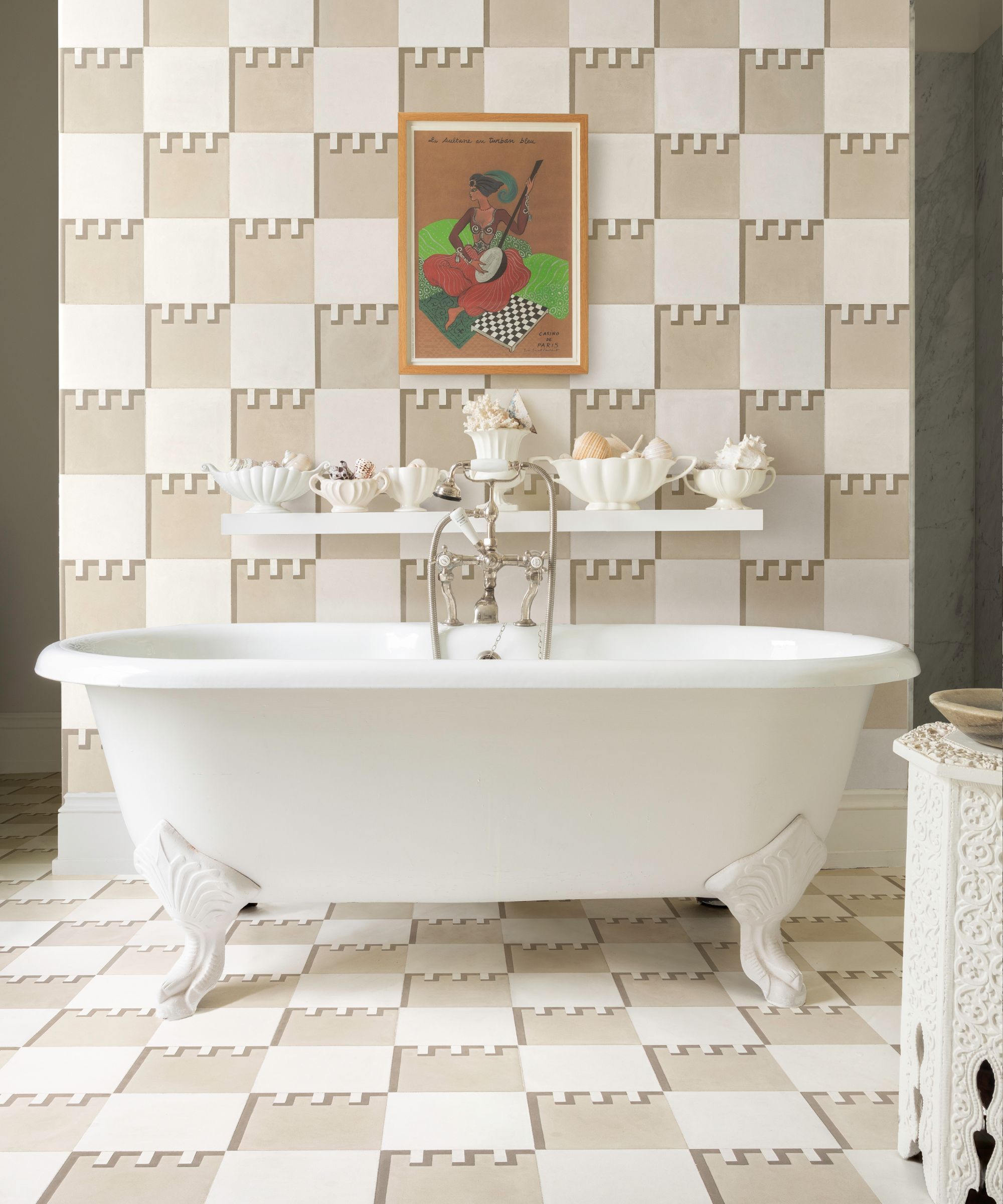
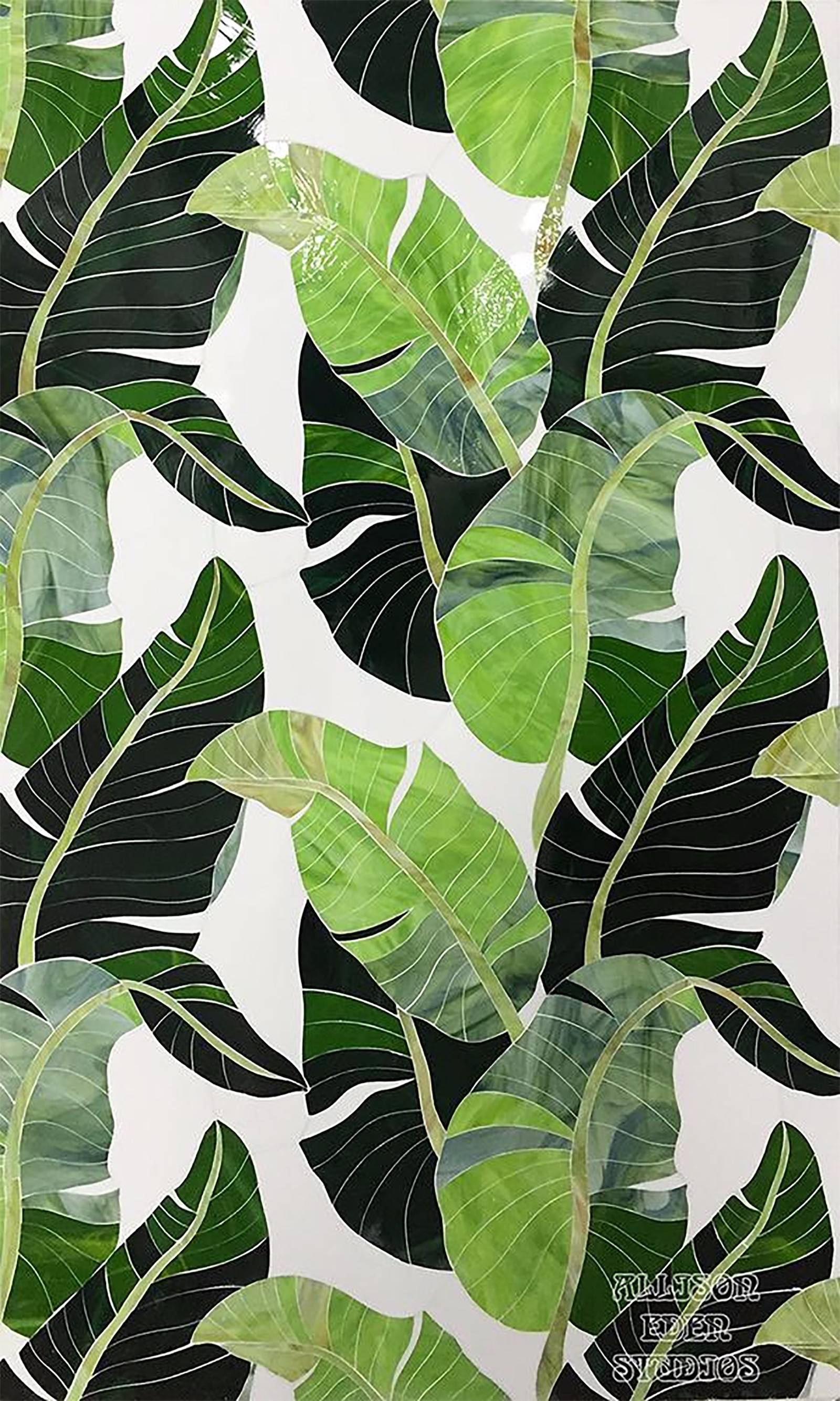
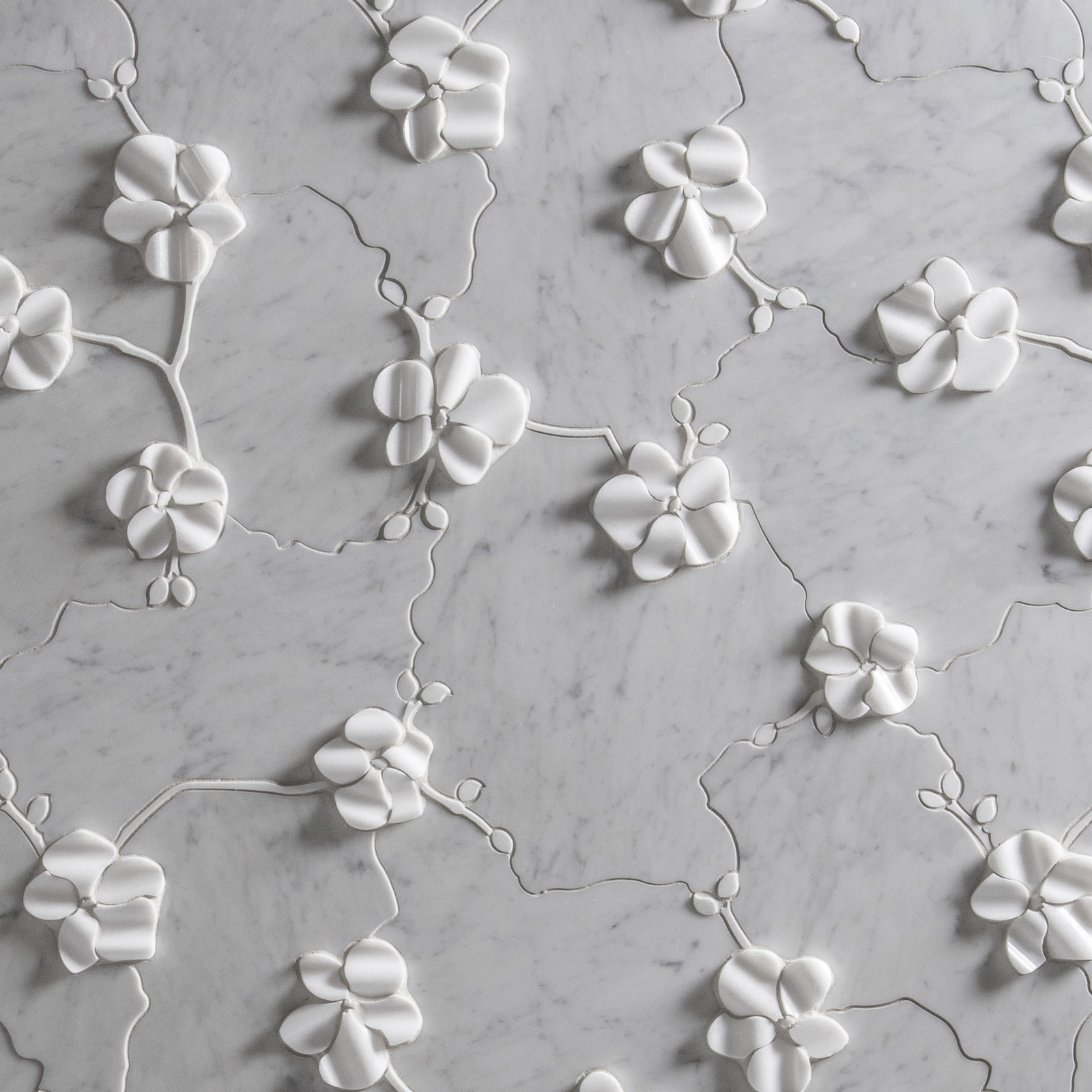
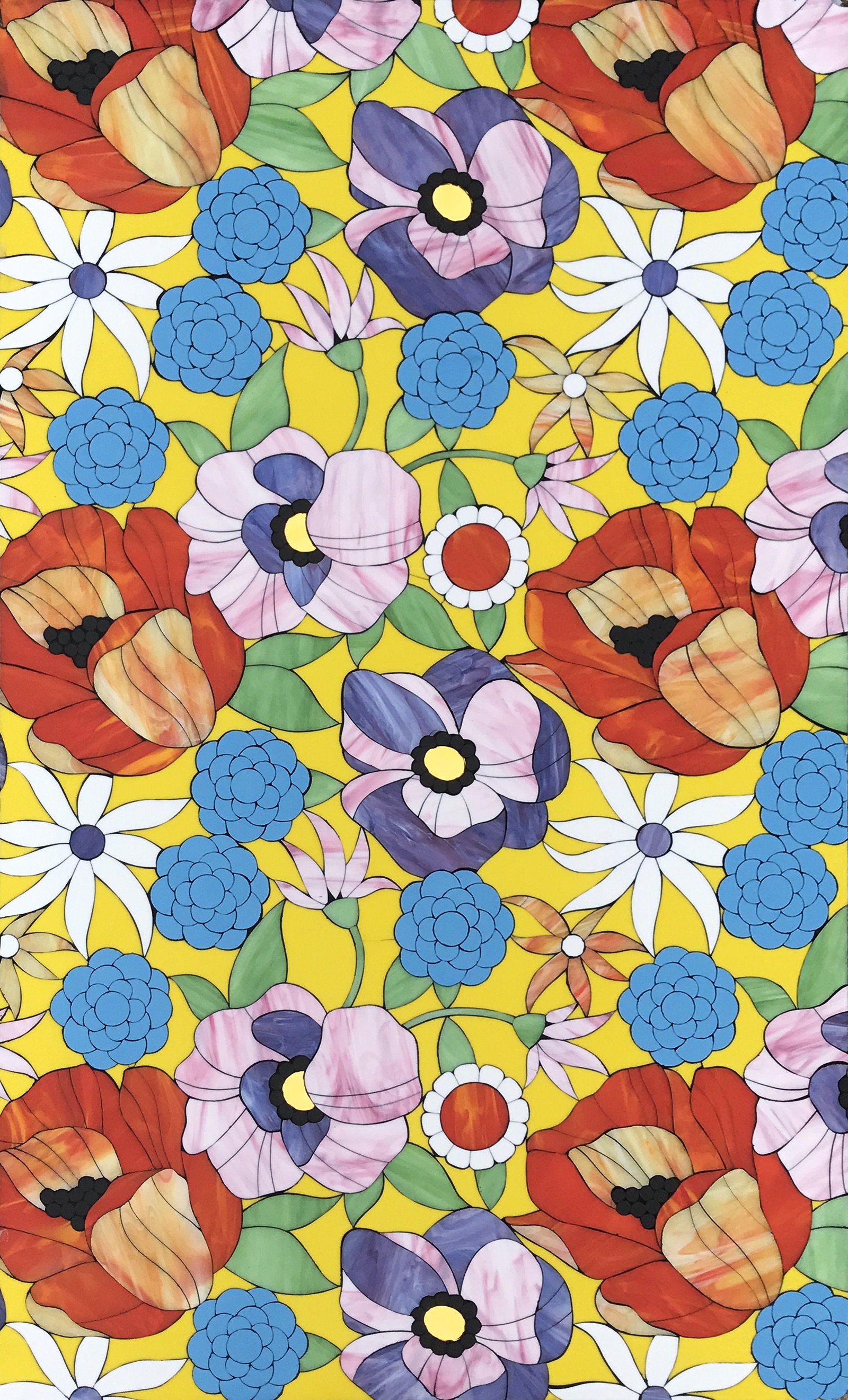
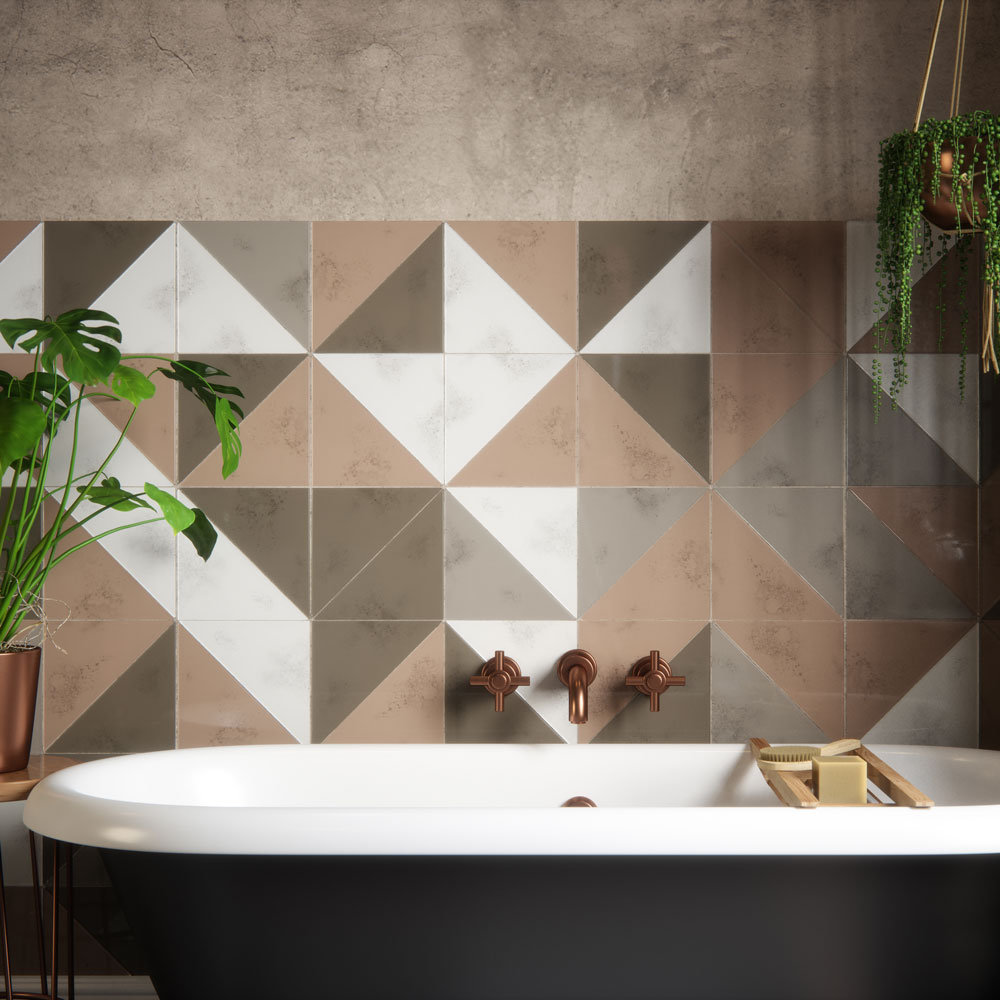
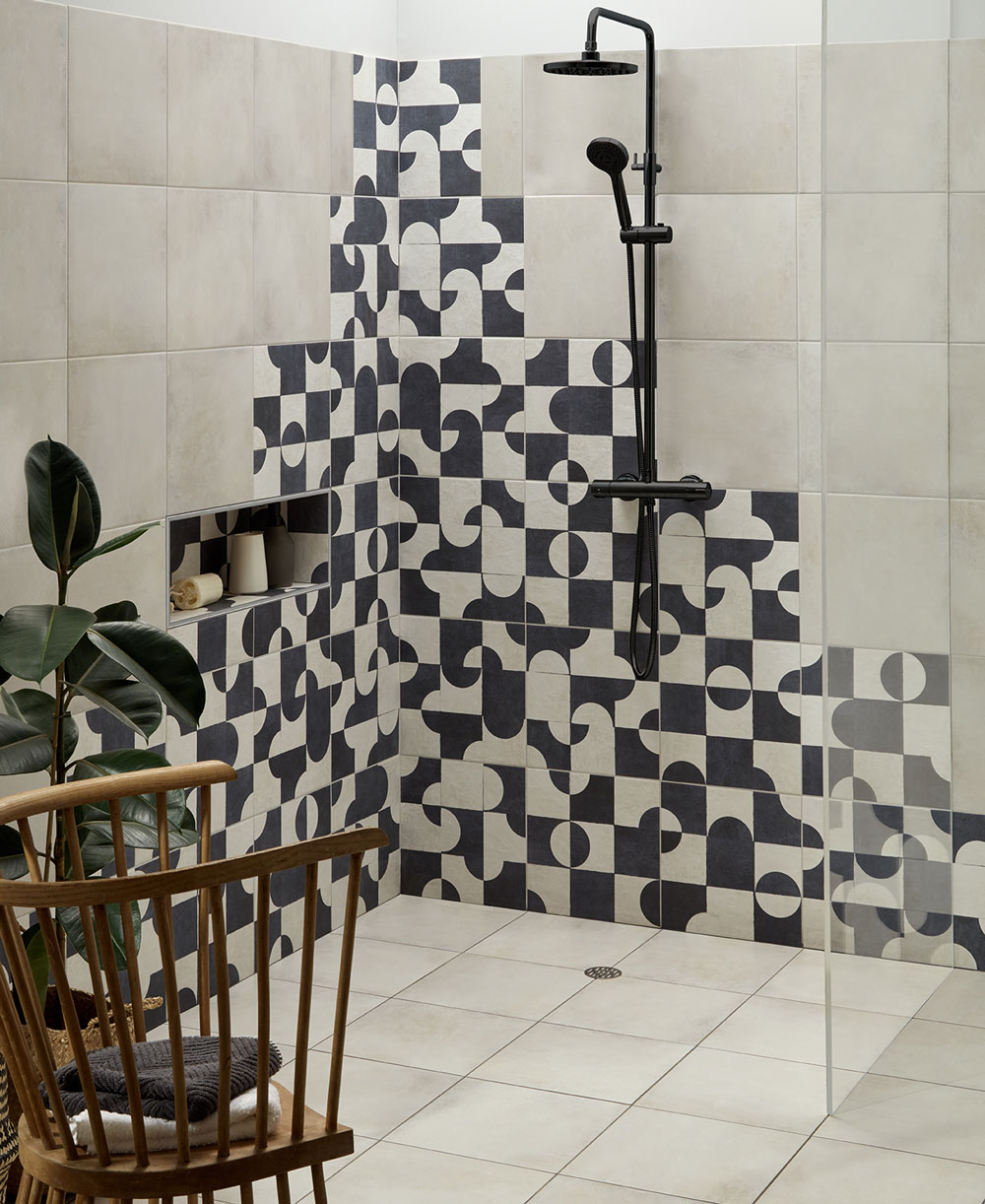
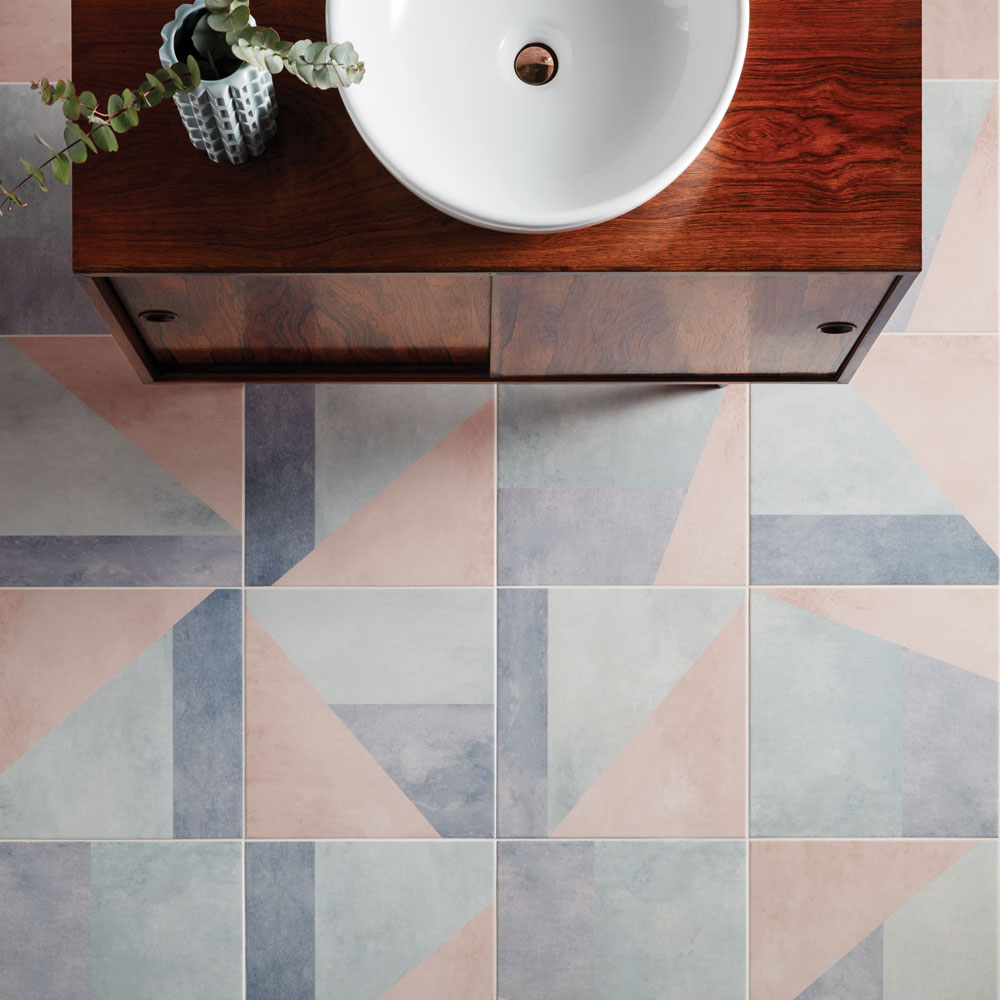
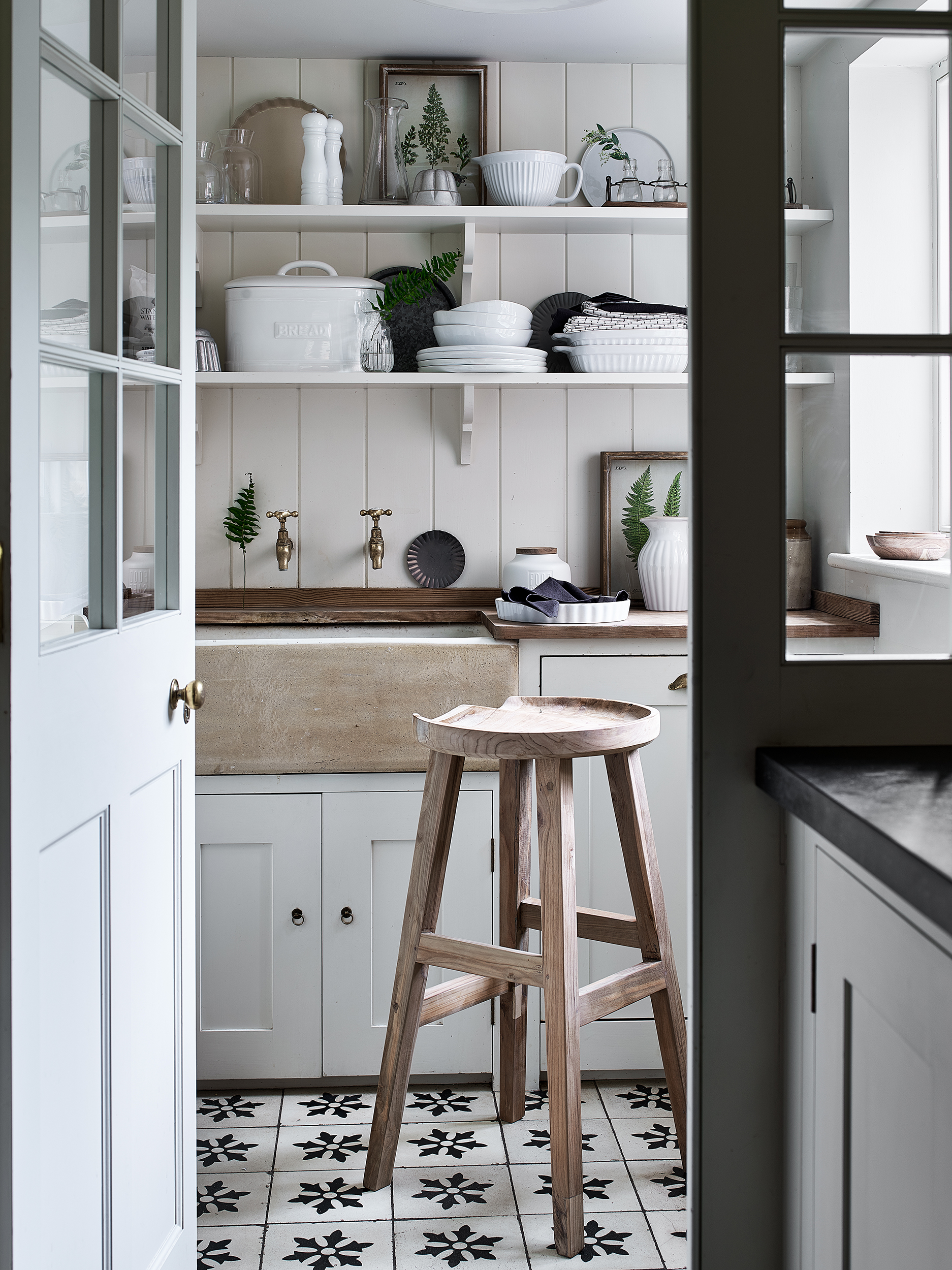
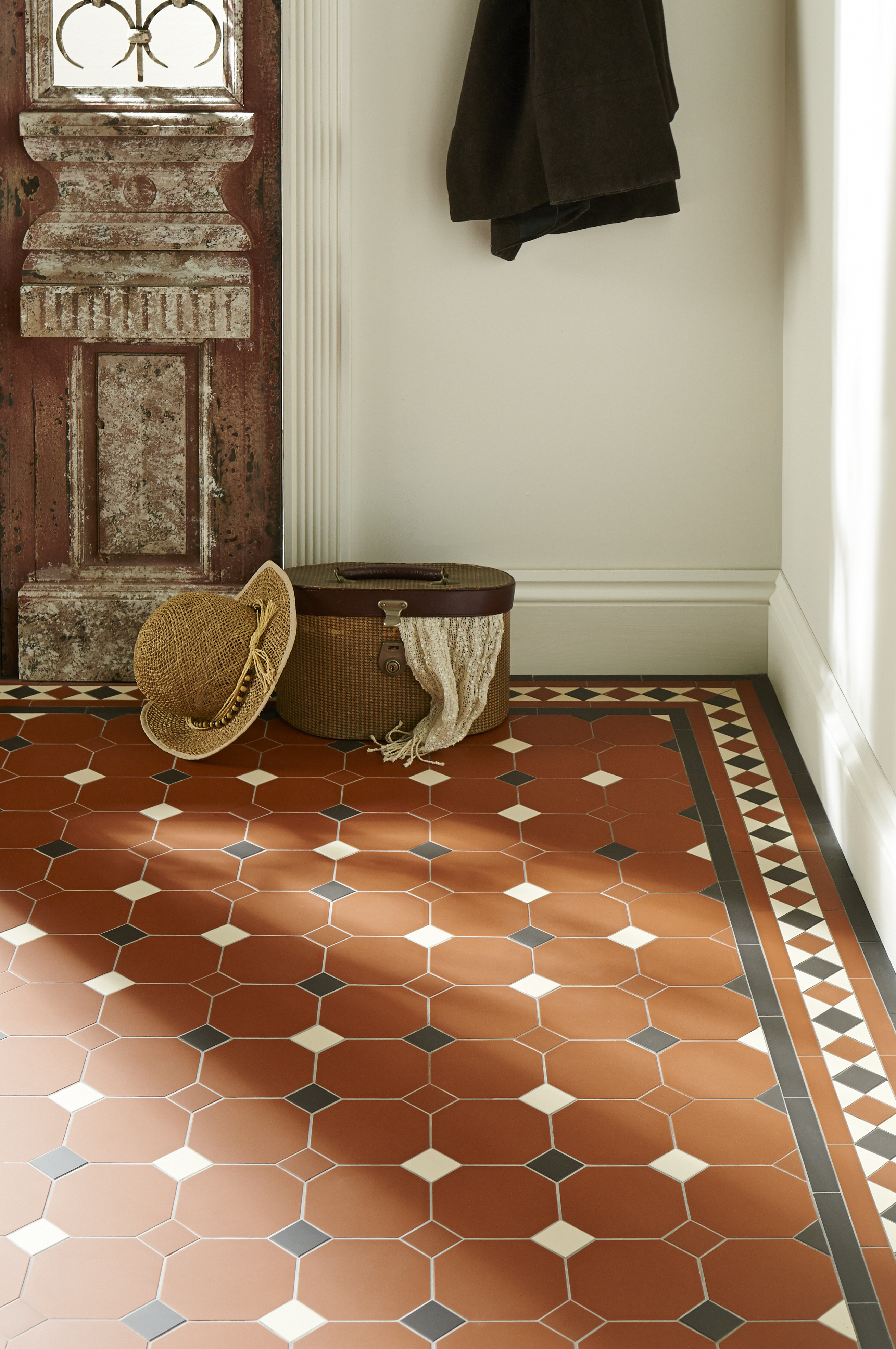
Gingham, a classic pattern historically associated with picnic tables and 90s fashion, is experiencing a significant resurgence, not only in fashion but also in interior design. This once-kitsch pattern is now being creatively incorporated into various home aesthetics, from rom-com inspired interiors to coquette cottage styles. A particularly innovative approach to this trend involves replicating the gingham pattern using three different colors of tiles, extending its application beyond traditional fabrics into more permanent design elements. This tile hack offers considerable versatility, allowing for customization to suit diverse spaces and design preferences. Designers can create sophisticated or playful patterns by mixing and matching tile sizes and colors. For instance, a black, white, and gray combination can achieve a modern, minimalist look, while bolder, contrasting shades can evoke a more vintage feel. The charm of this method lies in its ability to introduce character and visual interest without overwhelming a room, thereby elevating the overall design with a fresh and engaging focal point.
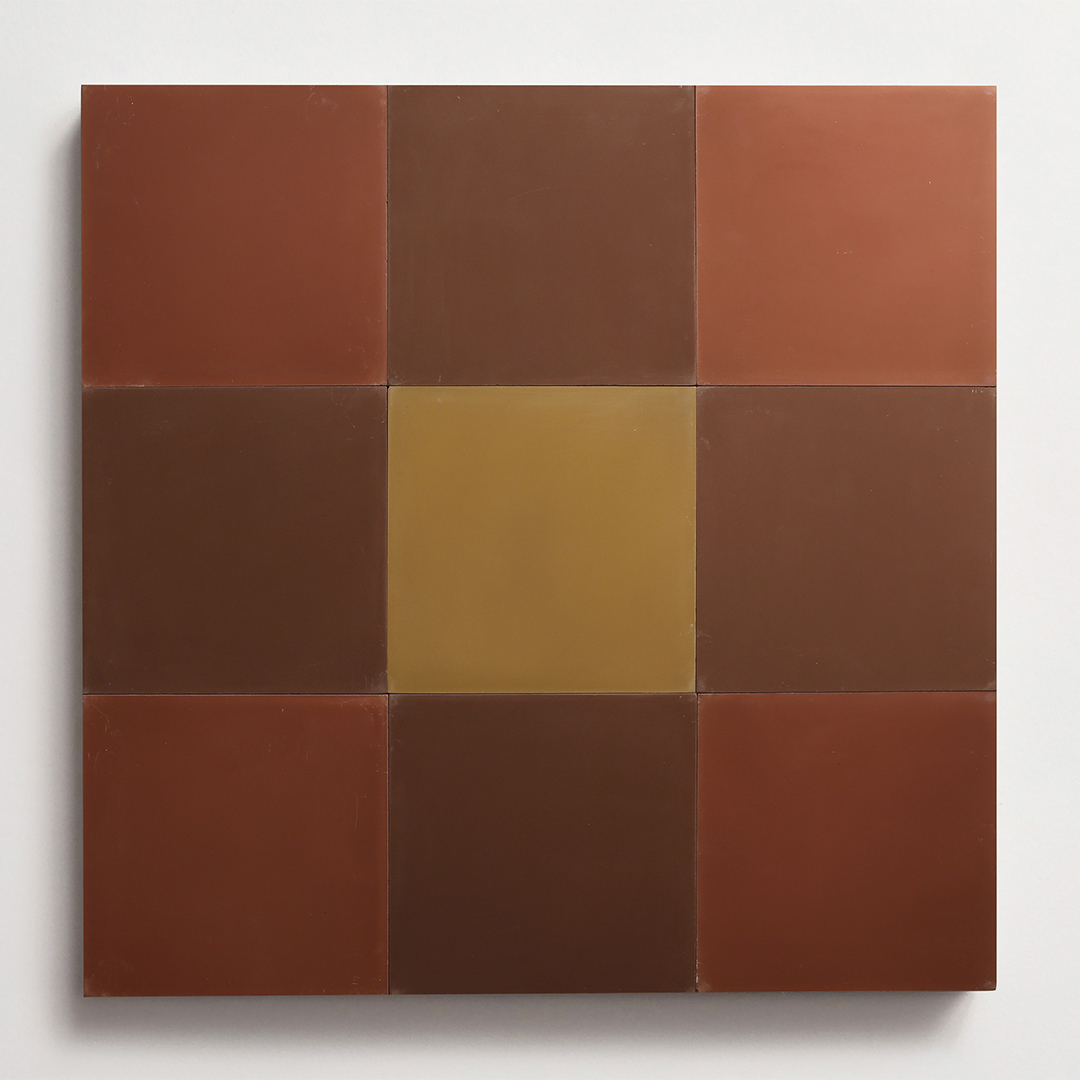
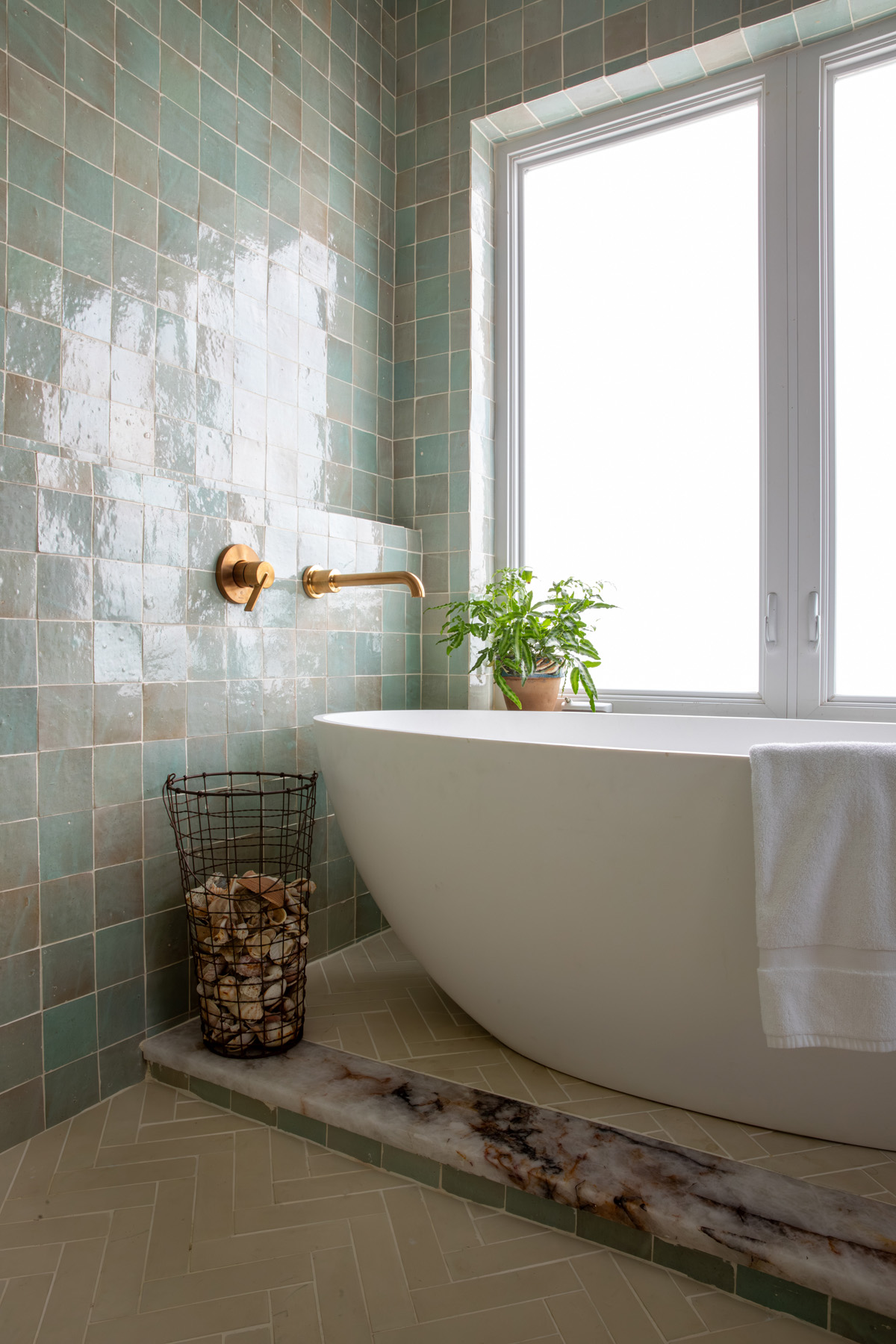
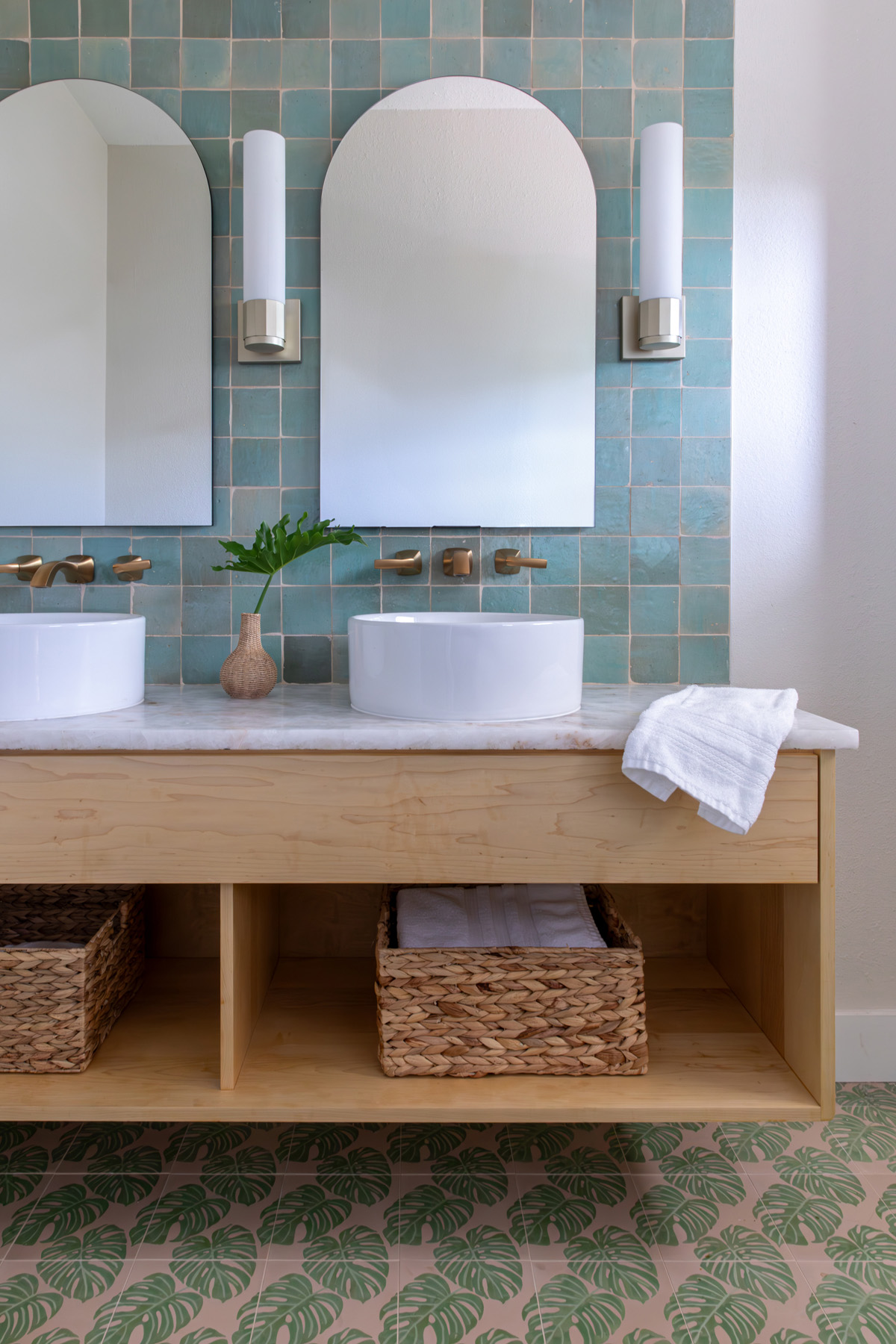
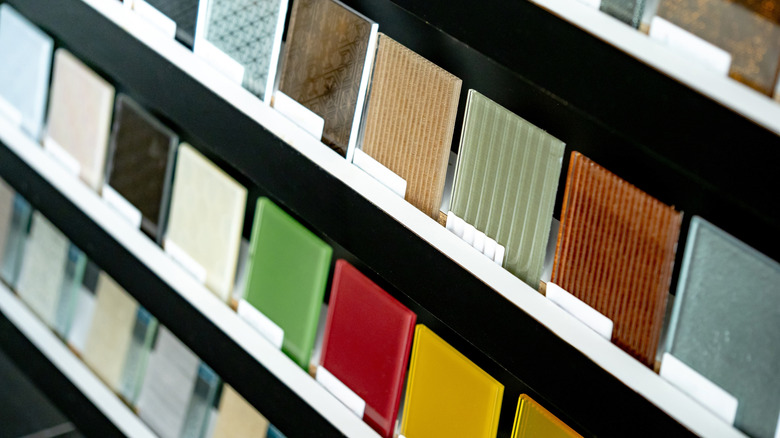
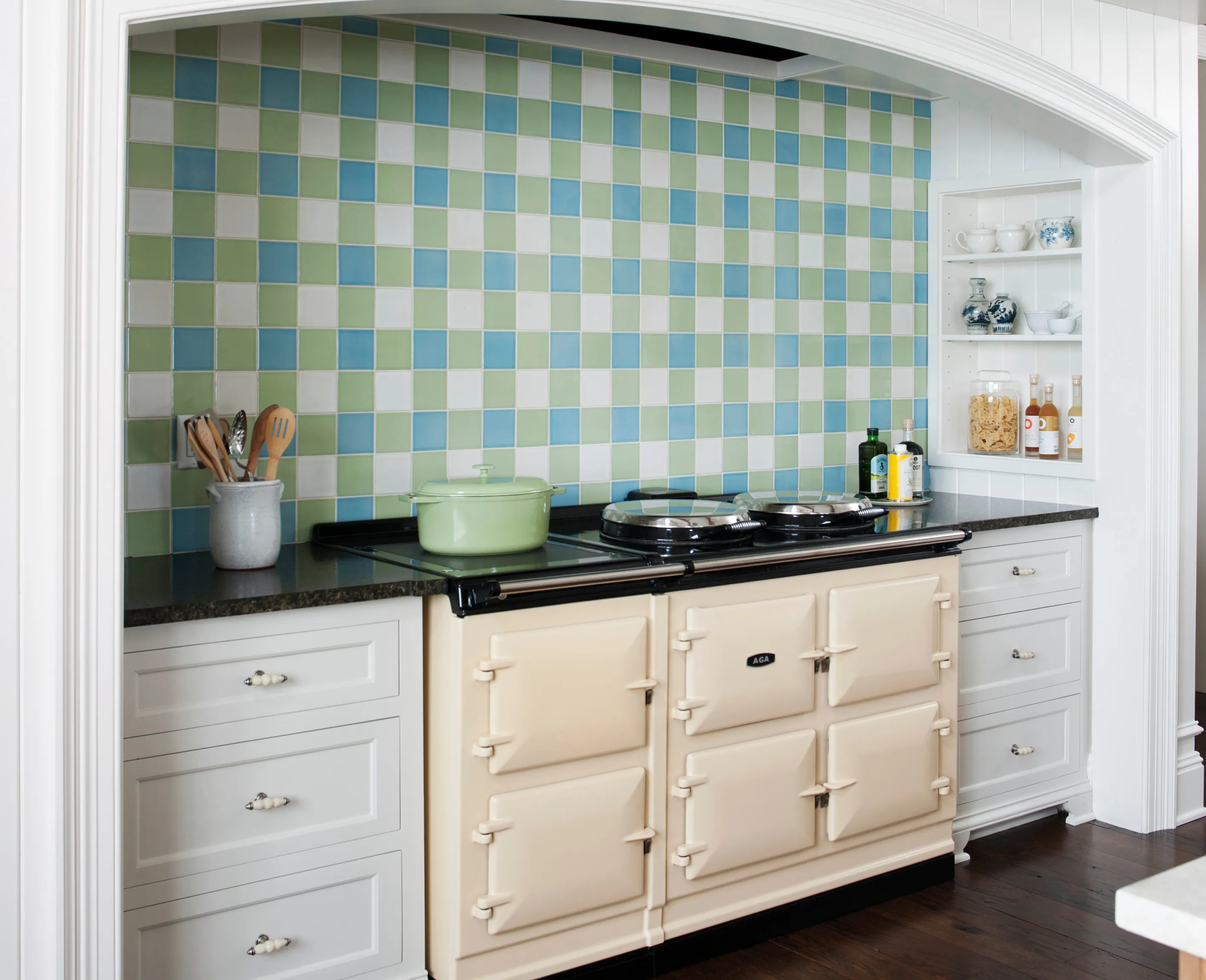
The execution of the tri-color gingham tile look involves selecting three distinct shades. Typically, this includes a white tile, a darker contrasting shade, and a lighter shade that bridges the two. Large-scale gingham patterns are known for making a bold statement, and incorporating them through tiles adds an unexpected and intriguing twist. To enhance the design's dimension, designers suggest experimenting with various tile finishes, such as matte, chalky, soft, or porcelain. Some professionals specifically recommend zellige tiles for a more captivating gingham effect. The practical application often involves using a peel-and-stick tile mat to arrange the pattern on a surface, followed by grouting. This method allows for the easy introduction of an eye-catching gingham pop into any area of the home. Given the myriad of creative ways to utilize tiles in unconventional spaces, homeowners are encouraged to explore different placements for their gingham tile installations.
While gingham is a strong statement pattern, especially in a large tile layout, it doesn't have to be intimidating. It can even be a foundation for a maximalist decor approach, where other bold patterns are layered alongside it. A key tip for styling gingham effectively is to mix prints, and even incorporate additional gingham accents within the design scheme. Customizing the color palette is a particularly exciting aspect of this trend, ranging from earthy neutrals for a contemporary vibe to vibrant hues for a more lively atmosphere. When starting a design from scratch, it's beneficial to establish a color palette that includes the chosen tile colors and then build the rest of the room's scheme with complementary tones. Alternatively, for a more relaxed and coastal aesthetic, natural materials such as rattan, light woods, and linen textiles can be incorporated, especially when balancing vibrant gingham shades. For a feminine and chic touch, designers often recommend pairing gingham patterns with florals, whether through fresh flowers on a gingham-tiled island or floral curtains in a kitchen featuring a gingham tile backsplash. Regardless of the chosen style, gingham tiles are poised to add a distinctive pop of color and personality to any interior.
#GinghamPattern #TileDesign #InteriorDesignTrends #DIYHomeDecor #HomeImprovement #PatternMixing #DesignHacks #ColorfulInteriors #GinghamPattern #TileDesign #InteriorDesignTrends #DIYHomeDecor #HomeImprovement #PatternMixing #DesignHacks #ColorfulInteriors
合計0件のコメント
 まだコメントはありません
あなたも好きかもしれません
Homestyle: Terrific tiles
This New Tile Collection Holds the Secret to Spicing Up Checkerboard Floors

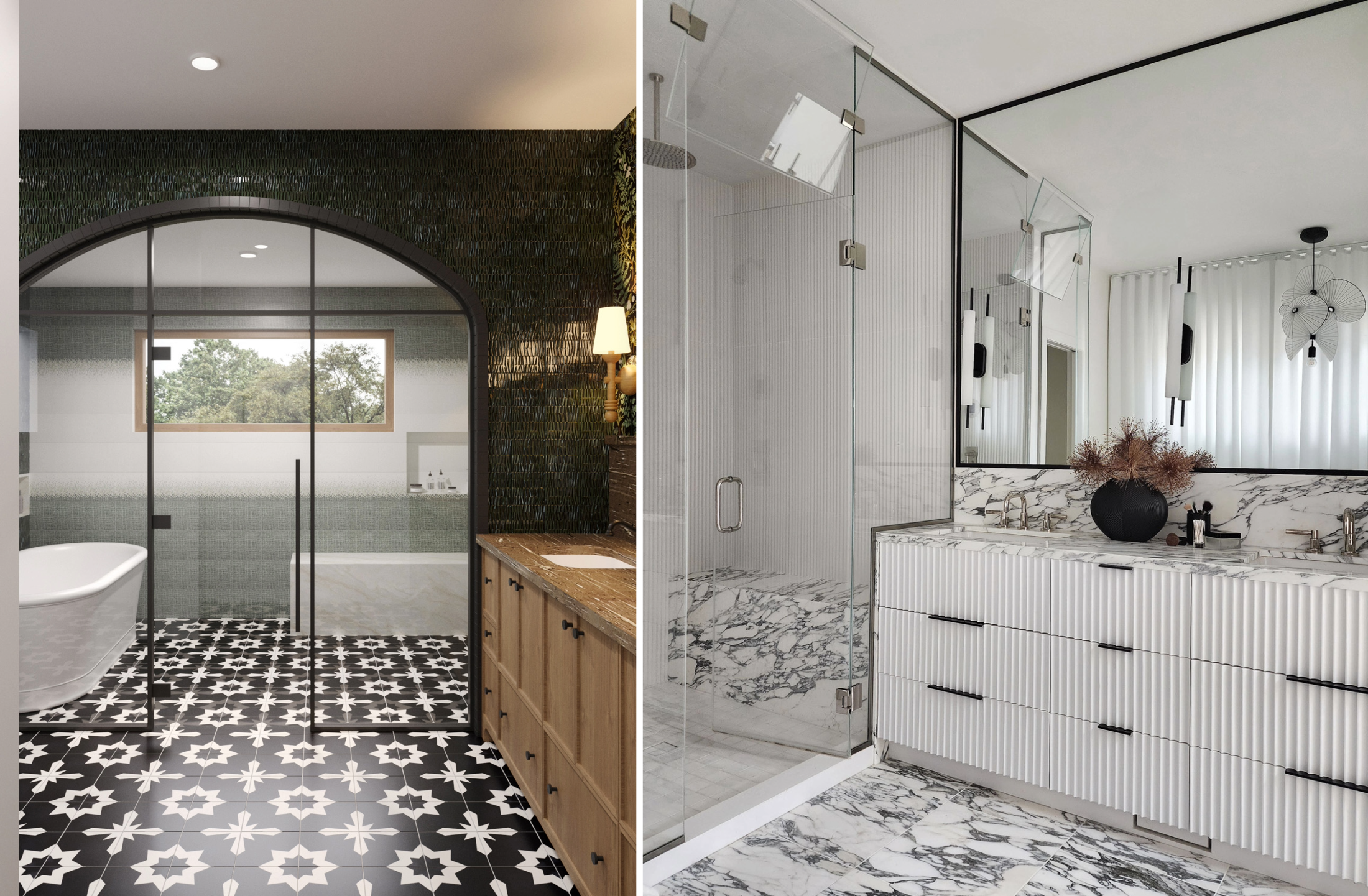
Showstopping Tile

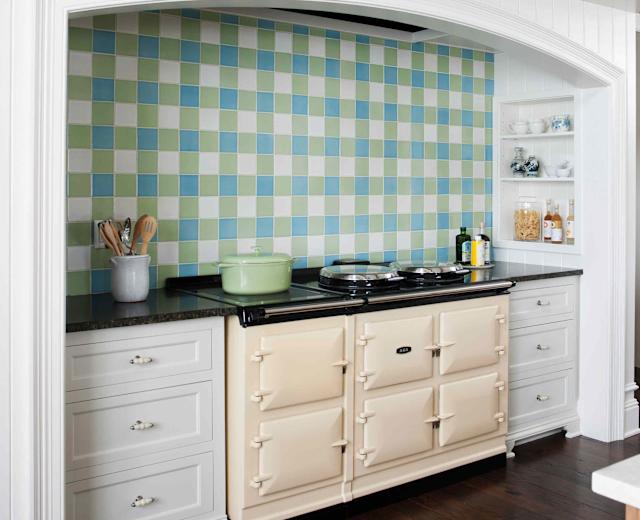
This DIY Gingham Backsplash Is Peak Nancy Meyers—Here's How to Get the Look
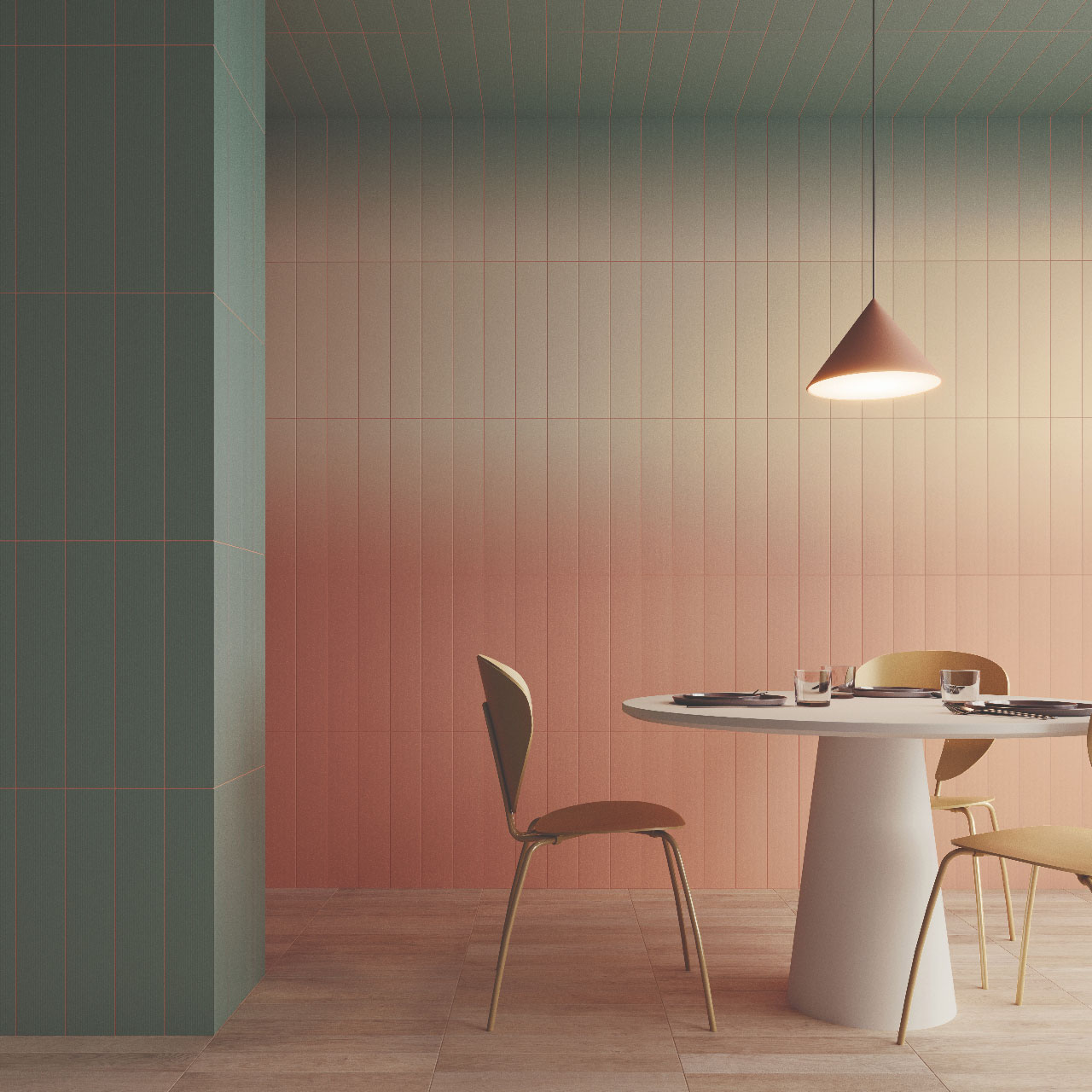
The Melange Tile Collection Showcases Artistic Ombré Effects

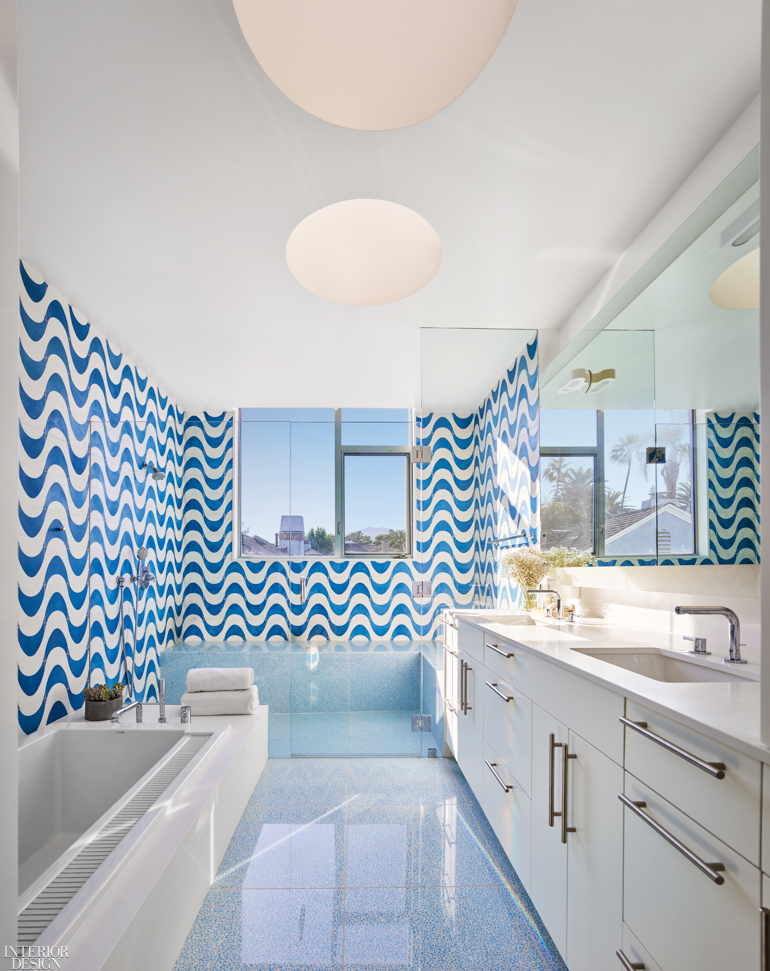
10 Spaces Designed With Colorful Tiles

Gingham Is Back: Here's How to Make It Look Modern

Tile Trend: Botanical Patterns

6 Elegant Tile Trends to Inspire a Home Refresh
The Decades-Old Decor Trend That Everyone's Putting Back In Their Homes Today
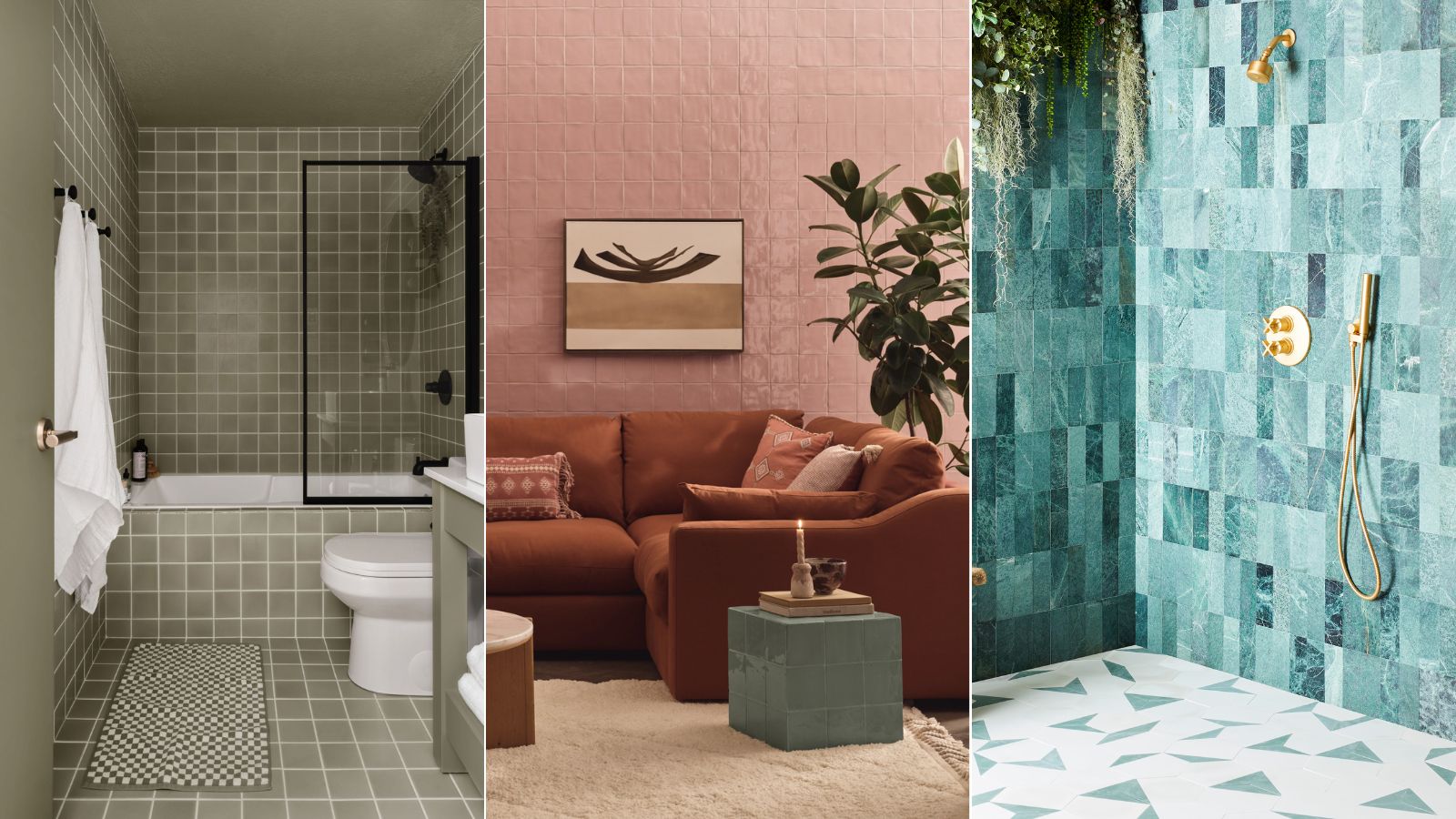
Tile drenching is the unexpected way to add a sense of luxury to your home – here's how to nail the trend

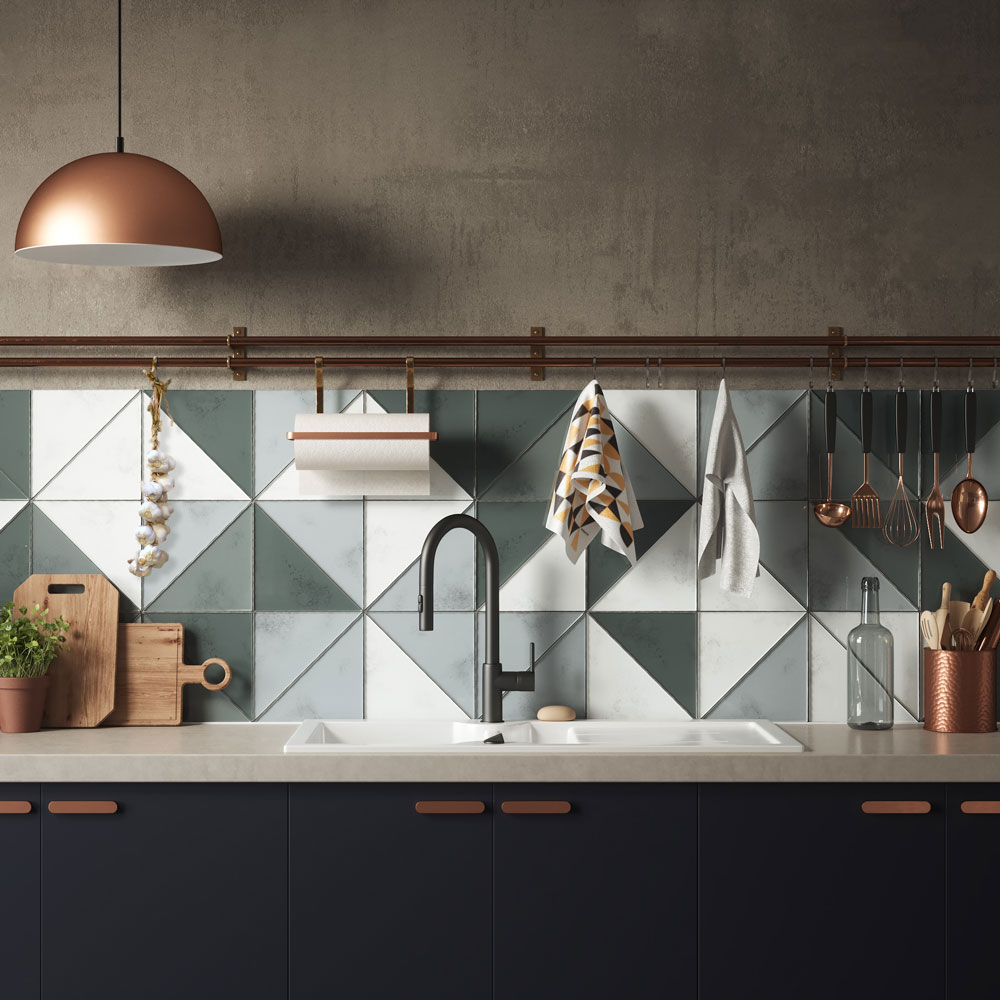
New patterned Ted Baker tiles give walls and floors fashionable update
This DIY Gingham Backsplash Is Peak Nancy Meyers—Here's How to Get the Look
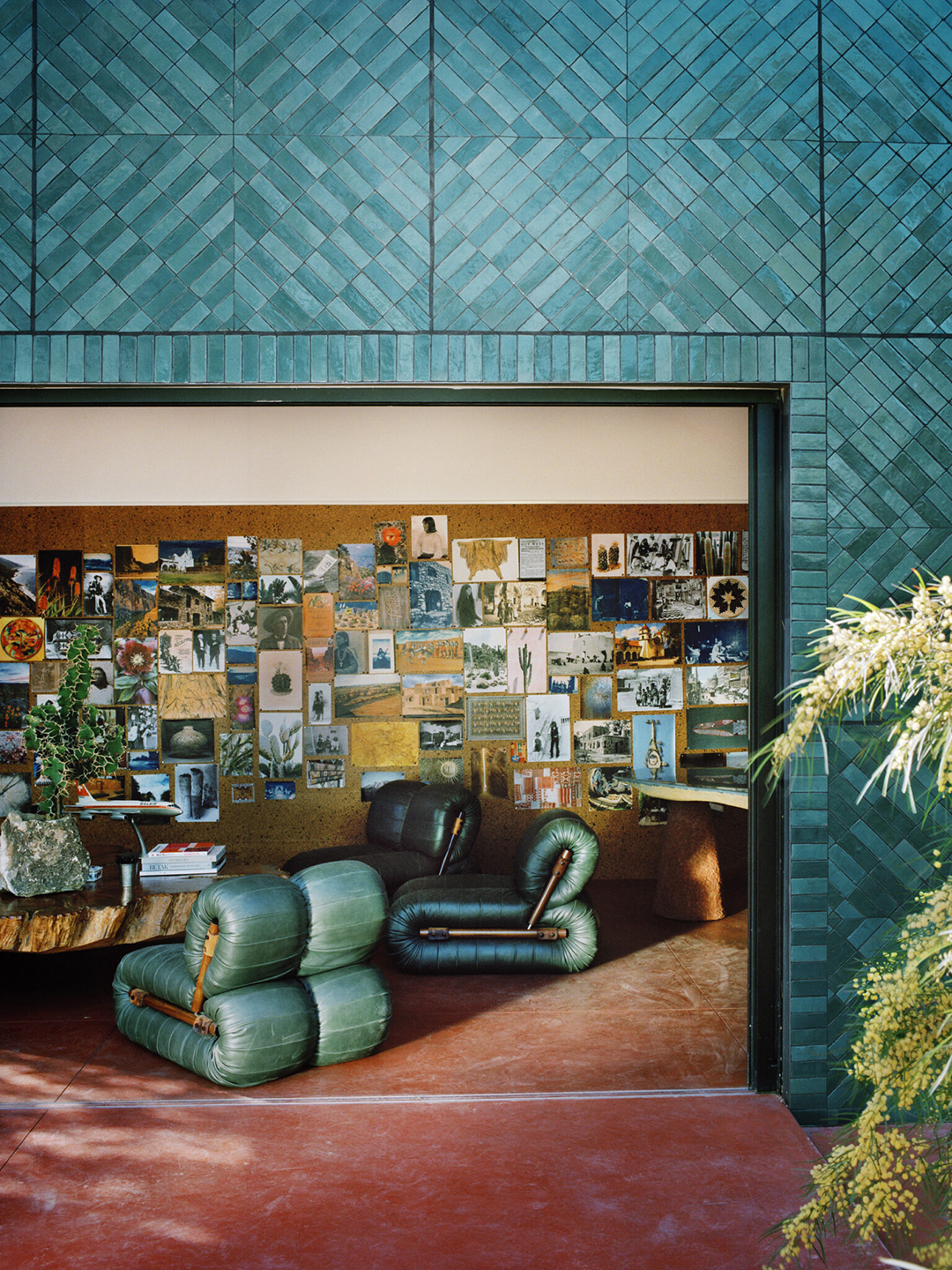
8 Times Tile Brought Architectural Charm to an Otherwise Regular Exterior
New ways with tiles: 15 creative ideas for using tiles at home

Tile patterns: 15 smart designs to add style to every room

9 of the Most Creative Ways to Decorate Your Home With Tiles — Ideas That Will Change How You Think About Tiling

18 tile ideas and trends for 2021 – not just reserved for the bathroom or kitchen
5 new ways to use tiles as decor rather than flooring

Tile Style