1/2
6 Reasons Your Home's Molding Looks Weird, According to Interior Designers
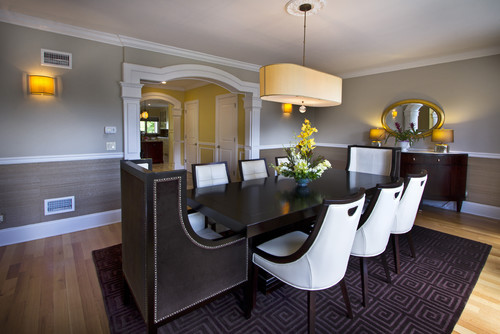
Molding, encompassing elements from crown molding to window casing, is often seen as a way to add elegance and depth to a home's interior. However, its improper application can detract from a space's aesthetic. Designers and architects frequently observe common mistakes that homeowners make when incorporating molding, leading to visual disharmony or an outdated appearance.
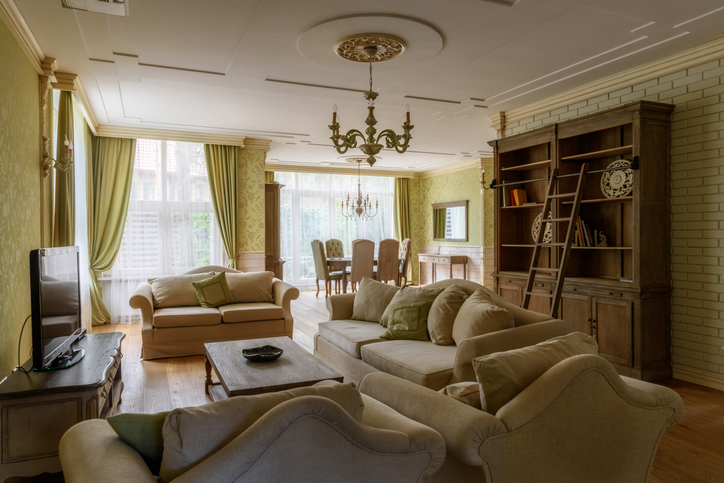
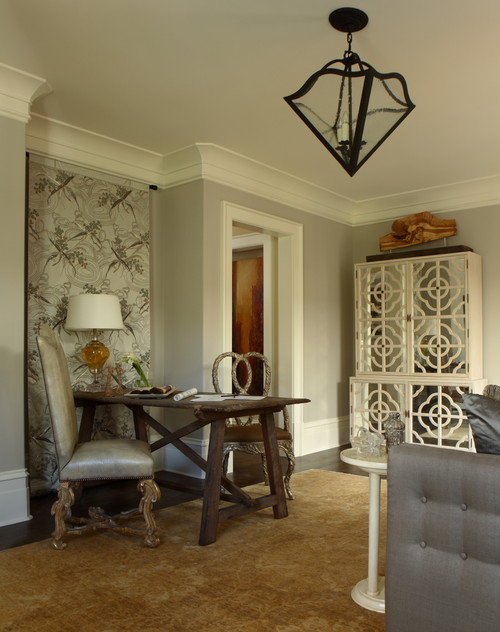
One prevalent error is misjudging the scale of molding relative to the room's dimensions. For instance, grand, bulky molding in a room with average or low ceilings can overwhelm the space and make it feel smaller. Conversely, very tall ceilings can accommodate more substantial crown moldings, typically between six to nine inches. For ceilings that are eight feet or less, designers recommend smaller moldings or even skipping crown molding entirely for a more contemporary look, emphasizing that elaborate profiles are not always suitable for every ceiling height.
Another significant issue is selecting a molding style that clashes with the home's overall architectural character. A modern home, for example, would not benefit from ornate colonial profiles, just as a chunky square-edge shaker trim would appear out of place in a Victorian setting. The key is to draw inspiration from the home's construction era. Mid-century homes might feature lower-profile, flat stock trim, while Tudor homes could incorporate cove ceilings and picture rails. Homes of transitional design, typically newer constructions, offer greater flexibility in trim choices.
Ignoring existing molding mistakes can also negatively impact a home's appearance. When removing or replacing molding is not feasible due to cost or complexity, creative solutions can be employed. For instance, painting oversized trim the same color as the walls in a small room can reduce visual contrast and create an illusion of increased space. In larger, formal rooms with modest trim, painting architectural details like pinstripes around doors and ceilings or using horizontal color blocking can simulate grandeur.
Shoe molding, a thin trim often placed in front of baseboards to conceal gaps between the baseboard and flooring, is another element that designers often view with disdain. It can frequently appear as an afterthought and may not integrate seamlessly with other trim elements. To avoid shoe molding, it is advisable to install flooring first and then position the baseboard. If covering gaps is unavoidable, using quarter-round trim is suggested, especially with baseboard styles that feature more curves.
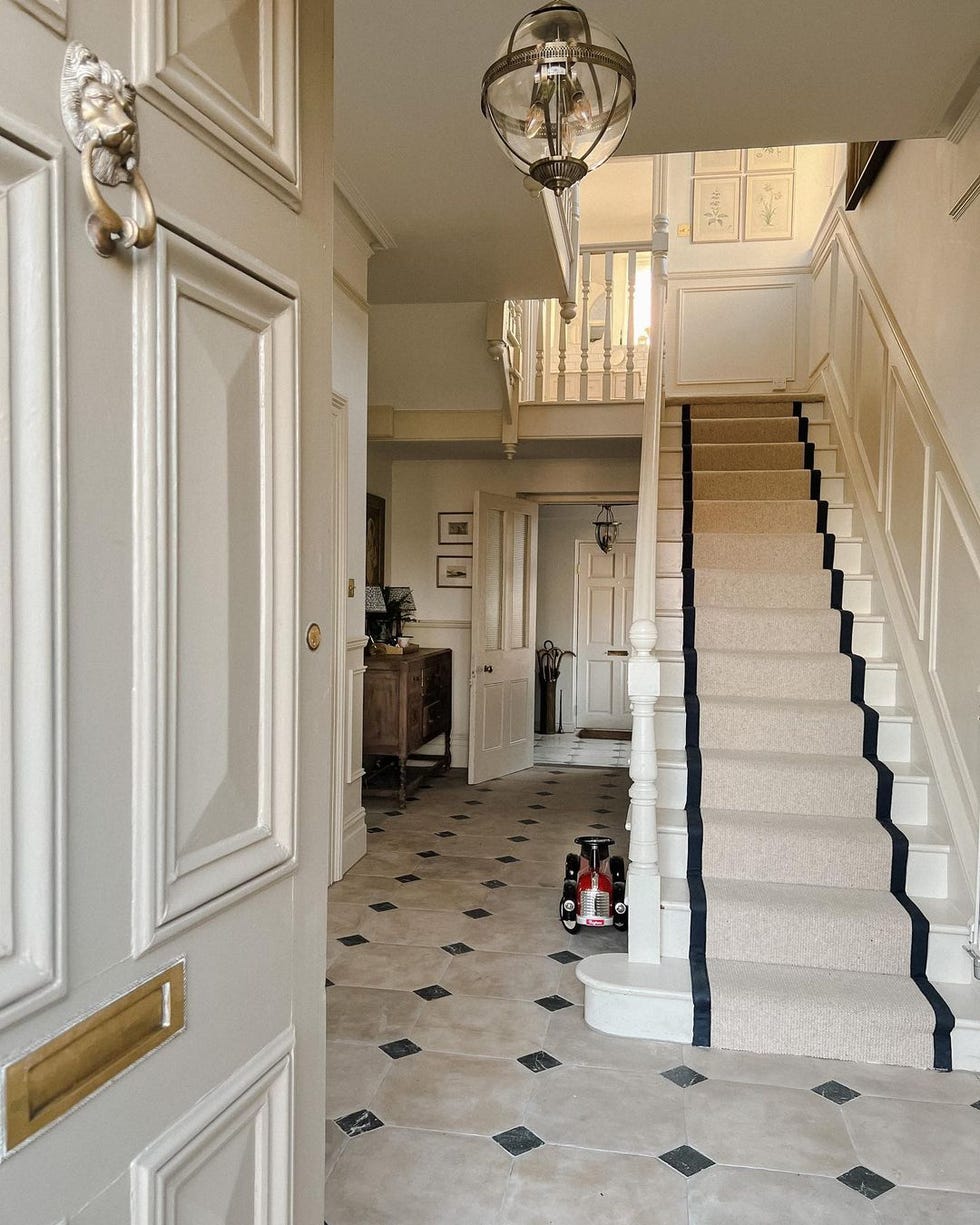
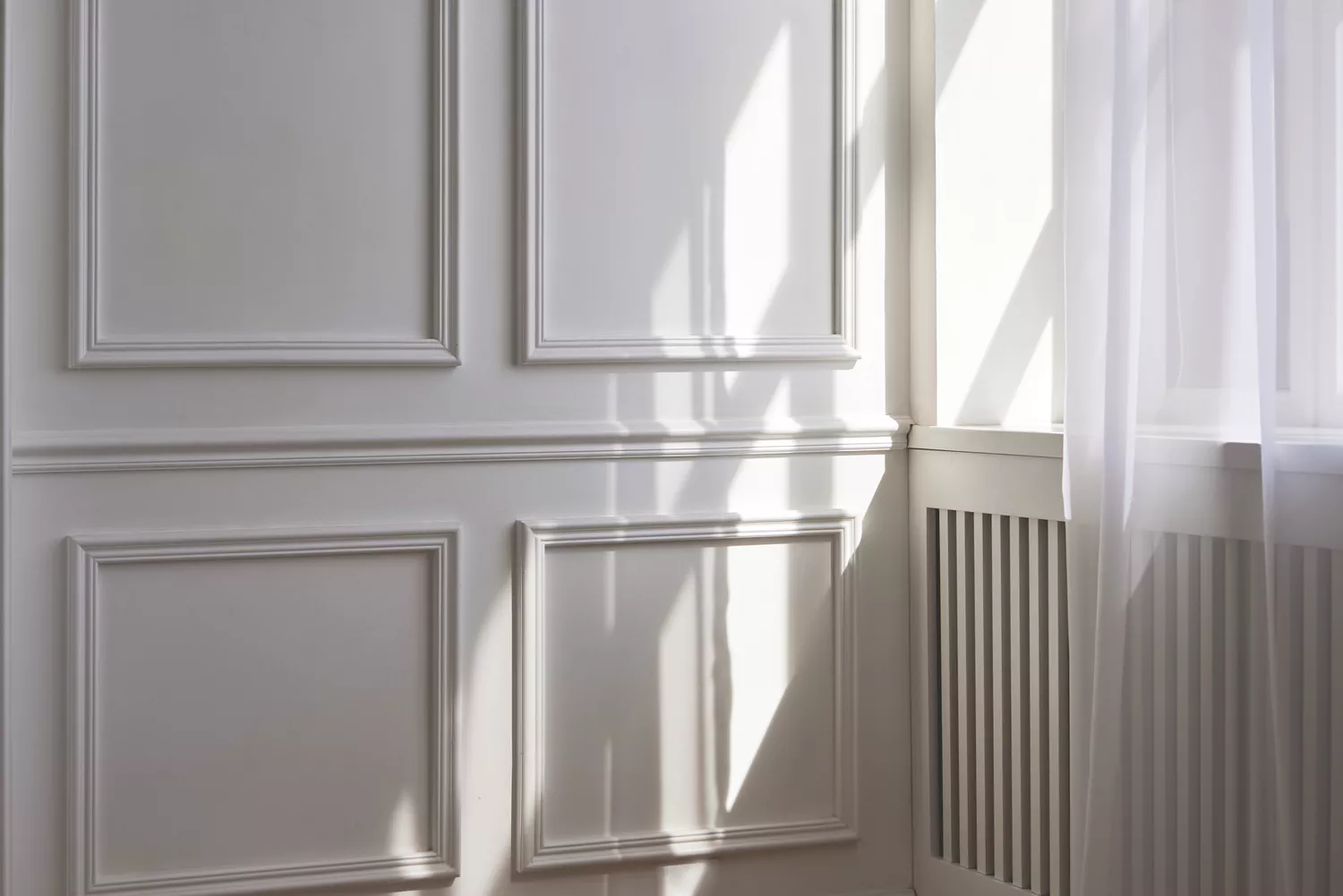
Furthermore, homeowners sometimes fall into the trap of adopting trendy molding styles, such as wainscoting or beadboard, without considering their long-term appeal or suitability for the home's architecture. While these elements might be fashionable at a given moment, their aesthetic value can quickly diminish, leading to a dated look within a few years. The solution lies in prioritizing the home's inherent architectural style when selecting trim, ensuring a timeless and cohesive design.
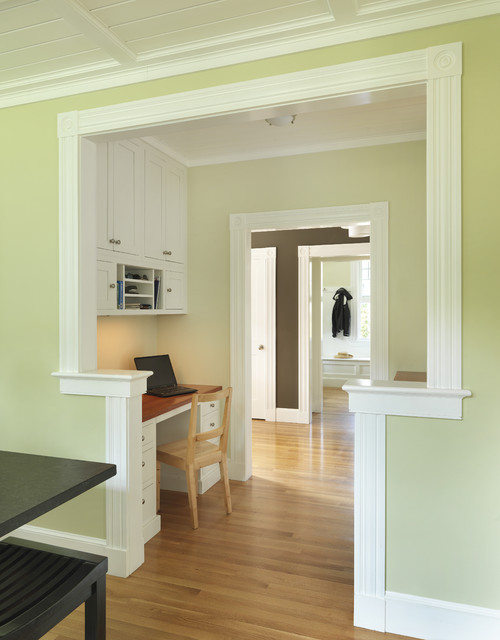
Finally, the application of window and door casing can be contentious among design professionals. While some argue against bulky casing, especially in newer constructions, others believe these details add depth and character. The consensus is to choose appropriately scaled and styled casing that does not overwhelm the room. Even simple flat stock trim can contribute to depth without a significant cost, provided it is proportional to the windows and doorways.
#MoldingMistakes #HomeDesign #InteriorDecorating #ArchitecturalStyle #CrownMolding #TrimSelection #DesignTips #MoldingMistakes #HomeDesign #InteriorDecorating #ArchitecturalStyle #CrownMolding #TrimSelection #DesignTips
合計0件のコメント
 まだコメントはありません
あなたも好きかもしれません
Interior Designers Reveal 6 Surprising Things Making Your House Look Dated

Expert reveals the interior design trends that will make your home look dated

From the Wrong Rug Size to Too-Short Curtains, Interior Designers Share Their Biggest Pet Peeves

7 Things That Are Secretly Making Your Mantel Look Bad, According to a Designer

6 Things That Make Your Entryway Look TACKY, According to Designers


The 10 Biggest Interior Design No Nos According to Decorators
6 Home Décor Mistakes Interior Designers Notice Right Away—and How to Fix Them
10 Horrifying Home Design Trends: 2023 Edition
6 mistakes design experts instantly notice in your home – and how to fix them
6 Things That Make Your Entryway Look TACKY, According to Designers

"Frankly, It's Tacky": People Are Revealing Common Interior Design Trends They Can't Stand

10 Horrifying Home Design Trends: 2022 Edition
11 Decor Mistakes That Always Make Your Home Look Tacky, According to Designers
10 Mistakes Designers IMMEDIATELY Notice When They Walk Into Your Home
8 common design mistakes that make your home look dated — and how to avoid them
6 Types of Decorative Molding to Glam Up Walls and Ceilings
7 Design Mistakes Interior Designers Always Notice

Instagram account dedicated to world's 'ugliest homes' features interior designs ranging from the terrifying to the absurd
20 Unfortunate Ways Your Home Looks Super Dated, According to Experts
7 Reasons Your Home Looks Dated, According to Designers