




1/5
4 Dated Living Room Layouts That Simply Won't Work in 2026
As 2026 unfolds, the functional arrangement of living spaces is becoming as crucial as the aesthetics of the furnishings within them. Outdated living room layouts can significantly detract from a home's overall appeal and livability. Designers highlight that concepts like open-plan spaces, uniformly matched seating, and excessively formal arrangements are losing relevance. Interior designer Nina Lichtenstein emphasizes that a room's layout dictates its support for daily activities, facilitates social connections, and influences immediate emotional responses. A poorly functioning room, she notes, is one that will be instinctively avoided, regardless of its visual appeal.
The evolution of living spaces mirrors personal growth; therefore, re-evaluating interior arrangements is essential. Designers have identified several living room layouts that are considered outdated for 2026, offering contemporary alternatives. One such outdated trend is the overly formal living room, often found in older homes, which frequently remains unused due to its rigid and uninviting atmosphere. A modern living room should prioritize comfort and adaptability, encouraging natural conversation and accommodating various activities like movie nights or social gatherings, rather than serving solely as a display space. The emphasis is on blending form with function, creating environments where families and friends can genuinely relax and connect.
Another dated approach is centering the living room layout around technology, particularly large televisions. Designers advocate for a shift towards more offline-oriented concepts, such as listening rooms or vinyl bars, reducing the dominance of screens. A large TV on a prominent wall or over a fireplace not only creates a visual focal point that can be distracting but also restricts furniture arrangement flexibility. Without a commanding TV, there is greater freedom to experiment with seating and spatial dynamics, allowing for lighter, more modern arrangements. For instance, combining a two or three-seater sofa with timber-framed armchairs is preferred over matching sets, which can appear heavy. Furthermore, furniture designed to conceal or integrate technology discreetly is encouraged, alongside creating dedicated digital detox zones within the living room.
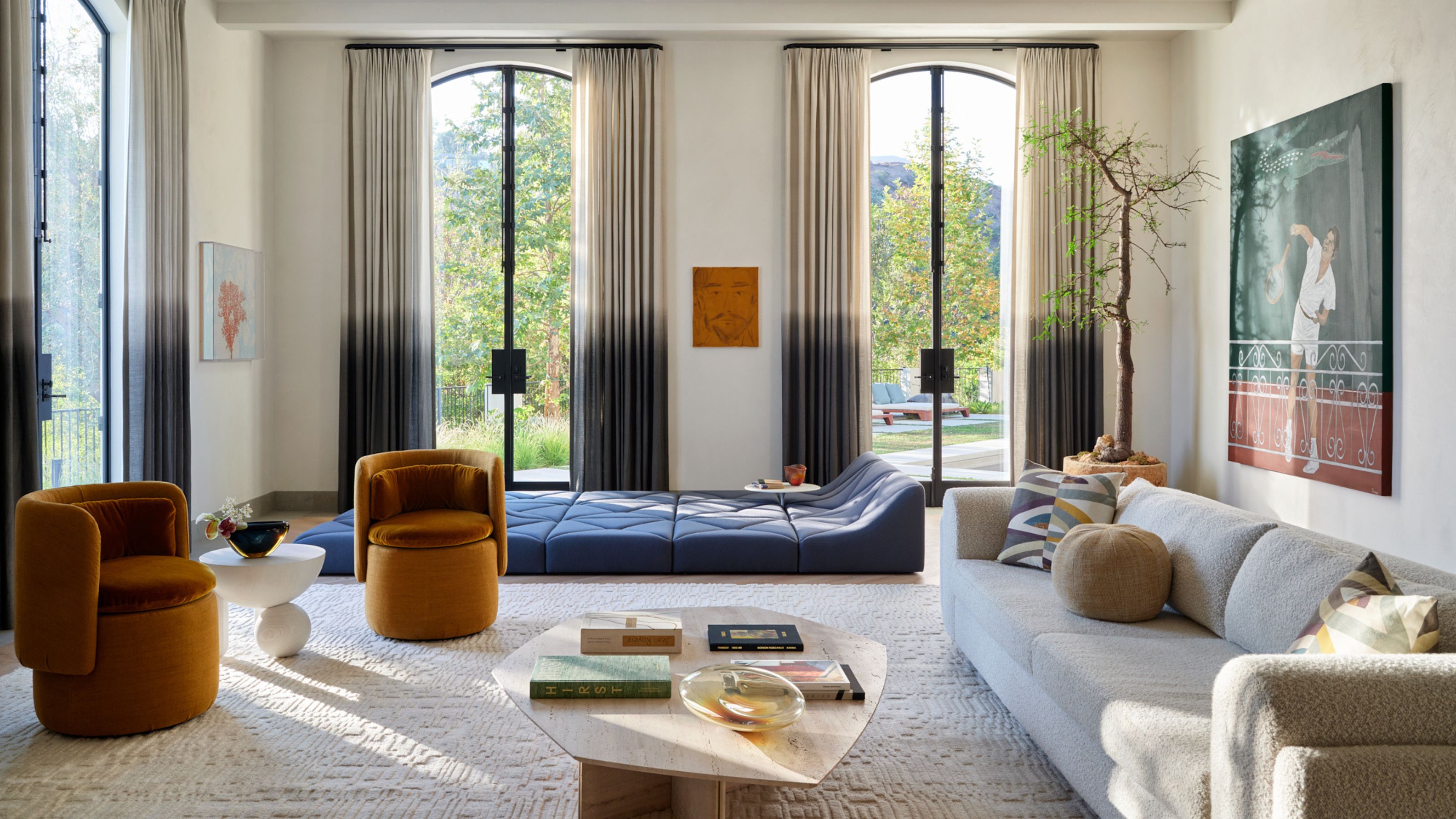
Perfectly symmetrical layouts that prioritize visual balance over human interaction are also falling out of favor. These arrangements, often featuring a single sofa facing two identical chairs, tend to create distance rather than intimacy. Modern design encourages a more thoughtful approach, placing people and their comfort at the forefront. Seating arrangements that are slightly curved or clustered more closely are preferred, as they foster natural conversation and eye contact. An L-shaped sectional sofa combined with a large, comfortable curved swivel chair exemplifies this, offering flexibility and a sense of closeness. Mixing furniture sizes and shapes also contributes to a more organically evolved, less staged aesthetic.
Finally, the ubiquitous open-floor plan, once celebrated for its spaciousness, is now being re-evaluated. While open concepts have their merits, there is a growing appreciation for the warmth and intimacy provided by 'broken' floor plans, especially in living rooms. Designers argue that open spaces that seamlessly merge kitchens, dining areas, and living rooms without clear boundaries can lead to visual clutter and a lack of emotional grounding. A sense of subtle definition and refuge is deemed more conducive to a relaxed nervous system. For existing open-plan homes, strategies like using large rugs, strategic lighting, or carefully placed furniture can create distinct zones, making the expansive space feel more intentional and calming without physical barriers. The ultimate goal for living room layouts in 2026 is flexibility, adapting to contemporary lifestyles and prioritizing comfort, connection, and well-being.
#livingRoomLayouts #homeDesignTrends #interiorDesign2026 #furnitureArrangement #modernLivingSpaces #functionalDesign #openPlanAlternatives #techIntegration #asymmetricalDesign #livingRoomLayouts #homeDesignTrends #interiorDesign2026 #furnitureArrangement #modernLivingSpaces #functionalDesign #openPlanAlternatives #techIntegration #asymmetricalDesign
 まだコメントはありません