12 Drought-Tolerant Landscaping Ideas for a Garden That Won’t Need Much Water
Water-use restrictions and limited rainfall present significant challenges for garden enthusiasts, but these conditions do not have to impede the creation of a beautiful and thriving garden. This article explores twelve effective drought-tolerant landscaping ideas and xeriscaping techniques designed to maximize limited moisture and foster a stunning, low-water garden.
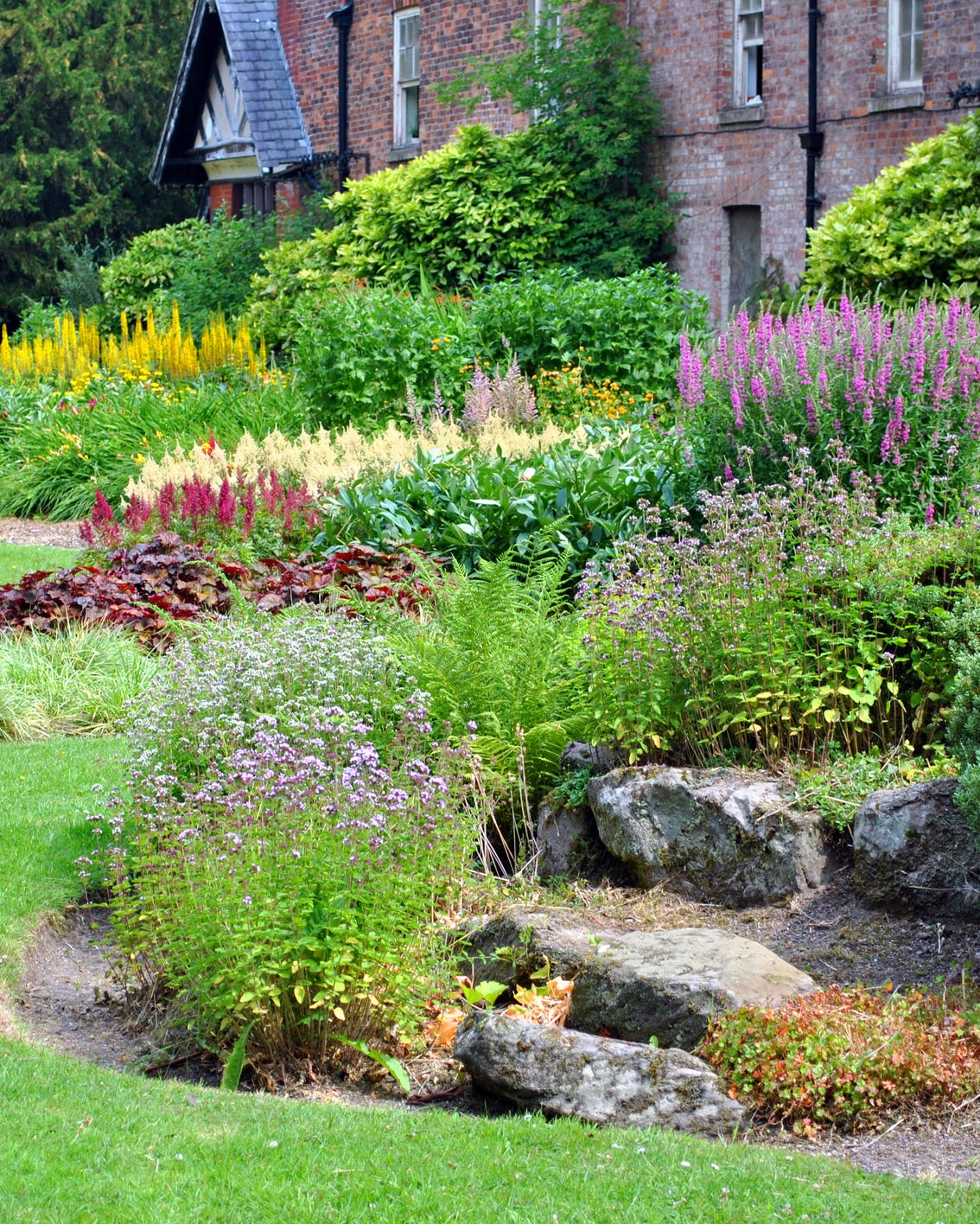
One fundamental strategy is to reduce the size of the lawn, which is notoriously water-intensive. By replacing portions of turfgrass with water-wise plantings, such as drought-tolerant perennials, homeowners can significantly conserve water. Applying mulch to these new beds further aids in moisture retention by shading the soil and minimizing evaporation.
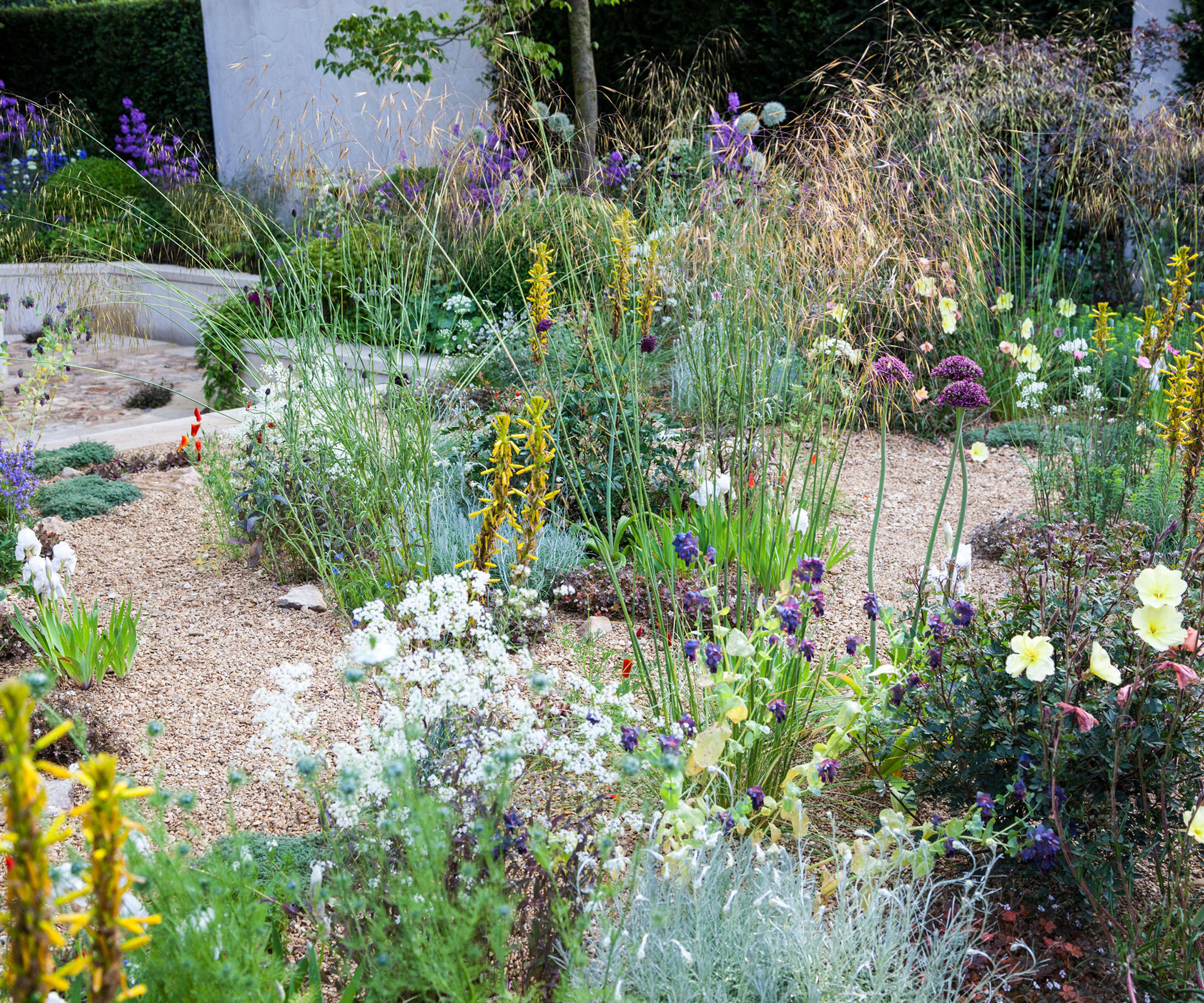
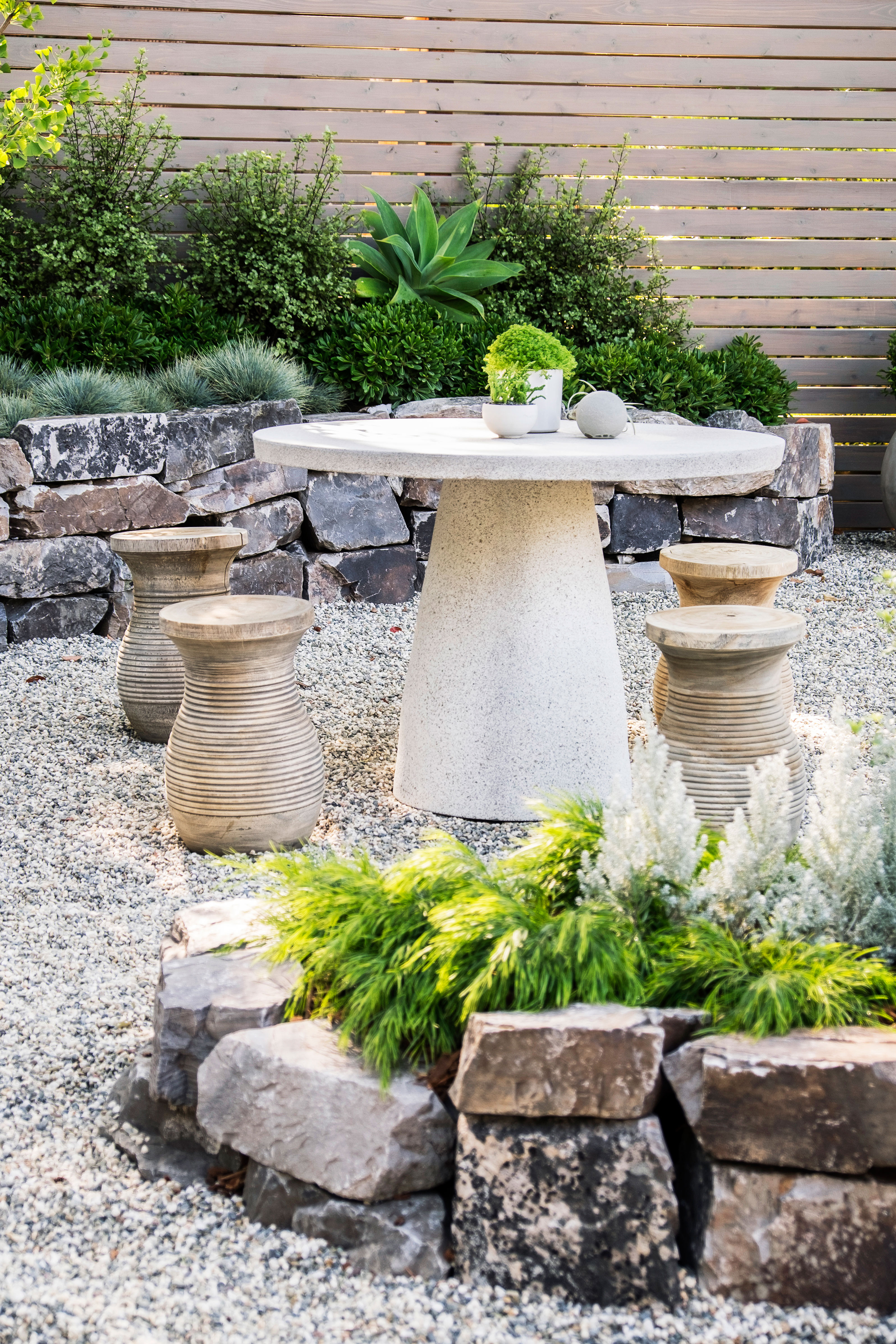
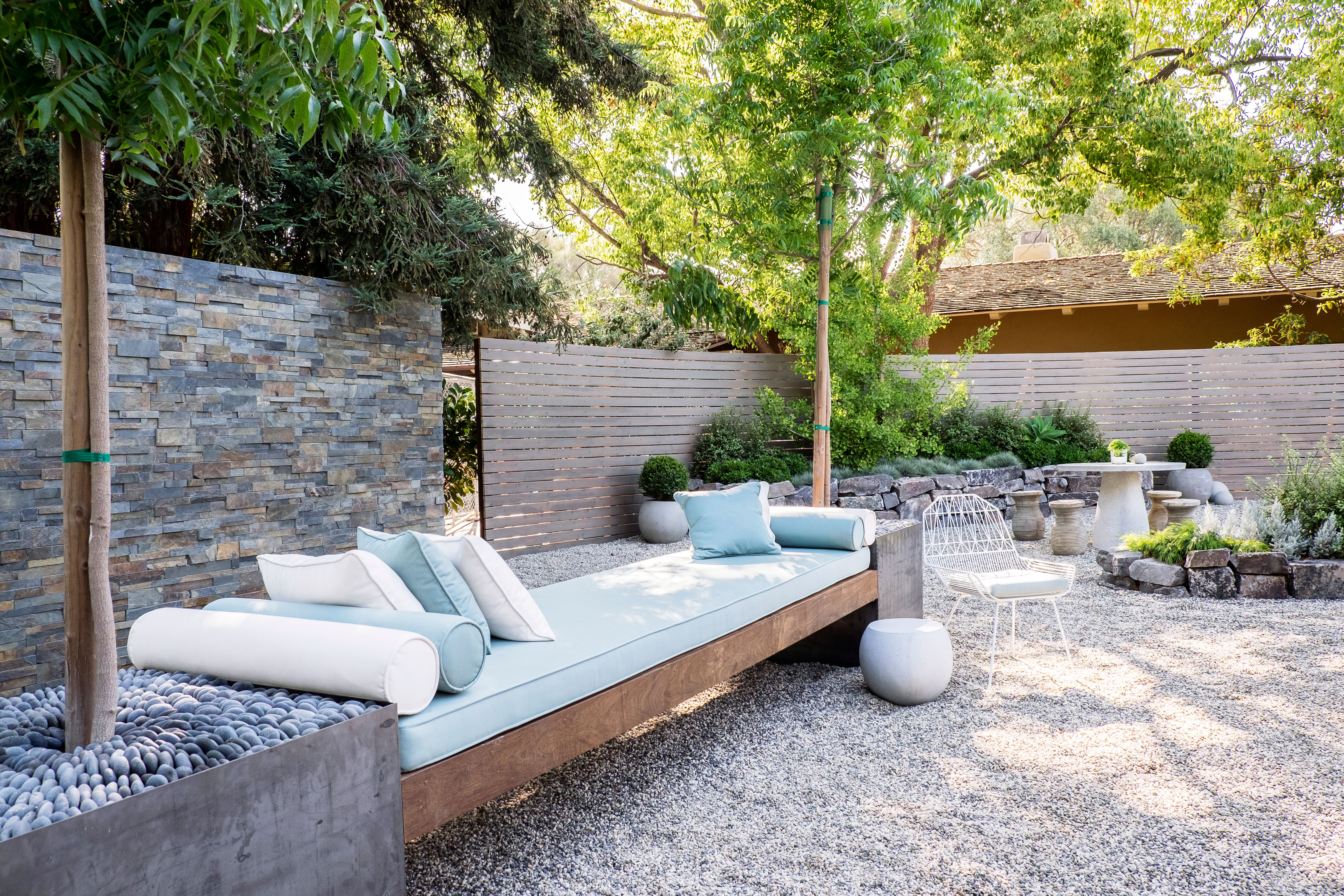
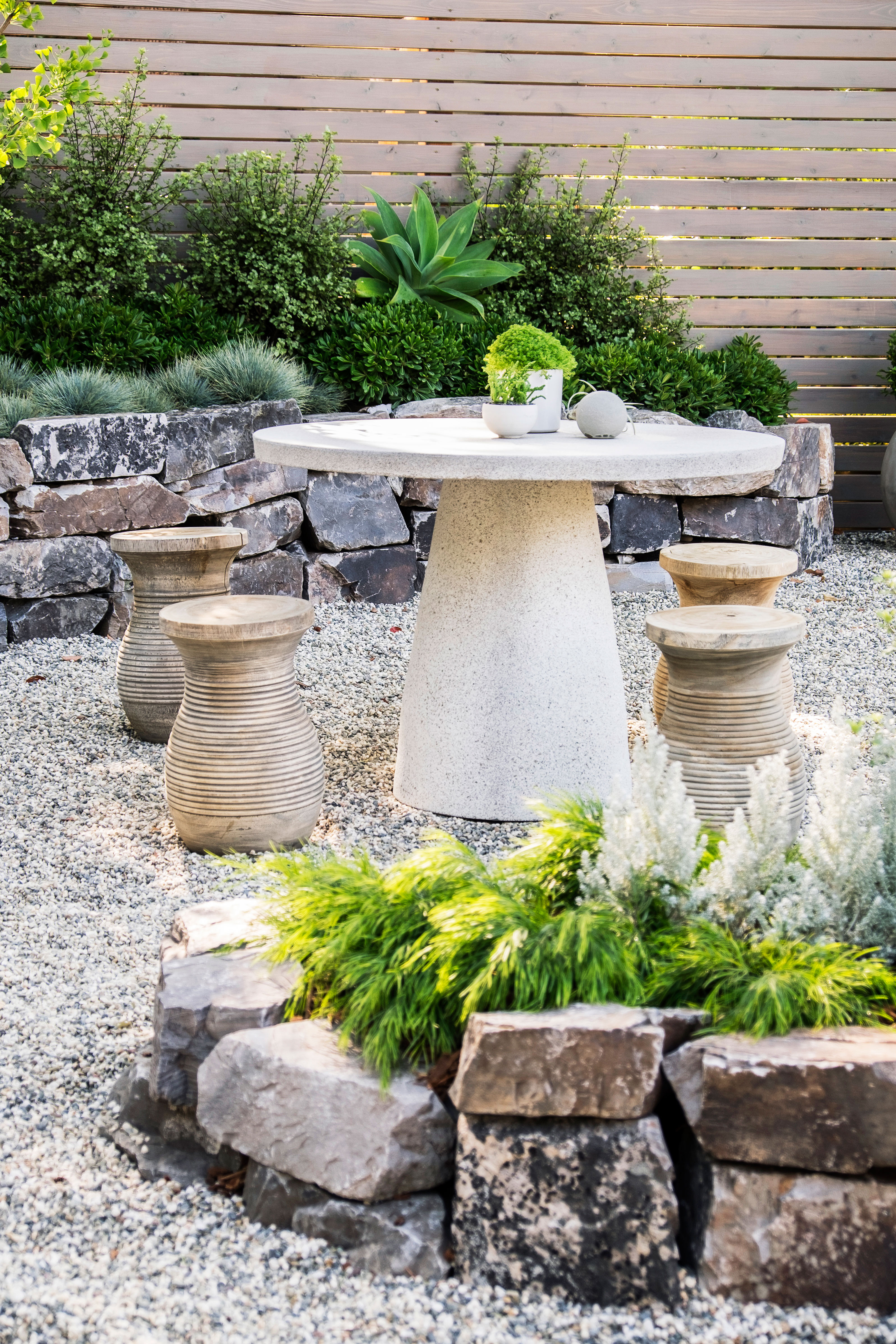
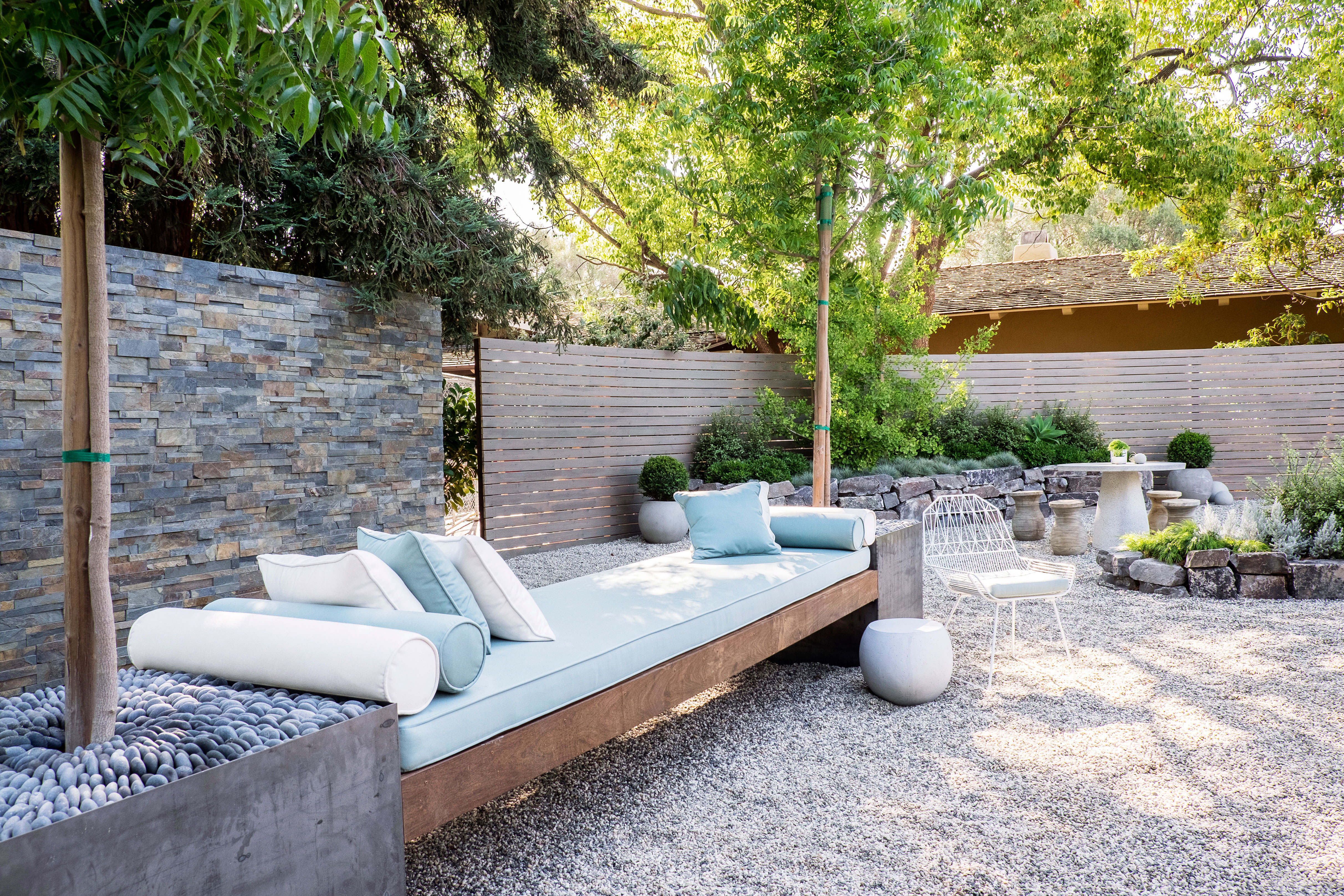
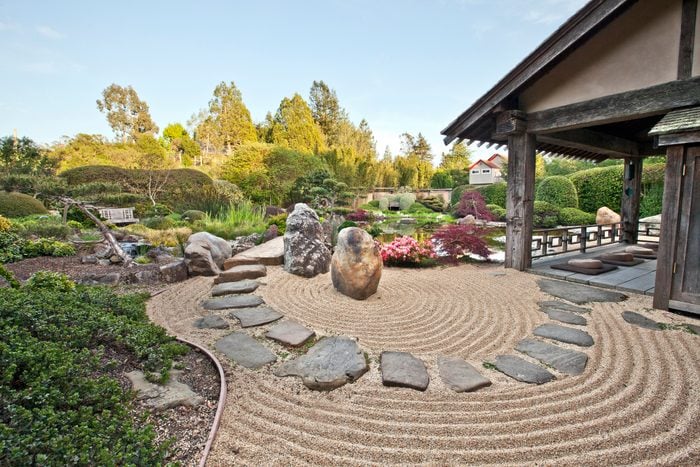
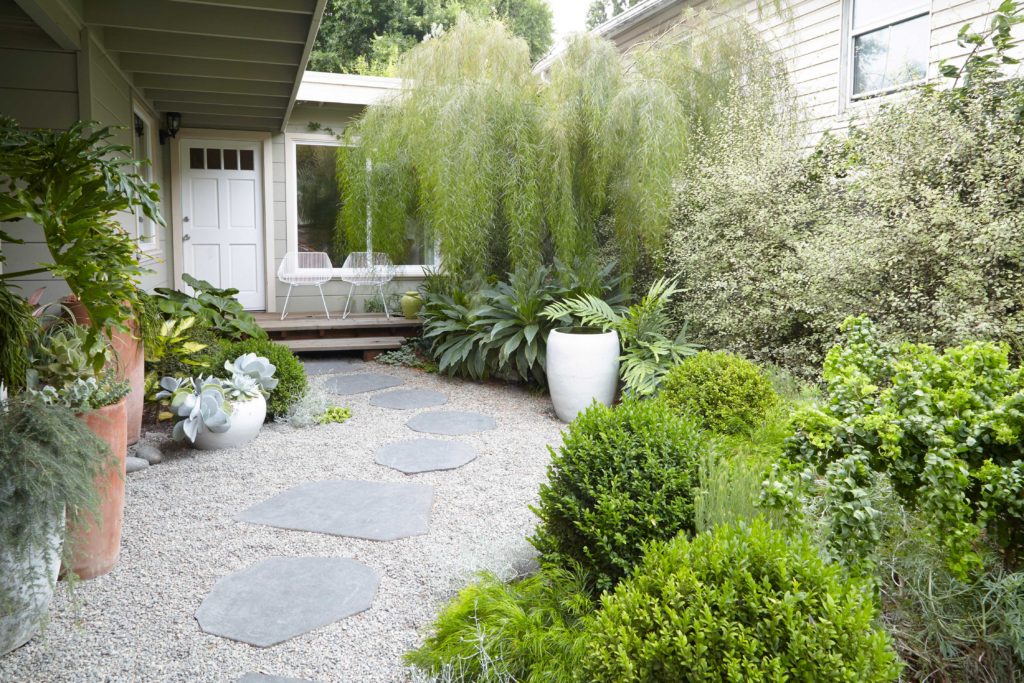
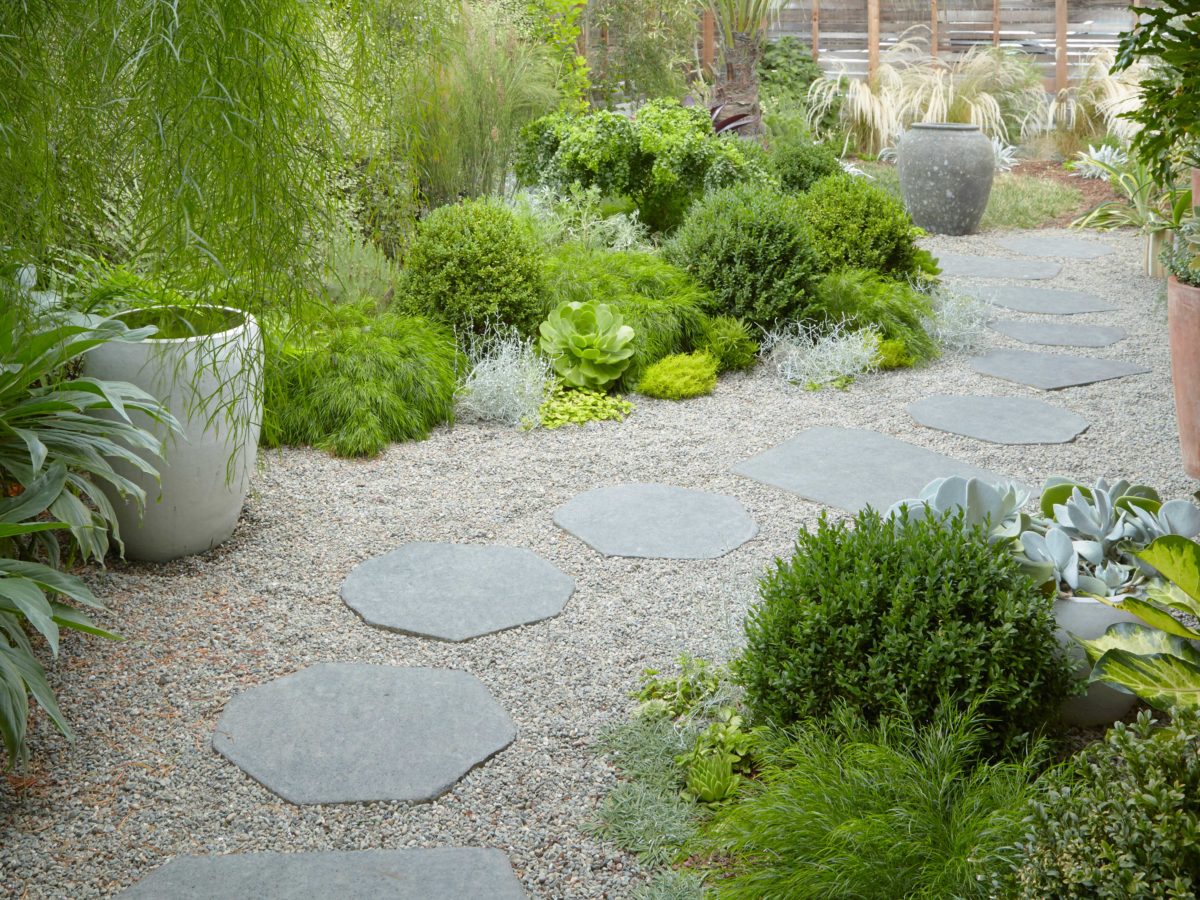
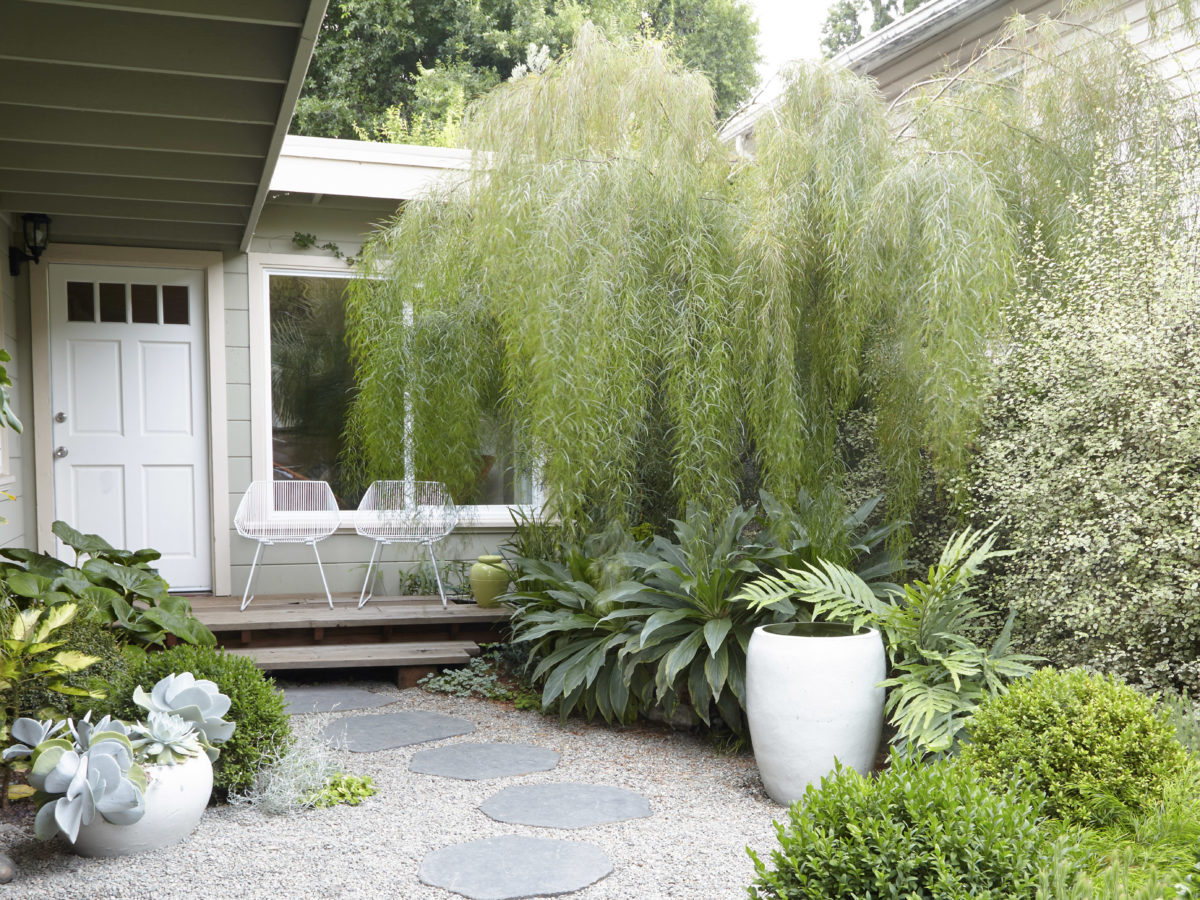
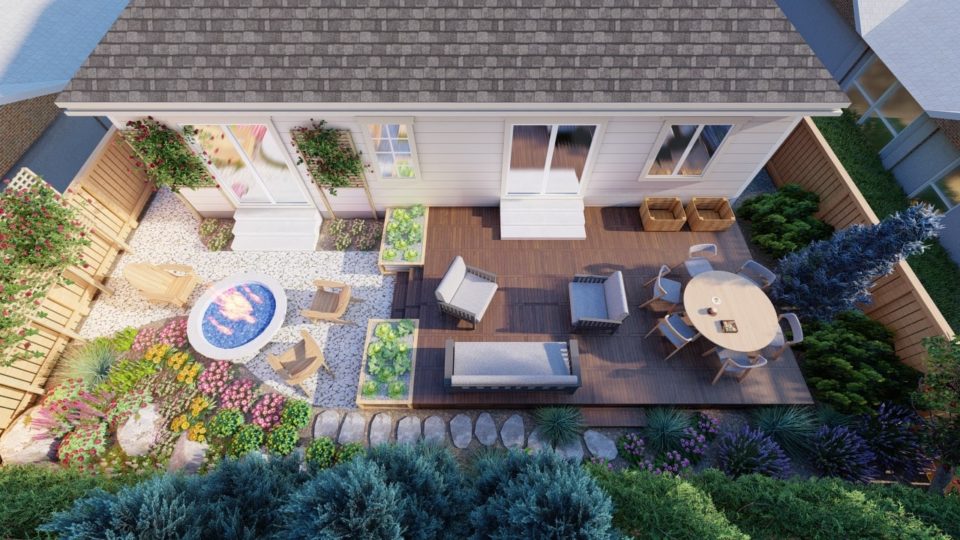
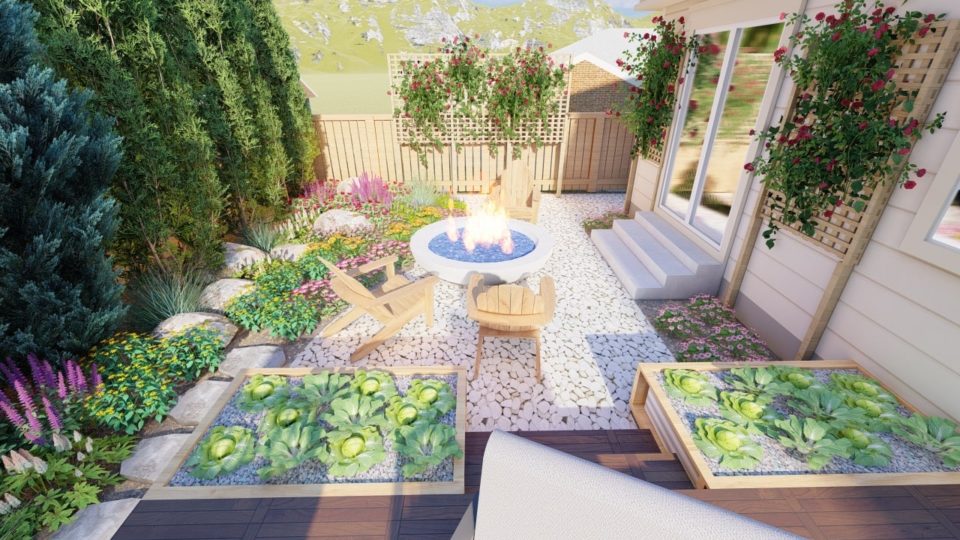
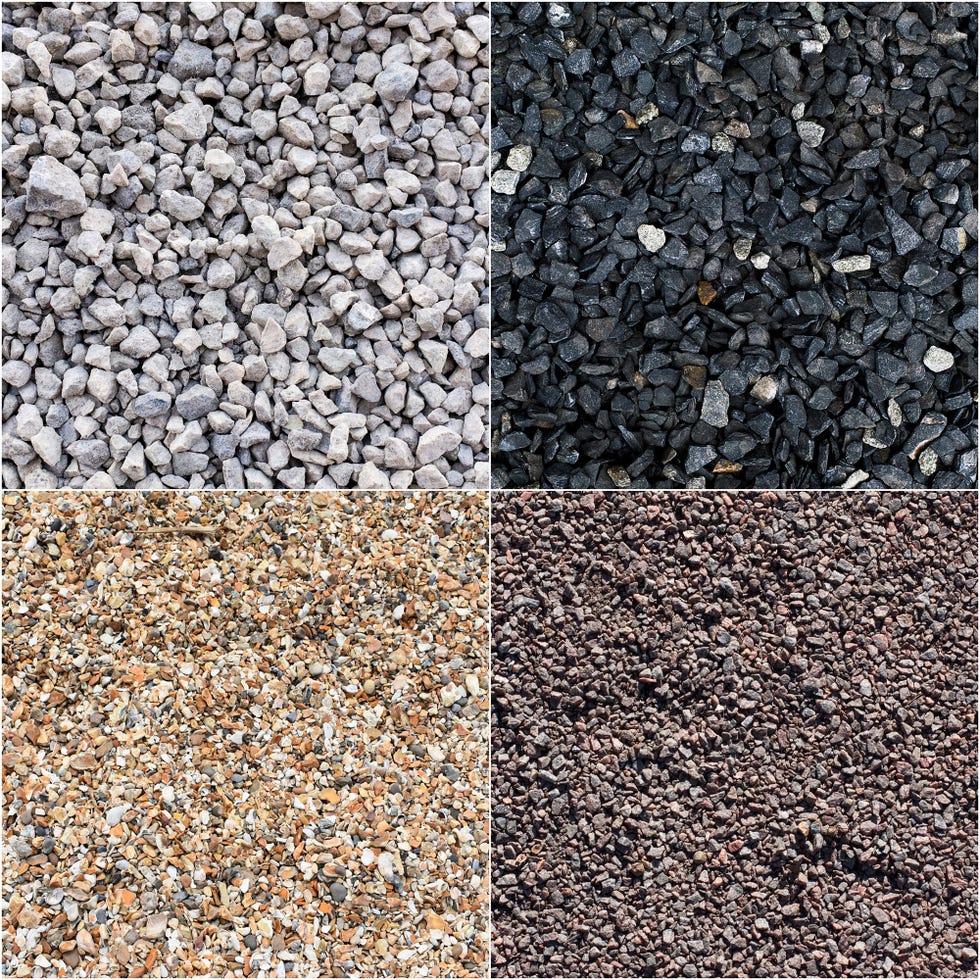
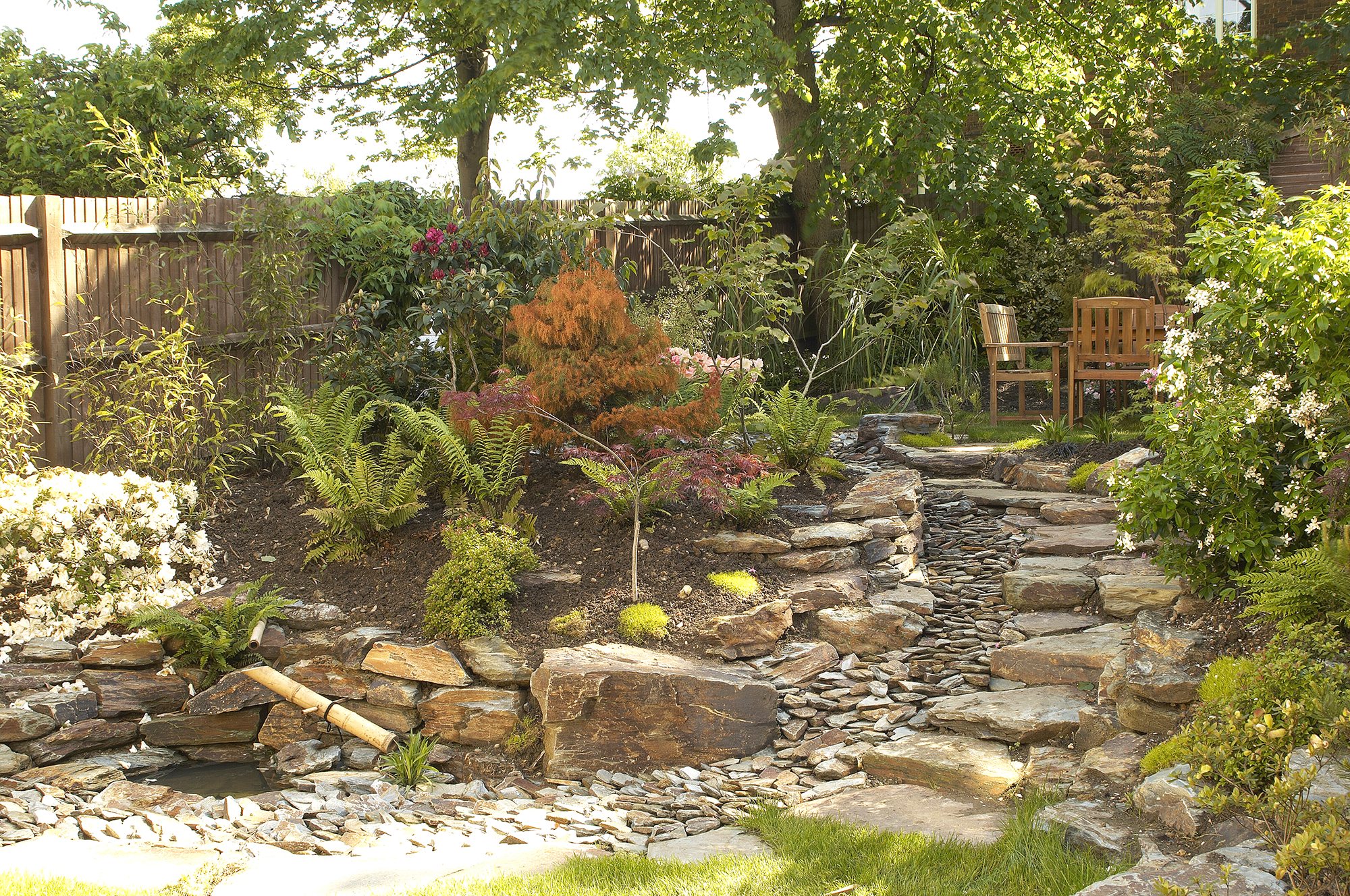
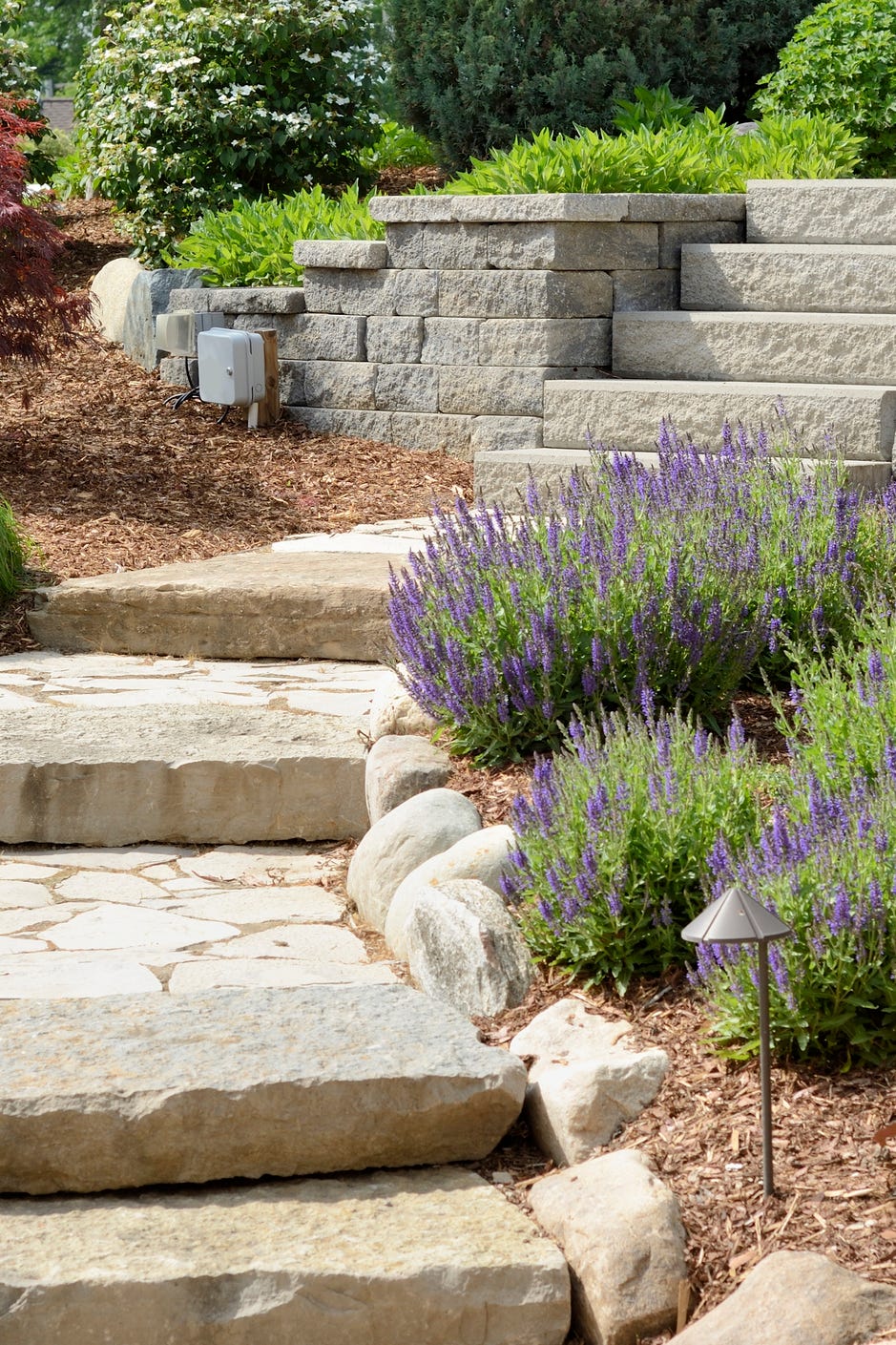
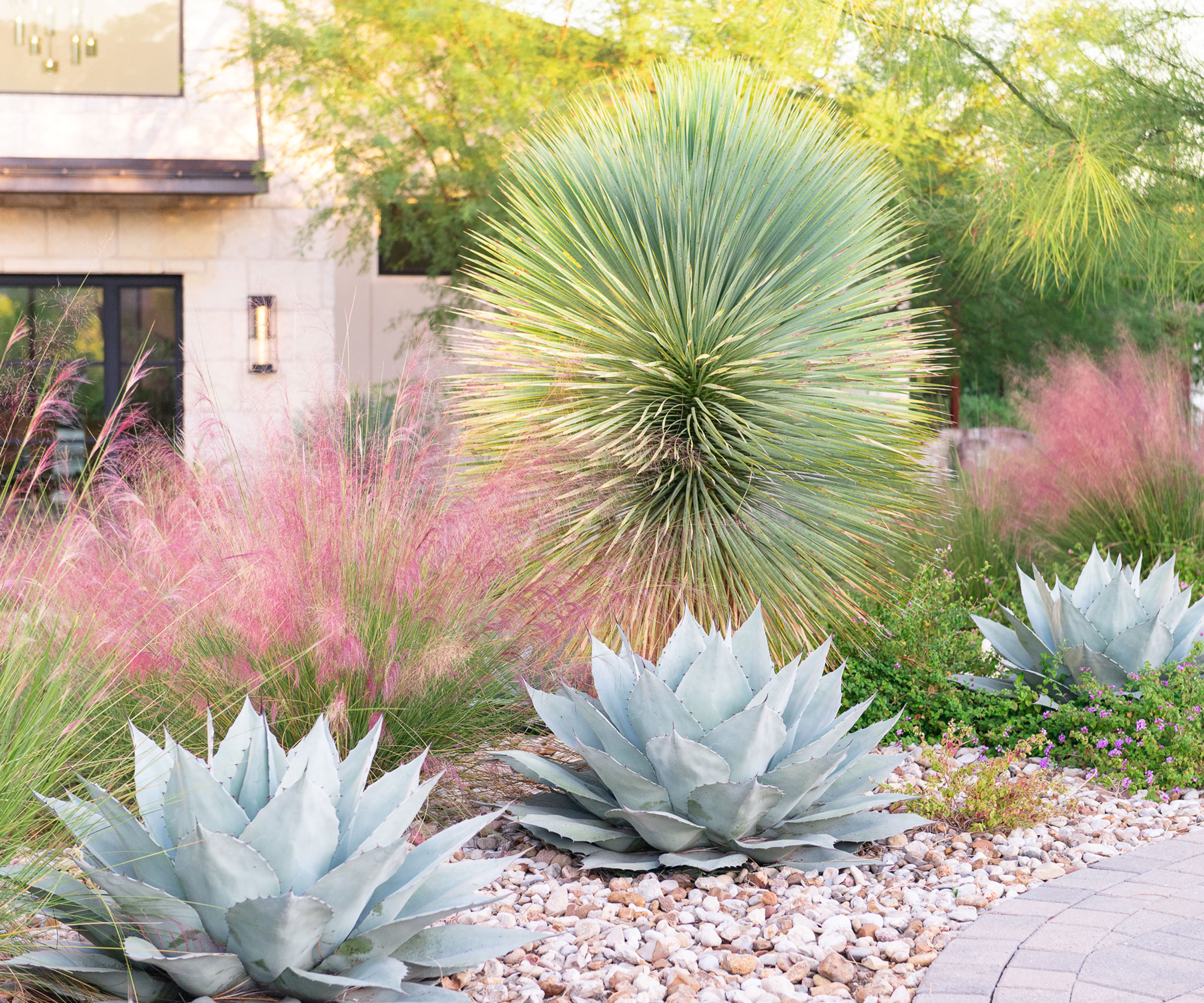
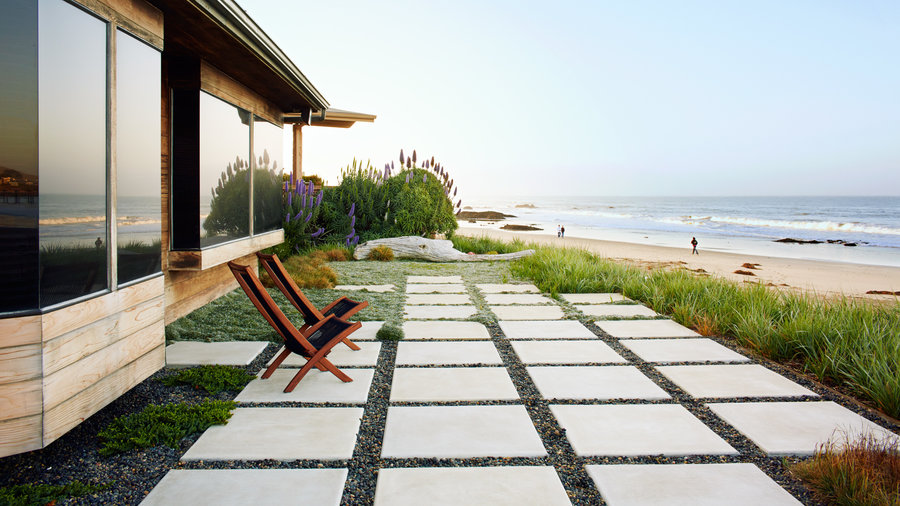
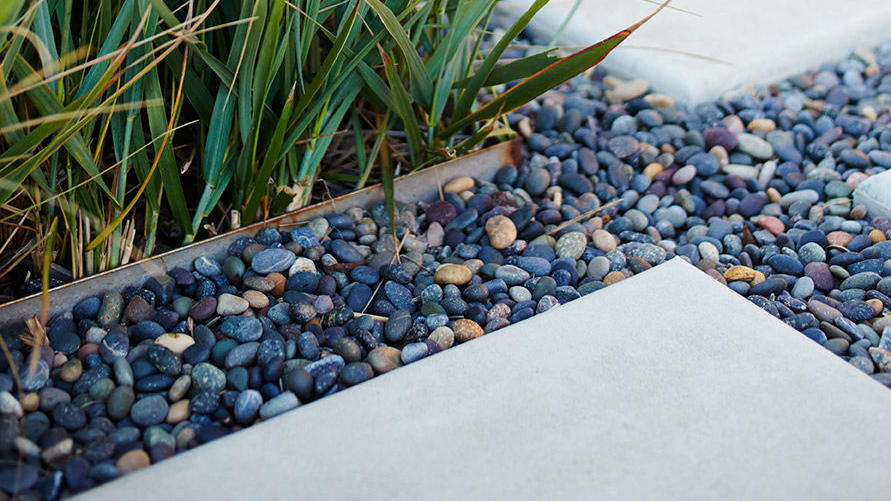
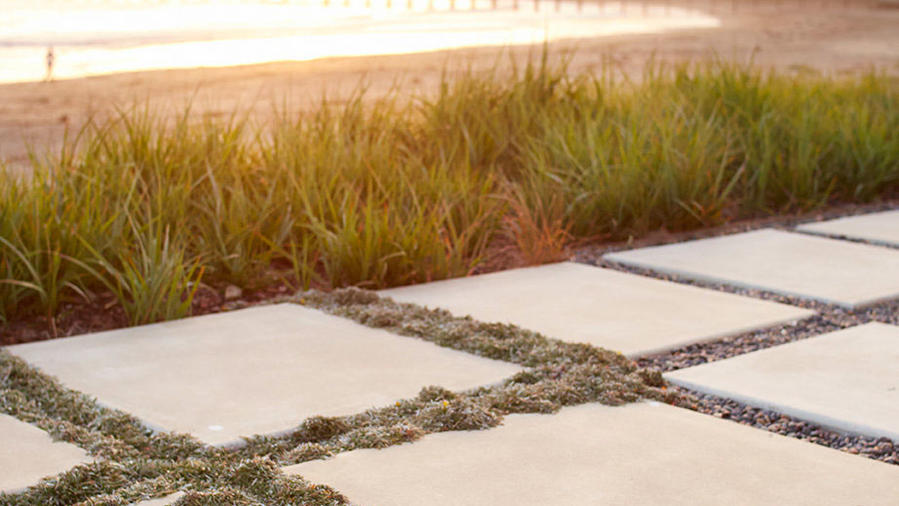
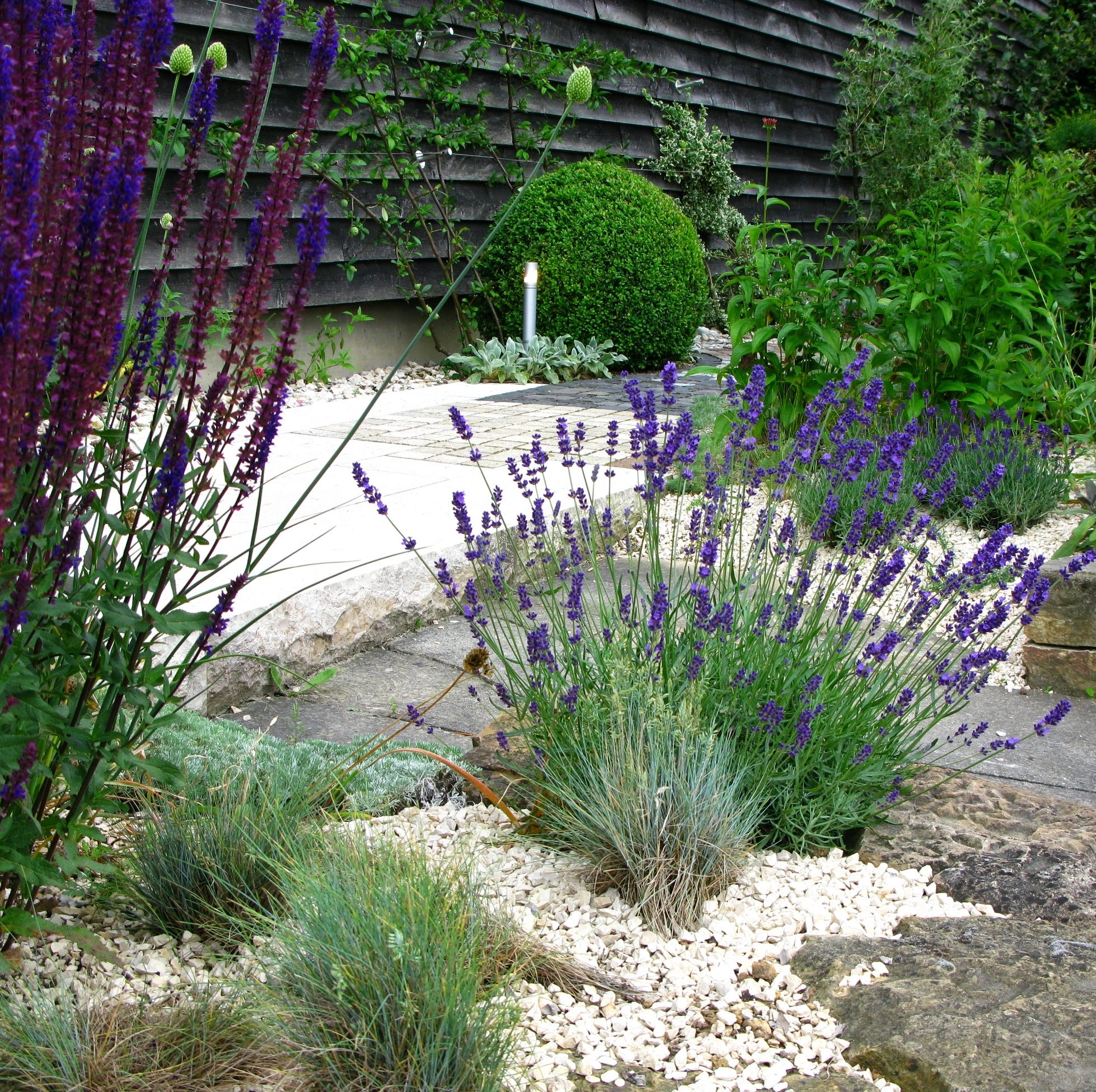
Incorporating decorative hardscape elements offers an alternative to water-thirsty flowering plants. Features like paver walkways, gravel centers, and garden art provide visual interest without demanding extensive irrigation. When selecting materials for hardscaping, prioritizing porous options allows precipitation and irrigation water to be absorbed into the soil rather than running off, benefiting nearby plants. Drought-tolerant groundcovers, such as thyme, can also be used to capture runoff, especially on gentle slopes.
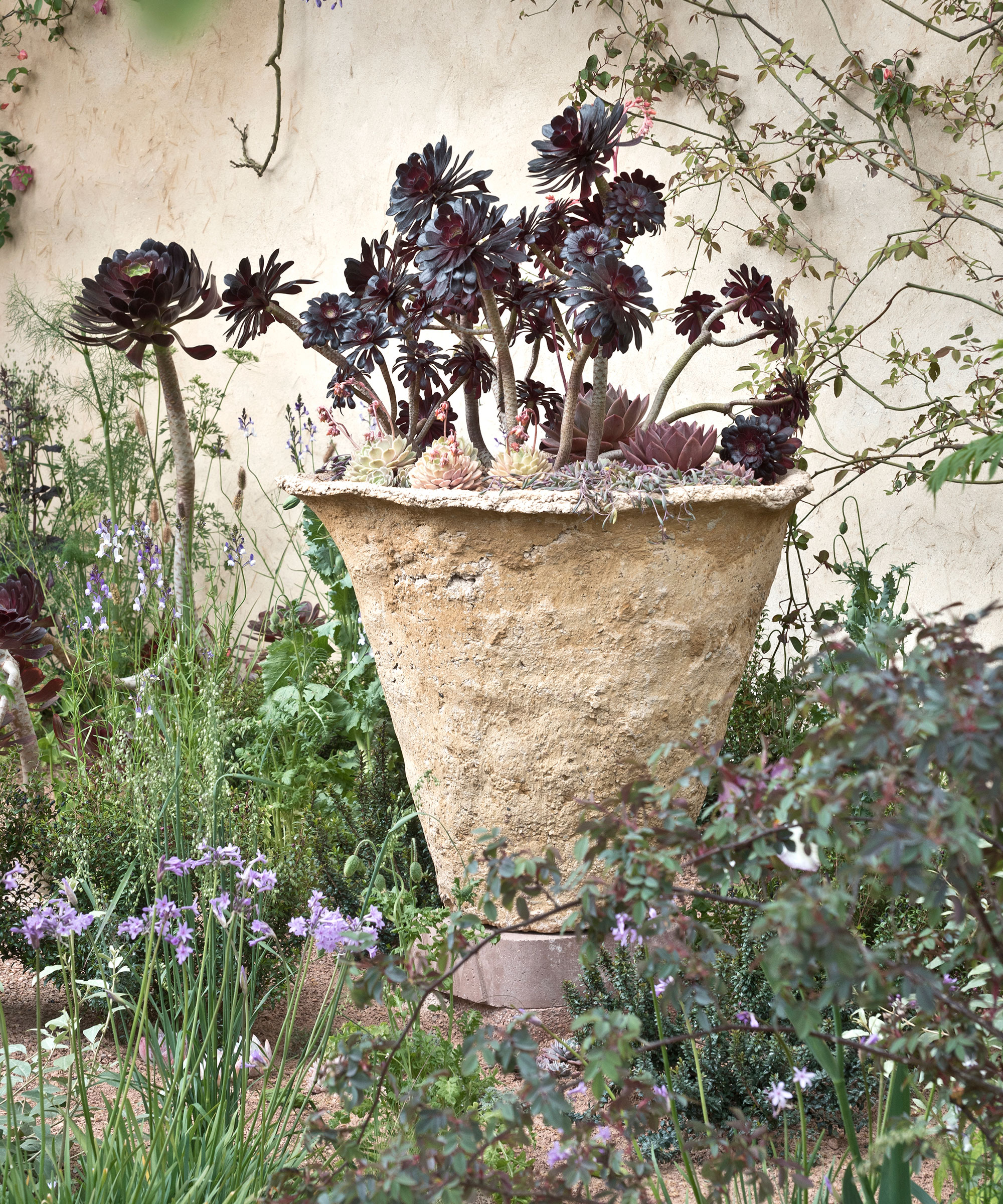
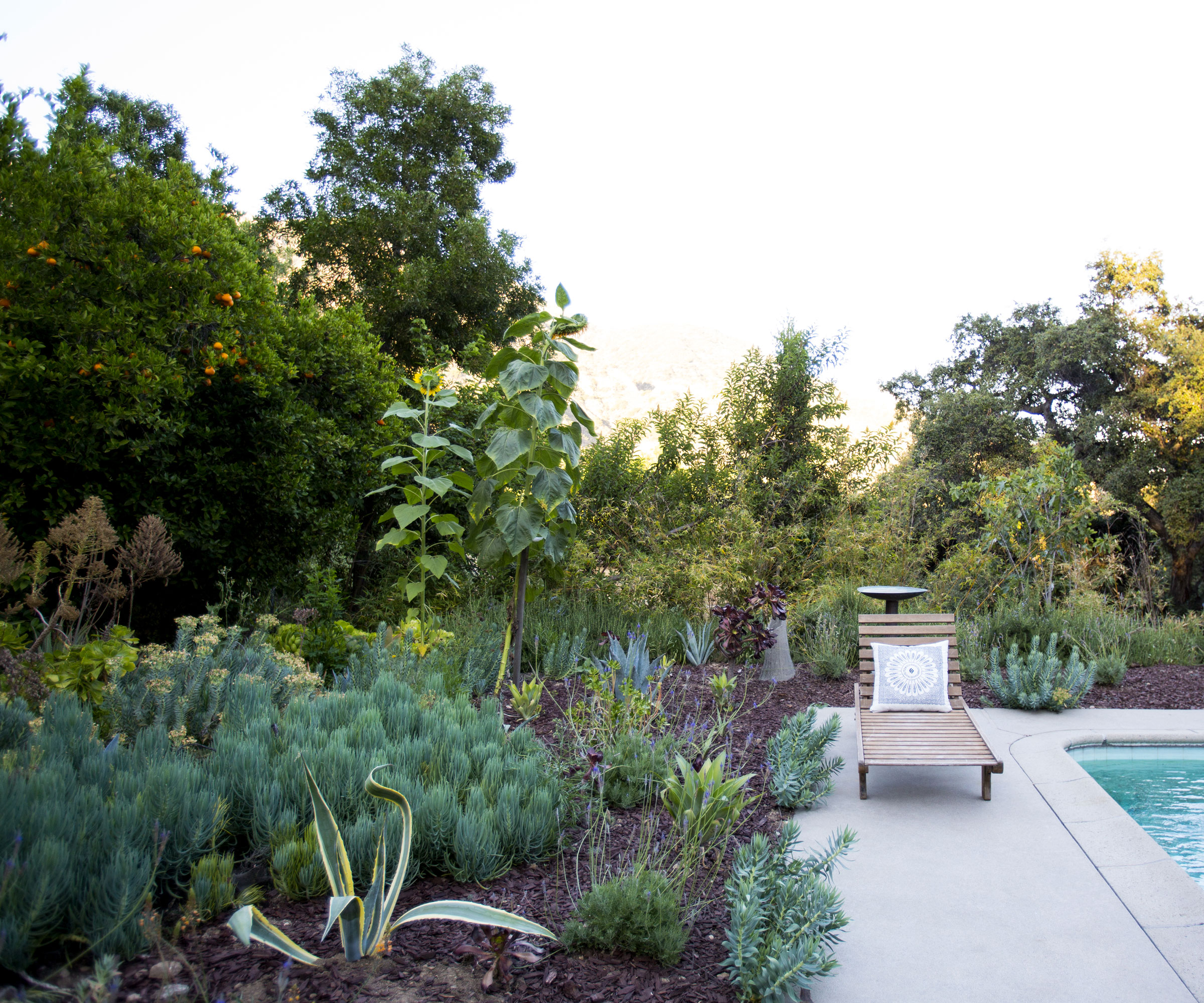
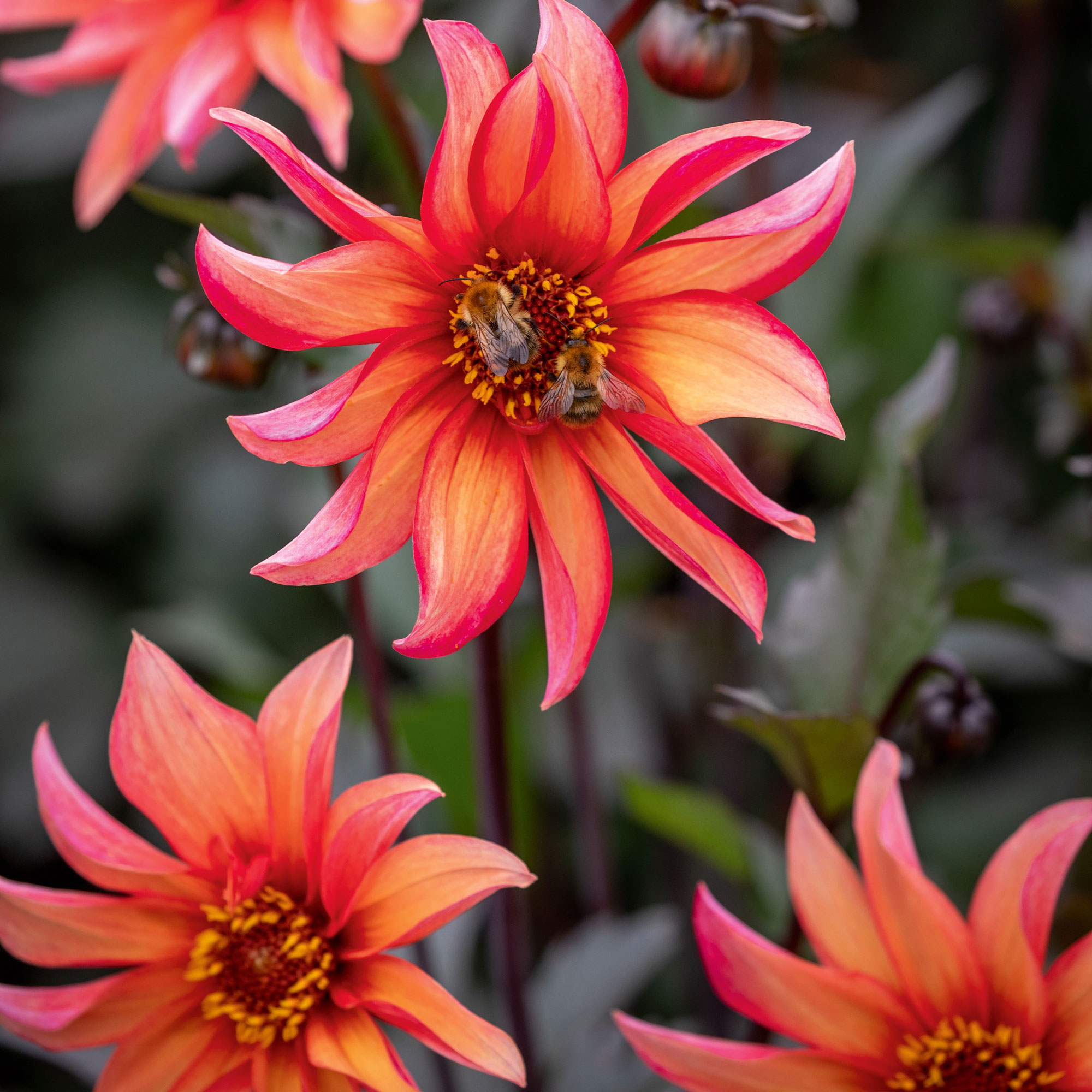
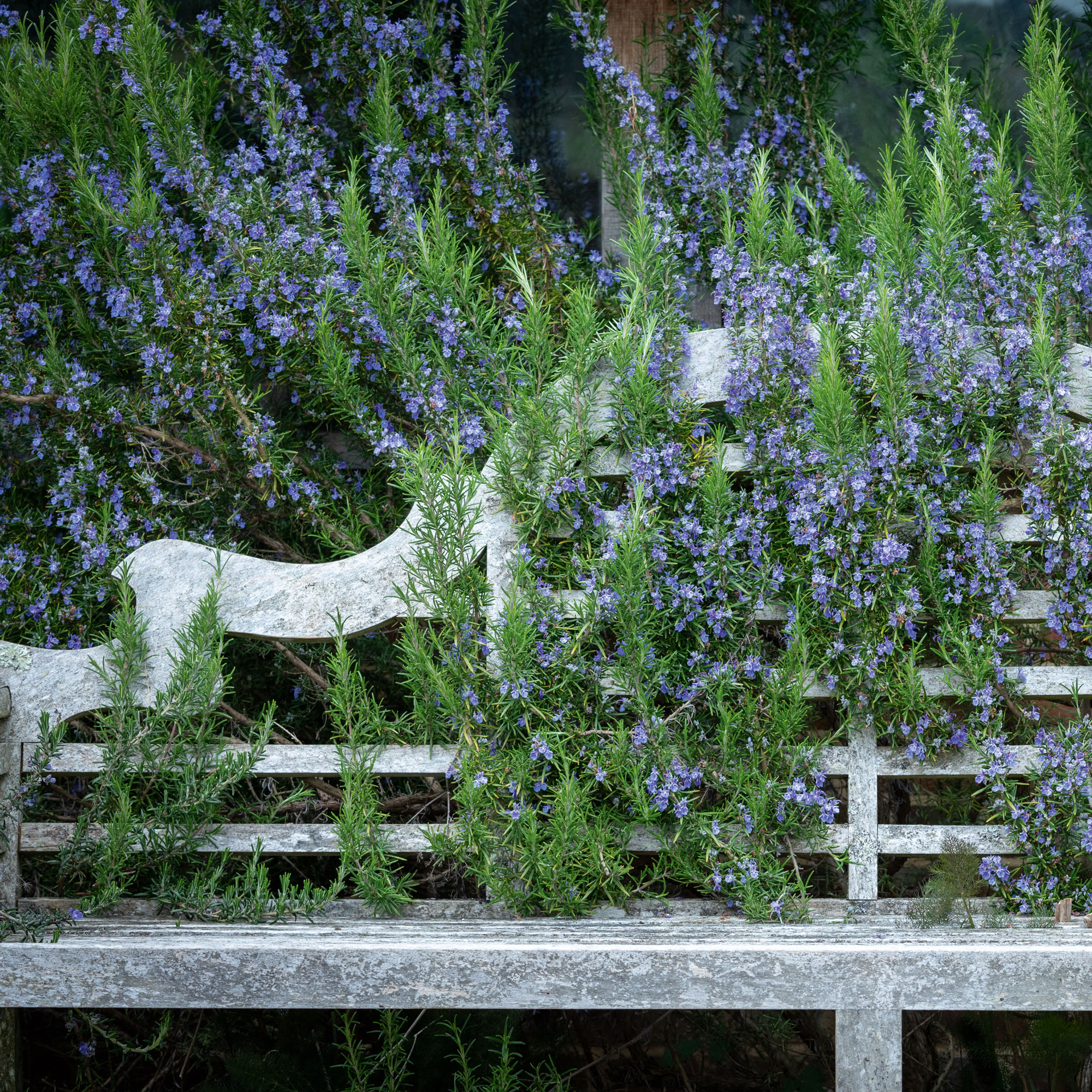
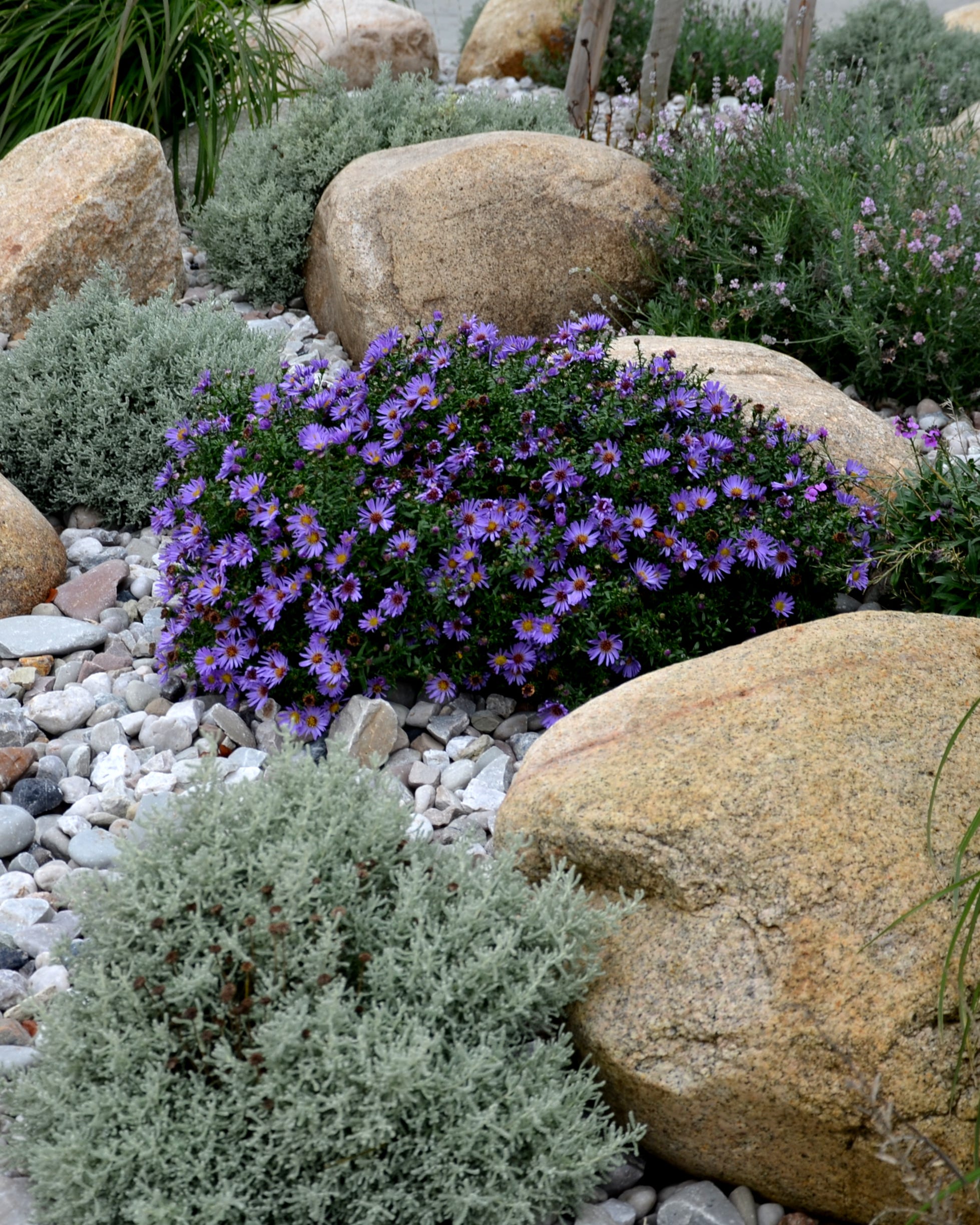
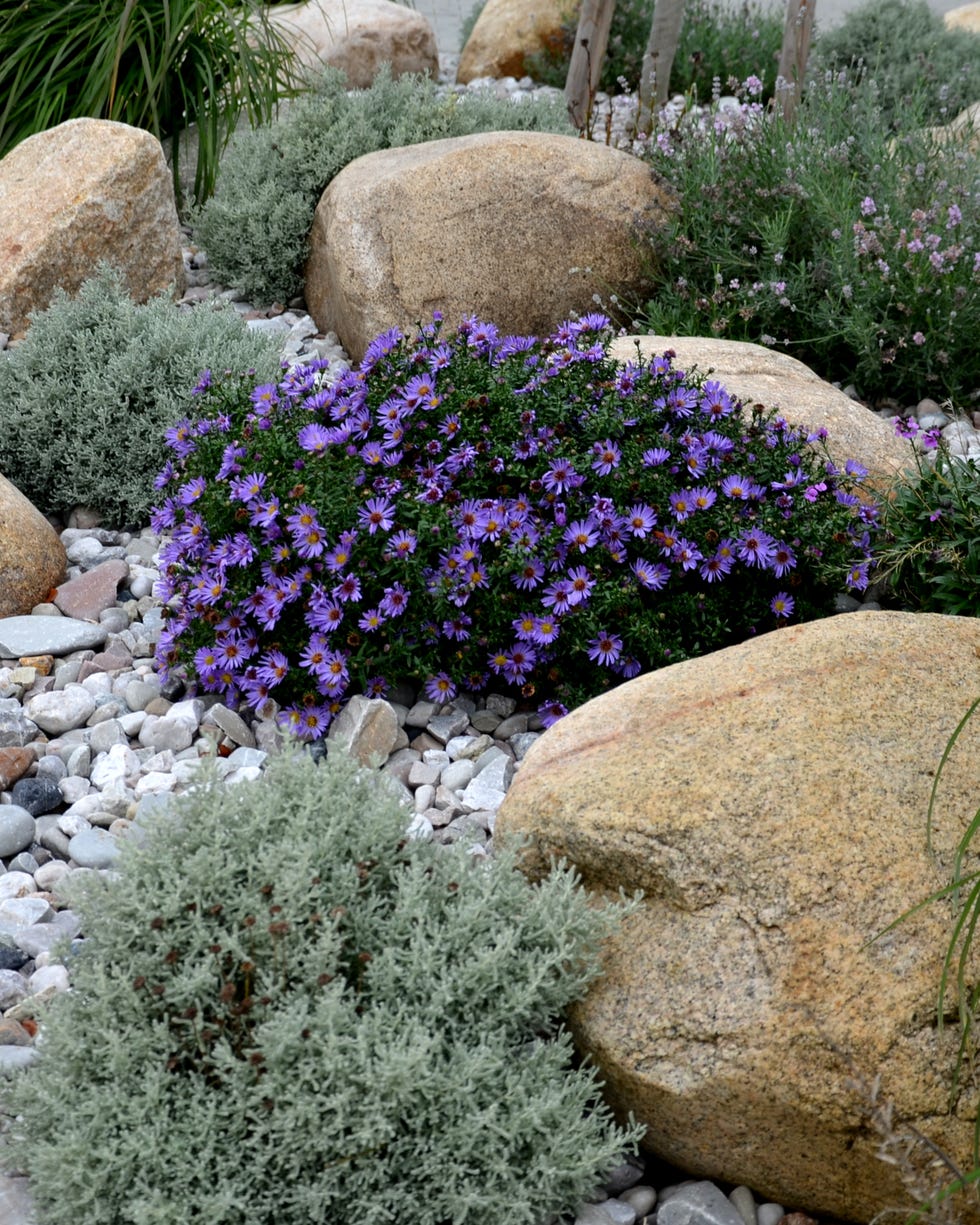
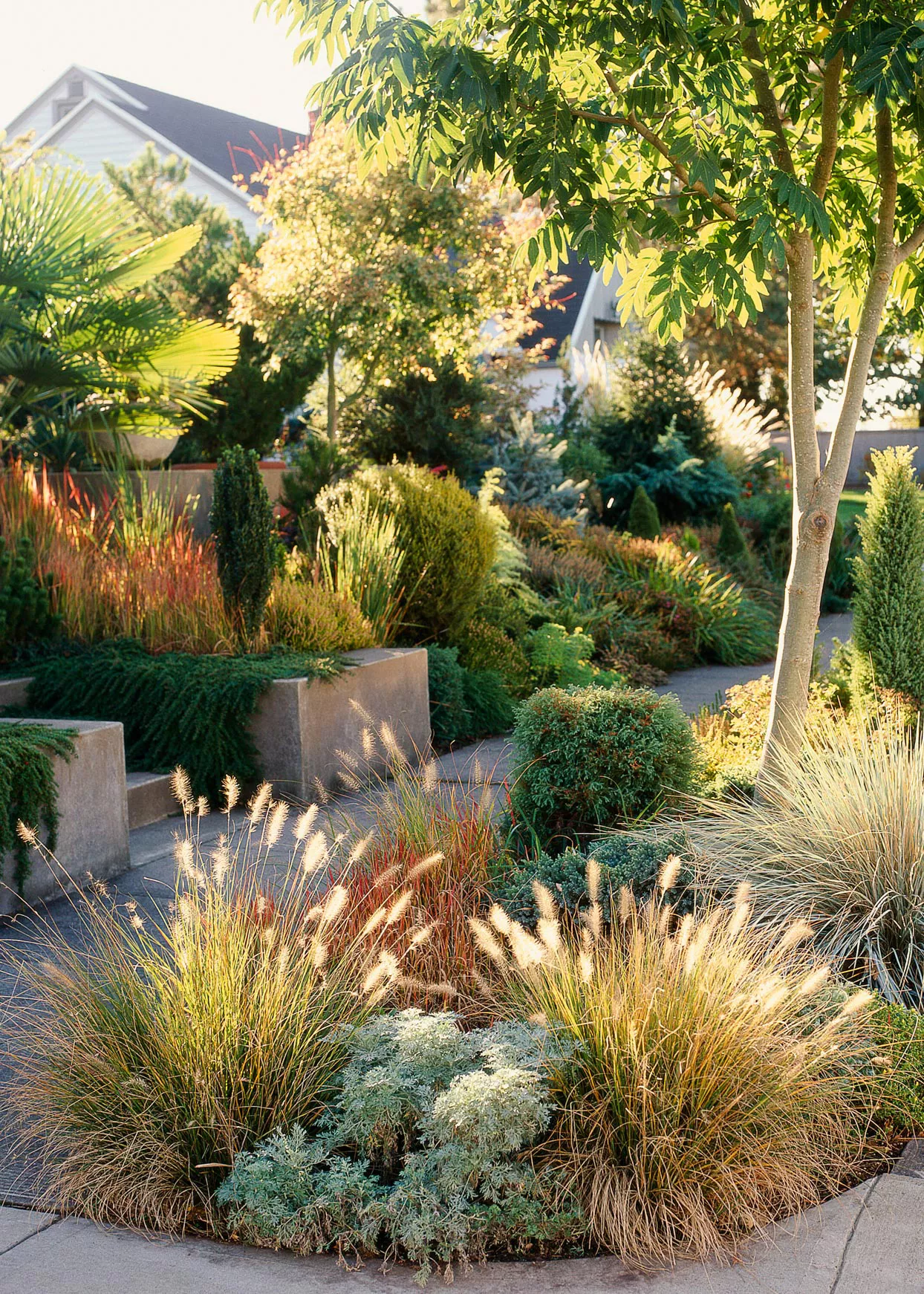
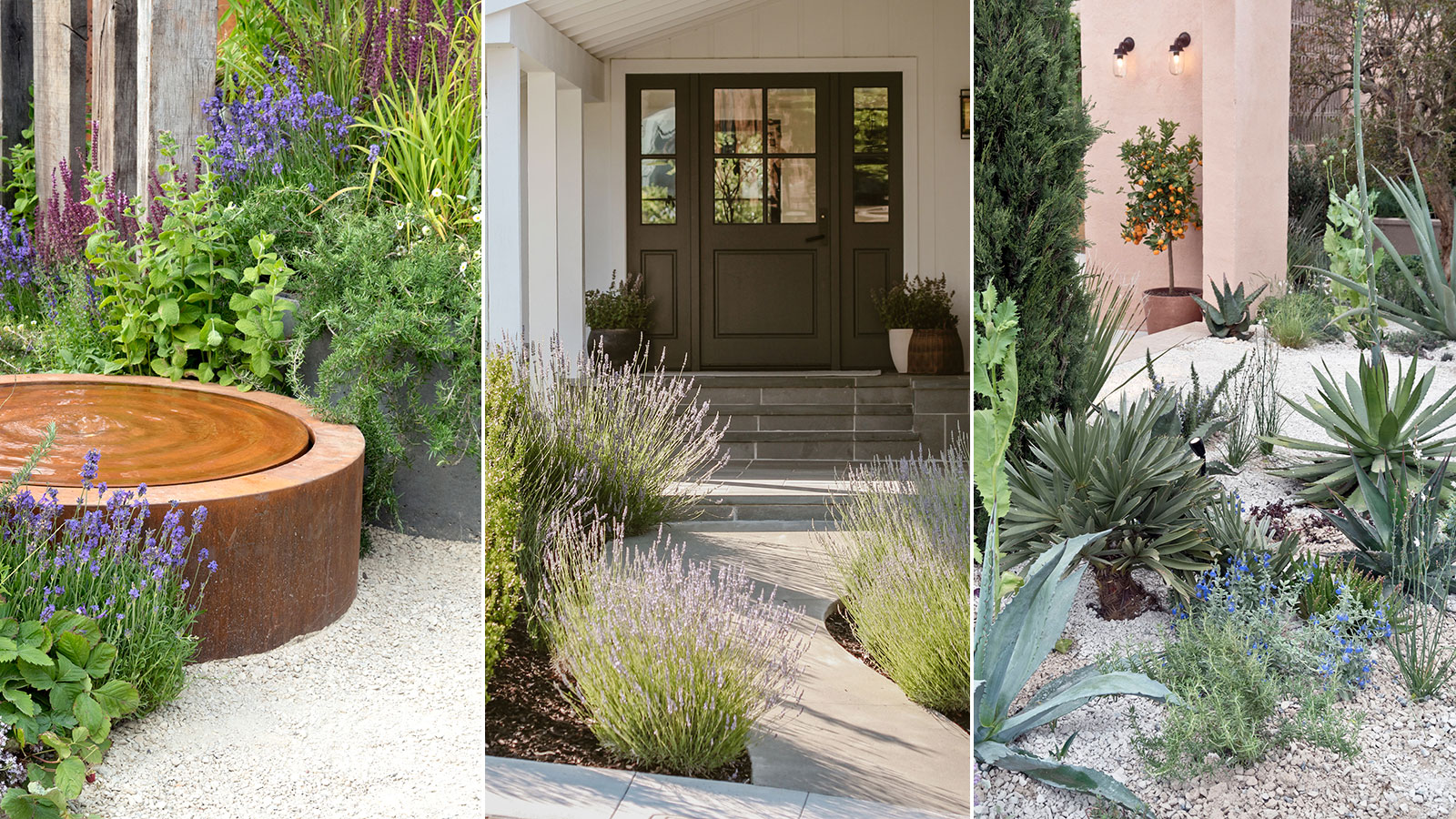
Plant selection is crucial, with an emphasis on water-thrifty plants. This includes tough, colorful perennials like penstemon, various evergreens that tolerate dry conditions, and plants with gray or silver foliage, such as santolina, lamb’s ear, lavender, and Russian sage, all of which exhibit excellent drought tolerance. Densely planting flowerbeds helps shade the soil, reducing evaporation and suppressing weeds, thereby lessening the need for mulch.
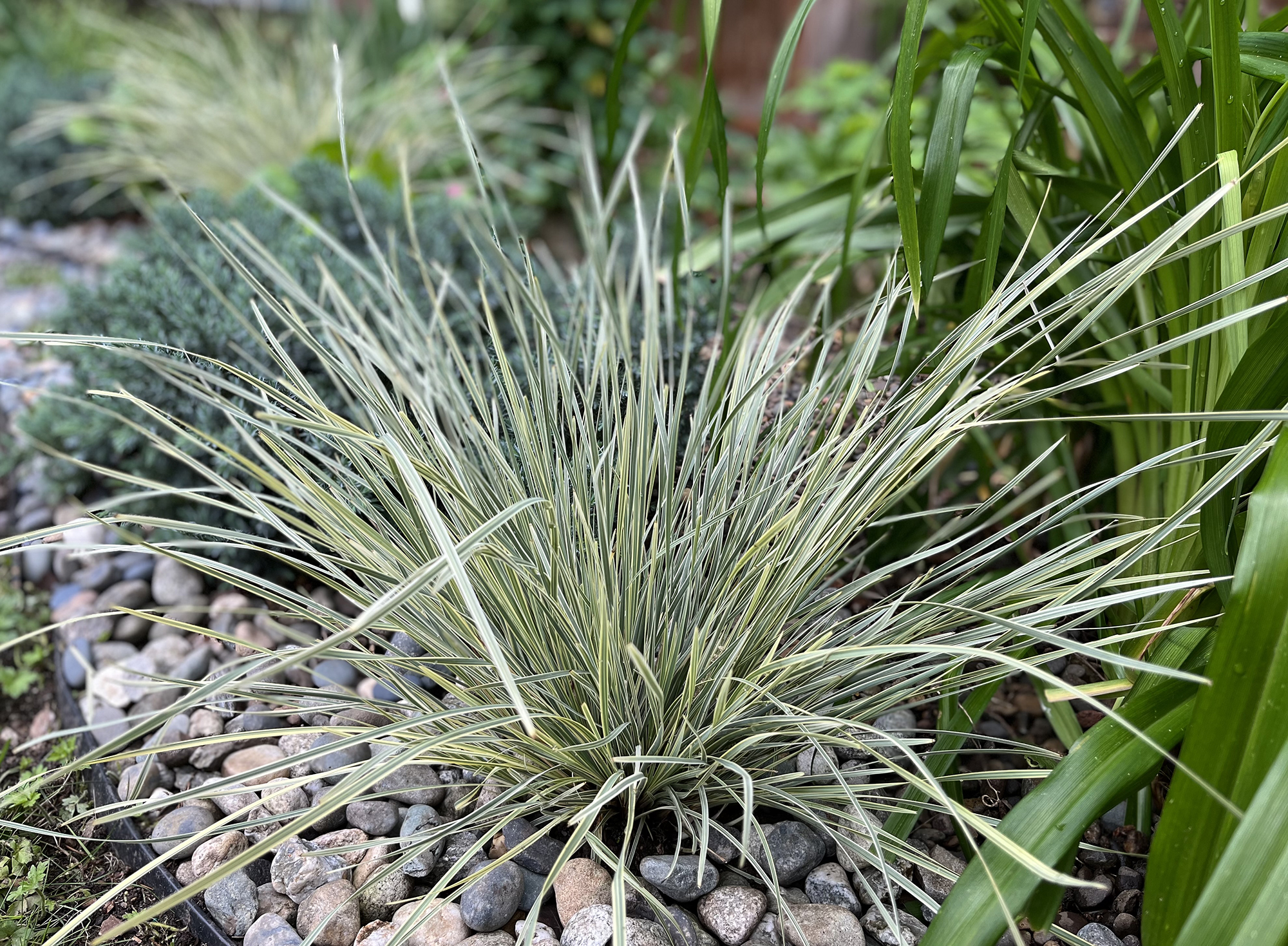
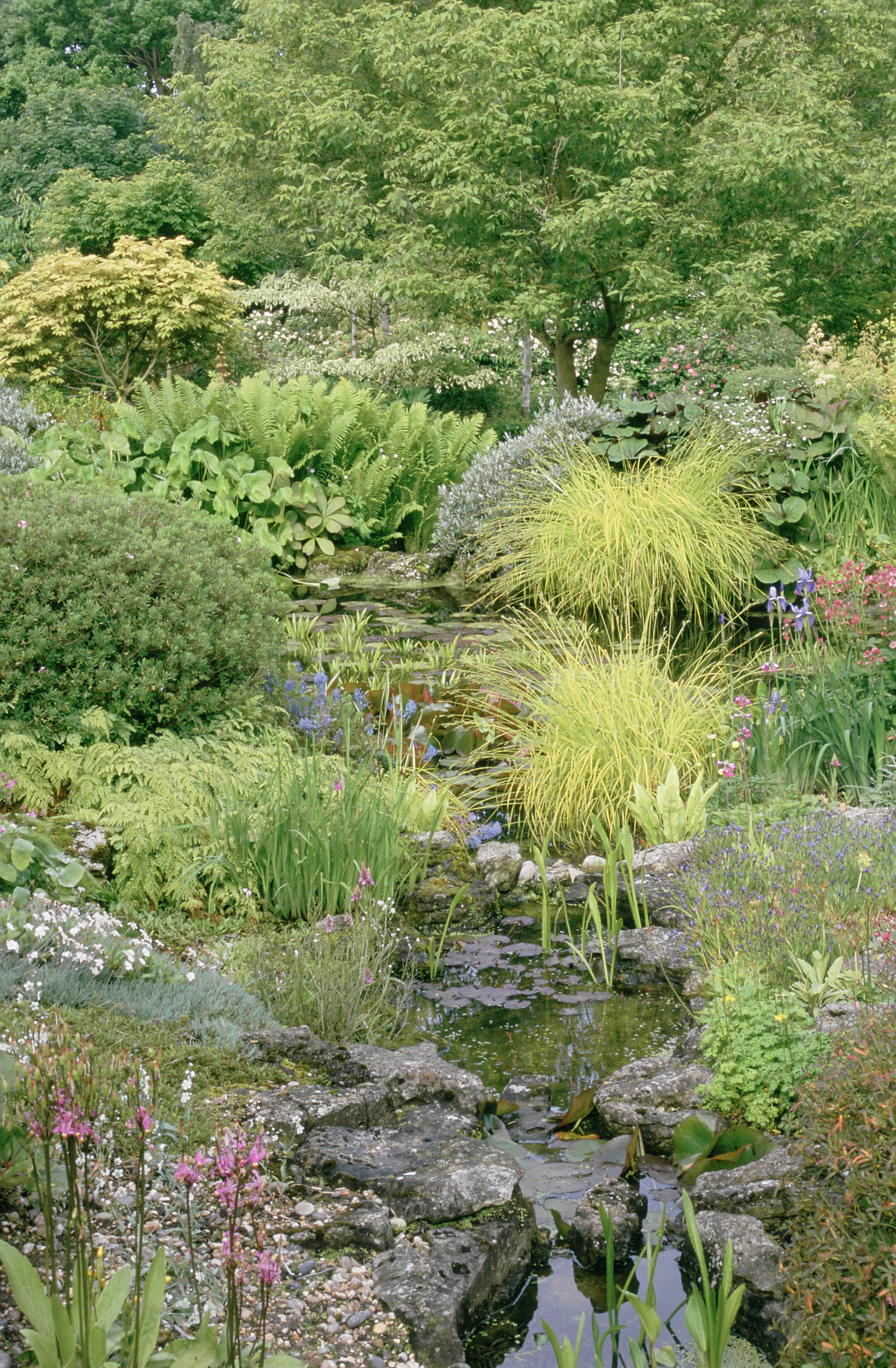
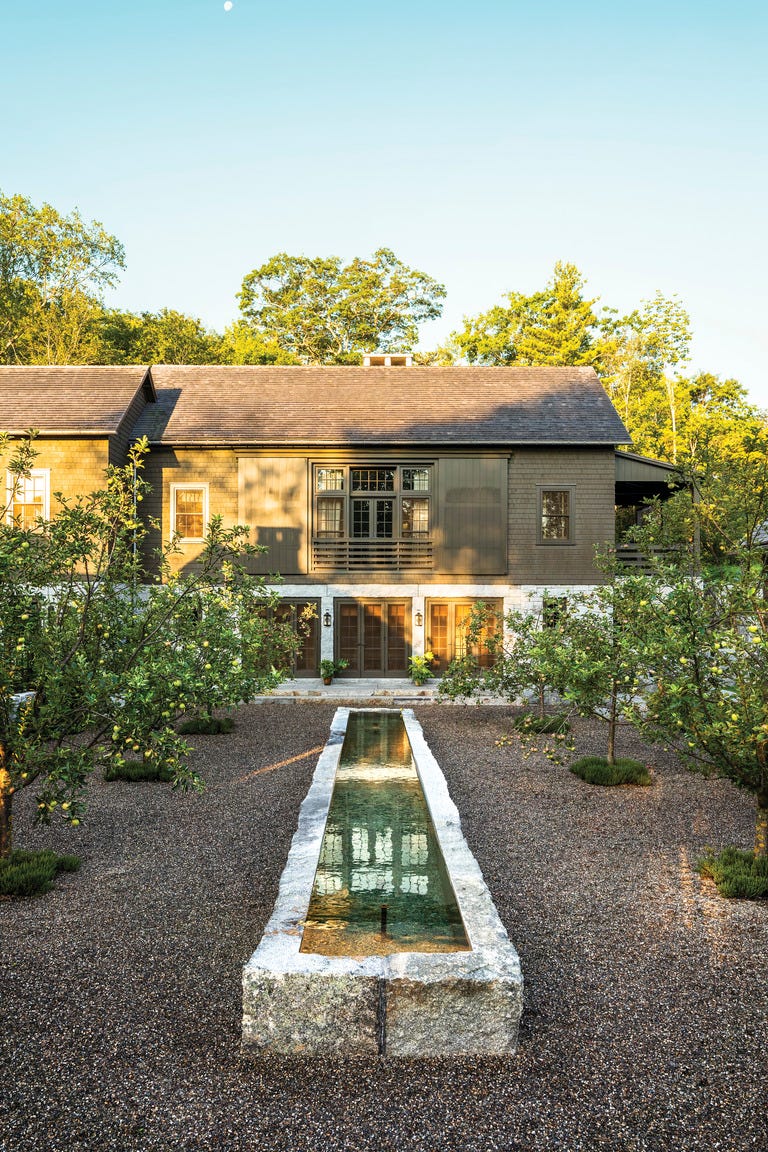
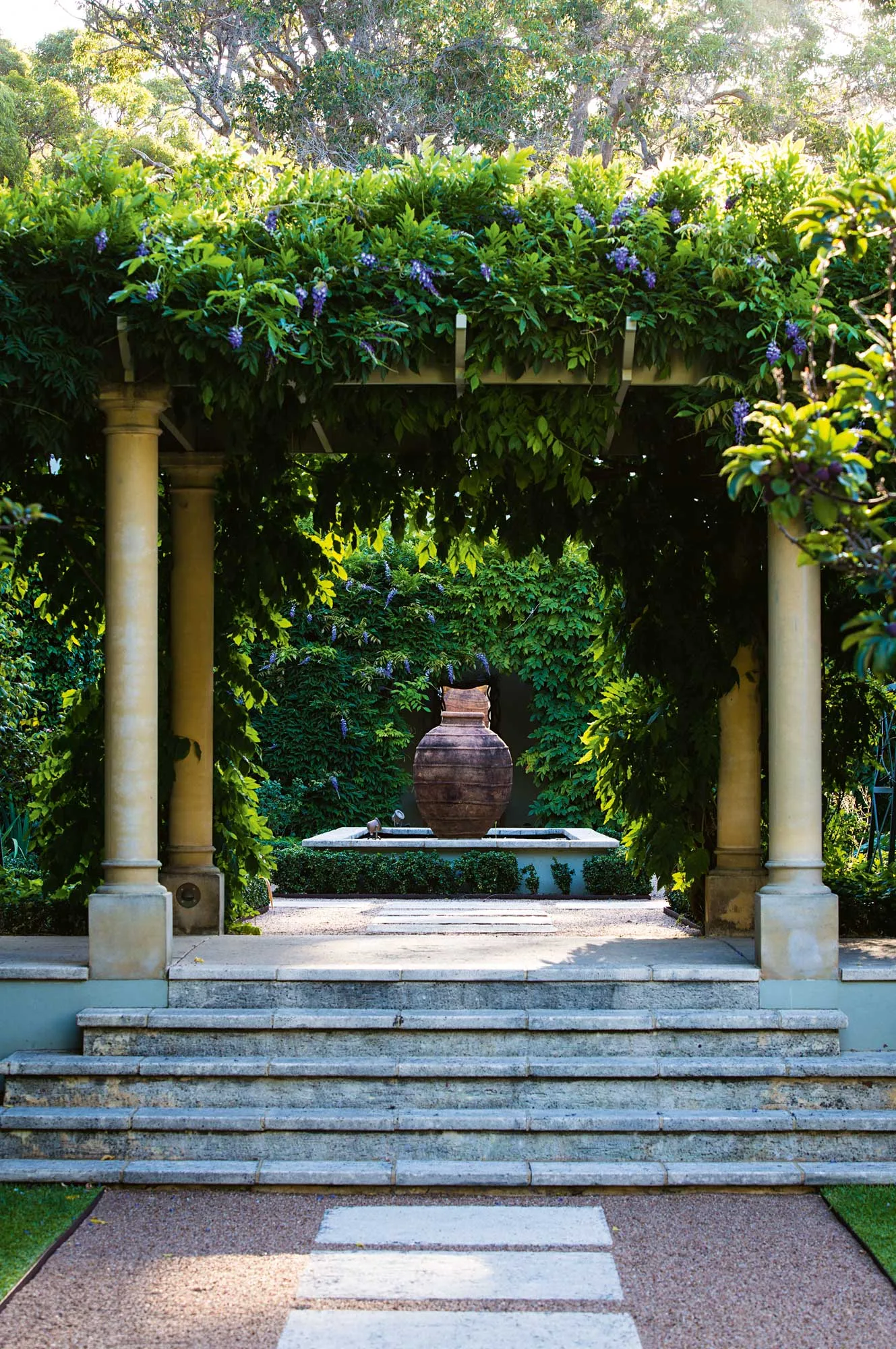
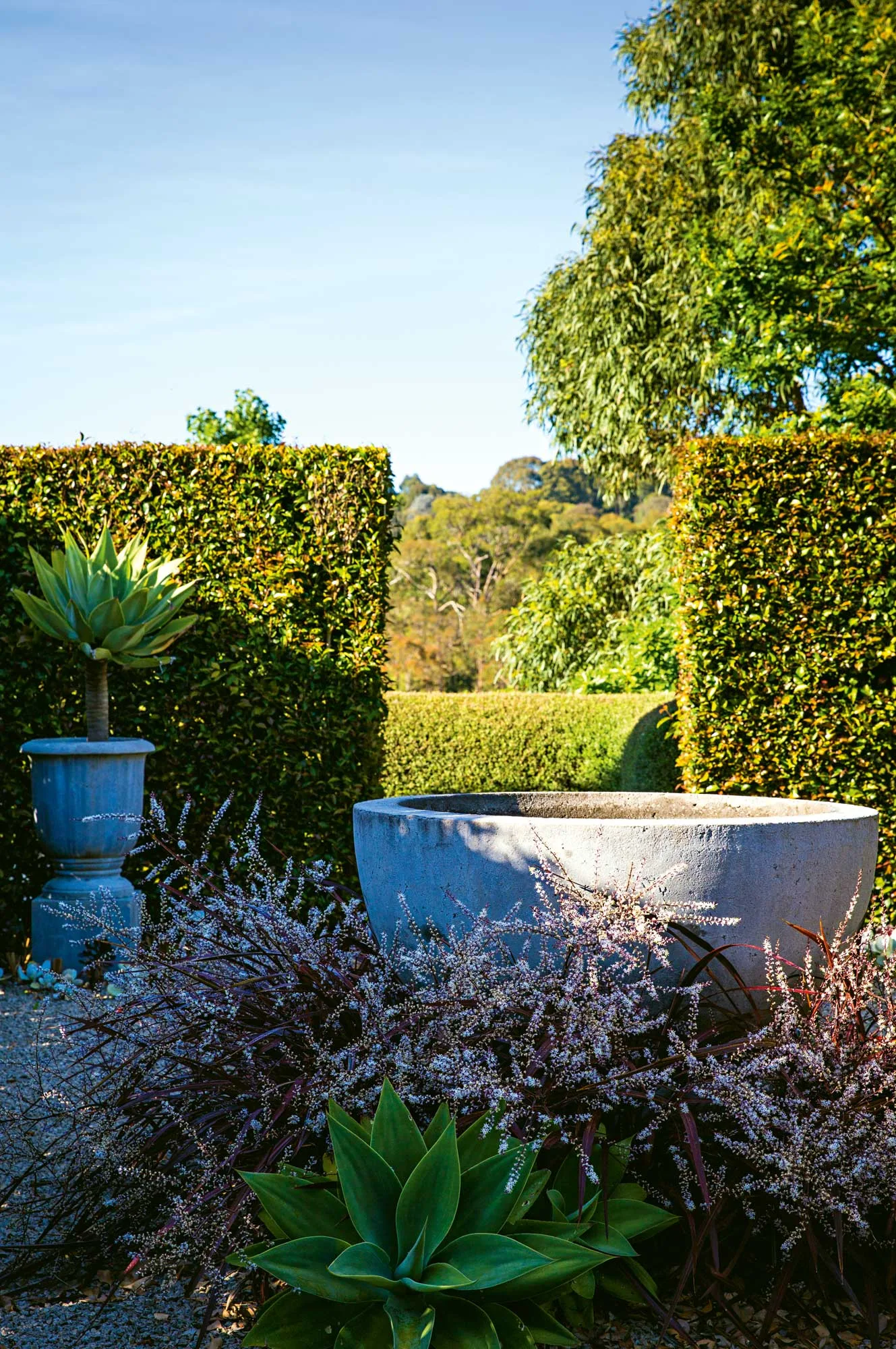
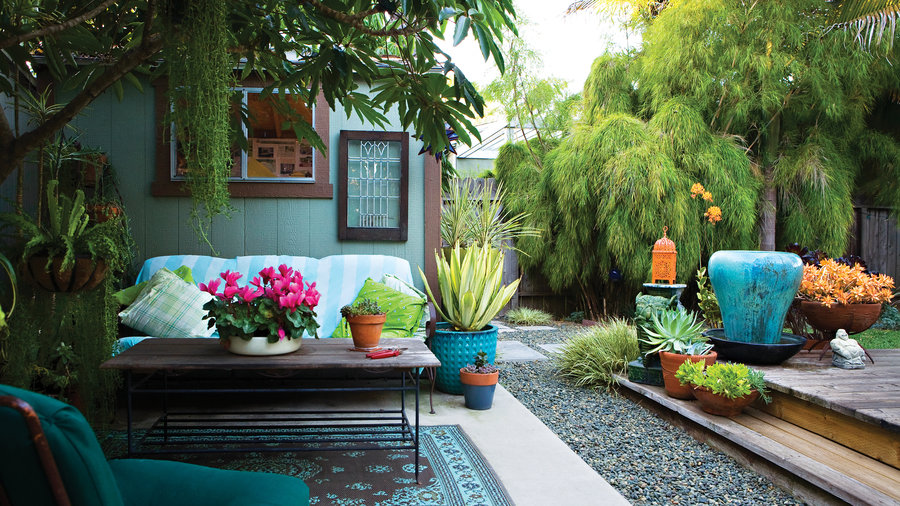
Even water features can be integrated into a drought-tolerant garden if designed thoughtfully to capture and recycle water. Small, raised ponds with fountains, when combined with foliage like Japanese forest grass and lamb’s ear, can create a cooling effect and soften hardscaped areas. Groundcovers act as living mulch, slowing evaporation and minimizing water runoff from steps and sidewalks.
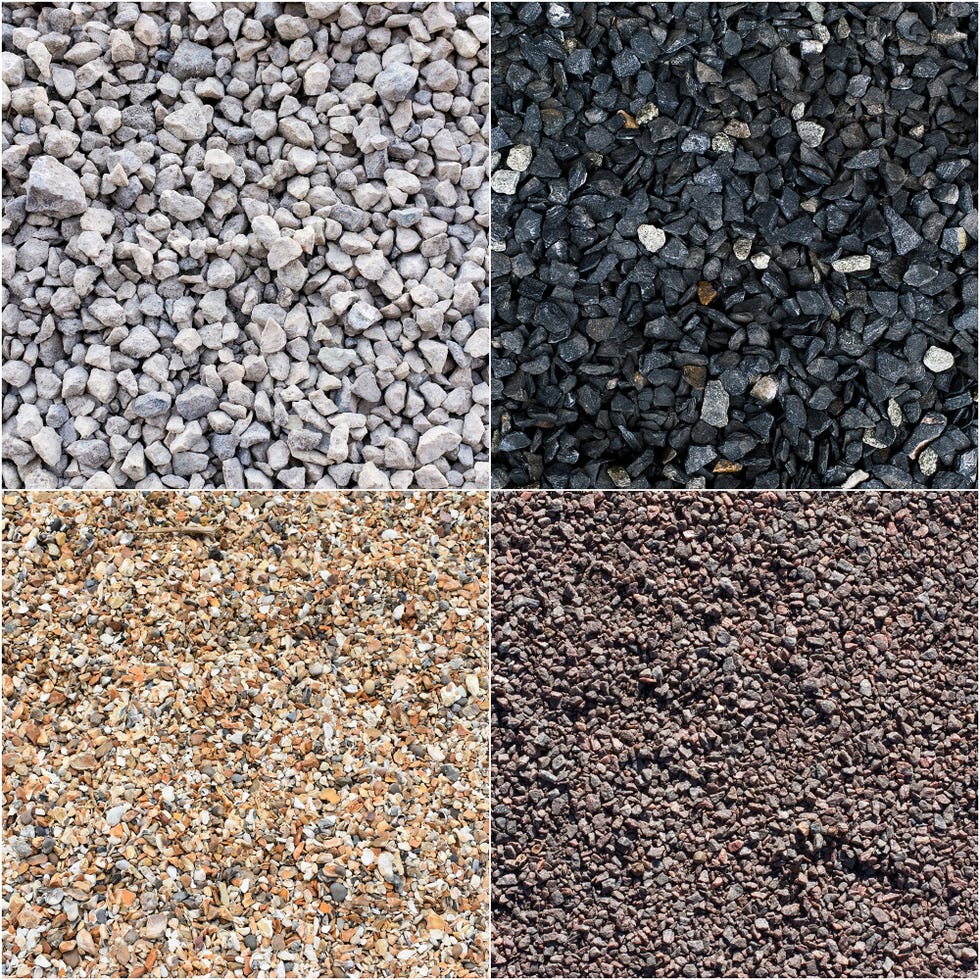
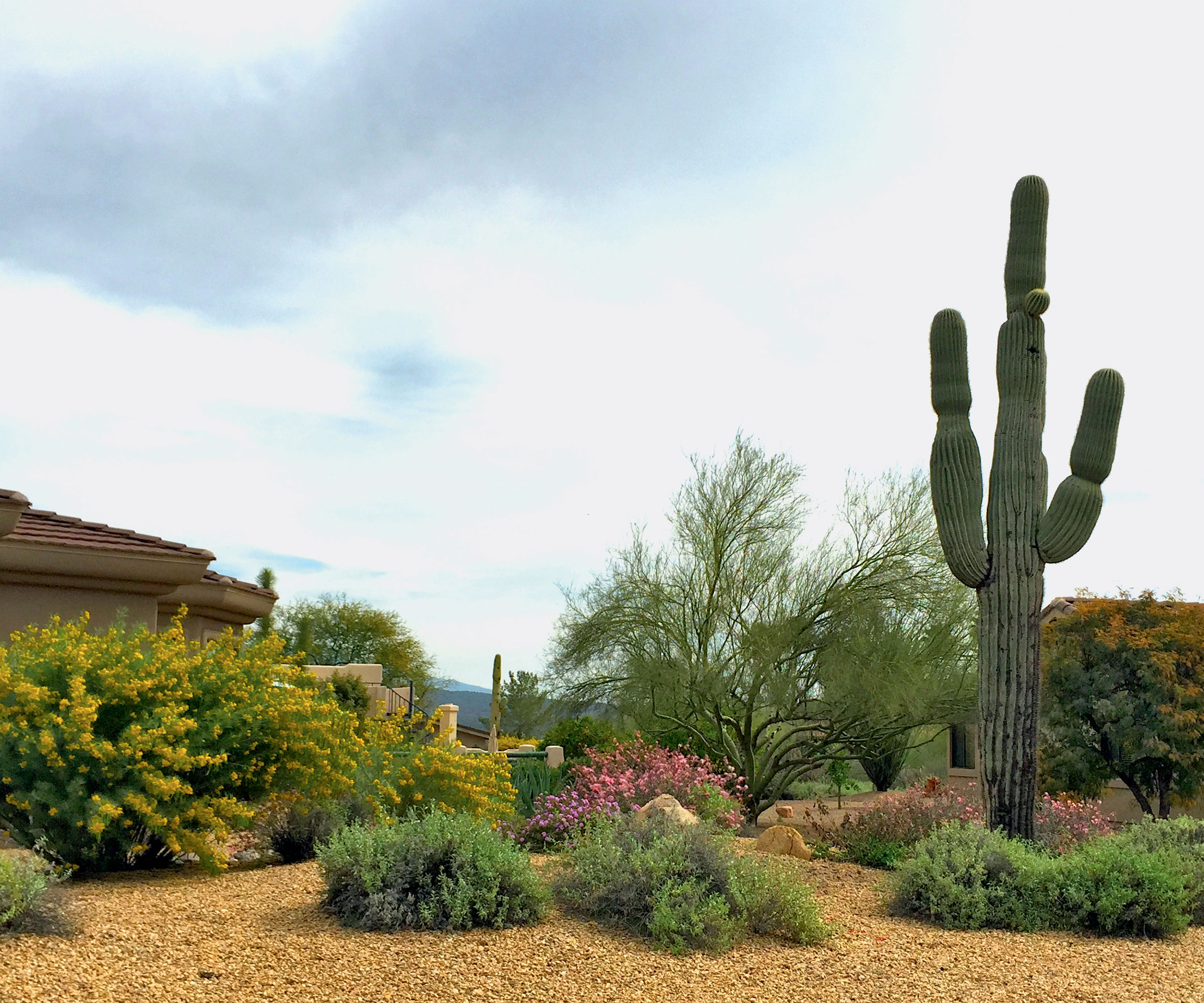
Mulch remains a vital component of water-saving landscapes. Inorganic options like gravel serve as low-maintenance mulch around succulents and grasses, simultaneously creating permeable walkways that prevent runoff. Transforming challenging areas, such as parking strips (often called “hell strips” due to their hot, dry nature), into lush oases with drought-tolerant plants like ornamental grasses, low-growing evergreens, and artemisia helps catch rainwater runoff, reducing soil erosion and conserving water.
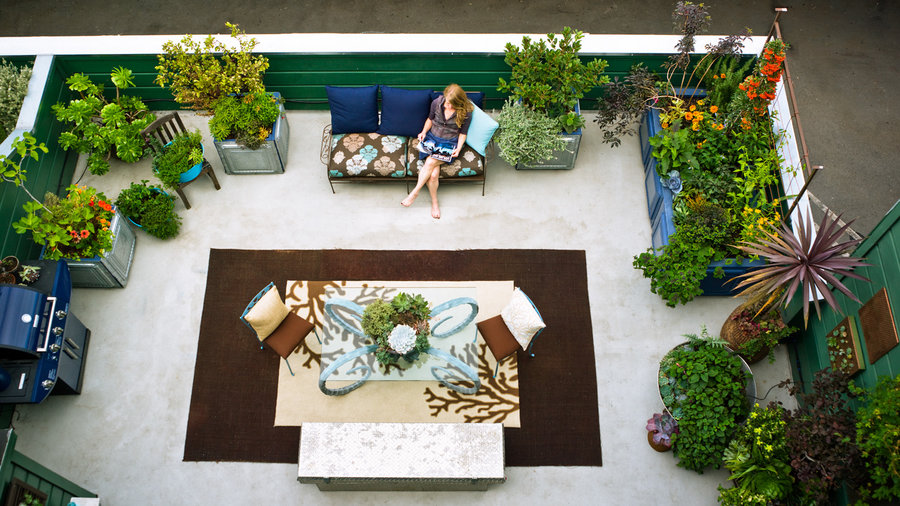
Managing water on slopes can be addressed through tiered garden beds, large rocks, groundcovers, and sturdy raised beds, which collectively reduce water loss and erosion. Proper watering practices, such as irrigating early in the morning or in the evening, further minimize water loss due to evaporation. Grouping plants with similar water and light requirements, especially native plants or those adapted to dry regions like lavender, ensures optimal growth with minimal water. Finally, for plants that require more frequent watering, confining them to containers allows for targeted irrigation, preventing the need to water an entire garden excessively. Heat-tolerant annuals in containers can also provide vibrant color without compromising the water-saving goals of the landscape.
#DroughtTolerantLandscaping #Xeriscaping #WaterConservation #GardenDesign #SustainableGardening #Hardscaping #LowWaterPlants #Mulching #NativePlants #DroughtTolerantLandscaping #Xeriscaping #WaterConservation #GardenDesign #SustainableGardening #Hardscaping #LowWaterPlants #Mulching #NativePlants
合計0件のコメント
 まだコメントはありません
あなたも好きかもしれません
Drought-tolerant landscaping ideas – 8 solutions for a more sustainable backyard design

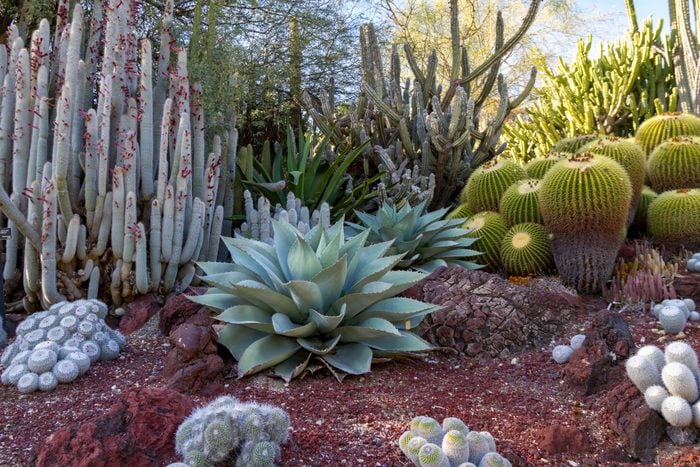
18 Unique and Unusual Gardens To Consider

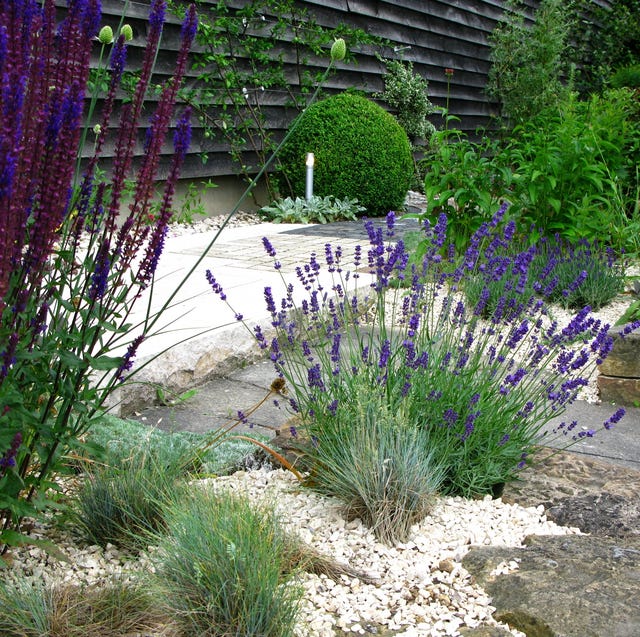
8 low-maintenance gravel garden ideas
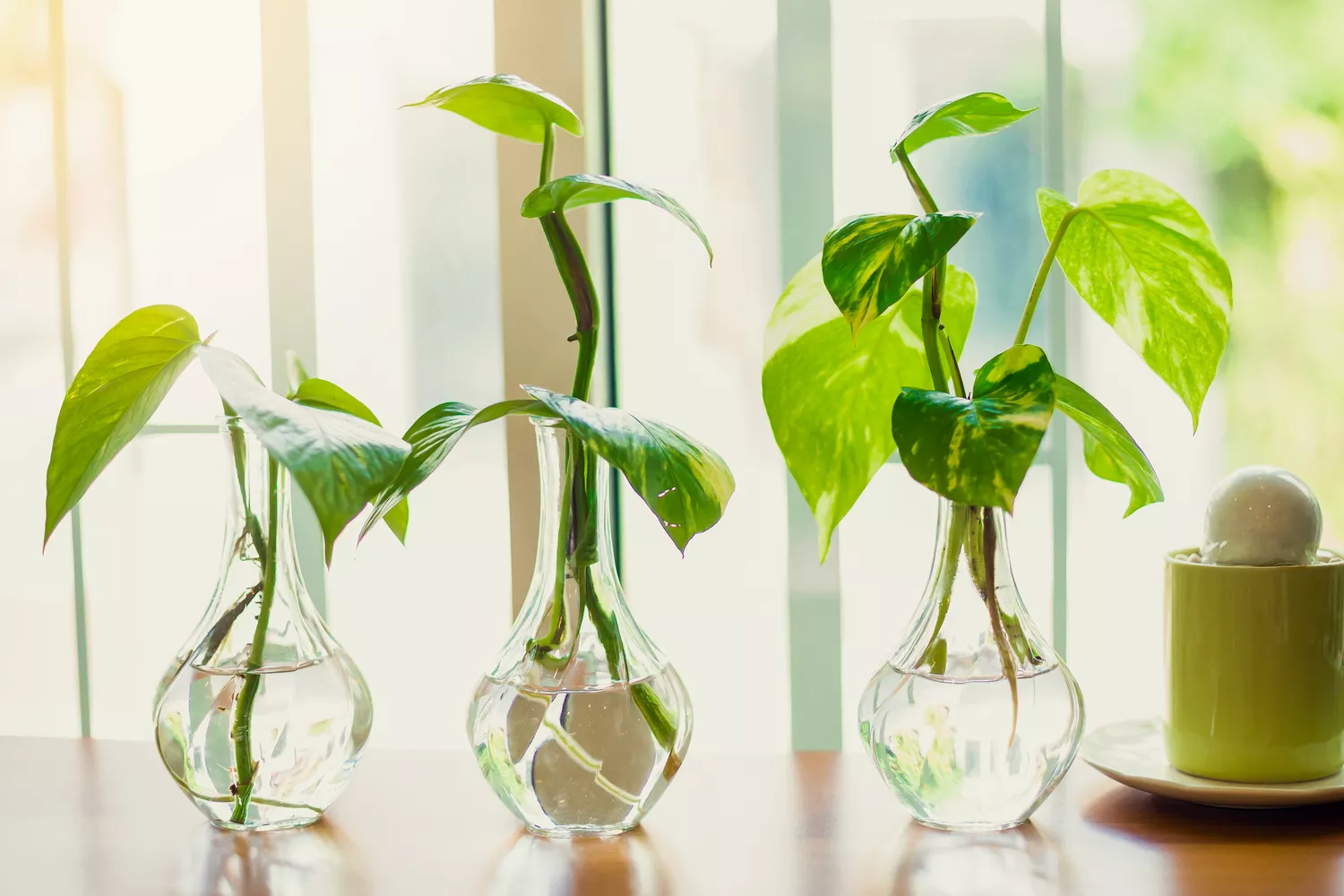
14 Houseplants That Can Grow in Water—No Soil Needed

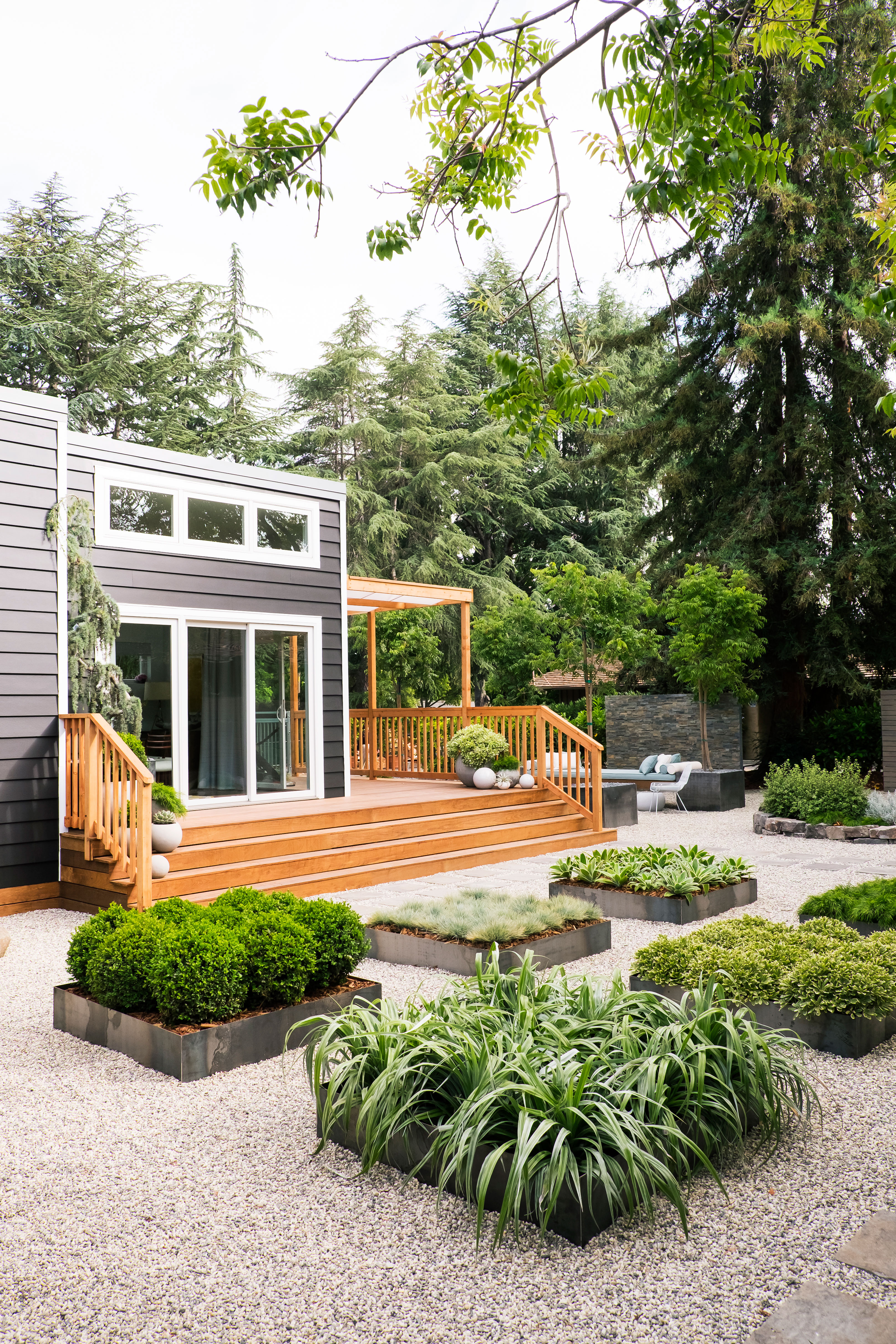
This Stunning Garden with Zen Vibes Uses Shockingly Little Water

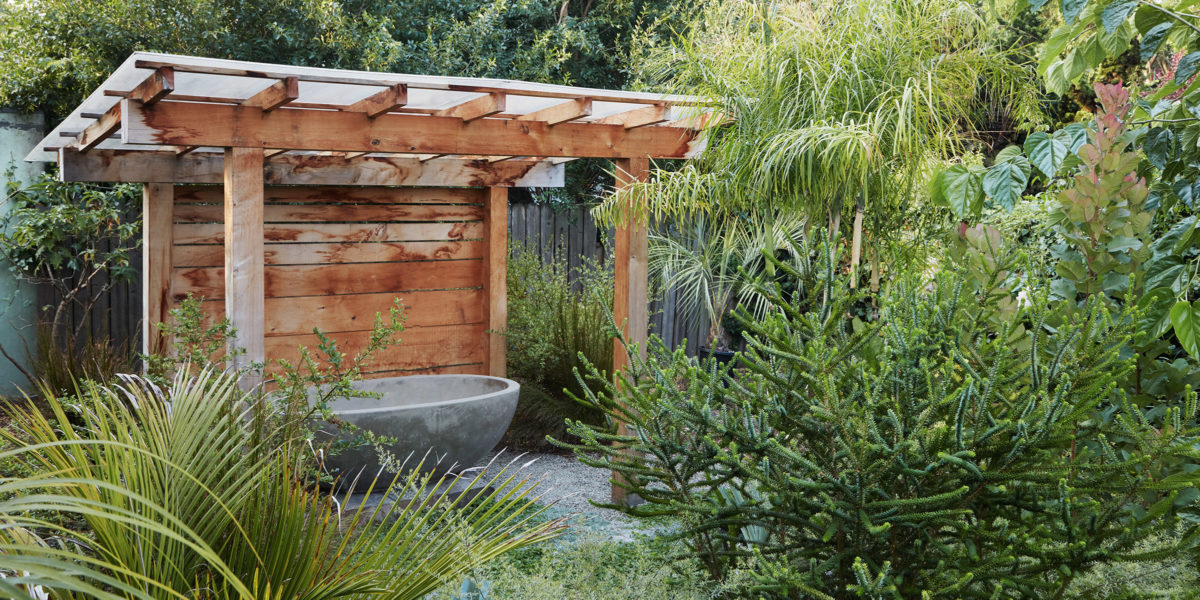
Wait, How Is This Green-on-Green Garden Low Water?

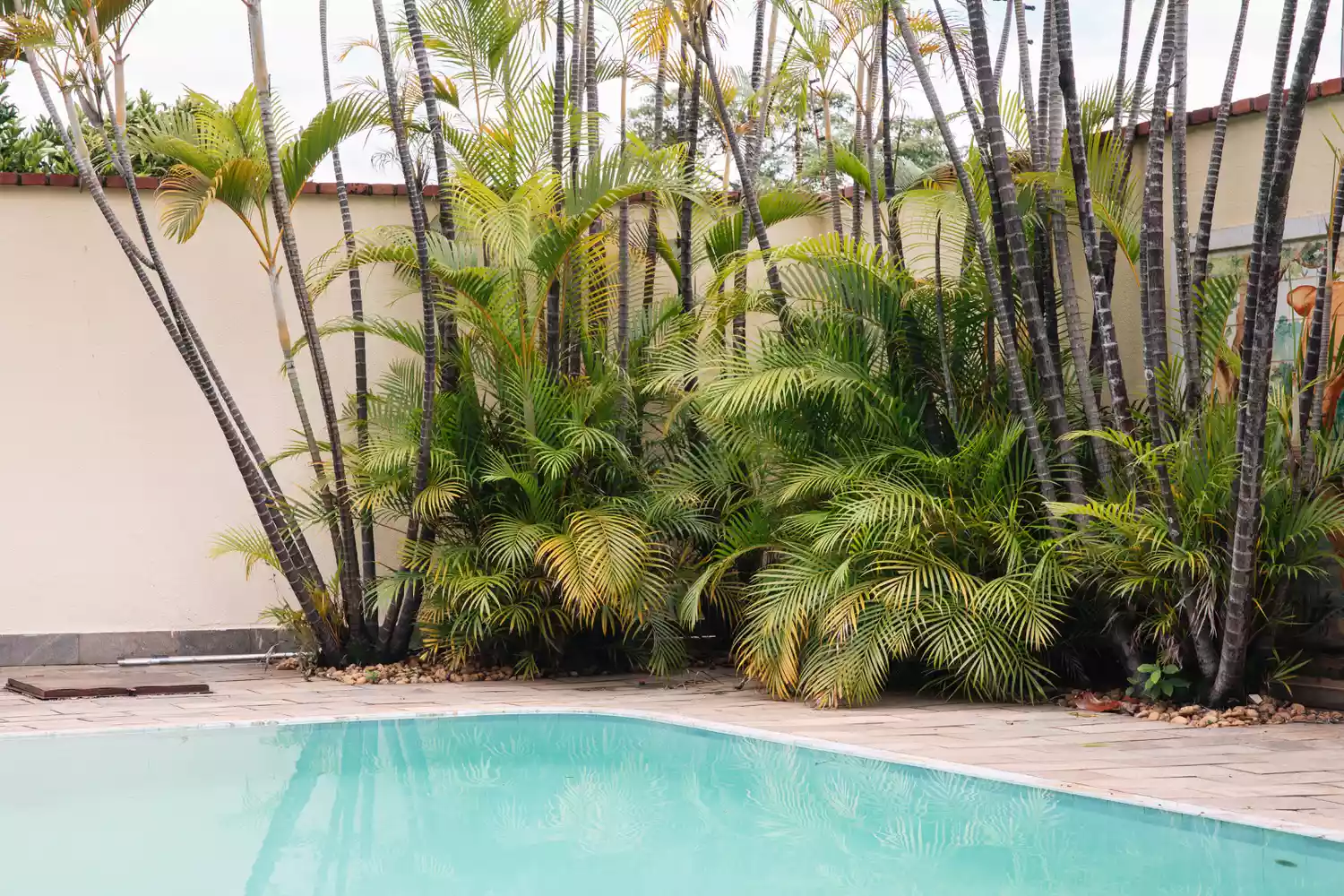
18 Poolside Plants That Will Make Your Landscape Look Like Paradise
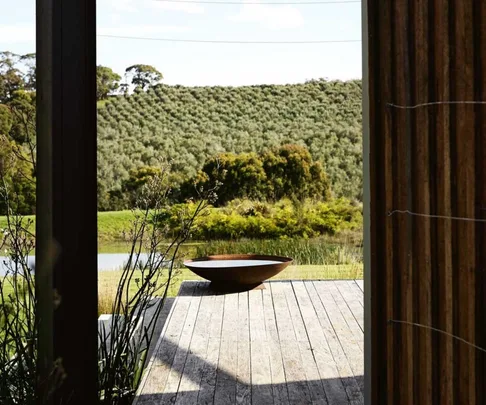
Outdoor water features to turn your garden into a zen oasis

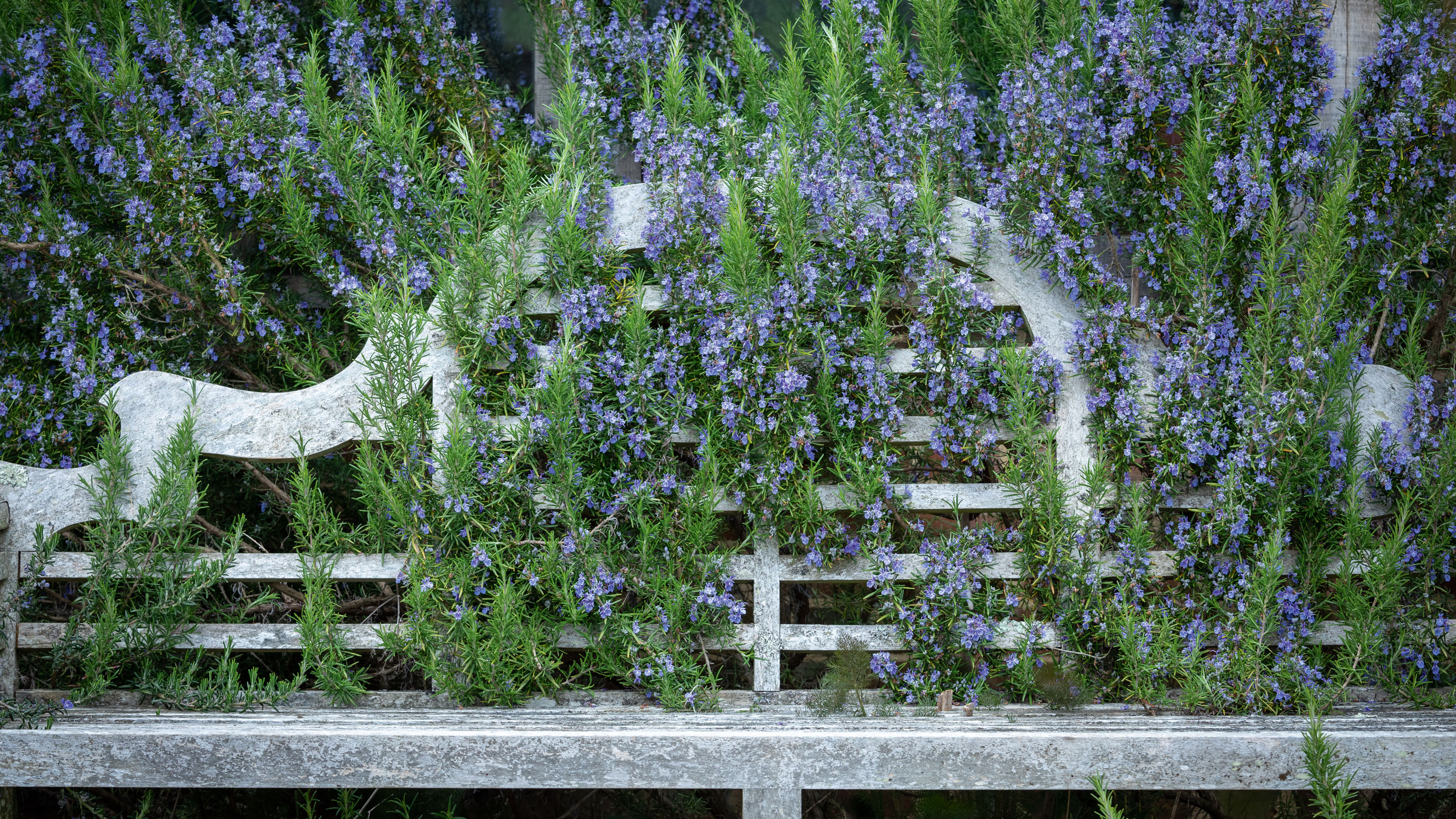
Drought tolerant plants - Sarah Raven's top tips for sunny spots
9 Succulent Garden Ideas That Will Add Sculptural Dimension to Your Landscape
Rock garden ideas – 20 ways to create a stylish rockery in your backyard
Smart Design Solutions to Give Even the Tiniest Yard Big Style
7 Backyard Ideas to Steal from This Stylish, Low-Maintenance Beach House
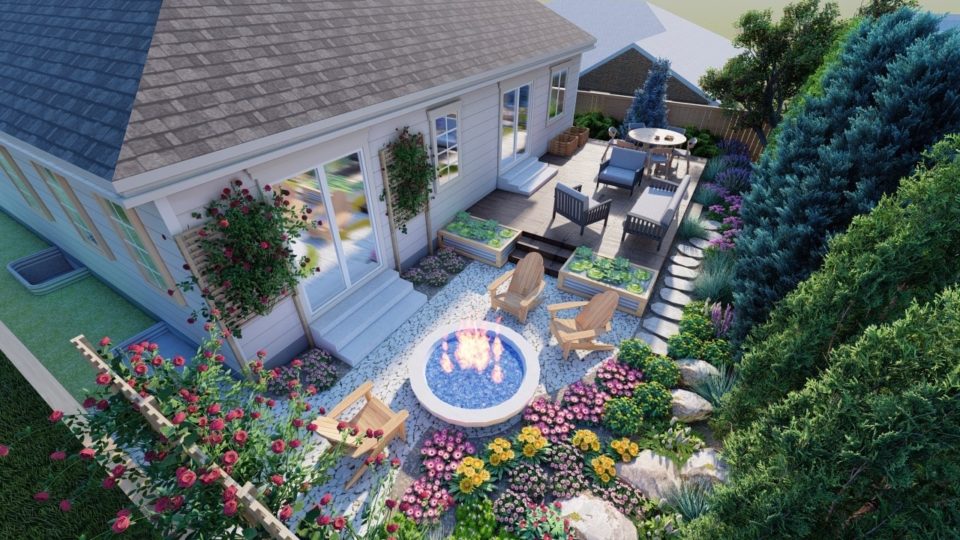
4 Water-Wise Landscape Designs Created Just for Denver-Area Homes
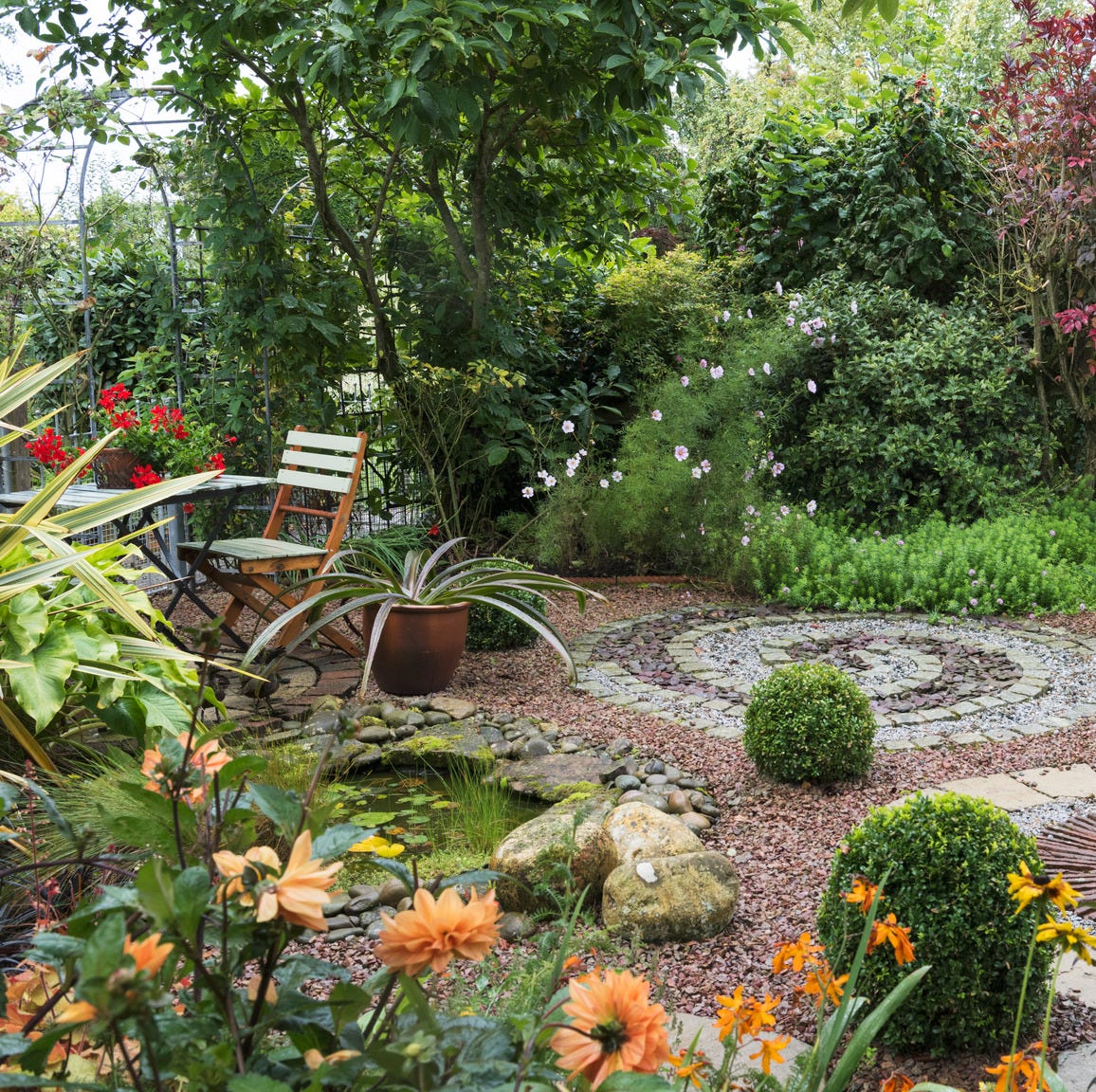
Rock Gardens Are the Ultimate Hack for a Low-Maintenance Lawn
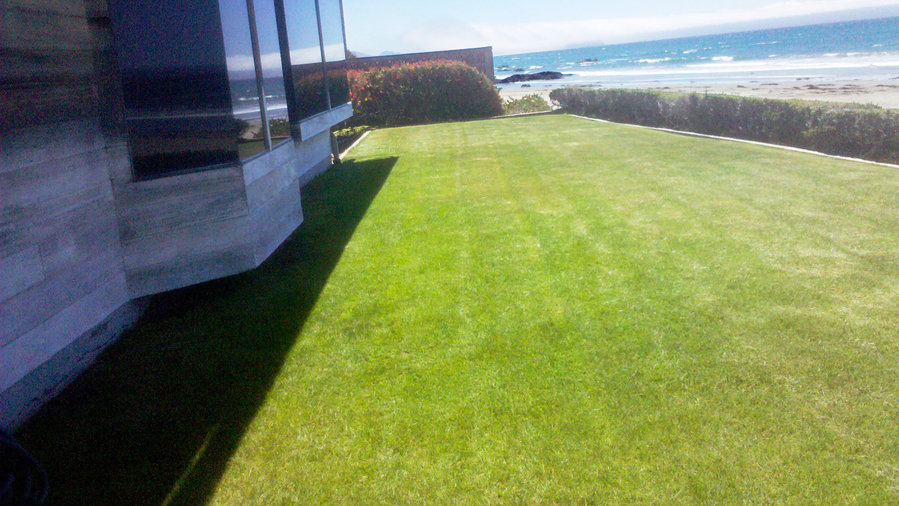
Beach Patio Design Tips
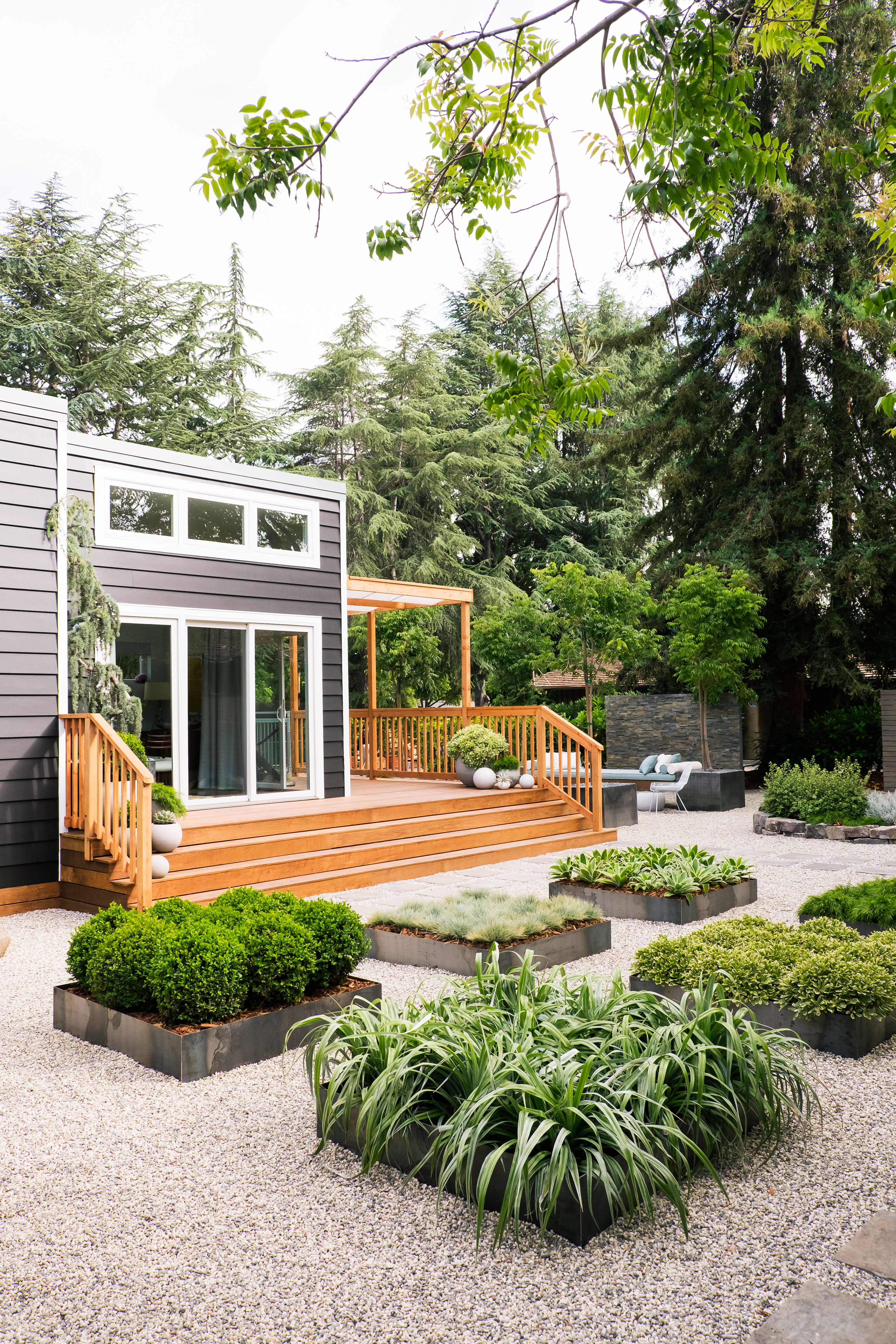
This Stunning Garden with Zen Vibes Uses Shockingly Little Water

8 low-maintenance gravel garden ideas
No-grass front yard ideas – 10 ways to say goodbye to that dry patch of lawn
4 Fuss-Free Container Planting Ideas