This Style Creates a “Livable Aesthetic” That’s Instantly Cozy, Designers Say
Scandinavian design, originating from Nordic countries, developed as a pragmatic response to the region's extended, sun-deprived winters. This historical context shaped its core principles, emphasizing natural materials, functionality, and bright interiors. Beyond the popular concept of "hygge"—a Danish term for contented well-being—Scandinavian design is underpinned by a philosophical belief in quality craftsmanship and the idea that well-designed objects should enhance daily life for everyone, not just as luxury commodities. Architect Karen Frome, founder of Rise Projects, highlights the warmth and simplicity inherent in this design philosophy, noting its democratic spirit that positions good design as accessible to all.
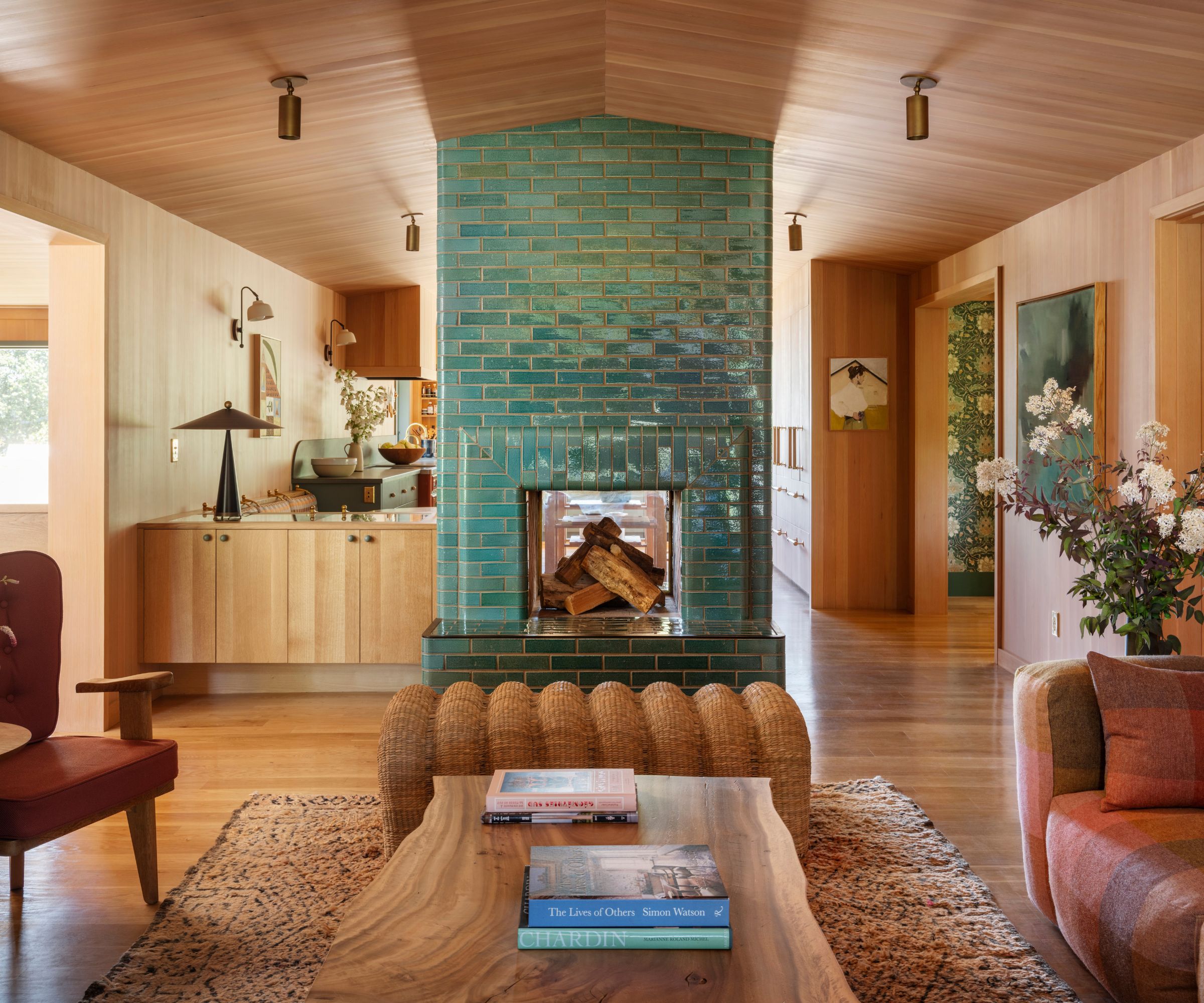
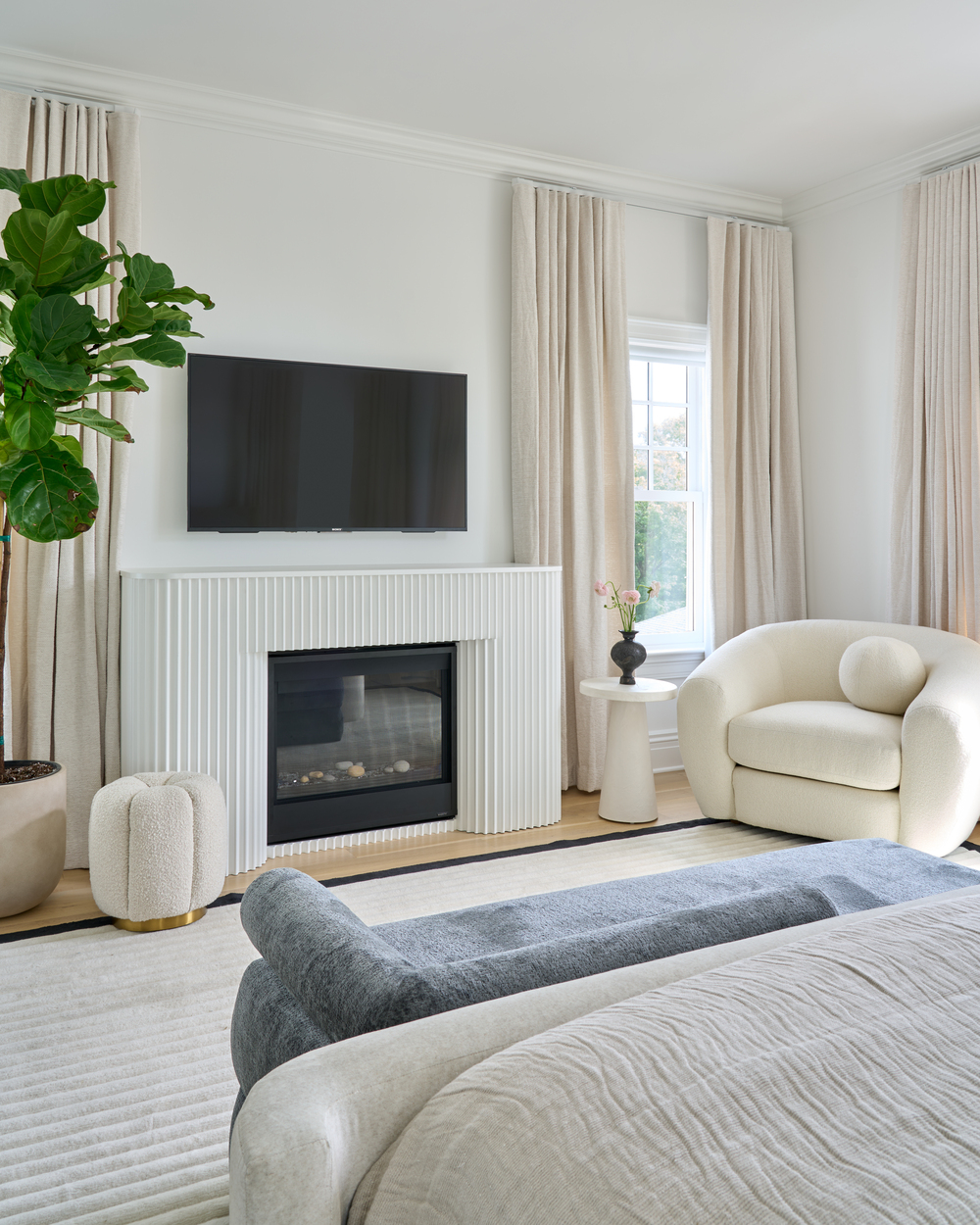
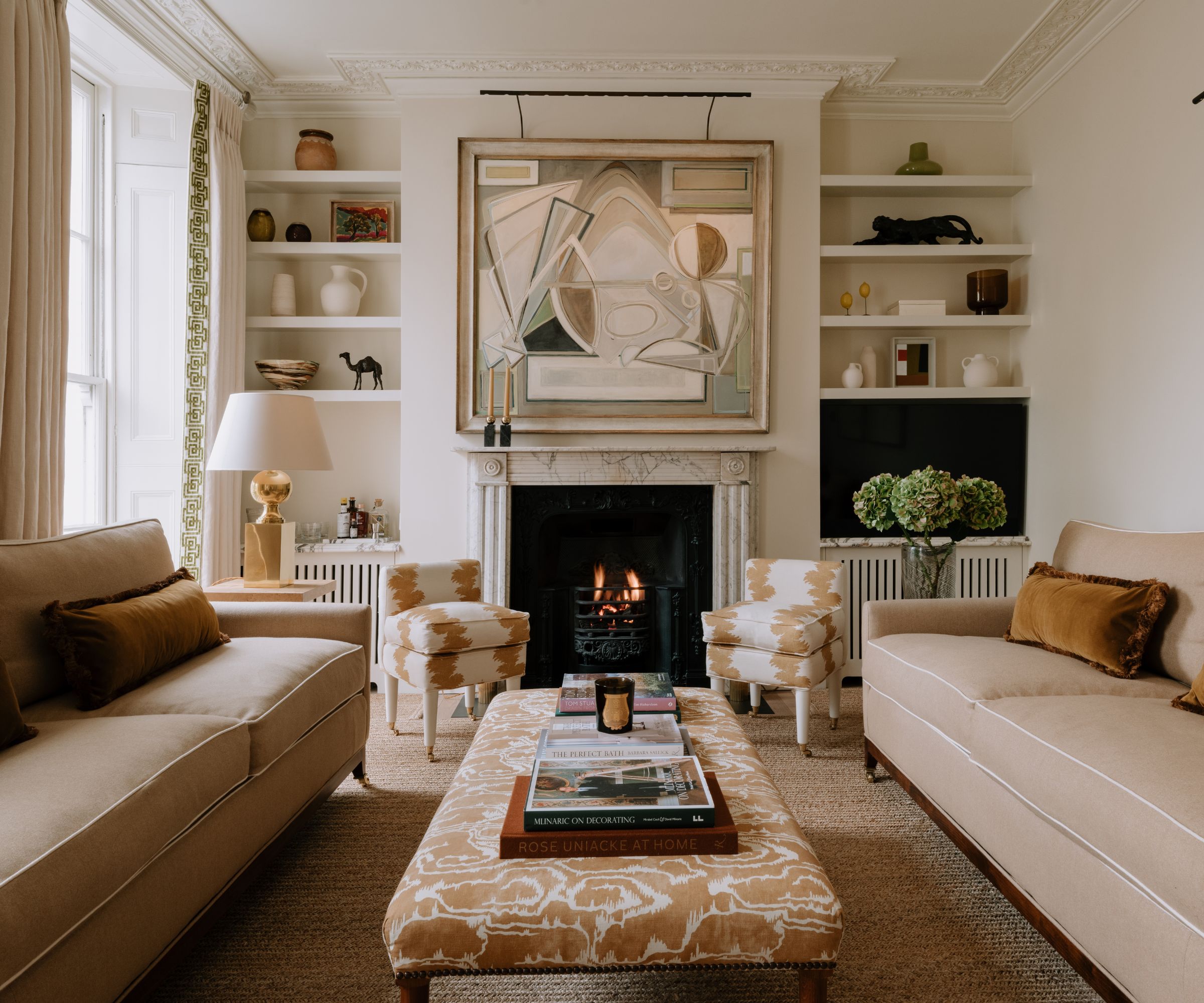
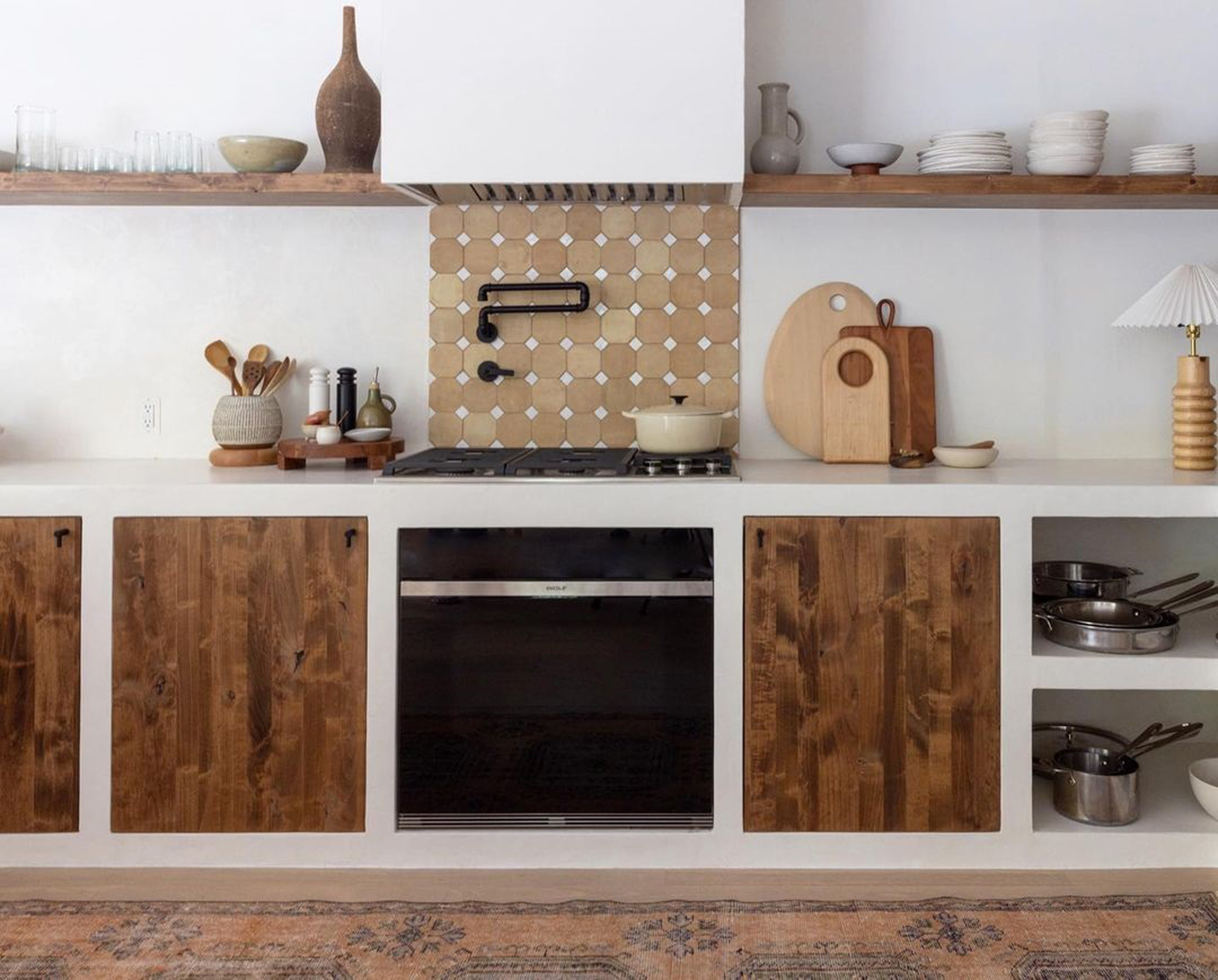
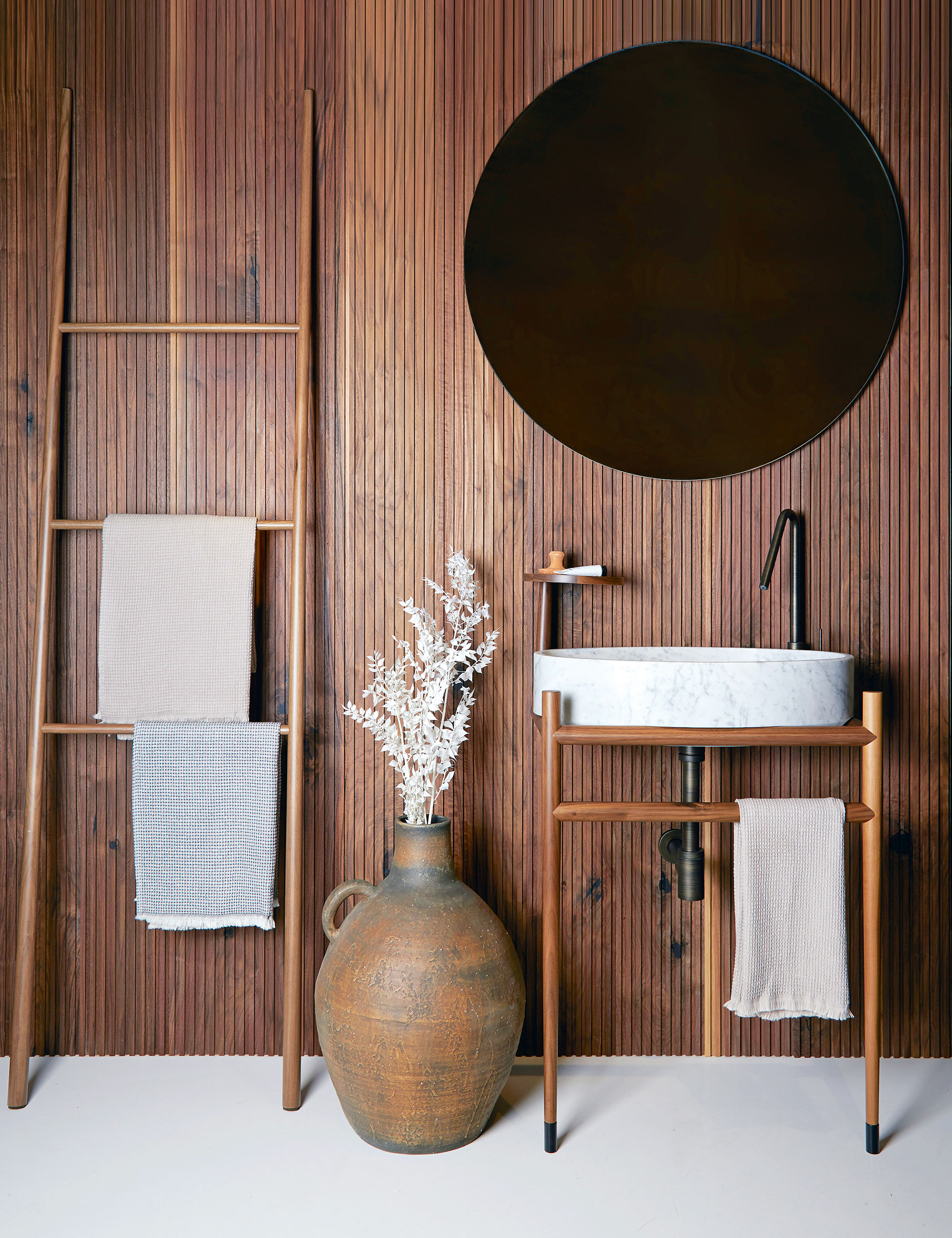
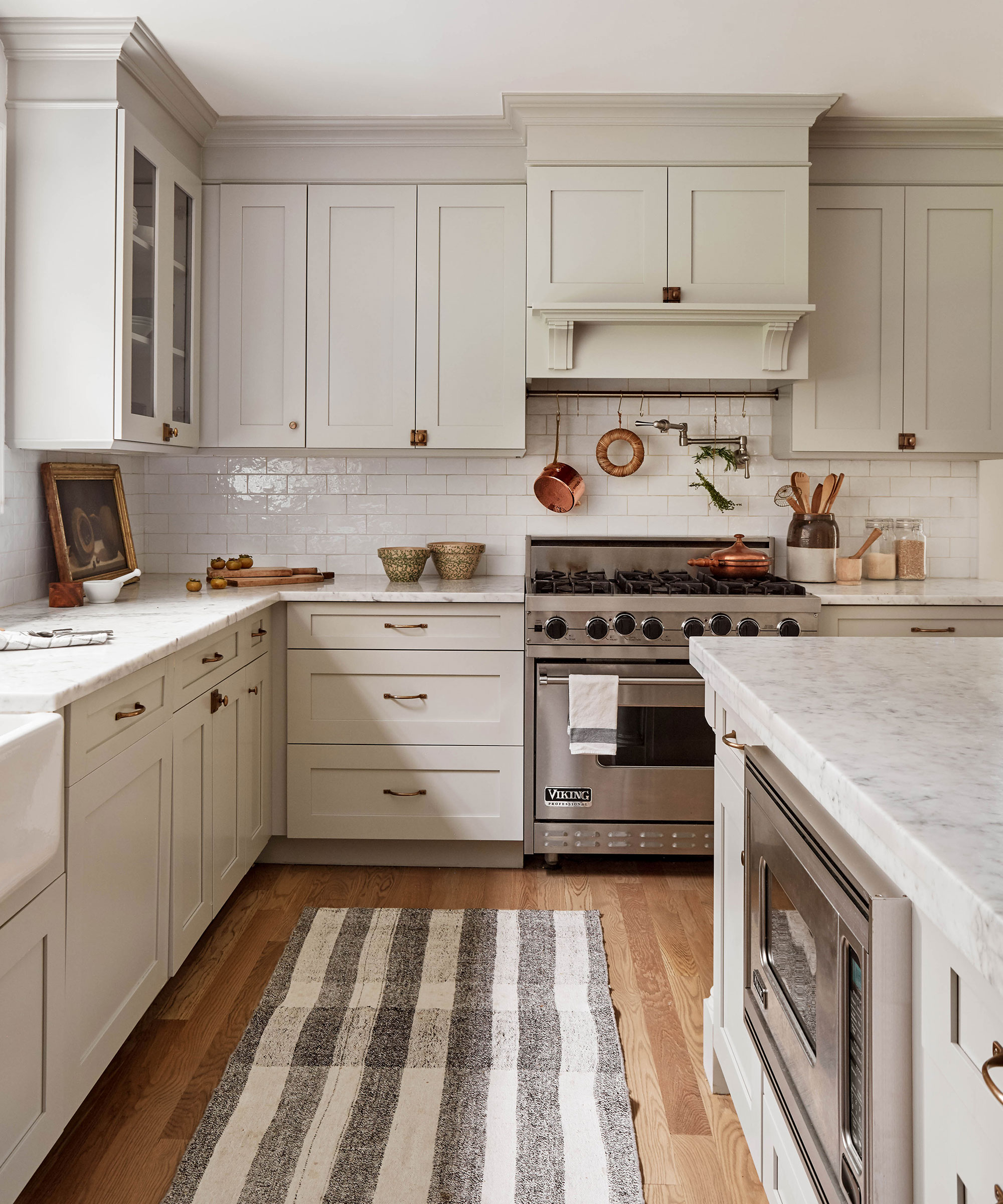
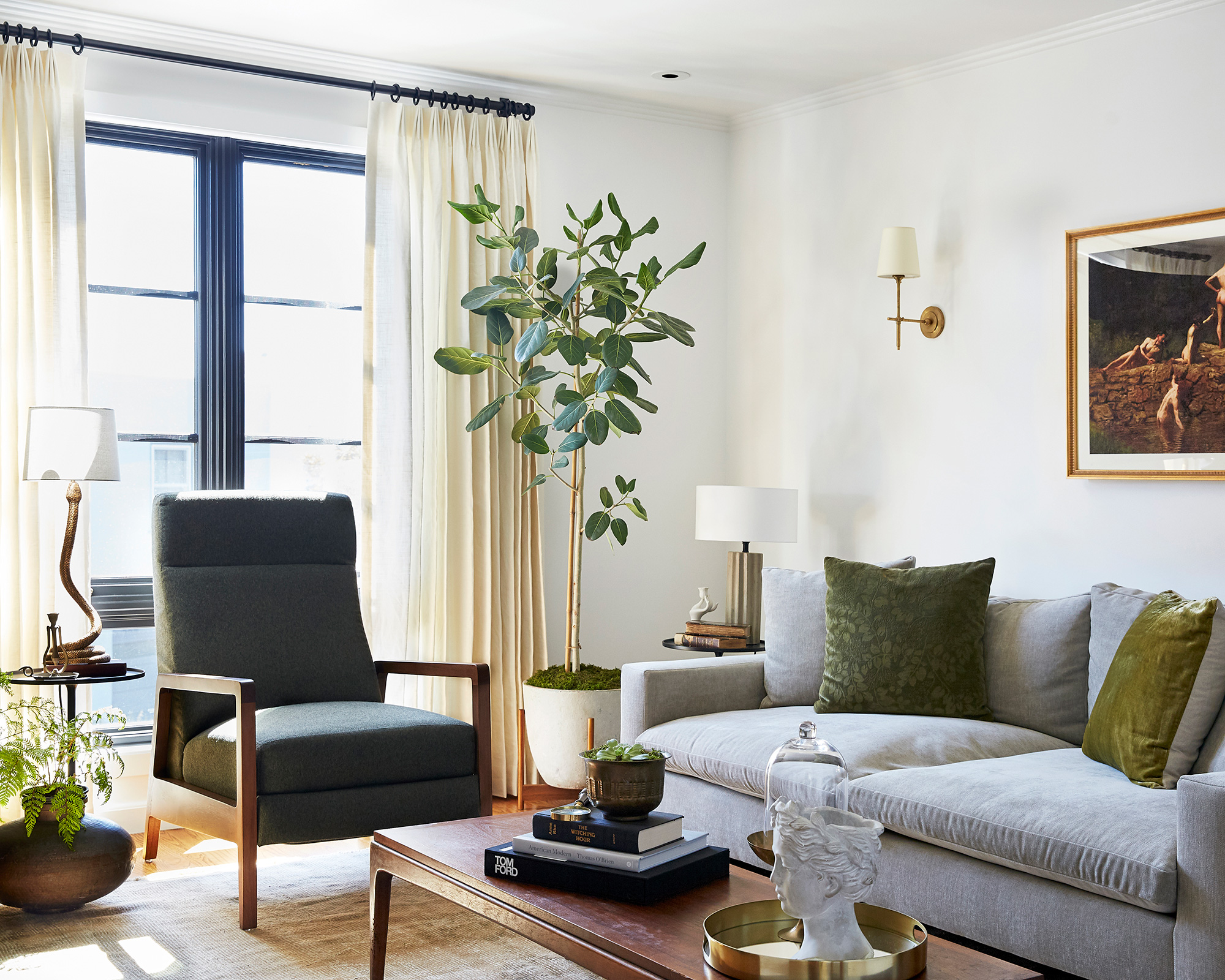
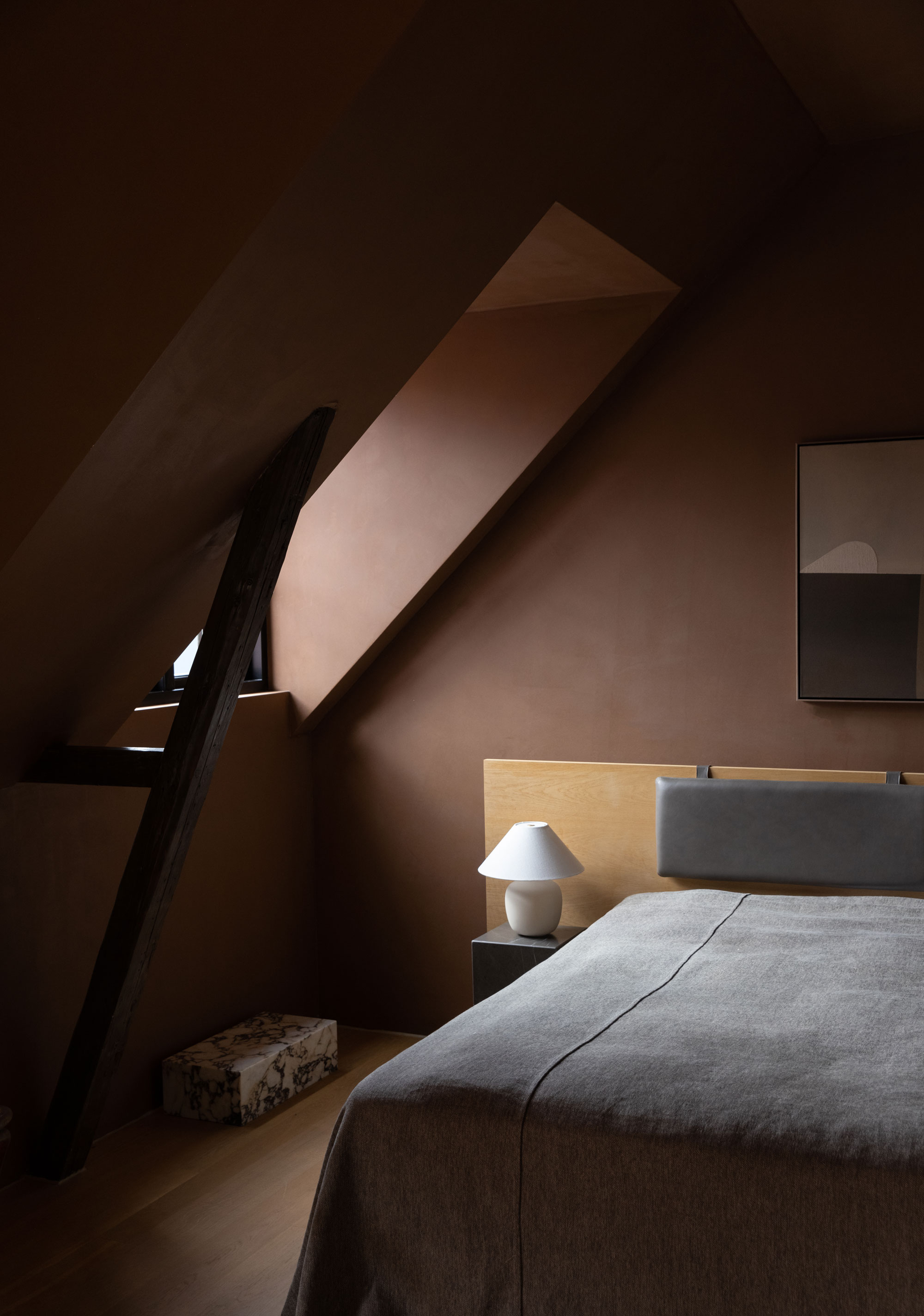
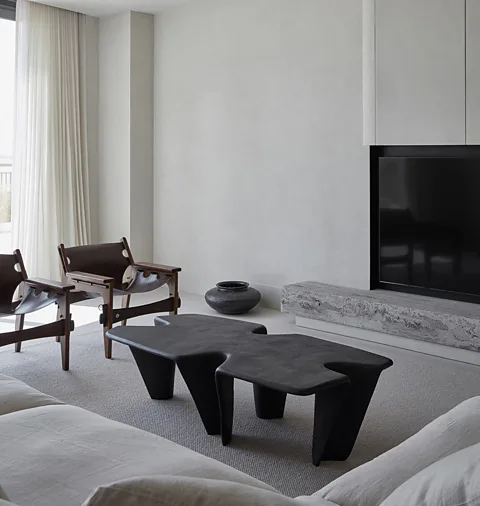
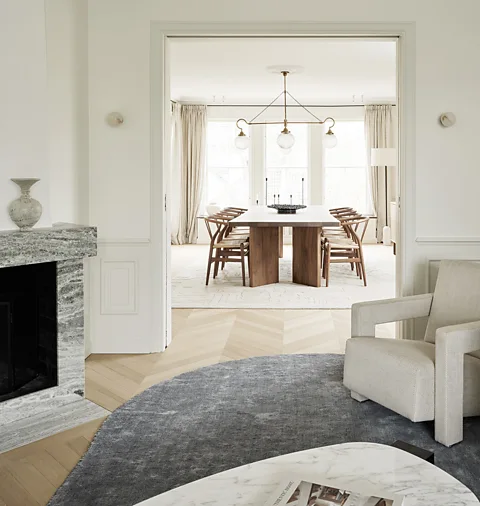
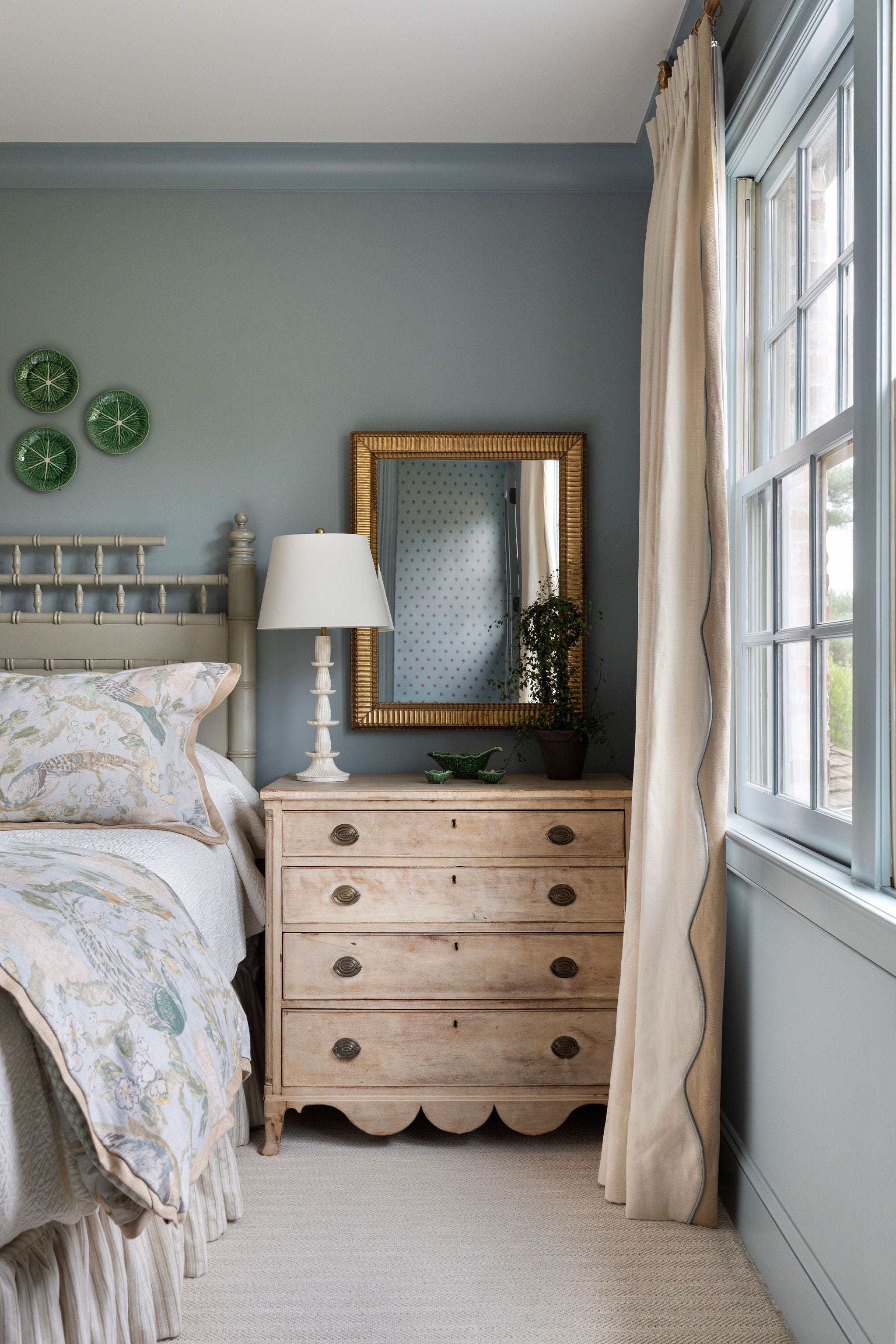
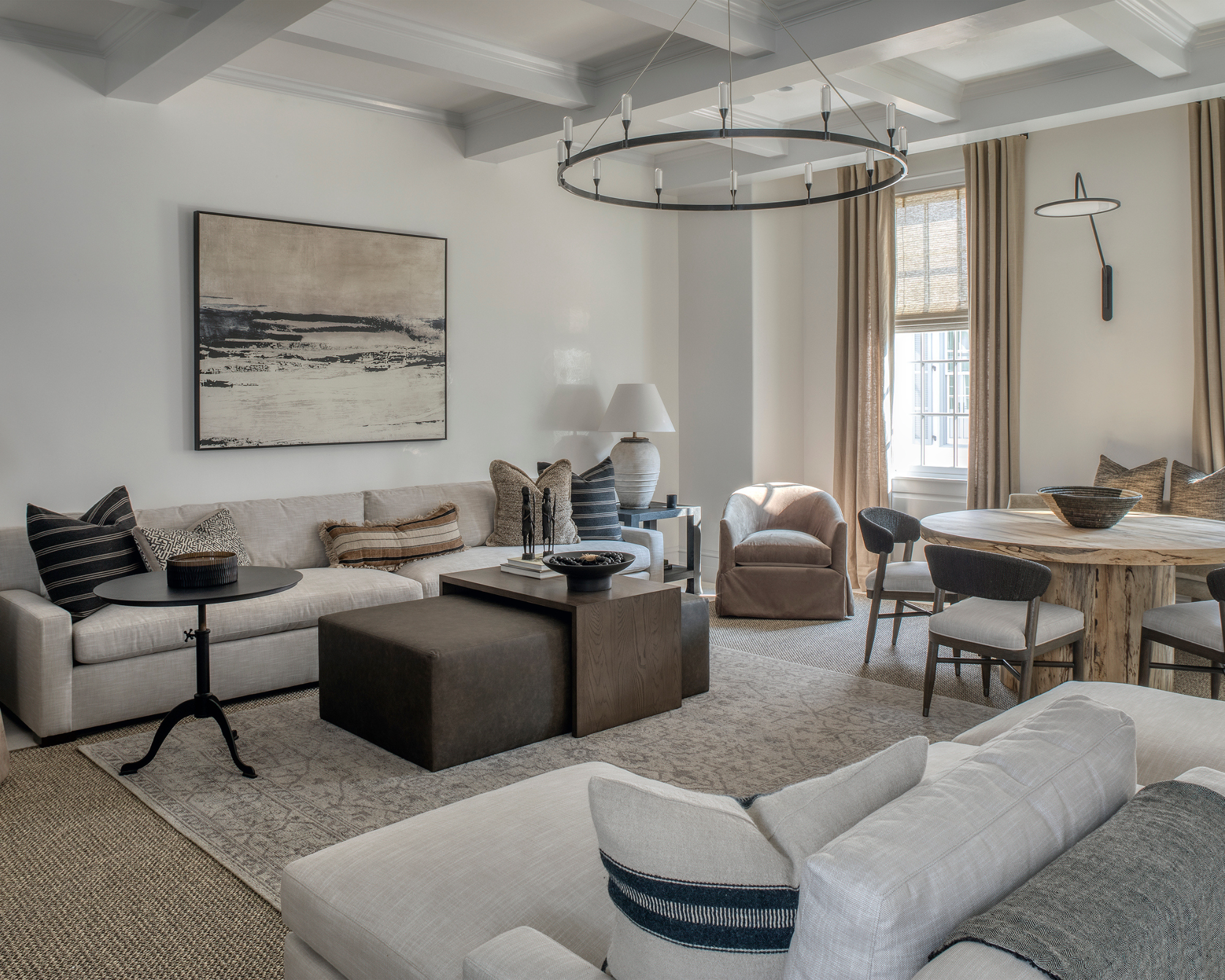
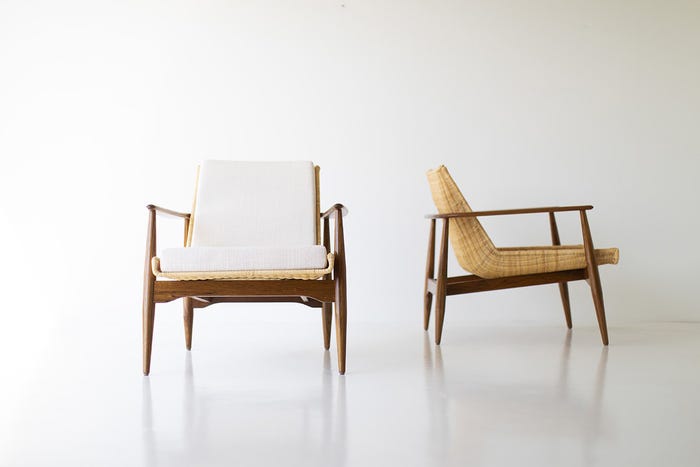
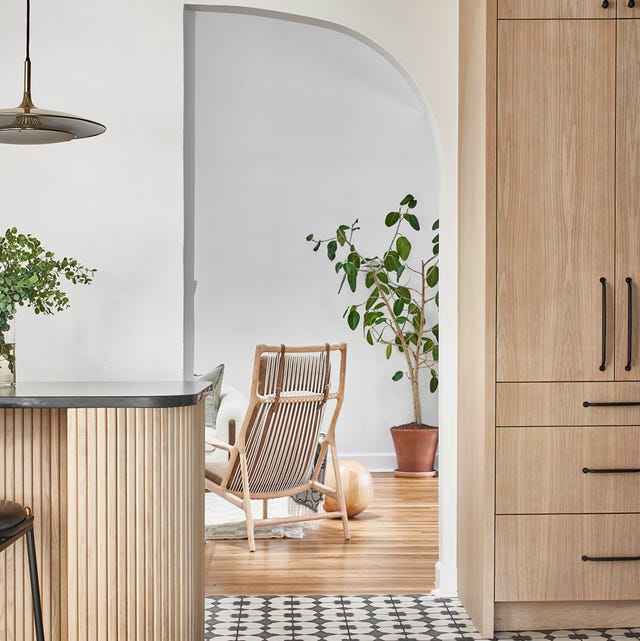
The global influence of Scandinavian design surged in the mid-20th century, propelled by iconic designers such as Alvar Aalto, Arne Jacobsen, and Hans Wegner. Their creations were celebrated for their visual appeal, practicality, and enduring style. This unpretentious, functional ethos continues to define Scandinavian interiors today. Los Angeles-based interior designer Sarah West characterizes Scandinavian design as a delicate balance between minimalism and warmth, where intentional choices prioritize function. The style is built on clean lines and neutral color palettes, complemented by rich natural textures like wood, wool, leather, and linen, which add depth and softness.
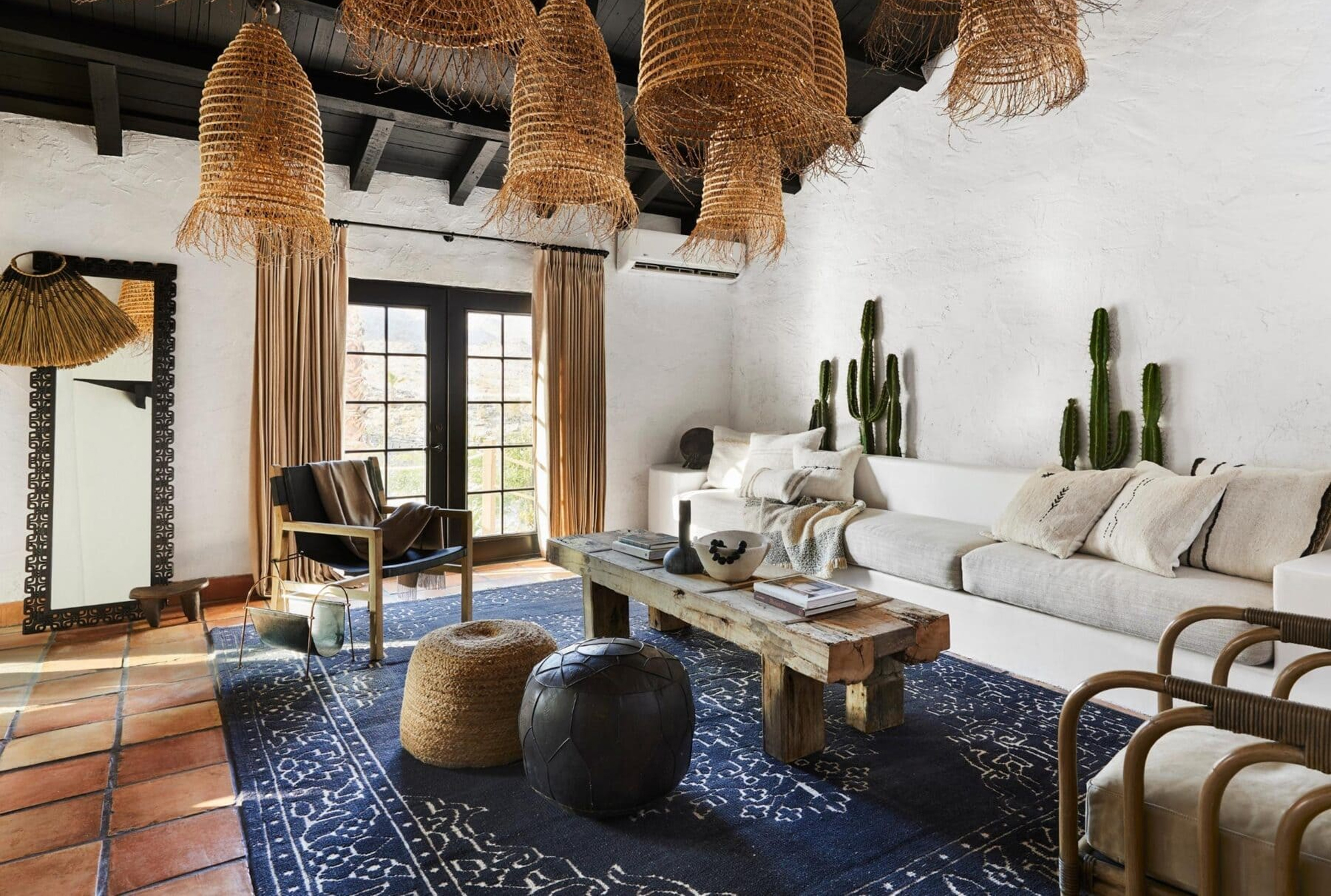
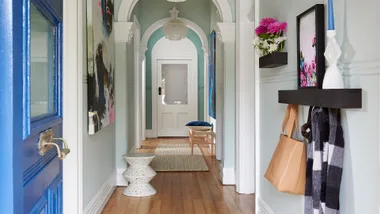
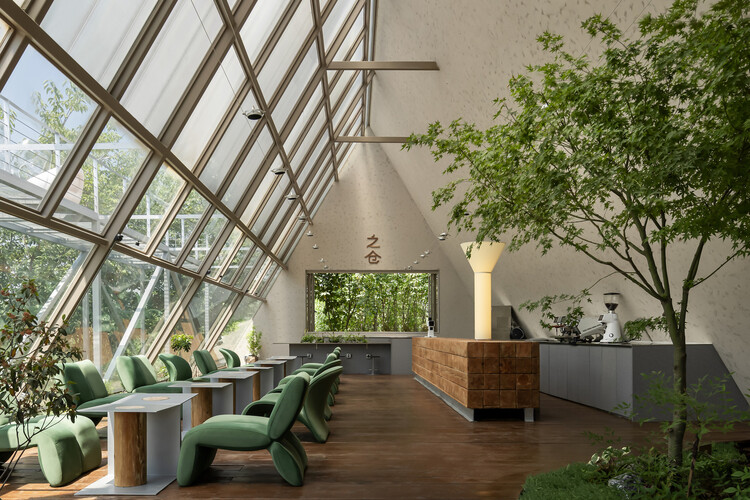
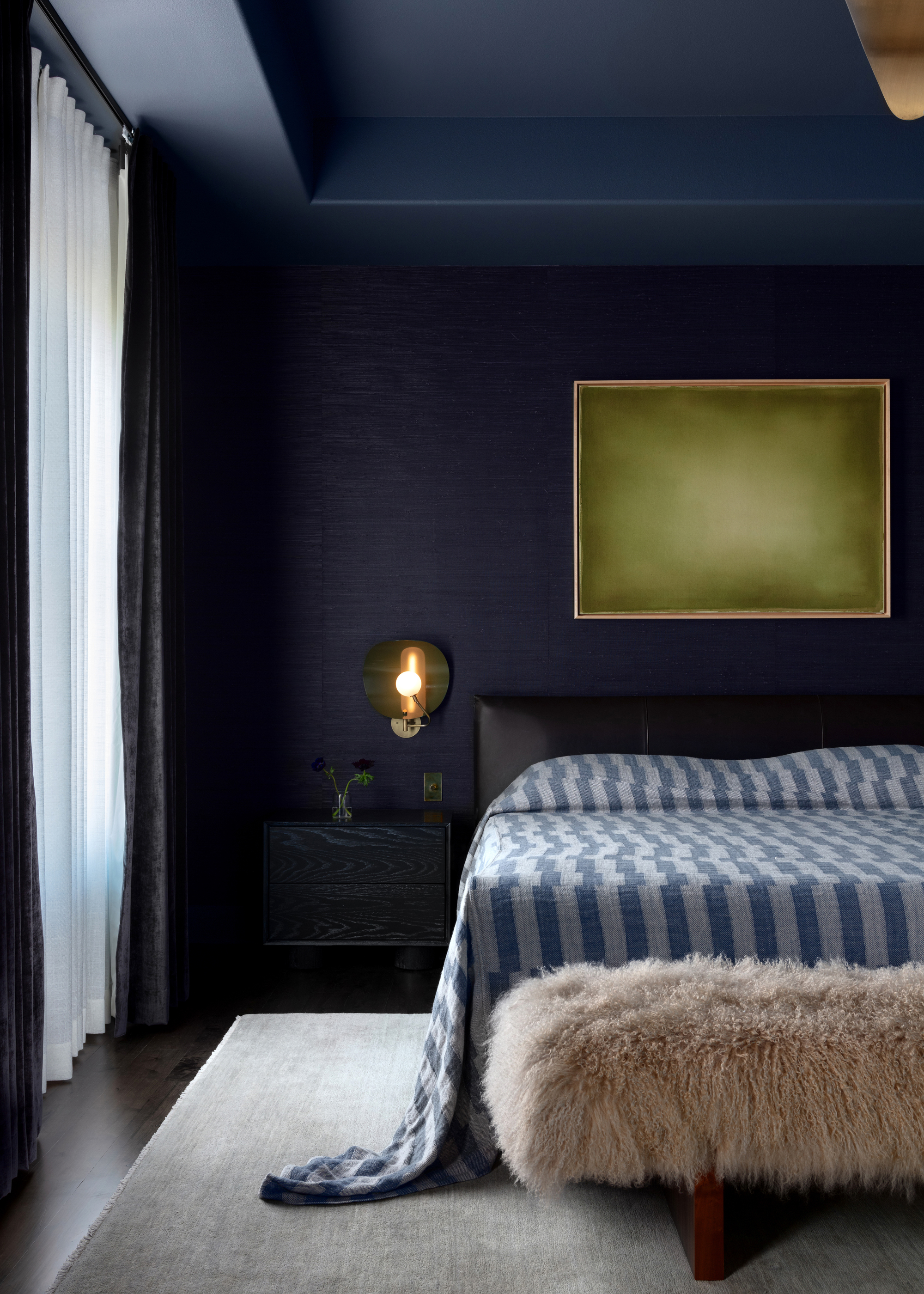
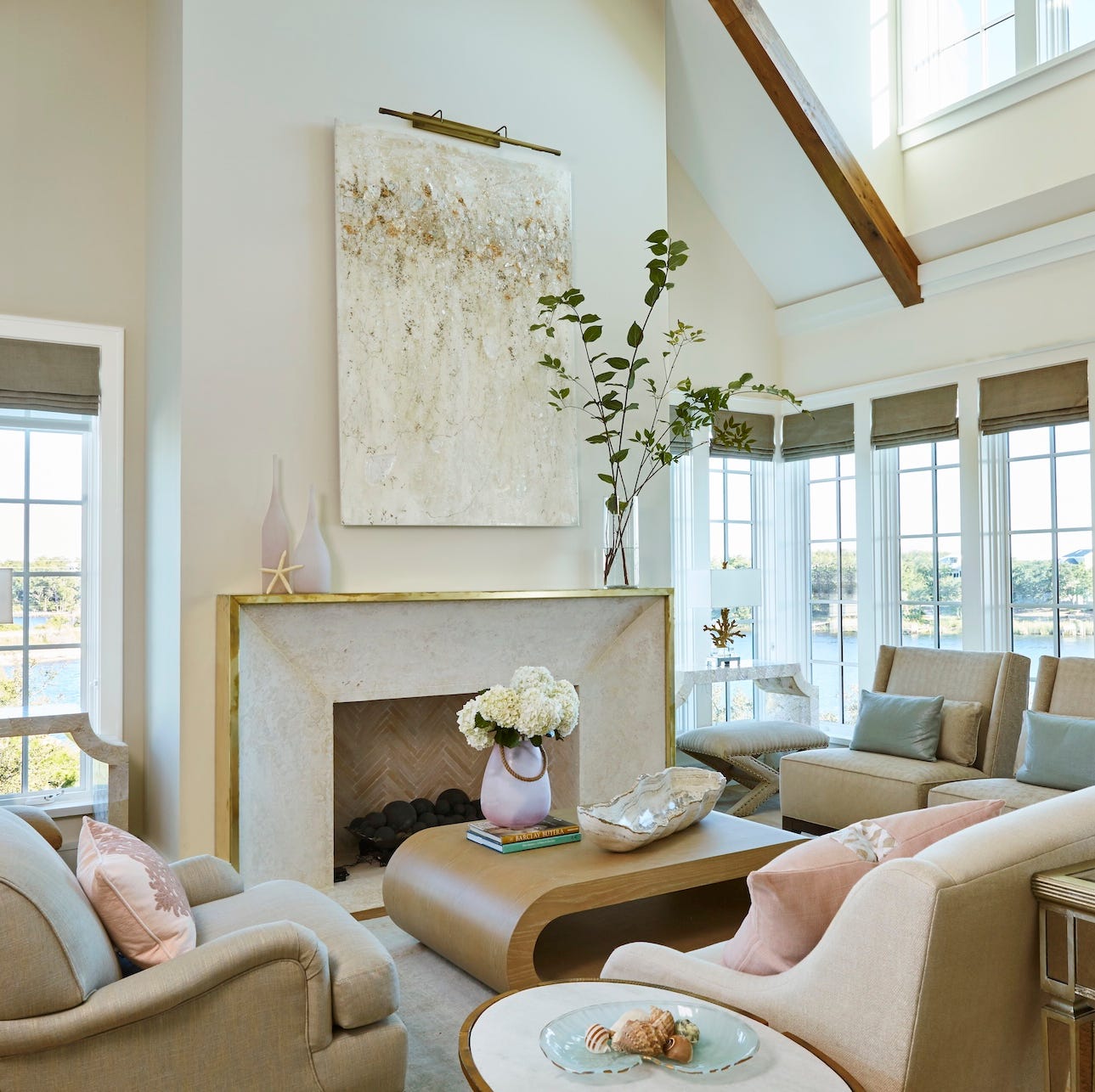
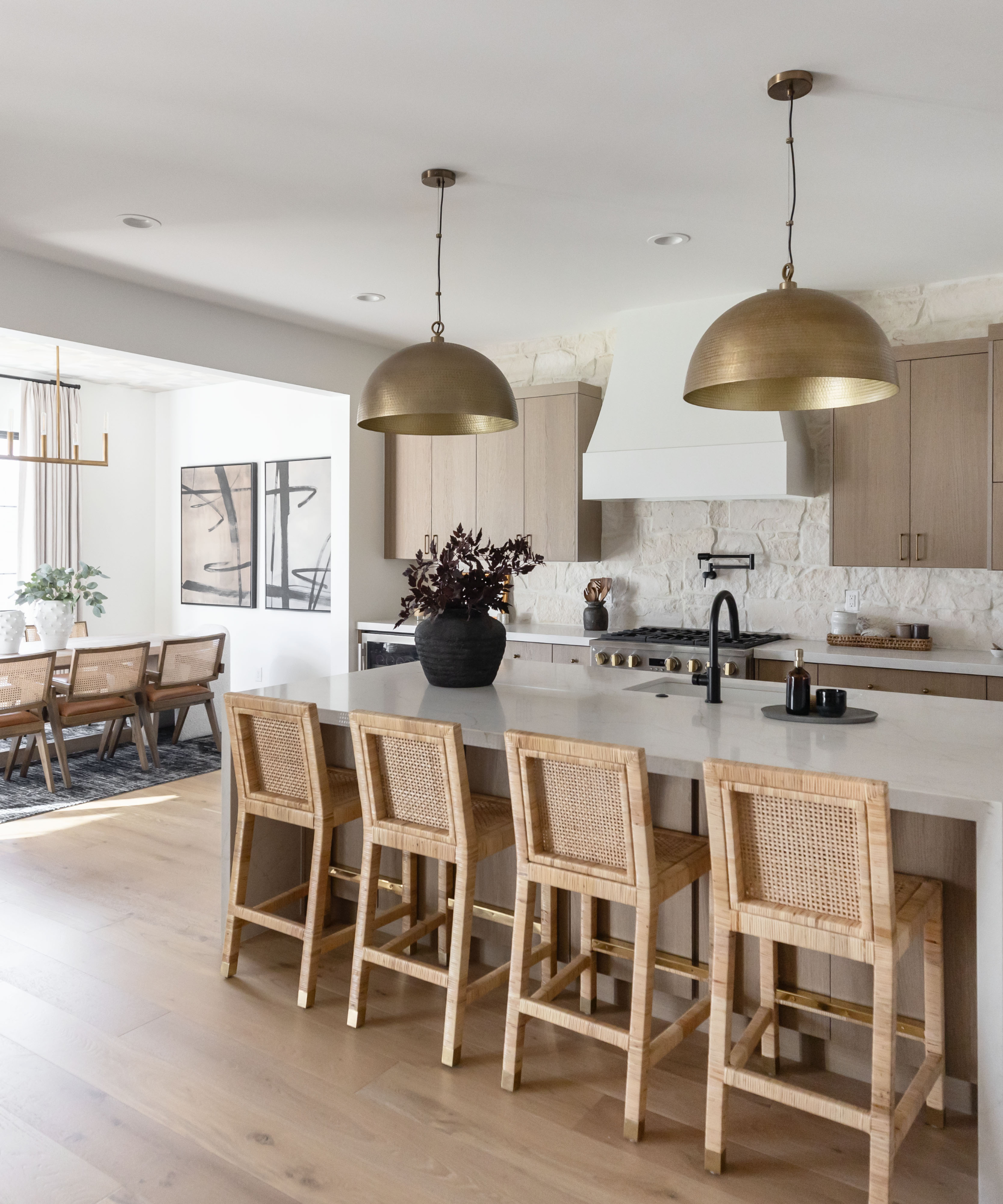
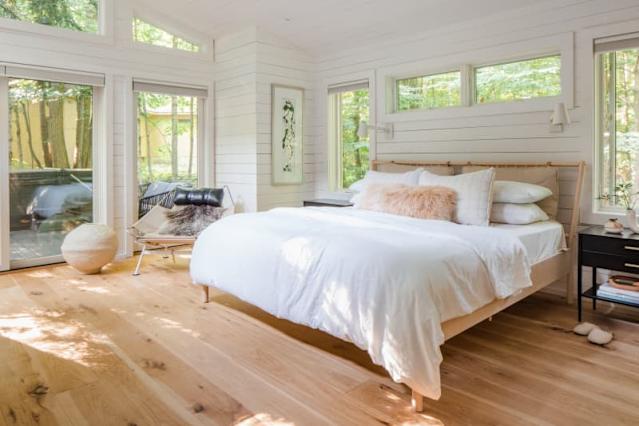
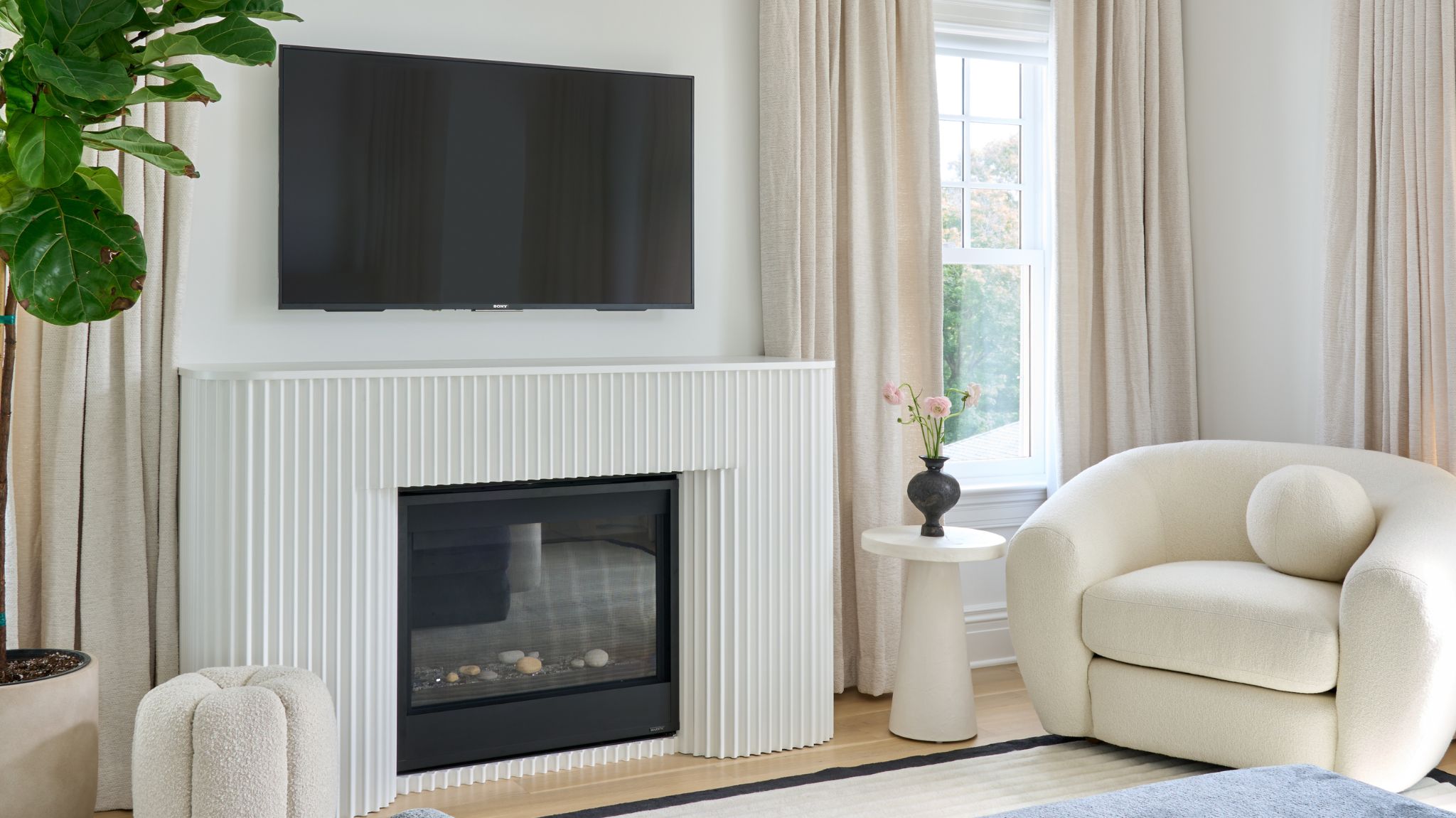
What truly distinguishes Scandinavian interiors from other minimalist approaches is its inherent "lived-in warmth." Despite its pared-back nature, a Scandinavian room never feels cold or sterile. Marina Bourderonnet, co-founder of FAME Architecture & Design, describes it as a style that evokes coziness and a genuine sense of home, celebrating timelessness and life's simple pleasures, such as warm wooden floors, soft throws, and abundant natural light. The appeal of Scandinavian design lies in its ability to create serene, visually pleasing spaces that also enhance daily routines.
The enduring popularity of Scandinavian design is evident in the current trends of warm minimalism, the use of natural materials, and a focus on functional living. Bourderonnet attributes this lasting appeal to the sense of calm, comfort, and harmony that Scandinavian spaces provide, offering a grounding and livable environment. Three fundamental principles guide Scandinavian design: functionality first, nature-inspired materials, and warm, layered lighting.
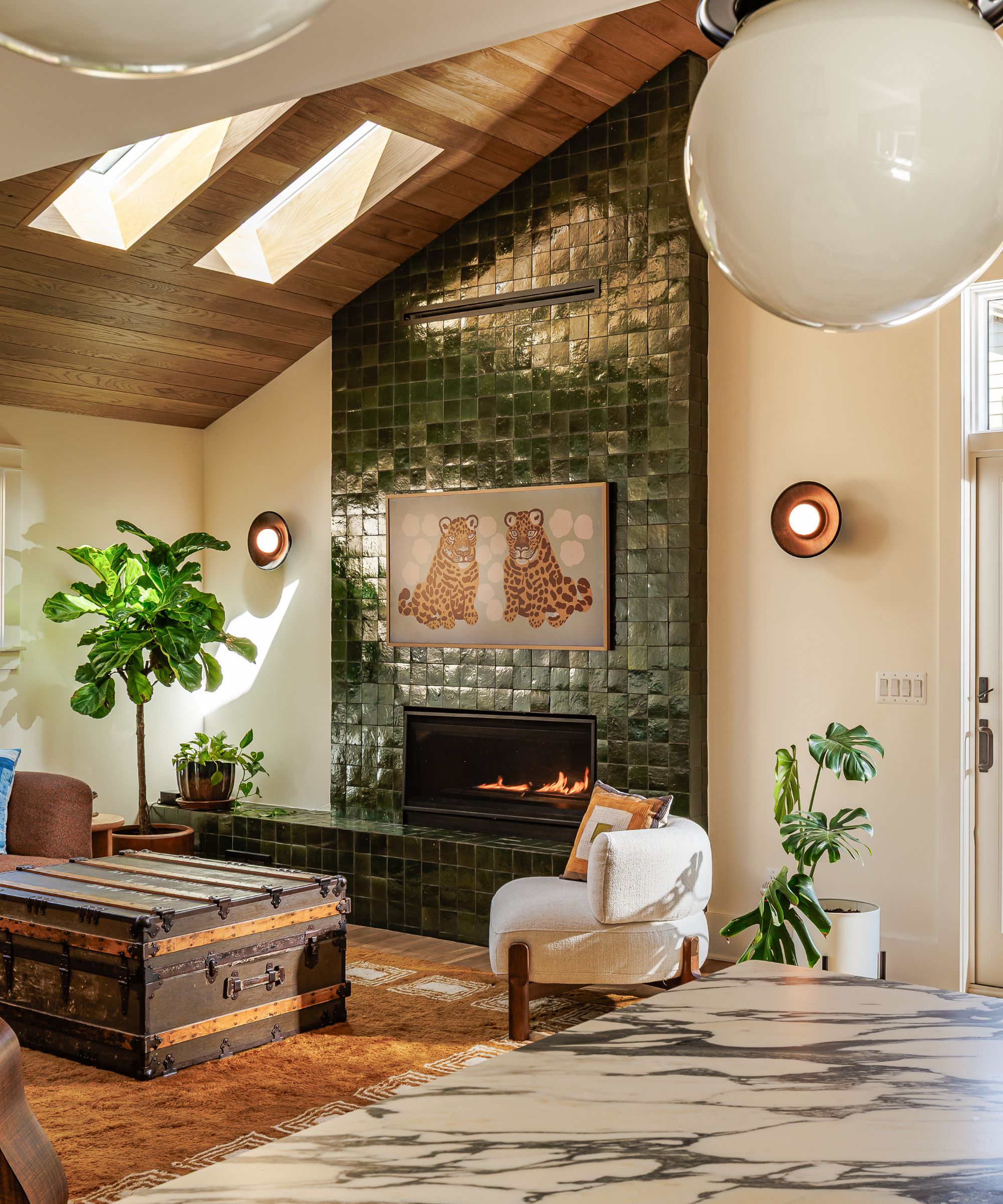
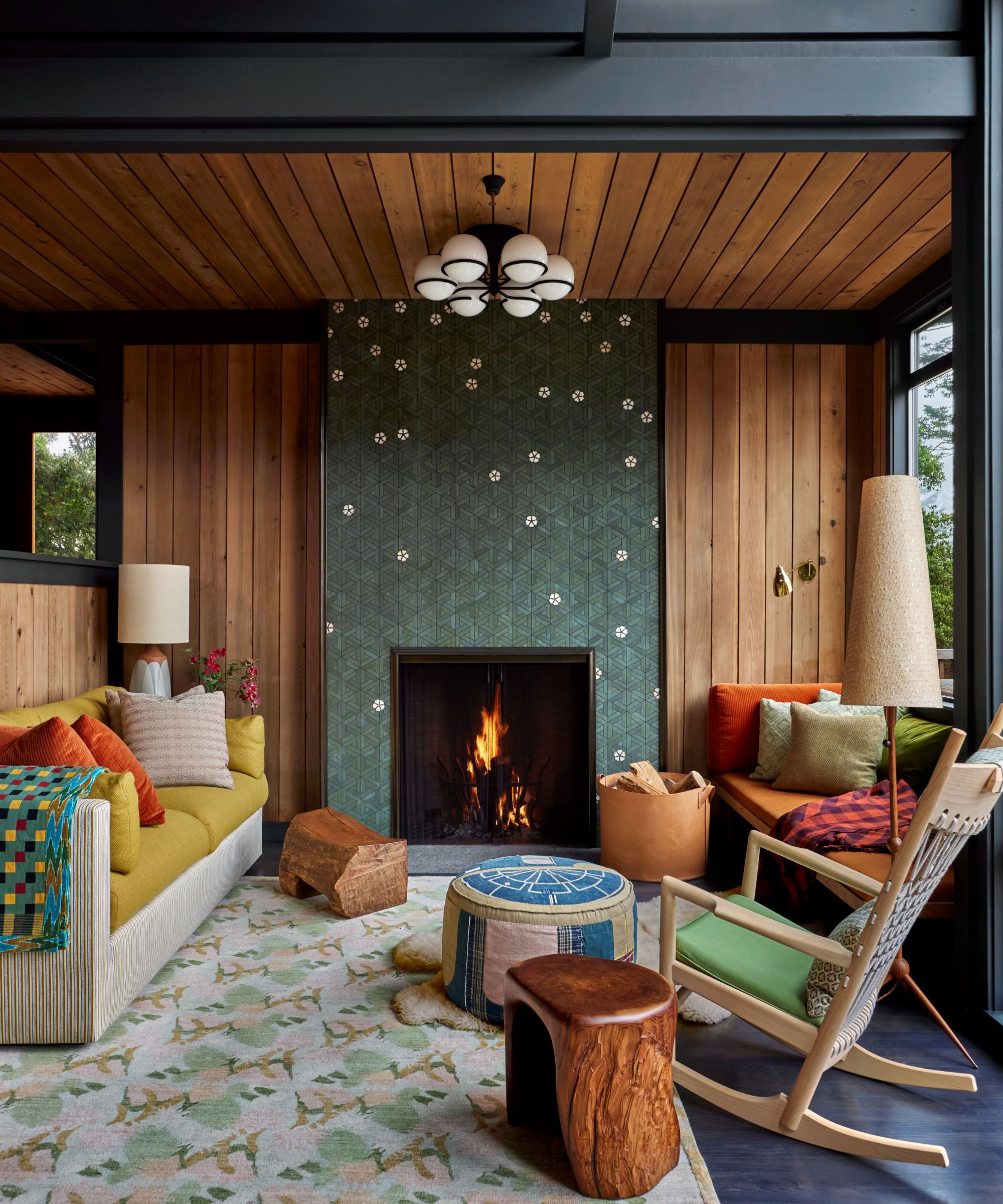
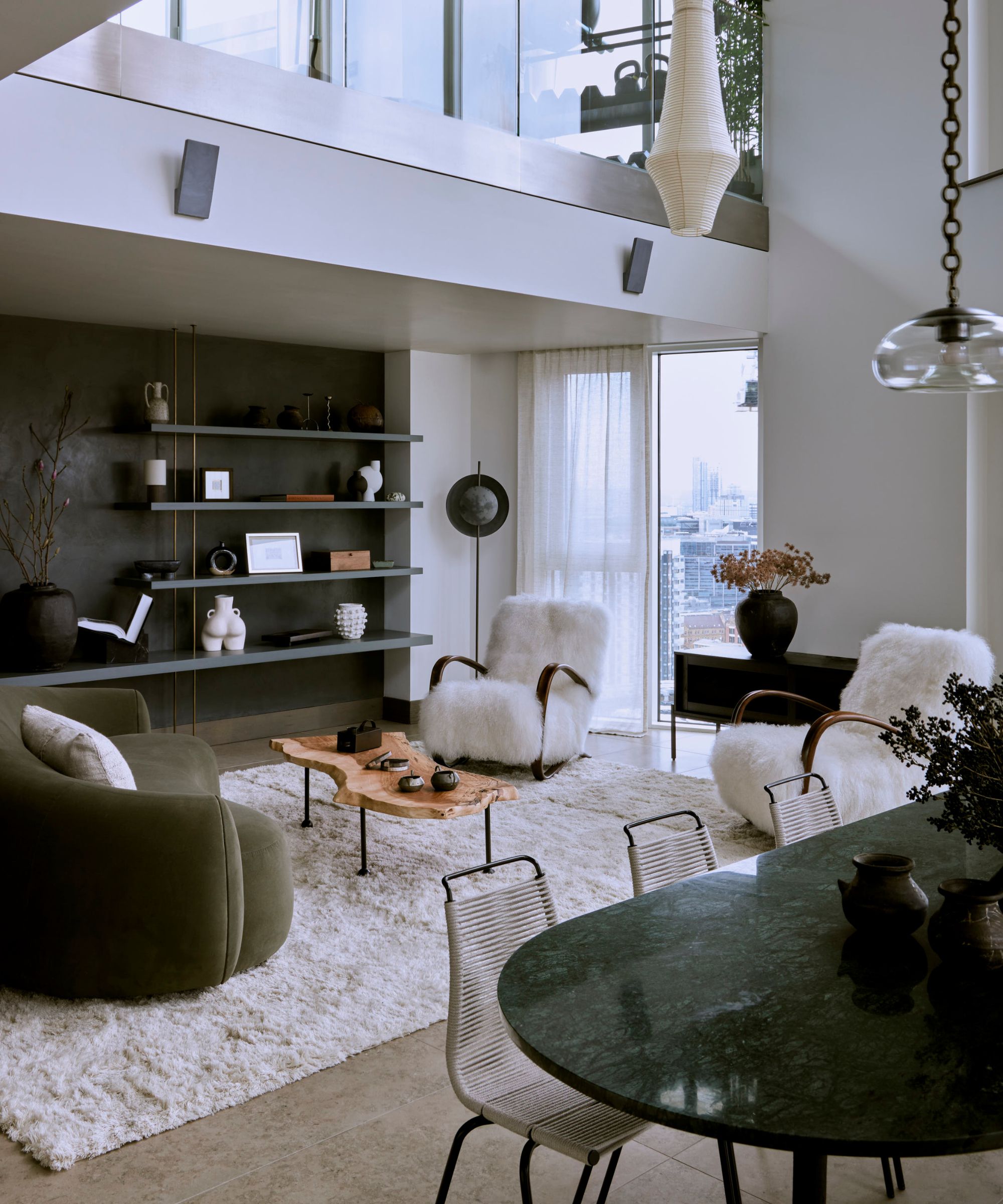
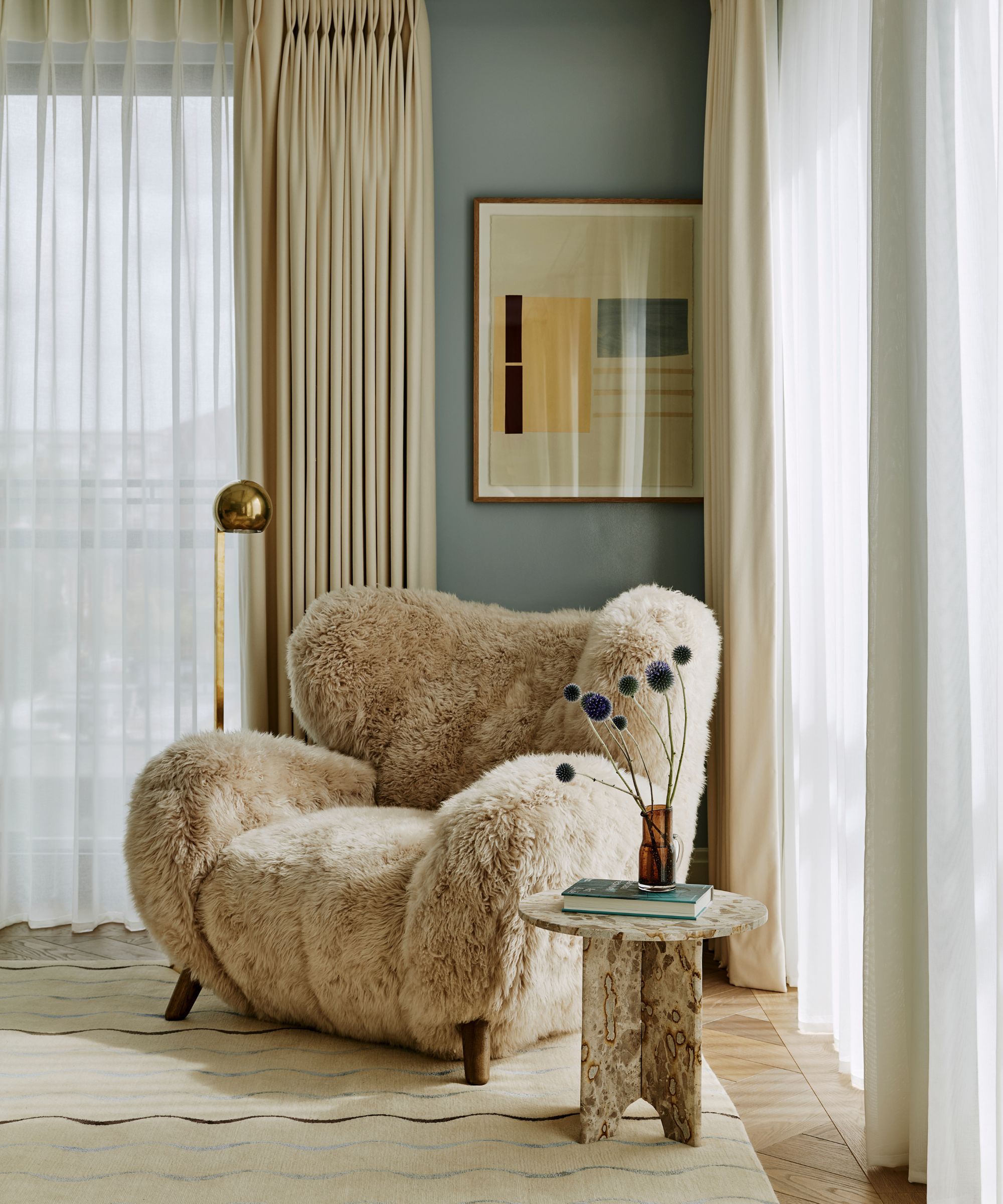
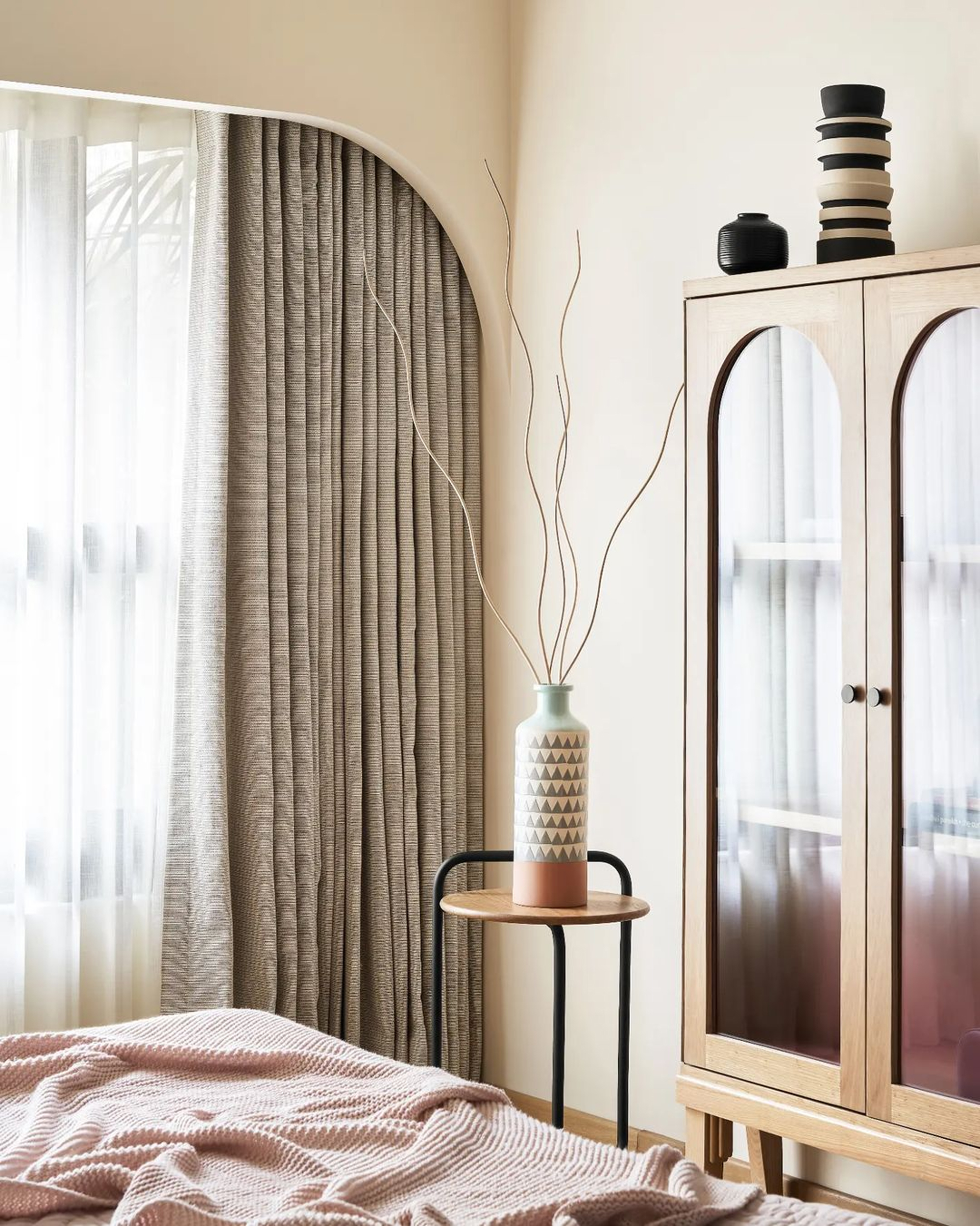
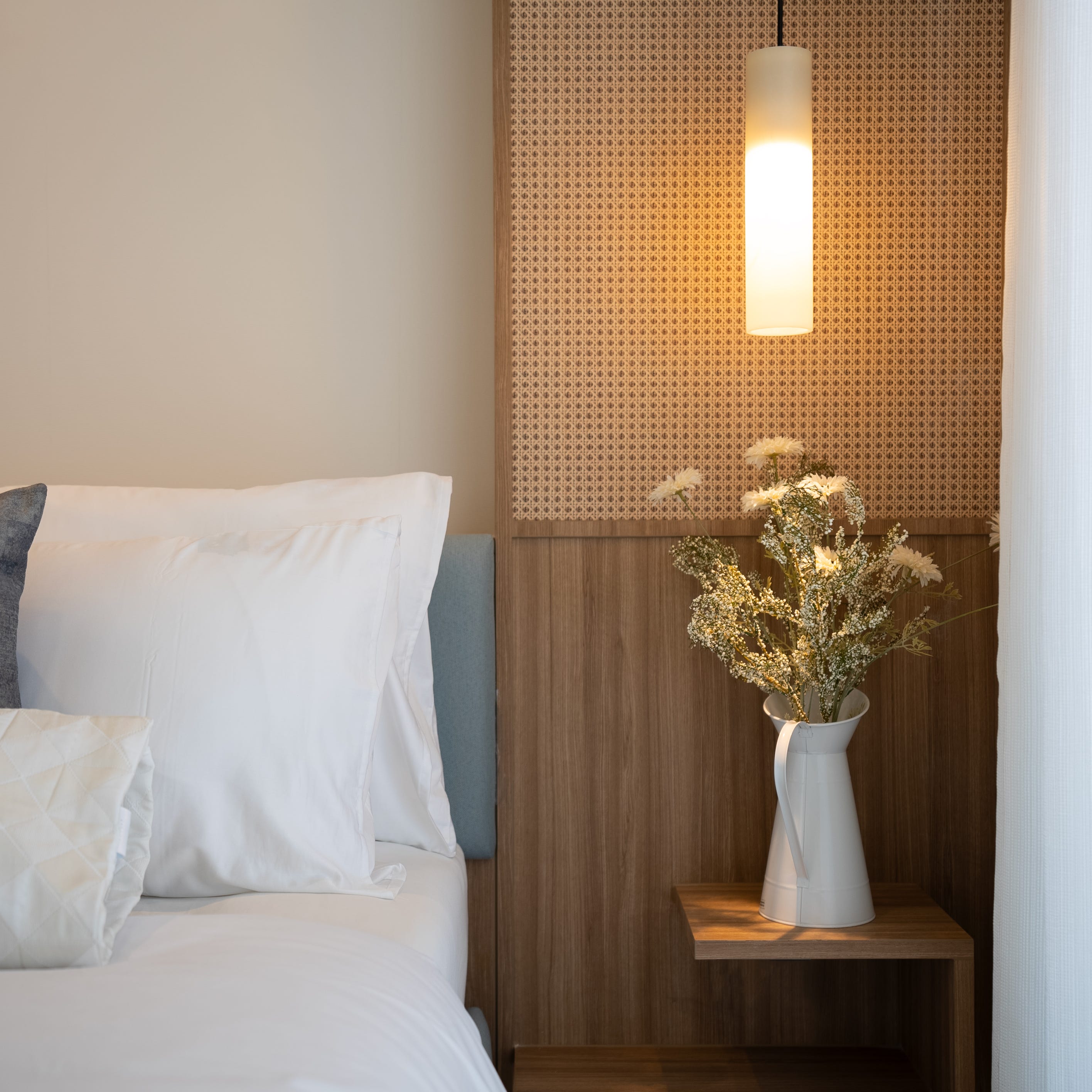
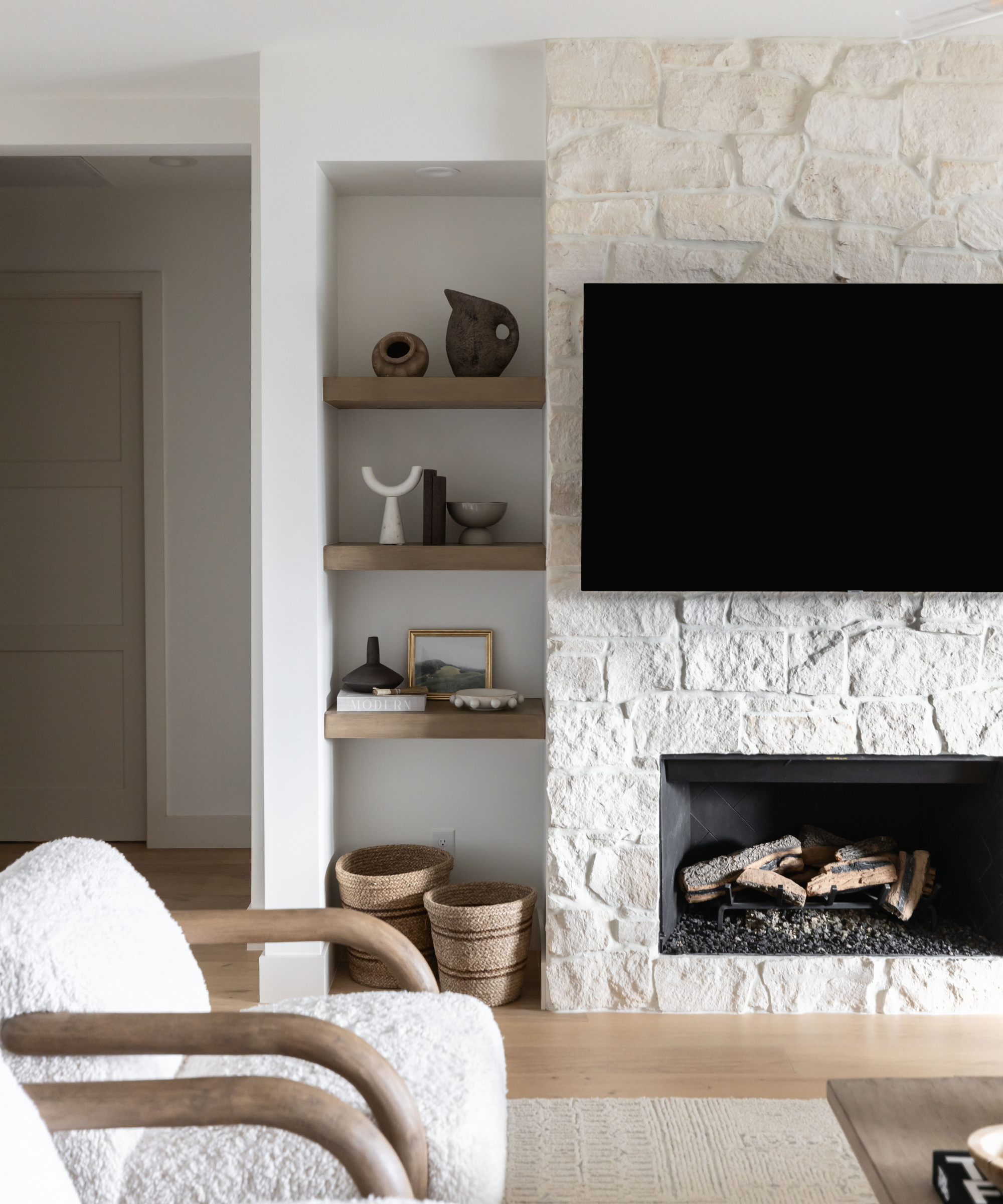
Functionality is paramount, meaning every object and space is designed with a clear purpose, ensuring that rooms support daily life without clutter. Nature-inspired materials are central, creating an organic connection to the natural world through elements like birch floors, linen drapery, and wool blankets. The article suggests pairing light woods with wool and linen textiles in soft neutrals, occasionally accented with pale pastels. Lighting is another critical element, especially given the Nordic region's long, dark winters. Interiors are designed to maximize natural light, supplemented by layered ambient lighting—including floor lamps, table lamps, pendants, and candles—to create a soft, warm, and inviting glow, ideally with dimmable features to counteract harsh overhead lighting. Incorporating Scandinavian style into any home is straightforward, beginning with decluttering to create clear surfaces, layering ambient lighting with warm bulbs, prioritizing natural materials, bringing plants and nature-inspired decor indoors, and adding varied textures like wool rugs and knit throws to enhance depth and comfort.
#ScandinavianDesign #InteriorDesign #HomeDecoration #Minimalism #Hygge #NaturalMaterials #HomeStyling #FunctionalDesign #CozyInteriors #ScandinavianDesign #InteriorDesign #HomeDecoration #Minimalism #Hygge #NaturalMaterials #HomeStyling #FunctionalDesign #CozyInteriors
0 commenti in totale
 Nessun commento ancora
Potresti anche gradire
Designers definitely approve of this statement trend that elevates a cozy room
Designers say this 'plastered-in' decor trend will bring a serene feel to every room in the house

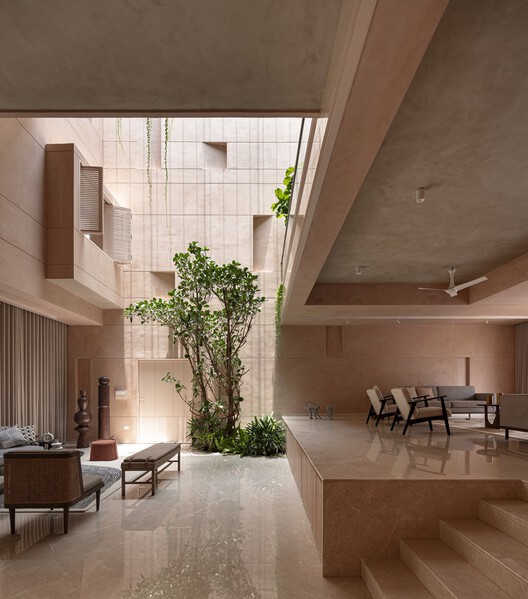
Interior Design Trends of 2024


Matt Damon's chic neutral living room is never boring

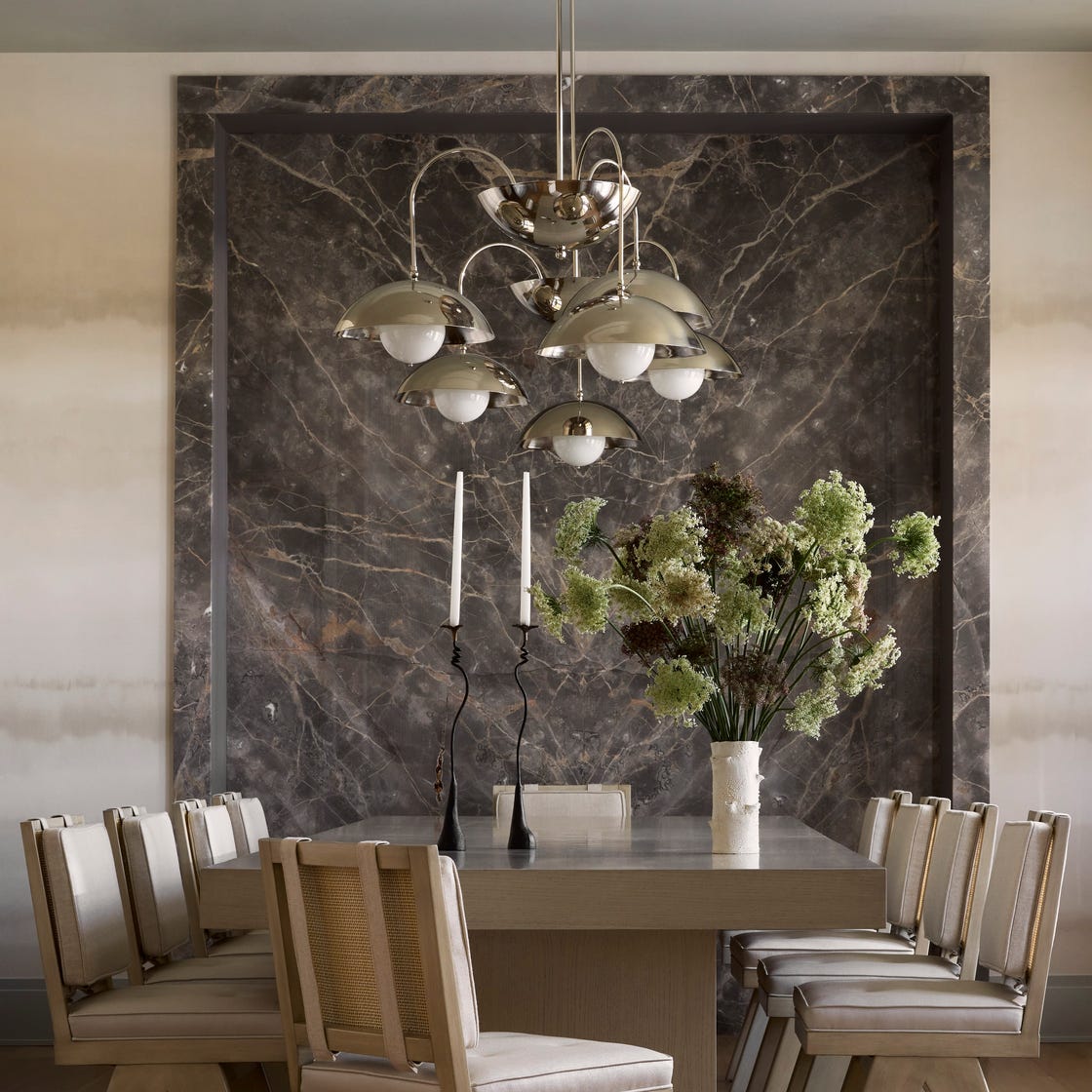
For a "Cool-Looking" Home, Designers Say Use This Finish

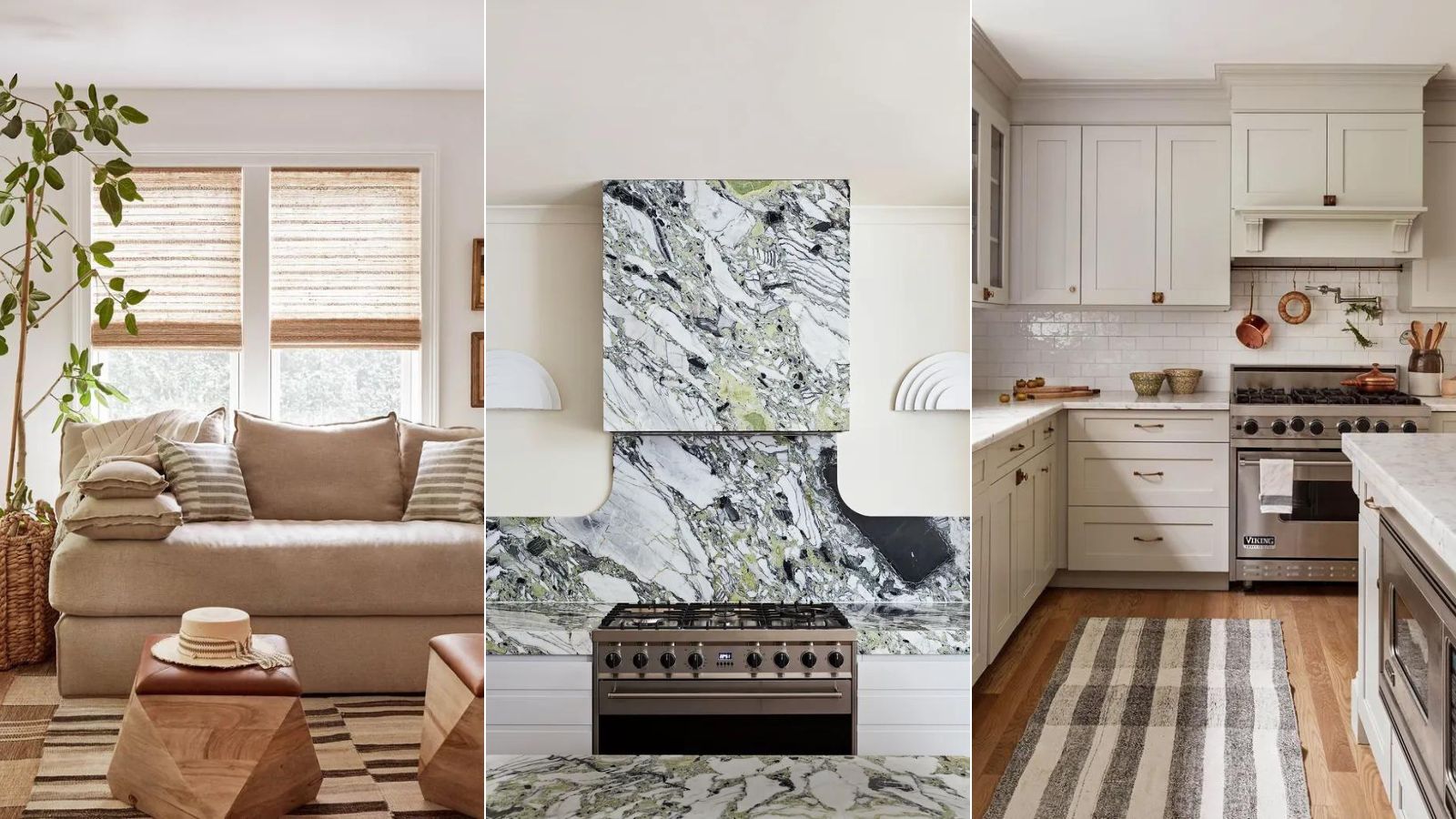
Why 'quiet luxury' is the trend that keeps on giving – 10 reasons why I still love the 'old money' aesthetic
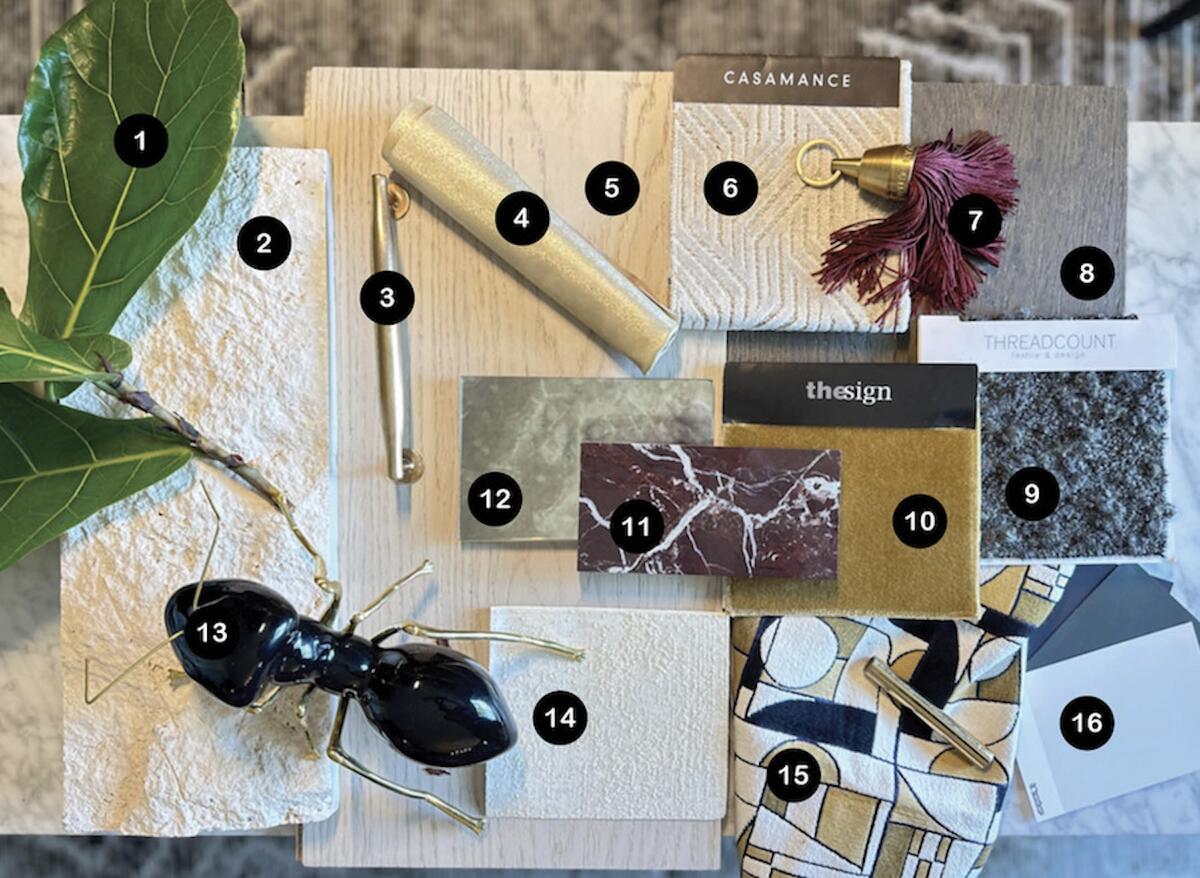
Marbé Briceno Velázquez’s grounding assortment of aged brass, charcoal boucle and deep red marble tile

Homestyle: Attention to detail
'It makes a room soft and serene.' A designer explains a new decor trend that is better than any you've seen before
Quiet Luxury Is the Home Design Trend That Whispers Elegance

'Colorful Quiet Luxury' Isn't an Oxymoron, It's a Vibe
Interior Designer Says Adding This to Your Home Will "Bring a Sense of Calm"

Why layering is the new minimalism in interior design: Experts give tips on how to ace the trend | Hindustan Times

The decorating trends everyone will be talking about in 2026

This At-Home Lounge Is Equal Parts Elevated and Family Friendly
5 interior designers on the styles they will love forever
Forget everything you thought you knew about modern decor – the cozy modern aesthetic is here to make minimalism feel warm

The 2020 A-List: 125 of the Best Interior Designers in the World
Inside the homes that 'whisper rather than scream luxury'


Tech-infused trends and how it's shaping interior design in 2024