The Do’s and Don’ts of Bathroom Wallpaper: How to Install It and More
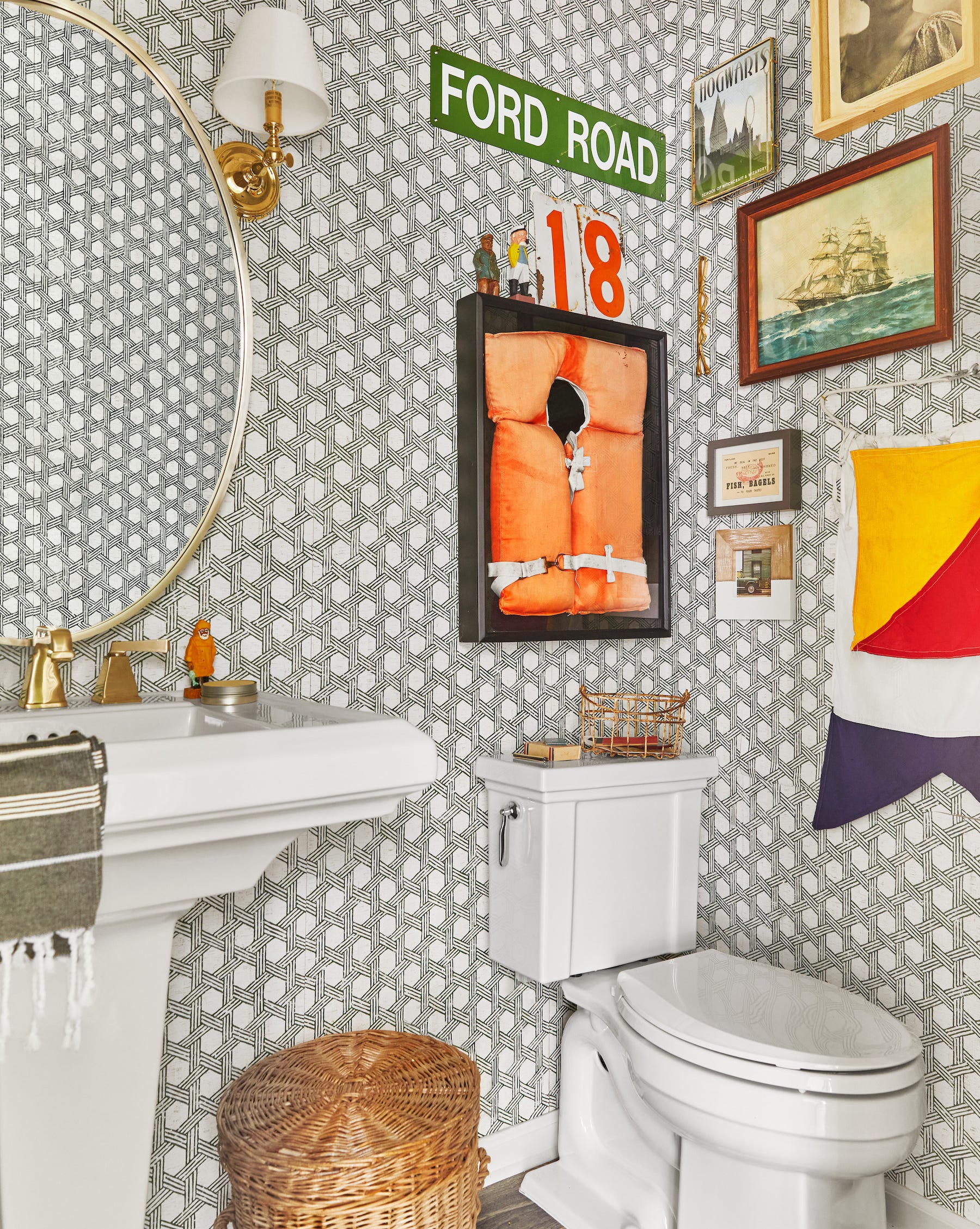
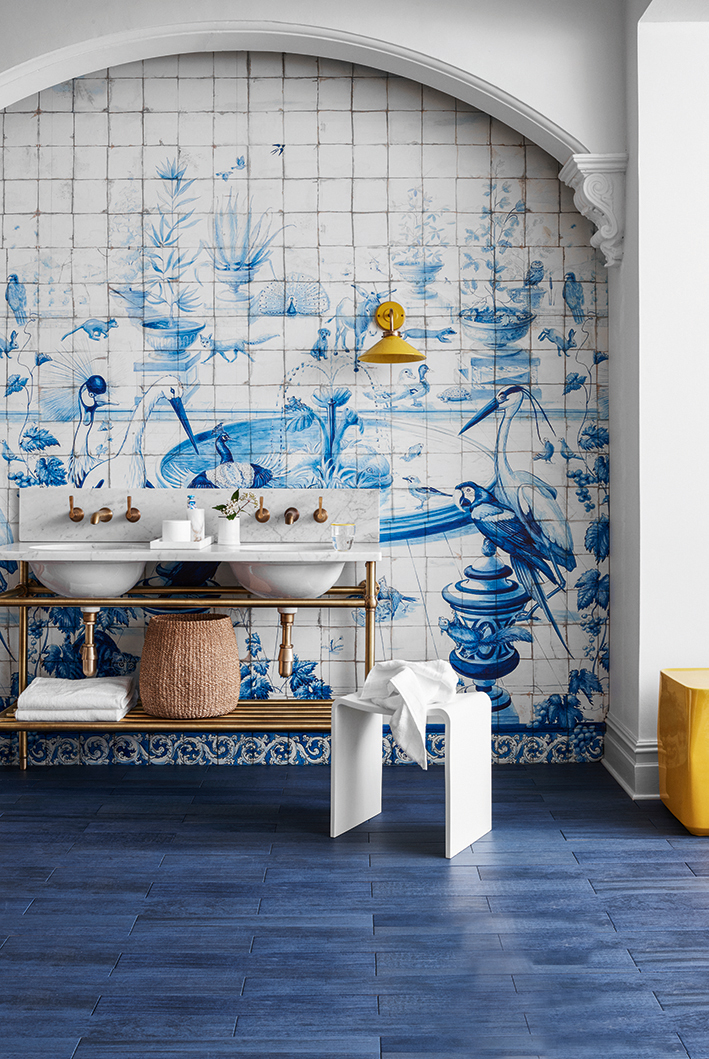
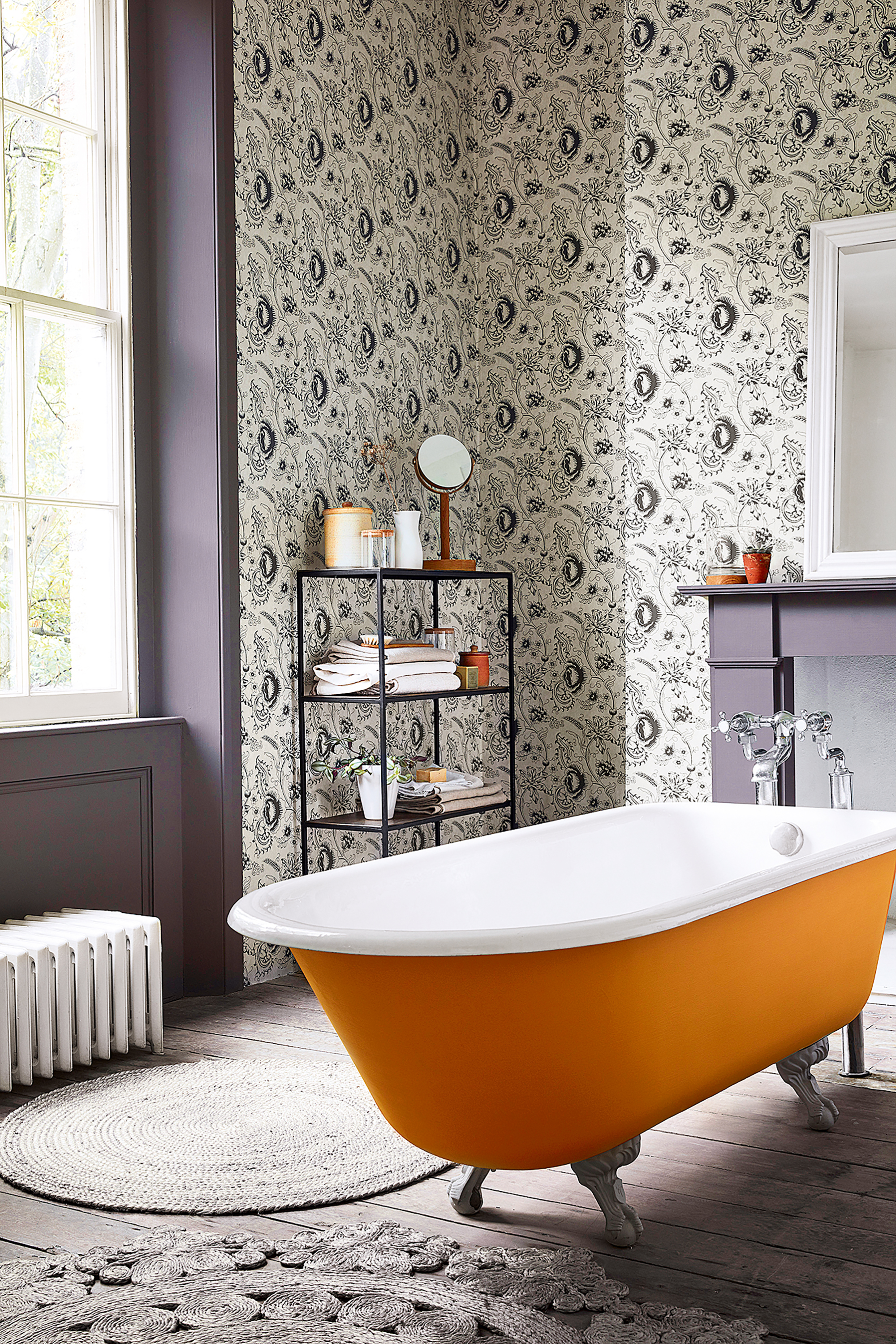
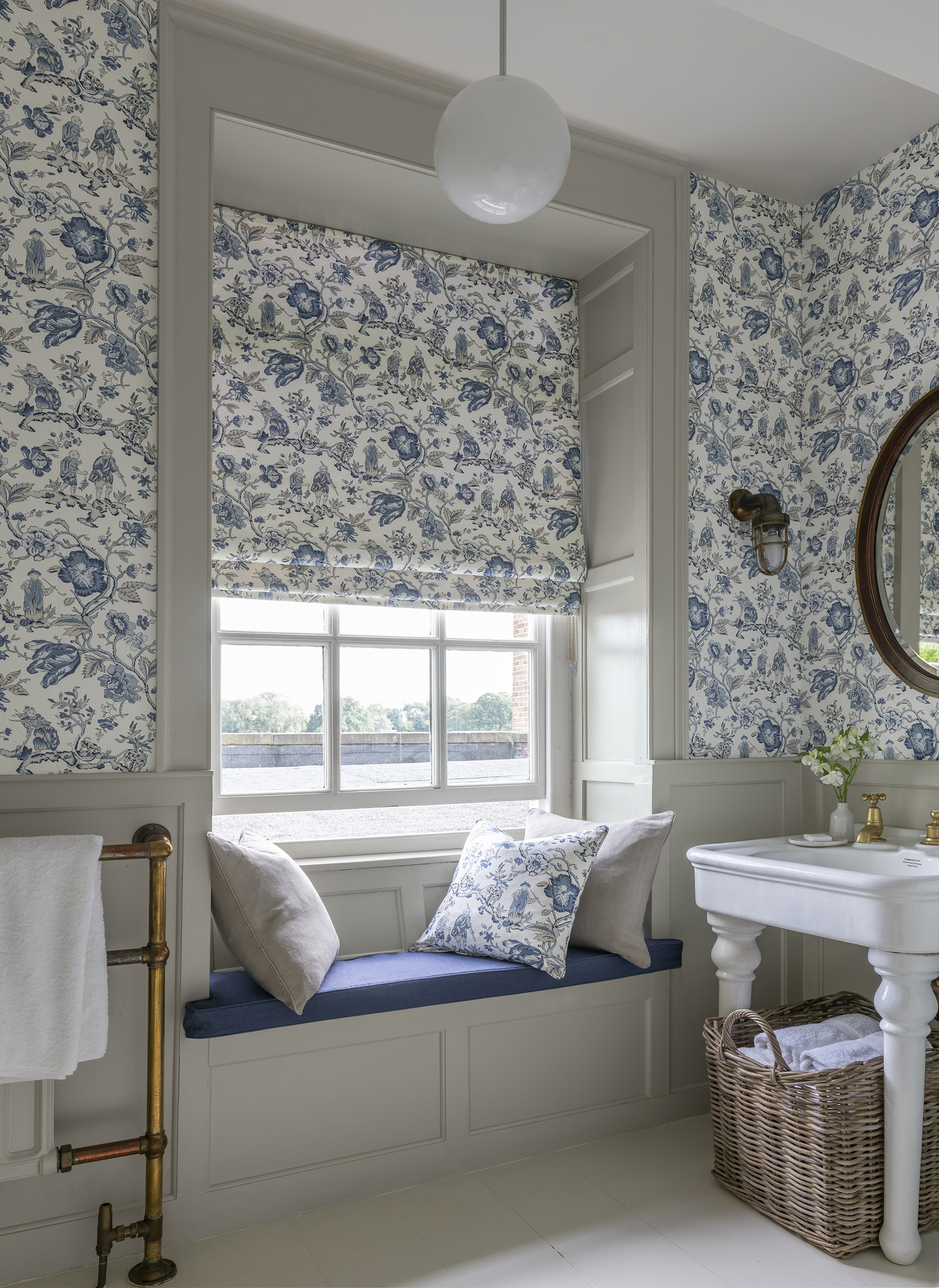
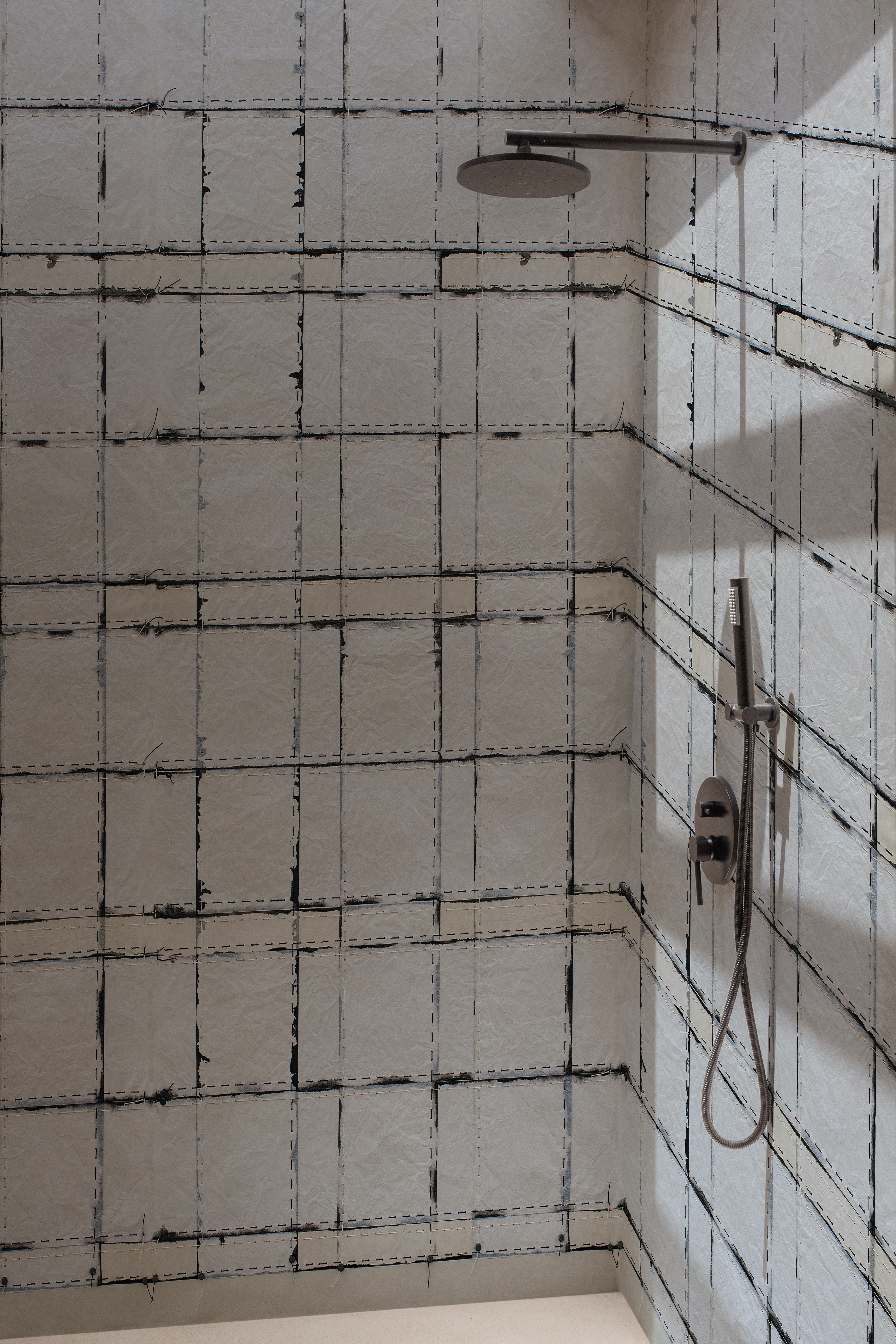
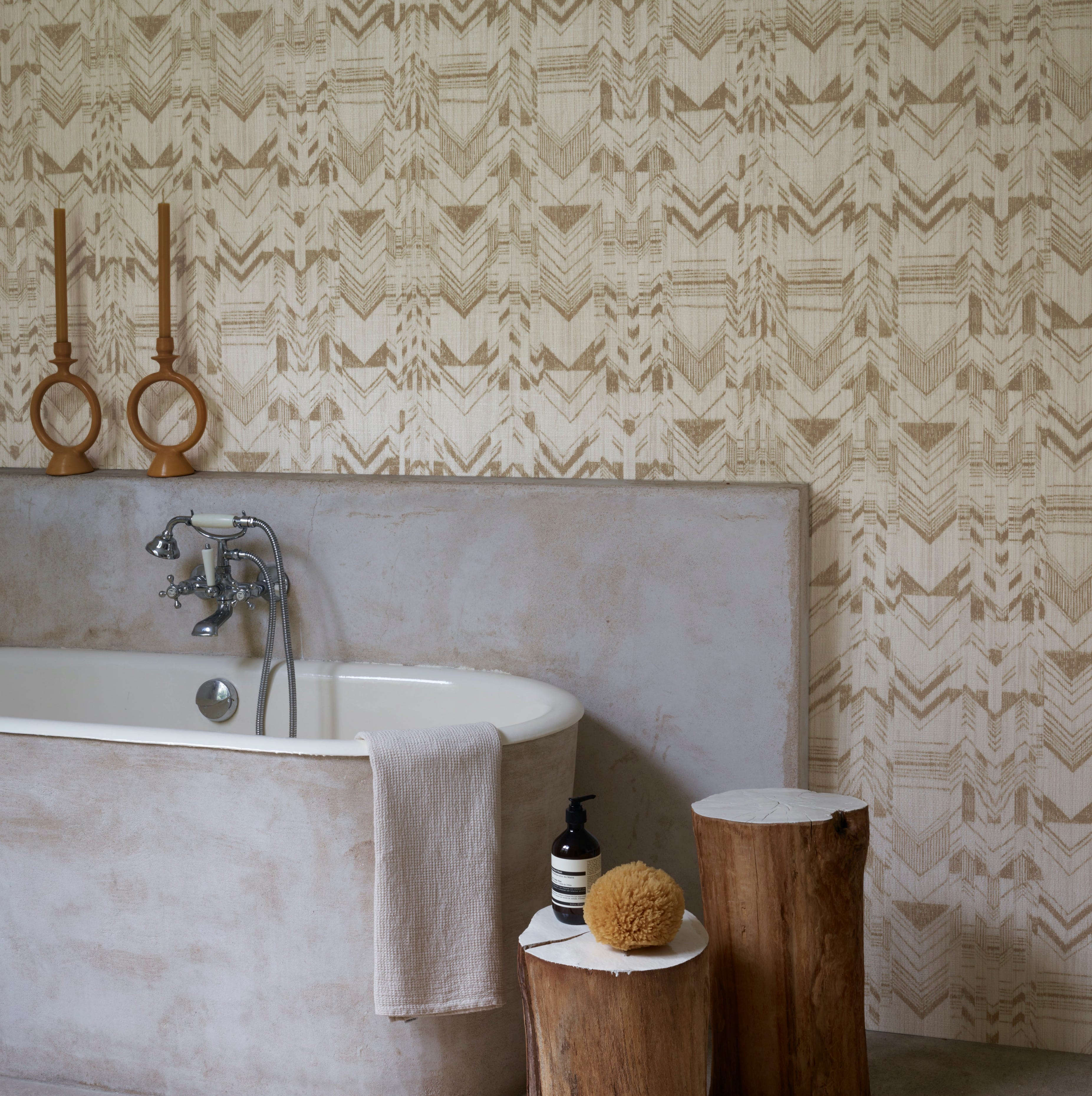
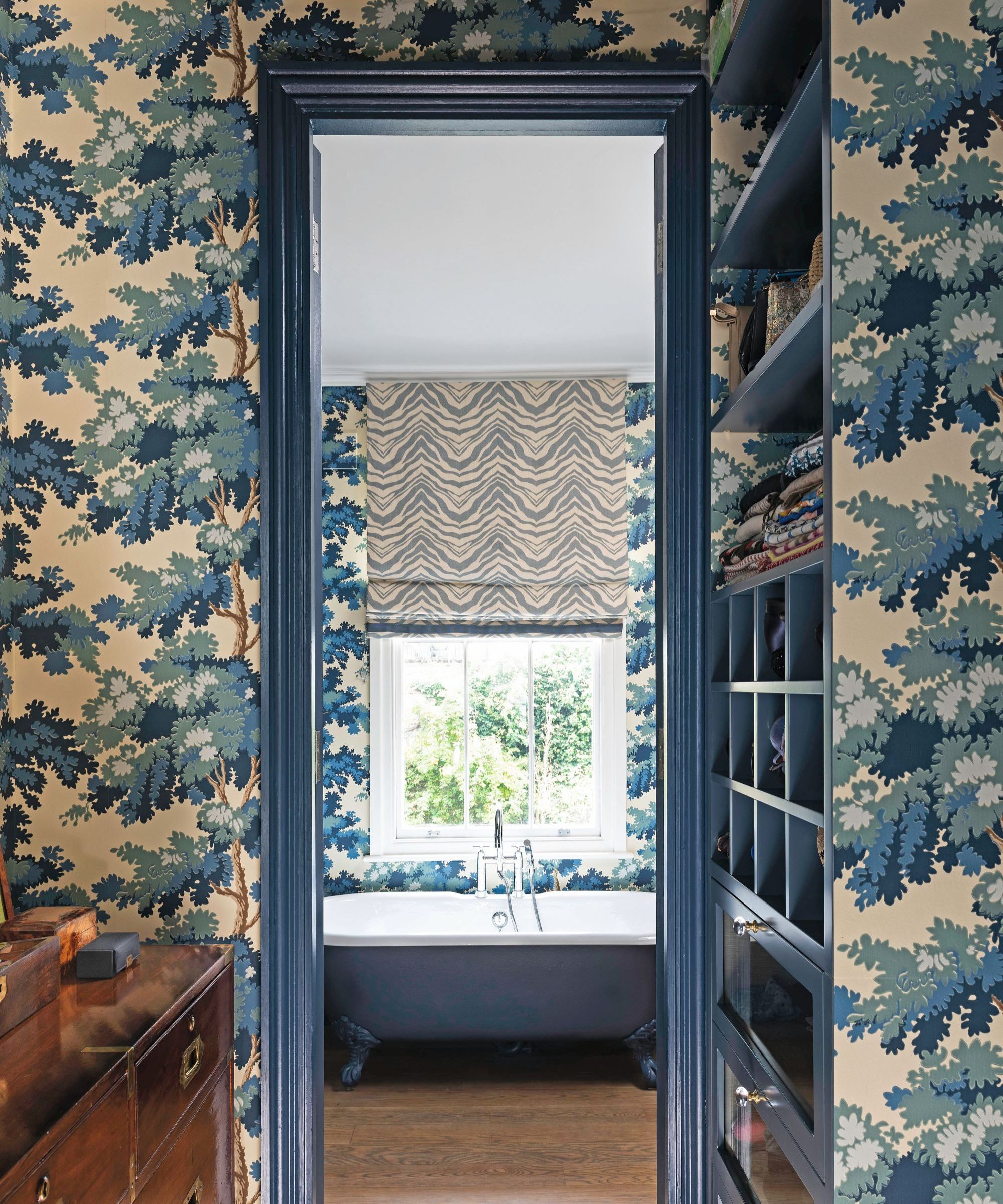
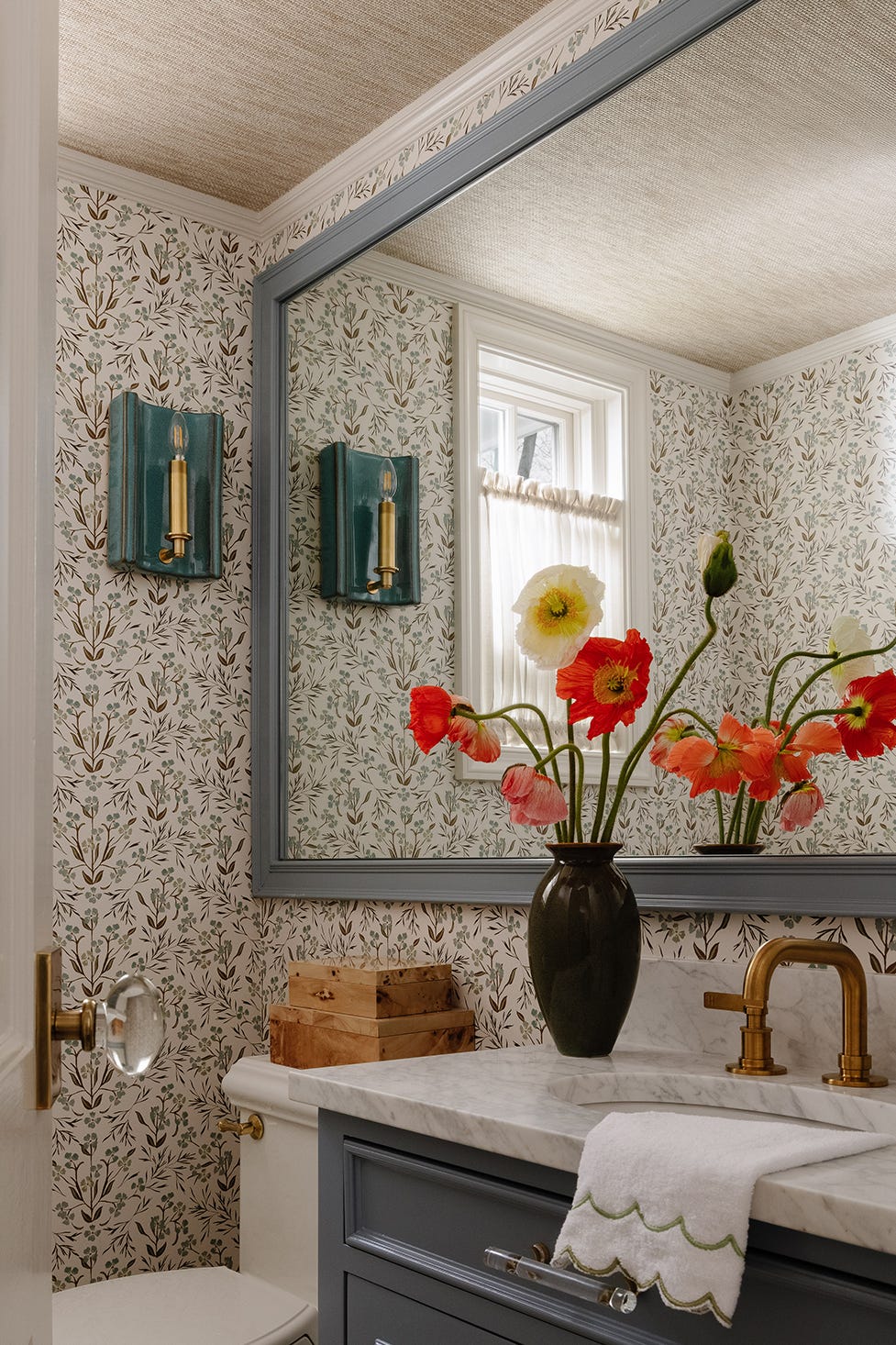
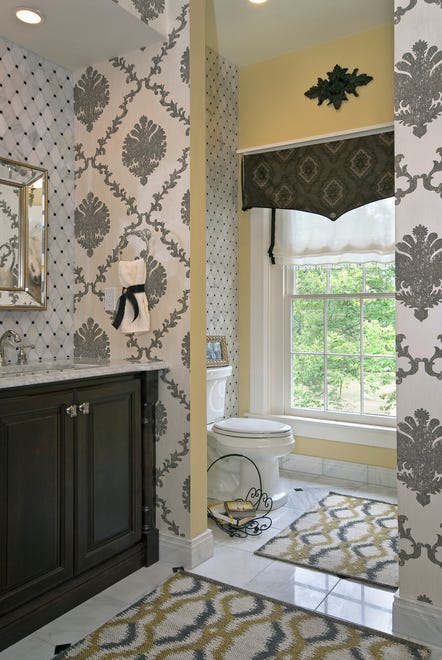
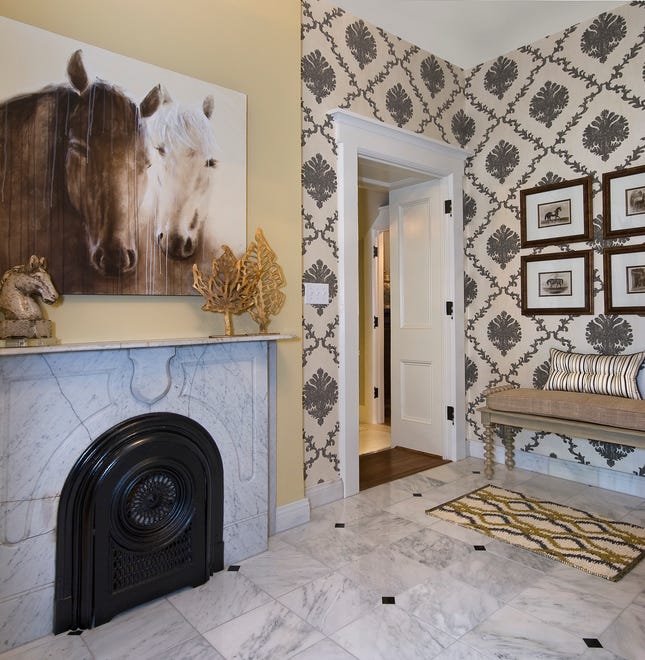
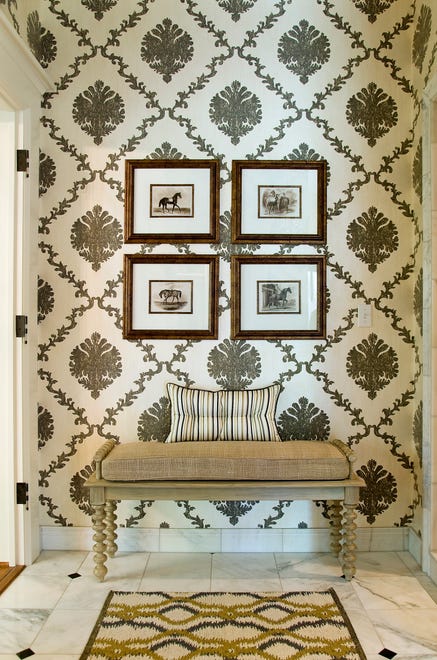
Decorating a bathroom can seem less overwhelming than other rooms due to fewer decor and furniture requirements, but stylish touches like wallpaper can significantly enhance the space. Whether opting for convenient peel-and-stick options or traditional papers requiring professional installation, the choices are extensive. To guide this process, experts Roxana Eslamieh of Manuka Textiles, Robert Malmberg of Malmberg Studio, and Jennifer Matthews and Julia Au, twin sisters behind Tempaper, offer essential do's, don'ts, and general tips for using eye-catching wallpapers in bathrooms.
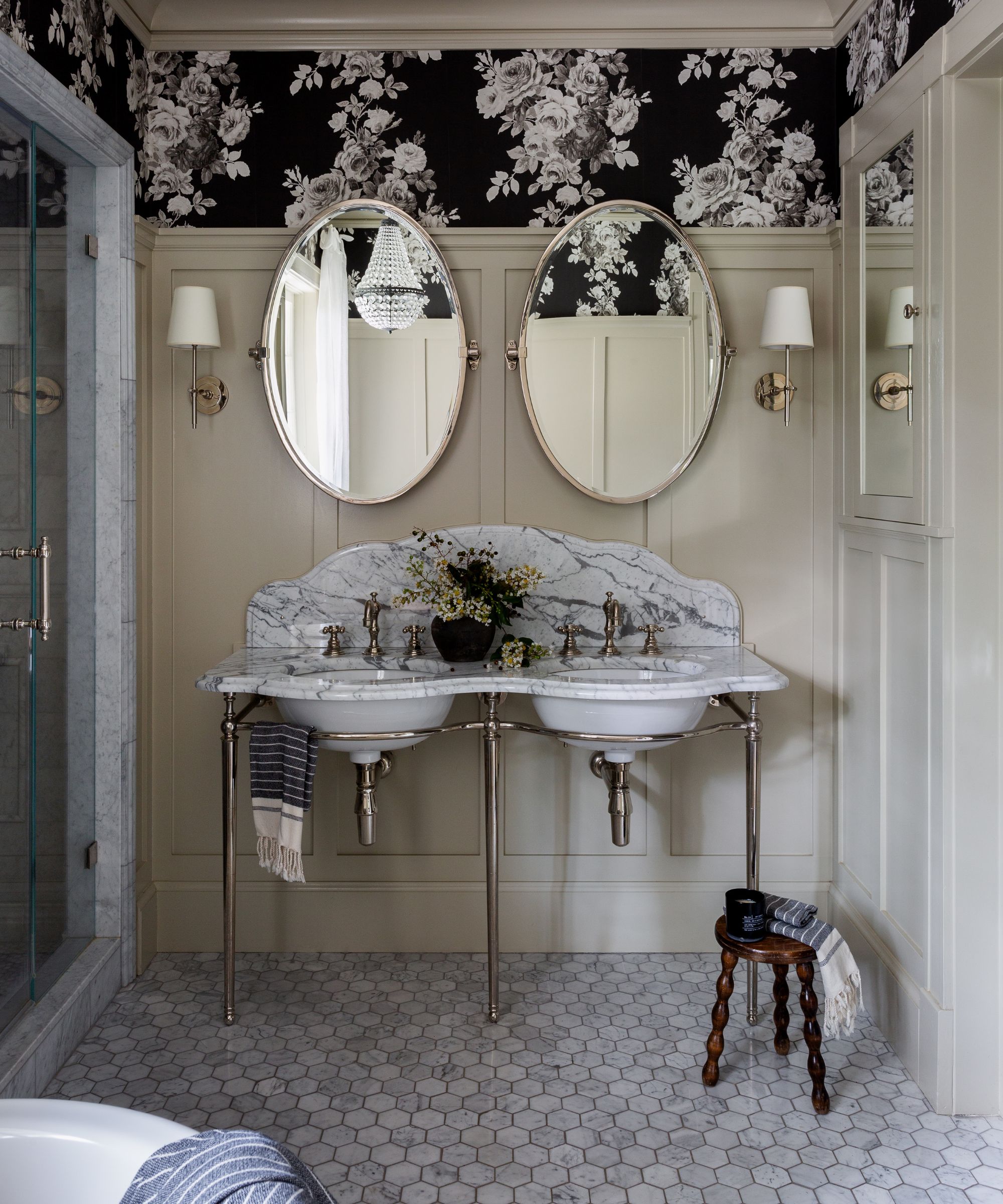
Before installation, it is crucial to prepare the walls thoroughly. All hardware, including towel hooks, light fixtures, outlets, switch panels, and mirrors, should be removed. The walls must be cleaned, free from splatters or imperfections, and any loose paint scraped away. Holes should be patched, and the surface allowed to dry completely. Eslamieh emphasizes the importance of a primer specific to the space, suggesting a dark-toned primer or liner paper for dark-colored or black wallpaper to ensure proper adhesion and appearance.
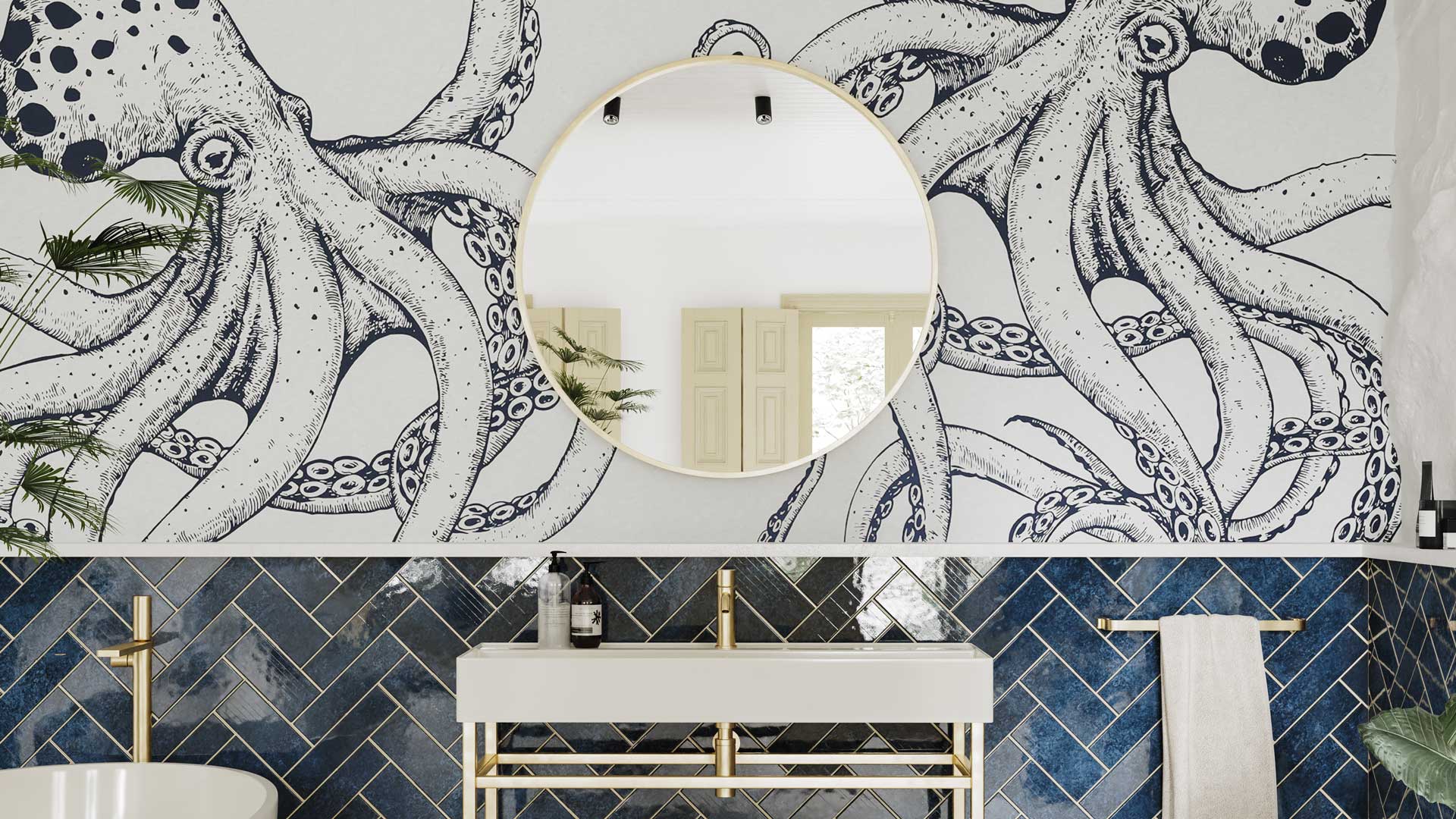
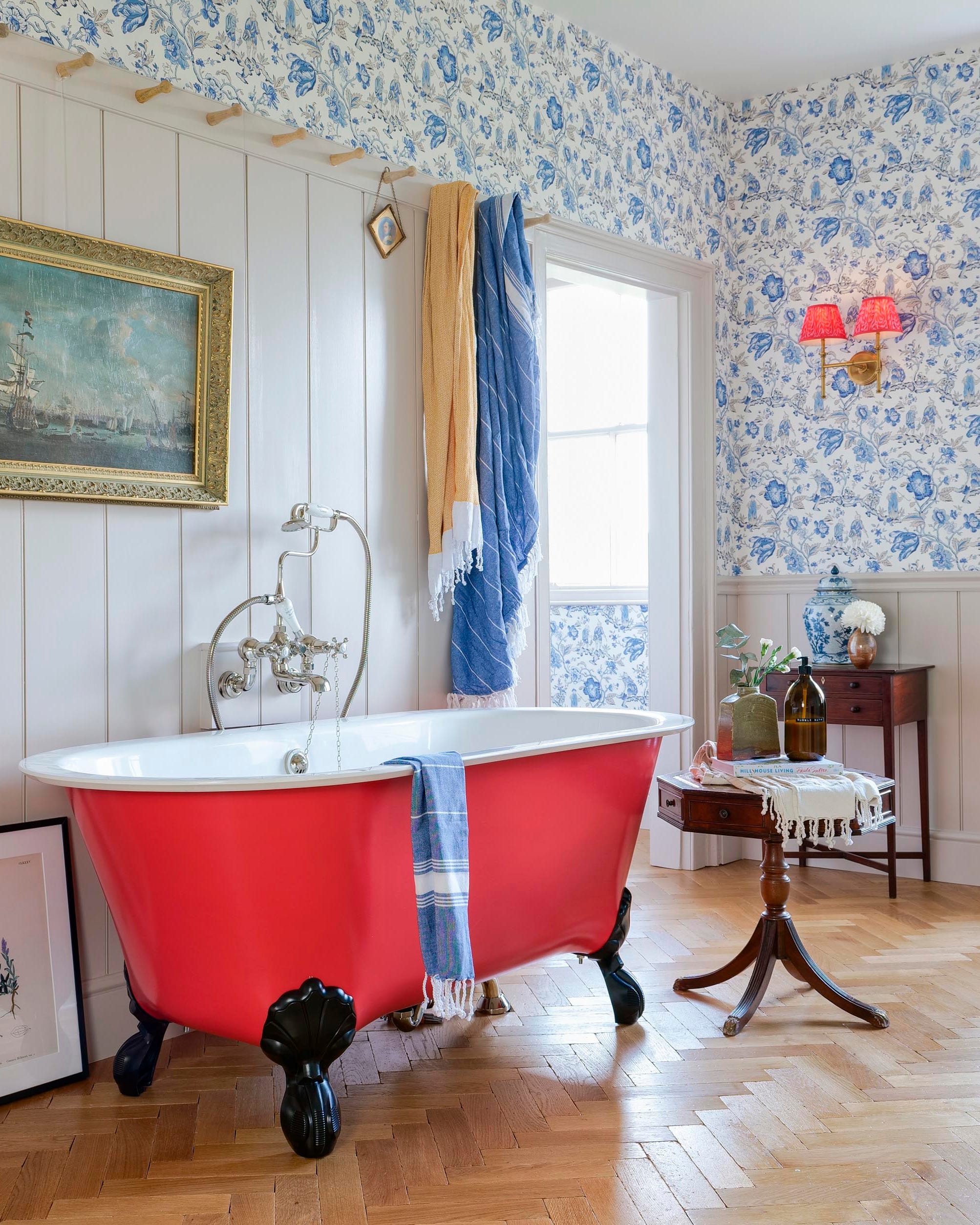
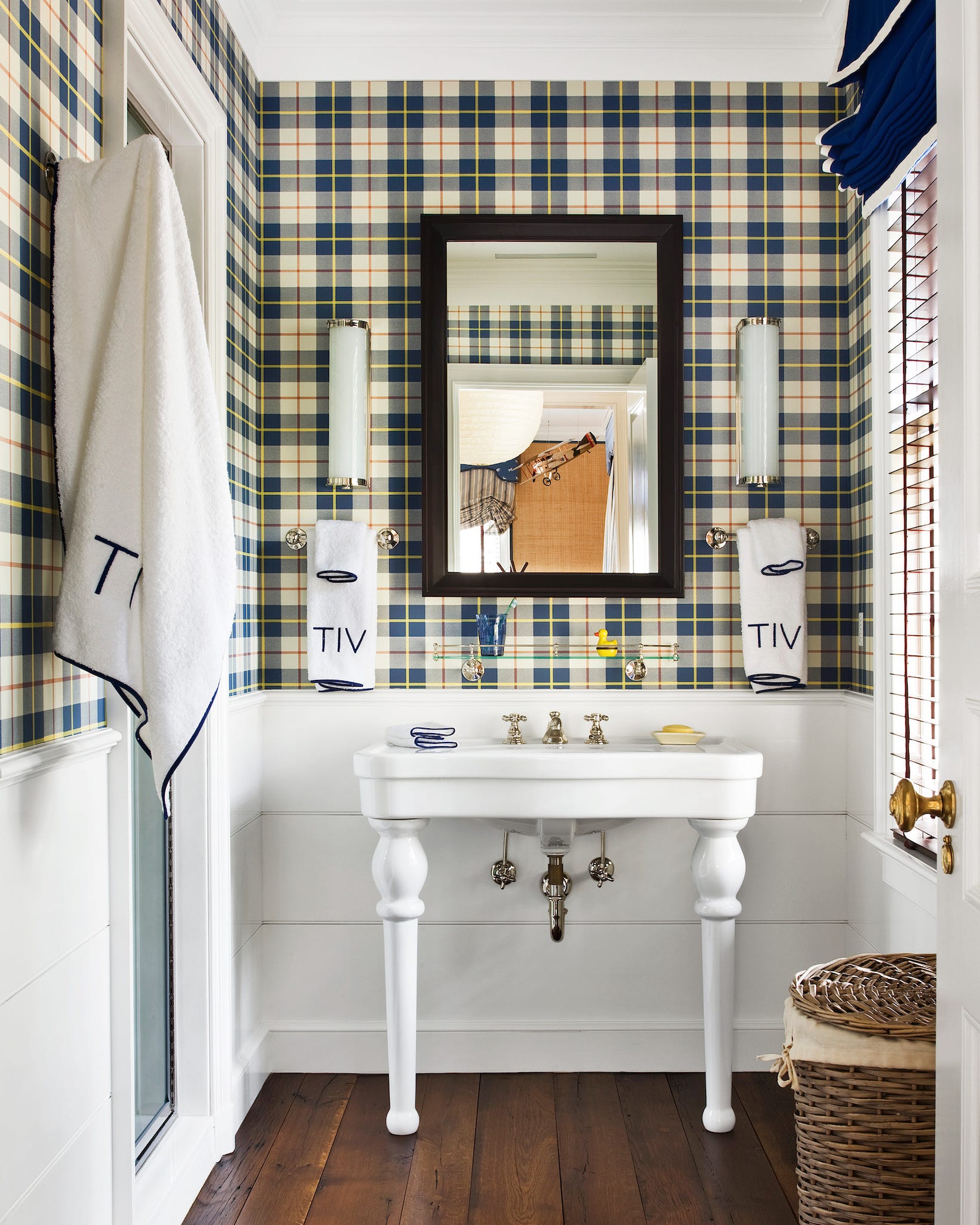
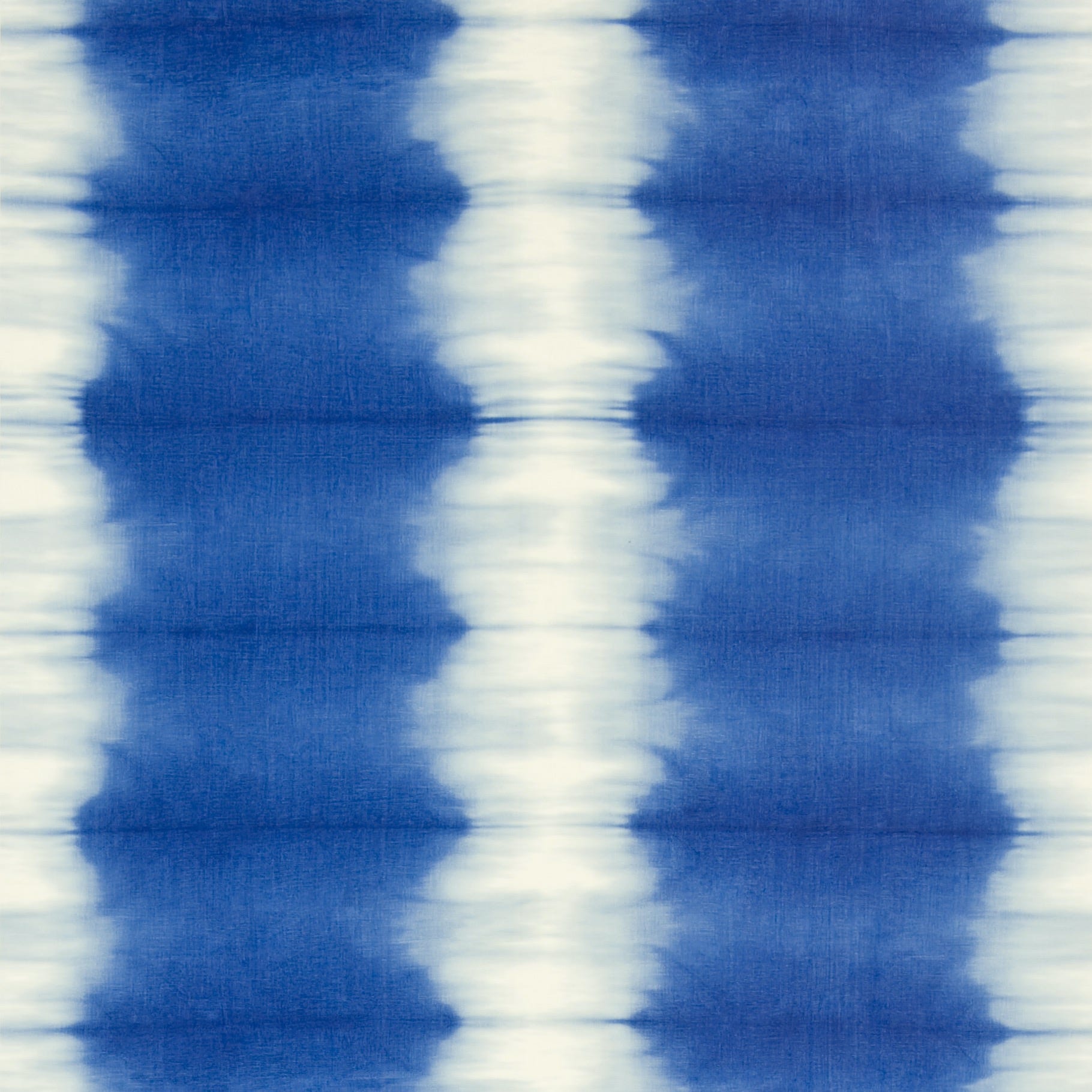
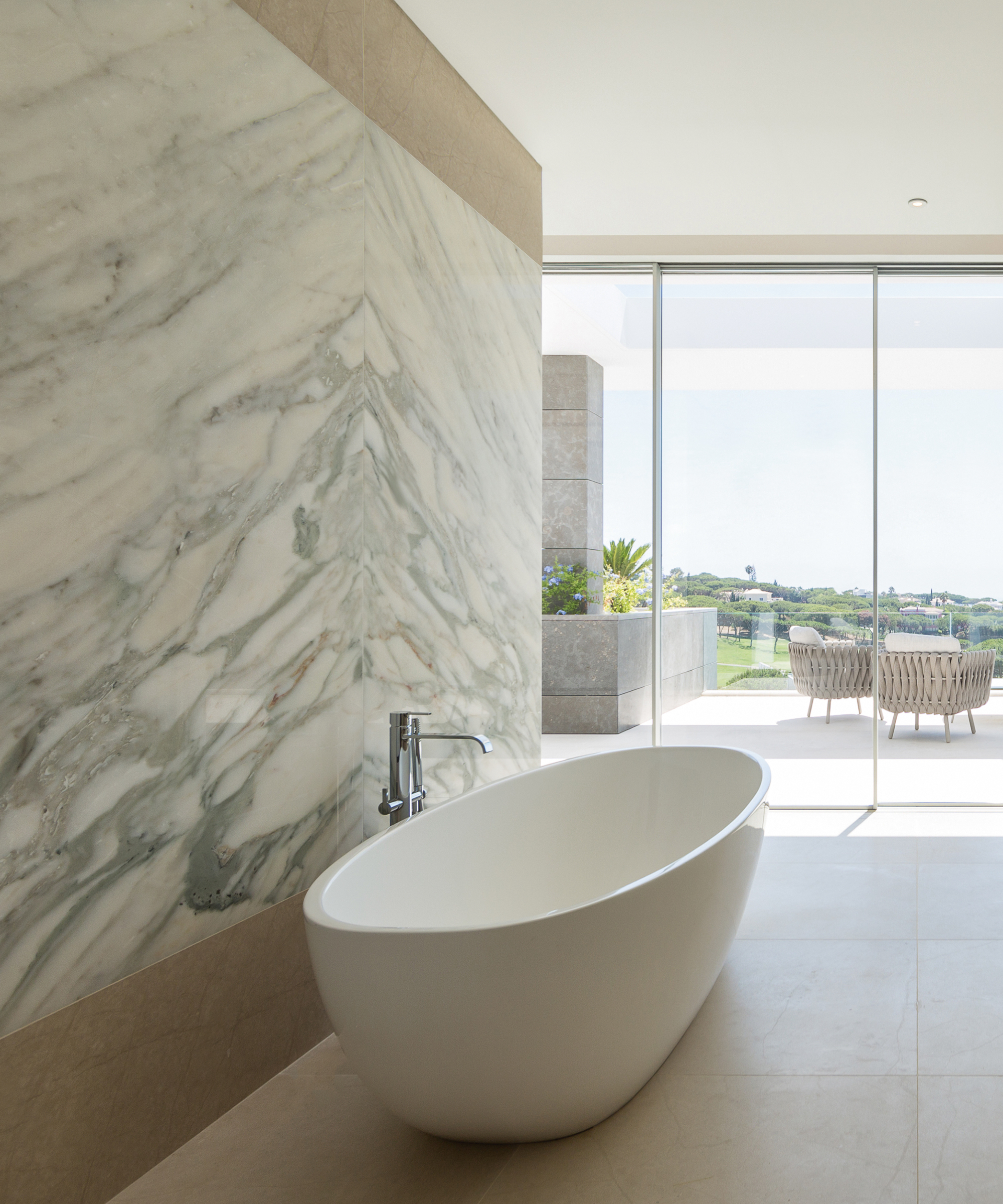
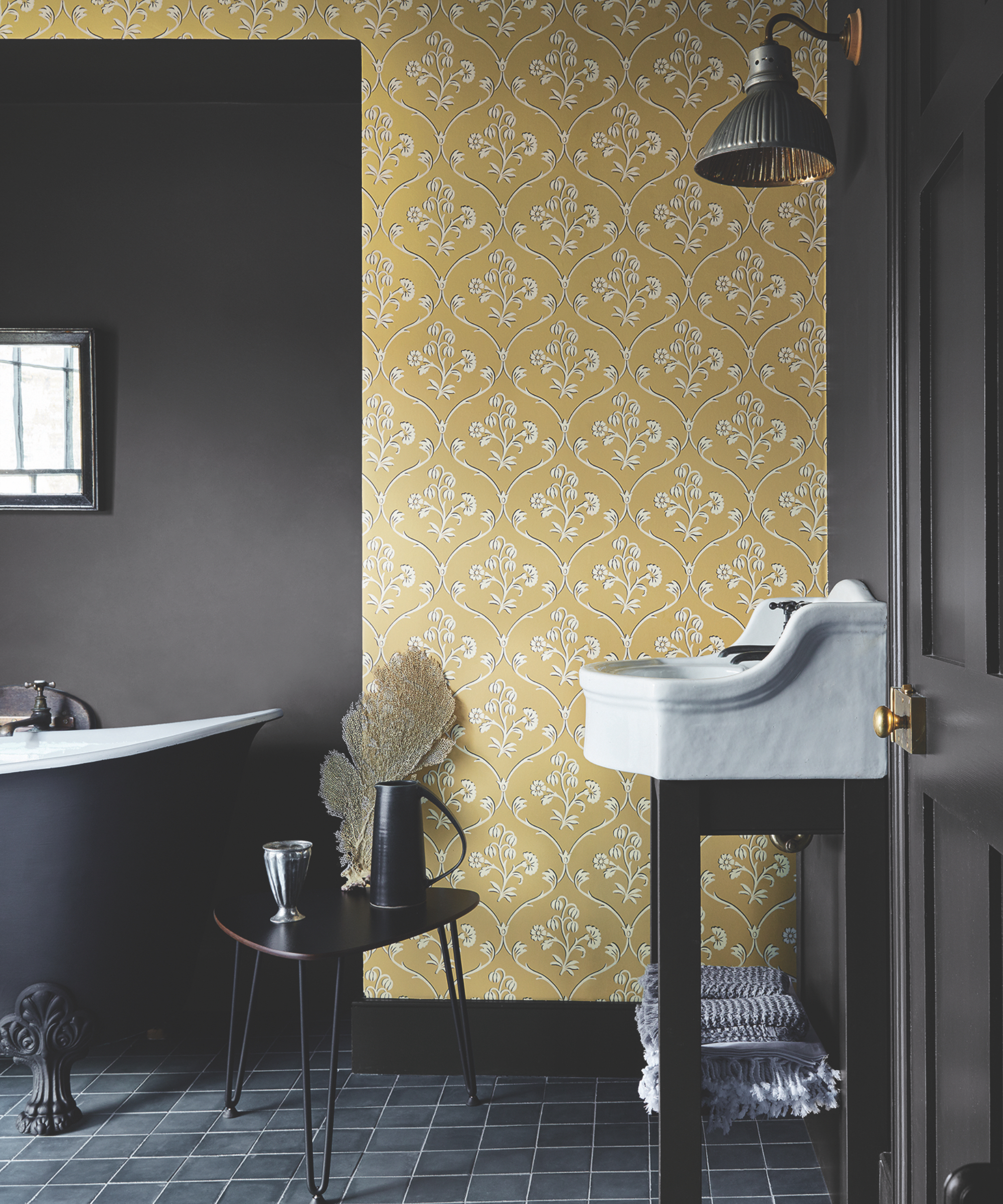
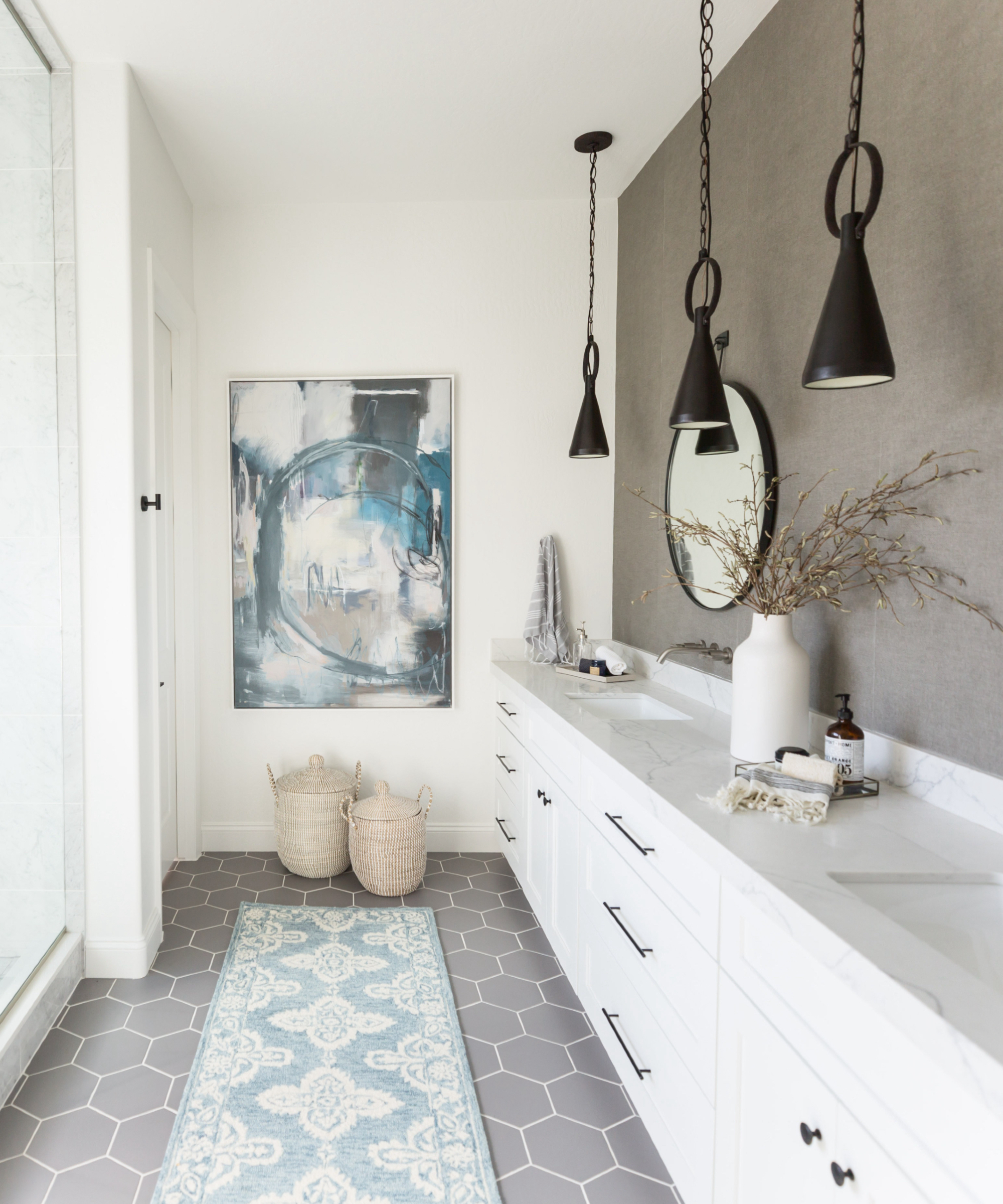
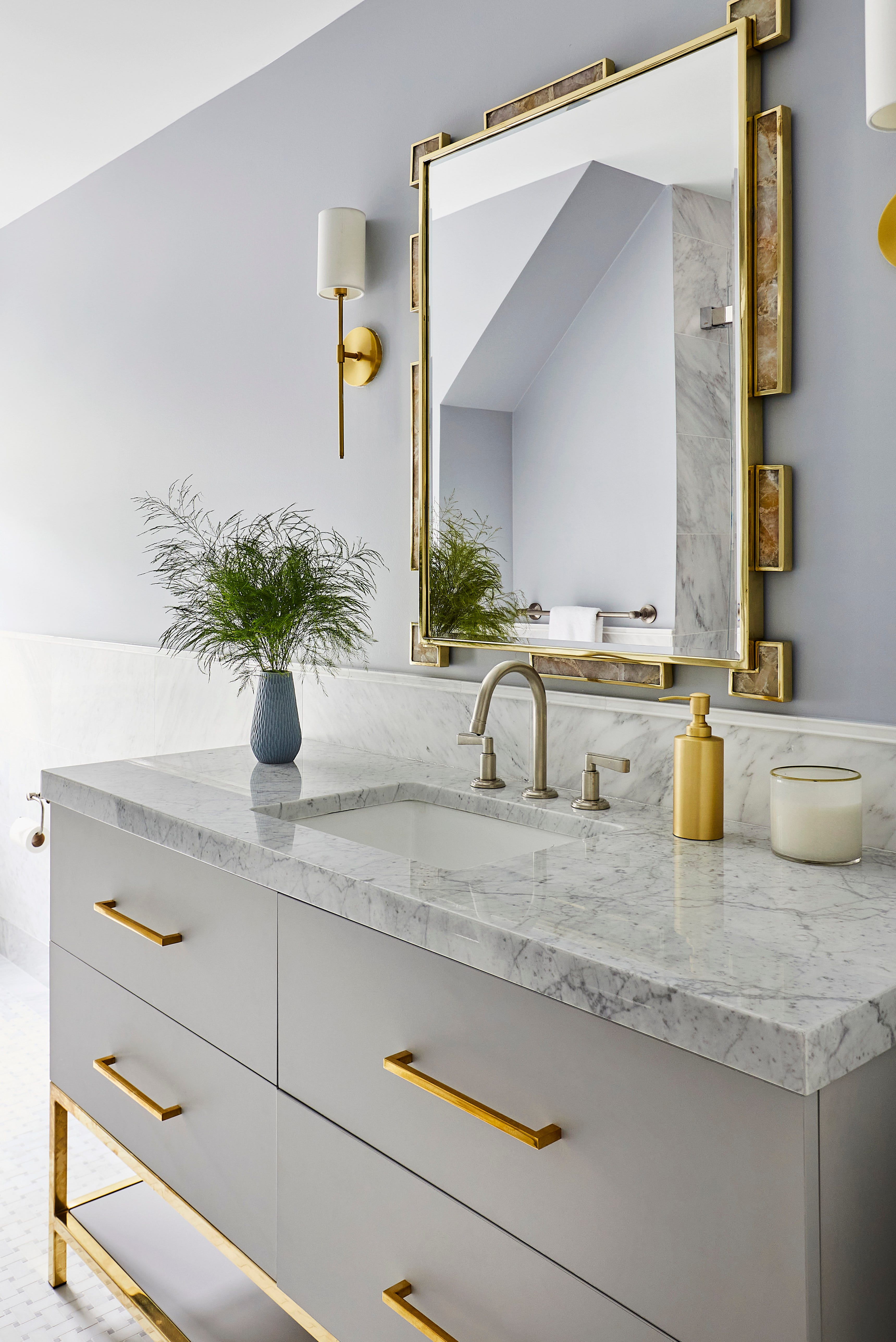
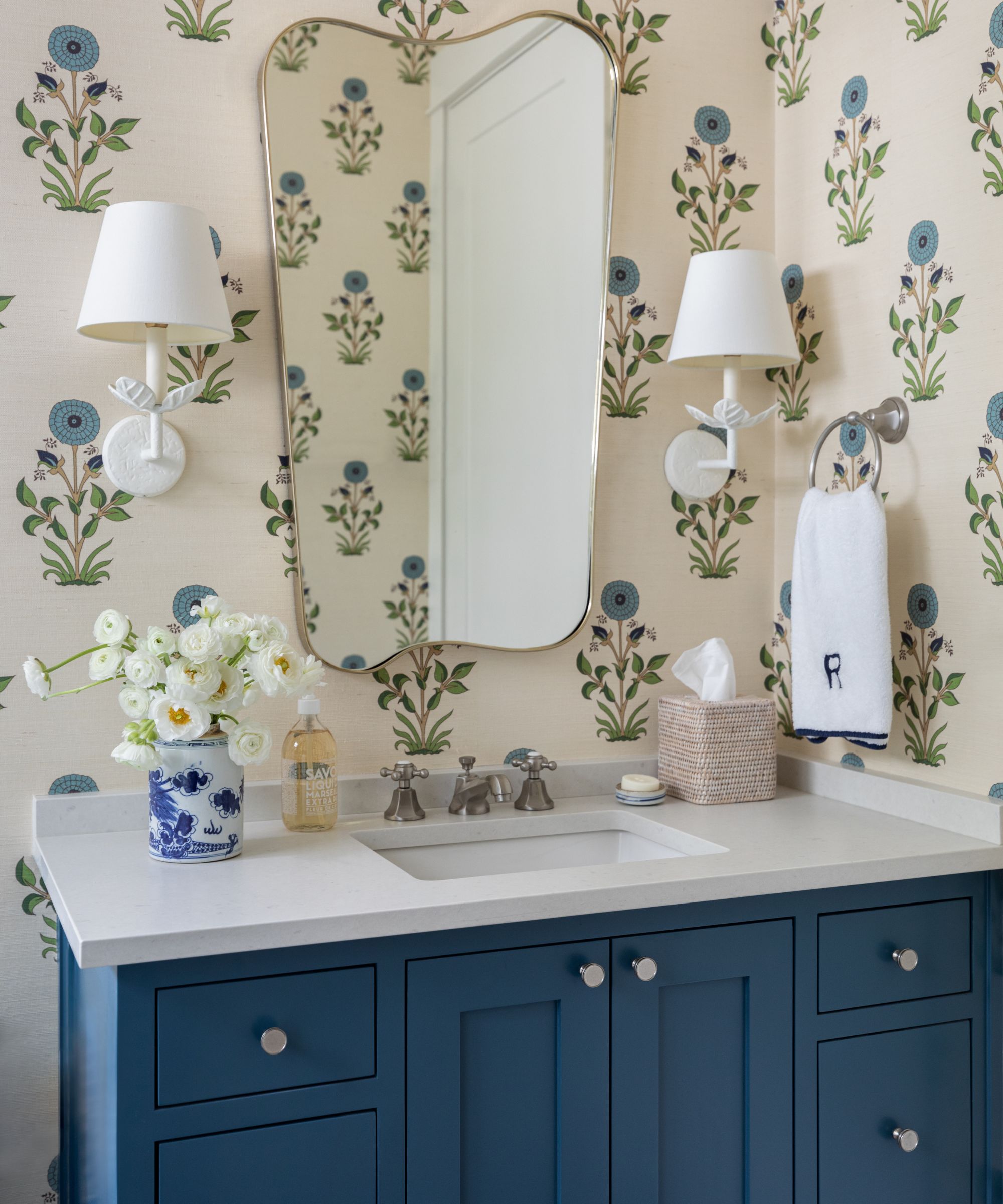
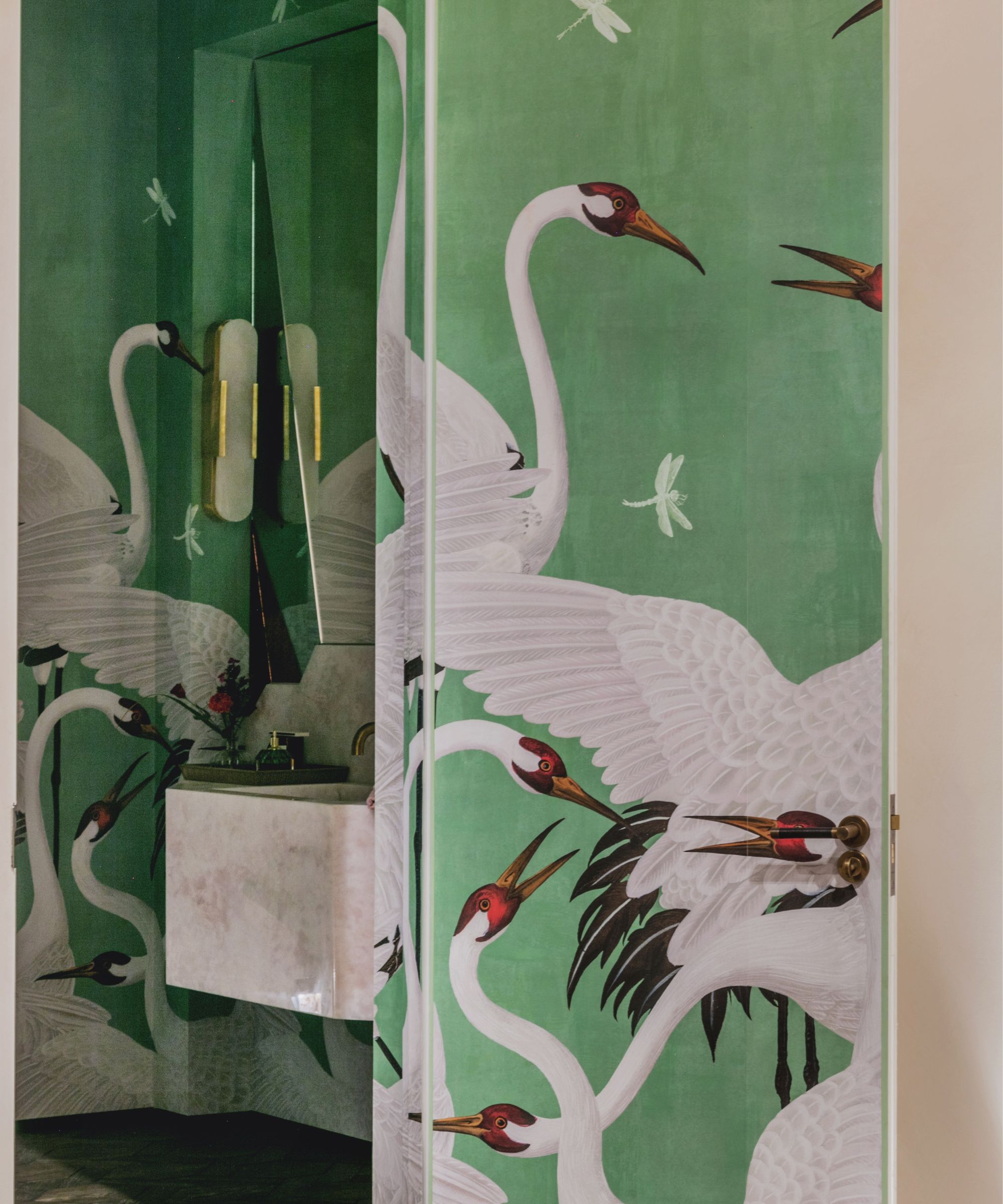
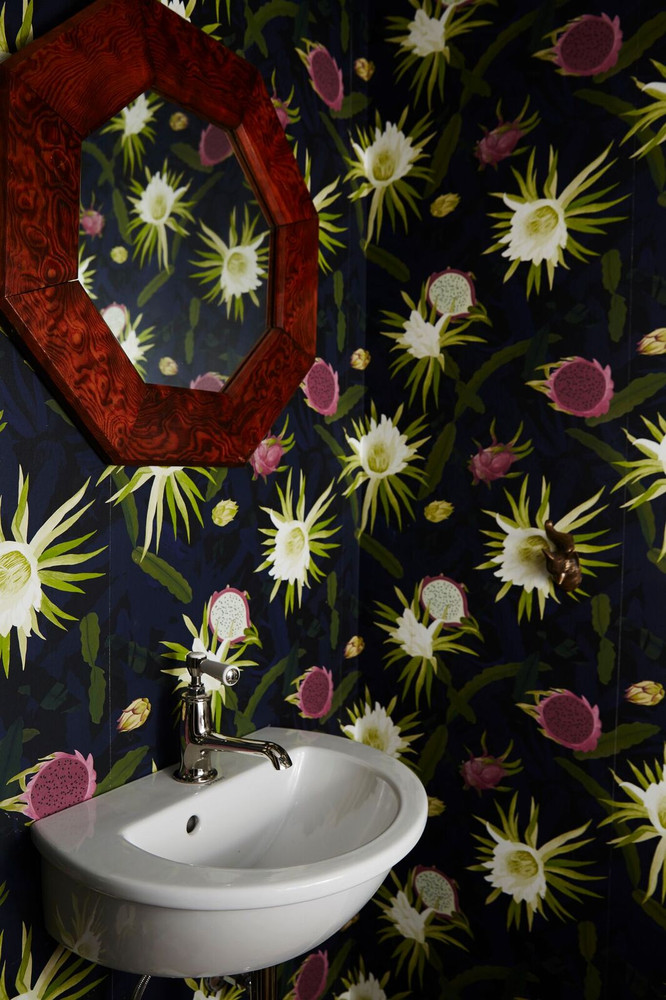
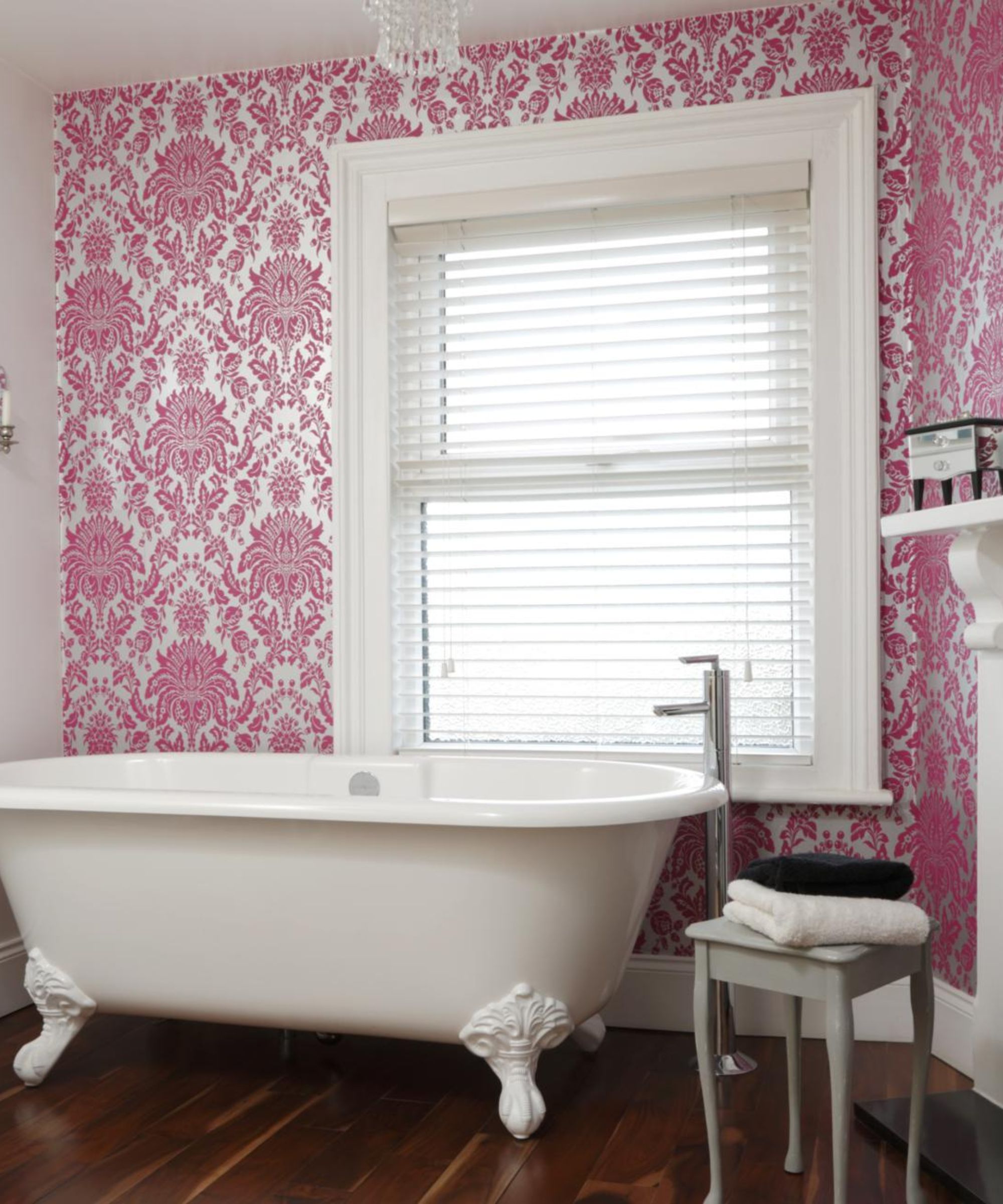
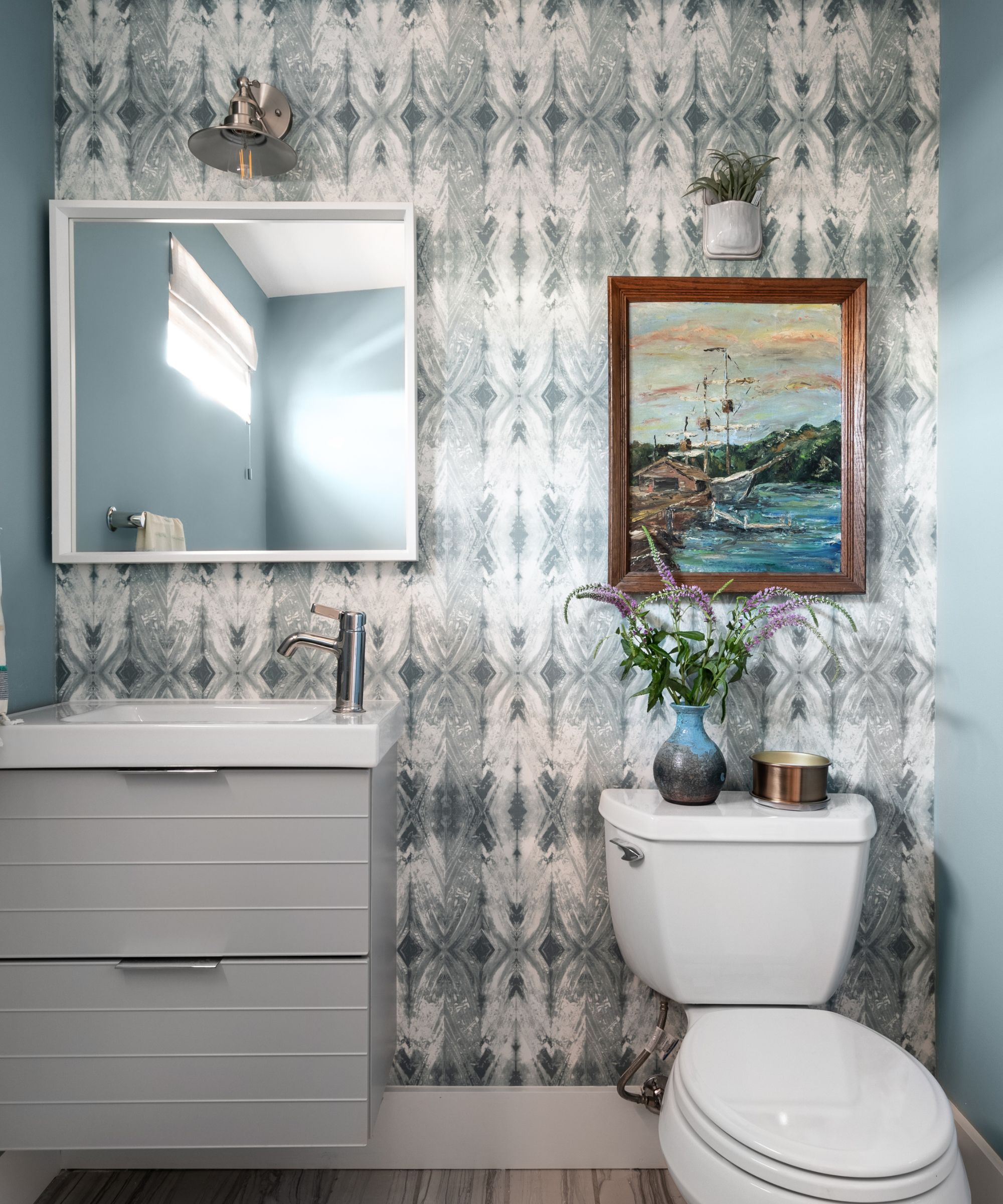
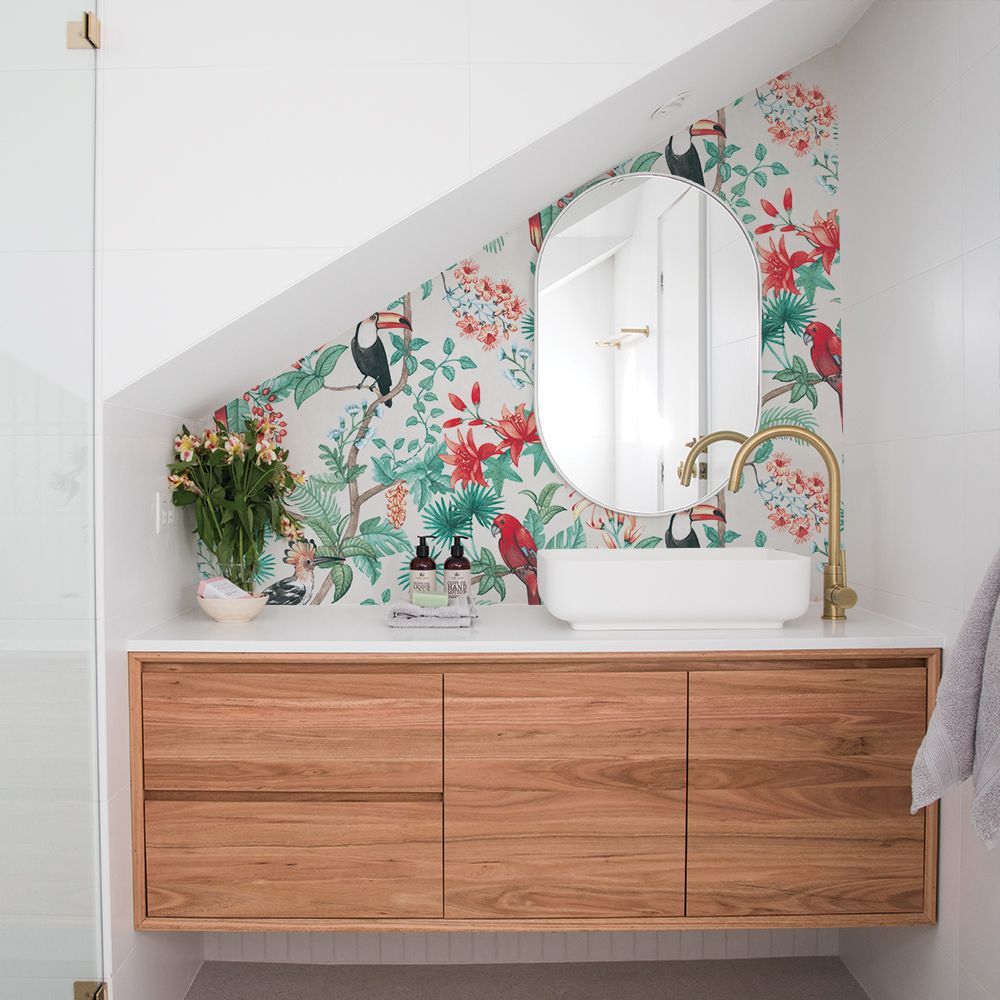
Placement is another critical consideration, particularly in bathrooms. Julia Au highlights that natural lighting affects how colors appear on walls. In bathrooms, which often have limited natural light, darker hues can make the space feel smaller and dimmer. Therefore, paler shades are generally recommended. Au also advises against installing wallpaper in areas prone to excessive splashing, which can degrade the paper over time. Robert Malmberg suggests avoiding overly chaotic or bold patterns, especially in a master bathroom, as they can inadvertently create a sense of anxiety. The goal for a lavatory is a calming oasis, not a visually overwhelming space.
Pre-cutting wallpaper panels to the approximate height and width of the walls is a recommended step, particularly for smaller bathrooms where maneuvering is challenging. This preparation minimizes frustration during the actual installation process. Additionally, purchasing extra rolls of wallpaper is a prudent measure. Eslamieh advises buying an additional two to four rolls, depending on the room's square footage, to account for potential future damage. To further extend the wallpaper's lifespan, installing mold-resistant paper behind it is also suggested.
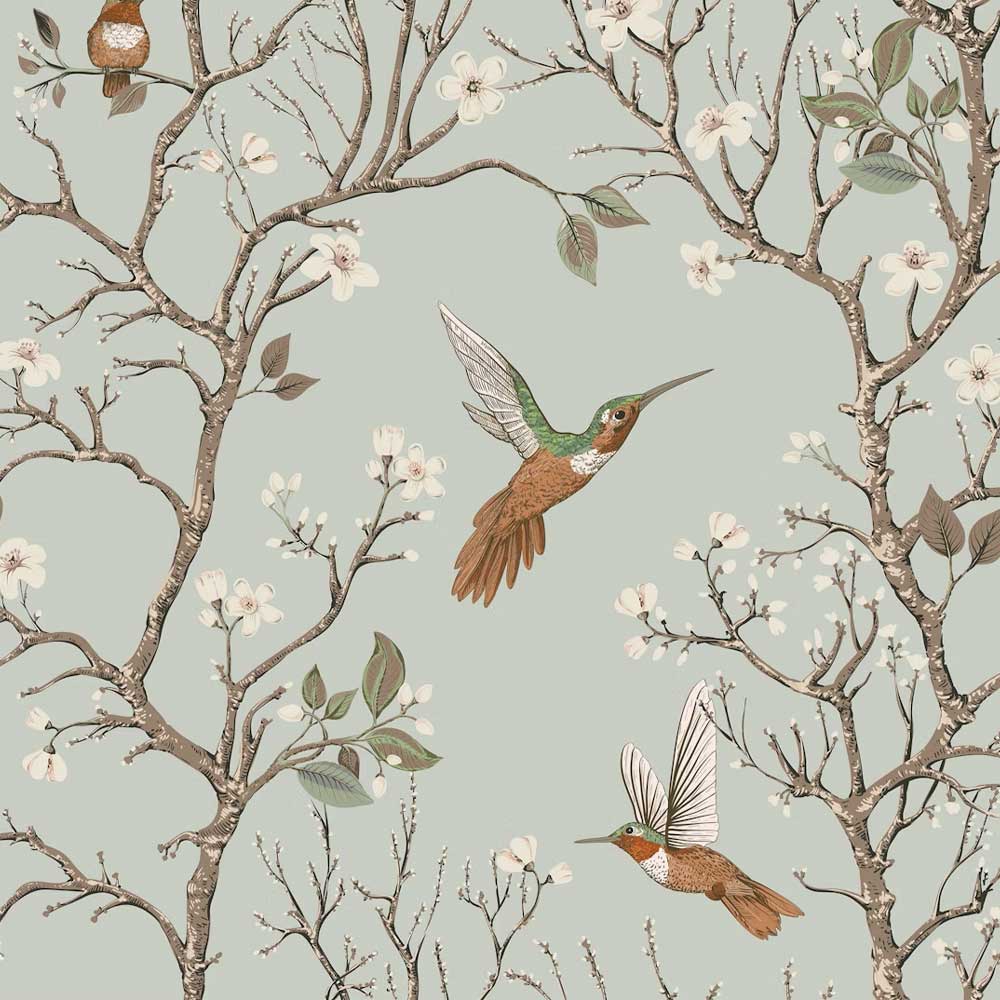
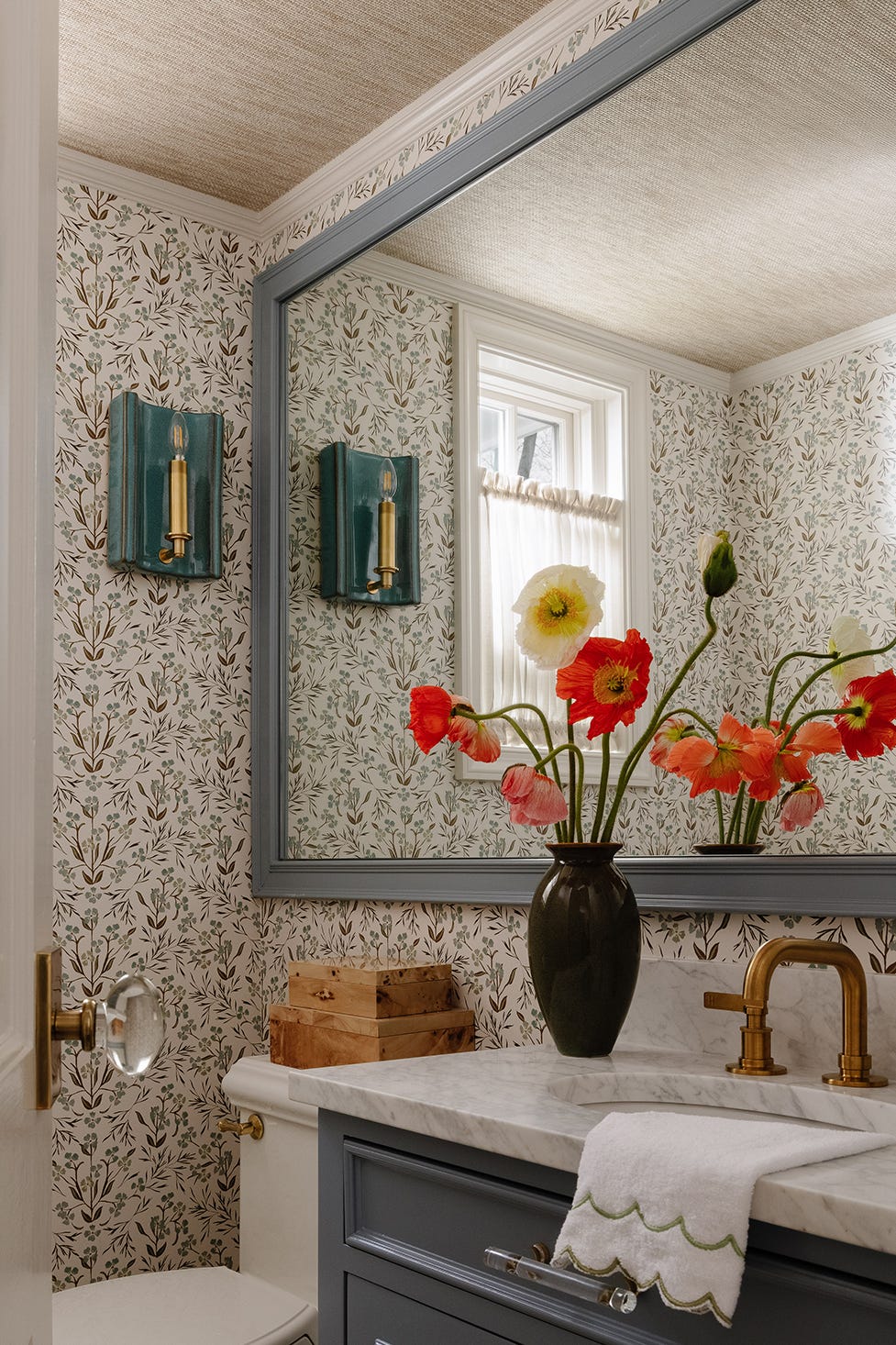
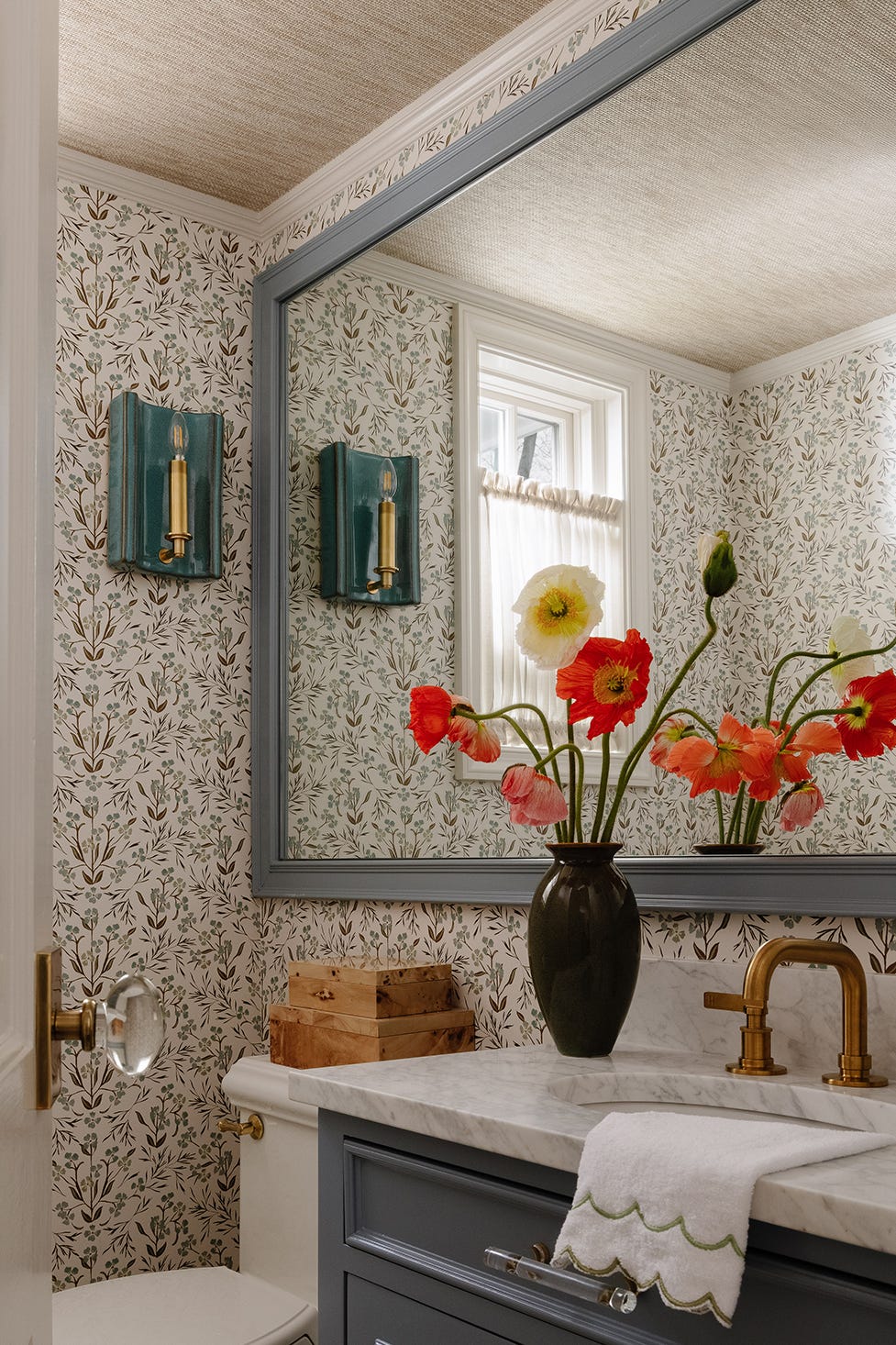
To ensure satisfaction with the chosen pattern, Au recommends ordering a sample set and applying it to a small section of the wall before committing to a full installation. This allows for a visual assessment of how the print or color interacts with existing vanity units or decor. Lastly, a significant 'don't' from Malmberg is to avoid wallpapering the bathroom ceiling. While ceiling wallpaper can be trendy, the rising humidity in a bathroom environment will likely degrade the paper quickly. Furthermore, a wallpapered ceiling can create a cramped or distorted feeling in a space intended for relaxation. Instead, a complementary paint color for the ceiling is advised, maintaining the desired aesthetic without the practical drawbacks.
#BathroomDesign #WallpaperInstallation #DIYHomeDecor #InteriorDesignTips #HomeRenovation #WallpaperChoices #MoistureResistance #SpaceOptimization #BathroomDesign #WallpaperInstallation #DIYHomeDecor #InteriorDesignTips #HomeRenovation #WallpaperChoices #MoistureResistance #SpaceOptimization
0 commenti in totale
 Nessun commento ancora
Potresti anche gradire
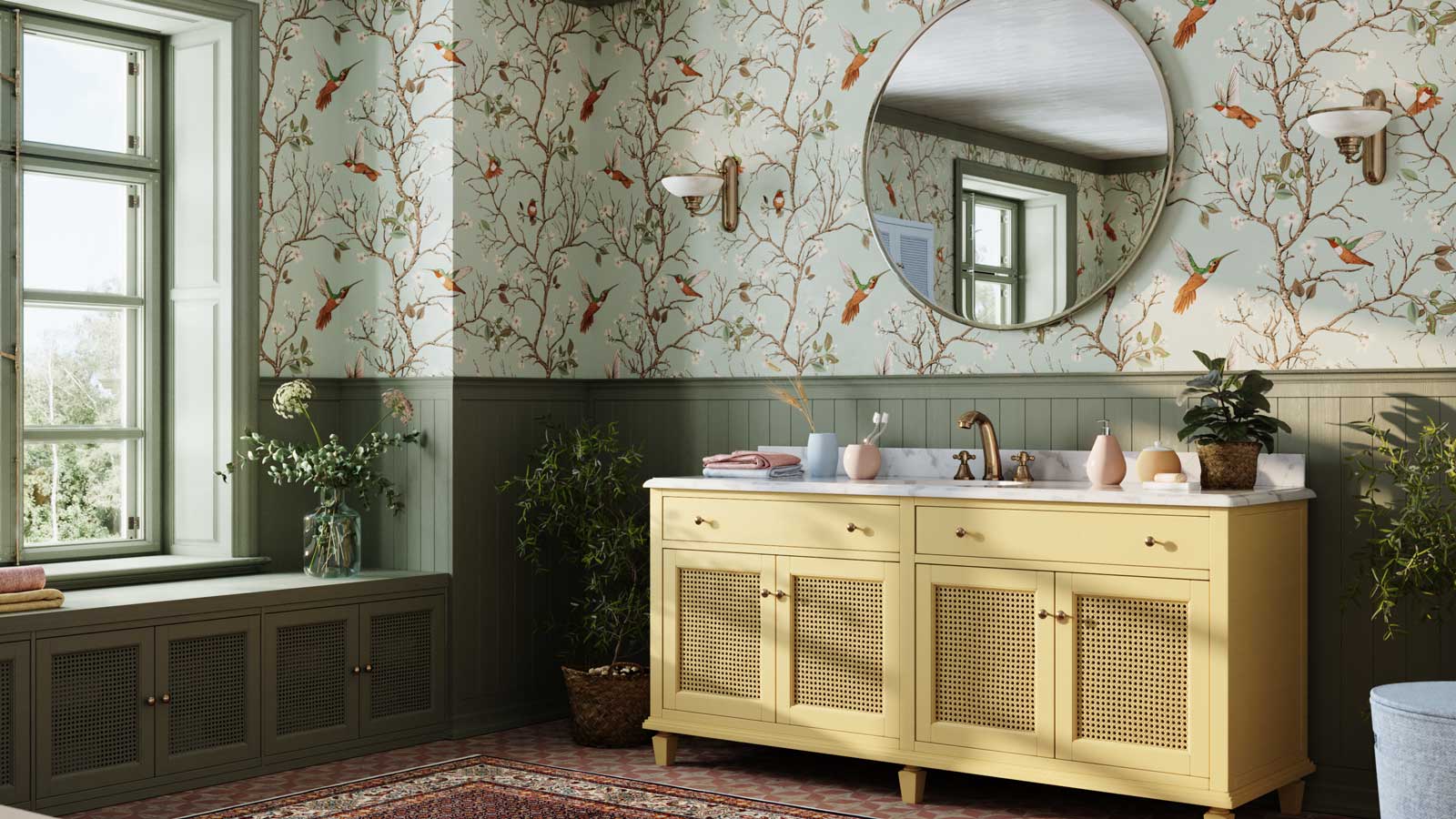
Can you wallpaper a bathroom? Is it a bad idea or the answer to decorating dilemmas? Experts reveal all

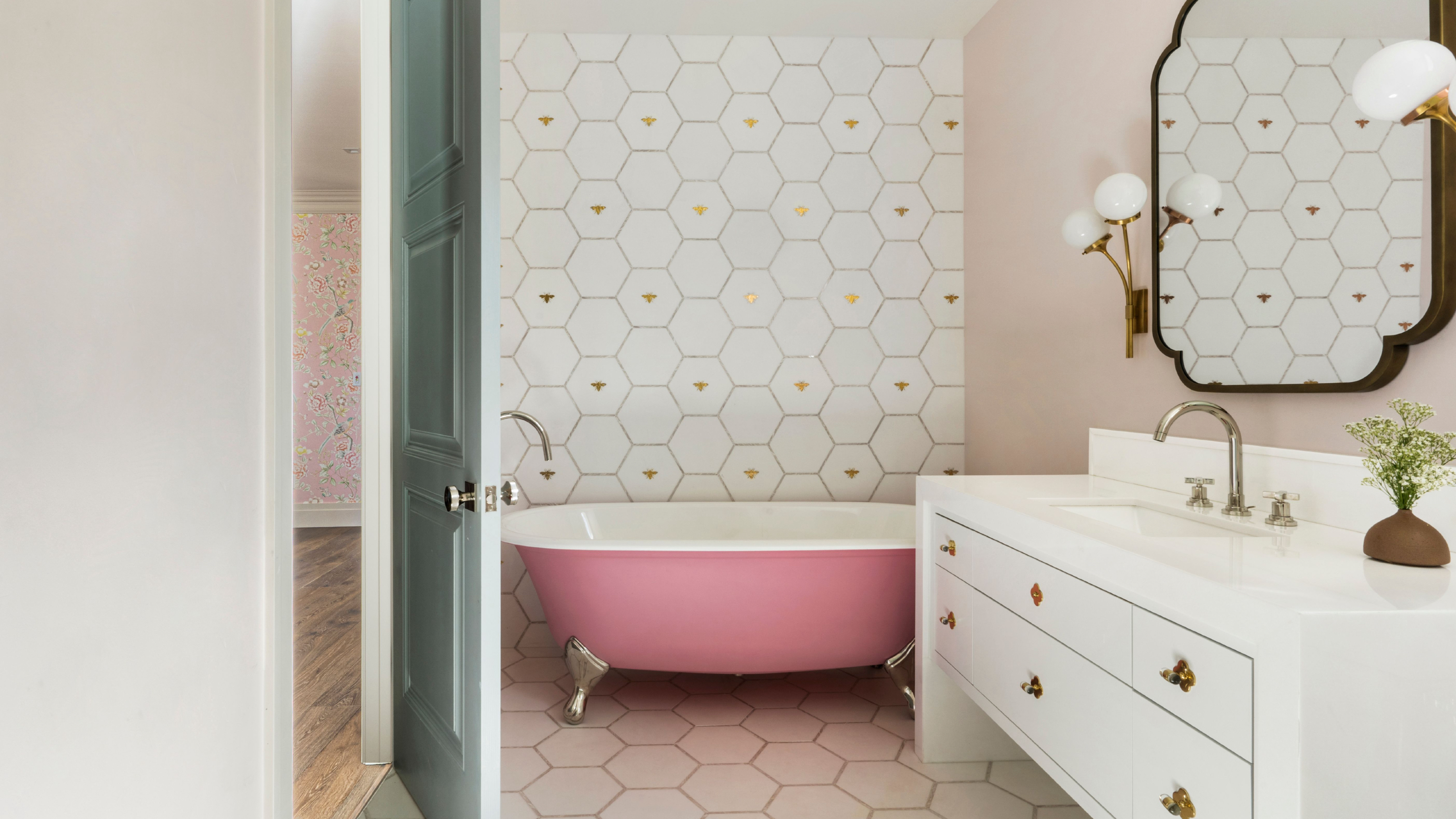
10 bathroom accent wall ideas – perk yours up with paint, tiles or wallpaper

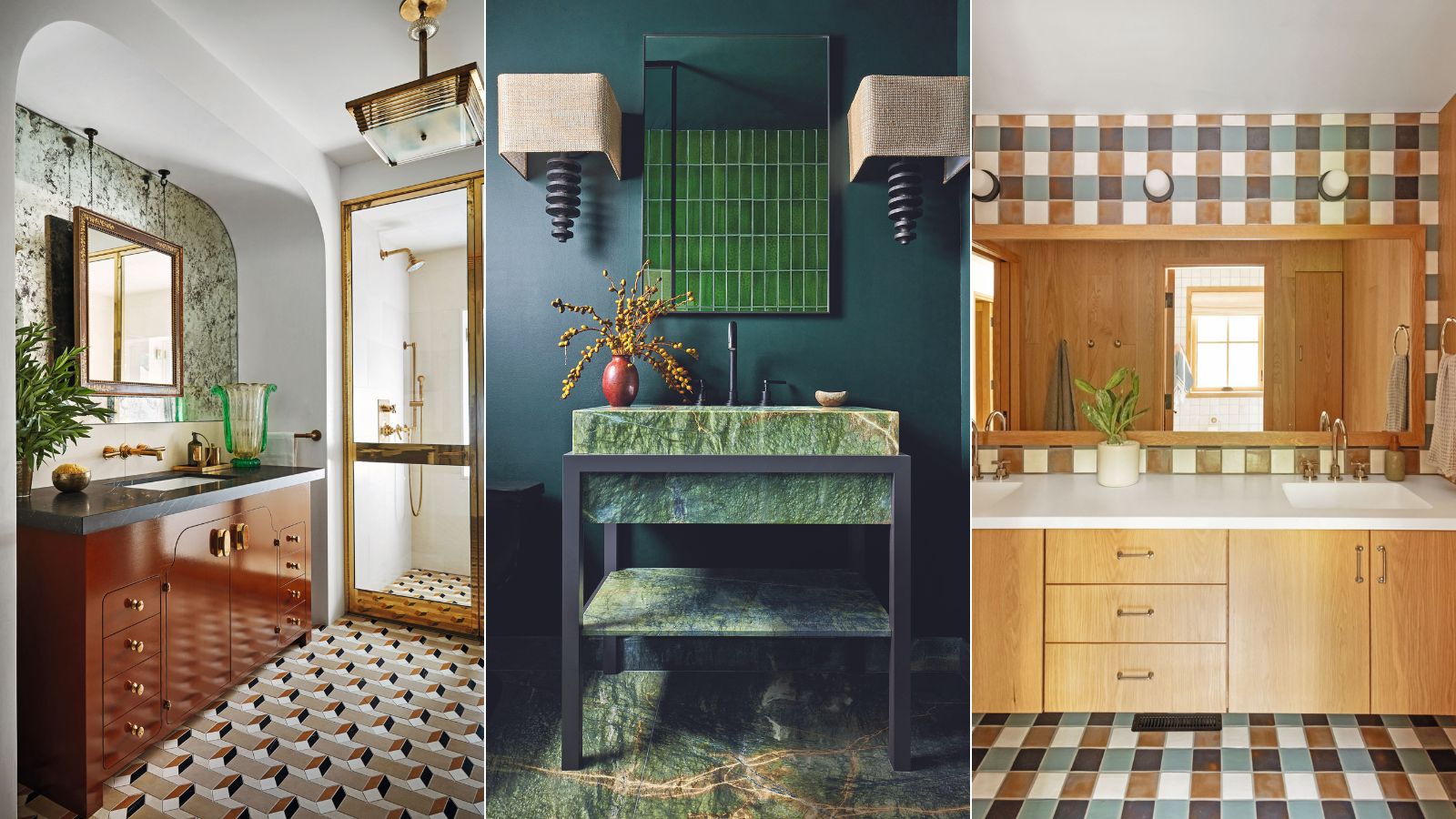
Patterned bathroom ideas – 10 perfectly patterned wash spaces
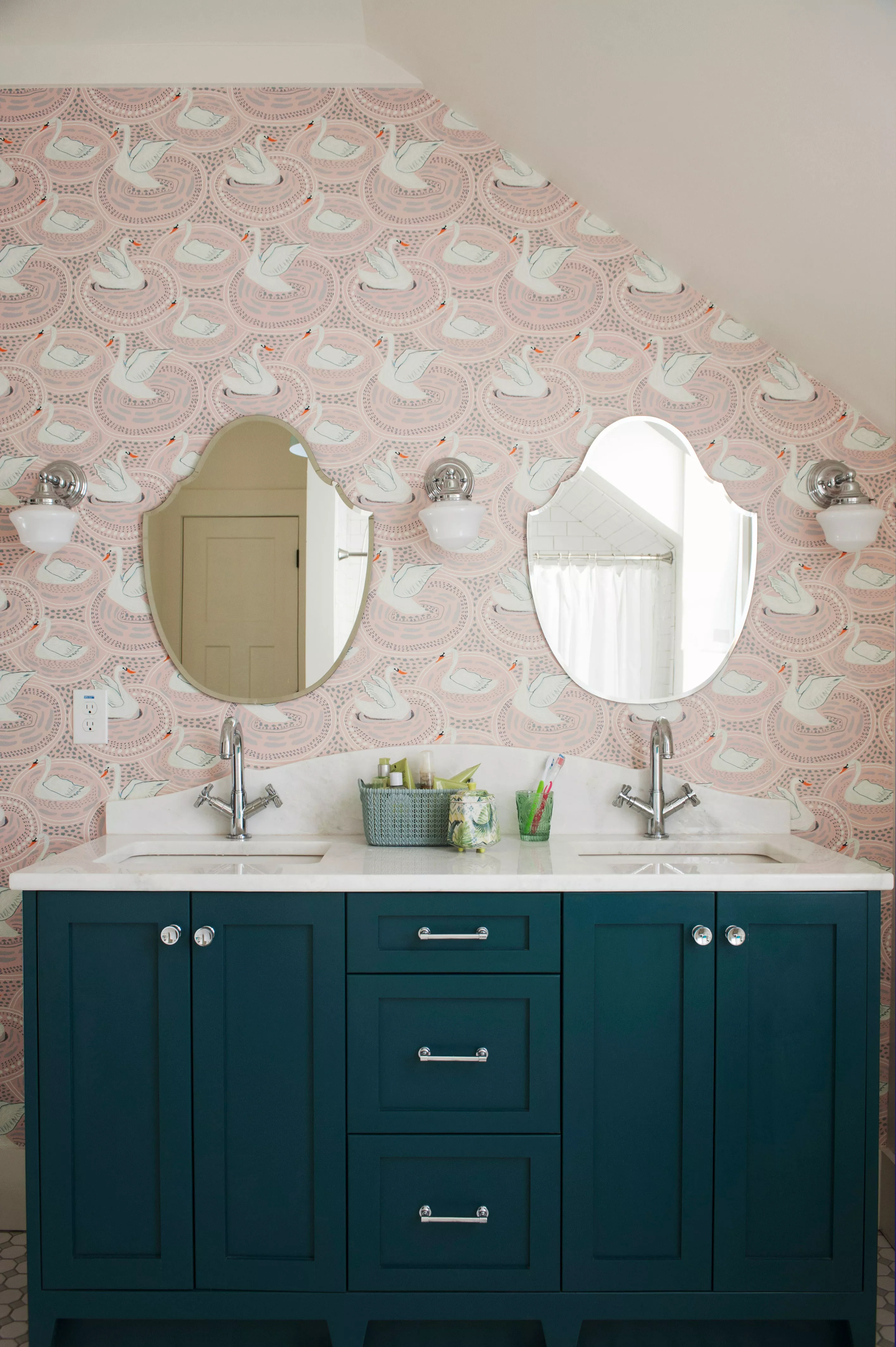
37 Bathroom Wallpaper Ideas to Add Updated Pattern and Color

Goodbye, White Walls. Hello, Personality!
Interior Designers Say These Will Be the Top Bathroom Design Trends of 2022

23 Seriously Good Bathroom Wall Decor Ideas That You’ll Want to Shower Twice a Day
27 White Bathrooms That Showcase Crisp, Timeless Style
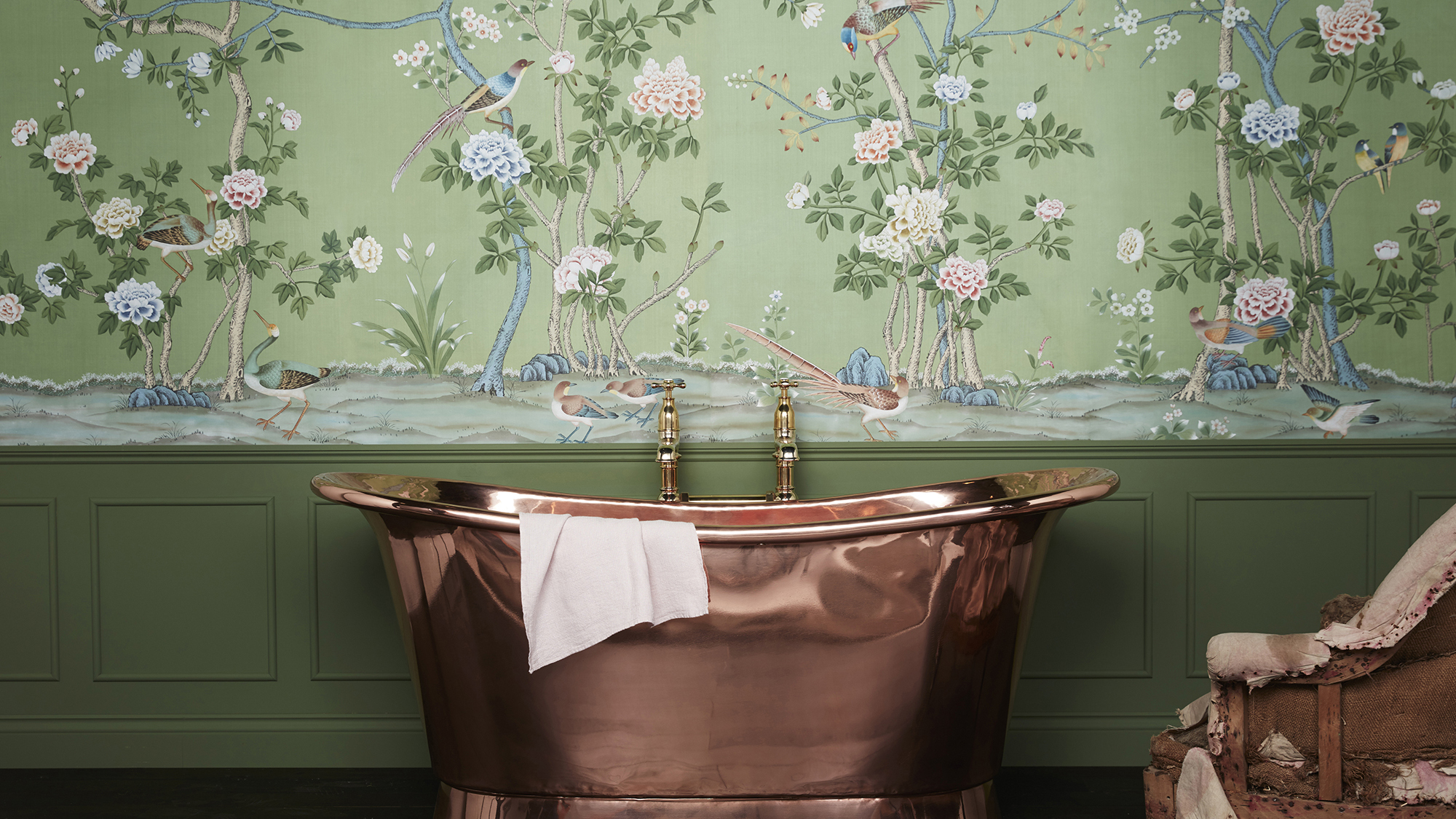
Bathroom wallpaper ideas – 11 ways to bring personality to practical spaces
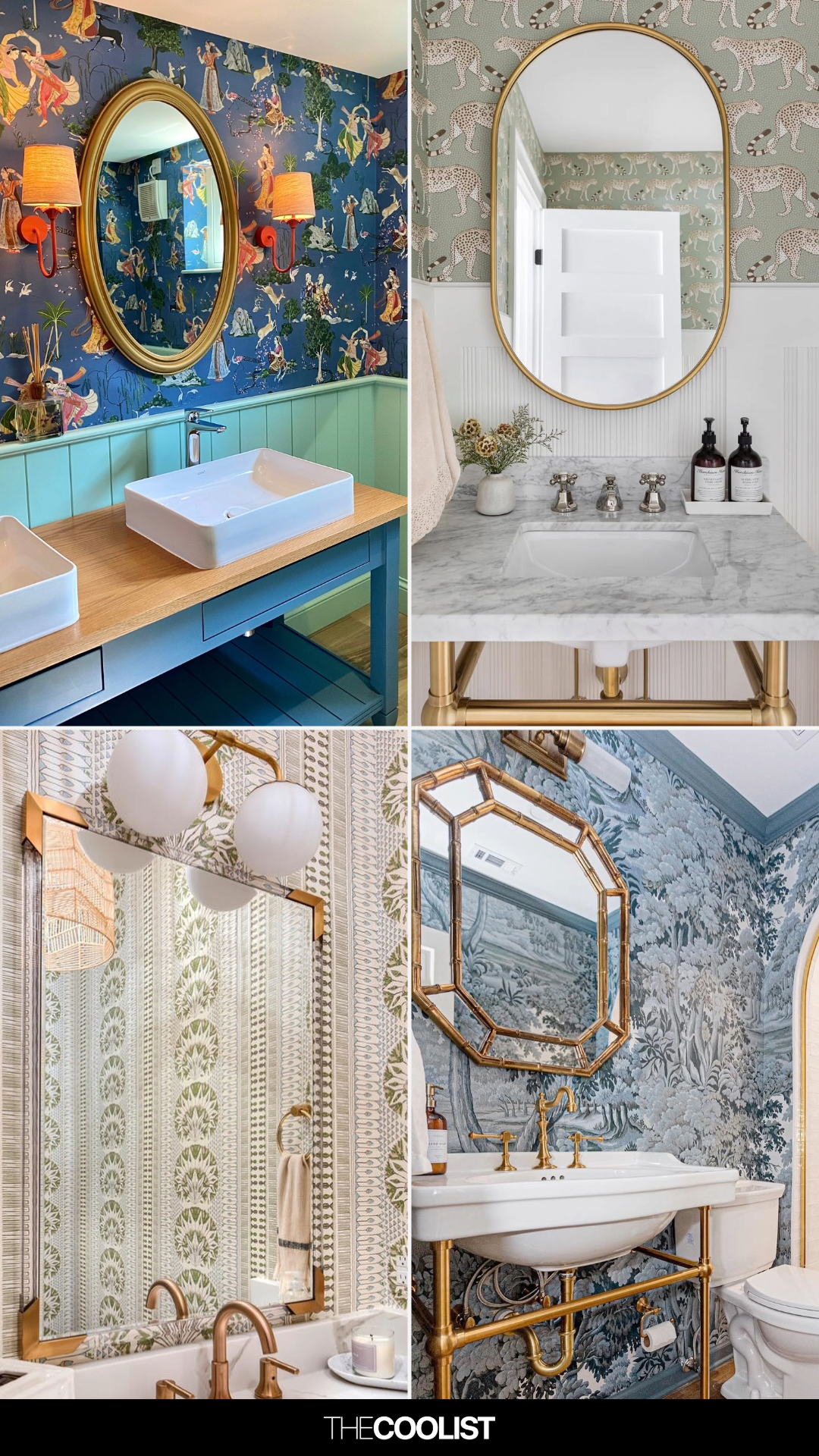
21 Ridiculously Pretty Bathroom Wallpaper Ideas That Scream “Main Character Bathroom”
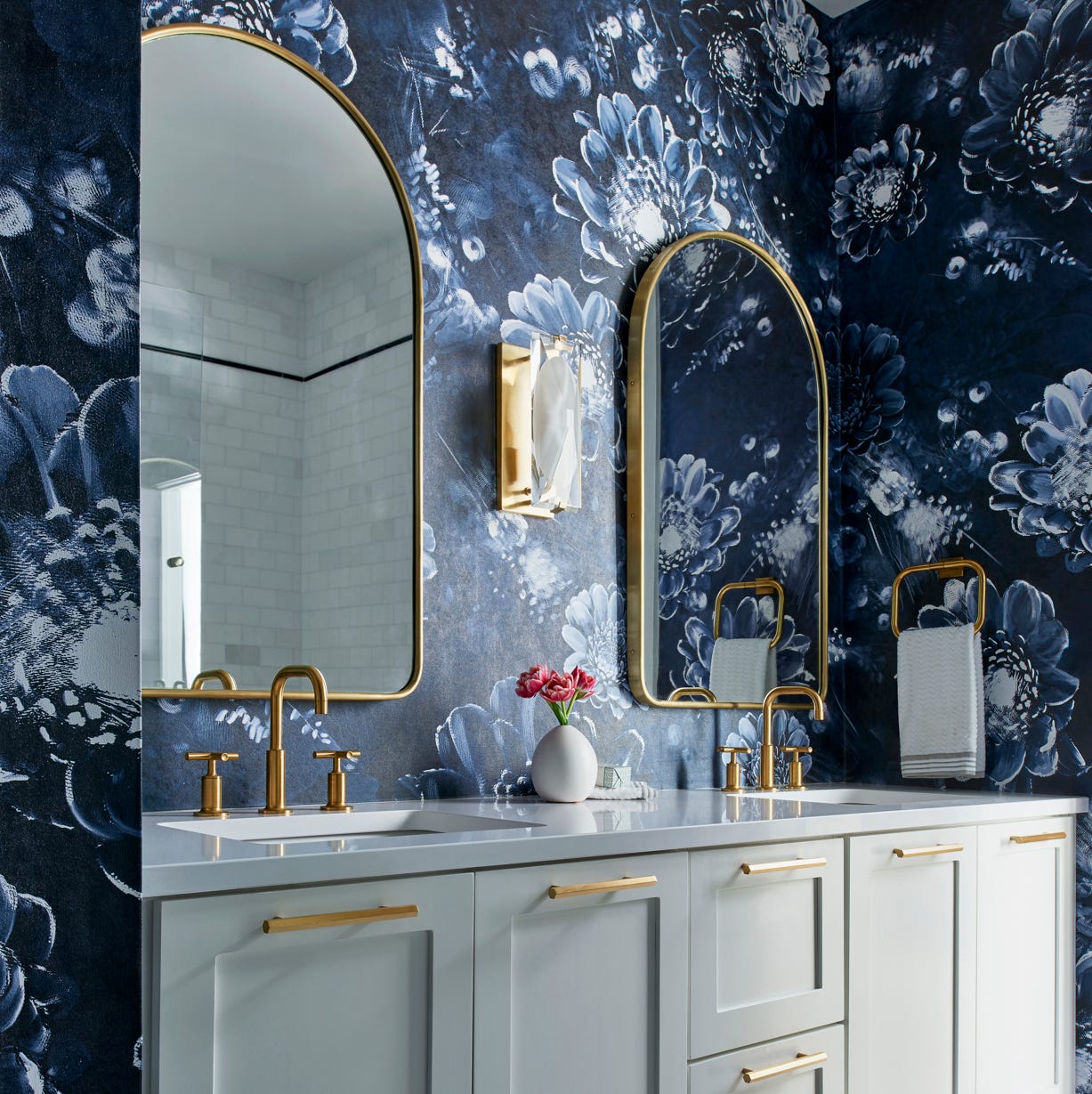
60 Beautiful Bathroom Decor Ideas Designers Swear by
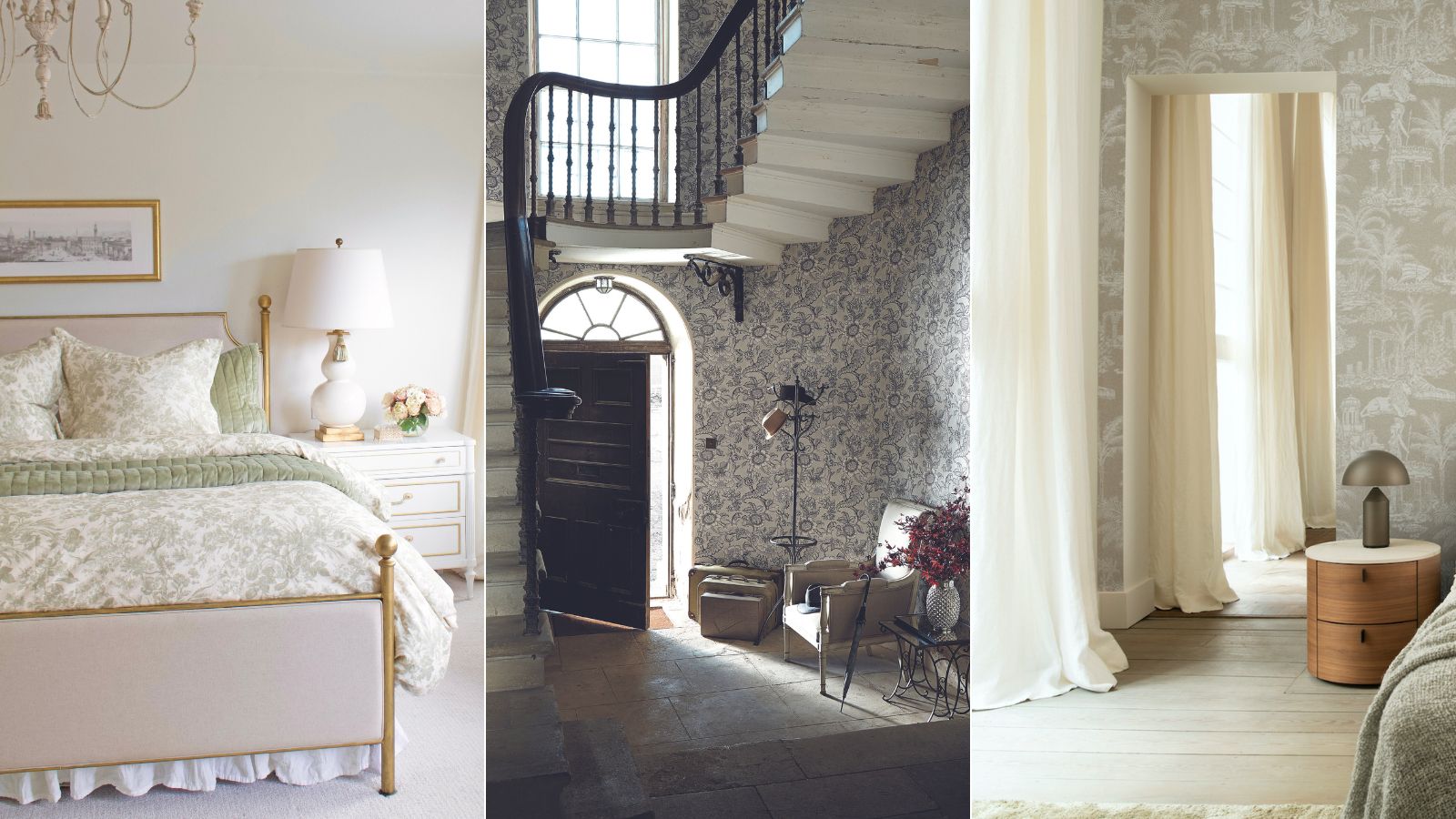
7 ways to bring toile into your decor – the European print that makes any room feel classic

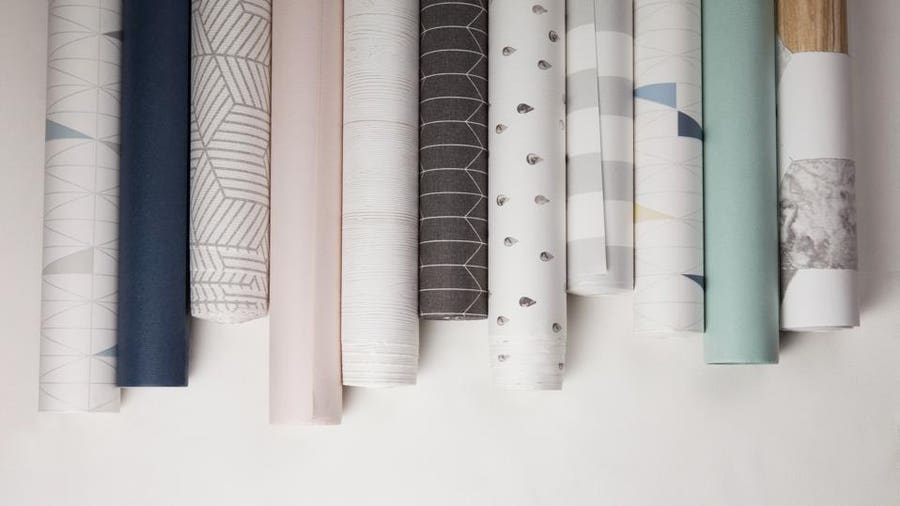
How To Use Wallpaper In The Bathroom

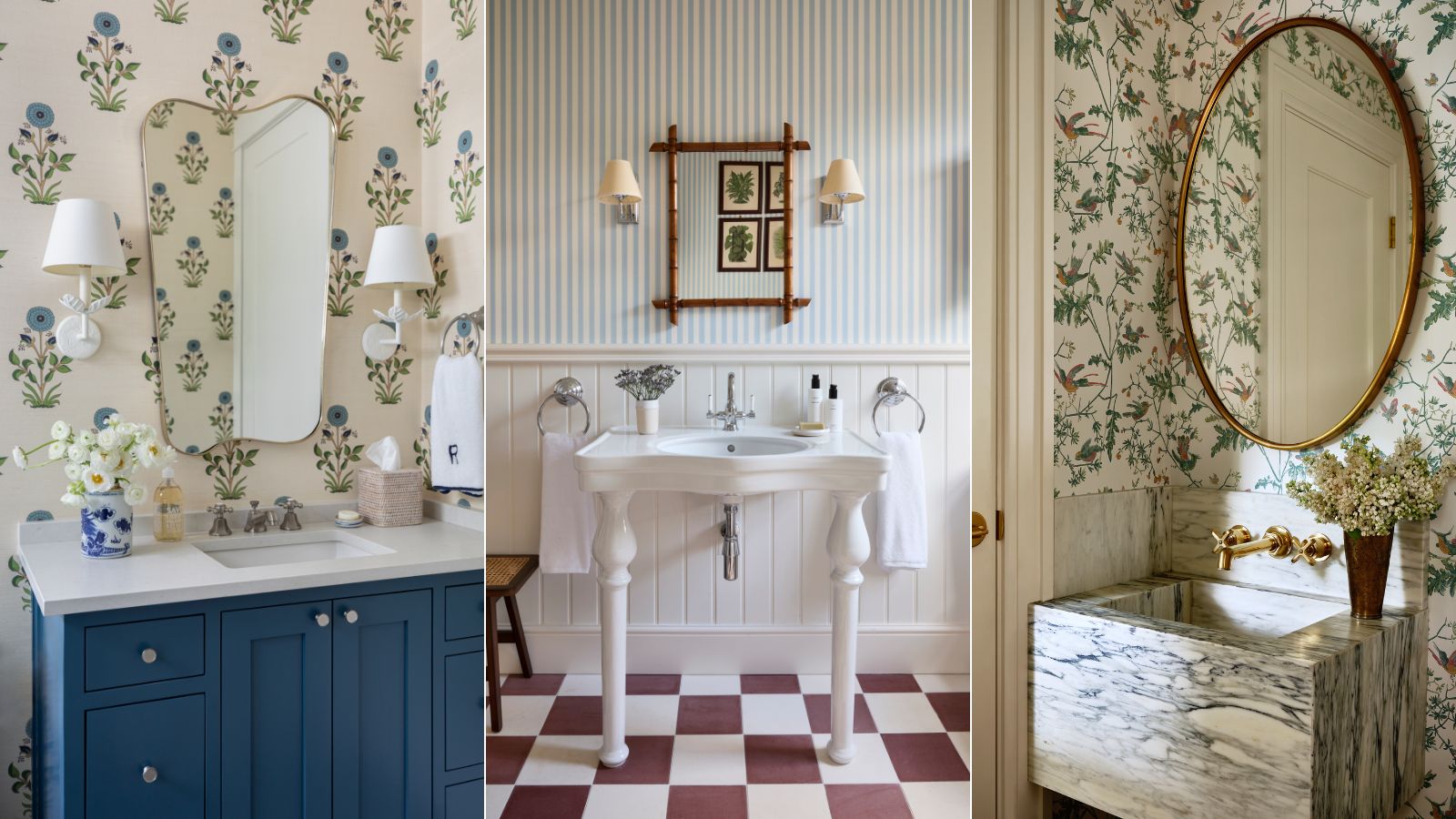
Is bathroom wallpaper still on trend? Interior designers share how to invite pattern into the bathroom in 2024
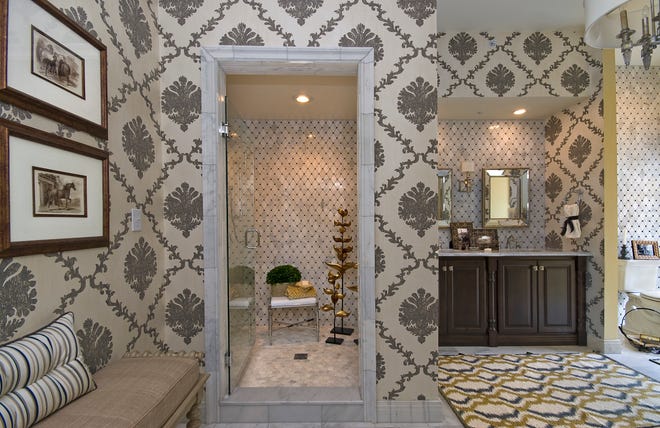
PHOTOS: How 3 distinct looks completely transformed these bathrooms
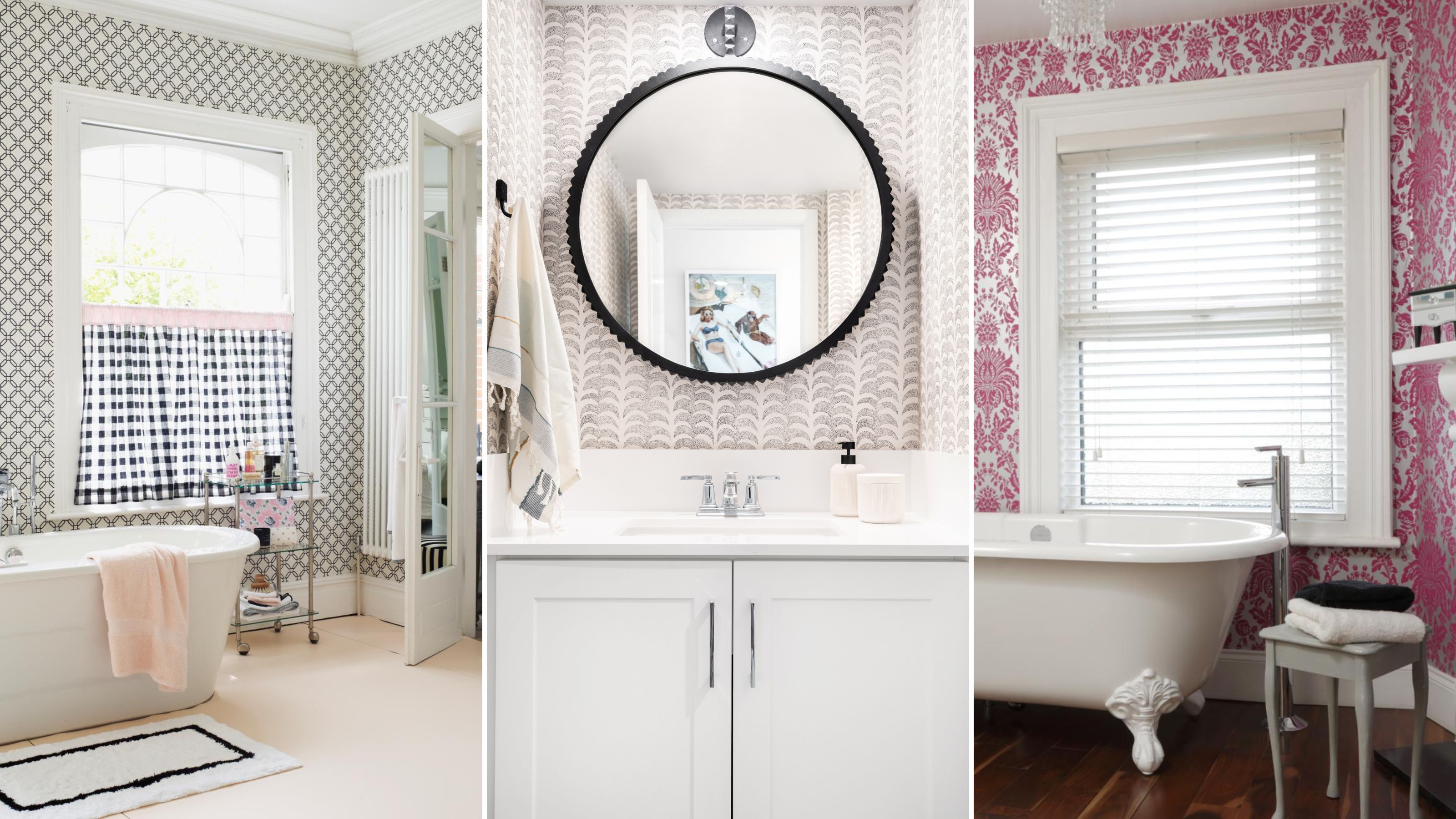
6 small bathroom wallpaper ideas to inject style into your space
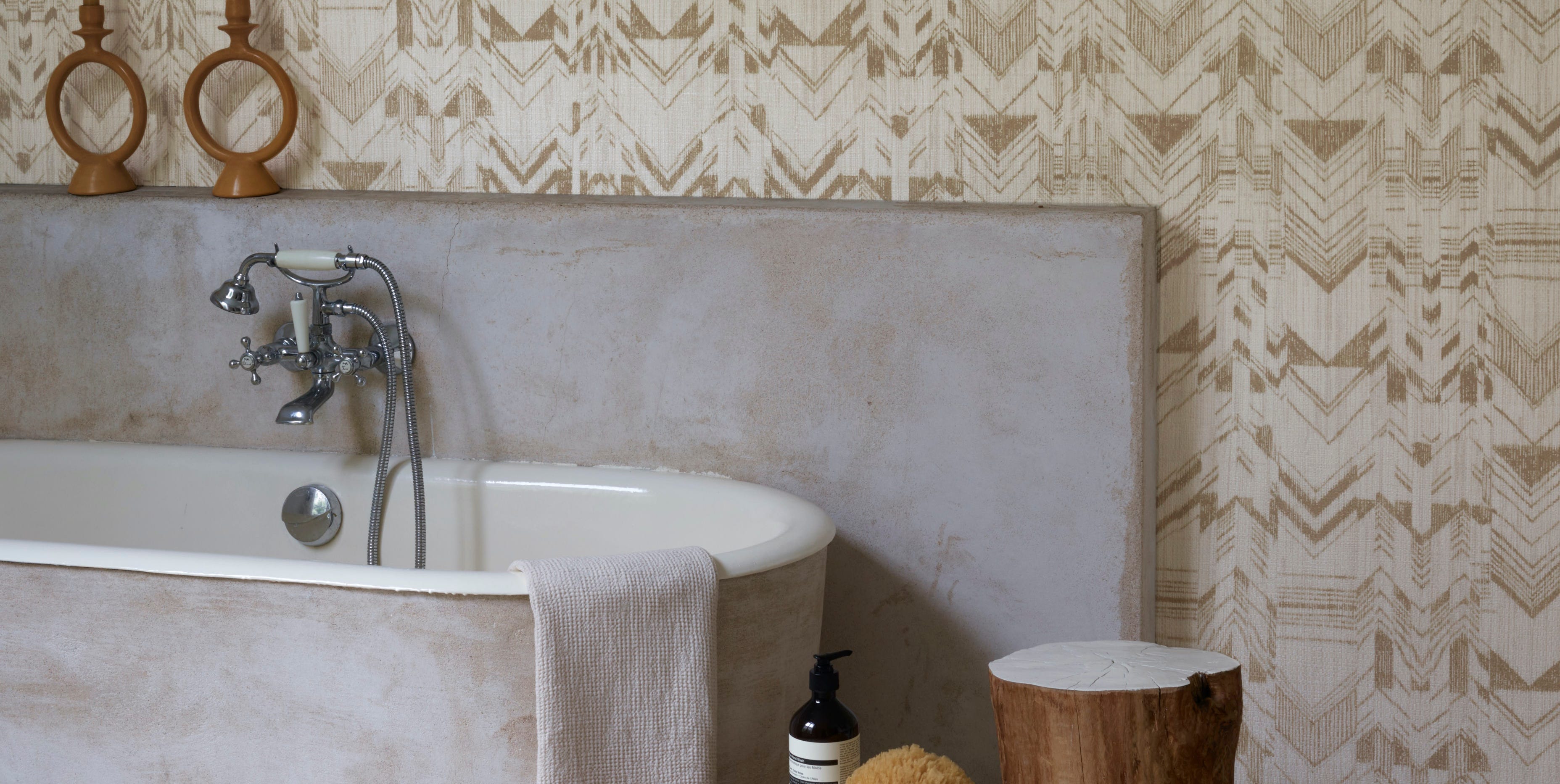
13 of the best wallpapers for bathrooms

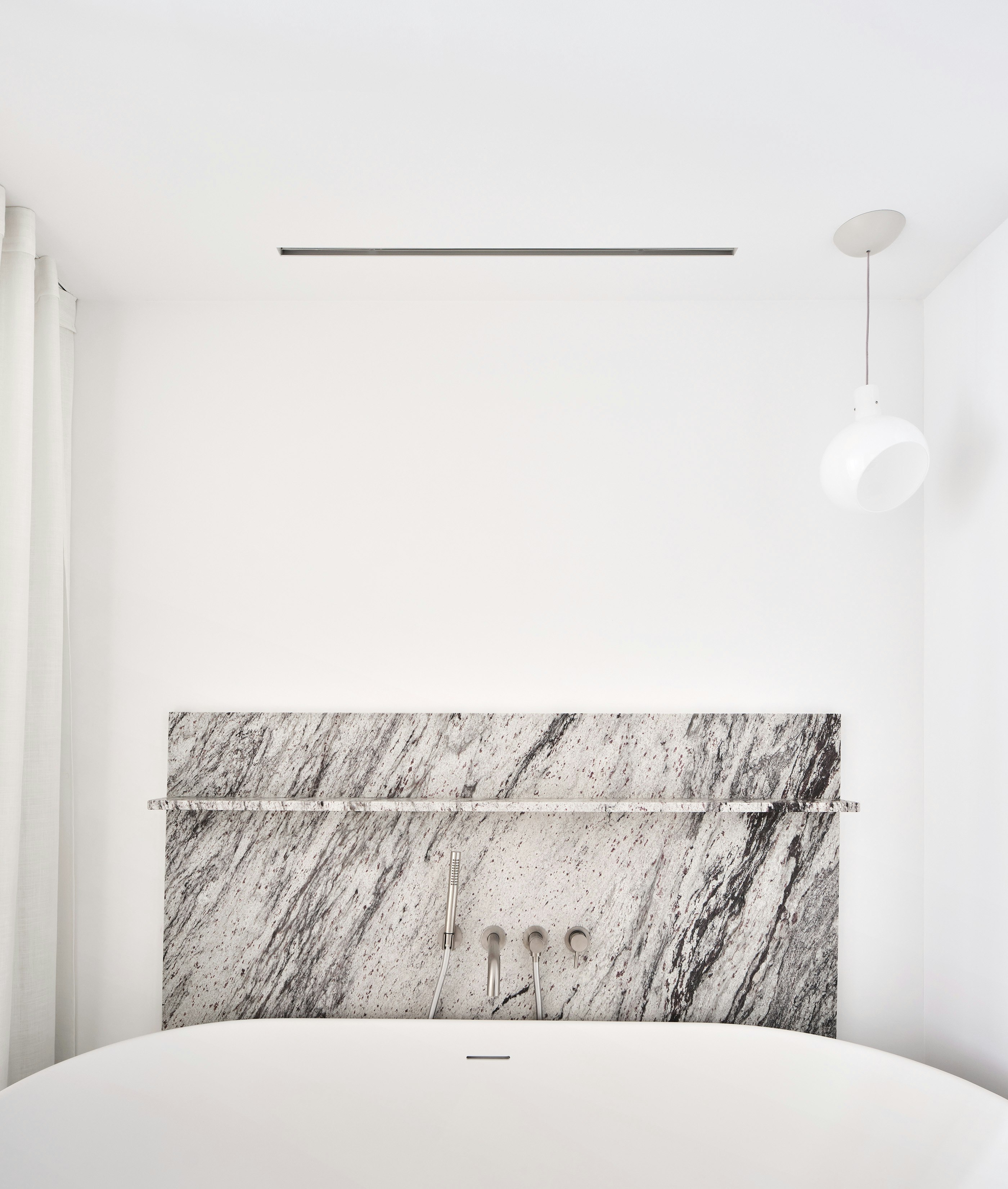
17 Modern Bathroom Wall Ideas

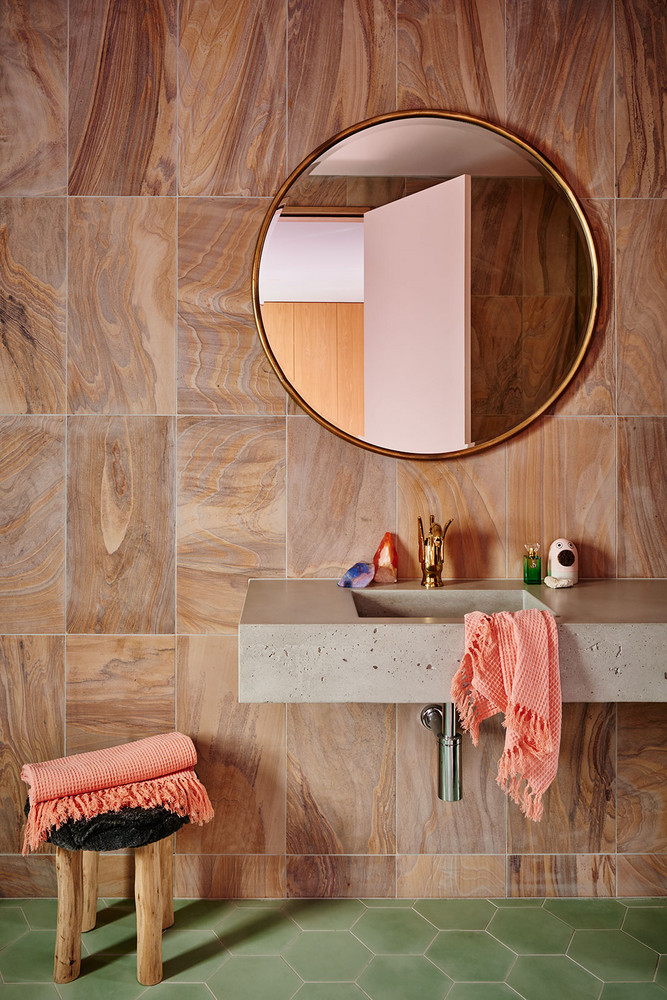
15 of the Best Bathrooms We Saw All Year
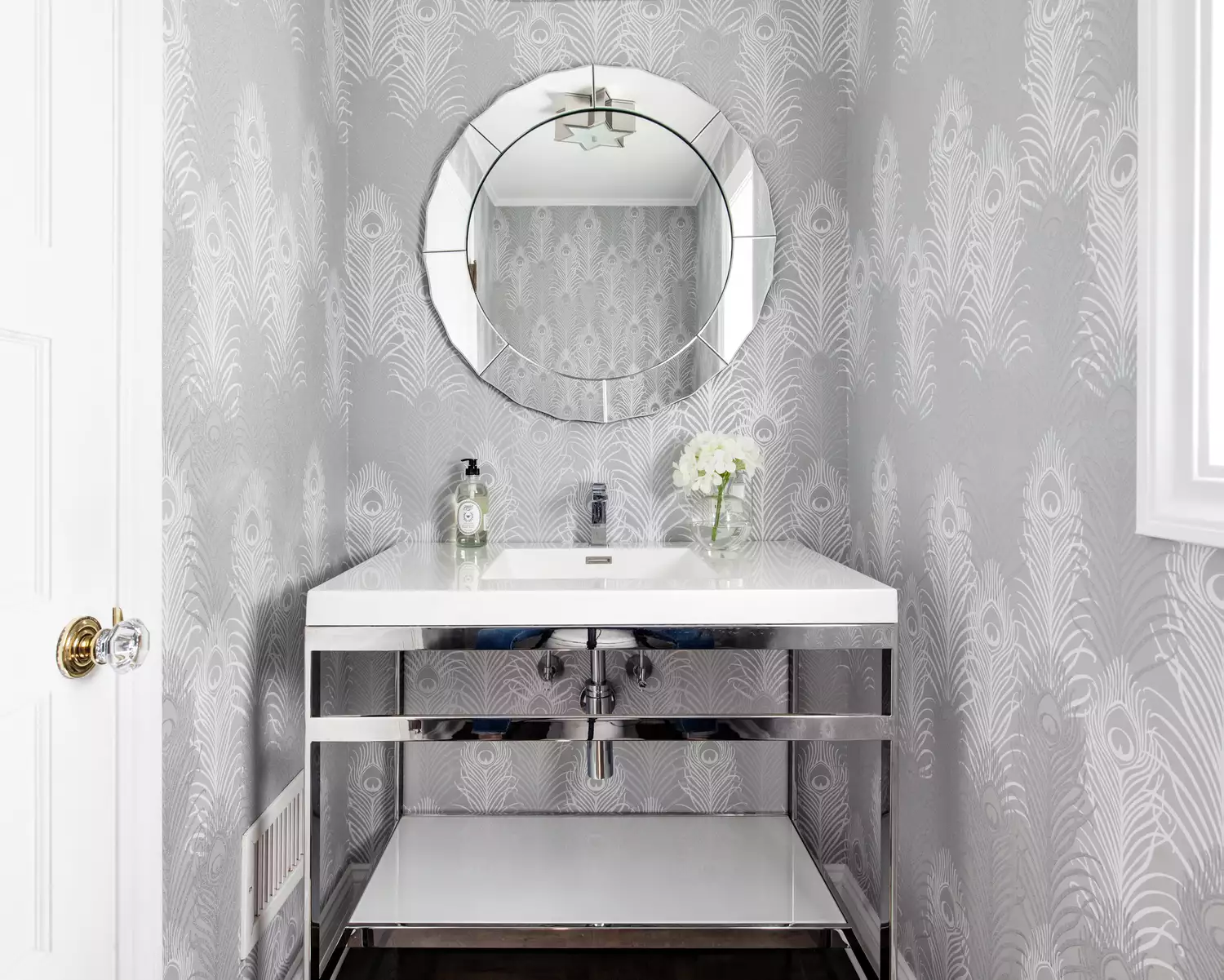
20 Jewel Box Bathroom Ideas That Make This Small Space Feel Lavish