




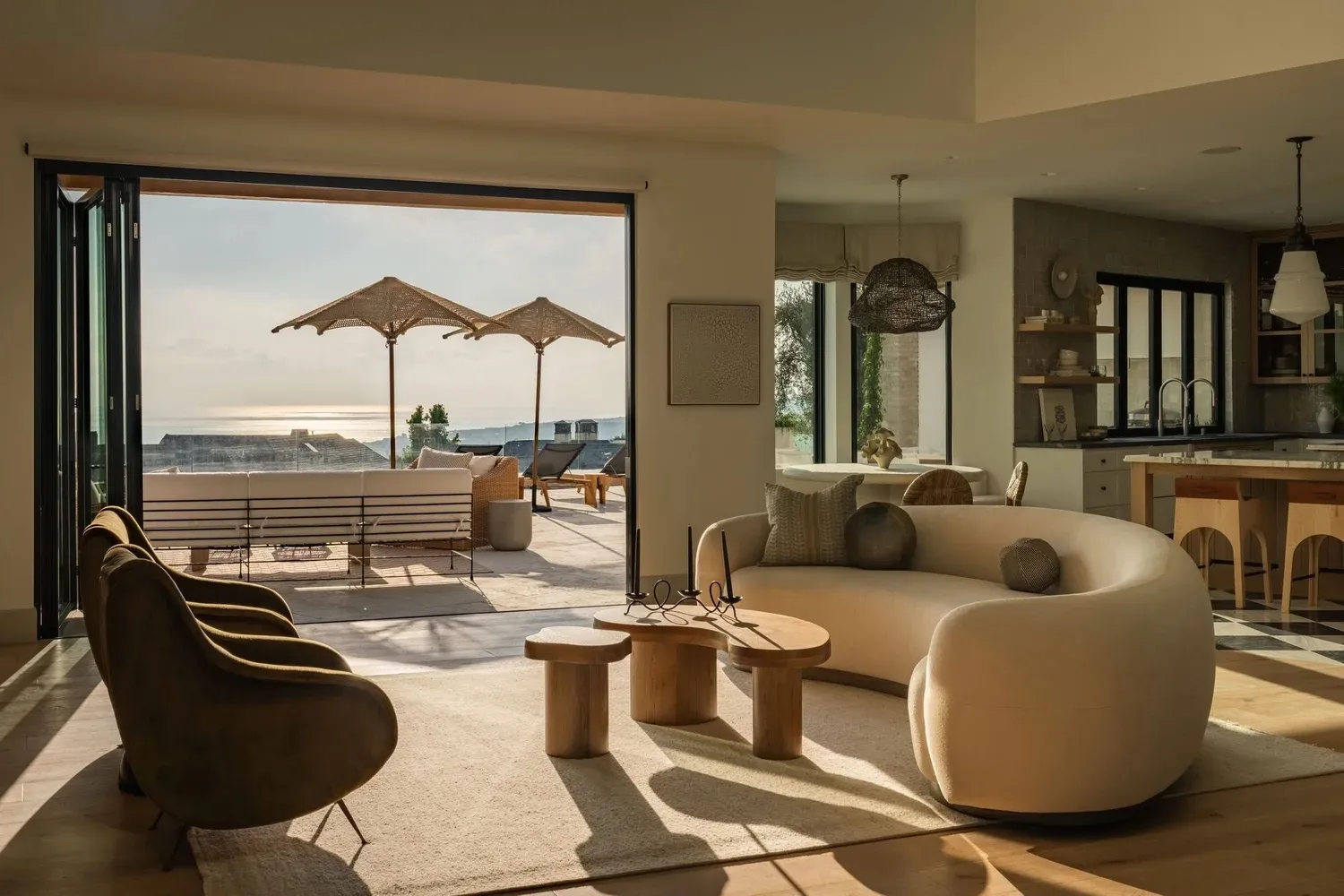
Should You Really Push Furniture Against the Walls? Designers Set the Record Straight
The article explores the common home decorating dilemma of whether furniture should be placed directly against walls. Many homeowners instinctively push furniture against walls in an attempt to make a room appear more spacious, but this approach can actually detract from the room's flow and visual appeal. Interior designer Laura Brophy emphasizes that furniture layout is a nuanced balancing act, advocating for intentional placement rather than default positioning. According to Brophy, there are no strict rules, and the key is to achieve balance within the space.
While larger pieces like beds or console tables can be anchored against a wall if they serve to ground the room, smaller pieces should often be 'floated' to create a sense of airiness and prevent the space from feeling static. This is particularly important in smaller rooms, where strategic furniture placement can ensure that the room has "breathing room" and doesn't feel crowded. Brophy suggests that if furniture does touch a wall, it should be a purposeful decision, contributing to the overall design rather than merely filling space.
A significant point highlighted in the article is the importance of avoiding the 'bowling alley' effect in long, rectangular rooms. Pushing all furniture against the perimeter in such spaces can create an uninviting and linear appearance. Instead, floating furniture helps to break up these proportions, define distinct zones, and facilitate natural movement and interaction within an open-plan layout. Brophy explains that aligning everything along the walls diminishes the room's energy, whereas bringing pieces inward fosters conversation, intimacy, and a sense of thoughtful design. She likens furniture arrangement to enabling pieces to "talk to each other."
Before deciding on a layout, Brophy advises considering how the space will be used and what atmosphere is desired, whether it's for conversation, comfort, or flexibility. This user-centric approach guides the placement of furniture. Floating pieces should be positioned where they naturally encourage connection. Clear pathways are essential to invite movement, and incorporating layers such as rugs to define zones, side tables for practical surfaces, and lighting to unify the space are critical elements of effective furniture arrangement.
Practical examples illustrate these principles. A conversation area could involve placing a sofa against a wall while pairing it with floating armchairs and a coffee table. In a playroom, a central play table could be balanced with a separate seating area for adults. For dining rooms, a buffet can be placed against a wall to create a focal point, provided there is ample circulation space around the central dining table. Similarly, a reading nook in a bedroom can be created with a floating armchair, a small side table, and a floor lamp to establish a secondary, cozy zone. Ultimately, the goal is to create a harmonious blend of functionality and aesthetic appeal, where the intended design is palpable upon entering the room.
#HomeDecor #InteriorDesign #FurnitureArrangement #SpacePlanning #HomeStyling #DesignTips #DecoratingIdeas #HomeDecor #InteriorDesign #FurnitureArrangement #SpacePlanning #HomeStyling #DesignTips #DecoratingIdeas
 Nessun commento ancora