1/24
Interior Designers on the Most Iconic Furniture of All Time
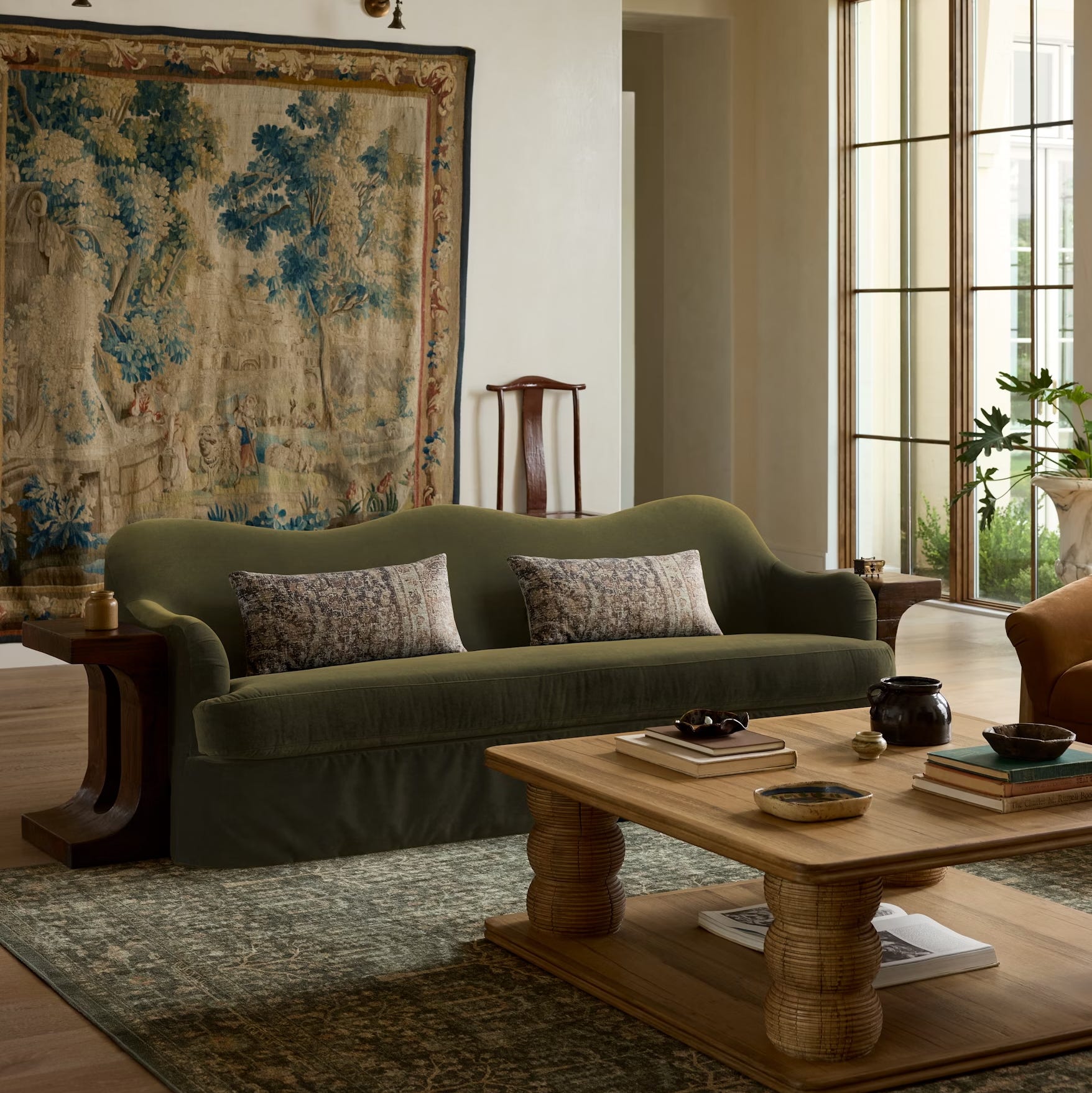
This article explores the concept of iconic furniture, delving into pieces that have transcended mere functionality to become cultural touchstones and influential designs. It highlights how certain furniture items shape our interaction with spaces and daily lives, drawing a parallel with impactful artwork but emphasizing the crucial role of function in design. The piece features insights from 22 interior designers and professionals, who identify and discuss what they consider the most iconic furniture designs throughout history.
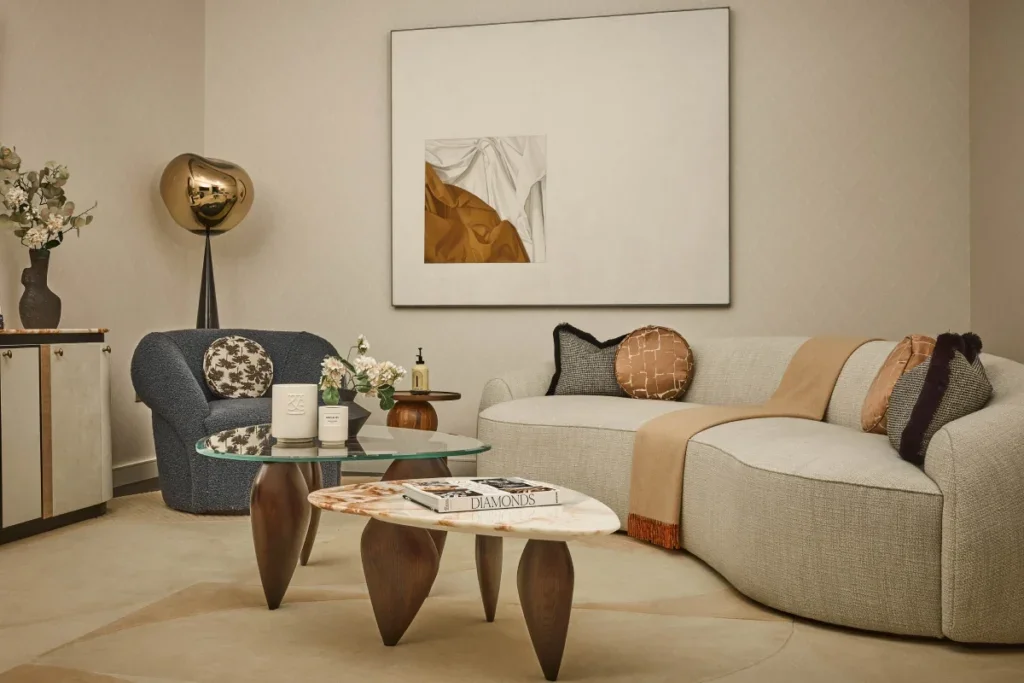
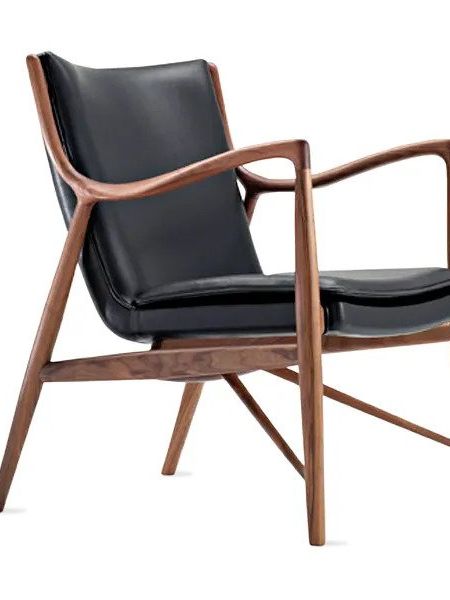
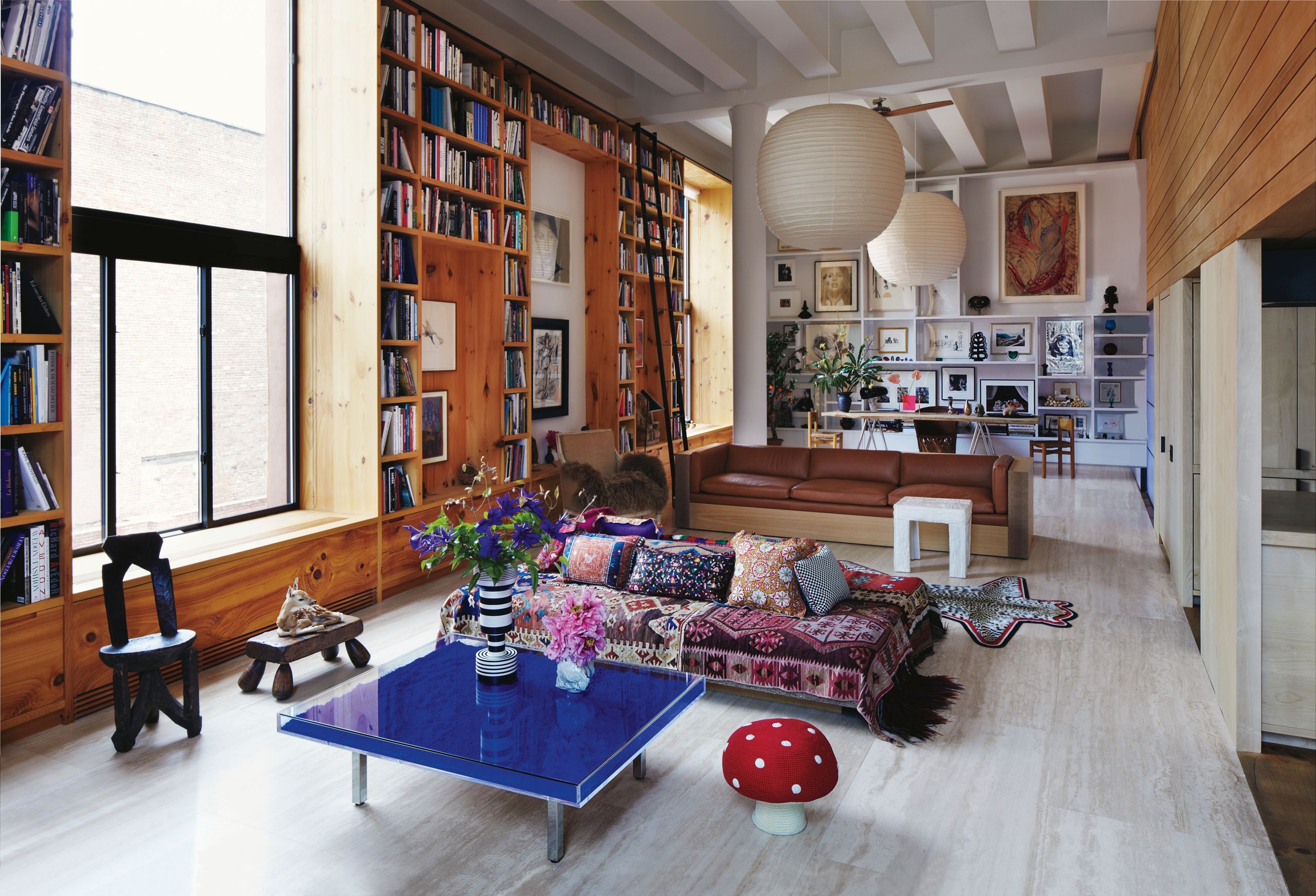
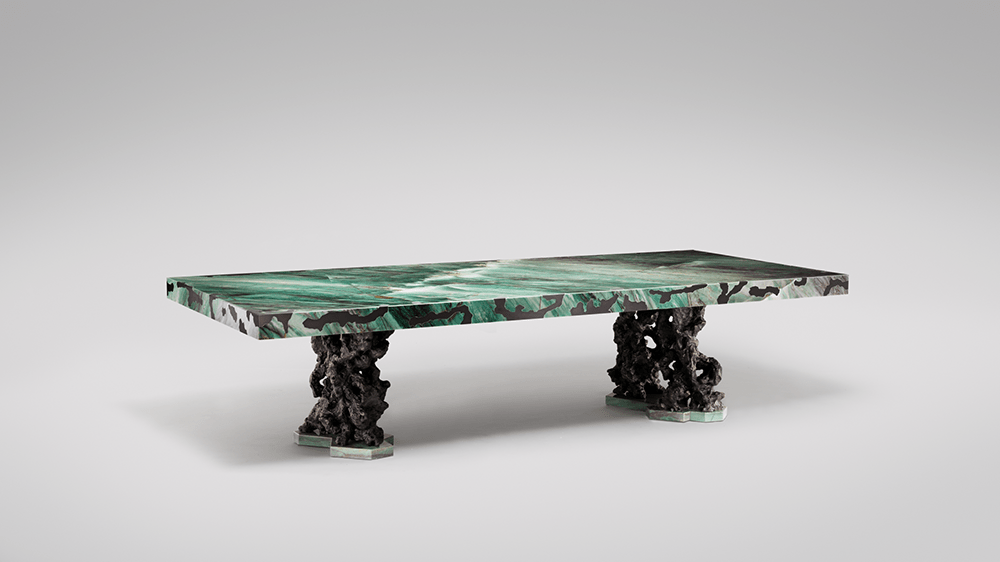
Among the selections is Yves Klein’s Table IKB, notable for its use of the artist’s self-invented International Klein Blue pigment, demonstrating how a simple form can be elevated to art while retaining its practical purpose. Vladimir Kagan's Serpentine Sofa is praised for its mid-century modern curves that add warmth and personality to contemporary spaces, affirming its timeless appeal. Frank Gehry’s Wiggle Chair is celebrated for its experimental use of cardboard, showcasing durability and playfulness while pioneering environmentally friendly materials. George Nakashima’s New Lounge Chair exemplifies American-Japanese design, highlighting natural wood characteristics and traditional American craftsmanship, such as the Windsor chair-inspired spindles.
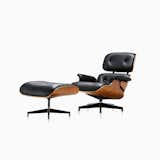
The article also features Gaetano Pesce’s Up Armchair, recognized for its innovative all-foam construction and unique flat-pack delivery that allows the chair to expand upon unboxing. Charles and Ray Eames’s Lounge for Herman Miller is acknowledged for its strong presence and enduring quality, leaving a lasting impression even on young observers. Charlotte Perriand’s tables and stools are admired for their minimalist approach, utilizing humble materials to create elegant and functional pieces that resonate particularly in large-scale projects. Angelo Mangiarotti’s Eros side tables are noted for their primitive yet whimsical design, using friction to join two stone pieces without fasteners.
Isamu Noguchi’s Akari Lanterns are highlighted for their traditional Japanese craft, providing a beautiful glow and maintaining iconicity through modesty, low cost, and simplicity, making them versatile for any project. The Klismos Chair, with its origins in ancient Greece, is presented as a design that has been repeatedly reintroduced into interiors over centuries, with T.H. Robsjohn Gibbings' 1960 revival being particularly influential. Oscar Niemeyer’s Rio Lounge Chair is celebrated as a perfect blend of sculpture and design, born from his modernist architecture background and featuring high-quality materials and avant-garde techniques.
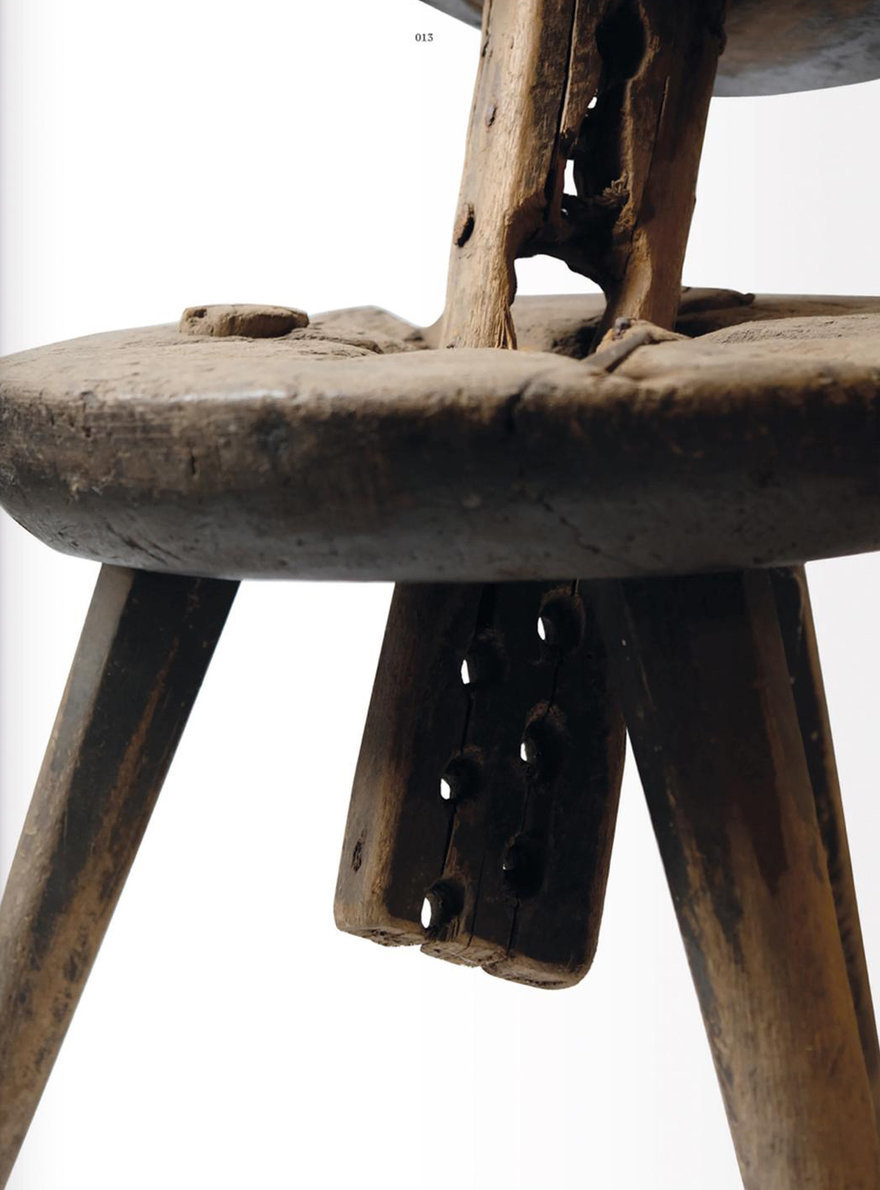
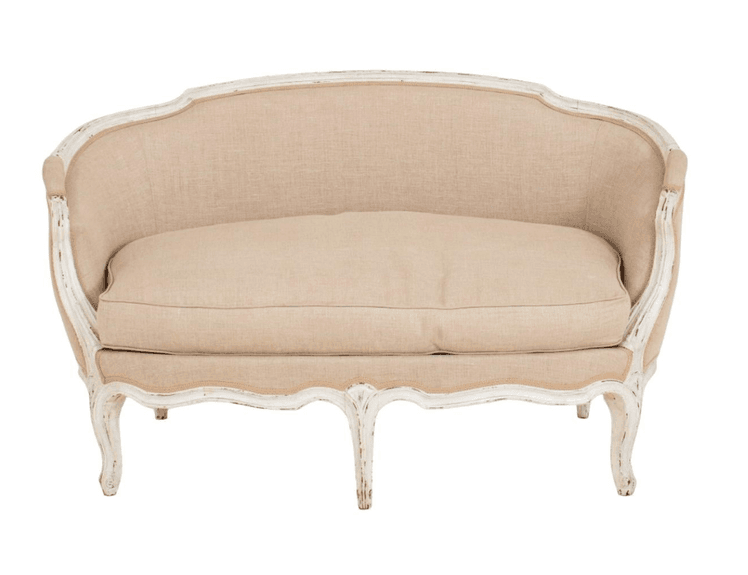
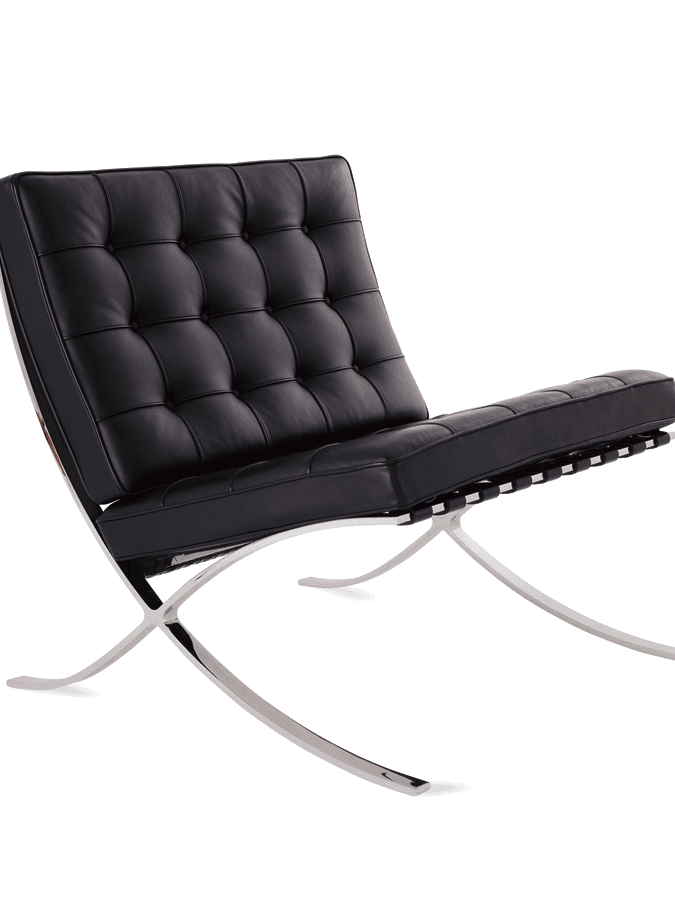
Guillerme et Chambron’s Grand Repos Armchair is lauded for combining natural materials and classic techniques with a sense of formality, influencing many contemporary designers. Maya Lin’s Longitude Chaise for Knoll is described as a decompression sanctuary that gives the illusion of levitating, praised for its sleek lines, comfort, and simple elegance. George Nelson’s office furniture for Herman Miller marks a pivotal moment in office design, transitioning from freestanding pieces to reconfigurable, ergonomic panel workstations. Vico Magistretti’s Atollo Table Lamp is recognized as a modern Italian masterpiece from 1977, admired for its clean geometric form and ambient lighting. Josef Hoffmann’s Club 1910 Chair is noted for its ahead-of-its-time design and deep tufted leather, maintaining a fresh look over a century later. Ludwig Mies van der Rohe’s Barcelona Chair is praised for its streamlined form, durable materials, and versatility, aging beautifully with a rich patina. The Louis XV Daybed is cherished for its adaptability across various rooms, serving as extra seating or an additional bed. The Peacock Chair, originating in the Philippines, is celebrated for its regal appearance despite being made from humble natural materials, with a rich history in portrait photography. Lastly, the simple Farm Table is recognized as a humble essential that embodies timeless grace and organic materiality, telling stories through its wear and patina, and holding new significance in the context of the climate crisis.
#FurnitureDesign #IconicFurniture #InteriorDesign #HomeDecor #DesignHistory #ModernDesign #ClassicFurniture #ArchitecturalDesign #DesignInnovation #FurnitureDesign #IconicFurniture #InteriorDesign #HomeDecor #DesignHistory #ModernDesign #ClassicFurniture #ArchitecturalDesign #DesignInnovation
0 commenti in totale
 Nessun commento ancora
Potresti anche gradire
The 20 Best Luxury Furniture Brands Worth Investing In

47 Luxury Furniture Brands That Never Miss, According to Designers


10 Classic Midcentury Pieces That Will Never Go Out of Style

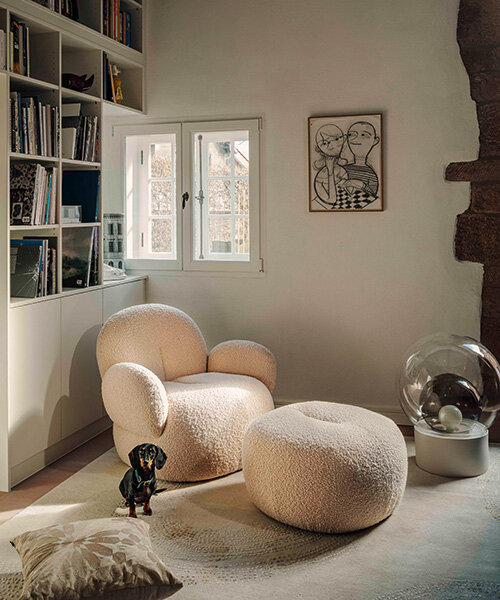
designer hanne willmann details the expanded freifrau nana collection
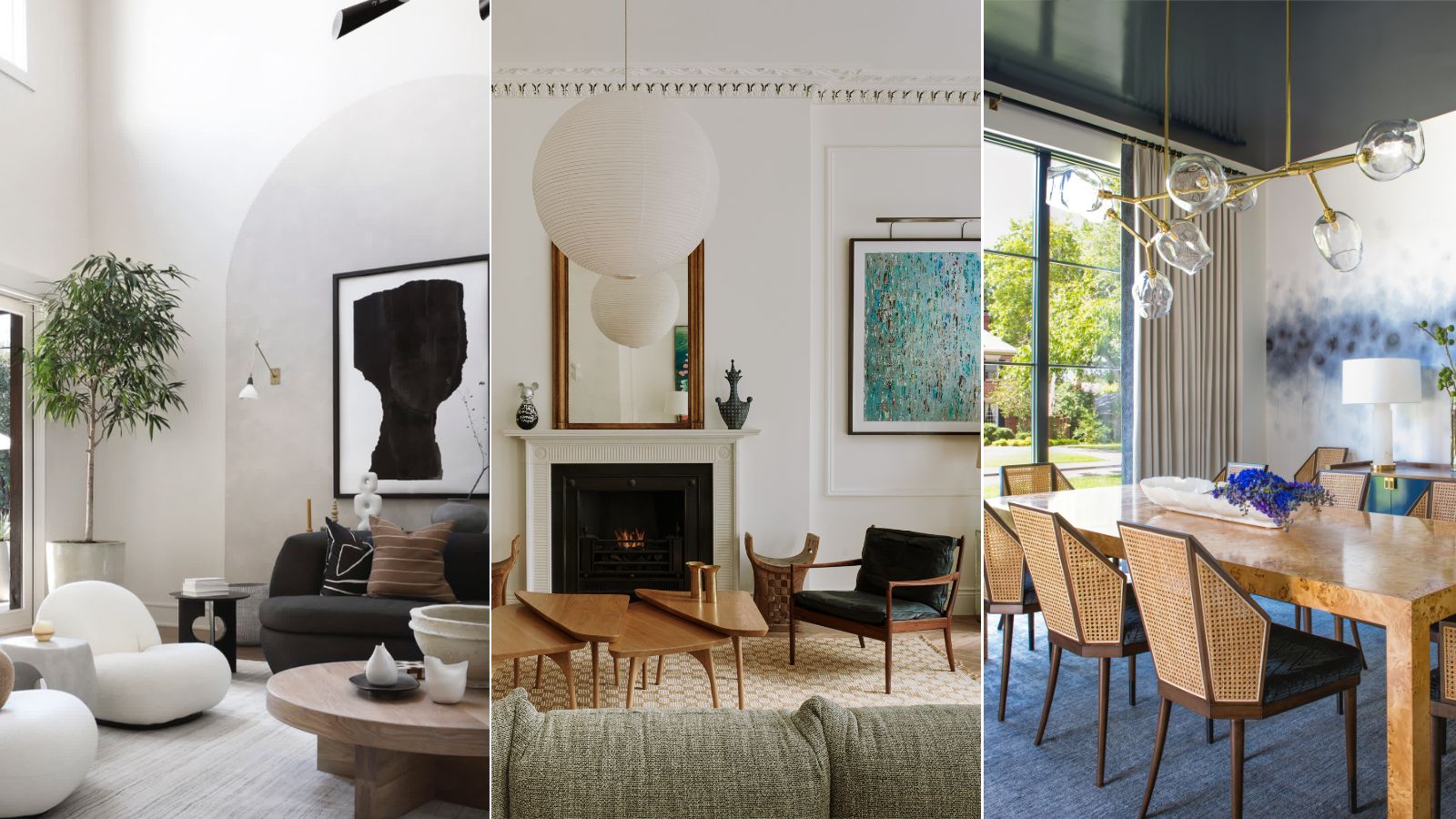
Where do interior designers shop for furniture? 23 designers share their favorite stores

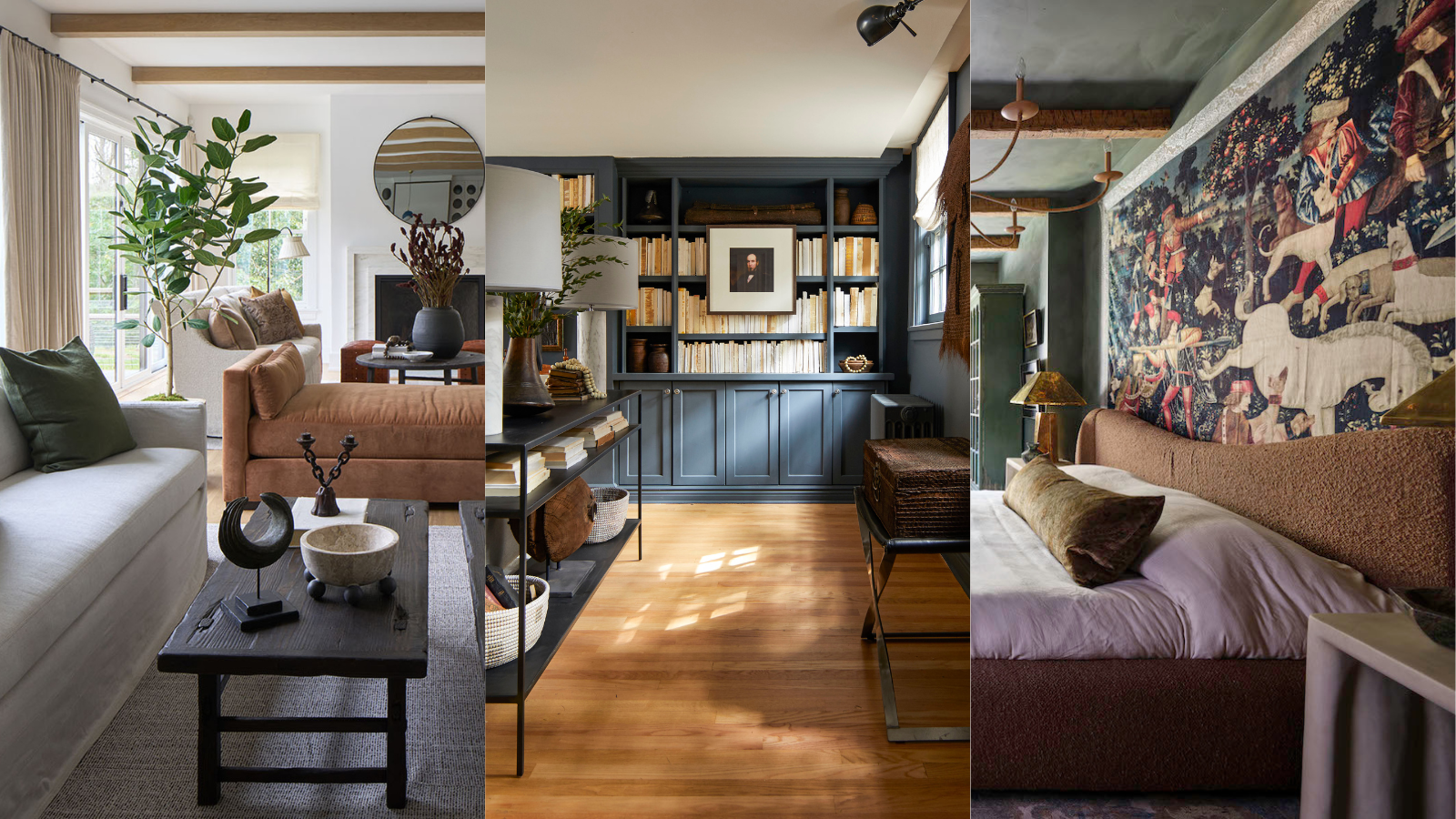
5 interior designers on the styles they will love forever
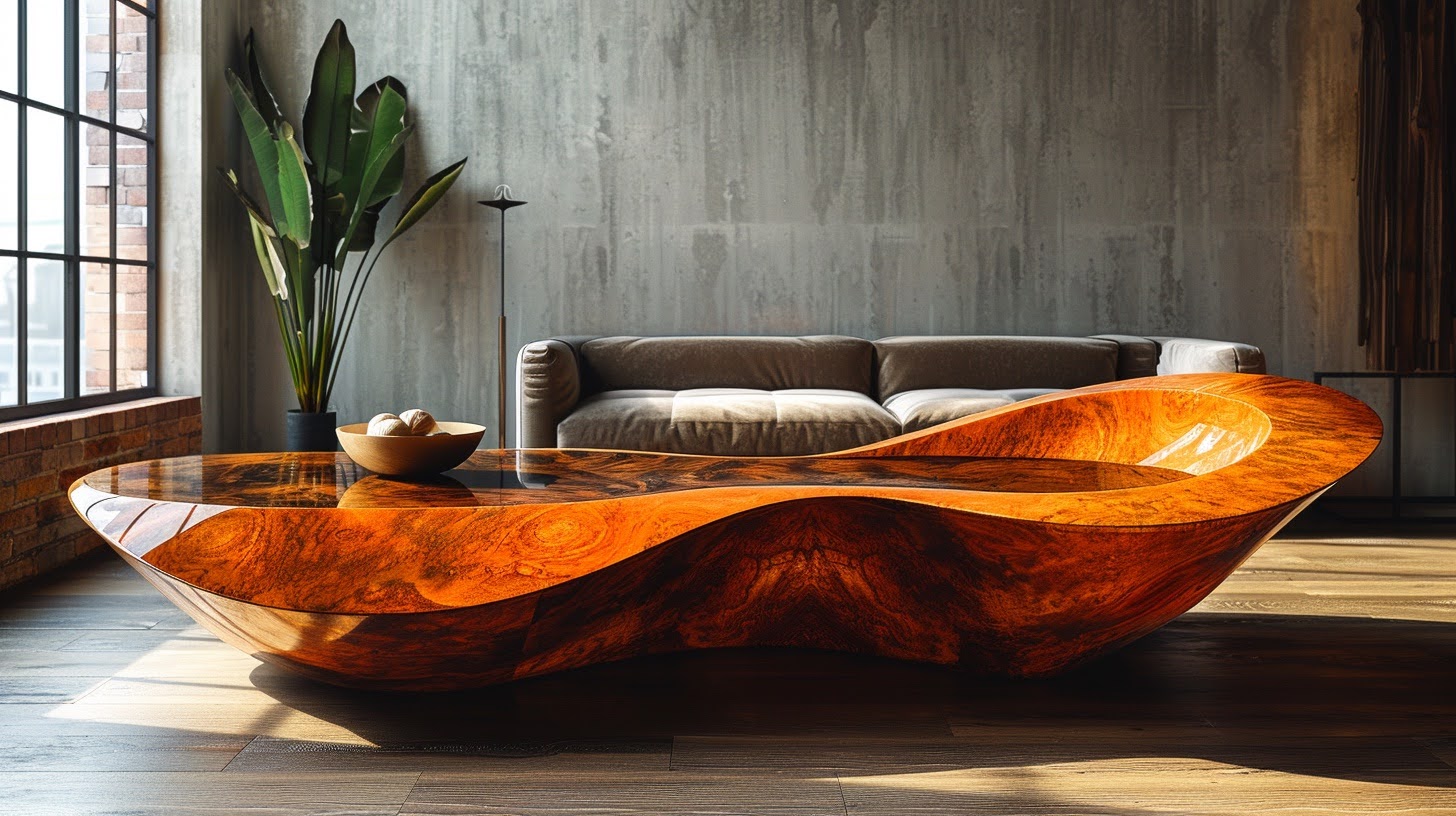
The House Of Pontovi: Crafting Custom Furniture With Vision And Precision

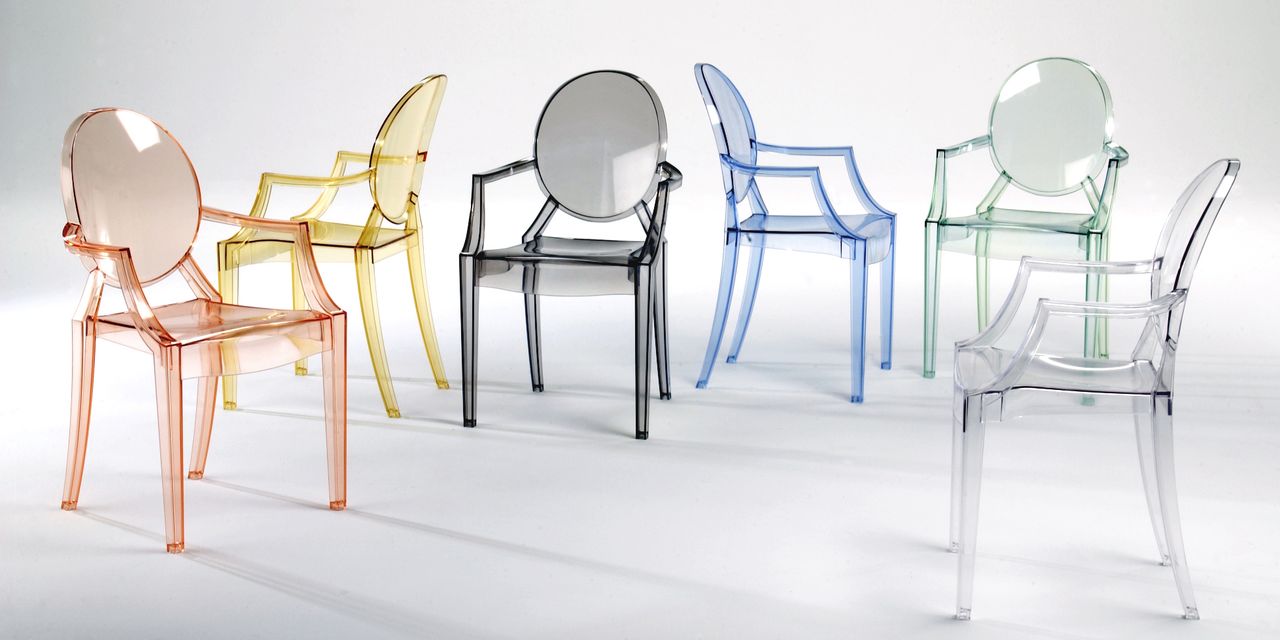
23 Types of Chairs, Explained

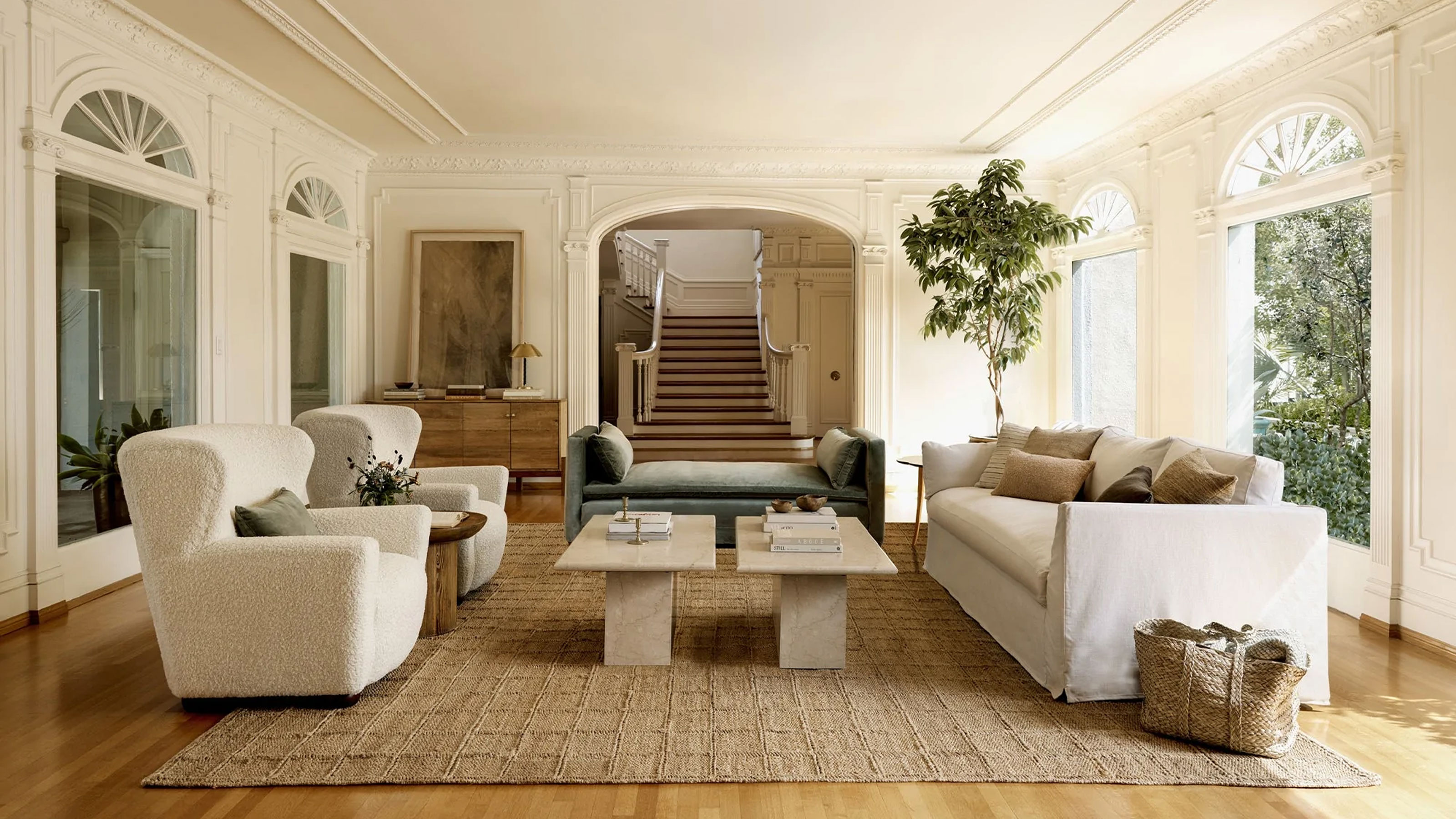
Best indoor furniture stores – 15 of the best places to shop indoor furniture

5 Things You Should Never Do When Buying New Furniture, Designers Spill

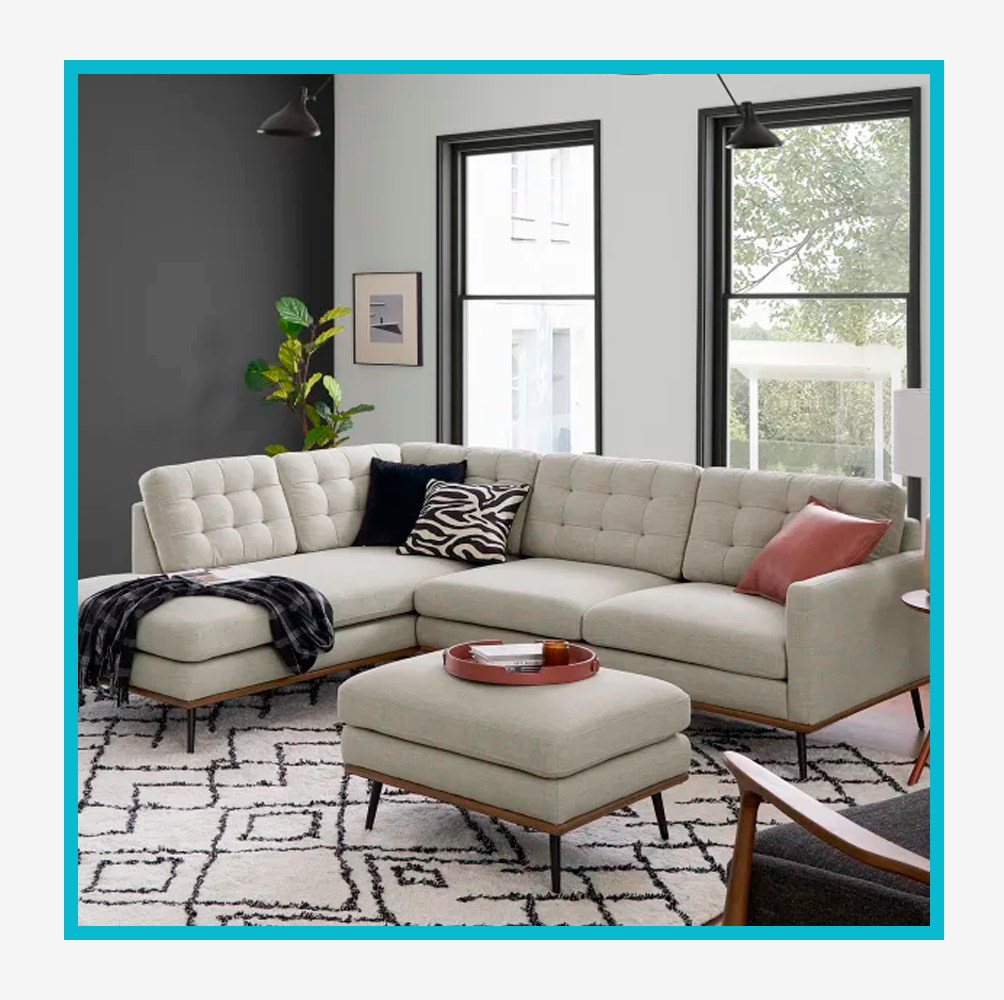
The 17 Very Best Luxury Furniture Brands for the Ultimate Home Upgrade

11 Legendary Interior Design Stars Who Have Tragically Passed Away
Explore Interior Design’s Hall Of Fame Icons On Screen

Best Furniture Design History Lessons Learned in 2023

12 pieces of timeless furniture that will never go out of style |

Outdated Furniture Pieces That Are Having A Comeback

The best interior designers
9 Acclaimed Interior Designers Share Their Most Memorable Tales of Discovery and Disappointment

25 Types of Sofas, Explained

Amy King Pope of AKP Furnish & Design