1/12
Erin Napier’s Clever Design Trick That Works in EVERY Room
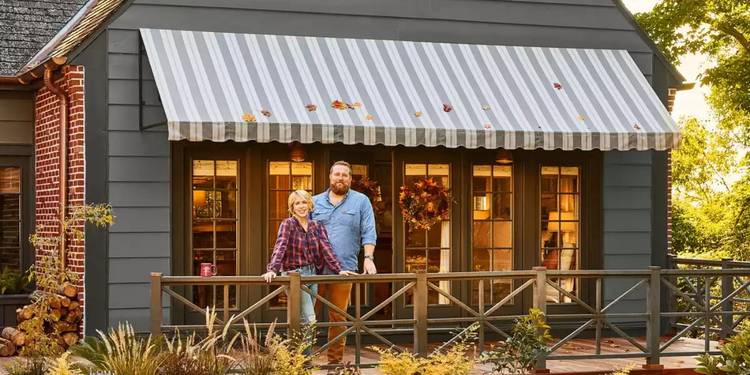
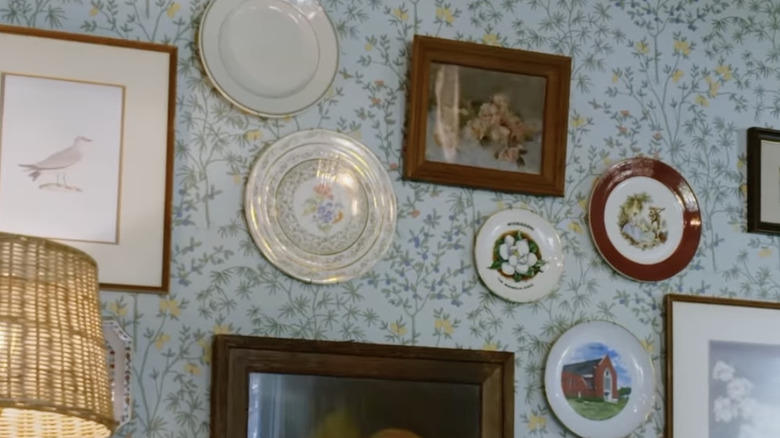
The article discusses the growing popularity of incorporating vintage dishware into interior design as a response to the current trends favoring antiques and nostalgic aesthetics, which include elements like café curtains, pastel tiles, and knotty pine walls. Designer Erin Napier, known from "Home Town Takeover," offers a practical solution for displaying extensive vintage collections beyond traditional storage options like hutches: the plate wall. Napier demonstrated this design technique during the season 3 premiere of "Home Town Takeover," specifically in a Sebring, Florida, dining room. She emphasized the personal and evolving nature of plate walls, describing them as something that can be continuously added to over a lifetime, potentially transforming into a "plate room.
During the episode, Napier's approach involved sourcing plates from local antique shops, including pieces from Sebring Pottery, which paid homage to the town’s founder, George Sebring, a potter and community developer. She also integrated elements from her Mississippi roots, such as a souvenir plate from a Laurel Baptist church, establishing a connection between the two locations. The article notes that while Napier's dining room installation, complemented by a Lemon Grove wallcovering, was particularly appealing, the concept of a plate wall is versatile and not confined to dining areas. Drawing inspiration from Napier's design, the article explores various styles and contexts for implementing plate walls, referencing examples from the "Country Living" archives.
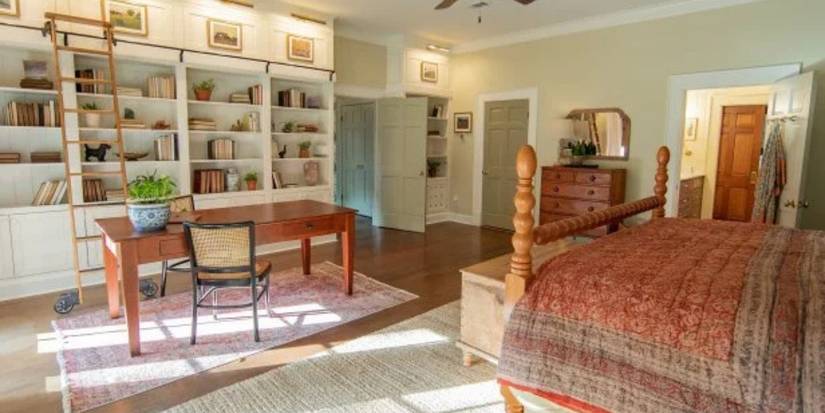
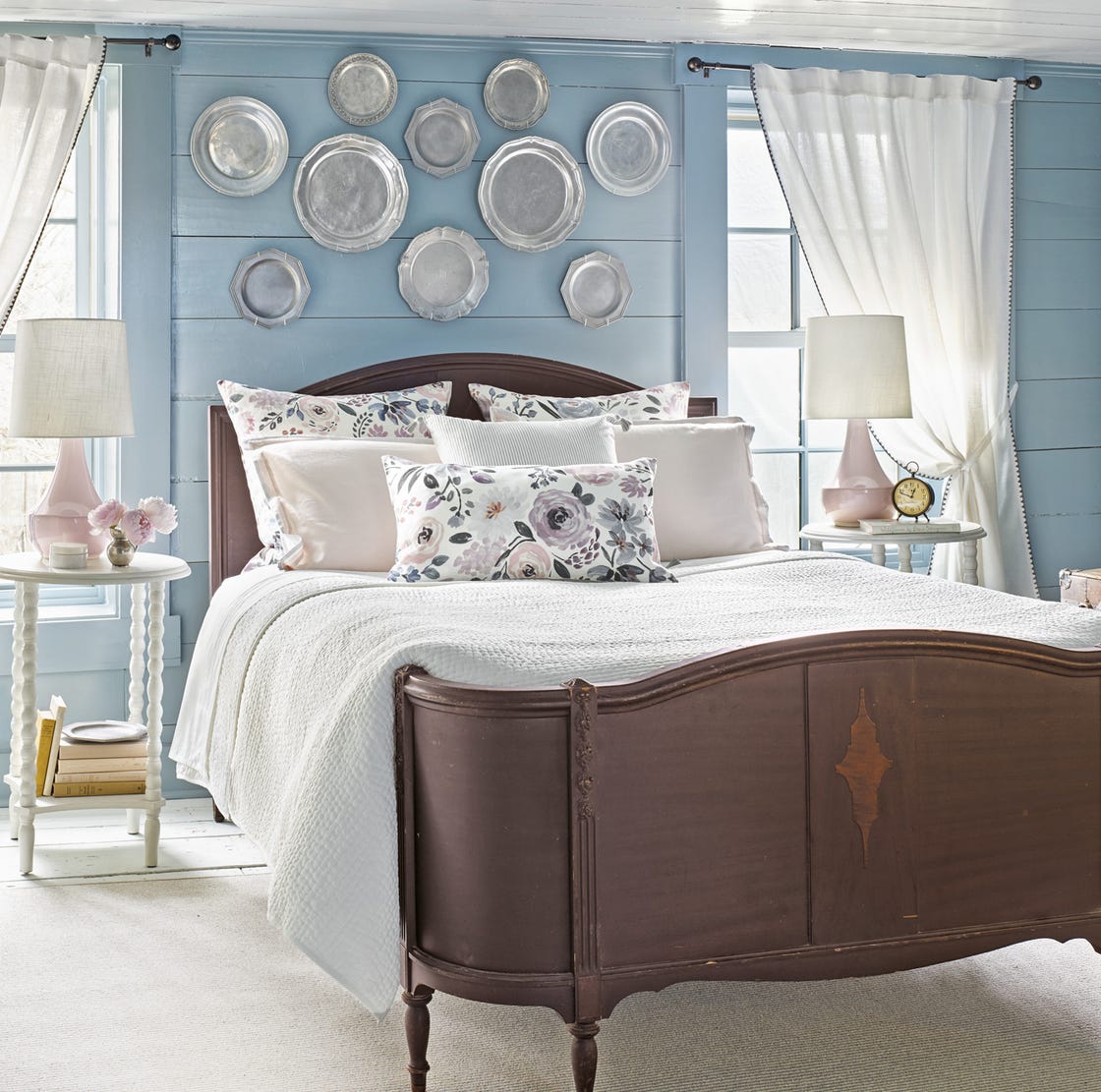
Several approaches to plate wall design are presented. The "Keep It Neutral" method suggests using understated dinnerware like ironstone or milk glass, which works well with patterned walls or bold colors, as exemplified by Marian Parsons' bedroom featuring a pyramid of plates and milk glass dishes against a blue wall. The "Pick a Palette" technique advises selecting plates with a consistent color scheme or motif, such as florals or animals, to create a cohesive yet collected look. An example provided is an arrangement of blue-and-white plates in Holly Mathis’s Texas bungalow. For a more refined ambiance, the "Take Charge" section recommends using pewter pieces like chargers and platters.
The "Let Loose" approach advocates for an organic, winding arrangement, such as a "vine" design up a wall, which fosters a lighthearted atmosphere and simplifies the integration of new pieces over time, illustrated by Stephanie Lynton's cabbageware installation. To introduce personality, the "Add Some Quirk" section suggests incorporating unique items from retailers like John Derian and Anthropologie, as seen with Michaela Gall’s painted face platters in an English-inspired living room. For a more structured aesthetic, the "Go for a Grid" method involves arranging plates in a linear and symmetrical fashion, exemplified by Philip Mitchell’s Limoges fish plates. Additionally, the article proposes flanking a window with plates or platters to achieve symmetry and continuing a collection from a hutch onto the wall to maximize display space, demonstrated by Chenault James’s Blue Willow collection. Finally, the "Circle Round" approach highlights wreath-like arrangements for seasonal or festive displays, such as Spode Woodland dinnerware for Thanksgiving or cabbageware for Easter, providing diverse options for incorporating this design trend into any home.
#InteriorDesign #HomeDecor #VintageDecor #ErinNapier #PlateWalls #DIYHomeDecor #CountryLiving #AntiqueCollecting #InteriorDesign #HomeDecor #VintageDecor #ErinNapier #PlateWalls #DIYHomeDecor #CountryLiving #AntiqueCollecting
0 commenti in totale
 Nessun commento ancora
Potresti anche gradire
This Designer's Clever Trick Will Transform Any Open-Concept Living Space

Genius Storage Solutions From Home Town's Erin Napier You'll Want To Steal
Interior Designer Shares Simple But Brilliant Home Improvement Hacks, Goes Viral


Not Paint Or Artwork: How HGTV's Erin Napier Adds A Splash Of Color To Any Room

Erin Napier’s "Tinfoil Rule" Is the Surprisingly Simple Trick To Avoid a Major Home Design Fail

My Designer Friend Told Me This Is the Easiest Way to Make Any Room Feel Complete

Steal Erin Napier's Beautiful Accent Wall Idea To Transform Your Basic Home
These are the interior trends to leave behind in 2023, according to experts
Pinterest data shows Aussies are obsessed with nooks: How to add these cute spaces to your home


Erin Napier's Creative Design Idea Makes Open-Concept Homes Feel More Cohesive
The Stylish Trick for Creating an Extra Room in Your Home

I didn’t believe in all-neutral design – but Nancy Meyers’ warm, layered living room made me rethink everything I thought I knew about style


How To Make Erin Napier's Vintage Design Tip Work For Any Room In The Home

This is how Nancy Meyers keeps her entryway interesting
"It's Like I'm On An HGTV Acid Trip": People Are Denouncing The Worst Home Design Features


Home & Design | A World of Interiors

Erin Napier Just Revealed the Next Biggest Kitchen Trend We’re All Going To Be Obsessed With
Designers Love This Clever Decorating Trick (It Takes Up Zero Space)

Decorating Ideas for Your Newport House
I Sent Living Room Photos to a Designer — Her Changes Made It Better