




1/2
Choose a countertop to love for years to come
Choosing the right countertop is a crucial decision in kitchen design, as it significantly impacts both aesthetics and functionality. Unlike easily changeable elements like paint or door handles, countertops represent a substantial investment and are not simple to replace. Therefore, making an informed choice that aligns with one's lifestyle, budget, and design preferences is essential. Industry experts and designers emphasize the importance of considering various factors beyond mere appearance and price, including daily usage, maintenance requirements, and potential environmental impacts.
A comprehensive checklist for countertop selection should address how the surface will be used, such as whether it needs to withstand direct chopping, dough kneading, or hot pans. The choice of material also influences whether an undermount sink is feasible. Maintenance is another critical consideration, as different materials have varying levels of resistance to spills, stains, and etching. While some engineered stones are marketed as low-maintenance, even quartz, a popular option, requires prompt cleaning of dark liquids to prevent staining. Natural stones often develop a patina over time, which some homeowners appreciate, but others might prefer a perpetually pristine look.
Cost is influenced by material type, the need for specialized fabricators or installers, and the complexity of patterns. Materials with strong veining, for instance, may require more product and labor to achieve a cohesive appearance, potentially increasing costs. Seams are a design element that can significantly impact the visual outcome, particularly with patterned materials. Rebecca West, an interior design coach, advises careful consideration of how fabricators lay out and align veins and seams, which might necessitate purchasing extra material.
The human and environmental costs associated with countertop materials are also important. Quartz, despite its popularity due to its aesthetic appeal, moderate price, and stain resistance, poses significant health hazards to workers involved in its fabrication and cutting. Inhaling silica dust, a byproduct of this process, can lead to silicosis, an incurable lung condition. This concern has led to bans in some regions and emergency safety measures in others, prompting designers to consider natural stone alternatives like granite or porcelain.
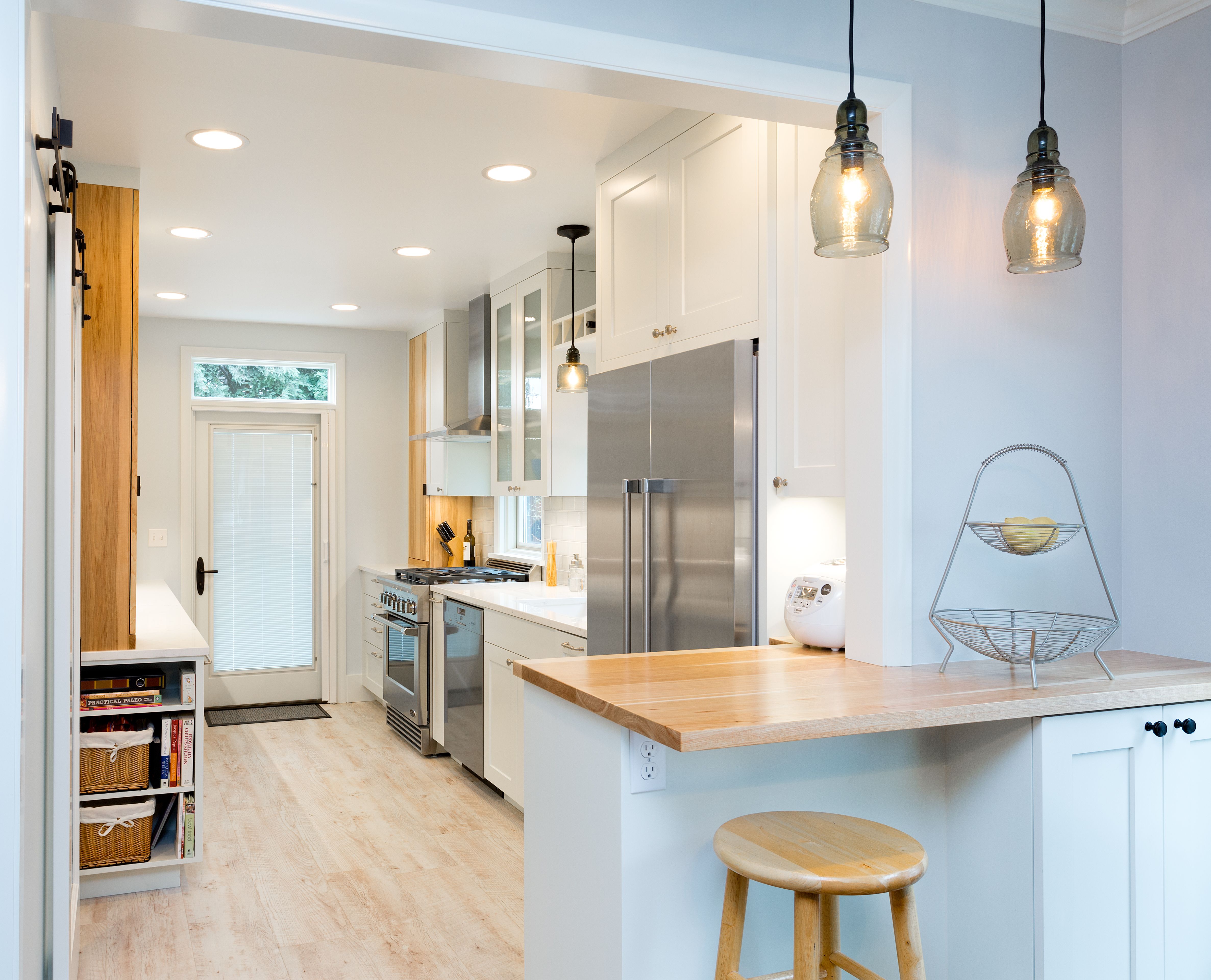
When it comes to design, countertops can introduce style, color, pattern, and temperature to a room. They can balance cold metal appliances and solid cabinetry to create a welcoming space. However, designers advise against over-patterning; if a backsplash or floor tile is already heavily patterned, a simpler countertop might be more appropriate. Conversely, a boldly patterned countertop can serve as a focal point in a room with understated cabinetry and flooring. Natural stones like granite and marble exhibit variability, making it advisable to view the specific slab before purchase. Tiled countertops are generally out of favor due to the difficulty of keeping grout lines clean.
Several countertop options are available, each with distinct pros and cons. Granite is durable and offers a wide range of colors but typically requires regular sealing. Marble provides a classic look but is susceptible to etching and staining from acids. Soapstone is a nonporous natural stone that is easy to care for and does not require sealing, though it can ding over time. Quartz is long-lasting and aesthetically versatile but presents health risks for fabricators. Large format porcelain, like Dekton, is very durable and can mimic natural stone but has brittle edges and requires specialized installation. Solid butcher block offers a warm aesthetic and can be refinished, but it is prone to scratches and requires resealing. Laminate, such as Formica or WilsonArt, is cost-effective, easy to clean, and warm to the touch, and can imitate stone, but it cannot accommodate undermount sinks and is not heat-resistant. For those indecisive, combining different materials, such as using an accent material for an island, can create visual interest and functionality.
#KitchenDesign #CountertopMaterials #HomeImprovement #InteriorDesign #MaterialSelection #QuartzCountertops #NaturalStone #HomeRenovation #KitchenDesign #CountertopMaterials #HomeImprovement #InteriorDesign #MaterialSelection #QuartzCountertops #NaturalStone #HomeRenovation
 Nessun commento ancora