



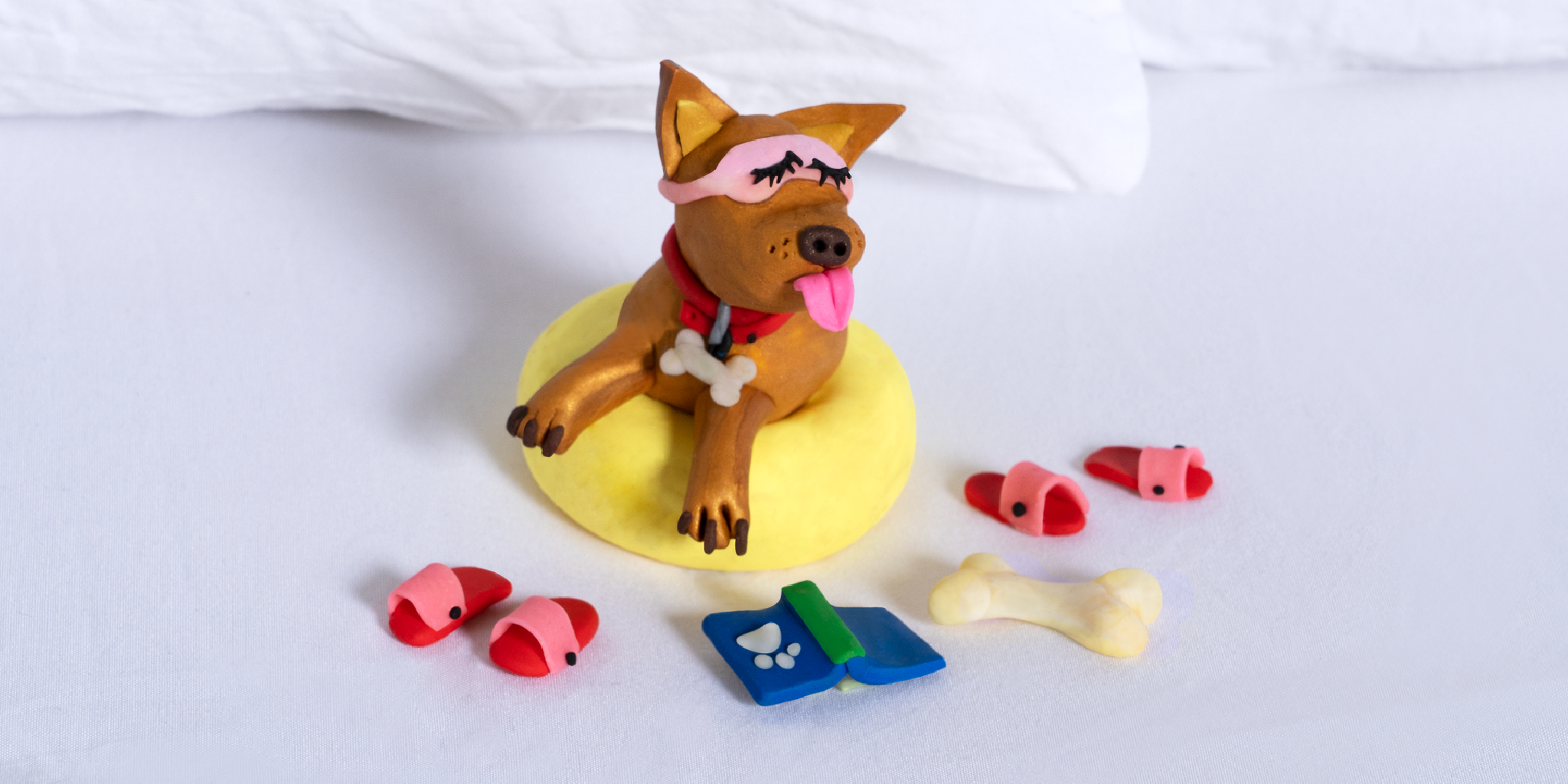
Ask Wirecutter: Should I Kick My Dog Out of My Bedroom at Night?
This article addresses a common household dilemma: how to navigate co-sleeping with a dog when one partner's sleep is disrupted. The author, Annemarie Conte, responds to a reader's concern about a dog named Jim who causes sleep disturbances through licking, farting, and occupying personal space in bed. The reader also mentions that her partner is unaffected and doesn't mind the bedding getting dirty.
The article offers several practical solutions to mitigate these sleep incompatibilities. The first suggestion involves addressing noise disruptions. This can be achieved by using a white-noise machine to mask dog (and human) noises and by removing the dog's collar at night to prevent tag jingling. The article specifically recommends the LectroFan EVO white noise machine and Mack’s Slim Fit Soft Foam Earplugs for this purpose.
The second set of recommendations focuses on setting boundaries. The author shares her personal experience of designating her bed as a dog-free zone while allowing her dog access to other soft surfaces in the house. This approach helps prevent issues like smelly sheets or wet spots from licking. For readers who prefer to keep their dog in the bedroom but not directly on the bed, the article advises placing a dog bed or pillow at the foot of the human bed. Positive reinforcement is highlighted as a key method for training the dog to stay in its designated sleeping area. The Majestic Pet Suede Bagel Dog Bed is suggested as a suitable option, with a general recommendation to find a dog bed that suits the pet's preferences. If a dog is crate-trained, a compromise could involve allowing them on the bed before bedtime, then moving them to their crate for the night. For partners who miss snuggling with their pet, a body pillow is offered as an alternative.
Thirdly, the article addresses bedding hygiene when co-sleeping with pets. Senior staff writer Jackie Reeve's advice is referenced, emphasizing the need for extra care. Key tips include wiping the dog's paws after outdoor excursions to reduce dirt, and committing to more frequent bedding changes. The recommendation is to change sheets every three to four days if a dog sleeps in the bed, compared to the usual weekly change. Duvet covers and blankets should be washed monthly, and pillows and comforters more often if the pet sleeps directly on them. Adding an inexpensive top layer, like a sheet or old blanket, can also protect main bedding. The article also acknowledges that if one chooses to let a pet who likes to tear and scratch sleep in the bed, one must accept the potential damage to expensive bedding. Budget-friendly options for sheets and comforters are mentioned to lessen the financial impact of frequent replacements.
The fourth solution involves upgrading the bed itself. For mattresses with significant bounce that disturb sleep due to a partner or pet's movements, a memory-foam mattress is recommended for its superior motion isolation. The Novaform 14″ ComfortGrande Advanced Gel Memory Foam Mattress from Costco is highlighted for its value and motion isolation capabilities. Additionally, moving to a larger mattress size, such as a king or California king, is suggested if space permits, as it can provide more room for everyone. This is presented as a long-term investment, requiring new bed frames and bedding, but ultimately worth it for a good night's sleep.
Finally, if none of the above options work, the article suggests considering separate sleeping arrangements for the couple. It cites reasons from sleep scientists for why sleeping in separate rooms might be beneficial for relationships, challenging the traditional notion that couples must always share a bed, especially when sleep is compromised by a crowded sleeping environment.
#PetSleepingHabits #SleepHygiene #BedroomBoundaries #DogCare #RelationshipAdvice #HomeComfort #ProductRecommendations #PetSleepingHabits #SleepHygiene #BedroomBoundaries #DogCare #RelationshipAdvice #HomeComfort #ProductRecommendations
 Nessun commento ancora